sharing is caring

It happens regularly that we’re asked about WHAT MAp is. Are we a creative hotel agency? A hotel branding firm? A hotel marketing agency? Or are we a hotel consultancy?

Over the last 10 years, we’ve asked ourselves these questions too, and today we share with you our thoughts about WHAT successful hotel consulting is, HOW we approach hotel consulting at MAp and WHY and WHEN hoteliers should consider collaborating with a hotel consultancy.
Untertitel
What it is and why it might be for you
Blog main image
Hotel-Consulting Hotelberatung MAp Boutique Consultancy Zurich Switzerland
Paragraphs

When we started MAp approximately 10 years ago, we avoided the term “hotel consulting” or “hotel consultancy” nearly entirely. Why? Because coming from management and operational roles in boutique and independent hotels, we collaborated with many hotel or hospitality consulting firms and felt we got a lot of “blah blah blah” without any practical grip. That the ideas seemed to be good on paper, but there was no way (or not enough budget and/or wo-men power available) to make them work in real hotel life.

But then in 2020, we started our own rebranding and repositioning process, and by talking to clients and partners we realised that at the core of it all we ARE a hotel consulting agency offering an array of helpful services to independent and boutique hoteliers.

Only then, we added the term to our brand name “MAp Boutique Consultancy,” and officially labelled MAp a hotel consulting firm. However, not without first making sure that we approach hotel consulting in our own unique MAp style :-). 

HOW do we approach hotel consulting at MAp?

Based on our deep experience in operational and management roles in boutique and independent hotels, as well as in branding, marketing and web agencies, there are a few basic rules we follow at MAp when consulting hotels:

1. Our hotel consulting is practical and actionable!

Yes, as part of our hotel consulting services we share theoretical insights, market data, trend forecasts, etc. However, we elaborate the content in such a way that our clients and hoteliers can work with it = that they understand what all this means for their hotel operations and team members in terms of goals, action steps, initiatives, etc. If it is not practical and actionable – it is NOT happening.

2. #Stepbystep This is one of MAp’s core mantras for a reason!

Successful and sustainable hotel consulting is a process and needs to be adapted to operational realities as well as to the timing and rhythm of hotel clients. Only if the approached topics build on each other and hotel consulting is seen as a #stepbystep process, we can achieve sustainable success and keep the involvement and motivation of our clients and hotel team members high.

3. Everything is figuroutable.

Every hotel is a microcosm on its own. Sometimes it feels like a small little village with its own culture and dynamic. And even if there are some basic rules that apply to every hotel business, there are also individual problems that need to be addressed with tailormade solutions. And this is something we truly love about our job as hotel consultants: To dig deeper, to explore new options, to look at other industries, to find partners and the right inspiration. Because something we have proven over and over again to ourselves and to our clients is: Everything is figuroutable! Thank you Marie Forleo.

See hotel consulting not only as a potential tactic to solve your problems
but to bring your hotel and business to the next level.
@weareMAp

WHEN and WHY should hoteliers consider collaborating with a hotel consultancy?

Now of course you might ask: Is it time for me to collaborate with MAp as a hotel consultancy? The answer is yes, if:

1. You need expertise and knowledge.

That’s the number one reason that clients start collaborating with us. They need expertise they just don’t have in-house. For example, when they want to rebrand their hotel, strengthen or evaluate their hotel positioning, or the moment when they embark on a hotel development process.

2. You need an external point of view

As a hotel owner or manager, you are so deeply involved in operations or working for so many years in the same hotel, that you turn “operationally” blind. When you realise that you are not able anymore to evaluate situations in a subjective way, it’s time to bring in an outside perspective.

3. You need extra wo-men power and/or a sparring partner

Especially when collaborating with independent and boutique hotels, we see that we don’t only act as external consultants, but quickly turn into an external department that supports the management and various department heads with a wide array of services. We also realise how helpful it is for our clients to have someone sitting “outside” they can approach with questions and as a sparring partner.

We hope this blog post gave you some good insights on HOW we approach hotel consulting at MAp, and when it might be time for you to start a hotel consultation to optimise your results.

Before we sign off, our last piece of advice for you: Consider hotel consulting BEFORE the sh*t hits the fan. Unfortunately, we’re often approached by hoteliers when the situation is already more than dire and hotel consulting is equal to cost-cutting in order to survive in the short-term. Don’t let that happen and invest in hotel consulting and strategic guidance well ahead. See hotel consulting not only as a potential tactic to solve your problems but to bring your hotel and business to the next level.

4. Keep it positive and inspiring!

One thing we learned right away when we started our hotel consultancy is: the HOW often matters more than the WHAT. Of course, we must know our job and deliver expert advice, but one thing that attracted and retained clients over the years was our spirit of unshakable optimism and expressing this positivity in our work (BTW: positivity is one of our leading values). Therefore, the fourth of our basic rules of hotel consulting is to add positivity, playfulness, and some colour and inspiration to our work.

5. Set new goals and objectives every year.

As we mentioned earlier, hotel consulting is a process, and with some of our clients we collaborate for many years. Therefore, it is of utmost importance to keep it fresh and creative. To set new objectives at the beginning of every year to keep everybody involved motivated and thriving. It’s critical to continuously learn and grow together to achieve the best results.

Hotel Concept Development

First the concept, then comes the rest

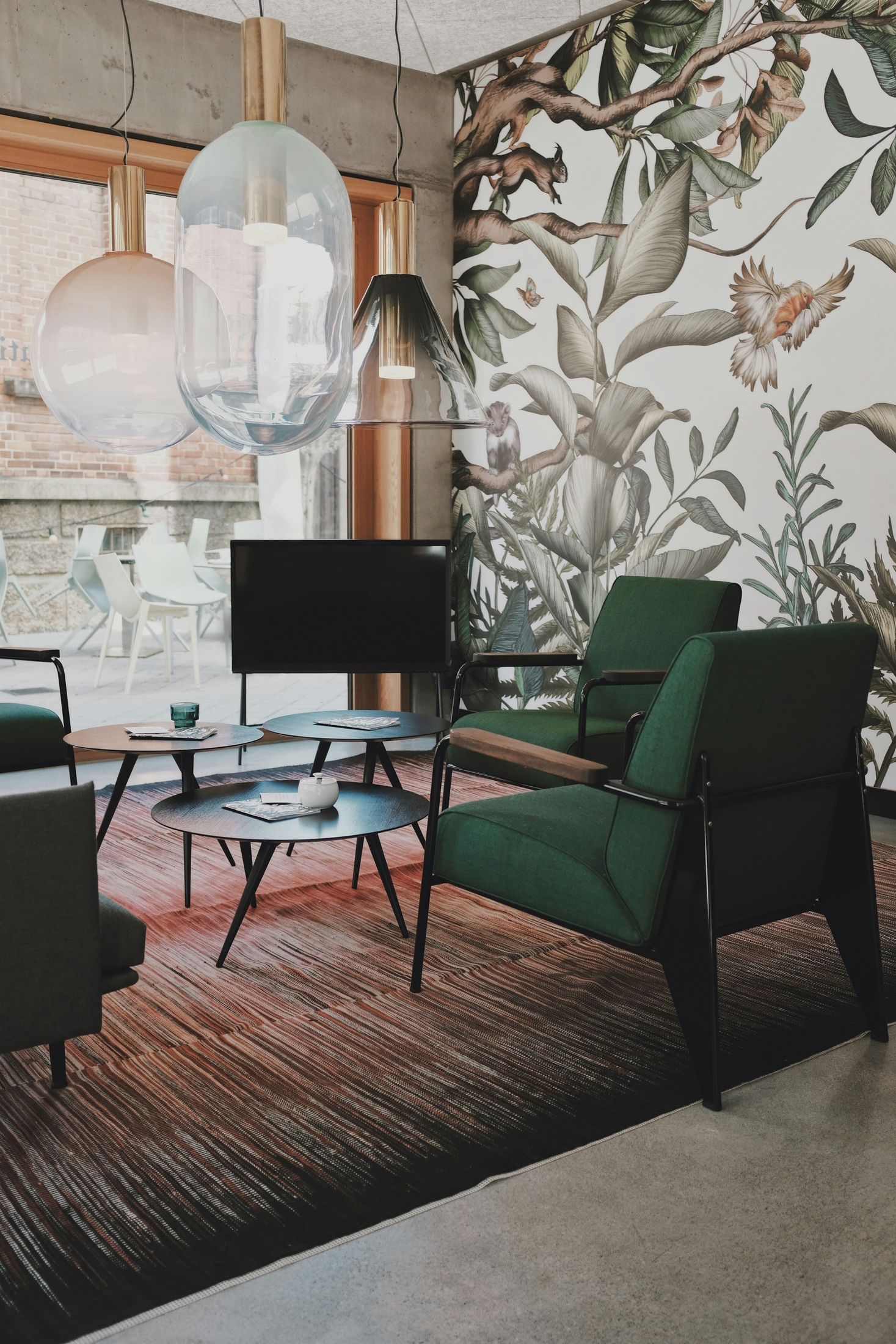
A sustainable hotel concept helps you to gain clarity, use resources efficiently, plan ahead, stand out from the crowd, build alignment and, ultimately, create a better future for your hotel – and for people and planet.
Blog Block Image
Hotel-Consulting Hotelberatung MAp Boutique Consultancy Zurich Switzerland

Add new comment

Comment

Order

Plain text

  • No HTML tags allowed.
  • Lines and paragraphs break automatically.
  • Web page addresses and email addresses turn into links automatically.
Types
sharing is caring

Today we are happy to sit down with one of our student mentees, Jennifer Renggli, an undergraduate at the University of Applied Sciences of the Grisons. Jennifer recently defended her thesis “Concept development in Swiss unaffiliated hotels” successfully with the highest score! During the joint mentoring year, Jennifer’s love grew towards our favourite topic – hotel concepts – and she therefore decided to dedicate her thesis to it (and that means: a LOT of work).

For this thesis, we at MAp acted as co-advisor. So, before we dive in, a big thank you goes out to Prof. Norbert Hörburger, deputy head of research & services ITF at the University of Applied Sciences of the Grisons, and the advisor of the thesis. Furthermore, we also want to thank Riccarda Ryffel who’s in charge of the mentoring programme and the reason why we got in touch with Jennifer in the first place. The great collaboration during our mentoring year gave rise to the idea that Jennifer, with our support, tackle her BSc thesis. Now we learn more about the great result and many insights gleaned during this process. 

Untertitel
MAp meets Jennifer Renggli, student at the University of Applied Sciences of the Grisons
Blog main image
The hotel concept is like a puzzle.
Paragraphs

Dear Jennifer, congratulations on receiving top marks on your thesis! As you noted in your thesis, hotel concept development has barely been addressed in academic literature, so why did you choose to tackle it as the subject of your bachelor thesis? What sparked your interest – besides our close contact during your mentoring year?

Thank you very much! I remember a conversation with a fellow student who enthusiastically told me about your work at MAp. My first thought was: “Hotel concept creators? Is there such a thing?" As probably many others, I had never heard of hotel concept development. A bitter conclusion when you consider that the subject is all the more important nowadays. After all, the hotel industry is facing completely different challenges than it was 10 years ago, when free WiFi was a unique selling point.

During my time as a flight attendant, I had the privilege of staying in many well-known hotels around the world. In contrast to the hotel chains, which can pull a suitable brand out of the drawer for every guest need, independent hotels have to develop their "concept" themselves.

The complexity already begins here; a hotel concept sounds fancy, everyone claims to have one, but in truth the term is abstract and difficult to define. So on the one hand there was the hotel concept development, which from a theoretical point of view is almost undefined, and on the other hand there was the urgency for unique and competitive hotel concepts in practice. A paradox that was made for research work ;-)

The hotel concept is like a puzzle.
To solve it, you need a methodical approach and creative imagination.
via @weareMApeople


Before we get into it, how would you define what a hotel concept is? And why is it so critical to the strategic planning process for hotels?

The simple answer is: a tailor-made and long-term oriented document for the strategic direction of the hotel project. However, this definition would not do justice to the term “hotel concept.” A hotel is much more than a restaurant and overnight accommodation. It is a place of encounter, interaction and sensory experiences. Furthermore, it is also a property and a business model where the needs and expectations of a wide variety of stakeholders meet. As a result, a harmonious interplay of so-called hard and soft factors is required in order to develop a coherent and holistic hotel concept.

The hotel concept is like a puzzle. To solve it, you need a methodical approach and creative imagination. Specifically, a strategic basis is required. This results from a well-founded analysis of the market, environment and trends. An individual concept can then be formed from this, which takes into account aspects such as architecture, design, sensors but also the direct and indirect influences on people and the environment. The result of this development process is a clear “raison d’être” for the hotel project.

What did your study set out to achieve? And what approach and methods did you use to reach this destination, i.e. your overall aim?

Although there are numerous studies on hotel management and project development, to the best of my knowledge, hotel concept development has not been discussed much in theory or in practice. Consequently, with my thesis I wanted to make a small but significant contribution to this existing knowledge gap.

To do this, I wanted to research how the industry understands the term “hotel concept” and how widespread hotel concept development is in the Swiss hotel industry. To this end, I conducted interviews with industry experts, hotel owners and managers. The research focus was on non-branded hotels in rural areas. The exploratory nature of my research enabled me to develop a deep understanding of the topic and to gain insights into the status quo of hotel concept development.

You interviewed both industry experts and hotel managers/owners: what did your findings reveal in terms of their understanding of what hotel concepts are and their practical use? What did you deduce from this?

Basically, the industry experts as well as the hotel owners and managers found it difficult to define a hotel concept in words. This is because a concept is more often associated with an idea than with a strategic document. It is not uncommon for the concept to be understood as part of the business plan in practice.

While the industry experts are generally of the opinion that a hotel concept should be as holistic as possible, hotel owners and managers primarily associate it with their hotel product. For example, they named the extraordinary interior design or the diverse gastronomic offer as important for “their” hotel concept. It was noticeable that the questioned hoteliers developed their concept based on experience, assumptions and gut feeling. Some even honestly admitted that nothing was planned in their hotel, but simply made. This approach is contrary to the expert opinion and the current literature, which suggests that a concept should be based on facts. As a result, it was not surprising that in the five out of six hotel projects examined, no written hotel concept was developed using a strategic planning process.

These facts strongly suggest that written hotel concepts are the exception rather than the rule in the Swiss hotel industry (unless an external consulting agency is involved). A possible reason for this is the fact that the purpose and benefits of hotel concepts are simply too unknown in the hotel industry.

What do you see as the risks to not having a proper hotel concept in place for hotel managers/owners? As it relates to the hospitality industry as a whole, what can we do to mitigate these risks and ensure hotel concept development becomes more commonplace?

Hotel projects are usually long-term, costly and risky projects. I believe that if you want to sail to a distant destination, you need to know the right course to actually get there. Only very few people manage to steer “on gut feeling,” so navigation is the only solution. This guiding document is a holistic hotel concept for all stakeholders involved. Without a hotel concept, however, those stakeholders and partners involved run the risk of losing the course or missing the right one from the start. This may only show up after the opening in the form of operational and financial difficulties. That is why it is important to deal with the hotel concept at a very early stage of the hotel project, regardless of whether it is a new building or renovation.

I see a great opportunity here for hotel consulting agencies as well as industry associations and universities, which can take up the topic further and spread the necessary know-how. For example, students at the Graubünden University of Applied Sciences develop a hotel concept directly on a case study. As young professionals, they can use this knowledge to bring new impulses to companies.

Now that you’ve successfully defended your thesis, what are your post-graduation goals and plans? How do you want to change the hospitality industry?

During my research time, I received great positive feedback and interest from the interviewees surveyed. I'm pleased because it shows that the industry is already rethinking. As a practitioner, however, it is important for me not to lose an understanding of the daily challenges in practice, despite having all the theoretical basics. After all, we don't just want hotel concepts that sound good on paper, but also ones that work in everyday business over the long term. This is a tightrope walk that I will certainly take on in the future.

As always, our final MAp meets question: what makes a hotel experience a truly outstanding one for you personally?

Being a “guest” is always a very personal experience for me and it becomes unforgettable when I am in harmony with the place and the people around me. It doesn't matter whether it's a luxury resort or a guesthouse - because the feeling of "arriving" is not created by star categories or brands, but from the heart.

About Jennifer Renggli:

Jennifer graduated from the University of Applied Sciences of the Grisons in Chur with a bachelor’s degree in Tourism and holds a Federal Vocational Certificate as a Media Technician. Having caught the travel bug on her first solo trip to Indonesia, she lived in the United Arab Emirates until 2018 and worked as a cabin crew member for an international airline. She takes joy in writing about her travel memoirs and is a regular in dinky coffee shops.

Blog Block Image
The hotel concept is like a puzzle.

Comments

Ricky Sharma

Nice! This opens up my view of the hotel industry. Many new and previously undiscussed points there!

Karsten Schmidt-Hoensdorf

Thanx, interesting challenging points of interest identified and discussed!

Add new comment

Comment

Order

Plain text

  • No HTML tags allowed.
  • Lines and paragraphs break automatically.
  • Web page addresses and email addresses turn into links automatically.
Types
sharing is caring

Excerpt: COVID-19 has changed the game, and it’s time for hotels to catch up. In this blog post, we dive into the trends that have shaped, and continue to shape, the hospitality landscape as we look to the rest of the year. We’re happy to report the pandemic has shifted travel so that it is slower, more purposeful, and better for the planet, while meeting traveller’s important needs: privacy, value, productivity. Read on for what these trends mean for hotels when it comes to crafting or sharpening their hotel concepts.

Untertitel
What will be the next BIG thing?
Blog main image
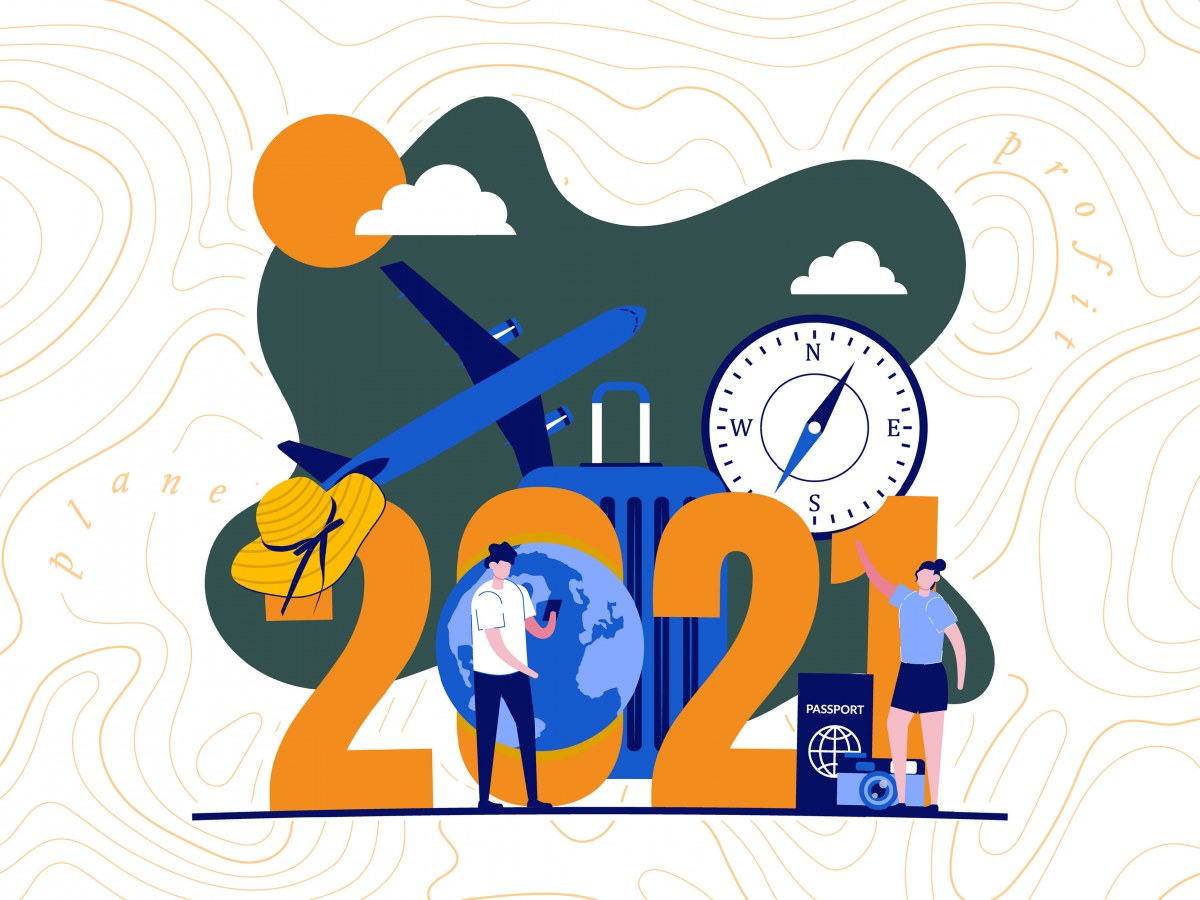
Hotel Concept Trends 2021
Paragraphs

Our blog post, “When sh*t happens, shift happens”, says it all. Due to the COVID-19 pandemic, people’s needs and wants have fundamentally shifted, which has in turn ushered in a wave of trends. At MAp, we believe that your people should always be at the centre of what it is you do, so success will ultimately hinge on how hotels respond to the key trends poised to shape the year ahead.

We’ve taken the time to monitor the market’s new developments and pick the most important ones. Without further ado, MAp presents our top hotel concept trends to watch for in 2021:

We’re happy to report the pandemic has shifted travel so that it is slower, more purposeful, and better for the planet,
while meeting traveller's important needs.
via @weareMApeople


Hotel Concept Trend #1: Regenerative Travel

You’ve heard of sustainable travel, but have you heard of regenerative travel? The principle of regeneration goes one step further than sustainability, which aims toward neutral impact, to reverse and repair the damage to our environment and local communities. It’s no longer about minimising impact, but taking critical actions to heal the earth and its people, or as the New York Times puts it simply: “leaving a place better than you found it.” For hotels, regenerative measures include providing guests with opportunities to partake in restoration projects or funding educational initiatives.

Regenerative values are emerging as the future of travel, as COVID-19 has forced travellers to reflect on the basic notions of why and how we travel, creating a paradigm shift in the industry and a demand toward making net-positive contributions to all stakeholders. And travel as a force for good is needed now more than ever, as destinations heavily reliant on tourism have been decimated by the pandemic, creating an acute need to rebuild impacted communities.

Considerations for your hotel concept:

According to Regenerative Travel, the following principles should guide hotels in developing hotel concepts that are truly regenerative.

  • Incorporate whole systems thinking. Consider all stakeholders and elements, such as the physical land, in your decision-making, taking into account potential ramifications.
  • Honour the sense of place. Weave the local community – its culture, practices, history, heritage, etc. – into every aspect of the guest experience.
  • Partner with and include the local community. Bring in the diverse expertise and intimate knowledge of community members when planning, constructing and operating your hotel.
  • Have a purpose. At MAp, we believe purpose is key! Determine what your purpose is, and from that create an aspirational vision and mission that inspires your guests.

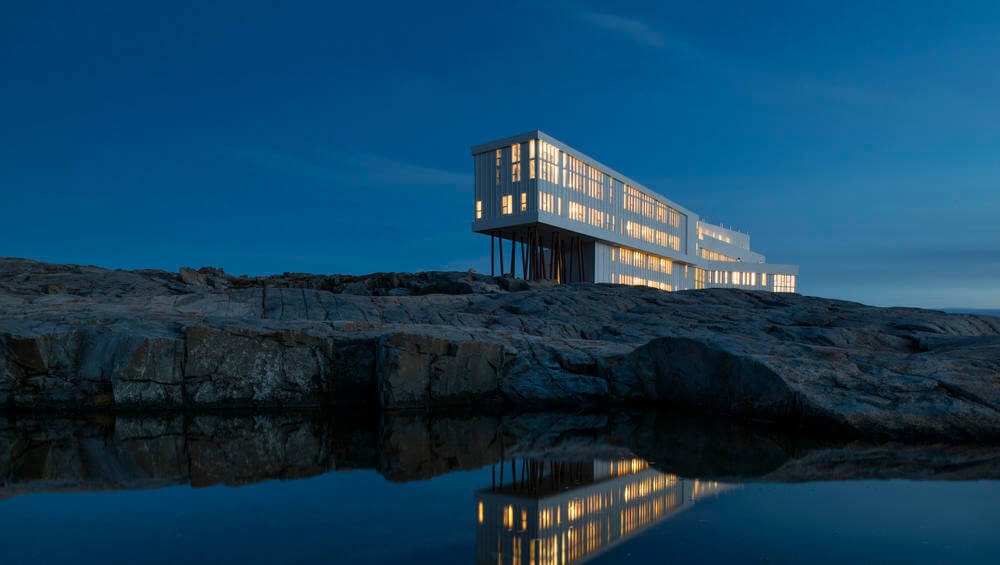
Inspiration: Fogo Island Inn

Hotel Concept Trends 2021

Hotel Concept Trend #2: Remote Working

If there’s anything we’ve learned from the pandemic, it’s that remote working is here to stay. And while some will opt to #workfromhome, others will opt to #workfromhotel, taking their work on the road with them as they set out to explore the world. Hotels, therefore, should be well-positioned to support this mobile and global workforce – and that means going beyond the lobby-as-co-working space model.

Instead, hotels should strive to understand what it is this segment wants and needs – and deliver! Remote workers have extremely high standards when it comes to their ability to do their jobs, so be focused on creating private and productive working environments, upgrading your tech capabilities and giving guests the amenities they need be at their best – on and off the clock.

Considerations for your hotel concept:

  • Build a community. Provide opportunities for remote workers to connect with, learn from and support each other.
  • Be functional and flexible. No one works the same way, so make your rooms work-friendly and flexible (that’s right – put those desks on wheels!).
  • Strike a balance between work and pleasure. Give remote workers what they need to be productive, but also what they want when it comes to unwinding after a long day “at the office.”
  • Don’t forget the locals. Cater to local workers looking for a change-of-scenery from their home offices.

Inspiration: gravity haus

Hotel Concept Trends 2021

Hotel Concept Trend #3: Value

Times are tough and budgets are limited. And this has led to the resurgence of the “value traveller” – not to be confused with the “budget traveller,” often associated with the term cheap.

Value travellers are looking to stretch their money as far as possible. While they are cost-conscious, they are willing to spend where their priorities lie. But what they’re not willing to do? Sacrifice quality or comfort. They are well-travelled and have just as high of standards as the next guy.

Value travellers seek out transparency on cancellation and refund policies, free breakfasts, activities at little to no extra charge. But also comfy beds, room service, luxe amenities. For this segment, it’s about finding the right balance.

Considerations for your hotel concept:

  • Throw in freebies. Everyone appreciates a good freebie!
  • Determine amenity must-haves. Figure out and incorporate those amenities that matter most for your target audience.
  • Create a loyalty programme. Reward return guests with extra – and free – perks.
  • Sell hotel packages. Combine accommodation, transport and activities into one attractive rate.

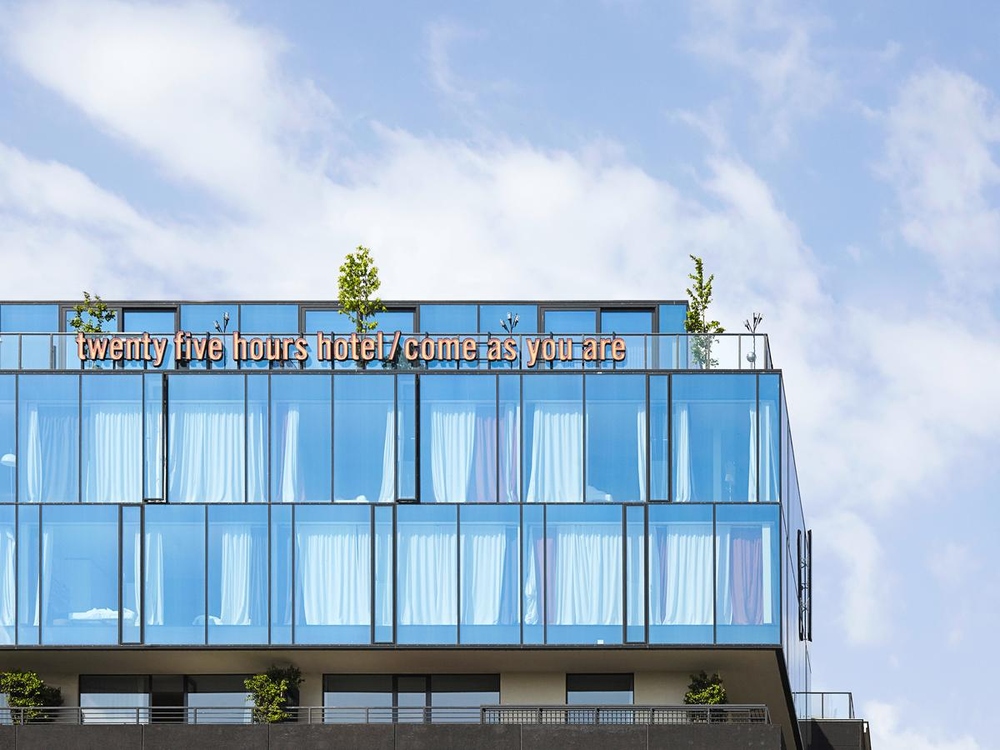
Inspiration: 25hours Hotels

Hotel Concept Trends 2021

Hotel Concept Trend #4: Privacy + Seclusion

The year 2020 proved that privacy is the new luxury. As we’ve seen, private forms of accommodation have surged during the pandemic. Travellers are seeking out more remote, secluded and off-grid destinations, away from the crowds and nestled in nature – that’s what people crave after all this time spent indoors! And on top of that, they’re travelling in small groups or with family members (expect a swell in multigenerational travel), therefore opting for villas, cabins or holidays homes that are more spacious, accommodating – and you guessed it - private.

This trend has been a boon for Airbnb and Vrbo, but not for traditional hotels that simply can’t offer the same levels of privacy. However, hotels that cater to this new mindset will reap the rewards of more reservations.

Considerations for your hotel concept:

  • Weave in nature. Wherever possible, provide opportunities to soak up surrounding nature through guided hikes and the like.
  • Consider the destination. For any future hotel projects, the rule of thumb is: the more secluded, the better.
  • Provide luxury services. Think airport pickups, dedicated butlers and private chefs.
  • Rethink the hotel room. Switch up the standard by introducing private villas or even tents.

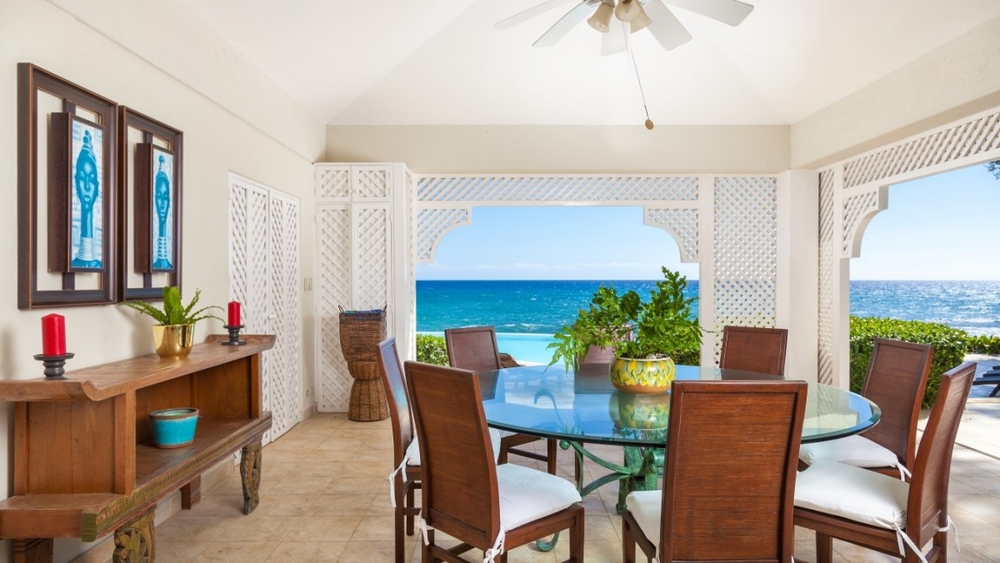
Inspiration: Casa de Campo

Hotel Concept Trends 2021

Hotel Concept Trend #5: Slow + Purposeful Travel

As a purpose-driven boutique consultancy, this is a trend we’re excited about!

After a year of sitting inside, it seems that travellers have acquired a taste for a slower pace. That’s where the concept of “slow travel” comes in. Slow travel aims to give travellers a rich understanding of life in a destination through interactions with locals and immersive experiences. We expect to see travellers spend more time discovering a destination and visiting fewer places during a single trip - while enjoying more experiences, culture and traditions.

And this goes hand-in-hand with “purposeful travel,” or the idea of travelling more responsibly and with purpose. It’s intentional and immersive, conscious and connected —with yourself, the destination, and the greater world.

Considerations for your hotel concept:

  • Connect to place. As stated above, incorporate the destination into all aspects of your hotel – from the design, to the food, to the services, and beyond.
  • Create immersive experiences. Give guests the opportunity to immerse themselves with and learn about local people, culture and heritage, and history.
  • Take it slow. Focus on creating a relaxing retreat where guests can unwind.
  • Be more purposeful. Determine your own “why” that drives you. As we at MAp like to say: “You first have to stand for something, before you can stand out for something.”

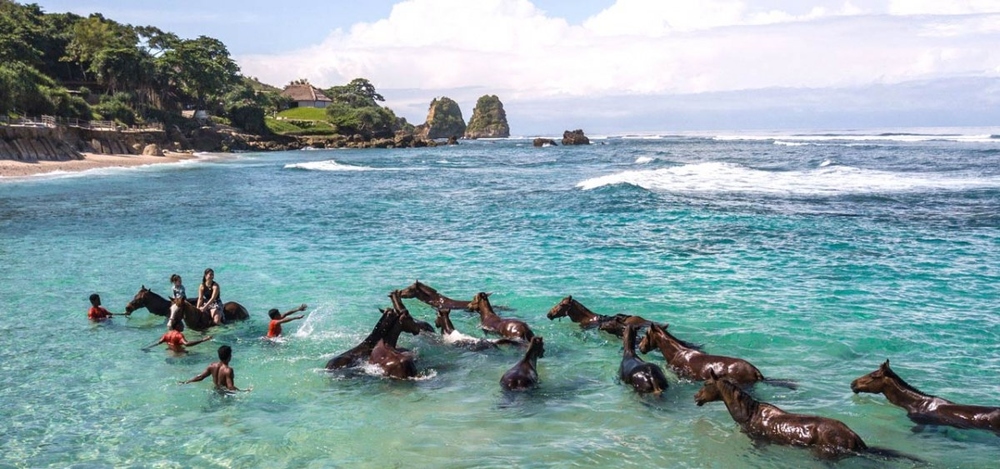
Inspiration: Nihi Sumba

Hotel Concept Trends 2021

Conclusion

That’s a wrap on MAp’s top hotel concept trends for 2021! While the hospitality industry has been forever changed (and as evolution tells us: when something changes, it’s usually for the better), we can agree that it has to evolve and reinvent itself in order to take advantage of the opportunities and cope with the challenges it faces. Ever the unshakable optimists, we believe the industry will come out on top!

#onwards

Photo Credits: Fogo Island Inn, gravity haus, 25hours Hotel, Casa de Campo, Nihi Sumba

Blog Block Image
Hotel Concept Trends 2021

Add new comment

Comment

Order

Plain text

  • No HTML tags allowed.
  • Lines and paragraphs break automatically.
  • Web page addresses and email addresses turn into links automatically.
Types
sharing is caring

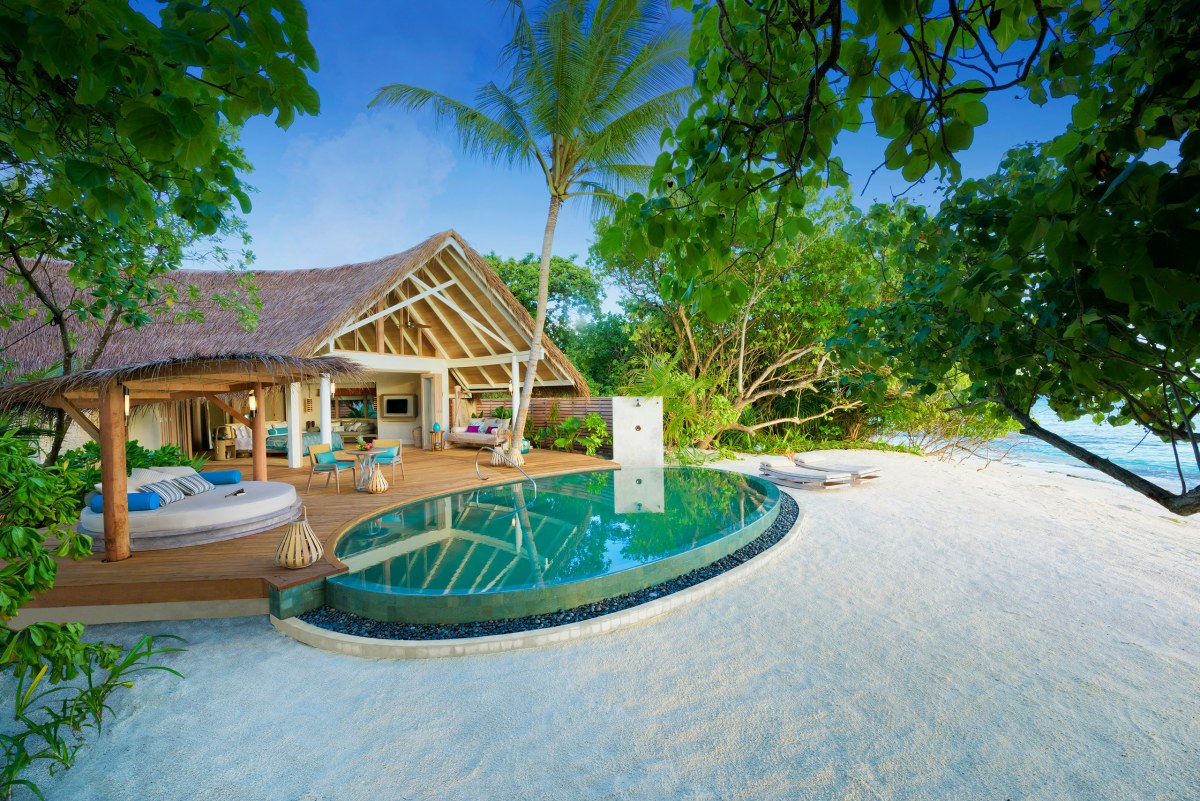
Opening up a new chapter of barefoot island living.

Main-Image
Milhaidoo Island MA people MAP Boutique Consultancy
Location
Republic of Maldives
Timeline
2015 - 2016
Type
Boutique luxury resort
Purpose
To tell the unique story of a small island
# of Rooms
50
# of Stars
5*
Tag it
#StoryOfASmallIsland #MilaidhooIsland #HotelConcept #HotelBranding #HotelMarketing
Paragraphs

The story of a small island

Destination

Destination

  • Holistic resort concept that reinvented luxury 
  • Resort brand strategy coupled with compelling brand identity
  • Guidance and insights on how to execute branding activities
  • Clear positioning in order to reach and attract defined target audience
  • Direction for Milhaidoo team on how to plan, execute, monitor and evaluate sales, marketing and social media activities 


Awards + Accolades

  • TripAdvisor Travellers Choice 2020: Best of the Best
  • Member of Small Luxury Hotels of the World
  • Golden Panther Award 2018: Best Beach Resort
  • Connoisseur Circle Hospitality Awards 2018: Best Hospitality Resort in the Indian Ocean
  • Harper's Bazaar - Bazaar Travel Guide 2018: The Best Islands
  • Condé Nast Johansens Luxury Hotels Award: Winner 2018
  • Elle UK: The 13 Most Beautiful Overwater Bungalows in the World

Video URL

RoadMAp

Milhaidoo Island

#StoryOfASmallIsland

We are honoured to have been given the chance to co-create the story of a small island along with a pioneering visionary of an owner and experienced team. We look forward to the many chapters ahead for this incredible resort.

You are the priority here and much like the water surrounding the island, the property moulds itself around you.

The best way to describe the experience is that it is human.

Harper's Bazaar
Weight
-90
Title for Show next
Welcome to Milhaidoo Island
Show Blocks
sharing is caring
Untertitel
Since 2014, we’ve been putting hotels, sustainable businesses and purposeful brands on the global MAp.
Linktext
INTERESTED TO FIND OUT MORE?
SCHEDULE A CALL NOW
Paragraphs

We say it's handcrafted,

but really, it comes from the heart.

Hotel and Hospitality Case Studies

We invite you to explore selected case studies to learn how we put hotels and hospitality brands, both big and small, on the path to global success.

Development of a hotel brand and marketing strategy for a city hotel in Lugano, Switzerland.

Creating a game-changing resort concept for the NEW Maldives.

Taking a sustainable, family-run hotel to the next level.

Setting up a next-generation hotelier for success with a sporty new concept.

Empowering a city hotel brand for global success.

Show Blocks
Logo
Wellnesshotel Alpenflora
Baros Maldives
Bijblauw Hotel Curaçao
BLUME. Hotel und Restaurant Baden
Boutiquehotel B5 Lugano
Camping Mistral
Faya Foundation
Federer Boutique Hotel Kaltern
Hotel Hanswirt Rabland
Haritha Villas + Spa Sri Lanka
Kandima Maldives
Koncept Hotels
Locanda Mistral
MAP Boutique Hotel Cyprus
Milaidhoo Maldives
The Nautilus Maldives
paloria apartments & sport Algund
Príncipe Collection
Refugium Hideaways
Hotel Masatsch Kaltern
sharing is caring

Contact type

E-mail
onwards@MAp-consultancy.com
Company Name
MAp Boutique Consultancy
Street & Place
Zurich, Switzerland
Webform Title
Ready to make it happen?
Webform Subtitle
Let's work together
Webform Expression
Contact us now!
Paragraphs
sharing is caring

As a Certified B Corporation based in Zurich, we work internationally with hoteliers and investors, MApping out a better future for hotels, people and planet.

What’s next on your journey? Let us put you on the MAp.

Untertitel
We turn purpose into performance, creating sustainable hotels and standout brands that do good, look good and sell well.
Linktext
Request a discovery call
Service Big Block


Service Small Block
Hotel consulting – tailored mandates for boutique hotels
Hotel Consulting

Tailored mandates to build, reposition, and grow standout hotels with purpose and performance.

Hotel coaching – structured programmes for marketing and sustainability
Hotel Coaching

A structured programme to sharpen your marketing or sustainability and turn decisions into action.

Book a discovery call with MAp Boutique Consultancy
Not sure yet?

A quick discovery call helps us understand where you are, what you need most, and what the right next step is.

Paragraphs

Proof, not promises: award-winning hotel consulting

Trusted, creative-led work that turns ideas into progress.

Award-winning boutique hotel clients, across four continents. Over a decade of creative-led mandates, from strategy to launch. Consulting and coaching designed for clarity, momentum, and results.

  • Federer Boutique Hotel Kaltern
  • MAP Boutique Hotel Cyprus
  • Wellnesshotel Alpenflora
  • Hotel Masatsch Kaltern
  • Faya Foundation
  • Locanda Mistral
  • Refugium Hideaways
  • Camping Mistral
  • Koncept Hotels
  • Príncipe Collection
  • Boutiquehotel B5 Lugano
  • Kandima Maldives
  • paloria apartments & sport Algund
  • BLUME. Hotel und Restaurant Baden
  • Haritha Villas + Spa Sri Lanka
  • The Nautilus Maldives
  • Bijblauw Hotel Curaçao
  • Hotel Hanswirt Rabland
  • Milaidhoo Maldives
  • Baros Maldives

We turn bold hotel ideas into a brand, a system, and measurable progress

Why work with MAp.

5

About MAp Boutique Consultancy

Consulting or coaching, what fits best

Choose consulting if you want a tailored mandate across concept, branding, marketing, sustainability, or websites. Choose coaching if you want a structured programme with clear milestones and accountability.

What happens in a discovery call

We clarify your goals, diagnose what is blocking progress, and recommend the right route, scope, and next steps.

Next step on your MAp: Book a discovery call. 

What types of hotels do you work with

We work with independent boutique hotels and hotel brands, innovative hospitality founders, and sustainable hotel champions who want a standout brand, a performing website, and a clear marketing system that performs, not generic positioning or “same shit, same wrapping”.

How fast can we start

After the discovery call we confirm scope and availability. If timing is tight, we propose a focused first sprint to create momentum.

What does being a Certified B Corporation mean in practice

It means we hold ourselves to high standards and stay evidence-led. We focus on what is true, what can be proven, and what is next, so your story builds trust and holds up.

We also built The Sustainable Hotel, a practical platform with handbooks and tools that supports credible, hands-on progress.

Show Blocks