
sharing is caring

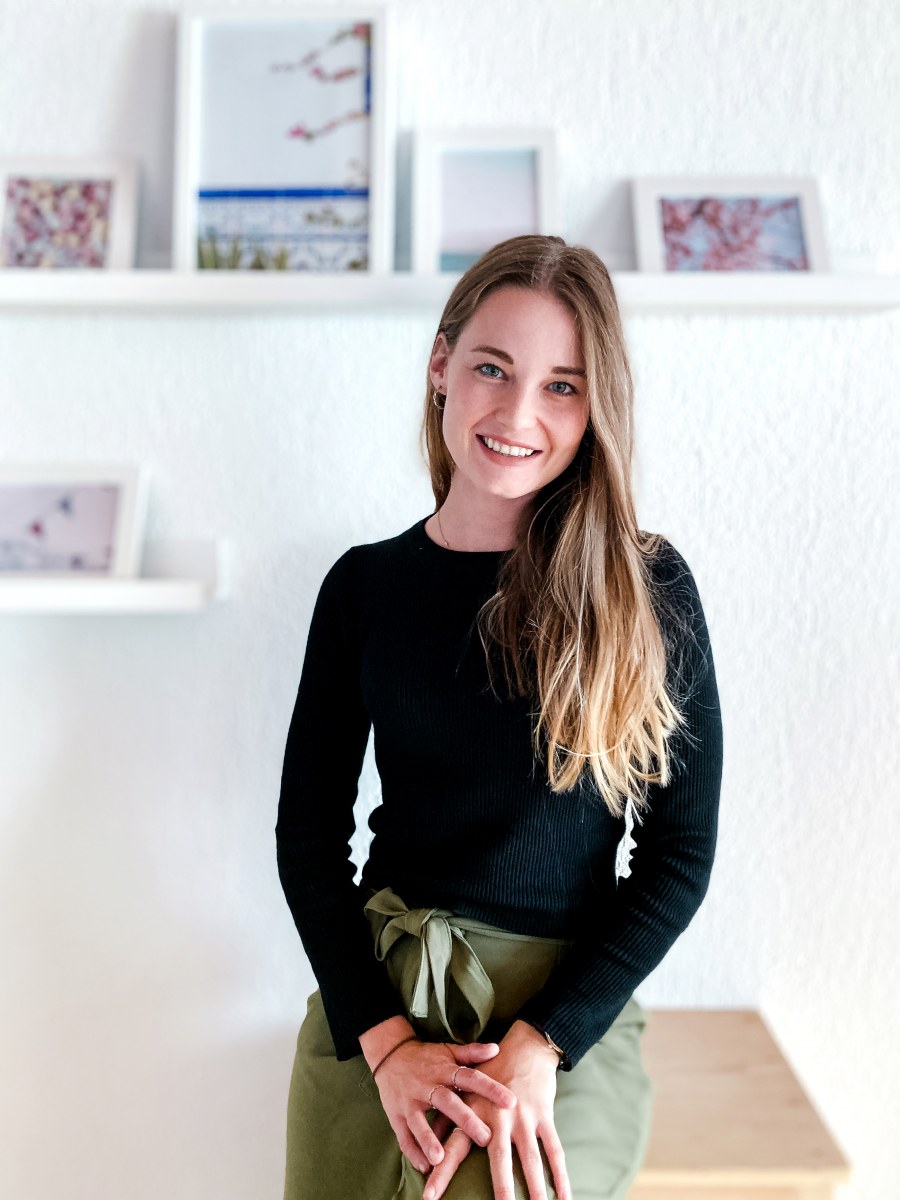
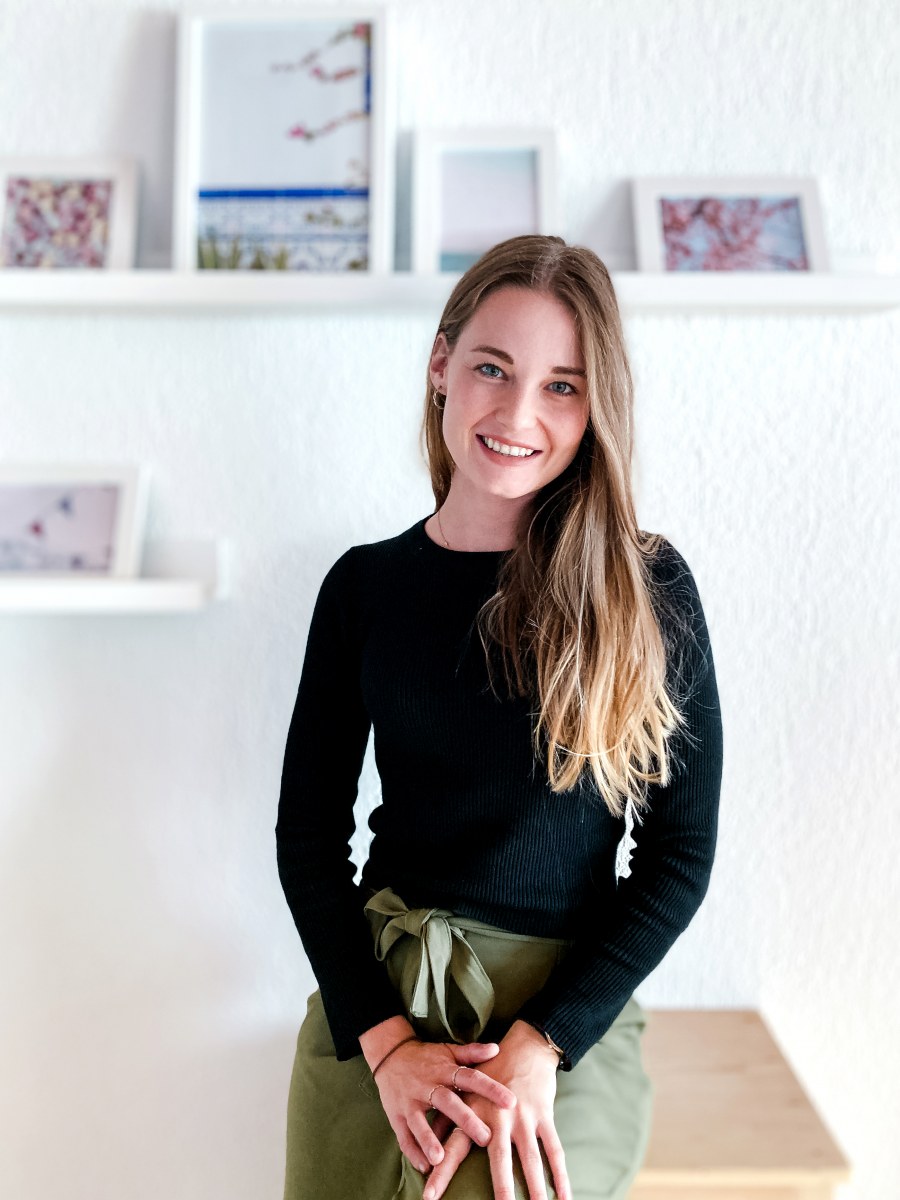
Today we are happy to sit down with one of our student mentees, Jennifer Renggli, an undergraduate at the University of Applied Sciences of the Grisons. Jennifer recently defended her thesis “Concept development in Swiss unaffiliated hotels” successfully with the highest score! During the joint mentoring year, Jennifer’s love grew towards our favourite topic – hotel concepts – and she therefore decided to dedicate her thesis to it (and that means: a LOT of work).

For this thesis, we at MAp acted as co-advisor. So, before we dive in, a big thank you goes out to Prof. Norbert Hörburger, deputy head of research & services ITF at the University of Applied Sciences of the Grisons, and the advisor of the thesis. Furthermore, we also want to thank Riccarda Ryffel who’s in charge of the mentoring programme and the reason why we got in touch with Jennifer in the first place. The great collaboration during our mentoring year gave rise to the idea that Jennifer, with our support, tackle her BSc thesis. Now we learn more about the great result and many insights gleaned during this process. 
Untertitel
MAp meets Jennifer Renggli, student at the University of Applied Sciences of the Grisons
Blog main image
The hotel concept is like a puzzle.
Paragraphs

Dear Jennifer, congratulations on receiving top marks on your thesis! As you noted in your thesis, hotel concept development has barely been addressed in academic literature, so why did you choose to tackle it as the subject of your bachelor thesis? What sparked your interest – besides our close contact during your mentoring year?

Thank you very much! I remember a conversation with a fellow student who enthusiastically told me about your work at MAp. My first thought was: “Hotel concept creators? Is there such a thing?" As probably many others, I had never heard of hotel concept development. A bitter conclusion when you consider that the subject is all the more important nowadays. After all, the hotel industry is facing completely different challenges than it was 10 years ago, when free WiFi was a unique selling point.

During my time as a flight attendant, I had the privilege of staying in many well-known hotels around the world. In contrast to the hotel chains, which can pull a suitable brand out of the drawer for every guest need, independent hotels have to develop their "concept" themselves.

The complexity already begins here; a hotel concept sounds fancy, everyone claims to have one, but in truth the term is abstract and difficult to define. So on the one hand there was the hotel concept development, which from a theoretical point of view is almost undefined, and on the other hand there was the urgency for unique and competitive hotel concepts in practice. A paradox that was made for research work ;-)

The hotel concept is like a puzzle.
To solve it, you need a methodical approach and creative imagination.
via @weareMApeople


Before we get into it, how would you define what a hotel concept is? And why is it so critical to the strategic planning process for hotels?

The simple answer is: a tailor-made and long-term oriented document for the strategic direction of the hotel project. However, this definition would not do justice to the term “hotel concept.” A hotel is much more than a restaurant and overnight accommodation. It is a place of encounter, interaction and sensory experiences. Furthermore, it is also a property and a business model where the needs and expectations of a wide variety of stakeholders meet. As a result, a harmonious interplay of so-called hard and soft factors is required in order to develop a coherent and holistic hotel concept.

The hotel concept is like a puzzle. To solve it, you need a methodical approach and creative imagination. Specifically, a strategic basis is required. This results from a well-founded analysis of the market, environment and trends. An individual concept can then be formed from this, which takes into account aspects such as architecture, design, sensors but also the direct and indirect influences on people and the environment. The result of this development process is a clear “raison d’être” for the hotel project.

What did your study set out to achieve? And what approach and methods did you use to reach this destination, i.e. your overall aim?

Although there are numerous studies on hotel management and project development, to the best of my knowledge, hotel concept development has not been discussed much in theory or in practice. Consequently, with my thesis I wanted to make a small but significant contribution to this existing knowledge gap.

To do this, I wanted to research how the industry understands the term “hotel concept” and how widespread hotel concept development is in the Swiss hotel industry. To this end, I conducted interviews with industry experts, hotel owners and managers. The research focus was on non-branded hotels in rural areas. The exploratory nature of my research enabled me to develop a deep understanding of the topic and to gain insights into the status quo of hotel concept development.

You interviewed both industry experts and hotel managers/owners: what did your findings reveal in terms of their understanding of what hotel concepts are and their practical use? What did you deduce from this?

Basically, the industry experts as well as the hotel owners and managers found it difficult to define a hotel concept in words. This is because a concept is more often associated with an idea than with a strategic document. It is not uncommon for the concept to be understood as part of the business plan in practice.

While the industry experts are generally of the opinion that a hotel concept should be as holistic as possible, hotel owners and managers primarily associate it with their hotel product. For example, they named the extraordinary interior design or the diverse gastronomic offer as important for “their” hotel concept. It was noticeable that the questioned hoteliers developed their concept based on experience, assumptions and gut feeling. Some even honestly admitted that nothing was planned in their hotel, but simply made. This approach is contrary to the expert opinion and the current literature, which suggests that a concept should be based on facts. As a result, it was not surprising that in the five out of six hotel projects examined, no written hotel concept was developed using a strategic planning process.

These facts strongly suggest that written hotel concepts are the exception rather than the rule in the Swiss hotel industry (unless an external consulting agency is involved). A possible reason for this is the fact that the purpose and benefits of hotel concepts are simply too unknown in the hotel industry.

What do you see as the risks to not having a proper hotel concept in place for hotel managers/owners? As it relates to the hospitality industry as a whole, what can we do to mitigate these risks and ensure hotel concept development becomes more commonplace?

Hotel projects are usually long-term, costly and risky projects. I believe that if you want to sail to a distant destination, you need to know the right course to actually get there. Only very few people manage to steer “on gut feeling,” so navigation is the only solution. This guiding document is a holistic hotel concept for all stakeholders involved. Without a hotel concept, however, those stakeholders and partners involved run the risk of losing the course or missing the right one from the start. This may only show up after the opening in the form of operational and financial difficulties. That is why it is important to deal with the hotel concept at a very early stage of the hotel project, regardless of whether it is a new building or renovation.

I see a great opportunity here for hotel consulting agencies as well as industry associations and universities, which can take up the topic further and spread the necessary know-how. For example, students at the Graubünden University of Applied Sciences develop a hotel concept directly on a case study. As young professionals, they can use this knowledge to bring new impulses to companies.

Now that you’ve successfully defended your thesis, what are your post-graduation goals and plans? How do you want to change the hospitality industry?

During my research time, I received great positive feedback and interest from the interviewees surveyed. I'm pleased because it shows that the industry is already rethinking. As a practitioner, however, it is important for me not to lose an understanding of the daily challenges in practice, despite having all the theoretical basics. After all, we don't just want hotel concepts that sound good on paper, but also ones that work in everyday business over the long term. This is a tightrope walk that I will certainly take on in the future.

As always, our final MAp meets question: what makes a hotel experience a truly outstanding one for you personally?

Being a “guest” is always a very personal experience for me and it becomes unforgettable when I am in harmony with the place and the people around me. It doesn't matter whether it's a luxury resort or a guesthouse - because the feeling of "arriving" is not created by star categories or brands, but from the heart.

About Jennifer Renggli:

Jennifer graduated from the University of Applied Sciences of the Grisons in Chur with a bachelor’s degree in Tourism and holds a Federal Vocational Certificate as a Media Technician. Having caught the travel bug on her first solo trip to Indonesia, she lived in the United Arab Emirates until 2018 and worked as a cabin crew member for an international airline. She takes joy in writing about her travel memoirs and is a regular in dinky coffee shops.
Blog Block Image
The hotel concept is like a puzzle.

Comments

Ricky Sharma

Nice! This opens up my view of the hotel industry. Many new and previously undiscussed points there!

Karsten Schmidt-Hoensdorf

Thanx, interesting challenging points of interest identified and discussed!

Add new comment

Comment

Order

Plain text

  • No HTML tags allowed.
  • Lines and paragraphs break automatically.
  • Web page addresses and email addresses turn into links automatically.
Types
sharing is caring

Excerpt: A hotel concept is the foundation of every successful hotel project. But are you unclear on what exactly a hotel concept is? Or even why you need one? We’ll introduce you to the idea of the hotel concept, what goes into creating a great and sustainable concept, and what benefits it will bring to your hotel project. Read on to learn more!

Blog main image
What is a hotel concept + why do you need one?
Paragraphs

The start of each new year brings with it a spate of articles touting the most anticipated and hottest hotel openings for the year ahead, and despite the pandemic, 2021 was no different! Just take a look at this Forbes article and this Conde Nast Traveller article to get a sense for the new offerings flooding the market this year alone.

The hotel landscape looked very different 20 years ago, when there were less offerings, bigger players and clearer differentiation between brands. Today, the market is saturated. And if you factor in the disruption of new entrants, such as Airbnb and the like, it is no surprise that customers struggle when faced with so much choice.

So how do hotels discover, create and maintain their competitive edge? How do they distinguish their offering and add value to guests? How do they remain relevant to today’s consumers? The answer is with a strong and sustainable hotel concept.

What is a hotel concept?

A hotel concept is the basis for everything that follows. It’s the foundational idea that defines your hotel’s brand, character, product + services, sales + marketing, and more. It curates a distinctive identity in the market and in the eyes of your clearly-defined target group.

Furthermore, it acts as a strategic and creative outline on how to realise a hotel venture by piecing together various elements (“soft” and “hard” facts) and outlining to all stakeholders HOW your hotel should look and feel and WHY that is.

What are the key elements of a hotel concept?

At MAp, we craft our hotel concepts around the following key elements:

  • Purpose: WHY you exist beyond making profit. Read here why defining your purpose beyond making profit will actually make you profit.
  • Principles: Your vision, mission and values.
  • People: The people you are serving with a solution to their problems, as well as the people you are working/partnering with to make an impact.
  • Story: The unique story that you – and only you – are telling in order to emotionally connect with your people.
  • Positioning + USPs: What differentiates you in the market.

These constituent pieces, together, form one complete whole, laying the foundation of your hotel project.

Before you can stand out,
you must know what you stand for.
@weareMAp

Why do you need a hotel concept?

Whether you are a hotelier looking to develop a boutique hotel or are part of a hotel group looking to reposition your existing hotels, a clearly-defined and sustainable hotel concept offers many benefits:

  • Gives you clarity on the what, how, why
  • Aligns your stakeholders around a shared purpose and vision
  • Enables you to use resources more efficiently (think time, money, etc.) - but also the resources of our planet
  • Makes you stand out from the crowd (as you know what you stand for)
  • Creates a better future for your hotel and business, for people and planet

Hotels with strong concepts are able to demand a premium price, provide a coherent guest experience, sell and market themselves smartly, recruit talented staff and a community following, and have a marketable platform when pitching for investors and partners.

How do you bring a hotel concept to life?

Our holistic and end-to-end process for developing hotel concepts consists of the following steps:

1) Concept Discovery: Set the groundwork by looking inwards at your goals, motivations, strengths and weaknesses, and outwards at your competition, the market and innovative trends.

2) Concept Development: Using the insights collected in the Discovery phase, address each of the key elements of your hotel concept in order to define its core idea.

3) Concept Activation: Translate your hotel concept into the operations of your hotel, by applying it to your product + services, brand, and sales + marketing.

4) Concept Implementation: Identify strategic partners and ensure they are aligned and in keeping with the hotel concept, all the way up through (re-)launch.

Conclusion

With a strong hotel concept in place, your hotel stands out from the competition. But more importantly, it stands for something. So before kickstarting any type of hotel project, make sure you first establish what your hotel concept is. As MAp says, “First the concept, then comes the rest.”

In need of some inspiration? Check out our Hotel Concept Trends 2021 blog post.


Quote Subtitle
then comes the rest.
Quote Title
First the concept,
Blog Block Image
What is a hotel concept + why do you need one?

Add new comment

Comment

Order

Plain text

  • No HTML tags allowed.
  • Lines and paragraphs break automatically.
  • Web page addresses and email addresses turn into links automatically.
Types
sharing is caring

Excerpt: COVID-19 has changed the game, and it’s time for hotels to catch up. In this blog post, we dive into the trends that have shaped, and continue to shape, the hospitality landscape as we look to the rest of the year. We’re happy to report the pandemic has shifted travel so that it is slower, more purposeful, and better for the planet, while meeting traveller’s important needs: privacy, value, productivity. Read on for what these trends mean for hotels when it comes to crafting or sharpening their hotel concepts.

Untertitel
What will be the next BIG thing?
Blog main image
Hotel Concept Trends 2021
Paragraphs

Our blog post, “When sh*t happens, shift happens”, says it all. Due to the COVID-19 pandemic, people’s needs and wants have fundamentally shifted, which has in turn ushered in a wave of trends. At MAp, we believe that your people should always be at the centre of what it is you do, so success will ultimately hinge on how hotels respond to the key trends poised to shape the year ahead.

We’ve taken the time to monitor the market’s new developments and pick the most important ones. Without further ado, MAp presents our top hotel concept trends to watch for in 2021:

We’re happy to report the pandemic has shifted travel so that it is slower, more purposeful, and better for the planet,
while meeting traveller's important needs.
via @weareMApeople


Hotel Concept Trend #1: Regenerative Travel

You’ve heard of sustainable travel, but have you heard of regenerative travel? The principle of regeneration goes one step further than sustainability, which aims toward neutral impact, to reverse and repair the damage to our environment and local communities. It’s no longer about minimising impact, but taking critical actions to heal the earth and its people, or as the New York Times puts it simply: “leaving a place better than you found it.” For hotels, regenerative measures include providing guests with opportunities to partake in restoration projects or funding educational initiatives.

Regenerative values are emerging as the future of travel, as COVID-19 has forced travellers to reflect on the basic notions of why and how we travel, creating a paradigm shift in the industry and a demand toward making net-positive contributions to all stakeholders. And travel as a force for good is needed now more than ever, as destinations heavily reliant on tourism have been decimated by the pandemic, creating an acute need to rebuild impacted communities.

Considerations for your hotel concept:

According to Regenerative Travel, the following principles should guide hotels in developing hotel concepts that are truly regenerative.

  • Incorporate whole systems thinking. Consider all stakeholders and elements, such as the physical land, in your decision-making, taking into account potential ramifications.
  • Honour the sense of place. Weave the local community – its culture, practices, history, heritage, etc. – into every aspect of the guest experience.
  • Partner with and include the local community. Bring in the diverse expertise and intimate knowledge of community members when planning, constructing and operating your hotel.
  • Have a purpose. At MAp, we believe purpose is key! Determine what your purpose is, and from that create an aspirational vision and mission that inspires your guests.

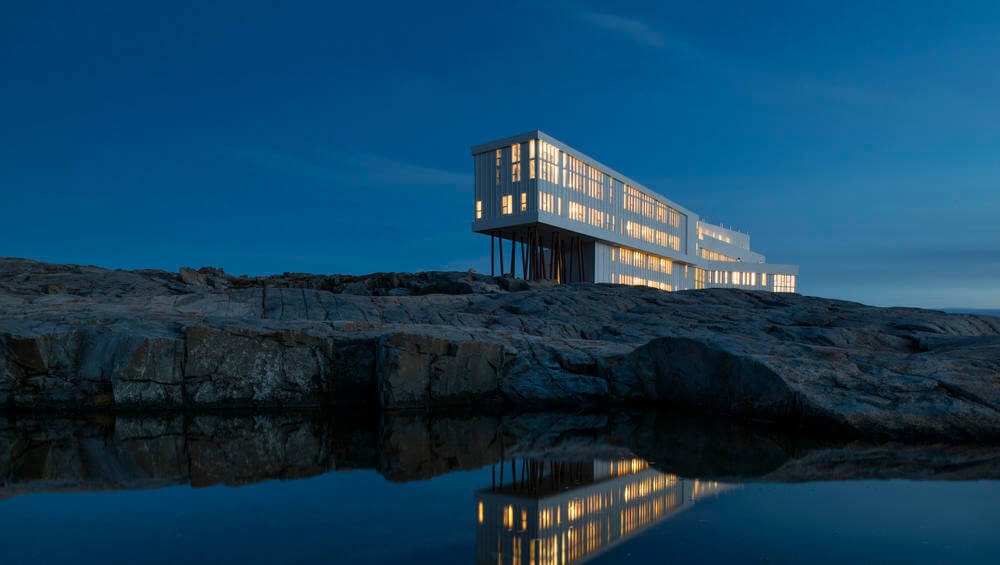
Inspiration: Fogo Island Inn

Hotel Concept Trends 2021

Hotel Concept Trend #2: Remote Working

If there’s anything we’ve learned from the pandemic, it’s that remote working is here to stay. And while some will opt to #workfromhome, others will opt to #workfromhotel, taking their work on the road with them as they set out to explore the world. Hotels, therefore, should be well-positioned to support this mobile and global workforce – and that means going beyond the lobby-as-co-working space model.

Instead, hotels should strive to understand what it is this segment wants and needs – and deliver! Remote workers have extremely high standards when it comes to their ability to do their jobs, so be focused on creating private and productive working environments, upgrading your tech capabilities and giving guests the amenities they need be at their best – on and off the clock.

Considerations for your hotel concept:

  • Build a community. Provide opportunities for remote workers to connect with, learn from and support each other.
  • Be functional and flexible. No one works the same way, so make your rooms work-friendly and flexible (that’s right – put those desks on wheels!).
  • Strike a balance between work and pleasure. Give remote workers what they need to be productive, but also what they want when it comes to unwinding after a long day “at the office.”
  • Don’t forget the locals. Cater to local workers looking for a change-of-scenery from their home offices.

Inspiration: gravity haus

Hotel Concept Trends 2021

Hotel Concept Trend #3: Value

Times are tough and budgets are limited. And this has led to the resurgence of the “value traveller” – not to be confused with the “budget traveller,” often associated with the term cheap.

Value travellers are looking to stretch their money as far as possible. While they are cost-conscious, they are willing to spend where their priorities lie. But what they’re not willing to do? Sacrifice quality or comfort. They are well-travelled and have just as high of standards as the next guy.

Value travellers seek out transparency on cancellation and refund policies, free breakfasts, activities at little to no extra charge. But also comfy beds, room service, luxe amenities. For this segment, it’s about finding the right balance.

Considerations for your hotel concept:

  • Throw in freebies. Everyone appreciates a good freebie!
  • Determine amenity must-haves. Figure out and incorporate those amenities that matter most for your target audience.
  • Create a loyalty programme. Reward return guests with extra – and free – perks.
  • Sell hotel packages. Combine accommodation, transport and activities into one attractive rate.

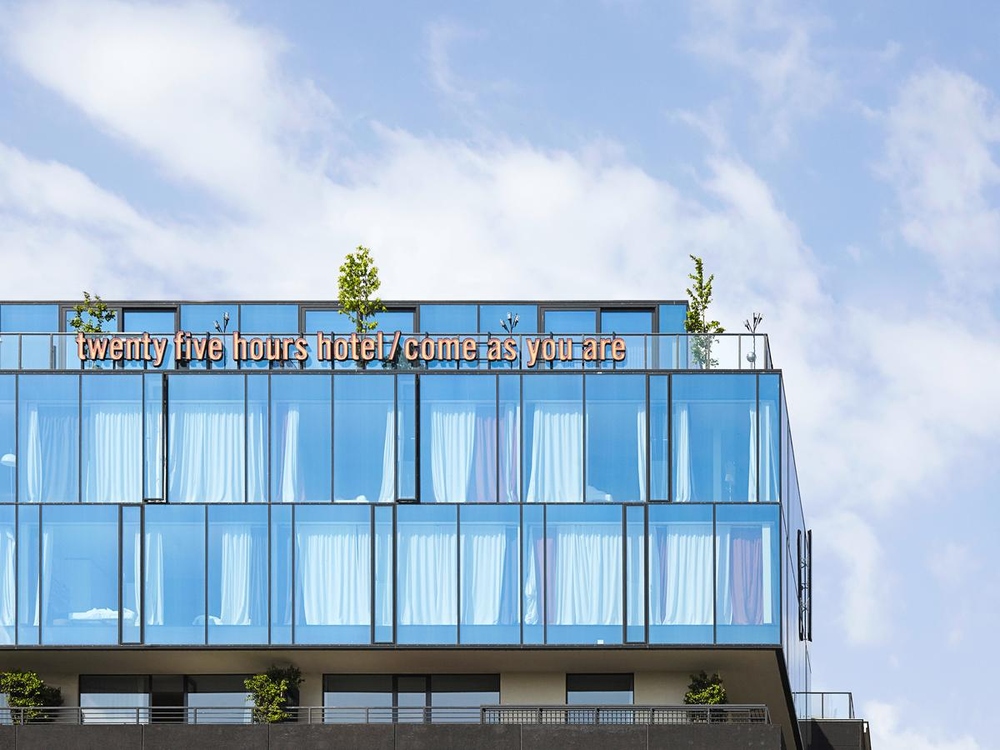
Inspiration: 25hours Hotels

Hotel Concept Trends 2021

Hotel Concept Trend #4: Privacy + Seclusion

The year 2020 proved that privacy is the new luxury. As we’ve seen, private forms of accommodation have surged during the pandemic. Travellers are seeking out more remote, secluded and off-grid destinations, away from the crowds and nestled in nature – that’s what people crave after all this time spent indoors! And on top of that, they’re travelling in small groups or with family members (expect a swell in multigenerational travel), therefore opting for villas, cabins or holidays homes that are more spacious, accommodating – and you guessed it - private.

This trend has been a boon for Airbnb and Vrbo, but not for traditional hotels that simply can’t offer the same levels of privacy. However, hotels that cater to this new mindset will reap the rewards of more reservations.

Considerations for your hotel concept:

  • Weave in nature. Wherever possible, provide opportunities to soak up surrounding nature through guided hikes and the like.
  • Consider the destination. For any future hotel projects, the rule of thumb is: the more secluded, the better.
  • Provide luxury services. Think airport pickups, dedicated butlers and private chefs.
  • Rethink the hotel room. Switch up the standard by introducing private villas or even tents.

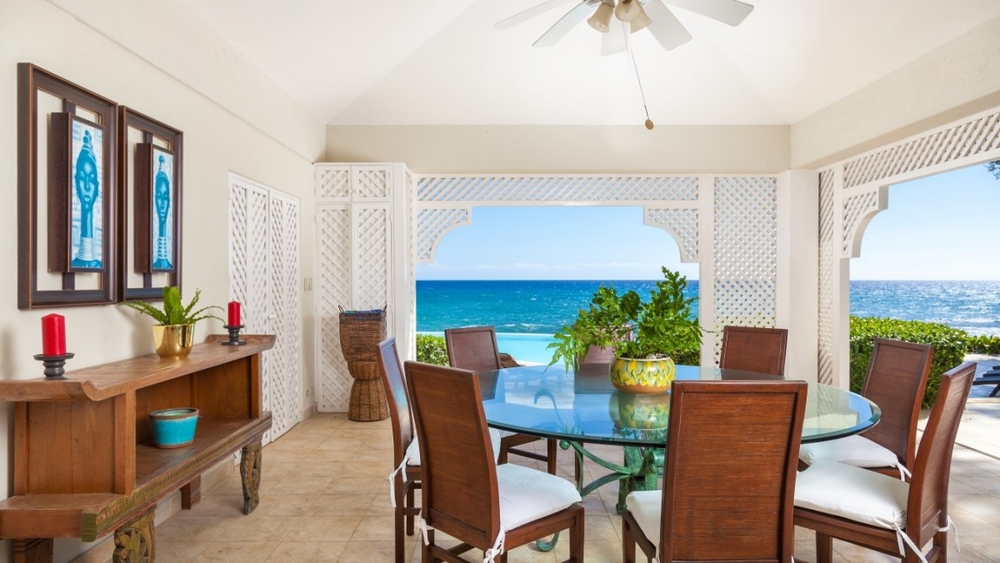
Inspiration: Casa de Campo

Hotel Concept Trends 2021

Hotel Concept Trend #5: Slow + Purposeful Travel

As a purpose-driven boutique consultancy, this is a trend we’re excited about!

After a year of sitting inside, it seems that travellers have acquired a taste for a slower pace. That’s where the concept of “slow travel” comes in. Slow travel aims to give travellers a rich understanding of life in a destination through interactions with locals and immersive experiences. We expect to see travellers spend more time discovering a destination and visiting fewer places during a single trip - while enjoying more experiences, culture and traditions.

And this goes hand-in-hand with “purposeful travel,” or the idea of travelling more responsibly and with purpose. It’s intentional and immersive, conscious and connected —with yourself, the destination, and the greater world.

Considerations for your hotel concept:

  • Connect to place. As stated above, incorporate the destination into all aspects of your hotel – from the design, to the food, to the services, and beyond.
  • Create immersive experiences. Give guests the opportunity to immerse themselves with and learn about local people, culture and heritage, and history.
  • Take it slow. Focus on creating a relaxing retreat where guests can unwind.
  • Be more purposeful. Determine your own “why” that drives you. As we at MAp like to say: “You first have to stand for something, before you can stand out for something.”

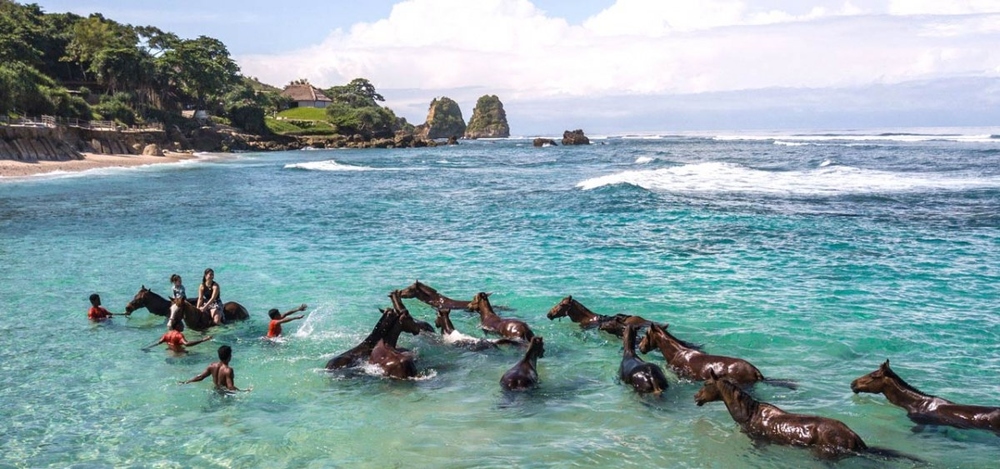
Inspiration: Nihi Sumba

Hotel Concept Trends 2021

Conclusion

That’s a wrap on MAp’s top hotel concept trends for 2021! While the hospitality industry has been forever changed (and as evolution tells us: when something changes, it’s usually for the better), we can agree that it has to evolve and reinvent itself in order to take advantage of the opportunities and cope with the challenges it faces. Ever the unshakable optimists, we believe the industry will come out on top!

#onwards

Photo Credits: Fogo Island Inn, gravity haus, 25hours Hotel, Casa de Campo, Nihi Sumba

Blog Block Image
Hotel Concept Trends 2021

Add new comment

Comment

Order

Plain text

  • No HTML tags allowed.
  • Lines and paragraphs break automatically.
  • Web page addresses and email addresses turn into links automatically.
Types
sharing is caring

As part of our first "MAp meets" (as MAp!), today we meet Harsha L'Acqua, Founder of Saira Hospitality. Saira Hospitality is a non-profit transforming the way hotels connect with local communities through education. They develop and run pop-up schools that provide local communities with the knowledge and skills they need to build a career in hospitality, thereby creating dedicated workforces, improving community diplomacy and reducing staff turnover. It’s a win-win for hotel operators and local communities alike!

Untertitel
MAp meets Harsha L'Acqua, Founder of Saira Hospitality
Blog main image
Saira Hospitality
Paragraphs

Dear Harsha, thank you for taking the time to meet with us. To start, can you please share the story behind Saira Hospitality and how it came to be?

My four sisters and I were strongly influenced by my father’s philanthropic work with Mother Teresa and I always sought to merge a deep-rooted dedication to philanthropy with my passion: luxury hospitality. In 2011, I visited Cambodia where I came across a non-profit that was training women, who would otherwise fall into sex trafficking, in hospitality to be employed as housekeepers. They had a 90% plus success rate of placing these women into employment at luxury hotels which I found hugely inspiring and was grateful to see firsthand how these two worlds of philanthropy and hospitality could be connected. After years of working for international hotel brands including Six Senses Resorts and Residences, the Fullerton Hotel and André Balazs properties, I enrolled in the MMH graduate program at Cornell University’s School of Hotel Administration, where I began developing the concept for Saira Hospitality. During our Winter break, I was working at the Aman Galle when I overheard an interview between an Italian General Manager and a local Sri Lankan. The GM clearly wanted to hire the local Sri Lankan man as a pool cleaner for a variety of reasons I guessed: the cost would be less than hiring an expat, locals add to the guest experience and wanting to do the right thing by the community. From what I could see and hear, the local Sri Lankan man seemed to truly want the job, be on time for the interview, arrive well dressed and appear positive yet he didn’t have the simple interview skills he needed to be hired. The non-profit hotel school concept was clear at this point and seemed to be meeting a need on both sides. Hotel operators often cannot find well-trained, local talent and local communities are seeking opportunities and employment but lack the skills they need to be employed. Saira Hospitality won first place at Cornell University’s Business Plan competition in 2014 and it was at this point that I recognized the strong correlation between hospitality and philanthropy. Both are linked through the hospitality gene, the gene of service: service to the guest and service to humanity.

Hotel operators often cannot find well-trained, local talent and local communities are seeking opportunities and employment
but lack the skills they need to be employed.
via@weareMApeople


What is your approach and what kind of content do you cover as part of your training programme?

We partner with hotels around the world and launch pop-up hotel schools for local communities, providing hospitality operators with higher retention, community diplomacy and local talent upon opening. We identify their future hiring needs and incorporate as much of the brand's orientation, culture and training as possible into the curriculum content so students at the end of the program, form a pool of well-trained, local labor for the brand to hire from on schedule.

After a rigorous four-step interview process, applicants are accepted and students are taken through two to eight weeks of hospitality training provided by hospitality experts, including Cornell Hotel School graduates. During Saira’s training, students engage in both theoretical and experiential learning. We teach the key skills we feel they need to gain employment with partner hotels, emotional intelligence, cultural intelligence, leadership, communication, service recovery, mindfulness and so on.

We also focus on hands-on learning, typically in the departments of Food and Beverage, Front Office and Housekeeping but we can also train for those skills needed in other departments, according to the needs of our brand partner/s. Hospitality, as a people industry, is incredibly subjective and emotional, which is why Saira can even exist. You don’t need to have a formal education to be successful in hospitality — to be successful in hospitality you have to be empathetic and understand human behavior. Saira’s role is about nurturing what we call “the hospitality gene.” We believe in teaching skills that can be applied both when working in hospitality but also to the personal lives of the students. Some of our students in the past have managed to heal broken marriages by learning about the communication skills we teach in class. Much of what we teach enriches both the professional and personal lives of our students.

What hotel brands have you worked with and what kind of benefits have they seen as a result of your partnership?

Today Saira has graduated 250 students with an average of 10% turnover to participating hotel partners, including Virgin Limited Edition, Rosewood Hotels, Autograph Collection, Bunkhouse Hotels and Habitas in downtown Los Angeles, Mexico, British Virgin Islands and Namibia. They have also met 100% of their hiring needs from our graduates within the local community.

What is the impact you have on local communities?

Everything we do is centred on empowering local communities. I believe offering a free, high standard of education to communities that may not have the privilege to access information is one of the most valuable commodities that you can provide someone. In our most recent project with Habitas that took us to Namibia, we had more than 300 applications and encountered people that hadn’t had a job in eight years, who, when asked out of curiosity in Saira interviews how much money they needed to survive each month, some were happy to earn even $50 USD per month from any job they could get. In countries that are experiencing socio-economic hardship, Saira is providing a platform for a career in hospitality, and at the very least, some belief in themselves that they can achieve one.

After our BVI pop-ups, we had the following results:

  • 98% of Saira graduates now see hospitality as a career
  • 80% of graduates currently work in hospitality
  • 94% of students found the program beneficial to work performance
  • 69% of graduates hired were previously unemployed
  • 91% of Saira graduates are currently employed or in school

Where do you envision the future of hospitality going as it relates to social impact? And what steps can hoteliers take to increase their social impact?

We partnered with Porter and Sail in the hope of raising funds from potential guests who want to play their part in educating and empowering local communities. We hope these kinds of partnerships will eventually allow us to launch schools with smaller, independent hotels that may not have the resources to fund 100% of the school themselves but are still wanting to train and hire the local community. Guests today have a conscience and want to travel more thoughtfully - they are travelling more mindfully than ever which we need to take advantage of as we don’t know how long it will last for. We need hotels and OTA’s to take responsibility and to listen to the needs of the community to be able to provide the guest a variety of options where they can easily give back while traveling. We often think that donations involve financial resources but I believe volunteering even a couple of hours of your time on vacation can be life-changing, shifting someone’s mindset, sharing knowledge.

If you can afford to travel, share your knowledge with those who can’t afford to. We need the next generation of guests to help us spread awareness of what we do, so that the industry stops using an ancient model of hiring and instead creates a responsible and sustainable future for hospitality.

We at MA people are specialised in crafting innovative hotel concepts and brands: what makes a hotel experience a truly outstanding one for you personally?

For a hotel experience to be outstanding for me, it has to be a thoughtful experience. I always think first of the service. As we teach at Saira, 70% of an experience is emotional. How did the experience make you feel? How did the service make you feel? The product can be of the highest design and quality but if the service doesn’t match the product, the experience won’t stand out. Even at the most expensive hotels, if the service doesn’t feel genuine and thoughtful, it becomes just another five star hotel with high end amenities and scripted service that doesn’t meet the needs of each unique guest.Then, once I’m fascinated and excited by the level of service, only then will the design of the hotel, the flow of the experiences, the F&B offerings, the picturesque views and so on... only then do they come alive.

About Saira Hospitality:

Saira Hospitality, a 501c3 organization, partners with hotels around the world and launches pop-up hotel schools for local communities, providing hospitality operators with higher retention, community diplomacy and local talent upon opening. Find out more HERE.

Blog Block Image
Saira Hospitality

Add new comment

Comment

Order

Plain text

  • No HTML tags allowed.
  • Lines and paragraphs break automatically.
  • Web page addresses and email addresses turn into links automatically.
Categories
Types
sharing is caring

You open your emails and instead of bookings, more cancellations come in. The news repeats the same fearful stories about the state of the travel industry. And governments are yet to lift the lockdowns. For many of you, it is still unsure when and how your hotel will open up again.

We’re not here to add more fuel to this already emotional fire or tell you how to handle the COVID-19 crisis. Instead we prefer to look to and prepare you for the future – to better times when hearts, minds and international borders are open to travel again. Recovery is on its way and the shape of that recovery, while still uncertain, is starting to emerge. Here’s one thing that’s for certain, though: travel – as we know it – has changed. From how we travel to why we travel. And where there is change, there is opportunity. 

Untertitel
A guide for independent and boutique hotels
Blog main image
Bouncing back with new purpose and perspective - MA people MAP Boutique Consultancy
Paragraphs

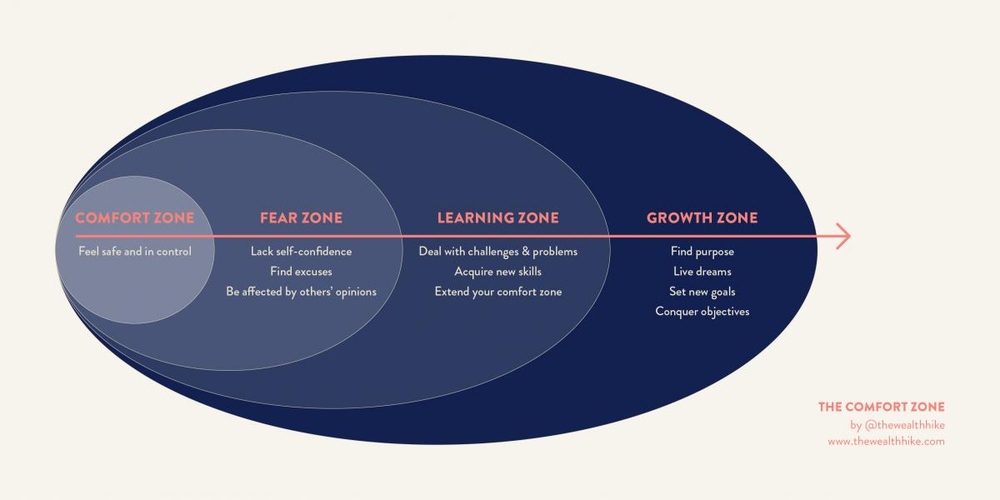
The stages of crisis = the stages of growth

It is important to keep in mind that for hoteliers, and business leaders across all industries, the stages of this crisis closely mimic the stages of growth.

Bouncing back with new purpose and perspective

Comfort Zone: Only months ago, many of us blissfully sat in a heightened state of control and security. While no doubt it felt nice, the reality is: for many hoteliers there was no push to refine, innovate, strengthen, evolve and grow.

Fear Zone: And then the rug got pulled out from under us. As you can follow in the graphic, we went from the safety and surety of our Comfort Zone to total fear and unknown. We felt discouragement, a lack of confidence, increased pressure and a whole lot of panic as we looked to the future only to be met by grim forecasts and somber statistics. 

Learning Zone: We’ve been forced to stop and think. The initial shock and associated confusion and uncertainty about the extent of this crisis is slowly making way to a better understanding of the implications and opportunities. 

Growth Zone: With those in mind, and certain steps taken, hoteliers can reach the point of growth – taking your hotels back off the ground and back on the path for long-term success. So that when the world starts moving again – and it will – your hotel reemerges stronger and more resilient than ever, with new purpose and perspective.

It is only the hotels that are purposeful, authentic, transparent and empathetic to guests’ health, well being and emotional needs
that will be the true winners. 
via @weareMApeople


How you can bounce back with your independent & boutique hotel

In this crisis, both people and companies show their true colours. While some are able to find the courage and strength to innovate, plan and act long-term, others struggle to find motivation and new perspective. Here we present opportunities to get you on the path to success, starting at the Learning Zone to the Growth Zone and beyond! 

Learning Zone: Acting now on what we already know

Let’s start with what we know. During this Great Pause, people across the world have had the chance to reflect and reassess their priorities. They have different motivations, expectations and needs than they did before, and they’ll put more effort into researching those hotels that tick all their boxes. We are seeing a collective shift in appreciating life’s fundamental values - like health, human connection, hygiene - and this has impacted how and why people travel. 

Experts agree that we’ll see a rise in the following trends (= opportunities for you):

1. Radical Localism: We know that in the weeks and months after lockdowns are lifted, those with itchy feet will set out and experience the surrounding world in earnest with an absolute focus on localism - supporting one’s local businesses more in order to benefit business owners and the wider community. With the shift toward radical localism comes a shift in who your target audience is:

  • Define the local buyer persona and determine the right products, promotions and offers.
  • Adjust your sales and marketing activities in order to accommodate new channels, new messages and new offerings tailored to your new target audience. 
  • Create staycation packages and perks aimed at those looking for relaxation than exploration (think free parking, spa credits, late check-out, etc.).
  • Organise and support community give-back initiatives that guests can participate in.

2. Health, safety and quality: Hygiene practices and cleanliness will continue being of great concern, and motivating factors for travellers as they decide where they want to stay. Therefore, position your hotel as a safe haven committed to guests’ physical and mental wellbeing.

  • Provide COVID-19-friendly products like hand sanitizer and face masks. Remember, there are many kind and cool brands out there that produce them and give back to their communities as well.
  • Adjust your product and services and shift e.g. to in-room dining, with a focus on healthy and sustainable foods.
  • Be empathetic and compassionate to people’s mindsets and put them at ease/diminish their fears. Be open and transparent about the new sanitation procedures you have put in place. 
  • Give more visibility of the cleaning staff on site and in social media - they are on the front lines to protect guests’ health.

3. Human connection and authentic experiences: After being isolated in our homes, this longing for connection, togetherness and collective experiences will be stronger than ever.Therefore, be sure to put care and empathy at the heart of everything you do.

  • Make staying in touch with guests a priority, communicate regularly and openly.
  • Make guests feel at home by providing personalised care packages and products in their rooms.
  • More than ever, create packages and experiences that are authentic, immersive and unique – and that people can’t find elsewhere.

4. Sanctuaries of peace: This pandemic has instilled fear and stress. When people travel again, it will be to remove themselves from this reality and toward calm, peace, quiet, balance. 

  • Build out your wellness offerings and create spaces where guests can enjoy moments of peace and silence.
  • Offer courses or experiences that connect guests with themselves and their loved ones.
  • Make it as easy as possible for guests to explore natural and peaceful surroundings, e.g. through organising private excursions and experiences.

It’s important that you capitalise on the above opportunities, define your new target audience, adjust your product and services as well as sharpen your sales and marketing in order to be competitive and successful in the new world. 

Growth Zone: Bouncing back with new purpose and perspective

“Resilience is all about being able to overcome the unexpected.
Sustainability is about survival. The goal of resilience is to thrive.”
Jamais Cascio

So you’ve conquered the Learning Zone. Welcome to the Growth Zone – where real, long-term success happens. Here is where you look inward to refresh your purpose and perspective, and project that out into the world. 

Why do we at MA people emphasise long-term? Because what we are learning is that tomorrow is not yesterday, and only those hotels built for resilience will survive. As a boutique and independent hotelier, we recommend you grab this opportunity to define your purpose, discover new perspective and differentiate your hotel from your chain hotel competitors in order emerge even stronger once this crisis has passed.

1. Find purpose and vision
Businesses and people with purpose and vision are much more successful and resilient than those without. Why? Because these businesses have a reason to exist beyond profit. There’s a clear WHY driving them toward their goals, motivating employees and resonating with guests. What does this mean for your boutique and independent hotel? No more finding excuses, but instead, finding purpose and vision.

  • Define what the purpose of your hotel is beyond profit. What’s going to drive you and your people in the future? What’s going to attract the new generation of value-driven travellers?
  • Review your long-term goals. Do they reflect your purpose and add to your business’ ability to thrive?
  • Work together with your team on determining your future vision and strategy. Because at MA people we find that purpose and people drive profit. 

2. Position yourself clearly in the market
Once you have found your new perspective, start positioning yourself clearly in the market. In the post-COVID-19 world, people will be more considerate about how they spend their money and to whom they give their money.Travellers will interact only with hotels with which they share similar values, specifically those led by a bigger purpose (we know, a bit repetitive, but believe us – it’s true!). There will be an increased focus on sustainability, social impact and supporting destinations that need the help.

  • Create connections with travellers on an emotional level through your sales and communication activities.
  • Align messaging with your central purpose and create stories that highlight your uniqueness.
  • Develop guest experiences, products and services that tie back to your purpose and add real value to the lives of your guests.

Conclusion

In this new world, we expect less of a cookie-cutter travel mentality; that travellers will no longer want to stay in huge, impersonal hotels but rather invest their time and money in supporting boutique accommodation that combine purpose with caring for people and the planet. 

Therefore, there is great hope for our hotelier friends! But take heed – it is only the hotels that are purposeful, authentic, transparent and empathetic to guests’ health, well being and emotional needs that will be the true winners. 

We are available remotely during this difficult time to advance you to the Growth Zone, by providing strategic planning, smart solutions and expert advice. We are happy to offer a helping hand.

Blog Block Image
Bouncing back with new purpose and perspective - MA people MAP Boutique Consultancy

Add new comment

Comment

Order

Plain text

  • No HTML tags allowed.
  • Lines and paragraphs break automatically.
  • Web page addresses and email addresses turn into links automatically.
Types