
sharing is caring

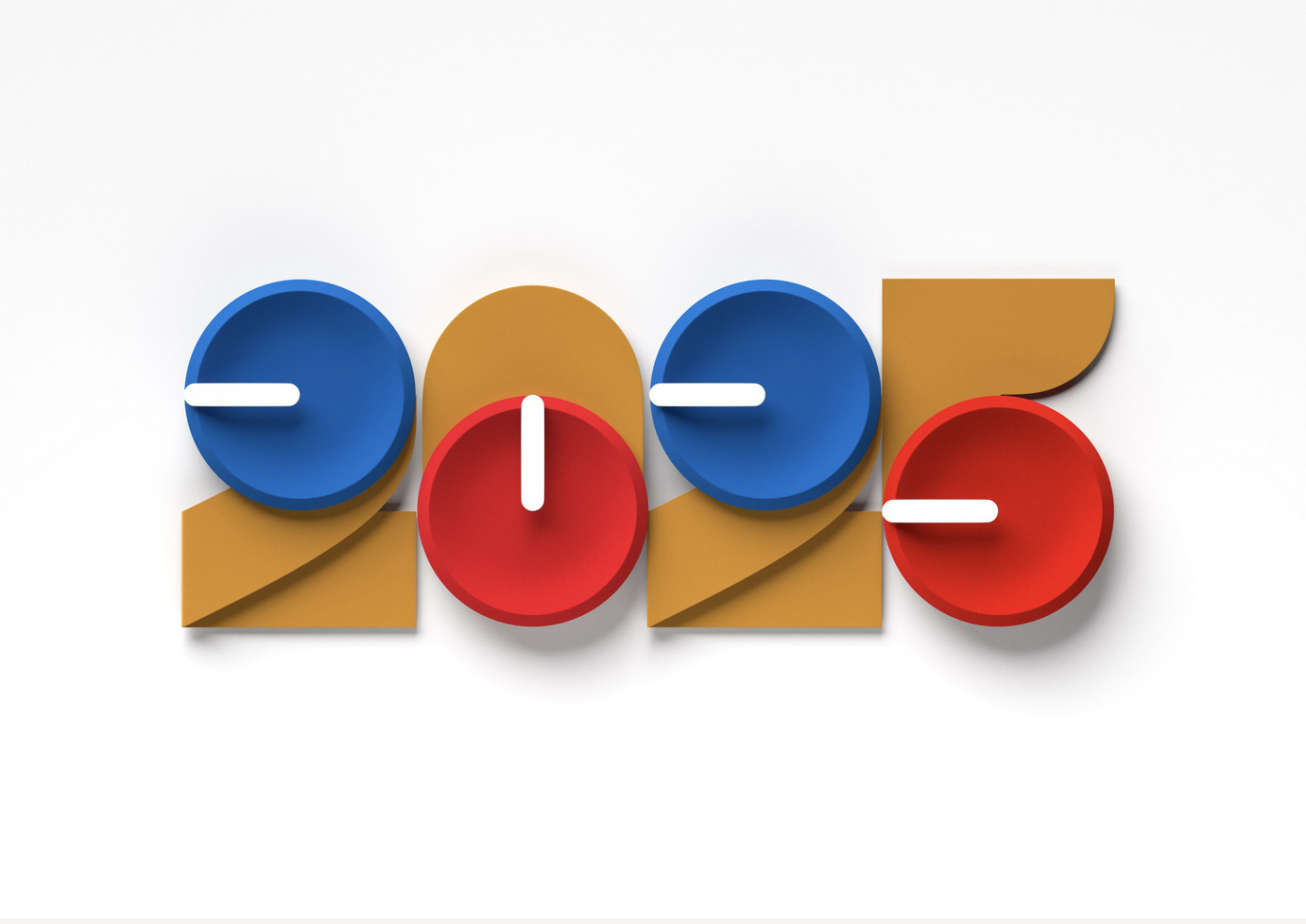
It is just about time – the MAp Trend Report ist back, or let’s say better: it’s already here for 2026. And honestly? At this point, we would not want to imagine ending a year and starting a new one without it! ☻

Each year, we take a deep dive into what is coming – and more importantly, what truly matters for hoteliers, hospitality brands and changemakers across the industry. 

Because let us be clear: trends are not a gimmick. They are signals and a gentle nudge that we all need to look ahead rather than behind. 

Those who wait to act until a trend is mainstream? They are already late. But those who pay attention early can invest smarter, adapt quicker, and stay ahead of the curve. 

This is exactly what the MAp Trend Report 2026 is here for. 
What to expect? No fluff, no trend theatre – just carefully selected insights with direct relevance for your business. From EU regulations and climate disclosures to bleisure travel and purpose-led positioning. 

Shall we take a look? #Onwards
Untertitel
What is shaping hotels in 2026: European Union sustainability reporting, the rise of bleisure, and practical uses of artificial intelligence
Blog main image
2026 Hotel Industry Trends: Sustainability, artifical Intelligence, Bleisure and smarter Operations
Paragraphs
The future belongs to hotels that are both
human and smart
MAp Boutique Consultancy

1. Reporting is getting real, EU regulations are tightening

We know – this might sound like one of those things you would rather not hear. It sounds like work. It sounds like complexity. But here is the good news: it does not have to be! 

In fact, for hotels that start early, sustainability reporting can become a powerful asset – not a burden. 

The Corporate Sustainability Reporting Directive (CSRD) and the European Sustainability Reporting Standards (ESRS) will require more and more companies to disclose how they impact People and Planet.

Even if your hotel is not directly affected (yet), you might be indirectly impacted: 

  • through corporate clients who demand reporting, 
  • through investors who require transparency, 
  • or through business partners who are already reporting themselves. 

In short: sustainability performance will soon become part of your business credentials.

What can you do now? 

  • Find out where you stand today. Our Sustainability Assessment is here to guide you.
  • Decide where to take action first – the areas you want to focus on and improve.
  • Decide whether to walk the path on your own – or bring in professional support to make the journey smoother.
  • Start tracking what truly matters – from energy and emissions (Scope 1 and 2) to your social impact.
  • Choose the right framework for your journey – B Corp, Greensign or others as your starting point. 

Our MAdvice: You do not need to have it all figured out. But you do need to begin.Those who build structures now will be ready – and ahead – when reporting becomes the new normal.


2. Bleisure travel is becoming the norm, not the niche

The line between work and leisure continues to blur – and bleisure travel (Business and Leisure travel = Bleisure) is becoming the norm, not the niche. In fact, the bleisure travel market is projected to nearly quadruple by 2034 (Presedence Research, 2025). 

What used to be a short business trip is now often extended into a weekend getaway. Or even a “workation” in a location that inspires. Guests are looking for places where they can plug in, but also fully switch off. 

What this means for hotels: You need to cater to both sides of the experience – smart and professional, warm and personal.

Think: 

  • ergonomic desks, great coffee and strong Wi-Fi
  • co-working lounges that invite connection wellness offerings,
  • flexible check-in/out, weekend extensions
  • local insider tips that turn a work trip into a memory 

And yes, bleisure travellers are valuable guests: They stay longer, spend more, and often return.

What you can do now? 

  • Review your room amenities and workspace features
  • Create bleisure packages (weekend extensions, 2+ nights with special rates), such as our client B5 Boutique Hotel in Lugano
  • Offer remote-work stays (weekly or monthly rates, with perks for longer stays)
  • Communicate clearly to both direct guests and, where relevant, corporate partners
  • Re-think your loyalty programmes for hybrid travellers who want flexibility and recognition

Our MAdvice: Design your offers around flexibility, purpose and experience – and you will win the travellers who want it all.

2026 Hotel Industry Trends: Sustainability, artifical Intelligence, Bleisure and smarter Operations

3. Artificial Intelligence is coming strong – but not to take your job

Forget the doom stories. In 2026, Artificial Intelligence is not coming for your jobs – it is coming for your to-do list. 

From guest communication to revenue management, hotels are starting to embrace AI as a practical, powerful support system (Thynk, 2024). And we are sure: The smartest ones are not using it to replace their people – they are using it to elevate them. 

Think: 

  • personalised email replies that actually save time
  • chatbots that handle FAQs while your team focuses on real care
  • automated pricing tools that take market trends into account 

The key? Let technology do what it does best – so your people can do what they do best.

What you can do now: 

  • Explore AI tools such as chatlyn tailored for hospitality
  • Start small: one task, one team, one experiment
  • Train your team to work with AI, not against it
  • Keep the human touch at the heart of every guest interaction 

Our MAdvice: Do not fear the tech. Lead WITH it. Because the future belongs to hotels that are both human and smart.

MAp’s Bonus Tip for 2026: Be the hotel that dares

One thing we know for sure: The future belongs to the hotels that dare. 

Trends are tools. But it is your stance that gives them meaning. The most exciting hotels in 2026 do not just follow the direction of the market – they sharpen it. They build with intention, communicate with courage, and turn values into real life action. 

So if you are working on something in 2026, do not play it safe. 
Dare to be different. 
Dare to be true. 
Dare to be the hotel only YOU and your team can be. 

That is what guests will remember and what makes a positive impact. 

We hope that this short glance ahead has provided you with empowering ideas and sustainable inspiration. Let's work together to make hotels even more innovative, sustainable, and future-proof. Thank you for joining us on our journey to shape the hotel industry of tomorrow. #onwards
Blog Block Image
2026 Hotel Industry Trends: Sustainability, artifical Intelligence, Bleisure and smarter Operations

Add new comment

Comment

Order

Plain text

  • No HTML tags allowed.
  • Lines and paragraphs break automatically.
  • Web page addresses and email addresses turn into links automatically.
sharing is caring

It has simply become indispensable: our acclaimed MAp Trend Report, in which we take a look into the future of the hotel industry and sustainability together with you!

If you’ve read our 2023 and 2024 Hotel Trend Reports, you know that we examine both the big picture and the fine details. Our goal is to keep you well-informed and ensure your hotel stays cutting-edge as we move into 2025.

Are you ready to embark on this journey into the future with us? Let us inspire and empower you to lead your hotel into a new era of sustainability and hospitality in 2025!

Untertitel
Hotel trends that will drive and redefine the hospitality industry in 2025.
Blog main image
Die Top-Trends 2025 für die Hotellerie-Branche
Paragraphs

What is the definition of a hospitality trend?

Picture trends as the cool kids at the hospitality party, setting the vibe for the entire gathering. When we talk about hospitality trends, we're basically discussing "what's hot and happening" in the world of hotels and travel. Hospitality trends are evolving patterns and changes within the hospitality industry, reflecting shifts in consumer behaviour, technology, design, and service offerings. So, why should hoteliers pay attention to hospitality trends?

Trends serve as a compass guiding hoteliers through the ever-evolving hospitality landscape. Embracing these hotel trends means staying attuned to shifting guest preferences, technological advancements, and industry innovations. Hoteliers who strategically adapt to hotel trends can differentiate their properties, offering guests unique and appealing experiences that set them apart from competitors.

In short: Knowing and taking trends into account is key to making your hotel more appealing, attracting more guests and ultimately generating more revenue. That's why today we're giving you an insight into four important trends for sustainable hotels in 2025.

Purpose: Transformative guest experience

In 2025, it's no longer just about stylish sun loungers and new cocktail creations (although those have their place too, of course 😊). More and more travellers are looking for experiences that inspire them and help them grow personally – that's transformative travel, where relaxation and personal growth go hand in hand (SiteMinder, 2024). Imagine your guests not only packing their suitcases after staying at your hotel, but also taking away new insights from mindfulness workshops, creative retreats, or authentic cultural experiences.

This makes your hotel an (insiders') tip for all those who want more than just a break and are looking for more than just a vacation. Who wants to "just stay overnight" when you can gain something for your personal development apart from unwinding? Show your guests that they've come to the right place – for everything they need and for what they perhaps haven't even realised yet they were looking for.

3 steps your hotel can take to fulfil the desire for transformative guest experiences:

  • Workshops and retreats: Offer themed retreats that focus on personal development, such as mindfulness or creativity workshops.
     
  • Involve the local community: Integrate local and regional elements into your offering, for example, traditions, customs, recipes, art, etc., to offer guests authentic and transformative experiences.
     
  • Exchange and networking: Encourage exchange between guests through networking events or joint activities that enable your visitors to learn from each other and network.
The 2025 Top Trends for the Hotel Industry

People: Travelling for everyone – neurodiverse experiences

In 2025, the travel industry will become increasingly inclusive, especially within the neurodiverse spectrum (Lemongrass, 2024). This means: more offers tailored to the needs of neurodivergent people. Neurodivergent? These are people whose neurological development and functioning are unique in some way and differ from others. This includes, for example, people with autism, ADHD, or other neurological characteristics (HelloBetter, 2022).

This kind of diversity often requires special attention – and this is where hotels have the opportunity to stand out. Special services that make neurodivergent guests feel welcome and safe make all the difference. Whether through quiet retreats, a clear and well-organised daily structure, or specially trained staff – catering to these needs, hotels create a welcoming atmosphere that attracts not only new, but more importantly, loyal guests.

3 steps your hotel can take to attract neurodiverse people:

  • Sensory-friendly spaces: Design certain areas of the hotel, such as rooms or lounges, with calming colours, subdued lighting, and minimal acoustic disturbances. Provide noise-cancelling headphones or eye masks to create a tranquil and relaxing environment.
     
  • Customised itineraries: Develop packages or offers that cater to the needs of neurodivergent guests. This could include providing detailed information about the surroundings, low-stress activities, and the possibility to customise schedules for maximum flexibility.
     
  • Staff training: Provide training for your team to raise awareness of neurodivergent needs. This includes dealing with different communication styles, sensitivity to sensory overload, and the ability to respond individually to guests' wishes and requirements.
Trends are like a compass
that guides you through the ever-changing landscape of the hotel industry.
@weareMAp

Planet: Environmental sustainability through sustainable food options

Sustainability on the plate will be a real game changer in 2025: more and more diners are making sure that their food not only tastes good, but is also sourced environmentally friendly and ethically responsibly (Mintel, 2024). Sustainable menus are therefore no longer just nice to have, but often a decisive factor when choosing a hotel. Many travellers want to minimise their ecological footprint without sacrificing indulgence – and preferably dine just as they would at home.

Hotels focussing on local, seasonal, and sustainable ingredients therefore certainly have a competitive edge. According to Booking.com's Sustainable Travel Report (2024), 75% of travellers intend to travel more consciously and sustainably in the next 12 months – and the menu is a major contributing factor.

Delicious sustainable options not only appeal to your guests' palates, but also to their environmental awareness – and that's a significant bonus!


3 steps your hotel can take to do something good for the planet with sustainable dining options:

  • Design sustainable menus: Offer vegan and vegetarian options in your hotel restaurant or at breakfast (at least two per category: starter, main course, dessert). Present this menu on your website or mention that you offer vegan and vegetarian options!
     
  • Be transparent: Inform your guests about the origin of ingredients. Focus on transparent communication by explaining how and where the food is produced and/or what its ecological footprint looks like. You should also integrate this information into your website.
     
  • Offer cooking classes and workshops: Organise workshops or cooking classes where guests learn how to cook more sustainably themselves. This not only creates a unique experience, but also promotes awareness for sustainable nutrition and food handling.
The 2025 Top Trends for the Hotel Industry

Profit: Virtual experiences prior to booking

Travellers increasingly want to take a virtual tour of their future holiday destination before they book – and this is where you come in! Virtual experiences not only facilitate the booking process, but can also boost your sales considerably. According to the unterwegs digital travel magazine, a full 78% of respondents attach great importance to being able to get a visual impression of the property and ambience before booking.

This is your chance to present your hotel in the best possible light, intrigue people, spark anticipation, and thus generate more bookings. How, you ask? Create a digital holiday experience on your website and on social media that gets your potential guests in the holiday mood online!

3 steps your hotel can take to generate more bookings through virtual experiences:

  • Offer virtual tours: Create 360-degree videos that allow potential guests to navigate through the rooms, lobby, restaurants, and other key areas of your hotel. Be sure to highlight different angles and details so guests get a full feel for the atmosphere and style of your hotel.
     
  • Use social media: Share interactive insights from your hotel with short videos and live tours on platforms such as Instagram and Facebook. Use Instagram stories or reels to present special offers and events or grant a peek behind the scenes. Encourage your followers to ask questions or take part in surveys to increase engagement.
     
  • Make your hotel website an experience: Turn your hotel website into an experience for visitors. Integrate elements such as virtual tours, image carousels, and informative pop-ups that guide guests through the various offers. Make sure that navigation is intuitive and user-friendly so that visitors can quickly find the information they are looking for – be it on room rates, amenities, or special events. This not only makes people want more, but also ensures that they stay on the hotel website longer, gain trust, and book!

Our MAdvice at the end: Desire for spontaneous adventures is on the rise! More and more travellers are booking holidays last-minute. Take advantage of this trend by offering last-minute deals and attractive last-minute promos – to perfectly cater to the thrill of the unplanned or late planners!


We hope that this short glance ahead has provided you with empowering ideas and sustainable inspiration. Let's work together to make hotels even more innovative, sustainable, and future-proof. Thank you for joining us on our journey to shape the hotel industry of tomorrow.

Here's to a year full of new opportunities and great sustainable experiences!

284 practical measures for implementing sustainability in the hotel industry

Small steps for great impact: We support you on your way to hotel sustainability.

Create a sustainable hotel that makes a positive impact for all, and delivers more profit and success for you.

Blog Block Image
The 2025 Top Trends for the Hotel Industry

Add new comment

Comment

Order

Plain text

  • No HTML tags allowed.
  • Lines and paragraphs break automatically.
  • Web page addresses and email addresses turn into links automatically.
sharing is caring

It happened quickly, but we’re already in the last months of 2023 (yes, we also can’t believe it!). After the positive feedback we received on last year’s hospitality trend report, we’ve researched the top trends for a sustainable hotel business in 2024 - so you don’t have to!

In this trend report, you’ll learn the sustainable hotel trends in 2024, which include: Purposeful business travelHyper-local experiencesGreenwashing and Monitoring.

Untertitel
These trends will redefine the hotel and hospitality industry
Blog main image
Die Top-Trends 2024 für ein nachhaltiges Hotel-Business
Paragraphs

What is the definition of a hospitality trend?

Picture trends as the cool kids at the hospitality party, setting the vibe for the entire gathering. When we talk about hospitality trends, we're basically discussing "what's hot and happening" in the world of hotels and travel. Hospitality trends are evolving patterns and changes within the hospitality industry, reflecting shifts in consumer behavior, technology, design, and service offerings. So, why should hoteliers pay attention to hospitality trends?

Trends serve as a compass guiding hoteliers through the ever-evolving hospitality landscape. Embracing these hotel trends means staying attuned to shifting guest preferences, technological advancements, and industry innovations. Hoteliers who strategically adapt to hotel trends can differentiate their properties, offering guests unique and appealing experiences that set them apart from competitors.

This not only enhances guest satisfaction but also drives higher occupancy rates and revenue. In essence, keeping a keen eye on hospitality trends is akin to possessing a valuable tool that can elevate a hotel's reputation, attract more guests, and contribute to its financial success. For the purposes of this trend report, we’ve focused on one trend that’s here to stay: sustainability. That’s why we’ve brought together the top trends for sustainable hotel businesses in 2024. Let’s dive in!

Purpose: Purposeful Business Travel

According to central findings from the latest Annual Global Report and Forecast published by the Global Business Travel Association (GBTA), a remarkable 82% of travelers reported that business travel is very or moderately worthwhile in achieving their business objectives. This underscores the emerging trend of "Purposeful Business Travel."

Business travelers now expect more than just meetings and conferences; they are seeking meaningful experiences and opportunities that go beyond mere business transactions. Combining meetings with purposeful leisure means that travelers stay longer, engage in more activities, and take steps to make “the most of their carbon emissions." Being attractive to this travel group thereby creates loyal customers, expands the target audience, and helps achieve new reach.

3 things your hotel can do to leverage this hotel trend:

  • Clearly present your own WHY. Studies demonstrate that this significantly enhances the perceived attractiveness of your hotel. You'll connect with purpose-driven business travelers when you authentically exhibit your own sense of purpose. If you encounter any difficulties in doing so, we've crafted a complete handbook on the topic of purpose to guide you in defining it and communicating it with the world.
  • Create customised packages that include bundled business services like arranging (sustainable) transportation, with other offerings like wellness and healthy dining options. Offer discounts and incentives for extended stays to help them make the most out of their visits.
  • Provide information on how business travelers can offset their carbon emissions and refer to organisations such as Cool Earth. Not only does this demonstrate your commitment to environmental responsibility, but it also directly appeals to purpose-driven business travelers.

People: Hyper-local Experiences

The Marketing and Tourism Teacher Delmar José Ribeiro Sábio emphasises the hospitality trend of hyper-local experiences in 2024. This means that guests are actively seeking out unique and authentic experiences. It's no longer just about ”taking a vacation” - places are chosen more consciously, with a desire to immerse themselves in the authentic local culture, history and cuisine.

But hasn't it always been this way? Well, it’s become even more focused and small-structured now. There's actually a distinction between local and hyper-local: "Local" pertains to towns and cities, whereas "hyper-local" encompasses neighborhoods.

3 things your hotel can do to leverage this hotel trend:

  • Actively promote community-driven initiatives, such as art exhibitions, farmers markets, or charity events, and encourage guests to get involved during their stay. For example, you can provide a customised neighborhood map, created by a local artist, where guests can see what's going on around them.
  • Collaborate with local chefs and food producers to offer hyper-local dining experiences within your hotel. Host pop-up restaurants or chef's tables that exclusively feature locally-sourced ingredients, giving guests a taste of the authentic local cuisine.
  • Appeal to the (hyper-)local population as well. For instance, consider inviting local artists to showcase their work in your lobby or opening your restaurant to non-guests, making your hotel the neighbourhood hangout. This not only resonates with the local community but also enhances your guests' experience, as they appreciate the authentic atmosphere of being among locals.
Hospitality trends are evolving patterns and changes within the hospitality industry,
reflecting shifts in consumer behavior, technology, design, and service offerings.
@weareMAp

Planet: Greenwashing

At MAp, we are strong advocates for businesses and brands that prioritise honesty, regardless of the circumstances. Companies that consistently maintain transparency tend to outperform their competitors. And this principle extends to the hotel industry. But let's not mince words and address the undeniable fact: Greenwashing in the hospitality industry is gaining ground.

Greenwashing refers to hotels falsely promoting themselves as eco-friendly or sustainable without implementing genuine environmentally-conscious practices. Greenwashing is a trend that needs to be countered. This is achieved by employing successful sustainability communication.

By communicating sustainability in a sustainable way and having the right sustainability story in place for your hotel, you build awareness for your brand, create a positive image of your hotel in the heads of guests, engage and motivate your employees, and better comply with reporting rules and regulations. And of course, you also avoid greenwashing.

3 things your hotel can do to leverage this hotel trend:

  • Seek recognised sustainability certifications to validate your sustainability initiatives and assure guests of your commitment. You can learn more about Certifications on our Resources page HERE.
  • Don’t be vague about the information you give. Your communication should be clear, honest and transparent, including concrete examples of what you are doing. In this context, it is important to keep the 10 Principles of Sustainable Communication in mind.
  • Focus on the experiences you create, not on impressing your guests. The hotel industry relies heavily on the guest experience. That's why it's essential to pay attention to what guests truly encounter during their stay. What's the use of making big promises upfront if the real experience doesn't match? It can damage your reputation very fast. So trust in the saying: "Honesty is the best policy."

If you want to learn more about greenwashing, we have dedicated a whole separate blog post to the topic.


Profit: Monitoring

Of course, sustainability isn't just about having a purpose and being environmentally + socially responsible. It’s also about ensuring profitability; after all sustainable hotels achieve more financial success due to decreased costs and increased performance (as a result of higher occupancy rates, and more). Monitoring sustainability efforts is a key hotel trend that can help hotels strike a balance between sustainable consciousness and financial success.

3 things your hotel can do to leverage this hotel trend:

  • Monitor aspects such as resource consumption, energy efficiency, waste reduction, and water conservation. By doing so, hotels can identify areas where they can cut costs, reduce waste, and minimise their environmental footprint.
  • Set realistic targets for improvement by making data-driven decisions. Whether it's through advanced building management systems, real-time data analytics, or guest feedback, hotels can fine-tune their operations to maximise both environmental and financial benefits.
  • Explore creative methods of guest interaction through monitoring, such as integrating gamification elements into the water usage display in the shower. Motivate guests to be part of the sustainability journey, ultimately leading to positive financial outcomes for your business.

That’s a wrap on this year’s top hotel trends for sustainable hotel businesses in 2024. Thanks for tuning in and your interest in making a difference – for the hospitality industry and the world!

The Sustainable Hotel Collection

Make your hotel a sustainable hotel!

Create a sustainable hotel that makes a positive impact for all, and delivers more profit and success for you.

Blog Block Image
The Top Trends for a Sustainable Hotel Business in 2024

Add new comment

Comment

Order

Plain text

  • No HTML tags allowed.
  • Lines and paragraphs break automatically.
  • Web page addresses and email addresses turn into links automatically.
sharing is caring

As hotel experts, MAp spotlights the megatrends that will change the hotel landscape in 2023 and the years to come. These megatrends are centred on sustainability and in line with MAp’s sustainability framework, The 4 Ps of Sustainability. Read on to learn what they are!

Welcome to 2023!

As we like to do every January, it’s time to look forward to what we can expect in the coming year. In this sustainability blog post, we share MAp’s forecasts on the megatrends that will not only define this year but have a direct impact on the hospitality industry and your hotel business in particular.

But hang on, megatrends? Aren’t all trends intrinsically “mega”? In fact, there is a difference between a megatrend and a trend. Let’s explore further:

German-based research centre Zukunftsinstitut (2023a) describes megatrends as the biggest drivers of change that cause epochal changes, which can be seen on a global scale and in all societal areas, such as the economy, consumer behaviour, value shift, politics and more. Megatrends are complex and dynamic, and importantly, NOT short-lived phenomena or simply “in fashion” – they are here to stay. So better to keep a close eye out. Trends, on the other hand, are smaller-scale ,and there is never a guarantee that a trend observed in the present will continue in the future.

So, what are the 4 megatrends that will shape the hospitality industry in 2023 and the years ahead? And what can boutique hoteliers do now to respond to these epochal changes?

Working along MAp’s sustainability framework – the 4 Ps of Sustainability (Purpose, People, Planet and Profit) – we have chosen four megatrends that we see gaining traction and importance through our consultancy practice. And these are sure to be important for the sustainable success of your boutique hotel in 2023.

#onwards

Untertitel
MAp’s outlook into this year’s megatrends and the sustainable action steps to take in order to create bigger impact
Blog main image
4 Megatrends, die das Hotel- und Gastgewerbe im Jahr 2023 und darüber hinaus prägen werden
Paragraphs
Megatrends [are] the biggest drivers of change that cause epochal changes, which can be seen on a global scale and in all societal areas,
such as the economy, consumer behaviour, value shift, politics and more.

1. PURPOSE: Purposeful Business

A few years back, research by The British Academy (2019) made a strong case for change in the business world, stating general loss of trust among consumers and the shortcomings of the current capitalist business approach, as well as the damaging impact on People and Planet. Since then, the practise of purposeful business has seen a major upheaval, in which companies take responsibility and bring meaning to their existence beyond the mere purpose of making money. More recent studies found that 8 in 10 (82%) consumers said they took action to support a company when they believed in its Purpose (Zeno Group, 2020) and that brands recognised for high-commitment to Purpose have grown at more than twice the rate of others (Kantar Consulting, 2020).

What Purposeful Business means for your hotel:

  • Having a strong Purpose (as in, knowing the reason for your hotel’s existence and its overarching WHY) has the promise to transform and pushes you to strive for something better - be that a better world, a better way to do business, a better employer or whatever you believe is important. Ultimately, purposeful business is about delivering more than Profit for your hotel.
  • The Bain & Company (2023) calls purposeful business “the secret weapon in the new war for talent.”  And we’re not surprised.  Sure, your hotel employees want the basics (a fair salary, feeling safe in the workplace and more). But these are just “qualifiers” as to whether your employees are satisfied or dissatisfied with your hotel. But for them to stay at your hotel, employees need their jobs to have Purpose, too. They want to be part of completing a worthwhile mission (aka your hotel’s Purpose).

Take this ONE action:

Ask yourself, what is that one thing that you and your team really want to achieve, change, or serve in 2023? What is the reason for existence for your hotel? We know it’s difficult to get you started on thinking about these things, and that’s why we wrote a whole handbook about finding your hotel’s Purpose. Finding your Purpose, your WHY, will – as studies prove – not only increase your Profit, it will also increase the attractiveness of your hotel as an employer as well as increase team spirit. In the end, as human beings, we all want to do great and meaningful work.

2. PEOPLE: Gender Shift

In many areas of life, People are increasingly shedding familiar gender roles, and awareness of the value of diversity in business and politics is growing. The megatrend, Gender Shift (Zukunftsinstitut, 2023b), is essentially about the questions of identity, stereotyping and new relationship- and family models. The discussions and answers to these questions are changing social perceptions and communications. As a result, inclusiveness and diversity are gaining stronger importance in the workplace.

What Gender Shift means for your hotel:

  • In a challenging job market, diverse and inclusive hiring can be your game-changer. Because when you think about it, diversity is simply an effort to accommodate the full range of the human experience (and what’s not to love about that?). So, gender shift in the hospitality industry is about building more inclusive and diverse teams. This means having a variety of races, genders, ethnicities, ages, backgrounds and more represented within your hotel staff – and celebrating those special differences.
  • That said, equal opportunity employment should not be just a step to bolster your employer branding but rather a core of your hotel’s hiring practices and living culture.
  • Using inclusive language means your People (guests, employees, partners and the local community) are more likely to feel like they belong and can be their authentic selves.
  • We all know that speech isn’t always necessary to convey a very specific message. Thus, “silent” bias might still very well be found in your social media, photographs, videos or other visuals around your hotel.

Take this ONE action:

Take off the blurred glasses and start looking around your hotel with a fresh set of eyes: What is the make-up of your hotel staff? What message conveys the non-verbal communications in your hotel? Are there any situations that consistently show members of any group as superior or inferior? Make sure that your hotel, and especially its communications, welcomes ALL People. And take a special look at your hotel photography. As the Gisler Protocol (2023) so eloquently states: whenever you look at the female role in photos and you can replace her with a flower pot or a puppy, then it is definitely discriminatory.

3. PLANET: Neo-Ecology

In the past, discussion and debates about the ecological dimension of sustainability were characterised by the question of who to blame, renunciation and, of course, greenwashing. But now researchers (Zukunftstinstitut, 2023c) are certain that the megatrend, Neo-Ecology, will shape this century like no other.  Why Neo? The term ecology comes from biology and originally referred to the science of the interrelationships between living beings and their environment. However, the prefix Neo (ancient Greek for new) accentuates the advanced understanding of ecology, which is rather the totality of the interrelationships between living beings and their environment as well as the combination of the environment and the economy.

Today, environmental awareness and sustainability are increasingly advancing from an individual lifestyle and consumer trend to a social movement - and to a central economic factor that influences all entrepreneurial spheres. It is no longer about renunciation but about what we gain. In a sense, it describes the emergence of a new business ethic. Even more so, when we adopt sustainable and pragmatic approaches to solutions that involve the fusion of People and technology, we no longer see it as a problem, but as the key to a neo-ecological future.

What Neo-Ecology means for your hotel:

  • Your People are increasingly becoming globally responsible, and this will not only transform society from the ground up but also alter the logic of hospitality brands and marketing.
  • Stop explaining to your guests why you don’t change towels every day or why you banned plastic straws. To be honest, these trivial measures are already expected of you anyways and your guests know the importance of them. Instead, focus on HOW you communicate your sustainability actions - going beyond the expectations.
  •  And yes, green tech is not only a buzzword. The growth markets of the green tech industry include energy efficiency as well as sustainable mobility concepts. As more technologies emerge, successful entrepreneurs (such as you are) should be encouraged to inform themselves regularly about new helpful tools and devices. What are innovations or technological advances that you can implement at your hotel that will be good for People and Planet (and eventually for your Profit too)?

Take this ONE action:

Look at how you communicate your sustainability activities. As our expert Martin Stockburger shared with us in our Profit handbook, it is important to communicate in a non-dogmatic way, in a conversational tone and in an easy-to-read and honest manner. It is completely okay to also mention what you have struggled with and what challenges you have faced as part of your sustainability journey.

4. PROFIT: Kindness Economy

A few decades (or even years) ago, we would not have believed that economy and friendliness could go hand-in-hand. After all, everything in economics is about growth, competition and Profit. But now there is much to suggest that the economy is entering a friendlier phase based on real human values, such as respect, understanding and care: a true "Kindness Economy". This new economy is nice - to ourselves and our People, to the Planet and to our Profit (in that order). The Corona pandemic already showed us that it’s possible in a radical but effective way, influenced by a growing awareness for the environment and the future quality of life.

What Kindness Economy means for your hotel:

  • Failure and success will be determined by those hotels that (don't) give a f*ck. Because guests no longer only look at price, but also question the product’s origin, the hotel’s culture and many other intangible social factors. Thus, successful hotels take a very clear approach, which we coined at MAp one of our basic sustainability mantras: Purpose + People = Profit.                                              
  • Many hotels have been individual players for decades, but the future belongs to those who understand the advantages and benefits of partnerships and community. Together, they can achieve so much more. Partnering will be a crucial success factor in a world where changes don’t happen overnight. Not for nothing, it is also the 17th SDG.

Take this ONE action:

Get in touch with your partners and your local community. Discuss how you can serve your (and their) Purpose and what you want to achieve together in 2023. This also includes to stop seeing yourself as an individual player in an ever more complex market. Find partners with similar values and goals and start to create synergies and a bigger impact.

Talking about Profit, we have one more extra advice and action to offer: over the last years, the rules of economy have changed. Re-investment in your business is still a basic economic rule. However, this year, we recommended to our boutique hotelier clients to shift their investment efforts from hotel hardware to hotel humans. In the end, hospitality is a People-for-People business, so reinvest in YOUR People (in salaries, raises, benefits, growth opportunities, etc.) and do not forget to reinvest in yourself as well. As the leader and manager of your boutique hotel, you have to understand where the economy is going and get up to speed ASAP.

The prosperity of tomorrow’s hotels is based on new values - having a Purpose, being inclusive and diverse, communicating authentically and partnering up and being kind in order to do better for People and Planet. These aren’t just passing trends - they’re here to stay, and every business, in hospitality and beyond, will need to adapt as a result. Therefore, as sustainability becomes increasingly important and a measure of a hotel’s worth and success, follow the action steps we outline herein to help move you forward on the path to impact.

To assist you further, we’ve created a series of practical sustainability handbooks for boutique hoteliers, titled The Sustainable Hotel Handbook – Collection, which you can find here.

SOURCES:

Bain & Company. (2023). Purposeful Work: The Secret Weapon in the New War for Talent. Retrieved from https://www.bain.com/insights/purposeful-work-the-secret-weapon-in-the-new-war-for-talent/

Gislerprotokoll. (2023). Abschnitt: Kein Mensch ist eine Topfplanze. Retrieved from https://www.gislerprotokoll.ch

Kantar Consulting. (2020). Purpose 2020. Purpose led-growth. https://www.kantar.com/Inspiration/Brands/The-Journey-Towards-Purpose-Led-Growth

Portas, M. (2021). How to thrive in the new Kindness Economy. Retrieved from https://www.penguin.co.uk/books/445415/rebuild-by-portas-mary/9781787635166

The British Academy. (2019). Principles for Purposeful Business. Retrieved from https://www.thebritishacademy.ac.uk/publications/future-of-the-corporation-principles-for-purposeful-business/

Zeno Group. (2020). 2020 Zeno Strenght of Purpose Study. Retrieved from https://www.zenogroup.com/insights/2020-zeno-strength-purpose

Zukunftsinstitut. (2023a). Die Megatrends. Retrieved from https://www.zukunftsinstitut.de/dossier/megatrends/

Zukunftsinstitut. (2023b). Der Megatrend Gender Shift. Retrieved from https://www.zukunftsinstitut.de/dossier/megatrend-gender-shift/

Zukunftsinstitut. (2023c). Der Megatrend Neo-Ökologie. Retrieved from https://www.zukunftsinstitut.de/dossier/megatrend-neo-oekologie/

Blog Block Image
4 megatrends that will shape the hospitality industry in 2023 and beyond

Add new comment

Comment

Order

Plain text

  • No HTML tags allowed.
  • Lines and paragraphs break automatically.
  • Web page addresses and email addresses turn into links automatically.
Types
sharing is caring

Excerpt: COVID-19 has changed the game, and it’s time for hotels to catch up. In this blog post, we dive into the trends that have shaped, and continue to shape, the hospitality landscape as we look to the rest of the year. We’re happy to report the pandemic has shifted travel so that it is slower, more purposeful, and better for the planet, while meeting traveller’s important needs: privacy, value, productivity. Read on for what these trends mean for hotels when it comes to crafting or sharpening their hotel concepts.

Untertitel
What will be the next BIG thing?
Blog main image
Hotel Concept Trends 2021
Paragraphs

Our blog post, “When sh*t happens, shift happens”, says it all. Due to the COVID-19 pandemic, people’s needs and wants have fundamentally shifted, which has in turn ushered in a wave of trends. At MAp, we believe that your people should always be at the centre of what it is you do, so success will ultimately hinge on how hotels respond to the key trends poised to shape the year ahead.

We’ve taken the time to monitor the market’s new developments and pick the most important ones. Without further ado, MAp presents our top hotel concept trends to watch for in 2021:

We’re happy to report the pandemic has shifted travel so that it is slower, more purposeful, and better for the planet,
while meeting traveller's important needs.
via @weareMApeople


Hotel Concept Trend #1: Regenerative Travel

You’ve heard of sustainable travel, but have you heard of regenerative travel? The principle of regeneration goes one step further than sustainability, which aims toward neutral impact, to reverse and repair the damage to our environment and local communities. It’s no longer about minimising impact, but taking critical actions to heal the earth and its people, or as the New York Times puts it simply: “leaving a place better than you found it.” For hotels, regenerative measures include providing guests with opportunities to partake in restoration projects or funding educational initiatives.

Regenerative values are emerging as the future of travel, as COVID-19 has forced travellers to reflect on the basic notions of why and how we travel, creating a paradigm shift in the industry and a demand toward making net-positive contributions to all stakeholders. And travel as a force for good is needed now more than ever, as destinations heavily reliant on tourism have been decimated by the pandemic, creating an acute need to rebuild impacted communities.

Considerations for your hotel concept:

According to Regenerative Travel, the following principles should guide hotels in developing hotel concepts that are truly regenerative.

  • Incorporate whole systems thinking. Consider all stakeholders and elements, such as the physical land, in your decision-making, taking into account potential ramifications.
  • Honour the sense of place. Weave the local community – its culture, practices, history, heritage, etc. – into every aspect of the guest experience.
  • Partner with and include the local community. Bring in the diverse expertise and intimate knowledge of community members when planning, constructing and operating your hotel.
  • Have a purpose. At MAp, we believe purpose is key! Determine what your purpose is, and from that create an aspirational vision and mission that inspires your guests.

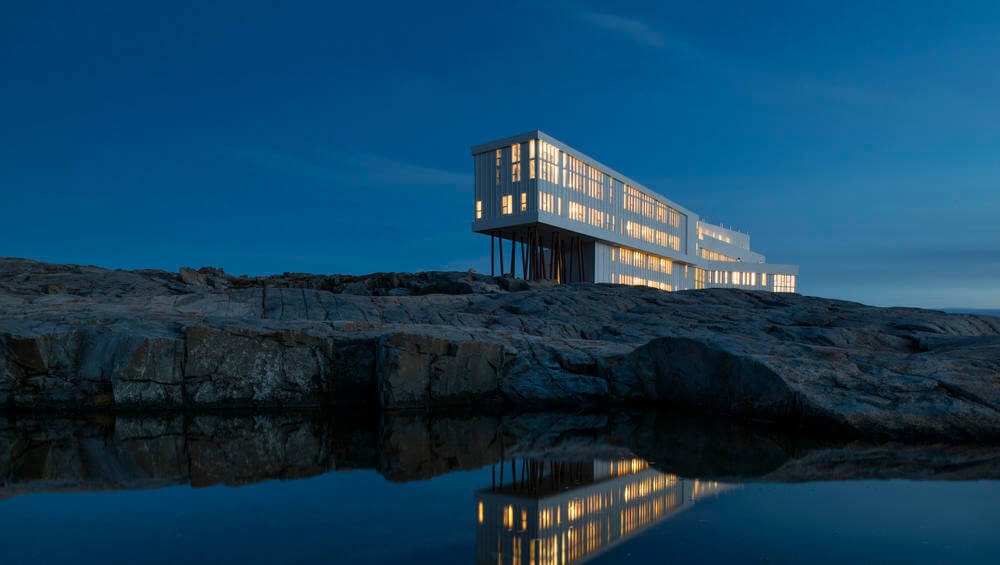
Inspiration: Fogo Island Inn

Hotel Concept Trends 2021

Hotel Concept Trend #2: Remote Working

If there’s anything we’ve learned from the pandemic, it’s that remote working is here to stay. And while some will opt to #workfromhome, others will opt to #workfromhotel, taking their work on the road with them as they set out to explore the world. Hotels, therefore, should be well-positioned to support this mobile and global workforce – and that means going beyond the lobby-as-co-working space model.

Instead, hotels should strive to understand what it is this segment wants and needs – and deliver! Remote workers have extremely high standards when it comes to their ability to do their jobs, so be focused on creating private and productive working environments, upgrading your tech capabilities and giving guests the amenities they need be at their best – on and off the clock.

Considerations for your hotel concept:

  • Build a community. Provide opportunities for remote workers to connect with, learn from and support each other.
  • Be functional and flexible. No one works the same way, so make your rooms work-friendly and flexible (that’s right – put those desks on wheels!).
  • Strike a balance between work and pleasure. Give remote workers what they need to be productive, but also what they want when it comes to unwinding after a long day “at the office.”
  • Don’t forget the locals. Cater to local workers looking for a change-of-scenery from their home offices.

Inspiration: gravity haus

Hotel Concept Trends 2021

Hotel Concept Trend #3: Value

Times are tough and budgets are limited. And this has led to the resurgence of the “value traveller” – not to be confused with the “budget traveller,” often associated with the term cheap.

Value travellers are looking to stretch their money as far as possible. While they are cost-conscious, they are willing to spend where their priorities lie. But what they’re not willing to do? Sacrifice quality or comfort. They are well-travelled and have just as high of standards as the next guy.

Value travellers seek out transparency on cancellation and refund policies, free breakfasts, activities at little to no extra charge. But also comfy beds, room service, luxe amenities. For this segment, it’s about finding the right balance.

Considerations for your hotel concept:

  • Throw in freebies. Everyone appreciates a good freebie!
  • Determine amenity must-haves. Figure out and incorporate those amenities that matter most for your target audience.
  • Create a loyalty programme. Reward return guests with extra – and free – perks.
  • Sell hotel packages. Combine accommodation, transport and activities into one attractive rate.

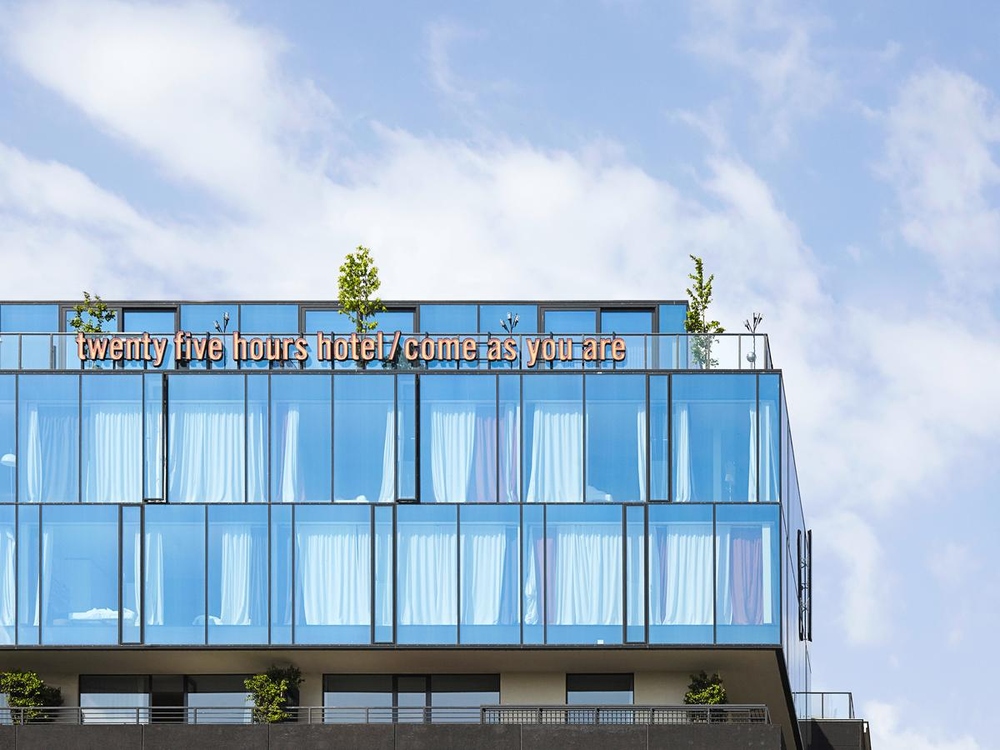
Inspiration: 25hours Hotels

Hotel Concept Trends 2021

Hotel Concept Trend #4: Privacy + Seclusion

The year 2020 proved that privacy is the new luxury. As we’ve seen, private forms of accommodation have surged during the pandemic. Travellers are seeking out more remote, secluded and off-grid destinations, away from the crowds and nestled in nature – that’s what people crave after all this time spent indoors! And on top of that, they’re travelling in small groups or with family members (expect a swell in multigenerational travel), therefore opting for villas, cabins or holidays homes that are more spacious, accommodating – and you guessed it - private.

This trend has been a boon for Airbnb and Vrbo, but not for traditional hotels that simply can’t offer the same levels of privacy. However, hotels that cater to this new mindset will reap the rewards of more reservations.

Considerations for your hotel concept:

  • Weave in nature. Wherever possible, provide opportunities to soak up surrounding nature through guided hikes and the like.
  • Consider the destination. For any future hotel projects, the rule of thumb is: the more secluded, the better.
  • Provide luxury services. Think airport pickups, dedicated butlers and private chefs.
  • Rethink the hotel room. Switch up the standard by introducing private villas or even tents.

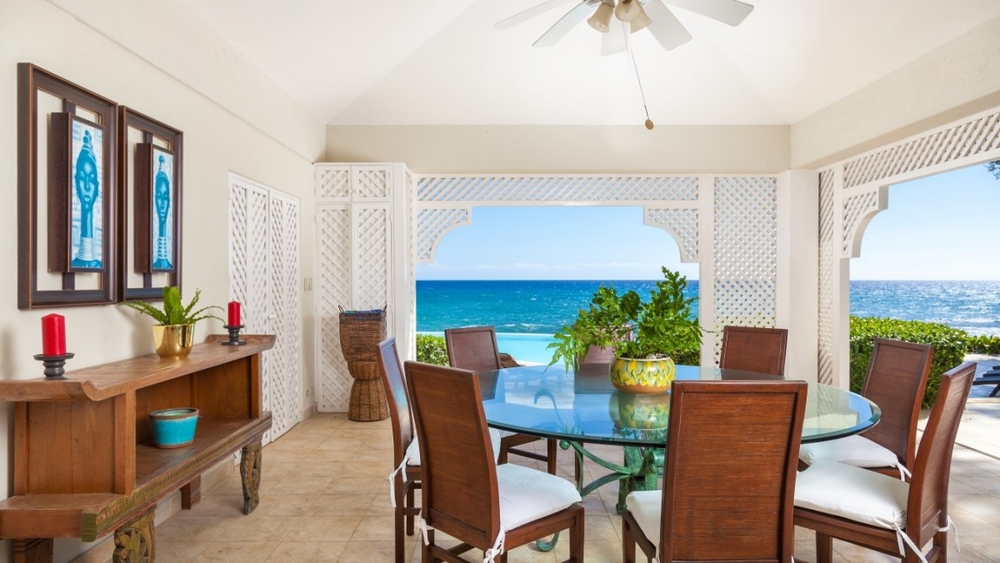
Inspiration: Casa de Campo

Hotel Concept Trends 2021

Hotel Concept Trend #5: Slow + Purposeful Travel

As a purpose-driven boutique consultancy, this is a trend we’re excited about!

After a year of sitting inside, it seems that travellers have acquired a taste for a slower pace. That’s where the concept of “slow travel” comes in. Slow travel aims to give travellers a rich understanding of life in a destination through interactions with locals and immersive experiences. We expect to see travellers spend more time discovering a destination and visiting fewer places during a single trip - while enjoying more experiences, culture and traditions.

And this goes hand-in-hand with “purposeful travel,” or the idea of travelling more responsibly and with purpose. It’s intentional and immersive, conscious and connected —with yourself, the destination, and the greater world.

Considerations for your hotel concept:

  • Connect to place. As stated above, incorporate the destination into all aspects of your hotel – from the design, to the food, to the services, and beyond.
  • Create immersive experiences. Give guests the opportunity to immerse themselves with and learn about local people, culture and heritage, and history.
  • Take it slow. Focus on creating a relaxing retreat where guests can unwind.
  • Be more purposeful. Determine your own “why” that drives you. As we at MAp like to say: “You first have to stand for something, before you can stand out for something.”

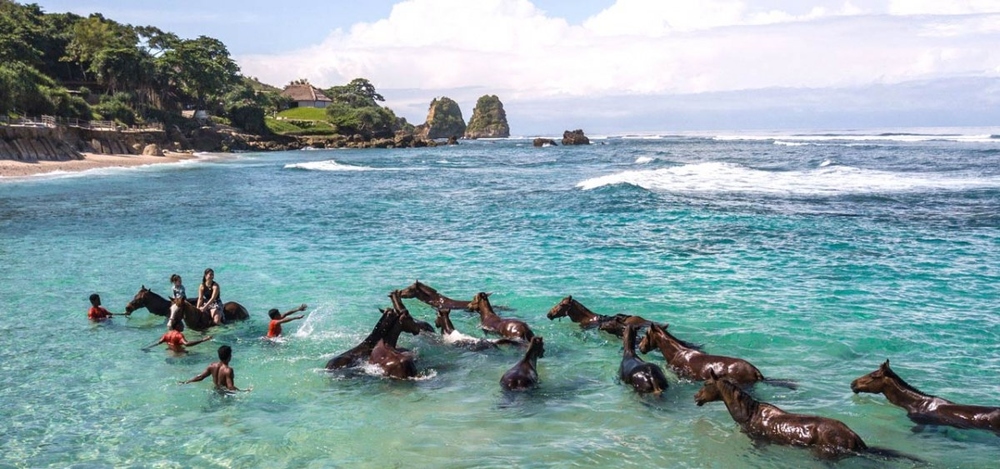
Inspiration: Nihi Sumba

Hotel Concept Trends 2021

Conclusion

That’s a wrap on MAp’s top hotel concept trends for 2021! While the hospitality industry has been forever changed (and as evolution tells us: when something changes, it’s usually for the better), we can agree that it has to evolve and reinvent itself in order to take advantage of the opportunities and cope with the challenges it faces. Ever the unshakable optimists, we believe the industry will come out on top!

#onwards

Photo Credits: Fogo Island Inn, gravity haus, 25hours Hotel, Casa de Campo, Nihi Sumba

Blog Block Image
Hotel Concept Trends 2021

Add new comment

Comment

Order

Plain text

  • No HTML tags allowed.
  • Lines and paragraphs break automatically.
  • Web page addresses and email addresses turn into links automatically.
Types
sharing is caring

Fed up with a dining experience that spans four hours and twenty itsy-bitsy courses? Feel like everything is just way too much – too expensive, tedious, gimmicky, scientific, technical, pretentious, elitist, fake …? Do you think that the fun has gone from fine dining?

You’re not alone. It appears that the days are numbered for avant-garde gourmet movements and overly formal fine dining restaurants. So what’s on the horizon? We have done the groundwork and pulled together what we believe will be the future of fine dining:

Ten things we believe will shape fine dining experiences of the future.

Blog main image
The future of fine dining
Paragraphs
Creating a convivial atmosphere that fosters socialising and invites diners to interact, such as communal table arrangements and dishes that can be enjoyed on a sharing basis,
will have an emotional resonance with the audience.
via @weareMApeople


1 - Originality, authenticity, honesty and value
It is all about top-notch ingredients in its purest form that diners can trust,  dishes that have a clear connection to the original product. So, goodbye to preservatives, wild chemical food experiments and designer-clad service staff and say hello to real value and taste!

2 - Sustainability, locally grown and seasonal ingredients
Top-notch dining experiences are already using as much as possible locally grown ingredients that are in season, at their peak freshness - not manipulated or chemically treated. Chefs, farmers and food producers will work and collaborate even closer to guarantee the highest quality and sustainability that consumers demand.

3 - Playful twist and positivity
Who decided that fine dining had to be stiff and formal? There’s hope on the horizon, as humour, wit and storytelling will feature heavily in the overall dining experience. Today’s diners are looking for positivity, lightness and ease.

4 - Simplicity and health
These will be the key buzz words of the future: food will be pared back, delicious, nutritious and well executed, offering a balanced and enjoyable dining experience.

5 - Interaction
This is a key requirement for a growing number of diners who are wanting much more from their dining experience. Look to connect them with the people behind the scenes (the chefs, artisans, farmers, experts, …), involve them by detailing the story behind the dishes, share knowledge and skills and let diners participate in a dialogue about the importance of food.

6 - Multi-sensory experience
When was the last time you truly experienced a multi-sensory meal that involved all senses - sight, sound, touch, smell and taste? Experimentation is central to the future of fine dining. Think theatrical technology such as e.g. scent or wall projectors to provide the ideal context for each dish thereby triggering emotions, memories and associations. Involving all of the senses will add intrigue and excitement – not to mention profit!

7 - Diversity and casual attitude
Restaurateurs will soon operate far more like event producers embracing a casual attitude and combining relaxing dining environments with high quality ingredients and service. The trend of ad hoc, flexible dining and one-off events such as pop-up restaurant experiences will grow ever stronger.

8 - Human connection
As you know – we are passionate about businesses being more human focused. We also believe that restaurants of the future will do so too. Creating a convivial atmosphere that fosters socialising and invites diners to interact, such as communal table arrangements and dishes that can be enjoyed on a sharing basis will have an emotional resonance with the audience.

9 - Focus on talent retention and improved working conditions
The future is all about developing and retaining talent, offering improved working conditions and appreciation as well as co-creation. Better-trained and happier service staff will deliver the highest levels of service.

10 - Service, service, service… and don’t forget the details!
It is and always will be about the service and paying attention to the details. Only through an intimate service - delivering that crucial sense of emotional authenticity diners feel the sense of being taken care of with genuine warmth. Attention to detail, such as a surprising wine list, exquisite cutlery and tactile chinaware will be one of the main differentiators in an over-crowded market.

So that’s our list. What’s on yours? How do you envisage the fine dining experience of the future? Post your comments, thoughts and feedback below.

Until the next time…
Your MA people! 


Photo Credit: Piquant Production 

Blog Block Image
The future of fine dining

Comments

Mary

The shift toward more relaxed, authentic, and interactive dining experiences is an exciting evolution for the fine dining world. I completely agree with the idea that simplicity, sustainability, and human connection will define the future of dining. This new approach doesn’t just enhance the culinary experience but also creates lasting memories. If you’re ever exploring Kigali, you'll find many restaurants that are already embracing these trends. You can check out some of the top options for <a href="https://kigalirestaurants.com/exploring-fancy-restaurants-and-fine-dini… dining</a> here.

Add new comment

Comment

Order

Plain text

  • No HTML tags allowed.
  • Lines and paragraphs break automatically.
  • Web page addresses and email addresses turn into links automatically.
Types