sharing is caring

Every day, we work with people who want to make hospitality better – for all. But what does “better” actually mean? And how do we know if we are getting there?

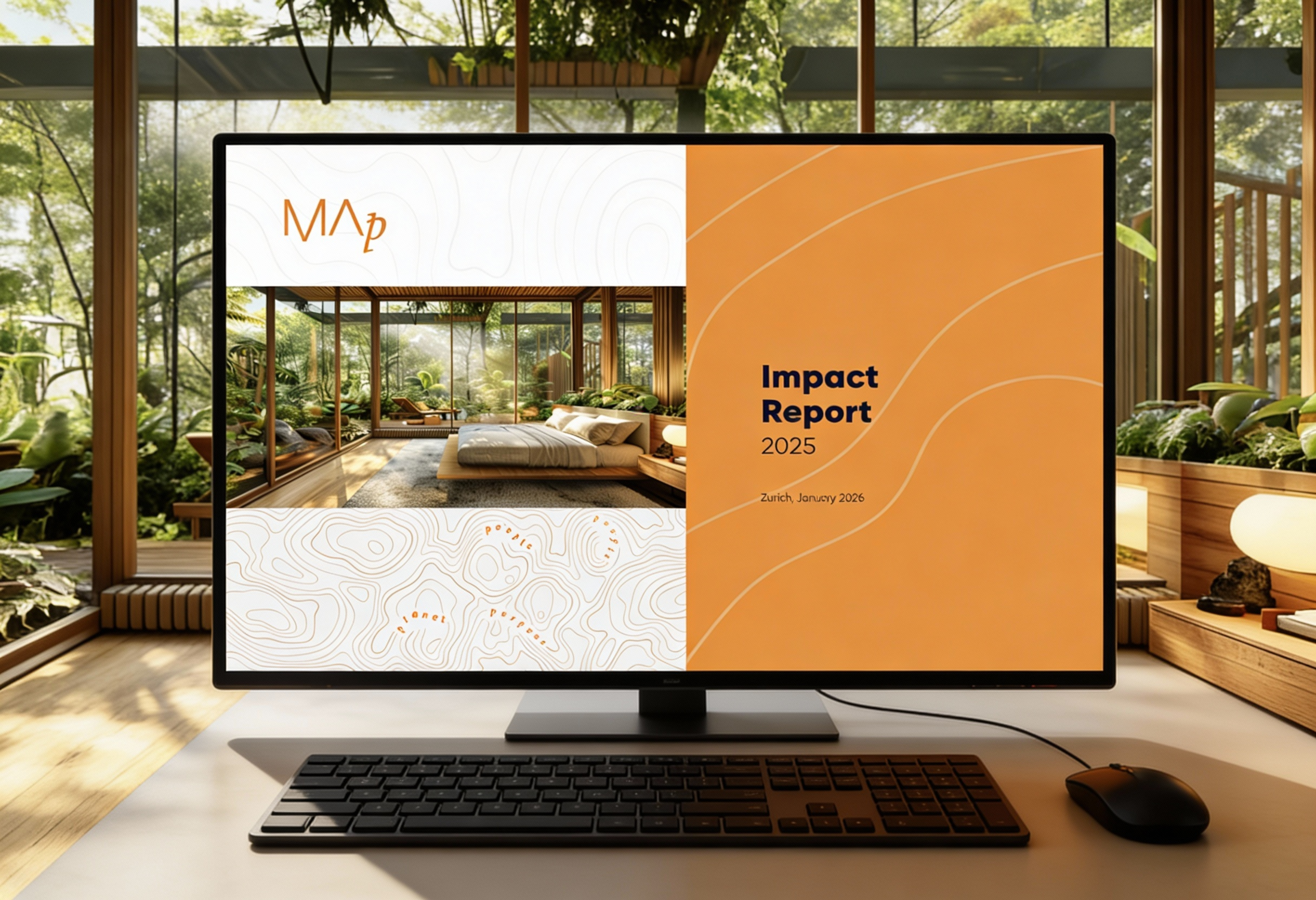
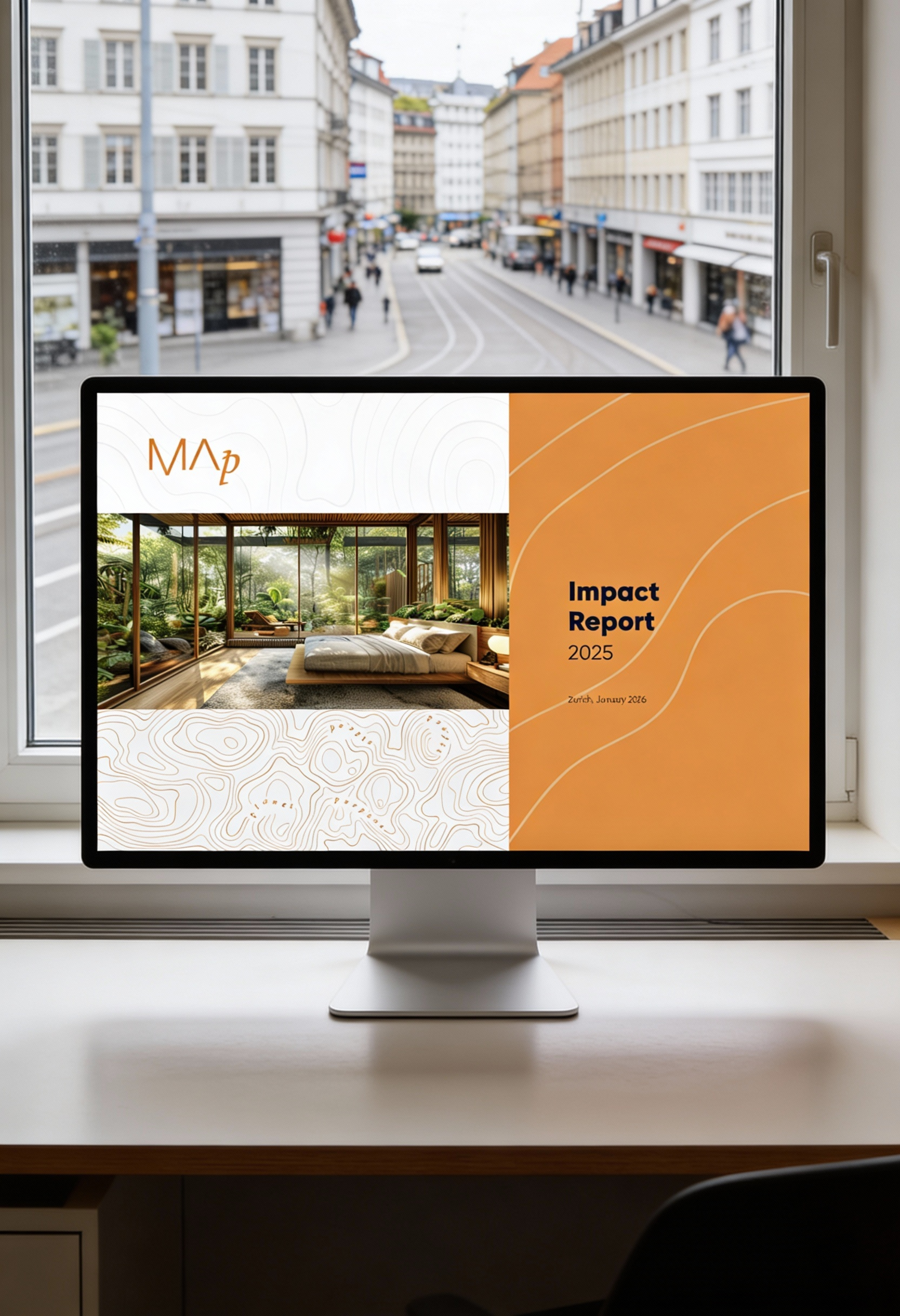
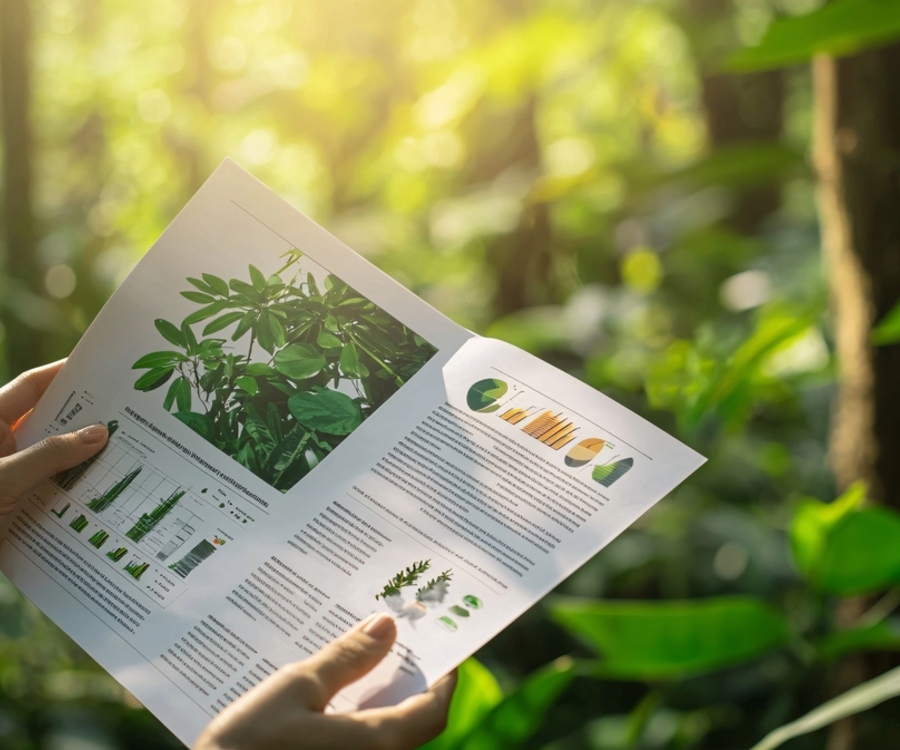
Our Impact Report 2025 reflects on exactly that: what we did, what worked, where we learned and how we measure progress through impact reporting – and what is next on the MAp.

At MAp, we are not in the business of buzzwords. As a Certified B Corporation, we hold ourselves to high standards – in strategy, governance and in how we treat people, planet and purpose.

Our Impact Report is how we stay accountable. But more than that, it is an invitation: to everyone we work with, partner with or simply cross paths with. To build, question and celebrate better ways of doing business.

Untertitel
Why impact matters – and how we measure it
Blog main image
MAp Impact Report 2025: impact reporting for sustainable hospitality
Paragraphs
There is no way back.
Only #onwards towards a future worth staying for.
– MAp Boutique Consultancy

How we measure our impact

We use the B Corp impact assessment lens across governance, workers, community, environment and customers – because impact should be clear, comparable and grounded in evidence.

The 2025 edition shares our progress across four key dimensions:

  • People – from our core team to the communities we serve
  • Planet – from low-impact decisions to long-term shifts
  • Profit – not as the goal, but as the enabler for good
  • Purpose – the reason we do what we do, and the compass that keeps us on track

And how are we doing that? By living our value of Positivity (yes, we do like our Ps 😊) – because Positivity is the energy and attitude that drives everything we do.

What you will find inside the report

  • Our focus areas and key milestones from 2025
  • What moved the needle, and what did not
  • The learnings we are taking forward into 2026
  • Our next priorities – with clarity on what is next

We also share where we missed the mark, what surprised us and why we stay fiercely optimistic. Because one thing is certain: there’s no going back. Only #onwards. ☻ 

Impact Report

MAp's Impact Report 2025

MAp’s Impact Report 2025 brings our year into focus – what we worked on, what moved the needle, and what we learned along the way. It shares how we measure impact through the B Corp lens, plus our priorities for what is next on the MAp.

Blog Block Image
MAp Impact Report 2025: impact reporting for sustainable hospitality

Add new comment

Comment

Order

Plain text

  • No HTML tags allowed.
  • Lines and paragraphs break automatically.
  • Web page addresses and email addresses turn into links automatically.
sharing is caring

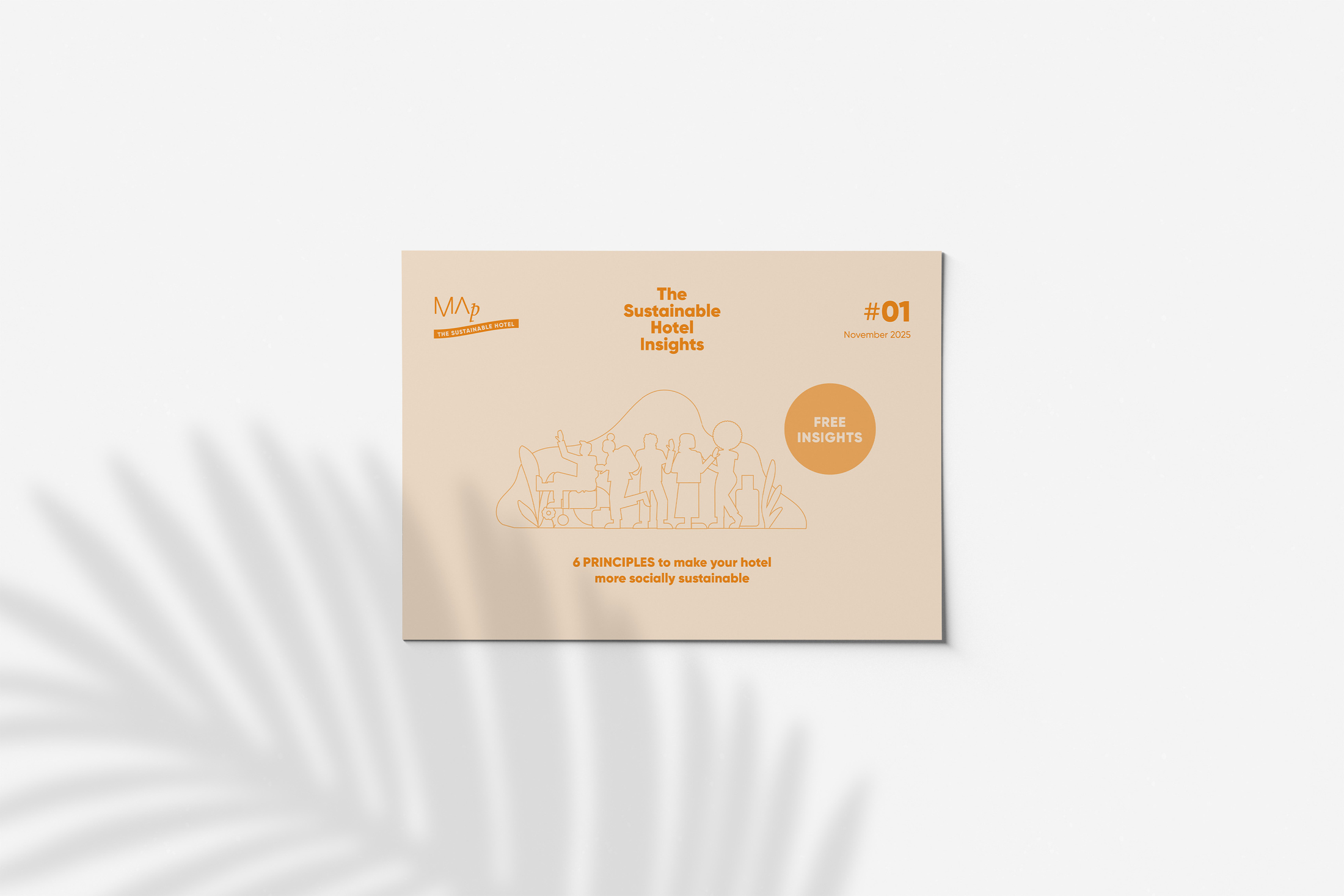
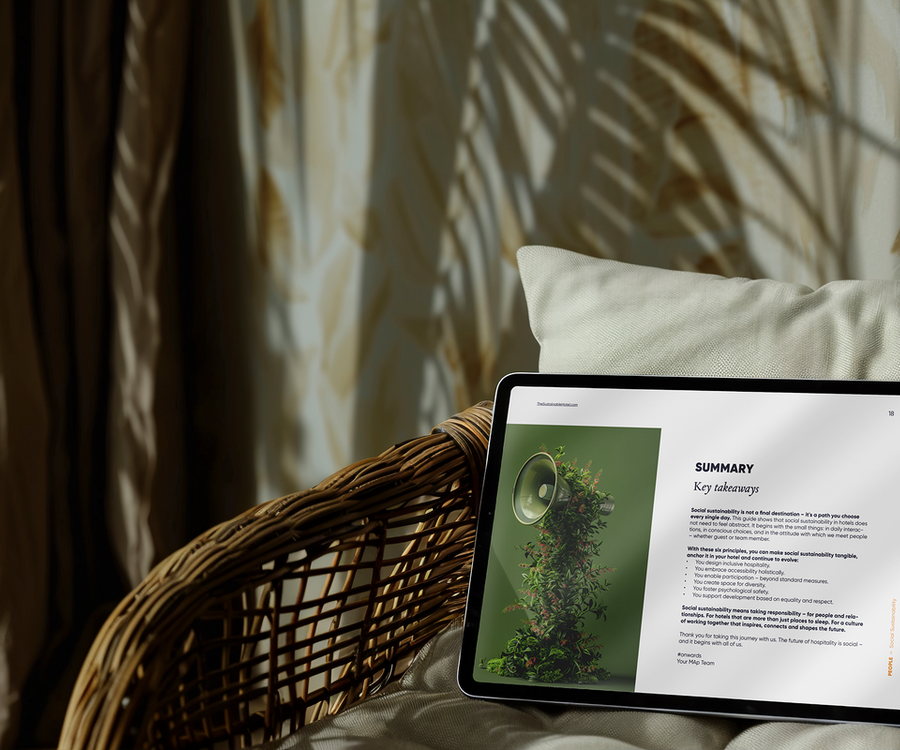
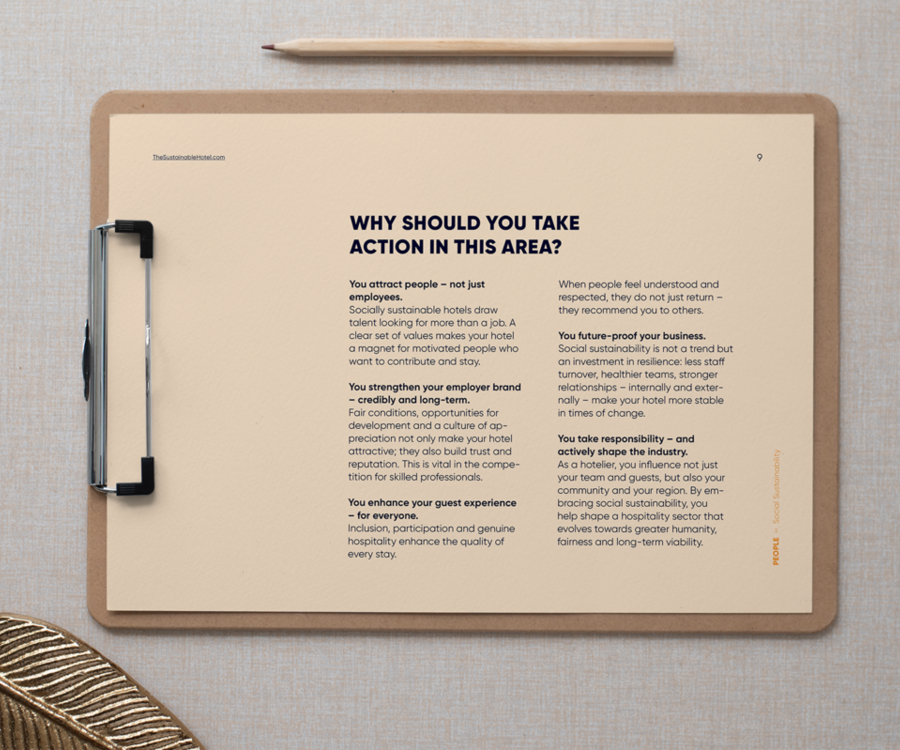
This free guide gives you six principles as a clear framework, so social sustainability does not stay abstract. You will see where to start, what matters most, and how to build progress your team can sustain.

CHF 0.00

Available in digital format. 

Weight
-93
Block Image
Social Sustainability in Hotels – 6 Principles
Main image
Social Sustainability in Hotels – 6 Principles
Paragraphs

6 Principles for Genuine Hospitality

Social sustainability starts with a stance – the decision to put people first. This concise guide shows how hotels can design inclusive hospitality, remove barriers and enable participation. We share six principles that turn stance into action – understandable, respectful and effective. 

What’s included:

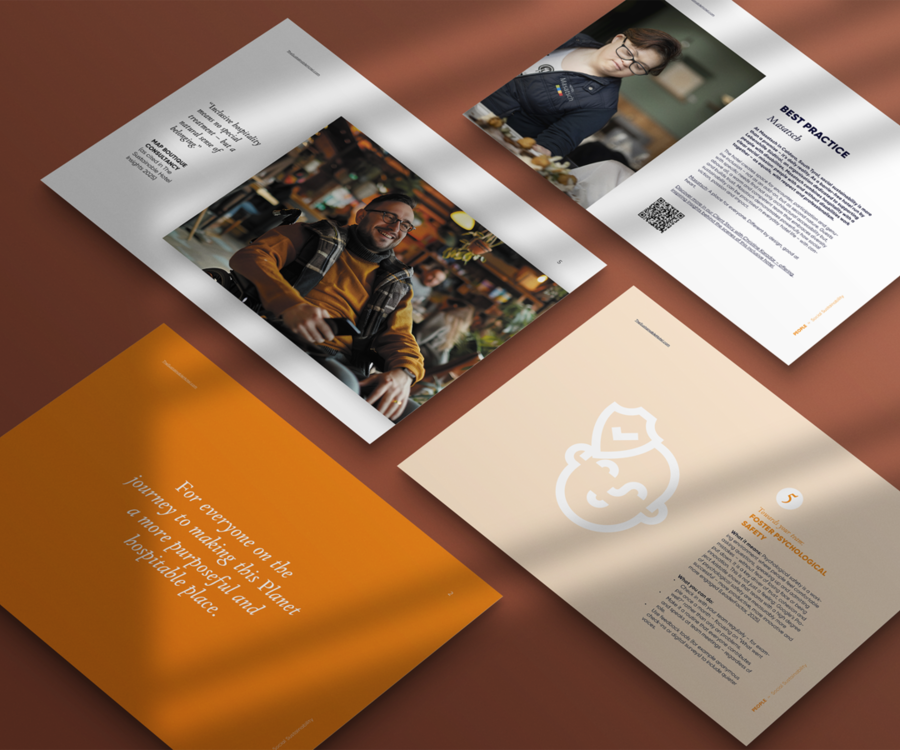
  • A clear introduction to social sustainability – and why it is the foundation of modern hospitality.
  • Six principles with concrete to-dos for teams and guests – from inclusive language to barrier-free wayfinding.
  • A best-practice example from hospitality that shows how it works in daily operations.
  • Curated resources to help you take the next step with confidence.

This download answers:

  • What does social sustainability mean in a hotel – in short, practical terms?
  • How do I build fair, inclusive structures for teams and guests – from job ad to check-out?
  • Which principles help translate stance into action – today and over time?
  • How do I start concretely – and stay on track?
Social Sustainability in Hotels – 6 Principles
Categories
Untertitel
Clear principles and practical examples to implement social sustainability in day-to-day hotel operations and strengthen your stakeholders.
Why you need it
  • Gain clarity – precise foundations instead of buzzwords.
  • Start right away – actionable tips.
  • Strengthen your employer brand – credible, people-centred and future-ready.
  • Elevate the guest experience – genuine inclusion increases satisfaction and recommendations.
  • Keep progressing – best-practice insights plus curated links and materials to support your path #onwards.
Zero Price view
CHF 0.00
Erscheint nach ? Sekunden
3
FREE DOWNLOADS
sharing is caring

In our MAp Client Stories we feature people we empower through our services – hospitality leaders who set new standards with bold ideas. We explore their paths, key learnings and the special something that makes their concepts stand out.

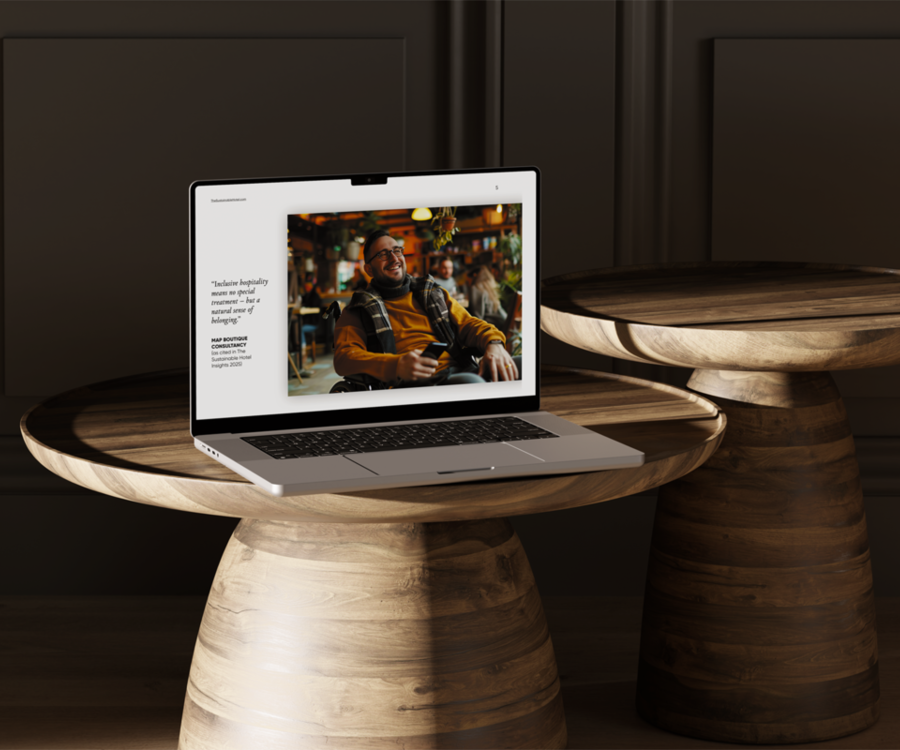
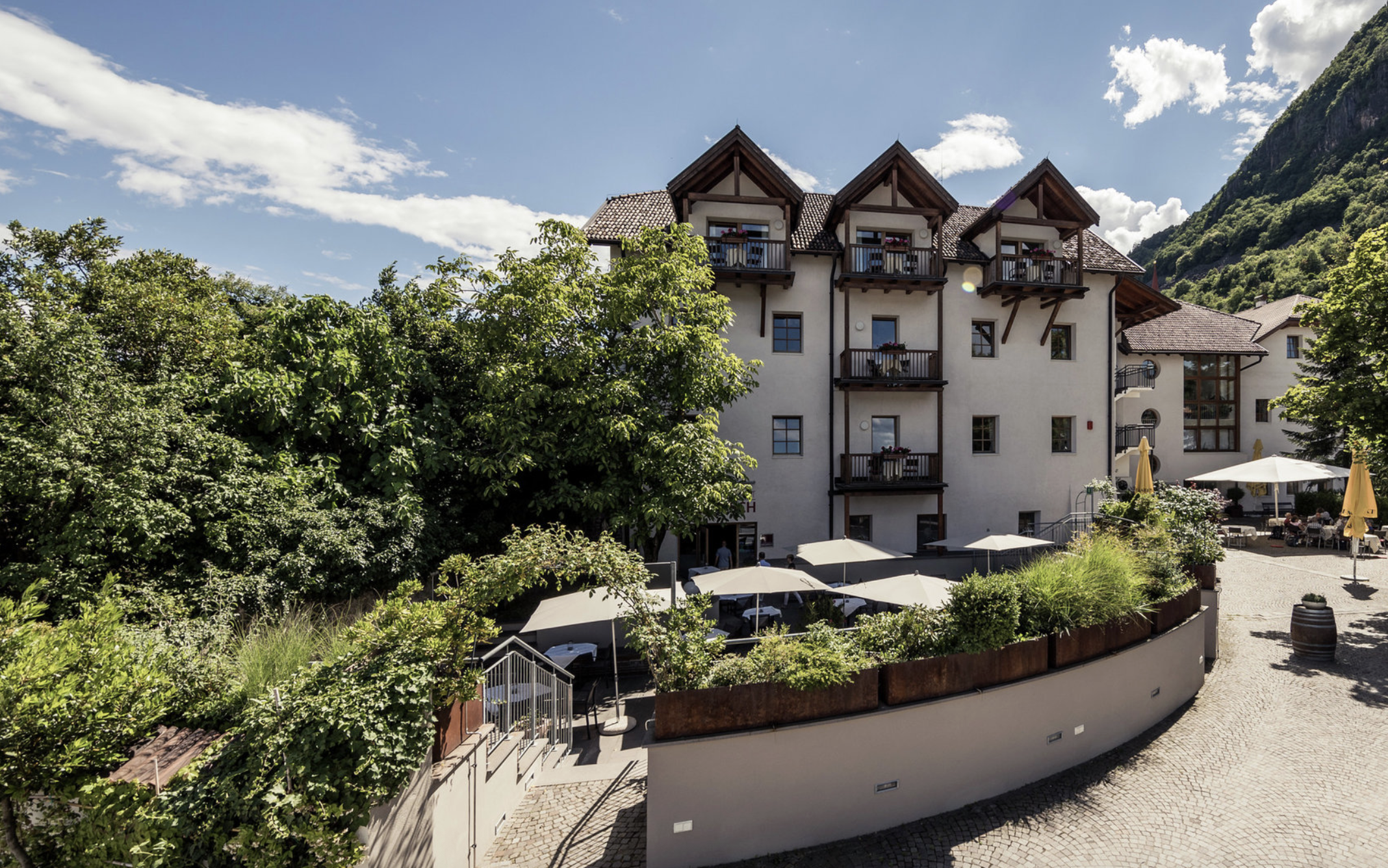
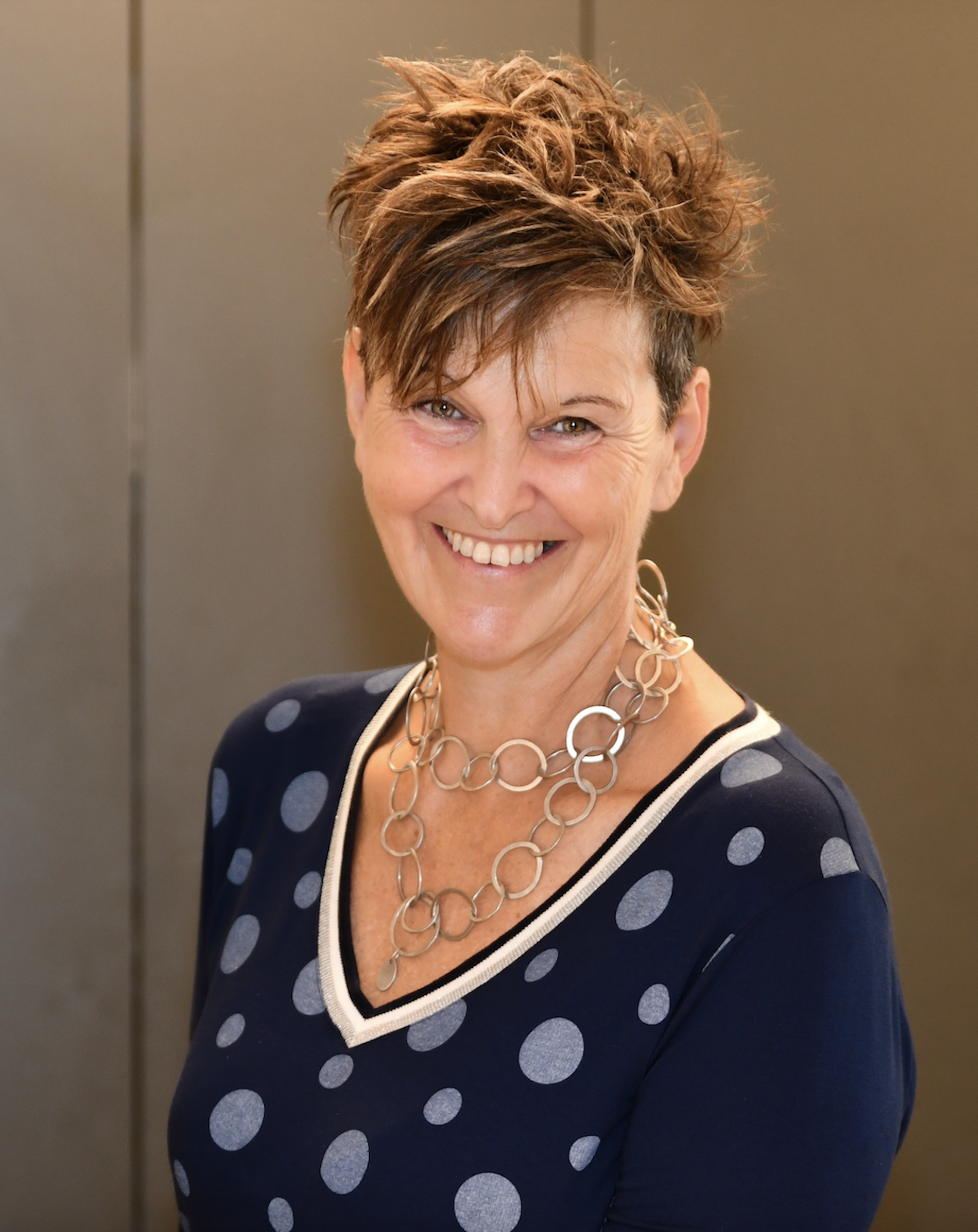
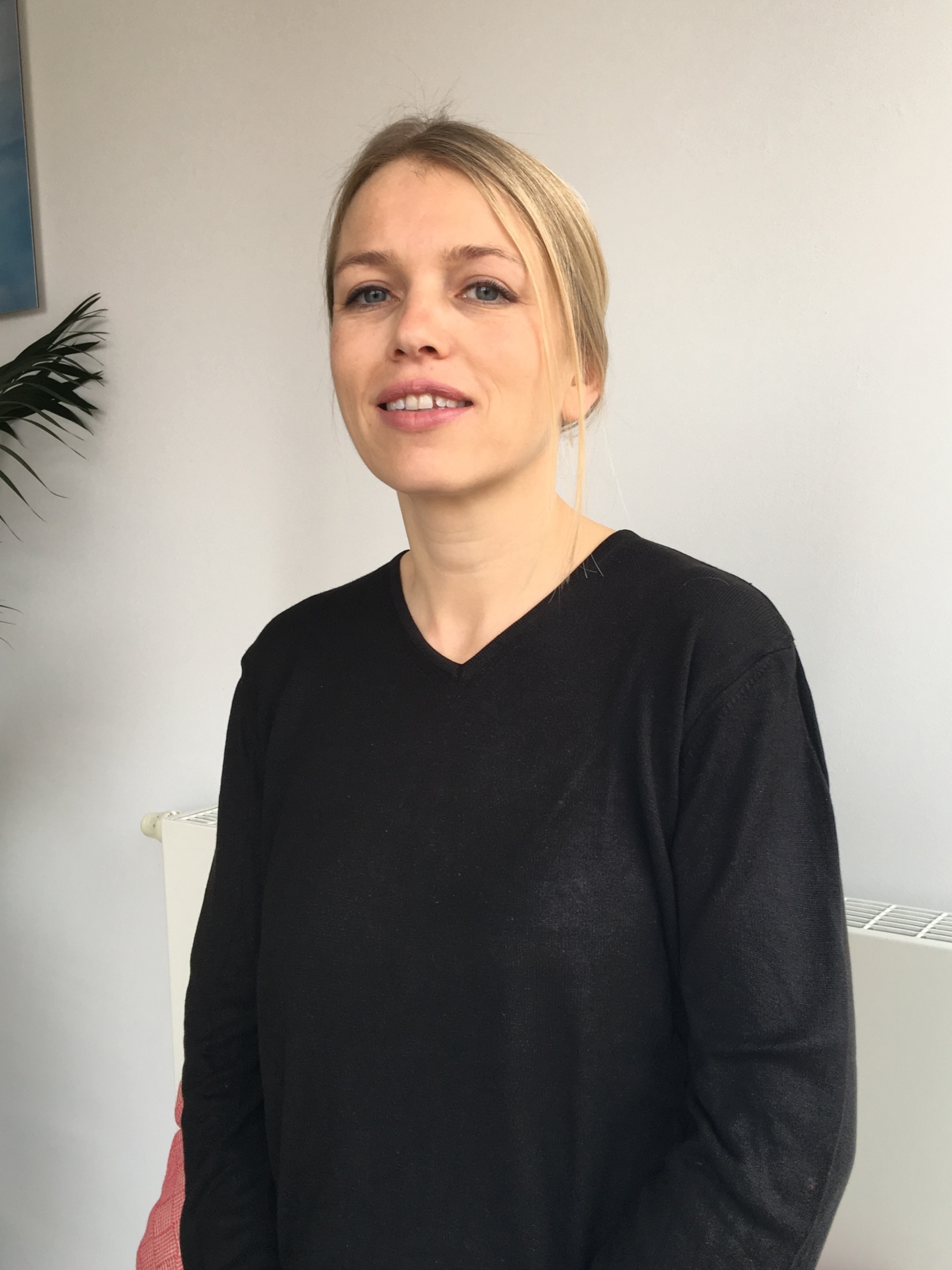
This time we speak with Christine Karadar, who leads Hotel Masatsch in Kaltern, where diversity is not an add-on – it is the concept. As a fully accessible hotel, restaurant and event venue run by Lebenshilfe South Tyrol, Masatsch creates spaces where people meet and connect – regardless of ability, background or circumstance. For guests, for employees and for the wider region. 

We support Hotel Masatsch with focused marketing and web services – sharpening their message, strengthening their website and amplifying what makes this place special.

Untertitel
MAp Client Stories: In conversation with Christine Karadar, host at inclusive Hotel Masatsch in Kaltern am See (South Tyrol)
Blog main image
Wie gelingt soziale Nachhaltigkeit im Hotelalltag – jenseits von Symbolik und Sonntagsreden?
Paragraphs
Everyone is welcome here
– with or without disabilities.
Christine Karadar, Hotel Masatsch

Christine, thank you for taking the time to speak with us today! Before we dive in: how did you first come to Masatsch? 

Christine: I had been following Hotel Masatsch with great interest for quite some time – I was fascinated by how this concept works. My background is actually in very different fields: I worked in event management and also in the social sector, especially on topics such as care and inclusion – how to better integrate people with disabilities into everyday life. 

For me, Masatsch has always been a prime example of how this can succeed. When I saw they were looking for new leadership, I applied – and got the job. Now I am fully immersed in this unique project. At first glance it is a social initiative, yes – but at the same time, it is a perfectly normal hotel for all guests. Everyone is welcome here – with or without disabilities.


Inclusion is part of daily life at Masatsch. What makes this place so special to you? And what do you do differently from a "classic" hotel? 

Christine: Hotel Masatsch really is a special place – it has a kind of energy, if I can put it that way. Even before I worked here, I often came by just to sit in the café or have lunch at the restaurant. And every time, I felt the same thing: this place just feels good. There is a kind of positive energy here. 

Now that I am part of the team, I feel it even more. What makes this place so unique is the work with our staff with disabilities. They bring such joy and enthusiasm to their work – it is contagious. You feel it the moment you arrive. 

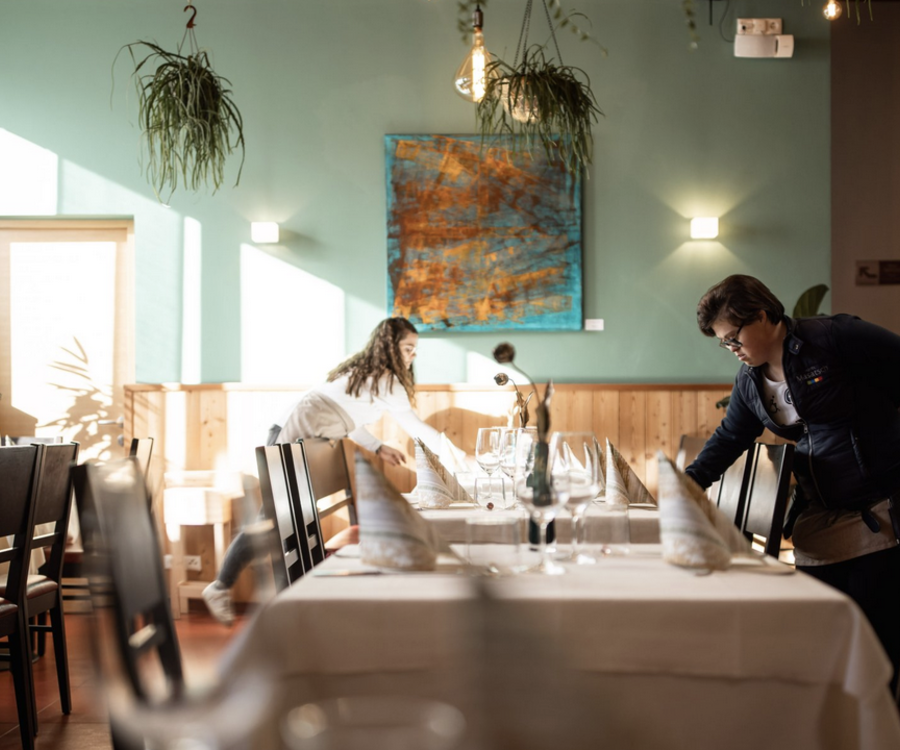
Every morning, one of our employees at the bar greets me with a coffee and a smile and says, "So good to see you!" Around 40 percent of our team – about 30 people – have disabilities. They work in the kitchen, service, housekeeping, or in our garden project, where we grow our own vegetables. Of course, this comes with daily challenges. We support, train, and accompany our team constantly. Many things have to be repeated and practiced often – almost like a school. But that is exactly what makes our work so meaningful.

So gelingt soziale Nachhaltigkeit im Hotelalltag

You have a very diverse team with different backgrounds and abilities. What does it take to make this work? And what can other hotels learn from it? 

Christine: To work here, one thing matters most: genuine interest in people – and empathy. Our team is diverse and full of different strengths. You have to be willing to share knowledge, support others, and practise things together until they stick. 

Our team leads – the head chef, the service managers – carry a lot of responsibility. They are not just supervisors, but coaches, motivators, mentors. They need to be patient and adapt to each person. The overall pace is a bit slower here – and that is a good thing. 

I often say: when you work here, you automatically shift down two gears. That creates space for real connection. What can other hotels learn from this? That inclusion is not a burden – it is a huge enrichment. When people with different abilities are truly integrated, the work environment becomes more patient, more respectful, more human. And guests feel that.


Many hotels want to become more inclusive but struggle to take the first step. What are the most common misconceptions – and what really matters? 

Christine: For me, social sustainability means not just including people with disabilities – but giving them real opportunities. The biggest misconception? That inclusion is an extra task. Something "on top". But it is not about being perfect – it is about mindset. 

It takes openness, patience, and a willingness to meet people at eye level. Once you take that step, something fundamental shifts: in the team, in your interactions, and in the entire culture of the business. That is what social sustainability really means to me.


Was there a moment when you thought: this is exactly why we are doing this? A memory or experience that stayed with you? 

Christine: Yes, absolutely. One moment from this summer stands out. We hosted a group from Germany – the Pfennigparade Foundation, which supports children and young people with severe disabilities. More than 20 people stayed with us for two weeks. It was a challenge, but also a very special experience. 

On their last evening, they organised a little farewell celebration for us. One of the girls – she was maybe nine years old – could not walk at all when she arrived. She used a walking frame and needed a lot of support. On the final evening, she suddenly walked up to me unaided, beaming with pride, and handed me a thank-you note for the whole team. She said these had been her best two weeks in a very long time. 

That moment really moved all of us. It reminded me why we do what we do. Moments like that show us that this work matters. It makes a difference.


Amazing, thank you for sharing! And to finish – our Quick 5, which we ask in every MAp Client Story:

  • A hotel that inspires you: Hotel Frida am Wald
  • A book or resource everyone should read if they want to be more sustainable: I honestly do not have one!
  • A destination on your to-travel list: Kyrgyzstan – it is at the top of my list.
  • quote to live by: “Go confidently in the direction of your dreams. Live the life you have imagined. As you simplify your life, the laws of the universe will be simpler.” – Henry David Thoreau, Walden (1854)
  • Your biggest wish for the future: A life full of meaningful experiences, connection, good health, and true friendship.


About Christine Karadar

Christine is the general manager of Hotel Masatsch in Kaltern, South Tyrol. She brings a background in event management and social work – and leads with a clear belief in people, inclusion, and the power of doing things differently. 

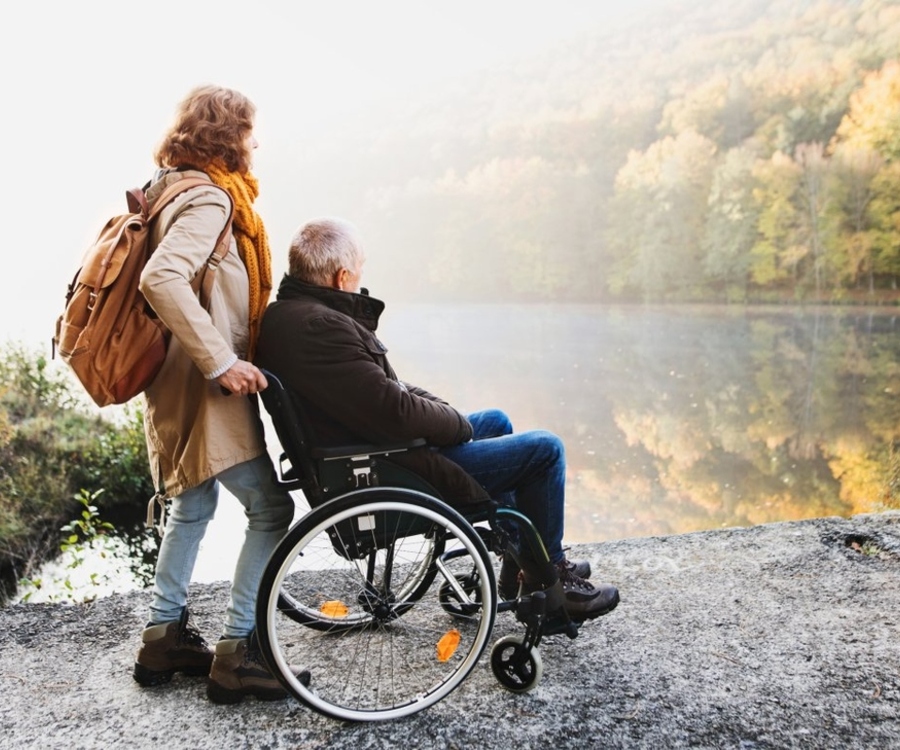
Hotel Masatsch is an inclusive, fully accessible hotel in Kaltern, near the Kalterersee in South Tyrol. Run by Lebenshilfe Südtirol, it offers barrier-free holidays for all guests – with or without disabilities – and creates meaningful encounters between people of all abilities. The hotel is especially designed for guests with mobility needs and specialises in wheelchair-accessible stays in the region.

Free Download

The Sustainable Hotel Insights. 6 Principles to make your hotel more socially sustainable

In this free guide you will receive a concise introduction to social sustainability in hotels – clear and directly actionable. The six principles set out concrete steps for guests and your team – from inclusive hospitality to holistic accessibility. Plus: a short best-practice example, key facts and resources to help you get started straight away.

Blog Block Image
Wie gelingt soziale Nachhaltigkeit im Hotelalltag – jenseits von Symbolik und Sonntagsreden?

Add new comment

Comment

Order

Plain text

  • No HTML tags allowed.
  • Lines and paragraphs break automatically.
  • Web page addresses and email addresses turn into links automatically.
Categories
sharing is caring

It is just about time – the MAp Trend Report ist back, or let’s say better: it’s already here for 2026. And honestly? At this point, we would not want to imagine ending a year and starting a new one without it! ☻

Each year, we take a deep dive into what is coming – and more importantly, what truly matters for hoteliers, hospitality brands and changemakers across the industry. 

Because let us be clear: trends are not a gimmick. They are signals and a gentle nudge that we all need to look ahead rather than behind. 

Those who wait to act until a trend is mainstream? They are already late. But those who pay attention early can invest smarter, adapt quicker, and stay ahead of the curve. 

This is exactly what the MAp Trend Report 2026 is here for. 
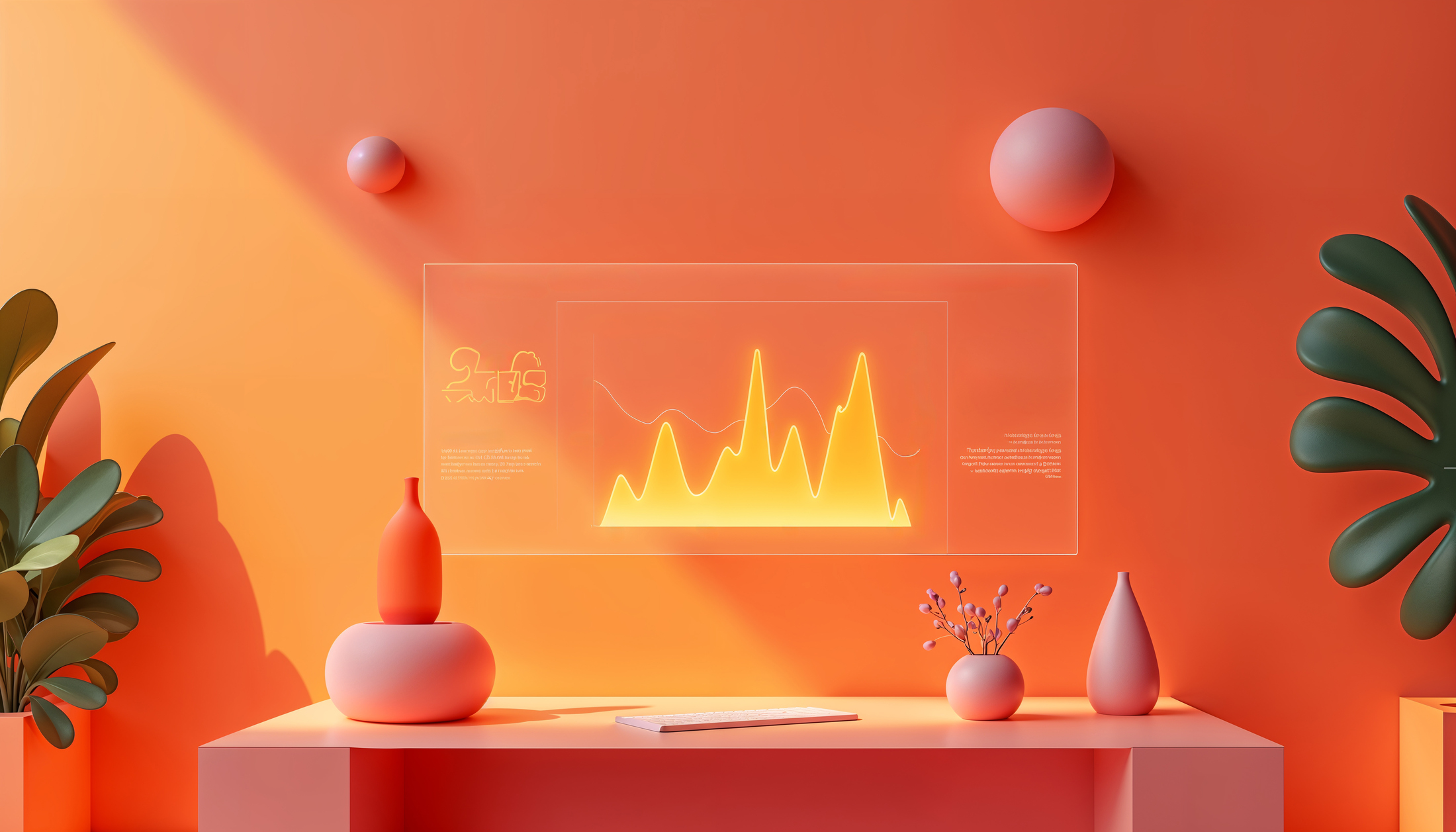
What to expect? No fluff, no trend theatre – just carefully selected insights with direct relevance for your business. From EU regulations and climate disclosures to bleisure travel and purpose-led positioning. 

Shall we take a look? #Onwards

Untertitel
What is shaping hotels in 2026: European Union sustainability reporting, the rise of bleisure, and practical uses of artificial intelligence
Blog main image
2026 Hotel Industry Trends: Sustainability, artifical Intelligence, Bleisure and smarter Operations
Paragraphs
The future belongs to hotels that are both
human and smart
MAp Boutique Consultancy

1. Reporting is getting real, EU regulations are tightening

We know – this might sound like one of those things you would rather not hear. It sounds like work. It sounds like complexity. But here is the good news: it does not have to be! 

In fact, for hotels that start early, sustainability reporting can become a powerful asset – not a burden. 

The Corporate Sustainability Reporting Directive (CSRD) and the European Sustainability Reporting Standards (ESRS) will require more and more companies to disclose how they impact People and Planet.

Even if your hotel is not directly affected (yet), you might be indirectly impacted: 

  • through corporate clients who demand reporting, 
  • through investors who require transparency, 
  • or through business partners who are already reporting themselves. 

In short: sustainability performance will soon become part of your business credentials.

What can you do now? 

  • Find out where you stand today. Our Sustainability Assessment is here to guide you.
  • Decide where to take action first – the areas you want to focus on and improve.
  • Decide whether to walk the path on your own – or bring in professional support to make the journey smoother.
  • Start tracking what truly matters – from energy and emissions (Scope 1 and 2) to your social impact.
  • Choose the right framework for your journey – B Corp, Greensign or others as your starting point. 

Our MAdvice: You do not need to have it all figured out. But you do need to begin.Those who build structures now will be ready – and ahead – when reporting becomes the new normal.


2. Bleisure travel is becoming the norm, not the niche

The line between work and leisure continues to blur – and bleisure travel (Business and Leisure travel = Bleisure) is becoming the norm, not the niche. In fact, the bleisure travel market is projected to nearly quadruple by 2034 (Presedence Research, 2025). 

What used to be a short business trip is now often extended into a weekend getaway. Or even a “workation” in a location that inspires. Guests are looking for places where they can plug in, but also fully switch off. 

What this means for hotels: You need to cater to both sides of the experience – smart and professional, warm and personal.

Think: 

  • ergonomic desks, great coffee and strong Wi-Fi
  • co-working lounges that invite connection wellness offerings,
  • flexible check-in/out, weekend extensions
  • local insider tips that turn a work trip into a memory 

And yes, bleisure travellers are valuable guests: They stay longer, spend more, and often return.

What you can do now? 

  • Review your room amenities and workspace features
  • Create bleisure packages (weekend extensions, 2+ nights with special rates), such as our client B5 Boutique Hotel in Lugano
  • Offer remote-work stays (weekly or monthly rates, with perks for longer stays)
  • Communicate clearly to both direct guests and, where relevant, corporate partners
  • Re-think your loyalty programmes for hybrid travellers who want flexibility and recognition

Our MAdvice: Design your offers around flexibility, purpose and experience – and you will win the travellers who want it all.

2026 Hotel Industry Trends: Sustainability, artifical Intelligence, Bleisure and smarter Operations

3. Artificial Intelligence is coming strong – but not to take your job

Forget the doom stories. In 2026, Artificial Intelligence is not coming for your jobs – it is coming for your to-do list. 

From guest communication to revenue management, hotels are starting to embrace AI as a practical, powerful support system (Thynk, 2024). And we are sure: The smartest ones are not using it to replace their people – they are using it to elevate them. 

Think: 

  • personalised email replies that actually save time
  • chatbots that handle FAQs while your team focuses on real care
  • automated pricing tools that take market trends into account 

The key? Let technology do what it does best – so your people can do what they do best.

What you can do now: 

  • Explore AI tools such as chatlyn tailored for hospitality
  • Start small: one task, one team, one experiment
  • Train your team to work with AI, not against it
  • Keep the human touch at the heart of every guest interaction 

Our MAdvice: Do not fear the tech. Lead WITH it. Because the future belongs to hotels that are both human and smart.

MAp’s Bonus Tip for 2026: Be the hotel that dares

One thing we know for sure: The future belongs to the hotels that dare. 

Trends are tools. But it is your stance that gives them meaning. The most exciting hotels in 2026 do not just follow the direction of the market – they sharpen it. They build with intention, communicate with courage, and turn values into real life action. 

So if you are working on something in 2026, do not play it safe. 
Dare to be different. 
Dare to be true. 
Dare to be the hotel only YOU and your team can be. 

That is what guests will remember and what makes a positive impact. 

We hope that this short glance ahead has provided you with empowering ideas and sustainable inspiration. Let's work together to make hotels even more innovative, sustainable, and future-proof. Thank you for joining us on our journey to shape the hotel industry of tomorrow. #onwards

Blog Block Image
2026 Hotel Industry Trends: Sustainability, artifical Intelligence, Bleisure and smarter Operations

Add new comment

Comment

Order

Plain text

  • No HTML tags allowed.
  • Lines and paragraphs break automatically.
  • Web page addresses and email addresses turn into links automatically.
sharing is caring

The MAp Book Club returns with a title that challenges the way we think about everyday choices. Because what better way to kick things off than with a book that makes you question your coffee, your clothes, your emails... and yes, your bananas. 

Mike Berners-Lee’s How Bad Are Bananas? is everything a climate book should be: smart, practical, un-preachy – and full of eyebrow-raising facts that shift your perspective and your choices.

Untertitel
Surprising climate truths about the carbon footprint of everyday things – and (spoiler alert) why bananas aren’t the bad guys.
Blog main image
Book Review: How bad are bananas
Paragraphs
we need to focus on what actually makes a difference,
not just what feels good
Mike Berners-Lee

Summary

We know that flying is bad for the planet. We’ve heard about plastic waste. But how much carbon does it take to send a text? Or to make a pair of jeans? 

How Bad Are Bananas? is one of those books that leaves you staring into your cup of coffee, wondering what invisible impact it carries. 

It’s not about doing less – it’s about doing things smarter. With surprising comparisons and jaw-dropping carbon maths, Berners-Lee helps us to understand what really matters in the climate conversation. Spoiler: it’s not the banana.

What does CO₂ even mean?

CO₂ – carbon dioxide – is one of the major greenhouse gases driving climate change. It’s released when we burn fossil fuels like oil, gas or coal – and through the things we produce, consume and waste. 

To compare emissions from different sources, we use a standard measure called CO₂e – carbon dioxide equivalent – which includes other powerful gases like methane and nitrous oxide. The numbers, shown in grams (g), kilograms (kg) or tonnes (t), help us to comprehend the climate cost of each action. 

For reference: 

  • 1 g CO₂e ≈ 7 seconds of driving
  • 100 g CO₂e ≈ 1 km by car
  • 1 kg CO₂e ≈ 10 km by car or a medium steak
  • 1 t CO₂e ≈ an average European’s emissions in 1 month

Key points

How Bad Are Bananas? doesn’t overwhelm you with stats – it tells carbon stories in g, kg and tonnes. A tangible, readable way to rethink our everyday choices. 

Some things are as bad as you thought (beef, frequent flying). Others are worse. And the rest? Far more innocent than you’d imagine.

Book Review: How bad are bananas

Here are the key takeaways that have stood out to us:

#1: Bananas aren’t that bad – but wasting them is. One banana has a surprisingly low footprint: around 110 g CO₂e – that’s about the same as a kilometre in a car or a cup of oat milk coffee. But throw it away, and that footprint becomes avoidable. Globally, food waste accounts for up to 10% of all emissions. 

#2: Buying new tech has a higher footprint than using it. A single smartphone generates 55-95 kg CO₂e during its production – the same as driving 400-700 km. Most of the footprint happens before you even switch it on. Keeping your phone for just one more year makes a measurable difference. 

#3: A simple t-shirt = 4 kg, jeans = 30+ kg CO₂e. A basic cotton T-shirt emits around 4 kg CO₂e. A pair of jeans? Due to water-hungry cotton, dyeing and global transport, over 30 kg CO₂e – about the same as a domestic flight. The carbon impact of the fashion industry is bigger than all international flights and shipping combined. 

#4: A text message? Nearly nothing. A Google search? Adds up fast. One SMS emits only 0.014 g CO₂e – practically nothing. But a single email with a large attachment? Around 50 g CO₂e – the same as driving 400 metres. Multiply that across your inbox, team and organisation, and it starts to matter. 

#5: Trains are greener – but not always. Yes, trains are generally more climate-friendly (and far safer) than cars. But if just two people are travelling together, driving an efficient car can have a lower footprint than taking a first-class train. 

#6: A bouquet a week? A tonne of trouble. A weekly bouquet of out-of-season, flown-in flowers can add up to 1.5 tonnes of CO₂e per year. Grown with artificial heat or flown across continents – either way, it’s bad news for the climate. 

#7: War is the most carbon-intensive human activity. Military operations and infrastructure have some of the highest emissions on the planet – yet they’re rarely discussed. It’s a sobering reminder that peace and sustainability are profoundly interconnected – and that a just, liveable future requires both.

MAp’s Favourite Quote

“But compared to 2010 I feel more hope, more fear and a good deal more urgency.”

Summary

If you see air-freight, avoid it. Vegan beats vegetarian for the climate. And when it comes to beef, lamb or hothouse-grown produce – think red flags, not green choices. 

How Bad Are Bananas? flips our understanding of climate impact on its head. It’s not about guilt – it’s about clarity. It shows us where we can make meaningful changes without losing our minds (or our love for bananas). 

At MAp, we believe that better decisions start with better questions. This book gives us exactly that. Questions that make us pause, reflect and choose better – not with pressure, but with purpose. 

Sustainability isn’t just a checklist. It’s a mindset. One that asks: How bad is it? And MAps out a better way forward. 

#onwards 

Your MAp team

Blog Block Image
Book Review: How bad are bananas

Add new comment

Comment

Order

Plain text

  • No HTML tags allowed.
  • Lines and paragraphs break automatically.
  • Web page addresses and email addresses turn into links automatically.
Categories
sharing is caring

When we created The Sustainable Hotel, we realised that one of the major pain points for independent hotels in striving to be more sustainable is finding reliable partners and suppliers. Therefore, today we are happy to sit down with Jonas Fegers from German-based Royfort, which provides bedding and terry products for perfect sleep and wellness.

What makes us most excited about this MAp meets is Royfort’s commitment to sustainability. So, without further delay, let’s learn more from Jonas about Royfort’s sustainability approach and how independent and boutique hotels can benefit from it.

Untertitel
MAp meets Jonas Fegers – Head of Partnerships at Royfort
Blog main image
MAp Boutique Consultancy_Blog_Royfort
Paragraphs

Dear Jonas, thank you for your time! First, can you tell us more about Royfort and what “perfect sleep and wellness” means to you?

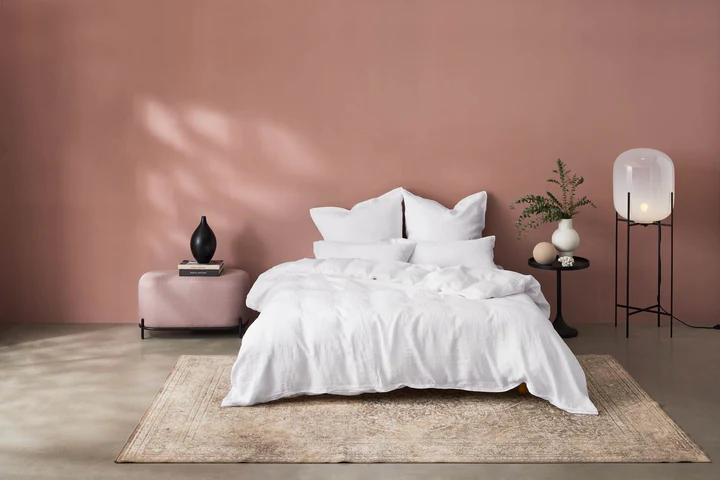
Thanks for having me! Perfect sleep and wellness for me means, to feel welcome, a feeling of being refreshed and energised, ready to tackle the day ahead. The well-being and sleeping experience in hotels are one of the main reasons behind how hotel guests rate their stay. And with Royfort, we are truly committed to providing an exclusive well-being since our products are sustainably produced and you can feel the superior quality.

When was the decision made that Royfort act in a sustainable way? And what was the main driver behind it?

Sustainability was actually the core reason why Royfort was founded in 2017. Next to sustainable fabrics, our two founders, Gregor Gmür (Switzerland) and Valentin Brandstetter (Austria) also focus on environmentally-friendly supply chain processes. By the way Royfort, as a company, is GOTS certified. This means our whole production processes are checked on social and ecological criteria.

As you look back at the hotels you’ve worked with and how you’ve supported them on their journeys to becoming more sustainable: What has been your biggest learning so far?

Hotels really have the chance to differentiate themselves from competitors by creating experiences for their guests. Imagine the feeling of a fluffy bathrobe after your spa experience. You want to wear a fabric where you can feel the quality and you know it was made from a sustainable company! Hotel guests are more and more conscious about this topic and want to know what they eat or where they sleep. If hotels are using sustainably produced products, they can proudly communicate this online and offline.
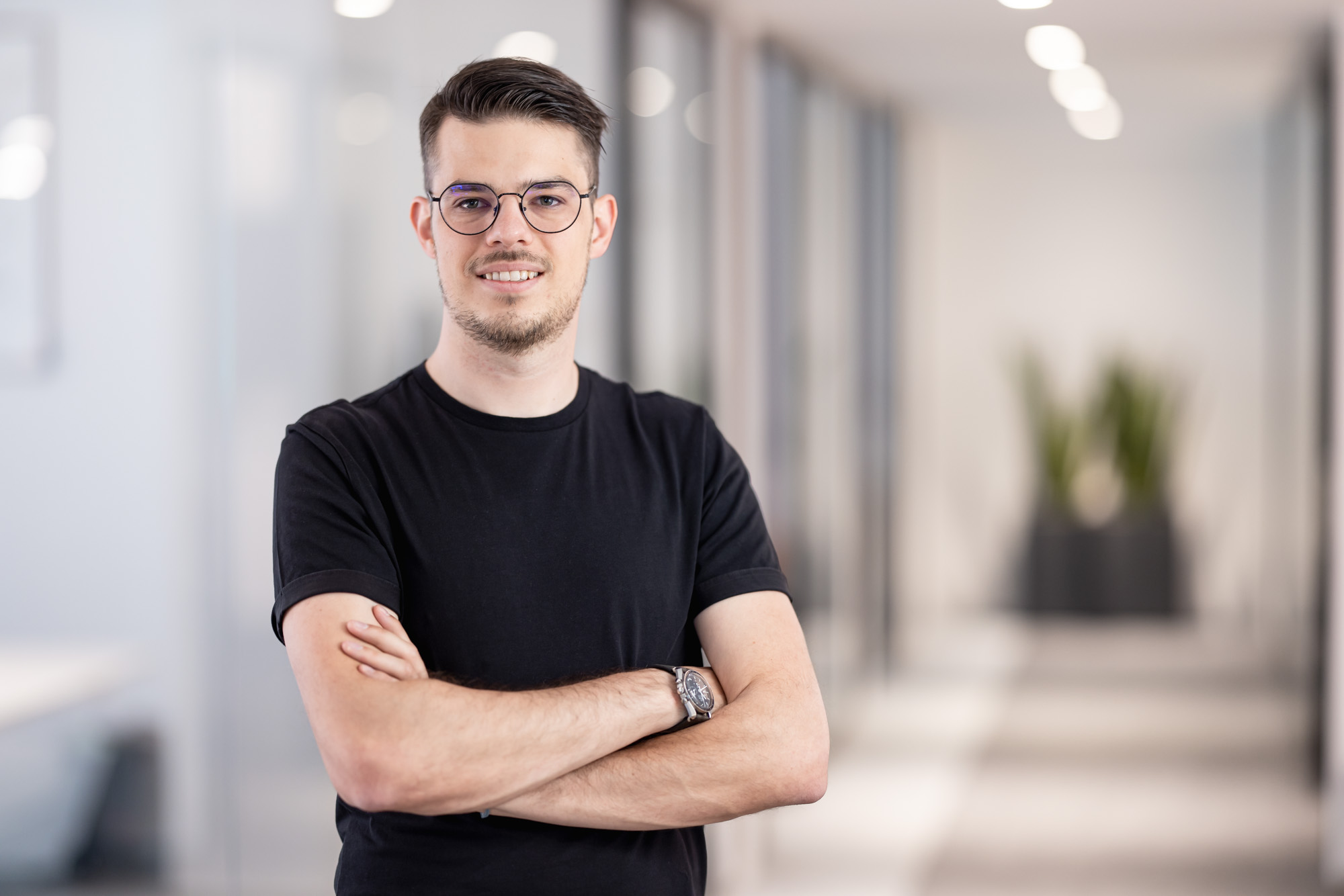
The well-being and sleeping experience in hotels are one of the main reasons behind
how hotel guests rate their stay.
@JonasFegers via @weareMAp

For every hotel, it is important that their guests have a good night’s rest. What are your top three recommendations for hoteliers to make sure that their guests get a “perfect sleep” - and do so in a sustainable way?

A quiet sleep environment is essential, the hotel room should be rather dark, and the temperature should be chilly. In combination with superior bedding (mattress, duvets/ pillows, bed linen), hotel guests will have a great sleep! Additionally, I would avoid any kind of chemicals and only use natural fabrics.

At MAp we are specialised in supporting independent hoteliers in becoming more innovative and sustainable, also through crafting unique hotel concepts and brands. What are your thoughts and observations on sustainability in the hospitality industry? What do you believe the future holds for the industry?

The hospitality industry is increasingly recognising the importance of sustainability and taking measures to reduce its environmental impact. This is strongly driven by hotel guests! As travellers become more environmentally conscious, sustainability will continue to be a significant factor in guests' decision-making and rating the hotel after their stay.

I predict it will even become a hygiene factor. Do you have any recommendations for independent and boutique hoteliers on how they can start and / or advance their sustainability journey?

I am certain hoteliers know their business better than anyone else. I don’t think it’s a lack of ideas or recommendations but instead priority setting. The transition towards a sustainable hotel future is happening. We at Royfort want to support hotels on their journey, not only by creating sustainable products but by creating fantastic guest-well-being experiences!

What’s your biggest wish for the future? On a professional level, I’d love to support as many hotels as possible on their way to building meaningful relationships with guests through sustainability and experiences!

As always, our final MAp meets question: what makes a hotel experience a truly outstanding one for you personally? For me, it all boils down to passion and about being a great host! The hotel needs to really care about me and my well-being! Exceptional service, attention to detail, excellent facilities and a unique guest experience will follow seamlessly.

About Royfort:

Royfort is a renowned brand for premium bedding and terry products, serving over 30,000 customers and hotels in the DACH region. With a strong commitment to sustainability, the entire company holds a GOTS certification, ensuring eco-friendly practices throughout its operations. Focusing on craftsmanship and offering timeless, stylish product ranges, Royfort has established hotel partnerships and creates unique "Wow" experiences to drive hotel guest satisfaction.

About Jonas:

Jonas Fegers, who is driving hotel partnerships at Royfort, where he spearheads collaborations with exceptional hotels and resorts. Passionate about sports and well-being, Jonas brings a unique perspective to the industry, fuelled by his love for hospitality and hosting others. Known for his ability to connect with people, he thrives on supporting hotels in creating memorable guest experiences. Based in Berlin, he regularly travels to partner hotels in Austria, Switzerland and Germany.

Blog Block Image
MAp Boutique Consultancy_Blog_Royfort

Add new comment

Comment

Order

Plain text

  • No HTML tags allowed.
  • Lines and paragraphs break automatically.
  • Web page addresses and email addresses turn into links automatically.
Categories
Types
sharing is caring

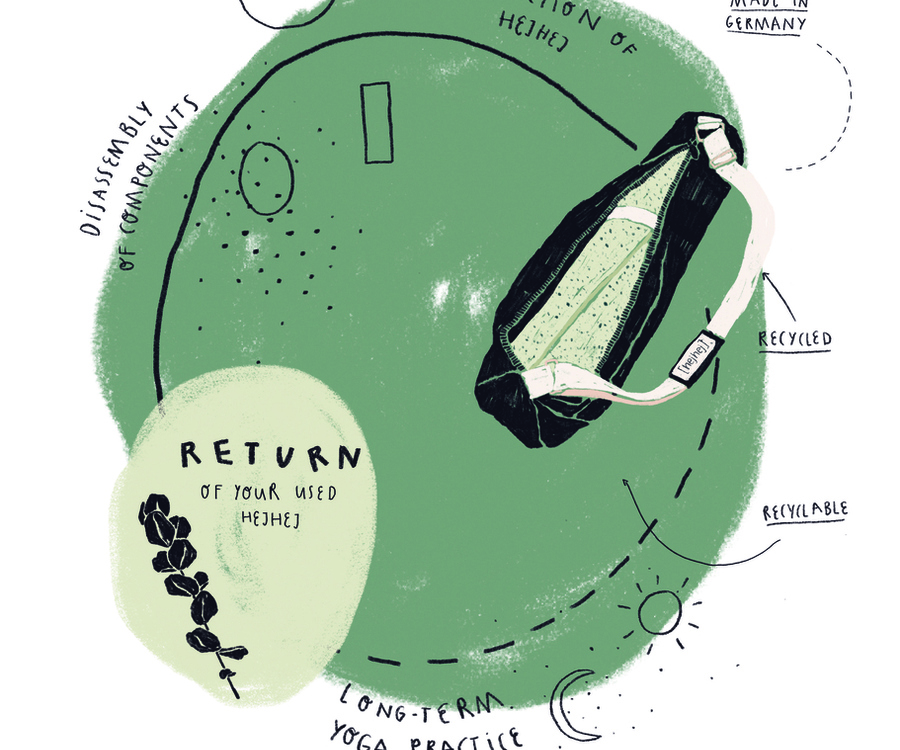
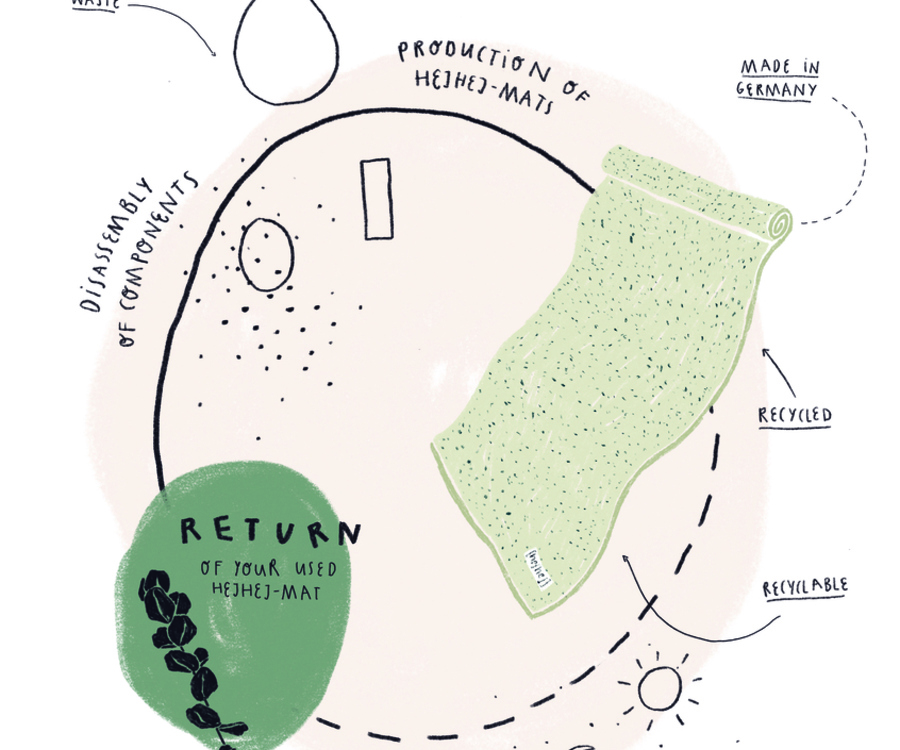
Today we are very happy to talk to Kenia from hejhej. hejhej was born when the two founders Anna and Sophie visited a museum in Sweden. Both are passionate about yoga themselves and became aware of the ecological consequences of their yoga mat while touring the exhibition of the Turkish artist, Pinar Yoldas. They decided to solve the problem and developed the first closed-loop yoga mat: made of recycled materials and 100% recyclable.

Untertitel
MAp meets Kenia Bohmeyer – hejhej
Blog main image
MAp Boutique Consultancy_Partner_hejhej
Paragraphs

Dear Kenia, thank you for your time and this joint MAp meets. At the beginning of our conversation, could you give us an insight into what hejhej has to offer today - after all, closed-loop yoga mats aren’t anymore the only hejhej products.

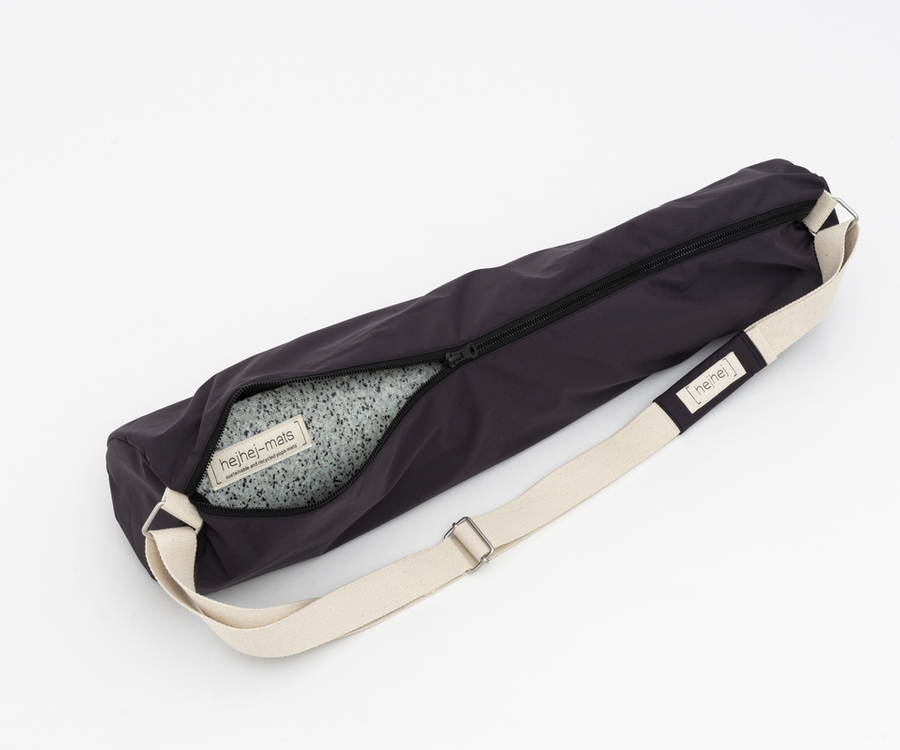
Thank you very much for inviting us to take part in this interview. As you say, the first closed-loop hejhej-mat is not our only product. Quite quickly we designed a yoga mat bag, the hejhej-bag. Then we gradually added other yoga equipment such as a yoga belt, yoga bolster, yoga block, meditation cushion, eye pillow and spray. All these products are completely developed in the spirit of the circular economy. Our take-back system also applies to all products. Our goal is to provide a way for you to make your yoga practice as sustainable as possible. A short documentary of our hejhej-bolsters shows very nicely how consciously we design our product development.

Health and well-being is an important part of your sustainability philosophy. You pass this on to your partner hotels with whom you successfully cooperate. What are the most important elements of this philosophy that hotels can implement in the area of health promotion?

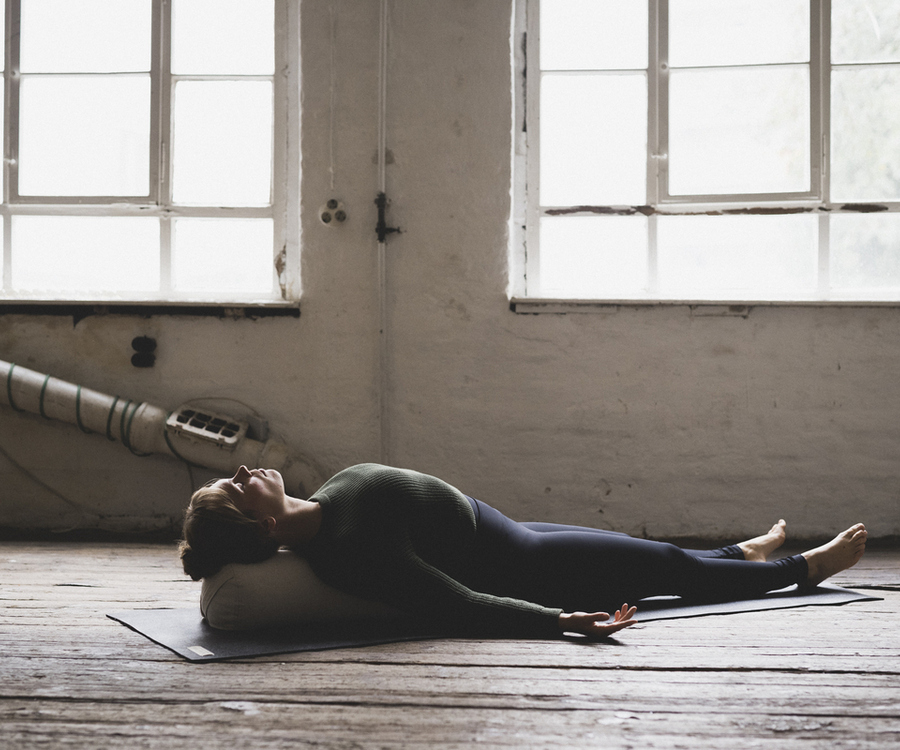
We really appreciate the great cooperation with our partner hotels. In the meantime, we have a super nice and diverse selection, whereby we work out and establish an individual cooperation with each hotel. Health promotion does not have to be complicated. A movement or yoga programme in the hotel is already an easy-to-implement method for a hotel to do something for preventive health promotion. The good thing is that you don't need much for yoga. The most important thing is a good yoga mat and of course other tools are practical. It is also important to mention that a nice yoga set-up in the hotel motivates the guests to move. So by offering yoga equipment in the rooms or for rent in your hotel, you motivate people to do more for their health and well-being.

Small things
matter
@KeniaBohmeyer @weareMap

Yoga has become a central theme and offer for many hotels. What tips can you give hoteliers to create a yoga offer for guests that stands out from the competition, offers added value for guests and is sustainable?

We also notice how widespread yoga has become in hotel concepts and love it. Especially on holiday, it's a nice way to use free time to try yoga or deepen your own practice. High-quality yoga equipment is a unique selling point for a hotel. To offer yoga, it's great to have a yoga room and your own yoga teacher - but you don't necessarily need one. For example, we have a cooperation with a partner hotel that has bought many yoga mats for their flats from hejhej. Each yoga mat has a co-branded label with both brand names woven into it in a high-quality way. Next to the hejhej-mats, QR codes are displayed in the flats that link to a video playlist from us. In cooperation with the hotel, we have recorded yoga videos on their premises. Guests can practice yoga on the high-quality yoga mats directly in their room, whether beginner or advanced, there is something for everyone. Our yoga videos on Youtube range from Vinyasa, Yin, Pranayama, Katonah Yoga to accessible yoga and yoga for the blind. Our goal here is to make the yoga world more inclusive. Your hotel can easily share this offer and provide it to guests.

As always, our final MAp meets question: what makes a hotel experience a truly outstanding one for you personally?

At hejhej we have a statement that has always accompanied our product development: small things matter. By this we mean that even the smallest detail matters. For example, we also think about the zip and sewing thread in our products and find the most sustainable solution on the market for everything.

It's similar for me with hotel experiences. I often notice exactly those little things. That's when I notice whether the hotel is really interested in sustainability or just wants to improve its image. Whether the interior, the care products or the food have really been thought about and whether there is a conscious focus on regionality and longevity. That's exactly what makes a lasting impression on me in a hotel experience.

About hejhej:

hejhej is the first closed-loop yoga brand on the market. It is based in Nuremberg, Germany. With the hejhej-mat, it has taken a decisive step towards making the yoga world more sustainable and circular. Find out more at www.hejhej-mats.com or on Instagram at @hejhej_mats.

About Kenia

Kenia Bohmeyer has been working for hejhej since 2020. Her responsibilities include communication with hotels. If you are interested in collaborating with hejhej, you can message her directly at kenia [at] hejhej-mats.com (kenia[at]hejhej-mats[dot]com). She is looking forward to hearing from you!

MAp Boutique Consultancy_Partner_hejhej
Blog Block Image
MAp Boutique Consultancy_Partner_hejhej

Add new comment

Comment

Order

Plain text

  • No HTML tags allowed.
  • Lines and paragraphs break automatically.
  • Web page addresses and email addresses turn into links automatically.
Categories
Types
sharing is caring

Today we couldn’t be more excited to talk with Martin Tauber, the Co-Founder and CEO of Guestnet. Guestnet is an innovative tech company based in South Tyrol, Italy, which provides independent hoteliers with a digital guest experience platform.

We’ve been working with the Guestnet system on behalf of our clients for quite a while, and have recently partnered with the Guestnet team through The Sustainable Hotel in order to promote our joint approach to making independent and boutique hotels more sustainable and innovative. Wonder how a digital guest experience platform can do so? Let’s find out from Martin.

Untertitel
MAp meets Martin Tauber - co-founder and CEO of Guestnet
Blog main image
MAp Boutique Consultancy MAp meets Martin Tauber
Paragraphs

Dear Martin, thank you for your time! First of all, can you tell us more about Guestnet? What’s your Purpose and what problem did you set out to solve with your innovative system?

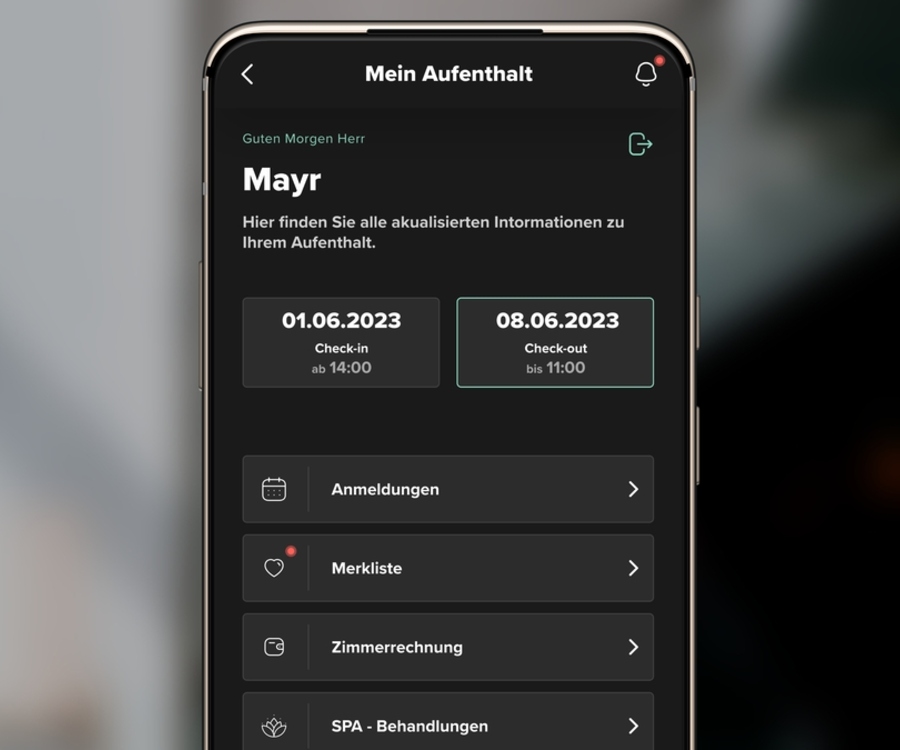
Martin: Guestnet is a 'Guest Experience Platform' with which we digitise the entire guest journey. Our goal is to support hosts in digital guest communication and thereby strengthen the relationship with their guests. Informed and satisfied guests, optimised digital processes and additional in-house revenues through a web app that can be easily accessed by the guest in the personalised CI of the accommodation.

We have recently partnered to promote our joint effort in making the hospitality industry more sustainable and innovative. At Guestnet, what’s your approach to sustainability? And how do you support your clients on their sustainability journey through your software solution?

Martin: We see sustainability as an integral part of our business. Through digital communication, we significantly reduce paper consumption in accommodations. In addition, guests are well informed about sustainability initiatives of the accommodation and also involved, so that with the very popular function "cancel room cleaning", a small, visible contribution can be made and accommodations are relieved at the same time.

As you look back at the hotels you’ve worked with and how you’ve supported them on their journeys to becoming more sustainable: What has been your biggest learning so far?

Martin: One of the most important findings was that sustainability and profitability can go hand-in-hand. In addition to the immediately visible consequences of drastically reducing paper consumption through digital communication, hotels were able to greatly reduce the workload on staff by canceling room cleaning. On the one hand, this leads to lower costs and an improvement in operational processes, but also results in positive reviews from guests after their stay.

Hotels can drive their sustainability journey by reviewing their current practices and identifying areas for improvement.
Developing a sustainability plan with clear goals and strategies is important for this.
@MartinTauber via @weareMAp.

For every hotel it is important that their guests are well-informed and taken care of. What are your top three recommendations for hoteliers to make sure that their guests have all the information and support needed to ensure the best experience?

Martin: A very good question and I would like to answer it with the following three key points:

- Visibility: create visibility for your information by integrating it into the check-in process so guests can receive and view it before they arrive. Actively point out digital guest folders and other information sources at check-in. Further increase content visibility by placing QR codes in relevant locations to provide guests with easy access to information.

- Information: Make sure to bundle the most frequently asked guest inquiries and integrate them into a digital guest folder. This way, recurring questions can already be answered digitally and the reception desk can be relieved.

- Action: digital channels enable active marketing - use push notifications to point out spa treatment offers of the day or sell products via your in-house store. Guests can request services, buy products or place room service orders. The digital channel thus becomes a very relevant channel for in-house sales - fully automated and with all digital possibilities.

At MAp we are specialised in supporting independent hoteliers to become more innovative and sustainable, also through crafting unique hotel concepts and brands. What are your thoughts and observations on sustainability in the hospitality industry? What do you believe the future holds for the industry?

Martin: Sustainability is an increasingly important topic in the hotel industry. Hotels are increasingly focusing on environmentally-friendly practices such as energy and water conservation as well as social responsibility. Sustainable hotel concepts are becoming more popular as guests seek authentic experiences. The industry will continue to focus on innovative solutions to achieve sustainability goals. Overall, I expect sustainability to become the standard and the industry to evolve.

Do you have any recommendations for independent or boutique hoteliers on how they can start and / or advance their sustainability journeys?

Martin: Hotels can drive their sustainability journey by reviewing their current practices and identifying areas for improvement. Developing a sustainability plan with clear goals and strategies is important for this. From my perspective, communication internally and externally is a critical factor. Internally, it enables all employees to support and actively communicate the measures. Externally, it ensures that guests can be informed and involved.

What’s your biggest wish for the future?

Martin: My wish is to help even more hosts with their digital guest communication in order to relieve their employees and have more resources available for a unique guest experience. At the same time, we want to use technology to promote more sustainable tourism, where everyone has an awareness of sustainability and thus makes a small contribution to a more sustainable future. Our goal is to be the leading technological platform for this transformation and to accompany many hosts on this journey.

As always, our final MAp meets question: what makes a hotel experience a truly outstanding one for you personally?

Martin: Attention to detail and unobtrusive service make my hotel stay a real experience. On my city trips, I specifically look for boutique hotels with modern design in lively neighborhoods. I am always on the lookout for local wine bars and restaurants to discover the authentic culinary diversity of the city.

About Guestnet - Guest Experience Platform

Guestnet digitises the entire guest journey during the stay. In addition to the digital concierge on the guest's device, TV (Infoscreens & Room TV), print (morning mail, daily menu, weekly programme,...) and widgets (integration into website and correspondence systems) complete the multi-channel approach to provide the guest with all information. Result: Informed and satisfied guests, employee relief through optimised digital processes and increase of in-house revenues by advertising internal services. The leading hosts in DACH + South Tyrol successfully digitalise guest communication with Guestnet.

About Martin Tauber

Martin, who was born in South Tyrol, started implementing digital products at the age of 15. After working as a marketing consultant in Munich and winning the German Search Marketing Award, he joined the digital product company Marketing Factory as a partner in 2015. In 2018, this resulted in the Guest Experience Platform 'Guestnet', with which he has been working on the digitization of the hotel industry ever since.

MAp Boutique Consultancy Guestnet
Blog Block Image
MAp Boutique Consultancy MAp meets Martin Tauber

Add new comment

Comment

Order

Plain text

  • No HTML tags allowed.
  • Lines and paragraphs break automatically.
  • Web page addresses and email addresses turn into links automatically.
Types
sharing is caring

Today we are happy to sit down with Franziska Diallo, co-founder of Good Travel, a platform that presents hand-picked accommodations for sustainable and conscious travellers. We at MAp Boutique Consultancy have partnered with Good Travel to provide its Good hotels and properties with resources and tools from The Sustainable Hotel to help them increase their impact.

We discuss with Franziska her view on sustainability, what she has learned on her own sustainability journey, as well as what her sustainability recommendations for the hospitality industry - and specifically for independent and boutique hoteliers - are.

Untertitel
MAp meets Franziska Diallo – co-founder of Good Travel
Blog main image
MAp Boutique Consultancy MAp meets Franziska Diallo
Paragraphs

Dear Franziska, thank you for your time! First of all, can you tell us more about you and what inspired you to found Good Travel?

Franziska: First of all, of course, being a passionate traveller myself. I love travelling, discovering new places and getting inspiration from these. And as it happens, normally you spend a lot of time looking for the right accommodation – often without the desired result. And when you’ve actually found a really great accommodation, you wonder why there are not more of them, or where you can find them. Especially in German-speaking countries, we have seen a big gap in this area. So this led us, my partner Judith and me, to the decision to start Good Travel…

How did your own sustainability journey start? And what has been your biggest learning so far?

Franziska: I think it started with having my kids or maybe even before that. We live in Berlin so there was already a community that was engaged in sustainability way before it became mainstream. And of course, becoming a mother myself, even enhanced my desire to live more sustainably - in every aspect. And I’d say my biggest learning so far has been that it is always the person that makes the difference. Every one of us can have an impact - far bigger than the actual “doing”, but by being a role model and inspiring others.


For me, authenticity is the key. A hotelier should always start with measures
that are heartfelt concerns.
@FranziskaDiallo via @weareMAp.

You know, Franziska, that we truly love your approach: “Good places for Good people.” Can you tell us more about what makes a place a good one for you?

Franziska: This ties into my previous answer: I truly believe that people make the difference. And "Good Places for Good People" includes the idea that both our hosts and Good Travellers share a value system and appreciate each other’s commitment.

At MAp we are specialised in supporting independent hoteliers to become more innovative and sustainable, also through crafting unique hotel concepts and brands. What are your thoughts and observations on sustainability in the hospitality industry? What do you believe the future holds for the industry?

Franziska: I think that sustainability will become the new standard in the hospitality industry. Alone the costs will be reason enough for many to think about green energy and similar. With this, the greenwashing practices will become more common as well. And this will be a challenge for us travellers: how to differentiate between good marketing and real commitment? In a lot of cases, this will be only visible when being a guest.

Do you have any recommendations for independent or boutique hoteliers on how they can start and / or advance their sustainability journeys?

Franziska: For me, authenticity is the key. So a hotelier should always start with measures that are heartfelt concerns. For example, starting to grow their own vegetables, including locals in activities for hotel guests, reducing costs by getting solar panels for the pool heating, etc.  

What’s your biggest wish for the future?

Franziska: That travelling does not become a privilege for rich people only. Travelling, seeing other countries, getting to know other cultures, is always horizon-expanding. I really hope that our kids won't have to travel virtually only.

As always, our final MAp meets question: what makes a hotel experience a truly outstanding one for you personally?

Franziska: Sleeping well, eating well, a peaceful view and a host that makes me feel welcome :-)

Coming soon

BOOK: Good Places for Good People

Together with CONBOOK Verlag, Good Travel is publishing its first book, which is now available for order and will be available in stores from May #onwards. With over 200 pages, the book spotlights 50 handpicked travel destinations and sustainable accommodations in Europe that provide a special holiday feeling and do good too.

About Good Travel

Good Travel was founded in January 2016 by Franziska Diallo and Judith Hehl in Berlin to address the growing demand for environmentally- and socially-responsible vacations and to fill this gap in the market with a hand-picked selection of sustainable accommodation.

Good Travel's unique selling proposition is that sustainability does not have to mean doing without and that style and enjoyment should not be neglected. With Good Travel, they want to raise awareness for sustainable tourism. They want to make sustainable destinations more attractive. The more people develop an awareness of sustainable practices in vacation accommodations and then demand them, the more willing the industry will be to implement sustainable practices.

From old farms to cottages and design hotels to tiny houses, tree houses and yurts, Good Travel presents a colourful selection of sustainable vacation destinations in a variety of price segments. The journey already begins with the search - through pictures and descriptions that invite you to dream and plan. They see themselves as impulse givers: They inform and inspire both on the offer and demand side. They want to show the hosts that a sustainable positioning in the tourism industry brings a decisive competitive advantage. For them, sustainable travel is the new, contemporary travel.

On their blog, which they completely redesigned this summer, they also write about general sustainability topics in addition to sustainable travel. Because for them, sustainability is a matter that affects all areas of life. They want to inspire you to make your everyday life more sustainable.

About Franziska:

Franziska Diallo is the founder and commercial head of Good Travel. After five years at eBay, she worked as a freelance consultant for various Berlin start-ups until 2015. Surrounded by many inspiring ideas and concepts, Franziska also began to question the meaning of her own activity.

As a passionate traveller, a vacation in Morocco then provided inspiration for the founding of Good Travel. There, the family stayed in a small family-run boutique hotel that prepared meals exclusively with ingredients from its own small fruit and vegetable plantation and supported various social projects in the village. Where can you find more of these special places? Diallo asked herself, thinking that these sustainable and inspiring places should have their own portal.

MAp Boutique Consultancy MAp meets Franziska Diallo
Blog Block Image
MAp Boutique Consultancy MAp meets Franziska Diallo

Add new comment

Comment

Order

Plain text

  • No HTML tags allowed.
  • Lines and paragraphs break automatically.
  • Web page addresses and email addresses turn into links automatically.
Types
sharing is caring

Today we are happy to sit down with Pavlina Pavlova PhD, a Bulgarian-born entrepreneur, and a non-profit advocate. Pavlina is passionate about the circular economy, and especially, developing circular solutions for the business world. She holds an academic background in environmental impact and sustainability, and supports companies in getting involved in a circular economic future through disruptive collaboration and transformation.

We got to know Pavlina through our work with The Sustainable Hotel, and right from the beginning we were on the same page: there is only one way #onwards – and that’s the sustainable way. That’s why we met to discuss her view on sustainability, what she has learned on her own sustainability journey, as well as what her recommendations for the hospitality industry, and specifically, for boutique hoteliers are.

Untertitel
MAp meets Pavlina Pavlova
Blog main image
Sustainability is an ongoing journey – be brave and improve constantly
Paragraphs

Dear Pavlina, it is so great to talk to you – a real expert in the field of circular economy. First of all, could you let our readers know how you started on your own sustainability journey? What has been your biggest learning so far?

Pavlina: Dear MAp team, thanks for the invitation – it’s a pleasure to be here. I started my journey learning about nature and wildlife from my mother, who was also a scientist. I have always been fascinated by living systems, and thus decided to study environmental sciences. I guess back then I imagined working in conservation, but later I realised the results from classical academic work are not tangible in the short-term, and thus decided to “get my hands dirty”, built a company myself and am supporting others on their sustainability journeys now. My biggest learning is to be true and opportunistic and follow my beliefs. No one would guess 10 years ago that today I would be codesigning products.

Please tell us: what is a circular economy? What are its core principles as well as some helpful examples?

Pavlina: There are many definitions for the circular economy, but I guess the most understandable is - this is a framework that designs out waste and keeps products and materials in use for as long as possible.

The circular economy is a framework that designs out waste
and keeps products and materials in use for as long as possible.
@wearemapeople

At MAp we are specialised in crafting sustainable hotel concepts and brands. What are your thoughts and observations on sustainability in the hospitality industry? What do you believe the future holds for the industry?

Pavlina: I feel that there is a movement around the topic of sustainability in every industry – customers are becoming more aware and are demanding solutions. The tourism industry and hospitality industry are also affected by the changing climate and social inequalities worldwide, and therefore hotel owners are looking for solutions in the space. Unfortunately, many of the solutions are still only marketing driven and not really tackling the root cause of the problems. I believe in the future, customers will become even more attuned and will be able to differentiate between green wishing and -washing and true sustainability, and those doing it only for marketing purposes will lose their popularity.

Do you have any recommendations for boutique hoteliers on how they can start and / or advance their sustainability journeys?

Pavlina: Start as soon as possible – you still have a competitive advantage as a first mover. Sustainability is here to stay and will be soon the new normal, and today’s niche market will take over conventional hospitality. It is an ongoing journey – be brave and improve constantly.

When we started working on The Sustainable Hotel, we were surprised to learn how many people still hold misconceptions about sustainability, e.g. that sustainability is expensive, complicated, only about the Planet, etc. What are the most common misconceptions you encounter while working with business owners?

Pavlina: The classical one – circular economy is just recycling. Another one that makes me laugh – this is not going to work, because it doesn’t work today.

What’s your biggest wish for the future?

Pavlina: That businesses shift from doing less (or no) harm to doing good for nature and society – the so-called regenerative economy.

As always, our final MAp meets question: what makes a hotel experience a truly outstanding one for you personally?

Pavlina: Personal attitude and of course visible sustainability efforts!

Blog Block Image
Sustainability is an ongoing journey – be brave and improve constantly

Add new comment

Comment

Order

Plain text

  • No HTML tags allowed.
  • Lines and paragraphs break automatically.
  • Web page addresses and email addresses turn into links automatically.
Types