
sharing is caring

This free guide gives you six principles as a clear framework, so social sustainability does not stay abstract. You will see where to start, what matters most, and how to build progress your team can sustain.

CHF 0.00

Available in digital format. 

Weight
-93
Block Image
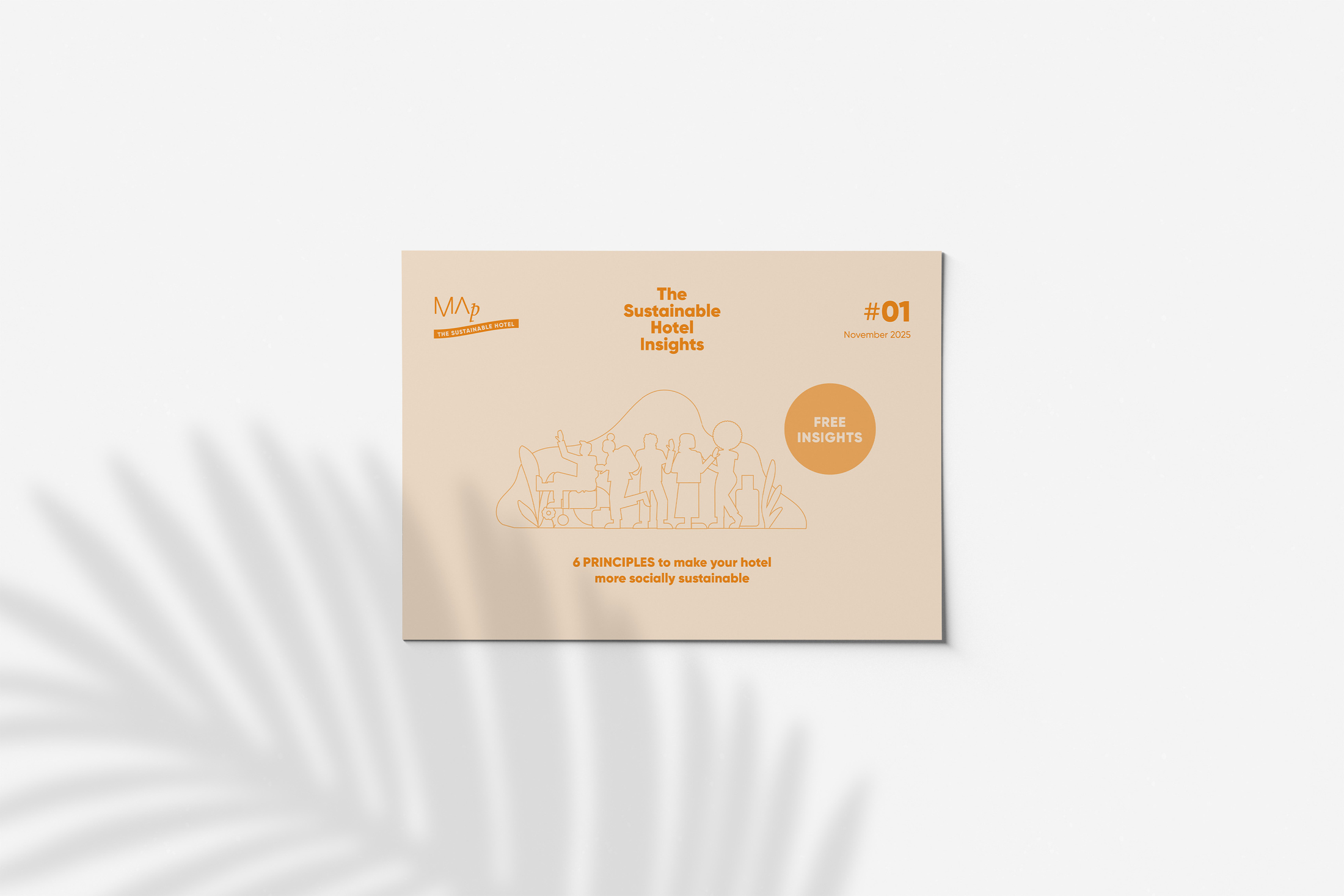
Social Sustainability in Hotels – 6 Principles
Main image
Social Sustainability in Hotels – 6 Principles
Paragraphs

6 Principles for Genuine Hospitality

Social sustainability starts with a stance – the decision to put people first. This concise guide shows how hotels can design inclusive hospitality, remove barriers and enable participation. We share six principles that turn stance into action – understandable, respectful and effective. 

What’s included:

  • A clear introduction to social sustainability – and why it is the foundation of modern hospitality.
  • Six principles with concrete to-dos for teams and guests – from inclusive language to barrier-free wayfinding.
  • A best-practice example from hospitality that shows how it works in daily operations.
  • Curated resources to help you take the next step with confidence.

This download answers:

  • What does social sustainability mean in a hotel – in short, practical terms?
  • How do I build fair, inclusive structures for teams and guests – from job ad to check-out?
  • Which principles help translate stance into action – today and over time?
  • How do I start concretely – and stay on track?
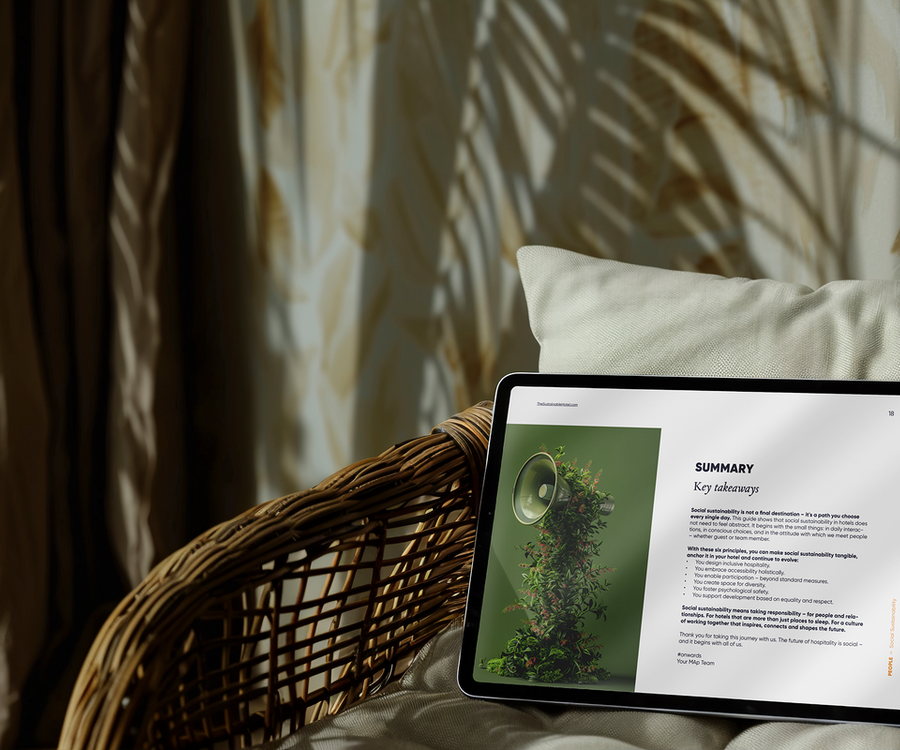
Social Sustainability in Hotels – 6 Principles
Categories
Untertitel
Clear principles and practical examples to implement social sustainability in day-to-day hotel operations and strengthen your stakeholders.
Why you need it
  • Gain clarity – precise foundations instead of buzzwords.
  • Start right away – actionable tips.
  • Strengthen your employer brand – credible, people-centred and future-ready.
  • Elevate the guest experience – genuine inclusion increases satisfaction and recommendations.
  • Keep progressing – best-practice insights plus curated links and materials to support your path #onwards.
Zero Price view
CHF 0.00
Erscheint nach ? Sekunden
3
FREE DOWNLOADS
sharing is caring

In our MAp Client Stories we feature people we empower through our services – hospitality leaders who set new standards with bold ideas. We explore their paths, key learnings and the special something that makes their concepts stand out.

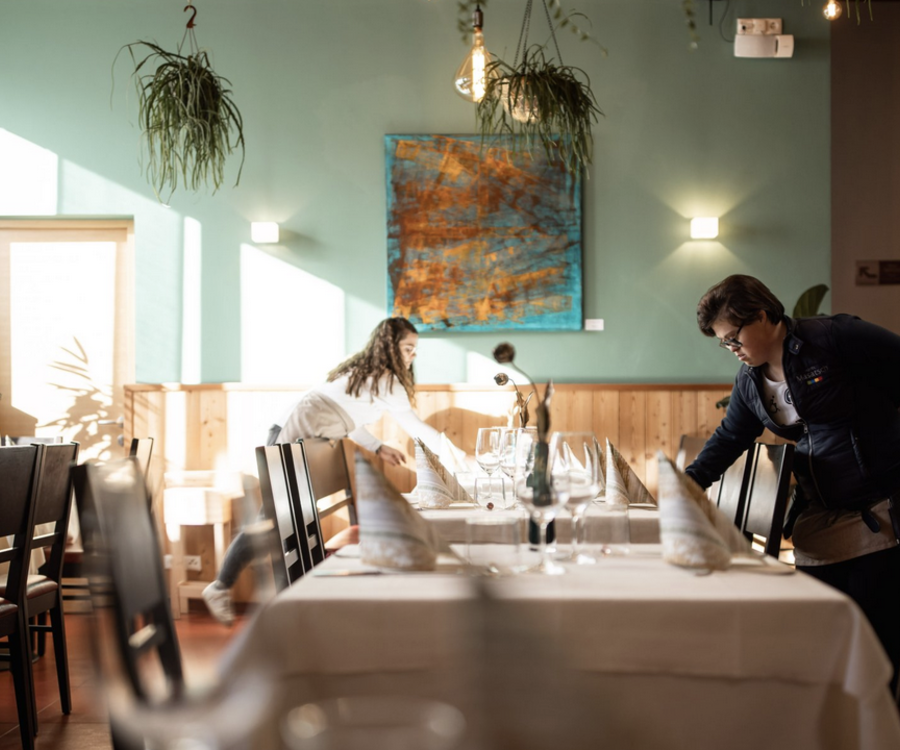
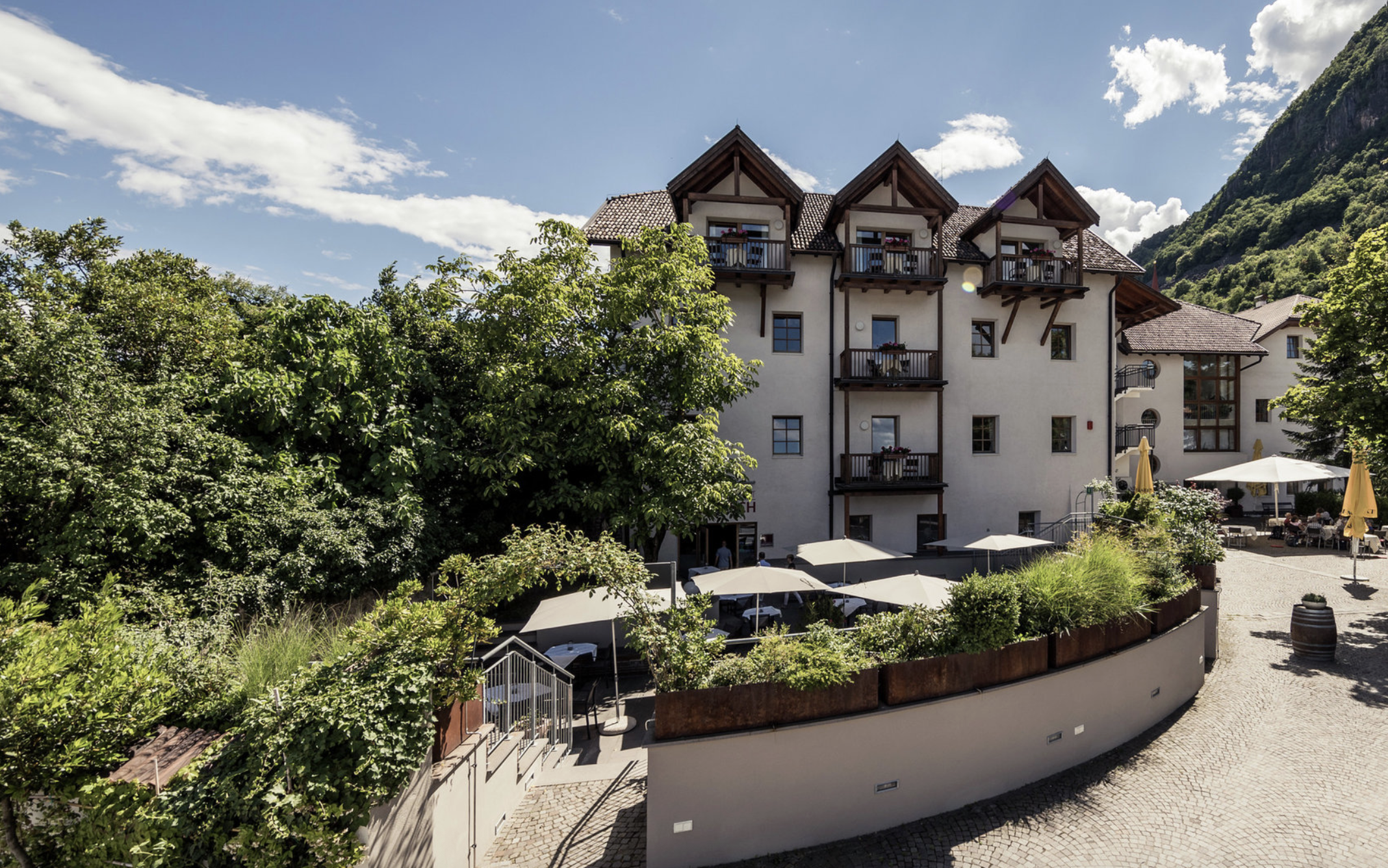
This time we speak with Christine Karadar, who leads Hotel Masatsch in Kaltern, where diversity is not an add-on – it is the concept. As a fully accessible hotel, restaurant and event venue run by Lebenshilfe South Tyrol, Masatsch creates spaces where people meet and connect – regardless of ability, background or circumstance. For guests, for employees and for the wider region. 

We support Hotel Masatsch with focused marketing and web services – sharpening their message, strengthening their website and amplifying what makes this place special.

Untertitel
MAp Client Stories: In conversation with Christine Karadar, host at inclusive Hotel Masatsch in Kaltern am See (South Tyrol)
Blog main image
Wie gelingt soziale Nachhaltigkeit im Hotelalltag – jenseits von Symbolik und Sonntagsreden?
Paragraphs
Everyone is welcome here
– with or without disabilities.
Christine Karadar, Hotel Masatsch

Christine, thank you for taking the time to speak with us today! Before we dive in: how did you first come to Masatsch? 

Christine: I had been following Hotel Masatsch with great interest for quite some time – I was fascinated by how this concept works. My background is actually in very different fields: I worked in event management and also in the social sector, especially on topics such as care and inclusion – how to better integrate people with disabilities into everyday life. 

For me, Masatsch has always been a prime example of how this can succeed. When I saw they were looking for new leadership, I applied – and got the job. Now I am fully immersed in this unique project. At first glance it is a social initiative, yes – but at the same time, it is a perfectly normal hotel for all guests. Everyone is welcome here – with or without disabilities.


Inclusion is part of daily life at Masatsch. What makes this place so special to you? And what do you do differently from a "classic" hotel? 

Christine: Hotel Masatsch really is a special place – it has a kind of energy, if I can put it that way. Even before I worked here, I often came by just to sit in the café or have lunch at the restaurant. And every time, I felt the same thing: this place just feels good. There is a kind of positive energy here. 

Now that I am part of the team, I feel it even more. What makes this place so unique is the work with our staff with disabilities. They bring such joy and enthusiasm to their work – it is contagious. You feel it the moment you arrive. 

Every morning, one of our employees at the bar greets me with a coffee and a smile and says, "So good to see you!" Around 40 percent of our team – about 30 people – have disabilities. They work in the kitchen, service, housekeeping, or in our garden project, where we grow our own vegetables. Of course, this comes with daily challenges. We support, train, and accompany our team constantly. Many things have to be repeated and practiced often – almost like a school. But that is exactly what makes our work so meaningful.

So gelingt soziale Nachhaltigkeit im Hotelalltag

You have a very diverse team with different backgrounds and abilities. What does it take to make this work? And what can other hotels learn from it? 

Christine: To work here, one thing matters most: genuine interest in people – and empathy. Our team is diverse and full of different strengths. You have to be willing to share knowledge, support others, and practise things together until they stick. 

Our team leads – the head chef, the service managers – carry a lot of responsibility. They are not just supervisors, but coaches, motivators, mentors. They need to be patient and adapt to each person. The overall pace is a bit slower here – and that is a good thing. 

I often say: when you work here, you automatically shift down two gears. That creates space for real connection. What can other hotels learn from this? That inclusion is not a burden – it is a huge enrichment. When people with different abilities are truly integrated, the work environment becomes more patient, more respectful, more human. And guests feel that.


Many hotels want to become more inclusive but struggle to take the first step. What are the most common misconceptions – and what really matters? 

Christine: For me, social sustainability means not just including people with disabilities – but giving them real opportunities. The biggest misconception? That inclusion is an extra task. Something "on top". But it is not about being perfect – it is about mindset. 

It takes openness, patience, and a willingness to meet people at eye level. Once you take that step, something fundamental shifts: in the team, in your interactions, and in the entire culture of the business. That is what social sustainability really means to me.


Was there a moment when you thought: this is exactly why we are doing this? A memory or experience that stayed with you? 

Christine: Yes, absolutely. One moment from this summer stands out. We hosted a group from Germany – the Pfennigparade Foundation, which supports children and young people with severe disabilities. More than 20 people stayed with us for two weeks. It was a challenge, but also a very special experience. 

On their last evening, they organised a little farewell celebration for us. One of the girls – she was maybe nine years old – could not walk at all when she arrived. She used a walking frame and needed a lot of support. On the final evening, she suddenly walked up to me unaided, beaming with pride, and handed me a thank-you note for the whole team. She said these had been her best two weeks in a very long time. 

That moment really moved all of us. It reminded me why we do what we do. Moments like that show us that this work matters. It makes a difference.


Amazing, thank you for sharing! And to finish – our Quick 5, which we ask in every MAp Client Story:

  • A hotel that inspires you: Hotel Frida am Wald
  • A book or resource everyone should read if they want to be more sustainable: I honestly do not have one!
  • A destination on your to-travel list: Kyrgyzstan – it is at the top of my list.
  • quote to live by: “Go confidently in the direction of your dreams. Live the life you have imagined. As you simplify your life, the laws of the universe will be simpler.” – Henry David Thoreau, Walden (1854)
  • Your biggest wish for the future: A life full of meaningful experiences, connection, good health, and true friendship.

About Christine Karadar

Christine is the general manager of Hotel Masatsch in Kaltern, South Tyrol. She brings a background in event management and social work – and leads with a clear belief in people, inclusion, and the power of doing things differently. 

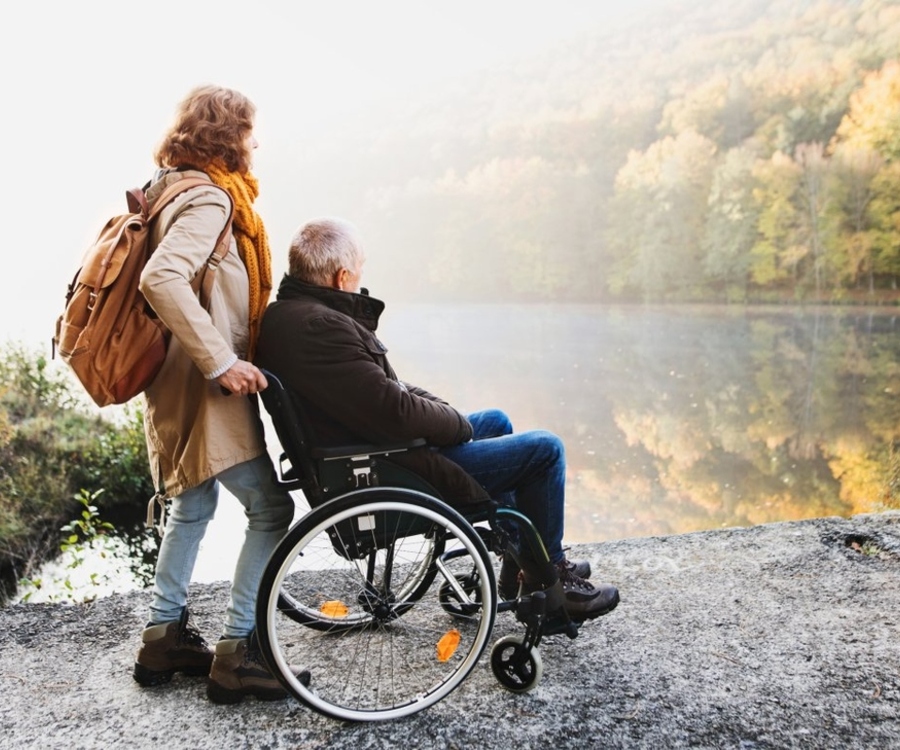
Hotel Masatsch is an inclusive, fully accessible hotel in Kaltern, near the Kalterersee in South Tyrol. Run by Lebenshilfe Südtirol, it offers barrier-free holidays for all guests – with or without disabilities – and creates meaningful encounters between people of all abilities. The hotel is especially designed for guests with mobility needs and specialises in wheelchair-accessible stays in the region.

Free Download

The Sustainable Hotel Insights. 6 Principles to make your hotel more socially sustainable

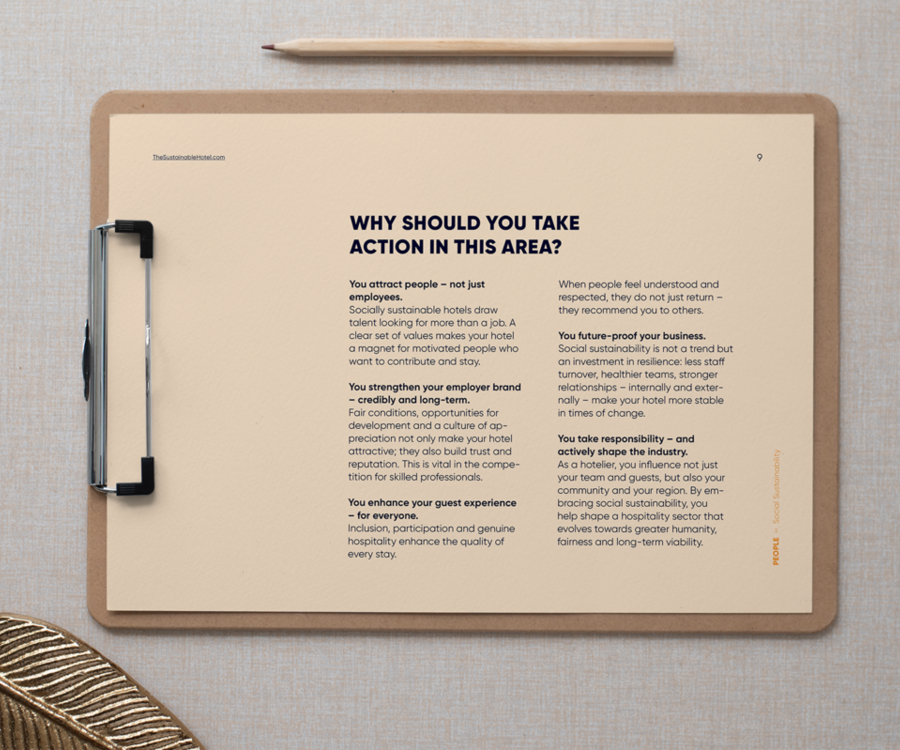
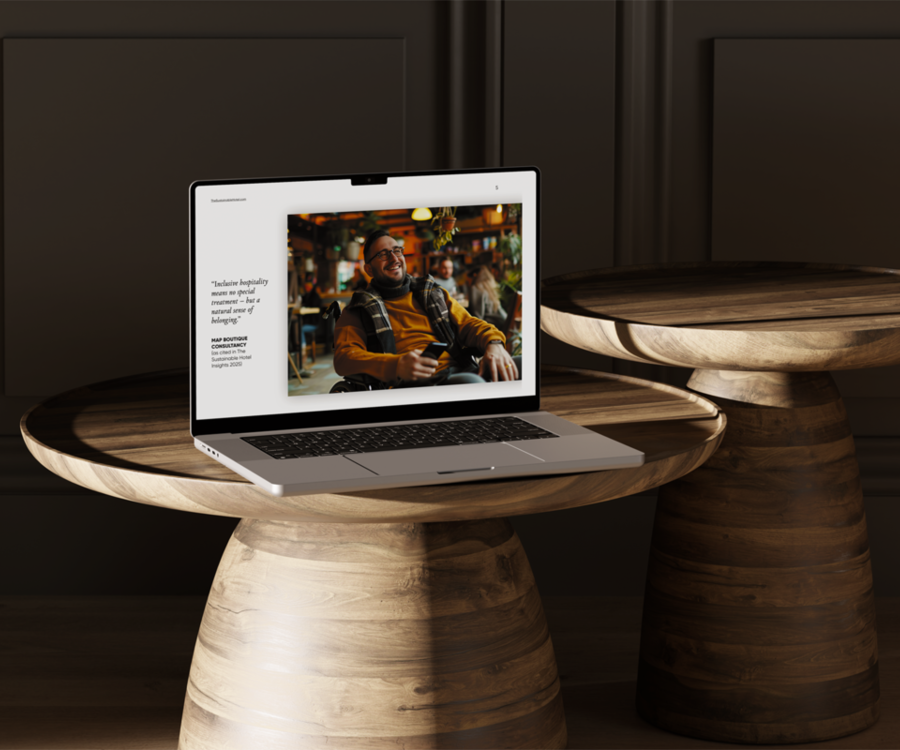
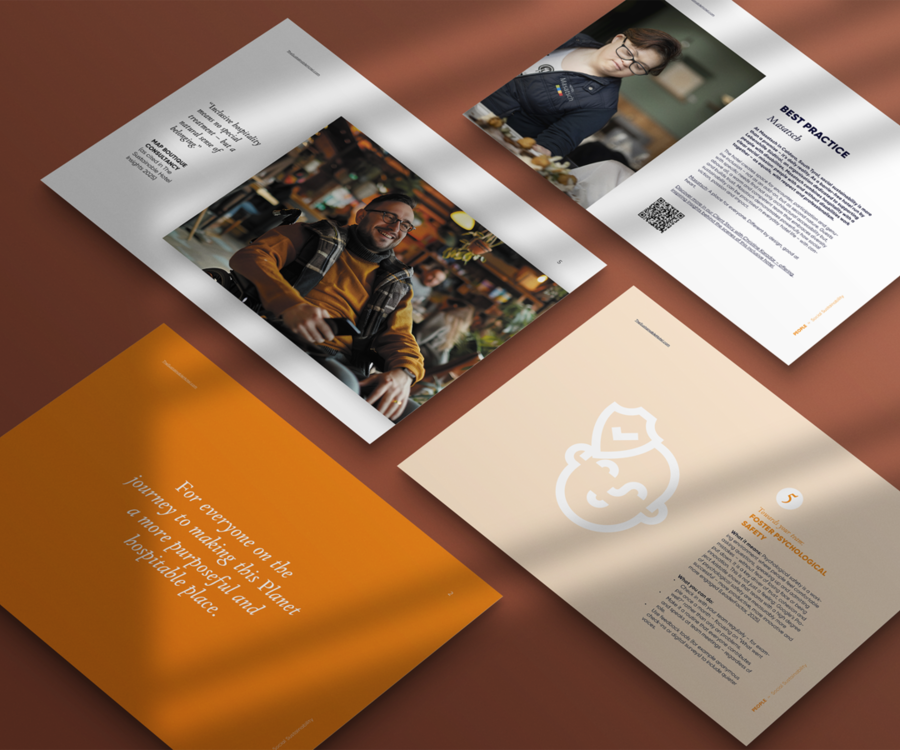
In this free guide you will receive a concise introduction to social sustainability in hotels – clear and directly actionable. The six principles set out concrete steps for guests and your team – from inclusive hospitality to holistic accessibility. Plus: a short best-practice example, key facts and resources to help you get started straight away.

Blog Block Image
Wie gelingt soziale Nachhaltigkeit im Hotelalltag – jenseits von Symbolik und Sonntagsreden?

Add new comment

Comment

Order

Plain text

  • No HTML tags allowed.
  • Lines and paragraphs break automatically.
  • Web page addresses and email addresses turn into links automatically.
Categories
sharing is caring

A good hotel is not defined by how many stars it has – but by how welcome it makes you feel. Sometimes that means offering a ramp. 

Sometimes a little extra time at check-in. Sometimes simply the feeling: This place respects me. And that's exactly where accessibility begins – in the mind, in the heart, in your attitude. Less about technology. More about true hospitality. 

It's not about ticking boxes. It is about asking: Who feels comfortable here? Who will come back – and who might not? 

This blog post invites you to rethink accessibility. Not as an obligation. But as a powerful opportunity to make your hotel more open, more human – and more welcoming to everyone who comes through your doors.

Untertitel
An invitation to rethink accessibility in hospitality
Blog main image
Barrierefreiheit im Hotel: Gastfreundschaft für alle
Paragraphs

Accessibility is a mindset, not a checklist

Accessibility is not just about someone in a wheelchair being able to enter your building. 

It's about making them want to. Because the reception is friendly. The signage is clear. The room is well thought out. And no one has to explain themselves. It's not about having perfect solutions. It is about a clear, honest intention: “We want you to feel at ease – just as you are.” 

Whether neurodivergent, visually impaired, travelling with a personal assistant or caregiver or an assistance dog – true accessibility does not start with technical norms. It starts with understanding needs. It's not about treating someone as a special case – but about making them feel like a natural part of the picture. 

Accessibility is not a request. It is part of what real hospitality means. ☻ 

Five ways to start thinking differently about accessibility

1. Belonging over exception 

Inclusion starts where no one feels like an exception. Accessibility does not mean welcoming someone especially. It means remembering they might come – and making sure nothing stands in their way. Design spaces where people can move, orient themselves and feel safe – without having to explain themselves. 

Tip: Ask yourself: Where are barriers in your hotel? And how can you make belonging visible? Check your door widths. Offer quiet hours without music. Label allergens clearly. The list is long ;-)


2. Communication that connects

Accessibility often begins with a single word. Or the feeling of being understood – without having to explain. If guests cannot read, hear or process information quickly, they are left out. 

Language can exclude – or open doors. 
Simple wording, pictograms, clear check-in explanations – it is often the small things that make a big difference. Sometimes all it takes is a shift in perspective. 

Tip: Words reflect your mindset. Be mindful of phrases like “as you can see” or “have you heard?” Not everyone sees, hears or understands the way you do. That is where accessibility begins – not with complex instructions, but with language that includes everyone. Want to go deeper? Check out our Sustainable Hotel Handbook: Communication.

Barrierefreiheit im Hotel: Gastfreundschaft für alle

3. The first impression happens online

Before a guest enters your hotel, they have already been there – online. And that is where many great ideas fall apart: When websites are hard to read, bookings are complicated, or key information is hidden behind sleek design. 

Digital accessibility is not about tech. It is about respect. After all – what good is the perfect ramp if the path to it is confusing? 

Tip: Have someone test your website who struggles with orientation or invite someone from your community for a test stay at your hotel. You will learn a lot – and fast. For more, see our blog post on sustainable hotel websites.


4. Listening leads to insight

Sometimes you do not need a new concept. Just a good conversation. 

People living with limitations know exactly what they need. We just have to ask – openly, honestly, without fear. Guests who offer feedback. Team members who share experiences. Organisations that can support your journey. Listening does more than improving systems. It changes your perspective. 

Tip: Start small. Invite someone from your community to give feedback – maybe during a test stay, a walkthrough or an open conversation with your team.


5. A hotel that thinks ahead 

Accessibility does not mean having a protocol for every possible case. It means staying aware – and being ready. Ready to meet people’s needs in unexpected moments. 

A guest arrives with an assistance dog? 
A caregiver needs a separate bed in the same room? 
Someone wants to enjoy breakfast in peace, without sensory overload? 
Accessibility means: we may not have planned for it – but we are prepared. 

Tip: Bring accessibility into your team conversations – not as a list of rules, but as a shared mindset: “We ask one time too many – not one time too few. And we find solutions together.” 

Example (inspiration): Some supermarkets now offer autism-friendly shopping hours – dimmed lights, no music, no loud announcements, clear signage and a quieter checkout experience. That is what we call the curb-cut effect: small changes made for specific groups end up helping everyone.

Accessibility is not an extra
it is part of what real hospitality means.
MAp Boutique Consultancy

What you gain from accessibility? A lot.

Accessibility is not a limitation – it's an expansion. For your team. For your guests. For your positioning as a host who leads with purpose. Curb-cut effect, again: Designing with care for some often makes things better for all. From a clearly written menu to step-free access, subtitles and simple language – you reach more people, strengthen your brand and create guest experiences that leave a lasting impression. Because someone felt truly seen.

Conclusion

Accessibility is not about being perfect. And it does not have to be. At MAp Boutique Consultancy, we always say: progress over perfection.

That's true here as well. Start rethinking accessibility – today. Not through major renovations. But by choosing to notice more. By acting where you already can. And by creating a culture of welcome that includes everyone.

Want to go deeper? Download our free guide: 6 Principles for Social Sustainability in Hotels.
Or explore our The Sustainable Hotel Handbook: People.

#onwards

Free Download

The Sustainable Hotel Insights. 6 Principles to make your hotel more socially sustainable

In this free guide you will receive a concise introduction to social sustainability in hotels – clear and directly actionable. The six principles set out concrete steps for guests and your team – from inclusive hospitality to holistic accessibility. Plus: a short best-practice example, key facts and resources to help you get started straight away.

Blog Block Image
Barrierefreiheit im Hotel: Gastfreundschaft für alle

Add new comment

Comment

Order

Plain text

  • No HTML tags allowed.
  • Lines and paragraphs break automatically.
  • Web page addresses and email addresses turn into links automatically.
Categories
sharing is caring

Together with Regula Balteschwiler – an expert in sustainable gastronomy and hospitality – we're taking you on a journey into a world where both good food and sustainability are on the menu. Sounds delicious, doesn’t it? Let’s get started!

Untertitel
How to Combine Flavour and Environmental Awareness in the Hospitality Industry
Blog main image
Sustainability in Hospitality: 5 Tips for a More Sustainable (Hotel) Kitchen
Paragraphs

Why Make Your (Hotel) Kitchen More Sustainable?

Food is more than just fuel for the day – food can be a conscious choice. A choice that has an impact on the planet, our health and the climate. According to the Max Planck Society (2023), the global food system is responsible for up to 37% of global greenhouse gas emissions. And one of the main culprits is the production of animal-based products.

The good news? With just a few smart changes in your (hotel) kitchen, you can significantly reduce your carbon footprint, attract new guests and stand out from your competitors.

With just a few smart changes in your kitchen
you reduce your carbon footprint, attract new guests and stand out from your competitors.
@weareMAp

Offer Vegan Options for Everyone

Make sure to include at least two plant-based dishes in every menu category – starter, main and dessert. Why? Studies show that restaurants offering vegan options enjoy higher guest satisfaction and return rates (Hopkinson, 2021). 

Plus, you’re catering to everyone: vegans, vegetarians, flexitarians and guests with dietary intolerances. 

Health tip: Did you know that reducing meat consumption can lower your risk of respiratory diseases by up to 50%? (Willett et al., 2019) The planet says thank you, too. 

Pro tip: Instead of “vegan”, try calling it “plant-based”; that often resonates better with guests.

Use Local and Seasonal Produce

Fresh, local ingredients straight from the nearby farm? Yes, please! Choosing seasonal products from your region not only supports local farmers and suppliers, it also reduces your carbon emissions. Best of all: seasonal dishes tend to taste better. A win-win, right?

Offer Vegan Events and Specials

This one’s not just for your vegan guests! Offer themed events and specials like plant-based weekday lunch menus and power-packed summer dishes or participate in vegan restaurant weeks. Make plant-based cuisine part of the conversion and encourage guests to explore new flavours!

Inspire Your Team

Your team should be just as excited about plant-based options as your guests. That’s where training comes in (and Regula is your go-to expert here 😉). Help your staff become confident ambassadors for nutrition, health and sustainability – your guests will notice, and your team will be proud.

Skip the Additives

Not a fan of artificial additives? Great – neither are we. Stick to wholesome, unprocessed ingredients. Take inspiration from restaurants like La Bruja in Guatemala, where everything is made without artificial enhancers. Your guests will taste the difference – and their health will thank you.

Nachhaltigkeit in der Gastronomie: 5 Tipps für eine nachhaltigere (Hotel-)Küche

What’s in it for You?

More guests, more revenue – and the rewarding feeling of doing something good for the planet. You’ll also become more attractive to potential employees and partners who share your sustainability values. Let’s be honest: sustainability is more than just a trend – it’s the future. And those who lead the way today will have a clear advantage tomorrow 🙌. 

So, what are you waiting for? Let’s create a healthier, more sustainable hospitality world – together! 

#onwards, 
Your MAp Team 

Fancy even more practical tips and tricks to make your menu more sustainable? Download our free comprehensive guide: Sustainability in Hospitality: 5 Tips for a More Sustainable (Hotel) Kitchen.

Free Download

The Sustainable Hotel Insights: Sustainability in Hospitality: 5 Tips for a More Sustainable (Hotel) Kitchen

This free guide provides practical tips to help you make your menu more sustainable. Discover how small changes can protect the environment, attract new guests and boost your reputation. Get inspired by best practices – and pick up a delicious plant-based dessert recipe while you're at it.

Blog Block Image
Sustainability in Hospitality: 5 Tips for a More Sustainable (Hotel) Kitchen

Add new comment

Comment

Order

Plain text

  • No HTML tags allowed.
  • Lines and paragraphs break automatically.
  • Web page addresses and email addresses turn into links automatically.
Categories
sharing is caring

The urgency of addressing sustainability in the hospitality industry cannot be overstated, as its impact on the environment and local communities is significant. Therefore, in this actionable hotel sustainability blog post, we help hotels aspiring to make a meaningful impact on sustainability take the concrete steps toward achieving that goal.

Rooted in MAp’s framework of the 4 Ps of Sustainability — Purpose, People, Planet and Profit — this blog post outlines 25 key action steps for each P that can revolutionise the way hotels operate, emphasising that the journey towards sustainability doesn't have to be daunting or financially burdensome.

It’s built on the principle that every action, no matter how small, contributes to a more sustainable and responsible hospitality and travel industry.

Did you know? We compiled a full guide presenting 284 action steps to get you started on implementing hotel sustainability in a holistic, practical and #stepbystep way.

Untertitel
We guide you to implementing hotel sustainability by taking small steps with a big impact.
Blog main image
284 praktische Maßnahmen zur Umsetzung von Nachhaltigkeit in der Hotellerie
Paragraphs

Purpose

At MAp, we start every (sustainability) project with Purpose. It is the golden thread running through and connecting all other elements. And the sustainable steps your hotel takes reflects what your overall Purpose is.

But let’s be clear about what your Purpose actually is: Purpose is the reason your hotel exists – its overall WHY. It is the derived meaning that comes when you know that you created something that you believe matters – to yourself, to others, to society. Be aware, Purpose does not entail earning a Profit. It must go above and beyond making money and be broad, humanistic and socially-engaged, linking your hotel to a greater good. Your Purpose will be your guiding compass to making this world a better place and growing your business, at the same time.

WHY Purpose matters

  • Brings you clarity and clarity = power
  • Creates a culture of innovation
  • Attracts the right people (guests, employees, partners) for your hotel
  • Builds resilience through turbulent times
  • Delivers personal satisfaction to the hotelier

5 action steps to create a hotel with Purpose

1. Discover your personal Purpose
2. Define your hotel’s Purpose
3. Embed your Purpose into your hotel business
4. Prioritise your sustainability activities based on your Purpose: People, Planet or Profit
5. Activate your Purpose – because Purpose is a verb, not a noun!

People

The social dimension of sustainability, People, deals with the impact your hotel has on the society for which and in which it operates. It’s about being a good host, a helpful neighbour, a quality employer and partner, a responsible and reliable brand – while serving the direct and indirect needs of your stakeholders.

And who are those stakeholders? While there are many stakeholder groups involved in making a hotel project a success, in this blog post, we focus the action steps on four key groups that your hotel has a major impact on: 

  • Your guests
  • Your employees
  • Your partners
  • Your local community

Unfortunately, the hospitality and tourism industry has not always had a good reputation when it comes to its social impact. On a bright note, though, as the industry touches every human on earth in one way or the other, there is so much opportunity to positively contribute to the lives of your guests, your employees and partners, and your local community – now and in the future.

WHY People matter

  • Only teamwork makes the dream work
  • Money always comes from People
  • People will make or break your brand

5 action steps to serve your employees more inclusively

1. Achieve a 50/50 balance between men and women in your management
2. Give equal employment opportunities to People already residing in the local community
3. Give equal management positions to People already residing in the local community
4. Offer employment opportunities without discrimination by gender, race, disability, religion and more
5. Offer management opportunities without discrimination by gender, race, disability, religion and more

You may also download our free guide on how to write inclusive job ads here

Planet

We know that many hoteliers are aware of how closely connected their hotels are to their surrounding environments. However, the relationship between hotels and Planet is not a healthy one; hotels create enormous negative impacts on the environment all along their lifecycles.

Therefore, the ultimate goal of environmental sustainability is to minimise your hotel’s environmental impact on the region and the Planet at large through the following key elements:

  • Energy
  • Waste
  • Food
  • Water

By tackling these elements holistically, hotels are able to limit their environmental impact and achieve carbon neutrality. And by implementing smart environmental measures they realise significant savings too – a win-win!

WHY Planet matters

  • There is no Planet B
  • If you put Planet over Profit, your Profit will grow healthy as well
  • Act now to environmental regulations – or react later

5 action steps to combat food waste

1. Compost bio waste
2. Plant a biological garden
3. Cook to order and eliminate the buffet
4. Make smaller food portion sizes
5. Donate extra food

Learn more about the topic in our free waste guide

Every action, no matter how small,
contributes to a more sustainable and responsible industry.
@weareMAp

Profit

We won’t argue: Profit is important. Without it, your hotel will cease to exist. But what is also important is that the Profit earned is:

  • Achieved in a sustainable way = not at the cost of People and Planet
  • Distributed in a sustainable way = used to secure your hotel’s operationality in the future while also making this world a better place

Money is the lifeblood of your business, but it is not your reason for being – that’s what Purpose is for. But how can you pursue your Purpose if you are not profitable and financially strong?

That’s the paradox: organisations that only exist to earn a Profit don’t last long. But organisations that don’t prioritise Profit can’t survive long enough to fulfil their Purpose. In other words, in the context of sustainability: it’s hard to be green when you’re in the red!

WHY Profit matters

  • Profit allows for progress in your business
  • Profit enables you to uplift, empower and better serve your stakeholder groups
  • Profit makes the world a better place (when you share it with the world)

5 action steps to practice philanthropic giving

1. Donate a share of your Profit
2. Create an employee donation scheme
3. Match employees’ donations
4. Create a guest donation scheme
5. Match guests’ donations

Take action now!

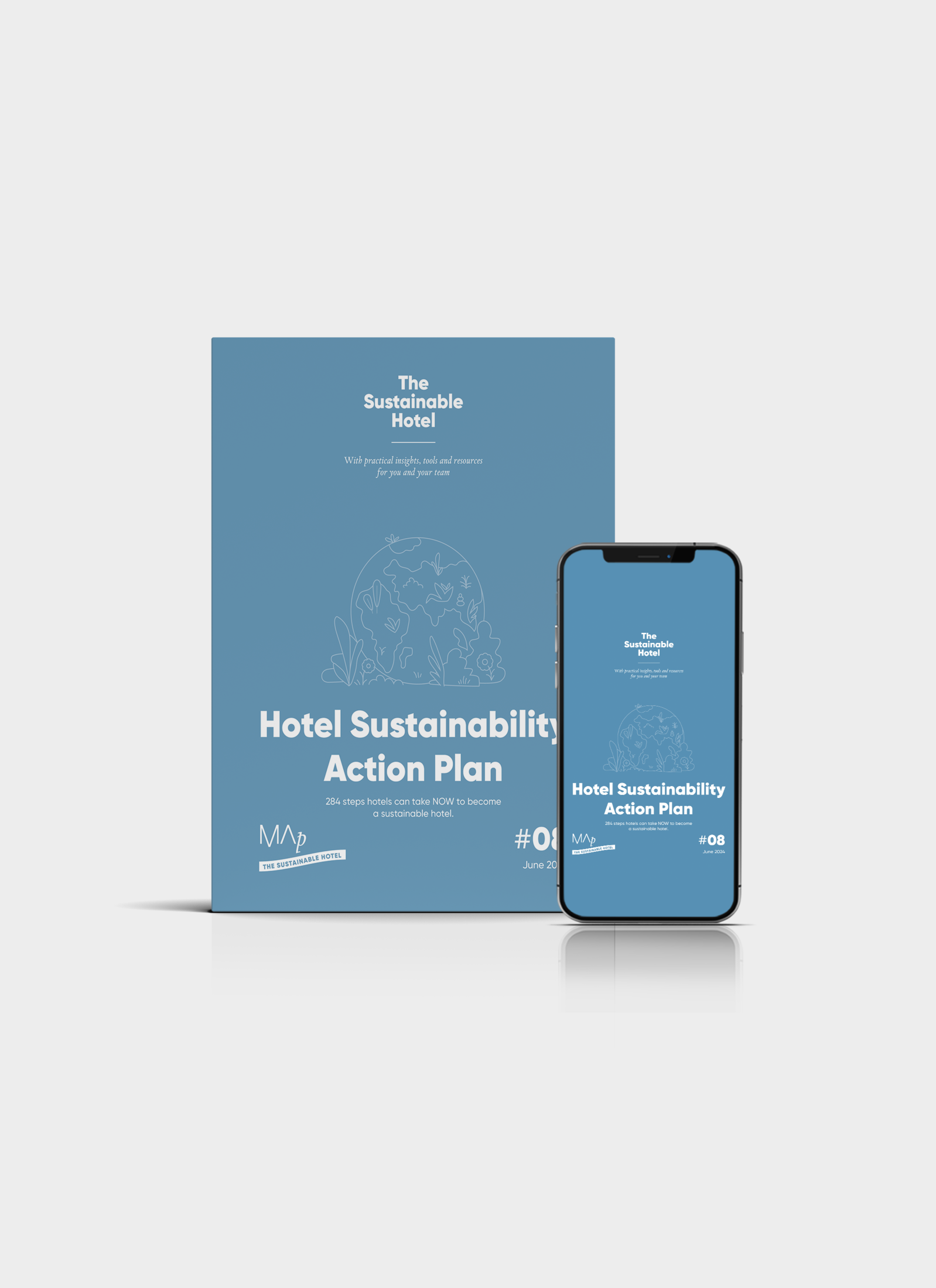
Hotel Sustainability Action Plan

We have compiled a full guide presenting 284 action steps to get you started on implementing hotel sustainability in a holistic, practical and #stepbystep way.

Check Top-Posts
Set to 2nd Top-Post
Quote Author
MAp Boutique Consultancy
Quote Subtitle
contributes to a more sustainable and responsible hospitality and travel industry.
Quote Title
Every action, no matter how small,
Blog Block Image
284 action steps to become a sustainable hotel

Add new comment

Comment

Order

Plain text

  • No HTML tags allowed.
  • Lines and paragraphs break automatically.
  • Web page addresses and email addresses turn into links automatically.
Types
sharing is caring

Sustainability in hospitality does not need to be complicated or expensive. This guide gives you clear priorities, concrete actions, and ready-to-use checklists so you can start in operations straight away, without getting lost in theory.

Weight
-92
Block Image
Your Hotel Sustainability Action Plan – by MAp Boutique Consultancy
Paragraphs
As seen on:

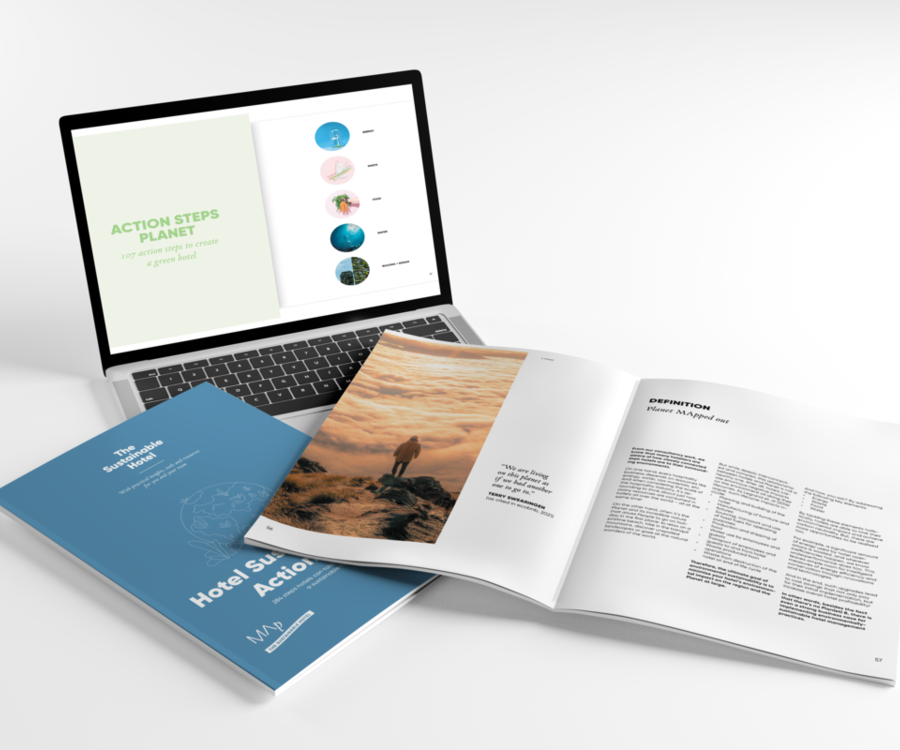
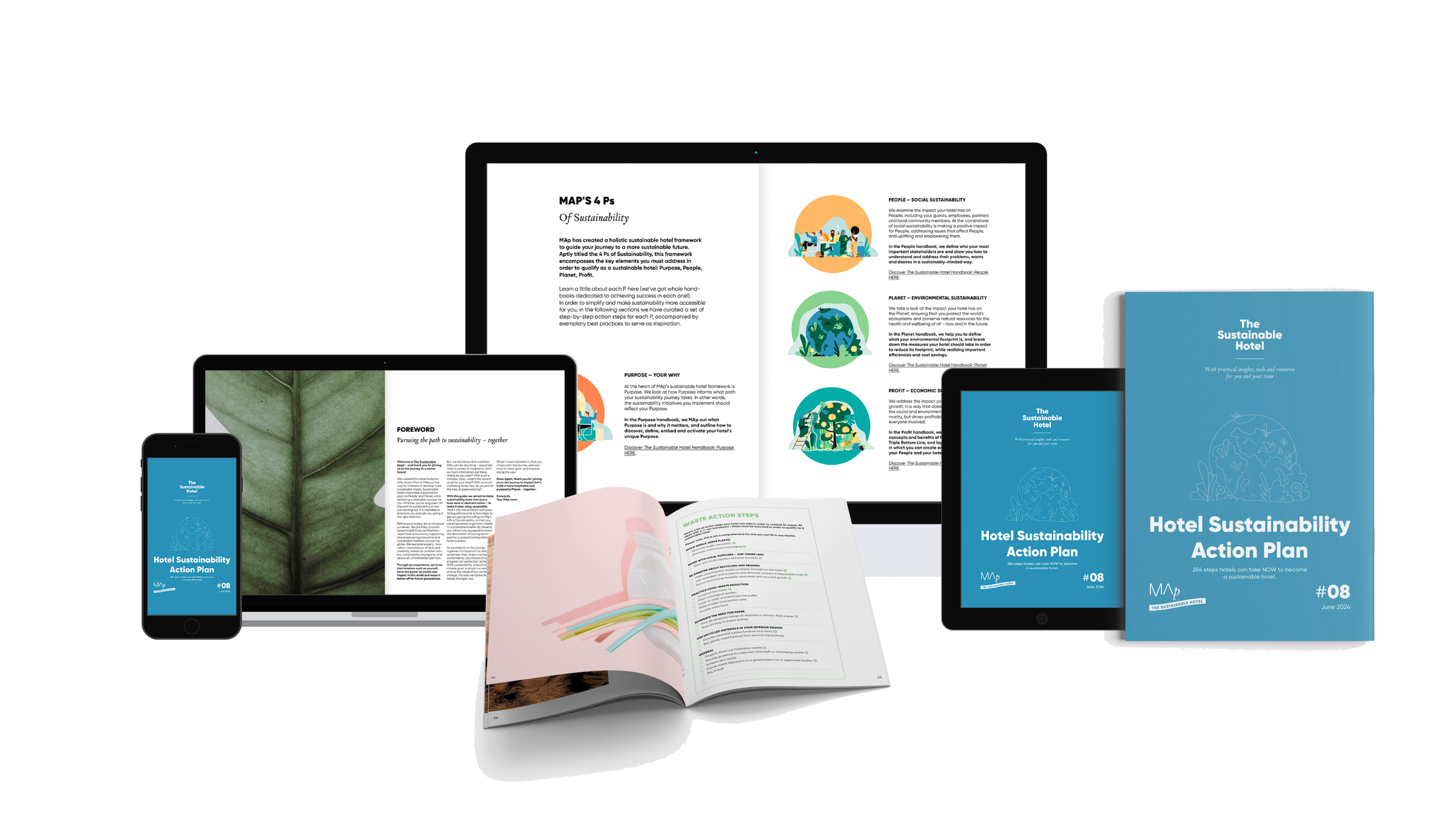
Your hotel sustainability action plan: 284 practical actions

Clear instructions, ready-to-use checklists and best-practice examples to implement sustainability in day-to-day hotel operations and make progress measurable.

What you get:

  • 284 practical actions in checklist format you can implement straight away
  • A clear, hands-on overview of the three pillars of sustainability, social, environmental and economic
  • International best practices from hotels and brands that show what works
  • Practical next steps to start your sustainability work, or improve what you already have
  • Curated resources and sources for deeper support
What People say about the sustainability guide

What hotel sustainability delivers

Here is what a structured, action-led approach unlocks for your hotel:

  • Lower costs through smarter resource use and higher efficiency
  • Reduced risk through clearer priorities and better preparation
  • More bookings through stronger positioning and higher trust
  • Stronger support from guests, team members, partners and local communities
  • Easier reporting through structured steps and clearer foundations
  • Clearer differentiation in the market through credible sustainability work
  • Stronger long-term performance because sustainability is embedded in operations


Start now with the practical hotel sustainability guide

284 actions, clear next steps and international best practices to implement sustainability in day-to-day operations and make progress measurable.

DIGITAL HANDBOOK

DIGITAL HANDBOOK

After payment, you can access your digital product (PDF file) immediately in your private and secured Community member area for easy, life-long access and download.

CHF 98.00

The Sustainable Hotel Handbook: Introduction

The Sustainable Hotel: Hotel Sustainability Action Plan

Payment
*VAT charges might apply per the billing address.
For your security, all orders are processed on a secured server.

What happens after your order

MAp Boutique Consultancy The Sustainable Hotel Secure Checkout
1: Secure checkout page

Click the purchase button above and you’ll be taken to a secure checkout page.

MAp Boutique Consultancy The Sustainable Hotel Secure Checkout
2: Login to your account

Complete your order and check your email for your login instructions.

MAp Boutique Consultancy The Sustainable Hotel Secure Checkout
3: Enjoy your new handbook

Login to your account and get started on making this planet a better place for all.

Action Plan

Is this action plan right for me?

Yes, if you want a practical starting point and clear next steps to implement sustainability in day-to-day hotel operations, without getting stuck in theory.

What will I get when I download it?

A structured action plan with 284 practical actions in checklist format, plus guidance, best-practice examples and curated resources to help you move forward.

Do I need to implement everything?

No. Use it as a menu. Pick what fits your hotel, prioritise the actions with the biggest impact, and build momentum step by step.

Is this suitable for small teams?

Yes. The actions are designed to be practical and modular, so you can start small and scale up as you go.

How quickly can I start?

Straight away. Choose one area, select a few actions, and begin with what is realistic for your team and operations.

Why is the Hotel Sustainability Action Plan perfect for independent and boutique hoteliers?

The Hotel Sustainability Action Plan was crafted specifically with independent and boutique hotels in mind. As seasoned hotel consultants, we know better than anyone that independent and boutique hotels have limited time, budget and resources compared to bigger hotels and hotel chains.

Therefore, the Hotel Sustainability Action Plan really focuses on everything boutique hoteliers need to make sustainability happen, with practical steps that are both realistic and budget-conscious, without being too time-consuming.

Is the Hotel Sustainability Action Plan suited for existing hotels?

Yes! The Hotel Sustainability Action Plan is perfect for hoteliers who already have a hotel and are looking to make it more sustainable. We present loads of sustainable activities you can implement in your existing operations to increase your hotel’s impact #stepbystep.

I am planning a new hotel, is the Hotel Sustainability Action Plan for me?

All recommendations and action steps presented in the Hotel Sustainability Action Plan apply to new hotels, too – not just existing ones. We even guide you in how to build sustainability into the hotel development process from the very start – from site selection and planning to construction and interior design.

Is the Hotel Sustainability Action Plan really worth the investment?

We say: absolutely! This guide is jam-packed with added value for boutique hoteliers looking to create sustainable hotels. Plus, with all the sustainability recommendations outlined in the Hotel Sustainability Action Plan, you will attract more guests and realise important cost savings and efficiency gains. So it will pay off – in the truest sense of the word!

Your Hotel Sustainability Action Plan – by MAp Boutique Consultancy
Your Hotel Sustainability Action Plan – put hotel sustainability into action – NOW!
Your Hotel Sustainability Action Plan – by MAp Boutique Consultancy

The Hotel Sustainability Shop

Explore practical tools and resources to power real change in your hotel.

Types
Untertitel
A practical guide with checklists and examples to implement sustainability in your hotel, and make progress measurable.
Erscheint nach ? Sekunden
3
Image Full Content
Your Hotel Sustainability Action Plan – by MAp Boutique Consultancy
sharing is caring

The MAp Boutique Consultancy book club is back! And it is back with a bang, because “Doing Good Better” by William MacAskill was a mind-opening and highly-inspirational read for the MAp team. In this blog post, we’re excited to share our top insights so that we can all start embracing this radical new way of making a difference – NOW!

Untertitel
Effective altruism and a radical new way to make a difference
Blog main image
Buchempfehlung: „Gutes besser tun“ von William MacAskill
Paragraphs

Summary

In his ground-breaking book “Doing Good Better”, MacAskill explains the concept of “Effective Altruism” and asks the question, “How can I make the biggest difference I can?” To answer this question he uses concepts we’ve hardly ever seen so far in the field of doing good: evidence, careful reasoning and a scientific approach. His search for truth shows that so far, many of us “just did good” without assessing if we chose the right investment = if we were using our resources in the most effective way. MacAskill also busts some myths about the concepts of green living, climate offsetting, fairtrade, etc., showing us in a fact-based and impartial way, that what we thought or were told was best for the word, in truth, isn’t.

Key Points

At MAp, we believe in the power and goodness of people. That was one reason why we developed our hotel sustainability platform: to empower hoteliers, consultants, students, business owners, etc. to do good. To make a difference. To make this Planet a more purposeful and hospitable place for all. However, the so-often overlooked challenge William MacAskill addresses in his book is: How can we ensure that, when we try to help others and do good, we do so as effectively as possible? Because the truth is: The best charities are hundreds of times more effective at improving lives than merely “good” charities. This means, by knowing the principles of effective altruism, we all can be hundreds of times more effective in creating positive impact for People and Planet.

Here are the 3 key take-aways you need to know:

#1: The effective altruist’s approach to making a difference consists of five key questions

There are five key questions you should ask yourselves when thinking like an effective altruist:

1. How many People benefit, and by how much?
This implies: we need to make fact-based decisions about how much benefit we can make by doing different charitable activities / supporting different charities.

2. Is this the most effective thing you can do?
Search for science-based evidence and do not go for “merely” very good programmes, if the very best ones are hundreds of times better. HERE is a great resource for identifying the best charities and non-profits.

3. Is this area neglected?
Your money makes the most difference when you invest in a neglected area vs. an area where a lot of funding already goes to. As an example, we could say that investing in malaria health programmes is more effective than in cancer research programmes.

4. What would have happened otherwise?
Looking at evidence, some programmes don’t do good, but cause harm over the long run. Or they don’t create as much impact as you would imagine. For example, this applies to the decisions you take when choosing a career: sometimes you can do good better when you donate money while working at a “normal” job vs. working at an NGO, which often is thought of as the best thing you could do.

5. What are the chances of success, and how good would success be? 
Some activities are effective not because they’re likely to make a difference, but because their impact is so great if they do make a difference. To illustrate this, MacAskill uses the example of climate change: “If it is happening and we don’t take action, millions of lives will be lost and the world economy will lose trillions of dollars. If climate change isn’t happening and we do take action, the costs are much lower. We would have wasted some amount of resources developing low-carbon technology and slowed economic progress a bit, but it wouldn’t, literally, be the end of the world.”

#2: The law of diminishing returns implies you focus on long-time tested activities

MacAskill defines the law of diminishing returns in his book as follows: “If we want to do as much good as we can, we’ve got to ask which cause to focus on. The law of diminishing returns provides a useful rule of thumb for comparing causes. If a specific area has already received a great deal of funding and attention, then we should expect it to be difficult for us to do a lot of good by devoting additional resources to that area. In contrast, within causes that are comparatively neglected, the most effective opportunities for doing good have probably not been taken.” MacAskill then outlines that our response to natural disasters is one of the clearest cases of how, when it comes to charity, we mostly follow our gut and not science. When a disaster strikes, we (and every else) think “emergency” and donate money or resources to that cause, forgetting that emergencies happen all the time around us. But we get accustomed to poverty and the fact that, every day, People die from easily preventable diseases like AIDS, malaria, or tuberculosis, which therefore receive less ongoing funding.

MAp Boutique Consultancy - The Sustainable Hotel - Zurich

#3: Don’t believe everything that sounds good, or let’s bust some myths 

We very often fail to think as carefully about helping others as we could, mistakenly believing that applying data and rationality to a charitable endeavour robs the act of virtue.
And that means we pass up opportunities to make a tremendous difference.
@MacAskill via @weareMAp

Myth 1: Ethical Consumerism is always good and sweatshop products must be avoided

Companies in the fashion industry claim to be “sweatshop free” and other companies ask consumers to practice “ethical consumerism” = to spend more money in order to assure that workers at the factories are treated better. Now, as we’ve learned in point #1, there are five questions we must ask as an effective altruist, one being: What would have happened otherwise?

And MacAskill’s scientific research shows a painful truth: “We assume that if People refuse to buy goods from sweatshops, these factories will succumb to economic pressure and go out of business, in which case their employees will find better employment elsewhere. But that’s not true. In developing countries, sweatshop jobs are the good jobs. The alternatives are typically worse, such as backbreaking, low-paid farm labour, scavenging, or unemployment.”

By looking at this example, we have to realise that to practice effective altruism, we have to leave our “rich-world-perspective” and accept that some things unimaginable to us are better to the world than we expected. Or in this case, sweatshops are good for poor countries and if we boycott them we make People in poor countries worse off.

“We should certainly feel outrage and horror at the conditions sweatshop laborers toil under. The correct response, however, is not to give up sweatshop-produced goods in favour of domestically produced goods. The correct response is to try to end the extreme poverty that makes sweatshops desirable places to work in the first place,” says MacAskill.

Myth 2: By buying Fairtrade-certified products, we do good

Fairtrade certification is an attempt to give higher pay to workers in poor countries and has been heavily advertised as “the” solution in our western society. Producers get the certification when they meet certain criteria, such as paying workers a minimum wage, complying to safety requirements, etc. What’s less known: Most producers that can meet the criteria are from comparatively rich countries like Mexico and Costa Rica, which are ten times richer than the very poorest countries, like Ethiopia. Knowing about diminishing returns of investment, this means that we do more good buying uncertified coffee from Ethiopia than Fairtrade coffee from Costa Rica. We also should be aware that there are middlemen involved who take a share of the “Faitrade price”, or that we even don’t know how much the higher price translates into higher wages or how much money goes to the farmers who work for the Fairtrade-certified organisations. Furthermore, consistent findings indicate that Fairtrade certification does not even improve the lives of agriculture workers. Given this, there is little altruistic reason to buy Fairtrade products.

Myth 3: Buying locally does work - offsetting does not!

MacAskill states straight away that buying locally-produced goods is overhyped, as only 10% of the carbon footprint of food comes from transportation, whereas 80% comes from production. This means that WHAT type of food you buy is much more important than whether that food is produced locally or internationally.

Taking this into account, the most effective ways to cut down your emissions are:

  • To reduce your intake of meat (especially beef)
  • To reduce the amount you travel
  • To use less electricity and gas in the home

However, MacAskill also mentions that the most effective way to reduce your emissions is called offsetting: rather than reducing your own greenhouse gas emissions, you pay for projects that reduce or avoid greenhouse gas emissions elsewhere.

MacAskill explains that his organisation, Giving What We Can, studied more than 100 organisations and came to the result that Cool Earth is the most effective organisation when talking about offsetting of greenhouse gas emissions. Cool Earth uses donated money to help economically develop rainforest communities - to a point where they do better by not selling their land to loggers. This means that when you donate to Cool Earth and practice effective carbon offsetting, overall your life contributes nothing to climate change.


Conclusion

We conclude this blog post by answering an important question: What should you do right now?

We’ve compiled our top three suggestions:

1. Establish a habit of regular giving. GiveWell is an organisation MacAskill mentions throughout his book, and its goal is to produce the world’s top research on where to give - free and for everyone. This means you can have a look and find out which charities are the most effective right now and start giving to them on a regular basis.

2. Sign up to the effective altruism mailing list. That way you can learn more about effective altruism and about how to get involved in the community, and read stories of People putting effective altruism into practice.

3. Tell others about effective altruism. Because if you can get one person to make the same changes you make, you’ve doubled your impact.

Thank you for reading until the end, and let’s all move #onwards to do good better!
Your MAp team

Blog Block Image
Book review: Doing Good Better by William MacAskill by MAp Boutique Consultancy

Add new comment

Comment

Order

Plain text

  • No HTML tags allowed.
  • Lines and paragraphs break automatically.
  • Web page addresses and email addresses turn into links automatically.
Categories
Types
sharing is caring

Villa Viva is a project of Viva con Agua, a non-profit organisation that supports charitable water projects worldwide. The Hamburg hotel pursues a long-term social business approach. Among other things, this means that at least 40% of all Villa Viva's profits go to Viva con Agua. These funds are not only used to build wells, but also contribute to the realisation of the vision "Water for All".

Topics
Types
Topic TopCat
Weight
0