
sharing is caring

In our MAp Client Stories we feature people we empower through our services – hospitality leaders who set new standards with bold ideas. We explore their paths, key learnings and the special something that makes their concepts stand out.

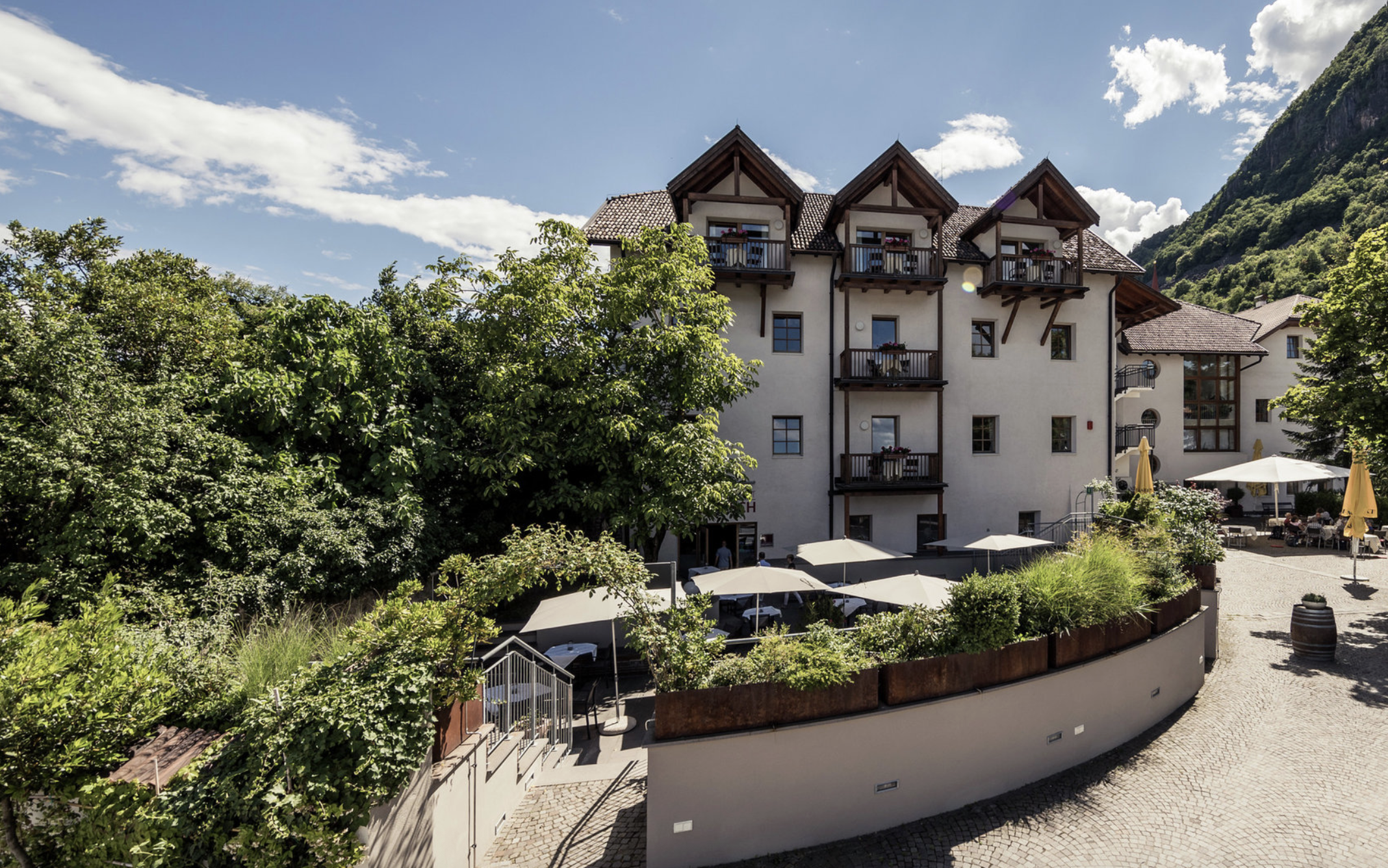
This time we speak with Christine Karadar, who leads Hotel Masatsch in Kaltern, where diversity is not an add-on – it is the concept. As a fully accessible hotel, restaurant and event venue run by Lebenshilfe South Tyrol, Masatsch creates spaces where people meet and connect – regardless of ability, background or circumstance. For guests, for employees and for the wider region. 

We support Hotel Masatsch with focused marketing and web services – sharpening their message, strengthening their website and amplifying what makes this place special.

Untertitel
MAp Client Stories: In conversation with Christine Karadar, host at inclusive Hotel Masatsch in Kaltern am See (South Tyrol)
Blog main image
Wie gelingt soziale Nachhaltigkeit im Hotelalltag – jenseits von Symbolik und Sonntagsreden?
Paragraphs
Everyone is welcome here
– with or without disabilities.
Christine Karadar, Hotel Masatsch

Christine, thank you for taking the time to speak with us today! Before we dive in: how did you first come to Masatsch? 

Christine: I had been following Hotel Masatsch with great interest for quite some time – I was fascinated by how this concept works. My background is actually in very different fields: I worked in event management and also in the social sector, especially on topics such as care and inclusion – how to better integrate people with disabilities into everyday life. 

For me, Masatsch has always been a prime example of how this can succeed. When I saw they were looking for new leadership, I applied – and got the job. Now I am fully immersed in this unique project. At first glance it is a social initiative, yes – but at the same time, it is a perfectly normal hotel for all guests. Everyone is welcome here – with or without disabilities.


Inclusion is part of daily life at Masatsch. What makes this place so special to you? And what do you do differently from a "classic" hotel? 

Christine: Hotel Masatsch really is a special place – it has a kind of energy, if I can put it that way. Even before I worked here, I often came by just to sit in the café or have lunch at the restaurant. And every time, I felt the same thing: this place just feels good. There is a kind of positive energy here. 

Now that I am part of the team, I feel it even more. What makes this place so unique is the work with our staff with disabilities. They bring such joy and enthusiasm to their work – it is contagious. You feel it the moment you arrive. 

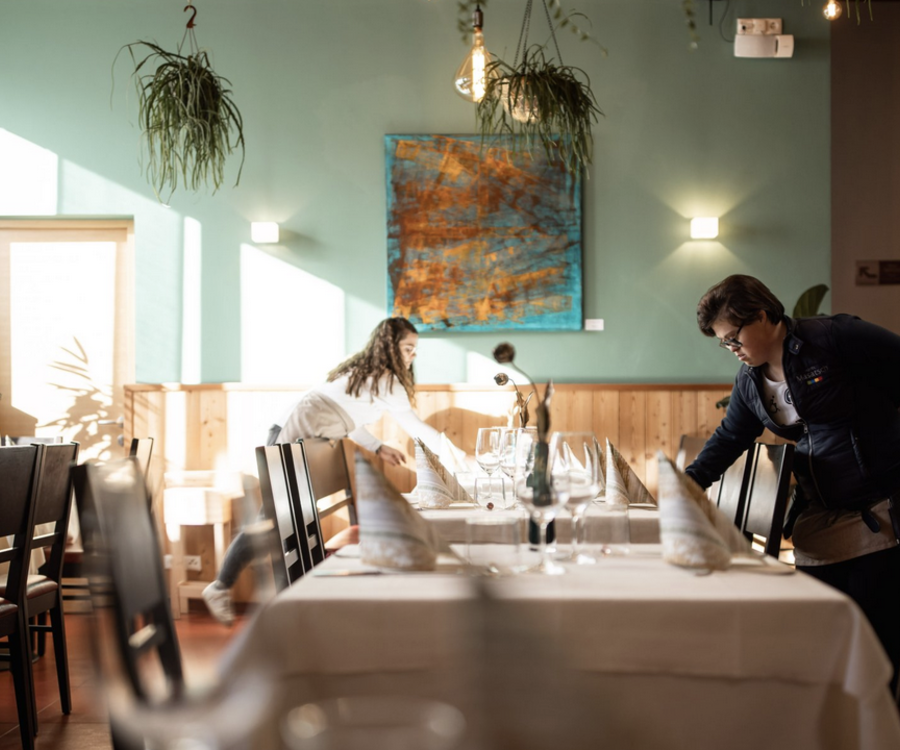
Every morning, one of our employees at the bar greets me with a coffee and a smile and says, "So good to see you!" Around 40 percent of our team – about 30 people – have disabilities. They work in the kitchen, service, housekeeping, or in our garden project, where we grow our own vegetables. Of course, this comes with daily challenges. We support, train, and accompany our team constantly. Many things have to be repeated and practiced often – almost like a school. But that is exactly what makes our work so meaningful.
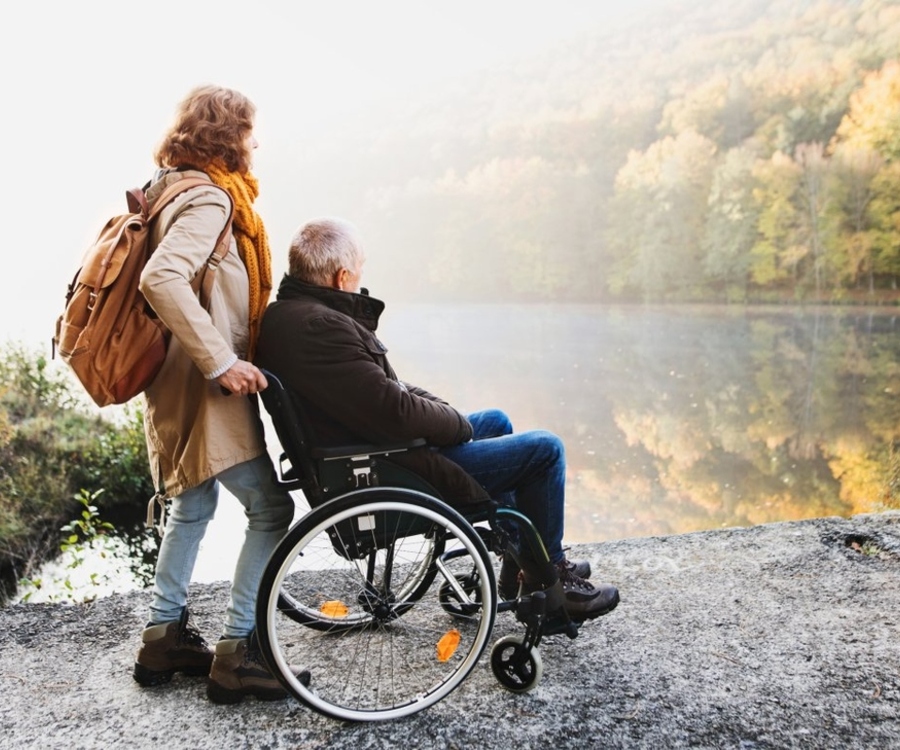
So gelingt soziale Nachhaltigkeit im Hotelalltag

You have a very diverse team with different backgrounds and abilities. What does it take to make this work? And what can other hotels learn from it? 

Christine: To work here, one thing matters most: genuine interest in people – and empathy. Our team is diverse and full of different strengths. You have to be willing to share knowledge, support others, and practise things together until they stick. 

Our team leads – the head chef, the service managers – carry a lot of responsibility. They are not just supervisors, but coaches, motivators, mentors. They need to be patient and adapt to each person. The overall pace is a bit slower here – and that is a good thing. 

I often say: when you work here, you automatically shift down two gears. That creates space for real connection. What can other hotels learn from this? That inclusion is not a burden – it is a huge enrichment. When people with different abilities are truly integrated, the work environment becomes more patient, more respectful, more human. And guests feel that.


Many hotels want to become more inclusive but struggle to take the first step. What are the most common misconceptions – and what really matters? 

Christine: For me, social sustainability means not just including people with disabilities – but giving them real opportunities. The biggest misconception? That inclusion is an extra task. Something "on top". But it is not about being perfect – it is about mindset. 

It takes openness, patience, and a willingness to meet people at eye level. Once you take that step, something fundamental shifts: in the team, in your interactions, and in the entire culture of the business. That is what social sustainability really means to me.


Was there a moment when you thought: this is exactly why we are doing this? A memory or experience that stayed with you? 

Christine: Yes, absolutely. One moment from this summer stands out. We hosted a group from Germany – the Pfennigparade Foundation, which supports children and young people with severe disabilities. More than 20 people stayed with us for two weeks. It was a challenge, but also a very special experience. 

On their last evening, they organised a little farewell celebration for us. One of the girls – she was maybe nine years old – could not walk at all when she arrived. She used a walking frame and needed a lot of support. On the final evening, she suddenly walked up to me unaided, beaming with pride, and handed me a thank-you note for the whole team. She said these had been her best two weeks in a very long time. 

That moment really moved all of us. It reminded me why we do what we do. Moments like that show us that this work matters. It makes a difference.


Amazing, thank you for sharing! And to finish – our Quick 5, which we ask in every MAp Client Story:

  • A hotel that inspires you: Hotel Frida am Wald
  • A book or resource everyone should read if they want to be more sustainable: I honestly do not have one!
  • A destination on your to-travel list: Kyrgyzstan – it is at the top of my list.
  • quote to live by: “Go confidently in the direction of your dreams. Live the life you have imagined. As you simplify your life, the laws of the universe will be simpler.” – Henry David Thoreau, Walden (1854)
  • Your biggest wish for the future: A life full of meaningful experiences, connection, good health, and true friendship.

About Christine Karadar

Christine is the general manager of Hotel Masatsch in Kaltern, South Tyrol. She brings a background in event management and social work – and leads with a clear belief in people, inclusion, and the power of doing things differently. 

Hotel Masatsch is an inclusive, fully accessible hotel in Kaltern, near the Kalterersee in South Tyrol. Run by Lebenshilfe Südtirol, it offers barrier-free holidays for all guests – with or without disabilities – and creates meaningful encounters between people of all abilities. The hotel is especially designed for guests with mobility needs and specialises in wheelchair-accessible stays in the region.

Free Download

The Sustainable Hotel Insights. 6 Principles to make your hotel more socially sustainable

In this free guide you will receive a concise introduction to social sustainability in hotels – clear and directly actionable. The six principles set out concrete steps for guests and your team – from inclusive hospitality to holistic accessibility. Plus: a short best-practice example, key facts and resources to help you get started straight away.
Blog Block Image
Wie gelingt soziale Nachhaltigkeit im Hotelalltag – jenseits von Symbolik und Sonntagsreden?

Add new comment

Comment

Order

Plain text

  • No HTML tags allowed.
  • Lines and paragraphs break automatically.
  • Web page addresses and email addresses turn into links automatically.
Categories
sharing is caring

We talk a lot about green buildings, zero-waste breakfast buffets and eco-friendly amenities – but did you know that also your hotel’s website can be sustainable? 

It might not be THE main cause of your carbon footprint, but from oversized files to inefficient hosting, the way your website is built and maintained can either contribute to the problem – or become part of the solution. 

The good news? A sustainable website doesn’t mean compromise. It means clarity, speed, better accessibility – and a digital presence that reflects your values.

Untertitel
Your hotel’s website can help to reduce carbon emissions, enhance guest experience, and tell a better story – sustainably.
Blog main image
How to Create a Sustainable Hotel Website That Guests (and the Planet) Will Love
Paragraphs

What makes a website sustainable?

Here are the key elements of a climate and social-conscious website:

#1: Lighter = greener

A lighter website consumes less data and energy – good for both the planet and your guests’ experience. 

How? 

  • Optimise image sizes
  • Remove unnecessary scripts
  • Avoid bloated design elements 

The result: faster loading times, lower emissions and a better user experience. A true win-win.

#2: Green hosting

Where your website is hosted matters. Opt for providers that run on 100% renewable energy or at least have transparent carbon offset policies. Look for green certifications or providers listed by organisations like The Green Web Foundation.

#3: Design for simplicity

Minimalist design isn’t just beautiful – it’s efficient: 

  • Fewer pages
  • Smarter navigation
  • Cleaner code 

All of this helps to reduce energy consumption and increase usability. Plus, simplicity improves conversion and guest satisfaction.

How to Create a Sustainable Hotel Website That Guests (and the Planet) Will Love

#4: Prioritise quality content

Every piece of content you publish uses up energy. So ask yourself: Does it need to be there? 

Long videos, endless image galleries and autoplay features let emissions soar. Prioritise: 

  • Quality over quantity
  • Compressed, efficient formats (e.g. SVG, WebP)
  • Static content where possible 

Bonus: sustainability-focused content builds trust with like-minded travellers.

#5: Sustainable visual and verbal content

A sustainable website reaches out to everyone — visually and verbally. 

For visuals:

  • Choose images that are inclusive, diverse and relatable to your entire audience.
  • Ask yourself: are your photos appropriate for all target groups? (Tip: In our People Handbook we share the example: if a woman in an image could just as well be replaced by a plant or a puppy, perhaps the image isn’t adding real representation.)  

For language: 

  • Avoid ableist language, for example phrases like “Do you see...” – not everyone is able to. 
  • Be mindful with abbreviations – keep them clear and accessible. 
  • Write alt tags for screen readers (not just for SEO). Rule of thumb: they’re for people who are visually impaired – not for Google. 
  • And last but not least: avoid greenwashing or greenhushing. Authentic communication matters. (More on this in our handbook to transparent sustainability communication).
The most sustainable website
is the one that does the most with the least.
@weareMAp

#6: Accessibility = inclusion = sustainability

A sustainable website isn’t just energy-efficient – it’s also accessible to everyone. This means designing for people with different needs, devices and abilities. Accessibility is a core part of digital sustainability, because it ensures your message reaches as many people as possible, without barriers.
 
Here’s what it can look like in practice: 
  • Text size adjustment for users with visual impairments 
  • Keyboard navigation and screen reader compatibility 
  • Language alternatives or translation features 
  • High-contrast modes for better readability 
  • Simple layouts that work across devices and bandwidths 
 
When you design with accessibility in mind, you’re not just complying with standards – you’re building a more inclusive, human-centred web. And that’s sustainability at its best.
 

#7: Monitor and measure

Tools like Website Carbon Calculator or Ecograder can help you track your site’s footprint. Measure, then improve – just like you would with any other part of your sustainability strategy.

The hospitality edge

For hotels, a sustainable website isn’t just technical – it’s part of the guest journey. It’s the first impression. A fast, green, values-aligned website says: we care.  

It can also become a powerful storytelling tool. Use it to highlight your initiatives, engage responsible travellers, and demonstrate your commitment – not just at your premises, but in your pixels. Take inspiration from the Príncipe Collection website, which was planned, designed and programmed by MAp.

Summary

Sustainability isn’t just something you install – it’s something you live, breathe and design for. That includes your digital space. 

Creating a sustainable hotel website is a practical step towards a lower-impact future – and a smarter, more engaging experience for your guests. It shows that your commitment goes beyond the obvious. It’s thoughtful, intentional, and woven into every detail – including your pixels. ☻

This is what it means to MAp out a better future.

Free Template

Write your hotel sustainability story in 3 simple steps (PDF)

This free template will guide you through each step in order to piece together your unique and authentic hotel sustainability story. It also includes an overview of the 10 Principles of Sustainable Communication.

Blog Block Image
How to Create a Sustainable Hotel Website That Guests (and the Planet) Will Love

Add new comment

Comment

Order

Plain text

  • No HTML tags allowed.
  • Lines and paragraphs break automatically.
  • Web page addresses and email addresses turn into links automatically.
Categories
sharing is caring

Villa Viva is a project of Viva con Agua, a non-profit organisation that supports charitable water projects worldwide. The Hamburg hotel pursues a long-term social business approach. Among other things, this means that at least 40% of all Villa Viva's profits go to Viva con Agua. These funds are not only used to build wells, but also contribute to the realisation of the vision "Water for All".

Topics
Types
Topic TopCat
Weight
0
sharing is caring

The growing 1 Hotels brand is built on sustainability, creating sustainable sanctuaries in some of the world's biggest and busiest cities, like New York City, Miami, London, Paris. With nature serving as ist "true north", the hotels naturally focus on environmental impact, health and wellbeing, and food and beverage responsibility.

Categories
Topics
Types
Topic TopCat
Weight
0
sharing is caring

Perched on the egde of Torres del Paine National Park, Tierra Patagonia weaves itself into the stunning landscape with ist innovative, eco-friendly architecture. And it works to minimise ist footprint and drive conservation efforts further not only through the daily operations of the hotel, but also by its work with the national park.

Categories
Topics
Types
Topic TopCat
Weight
0
sharing is caring

Responsible Luxury" is the guiding principle of Nihi Sumba, located on the secluded island of Sumba in Indonesia. Not only does the hotel epitomise a "harmony-with-nature" apprach, but it has set up the Sumba Foundation, which invests in humanitarian and cultural projects aimed at reducing poverty and uplifting the lives of Sumbanese People - making it for the Planet and for the People.

Categories
Topics
Types
Topic TopCat
Weight
0