
sharing is caring

In our MAp Client Stories we feature people we empower through our services – hospitality leaders who set new standards with bold ideas. We explore their paths, key learnings and the special something that makes their concepts stand out.

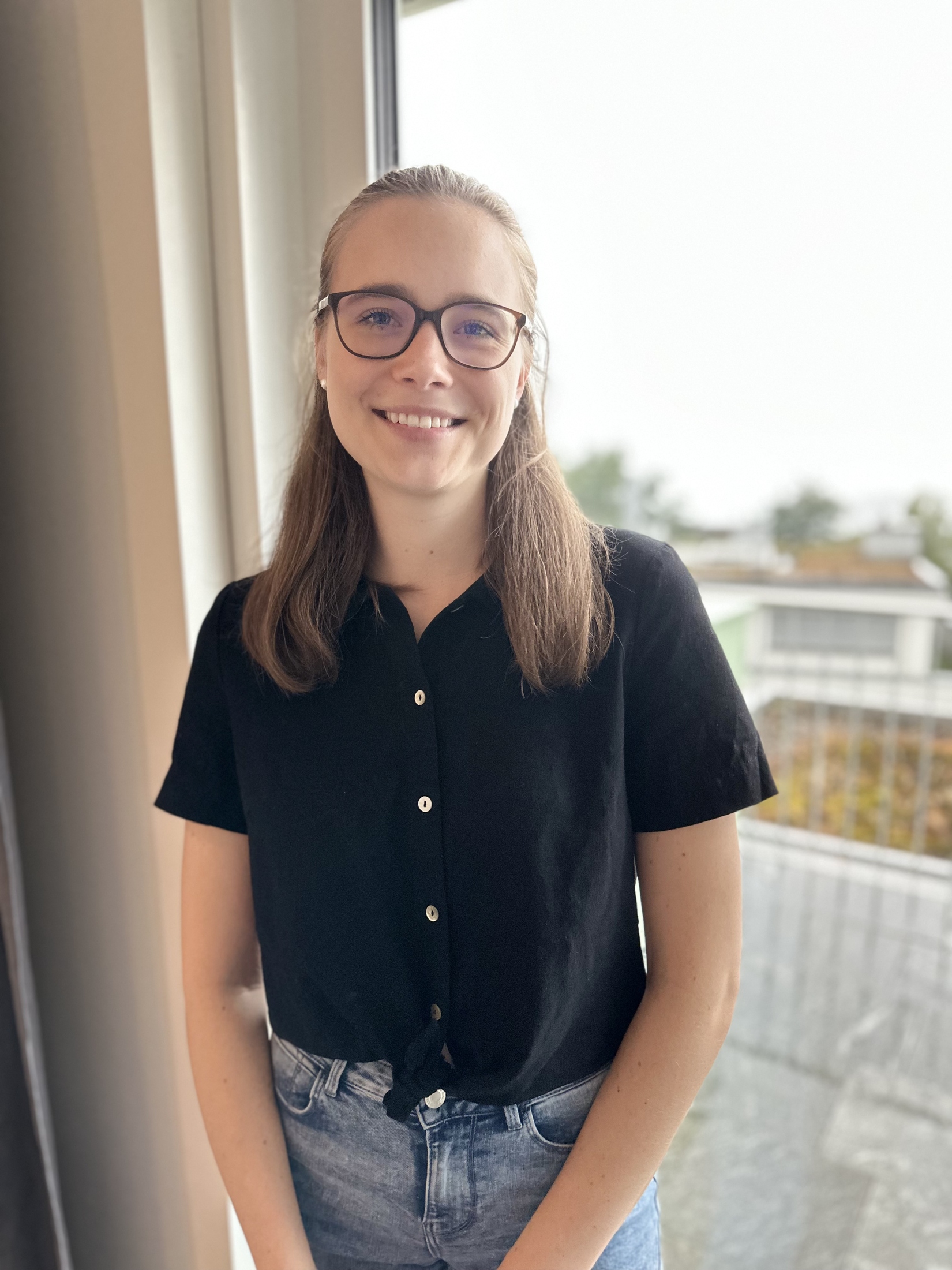
This time we speak with Christine Karadar, who leads Hotel Masatsch in Kaltern, where diversity is not an add-on – it is the concept. As a fully accessible hotel, restaurant and event venue run by Lebenshilfe South Tyrol, Masatsch creates spaces where people meet and connect – regardless of ability, background or circumstance. For guests, for employees and for the wider region. 

We support Hotel Masatsch with focused marketing and web services – sharpening their message, strengthening their website and amplifying what makes this place special.

Untertitel
MAp Client Stories: In conversation with Christine Karadar, host at inclusive Hotel Masatsch in Kaltern am See (South Tyrol)
Blog main image
Wie gelingt soziale Nachhaltigkeit im Hotelalltag – jenseits von Symbolik und Sonntagsreden?
Paragraphs
Everyone is welcome here
– with or without disabilities.
Christine Karadar, Hotel Masatsch

Christine, thank you for taking the time to speak with us today! Before we dive in: how did you first come to Masatsch? 

Christine: I had been following Hotel Masatsch with great interest for quite some time – I was fascinated by how this concept works. My background is actually in very different fields: I worked in event management and also in the social sector, especially on topics such as care and inclusion – how to better integrate people with disabilities into everyday life. 

For me, Masatsch has always been a prime example of how this can succeed. When I saw they were looking for new leadership, I applied – and got the job. Now I am fully immersed in this unique project. At first glance it is a social initiative, yes – but at the same time, it is a perfectly normal hotel for all guests. Everyone is welcome here – with or without disabilities.


Inclusion is part of daily life at Masatsch. What makes this place so special to you? And what do you do differently from a "classic" hotel? 

Christine: Hotel Masatsch really is a special place – it has a kind of energy, if I can put it that way. Even before I worked here, I often came by just to sit in the café or have lunch at the restaurant. And every time, I felt the same thing: this place just feels good. There is a kind of positive energy here. 

Now that I am part of the team, I feel it even more. What makes this place so unique is the work with our staff with disabilities. They bring such joy and enthusiasm to their work – it is contagious. You feel it the moment you arrive. 

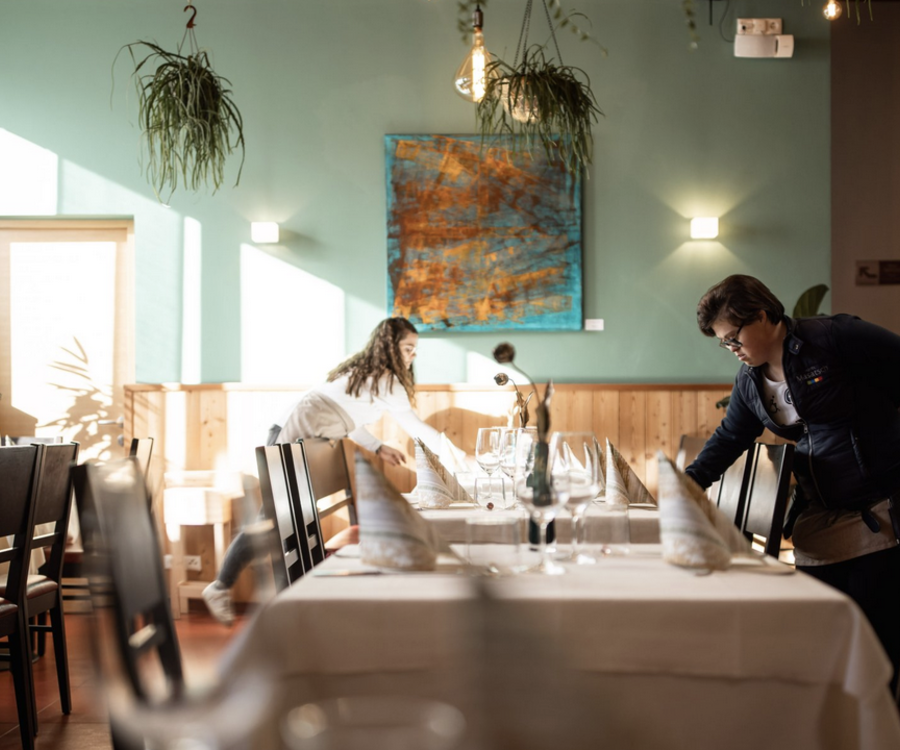
Every morning, one of our employees at the bar greets me with a coffee and a smile and says, "So good to see you!" Around 40 percent of our team – about 30 people – have disabilities. They work in the kitchen, service, housekeeping, or in our garden project, where we grow our own vegetables. Of course, this comes with daily challenges. We support, train, and accompany our team constantly. Many things have to be repeated and practiced often – almost like a school. But that is exactly what makes our work so meaningful.
So gelingt soziale Nachhaltigkeit im Hotelalltag

You have a very diverse team with different backgrounds and abilities. What does it take to make this work? And what can other hotels learn from it? 

Christine: To work here, one thing matters most: genuine interest in people – and empathy. Our team is diverse and full of different strengths. You have to be willing to share knowledge, support others, and practise things together until they stick. 

Our team leads – the head chef, the service managers – carry a lot of responsibility. They are not just supervisors, but coaches, motivators, mentors. They need to be patient and adapt to each person. The overall pace is a bit slower here – and that is a good thing. 

I often say: when you work here, you automatically shift down two gears. That creates space for real connection. What can other hotels learn from this? That inclusion is not a burden – it is a huge enrichment. When people with different abilities are truly integrated, the work environment becomes more patient, more respectful, more human. And guests feel that.


Many hotels want to become more inclusive but struggle to take the first step. What are the most common misconceptions – and what really matters? 

Christine: For me, social sustainability means not just including people with disabilities – but giving them real opportunities. The biggest misconception? That inclusion is an extra task. Something "on top". But it is not about being perfect – it is about mindset. 

It takes openness, patience, and a willingness to meet people at eye level. Once you take that step, something fundamental shifts: in the team, in your interactions, and in the entire culture of the business. That is what social sustainability really means to me.


Was there a moment when you thought: this is exactly why we are doing this? A memory or experience that stayed with you? 

Christine: Yes, absolutely. One moment from this summer stands out. We hosted a group from Germany – the Pfennigparade Foundation, which supports children and young people with severe disabilities. More than 20 people stayed with us for two weeks. It was a challenge, but also a very special experience. 

On their last evening, they organised a little farewell celebration for us. One of the girls – she was maybe nine years old – could not walk at all when she arrived. She used a walking frame and needed a lot of support. On the final evening, she suddenly walked up to me unaided, beaming with pride, and handed me a thank-you note for the whole team. She said these had been her best two weeks in a very long time. 

That moment really moved all of us. It reminded me why we do what we do. Moments like that show us that this work matters. It makes a difference.


Amazing, thank you for sharing! And to finish – our Quick 5, which we ask in every MAp Client Story:

  • A hotel that inspires you: Hotel Frida am Wald
  • A book or resource everyone should read if they want to be more sustainable: I honestly do not have one!
  • A destination on your to-travel list: Kyrgyzstan – it is at the top of my list.
  • quote to live by: “Go confidently in the direction of your dreams. Live the life you have imagined. As you simplify your life, the laws of the universe will be simpler.” – Henry David Thoreau, Walden (1854)
  • Your biggest wish for the future: A life full of meaningful experiences, connection, good health, and true friendship.

About Christine Karadar

Christine is the general manager of Hotel Masatsch in Kaltern, South Tyrol. She brings a background in event management and social work – and leads with a clear belief in people, inclusion, and the power of doing things differently. 

Hotel Masatsch is an inclusive, fully accessible hotel in Kaltern, near the Kalterersee in South Tyrol. Run by Lebenshilfe Südtirol, it offers barrier-free holidays for all guests – with or without disabilities – and creates meaningful encounters between people of all abilities. The hotel is especially designed for guests with mobility needs and specialises in wheelchair-accessible stays in the region.

Free Download

The Sustainable Hotel Insights. 6 Principles to make your hotel more socially sustainable

In this free guide you will receive a concise introduction to social sustainability in hotels – clear and directly actionable. The six principles set out concrete steps for guests and your team – from inclusive hospitality to holistic accessibility. Plus: a short best-practice example, key facts and resources to help you get started straight away.
Blog Block Image
Wie gelingt soziale Nachhaltigkeit im Hotelalltag – jenseits von Symbolik und Sonntagsreden?

Add new comment

Comment

Order

Plain text

  • No HTML tags allowed.
  • Lines and paragraphs break automatically.
  • Web page addresses and email addresses turn into links automatically.
Categories
sharing is caring

We are delighted to host this MAp meets with our MAp Boutique Consultancy team member Lisa Flora. Lisa Flora has been part of the MAp team since April 2023 and successfully defended her Master's thesis (Sustainable Regional and Destination Development course) entitled "The design possibilities of rural space, in an urbanised world." at the end of 2023 #woohoo.

In the course of her thesis at the University of Innsbruck and UMIT Hall, Lisa Flora dealt intensively with the development opportunities of rural areas and researched the extent to which young people's lifestyles and current technological trends affect the relative competitive relationship between urban and rural areas in Germany.

Untertitel
MAp talks to our team member Lisa Flora about how rural communities can use technology to respond to the future aspirations of young people and thus become more attractive.
Blog main image
Technology as a driving force for positive rural community development MAp Boutique Consultancy MAp meets Lisa Flora Buchauer
Paragraphs

Dear Lisa Flora, once again a big CONGRATULATIONS on completing your Master's degree in Sustainable Regional and Destination Development! Can you give us a brief insight into how you methodically approached this major sustainability topic of "making rural areas more attractive for young people"?

Thank you very much and with pleasure! It was clear to me that the first thing I wanted to do was analyse statements from young people throughout Germany. That's why I carried out youth study analyses. The aim was to find out: what is particularly important to young people between the ages of 12 and 25 when planning their future? I then used the information gained from this to carry out a systematic literature analysis and focused on technological trends, rural areas and the wishes of young people. This is the short version, because a Master's thesis consists of many individual methodological steps that are probably not so exciting for our readers. But our MAp mantra also applies here: #StepByStep.

Now, of course, we are looking forward to the answer! What do young people in Germany want for their future? Or what do they expect?

Three aspects seem to be particularly important to young people in Germany when it comes to their future: Flexibility, social life and standard of living. All three aspects are related to both everyday private life and professional life. It can currently be observed that young people feel that they can mainly realise these ideas in a city or urban area. Unfortunately, young people are therefore considering rural communities less and less as a place to live.

An interim question Lisa Flora, why did you set your Master's thesis in Germany?

The topic affects many people, of course! But I find it particularly interesting in Germany because there have been active attempts since the 1990s to initiate a counter-movement to rural exodus. For example, attempts were made to create equal living conditions and opportunities for urban and rural areas with the so-called spatial planning programme. However, this has not been a great success. I found it exciting to find out how technology could be used to achieve these goals in the future.

However, the results can also be applied to comparable countries such as Austria.

Why was it important to you to research and better understand the dynamics of rural areas in an urbanised world? What significance does this topic have for society and, above all, for future developments?

In times when the focus is increasingly on urban centres, rural areas are increasingly being pushed into the background. We can see that this has led to a negative spiral in recent years: As population density decreases, the infrastructure network in rural areas tends to become "patchier". This in turn means that many rural communities are struggling with the decline in educational opportunities, catering facilities and the closure of doctors' offices and police stations. And this makes local people unhappy, which is why many see the solution as moving to the city.

For the future, I see it as crucial that this trend changes. Firstly, in terms of social cohesion, so that there is a balanced and fair society in which all citizens have access to the same resources, services and opportunities regardless of where they live. And secondly, to ensure a diverse economic structure and the preservation of cultural identities. But the list is long and varied!

Successful rural community development today is about using technology not just as infrastructure,
but as a catalyst for social interaction, education and professional opportunities
@Lisa Flora Buchauer via @weareMAp

To what extent do technological trends play a role in the development of rural communities?

In recent years, technological progress has had a major impact on our daily lives, whether in the countryside or in the city. We have integrated technology into our everyday lives to such an extent that it is hard to imagine life without the many opportunities it has created. Young people in particular are making completely new demands on their place of residence as a result.

However, as already mentioned, in many rural areas in Germany, the infrastructure - including the digital infrastructure - is not as good as in the city and it is therefore not possible to keep up with the urban offer.

In summary, this means that successful rural community development today consists of using technology not only as infrastructure, but also as a driver for social interaction, education and professional opportunities. By integrating technologies that reflect the individual wishes and dreams of future generations, rural communities can not only become more attractive, but also better tailored to the needs of the future.

Does the topic of sustainability also play a role in relation to your research results?

The topic of sustainability plays a crucial role in the context of rural areas and is of great importance for their long-term development. However, my research findings primarily emphasise the social aspect of sustainability. For young people, it seems to be particularly important for their personal future to live in a place that promotes social justice, strengthens the community and offers initiatives that improve quality of life. Always in the context of technological offerings and opportunities.

How can the findings of your master's thesis be put into practice? What are the top 5 concrete measures that can be taken to make rural areas more attractive to young people through technology?

What I like about my work is that I was able to identify concrete examples of implementation. Even simple measures can enhance rural areas for young people.

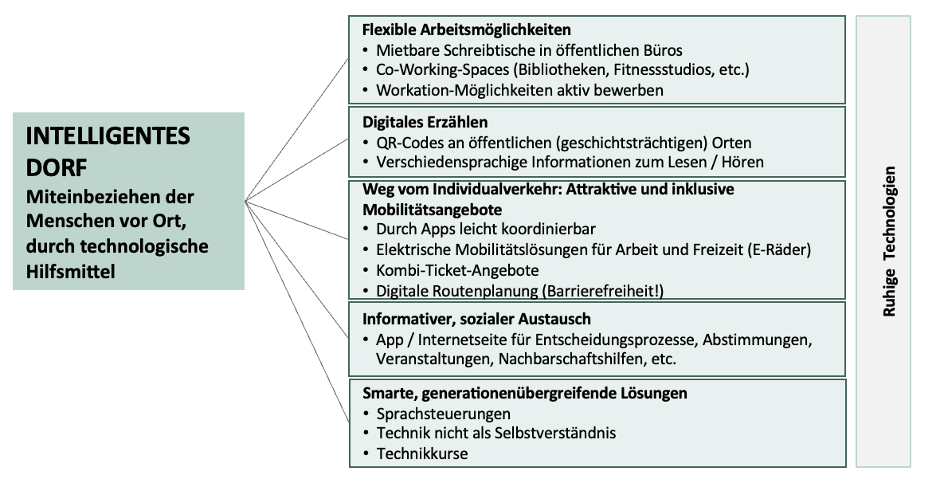
My top 5 recommendations for rural communities are:

1. Promotion of social infrastructure through technology:

Introducing digital platforms for information, announcements, voting and coordination of community activities and neighborhood assistance.

2. Improving mobility through technology-based solutions:

Introduction of coordinated mobility offers that can be controlled via an app. Combined ticket offers in particular increase attractiveness (combining car-sharing, buses, e-bikes, etc.). When planning digital routes, always offer barrier-free routes (suitable for wheelchairs, etc.) for comprehensive accessibility for all.

3. Creation of flexible working options and co-working spaces:

Provide creative workspaces (co-working spaces) to appeal to people with (increasingly common) flexible working models. Actively promoting rural areas as attractive places for "workation" also attracts young people.

4. Digital storytelling in places steeped in history:

Integrating technology to make stories and information accessible at historically significant places. The playful exchange of information generates interest among many young people. Use of QR codes to provide background information and emphasise the history of a place/street. (For example: Why is Jägergasse called what it is and what used to stand on such and such a street corner?)

5. Cross-generational technology accessibility:

Young people want to feel they can be happy where they live, even as they age. Therefore, creating inclusive technology solutions that are accessible to all age groups; providing technology courses, especially for older people, to improve their technological literacy. Introducing technology gradually and in consultation with the community for seamless integration.

Technologie als Impulsgeber für attraktive Dorfentwicklung

Source: Lisa Flora Buchauer

Of course, our final MAp meets question should not be missing today: What makes a truly unique hotel experience for you personally?

For me personally, a truly unique hotel experience is above all a "certain gut feeling". If I have a positive feeling when I first enter the hotel, I know it's something special.

A unique hotel experience for me is therefore a place that creates an emotional connection. And for me, such an emotional connection is created, for example, by offering various local experiences or creatively displaying the hotel's history in corridors / on the website.

And I have to admit: I'm also happy about the classic little chocolate on the bed pillow - preferably locally produced ;-)

About Lisa Flora Buchauer:

Lisa Flora was born in Innsbruck. Through her Bachelor's degree in Sociology and Master's degree in Sustainable Regional and Destination Development, holistic sustainability has become a matter close to her heart. She now lives in Zurich and is not only an expert in sustainability, but also a passionate coffee enthusiast and cyclist. Connect with her on LinkedIn.

Blog Block Image
Technology as a driving force for positive rural community development MAp Boutique Consultancy MAp meets Lisa Flora Buchauer

Add new comment

Comment

Order

Plain text

  • No HTML tags allowed.
  • Lines and paragraphs break automatically.
  • Web page addresses and email addresses turn into links automatically.
Categories
Types
sharing is caring

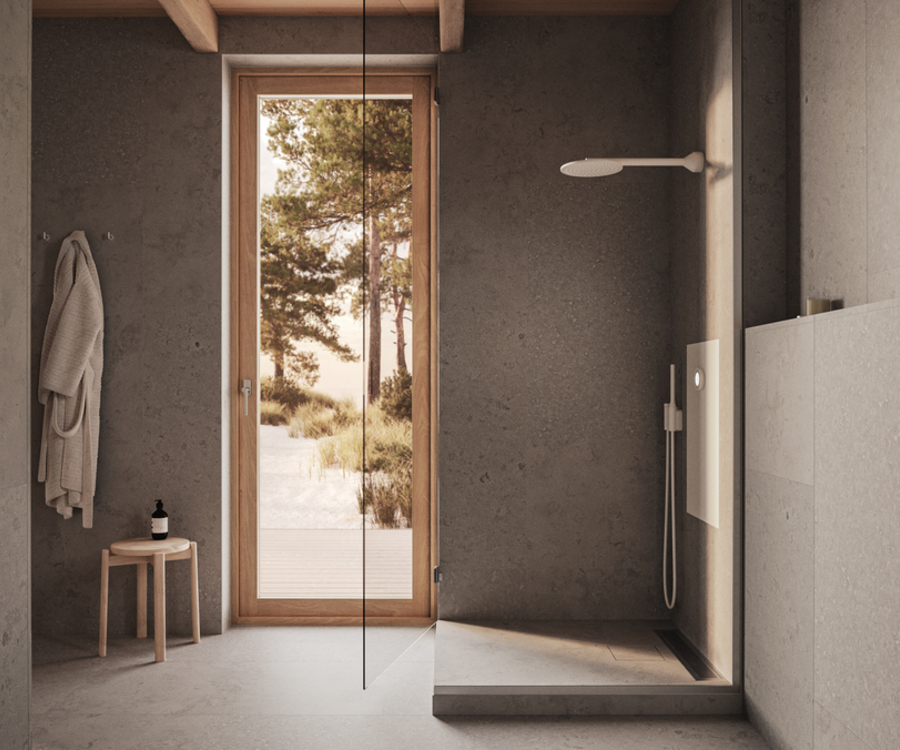
Today we meet Johannes Melin, technical sales expert at Orbital Systems, a company creating innovative products like showers, taps and more that reduce water and energy consumption.

Let’s find out how Orbital is leading today’s change for tomorrow’s water.

Untertitel
MAp meets Johannes Melin – technical sales expert at Orbital Systems.
Blog main image
How hotels can reduce their water and energy consumption with Orbital Systems MAp Boutique Consultancy
Paragraphs

Dear Johannes, thank you for your time! To begin with, please tell us a little bit about Orbital Systems and what your mission is.

Johannes: Orbital Systems is an innovation company whose mission is to make water appliances smarter and more efficient. Our products are made to save water and energy without compromising on the user experience.

Average consumption today exceeds 100 litres per person per day in the Western world. At Orbital, our goal is to reduce this number to 20 litres per day.

What inspired the founder of Orbital, Mehrdad Mahdjoubi, to launch the company? What major problems was he hoping to solve?

Johannes: As a student at Lund University, Mehrdad took part in an academic collaboration with NASA. Their mission was to uncover ways of sustaining life on Mars through innovative use of water. It was then that the revelation dawned on him; that groundbreaking ideas conceived for space could also revolutionise the way we manage water on our own Blue Planet. Fresh water is a finite resource, and its scarcity is a growing concern worldwide.

That's why our primary focus is on developing technologies that enable smarter use of water. Our advanced shower systems are engineered to drastically reduce water wastage without compromising on comfort or performance. By implementing Orbital showers in hotels, homes and businesses, we can significantly decrease water consumption on a global scale.

Can you tell us more about your products? What makes them so innovative and who are they made for?

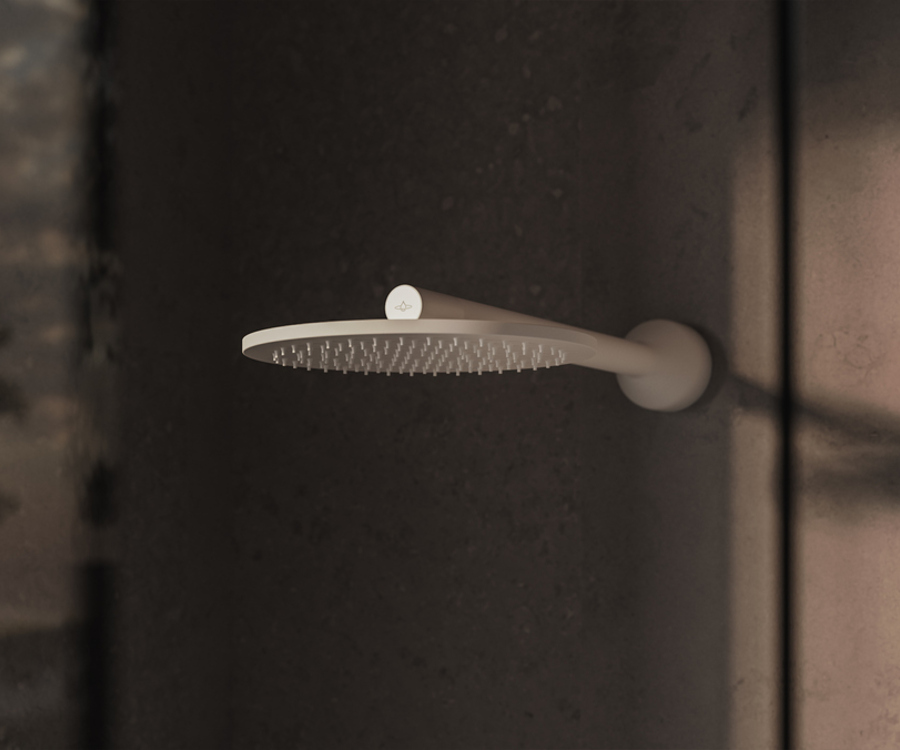
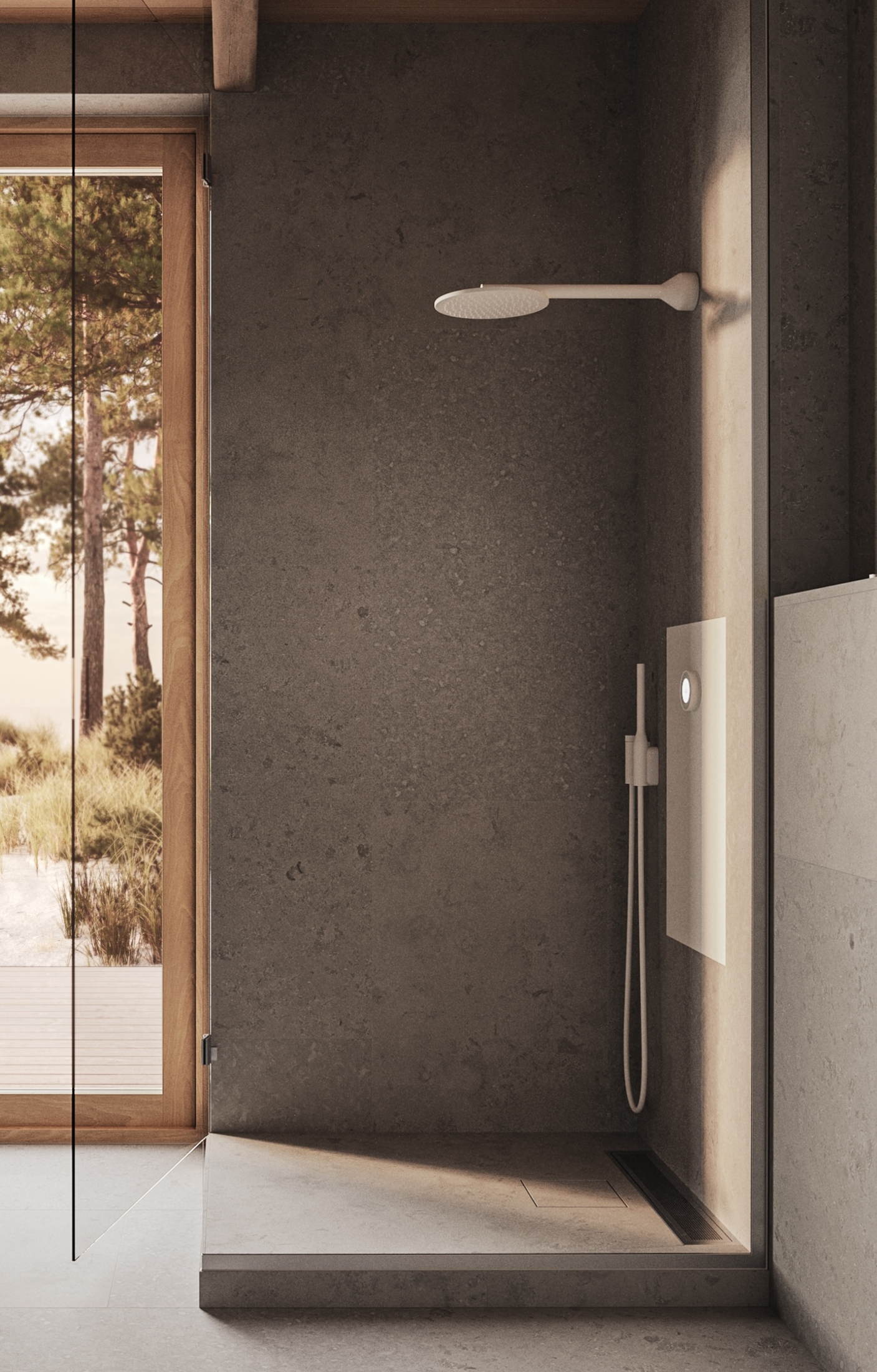
Johannes: Orbital Systems specialises in water- and energy-saving products that combine sustainability, innovative technology and design. Our key products utilise circular technology to reduce water and energy consumption by 50 to 100%, all while providing users with a premium experience featuring high flow and constant temperature.

The Scandinavian design is evident in our minimalist, functional and aesthetically pleasing approach, ensuring that our products not only perform efficiently but also enhance the visual appeal of the space they are used in. These products are ideal for environmentally conscious consumers, hotels, spas, gyms and private homeowners who value both sustainability and design.

When you look back at the hotels you've worked with and how you've supported them on their path to more sustainability with your products: What has been your biggest learning so far?

Johannes: Many hotels are not aware of how much they pay for the water and energy used by their showers. When we get a chance to look at their numbers, they are often very surprised when they realise the magnitude of the savings they could achieve by installing our products.

We have also learned that hotel guests are not very willing to change their behaviour to save water and energy. When they pay for a hotel stay, they often use the shower much more than they do at home. This is especially true in 4- and 5-star hotels where water consumption can be very high. To better suit the organisation of the hotel business, where it is common to have a property owner company and an operator company, we have introduced a financial model where the cost can be split between these two entities.

The property owner pays an amount equivalent to the cost of a conventional high-end shower system, while the operator pays a monthly or annual fee for a Care Plan that includes consumables and a 10-year warranty. With this setup, the hotel's operational expenses per room immediately become lower than with a conventional shower.

Many hotels are not aware of how much they pay for the water and energy used by their showers.
When we get a chance to look at their numbers, they are often very surprised when they realise the magnitude of the savings they could achieve by installing our products.
@JohannesMelin via @weareMAp

Nowadays, people are talking more and more about saving water but aren’t necessarily being smarter about their water usage. What are your three most important water-saving recommendations?

Johannes:

1. Reduce your shower time (or implement an Orbital Shower ;-) ).

2. Turn off the tap while brushing your teeth, fill the dishwasher and keep cold drinking water in a jar in the fridge.

3. Install dual flush toilets or, even better, the Orbital Tap for up to 100% greywater reuse from the toilet sink to toilet flushing.

Do you have any recommendations for hoteliers on how they can start and/or advance their sustainability journeys?

Johannes: Hire an expert who can take a holistic approach to analyse your current state and identify areas for impactful improvements.

Key actions to become more sustainable always include:

1. Implementing energy-efficient solutions

2. Reducing water consumption

3. Minimising waste

4. Choosing organic and locally sourced food

As always, our final MAp meets question: What makes a hotel experience truly outstanding for you personally?

Johannes: Freshly baked bread for breakfast, a comfortable bed in a cool and silent room, and of course a long and refreshing shower without any unnecessary waste of water and energy.

Wie Hotels ihren Wasser-und Energieverbrauch mit Orbital Systems reduzieren können

About Orbital Systems:

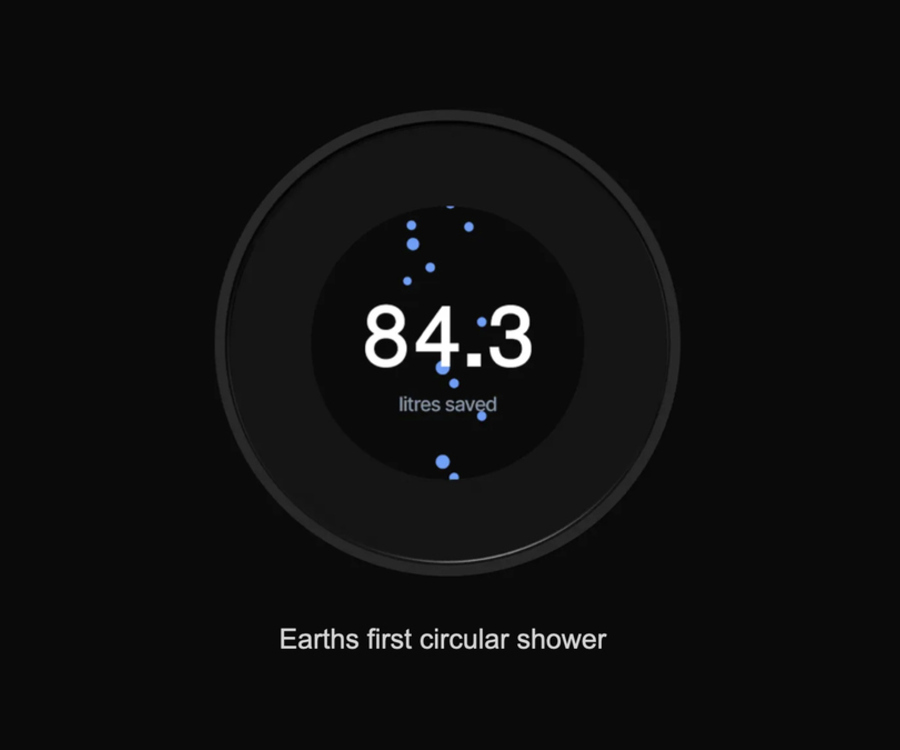
Orbital Systems is a Swedish company specializing in innovative water-saving solutions that combine sustainability with Scandinavian design principles. Their flagship products include the Orbital Shower, described as "Earth's first circular shower," and the recently introduced Orbital Tap, both of which utilize cutting-edge circular technology to significantly reduce water and energy consumption without compromising comfort or performance.

These products are designed for environmentally conscious consumers, hotels, spas, fitness centers, and private homeowners who value both sustainability and aesthetic appeal. Orbital Systems' commitment to water conservation is evident in their products' ability to purify and reuse water, potentially saving tens of thousands of liters per person annually.

The company's solutions have been installed in various locations across Europe, including high-end hotels and private residences, demonstrating their versatility and appeal to a wide range of users.

Blog Block Image
How hotels can reduce their water and energy consumption with Orbital Systems MAp Boutique Consultancy

Add new comment

Comment

Order

Plain text

  • No HTML tags allowed.
  • Lines and paragraphs break automatically.
  • Web page addresses and email addresses turn into links automatically.
Categories
Types
sharing is caring

Today we are very pleased to conduct this MAp meets with Luise Weinert, Bachelor student at the University of Applied Sciences Graubünden. Luise was our mentee for the last year and decided to dedicate her bachelor thesis to the topic of sustainability communication. In September 2023, she defended her thesis, receiving the highest number of points available.

As the client and co-advisor of this thesis, we are naturally very pleased about this. We would like to take this opportunity to thank Dr. rer. soc. Lena Pescia, lecturer in tourism management at the FHGR and advisor of the thesis, for the great cooperation. A big thank you also goes to Riccarda Ryffel, head of the FHGR mentoring programme, with whom we have been cooperating successfully for years.

Untertitel
MAp meets Luise Weinert, student at the University of Applied Sciences of the Grisons, to talk sustainability communication in the hotel industry.
Blog main image
This is how you communicate sustainability to your hotel guests.
Paragraphs

Dear Luise, congratulations on your excellent work and the successful completion of your studies. What sparked your interest in devoting your bachelor thesis to the topic of sustainability communication in the independent hotel industry?

Luise: Thank you very much! I really enjoy browsing hotel websites and researching information about potential travel accommodations. This passion started when I was working as a flight attendant, when I regularly stayed in hotels and developed a growing interest in the industry. During the mentoring programme, Magdalena then told me that hoteliers often don't know exactly how to communicate about sustainability. This realisation not only piqued my curiosity, but also strengthened my desire to learn more about the specific difficulties and opportunities that the independent hotel industry in particular faces in this area.

What was the aim of your study and what approach and/or methods did you use to reach your destination?

Luise: The aim of my bachelor thesis was to develop concrete recommendations for action that can help hoteliers to successfully communicate their sustainability initiatives. To achieve this goal, I took various steps. First, I analysed hotel websites on sustainable booking platforms to gain an initial insight into current communication. In the next step, I conducted qualitative interviews with hotel employees to gain deeper insights into the background of sustainability communication, including difficulties or already successfully-implemented sustainability measures in communication. I then conducted a short survey to verify the findings and transfer them to a larger number of hotels. As a further methodological step, I also conducted two interviews with experts in order to obtain additional input for the development of practical recommendations for action. These methodological steps gave me a comprehensive insight into the current hurdles and difficulties in the field of sustainability communication. Based on these findings, I was then able to derive practical recommendations for action.

What difficulties do independent hotels have in communicating their sustainability efforts? Where have you identified hurdles and challenges?

Luise: According to my research, the main challenge for hoteliers is a significant lack of resources, particularly in terms of time and staff. These limited resources pose a significant barrier when it comes to engaging intensively with the communication of sustainability initiatives. Another significant difficulty lies in the clear presentation of the numerous sustainability initiatives. Many hotels have already implemented a variety of measures, but clearly communicating these initiatives is a challenge. The question arises as to how hotels can present the diversity of their sustainable efforts in a way that is understandable and appealing to their guests. In addition, hoteliers are faced with the decision of which specific measures they should communicate at all. With so many sustainability initiatives, the choice can be complex as hotels need to ensure that their chosen focus matches the expectations of their target groups.

Many hotels are not aware of how much they pay for the water and energy used by their showers.
When we get a chance to look at their numbers, they are often very surprised when they realise the magnitude of the savings they could achieve by installing our products.
@JohannesMelin via @weareMAp

How can independent hotels ensure authentic and credible communication of their sustainability efforts? OR what options are there for communicating sustainability measures emotionally and incorporating the hotel personality?

Luise: To ensure authentic and credible communication, I recommend that hoteliers present concrete facts and figures to back up their sustainability initiatives. This could include, for example, the exact origin of the food or the proportion of organic food. Such specific information provides a solid foundation for communication and allows guests to understand the real impact of sustainability efforts.

Furthermore, it is advisable to present the development in a transparent manner. By showing progress visually, not only is the hotel's commitment made clear, but guests are also able to follow the positive development of the sustainability initiatives. Such visual transparency not only creates trust, but also allows guests to actively participate in the sustainability progress. If the hotel has recorded CO2 emissions data, this information should definitely be shared.

This is not only for the sake of authenticity of sustainability efforts, but also as an opportunity for guests to make conscious decisions. Disclosing CO2 emissions data gives guests insight into the environmental impact of their stay and allows them to make an informed choice.

What are your top 3 recommendations for hoteliers to communicate sustainability measures clearly, concisely and yet authentically to their guests?

Luise: A particularly challenging task for hotels is to clearly present their sustainability efforts. In this context, I recommend that hoteliers integrate a special subpage for sustainability topics on their websites. On this subpage, the various measures can be organised, for example according to social, economic and ecological dimensions of sustainability or chronologically. This clear structure makes it easier for guests to find relevant information and obtain comprehensive information.

I also suggest that hotels emphasise their unique personality in their communication. Independent hotels often carry a special personality and individuality that makes them unique. These distinctive characteristics are not only reflected in the hotel itself, but also in its sustainability story.

In this context, hotels could tell their own story to emphasise their uniqueness. This could include, for example, why sustainability communication is personally important for independent hotels. Another important aspect is that hotels communicate tangible and concrete information for guests. Hotels can do this effectively by talking about concrete measures that bring immediate benefits to guests or affect them directly. Examples of this could be sustainable transportation options, health-promoting aspects or measures in the areas of energy and water. By focusing on tangible aspects, communication not only becomes more transparent, but also more relevant and appealing to guests.

As always, our final MAp meets question: What makes a truly unique hotel experience for you personally?

Luise: I particularly appreciate it when a hotel is not just a place to stay, but also tells the stories of the region and the hotel itself. For example, I love it when local food is present in the hotel's offerings or when the rooms are decorated with works of art from the region. Such details give the stay a special touch and allow me to be not only a guest, but also part of the local culture and atmosphere.

About Luise Weinert:

Luise grew up in the Black Forest and has lived in Switzerland since 2017 . She completed her Bachelor's degree in Tourism with a focus on Service Design at the University of Applied Sciences Graubünden in fall 2023. During her part-time studies, she worked as a flight attendant for a Swiss airline. Since October 2023, she has been completing a university internship as part of a digitalisation project at the Swiss Federal Railways SBB. Connect with Luise on LinkedIn HERE.

Blog Block Image
This is how you communicate sustainability to your hotel guests.

Comments

Astrid Scheerer

Sehr gute und interessante Ausführung Luise

Add new comment

Comment

Order

Plain text

  • No HTML tags allowed.
  • Lines and paragraphs break automatically.
  • Web page addresses and email addresses turn into links automatically.
Categories
Types
sharing is caring

When we created The Sustainable Hotel, we realised that one of the major pain points for independent hotels in striving to be more sustainable is finding reliable partners and suppliers. Therefore, today we are happy to sit down with Jonas Fegers from German-based Royfort, which provides bedding and terry products for perfect sleep and wellness.

What makes us most excited about this MAp meets is Royfort’s commitment to sustainability. So, without further delay, let’s learn more from Jonas about Royfort’s sustainability approach and how independent and boutique hotels can benefit from it.

Untertitel
MAp meets Jonas Fegers – Head of Partnerships at Royfort
Blog main image
MAp Boutique Consultancy_Blog_Royfort
Paragraphs

Dear Jonas, thank you for your time! First, can you tell us more about Royfort and what “perfect sleep and wellness” means to you?

Thanks for having me! Perfect sleep and wellness for me means, to feel welcome, a feeling of being refreshed and energised, ready to tackle the day ahead. The well-being and sleeping experience in hotels are one of the main reasons behind how hotel guests rate their stay. And with Royfort, we are truly committed to providing an exclusive well-being since our products are sustainably produced and you can feel the superior quality.

When was the decision made that Royfort act in a sustainable way? And what was the main driver behind it?

Sustainability was actually the core reason why Royfort was founded in 2017. Next to sustainable fabrics, our two founders, Gregor Gmür (Switzerland) and Valentin Brandstetter (Austria) also focus on environmentally-friendly supply chain processes. By the way Royfort, as a company, is GOTS certified. This means our whole production processes are checked on social and ecological criteria.

As you look back at the hotels you’ve worked with and how you’ve supported them on their journeys to becoming more sustainable: What has been your biggest learning so far?

Hotels really have the chance to differentiate themselves from competitors by creating experiences for their guests. Imagine the feeling of a fluffy bathrobe after your spa experience. You want to wear a fabric where you can feel the quality and you know it was made from a sustainable company! Hotel guests are more and more conscious about this topic and want to know what they eat or where they sleep. If hotels are using sustainably produced products, they can proudly communicate this online and offline.

The well-being and sleeping experience in hotels are one of the main reasons behind
how hotel guests rate their stay.
@JonasFegers via @weareMAp

For every hotel, it is important that their guests have a good night’s rest. What are your top three recommendations for hoteliers to make sure that their guests get a “perfect sleep” - and do so in a sustainable way?

A quiet sleep environment is essential, the hotel room should be rather dark, and the temperature should be chilly. In combination with superior bedding (mattress, duvets/ pillows, bed linen), hotel guests will have a great sleep! Additionally, I would avoid any kind of chemicals and only use natural fabrics.

At MAp we are specialised in supporting independent hoteliers in becoming more innovative and sustainable, also through crafting unique hotel concepts and brands. What are your thoughts and observations on sustainability in the hospitality industry? What do you believe the future holds for the industry?

The hospitality industry is increasingly recognising the importance of sustainability and taking measures to reduce its environmental impact. This is strongly driven by hotel guests! As travellers become more environmentally conscious, sustainability will continue to be a significant factor in guests' decision-making and rating the hotel after their stay.

I predict it will even become a hygiene factor. Do you have any recommendations for independent and boutique hoteliers on how they can start and / or advance their sustainability journey?

I am certain hoteliers know their business better than anyone else. I don’t think it’s a lack of ideas or recommendations but instead priority setting. The transition towards a sustainable hotel future is happening. We at Royfort want to support hotels on their journey, not only by creating sustainable products but by creating fantastic guest-well-being experiences!

What’s your biggest wish for the future? On a professional level, I’d love to support as many hotels as possible on their way to building meaningful relationships with guests through sustainability and experiences!

As always, our final MAp meets question: what makes a hotel experience a truly outstanding one for you personally? For me, it all boils down to passion and about being a great host! The hotel needs to really care about me and my well-being! Exceptional service, attention to detail, excellent facilities and a unique guest experience will follow seamlessly.

About Royfort:

Royfort is a renowned brand for premium bedding and terry products, serving over 30,000 customers and hotels in the DACH region. With a strong commitment to sustainability, the entire company holds a GOTS certification, ensuring eco-friendly practices throughout its operations. Focusing on craftsmanship and offering timeless, stylish product ranges, Royfort has established hotel partnerships and creates unique "Wow" experiences to drive hotel guest satisfaction.

About Jonas:

Jonas Fegers, who is driving hotel partnerships at Royfort, where he spearheads collaborations with exceptional hotels and resorts. Passionate about sports and well-being, Jonas brings a unique perspective to the industry, fuelled by his love for hospitality and hosting others. Known for his ability to connect with people, he thrives on supporting hotels in creating memorable guest experiences. Based in Berlin, he regularly travels to partner hotels in Austria, Switzerland and Germany.

Blog Block Image
MAp Boutique Consultancy_Blog_Royfort

Add new comment

Comment

Order

Plain text

  • No HTML tags allowed.
  • Lines and paragraphs break automatically.
  • Web page addresses and email addresses turn into links automatically.
Categories
Types
sharing is caring

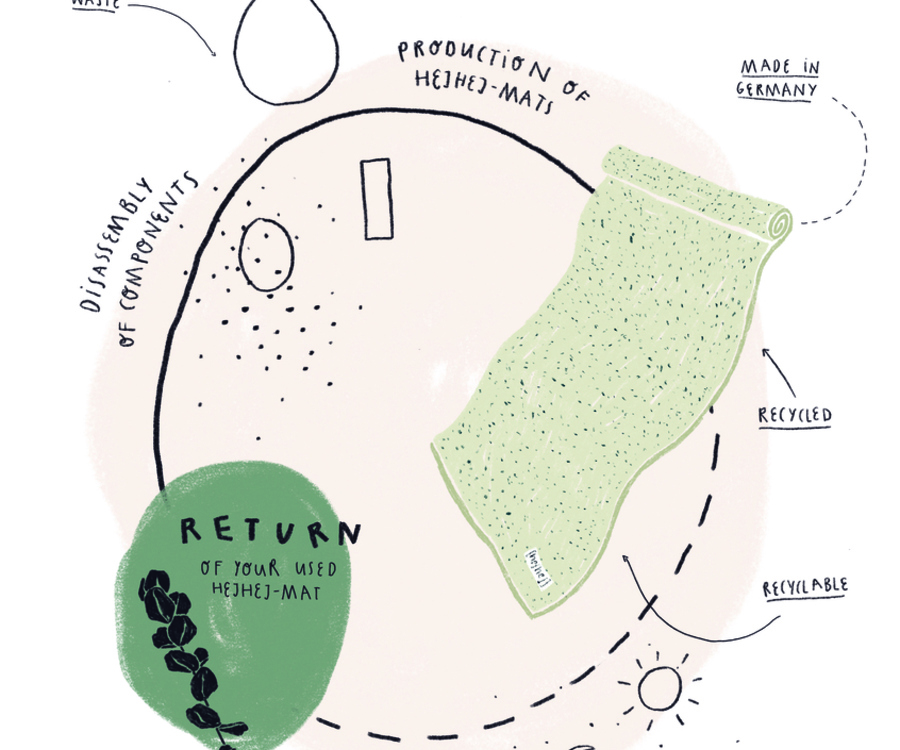
Today we are very happy to talk to Kenia from hejhej. hejhej was born when the two founders Anna and Sophie visited a museum in Sweden. Both are passionate about yoga themselves and became aware of the ecological consequences of their yoga mat while touring the exhibition of the Turkish artist, Pinar Yoldas. They decided to solve the problem and developed the first closed-loop yoga mat: made of recycled materials and 100% recyclable.

Untertitel
MAp meets Kenia Bohmeyer – hejhej
Blog main image
MAp Boutique Consultancy_Partner_hejhej
Paragraphs

Dear Kenia, thank you for your time and this joint MAp meets. At the beginning of our conversation, could you give us an insight into what hejhej has to offer today - after all, closed-loop yoga mats aren’t anymore the only hejhej products.

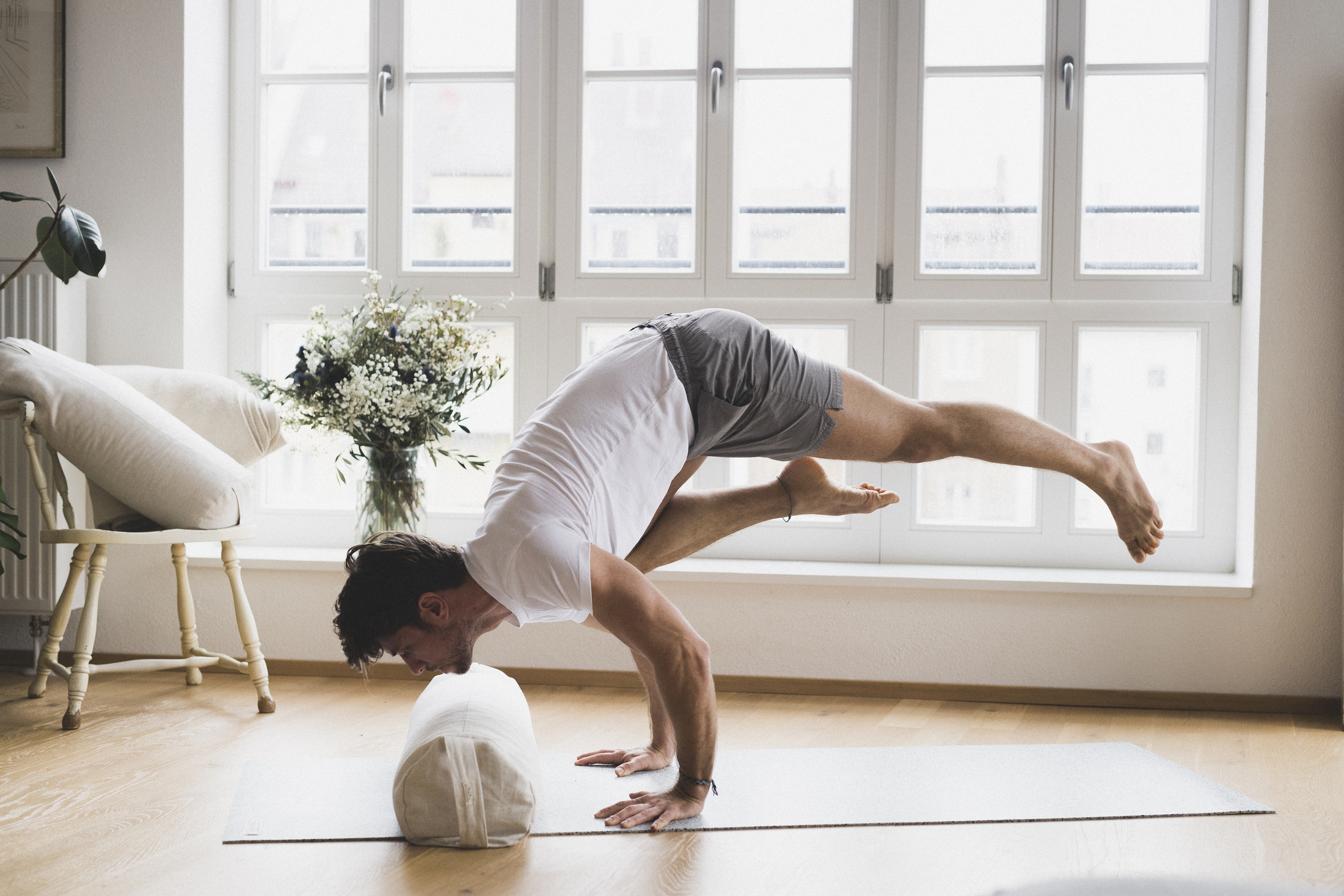
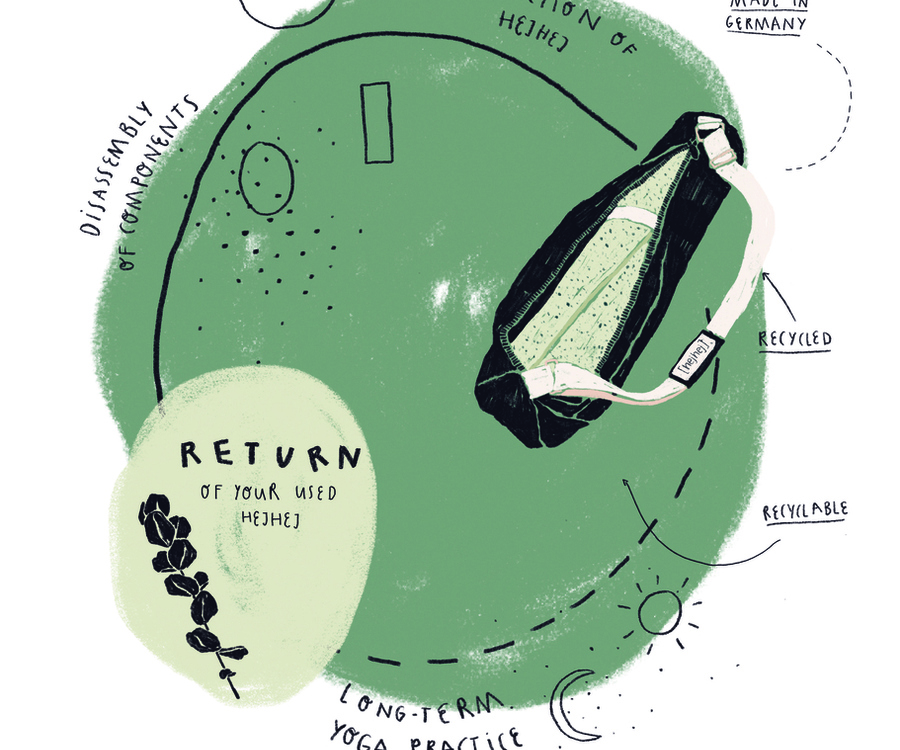
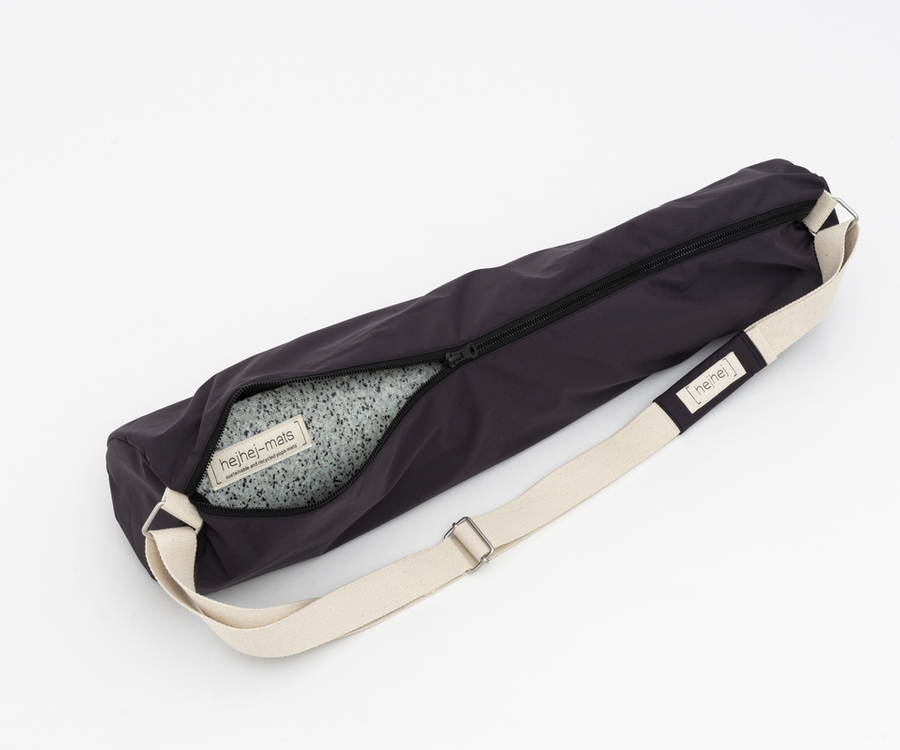
Thank you very much for inviting us to take part in this interview. As you say, the first closed-loop hejhej-mat is not our only product. Quite quickly we designed a yoga mat bag, the hejhej-bag. Then we gradually added other yoga equipment such as a yoga belt, yoga bolster, yoga block, meditation cushion, eye pillow and spray. All these products are completely developed in the spirit of the circular economy. Our take-back system also applies to all products. Our goal is to provide a way for you to make your yoga practice as sustainable as possible. A short documentary of our hejhej-bolsters shows very nicely how consciously we design our product development.

Health and well-being is an important part of your sustainability philosophy. You pass this on to your partner hotels with whom you successfully cooperate. What are the most important elements of this philosophy that hotels can implement in the area of health promotion?

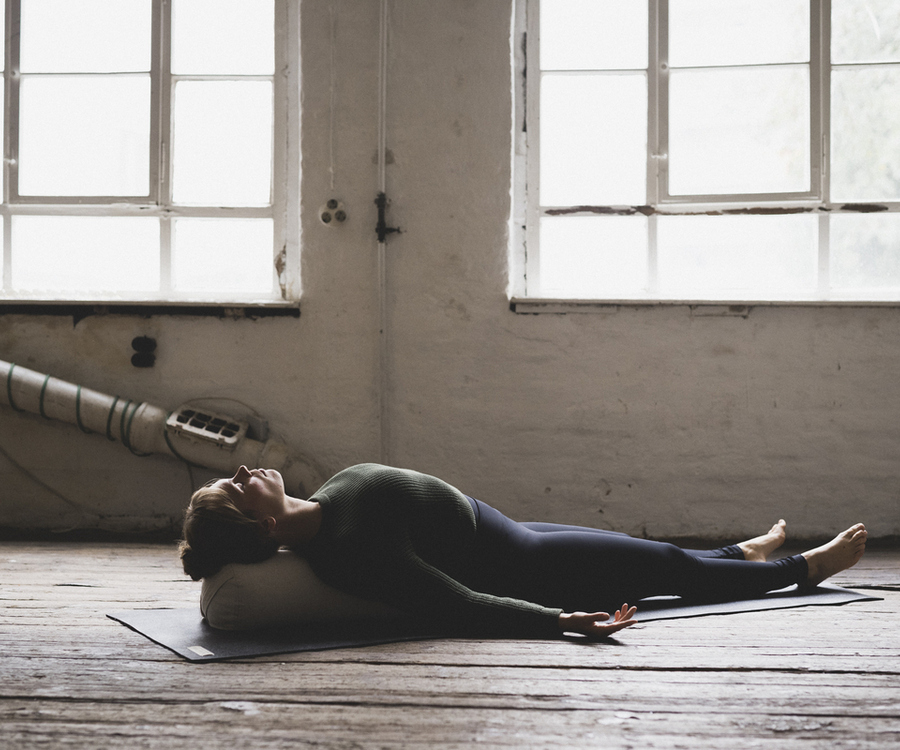
We really appreciate the great cooperation with our partner hotels. In the meantime, we have a super nice and diverse selection, whereby we work out and establish an individual cooperation with each hotel. Health promotion does not have to be complicated. A movement or yoga programme in the hotel is already an easy-to-implement method for a hotel to do something for preventive health promotion. The good thing is that you don't need much for yoga. The most important thing is a good yoga mat and of course other tools are practical. It is also important to mention that a nice yoga set-up in the hotel motivates the guests to move. So by offering yoga equipment in the rooms or for rent in your hotel, you motivate people to do more for their health and well-being.

Small things
matter
@KeniaBohmeyer @weareMap

Yoga has become a central theme and offer for many hotels. What tips can you give hoteliers to create a yoga offer for guests that stands out from the competition, offers added value for guests and is sustainable?

We also notice how widespread yoga has become in hotel concepts and love it. Especially on holiday, it's a nice way to use free time to try yoga or deepen your own practice. High-quality yoga equipment is a unique selling point for a hotel. To offer yoga, it's great to have a yoga room and your own yoga teacher - but you don't necessarily need one. For example, we have a cooperation with a partner hotel that has bought many yoga mats for their flats from hejhej. Each yoga mat has a co-branded label with both brand names woven into it in a high-quality way. Next to the hejhej-mats, QR codes are displayed in the flats that link to a video playlist from us. In cooperation with the hotel, we have recorded yoga videos on their premises. Guests can practice yoga on the high-quality yoga mats directly in their room, whether beginner or advanced, there is something for everyone. Our yoga videos on Youtube range from Vinyasa, Yin, Pranayama, Katonah Yoga to accessible yoga and yoga for the blind. Our goal here is to make the yoga world more inclusive. Your hotel can easily share this offer and provide it to guests.
As always, our final MAp meets question: what makes a hotel experience a truly outstanding one for you personally?

At hejhej we have a statement that has always accompanied our product development: small things matter. By this we mean that even the smallest detail matters. For example, we also think about the zip and sewing thread in our products and find the most sustainable solution on the market for everything.

It's similar for me with hotel experiences. I often notice exactly those little things. That's when I notice whether the hotel is really interested in sustainability or just wants to improve its image. Whether the interior, the care products or the food have really been thought about and whether there is a conscious focus on regionality and longevity. That's exactly what makes a lasting impression on me in a hotel experience.

About hejhej:

hejhej is the first closed-loop yoga brand on the market. It is based in Nuremberg, Germany. With the hejhej-mat, it has taken a decisive step towards making the yoga world more sustainable and circular. Find out more at www.hejhej-mats.com or on Instagram at @hejhej_mats.

About Kenia

Kenia Bohmeyer has been working for hejhej since 2020. Her responsibilities include communication with hotels. If you are interested in collaborating with hejhej, you can message her directly at kenia [at] hejhej-mats.com (kenia[at]hejhej-mats[dot]com). She is looking forward to hearing from you!

MAp Boutique Consultancy_Partner_hejhej
Blog Block Image
MAp Boutique Consultancy_Partner_hejhej

Add new comment

Comment

Order

Plain text

  • No HTML tags allowed.
  • Lines and paragraphs break automatically.
  • Web page addresses and email addresses turn into links automatically.
Categories
Types
sharing is caring

Today we couldn’t be more excited to talk with Martin Tauber, the Co-Founder and CEO of Guestnet. Guestnet is an innovative tech company based in South Tyrol, Italy, which provides independent hoteliers with a digital guest experience platform.

We’ve been working with the Guestnet system on behalf of our clients for quite a while, and have recently partnered with the Guestnet team through The Sustainable Hotel in order to promote our joint approach to making independent and boutique hotels more sustainable and innovative. Wonder how a digital guest experience platform can do so? Let’s find out from Martin.

Untertitel
MAp meets Martin Tauber - co-founder and CEO of Guestnet
Blog main image
MAp Boutique Consultancy MAp meets Martin Tauber
Paragraphs

Dear Martin, thank you for your time! First of all, can you tell us more about Guestnet? What’s your Purpose and what problem did you set out to solve with your innovative system?

Martin: Guestnet is a 'Guest Experience Platform' with which we digitise the entire guest journey. Our goal is to support hosts in digital guest communication and thereby strengthen the relationship with their guests. Informed and satisfied guests, optimised digital processes and additional in-house revenues through a web app that can be easily accessed by the guest in the personalised CI of the accommodation.

We have recently partnered to promote our joint effort in making the hospitality industry more sustainable and innovative. At Guestnet, what’s your approach to sustainability? And how do you support your clients on their sustainability journey through your software solution?

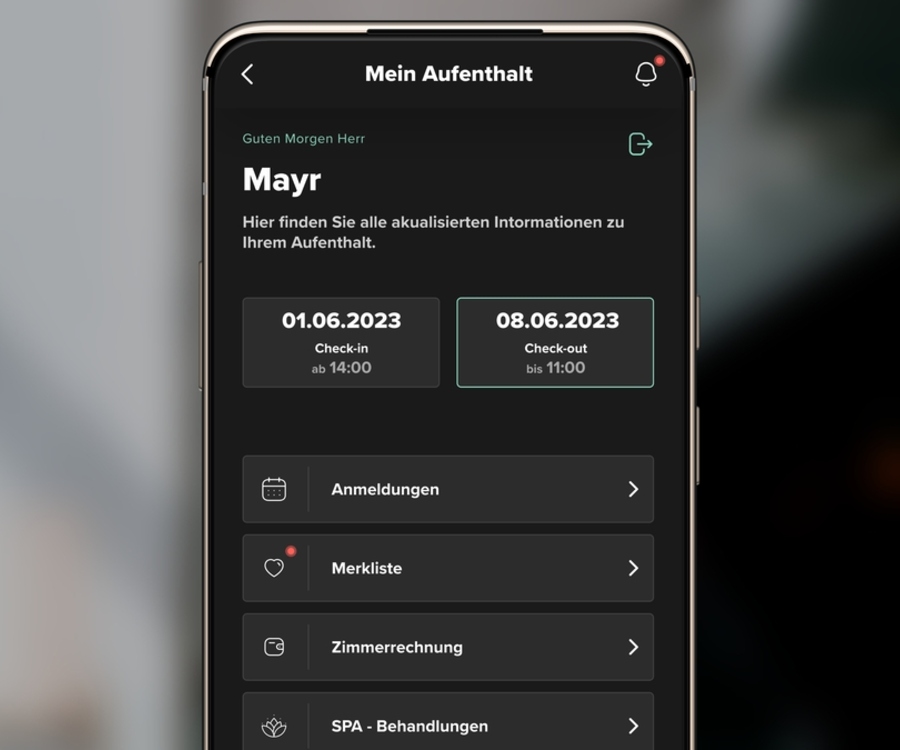
Martin: We see sustainability as an integral part of our business. Through digital communication, we significantly reduce paper consumption in accommodations. In addition, guests are well informed about sustainability initiatives of the accommodation and also involved, so that with the very popular function "cancel room cleaning", a small, visible contribution can be made and accommodations are relieved at the same time.

As you look back at the hotels you’ve worked with and how you’ve supported them on their journeys to becoming more sustainable: What has been your biggest learning so far?

Martin: One of the most important findings was that sustainability and profitability can go hand-in-hand. In addition to the immediately visible consequences of drastically reducing paper consumption through digital communication, hotels were able to greatly reduce the workload on staff by canceling room cleaning. On the one hand, this leads to lower costs and an improvement in operational processes, but also results in positive reviews from guests after their stay.
Hotels can drive their sustainability journey by reviewing their current practices and identifying areas for improvement.
Developing a sustainability plan with clear goals and strategies is important for this.
@MartinTauber via @weareMAp.

For every hotel it is important that their guests are well-informed and taken care of. What are your top three recommendations for hoteliers to make sure that their guests have all the information and support needed to ensure the best experience?

Martin: A very good question and I would like to answer it with the following three key points:

- Visibility: create visibility for your information by integrating it into the check-in process so guests can receive and view it before they arrive. Actively point out digital guest folders and other information sources at check-in. Further increase content visibility by placing QR codes in relevant locations to provide guests with easy access to information.

- Information: Make sure to bundle the most frequently asked guest inquiries and integrate them into a digital guest folder. This way, recurring questions can already be answered digitally and the reception desk can be relieved.

- Action: digital channels enable active marketing - use push notifications to point out spa treatment offers of the day or sell products via your in-house store. Guests can request services, buy products or place room service orders. The digital channel thus becomes a very relevant channel for in-house sales - fully automated and with all digital possibilities.

At MAp we are specialised in supporting independent hoteliers to become more innovative and sustainable, also through crafting unique hotel concepts and brands. What are your thoughts and observations on sustainability in the hospitality industry? What do you believe the future holds for the industry?

Martin: Sustainability is an increasingly important topic in the hotel industry. Hotels are increasingly focusing on environmentally-friendly practices such as energy and water conservation as well as social responsibility. Sustainable hotel concepts are becoming more popular as guests seek authentic experiences. The industry will continue to focus on innovative solutions to achieve sustainability goals. Overall, I expect sustainability to become the standard and the industry to evolve.
Do you have any recommendations for independent or boutique hoteliers on how they can start and / or advance their sustainability journeys?

Martin: Hotels can drive their sustainability journey by reviewing their current practices and identifying areas for improvement. Developing a sustainability plan with clear goals and strategies is important for this. From my perspective, communication internally and externally is a critical factor. Internally, it enables all employees to support and actively communicate the measures. Externally, it ensures that guests can be informed and involved.

What’s your biggest wish for the future?

Martin: My wish is to help even more hosts with their digital guest communication in order to relieve their employees and have more resources available for a unique guest experience. At the same time, we want to use technology to promote more sustainable tourism, where everyone has an awareness of sustainability and thus makes a small contribution to a more sustainable future. Our goal is to be the leading technological platform for this transformation and to accompany many hosts on this journey.

As always, our final MAp meets question: what makes a hotel experience a truly outstanding one for you personally?

Martin: Attention to detail and unobtrusive service make my hotel stay a real experience. On my city trips, I specifically look for boutique hotels with modern design in lively neighborhoods. I am always on the lookout for local wine bars and restaurants to discover the authentic culinary diversity of the city.

About Guestnet - Guest Experience Platform

Guestnet digitises the entire guest journey during the stay. In addition to the digital concierge on the guest's device, TV (Infoscreens & Room TV), print (morning mail, daily menu, weekly programme,...) and widgets (integration into website and correspondence systems) complete the multi-channel approach to provide the guest with all information. Result: Informed and satisfied guests, employee relief through optimised digital processes and increase of in-house revenues by advertising internal services. The leading hosts in DACH + South Tyrol successfully digitalise guest communication with Guestnet.

About Martin Tauber

Martin, who was born in South Tyrol, started implementing digital products at the age of 15. After working as a marketing consultant in Munich and winning the German Search Marketing Award, he joined the digital product company Marketing Factory as a partner in 2015. In 2018, this resulted in the Guest Experience Platform 'Guestnet', with which he has been working on the digitization of the hotel industry ever since.

MAp Boutique Consultancy Guestnet
Blog Block Image
MAp Boutique Consultancy MAp meets Martin Tauber

Add new comment

Comment

Order

Plain text

  • No HTML tags allowed.
  • Lines and paragraphs break automatically.
  • Web page addresses and email addresses turn into links automatically.
Types
sharing is caring

Today we are happy to sit down with Franziska Diallo, co-founder of Good Travel, a platform that presents hand-picked accommodations for sustainable and conscious travellers. We at MAp Boutique Consultancy have partnered with Good Travel to provide its Good hotels and properties with resources and tools from The Sustainable Hotel to help them increase their impact.

We discuss with Franziska her view on sustainability, what she has learned on her own sustainability journey, as well as what her sustainability recommendations for the hospitality industry - and specifically for independent and boutique hoteliers - are.

Untertitel
MAp meets Franziska Diallo – co-founder of Good Travel
Blog main image
MAp Boutique Consultancy MAp meets Franziska Diallo
Paragraphs

Dear Franziska, thank you for your time! First of all, can you tell us more about you and what inspired you to found Good Travel?

Franziska: First of all, of course, being a passionate traveller myself. I love travelling, discovering new places and getting inspiration from these. And as it happens, normally you spend a lot of time looking for the right accommodation – often without the desired result. And when you’ve actually found a really great accommodation, you wonder why there are not more of them, or where you can find them. Especially in German-speaking countries, we have seen a big gap in this area. So this led us, my partner Judith and me, to the decision to start Good Travel…

How did your own sustainability journey start? And what has been your biggest learning so far?

Franziska: I think it started with having my kids or maybe even before that. We live in Berlin so there was already a community that was engaged in sustainability way before it became mainstream. And of course, becoming a mother myself, even enhanced my desire to live more sustainably - in every aspect. And I’d say my biggest learning so far has been that it is always the person that makes the difference. Every one of us can have an impact - far bigger than the actual “doing”, but by being a role model and inspiring others.


For me, authenticity is the key. A hotelier should always start with measures
that are heartfelt concerns.
@FranziskaDiallo via @weareMAp.

You know, Franziska, that we truly love your approach: “Good places for Good people.” Can you tell us more about what makes a place a good one for you?

Franziska: This ties into my previous answer: I truly believe that people make the difference. And "Good Places for Good People" includes the idea that both our hosts and Good Travellers share a value system and appreciate each other’s commitment.

At MAp we are specialised in supporting independent hoteliers to become more innovative and sustainable, also through crafting unique hotel concepts and brands. What are your thoughts and observations on sustainability in the hospitality industry? What do you believe the future holds for the industry?

Franziska: I think that sustainability will become the new standard in the hospitality industry. Alone the costs will be reason enough for many to think about green energy and similar. With this, the greenwashing practices will become more common as well. And this will be a challenge for us travellers: how to differentiate between good marketing and real commitment? In a lot of cases, this will be only visible when being a guest.

Do you have any recommendations for independent or boutique hoteliers on how they can start and / or advance their sustainability journeys?

Franziska: For me, authenticity is the key. So a hotelier should always start with measures that are heartfelt concerns. For example, starting to grow their own vegetables, including locals in activities for hotel guests, reducing costs by getting solar panels for the pool heating, etc.  

What’s your biggest wish for the future?

Franziska: That travelling does not become a privilege for rich people only. Travelling, seeing other countries, getting to know other cultures, is always horizon-expanding. I really hope that our kids won't have to travel virtually only.

As always, our final MAp meets question: what makes a hotel experience a truly outstanding one for you personally?

Franziska: Sleeping well, eating well, a peaceful view and a host that makes me feel welcome :-)

Coming soon

BOOK: Good Places for Good People

Together with CONBOOK Verlag, Good Travel is publishing its first book, which is now available for order and will be available in stores from May #onwards. With over 200 pages, the book spotlights 50 handpicked travel destinations and sustainable accommodations in Europe that provide a special holiday feeling and do good too.

About Good Travel

Good Travel was founded in January 2016 by Franziska Diallo and Judith Hehl in Berlin to address the growing demand for environmentally- and socially-responsible vacations and to fill this gap in the market with a hand-picked selection of sustainable accommodation.

Good Travel's unique selling proposition is that sustainability does not have to mean doing without and that style and enjoyment should not be neglected. With Good Travel, they want to raise awareness for sustainable tourism. They want to make sustainable destinations more attractive. The more people develop an awareness of sustainable practices in vacation accommodations and then demand them, the more willing the industry will be to implement sustainable practices.

From old farms to cottages and design hotels to tiny houses, tree houses and yurts, Good Travel presents a colourful selection of sustainable vacation destinations in a variety of price segments. The journey already begins with the search - through pictures and descriptions that invite you to dream and plan. They see themselves as impulse givers: They inform and inspire both on the offer and demand side. They want to show the hosts that a sustainable positioning in the tourism industry brings a decisive competitive advantage. For them, sustainable travel is the new, contemporary travel.

On their blog, which they completely redesigned this summer, they also write about general sustainability topics in addition to sustainable travel. Because for them, sustainability is a matter that affects all areas of life. They want to inspire you to make your everyday life more sustainable.

About Franziska:

Franziska Diallo is the founder and commercial head of Good Travel. After five years at eBay, she worked as a freelance consultant for various Berlin start-ups until 2015. Surrounded by many inspiring ideas and concepts, Franziska also began to question the meaning of her own activity.

As a passionate traveller, a vacation in Morocco then provided inspiration for the founding of Good Travel. There, the family stayed in a small family-run boutique hotel that prepared meals exclusively with ingredients from its own small fruit and vegetable plantation and supported various social projects in the village. Where can you find more of these special places? Diallo asked herself, thinking that these sustainable and inspiring places should have their own portal.

MAp Boutique Consultancy MAp meets Franziska Diallo
Blog Block Image
MAp Boutique Consultancy MAp meets Franziska Diallo

Add new comment

Comment

Order

Plain text

  • No HTML tags allowed.
  • Lines and paragraphs break automatically.
  • Web page addresses and email addresses turn into links automatically.
Types
sharing is caring

Today we are happy to sit down with Pavlina Pavlova PhD, a Bulgarian-born entrepreneur, and a non-profit advocate. Pavlina is passionate about the circular economy, and especially, developing circular solutions for the business world. She holds an academic background in environmental impact and sustainability, and supports companies in getting involved in a circular economic future through disruptive collaboration and transformation.

We got to know Pavlina through our work with The Sustainable Hotel, and right from the beginning we were on the same page: there is only one way #onwards – and that’s the sustainable way. That’s why we met to discuss her view on sustainability, what she has learned on her own sustainability journey, as well as what her recommendations for the hospitality industry, and specifically, for boutique hoteliers are.

Untertitel
MAp meets Pavlina Pavlova
Blog main image
Sustainability is an ongoing journey – be brave and improve constantly
Paragraphs

Dear Pavlina, it is so great to talk to you – a real expert in the field of circular economy. First of all, could you let our readers know how you started on your own sustainability journey? What has been your biggest learning so far?

Pavlina: Dear MAp team, thanks for the invitation – it’s a pleasure to be here. I started my journey learning about nature and wildlife from my mother, who was also a scientist. I have always been fascinated by living systems, and thus decided to study environmental sciences. I guess back then I imagined working in conservation, but later I realised the results from classical academic work are not tangible in the short-term, and thus decided to “get my hands dirty”, built a company myself and am supporting others on their sustainability journeys now. My biggest learning is to be true and opportunistic and follow my beliefs. No one would guess 10 years ago that today I would be codesigning products.

Please tell us: what is a circular economy? What are its core principles as well as some helpful examples?

Pavlina: There are many definitions for the circular economy, but I guess the most understandable is - this is a framework that designs out waste and keeps products and materials in use for as long as possible.

The circular economy is a framework that designs out waste
and keeps products and materials in use for as long as possible.
@wearemapeople

At MAp we are specialised in crafting sustainable hotel concepts and brands. What are your thoughts and observations on sustainability in the hospitality industry? What do you believe the future holds for the industry?

Pavlina: I feel that there is a movement around the topic of sustainability in every industry – customers are becoming more aware and are demanding solutions. The tourism industry and hospitality industry are also affected by the changing climate and social inequalities worldwide, and therefore hotel owners are looking for solutions in the space. Unfortunately, many of the solutions are still only marketing driven and not really tackling the root cause of the problems. I believe in the future, customers will become even more attuned and will be able to differentiate between green wishing and -washing and true sustainability, and those doing it only for marketing purposes will lose their popularity.

Do you have any recommendations for boutique hoteliers on how they can start and / or advance their sustainability journeys?

Pavlina: Start as soon as possible – you still have a competitive advantage as a first mover. Sustainability is here to stay and will be soon the new normal, and today’s niche market will take over conventional hospitality. It is an ongoing journey – be brave and improve constantly.

When we started working on The Sustainable Hotel, we were surprised to learn how many people still hold misconceptions about sustainability, e.g. that sustainability is expensive, complicated, only about the Planet, etc. What are the most common misconceptions you encounter while working with business owners?

Pavlina: The classical one – circular economy is just recycling. Another one that makes me laugh – this is not going to work, because it doesn’t work today.

What’s your biggest wish for the future?

Pavlina: That businesses shift from doing less (or no) harm to doing good for nature and society – the so-called regenerative economy.

As always, our final MAp meets question: what makes a hotel experience a truly outstanding one for you personally?

Pavlina: Personal attitude and of course visible sustainability efforts!

Blog Block Image
Sustainability is an ongoing journey – be brave and improve constantly

Add new comment

Comment

Order

Plain text

  • No HTML tags allowed.
  • Lines and paragraphs break automatically.
  • Web page addresses and email addresses turn into links automatically.
Types
sharing is caring

Finally! It’s been a few years since our last MAp meets with our partner, Karsten Schmidt-Hoensdorf, owner of the Zurich design studio IDA14. For everyone interested: HERE you can discover and read our last conversation.

For more than 25 years, Karsten and his team have been developing “extraordinary design for extraordinary rooms.” Their focus is on hospitality, residential and corporate projects in the fields of architecture, interior architecture and design.

Karsten recently informed us he’s incorporating more and more sustainable design into his work - so it was high time to meet for a new interview.

Untertitel
MAp meets Karsten Schmidt-Hoensdorf, owner of the Zurich design studio IDA14
Blog main image
MAp meets Karsten Schmidt-Hoensdorf, owner of the Zurich design studio IDA14
Paragraphs

Dear Karsten, we are very happy that we finally managed to sit down together. Since it’s likely not all readers were present at our last conversation, could you please give us a brief insight into your work and IDA14?

I am very pleased to receive the invitation to an interview from you, Magdalena, and MAp! For me it is an inspiration and an invitation to reflect on my work with you! In a nutshell, I work with my team of mostly around 10 young interior designers and architects on mainly hotel projects. We see ourselves as a boutique style design and architecture studio: the team size is deliberately kept manageable, our clients are mostly smaller - individual hotels or small hotel chains in Switzerland.

This has to do with the small-scale hotel structure in Switzerland on the one hand, but also with our preference for individuality on the other. The mutual appreciation is often more noticeable here than in international hotel groups. I see my work in this context as a contribution to a high-quality hotel culture, as it has historically emerged in Switzerland.

Here I am addressing a point that is important to me: as we all know, culture does not only take place in the opera. Culture is diverse, a high-quality craft; the maintenance of traditional knowledge and the respectful handling of it are an important part of my motivation to always tackle new projects without lapsing into repetitive thinking and acting.

Personally, I have been working in this profession for almost 30 years. As described in my first interview with you, I was interested in art, history, literature and politics from an early age. This interest in the world and my study of history and politics before studying architecture are probably the driving force and also the basis for my work as a specialist author. I write in the relevant media on topics related to the hotel industry. I am concerned with the social context of the industry. Here you can read developments and observe trends that go far beyond the usual understanding of design and architecture.

I have worked as a consultant for hotel chains like Swissôtel around the world. I also support various hotels with my knowledge of the correct interior design conception and proportioning. But also banks like Credit Suisse for larger projects.

One topic that we have talked about a lot recently is sustainability. How do you integrate this into your work? Was there a moment or maybe a place for you that put you on this path?

When I'm looking for a place or time where and when my interest in sustainability began, it seems to me to be a natural development, a kind of evolutionary design process.

I remember that many years ago, design, visually tangible aesthetics, was dominant and central. In Switzerland, there was traditionally an additional attitude that valued aspects such as material authenticity and high-quality craftsmanship.

As Director Interior Design, I spent several years for a Swiss 5 * hotel brand on all continents, briefing and coaching the design and architecture teams on many renovation and new construction projects. I clearly realized how much we differ in continental Europe and especially in Switzerland from the mostly Anglo-Saxon design firms that implement large hotel projects around the world. Fascinating and for me an absolute exception in this context was my collaboration with a Japanese interior designer. During a renovation project in Japan, I saw how close we got to each other in our views on architecture and design. That's why I'm really looking forward to my upcoming trip to Japan, for which I have made craft, architecture and design - in addition to nature - the central themes of my travel planning. And of course the anticipation is great: the trip has been "on hold" for a year and a half and I hope it happens in the next year.

We keep our fingers crossed that your trip to Japan will finally work out. If we stay in the future: which principles and trends do you think will become more and more important in design?

The principles are complex and will continue to develop. There are various labels and certificates for sustainability, also in the hotel industry. Magdalena, you showed me the sophisticated label B Corp, on which you focus with your company: I am now dealing with it, I respect the effort and will pursue it.

As far as our daily work in planning interior design is concerned, various basic principles of sustainability meet my quality standards. For example, when selecting products and materials, researching how sensible and justifiable the use is in terms of energy use and ethical principles in production and transport. I also value material authenticity, which also connects to recyclability. The extraction and, above all, the processing of raw materials should also take place regionally if possible. For example when using wood and stone.

Handicrafts are right at the top of my list of preferences: As far as I am concerned, I am talking about a high-quality culture that will hopefully gain in importance again and find a place in economic thinking. I love good handicrafts and often take the opportunity to visit handicraft businesses. For me, this also includes glass manufacturers such as Barovier & Toso on Murano, with a continuous company history since the 15th century. Or lighting companies like Louis Poulsen in Copenhagen, who not only produce everything themselves in Denmark, but also invite their employees to daily work breaks with music and gymnastics.

I see these European companies as regional; for me regionality is not a question of national borders, but of possibilities. Therefore, there will probably also be products in the future that come from far away, from Asia, Africa, South and North America.

As already mentioned, research is important here: How and under what conditions was production carried out? To what extent have ethical standards been adhered to in a credible manner, e.g. in terms of working conditions and human dignity, animal welfare and environmental pollution.

As far as future trends in terms of sustainability are concerned, I hope for positive social developments: It cannot be that everyone has to acquire a doctorate to understand sustainability. For me, sustainability and our major crises speak to simple feelings: those who are with themselves also have easy access to an understanding of sustainability. “We are one world” is a question of awareness, not education.

My interest in sustainability
seems to me to be a natural development, a kind of evolutionary design process.
Karsten Schmidt-Hoensdorf, IDA14
via @weareMApeople


What do you say to those people who believe that it is simply impossible to be both design-oriented and sustainable? How do you create beautiful places and spaces that are sustainable for mankind and our earth in the long-term?

We have gone through many changes in good taste in human history. The 25,000-year-old stone sculpture of Venus von Willendorf is the first known sculptural representation of a human ideal: a very fat woman. It represented an ideal of beauty, because in times of hunger and cold it was a dream to be well fed. From today's point of view, being overweight would be seen as a problematic undesirable development ... Ideals of beauty can therefore survive if they are no longer appropriate, if they contradict knowledge. I believe in a collective, universal sense of aesthetics. Just as all people understand laughing and crying, regardless of their culture, there are also similarities in the perception of beautiful and ugly, of friendly and hostile.

Many of our readers work in the hotel industry: What are the 5 most important things hotels should do to make their interiors more sustainable?

Anyone planning to hire an interior designer must take the time to clarify, in conversation and on the basis of reference projects, whether and how sustainability is part of the design process of the relevant design office. If you want to take action yourself, you should consult with good regional craft businesses and choose the right partners. There are very good and sustainable furniture manufacturers in Switzerland and in neighbouring countries. Companies such as De Sede, Horgen Glarus, Embru, Alias, Girsberger and others promise longevity; But not only that: after many years of use, they also restore this furniture. A hotel may pay a higher price than with no-name products from somewhere, but these last for decades. The lifespan of a piece of furniture is an important criterion for sustainability. As a rule, this furniture is carefully designed and exudes a high level of quality, which guests are happy to take note of.

This also and especially applies to leather furniture: high-quality companies communicate exactly where the cowhide comes from and how and with which chemicals it was tanned. For me it is like eating: If a frozen pizza with a meat topping does not cost CHF 3.50, it is clear to everyone that there cannot be any respectful animal husbandry or appreciation ...

I am critical of the current inflationary hype around plastic recycling: I ask manufacturers exactly about their processes of extraction of plastic and how and where the processing and transport take place. We have a plastic litter problem in the world. But does processing into more or less short-lived products make sense? Does that solve a problem or does it create a new one?

What other sustainable measures are there? Before renovating hotels and restaurants, I check whether all furniture really needs to be disposed of. We are working on a project in Ticino, where a technically sophisticated secretary looked old-fashioned in the rooms. But lacquered in matte black, supplemented with modern, silver-coloured fittings and a cool table lamp, it now looks like a newborn - a lifestyle element that is beginning its second life.

The triad of downcycling, recycling and upcycling should be part of the research into possibilities. Good designers should find solutions that are convincingly sustainable and meet high design standards.

What are your hopes for the hospitality industry in terms of sustainability?

The hotel and catering industry are facing major challenges and have to question their traditional and previously well-functioning business models. Much of sustainability is familiar to them through the F&B area: regionality and good products as a prerequisite for success, clear communication and declaration of products and services.

The contemporary and respectful treatment of employees is moving more into the foreground, new working time models are required.

I hope that these challenges will lead to a rethinking with positive effects for the future: higher motivation of employees through cooperative management; Trust of guests and employees in the company, achieved through honest communication; and the avoidance of “green washing”, as one honestly strives for sustainability and makes this visible.

Karsten, you already know our final MAp meets question. Because even after all these years this revolves around our core service - the development of sustainable hotel concepts and hotel brands. What makes a hotel stay unique for you personally?

Like my partner, I am a passionate restaurant and hotel connoisseur.

We study various offers online and choose carefully. If the hotel and the restaurant are then an experience, give me a unique, non-exchangeable memory, then I'll come back home happy! This happiness requires employees who make me feel a real “welcome”. Rooms that surprise, with details and as an overall impression. Rooms that exude a warm and friendly atmosphere and at the same time have a contemporary, modern design, maybe sometimes even taken to the limit in an unforgettable way ... Hotels and restaurants whose food is tempting in the morning, at noon and in the evening.

Places that trigger longing when I later remember them.

About Karsten Schmidt-Hoensdorf:

After studying history and political science in Toulouse and Munich, he turned to architecture and completed a degree in interior design. For years, Karsten was a consultant for hotel developments and renovations for Swissôtel Hotels & Resorts worldwide in the position of Director Interior Design and now lectures on topics such as: managing processes in design development and quality criteria in design.

MAp boutique consultancy meets Karsten Schmidt-Hoensdorf, IDA14

Main blog image: Photographer Marion Nitsch for Lunax

Photos 1 and 2: Marktgasse Hotel, Zurich
Award winning: Best Hotel Concept DACH, AIT Award
Photographer: Bruno Helbling

Photos 3, 4 and 5: Kurklinik Bad Schinznach, Switzerland Photographer:Dominik Golob und Felix Wey

Photos 6 and 7: Sorell Hotel Zürichberg, Zurich
Photographer: Bruno Helbling

Photos 8 and 9: Single-family house Kilchberg, Zurich
Photographer: Bruno Helbling

Blog Block Image
MAp meets Karsten Schmidt-Hoensdorf, owner of the Zurich design studio IDA14

Add new comment

Comment

Order

Plain text

  • No HTML tags allowed.
  • Lines and paragraphs break automatically.
  • Web page addresses and email addresses turn into links automatically.
Types