

sharing is caring
Finally! It’s been a few years since our last MAp meets with our partner, Karsten Schmidt-Hoensdorf, owner of the Zurich design studio IDA14. For everyone interested: HERE you can discover and read our last conversation.
For more than 25 years, Karsten and his team have been developing “extraordinary design for extraordinary rooms.” Their focus is on hospitality, residential and corporate projects in the fields of architecture, interior architecture and design.
Karsten recently informed us he’s incorporating more and more sustainable design into his work - so it was high time to meet for a new interview.
Dear Karsten, we are very happy that we finally managed to sit down together. Since it’s likely not all readers were present at our last conversation, could you please give us a brief insight into your work and IDA14?
I am very pleased to receive the invitation to an interview from you, Magdalena, and MAp! For me it is an inspiration and an invitation to reflect on my work with you! In a nutshell, I work with my team of mostly around 10 young interior designers and architects on mainly hotel projects. We see ourselves as a boutique style design and architecture studio: the team size is deliberately kept manageable, our clients are mostly smaller - individual hotels or small hotel chains in Switzerland.
This has to do with the small-scale hotel structure in Switzerland on the one hand, but also with our preference for individuality on the other. The mutual appreciation is often more noticeable here than in international hotel groups. I see my work in this context as a contribution to a high-quality hotel culture, as it has historically emerged in Switzerland.
Here I am addressing a point that is important to me: as we all know, culture does not only take place in the opera. Culture is diverse, a high-quality craft; the maintenance of traditional knowledge and the respectful handling of it are an important part of my motivation to always tackle new projects without lapsing into repetitive thinking and acting.
Personally, I have been working in this profession for almost 30 years. As described in my first interview with you, I was interested in art, history, literature and politics from an early age. This interest in the world and my study of history and politics before studying architecture are probably the driving force and also the basis for my work as a specialist author. I write in the relevant media on topics related to the hotel industry. I am concerned with the social context of the industry. Here you can read developments and observe trends that go far beyond the usual understanding of design and architecture.
I have worked as a consultant for hotel chains like Swissôtel around the world. I also support various hotels with my knowledge of the correct interior design conception and proportioning. But also banks like Credit Suisse for larger projects.
One topic that we have talked about a lot recently is sustainability. How do you integrate this into your work? Was there a moment or maybe a place for you that put you on this path?
When I'm looking for a place or time where and when my interest in sustainability began, it seems to me to be a natural development, a kind of evolutionary design process.
I remember that many years ago, design, visually tangible aesthetics, was dominant and central. In Switzerland, there was traditionally an additional attitude that valued aspects such as material authenticity and high-quality craftsmanship.
As Director Interior Design, I spent several years for a Swiss 5 * hotel brand on all continents, briefing and coaching the design and architecture teams on many renovation and new construction projects. I clearly realized how much we differ in continental Europe and especially in Switzerland from the mostly Anglo-Saxon design firms that implement large hotel projects around the world. Fascinating and for me an absolute exception in this context was my collaboration with a Japanese interior designer. During a renovation project in Japan, I saw how close we got to each other in our views on architecture and design. That's why I'm really looking forward to my upcoming trip to Japan, for which I have made craft, architecture and design - in addition to nature - the central themes of my travel planning. And of course the anticipation is great: the trip has been "on hold" for a year and a half and I hope it happens in the next year.
We keep our fingers crossed that your trip to Japan will finally work out. If we stay in the future: which principles and trends do you think will become more and more important in design?
The principles are complex and will continue to develop. There are various labels and certificates for sustainability, also in the hotel industry. Magdalena, you showed me the sophisticated label B Corp, on which you focus with your company: I am now dealing with it, I respect the effort and will pursue it.
As far as our daily work in planning interior design is concerned, various basic principles of sustainability meet my quality standards. For example, when selecting products and materials, researching how sensible and justifiable the use is in terms of energy use and ethical principles in production and transport. I also value material authenticity, which also connects to recyclability. The extraction and, above all, the processing of raw materials should also take place regionally if possible. For example when using wood and stone.
Handicrafts are right at the top of my list of preferences: As far as I am concerned, I am talking about a high-quality culture that will hopefully gain in importance again and find a place in economic thinking. I love good handicrafts and often take the opportunity to visit handicraft businesses. For me, this also includes glass manufacturers such as Barovier & Toso on Murano, with a continuous company history since the 15th century. Or lighting companies like Louis Poulsen in Copenhagen, who not only produce everything themselves in Denmark, but also invite their employees to daily work breaks with music and gymnastics.
I see these European companies as regional; for me regionality is not a question of national borders, but of possibilities. Therefore, there will probably also be products in the future that come from far away, from Asia, Africa, South and North America.
As already mentioned, research is important here: How and under what conditions was production carried out? To what extent have ethical standards been adhered to in a credible manner, e.g. in terms of working conditions and human dignity, animal welfare and environmental pollution.
As far as future trends in terms of sustainability are concerned, I hope for positive social developments: It cannot be that everyone has to acquire a doctorate to understand sustainability. For me, sustainability and our major crises speak to simple feelings: those who are with themselves also have easy access to an understanding of sustainability. “We are one world” is a question of awareness, not education.

What do you say to those people who believe that it is simply impossible to be both design-oriented and sustainable? How do you create beautiful places and spaces that are sustainable for mankind and our earth in the long-term?
We have gone through many changes in good taste in human history. The 25,000-year-old stone sculpture of Venus von Willendorf is the first known sculptural representation of a human ideal: a very fat woman. It represented an ideal of beauty, because in times of hunger and cold it was a dream to be well fed. From today's point of view, being overweight would be seen as a problematic undesirable development ... Ideals of beauty can therefore survive if they are no longer appropriate, if they contradict knowledge. I believe in a collective, universal sense of aesthetics. Just as all people understand laughing and crying, regardless of their culture, there are also similarities in the perception of beautiful and ugly, of friendly and hostile.
Many of our readers work in the hotel industry: What are the 5 most important things hotels should do to make their interiors more sustainable?
Anyone planning to hire an interior designer must take the time to clarify, in conversation and on the basis of reference projects, whether and how sustainability is part of the design process of the relevant design office. If you want to take action yourself, you should consult with good regional craft businesses and choose the right partners. There are very good and sustainable furniture manufacturers in Switzerland and in neighbouring countries. Companies such as De Sede, Horgen Glarus, Embru, Alias, Girsberger and others promise longevity; But not only that: after many years of use, they also restore this furniture. A hotel may pay a higher price than with no-name products from somewhere, but these last for decades. The lifespan of a piece of furniture is an important criterion for sustainability. As a rule, this furniture is carefully designed and exudes a high level of quality, which guests are happy to take note of.
This also and especially applies to leather furniture: high-quality companies communicate exactly where the cowhide comes from and how and with which chemicals it was tanned. For me it is like eating: If a frozen pizza with a meat topping does not cost CHF 3.50, it is clear to everyone that there cannot be any respectful animal husbandry or appreciation ...
I am critical of the current inflationary hype around plastic recycling: I ask manufacturers exactly about their processes of extraction of plastic and how and where the processing and transport take place. We have a plastic litter problem in the world. But does processing into more or less short-lived products make sense? Does that solve a problem or does it create a new one?
What other sustainable measures are there? Before renovating hotels and restaurants, I check whether all furniture really needs to be disposed of. We are working on a project in Ticino, where a technically sophisticated secretary looked old-fashioned in the rooms. But lacquered in matte black, supplemented with modern, silver-coloured fittings and a cool table lamp, it now looks like a newborn - a lifestyle element that is beginning its second life.
The triad of downcycling, recycling and upcycling should be part of the research into possibilities. Good designers should find solutions that are convincingly sustainable and meet high design standards.
What are your hopes for the hospitality industry in terms of sustainability?
The hotel and catering industry are facing major challenges and have to question their traditional and previously well-functioning business models. Much of sustainability is familiar to them through the F&B area: regionality and good products as a prerequisite for success, clear communication and declaration of products and services.
The contemporary and respectful treatment of employees is moving more into the foreground, new working time models are required.
I hope that these challenges will lead to a rethinking with positive effects for the future: higher motivation of employees through cooperative management; Trust of guests and employees in the company, achieved through honest communication; and the avoidance of “green washing”, as one honestly strives for sustainability and makes this visible.
Karsten, you already know our final MAp meets question. Because even after all these years this revolves around our core service - the development of sustainable hotel concepts and hotel brands. What makes a hotel stay unique for you personally?
Like my partner, I am a passionate restaurant and hotel connoisseur.
We study various offers online and choose carefully. If the hotel and the restaurant are then an experience, give me a unique, non-exchangeable memory, then I'll come back home happy! This happiness requires employees who make me feel a real “welcome”. Rooms that surprise, with details and as an overall impression. Rooms that exude a warm and friendly atmosphere and at the same time have a contemporary, modern design, maybe sometimes even taken to the limit in an unforgettable way ... Hotels and restaurants whose food is tempting in the morning, at noon and in the evening.
Places that trigger longing when I later remember them.
About Karsten Schmidt-Hoensdorf:
After studying history and political science in Toulouse and Munich, he turned to architecture and completed a degree in interior design. For years, Karsten was a consultant for hotel developments and renovations for Swissôtel Hotels & Resorts worldwide in the position of Director Interior Design and now lectures on topics such as: managing processes in design development and quality criteria in design.
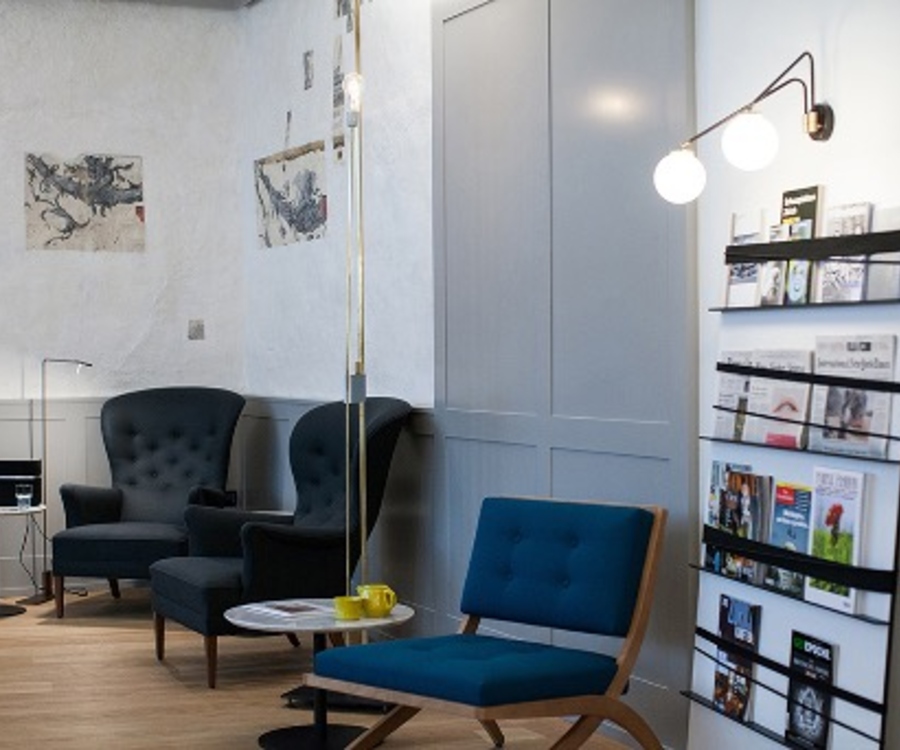
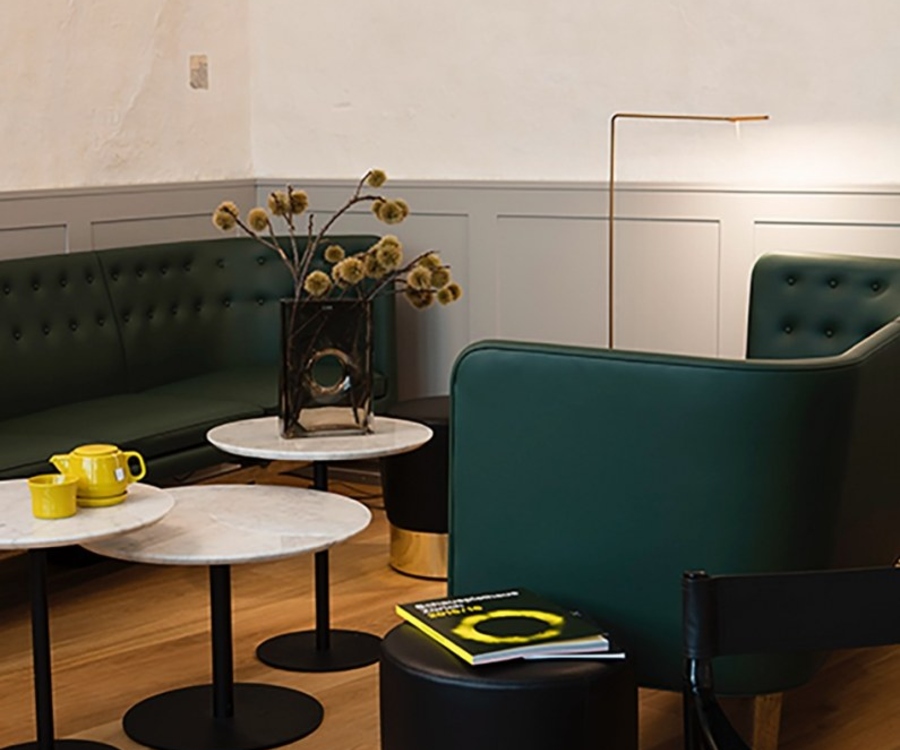
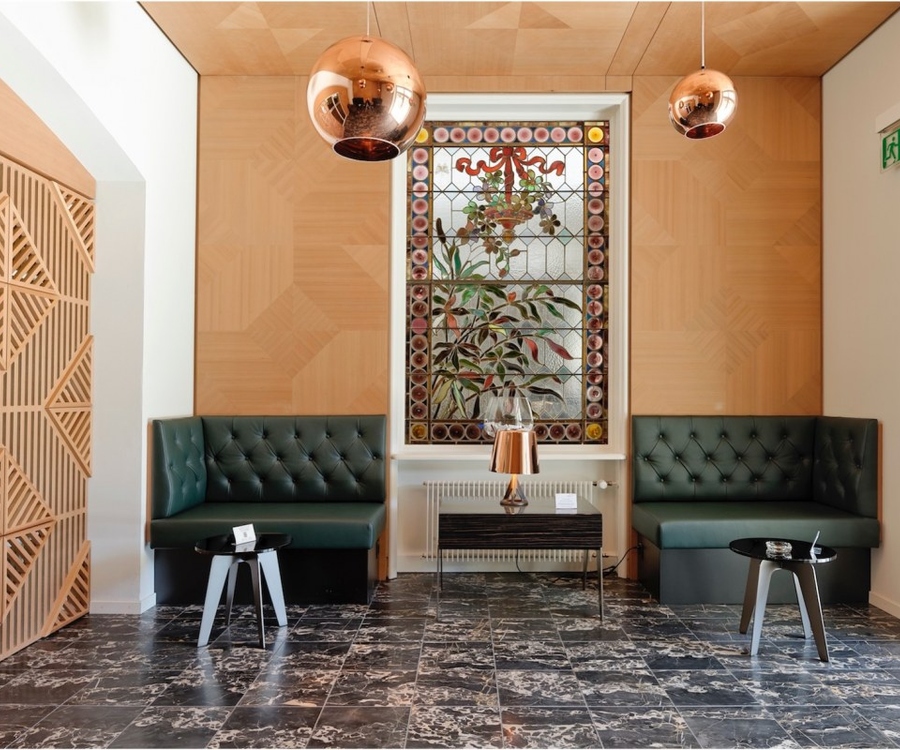
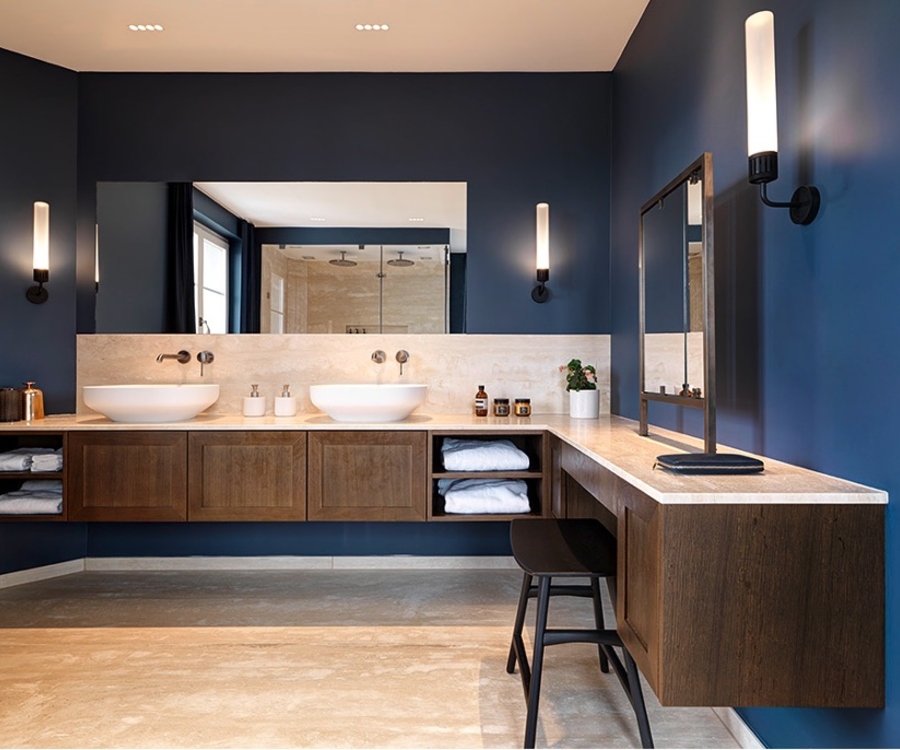
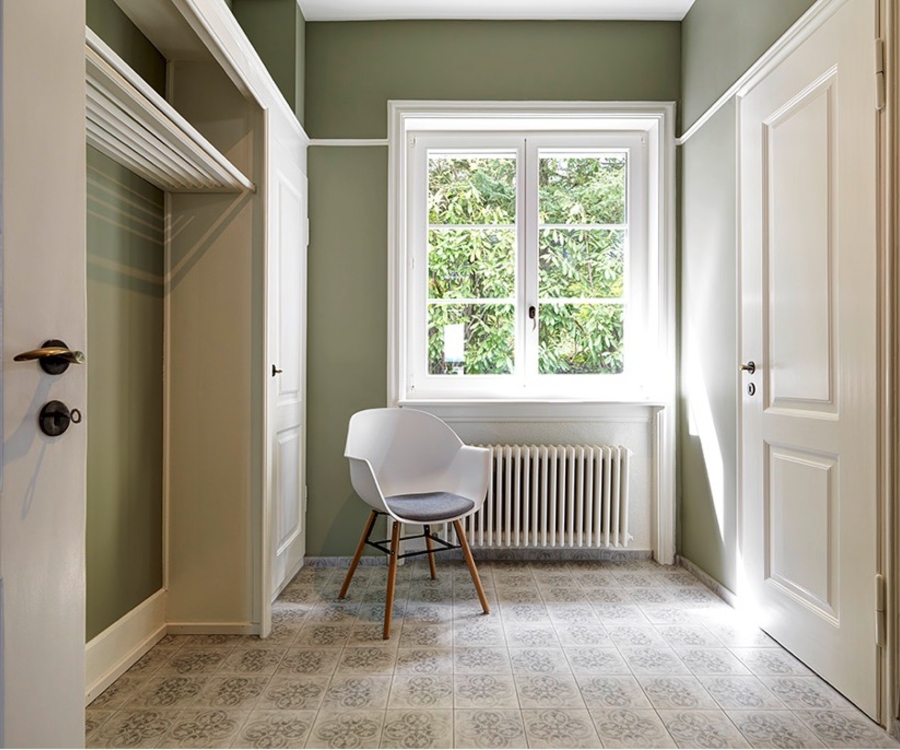
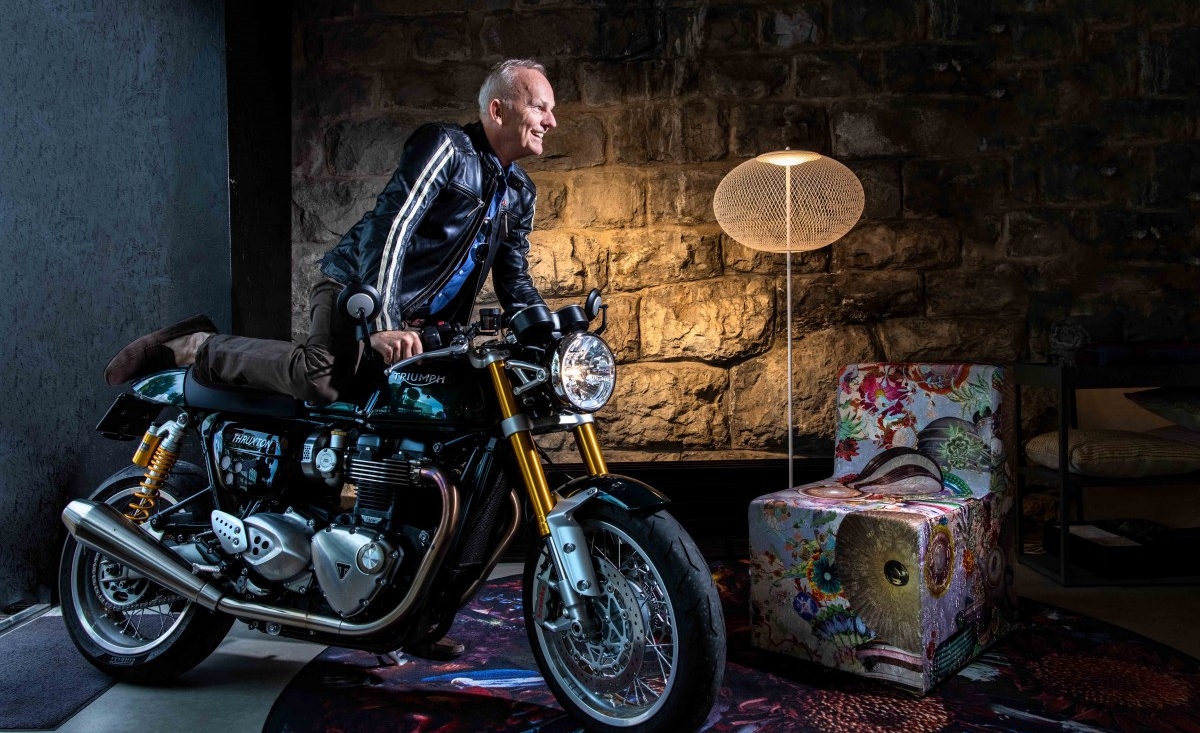
Main blog image: Photographer Marion Nitsch for Lunax
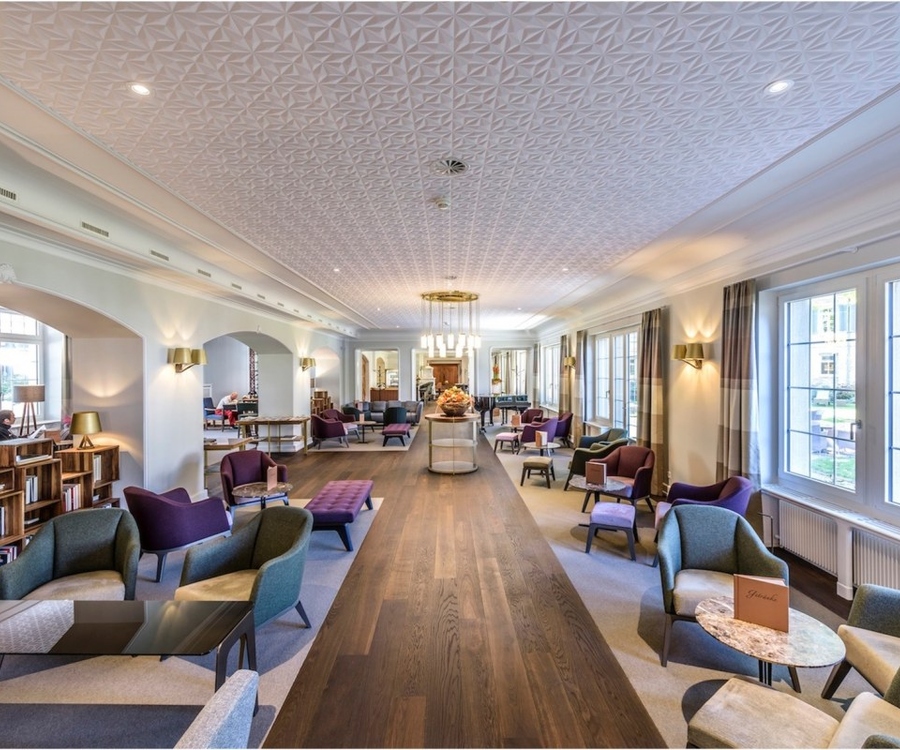
Photos 1 and 2: Marktgasse Hotel, Zurich
Award winning: Best Hotel Concept DACH, AIT Award
Photographer: Bruno Helbling
Photos 3, 4 and 5: Kurklinik Bad Schinznach, Switzerland Photographer:Dominik Golob und Felix Wey
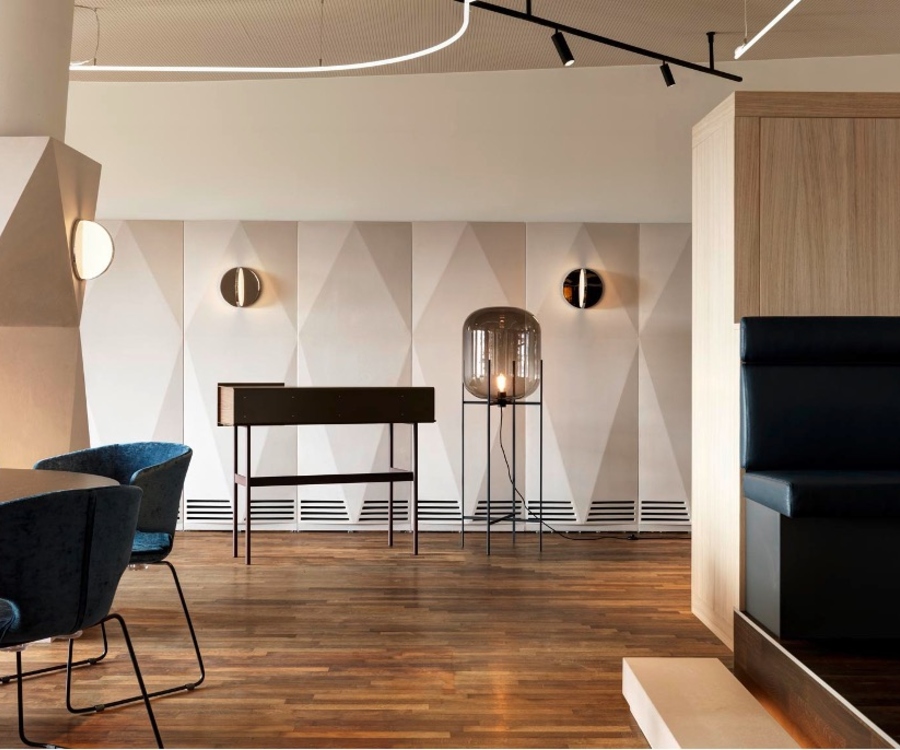
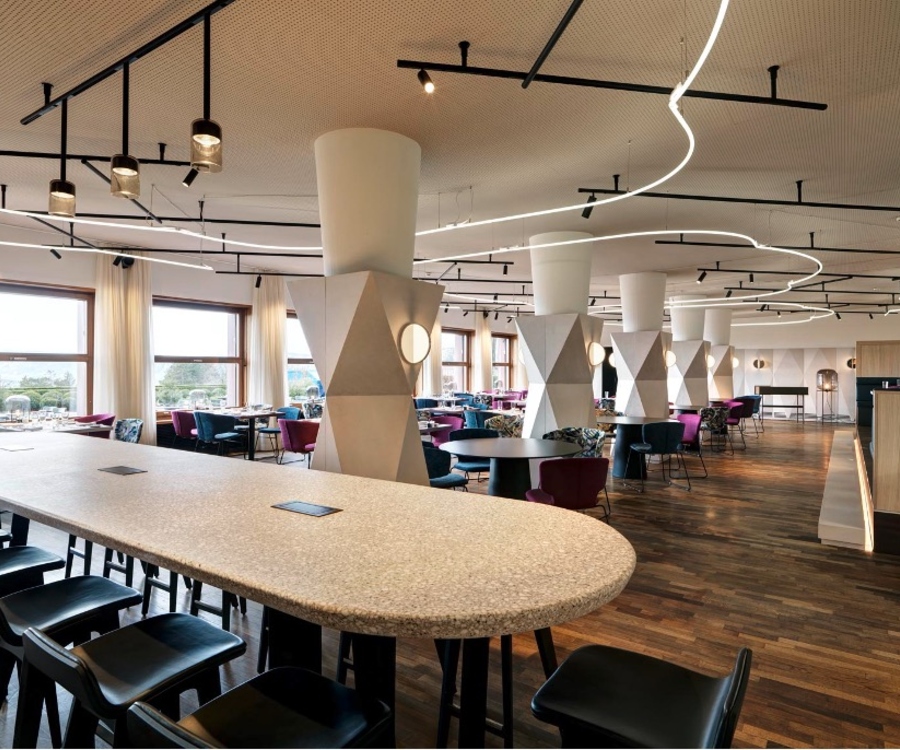
Photos 6 and 7: Sorell Hotel Zürichberg, Zurich
Photographer: Bruno Helbling
Photos 8 and 9: Single-family house Kilchberg, Zurich
Photographer: Bruno Helbling
 ke time for prosecco ke it happenke it meaningfulke good coffeeke it matterke funny jokeske it kindke it simpleke it count
Sign up for the MAp newsletter for practical insights on hotel branding, marketing, and sustainability, plus fresh thinking from our projects and new tools from our sustainability platform. Let’s move #onwards together.