
sharing is caring

The urgency of addressing sustainability in the hospitality industry cannot be overstated, as its impact on the environment and local communities is significant. Therefore, in this actionable hotel sustainability blog post, we help hotels aspiring to make a meaningful impact on sustainability take the concrete steps toward achieving that goal.

Rooted in MAp’s framework of the 4 Ps of Sustainability — Purpose, People, Planet and Profit — this blog post outlines 25 key action steps for each P that can revolutionise the way hotels operate, emphasising that the journey towards sustainability doesn't have to be daunting or financially burdensome.

It’s built on the principle that every action, no matter how small, contributes to a more sustainable and responsible hospitality and travel industry.

Did you know? We compiled a full guide presenting 284 action steps to get you started on implementing hotel sustainability in a holistic, practical and #stepbystep way.
Untertitel
We guide you to implementing hotel sustainability by taking small steps with a big impact.
Blog main image
284 praktische Maßnahmen zur Umsetzung von Nachhaltigkeit in der Hotellerie
Paragraphs

Purpose

At MAp, we start every (sustainability) project with Purpose. It is the golden thread running through and connecting all other elements. And the sustainable steps your hotel takes reflects what your overall Purpose is.

But let’s be clear about what your Purpose actually is: Purpose is the reason your hotel exists – its overall WHY. It is the derived meaning that comes when you know that you created something that you believe matters – to yourself, to others, to society. Be aware, Purpose does not entail earning a Profit. It must go above and beyond making money and be broad, humanistic and socially-engaged, linking your hotel to a greater good. Your Purpose will be your guiding compass to making this world a better place and growing your business, at the same time.

WHY Purpose matters

  • Brings you clarity and clarity = power
  • Creates a culture of innovation
  • Attracts the right people (guests, employees, partners) for your hotel
  • Builds resilience through turbulent times
  • Delivers personal satisfaction to the hotelier

5 action steps to create a hotel with Purpose

1. Discover your personal Purpose
2. Define your hotel’s Purpose
3. Embed your Purpose into your hotel business
4. Prioritise your sustainability activities based on your Purpose: People, Planet or Profit
5. Activate your Purpose – because Purpose is a verb, not a noun!

People

The social dimension of sustainability, People, deals with the impact your hotel has on the society for which and in which it operates. It’s about being a good host, a helpful neighbour, a quality employer and partner, a responsible and reliable brand – while serving the direct and indirect needs of your stakeholders.

And who are those stakeholders? While there are many stakeholder groups involved in making a hotel project a success, in this blog post, we focus the action steps on four key groups that your hotel has a major impact on: 

  • Your guests
  • Your employees
  • Your partners
  • Your local community

Unfortunately, the hospitality and tourism industry has not always had a good reputation when it comes to its social impact. On a bright note, though, as the industry touches every human on earth in one way or the other, there is so much opportunity to positively contribute to the lives of your guests, your employees and partners, and your local community – now and in the future.

WHY People matter

  • Only teamwork makes the dream work
  • Money always comes from People
  • People will make or break your brand

5 action steps to serve your employees more inclusively

1. Achieve a 50/50 balance between men and women in your management
2. Give equal employment opportunities to People already residing in the local community
3. Give equal management positions to People already residing in the local community
4. Offer employment opportunities without discrimination by gender, race, disability, religion and more
5. Offer management opportunities without discrimination by gender, race, disability, religion and more

You may also download our free guide on how to write inclusive job ads here

Planet

We know that many hoteliers are aware of how closely connected their hotels are to their surrounding environments. However, the relationship between hotels and Planet is not a healthy one; hotels create enormous negative impacts on the environment all along their lifecycles.

Therefore, the ultimate goal of environmental sustainability is to minimise your hotel’s environmental impact on the region and the Planet at large through the following key elements:

  • Energy
  • Waste
  • Food
  • Water

By tackling these elements holistically, hotels are able to limit their environmental impact and achieve carbon neutrality. And by implementing smart environmental measures they realise significant savings too – a win-win!

WHY Planet matters

  • There is no Planet B
  • If you put Planet over Profit, your Profit will grow healthy as well
  • Act now to environmental regulations – or react later

5 action steps to combat food waste

1. Compost bio waste
2. Plant a biological garden
3. Cook to order and eliminate the buffet
4. Make smaller food portion sizes
5. Donate extra food

Learn more about the topic in our free waste guide

Every action, no matter how small,
contributes to a more sustainable and responsible industry.
@weareMAp

Profit

We won’t argue: Profit is important. Without it, your hotel will cease to exist. But what is also important is that the Profit earned is:

  • Achieved in a sustainable way = not at the cost of People and Planet
  • Distributed in a sustainable way = used to secure your hotel’s operationality in the future while also making this world a better place

Money is the lifeblood of your business, but it is not your reason for being – that’s what Purpose is for. But how can you pursue your Purpose if you are not profitable and financially strong?

That’s the paradox: organisations that only exist to earn a Profit don’t last long. But organisations that don’t prioritise Profit can’t survive long enough to fulfil their Purpose. In other words, in the context of sustainability: it’s hard to be green when you’re in the red!

WHY Profit matters

  • Profit allows for progress in your business
  • Profit enables you to uplift, empower and better serve your stakeholder groups
  • Profit makes the world a better place (when you share it with the world)

5 action steps to practice philanthropic giving

1. Donate a share of your Profit
2. Create an employee donation scheme
3. Match employees’ donations
4. Create a guest donation scheme
5. Match guests’ donations

Take action now!

Hotel Sustainability Action Plan

We have compiled a full guide presenting 284 action steps to get you started on implementing hotel sustainability in a holistic, practical and #stepbystep way.
Check Top-Posts
Set to 2nd Top-Post
Quote Author
MAp Boutique Consultancy
Quote Subtitle
contributes to a more sustainable and responsible hospitality and travel industry.
Quote Title
Every action, no matter how small,
Blog Block Image
284 action steps to become a sustainable hotel

Add new comment

Comment

Order

Plain text

  • No HTML tags allowed.
  • Lines and paragraphs break automatically.
  • Web page addresses and email addresses turn into links automatically.
Types
sharing is caring

It happens regularly that we’re asked about WHAT MAp is. Are we a creative hotel agency? A hotel branding firm? A hotel marketing agency? Or are we a hotel consultancy?

Over the last 10 years, we’ve asked ourselves these questions too, and today we share with you our thoughts about WHAT successful hotel consulting is, HOW we approach hotel consulting at MAp and WHY and WHEN hoteliers should consider collaborating with a hotel consultancy.

Untertitel
What it is and why it might be for you
Blog main image
Hotel-Consulting Hotelberatung MAp Boutique Consultancy Zurich Switzerland
Paragraphs

When we started MAp approximately 10 years ago, we avoided the term “hotel consulting” or “hotel consultancy” nearly entirely. Why? Because coming from management and operational roles in boutique and independent hotels, we collaborated with many hotel or hospitality consulting firms and felt we got a lot of “blah blah blah” without any practical grip. That the ideas seemed to be good on paper, but there was no way (or not enough budget and/or wo-men power available) to make them work in real hotel life.

But then in 2020, we started our own rebranding and repositioning process, and by talking to clients and partners we realised that at the core of it all we ARE a hotel consulting agency offering an array of helpful services to independent and boutique hoteliers.

Only then, we added the term to our brand name “MAp Boutique Consultancy,” and officially labelled MAp a hotel consulting firm. However, not without first making sure that we approach hotel consulting in our own unique MAp style :-). 

HOW do we approach hotel consulting at MAp?

Based on our deep experience in operational and management roles in boutique and independent hotels, as well as in branding, marketing and web agencies, there are a few basic rules we follow at MAp when consulting hotels:

1. Our hotel consulting is practical and actionable!

Yes, as part of our hotel consulting services we share theoretical insights, market data, trend forecasts, etc. However, we elaborate the content in such a way that our clients and hoteliers can work with it = that they understand what all this means for their hotel operations and team members in terms of goals, action steps, initiatives, etc. If it is not practical and actionable – it is NOT happening.

2. #Stepbystep This is one of MAp’s core mantras for a reason!

Successful and sustainable hotel consulting is a process and needs to be adapted to operational realities as well as to the timing and rhythm of hotel clients. Only if the approached topics build on each other and hotel consulting is seen as a #stepbystep process, we can achieve sustainable success and keep the involvement and motivation of our clients and hotel team members high.

3. Everything is figuroutable.

Every hotel is a microcosm on its own. Sometimes it feels like a small little village with its own culture and dynamic. And even if there are some basic rules that apply to every hotel business, there are also individual problems that need to be addressed with tailormade solutions. And this is something we truly love about our job as hotel consultants: To dig deeper, to explore new options, to look at other industries, to find partners and the right inspiration. Because something we have proven over and over again to ourselves and to our clients is: Everything is figuroutable! Thank you Marie Forleo.

See hotel consulting not only as a potential tactic to solve your problems
but to bring your hotel and business to the next level.
@weareMAp

WHEN and WHY should hoteliers consider collaborating with a hotel consultancy?

Now of course you might ask: Is it time for me to collaborate with MAp as a hotel consultancy? The answer is yes, if:

1. You need expertise and knowledge.

That’s the number one reason that clients start collaborating with us. They need expertise they just don’t have in-house. For example, when they want to rebrand their hotel, strengthen or evaluate their hotel positioning, or the moment when they embark on a hotel development process.

2. You need an external point of view

As a hotel owner or manager, you are so deeply involved in operations or working for so many years in the same hotel, that you turn “operationally” blind. When you realise that you are not able anymore to evaluate situations in a subjective way, it’s time to bring in an outside perspective.

3. You need extra wo-men power and/or a sparring partner

Especially when collaborating with independent and boutique hotels, we see that we don’t only act as external consultants, but quickly turn into an external department that supports the management and various department heads with a wide array of services. We also realise how helpful it is for our clients to have someone sitting “outside” they can approach with questions and as a sparring partner.

We hope this blog post gave you some good insights on HOW we approach hotel consulting at MAp, and when it might be time for you to start a hotel consultation to optimise your results.

Before we sign off, our last piece of advice for you: Consider hotel consulting BEFORE the sh*t hits the fan. Unfortunately, we’re often approached by hoteliers when the situation is already more than dire and hotel consulting is equal to cost-cutting in order to survive in the short-term. Don’t let that happen and invest in hotel consulting and strategic guidance well ahead. See hotel consulting not only as a potential tactic to solve your problems but to bring your hotel and business to the next level.

4. Keep it positive and inspiring!

One thing we learned right away when we started our hotel consultancy is: the HOW often matters more than the WHAT. Of course, we must know our job and deliver expert advice, but one thing that attracted and retained clients over the years was our spirit of unshakable optimism and expressing this positivity in our work (BTW: positivity is one of our leading values). Therefore, the fourth of our basic rules of hotel consulting is to add positivity, playfulness, and some colour and inspiration to our work.

5. Set new goals and objectives every year.

As we mentioned earlier, hotel consulting is a process, and with some of our clients we collaborate for many years. Therefore, it is of utmost importance to keep it fresh and creative. To set new objectives at the beginning of every year to keep everybody involved motivated and thriving. It’s critical to continuously learn and grow together to achieve the best results.

Hotel Concept Development

First the concept, then comes the rest

A sustainable hotel concept helps you to gain clarity, use resources efficiently, plan ahead, stand out from the crowd, build alignment and, ultimately, create a better future for your hotel – and for people and planet.

Blog Block Image
Hotel-Consulting Hotelberatung MAp Boutique Consultancy Zurich Switzerland

Add new comment

Comment

Order

Plain text

  • No HTML tags allowed.
  • Lines and paragraphs break automatically.
  • Web page addresses and email addresses turn into links automatically.
Types
sharing is caring

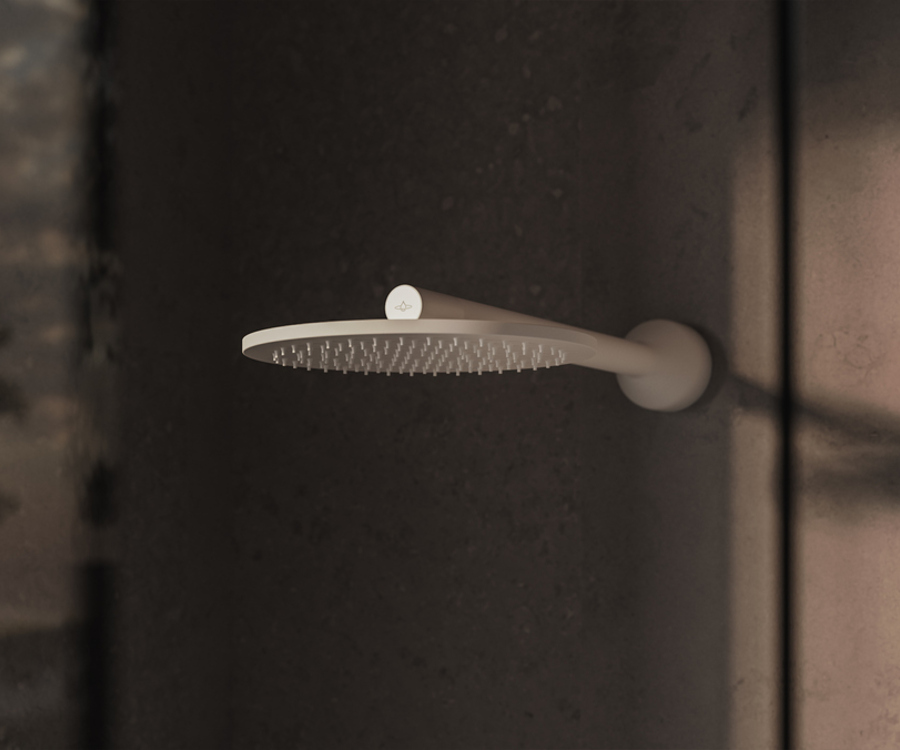
Today we meet Johannes Melin, technical sales expert at Orbital Systems, a company creating innovative products like showers, taps and more that reduce water and energy consumption.

Let’s find out how Orbital is leading today’s change for tomorrow’s water.

Untertitel
MAp meets Johannes Melin – technical sales expert at Orbital Systems.
Blog main image
How hotels can reduce their water and energy consumption with Orbital Systems MAp Boutique Consultancy
Paragraphs

Dear Johannes, thank you for your time! To begin with, please tell us a little bit about Orbital Systems and what your mission is.

Johannes: Orbital Systems is an innovation company whose mission is to make water appliances smarter and more efficient. Our products are made to save water and energy without compromising on the user experience.

Average consumption today exceeds 100 litres per person per day in the Western world. At Orbital, our goal is to reduce this number to 20 litres per day.

What inspired the founder of Orbital, Mehrdad Mahdjoubi, to launch the company? What major problems was he hoping to solve?

Johannes: As a student at Lund University, Mehrdad took part in an academic collaboration with NASA. Their mission was to uncover ways of sustaining life on Mars through innovative use of water. It was then that the revelation dawned on him; that groundbreaking ideas conceived for space could also revolutionise the way we manage water on our own Blue Planet. Fresh water is a finite resource, and its scarcity is a growing concern worldwide.

That's why our primary focus is on developing technologies that enable smarter use of water. Our advanced shower systems are engineered to drastically reduce water wastage without compromising on comfort or performance. By implementing Orbital showers in hotels, homes and businesses, we can significantly decrease water consumption on a global scale.

Can you tell us more about your products? What makes them so innovative and who are they made for?

Johannes: Orbital Systems specialises in water- and energy-saving products that combine sustainability, innovative technology and design. Our key products utilise circular technology to reduce water and energy consumption by 50 to 100%, all while providing users with a premium experience featuring high flow and constant temperature.

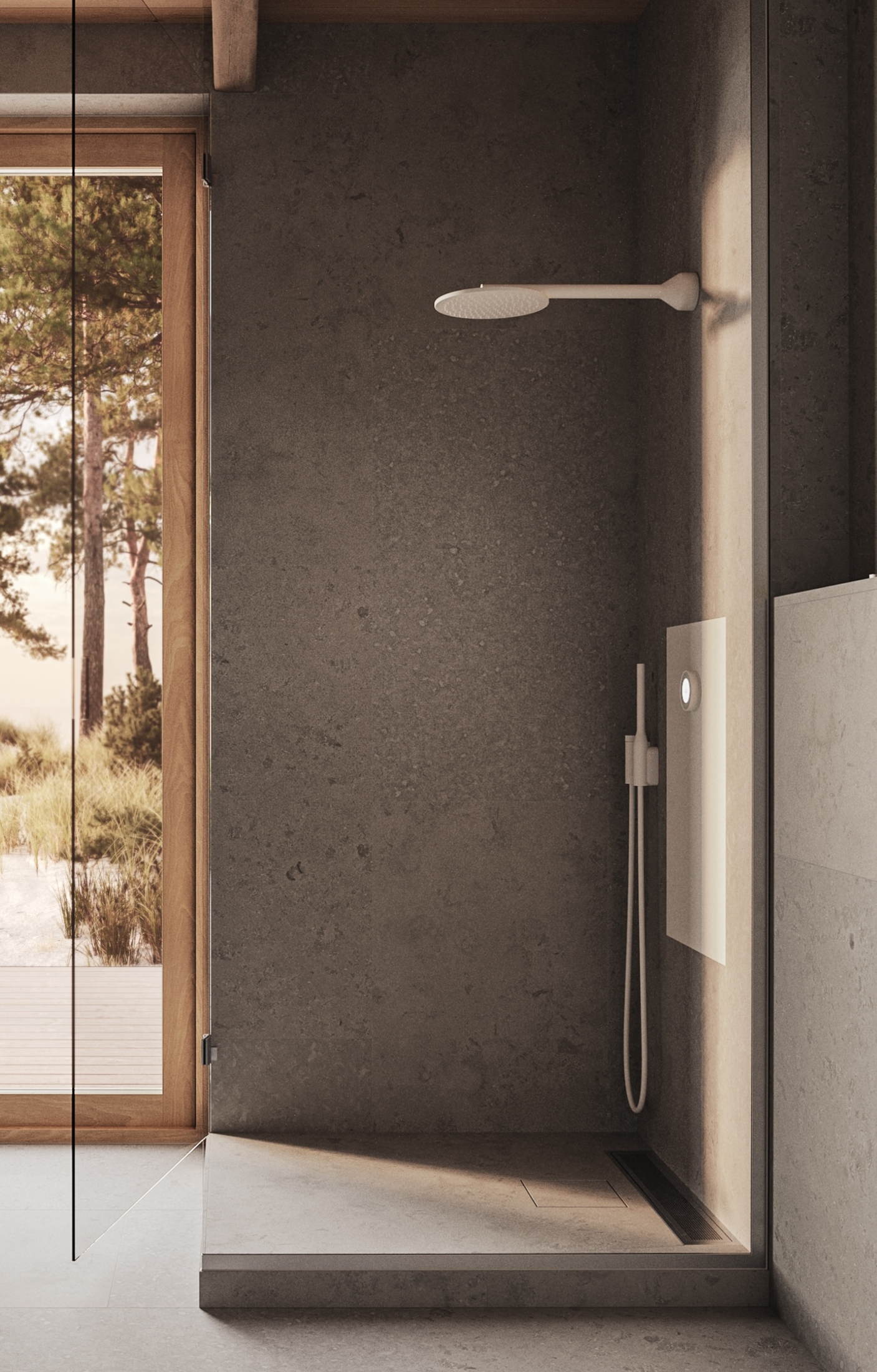
The Scandinavian design is evident in our minimalist, functional and aesthetically pleasing approach, ensuring that our products not only perform efficiently but also enhance the visual appeal of the space they are used in. These products are ideal for environmentally conscious consumers, hotels, spas, gyms and private homeowners who value both sustainability and design.

When you look back at the hotels you've worked with and how you've supported them on their path to more sustainability with your products: What has been your biggest learning so far?

Johannes: Many hotels are not aware of how much they pay for the water and energy used by their showers. When we get a chance to look at their numbers, they are often very surprised when they realise the magnitude of the savings they could achieve by installing our products.

We have also learned that hotel guests are not very willing to change their behaviour to save water and energy. When they pay for a hotel stay, they often use the shower much more than they do at home. This is especially true in 4- and 5-star hotels where water consumption can be very high. To better suit the organisation of the hotel business, where it is common to have a property owner company and an operator company, we have introduced a financial model where the cost can be split between these two entities.

The property owner pays an amount equivalent to the cost of a conventional high-end shower system, while the operator pays a monthly or annual fee for a Care Plan that includes consumables and a 10-year warranty. With this setup, the hotel's operational expenses per room immediately become lower than with a conventional shower.

Many hotels are not aware of how much they pay for the water and energy used by their showers.
When we get a chance to look at their numbers, they are often very surprised when they realise the magnitude of the savings they could achieve by installing our products.
@JohannesMelin via @weareMAp

Nowadays, people are talking more and more about saving water but aren’t necessarily being smarter about their water usage. What are your three most important water-saving recommendations?

Johannes:

1. Reduce your shower time (or implement an Orbital Shower ;-) ).

2. Turn off the tap while brushing your teeth, fill the dishwasher and keep cold drinking water in a jar in the fridge.

3. Install dual flush toilets or, even better, the Orbital Tap for up to 100% greywater reuse from the toilet sink to toilet flushing.

Do you have any recommendations for hoteliers on how they can start and/or advance their sustainability journeys?

Johannes: Hire an expert who can take a holistic approach to analyse your current state and identify areas for impactful improvements.

Key actions to become more sustainable always include:

1. Implementing energy-efficient solutions

2. Reducing water consumption

3. Minimising waste

4. Choosing organic and locally sourced food

As always, our final MAp meets question: What makes a hotel experience truly outstanding for you personally?

Johannes: Freshly baked bread for breakfast, a comfortable bed in a cool and silent room, and of course a long and refreshing shower without any unnecessary waste of water and energy.

Wie Hotels ihren Wasser-und Energieverbrauch mit Orbital Systems reduzieren können

About Orbital Systems:

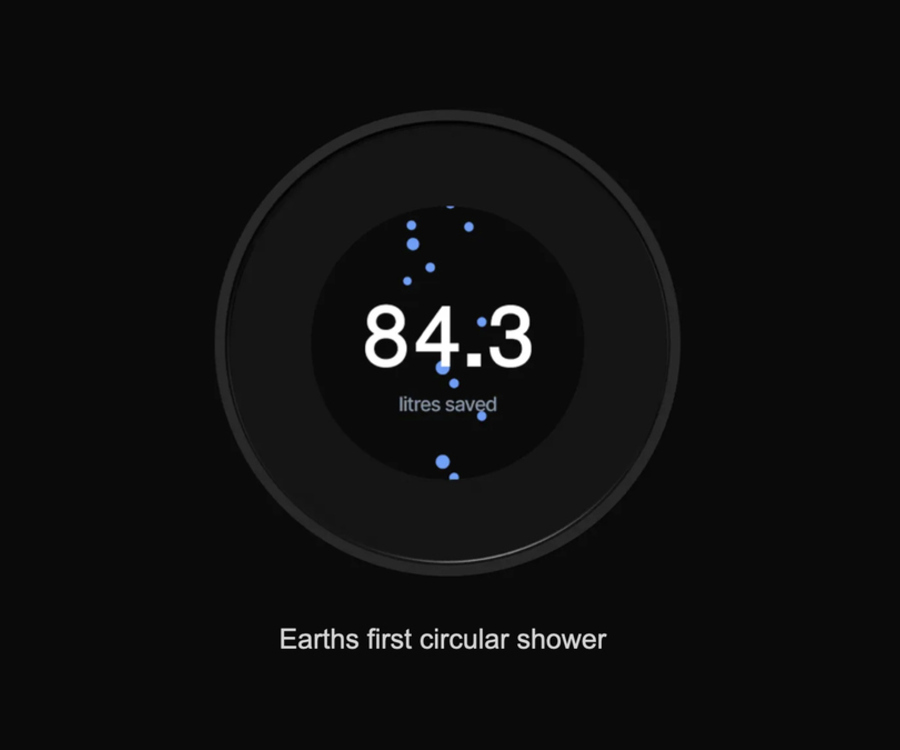
Orbital Systems is a Swedish company specializing in innovative water-saving solutions that combine sustainability with Scandinavian design principles. Their flagship products include the Orbital Shower, described as "Earth's first circular shower," and the recently introduced Orbital Tap, both of which utilize cutting-edge circular technology to significantly reduce water and energy consumption without compromising comfort or performance.

These products are designed for environmentally conscious consumers, hotels, spas, fitness centers, and private homeowners who value both sustainability and aesthetic appeal. Orbital Systems' commitment to water conservation is evident in their products' ability to purify and reuse water, potentially saving tens of thousands of liters per person annually.

The company's solutions have been installed in various locations across Europe, including high-end hotels and private residences, demonstrating their versatility and appeal to a wide range of users.

Blog Block Image
How hotels can reduce their water and energy consumption with Orbital Systems MAp Boutique Consultancy

Add new comment

Comment

Order

Plain text

  • No HTML tags allowed.
  • Lines and paragraphs break automatically.
  • Web page addresses and email addresses turn into links automatically.
Categories
Types
sharing is caring

Just like any other journey you embark on in life, your hotel’s sustainability journey should be a deeply personal one. Embracing sustainability as a hotelier is not just about putting up a "green" facade – it involves identifying your greater Purpose and committing to values that go beyond profit. Your sustainability journey should reflect your hotel's unique concept, the vision and mission that defines your brand and the aspirations you have for the world. It's not about following a cookie-cutter path; it's about forging your own, deeply personal trail.

In this blog post, you’ll learn how to start your hotel sustainability journey by:

  • Knowing the benefits of hotel sustainability
  • Checking your starting point
  • Defining your Purpose
  • Moving forward #stepbystep
Untertitel
A step-by-step guide to creating a sustainable hotel
Blog main image
Wie du deine Reise hin zu einem nachhaltigen Hotel-Business erfolgreich beginnst
Paragraphs

1. Know the benefits of hotel sustainability

Before you get started, you should know that sustainability is not just good for people and planet – it’s good for business too. Here we lay out the benefits of creating a sustainable hotel - talk about motivation!

1. Increased Attractiveness: According to Booking.com's Sustainable Travel Report (2021), 83% of global travelers consider sustainable travel important, with 61% expressing a desire to travel more sustainably.

2. Enhanced Guest Loyalty: Sustainable hotels communicate a message that is increasingly relevant in society. Conscious travelers prefer to support like-minded establishments and are more likely to return to such accommodations due to enhanced guest experience.

3. Greater Resilience: In turbulent times, sustainable hotels are better equipped to handle challenges and risks stemming from changes like supply chains, regulatory requirements, legal issues, disputes and reputation risks.

4. Increased Investment: Both the public and private sectors are increasingly investing in companies that deliver greater benefits to the world and practice sustainable economics.

5. Inspiration and Added Value: Sustainable hotels not only offer added value to their guests but also attract and retain top talents. They gain the best employees and partners, increase long-term business value, and have the capacity to support local communities.

6. Cost Savings: Energy-efficient technologies and reduced resource consumption can lead to substantial cost savings over time.

7. Positive Brand Image and Competitive Advantage: A commitment to sustainability can improve hotels’ reputations and can set themselves apart in a crowded marketplace, providing a unique selling point.

Sustainability is not about following a cookie-cutter path;
it's about forging your own, deeply personal trail.
@weareMAp

2. Check your Starting Point

You now know why it's worthwhile to embark on the journey of creating a sustainable hotel. But now you’re likely left with the question: HOW? And, most importantly, where do you begin?

Don’t fret! We’ve got a helpful, free tool to answer that question, as where you start depends on your hotel’s current status quo. Take 10 minutes to complete MAp’s Sustainability Assessment. Through targeted questions on topics like energy efficiency, social responsibility and resource management, you’ll not only receive a detailed analysis of your current sustainability standing, but also gain valuable insights for future actions.

Your commitment to sustainable change begins here: Take the free assessment NOW.

Why you should take the Sustainability Assessment:

  • Understand the current level of sustainability in your hotel and discover the starting point for further development. • Delve deeper into the holistic aspects of hotel sustainability.
  • Generate initial ideas and insights into how your hotel can be made more sustainable and successful.
  • Find out which The Sustainable Hotel handbooks and resources can be most helpful.
  • Receive tailored recommendations for the next steps in sustainable hotel development.

3. Define your Purpose

Now that the starting point for your sustainability journey is clear, it’s time to define your Purpose. At MAp, we tackle hotel sustainability through the lens of the 4 Ps of Sustainability - Purpose, People, Planet, Profit - and the first P we always start with is Purpose.

By discovering your Purpose, you can focus your sustainability journey on what matters most for your hotel: your sustainability priority – whether that’s People, Planet or Profit. Your Purpose informs what path you take, keeps your eyes on the road and inspires you – and your team – to move forward with passion and persistence. For example, if your hotel’s Purpose is “To bring people back to nature,” your sustainability priority might be environmental sustainability, Planet.

To help you get to the heart of your Purpose, ask these questions: WHY do you do what you do? WHY are you embarking on this journey? WHAT change do you wish to make in this world?

We’ve got a whole handbook dedicated to Purpose to guide you in identifying yours, integrating it into your operations and sharing it with the world – check it out HERE.

4. Moving forward #stepbystep

Your Purpose serves as your guiding star, identifying your sustainability priority, be it social (People), environmental (Planet) or economic sustainability (Profit). As a next step, it’s time to tackle that P. But great news! We’ve got handbooks dedicated to each P, which provide deep insights into each area and what action steps you need to take in order to achieve sustainability in that area. Once you've successfully addressed your first priority P, it’s important to not forget the other areas of sustainability and address them #stepbystep too. After all, to create a truly sustainable hotel, your hotel has to be holistically sustainable – or else it falls short. Like we said at the beginning, sustainability is a journey! What’s most important is that you take the first step. With this, we hope it’s clear what step that is.

The Sustainable Hotel Roadmap

Use this interactive RoadMAp to guide your journey to implementing sustainable hotel practices.

In this free interactive RoadMAp, we guide you through the 4 steps that you should take in order to start your journey to implementing sustainable hotel practices.

Blog Block Image
How to Start your Hotel Sustainability Journey

Add new comment

Comment

Order

Plain text

  • No HTML tags allowed.
  • Lines and paragraphs break automatically.
  • Web page addresses and email addresses turn into links automatically.
Types
sharing is caring

When we created The Sustainable Hotel, we realised that one of the major pain points for independent hotels in striving to be more sustainable is finding reliable partners and suppliers. Therefore, today we are happy to sit down with Jonas Fegers from German-based Royfort, which provides bedding and terry products for perfect sleep and wellness.

What makes us most excited about this MAp meets is Royfort’s commitment to sustainability. So, without further delay, let’s learn more from Jonas about Royfort’s sustainability approach and how independent and boutique hotels can benefit from it.

Untertitel
MAp meets Jonas Fegers – Head of Partnerships at Royfort
Blog main image
MAp Boutique Consultancy_Blog_Royfort
Paragraphs

Dear Jonas, thank you for your time! First, can you tell us more about Royfort and what “perfect sleep and wellness” means to you?

Thanks for having me! Perfect sleep and wellness for me means, to feel welcome, a feeling of being refreshed and energised, ready to tackle the day ahead. The well-being and sleeping experience in hotels are one of the main reasons behind how hotel guests rate their stay. And with Royfort, we are truly committed to providing an exclusive well-being since our products are sustainably produced and you can feel the superior quality.

When was the decision made that Royfort act in a sustainable way? And what was the main driver behind it?

Sustainability was actually the core reason why Royfort was founded in 2017. Next to sustainable fabrics, our two founders, Gregor Gmür (Switzerland) and Valentin Brandstetter (Austria) also focus on environmentally-friendly supply chain processes. By the way Royfort, as a company, is GOTS certified. This means our whole production processes are checked on social and ecological criteria.

As you look back at the hotels you’ve worked with and how you’ve supported them on their journeys to becoming more sustainable: What has been your biggest learning so far?

Hotels really have the chance to differentiate themselves from competitors by creating experiences for their guests. Imagine the feeling of a fluffy bathrobe after your spa experience. You want to wear a fabric where you can feel the quality and you know it was made from a sustainable company! Hotel guests are more and more conscious about this topic and want to know what they eat or where they sleep. If hotels are using sustainably produced products, they can proudly communicate this online and offline.

The well-being and sleeping experience in hotels are one of the main reasons behind
how hotel guests rate their stay.
@JonasFegers via @weareMAp

For every hotel, it is important that their guests have a good night’s rest. What are your top three recommendations for hoteliers to make sure that their guests get a “perfect sleep” - and do so in a sustainable way?

A quiet sleep environment is essential, the hotel room should be rather dark, and the temperature should be chilly. In combination with superior bedding (mattress, duvets/ pillows, bed linen), hotel guests will have a great sleep! Additionally, I would avoid any kind of chemicals and only use natural fabrics.

At MAp we are specialised in supporting independent hoteliers in becoming more innovative and sustainable, also through crafting unique hotel concepts and brands. What are your thoughts and observations on sustainability in the hospitality industry? What do you believe the future holds for the industry?

The hospitality industry is increasingly recognising the importance of sustainability and taking measures to reduce its environmental impact. This is strongly driven by hotel guests! As travellers become more environmentally conscious, sustainability will continue to be a significant factor in guests' decision-making and rating the hotel after their stay.

I predict it will even become a hygiene factor. Do you have any recommendations for independent and boutique hoteliers on how they can start and / or advance their sustainability journey?

I am certain hoteliers know their business better than anyone else. I don’t think it’s a lack of ideas or recommendations but instead priority setting. The transition towards a sustainable hotel future is happening. We at Royfort want to support hotels on their journey, not only by creating sustainable products but by creating fantastic guest-well-being experiences!

What’s your biggest wish for the future? On a professional level, I’d love to support as many hotels as possible on their way to building meaningful relationships with guests through sustainability and experiences!

As always, our final MAp meets question: what makes a hotel experience a truly outstanding one for you personally? For me, it all boils down to passion and about being a great host! The hotel needs to really care about me and my well-being! Exceptional service, attention to detail, excellent facilities and a unique guest experience will follow seamlessly.

About Royfort:

Royfort is a renowned brand for premium bedding and terry products, serving over 30,000 customers and hotels in the DACH region. With a strong commitment to sustainability, the entire company holds a GOTS certification, ensuring eco-friendly practices throughout its operations. Focusing on craftsmanship and offering timeless, stylish product ranges, Royfort has established hotel partnerships and creates unique "Wow" experiences to drive hotel guest satisfaction.

About Jonas:

Jonas Fegers, who is driving hotel partnerships at Royfort, where he spearheads collaborations with exceptional hotels and resorts. Passionate about sports and well-being, Jonas brings a unique perspective to the industry, fuelled by his love for hospitality and hosting others. Known for his ability to connect with people, he thrives on supporting hotels in creating memorable guest experiences. Based in Berlin, he regularly travels to partner hotels in Austria, Switzerland and Germany.

Blog Block Image
MAp Boutique Consultancy_Blog_Royfort

Add new comment

Comment

Order

Plain text

  • No HTML tags allowed.
  • Lines and paragraphs break automatically.
  • Web page addresses and email addresses turn into links automatically.
Categories
Types
sharing is caring

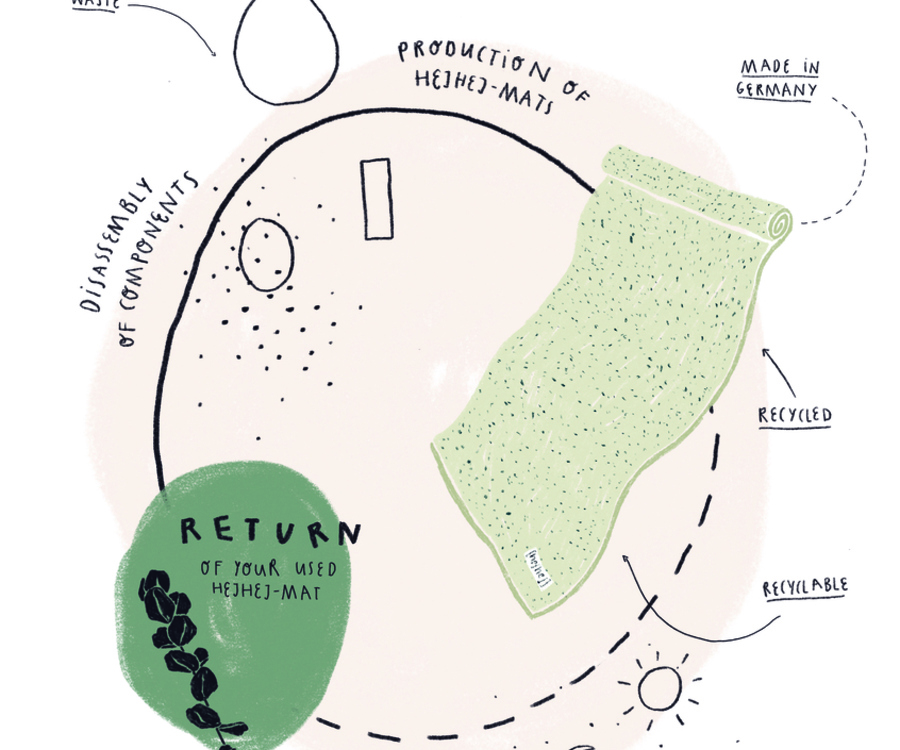
Today we are very happy to talk to Kenia from hejhej. hejhej was born when the two founders Anna and Sophie visited a museum in Sweden. Both are passionate about yoga themselves and became aware of the ecological consequences of their yoga mat while touring the exhibition of the Turkish artist, Pinar Yoldas. They decided to solve the problem and developed the first closed-loop yoga mat: made of recycled materials and 100% recyclable.

Untertitel
MAp meets Kenia Bohmeyer – hejhej
Blog main image
MAp Boutique Consultancy_Partner_hejhej
Paragraphs

Dear Kenia, thank you for your time and this joint MAp meets. At the beginning of our conversation, could you give us an insight into what hejhej has to offer today - after all, closed-loop yoga mats aren’t anymore the only hejhej products.

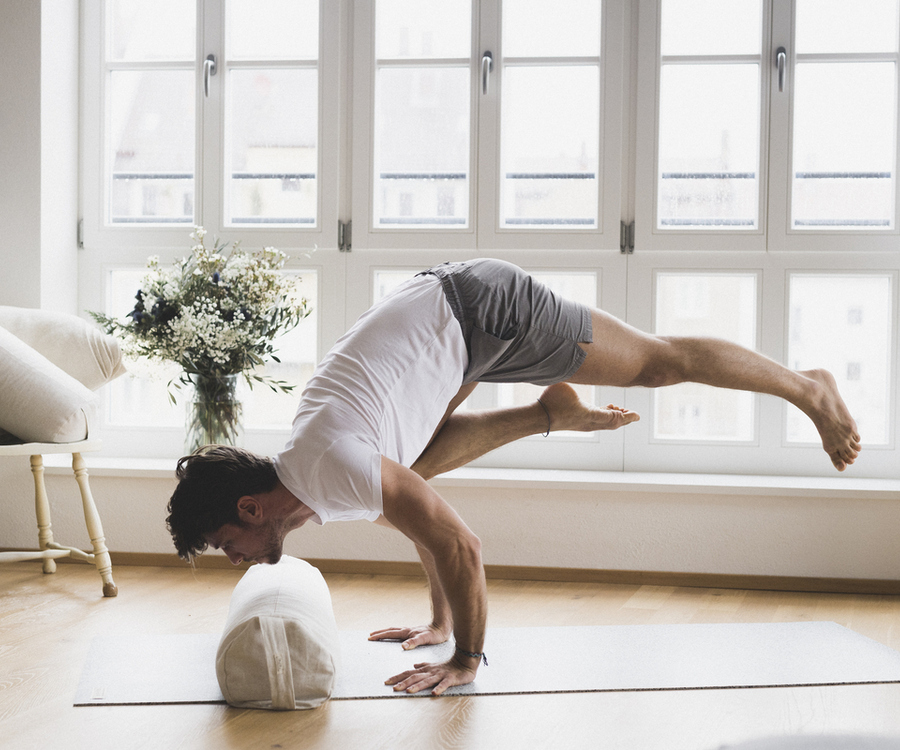
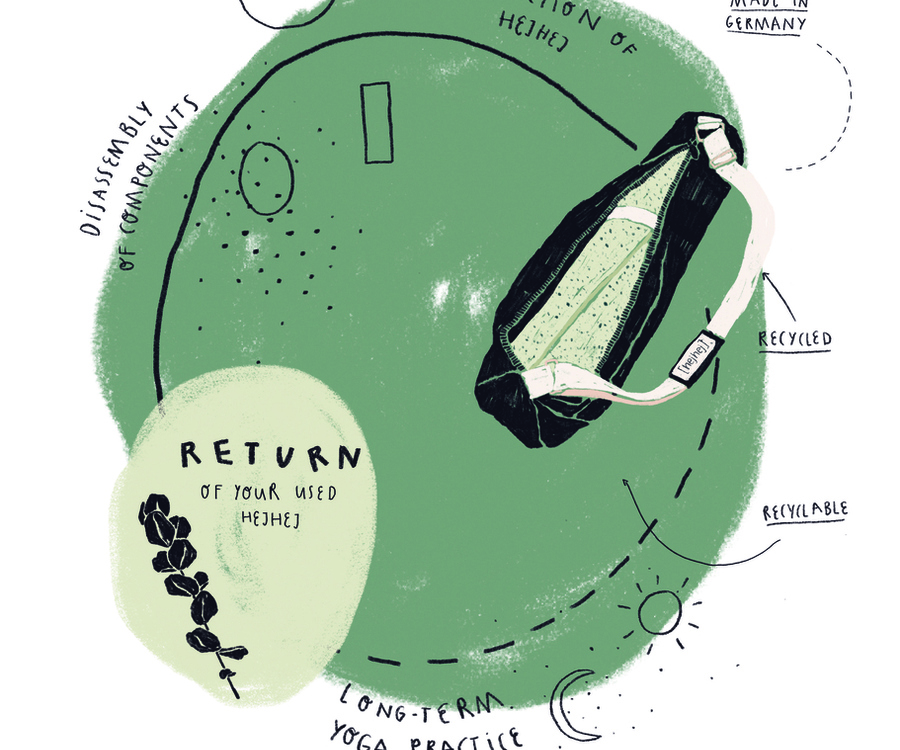
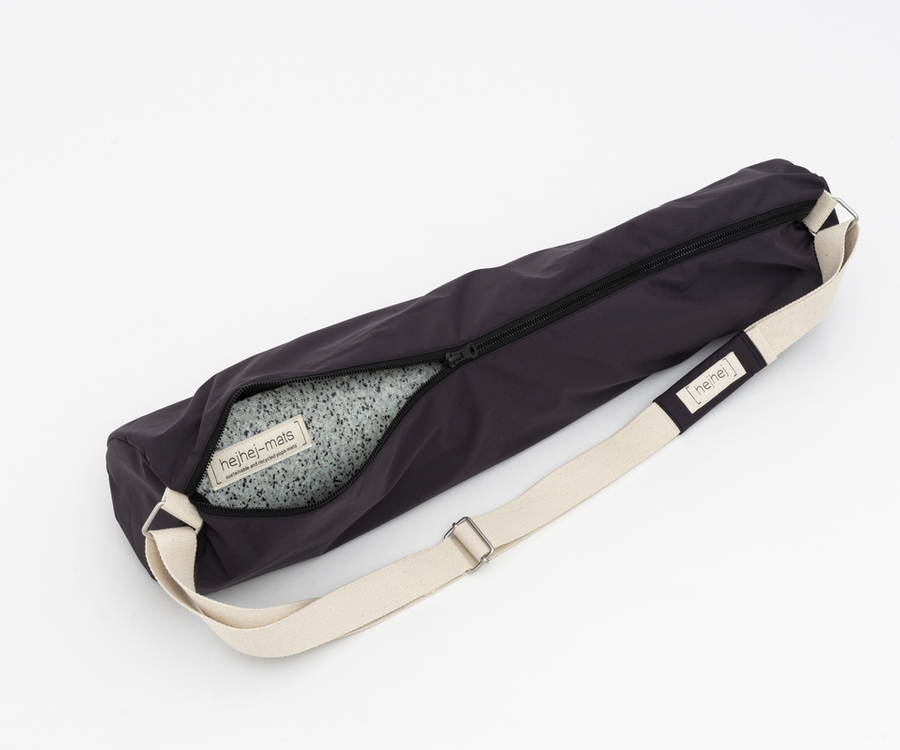
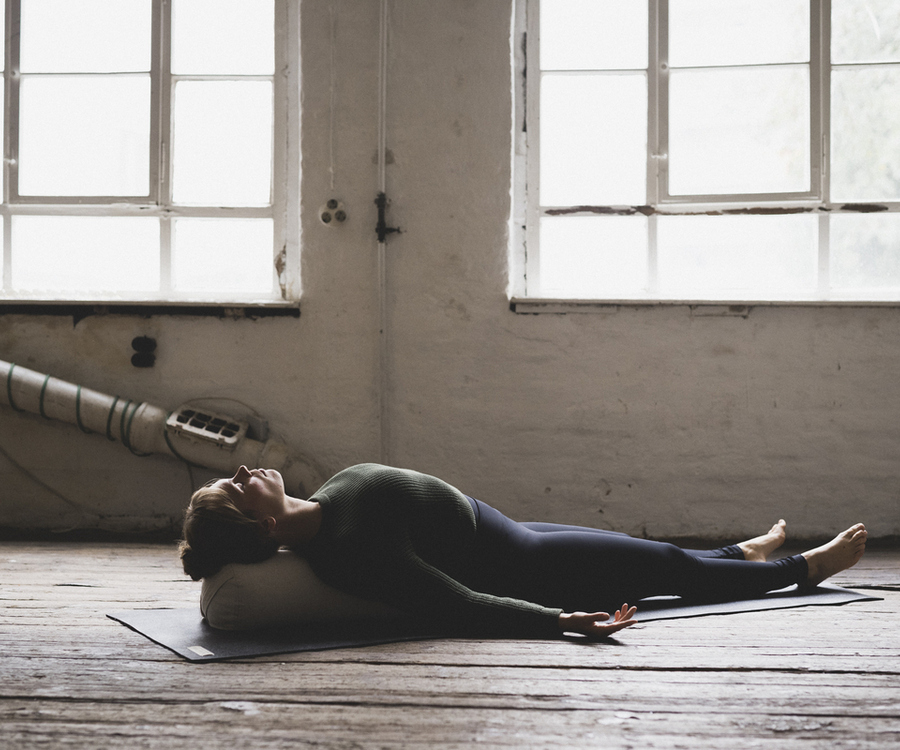
Thank you very much for inviting us to take part in this interview. As you say, the first closed-loop hejhej-mat is not our only product. Quite quickly we designed a yoga mat bag, the hejhej-bag. Then we gradually added other yoga equipment such as a yoga belt, yoga bolster, yoga block, meditation cushion, eye pillow and spray. All these products are completely developed in the spirit of the circular economy. Our take-back system also applies to all products. Our goal is to provide a way for you to make your yoga practice as sustainable as possible. A short documentary of our hejhej-bolsters shows very nicely how consciously we design our product development.

Health and well-being is an important part of your sustainability philosophy. You pass this on to your partner hotels with whom you successfully cooperate. What are the most important elements of this philosophy that hotels can implement in the area of health promotion?

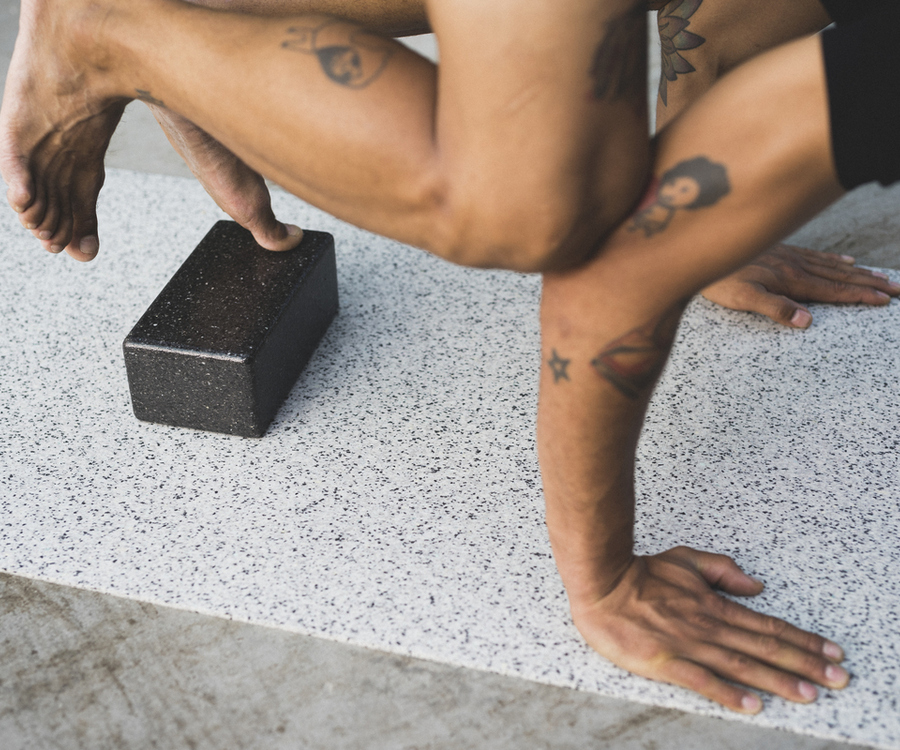
We really appreciate the great cooperation with our partner hotels. In the meantime, we have a super nice and diverse selection, whereby we work out and establish an individual cooperation with each hotel. Health promotion does not have to be complicated. A movement or yoga programme in the hotel is already an easy-to-implement method for a hotel to do something for preventive health promotion. The good thing is that you don't need much for yoga. The most important thing is a good yoga mat and of course other tools are practical. It is also important to mention that a nice yoga set-up in the hotel motivates the guests to move. So by offering yoga equipment in the rooms or for rent in your hotel, you motivate people to do more for their health and well-being.

Small things
matter
@KeniaBohmeyer @weareMap

Yoga has become a central theme and offer for many hotels. What tips can you give hoteliers to create a yoga offer for guests that stands out from the competition, offers added value for guests and is sustainable?

We also notice how widespread yoga has become in hotel concepts and love it. Especially on holiday, it's a nice way to use free time to try yoga or deepen your own practice. High-quality yoga equipment is a unique selling point for a hotel. To offer yoga, it's great to have a yoga room and your own yoga teacher - but you don't necessarily need one. For example, we have a cooperation with a partner hotel that has bought many yoga mats for their flats from hejhej. Each yoga mat has a co-branded label with both brand names woven into it in a high-quality way. Next to the hejhej-mats, QR codes are displayed in the flats that link to a video playlist from us. In cooperation with the hotel, we have recorded yoga videos on their premises. Guests can practice yoga on the high-quality yoga mats directly in their room, whether beginner or advanced, there is something for everyone. Our yoga videos on Youtube range from Vinyasa, Yin, Pranayama, Katonah Yoga to accessible yoga and yoga for the blind. Our goal here is to make the yoga world more inclusive. Your hotel can easily share this offer and provide it to guests.
As always, our final MAp meets question: what makes a hotel experience a truly outstanding one for you personally?

At hejhej we have a statement that has always accompanied our product development: small things matter. By this we mean that even the smallest detail matters. For example, we also think about the zip and sewing thread in our products and find the most sustainable solution on the market for everything.

It's similar for me with hotel experiences. I often notice exactly those little things. That's when I notice whether the hotel is really interested in sustainability or just wants to improve its image. Whether the interior, the care products or the food have really been thought about and whether there is a conscious focus on regionality and longevity. That's exactly what makes a lasting impression on me in a hotel experience.
About hejhej:

hejhej is the first closed-loop yoga brand on the market. It is based in Nuremberg, Germany. With the hejhej-mat, it has taken a decisive step towards making the yoga world more sustainable and circular. Find out more at www.hejhej-mats.com or on Instagram at @hejhej_mats.

About Kenia

Kenia Bohmeyer has been working for hejhej since 2020. Her responsibilities include communication with hotels. If you are interested in collaborating with hejhej, you can message her directly at kenia [at] hejhej-mats.com (kenia[at]hejhej-mats[dot]com). She is looking forward to hearing from you!

MAp Boutique Consultancy_Partner_hejhej
Blog Block Image
MAp Boutique Consultancy_Partner_hejhej

Add new comment

Comment

Order

Plain text

  • No HTML tags allowed.
  • Lines and paragraphs break automatically.
  • Web page addresses and email addresses turn into links automatically.
Categories
Types
sharing is caring

Today we are happy to sit down with Franziska Diallo, co-founder of Good Travel, a platform that presents hand-picked accommodations for sustainable and conscious travellers. We at MAp Boutique Consultancy have partnered with Good Travel to provide its Good hotels and properties with resources and tools from The Sustainable Hotel to help them increase their impact.

We discuss with Franziska her view on sustainability, what she has learned on her own sustainability journey, as well as what her sustainability recommendations for the hospitality industry - and specifically for independent and boutique hoteliers - are.

Untertitel
MAp meets Franziska Diallo – co-founder of Good Travel
Blog main image
MAp Boutique Consultancy MAp meets Franziska Diallo
Paragraphs

Dear Franziska, thank you for your time! First of all, can you tell us more about you and what inspired you to found Good Travel?

Franziska: First of all, of course, being a passionate traveller myself. I love travelling, discovering new places and getting inspiration from these. And as it happens, normally you spend a lot of time looking for the right accommodation – often without the desired result. And when you’ve actually found a really great accommodation, you wonder why there are not more of them, or where you can find them. Especially in German-speaking countries, we have seen a big gap in this area. So this led us, my partner Judith and me, to the decision to start Good Travel…

How did your own sustainability journey start? And what has been your biggest learning so far?

Franziska: I think it started with having my kids or maybe even before that. We live in Berlin so there was already a community that was engaged in sustainability way before it became mainstream. And of course, becoming a mother myself, even enhanced my desire to live more sustainably - in every aspect. And I’d say my biggest learning so far has been that it is always the person that makes the difference. Every one of us can have an impact - far bigger than the actual “doing”, but by being a role model and inspiring others.


For me, authenticity is the key. A hotelier should always start with measures
that are heartfelt concerns.
@FranziskaDiallo via @weareMAp.

You know, Franziska, that we truly love your approach: “Good places for Good people.” Can you tell us more about what makes a place a good one for you?

Franziska: This ties into my previous answer: I truly believe that people make the difference. And "Good Places for Good People" includes the idea that both our hosts and Good Travellers share a value system and appreciate each other’s commitment.

At MAp we are specialised in supporting independent hoteliers to become more innovative and sustainable, also through crafting unique hotel concepts and brands. What are your thoughts and observations on sustainability in the hospitality industry? What do you believe the future holds for the industry?

Franziska: I think that sustainability will become the new standard in the hospitality industry. Alone the costs will be reason enough for many to think about green energy and similar. With this, the greenwashing practices will become more common as well. And this will be a challenge for us travellers: how to differentiate between good marketing and real commitment? In a lot of cases, this will be only visible when being a guest.

Do you have any recommendations for independent or boutique hoteliers on how they can start and / or advance their sustainability journeys?

Franziska: For me, authenticity is the key. So a hotelier should always start with measures that are heartfelt concerns. For example, starting to grow their own vegetables, including locals in activities for hotel guests, reducing costs by getting solar panels for the pool heating, etc.  

What’s your biggest wish for the future?

Franziska: That travelling does not become a privilege for rich people only. Travelling, seeing other countries, getting to know other cultures, is always horizon-expanding. I really hope that our kids won't have to travel virtually only.

As always, our final MAp meets question: what makes a hotel experience a truly outstanding one for you personally?

Franziska: Sleeping well, eating well, a peaceful view and a host that makes me feel welcome :-)

Coming soon

BOOK: Good Places for Good People

Together with CONBOOK Verlag, Good Travel is publishing its first book, which is now available for order and will be available in stores from May #onwards. With over 200 pages, the book spotlights 50 handpicked travel destinations and sustainable accommodations in Europe that provide a special holiday feeling and do good too.

About Good Travel

Good Travel was founded in January 2016 by Franziska Diallo and Judith Hehl in Berlin to address the growing demand for environmentally- and socially-responsible vacations and to fill this gap in the market with a hand-picked selection of sustainable accommodation.

Good Travel's unique selling proposition is that sustainability does not have to mean doing without and that style and enjoyment should not be neglected. With Good Travel, they want to raise awareness for sustainable tourism. They want to make sustainable destinations more attractive. The more people develop an awareness of sustainable practices in vacation accommodations and then demand them, the more willing the industry will be to implement sustainable practices.

From old farms to cottages and design hotels to tiny houses, tree houses and yurts, Good Travel presents a colourful selection of sustainable vacation destinations in a variety of price segments. The journey already begins with the search - through pictures and descriptions that invite you to dream and plan. They see themselves as impulse givers: They inform and inspire both on the offer and demand side. They want to show the hosts that a sustainable positioning in the tourism industry brings a decisive competitive advantage. For them, sustainable travel is the new, contemporary travel.

On their blog, which they completely redesigned this summer, they also write about general sustainability topics in addition to sustainable travel. Because for them, sustainability is a matter that affects all areas of life. They want to inspire you to make your everyday life more sustainable.

About Franziska:

Franziska Diallo is the founder and commercial head of Good Travel. After five years at eBay, she worked as a freelance consultant for various Berlin start-ups until 2015. Surrounded by many inspiring ideas and concepts, Franziska also began to question the meaning of her own activity.

As a passionate traveller, a vacation in Morocco then provided inspiration for the founding of Good Travel. There, the family stayed in a small family-run boutique hotel that prepared meals exclusively with ingredients from its own small fruit and vegetable plantation and supported various social projects in the village. Where can you find more of these special places? Diallo asked herself, thinking that these sustainable and inspiring places should have their own portal.

MAp Boutique Consultancy MAp meets Franziska Diallo
Blog Block Image
MAp Boutique Consultancy MAp meets Franziska Diallo

Add new comment

Comment

Order

Plain text

  • No HTML tags allowed.
  • Lines and paragraphs break automatically.
  • Web page addresses and email addresses turn into links automatically.
Types
sharing is caring

Finally! It’s been a few years since our last MAp meets with our partner, Karsten Schmidt-Hoensdorf, owner of the Zurich design studio IDA14. For everyone interested: HERE you can discover and read our last conversation.

For more than 25 years, Karsten and his team have been developing “extraordinary design for extraordinary rooms.” Their focus is on hospitality, residential and corporate projects in the fields of architecture, interior architecture and design.

Karsten recently informed us he’s incorporating more and more sustainable design into his work - so it was high time to meet for a new interview.

Untertitel
MAp meets Karsten Schmidt-Hoensdorf, owner of the Zurich design studio IDA14
Blog main image
MAp meets Karsten Schmidt-Hoensdorf, owner of the Zurich design studio IDA14
Paragraphs

Dear Karsten, we are very happy that we finally managed to sit down together. Since it’s likely not all readers were present at our last conversation, could you please give us a brief insight into your work and IDA14?

I am very pleased to receive the invitation to an interview from you, Magdalena, and MAp! For me it is an inspiration and an invitation to reflect on my work with you! In a nutshell, I work with my team of mostly around 10 young interior designers and architects on mainly hotel projects. We see ourselves as a boutique style design and architecture studio: the team size is deliberately kept manageable, our clients are mostly smaller - individual hotels or small hotel chains in Switzerland.

This has to do with the small-scale hotel structure in Switzerland on the one hand, but also with our preference for individuality on the other. The mutual appreciation is often more noticeable here than in international hotel groups. I see my work in this context as a contribution to a high-quality hotel culture, as it has historically emerged in Switzerland.

Here I am addressing a point that is important to me: as we all know, culture does not only take place in the opera. Culture is diverse, a high-quality craft; the maintenance of traditional knowledge and the respectful handling of it are an important part of my motivation to always tackle new projects without lapsing into repetitive thinking and acting.

Personally, I have been working in this profession for almost 30 years. As described in my first interview with you, I was interested in art, history, literature and politics from an early age. This interest in the world and my study of history and politics before studying architecture are probably the driving force and also the basis for my work as a specialist author. I write in the relevant media on topics related to the hotel industry. I am concerned with the social context of the industry. Here you can read developments and observe trends that go far beyond the usual understanding of design and architecture.

I have worked as a consultant for hotel chains like Swissôtel around the world. I also support various hotels with my knowledge of the correct interior design conception and proportioning. But also banks like Credit Suisse for larger projects.

One topic that we have talked about a lot recently is sustainability. How do you integrate this into your work? Was there a moment or maybe a place for you that put you on this path?

When I'm looking for a place or time where and when my interest in sustainability began, it seems to me to be a natural development, a kind of evolutionary design process.

I remember that many years ago, design, visually tangible aesthetics, was dominant and central. In Switzerland, there was traditionally an additional attitude that valued aspects such as material authenticity and high-quality craftsmanship.

As Director Interior Design, I spent several years for a Swiss 5 * hotel brand on all continents, briefing and coaching the design and architecture teams on many renovation and new construction projects. I clearly realized how much we differ in continental Europe and especially in Switzerland from the mostly Anglo-Saxon design firms that implement large hotel projects around the world. Fascinating and for me an absolute exception in this context was my collaboration with a Japanese interior designer. During a renovation project in Japan, I saw how close we got to each other in our views on architecture and design. That's why I'm really looking forward to my upcoming trip to Japan, for which I have made craft, architecture and design - in addition to nature - the central themes of my travel planning. And of course the anticipation is great: the trip has been "on hold" for a year and a half and I hope it happens in the next year.

We keep our fingers crossed that your trip to Japan will finally work out. If we stay in the future: which principles and trends do you think will become more and more important in design?

The principles are complex and will continue to develop. There are various labels and certificates for sustainability, also in the hotel industry. Magdalena, you showed me the sophisticated label B Corp, on which you focus with your company: I am now dealing with it, I respect the effort and will pursue it.

As far as our daily work in planning interior design is concerned, various basic principles of sustainability meet my quality standards. For example, when selecting products and materials, researching how sensible and justifiable the use is in terms of energy use and ethical principles in production and transport. I also value material authenticity, which also connects to recyclability. The extraction and, above all, the processing of raw materials should also take place regionally if possible. For example when using wood and stone.

Handicrafts are right at the top of my list of preferences: As far as I am concerned, I am talking about a high-quality culture that will hopefully gain in importance again and find a place in economic thinking. I love good handicrafts and often take the opportunity to visit handicraft businesses. For me, this also includes glass manufacturers such as Barovier & Toso on Murano, with a continuous company history since the 15th century. Or lighting companies like Louis Poulsen in Copenhagen, who not only produce everything themselves in Denmark, but also invite their employees to daily work breaks with music and gymnastics.

I see these European companies as regional; for me regionality is not a question of national borders, but of possibilities. Therefore, there will probably also be products in the future that come from far away, from Asia, Africa, South and North America.

As already mentioned, research is important here: How and under what conditions was production carried out? To what extent have ethical standards been adhered to in a credible manner, e.g. in terms of working conditions and human dignity, animal welfare and environmental pollution.

As far as future trends in terms of sustainability are concerned, I hope for positive social developments: It cannot be that everyone has to acquire a doctorate to understand sustainability. For me, sustainability and our major crises speak to simple feelings: those who are with themselves also have easy access to an understanding of sustainability. “We are one world” is a question of awareness, not education.

My interest in sustainability
seems to me to be a natural development, a kind of evolutionary design process.
Karsten Schmidt-Hoensdorf, IDA14
via @weareMApeople


What do you say to those people who believe that it is simply impossible to be both design-oriented and sustainable? How do you create beautiful places and spaces that are sustainable for mankind and our earth in the long-term?

We have gone through many changes in good taste in human history. The 25,000-year-old stone sculpture of Venus von Willendorf is the first known sculptural representation of a human ideal: a very fat woman. It represented an ideal of beauty, because in times of hunger and cold it was a dream to be well fed. From today's point of view, being overweight would be seen as a problematic undesirable development ... Ideals of beauty can therefore survive if they are no longer appropriate, if they contradict knowledge. I believe in a collective, universal sense of aesthetics. Just as all people understand laughing and crying, regardless of their culture, there are also similarities in the perception of beautiful and ugly, of friendly and hostile.

Many of our readers work in the hotel industry: What are the 5 most important things hotels should do to make their interiors more sustainable?

Anyone planning to hire an interior designer must take the time to clarify, in conversation and on the basis of reference projects, whether and how sustainability is part of the design process of the relevant design office. If you want to take action yourself, you should consult with good regional craft businesses and choose the right partners. There are very good and sustainable furniture manufacturers in Switzerland and in neighbouring countries. Companies such as De Sede, Horgen Glarus, Embru, Alias, Girsberger and others promise longevity; But not only that: after many years of use, they also restore this furniture. A hotel may pay a higher price than with no-name products from somewhere, but these last for decades. The lifespan of a piece of furniture is an important criterion for sustainability. As a rule, this furniture is carefully designed and exudes a high level of quality, which guests are happy to take note of.

This also and especially applies to leather furniture: high-quality companies communicate exactly where the cowhide comes from and how and with which chemicals it was tanned. For me it is like eating: If a frozen pizza with a meat topping does not cost CHF 3.50, it is clear to everyone that there cannot be any respectful animal husbandry or appreciation ...

I am critical of the current inflationary hype around plastic recycling: I ask manufacturers exactly about their processes of extraction of plastic and how and where the processing and transport take place. We have a plastic litter problem in the world. But does processing into more or less short-lived products make sense? Does that solve a problem or does it create a new one?

What other sustainable measures are there? Before renovating hotels and restaurants, I check whether all furniture really needs to be disposed of. We are working on a project in Ticino, where a technically sophisticated secretary looked old-fashioned in the rooms. But lacquered in matte black, supplemented with modern, silver-coloured fittings and a cool table lamp, it now looks like a newborn - a lifestyle element that is beginning its second life.

The triad of downcycling, recycling and upcycling should be part of the research into possibilities. Good designers should find solutions that are convincingly sustainable and meet high design standards.

What are your hopes for the hospitality industry in terms of sustainability?

The hotel and catering industry are facing major challenges and have to question their traditional and previously well-functioning business models. Much of sustainability is familiar to them through the F&B area: regionality and good products as a prerequisite for success, clear communication and declaration of products and services.

The contemporary and respectful treatment of employees is moving more into the foreground, new working time models are required.

I hope that these challenges will lead to a rethinking with positive effects for the future: higher motivation of employees through cooperative management; Trust of guests and employees in the company, achieved through honest communication; and the avoidance of “green washing”, as one honestly strives for sustainability and makes this visible.

Karsten, you already know our final MAp meets question. Because even after all these years this revolves around our core service - the development of sustainable hotel concepts and hotel brands. What makes a hotel stay unique for you personally?

Like my partner, I am a passionate restaurant and hotel connoisseur.

We study various offers online and choose carefully. If the hotel and the restaurant are then an experience, give me a unique, non-exchangeable memory, then I'll come back home happy! This happiness requires employees who make me feel a real “welcome”. Rooms that surprise, with details and as an overall impression. Rooms that exude a warm and friendly atmosphere and at the same time have a contemporary, modern design, maybe sometimes even taken to the limit in an unforgettable way ... Hotels and restaurants whose food is tempting in the morning, at noon and in the evening.

Places that trigger longing when I later remember them.

About Karsten Schmidt-Hoensdorf:

After studying history and political science in Toulouse and Munich, he turned to architecture and completed a degree in interior design. For years, Karsten was a consultant for hotel developments and renovations for Swissôtel Hotels & Resorts worldwide in the position of Director Interior Design and now lectures on topics such as: managing processes in design development and quality criteria in design.

MAp boutique consultancy meets Karsten Schmidt-Hoensdorf, IDA14

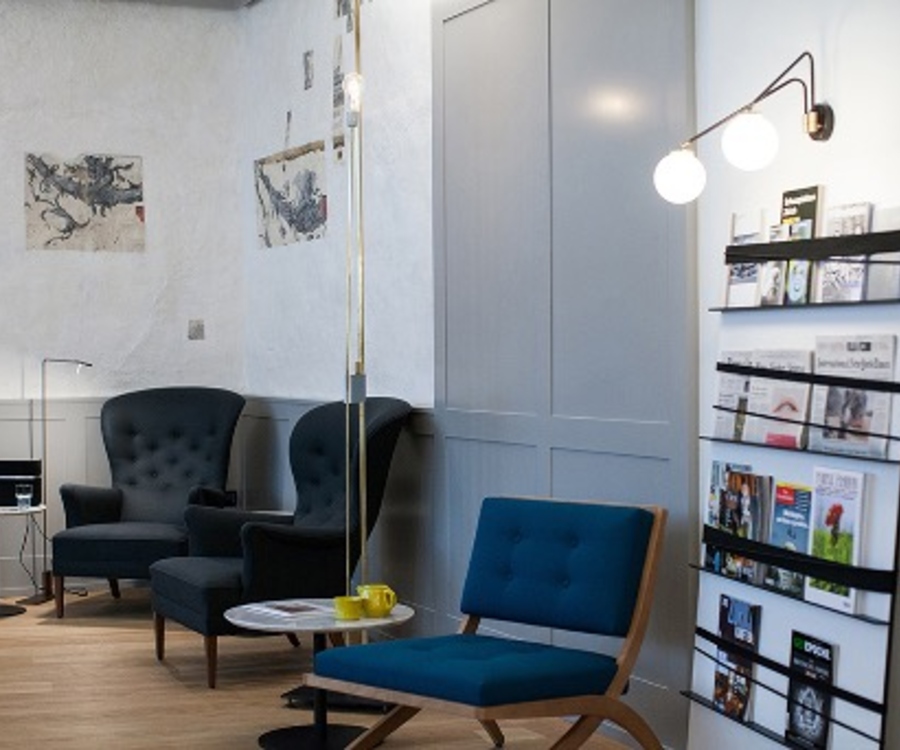
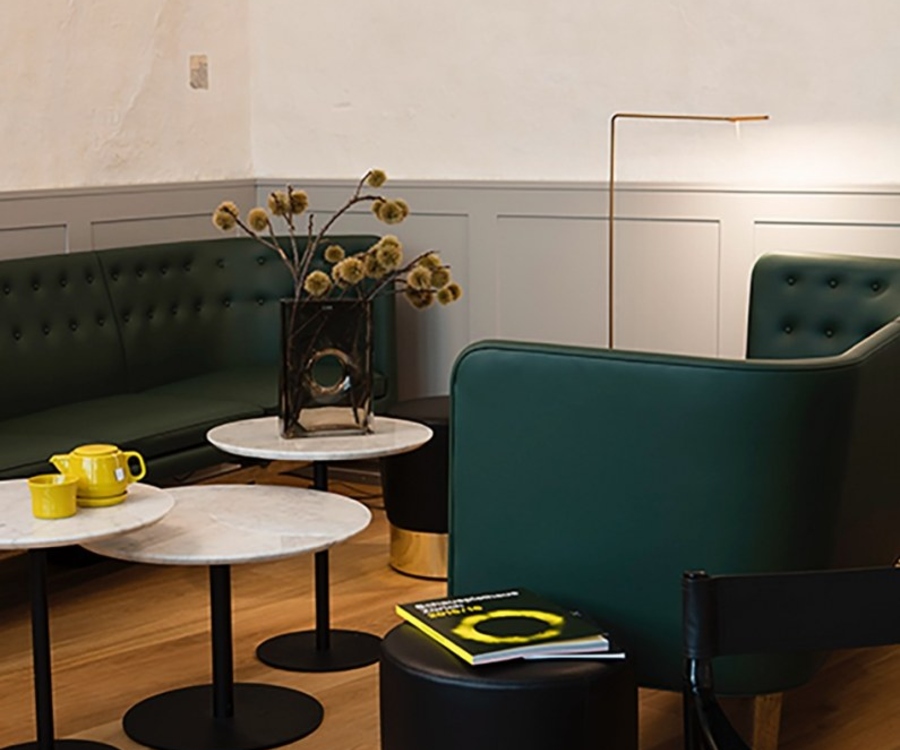
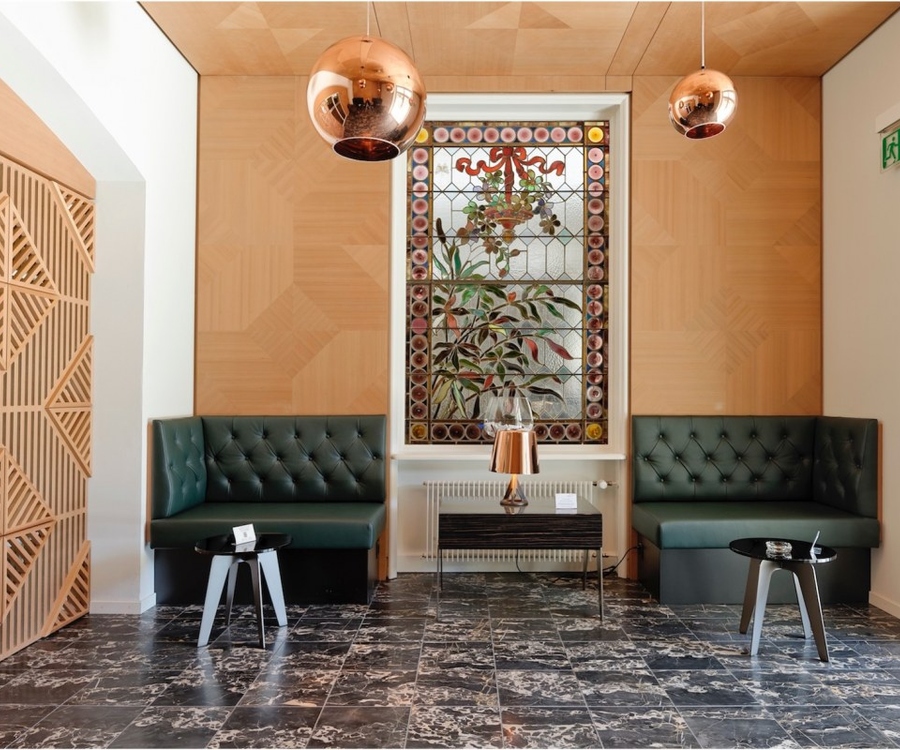
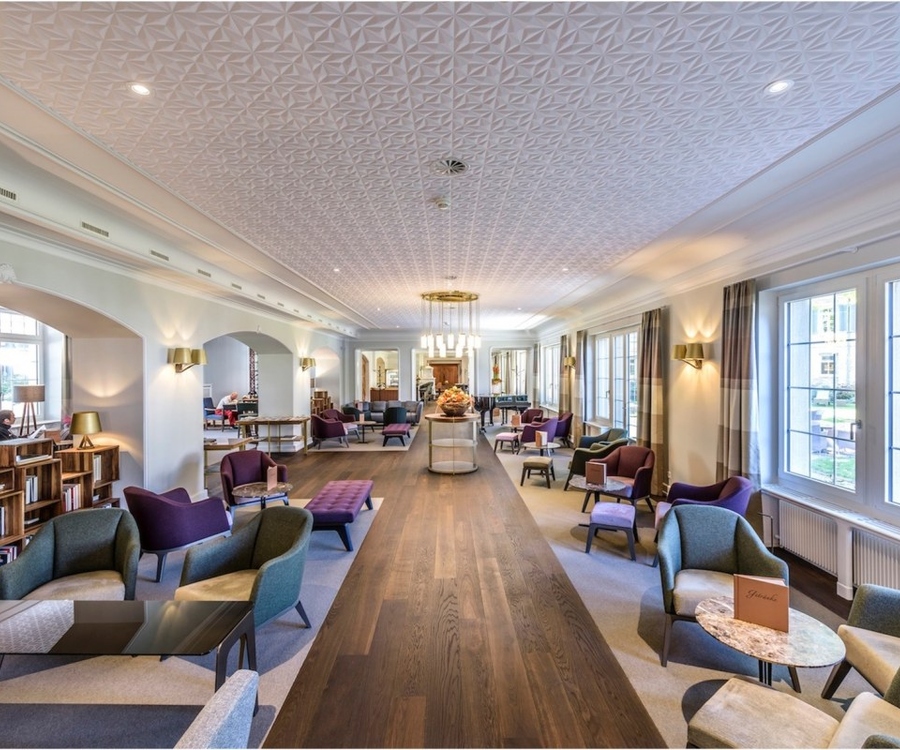
Main blog image: Photographer Marion Nitsch for Lunax

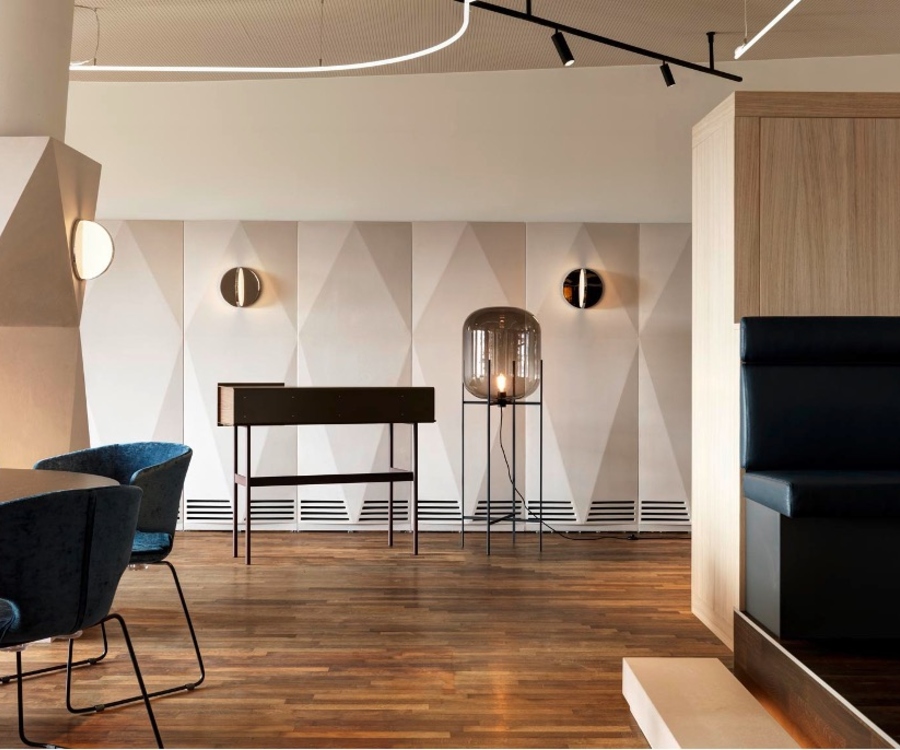
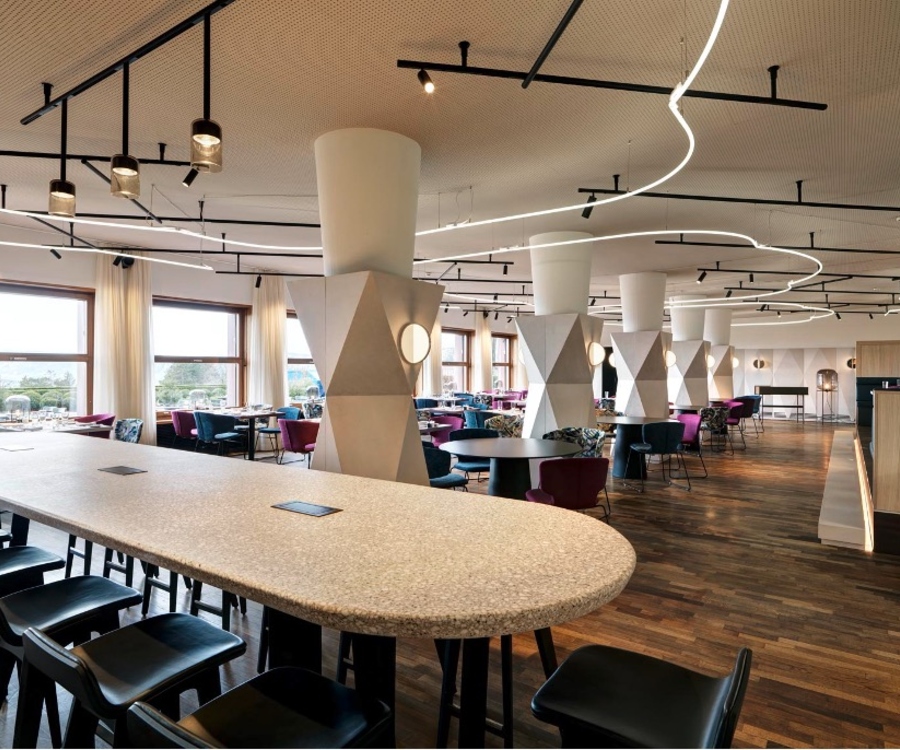
Photos 1 and 2: Marktgasse Hotel, Zurich
Award winning: Best Hotel Concept DACH, AIT Award
Photographer: Bruno Helbling

Photos 3, 4 and 5: Kurklinik Bad Schinznach, Switzerland Photographer:Dominik Golob und Felix Wey

Photos 6 and 7: Sorell Hotel Zürichberg, Zurich
Photographer: Bruno Helbling

Photos 8 and 9: Single-family house Kilchberg, Zurich
Photographer: Bruno Helbling

Blog Block Image
MAp meets Karsten Schmidt-Hoensdorf, owner of the Zurich design studio IDA14

Add new comment

Comment

Order

Plain text

  • No HTML tags allowed.
  • Lines and paragraphs break automatically.
  • Web page addresses and email addresses turn into links automatically.
Types
sharing is caring

Today we meet Veronica, founder of WE Factory. Since we started our boutique consulting agency we are in touch with Veronica and fascinated by her inspiring approach to food and dining. However, don’t believe us a single word and read in this blog post what WE Factory is all about, why it is so important to “eat with a smile” and how social change can be supported through food.

Untertitel
MAp meets WE Factory, an unconventional happiness agency
Blog main image
Social change through food - MA people MAp Boutique Consultancy
Paragraphs

Veronica, can you please explain what inspired you to found WE Factory and what it is all about?

The combination of different experiences in gastronomy and strategic design as well as my daily living in the city of Helsinki (focused on everyday design) kickstarted the launch of WE Factory. However, the idea had been in my mind already for a very long time.

When I was younger I read a lot of Italian literature from the 50s and 60s regarding life in factories. At that time many bright entrepreneurs commissioned facilities for workers during their free time. Already then they knew how important this was for the wellbeing of their workforce. But a lot of this idealism has been lost over the years. My early working experiences for example were everything but human-friendly. So I started food trials within different contexts. Why food? Because in my family eating was always regarded as a joyful moment of conviviality.

2014 in Helsinki every bit fell into place and I felt it was just the right time. I founded WE Factory with the vision to bring social change through food where people spend most of their time: at work. Therefore we design creative and inspiring food services, experiences and programs for companies. We hold workshops to bring people together and empower them to live a slower and more fulfilling life, starting from what and how they eat - the source of happiness.

“Eat with a smile” aims at conveying what WE Factory is all about:
emotions, eating well and people.
via @weareMApeople


Your tagline is "Eat with a smile": what makes you smile when you eat?

“Eat with a smile” aims at conveying what WE Factory is all about: emotions, eating well and people. Eating good food that has been produced, harvested and prepared with the most care and attention and is served in good company makes you smile. Our tagline is about reframing time and space and enjoying every moment. “Eat with a smile” should happen at every meal one has: the breakfast at home, coffee break at the office, lunch with colleagues, afternoon snack during the brainstorming session and sleep well infusion before falling asleep.

We are specialised in crafting hotel concepts and brands: can you give our hotelier readers your TOP 3 advices on what they must consider when crafting great food experiences?

I personally like to stay at hotels with a unique personality and atmosphere. I’ve noticed that I’m not alone and more and more people seek uniqueness and authenticity. In my opinion, there is really no point to stay at a hotel that looks exactly the same in Moscow, Buenos Aires or Beirut. My top 3 advices when crafting a food experience are:

  • Think about your guests and design an experience that suits them.
  • Bring the local context in and make it exciting for your brand.
  • Dare to be uniquely you. Travel to see what others are doing but eventually think with your own head and heart.

How do you see the future of dining? In which area do you see the biggest change and what will be the most influential trends?

I can’t predict the future but I hope that dining will become more inclusive. The fine dining scene is currently very exclusive. It addresses an elite of people that can afford it and has the knowledge to understand what it is all about. However, I believe that food culture and good food should reach the masses. This is the only way to promote a food revolution so many are talking about these days in terms of preventing food waste, preserving food diversity, and ultimately creating a better planet. On the other hand I also hope human beings will understand that technology needs to become more instrumental and not the end itself. I’m talking about 3D printing, for instance, or VR (virtual reality).

You are a big traveller #alwaysnomadic. What are your must-experience food spots around the world? What has been your best food design experience ever?

My travels always mix the research of what is new and cool (see hipster places, which usually represent just one part of the population) with what is authentic and the everyday kind of place. I guess this boils down to my anthropological interest to understand how “normal” people live. For instance, when I lived in Warsaw for a couple of months I asked local friends to take me to milk bars, which just recently had been revived. In Moscow, I visited some markets with a friend who claimed that tomatoes from Azerbaijan are as good as Italian ones. So we tasted (lots and lots) of different tomatoes at approximately 20 stands. That was fun! 
The best food experiences I’ve had so far were somewhat unexpected and unplanned. No frills. I’m a simple woman who prefers excellent raw ingredients and rituals rather than formal dishes: freshly baked pita bread straight from the oven at Princes Islands in Istanbul, mint tea in Morocco while watching the passers-by, fika (coffee and cinnamon bun) at Rosendals Tradgard in Stockholm, polenta and stew made by my mum in Italy... What’s remarkable: from the best food experiences I remember the whole story: the smells, the sounds and mostly all the people who shared the table with me.

About Veronica Fossa: 

Veronica Fossa is the founder of nomadic happiness agency WE Factory. Veronica wears many hats: she is a food experience designer & strategist, business wellbeing catalyst, international speaker, guest lecturer, and design expert. From a small town in the North-east of Italy she moved to Finland to study and fell in love with the Nordic way of living, so mindful and close to nature, but gastronomically so different from her native Italy. She spent 6 years between Sweden, Denmark and Finland – where she founded WE Factory – before deciding to embrace a nomadic lifestyle to elate her cultural curiosity and connect with different communities around the world. 


Blog Block Image
Social change through food - MA people MAp Boutique Consultancy

Add new comment

Comment

Order

Plain text

  • No HTML tags allowed.
  • Lines and paragraphs break automatically.
  • Web page addresses and email addresses turn into links automatically.
Types
sharing is caring

Setting up a next-generation hotelier for success with a sporty new concept.

Main-Image
paloria apartments & sport MA people MAP Boutique Consultancy
Location
South Tyrol, Italy
Timeline
2016 - ongoing
Type
Aparthotel
Purpose
To enable people to live their peak life
# of Rooms
14
# of Stars
4*
Tag it
#Paloria #UpUpUp #HotelConcept #HotelBranding #SustainableHotel
Paragraphs

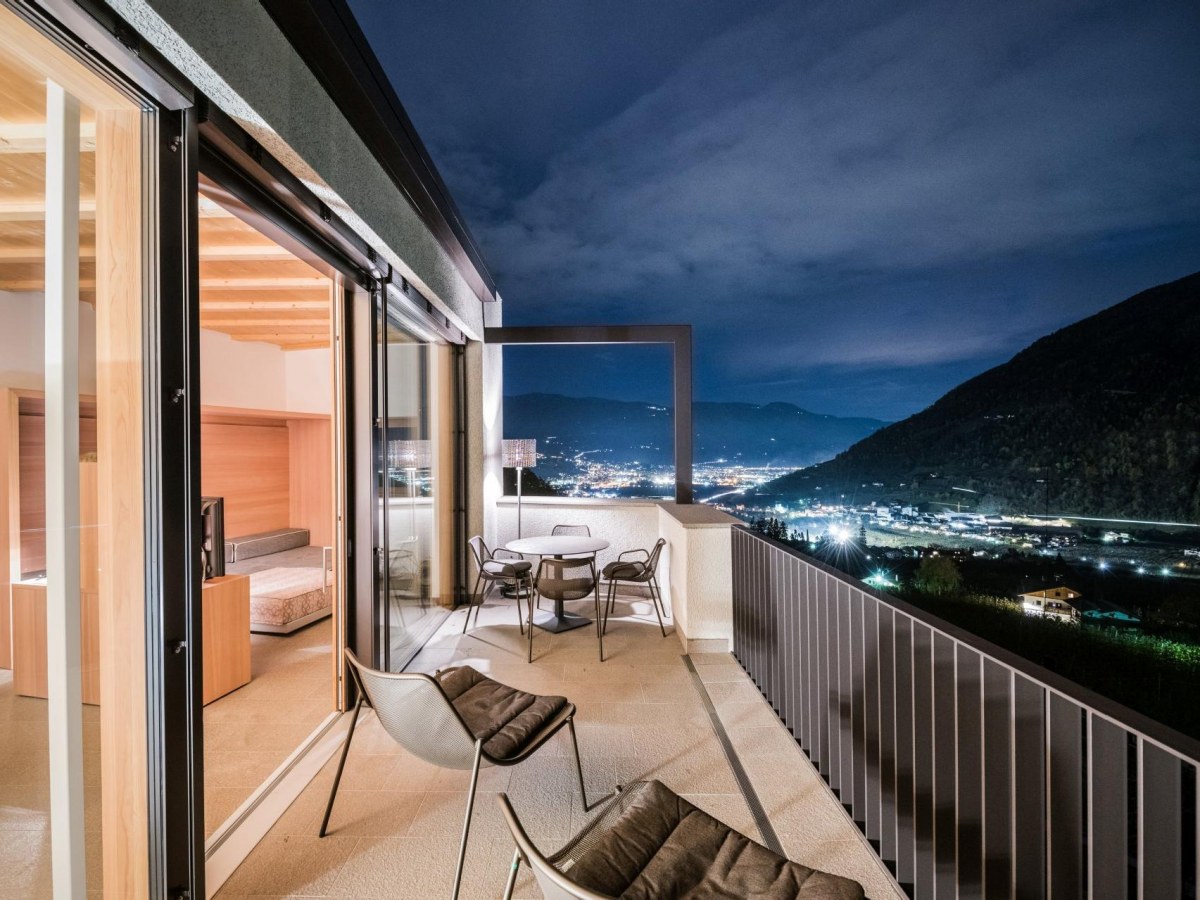
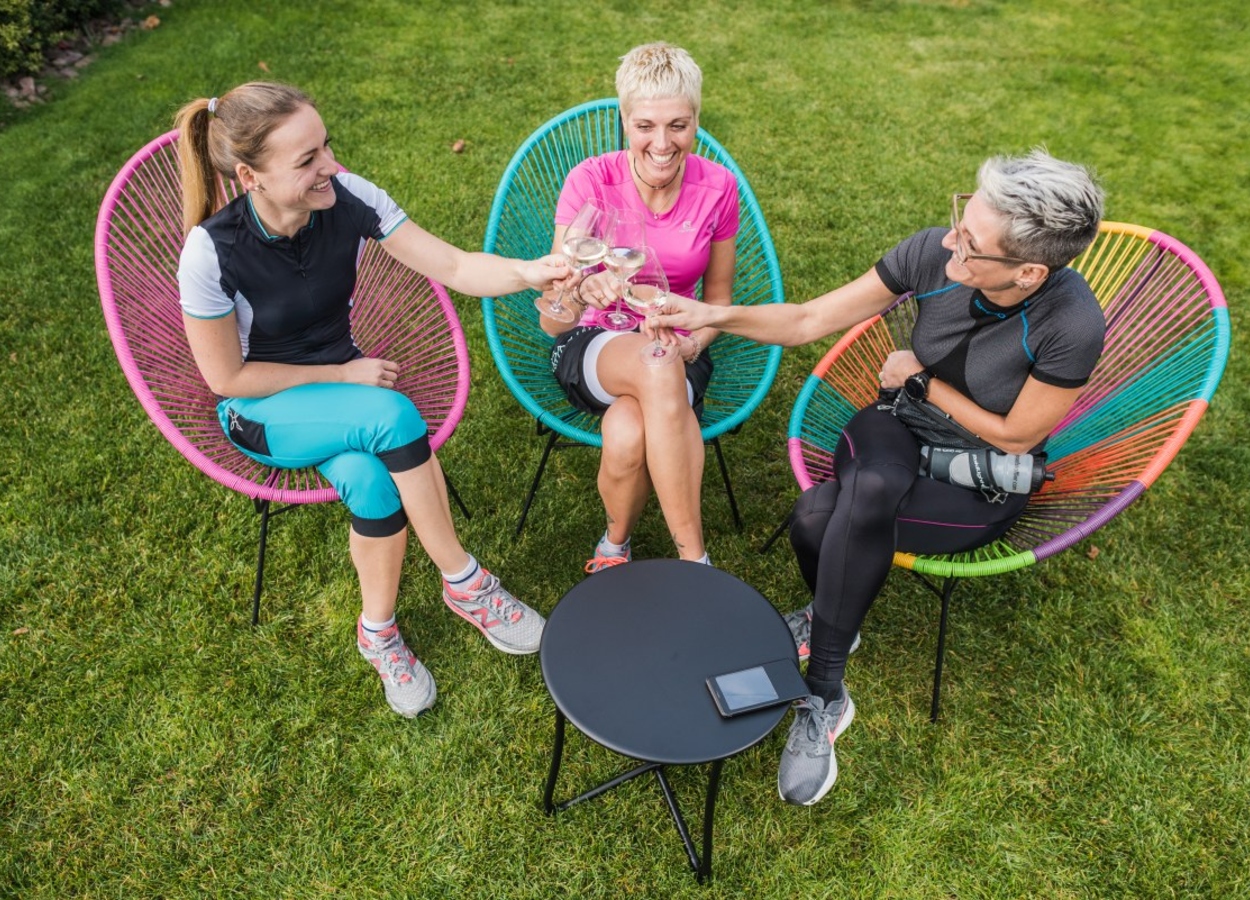
The place for sport #UpUpUp

Destination

Destination

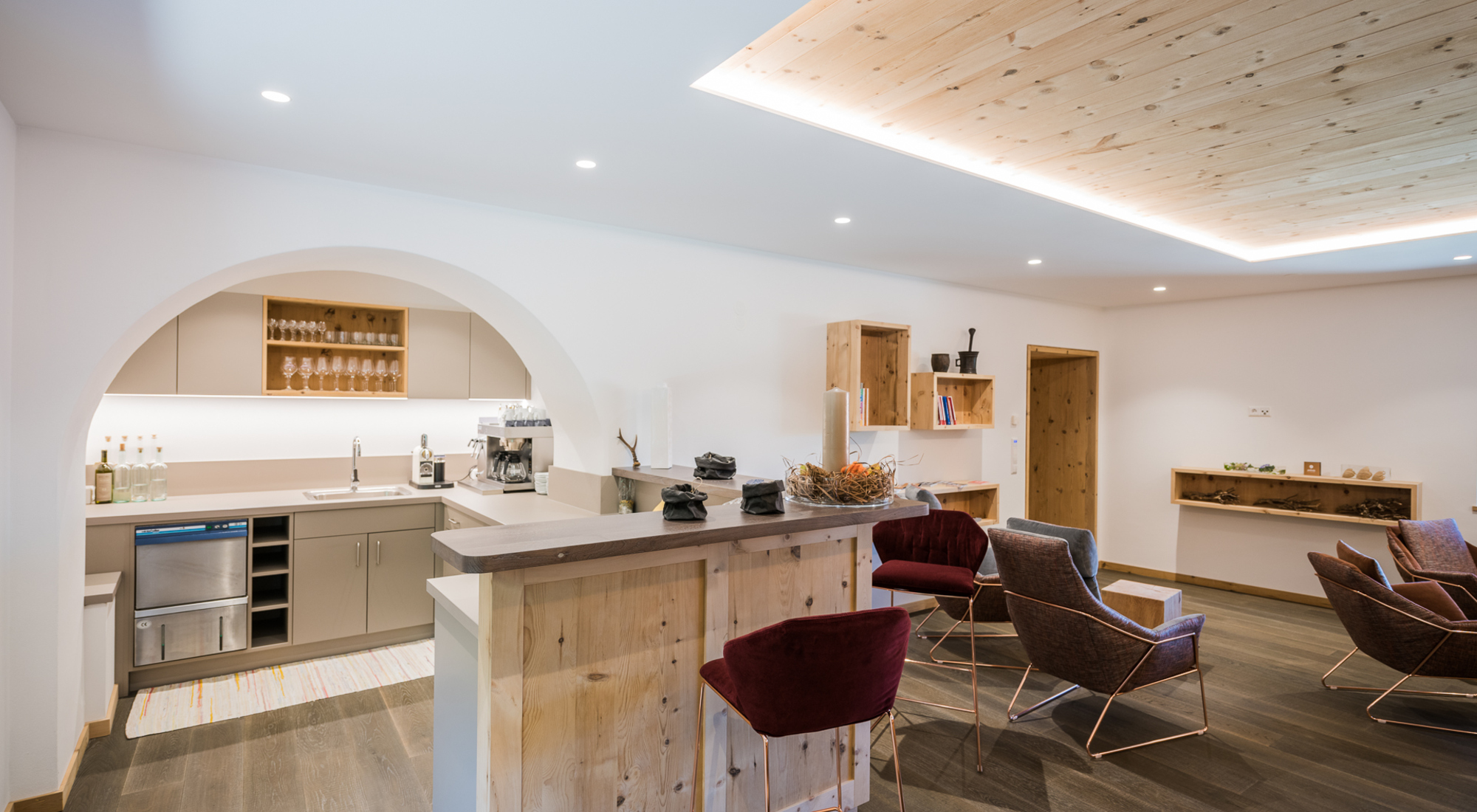
  • Fresh and cool aparthotel concept fitting for a new generation of travellers and athletes
  • New aparthotel brand identity and collateral in keeping with the concept
  • New-and-improved hotel website
  • Sustainable initiatives that create real impact
  • Successful launch of new paloria with support of MAp

paloria apartments & sport MA people MAP Boutique Consultancy

RoadMAp

paloria apartments & sport MA people MAP Boutique Consultancy

#UpUpUp

It was a pleasure to work closely with Julia in bringing her sporty vision for paloria to life. We invite athletes and outdoor adventurers to this fine accommodation in order to experience the best of what South Tyrol has to offer. 

In this amazing apartment we quite literally were able to

relax, lean back and recharge fully.

TripAdvisor User
Weight
-96
Title for Show next
Welcome to paloria apartments + sport