sharing is caring

Every day, we work with people who want to make hospitality better – for all. But what does “better” actually mean? And how do we know if we are getting there?

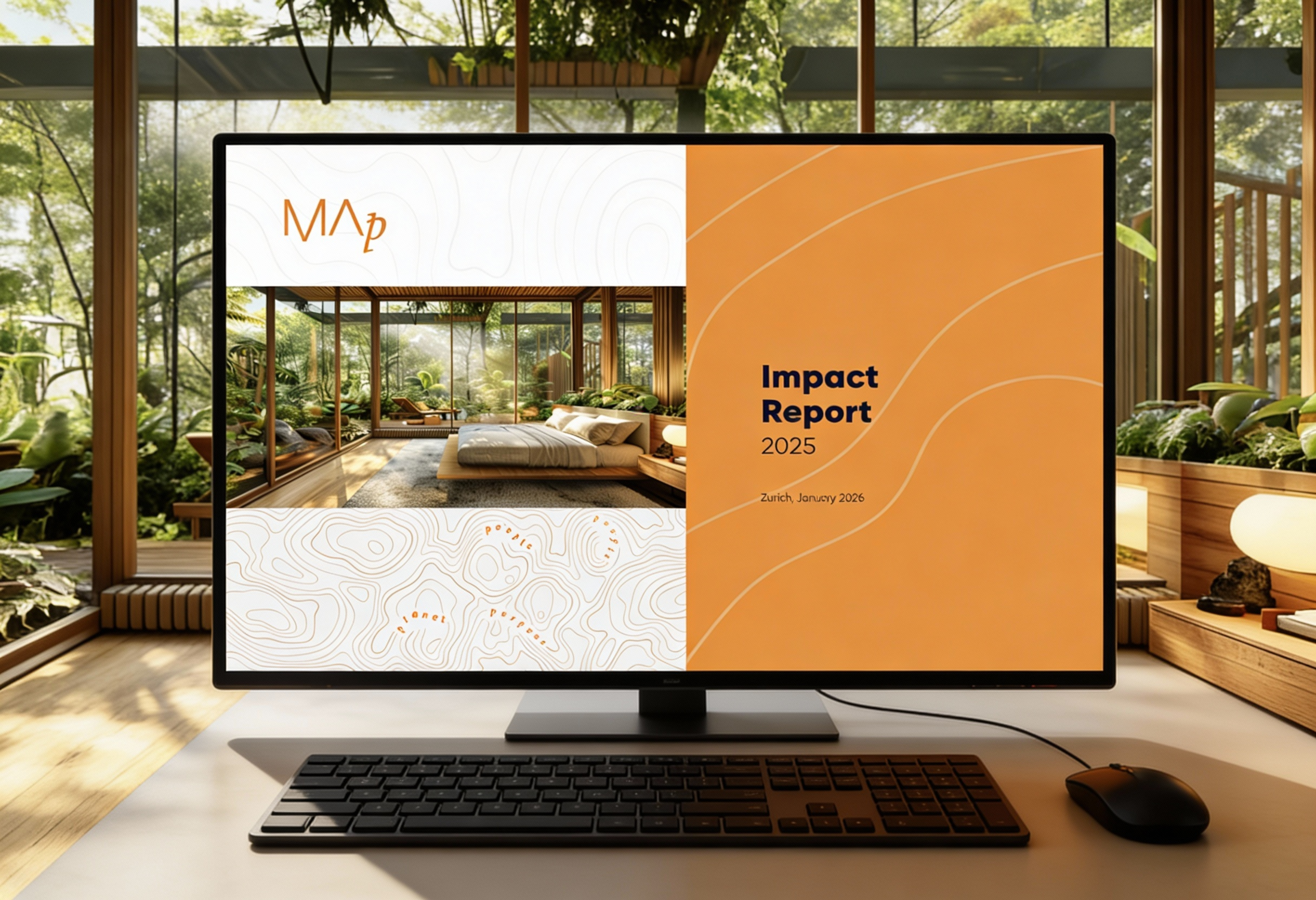
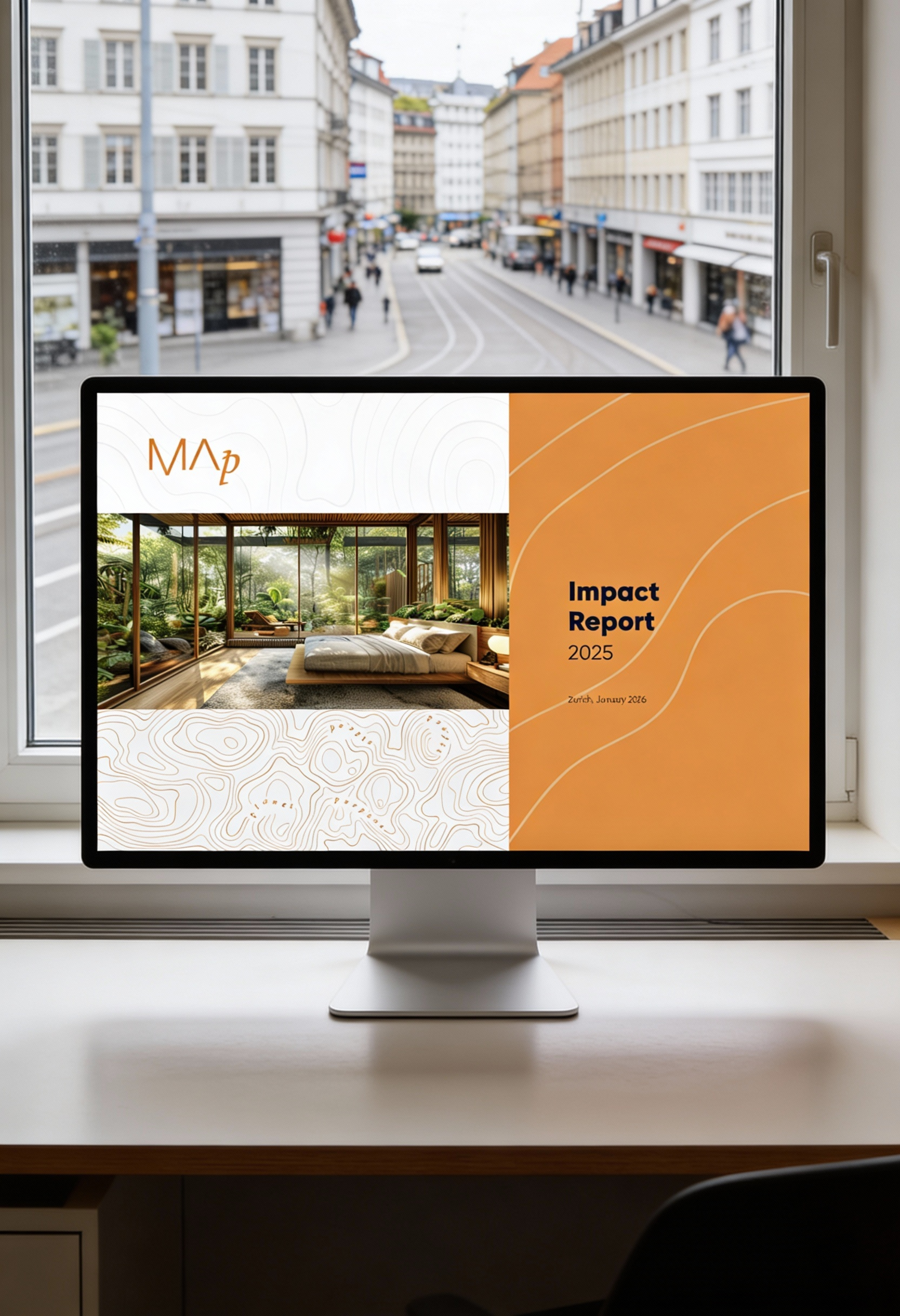
Our Impact Report 2025 reflects on exactly that: what we did, what worked, where we learned and how we measure progress through impact reporting – and what is next on the MAp.

At MAp, we are not in the business of buzzwords. As a Certified B Corporation, we hold ourselves to high standards – in strategy, governance and in how we treat people, planet and purpose.

Our Impact Report is how we stay accountable. But more than that, it is an invitation: to everyone we work with, partner with or simply cross paths with. To build, question and celebrate better ways of doing business.

Untertitel
Why impact matters – and how we measure it
Blog main image
MAp Impact Report 2025: impact reporting for sustainable hospitality
Paragraphs
There is no way back.
Only #onwards towards a future worth staying for.
– MAp Boutique Consultancy

How we measure our impact

We use the B Corp impact assessment lens across governance, workers, community, environment and customers – because impact should be clear, comparable and grounded in evidence.

The 2025 edition shares our progress across four key dimensions:

  • People – from our core team to the communities we serve
  • Planet – from low-impact decisions to long-term shifts
  • Profit – not as the goal, but as the enabler for good
  • Purpose – the reason we do what we do, and the compass that keeps us on track

And how are we doing that? By living our value of Positivity (yes, we do like our Ps 😊) – because Positivity is the energy and attitude that drives everything we do.

What you will find inside the report

  • Our focus areas and key milestones from 2025
  • What moved the needle, and what did not
  • The learnings we are taking forward into 2026
  • Our next priorities – with clarity on what is next

We also share where we missed the mark, what surprised us and why we stay fiercely optimistic. Because one thing is certain: there’s no going back. Only #onwards. ☻ 

Impact Report

MAp's Impact Report 2025

MAp’s Impact Report 2025 brings our year into focus – what we worked on, what moved the needle, and what we learned along the way. It shares how we measure impact through the B Corp lens, plus our priorities for what is next on the MAp.

Blog Block Image
MAp Impact Report 2025: impact reporting for sustainable hospitality

Add new comment

Comment

Order

Plain text

  • No HTML tags allowed.
  • Lines and paragraphs break automatically.
  • Web page addresses and email addresses turn into links automatically.
sharing is caring

In our MAp Client Stories we feature people we empower through our services – hospitality leaders who set new standards with bold ideas. We explore their paths, key learnings and the special something that makes their concepts stand out.

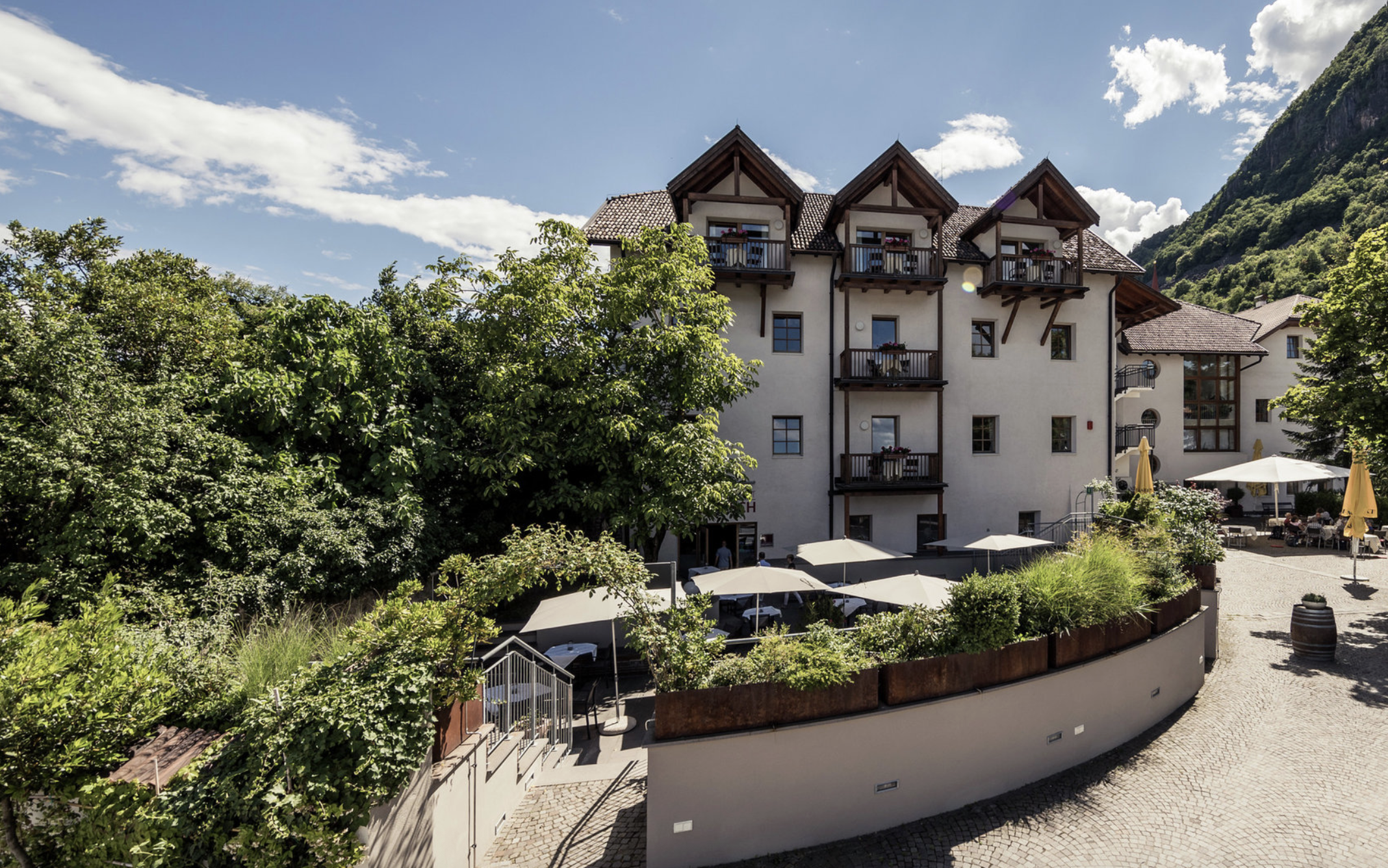
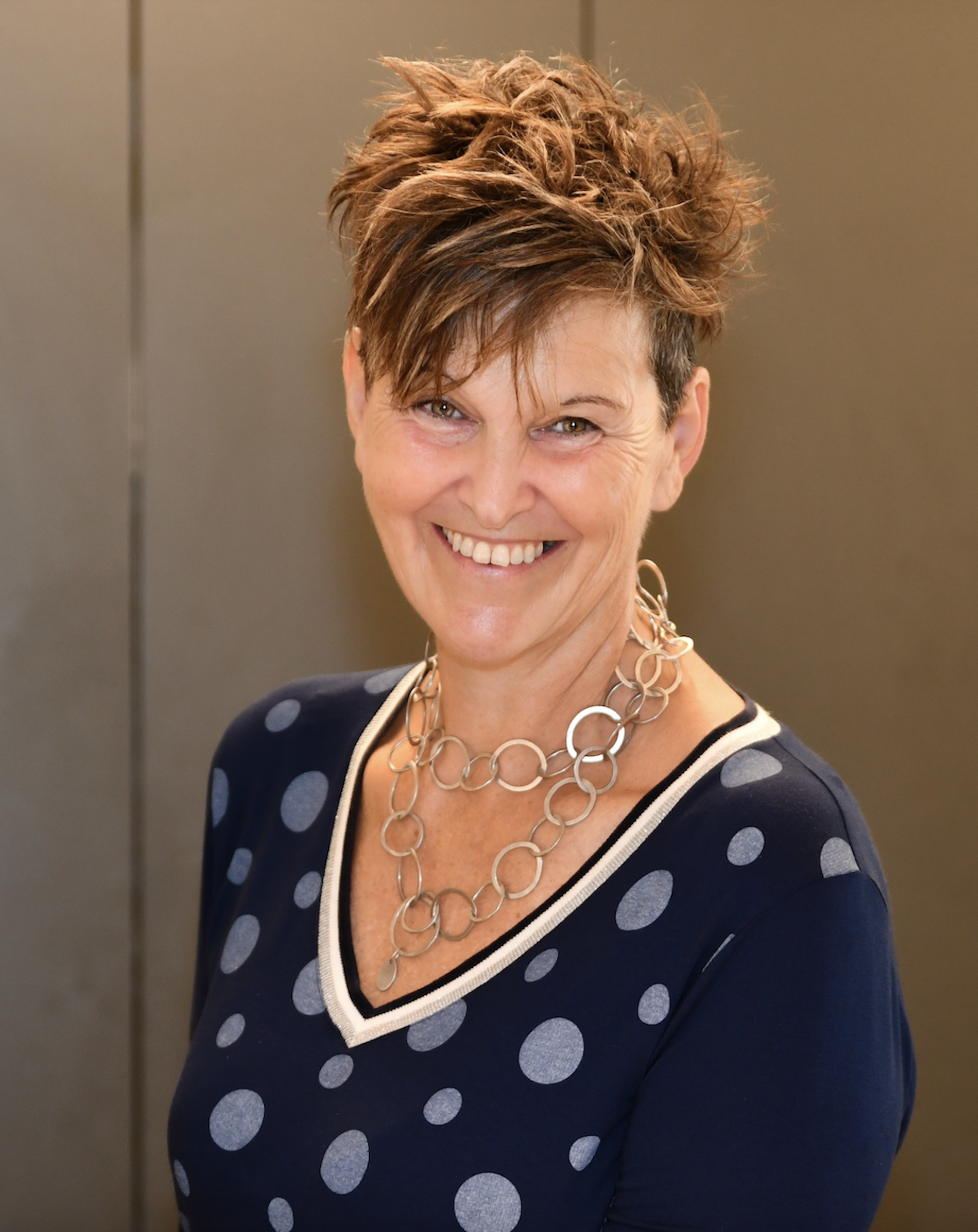
This time we speak with Christine Karadar, who leads Hotel Masatsch in Kaltern, where diversity is not an add-on – it is the concept. As a fully accessible hotel, restaurant and event venue run by Lebenshilfe South Tyrol, Masatsch creates spaces where people meet and connect – regardless of ability, background or circumstance. For guests, for employees and for the wider region. 

We support Hotel Masatsch with focused marketing and web services – sharpening their message, strengthening their website and amplifying what makes this place special.

Untertitel
MAp Client Stories: In conversation with Christine Karadar, host at inclusive Hotel Masatsch in Kaltern am See (South Tyrol)
Blog main image
Wie gelingt soziale Nachhaltigkeit im Hotelalltag – jenseits von Symbolik und Sonntagsreden?
Paragraphs
Everyone is welcome here
– with or without disabilities.
Christine Karadar, Hotel Masatsch

Christine, thank you for taking the time to speak with us today! Before we dive in: how did you first come to Masatsch? 

Christine: I had been following Hotel Masatsch with great interest for quite some time – I was fascinated by how this concept works. My background is actually in very different fields: I worked in event management and also in the social sector, especially on topics such as care and inclusion – how to better integrate people with disabilities into everyday life. 

For me, Masatsch has always been a prime example of how this can succeed. When I saw they were looking for new leadership, I applied – and got the job. Now I am fully immersed in this unique project. At first glance it is a social initiative, yes – but at the same time, it is a perfectly normal hotel for all guests. Everyone is welcome here – with or without disabilities.


Inclusion is part of daily life at Masatsch. What makes this place so special to you? And what do you do differently from a "classic" hotel? 

Christine: Hotel Masatsch really is a special place – it has a kind of energy, if I can put it that way. Even before I worked here, I often came by just to sit in the café or have lunch at the restaurant. And every time, I felt the same thing: this place just feels good. There is a kind of positive energy here. 

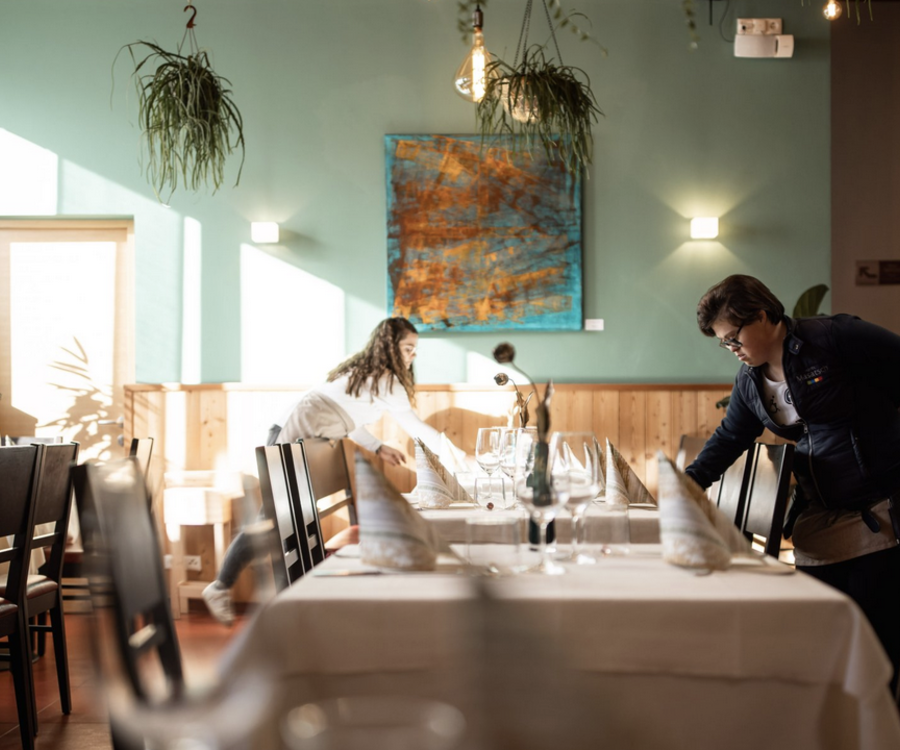
Now that I am part of the team, I feel it even more. What makes this place so unique is the work with our staff with disabilities. They bring such joy and enthusiasm to their work – it is contagious. You feel it the moment you arrive. 

Every morning, one of our employees at the bar greets me with a coffee and a smile and says, "So good to see you!" Around 40 percent of our team – about 30 people – have disabilities. They work in the kitchen, service, housekeeping, or in our garden project, where we grow our own vegetables. Of course, this comes with daily challenges. We support, train, and accompany our team constantly. Many things have to be repeated and practiced often – almost like a school. But that is exactly what makes our work so meaningful.

So gelingt soziale Nachhaltigkeit im Hotelalltag

You have a very diverse team with different backgrounds and abilities. What does it take to make this work? And what can other hotels learn from it? 

Christine: To work here, one thing matters most: genuine interest in people – and empathy. Our team is diverse and full of different strengths. You have to be willing to share knowledge, support others, and practise things together until they stick. 

Our team leads – the head chef, the service managers – carry a lot of responsibility. They are not just supervisors, but coaches, motivators, mentors. They need to be patient and adapt to each person. The overall pace is a bit slower here – and that is a good thing. 

I often say: when you work here, you automatically shift down two gears. That creates space for real connection. What can other hotels learn from this? That inclusion is not a burden – it is a huge enrichment. When people with different abilities are truly integrated, the work environment becomes more patient, more respectful, more human. And guests feel that.


Many hotels want to become more inclusive but struggle to take the first step. What are the most common misconceptions – and what really matters? 

Christine: For me, social sustainability means not just including people with disabilities – but giving them real opportunities. The biggest misconception? That inclusion is an extra task. Something "on top". But it is not about being perfect – it is about mindset. 

It takes openness, patience, and a willingness to meet people at eye level. Once you take that step, something fundamental shifts: in the team, in your interactions, and in the entire culture of the business. That is what social sustainability really means to me.


Was there a moment when you thought: this is exactly why we are doing this? A memory or experience that stayed with you? 

Christine: Yes, absolutely. One moment from this summer stands out. We hosted a group from Germany – the Pfennigparade Foundation, which supports children and young people with severe disabilities. More than 20 people stayed with us for two weeks. It was a challenge, but also a very special experience. 

On their last evening, they organised a little farewell celebration for us. One of the girls – she was maybe nine years old – could not walk at all when she arrived. She used a walking frame and needed a lot of support. On the final evening, she suddenly walked up to me unaided, beaming with pride, and handed me a thank-you note for the whole team. She said these had been her best two weeks in a very long time. 

That moment really moved all of us. It reminded me why we do what we do. Moments like that show us that this work matters. It makes a difference.


Amazing, thank you for sharing! And to finish – our Quick 5, which we ask in every MAp Client Story:

  • A hotel that inspires you: Hotel Frida am Wald
  • A book or resource everyone should read if they want to be more sustainable: I honestly do not have one!
  • A destination on your to-travel list: Kyrgyzstan – it is at the top of my list.
  • quote to live by: “Go confidently in the direction of your dreams. Live the life you have imagined. As you simplify your life, the laws of the universe will be simpler.” – Henry David Thoreau, Walden (1854)
  • Your biggest wish for the future: A life full of meaningful experiences, connection, good health, and true friendship.


About Christine Karadar

Christine is the general manager of Hotel Masatsch in Kaltern, South Tyrol. She brings a background in event management and social work – and leads with a clear belief in people, inclusion, and the power of doing things differently. 

Hotel Masatsch is an inclusive, fully accessible hotel in Kaltern, near the Kalterersee in South Tyrol. Run by Lebenshilfe Südtirol, it offers barrier-free holidays for all guests – with or without disabilities – and creates meaningful encounters between people of all abilities. The hotel is especially designed for guests with mobility needs and specialises in wheelchair-accessible stays in the region.

Free Download

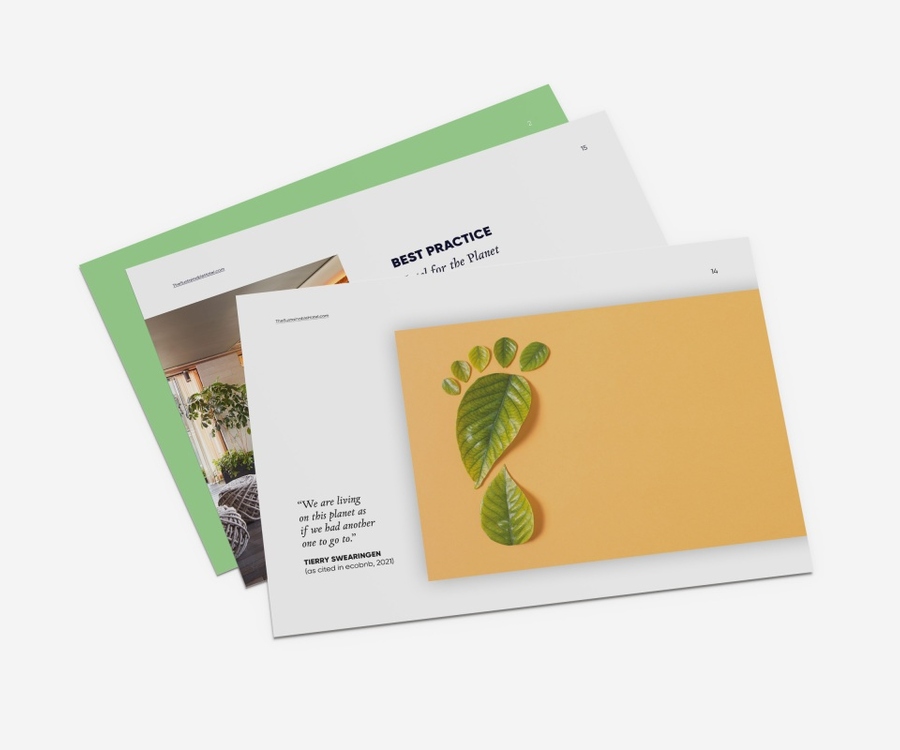
The Sustainable Hotel Insights. 6 Principles to make your hotel more socially sustainable

In this free guide you will receive a concise introduction to social sustainability in hotels – clear and directly actionable. The six principles set out concrete steps for guests and your team – from inclusive hospitality to holistic accessibility. Plus: a short best-practice example, key facts and resources to help you get started straight away.

Blog Block Image
Wie gelingt soziale Nachhaltigkeit im Hotelalltag – jenseits von Symbolik und Sonntagsreden?

Add new comment

Comment

Order

Plain text

  • No HTML tags allowed.
  • Lines and paragraphs break automatically.
  • Web page addresses and email addresses turn into links automatically.
Categories
sharing is caring

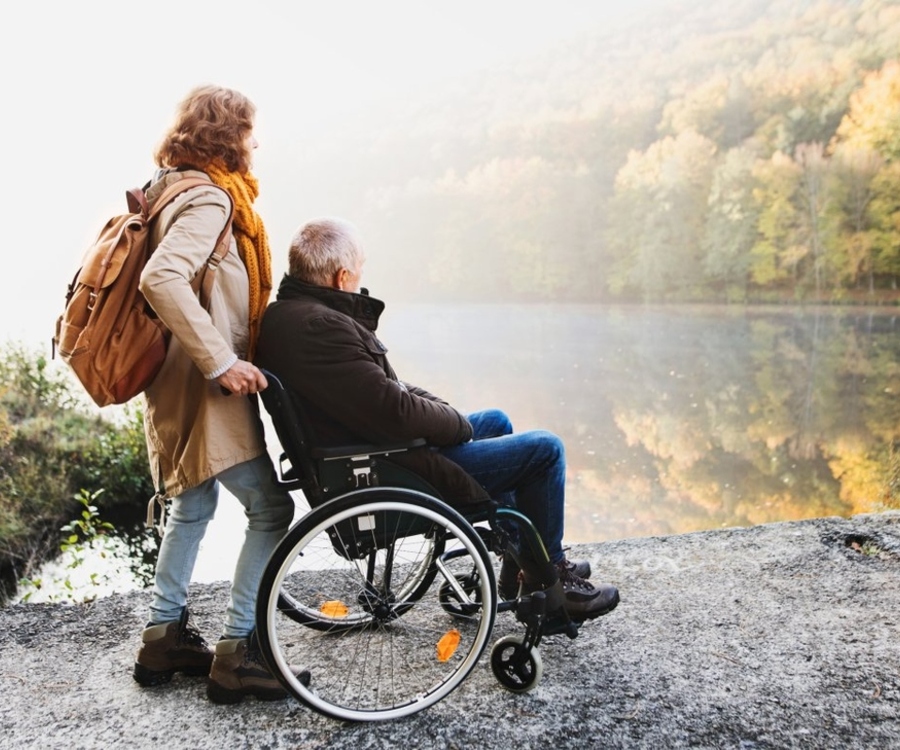
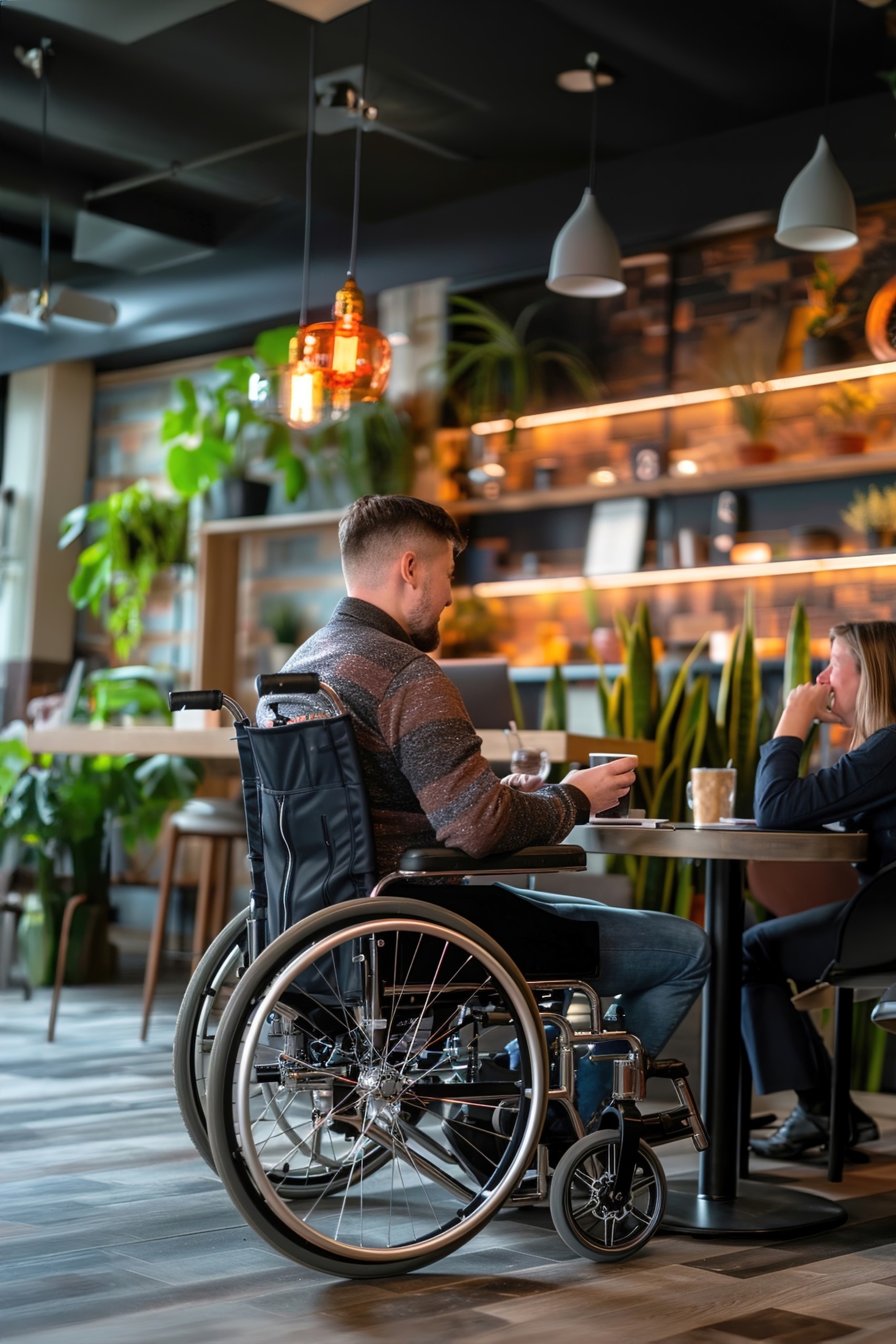
A good hotel is not defined by how many stars it has – but by how welcome it makes you feel. Sometimes that means offering a ramp. 
Sometimes a little extra time at check-in. Sometimes simply the feeling: This place respects me. And that's exactly where accessibility begins – in the mind, in the heart, in your attitude. Less about technology. More about true hospitality. 
It's not about ticking boxes. It is about asking: Who feels comfortable here? Who will come back – and who might not? 

This blog post invites you to rethink accessibility. Not as an obligation. But as a powerful opportunity to make your hotel more open, more human – and more welcoming to everyone who comes through your doors.

Untertitel
An invitation to rethink accessibility in hospitality
Blog main image
Barrierefreiheit im Hotel: Gastfreundschaft für alle
Paragraphs

Accessibility is a mindset, not a checklist

Accessibility is not just about someone in a wheelchair being able to enter your building. 

It's about making them want to. Because the reception is friendly. The signage is clear. The room is well thought out. And no one has to explain themselves. It's not about having perfect solutions. It is about a clear, honest intention: “We want you to feel at ease – just as you are.” 

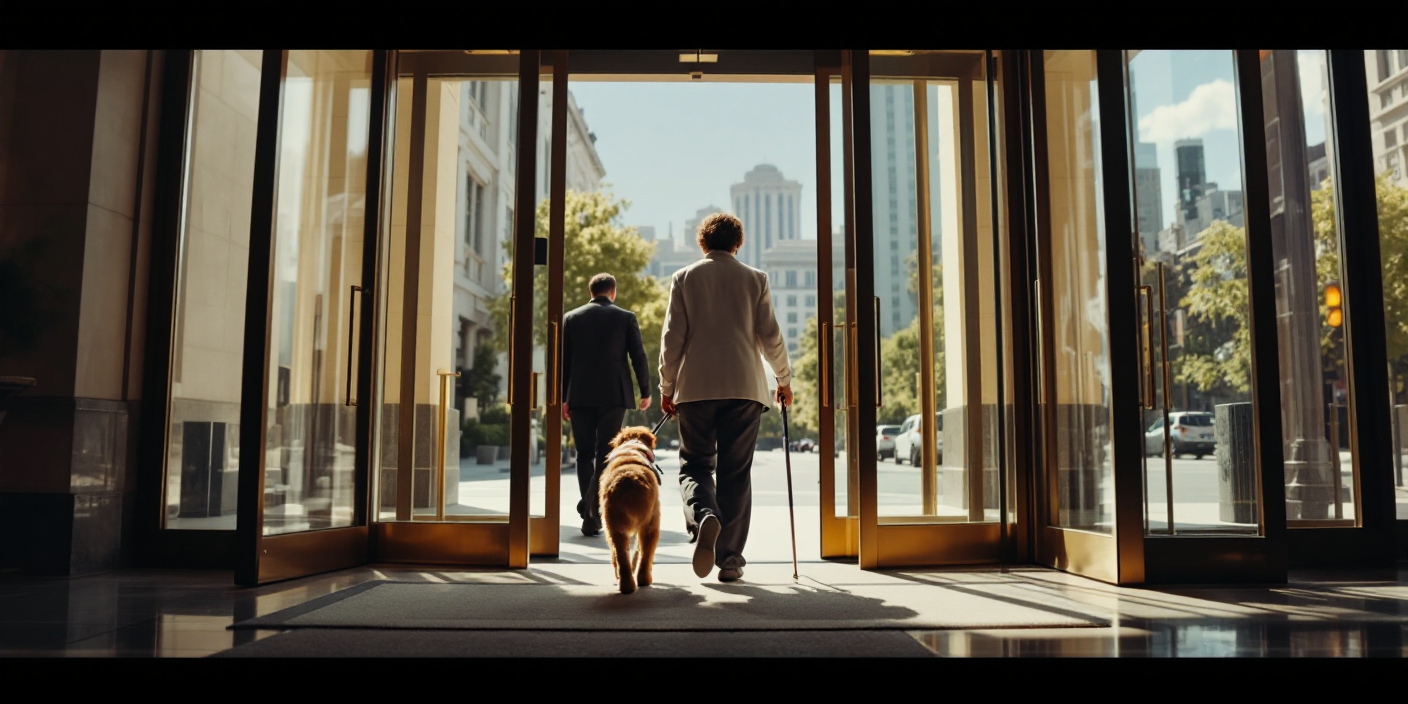
Whether neurodivergent, visually impaired, travelling with a personal assistant or caregiver or an assistance dog – true accessibility does not start with technical norms. It starts with understanding needs. It's not about treating someone as a special case – but about making them feel like a natural part of the picture. 

Accessibility is not a request. It is part of what real hospitality means. ☻ 

Five ways to start thinking differently about accessibility

1. Belonging over exception 

Inclusion starts where no one feels like an exception. Accessibility does not mean welcoming someone especially. It means remembering they might come – and making sure nothing stands in their way. Design spaces where people can move, orient themselves and feel safe – without having to explain themselves. 

Tip: Ask yourself: Where are barriers in your hotel? And how can you make belonging visible? Check your door widths. Offer quiet hours without music. Label allergens clearly. The list is long ;-)


2. Communication that connects

Accessibility often begins with a single word. Or the feeling of being understood – without having to explain. If guests cannot read, hear or process information quickly, they are left out. 

Language can exclude – or open doors. 
Simple wording, pictograms, clear check-in explanations – it is often the small things that make a big difference. Sometimes all it takes is a shift in perspective. 

Tip: Words reflect your mindset. Be mindful of phrases like “as you can see” or “have you heard?” Not everyone sees, hears or understands the way you do. That is where accessibility begins – not with complex instructions, but with language that includes everyone. Want to go deeper? Check out our Sustainable Hotel Handbook: Communication.

Barrierefreiheit im Hotel: Gastfreundschaft für alle

3. The first impression happens online

Before a guest enters your hotel, they have already been there – online. And that is where many great ideas fall apart: When websites are hard to read, bookings are complicated, or key information is hidden behind sleek design. 

Digital accessibility is not about tech. It is about respect. After all – what good is the perfect ramp if the path to it is confusing? 

Tip: Have someone test your website who struggles with orientation or invite someone from your community for a test stay at your hotel. You will learn a lot – and fast. For more, see our blog post on sustainable hotel websites.


4. Listening leads to insight

Sometimes you do not need a new concept. Just a good conversation. 

People living with limitations know exactly what they need. We just have to ask – openly, honestly, without fear. Guests who offer feedback. Team members who share experiences. Organisations that can support your journey. Listening does more than improving systems. It changes your perspective. 

Tip: Start small. Invite someone from your community to give feedback – maybe during a test stay, a walkthrough or an open conversation with your team.


5. A hotel that thinks ahead 

Accessibility does not mean having a protocol for every possible case. It means staying aware – and being ready. Ready to meet people’s needs in unexpected moments. 

A guest arrives with an assistance dog? 
A caregiver needs a separate bed in the same room? 
Someone wants to enjoy breakfast in peace, without sensory overload? 
Accessibility means: we may not have planned for it – but we are prepared. 

Tip: Bring accessibility into your team conversations – not as a list of rules, but as a shared mindset: “We ask one time too many – not one time too few. And we find solutions together.” 

Example (inspiration): Some supermarkets now offer autism-friendly shopping hours – dimmed lights, no music, no loud announcements, clear signage and a quieter checkout experience. That is what we call the curb-cut effect: small changes made for specific groups end up helping everyone.

Accessibility is not an extra
it is part of what real hospitality means.
MAp Boutique Consultancy

What you gain from accessibility? A lot.

Accessibility is not a limitation – it's an expansion. For your team. For your guests. For your positioning as a host who leads with purpose. Curb-cut effect, again: Designing with care for some often makes things better for all. From a clearly written menu to step-free access, subtitles and simple language – you reach more people, strengthen your brand and create guest experiences that leave a lasting impression. Because someone felt truly seen.

Conclusion

Accessibility is not about being perfect. And it does not have to be. At MAp Boutique Consultancy, we always say: progress over perfection.

That's true here as well. Start rethinking accessibility – today. Not through major renovations. But by choosing to notice more. By acting where you already can. And by creating a culture of welcome that includes everyone.

Want to go deeper? Download our free guide: 6 Principles for Social Sustainability in Hotels.
Or explore our The Sustainable Hotel Handbook: People.

#onwards

Free Download

The Sustainable Hotel Insights. 6 Principles to make your hotel more socially sustainable

In this free guide you will receive a concise introduction to social sustainability in hotels – clear and directly actionable. The six principles set out concrete steps for guests and your team – from inclusive hospitality to holistic accessibility. Plus: a short best-practice example, key facts and resources to help you get started straight away.

Blog Block Image
Barrierefreiheit im Hotel: Gastfreundschaft für alle

Add new comment

Comment

Order

Plain text

  • No HTML tags allowed.
  • Lines and paragraphs break automatically.
  • Web page addresses and email addresses turn into links automatically.
Categories
sharing is caring

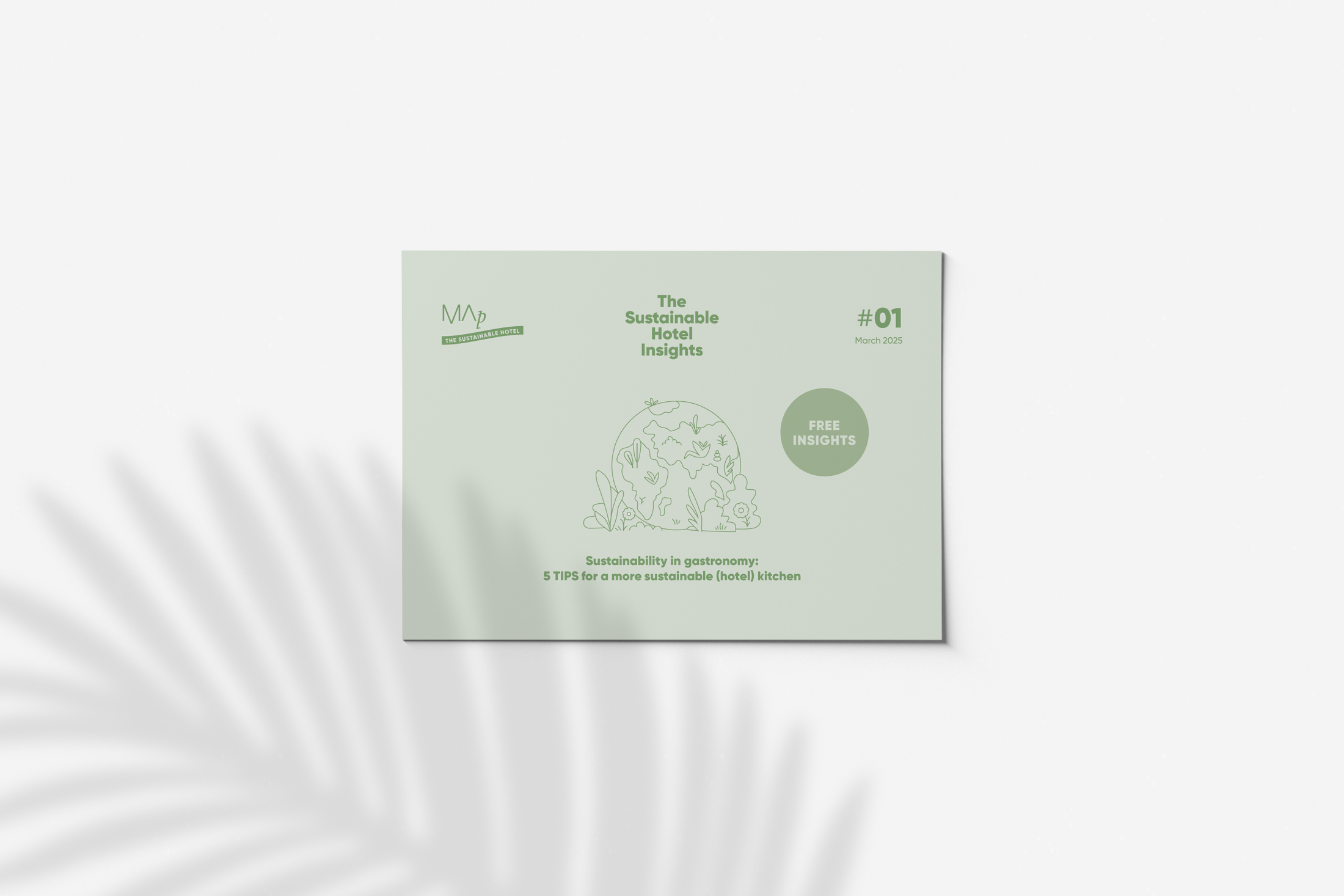
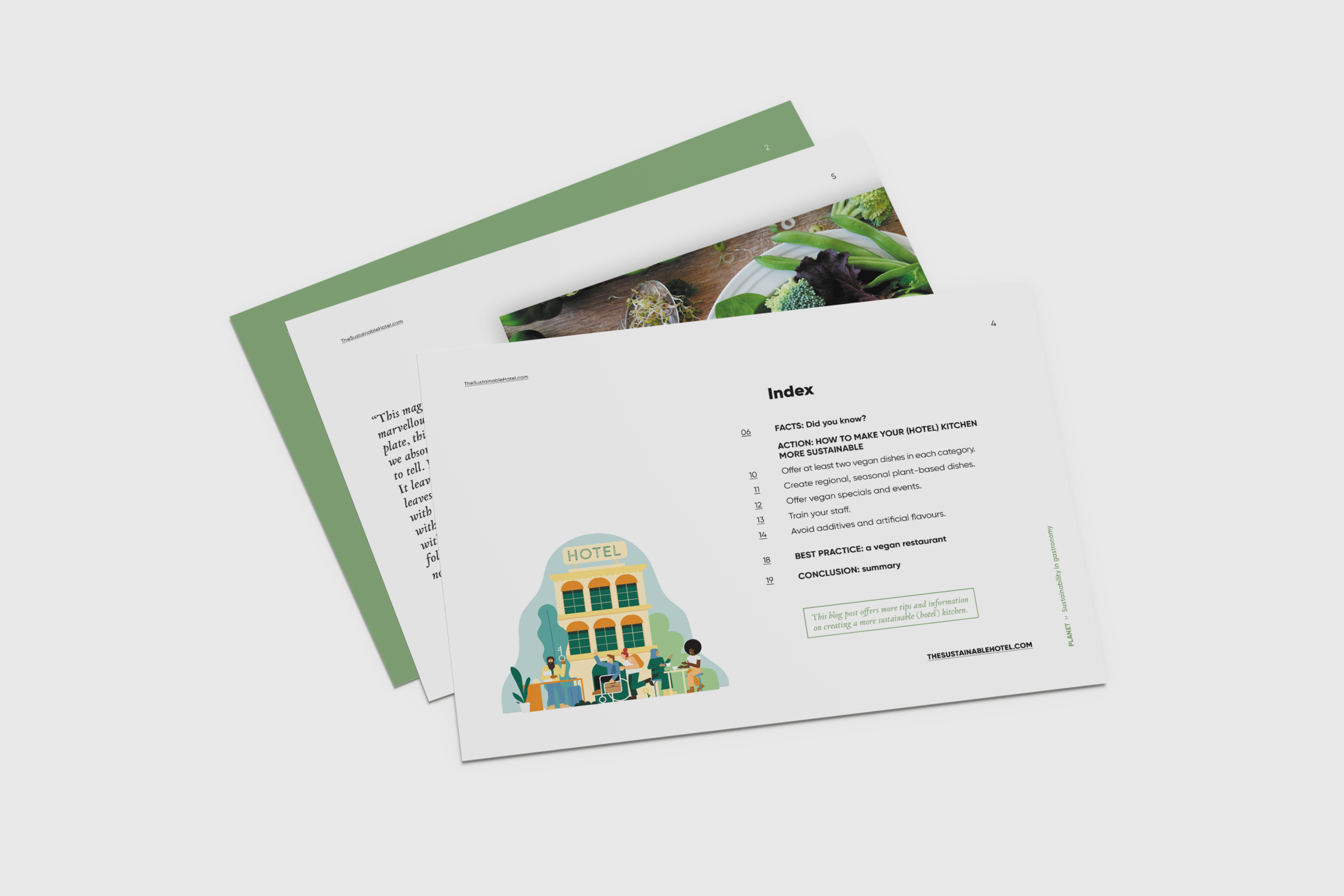
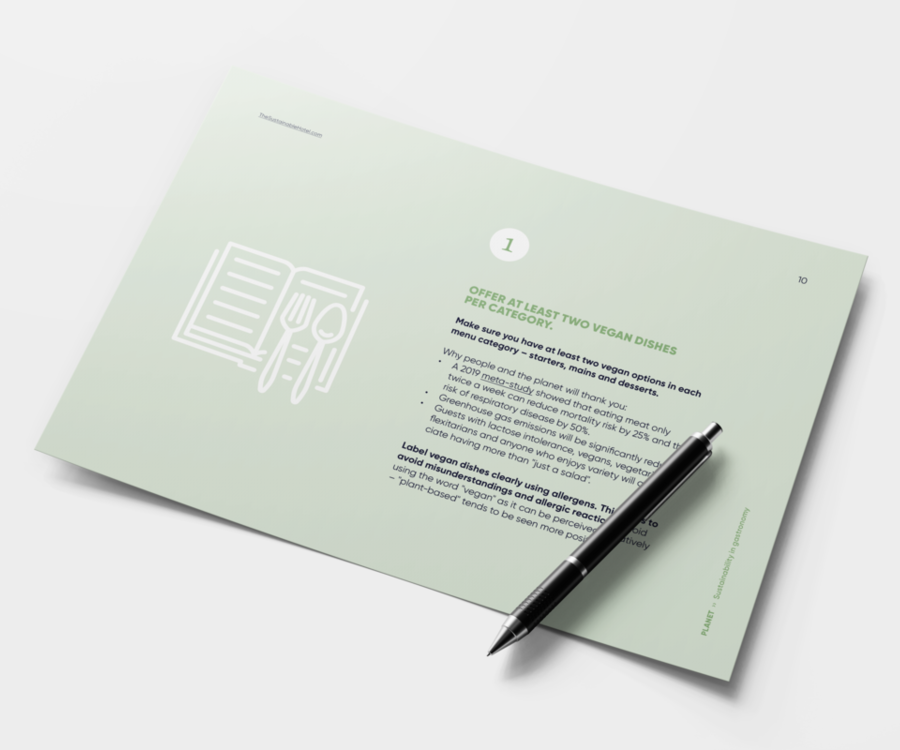
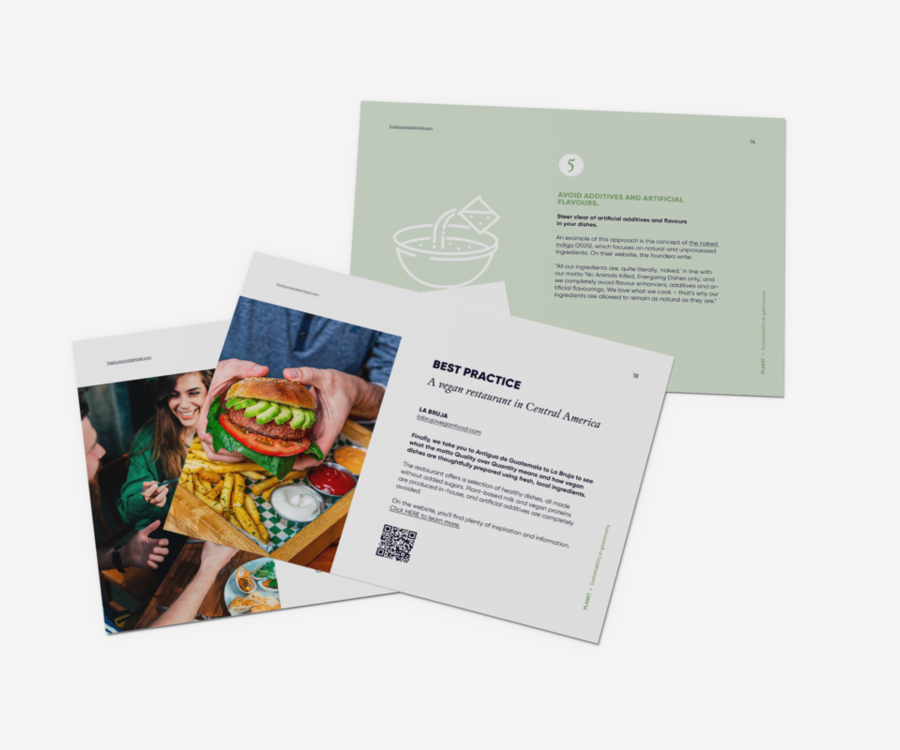
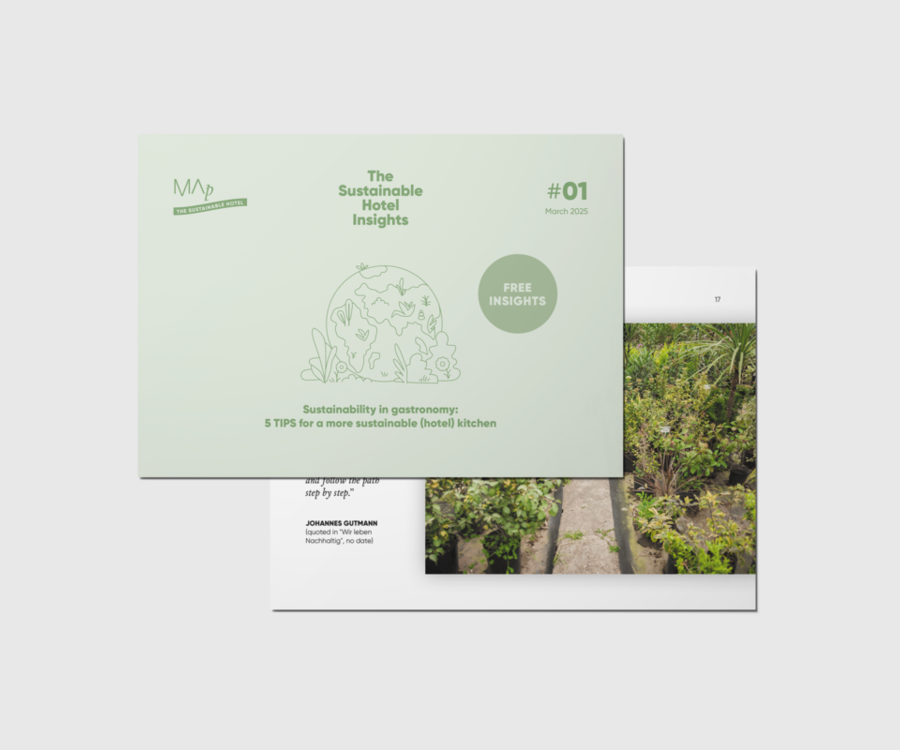
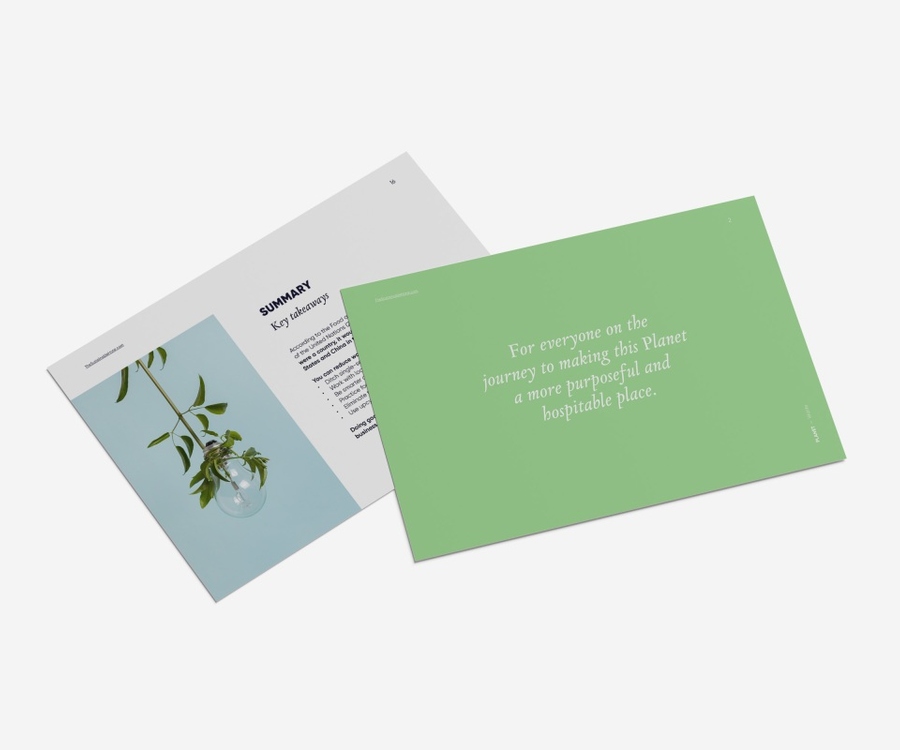
This free PDF file provides information, guidance and tips regarding sustainability in the (hotel) kitchen.

CHF 0.00

Available for download.

Weight
-86
Block Image
Sustainability in Hospitality: 5 Tips for a More Sustainable (Hotel) Kitchen
Main image
Sustainability in Hospitality: 5 Tips for a More Sustainable (Hotel) Kitchen
Paragraphs

5 Tips for a More Sustainable (Hotel) Kitchen

The way hotels and restaurants design their menus not only matters for our planet, but also for guests’ health and future generations' quality of life. That’s why we have created this practical guide – to empower you with our five top tips for a sustainable (hotel) kitchen, background information and practical insights.

Included in the guide:

  • What males people give up meat?
  • How can hotel and restaurant managers benefit from this shift?
  • How can you make sure your menu is to the liking of (almost) everybody?
  • What can you do to make your (hotel) kitchen more sustainable?


Sustainability in Hospitality: 5 Tips for a More Sustainable (Hotel) Kitchen

About Balteschwiler Consulting

Balteschwiler Consulting offers tailored concepts for the hospitality industry – from introducing seasonal, regional and plant-based dishes to using eco-friendly cleaning and care products, as well as offering staff training. Through team workshops, Balteschwiler Consulting provides the knowledge needed to reduce your ecological footprint while increasing guest satisfaction.

Untertitel
We’ll show you how to make your (hotel) kitchen more sustainable in five simple steps.
Why you need it
  • 5 clear action steps for a sustainable (hotel) kitchen
  • Better understanding of meat consumption and its impact
  • The path to a sustainable (hotel) kitchen with this practical and free PDF guide
  • Information about a best-practice example, links to further must-read resources to support you on your #onwards journey
Zero Price view
CHF 0.00
Erscheint nach ? Sekunden
3
FREE DOWNLOADS
sharing is caring

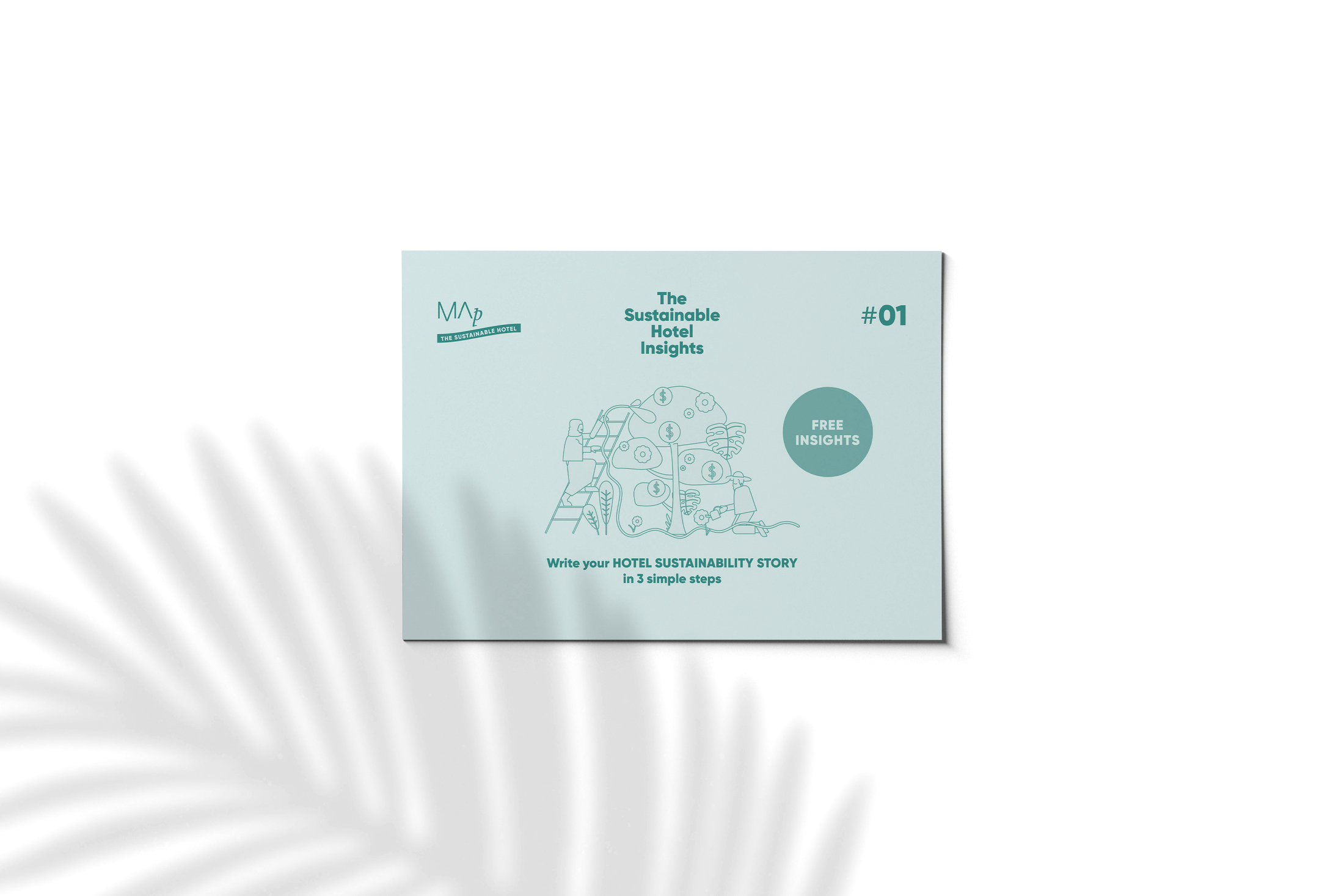
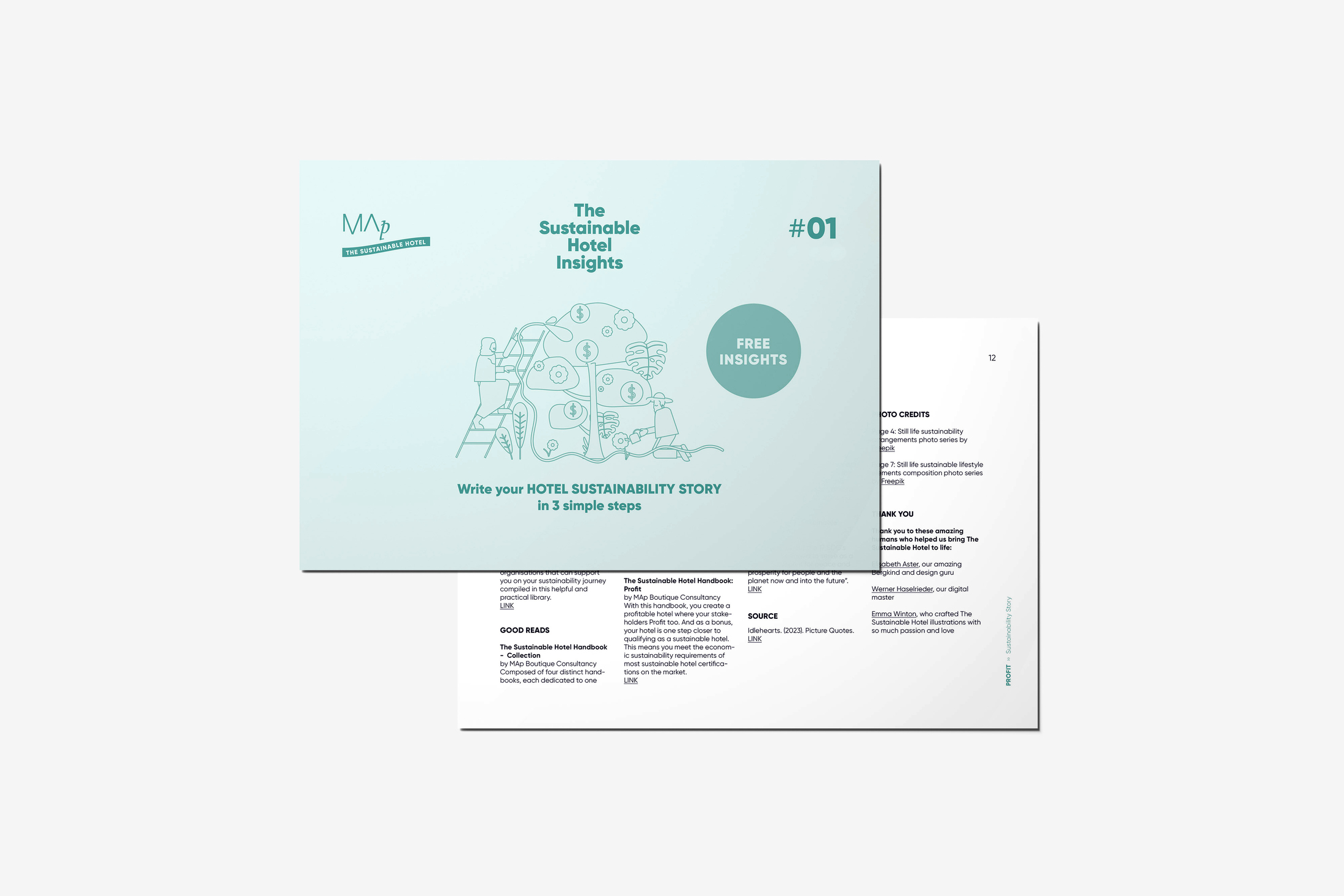
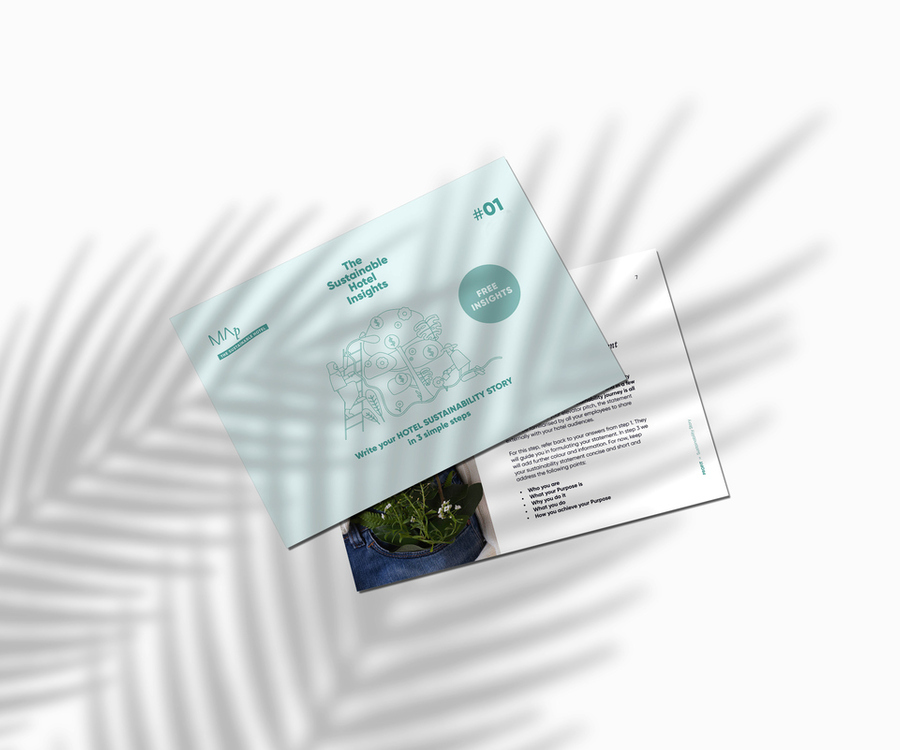
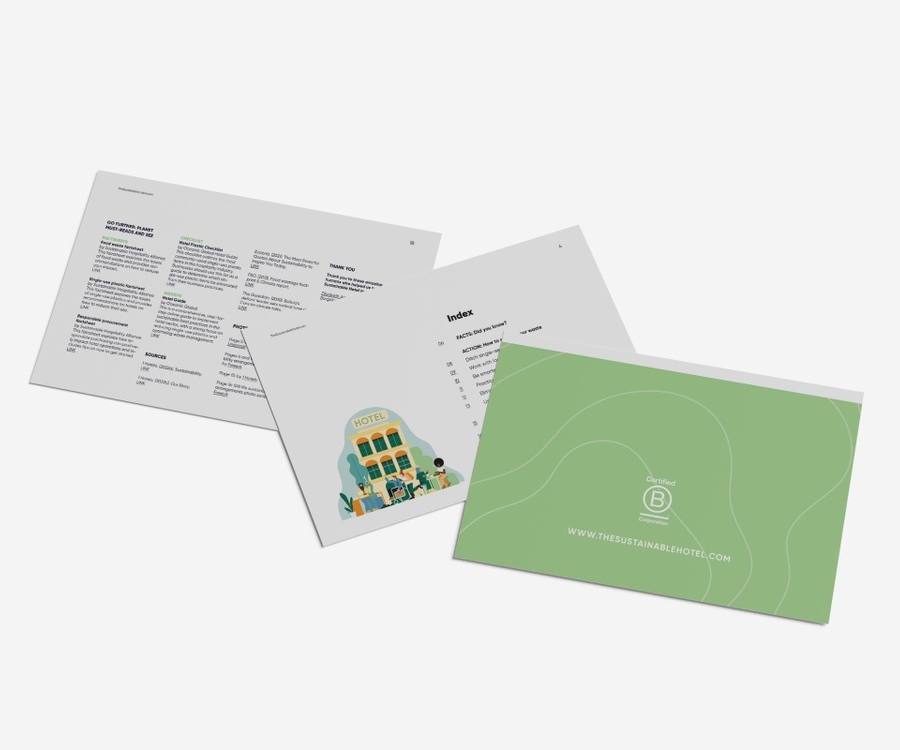
Turn your hotel’s sustainability work into wording your guests, team and partners can trust. This template guides you through three clear prompts and applies the principles of Sustainable Communication, so your story is specific, respectful and ready to use.

CHF 0.00

Digital download (PDF)

Weight
-91
Block Image
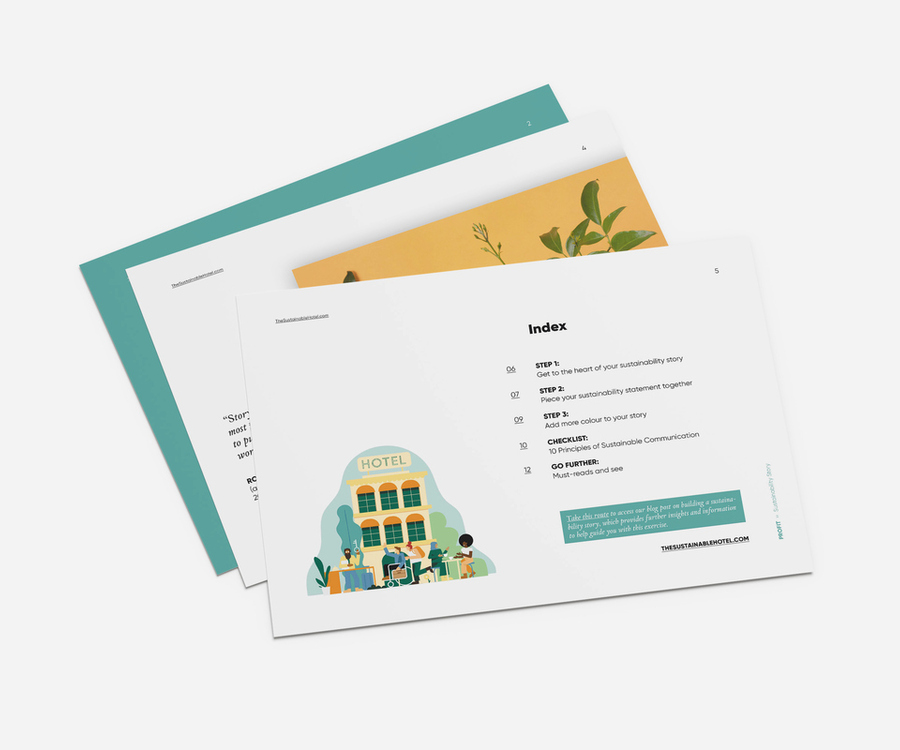
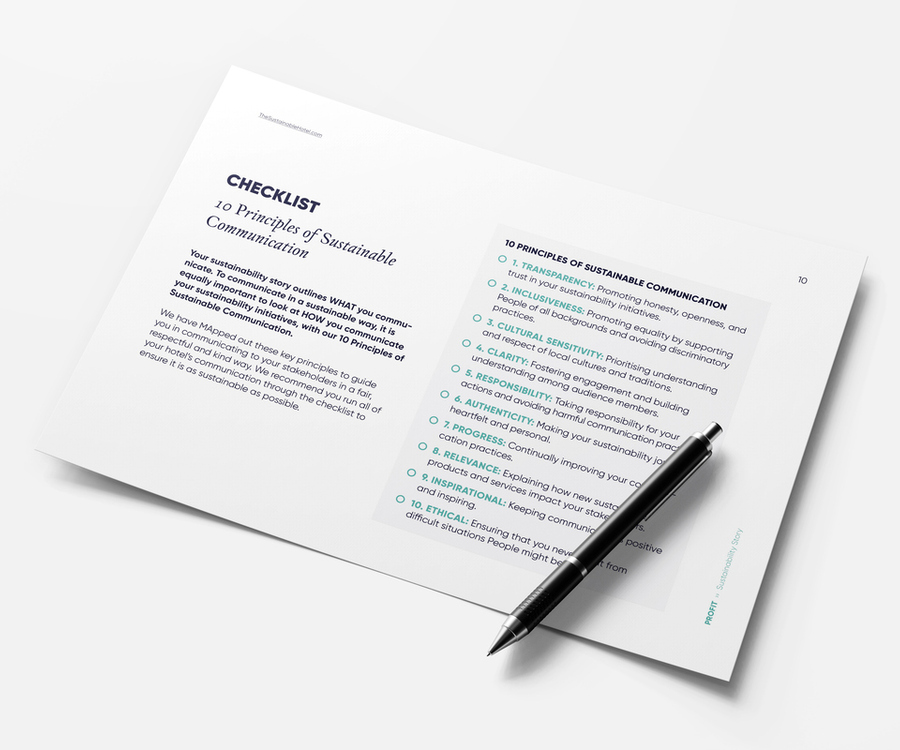
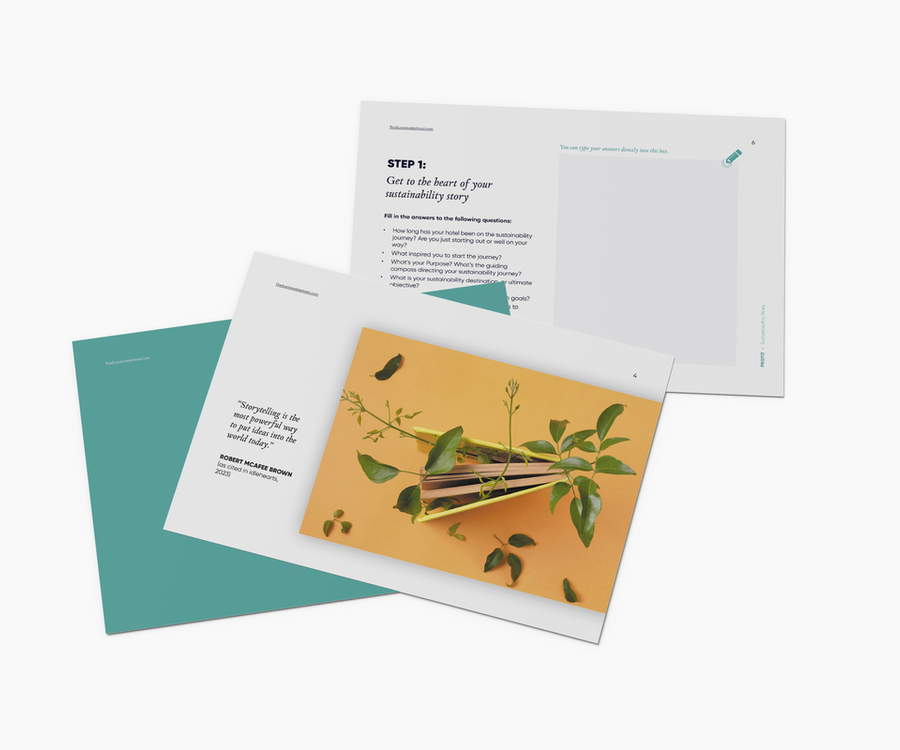
Close-up of the template for writing a hotel sustainability story.
Main image
Close-up of the template for writing a hotel sustainability story.
Paragraphs

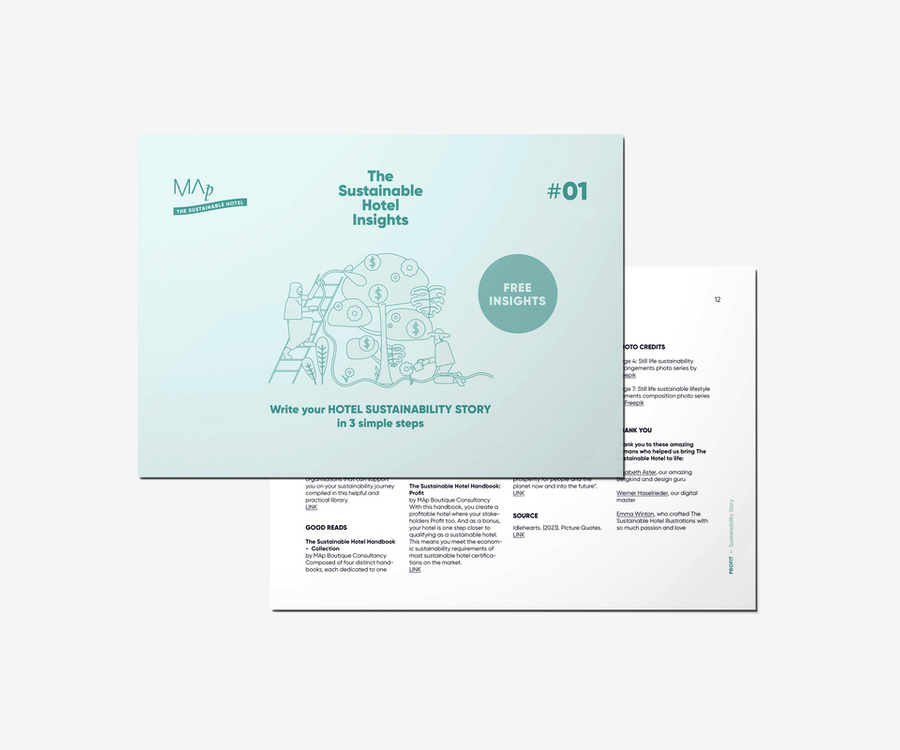
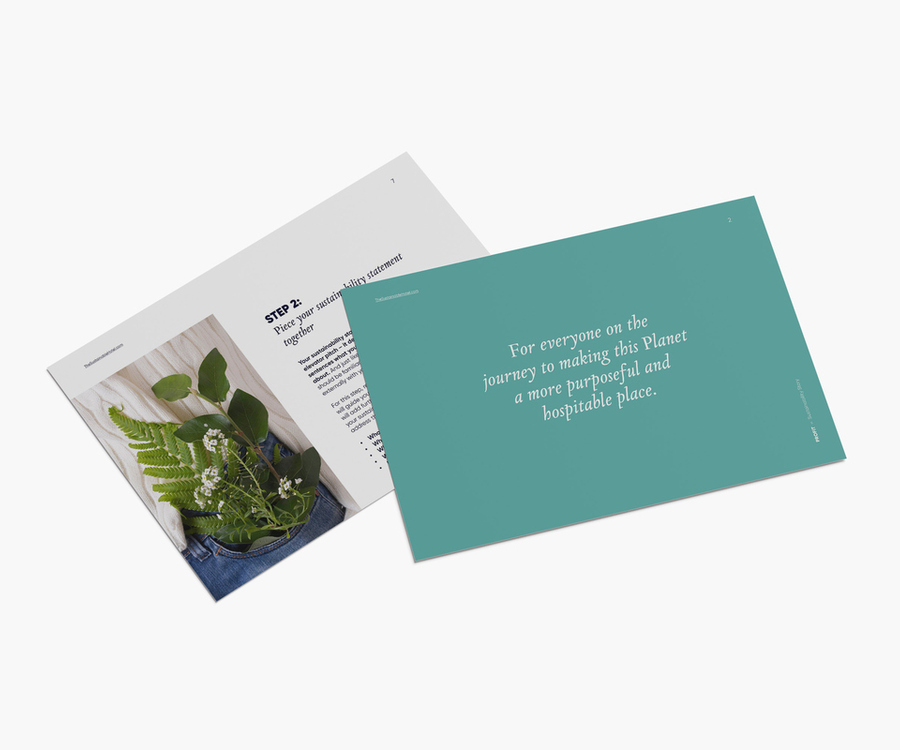
Write your hotel sustainability story in 3 simple steps

In this exercise, you will distil your hotel’s sustainability story and put it on paper — as the foundation for both internal and external communication. Your story reflects your hotel’s sustainability journey, which is why it is unique to you.

By weaving in the principles of Sustainable Communication, you will learn to write clearly and credibly for the audiences you engage with. This exercise is part of The Sustainable Hotel Handbook: Communication. To learn more about the handbook and get your copy, head HERE.

What’s Included:

  • Guided Q and A to get to the heart of your sustainability story
  • A fill-in sustainability statement template
  • A Sustainable Communication checklist
  • Helpful resources to support your story across various channels
Close-up of the template for writing a hotel sustainability story.
Untertitel
A guided template to turn real actions into a clear, credible story you can use across every channel and that helps you avoid greenwashing.
Why you need it
  • Learn exactly which elements make a strong sustainability story
  • Write a clear statement you can use in internal and external communication
  • Build out a narrative that becomes the basis of your sustainability communication
  • Ensure your story follows the principles of Sustainable Communication — and avoids greenwashing
Zero Price view
CHF 0.00
Banner Dachzeile
DU BIST AUF DER SUCHE NACH Mitarbeitenden?
Banner Text

JETZT die 6 TIPPS zum Erstellen von inklusiven JOB ADS downloaden.

Banner Background-Image
The 6 ELEMENTS of inclusive and attractive job ads
Erscheint nach ? Sekunden
3
FREE DOWNLOADS
sharing is caring

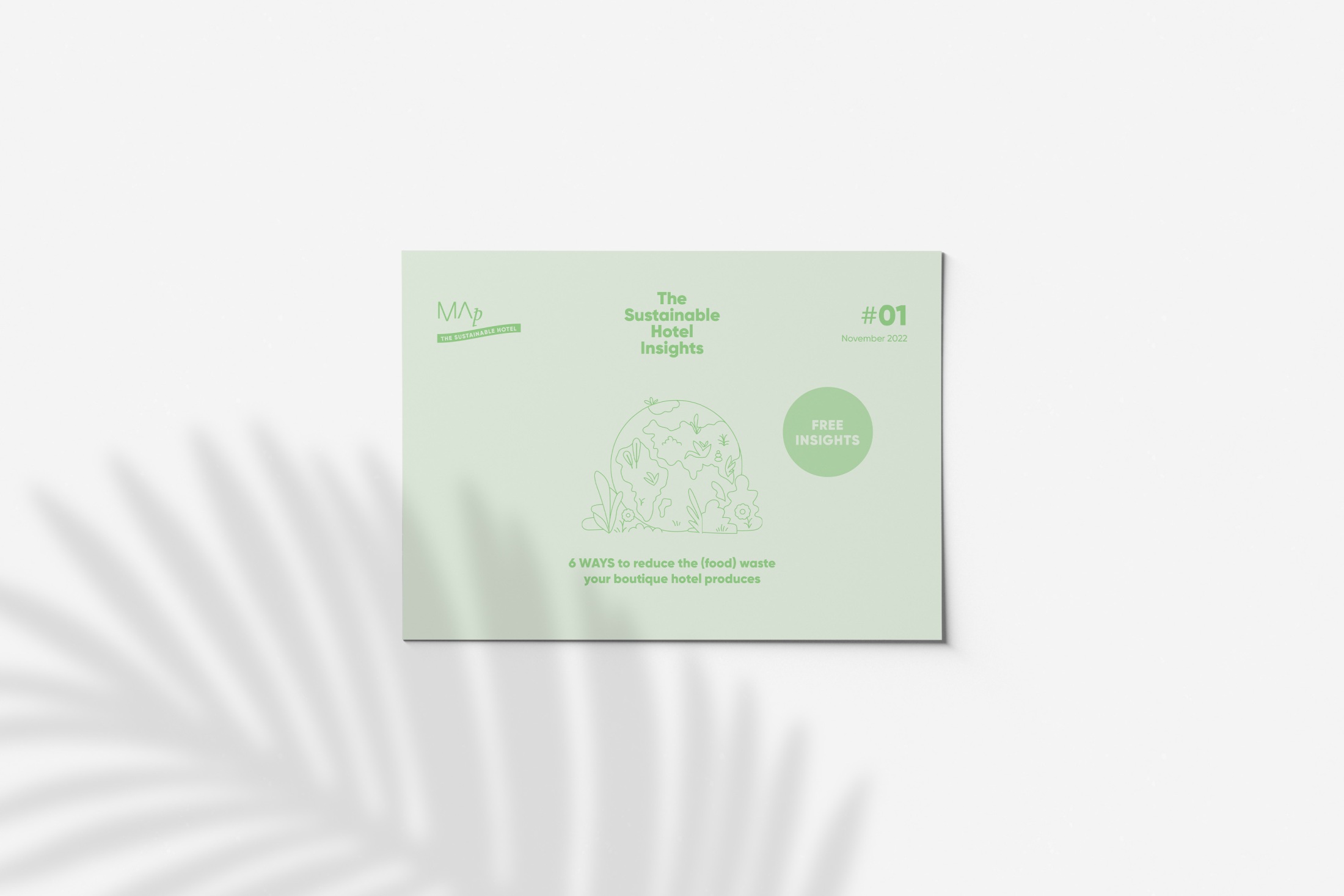
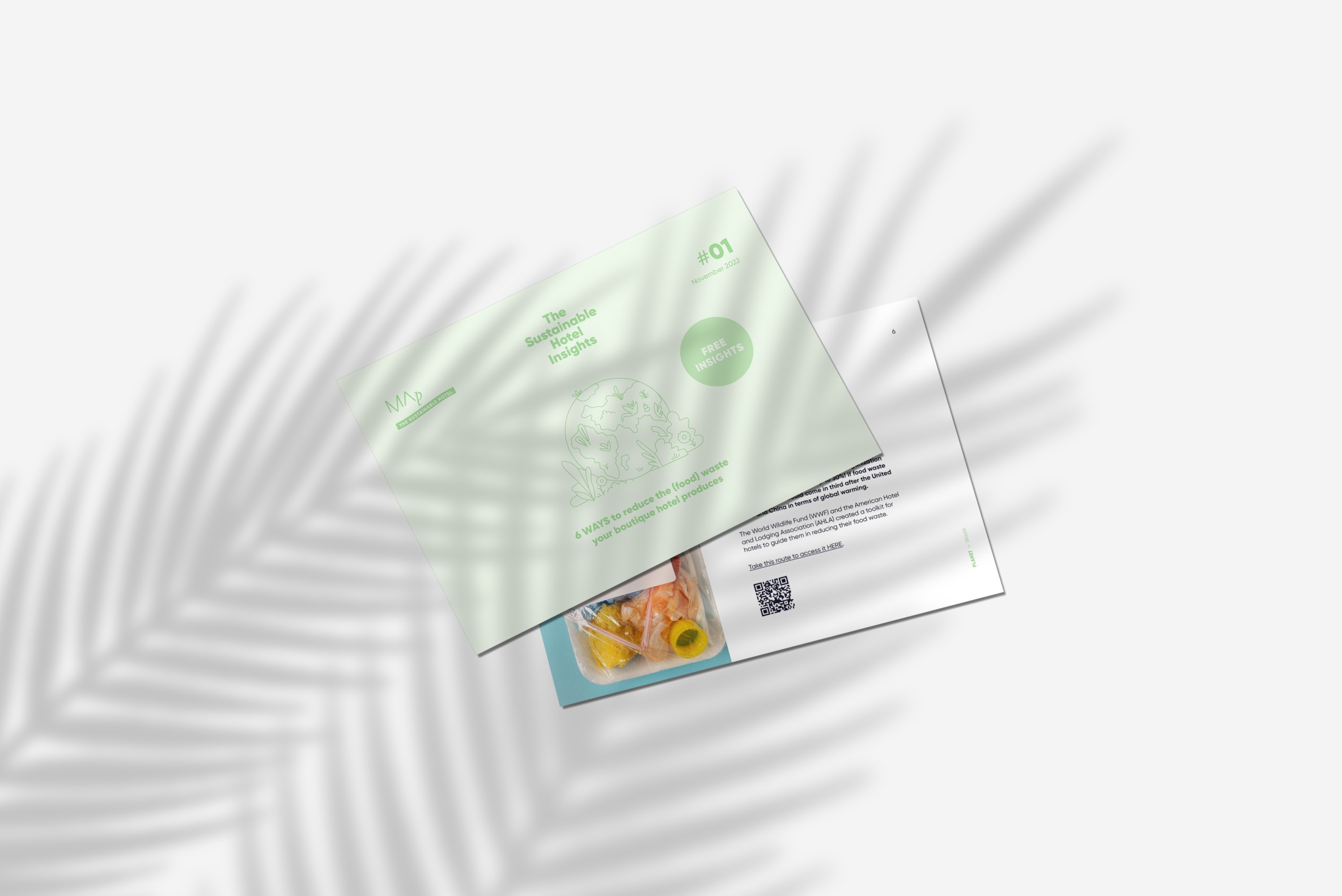
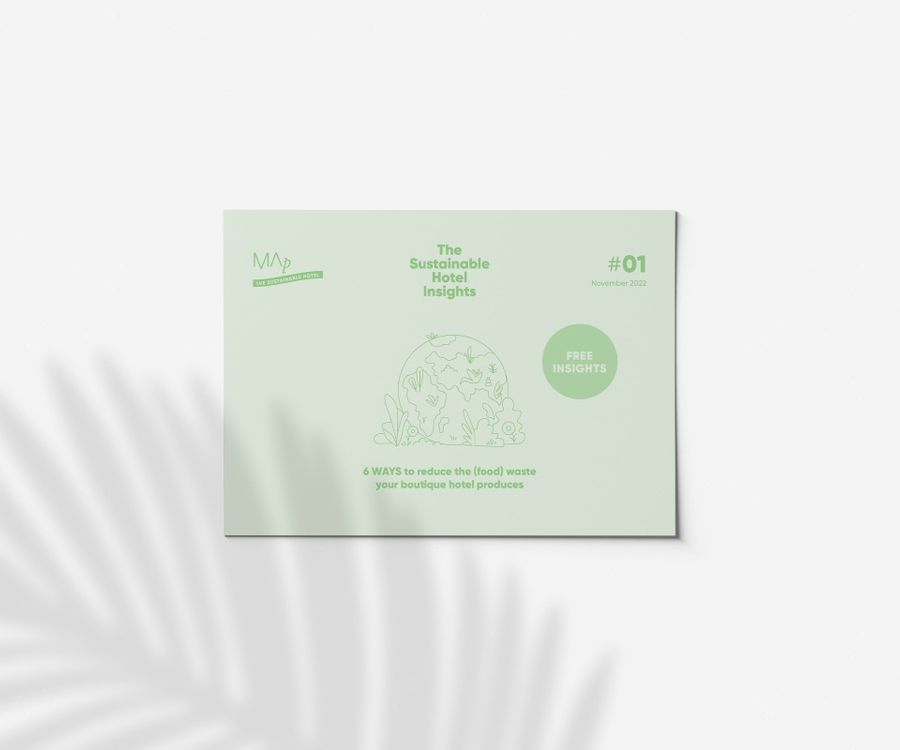
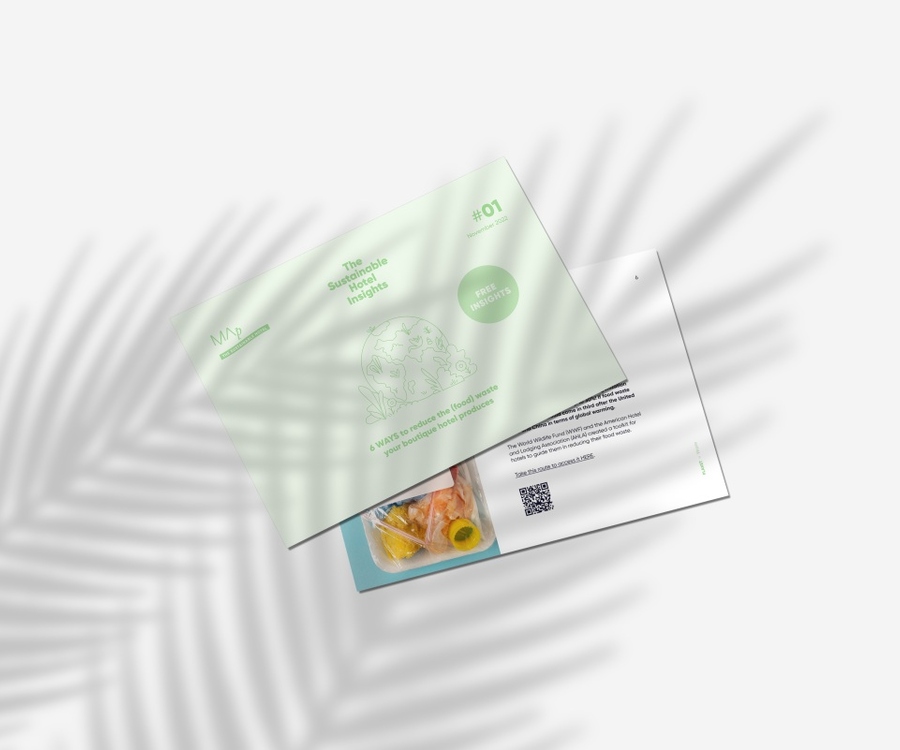
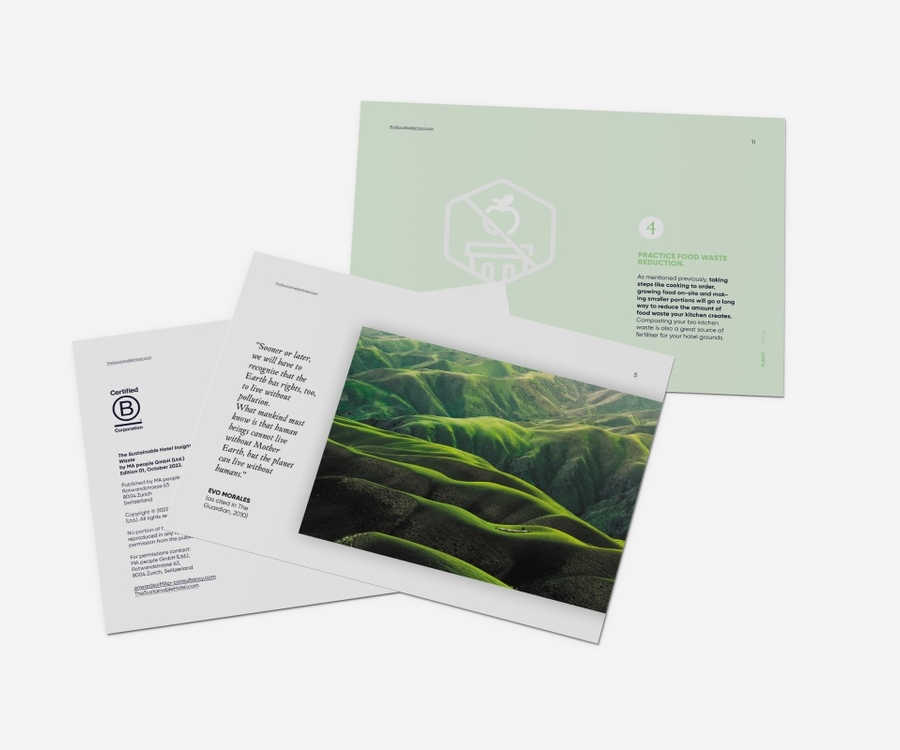
We show you 6 ways to reduce (food) waste in your hotel (Free PDF).

CHF 0.00

Available in digital format. 

Weight
-89
Block Image
6 WAYS to reduce (food) waste in your hotel
Main image
6 WAYS to reduce (food) waste in your hotel
Paragraphs

6 ways to reduce (food) waste in your hotel NOW

From plastic straws to food buffets, the amount of waste and food waste hotels produce is significant! And the reality is that every kilo of waste equates to inefficiently-used resources.

This makes waste management an important priority when it comes to sustainability, which is why we’ve created this free download to give a first insight and practical tools to help you address this important topic.

Download this free PDF guide in order to reduce waste and food waste in your boutique hotel NOW.


What’s Included:

  • Astonishing facts about (food) waste
  • 6 concrete action steps you can take NOW to reduce your hotel’s (food) waste
  • A best practice example
  • Resources to support you on jour journey #onwards into waste management
6 WAYS to reduce (food) waste in your hotel
Categories
Untertitel
Learn 6 ways to reduce waste in this Free PDF.
Why you need it
  • Get 6 clear action steps to reduce your (food) waste NOW
  • Gain an understanding about the topic and its implications
  • Start your zero waste journey with this actionable and free PDF
  • Get access to best practice examples, must-reads and further resources that can support you in moving #onwards
Zero Price view
CHF 0.00
FREE DOWNLOADS
sharing is caring

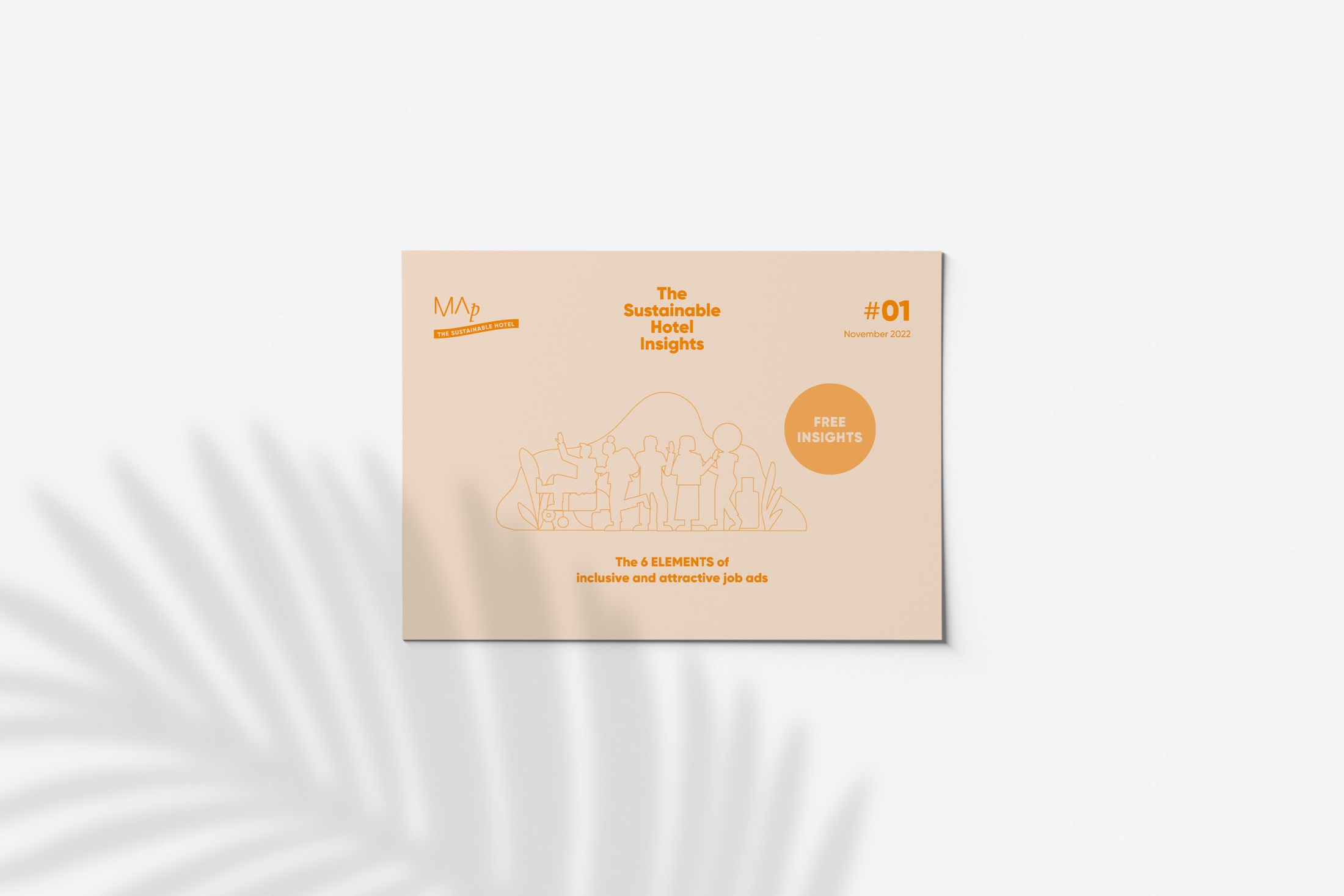
We help you craft a job ad that appeals to a broad and diverse audience (Free PDF).

CHF 0.00

Available in digital format. 

Weight
-87
Block Image
The 6 ELEMENTS of inclusive and attractive job ads
Main image
The 6 ELEMENTS of inclusive and attractive job ads
Paragraphs

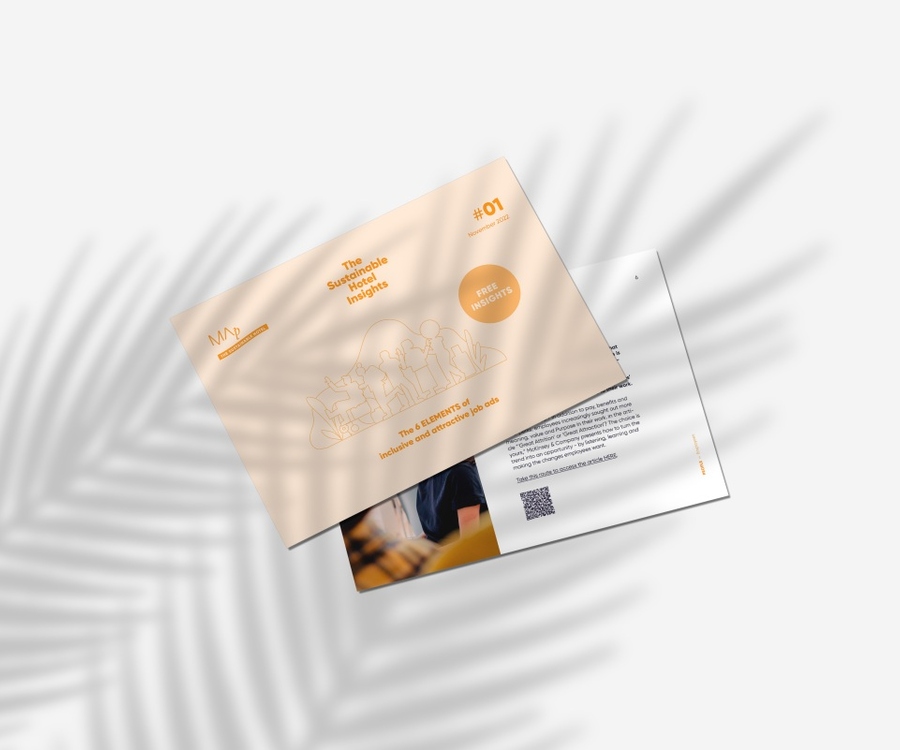
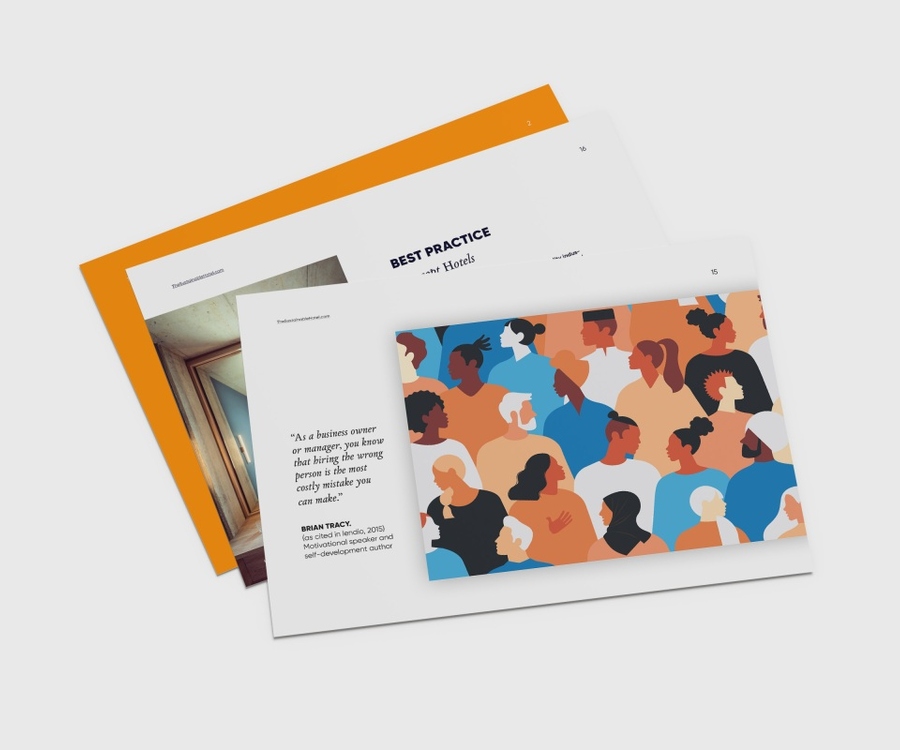
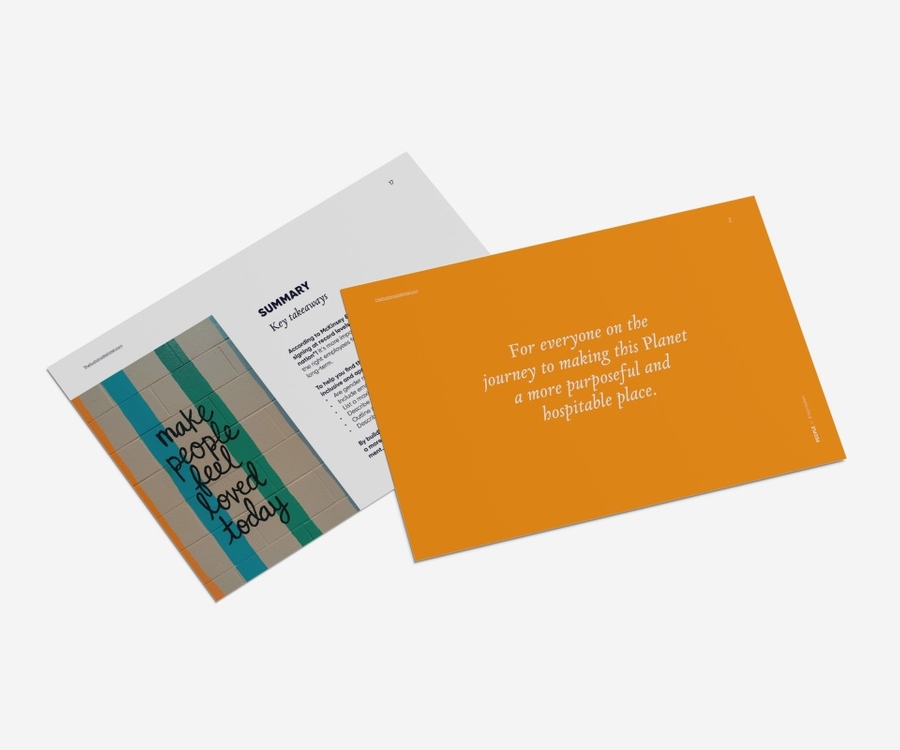
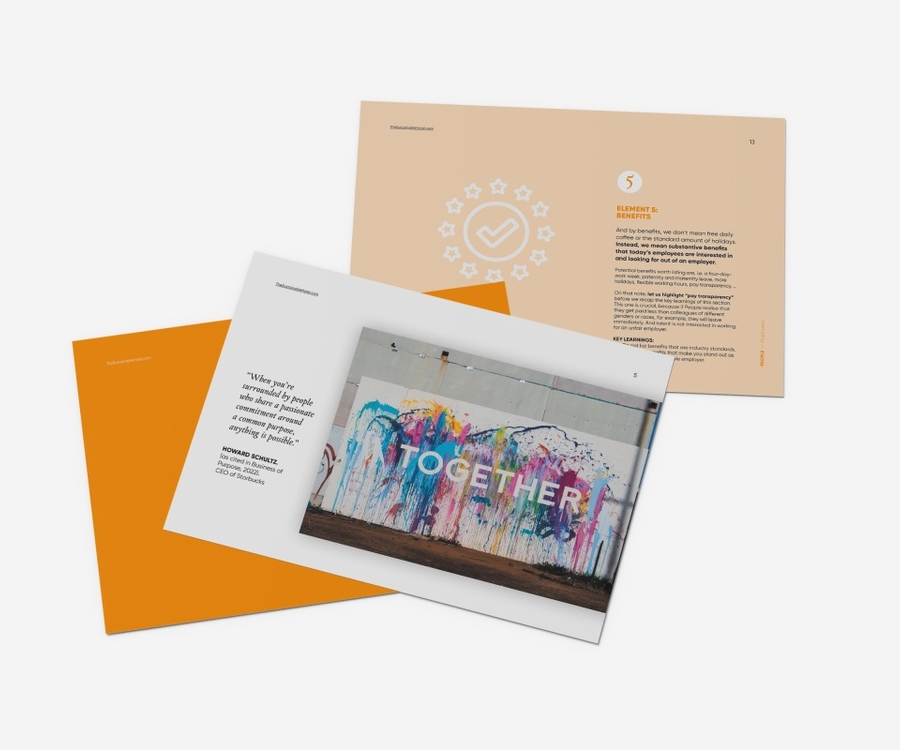
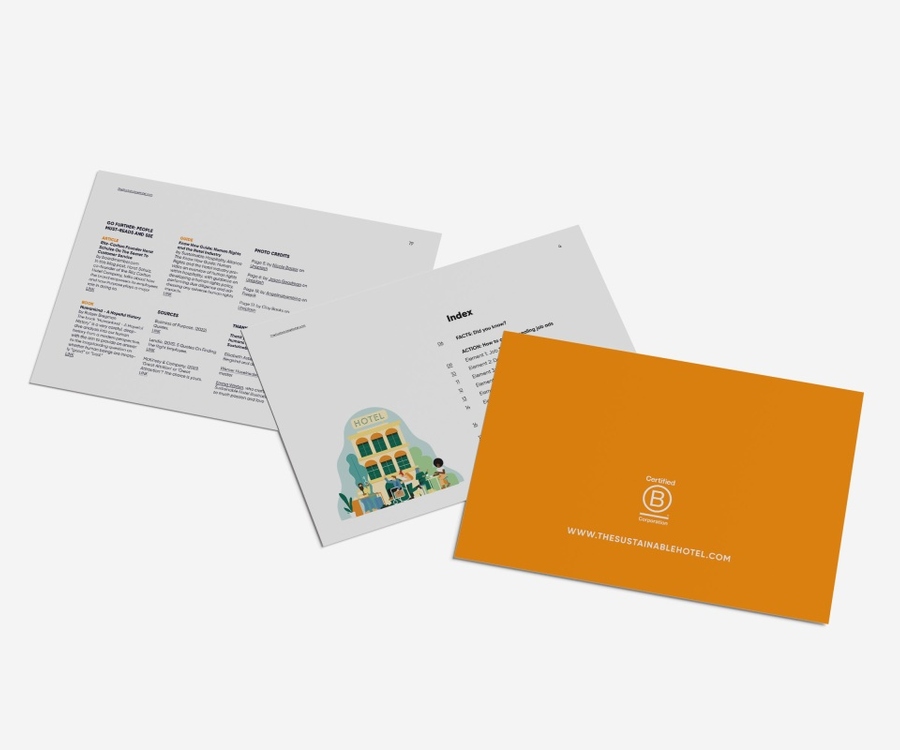
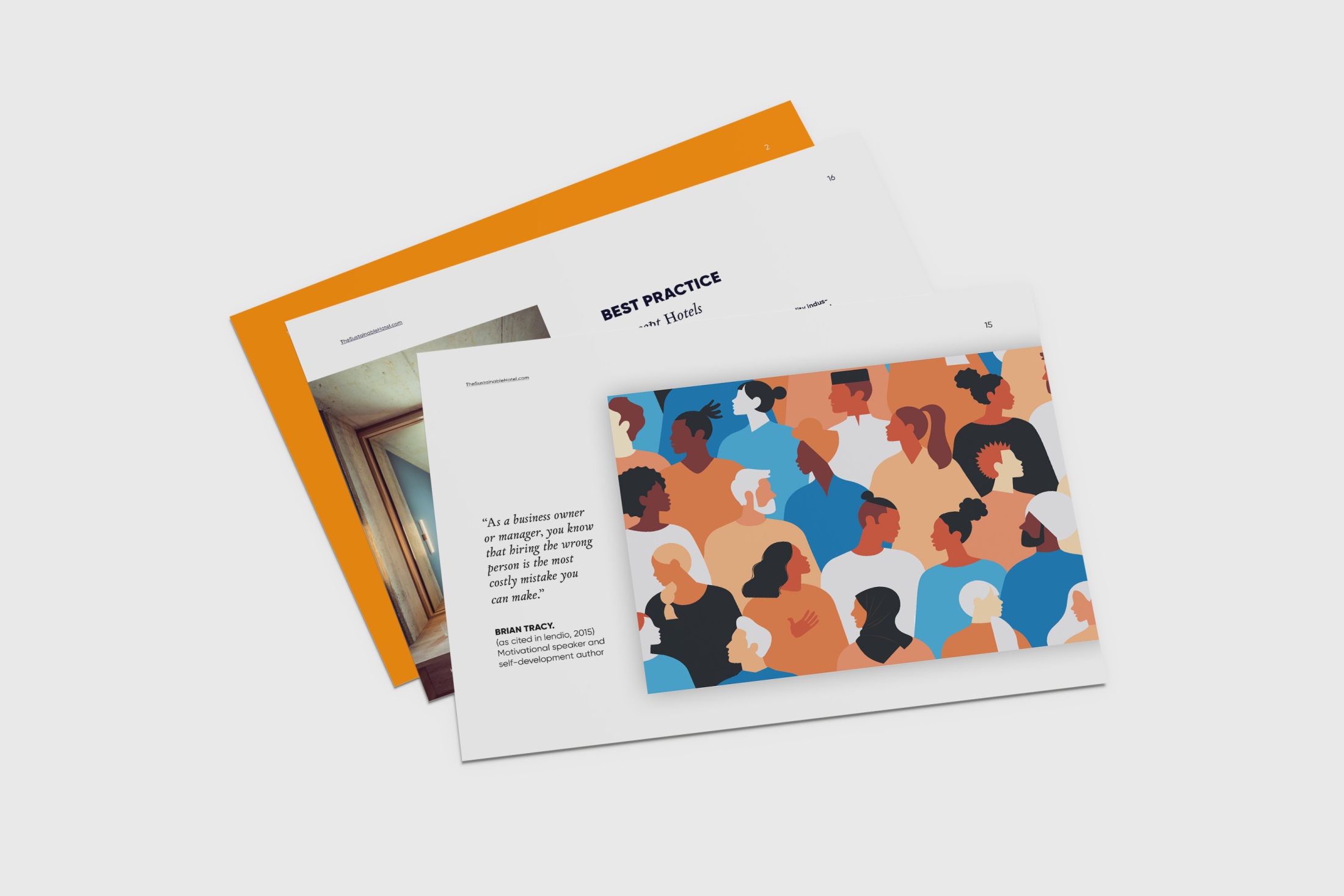
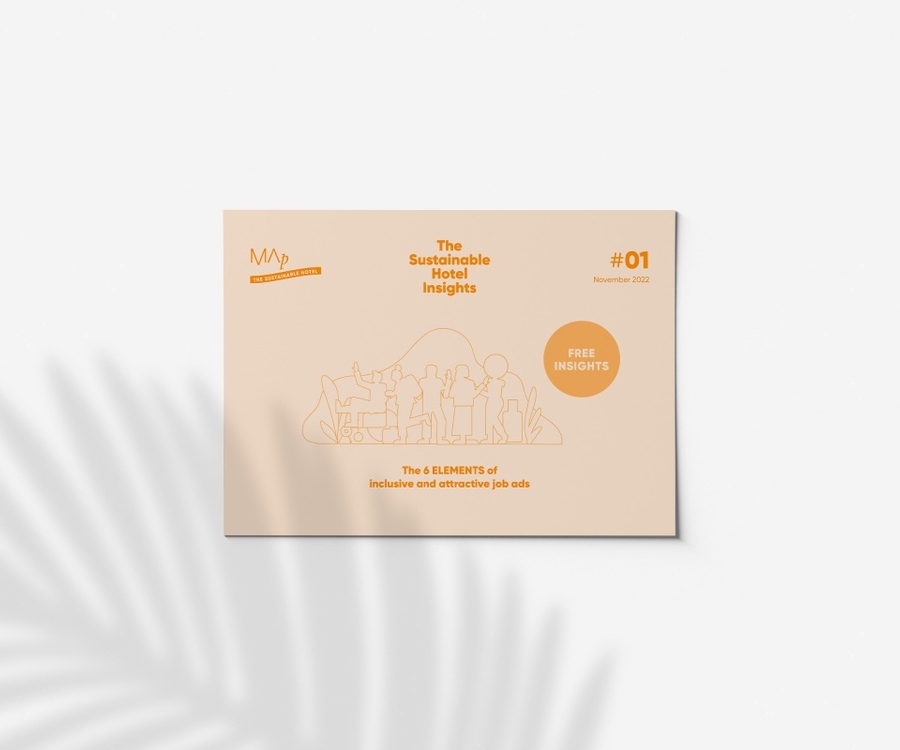
The 6 ELEMENTS of inclusive and attractive job ads

With a dried up labour market, it’s more important than ever to find the right employees for your hotel - those employees who will stick around for the long-term.

Your goal should be to build a diverse and inclusive team in order to support a more positive work culture and better work environment.

To help you with that, we’ve created a free PDF that outlines how to craft inclusive and attractive job ads. Download NOW!


What’s Included:

  • Insights into what talent wants in a post-COVID world
  • An introduction into inclusive language
  • 6 important elements that should go into a job ad
  • A hotel that serves as a best practice when it comes to employees
  • Resources to support you in hiring and managing employees
The 6 ELEMENTS of inclusive and attractive job ads
Categories
Untertitel
How to craft job ads that appeal to a diverse audience.
Why you need it
  • Know how to craft the perfect job ad that will appeal to a broad audience
  • Learn how to write inclusively
  • Get insights into what talent is looking for
  • Get access to best practice examples, must-reads and further resources to help you with hiring and employee management
  • Start building your diverse team right away
Zero Price view
CHF 0.00
Banner Dachzeile
DU BIST AUF DER SUCHE NACH Mitarbeitenden?
Banner Text

JETZT die 6 TIPPS zum Erstellen von inklusiven JOB ADS downloaden.

Banner Background-Image
The 6 ELEMENTS of inclusive and attractive job ads
Erscheint nach ? Sekunden
3
FREE DOWNLOADS