sharing is caring

If you’ve followed our boutique hospitality consultancy for a while, then you know that Purpose sits at the core of everything we do. And we’ve made it our mission to empower our hospitality clients to identify their unique and authentic Purpose, and reflect that in the sustainable hospitality concepts and purposeful brands they create. Let's take a deeper look at the Purpose-driven organisations shaping today’s economy. 


Untertitel
How Your Desire for Impact, Personal Growth and Community Is Changing the World
Blog main image
The Purpose Economy
Paragraphs
The organisations that will perform well in this new economy are those that empower individuals to have a certain self-awareness about Purpose,
and connect it to their own organisation's Purpose.
@weareMApeople

Summary

Thirty-five years ago, author Aaron Hurst’s own uncle Marc Porat coined the term “Information Economy,” predicting the rise of Silicon Valley and the internet giants. Since that time, Hurst, CEO of Imperative and Founder of Taproot Foundation, has observed an economic shift emerging from the need for Purpose, which he terms “The Purpose Economy.” In his book, Hurst makes the case for why our economy is becoming more Purpose-driven and how organisations (including hospitality businesses and boutique hotels) can thrive in light of this shift. Hurst draws upon his experience catalysing the pro bono service market, research, case studies and personal anecdotes, to reveal how this new economy is making an impact – for people and planet!

Key Points

#1: There are different types of Purpose: Personal Purpose, Social Purpose and Societal Purpose.

Personal Purpose is the pursuit of passion; something deeply personal. As Hurst puts it, “We find Purpose when we do things we love, attempt new challenges, and express our voice to the world.” Social Purpose is about creating meaningful connections; sharing your Purpose with people you love. And research shows that Purpose is better when shared - after all, relationships provide more meaning to humans than anything else out there. Lastly, there is Societal Purpose: making a bigger impact on society as a whole. And that doesn’t mean you have to end world hunger – you can derive Societal Purpose through your existing work if you’re able to connect it to the bigger picture.

#2: There are different types of Purposeful organisations: values-driven organisations, excellence-driven organisations and impact-driven organisations.

Hurst has identified three types or Purpose-driven organisations. There is the values-driven organisation, where values are embedded into the organisation’s core and drive all decision-making. There is the organisation that strives to build excellence, where the Purpose is its craft and its focus on producing quality work. And lastly, there is the impact-driven organisation, which seeks to take responsibility for and have a more positive impact on its stakeholders, people and planet.

#3: There are different ways to embed Purpose into your organisation: through customers, through employees and through the supply chain.

Hurst notes that there are three ways in which Purpose is typically emphasised within an organisation. The first is by delivering Purpose to customers through a service or product that gives them a greater personal, social or societal Purpose. The next is by giving employees a sense of Purpose through their work. And the last approach to Purpose is building it into the supply chain - considering the people and companies with which you partner, practicing fair trade principles, empowering local communities, etc. The organisations that will perform well in this new economy are those that empower individuals to have a certain self-awareness about Purpose, and connect it to their own organisation's Purpose.

Application

How can your organisation lead with Purpose? Hurst has some recommendations:

  • Remove silos by combining functions to be in service of the larger community as a whole
  • Community organise in a way that motivates and leads people to lead themselves
  • Build community leaders by empowering and engaging your people
  • Work without managers by creating a culture of coaching and support that doesn’t require top-down hierarchy
  • Make your leaders conductors by pointing people in the right direction, instead of pushing them in the right direction

MAp's Favourite Quote

“Purpose is not a noun, it is a verb. It is about how we work. We experience purpose when we do something that’s greater than ourselves. We experience purpose when we push ourselves and grow. We experience purpose as part of a community.”

Conclusion

Thanks for following along on our boutique hospitality consultancy’s never-ending path to Purpose! We’d love to hear from you! What do you think about “The Purpose Economy?” How is your hospitality business or boutique hotel adapting to thrive in this new era? Comment below.

Lastly, support a local bookshop by buying “The Purpose Economy” here: https://bookshop.org/.


Blog Block Image
The Purpose Economy

Add new comment

Comment

Order

Plain text

  • No HTML tags allowed.
  • Lines and paragraphs break automatically.
  • Web page addresses and email addresses turn into links automatically.
Categories
Types
sharing is caring

Finally! It’s been a few years since our last MAp meets with our partner, Karsten Schmidt-Hoensdorf, owner of the Zurich design studio IDA14. For everyone interested: HERE you can discover and read our last conversation.

For more than 25 years, Karsten and his team have been developing “extraordinary design for extraordinary rooms.” Their focus is on hospitality, residential and corporate projects in the fields of architecture, interior architecture and design.

Karsten recently informed us he’s incorporating more and more sustainable design into his work - so it was high time to meet for a new interview.

Untertitel
MAp meets Karsten Schmidt-Hoensdorf, owner of the Zurich design studio IDA14
Blog main image
MAp meets Karsten Schmidt-Hoensdorf, owner of the Zurich design studio IDA14
Paragraphs

Dear Karsten, we are very happy that we finally managed to sit down together. Since it’s likely not all readers were present at our last conversation, could you please give us a brief insight into your work and IDA14?

I am very pleased to receive the invitation to an interview from you, Magdalena, and MAp! For me it is an inspiration and an invitation to reflect on my work with you! In a nutshell, I work with my team of mostly around 10 young interior designers and architects on mainly hotel projects. We see ourselves as a boutique style design and architecture studio: the team size is deliberately kept manageable, our clients are mostly smaller - individual hotels or small hotel chains in Switzerland.

This has to do with the small-scale hotel structure in Switzerland on the one hand, but also with our preference for individuality on the other. The mutual appreciation is often more noticeable here than in international hotel groups. I see my work in this context as a contribution to a high-quality hotel culture, as it has historically emerged in Switzerland.

Here I am addressing a point that is important to me: as we all know, culture does not only take place in the opera. Culture is diverse, a high-quality craft; the maintenance of traditional knowledge and the respectful handling of it are an important part of my motivation to always tackle new projects without lapsing into repetitive thinking and acting.

Personally, I have been working in this profession for almost 30 years. As described in my first interview with you, I was interested in art, history, literature and politics from an early age. This interest in the world and my study of history and politics before studying architecture are probably the driving force and also the basis for my work as a specialist author. I write in the relevant media on topics related to the hotel industry. I am concerned with the social context of the industry. Here you can read developments and observe trends that go far beyond the usual understanding of design and architecture.

I have worked as a consultant for hotel chains like Swissôtel around the world. I also support various hotels with my knowledge of the correct interior design conception and proportioning. But also banks like Credit Suisse for larger projects.

One topic that we have talked about a lot recently is sustainability. How do you integrate this into your work? Was there a moment or maybe a place for you that put you on this path?

When I'm looking for a place or time where and when my interest in sustainability began, it seems to me to be a natural development, a kind of evolutionary design process.

I remember that many years ago, design, visually tangible aesthetics, was dominant and central. In Switzerland, there was traditionally an additional attitude that valued aspects such as material authenticity and high-quality craftsmanship.

As Director Interior Design, I spent several years for a Swiss 5 * hotel brand on all continents, briefing and coaching the design and architecture teams on many renovation and new construction projects. I clearly realized how much we differ in continental Europe and especially in Switzerland from the mostly Anglo-Saxon design firms that implement large hotel projects around the world. Fascinating and for me an absolute exception in this context was my collaboration with a Japanese interior designer. During a renovation project in Japan, I saw how close we got to each other in our views on architecture and design. That's why I'm really looking forward to my upcoming trip to Japan, for which I have made craft, architecture and design - in addition to nature - the central themes of my travel planning. And of course the anticipation is great: the trip has been "on hold" for a year and a half and I hope it happens in the next year.

We keep our fingers crossed that your trip to Japan will finally work out. If we stay in the future: which principles and trends do you think will become more and more important in design?

The principles are complex and will continue to develop. There are various labels and certificates for sustainability, also in the hotel industry. Magdalena, you showed me the sophisticated label B Corp, on which you focus with your company: I am now dealing with it, I respect the effort and will pursue it.

As far as our daily work in planning interior design is concerned, various basic principles of sustainability meet my quality standards. For example, when selecting products and materials, researching how sensible and justifiable the use is in terms of energy use and ethical principles in production and transport. I also value material authenticity, which also connects to recyclability. The extraction and, above all, the processing of raw materials should also take place regionally if possible. For example when using wood and stone.

Handicrafts are right at the top of my list of preferences: As far as I am concerned, I am talking about a high-quality culture that will hopefully gain in importance again and find a place in economic thinking. I love good handicrafts and often take the opportunity to visit handicraft businesses. For me, this also includes glass manufacturers such as Barovier & Toso on Murano, with a continuous company history since the 15th century. Or lighting companies like Louis Poulsen in Copenhagen, who not only produce everything themselves in Denmark, but also invite their employees to daily work breaks with music and gymnastics.

I see these European companies as regional; for me regionality is not a question of national borders, but of possibilities. Therefore, there will probably also be products in the future that come from far away, from Asia, Africa, South and North America.

As already mentioned, research is important here: How and under what conditions was production carried out? To what extent have ethical standards been adhered to in a credible manner, e.g. in terms of working conditions and human dignity, animal welfare and environmental pollution.

As far as future trends in terms of sustainability are concerned, I hope for positive social developments: It cannot be that everyone has to acquire a doctorate to understand sustainability. For me, sustainability and our major crises speak to simple feelings: those who are with themselves also have easy access to an understanding of sustainability. “We are one world” is a question of awareness, not education.

My interest in sustainability
seems to me to be a natural development, a kind of evolutionary design process.
Karsten Schmidt-Hoensdorf, IDA14
via @weareMApeople


What do you say to those people who believe that it is simply impossible to be both design-oriented and sustainable? How do you create beautiful places and spaces that are sustainable for mankind and our earth in the long-term?

We have gone through many changes in good taste in human history. The 25,000-year-old stone sculpture of Venus von Willendorf is the first known sculptural representation of a human ideal: a very fat woman. It represented an ideal of beauty, because in times of hunger and cold it was a dream to be well fed. From today's point of view, being overweight would be seen as a problematic undesirable development ... Ideals of beauty can therefore survive if they are no longer appropriate, if they contradict knowledge. I believe in a collective, universal sense of aesthetics. Just as all people understand laughing and crying, regardless of their culture, there are also similarities in the perception of beautiful and ugly, of friendly and hostile.

Many of our readers work in the hotel industry: What are the 5 most important things hotels should do to make their interiors more sustainable?

Anyone planning to hire an interior designer must take the time to clarify, in conversation and on the basis of reference projects, whether and how sustainability is part of the design process of the relevant design office. If you want to take action yourself, you should consult with good regional craft businesses and choose the right partners. There are very good and sustainable furniture manufacturers in Switzerland and in neighbouring countries. Companies such as De Sede, Horgen Glarus, Embru, Alias, Girsberger and others promise longevity; But not only that: after many years of use, they also restore this furniture. A hotel may pay a higher price than with no-name products from somewhere, but these last for decades. The lifespan of a piece of furniture is an important criterion for sustainability. As a rule, this furniture is carefully designed and exudes a high level of quality, which guests are happy to take note of.

This also and especially applies to leather furniture: high-quality companies communicate exactly where the cowhide comes from and how and with which chemicals it was tanned. For me it is like eating: If a frozen pizza with a meat topping does not cost CHF 3.50, it is clear to everyone that there cannot be any respectful animal husbandry or appreciation ...

I am critical of the current inflationary hype around plastic recycling: I ask manufacturers exactly about their processes of extraction of plastic and how and where the processing and transport take place. We have a plastic litter problem in the world. But does processing into more or less short-lived products make sense? Does that solve a problem or does it create a new one?

What other sustainable measures are there? Before renovating hotels and restaurants, I check whether all furniture really needs to be disposed of. We are working on a project in Ticino, where a technically sophisticated secretary looked old-fashioned in the rooms. But lacquered in matte black, supplemented with modern, silver-coloured fittings and a cool table lamp, it now looks like a newborn - a lifestyle element that is beginning its second life.

The triad of downcycling, recycling and upcycling should be part of the research into possibilities. Good designers should find solutions that are convincingly sustainable and meet high design standards.

What are your hopes for the hospitality industry in terms of sustainability?

The hotel and catering industry are facing major challenges and have to question their traditional and previously well-functioning business models. Much of sustainability is familiar to them through the F&B area: regionality and good products as a prerequisite for success, clear communication and declaration of products and services.

The contemporary and respectful treatment of employees is moving more into the foreground, new working time models are required.

I hope that these challenges will lead to a rethinking with positive effects for the future: higher motivation of employees through cooperative management; Trust of guests and employees in the company, achieved through honest communication; and the avoidance of “green washing”, as one honestly strives for sustainability and makes this visible.

Karsten, you already know our final MAp meets question. Because even after all these years this revolves around our core service - the development of sustainable hotel concepts and hotel brands. What makes a hotel stay unique for you personally?

Like my partner, I am a passionate restaurant and hotel connoisseur.

We study various offers online and choose carefully. If the hotel and the restaurant are then an experience, give me a unique, non-exchangeable memory, then I'll come back home happy! This happiness requires employees who make me feel a real “welcome”. Rooms that surprise, with details and as an overall impression. Rooms that exude a warm and friendly atmosphere and at the same time have a contemporary, modern design, maybe sometimes even taken to the limit in an unforgettable way ... Hotels and restaurants whose food is tempting in the morning, at noon and in the evening.

Places that trigger longing when I later remember them.

About Karsten Schmidt-Hoensdorf:

After studying history and political science in Toulouse and Munich, he turned to architecture and completed a degree in interior design. For years, Karsten was a consultant for hotel developments and renovations for Swissôtel Hotels & Resorts worldwide in the position of Director Interior Design and now lectures on topics such as: managing processes in design development and quality criteria in design.

MAp boutique consultancy meets Karsten Schmidt-Hoensdorf, IDA14

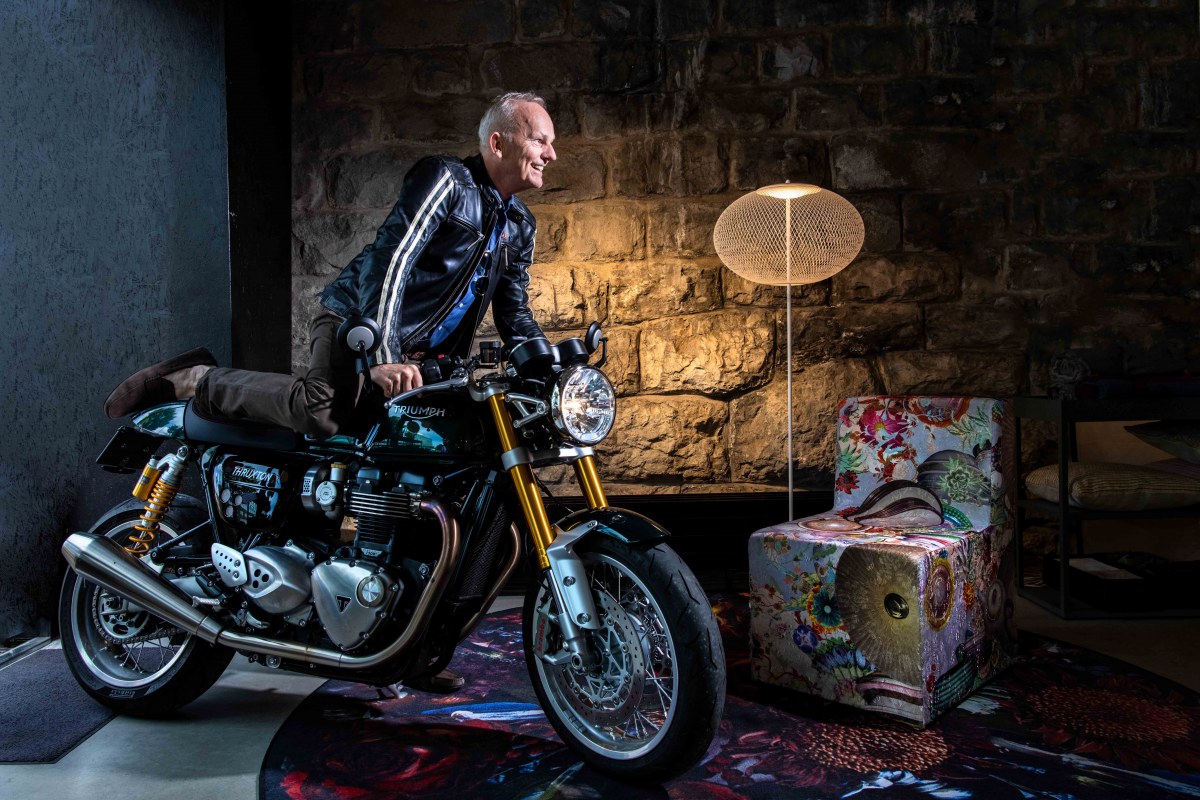
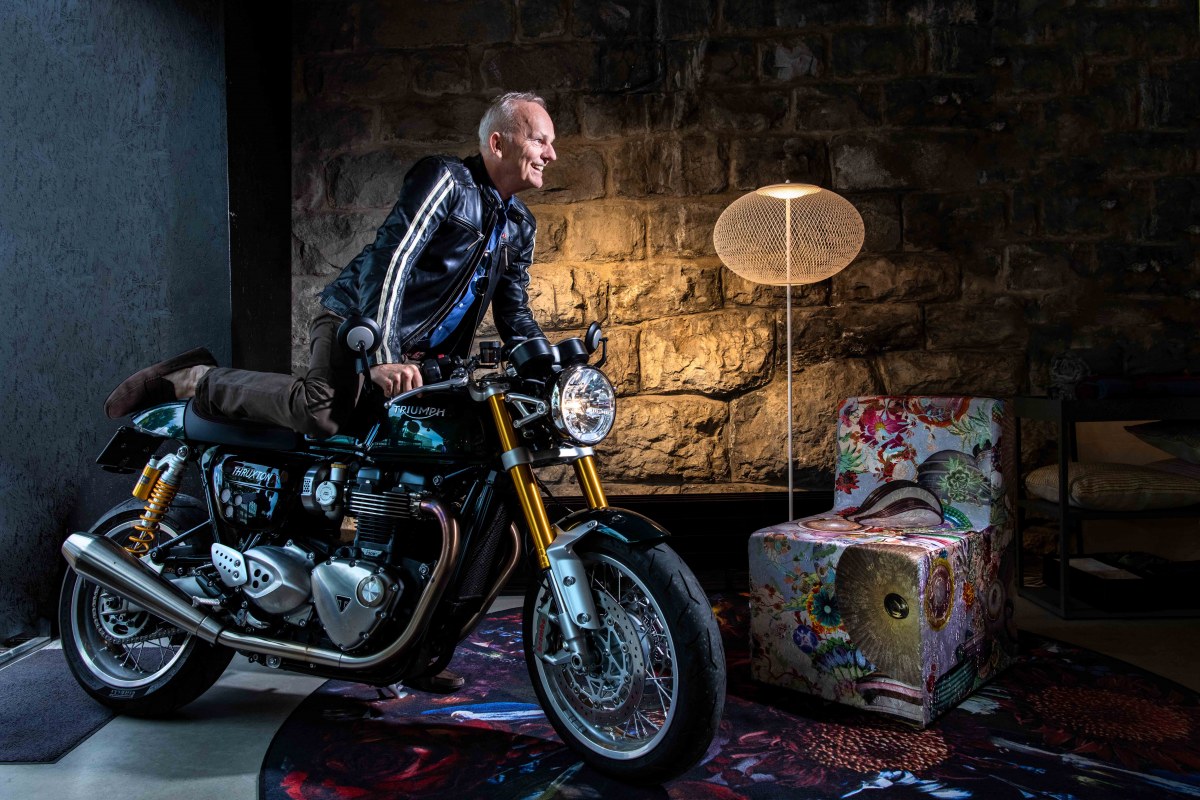
Main blog image: Photographer Marion Nitsch for Lunax

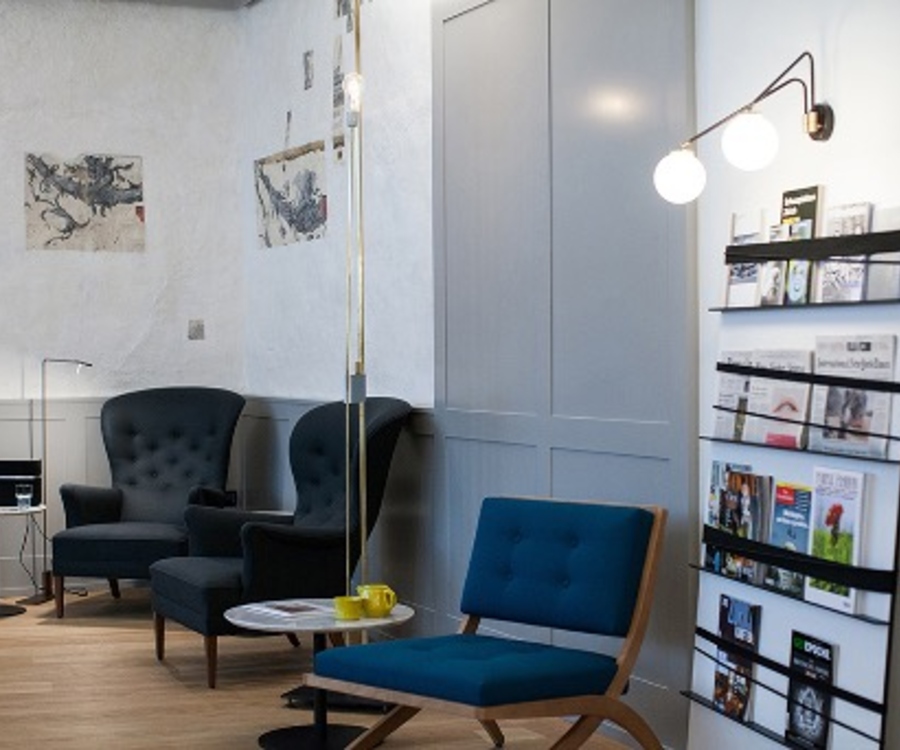
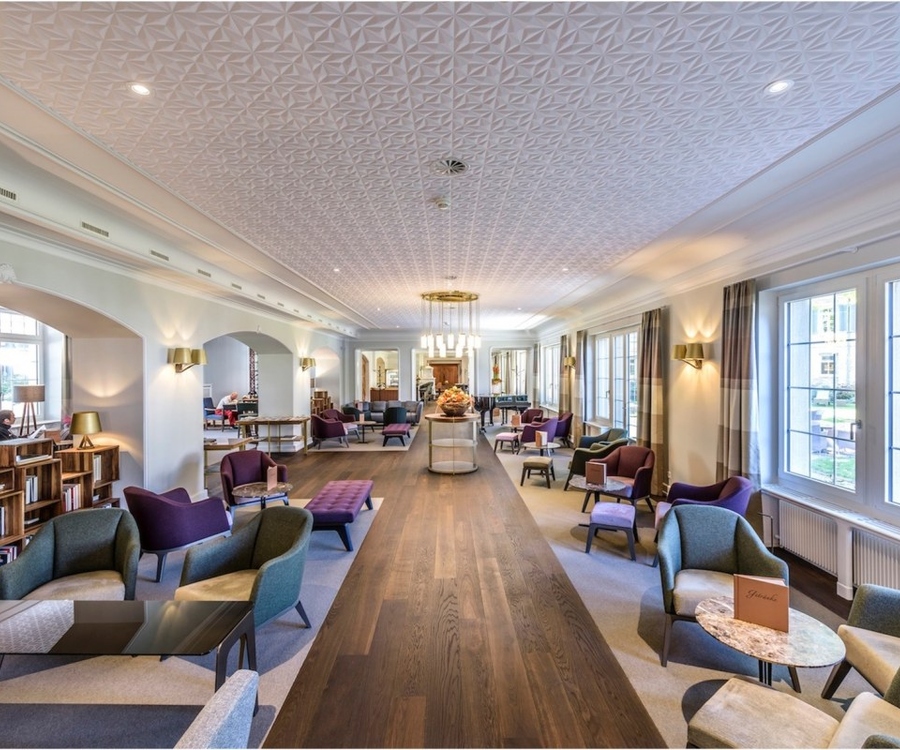
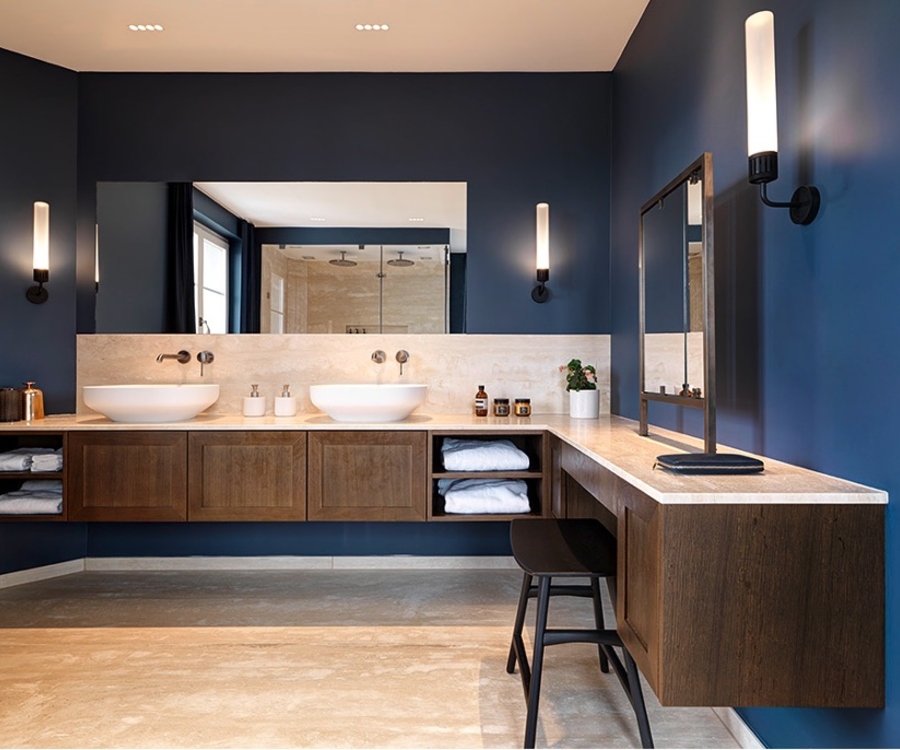
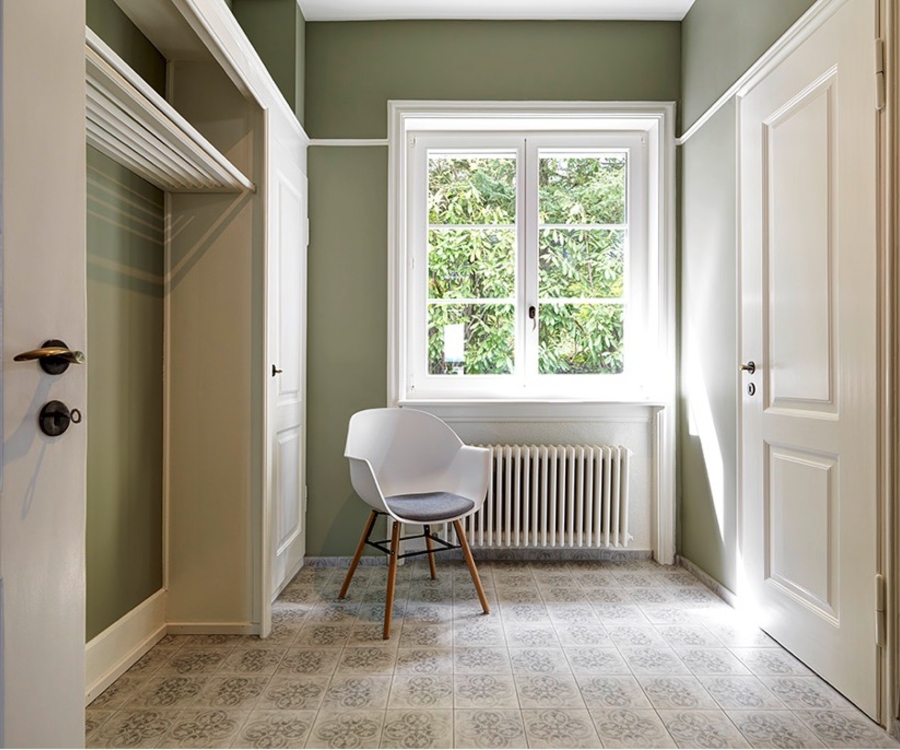
Photos 1 and 2: Marktgasse Hotel, Zurich
Award winning: Best Hotel Concept DACH, AIT Award
Photographer: Bruno Helbling

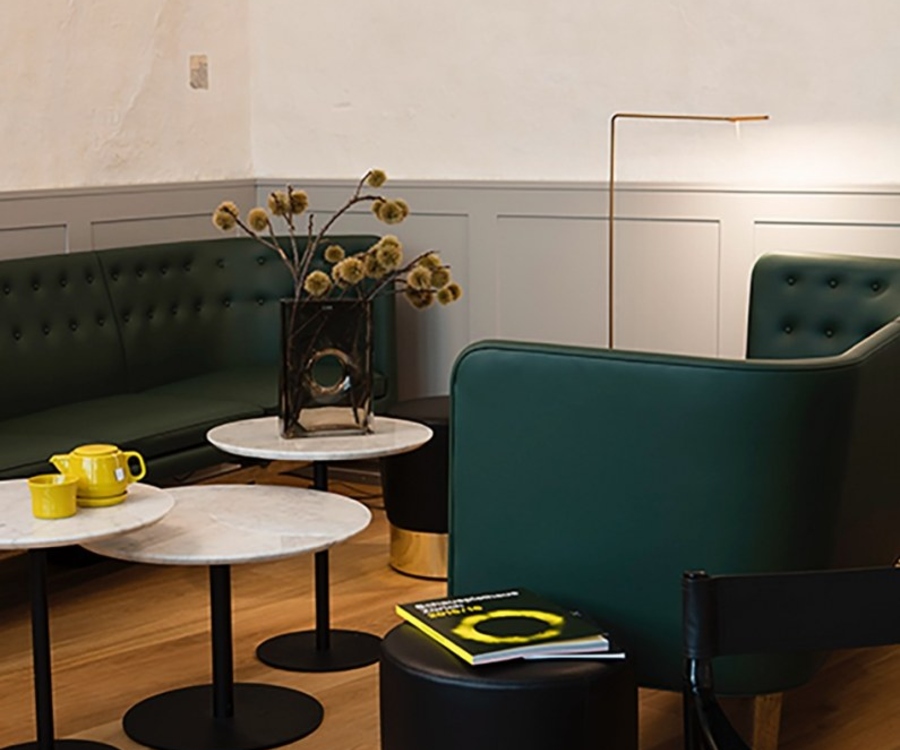
Photos 3, 4 and 5: Kurklinik Bad Schinznach, Switzerland Photographer:Dominik Golob und Felix Wey

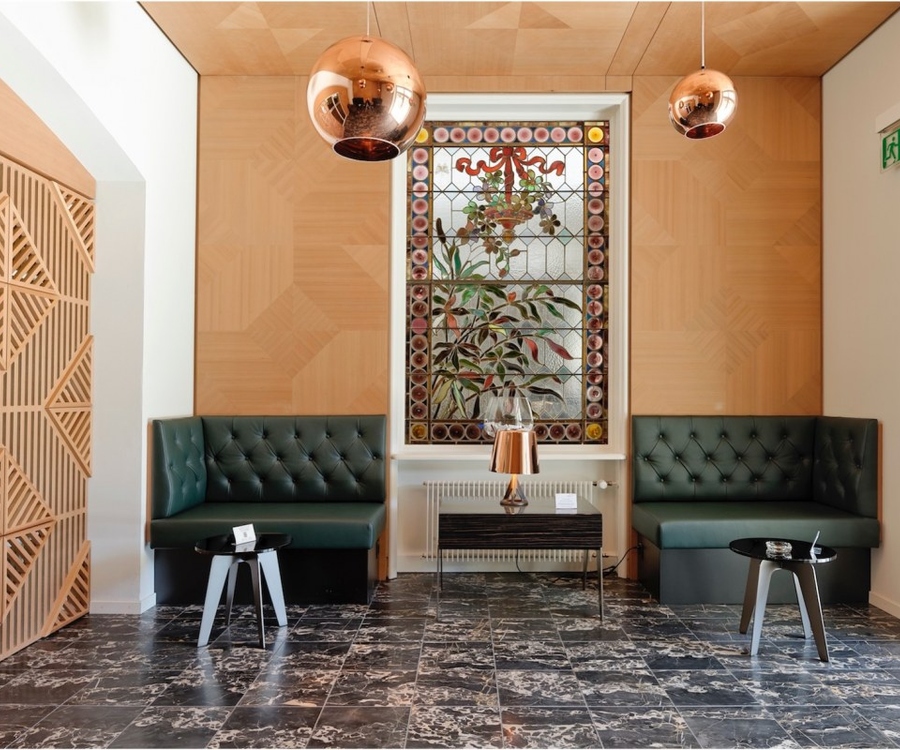
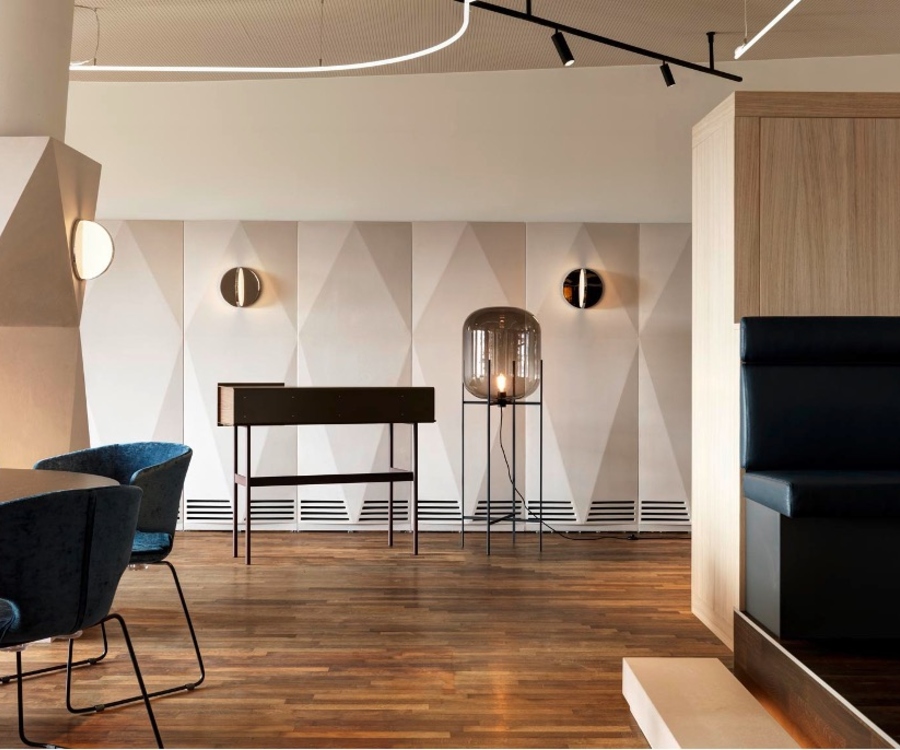
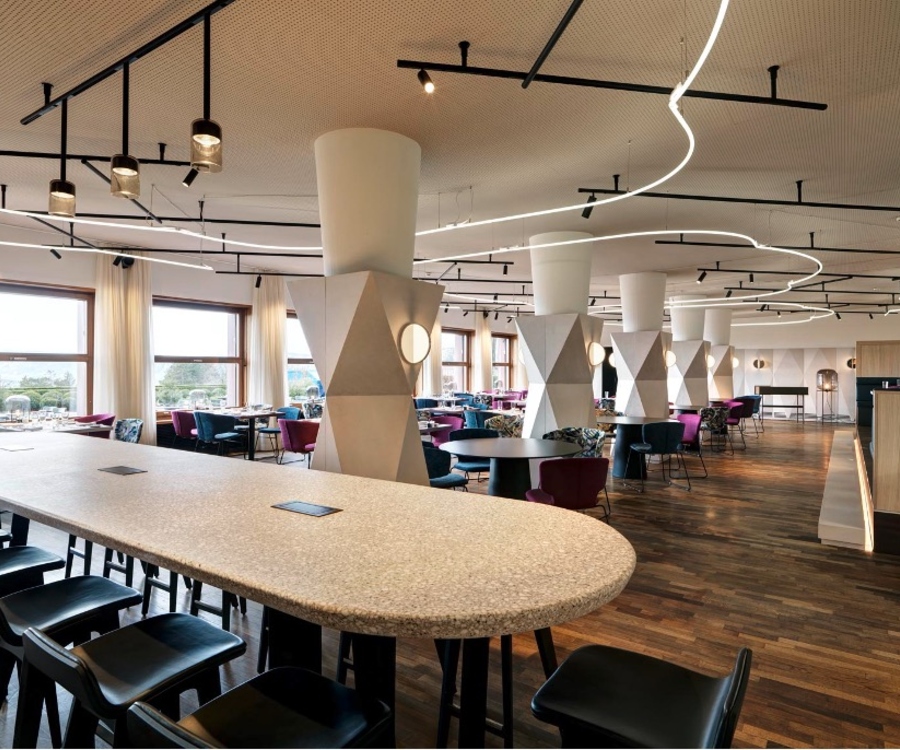
Photos 6 and 7: Sorell Hotel Zürichberg, Zurich
Photographer: Bruno Helbling

Photos 8 and 9: Single-family house Kilchberg, Zurich
Photographer: Bruno Helbling

Blog Block Image
MAp meets Karsten Schmidt-Hoensdorf, owner of the Zurich design studio IDA14

Add new comment

Comment

Order

Plain text

  • No HTML tags allowed.
  • Lines and paragraphs break automatically.
  • Web page addresses and email addresses turn into links automatically.
Types
sharing is caring

Today we are happy to sit down with one of our student mentees, Jennifer Renggli, an undergraduate at the University of Applied Sciences of the Grisons. Jennifer recently defended her thesis “Concept development in Swiss unaffiliated hotels” successfully with the highest score! During the joint mentoring year, Jennifer’s love grew towards our favourite topic – hotel concepts – and she therefore decided to dedicate her thesis to it (and that means: a LOT of work).

For this thesis, we at MAp acted as co-advisor. So, before we dive in, a big thank you goes out to Prof. Norbert Hörburger, deputy head of research & services ITF at the University of Applied Sciences of the Grisons, and the advisor of the thesis. Furthermore, we also want to thank Riccarda Ryffel who’s in charge of the mentoring programme and the reason why we got in touch with Jennifer in the first place. The great collaboration during our mentoring year gave rise to the idea that Jennifer, with our support, tackle her BSc thesis. Now we learn more about the great result and many insights gleaned during this process. 

Untertitel
MAp meets Jennifer Renggli, student at the University of Applied Sciences of the Grisons
Blog main image
The hotel concept is like a puzzle.
Paragraphs

Dear Jennifer, congratulations on receiving top marks on your thesis! As you noted in your thesis, hotel concept development has barely been addressed in academic literature, so why did you choose to tackle it as the subject of your bachelor thesis? What sparked your interest – besides our close contact during your mentoring year?

Thank you very much! I remember a conversation with a fellow student who enthusiastically told me about your work at MAp. My first thought was: “Hotel concept creators? Is there such a thing?" As probably many others, I had never heard of hotel concept development. A bitter conclusion when you consider that the subject is all the more important nowadays. After all, the hotel industry is facing completely different challenges than it was 10 years ago, when free WiFi was a unique selling point.

During my time as a flight attendant, I had the privilege of staying in many well-known hotels around the world. In contrast to the hotel chains, which can pull a suitable brand out of the drawer for every guest need, independent hotels have to develop their "concept" themselves.

The complexity already begins here; a hotel concept sounds fancy, everyone claims to have one, but in truth the term is abstract and difficult to define. So on the one hand there was the hotel concept development, which from a theoretical point of view is almost undefined, and on the other hand there was the urgency for unique and competitive hotel concepts in practice. A paradox that was made for research work ;-)

The hotel concept is like a puzzle.
To solve it, you need a methodical approach and creative imagination.
via @weareMApeople


Before we get into it, how would you define what a hotel concept is? And why is it so critical to the strategic planning process for hotels?

The simple answer is: a tailor-made and long-term oriented document for the strategic direction of the hotel project. However, this definition would not do justice to the term “hotel concept.” A hotel is much more than a restaurant and overnight accommodation. It is a place of encounter, interaction and sensory experiences. Furthermore, it is also a property and a business model where the needs and expectations of a wide variety of stakeholders meet. As a result, a harmonious interplay of so-called hard and soft factors is required in order to develop a coherent and holistic hotel concept.

The hotel concept is like a puzzle. To solve it, you need a methodical approach and creative imagination. Specifically, a strategic basis is required. This results from a well-founded analysis of the market, environment and trends. An individual concept can then be formed from this, which takes into account aspects such as architecture, design, sensors but also the direct and indirect influences on people and the environment. The result of this development process is a clear “raison d’être” for the hotel project.

What did your study set out to achieve? And what approach and methods did you use to reach this destination, i.e. your overall aim?

Although there are numerous studies on hotel management and project development, to the best of my knowledge, hotel concept development has not been discussed much in theory or in practice. Consequently, with my thesis I wanted to make a small but significant contribution to this existing knowledge gap.

To do this, I wanted to research how the industry understands the term “hotel concept” and how widespread hotel concept development is in the Swiss hotel industry. To this end, I conducted interviews with industry experts, hotel owners and managers. The research focus was on non-branded hotels in rural areas. The exploratory nature of my research enabled me to develop a deep understanding of the topic and to gain insights into the status quo of hotel concept development.

You interviewed both industry experts and hotel managers/owners: what did your findings reveal in terms of their understanding of what hotel concepts are and their practical use? What did you deduce from this?

Basically, the industry experts as well as the hotel owners and managers found it difficult to define a hotel concept in words. This is because a concept is more often associated with an idea than with a strategic document. It is not uncommon for the concept to be understood as part of the business plan in practice.

While the industry experts are generally of the opinion that a hotel concept should be as holistic as possible, hotel owners and managers primarily associate it with their hotel product. For example, they named the extraordinary interior design or the diverse gastronomic offer as important for “their” hotel concept. It was noticeable that the questioned hoteliers developed their concept based on experience, assumptions and gut feeling. Some even honestly admitted that nothing was planned in their hotel, but simply made. This approach is contrary to the expert opinion and the current literature, which suggests that a concept should be based on facts. As a result, it was not surprising that in the five out of six hotel projects examined, no written hotel concept was developed using a strategic planning process.

These facts strongly suggest that written hotel concepts are the exception rather than the rule in the Swiss hotel industry (unless an external consulting agency is involved). A possible reason for this is the fact that the purpose and benefits of hotel concepts are simply too unknown in the hotel industry.

What do you see as the risks to not having a proper hotel concept in place for hotel managers/owners? As it relates to the hospitality industry as a whole, what can we do to mitigate these risks and ensure hotel concept development becomes more commonplace?

Hotel projects are usually long-term, costly and risky projects. I believe that if you want to sail to a distant destination, you need to know the right course to actually get there. Only very few people manage to steer “on gut feeling,” so navigation is the only solution. This guiding document is a holistic hotel concept for all stakeholders involved. Without a hotel concept, however, those stakeholders and partners involved run the risk of losing the course or missing the right one from the start. This may only show up after the opening in the form of operational and financial difficulties. That is why it is important to deal with the hotel concept at a very early stage of the hotel project, regardless of whether it is a new building or renovation.

I see a great opportunity here for hotel consulting agencies as well as industry associations and universities, which can take up the topic further and spread the necessary know-how. For example, students at the Graubünden University of Applied Sciences develop a hotel concept directly on a case study. As young professionals, they can use this knowledge to bring new impulses to companies.

Now that you’ve successfully defended your thesis, what are your post-graduation goals and plans? How do you want to change the hospitality industry?

During my research time, I received great positive feedback and interest from the interviewees surveyed. I'm pleased because it shows that the industry is already rethinking. As a practitioner, however, it is important for me not to lose an understanding of the daily challenges in practice, despite having all the theoretical basics. After all, we don't just want hotel concepts that sound good on paper, but also ones that work in everyday business over the long term. This is a tightrope walk that I will certainly take on in the future.

As always, our final MAp meets question: what makes a hotel experience a truly outstanding one for you personally?

Being a “guest” is always a very personal experience for me and it becomes unforgettable when I am in harmony with the place and the people around me. It doesn't matter whether it's a luxury resort or a guesthouse - because the feeling of "arriving" is not created by star categories or brands, but from the heart.

About Jennifer Renggli:

Jennifer graduated from the University of Applied Sciences of the Grisons in Chur with a bachelor’s degree in Tourism and holds a Federal Vocational Certificate as a Media Technician. Having caught the travel bug on her first solo trip to Indonesia, she lived in the United Arab Emirates until 2018 and worked as a cabin crew member for an international airline. She takes joy in writing about her travel memoirs and is a regular in dinky coffee shops.

Blog Block Image
The hotel concept is like a puzzle.

Comments

Ricky Sharma

Nice! This opens up my view of the hotel industry. Many new and previously undiscussed points there!

Karsten Schmidt-Hoensdorf

Thanx, interesting challenging points of interest identified and discussed!

Add new comment

Comment

Order

Plain text

  • No HTML tags allowed.
  • Lines and paragraphs break automatically.
  • Web page addresses and email addresses turn into links automatically.
Types
sharing is caring

Excerpt: Today we present something special: our first joint book review of "Humankind - a hopeful history" by Rutger Bregman. Our very own Kelsi Kennedy, and our friend and partner Dr. Eva Bilhuber of Human Facts, break down their favourite learnings from the book and share a lively discussion about what inspired them.
 

Untertitel
Humankind - a hopeful history
Blog main image
Yes, we can trust in our kind nature
Paragraphs

The book at a glance

The book “Humankind – a hopeful history” is a very careful, deep-dive analysis into our human history from a modern perspective, with the aim to provide an answer to the longstanding question whether human beings are innately “good” or “bad.” Rutger Bregman, the 33 year-old historian, philosopher and bestselling author from the Netherlands, did a great job digging deep enough to bring about some surprising new insights and facts about our history. He analyzed research pieces, reports and historical events that paint the picture of humans being a selfish, aggressive and greedy species. By looking very carefully “behind the scenes” of cannibalistic behaviors, wars, psychological experiments, and criminal scandals, he discovers - even despite utmost cruel behaviors - evidence for our prosocial and cooperative nature. But why do we all tend to believe in a rather dark picture of our species? Ironically, it’s exactly our greatest evolutionary strength - our ability of social learning – that misleads us here and draws a one-sided, dark picture. This in turn evokes in us mistrust and aggression against each other, which leads to a self-fulfilling prophecy. At the end of the book the author details how we can get out of this spiral by consciously designing institutions and individual encounters based on trusting our natural goodness.

"Humankind" is the right book
for this moment.
via @weareMApeople


What were my three most inspiring insights?

Kelsi : 1) The reason humans exist to this day, as opposed to other species that have died off, is because we’re friendly! Evolutionary biologists call this “survival of the friendliest,” and it’s what has allowed us to survive millennia. 2) Infants and toddlers, studies suggest, have an innate bias toward fairness and cooperation, which goes to show that we’re hard-wired for good. 3) There are hopeful examples of institutions that have done away with the culture of greed and selfishness to empower people to follow in the direction of their own instincts and motivations. It sounds utopian and too good to be true - but it’s not!


Eva: There were so many! But I guess the most intriguing ones were those I was not aware of before: 1) We are born with a moral compass of goodness. Rousseau was right. It’s inevitable in our nature. Babies can seemingly distinguish good from bad already before speaking and walking. 2) Our evolutionary advantage is – surprise surprise: kindness and blush. Individually, we are a pretty weak species: we are not bigger and don’t have a larger brain than other primates. Only relating, cooperating and learning together make us pretty amazing. So, the ability to be kind, and on the other side, be ashamed if we’re not, is our true hard-wired evolutionary advantage. It guarantees relating and cooperating - our survival. 3) When switching from a nomad to a more civilized existence, protectionism was born. When traveling around in nomadic times, we naturally accepted sharing natural resources and land with others, treating them and mother nature with respect. Our prosocial and kind nature helped us all to survive. With civilization and property we implanted a feeling of superiority and the need to defend our property, which increasingly disconnected us from our true nature of relating and cooperating.

How does the content relate to today’s times?

Kelsi: I think Humankind is the right book for this moment. There is this narrative that, when a crisis takes shape, the cracks in civilization appear and people devolve into the worst versions of themselves. But this book shows us the opposite is true; when faced with a crisis, humans are indeed more cooperative, altruistic and caring. And when you look at the pandemic through this “rose-colored” lens, you find that poignant examples of people coming together to help each other out – delivering food to those home bound, donating supplies to frontline workers – far outweigh any negative stories out there in the world.

Eva: Bregman indirectly provides us with the reason for today’s increasing rates of burnout, depression, addiction, loneliness and other psychological diseases: Due to our underlying competitive economic system, in the past 100 years we were trained only to compete. This me-or-you paradigm has been an exceptional motor for welfare, innovation and growth, but at the price of disconnecting our true human nature of being relational and cooperative. Bregman helps us understand the hard way what we all have experienced during the pandemic: We are relational and cooperative creatures but hard-wired for a me-and-you paradigm. I personally think if we trust this core and play out our cooperative and kind strengths, there is much hope that we can master all the burning societal issues of our times.

How did the book change my thinking?

Kelsi: It completely changed my perspective on history. The history books teach us it’s all “doom-and-gloom,” that history is marked by nothing but turbulent times and horrific events. And while I’m certainly not denying our (very) dark chapters, history has predominantly and overwhelmingly been peaceful and good – it’s just that “feel good” stories and events don’t make it into the history books.

Eva: Reading the book broadened, of course, my view on our hard-wired cooperative roots. But maybe more importantly, it changed how I categorize my own thinking. Up to now I always thought I must live with the label of being a helpless “idealist” when believing that human beings are prosocial and good in their nature. Reading the book I realized that all who trust in the human nature to be “good” are rather the “realists” among us. It inspired me wherever I can to support such a thinking, to stand up for it and to promote all empirical evidence around it.

If we assume everybody has good intentions, our minds, lives and our world
become radically much more peaceful
@weareMApeople


What did I appreciate most reading?

Kelsi: I appreciated that Bregman deconstructed and presented counter-narratives to studies and events we thought we knew. Take, for example, the Stanford Prison Experiment. Recent discoveries and evidence suggest that the experiment was a hoax, with the guards being coached on how to mistreat the prisoners as opposed to being driven by their hunger for power. These anecdotes and case studies - there are over 700 in the book (!) – not only present compelling evidence in favor of his argument that humans are actually pretty decent (puncturing the Veneer Theory that we’re all brutes), but reassure me that some things are not always as bad as they seem.

Eva: I must admit I normally stay away from historical books. But this one I truly loved reading. Bregman writes in a very catchy storytelling manner, artfully weaving in all research evidence. What I appreciated is that Bregman offers not only reasons for his thesis; in the last chapters he offers as well institutional examples where it paid-off and worked to build upon a positive view of human beings. He outlines a school, a company and a prison where it paid-off to trust our cooperative and prosocial core, as it helped grow humanity and efficiency in reducing costs.

What wisdom in this book will I use in my daily life?

Eva: At the very end of the book, Bregman outlines 10 very concrete rules for everybody who would like to more consciously live-up our prosocial nature, which I find all very helpful: (1) When in doubt, assume the best 2) Think in win-win scenarios 3) Ask more questions 4) Temper your empathy, train your compassion 5) Try to understand the other, even if you don’t get where they’re coming from 6) Love your own as others love their own 7) Avoid the news 8) Don’t punch Nazis 9) Come out of the closet: don’t be ashamed to do good 10) Be realistic. Personally, No. 1 – when in doubt, assume the best - sang particularly to me. I would say it is the most important one of the 10. So whatever happens, if we assume everybody has good intentions, our minds, lives and our world become radically much more peaceful as self-fulfilling prophecy power is put at work.

Kelsi: I hail from the land of the 24-hour news cycle, from FOX News to CNN, where we are constantly bombarded with sensationalist stories that stoke fear and spread misinformation. It’s so easy to get sucked in and feel depressed, anxious and cynical. To adopt this bleak view of human nature. But it’s important to know that these news organizations have their own agendas, and it’s not to report on world events, but to get more eyeballs. So my take-away for daily life is simple: turn off the TV! And believe in the generosity and kindness of my fellow humans.

My most inspiring quote

Kelsi: “An old man says to his grandson: ‘There’s a fight going on inside me. It’s a terrible fight between two wolves. One is evil–angry, greedy, jealous, arrogant, and cowardly. The other is good–peaceful, loving, modest, generous, honest, and trustworthy. These two wolves are also fighting within you, and inside every other person too.’ After a moment, the boy asks, ‘Which wolf will win?’ The old man smiles. ‘The one you feed.’”

Eva: “What is truth? Some things are true whether you believe in them or not. Water boils at 100 degree Celsius. Smoking kills. President Kennedy was assassinated in Dallas on 22 November 1963. Other things have the potential to be true, if we believe in them. Our belief becomes what sociologists dub a self-fulfilling-prophecy: if you predict a bank will go bust and that convinces lots of people to close their accounts, then, sure enough, the bank will go bust.”
Who should read this book?

Kelsi: The simple answer is: everyone. But it’s especially suited for those who are feeling down or finding themselves in a rut, thanks to the pandemic and life’s other challenges. You will walk away feeling inspired and – to borrow a term from the title – hopeful.

Eva: Everybody who is interested to understand the evidence for why we are rather a kind and prosocial species – despite all we hear in contrary. And particularly those, who once believed that but somehow have given up this belief due to the desperate news surrounding us. Above all, I would wish that teachers, journalists and IT-programmers read this book in order to NOT generate an ill-induced perspective about our nature, understanding their responsibility for the self-fulfilling prophecy dynamic as a consequence of it.

Conclusion

Those who have no time to read the whole book might be interested in an inspiring podcast and interview about Humankind to get a taste of both the book and the author, recorded in 2020 in the U.S.

Link: https://www.listennotes.com/podcasts/talk-easy-with-sam/a-case-for-human-decency-by-yXHIoP24kV_/#episode

Blog Block Image
Yes, we can trust in our kind nature

Add new comment

Comment

Order

Plain text

  • No HTML tags allowed.
  • Lines and paragraphs break automatically.
  • Web page addresses and email addresses turn into links automatically.
Types
sharing is caring

Today we are happy to sit down with Marlene Rohracher, founder of ecosuites.travel, which collects the best sustainable hideaways, hotels and accommodations for the modern traveller. By booking with eco suites, you make your next vacation a uniquely sustainable experience. Let’s learn more!

Untertitel
MAp meets Marlene Rohracher, Founder at ecosuites.travel
Blog main image
Luxury travel can be sustainable
Paragraphs

Marlene, thank you for taking the time to speak with us! As a start, can you please tell us a bit more about you? Where does your passion for sustainability and hospitality come from?

Like so many in my generation I came to a point where I could not accept that sustainability was something left to be cared for by others, I just wanted to make an impact myself!

For as long as I can remember I enjoyed travelling and discovering new destinations. With the feeling that a community of travellers with a conscious approach, such as myself, was increasing, I developed the idea of eco suites and just went through with it.

Our purpose is to bring together the eco-conscious traveller with outstanding accommodations
that share our approach and values.
@MarleneRohracher
via@weareMApeople


Can you tell our readers a bit more about eco suites? Why did you feel compelled to start the company and what’s your purpose?

ecosuites.travel is an online platform designed to present premium accommodations with a sustainable approach. We aim to support the eco conscious traveller in searching for a fitting hotel and shed light on accommodations that act sustainably. We carefully curate our collection of conscious hotels and are proud of presenting them to our community!

Personally, I aimed to take responsibility for contributing to a sustainable future. Once I had the idea for eco suites, I completely dove into it and wanted to bring it to life! I was convinced that luxury travel can be sustainable. Our purpose is to bring together the eco-conscious traveller with outstanding accommodations that share our approach and values.

eco suites has an impressive portfolio of hotels that are both stylish and sustainable. What makes your hotels “eco suites?”

We are proud to present hotels that are special in every way. Whether it is the design, the concept, the facilities or the team – our eco suites make luxury vacation dreams come true. The huge difference to many other hotels around the world is that they follow a highly sustainable approach and are committed to define modern travel. It is the combination of both aspects that makes them our “eco suites.”

To become an eco suite, what specific criteria and standards are you looking at? What is your process for selection?

We carefully choose every accommodation on ecosuites.travel. All accommodations featured on our platform meet at least five out of ten criteria that have been established as our eco suites standard. After careful consideration, our eco suites criteria have been adapted from internationally acknowledged standards for preserving the environment. It mattered greatly to us to also include criteria like “Female empowerment” or “Social impact”, to show the full range of what we believe sustainability implies.

At MAp, we too believe sustainability is the future. What are your hopes for the hospitality industry as it relates to sustainability in the short- and long-term?

My hopes for the foreseeable future are that the hospitality industry will continue to focus on implementing a wide range of eco-friendly measures, from saving resources to using clean energy. Many short-term solutions can be installed quickly and would have a huge impact on the environment. Speaking of long-term expectations, I hope that travel choices will be made carefully and will increase to focus on slow tourism, on getting to know the destination, its people and its culture.

As many of our readers are hoteliers: what are the 3 most important measures hotels should implement on the road to sustainability?

While every hotel and its guests are different, we do know what our community of responsible travellers is mostly looking for. In our experience, the measure with the highest direct impact on guests is the careful selection of food & drinks. Most exclusive travellers are keen on being offered local, seasonal and organic choices when it comes their catering. They are well informed and try to reduce their footprint with their shopping choices in their everyday lives and do expect the same from their accommodation.

Another measure that directly relates to the guest is the effort to reduce and carefully recycle waste. Many hotels are implementing recycling opportunities in each room or easily accessible in the common areas, and many guests are delighted to see the measures they are used to at home as an option in their hotel as well. Products without packaging are in high demand, and careful sourcing and recycling “behind the scenes” is mandatory.

We do strongly believe that happy employees are key to provide a unique and exceptional experience for their guests. A modern work environment needs to be implemented to include all aspects that sustainability contains. Fair working conditions, diverse perspectives and safety therefore should always be a priority. This is certainly the third measure I would recommend on the path to sustainability.

As always, our final MAp meets question is related to our core business, as we’re specialised in crafting innovative hotel concepts and brands: what makes a hotel experience a truly outstanding one for you personally?

A truly outstanding hotel experience for me comes with the people. Feeling at home away from home is what I am looking for, and that comes with attentive service. I love exploring innovative concepts, hotels that are brave enough to try something new and follow a unique path.

About Marlene Rohracher:

ecosuites.travel was launched in June 2020 and was founded by Marlene Rohracher who was convinced that combining design, comfort and outstanding experiences with sustainability needs to define modern travel. With extensive experience in the field of project management and human resources and the support of a team of experts in the fields of design, editing as well as marketing & PR, ecosuites.travel was realised.


Blog Block Image
Luxury travel can be sustainable

Add new comment

Comment

Order

Plain text

  • No HTML tags allowed.
  • Lines and paragraphs break automatically.
  • Web page addresses and email addresses turn into links automatically.
Types
sharing is caring

If you’ve explored MAp’s website, you’ve probably come across the phrase “Everything is figureoutable.” No, we did not make up the term “figureoutable” – it comes from Marie Forleo’s acclaimed book. And this little phrase has had a big impact on us! It’s a mantra that’s helped us to solve our clients’ challenges, navigate COVID times and inspire our rebrand. And we try to instil it into our clients too, encouraging them to always choose the path of positivity!

Piggybacking off last month’s inspirational book “The One Thing,” which teaches us the importance of narrowing down and focusing in on that most important thing (family, career, health, etc.), Marie’s “Everything is Figureoutable” presents the playbook for how best to accomplish it.

Have you identified your one thing but need that extra boost to get it done? Then read on to learn how!


Untertitel
MAp's favourite mantra
Blog main image
Everything is Figureoutable
Paragraphs
“Everything is Figureoutable” is more than just a mentality; it’s a practical, actionable discipline
to help guide you through life and achieve your one thing.
@weareMApeople

Summary

The main idea behind “Everything is Figureoutable,” obviously, is that everything in life is figureoutable! Whatever it is you want to achieve, whatever that ONE thing is, there is always a way to achieve it – no matter the obstacles you face or excuses you come up with. According to Marie, it’s about training your brain to think more positively and break down any dream into manageable steps. In her book, she presents those 9 key steps to figuring out any obstacle in life, and gives the reader practical Insight to Action Challenges or exercises to help make them happen. What you’ll discover: “Everything is Figureoutable” is more than just a mentality; it’s a practical, actionable discipline to help guide you through life and achieve your one thing.

Key Steps

#1: Train your brain

To achieve results, you need to train your brain for growth by eliminating excuses, trying new things and surrounding yourself by those who inspire. And, be willing to put in the work toward achieving your one thing.

#2: Believe

Everything in life starts with a belief, so don’t be scared to believe in your dream. Because people believed in their dreams is the reason why there’s good music, nice cars, delicious restaurants – and so much more to enjoy.
#3: Eliminate excuses

You – and only you - are responsible for your life. Every time you say you can’t do something, it’s not because you actually can’t, it’s because you won’t. So get rid of the excuses.

#4: Deal with fear

Fear is only a danger when it stops you from pursuing your dream. The antidote to fear is action, because only by acting does your dream have the chance of becoming reality.

#5: Define your dream

Here’s the connection to “The One Thing”: figure out what it is you want, paint that picture in your head and never give up until you have it. 

#6: Start before you're ready

There is never a good time to start pursuing your one thing; there will always be obstacles and challenges. But again, action is the antidote to fear, so jump into the uncertainty.

#7: Aim for progress not perfection

Perfection is unattainable. Instead, focus on simply progressing, because progress puts you into a productive mindset and sets you free from the stress and burden of being perfect.

#8: Refuse to be refused

There will always be people intent on bringing you down. Don’t let them! Be the person who refuses to give up despite people telling you that you’re not talented enough, that your dream is dumb, etc.

#9: Remember the world needs your special gift

You have a special gift that no one else has, so don’t keep it from the world. Embrace your differences and use them to help change the world in a way only you can.

Application

In order to help you apply the learnings of this book and take the steps toward achieving your dream, we recommend going through the Insights to Action Challenges that are found at the end of each chapter.

These challenges are questions and prompts to get you thinking – really thinking – about your dream and how you’ll achieve it. Sit down with a pad of paper and pen and go through them one by one! You’ll surely have some illuminating AHA moments and breakthroughs.

MAp's Favourite Quote

“You can do whatever you set your mind to if you just roll up your sleeves, get in there, and do it. Everything is figureoutable.”

Conclusion

We sincerely hope this book will change your attitude and motivate you to act! If you haven’t done so already, we recommend reading “The One Thing” and follow it up with this inspiring book so that you’re motivated to figure out how you’ll achieve your one thing – then go out and actually do it! 

Lastly, to be further inspired by Marie Forleo, head here: https://everythingisfigureoutable.com


All photos taken from https://everythingisfigureoutable.com

Blog Block Image
Everything is Figureoutable

Add new comment

Comment

Order

Plain text

  • No HTML tags allowed.
  • Lines and paragraphs break automatically.
  • Web page addresses and email addresses turn into links automatically.
Categories
Types
sharing is caring

Excerpt: Today’s most successful and impactful hotel brands are those that have made Purpose their motivating raison d’être. In this blog post, we make the case for why your hotel brand should be driven by a Purpose, and how you uncover it and put it to work for the benefit of your hotel and business, for people and planet.

Untertitel
Driving impact with a Purposeful hotel brand
Blog main image
The Power of Purpose
Paragraphs

Hoteliers, answer this: what’s your hotel brand’s purpose?

If your answer entails earning a profit or serving a specific stakeholder group, such as your hotel guests, employees or investors – we kindly suggest that it’s time to rethink your purpose. You see, purpose must go above and beyond; above creating value for a single category of stakeholder and beyond making money. It must be broad, humanistic and socially-engaged, linking your hotel brand to a greater good.

Let’s just say that’s the difference between purpose and Purpose, with a capital P!

So are you ready to start the journey from purpose to Purpose? In this blog post, we’ll show you the way forward.

Purpose MApped Out

Before we continue, let’s be clear about what your brand’s Purpose actually is: Brand Purpose is the reason your hotel exists – its WHY. It inspires you, hotelier, and your team members to do what you do – and love it!

It is not a vision statement (where your hotel is headed) or a mission statement (what it does to get there), but it is the compass at the heart of your hotel that guides it - and all team members - in the right direction. 

Brand Purpose is the reason your hotel exists
– its WHY.
via @weareMApeople


Proof of Purpose

Walk down the aisles of your local supermarket or scroll through Booking.com, and you’ll see: consumers have endless choices. So how do you get your brand (aka your hotel) to stand out? By connecting with them on an emotional level. By demonstrating that your hotel brand has a distinct Purpose - one that they connect with.

In its Strength of Purpose study of 8,000 global consumers, Zeno Group found that 94% of consumers say it’s important that the companies they engage with have a strong Purpose. And when they do, consumers are:

  • 4x more likely to purchase from the brand
  • 6x more likely to protect the brand in a challenging moment
  • 4.5x more likely to champion the brand with friends and family
  • 4.1x more likely to trust the brand

And there’s more compelling data out there. The Kantar Purpose 2020 study found that brands recognised for high-commitment to Purpose have grown at more than twice the rate of others. Over a period of 12 years, the brands with high perceived positive impact had a brand value growth of 175%, versus 86% for medium positive impact and 70% for low positive impact.

Purpose Drives Value

Need more reason? Purpose allows hotels to:

  • Build greater customer loyalty
  • Preserve reputation
  • Attract and retain top talent
  • Cultivate healthier work cultures
  • Enable the development of innovative products and services
  • Better navigate turbulent times
  • Guide strategy-development, decision-making and transformational change

Path to Purpose

1. Define your Purpose

To define your hotel brand’s Purpose, bring together a diverse group of people within your hotel, across a range of departments, and ask yourselves the following question:

WHY do we exist beyond making profit? Why do we get up every morning?

Tips to a great Purpose statement:

  • Be ambitious and inspiring.
  • Be clear and coherent.
  • Be authentic and unique to your brand.

2. Embed your Purpose

What is Purpose if it’s not properly embedded into your hotel? Rhetoric. Empty promises. Bullshit.

To realise the benefits of Purpose, it’s important to build a culture around it. Identify and empower those people who are equally driven by your hotel’s WHY and allow your Purpose to guide all steps you take together.

Tips to embed your Purpose:

  • Communicate it to prospective employees.
  • Make it a part of new employee onboarding.
  • Use it as a lens for making all business decisions.
  • Build it into your KPIs.
  • Reward behaviours that reflect it.

3. Amplify your Purpose

Once your Purpose is properly infused internally, it’s time to take it external and attract those people – guests, customers, partners, etc. – who also believe what you believe. Here the goal is to inspire and spark a movement among your stakeholders, so that they’re motivated to join your hotel on the way to a more purposeful future.

Tips to amplify your Purpose:

  • Repeatedly refer back to it in your communications.
  • Serve as a role model and inspire through action.
  • Identify partners who can help you to accomplish it.
  • Get active in organisations and non-profits.

Conclusion

It is easy to define a Purpose. Actually living, breathing and effectively demonstrating a commitment to that Purpose is a larger task, but that’s what it takes for your hotel to create real and sustainable impact in the world.

The message is clear: begin your journey to a Purposeful hotel brand now. If you want a place to start, we suggest picking up “Start With Why” by Simon Sinek.

Quote Subtitle
- its WHY.
Quote Title
Brand Purpose is the reason your hotel exists
Blog Block Image
The Power of Purpose

Add new comment

Comment

Order

Plain text

  • No HTML tags allowed.
  • Lines and paragraphs break automatically.
  • Web page addresses and email addresses turn into links automatically.
Categories
Types
sharing is caring

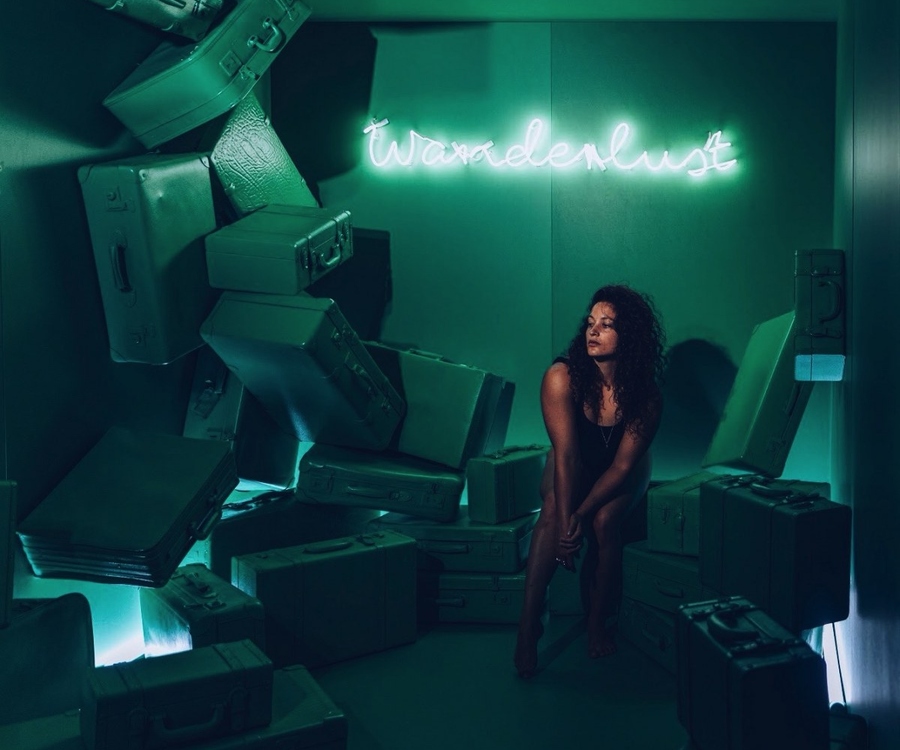
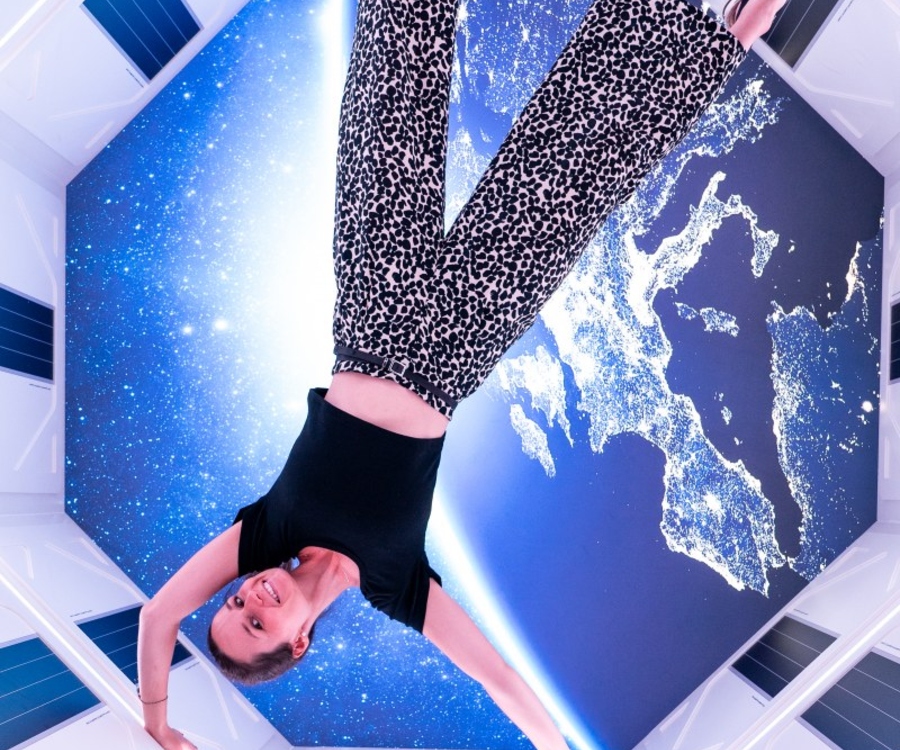
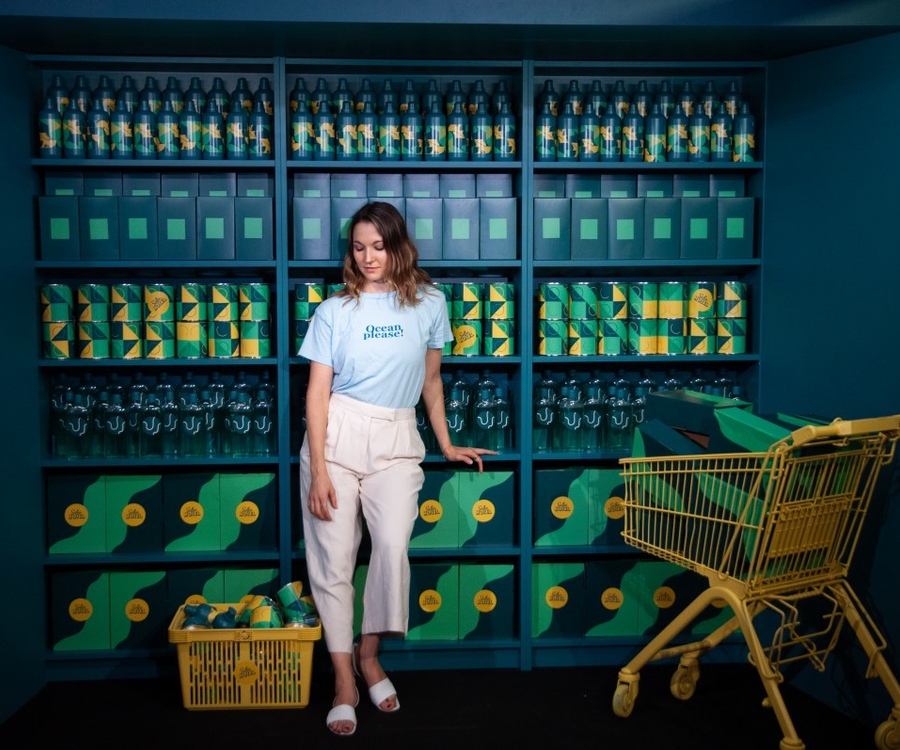
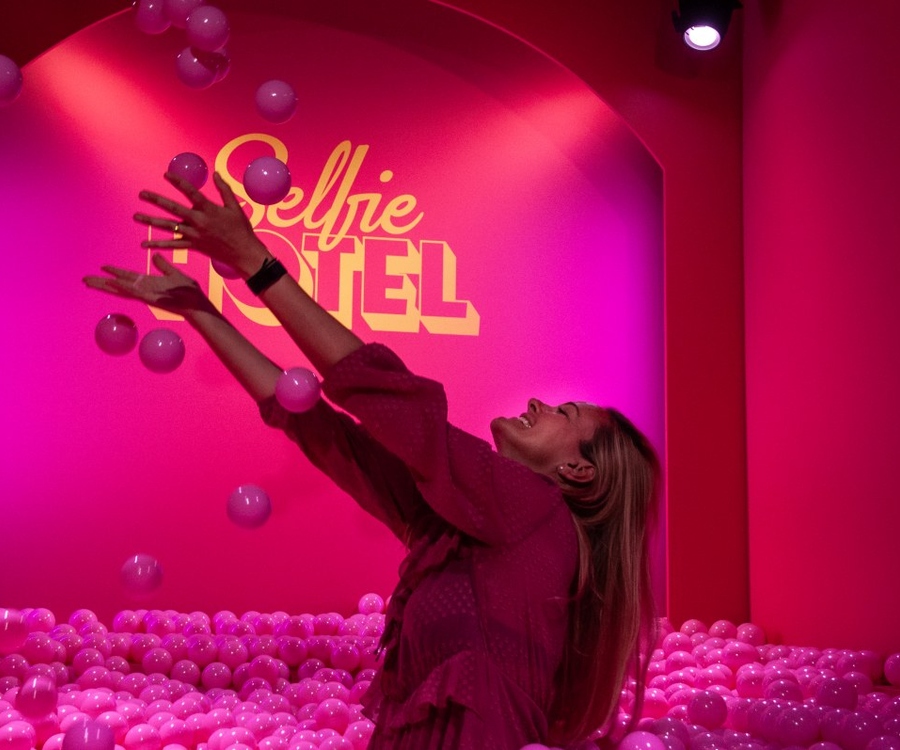
Today we are happy to talk to entrepreneur and founder Piero Achermann about his project, the innovative SelfieHotel. As we look to the future, we are excited to see which pop-up awaits us next as a new social media playground. Have fun reading!

Untertitel
MAp meets Piero Achermann, co-founder of SelfieHotel
Blog main image
#wirsindzukunft
Paragraphs

Dear Piero, thank you very much for taking the time for this MAp meets. A year ago you started the first SelfieHotel Pop-up Museum in Zurich, so can you please give our readers a brief insight into how this project came about?

The idea for the SelfieHotel came after the first lockdown in spring 2020, when we at Aroma were thinking about how the rooms that were vacant due to the pandemic could be used. The main focus here was on catering to establishments that were officially closed. But since a reopening in the bar and club area was foreseeable, and many city hotels still had a very bad booking situation, we sent initial inquiries and after a short period of time we decided in favour of the 25Hours Hotel on Langstrasse / Europaallee in Zurich.

The SelfieHotel is a temporary social media playground and is primarily aimed at a young audience
who want to create exceptional content.
@PieroAchermann
via @weareMApeople


What exactly is meant by a selfie hotel? What is the concept behind it and which target groups did you primarily want to address?

The SelfieHotel is a temporary social media playground and is primarily aimed at a young audience who want to create exceptional content for their social media feeds. For this purpose, we create crazy sets in the hotel rooms for photography, filming, boomerangs, posing, dancing and laughing! You can then book time slots for your visit at selfiehotel.ch. Entry costs around CHF 25.

How were the reactions to the first SelfieHotel and what is the future project planning like? Is an expansion of the project planned and what can we expect this year?

We were massively surprised by the rush; the SelfieHotel was booked out for weeks. We have therefore adjusted the opening times and decided to extend the term by one month. Over the three months we were able to welcome almost 20,000 visitors to Zurich.

This year we are planning the opening of the SelfieHotel Lausanne on May 1st, provided the pandemic situation allows it. We would like to use the concept in other cities and are already in the planning stage for this, but we are also open to suggestions.

If we now look into the future together: What do you think awaits us after COVID-19? Which trends will shape the Swiss and the international hotel industry?

The hotel, catering and event industries are the most severely affected branches of the economy; therefore, a high level of mental and operational agility and frustration tolerance are necessary in order to get through this crisis. With this in mind, I hope that the crisis will produce no financial losers, and also that entrepreneurs will be strengthened in terms of character and perseverance.

At MAp, we specialise in the development of innovative hotel concepts and brands: What makes a really special hotel stay for you?

I really appreciate personal but unobtrusive service. If I find the right newspaper on the breakfast table on the second day of my stay, then I'm happy.

About Piero Achermann:

Piero Achermann, born in 1980, grew up in Lucerne and has been involved in a wide range of entrepreneurial activities since 2001. In addition to his many years of activity as a co-founder and managing director of various companies in the catering and entertainment sector, he has also been active in the agency sector since 2011.

#wirsindzukunft
#wirsindzukunft
#wirsindzukunft
#wirsindzukunft
#wirsindzukunft
#wirsindzukunft
#wirsindzukunft
Blog Block Image
#wirsindzukunft

Add new comment

Comment

Order

Plain text

  • No HTML tags allowed.
  • Lines and paragraphs break automatically.
  • Web page addresses and email addresses turn into links automatically.
Types
sharing is caring

In a world full of clutter – between relationships, job responsibilities, hobbies, free time, well-being, and more – it’s hard to focus on what matters most. In the fifth edition of our monthly book club, we dive into “The One Thing” by Gary Keller and Jay Papasan, a productivity book for anyone who wants to achieve extraordinary results in any part of their life.

So what’s the one thing you ask? You’ll have to read on to find out!


Untertitel
Creating extraordinary results with less stress
Blog main image
The One Thing
Paragraphs
Purpose without priority is
powerless.
@weareMApeople

Summary

In this number one bestseller, Keller and Papasan make the case that, behind every successful person, is their ONE thing. By focusing one’s energy on one thing at a time, versus getting caught up in many little things, people benefit from more rewarding lives. Why? More distractions = less productivity = less time for what matters most (your own well-being, your loved ones, your biggest personal goal, your biggest career goal, your spiritual practice, etc.). To help you narrow in on your one thing, the book presents practical methods for cutting through the clutter, achieving better results in less time, dialling down the stress, mastering what matters most, and more. The key message: less is more! Now that’s something we can agree with.

Key Points

#1: Don’t go big. Go small.

The common belief is that big success takes time and effort. That’s why people fill their calendars with appointments and create long to-do lists, which just leads to overload. They get lost trying to do too much, and as a result, achieve too little. The result? They settle for less or they abandon their dreams altogether. As the authors state, “Success demands singleness of purpose. You need to be doing fewer things for more effect instead of doing more things with side effects.” Think of your one thing as your “someday” goal. Once you’ve figured that out, you need to identify how many dominoes you need to line up – and then knock down – in order to achieve it.

#2: In that vein, use your time wisely.

It may surprise you, but being successful doesn’t in fact take that much discipline. The authors follow the 80/20 principle, which states that 20% of your actions will produce 80% of your results. Once you’ve decided on your one thing, then you need to identify the 20% (those “high-leverage” activities) that create the 80%. Set aside the time to focus on them – without distraction or multitasking – ideally every morning until they are done. After 66 days, which is how long it takes for a habit to kick in, this will become second-nature for you.

#3: Purpose, priority and productivity go hand-in-hand.

At MAp, we are big on purpose, so this message really resonates with us. Your one thing is your purpose, and you should use it as your guidance compass in every aspect of your life. However, purpose has the power to shape our lives only in direct proportion to the power of the priority we connect it to. As in, purpose without priority is powerless. When you’re clear about your purpose and your priorities, you become a more productive person. And - when you become more productive, you produce more value and get the success you want.

Application

“A journey of a thousand miles must begin with a single step.”

To figure out what that step is, first answer the question: What's the one thing I can do, such that by doing it, everything else will be easier or unnecessary?

Next, the book presents a host of practical applications to achieving your one thing:

  • Create a success list as compared to a to-do list
  • Say “no” more
  • Think of yourself as a surgeon in order to avoid distraction
  • Reserve four hours of non-interrupted time from your day only to work on your ONE thing
  • Break down your big goals into the steps you need to take in order to achieve them

MAp's Favourite Quote

“Success demands singleness of purpose. You need to be doing fewer things for more effect instead of doing more things with side effects.”

Conclusion

We truly hope this book is the one thing you need to get you on your way to achieving bigger and better results in your life! It sure has helped us to prioritise what truly matters. So tell us, what’s your ONE thing? Comment below.

Lastly, support a local bookshop by buying “The One Thing” here: https://bookshop.org/

Blog Block Image
The One Thing

Add new comment

Comment

Order

Plain text

  • No HTML tags allowed.
  • Lines and paragraphs break automatically.
  • Web page addresses and email addresses turn into links automatically.
Categories
Types
sharing is caring

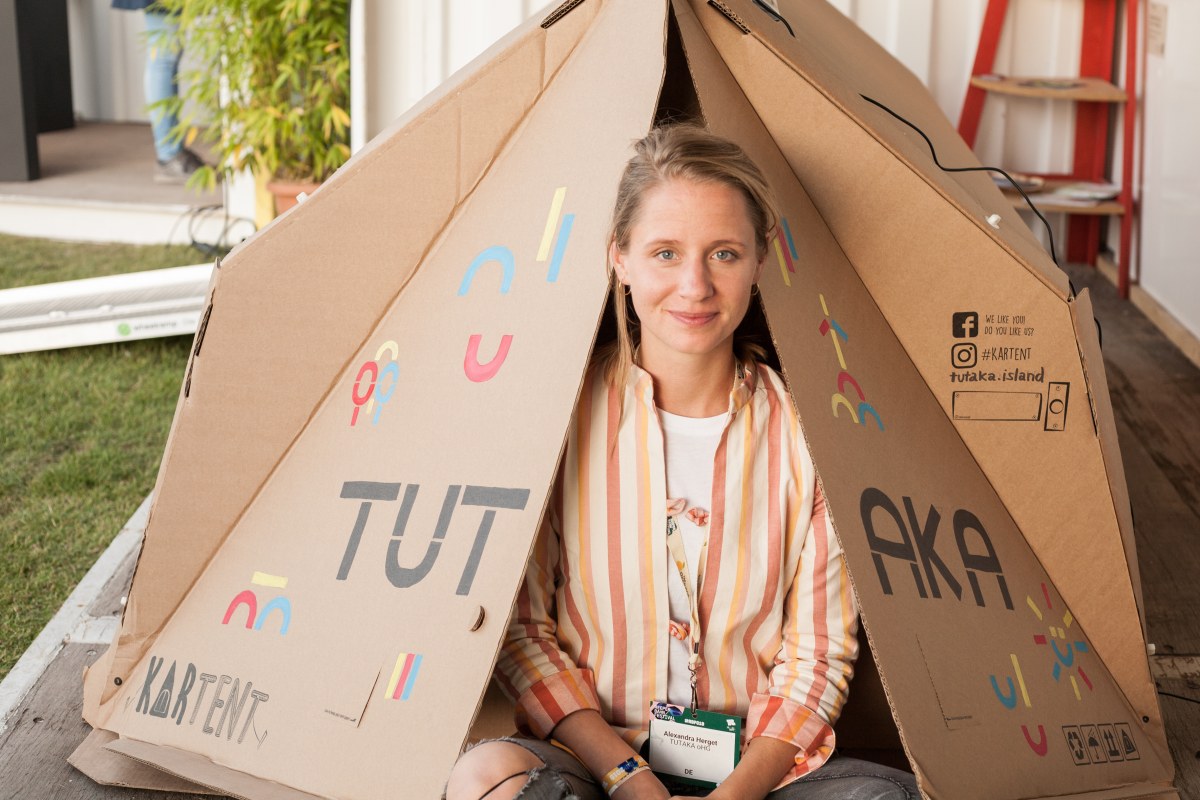
Today we are happy to meet Alexandra Herget of TUTAKA. TUTAKA is the go-to source for sustainable hospitality that makes procurement easy through its marketplace of sustainable supplies, equipment and services. Learn from this self-described “ecoist” motivated to bring more positive change to an industry that is still in the early stages of transformation.

Untertitel
MAp meets Alexandra Herget, Managing Director + Co-Founder at TUTAKA
Blog main image
NEW There is no hospitality industry without a “sustainable” in front of it.
Paragraphs

Thank you for speaking to us today! As a start, can you please tell us a bit more about you and your background? Have you always been passionate about sustainability and hospitality?

At least from high school onwards. Quite nerdly, I joined the environmental club in my school in Sweden. Part of my curriculum at university also included courses such as “Sustainable Development”, “Environmental Studies” and “Human Rights”. That I want to follow a career within the hospitality industry became clear to me, when I was looking for a job while finishing my Master’s Degree in Maastricht. I sat down and asked myself: “What do I want to do now? What am I passionate about?” The answers were: gastronomy, travelling, being a host, bringing people together, and designing memorable experiences. Thus, I moved to Berlin and worked in a hotel concept development company.

Sustainability is a journey.
Take it step by step.
@alexandraherget
via@weareMApeople


We recently discovered TUTAKA and love your approach to sustainability. Can you share with our readers a bit more about TUTAKA? How did you come up with the idea for it and what’s your purpose?

Thank you! We are also enthused about MAp and can’t wait to see how we join forces to bring more sustainability into our beloved industry.

TUTAKA makes sustainable procurement easy. How? By relieving buyers from the hotel, restaurant and event industry of the complex task of searching: On our digital marketplace, hundreds of audited products and services can be directly bought or enquired.

TUTAKA Island is our marketplace’s sister. As a consultancy, “the Island” supports hosts in the transformation towards more sustainability by taking an advisory role within the fields of strategy, communication and procurement. Overall, marketplace and agency alike, our mission is to make the hospitality industry more sustainable. 

Can you explain to us how you define a product as “sustainable?” What criteria are you looking at? How do you go about sourcing products?

Either we get in touch with a producer that we think might fit, we meet them at an event or fair, or the supplier contacts us. Then, we elaborate firstly whether the product(s) is suitable for the hospitality industry from a functionality, design and price perspective and whether the supplier can deliver large quantities within an attractive lead time.

After this basic check, we take a close look. First on a company level via a questionnaire, which asks questions such as “Tell us about your company's mission and product features and the social challenges you are tackling” or “Are you already a sustainability superstar? Or are you rather at the beginning of your journey? What are you particularly proud of? Where do you still have room for improvement?” And then we move on with our TUTAKA product assessment, which evaluates the entire life cycle of the product in terms of positive and negative social and ecological impacts. To be precise, we look at the design, end of life scenario, logistics, production, materials, and usage of the product. Then, we sort the offer into our impact scoring, develop an overview on the sustainability performance and also state transparently what needs further improvement in terms of sustainability.

At MAp, we too believe that the future of hospitality needs to be sustainable. How important is sustainability in the hospitality industry? And where do you envision the future of hospitality going as it relates to this?

Sustainability should be all our rationale. There is no hospitality industry without a “sustainable” in front of it. 

With sustainability becoming so important and trendy, there are, of course, some negative side effects to it. Talking about “greenwashing” – how do you define it and how do you feel about it?

Franziska, my Co-Founder, hosts a panel on HospitalityNet, where we tackled this question with other industry leaders. Have a look!

Greenwashing is amongst the biggest traps to fall into when communicating sustainability. A "let's save the world" claim and tacky towel policy stickers are superficial and unappealing. Greenwashers pretend that they have made efforts, however just for the sake of being perceived as green and thus trustable and a brand to stick with. Believing that solely a change from plastic straws to no straws is worth sending out messages across all channels and media, declaring a new ecoistic era, is too simple. So, what to do? As a first step, the sustainability activities of hospitality companies should be embedded in a wider sustainability agenda such as the UN Sustainable Development Goals. Secondly, sustainability should be driven by corporate culture and people, and not merely by checklists. Thirdly, and here I would like to quote Franziska: “Sustainability communication must leave behind the classic marketing practice of hiding products, services and people behind empty slogans and hoping they will resonate with current trends and lifestyle models. Sustainability communication should be about revealing, sharing and letting in.”

As many of our readers are hoteliers: can you share with us 3 easy tips on how they can become more sustainable?

Sure! First, sustainability is a journey. Take it step by step. Second, on-board your whole team and take them with you on this journey. Third, implement a long-term strategy with goals and measures. “Quick and dirty” does not work with sustainability.

As always, our final MAp meets question is related to our core business, as we’re specialised in crafting innovative hotel concepts and brands: what makes a hotel experience a truly outstanding one for you personally?

A hotel that is in true balance with the nature and “Umwelt”/ Environment surrounding it. A hotel that offers outstanding materialistic and non-materialistic experiences. One, where well-being is at the core. And one, where you can feel that all employees are being appreciated and participative.  Oh, how I look forward to travelling again!

About Alexandra Herget:

Alexandra developed hospitality concepts before founding TUTAKA in the beginning of 2018 after being frustrated seeing the amount of things that are thrown away every day in a hotel. Studying Interactive Art Direction at HYPER ISLAND, Graphic Design at M.DH and getting a M. Sc. in Strategy & Innovation helped along the way. Her time at The Ritz Carlton, hospitality competence and the Hotelmarketing Gruppe as well. She is mad for unusual ideas, boldness, ecoistic people, typography and Scandinavian design.


Blog Block Image
NEW There is no hospitality industry without a “sustainable” in front of it.

Add new comment

Comment

Order

Plain text

  • No HTML tags allowed.
  • Lines and paragraphs break automatically.
  • Web page addresses and email addresses turn into links automatically.
Types