
sharing is caring

Excerpt: A hotel concept is the foundation of every successful hotel project. But are you unclear on what exactly a hotel concept is? Or even why you need one? We’ll introduce you to the idea of the hotel concept, what goes into creating a great and sustainable concept, and what benefits it will bring to your hotel project. Read on to learn more!
Blog main image
What is a hotel concept + why do you need one?
Paragraphs

The start of each new year brings with it a spate of articles touting the most anticipated and hottest hotel openings for the year ahead, and despite the pandemic, 2021 was no different! Just take a look at this Forbes article and this Conde Nast Traveller article to get a sense for the new offerings flooding the market this year alone.

The hotel landscape looked very different 20 years ago, when there were less offerings, bigger players and clearer differentiation between brands. Today, the market is saturated. And if you factor in the disruption of new entrants, such as Airbnb and the like, it is no surprise that customers struggle when faced with so much choice.

So how do hotels discover, create and maintain their competitive edge? How do they distinguish their offering and add value to guests? How do they remain relevant to today’s consumers? The answer is with a strong and sustainable hotel concept.

What is a hotel concept?

A hotel concept is the basis for everything that follows. It’s the foundational idea that defines your hotel’s brand, character, product + services, sales + marketing, and more. It curates a distinctive identity in the market and in the eyes of your clearly-defined target group.

Furthermore, it acts as a strategic and creative outline on how to realise a hotel venture by piecing together various elements (“soft” and “hard” facts) and outlining to all stakeholders HOW your hotel should look and feel and WHY that is.

What are the key elements of a hotel concept?

At MAp, we craft our hotel concepts around the following key elements:

  • Purpose: WHY you exist beyond making profit. Read here why defining your purpose beyond making profit will actually make you profit.
  • Principles: Your vision, mission and values.
  • People: The people you are serving with a solution to their problems, as well as the people you are working/partnering with to make an impact.
  • Story: The unique story that you – and only you – are telling in order to emotionally connect with your people.
  • Positioning + USPs: What differentiates you in the market.

These constituent pieces, together, form one complete whole, laying the foundation of your hotel project.

Before you can stand out,
you must know what you stand for.
@weareMAp

Why do you need a hotel concept?

Whether you are a hotelier looking to develop a boutique hotel or are part of a hotel group looking to reposition your existing hotels, a clearly-defined and sustainable hotel concept offers many benefits:

  • Gives you clarity on the what, how, why
  • Aligns your stakeholders around a shared purpose and vision
  • Enables you to use resources more efficiently (think time, money, etc.) - but also the resources of our planet
  • Makes you stand out from the crowd (as you know what you stand for)
  • Creates a better future for your hotel and business, for people and planet

Hotels with strong concepts are able to demand a premium price, provide a coherent guest experience, sell and market themselves smartly, recruit talented staff and a community following, and have a marketable platform when pitching for investors and partners.

How do you bring a hotel concept to life?

Our holistic and end-to-end process for developing hotel concepts consists of the following steps:

1) Concept Discovery: Set the groundwork by looking inwards at your goals, motivations, strengths and weaknesses, and outwards at your competition, the market and innovative trends.

2) Concept Development: Using the insights collected in the Discovery phase, address each of the key elements of your hotel concept in order to define its core idea.

3) Concept Activation: Translate your hotel concept into the operations of your hotel, by applying it to your product + services, brand, and sales + marketing.

4) Concept Implementation: Identify strategic partners and ensure they are aligned and in keeping with the hotel concept, all the way up through (re-)launch.

Conclusion

With a strong hotel concept in place, your hotel stands out from the competition. But more importantly, it stands for something. So before kickstarting any type of hotel project, make sure you first establish what your hotel concept is. As MAp says, “First the concept, then comes the rest.”

In need of some inspiration? Check out our Hotel Concept Trends 2021 blog post.
 

Quote Subtitle
then comes the rest.
Quote Title
First the concept,
Blog Block Image
What is a hotel concept + why do you need one?

Add new comment

Comment

Order

Plain text

  • No HTML tags allowed.
  • Lines and paragraphs break automatically.
  • Web page addresses and email addresses turn into links automatically.
Types
sharing is caring

Excerpt: COVID-19 has changed the game, and it’s time for hotels to catch up. In this blog post, we dive into the trends that have shaped, and continue to shape, the hospitality landscape as we look to the rest of the year. We’re happy to report the pandemic has shifted travel so that it is slower, more purposeful, and better for the planet, while meeting traveller’s important needs: privacy, value, productivity. Read on for what these trends mean for hotels when it comes to crafting or sharpening their hotel concepts.

Untertitel
What will be the next BIG thing?
Blog main image
Hotel Concept Trends 2021
Paragraphs

Our blog post, “When sh*t happens, shift happens”, says it all. Due to the COVID-19 pandemic, people’s needs and wants have fundamentally shifted, which has in turn ushered in a wave of trends. At MAp, we believe that your people should always be at the centre of what it is you do, so success will ultimately hinge on how hotels respond to the key trends poised to shape the year ahead.

We’ve taken the time to monitor the market’s new developments and pick the most important ones. Without further ado, MAp presents our top hotel concept trends to watch for in 2021:

We’re happy to report the pandemic has shifted travel so that it is slower, more purposeful, and better for the planet,
while meeting traveller's important needs.
via @weareMApeople


Hotel Concept Trend #1: Regenerative Travel

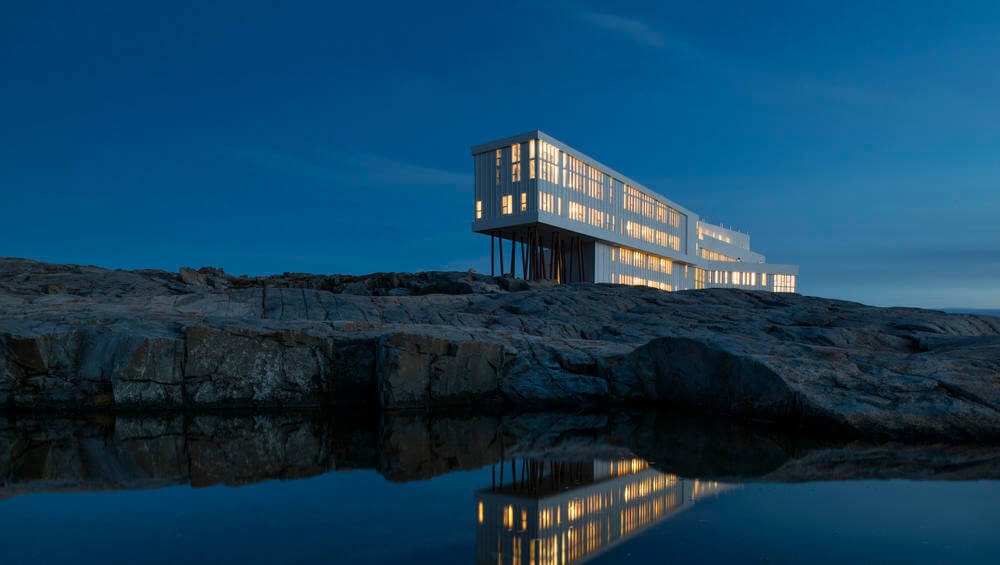
You’ve heard of sustainable travel, but have you heard of regenerative travel? The principle of regeneration goes one step further than sustainability, which aims toward neutral impact, to reverse and repair the damage to our environment and local communities. It’s no longer about minimising impact, but taking critical actions to heal the earth and its people, or as the New York Times puts it simply: “leaving a place better than you found it.” For hotels, regenerative measures include providing guests with opportunities to partake in restoration projects or funding educational initiatives.

Regenerative values are emerging as the future of travel, as COVID-19 has forced travellers to reflect on the basic notions of why and how we travel, creating a paradigm shift in the industry and a demand toward making net-positive contributions to all stakeholders. And travel as a force for good is needed now more than ever, as destinations heavily reliant on tourism have been decimated by the pandemic, creating an acute need to rebuild impacted communities.

Considerations for your hotel concept:

According to Regenerative Travel, the following principles should guide hotels in developing hotel concepts that are truly regenerative.

  • Incorporate whole systems thinking. Consider all stakeholders and elements, such as the physical land, in your decision-making, taking into account potential ramifications.
  • Honour the sense of place. Weave the local community – its culture, practices, history, heritage, etc. – into every aspect of the guest experience.
  • Partner with and include the local community. Bring in the diverse expertise and intimate knowledge of community members when planning, constructing and operating your hotel.
  • Have a purpose. At MAp, we believe purpose is key! Determine what your purpose is, and from that create an aspirational vision and mission that inspires your guests.

Inspiration: Fogo Island Inn

Hotel Concept Trends 2021

Hotel Concept Trend #2: Remote Working

If there’s anything we’ve learned from the pandemic, it’s that remote working is here to stay. And while some will opt to #workfromhome, others will opt to #workfromhotel, taking their work on the road with them as they set out to explore the world. Hotels, therefore, should be well-positioned to support this mobile and global workforce – and that means going beyond the lobby-as-co-working space model.

Instead, hotels should strive to understand what it is this segment wants and needs – and deliver! Remote workers have extremely high standards when it comes to their ability to do their jobs, so be focused on creating private and productive working environments, upgrading your tech capabilities and giving guests the amenities they need be at their best – on and off the clock.

Considerations for your hotel concept:

  • Build a community. Provide opportunities for remote workers to connect with, learn from and support each other.
  • Be functional and flexible. No one works the same way, so make your rooms work-friendly and flexible (that’s right – put those desks on wheels!).
  • Strike a balance between work and pleasure. Give remote workers what they need to be productive, but also what they want when it comes to unwinding after a long day “at the office.”
  • Don’t forget the locals. Cater to local workers looking for a change-of-scenery from their home offices.

Inspiration: gravity haus

Hotel Concept Trends 2021

Hotel Concept Trend #3: Value

Times are tough and budgets are limited. And this has led to the resurgence of the “value traveller” – not to be confused with the “budget traveller,” often associated with the term cheap.

Value travellers are looking to stretch their money as far as possible. While they are cost-conscious, they are willing to spend where their priorities lie. But what they’re not willing to do? Sacrifice quality or comfort. They are well-travelled and have just as high of standards as the next guy.

Value travellers seek out transparency on cancellation and refund policies, free breakfasts, activities at little to no extra charge. But also comfy beds, room service, luxe amenities. For this segment, it’s about finding the right balance.

Considerations for your hotel concept:

  • Throw in freebies. Everyone appreciates a good freebie!
  • Determine amenity must-haves. Figure out and incorporate those amenities that matter most for your target audience.
  • Create a loyalty programme. Reward return guests with extra – and free – perks.
  • Sell hotel packages. Combine accommodation, transport and activities into one attractive rate.

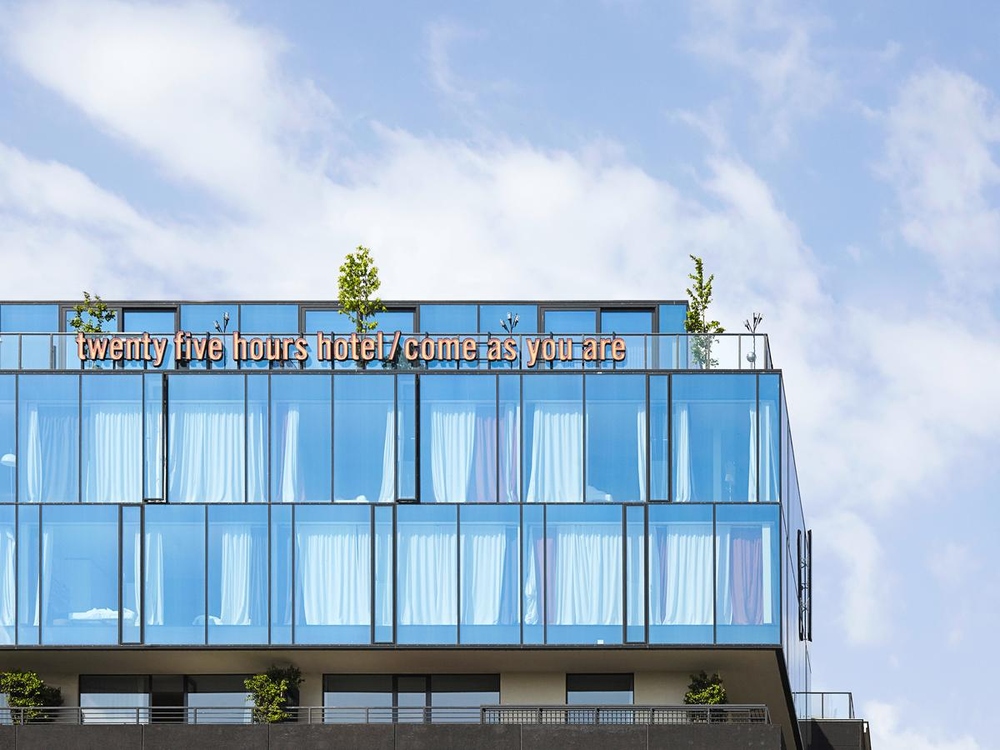
Inspiration: 25hours Hotels

Hotel Concept Trends 2021

Hotel Concept Trend #4: Privacy + Seclusion

The year 2020 proved that privacy is the new luxury. As we’ve seen, private forms of accommodation have surged during the pandemic. Travellers are seeking out more remote, secluded and off-grid destinations, away from the crowds and nestled in nature – that’s what people crave after all this time spent indoors! And on top of that, they’re travelling in small groups or with family members (expect a swell in multigenerational travel), therefore opting for villas, cabins or holidays homes that are more spacious, accommodating – and you guessed it - private.

This trend has been a boon for Airbnb and Vrbo, but not for traditional hotels that simply can’t offer the same levels of privacy. However, hotels that cater to this new mindset will reap the rewards of more reservations.

Considerations for your hotel concept:

  • Weave in nature. Wherever possible, provide opportunities to soak up surrounding nature through guided hikes and the like.
  • Consider the destination. For any future hotel projects, the rule of thumb is: the more secluded, the better.
  • Provide luxury services. Think airport pickups, dedicated butlers and private chefs.
  • Rethink the hotel room. Switch up the standard by introducing private villas or even tents.

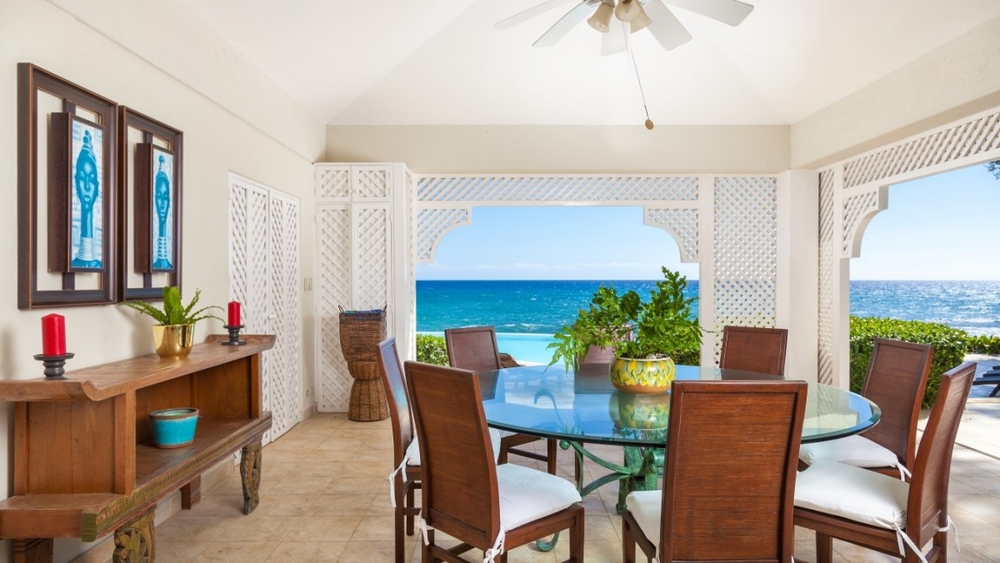
Inspiration: Casa de Campo

Hotel Concept Trends 2021

Hotel Concept Trend #5: Slow + Purposeful Travel

As a purpose-driven boutique consultancy, this is a trend we’re excited about!

After a year of sitting inside, it seems that travellers have acquired a taste for a slower pace. That’s where the concept of “slow travel” comes in. Slow travel aims to give travellers a rich understanding of life in a destination through interactions with locals and immersive experiences. We expect to see travellers spend more time discovering a destination and visiting fewer places during a single trip - while enjoying more experiences, culture and traditions.

And this goes hand-in-hand with “purposeful travel,” or the idea of travelling more responsibly and with purpose. It’s intentional and immersive, conscious and connected —with yourself, the destination, and the greater world.

Considerations for your hotel concept:

  • Connect to place. As stated above, incorporate the destination into all aspects of your hotel – from the design, to the food, to the services, and beyond.
  • Create immersive experiences. Give guests the opportunity to immerse themselves with and learn about local people, culture and heritage, and history.
  • Take it slow. Focus on creating a relaxing retreat where guests can unwind.
  • Be more purposeful. Determine your own “why” that drives you. As we at MAp like to say: “You first have to stand for something, before you can stand out for something.”

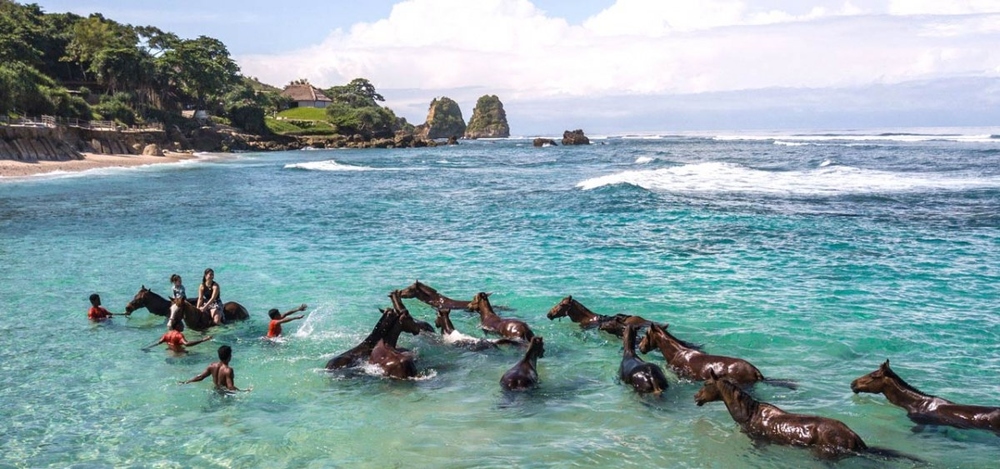
Inspiration: Nihi Sumba

Hotel Concept Trends 2021

Conclusion

That’s a wrap on MAp’s top hotel concept trends for 2021! While the hospitality industry has been forever changed (and as evolution tells us: when something changes, it’s usually for the better), we can agree that it has to evolve and reinvent itself in order to take advantage of the opportunities and cope with the challenges it faces. Ever the unshakable optimists, we believe the industry will come out on top!

#onwards

Photo Credits: Fogo Island Inn, gravity haus, 25hours Hotel, Casa de Campo, Nihi Sumba

Blog Block Image
Hotel Concept Trends 2021

Add new comment

Comment

Order

Plain text

  • No HTML tags allowed.
  • Lines and paragraphs break automatically.
  • Web page addresses and email addresses turn into links automatically.
Types
sharing is caring

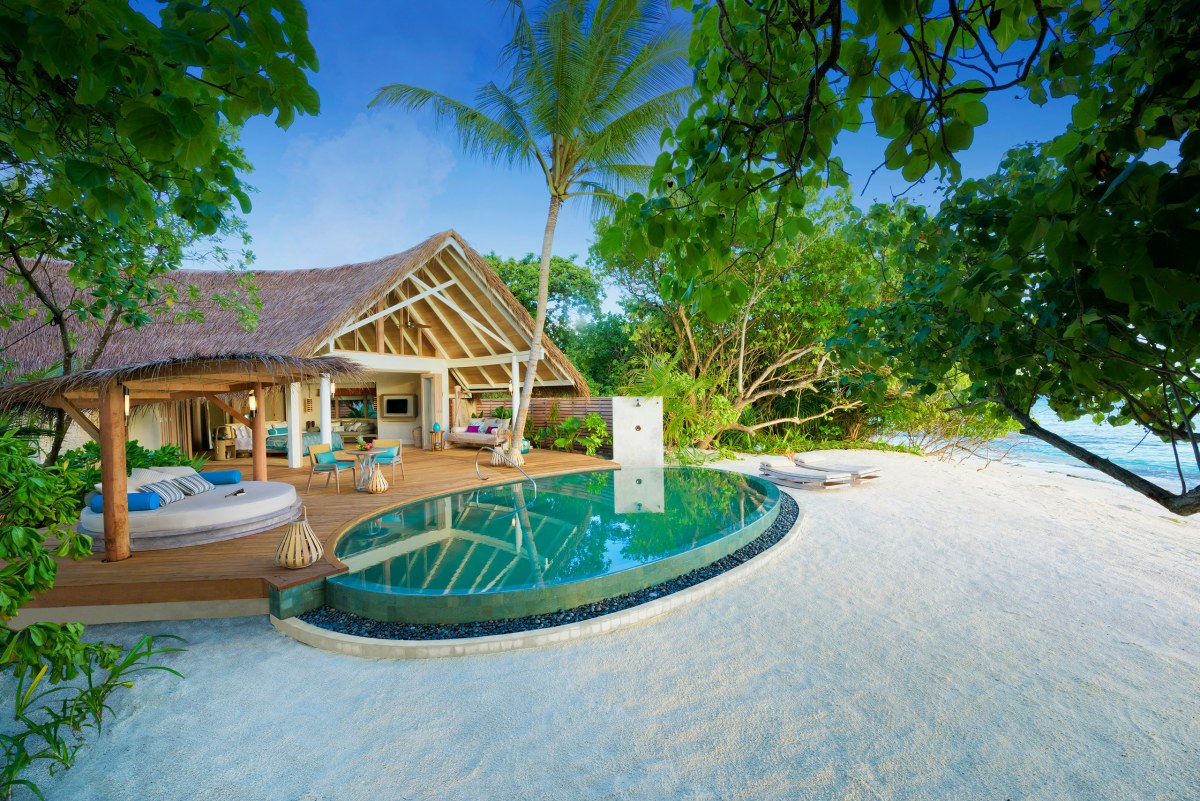
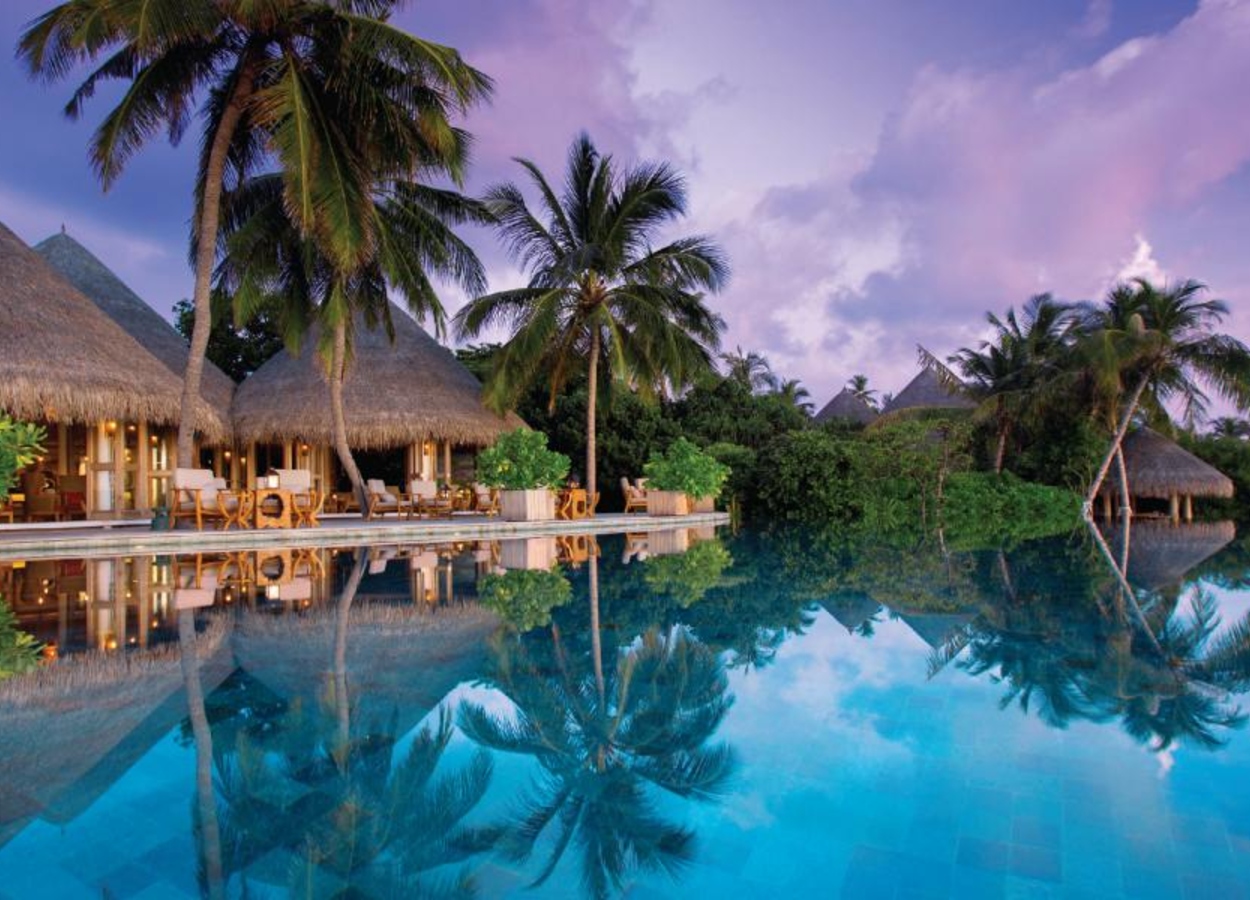
Opening up a new chapter of barefoot island living.

Main-Image
Milhaidoo Island MA people MAP Boutique Consultancy
Location
Republic of Maldives
Timeline
2015 - 2016
Type
Boutique luxury resort
Purpose
To tell the unique story of a small island
# of Rooms
50
# of Stars
5*
Tag it
#StoryOfASmallIsland #MilaidhooIsland #HotelConcept #HotelBranding #HotelMarketing
Paragraphs

The story of a small island

Destination

Destination

  • Holistic resort concept that reinvented luxury 
  • Resort brand strategy coupled with compelling brand identity
  • Guidance and insights on how to execute branding activities
  • Clear positioning in order to reach and attract defined target audience
  • Direction for Milhaidoo team on how to plan, execute, monitor and evaluate sales, marketing and social media activities 


Awards + Accolades

  • TripAdvisor Travellers Choice 2020: Best of the Best
  • Member of Small Luxury Hotels of the World
  • Golden Panther Award 2018: Best Beach Resort
  • Connoisseur Circle Hospitality Awards 2018: Best Hospitality Resort in the Indian Ocean
  • Harper's Bazaar - Bazaar Travel Guide 2018: The Best Islands
  • Condé Nast Johansens Luxury Hotels Award: Winner 2018
  • Elle UK: The 13 Most Beautiful Overwater Bungalows in the World

Video URL

RoadMAp

Milhaidoo Island

#StoryOfASmallIsland

We are honoured to have been given the chance to co-create the story of a small island along with a pioneering visionary of an owner and experienced team. We look forward to the many chapters ahead for this incredible resort.

You are the priority here and much like the water surrounding the island, the property moulds itself around you.

The best way to describe the experience is that it is human.

Harper's Bazaar
Weight
-90
Title for Show next
Welcome to Milhaidoo Island
Show Blocks
sharing is caring

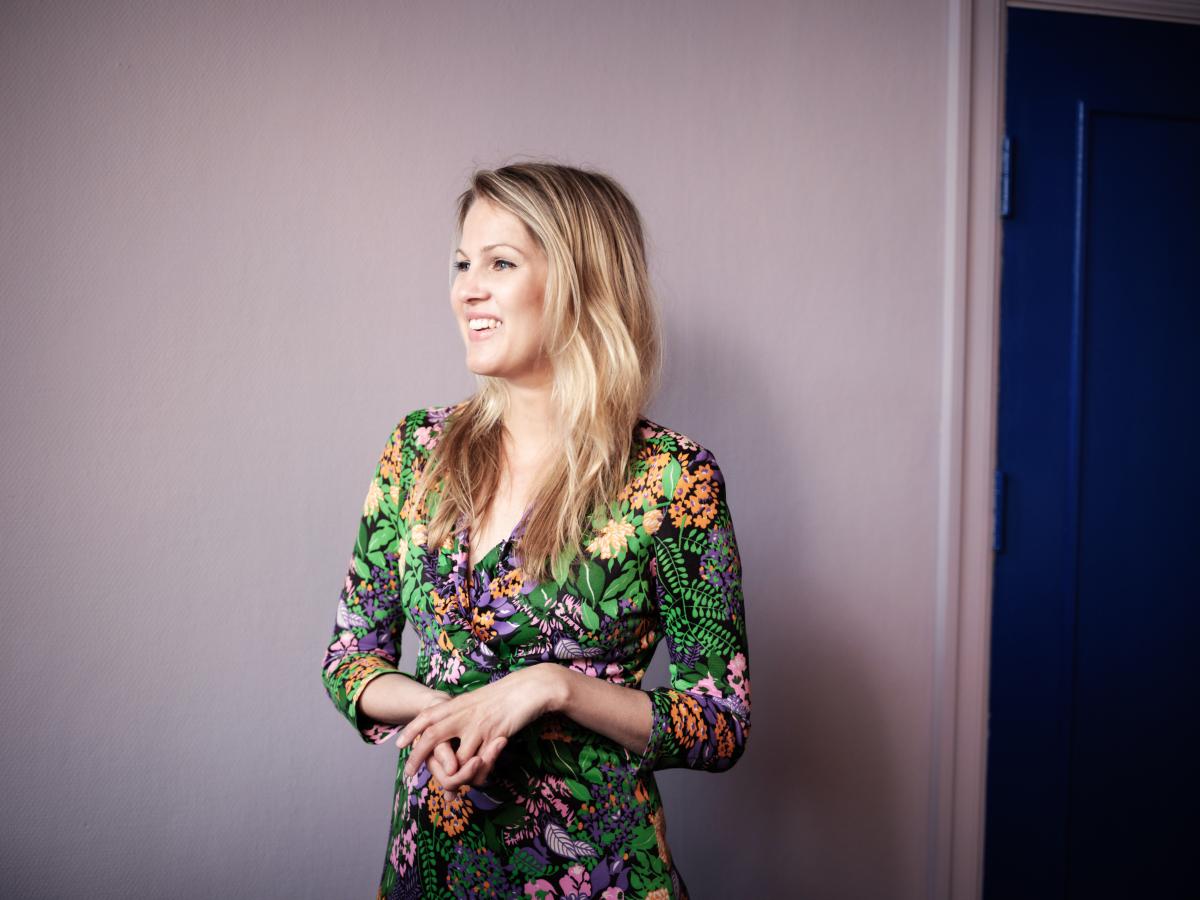
Today we are more than excited to meet Dagny Thurmann-Moe – Creative Executive, Colour Designer and Consultant of Koi Farge Studio, Oslo. Dagny is one of Norway’s foremost colour designers and in 2014, she has started the Koi Colour Studio with the goal of being able to offer targeted colour consultation for both public and private clients.

Untertitel
MAp meets Dagny Thurmann-Moe, Creative Executive of Koi Farge Studio, Oslo
Blog main image
Colour to the people! - MA people MAP Boutique Consultancy
Paragraphs

Dear Dagny, thank you so much for taking the time for this MA people meets. To begin with: when and how have you discovered your love for colours? And how did a profession develop out of this passion?

We could reverse the question; When did you stop loving colours? The fact is, we’re all born with a strong relationship with colours. If you talk to any child under the age of 10, they will give you vivid explanations of each colour and they have a complex understanding of their effect on us. I gues what happened with me, was that I never stopped. The interest just grew, and from the age of 16 I started reading every book, research and study I could get my hands on. I was interested in a wide perspective – how we used colours in different aspects of our lives; interiors, architecture, institutions, the car park and clothes. What feelings and associations did we have with different types of colours and why? How did they affect our wellbeing? I started studying something completely different at the University of Oslo, as colours were not an option, I ended up choosing pedagogy, sociology and informatics. My first career was in recruitment and business management. It lasted for 10 years. In 2007 I started a blog about Scandinavian style from a maximalistic perspective, and colour was an important part of it. Because of that blog, I was headhunted for the role as Creative Director for a Norwegian paint/home improvement retail chain, where I worked on developing interior and exterior paint colours and collections, colour forecasting, inspiration images and folders. After 4 years there, I started my own colour studio – where we work on developing colour concepts, palettes and strategies for architecture, interiors and products.

The biggest challenge with hospitality at the moment is
'same shit,
same wrapping'.
@DagnyThurmann-Moe
via @weareMApeople


In 2017 you have published the book “Colour to the People!”. Can you please share with our readers why we should all use colour in a more targeted way?

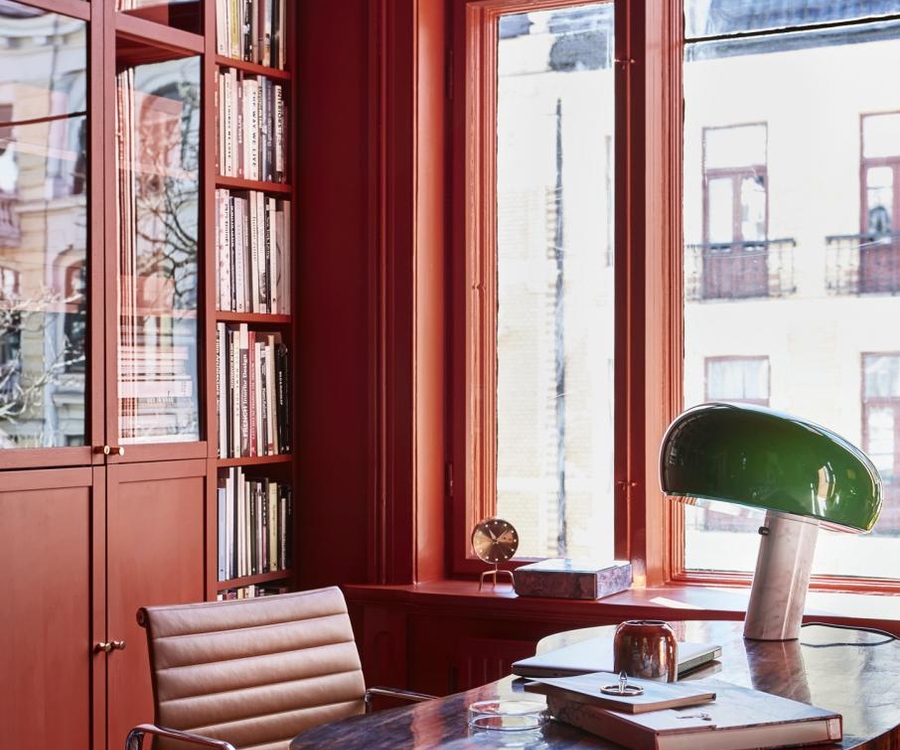
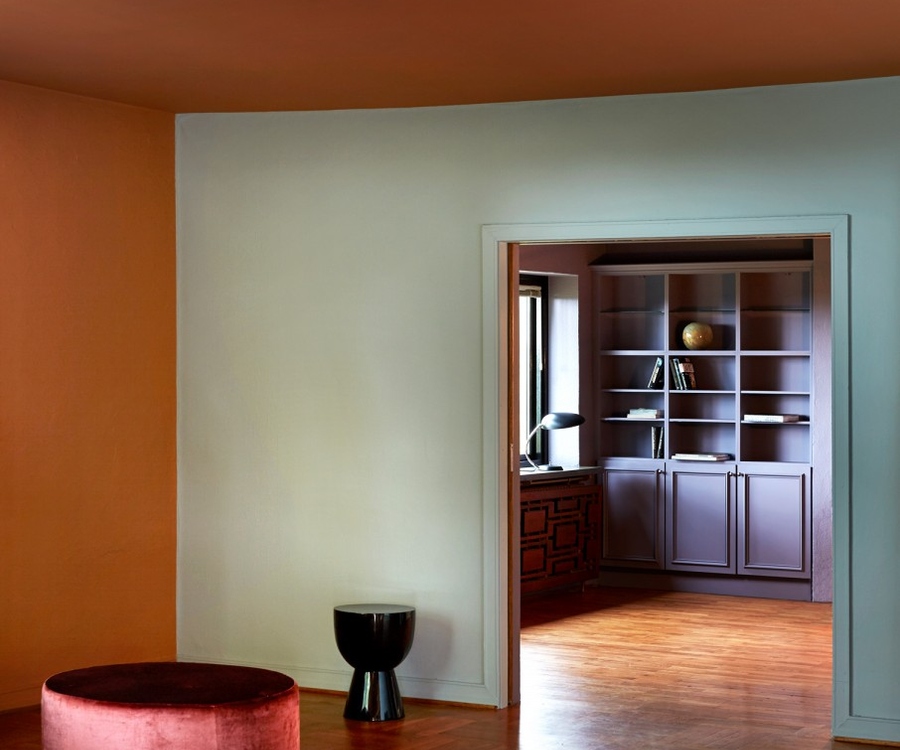
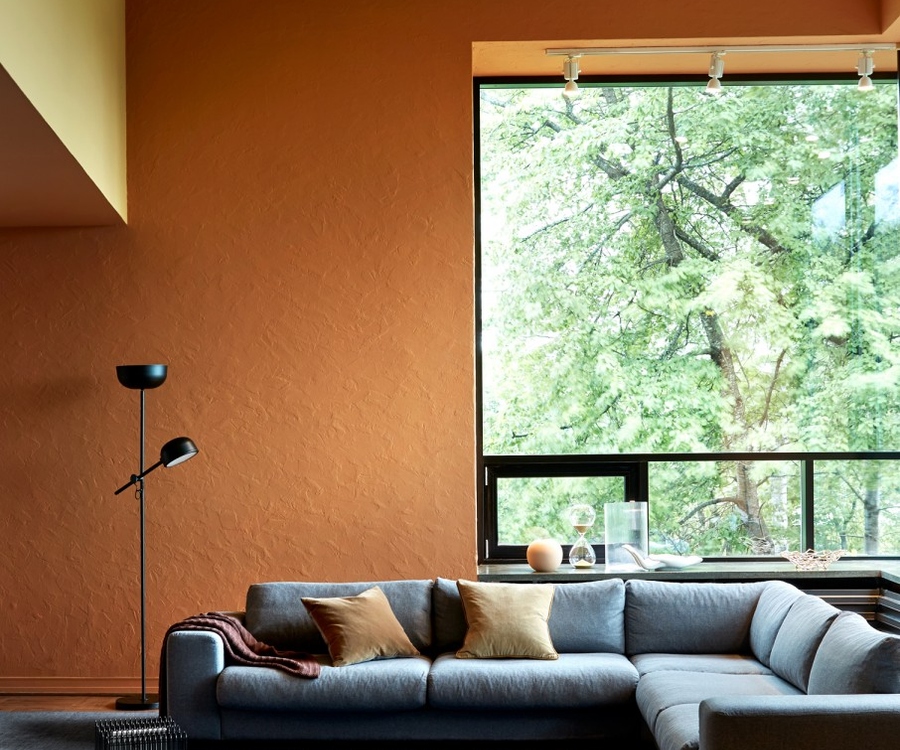
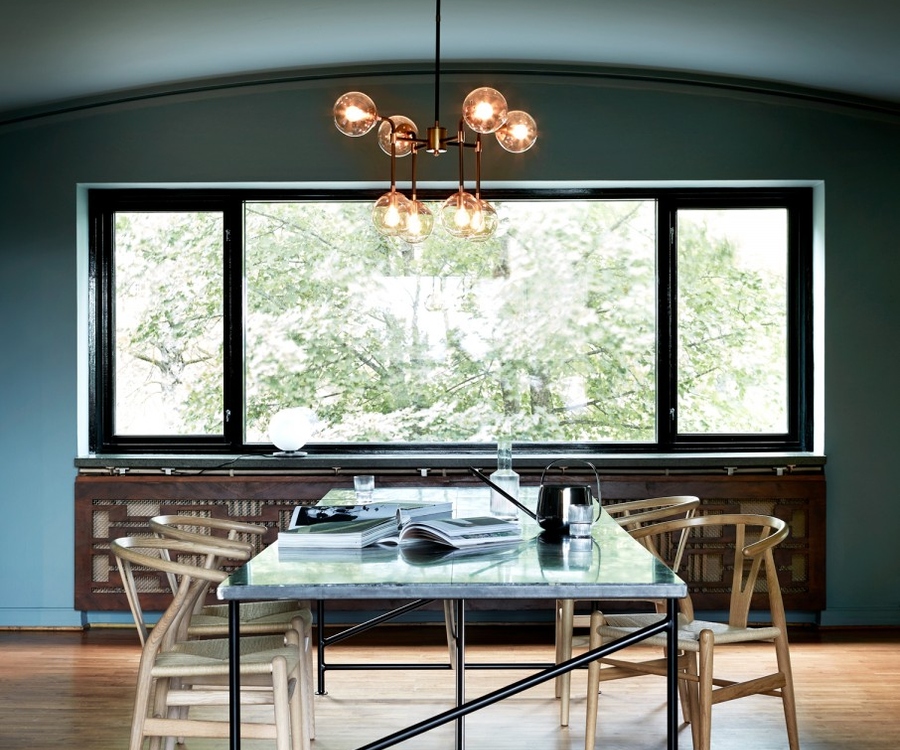
I often say that only shallow people disregard the value of aesthetics. How our surroundings affect our daily lives have more or less been ignored for decades, and with my book, I wanted to visualize and explain why it is so important to have the end users in mind when we develop spaces – and that colour is a factor that cannot be ignored, just like other factors like daylight, greenery and materials. I also photoshopped colours onto contemporary architecture, which had a great effect on the readers.

Many of our readers are hoteliers, working in hospitality businesses: HOW can they bring more colour into the hotel?

How is the right question, but the answer is that it depends on your target customers, location and identity. The biggest challenge with hospitality at the moment is “same shit, same wrapping”. Don’t leave colour and material choices to choice by accident, but have a plan in what you want to communicate, what type of feeling the spaces should give and don’t be afraid to make some decisions that are outside of your comfort zone. A good use of colour is not necessarily lots of colours. It depends on the clientele.

How would you describe the hotel landscape in Norway, did any recent hotel developments catch your attention?

We have the “same shit, same wrapping” situation here as well. There’s not really anything that I haven’t seen before. I’m excited to see how Sommero Hotel will turn out when it opens.

We at MA people are specialised in crafting innovative hotel concepts and brands: what makes a hotel experience a truly outstanding one for you personally?

A strong and confident concept, that can be an experience in itself with great food and excellent service is what matters to me the most, and will make me a loyal customer and ambassador. I also appreciate it when the décor can be a mix of old and new. When everything is new, it gives the spaces kind of a catalogue feel, which I find a bit uninteresting.

About Dagny:
Dagny is one of Norway’s foremost colour designers and has over ten years of experience in the field. In 2014, she started Koi Colour Studio (formerly Dagny Colour Studio), with the goal of being able to offer tar- geted colour consultation for both public and private clients. Dag- ny is a driving force for increasing awareness about the targeted use of colour, and in 2017 she published the book Farger til folket! (Co- lour to the People!) with Cappelen Damm, a book about why and how we should use colour in a more tar- geted way in architecture, interi- ors, public spaces, fashion and car parks. The book is published in four countries. She is a well-known face in the media and often comments on colour use, trends and the value of the proper use of colour in archi- tecture, interiors and fashion.

Colour to the people! MA people MAP Boutique Consultancy

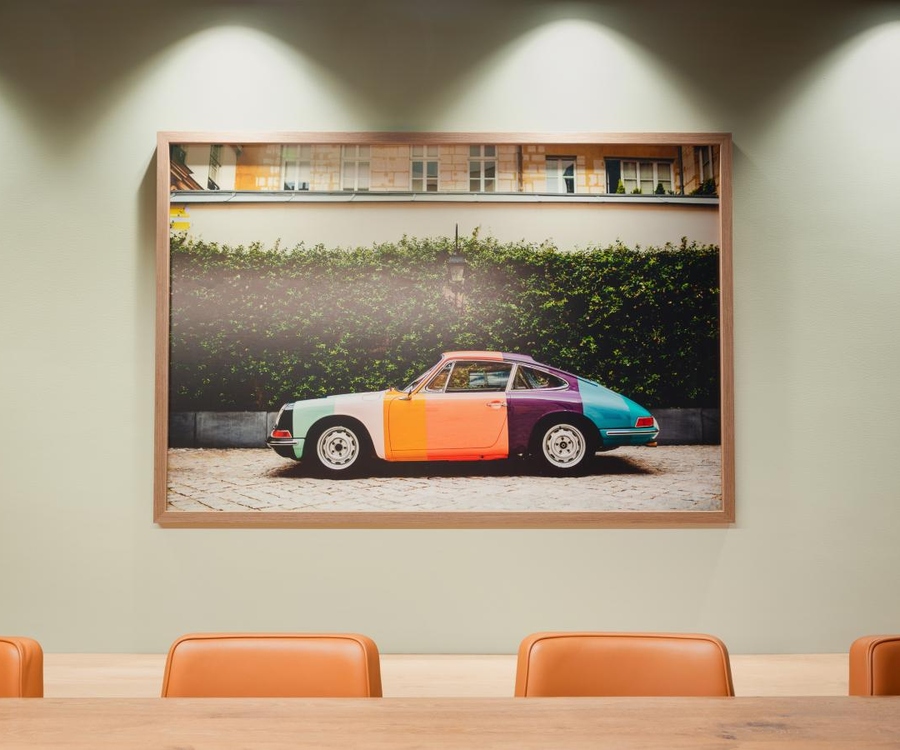
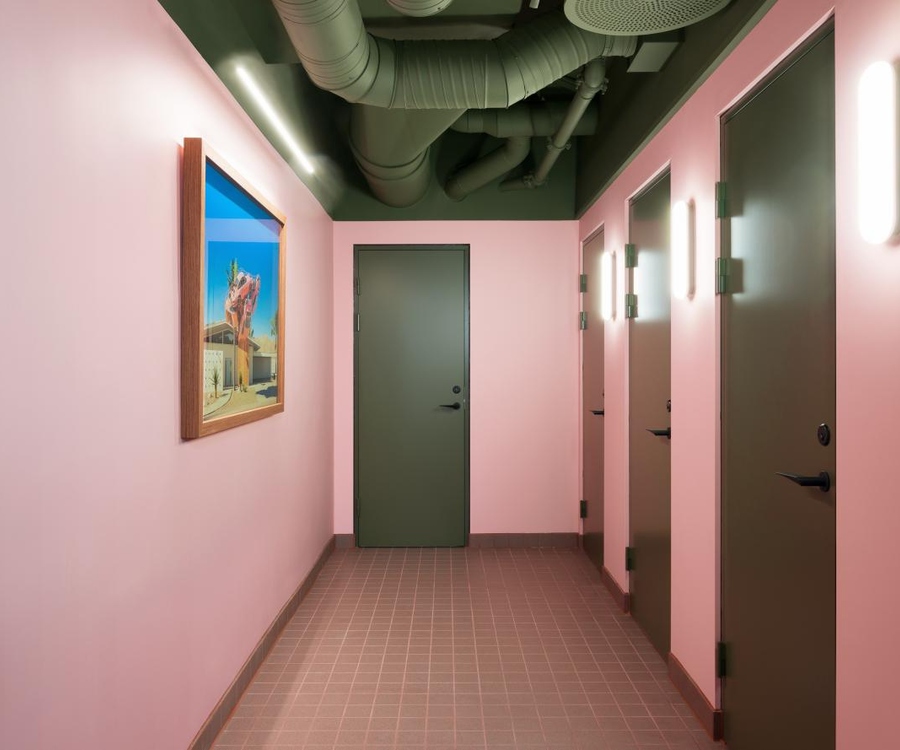
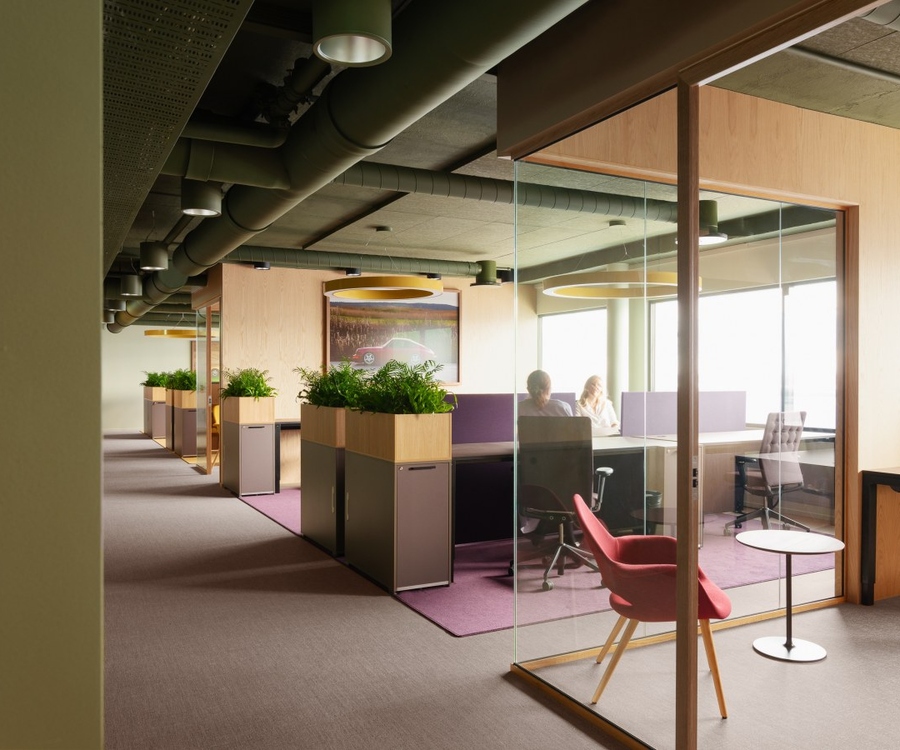
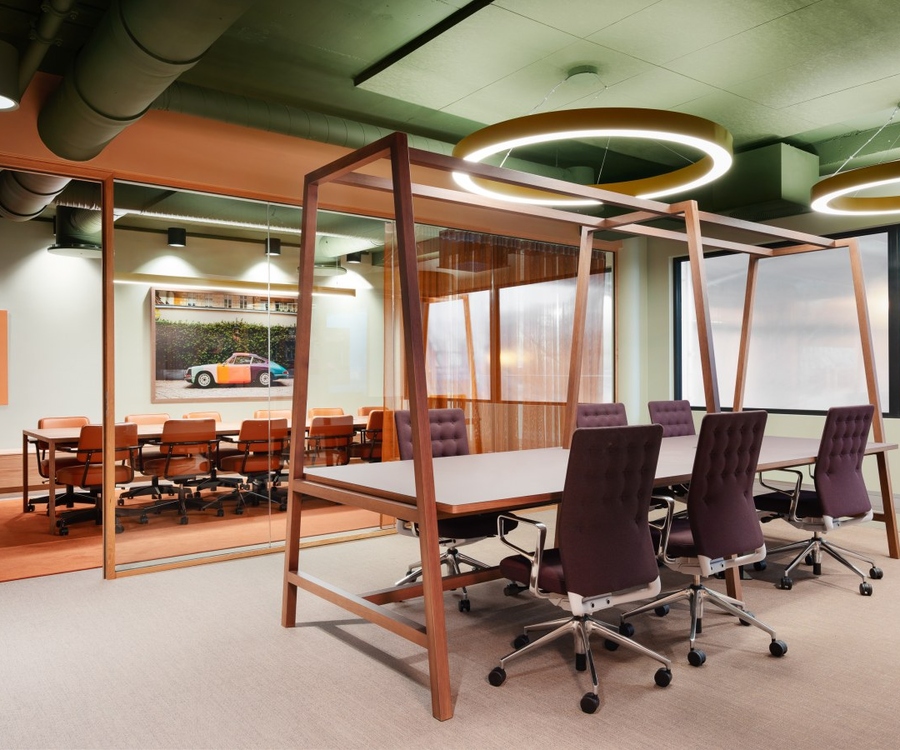
Photos 1 to 4: Porsche Norway’s head offices
Colour design: KOI colour studio, Interior architect: Kubik interiørarkitekter, Photographer: Einar Aslaksen

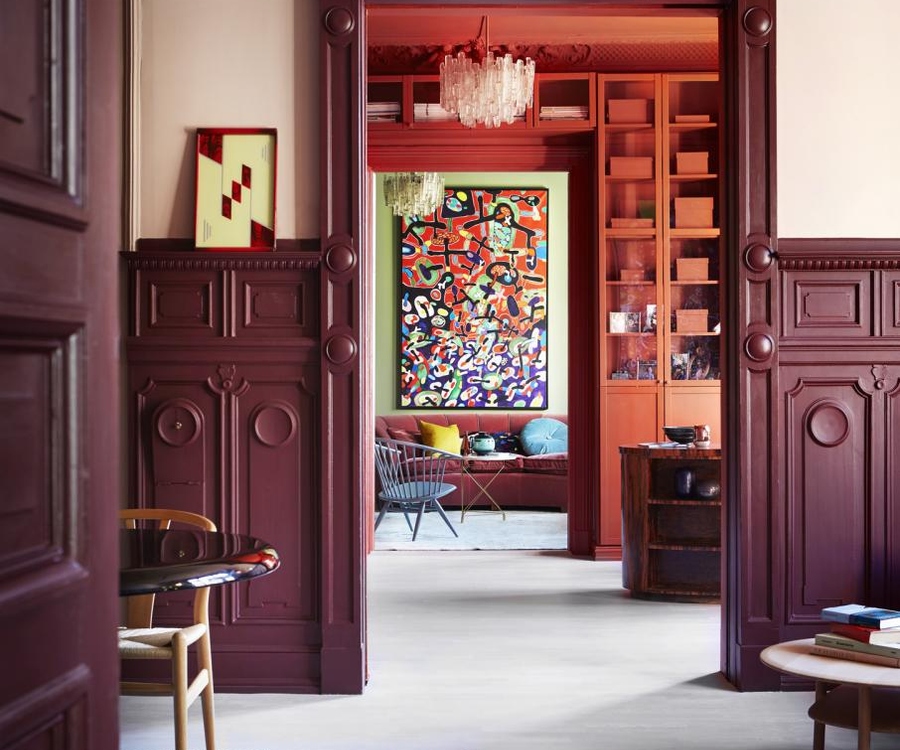
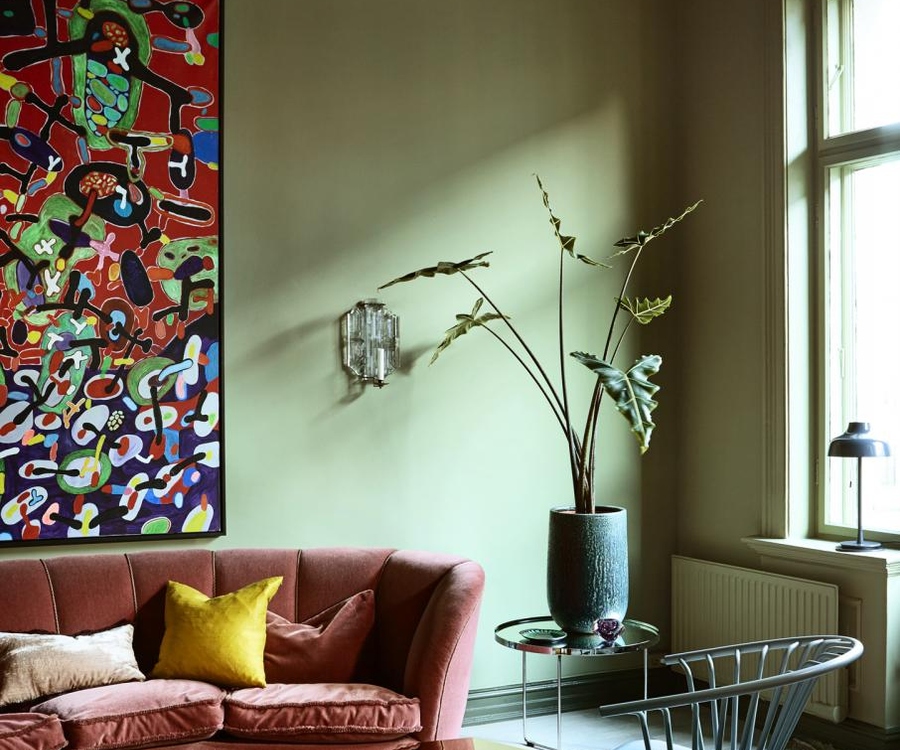
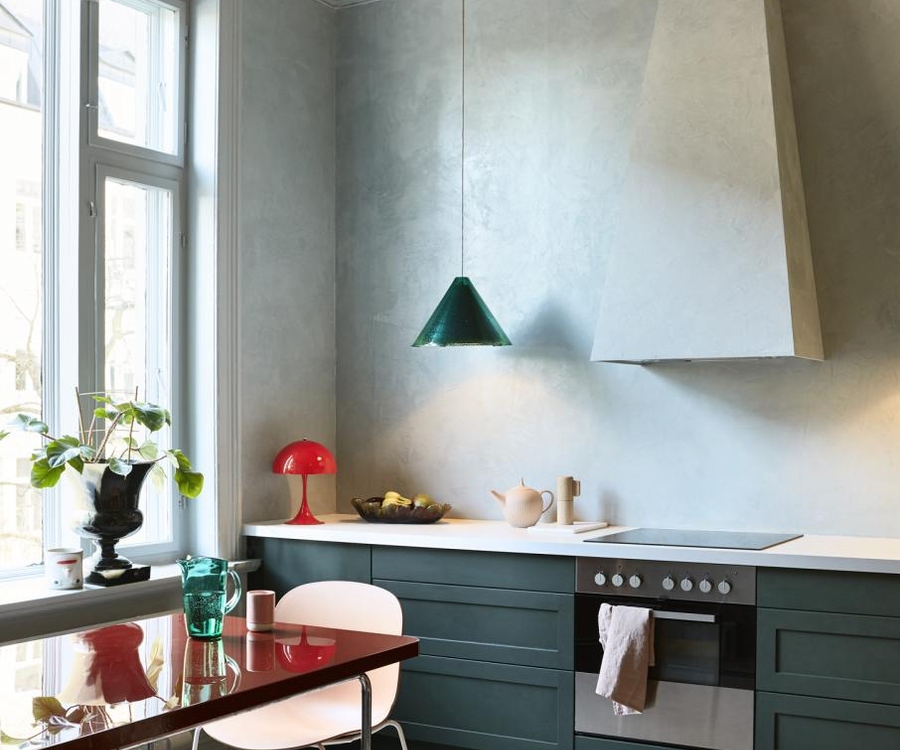
Photos 5 to 8: Oslo 1840s apartment
Colour design: KOI colour studio, Photographer: Margaret de Lange, Stylist: Kirsten Visdal, Client: Pure&Original paint

Photos 9 to 11: Oslo 1930s modernist villa
Colour design: KOI colour studio, Photographer: Margaret de Lange, Stylist: Kirsten Visdal, Client: Pure&Original paint

Blog Block Image
Colour to the people! - MA people MAP Boutique Consultancy

Add new comment

Comment

Order

Plain text

  • No HTML tags allowed.
  • Lines and paragraphs break automatically.
  • Web page addresses and email addresses turn into links automatically.
Categories
Types