
sharing is caring

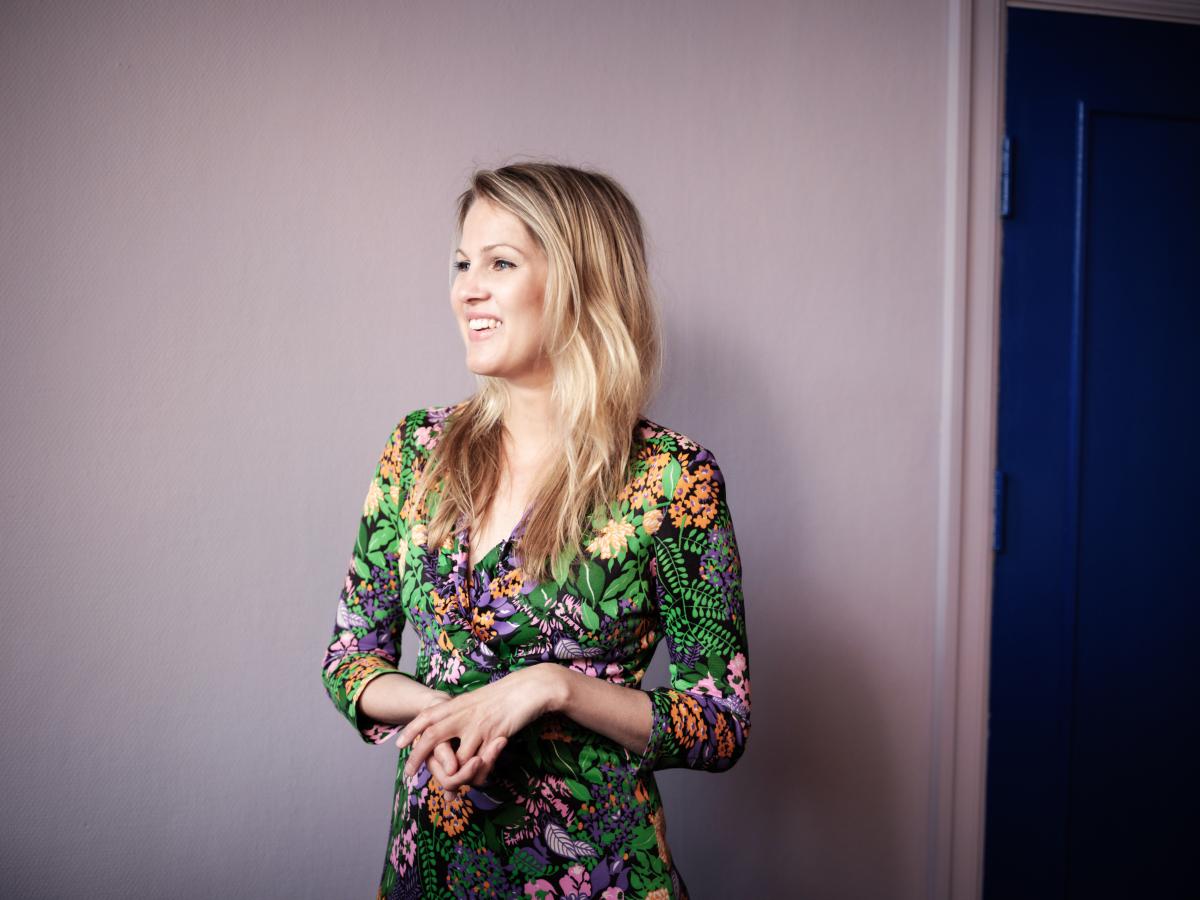
As part of our first "MAp meets" (as MAp!), today we meet Harsha L'Acqua, Founder of Saira Hospitality. Saira Hospitality is a non-profit transforming the way hotels connect with local communities through education. They develop and run pop-up schools that provide local communities with the knowledge and skills they need to build a career in hospitality, thereby creating dedicated workforces, improving community diplomacy and reducing staff turnover. It’s a win-win for hotel operators and local communities alike!

Untertitel
MAp meets Harsha L'Acqua, Founder of Saira Hospitality
Blog main image
Saira Hospitality
Paragraphs

Dear Harsha, thank you for taking the time to meet with us. To start, can you please share the story behind Saira Hospitality and how it came to be?

My four sisters and I were strongly influenced by my father’s philanthropic work with Mother Teresa and I always sought to merge a deep-rooted dedication to philanthropy with my passion: luxury hospitality. In 2011, I visited Cambodia where I came across a non-profit that was training women, who would otherwise fall into sex trafficking, in hospitality to be employed as housekeepers. They had a 90% plus success rate of placing these women into employment at luxury hotels which I found hugely inspiring and was grateful to see firsthand how these two worlds of philanthropy and hospitality could be connected. After years of working for international hotel brands including Six Senses Resorts and Residences, the Fullerton Hotel and André Balazs properties, I enrolled in the MMH graduate program at Cornell University’s School of Hotel Administration, where I began developing the concept for Saira Hospitality. During our Winter break, I was working at the Aman Galle when I overheard an interview between an Italian General Manager and a local Sri Lankan. The GM clearly wanted to hire the local Sri Lankan man as a pool cleaner for a variety of reasons I guessed: the cost would be less than hiring an expat, locals add to the guest experience and wanting to do the right thing by the community. From what I could see and hear, the local Sri Lankan man seemed to truly want the job, be on time for the interview, arrive well dressed and appear positive yet he didn’t have the simple interview skills he needed to be hired. The non-profit hotel school concept was clear at this point and seemed to be meeting a need on both sides. Hotel operators often cannot find well-trained, local talent and local communities are seeking opportunities and employment but lack the skills they need to be employed. Saira Hospitality won first place at Cornell University’s Business Plan competition in 2014 and it was at this point that I recognized the strong correlation between hospitality and philanthropy. Both are linked through the hospitality gene, the gene of service: service to the guest and service to humanity.

Hotel operators often cannot find well-trained, local talent and local communities are seeking opportunities and employment
but lack the skills they need to be employed.
via@weareMApeople


What is your approach and what kind of content do you cover as part of your training programme?

We partner with hotels around the world and launch pop-up hotel schools for local communities, providing hospitality operators with higher retention, community diplomacy and local talent upon opening. We identify their future hiring needs and incorporate as much of the brand's orientation, culture and training as possible into the curriculum content so students at the end of the program, form a pool of well-trained, local labor for the brand to hire from on schedule.

After a rigorous four-step interview process, applicants are accepted and students are taken through two to eight weeks of hospitality training provided by hospitality experts, including Cornell Hotel School graduates. During Saira’s training, students engage in both theoretical and experiential learning. We teach the key skills we feel they need to gain employment with partner hotels, emotional intelligence, cultural intelligence, leadership, communication, service recovery, mindfulness and so on.

We also focus on hands-on learning, typically in the departments of Food and Beverage, Front Office and Housekeeping but we can also train for those skills needed in other departments, according to the needs of our brand partner/s. Hospitality, as a people industry, is incredibly subjective and emotional, which is why Saira can even exist. You don’t need to have a formal education to be successful in hospitality — to be successful in hospitality you have to be empathetic and understand human behavior. Saira’s role is about nurturing what we call “the hospitality gene.” We believe in teaching skills that can be applied both when working in hospitality but also to the personal lives of the students. Some of our students in the past have managed to heal broken marriages by learning about the communication skills we teach in class. Much of what we teach enriches both the professional and personal lives of our students.

What hotel brands have you worked with and what kind of benefits have they seen as a result of your partnership?

Today Saira has graduated 250 students with an average of 10% turnover to participating hotel partners, including Virgin Limited Edition, Rosewood Hotels, Autograph Collection, Bunkhouse Hotels and Habitas in downtown Los Angeles, Mexico, British Virgin Islands and Namibia. They have also met 100% of their hiring needs from our graduates within the local community.

What is the impact you have on local communities?

Everything we do is centred on empowering local communities. I believe offering a free, high standard of education to communities that may not have the privilege to access information is one of the most valuable commodities that you can provide someone. In our most recent project with Habitas that took us to Namibia, we had more than 300 applications and encountered people that hadn’t had a job in eight years, who, when asked out of curiosity in Saira interviews how much money they needed to survive each month, some were happy to earn even $50 USD per month from any job they could get. In countries that are experiencing socio-economic hardship, Saira is providing a platform for a career in hospitality, and at the very least, some belief in themselves that they can achieve one.

After our BVI pop-ups, we had the following results:

  • 98% of Saira graduates now see hospitality as a career
  • 80% of graduates currently work in hospitality
  • 94% of students found the program beneficial to work performance
  • 69% of graduates hired were previously unemployed
  • 91% of Saira graduates are currently employed or in school

Where do you envision the future of hospitality going as it relates to social impact? And what steps can hoteliers take to increase their social impact?

We partnered with Porter and Sail in the hope of raising funds from potential guests who want to play their part in educating and empowering local communities. We hope these kinds of partnerships will eventually allow us to launch schools with smaller, independent hotels that may not have the resources to fund 100% of the school themselves but are still wanting to train and hire the local community. Guests today have a conscience and want to travel more thoughtfully - they are travelling more mindfully than ever which we need to take advantage of as we don’t know how long it will last for. We need hotels and OTA’s to take responsibility and to listen to the needs of the community to be able to provide the guest a variety of options where they can easily give back while traveling. We often think that donations involve financial resources but I believe volunteering even a couple of hours of your time on vacation can be life-changing, shifting someone’s mindset, sharing knowledge.

If you can afford to travel, share your knowledge with those who can’t afford to. We need the next generation of guests to help us spread awareness of what we do, so that the industry stops using an ancient model of hiring and instead creates a responsible and sustainable future for hospitality.

We at MA people are specialised in crafting innovative hotel concepts and brands: what makes a hotel experience a truly outstanding one for you personally?

For a hotel experience to be outstanding for me, it has to be a thoughtful experience. I always think first of the service. As we teach at Saira, 70% of an experience is emotional. How did the experience make you feel? How did the service make you feel? The product can be of the highest design and quality but if the service doesn’t match the product, the experience won’t stand out. Even at the most expensive hotels, if the service doesn’t feel genuine and thoughtful, it becomes just another five star hotel with high end amenities and scripted service that doesn’t meet the needs of each unique guest.Then, once I’m fascinated and excited by the level of service, only then will the design of the hotel, the flow of the experiences, the F&B offerings, the picturesque views and so on... only then do they come alive.

About Saira Hospitality:

Saira Hospitality, a 501c3 organization, partners with hotels around the world and launches pop-up hotel schools for local communities, providing hospitality operators with higher retention, community diplomacy and local talent upon opening. Find out more HERE.

Blog Block Image
Saira Hospitality

Add new comment

Comment

Order

Plain text

  • No HTML tags allowed.
  • Lines and paragraphs break automatically.
  • Web page addresses and email addresses turn into links automatically.
Categories
Types
sharing is caring

You open your emails and instead of bookings, more cancellations come in. The news repeats the same fearful stories about the state of the travel industry. And governments are yet to lift the lockdowns. For many of you, it is still unsure when and how your hotel will open up again.

We’re not here to add more fuel to this already emotional fire or tell you how to handle the COVID-19 crisis. Instead we prefer to look to and prepare you for the future – to better times when hearts, minds and international borders are open to travel again. Recovery is on its way and the shape of that recovery, while still uncertain, is starting to emerge. Here’s one thing that’s for certain, though: travel – as we know it – has changed. From how we travel to why we travel. And where there is change, there is opportunity. 

Untertitel
A guide for independent and boutique hotels
Blog main image
Bouncing back with new purpose and perspective - MA people MAP Boutique Consultancy
Paragraphs

The stages of crisis = the stages of growth

It is important to keep in mind that for hoteliers, and business leaders across all industries, the stages of this crisis closely mimic the stages of growth.

Bouncing back with new purpose and perspective

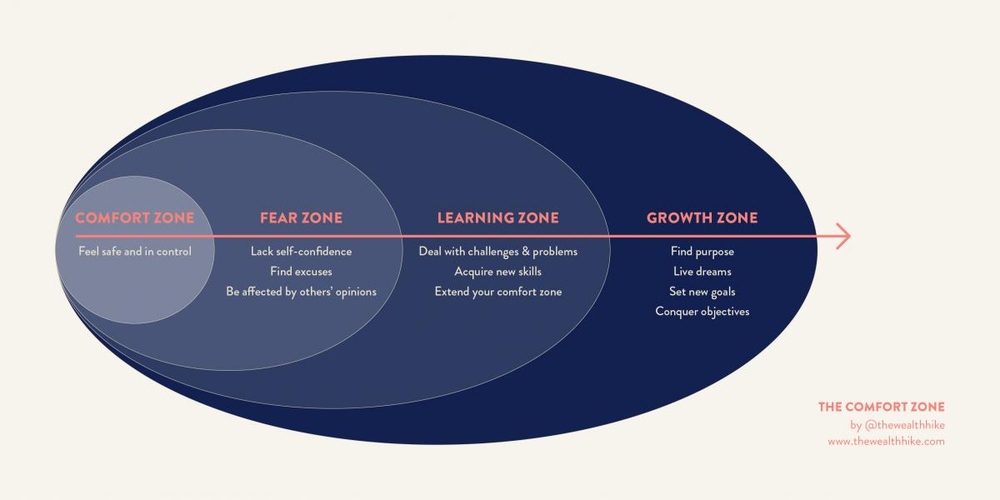
Comfort Zone: Only months ago, many of us blissfully sat in a heightened state of control and security. While no doubt it felt nice, the reality is: for many hoteliers there was no push to refine, innovate, strengthen, evolve and grow.

Fear Zone: And then the rug got pulled out from under us. As you can follow in the graphic, we went from the safety and surety of our Comfort Zone to total fear and unknown. We felt discouragement, a lack of confidence, increased pressure and a whole lot of panic as we looked to the future only to be met by grim forecasts and somber statistics. 

Learning Zone: We’ve been forced to stop and think. The initial shock and associated confusion and uncertainty about the extent of this crisis is slowly making way to a better understanding of the implications and opportunities. 

Growth Zone: With those in mind, and certain steps taken, hoteliers can reach the point of growth – taking your hotels back off the ground and back on the path for long-term success. So that when the world starts moving again – and it will – your hotel reemerges stronger and more resilient than ever, with new purpose and perspective.

It is only the hotels that are purposeful, authentic, transparent and empathetic to guests’ health, well being and emotional needs
that will be the true winners. 
via @weareMApeople


How you can bounce back with your independent & boutique hotel

In this crisis, both people and companies show their true colours. While some are able to find the courage and strength to innovate, plan and act long-term, others struggle to find motivation and new perspective. Here we present opportunities to get you on the path to success, starting at the Learning Zone to the Growth Zone and beyond! 

Learning Zone: Acting now on what we already know

Let’s start with what we know. During this Great Pause, people across the world have had the chance to reflect and reassess their priorities. They have different motivations, expectations and needs than they did before, and they’ll put more effort into researching those hotels that tick all their boxes. We are seeing a collective shift in appreciating life’s fundamental values - like health, human connection, hygiene - and this has impacted how and why people travel. 

Experts agree that we’ll see a rise in the following trends (= opportunities for you):

1. Radical Localism: We know that in the weeks and months after lockdowns are lifted, those with itchy feet will set out and experience the surrounding world in earnest with an absolute focus on localism - supporting one’s local businesses more in order to benefit business owners and the wider community. With the shift toward radical localism comes a shift in who your target audience is:

  • Define the local buyer persona and determine the right products, promotions and offers.
  • Adjust your sales and marketing activities in order to accommodate new channels, new messages and new offerings tailored to your new target audience. 
  • Create staycation packages and perks aimed at those looking for relaxation than exploration (think free parking, spa credits, late check-out, etc.).
  • Organise and support community give-back initiatives that guests can participate in.

2. Health, safety and quality: Hygiene practices and cleanliness will continue being of great concern, and motivating factors for travellers as they decide where they want to stay. Therefore, position your hotel as a safe haven committed to guests’ physical and mental wellbeing.

  • Provide COVID-19-friendly products like hand sanitizer and face masks. Remember, there are many kind and cool brands out there that produce them and give back to their communities as well.
  • Adjust your product and services and shift e.g. to in-room dining, with a focus on healthy and sustainable foods.
  • Be empathetic and compassionate to people’s mindsets and put them at ease/diminish their fears. Be open and transparent about the new sanitation procedures you have put in place. 
  • Give more visibility of the cleaning staff on site and in social media - they are on the front lines to protect guests’ health.

3. Human connection and authentic experiences: After being isolated in our homes, this longing for connection, togetherness and collective experiences will be stronger than ever.Therefore, be sure to put care and empathy at the heart of everything you do.

  • Make staying in touch with guests a priority, communicate regularly and openly.
  • Make guests feel at home by providing personalised care packages and products in their rooms.
  • More than ever, create packages and experiences that are authentic, immersive and unique – and that people can’t find elsewhere.

4. Sanctuaries of peace: This pandemic has instilled fear and stress. When people travel again, it will be to remove themselves from this reality and toward calm, peace, quiet, balance. 

  • Build out your wellness offerings and create spaces where guests can enjoy moments of peace and silence.
  • Offer courses or experiences that connect guests with themselves and their loved ones.
  • Make it as easy as possible for guests to explore natural and peaceful surroundings, e.g. through organising private excursions and experiences.

It’s important that you capitalise on the above opportunities, define your new target audience, adjust your product and services as well as sharpen your sales and marketing in order to be competitive and successful in the new world. 

Growth Zone: Bouncing back with new purpose and perspective

“Resilience is all about being able to overcome the unexpected.
Sustainability is about survival. The goal of resilience is to thrive.”
Jamais Cascio

So you’ve conquered the Learning Zone. Welcome to the Growth Zone – where real, long-term success happens. Here is where you look inward to refresh your purpose and perspective, and project that out into the world. 

Why do we at MA people emphasise long-term? Because what we are learning is that tomorrow is not yesterday, and only those hotels built for resilience will survive. As a boutique and independent hotelier, we recommend you grab this opportunity to define your purpose, discover new perspective and differentiate your hotel from your chain hotel competitors in order emerge even stronger once this crisis has passed.

1. Find purpose and vision
Businesses and people with purpose and vision are much more successful and resilient than those without. Why? Because these businesses have a reason to exist beyond profit. There’s a clear WHY driving them toward their goals, motivating employees and resonating with guests. What does this mean for your boutique and independent hotel? No more finding excuses, but instead, finding purpose and vision.

  • Define what the purpose of your hotel is beyond profit. What’s going to drive you and your people in the future? What’s going to attract the new generation of value-driven travellers?
  • Review your long-term goals. Do they reflect your purpose and add to your business’ ability to thrive?
  • Work together with your team on determining your future vision and strategy. Because at MA people we find that purpose and people drive profit. 

2. Position yourself clearly in the market
Once you have found your new perspective, start positioning yourself clearly in the market. In the post-COVID-19 world, people will be more considerate about how they spend their money and to whom they give their money.Travellers will interact only with hotels with which they share similar values, specifically those led by a bigger purpose (we know, a bit repetitive, but believe us – it’s true!). There will be an increased focus on sustainability, social impact and supporting destinations that need the help.

  • Create connections with travellers on an emotional level through your sales and communication activities.
  • Align messaging with your central purpose and create stories that highlight your uniqueness.
  • Develop guest experiences, products and services that tie back to your purpose and add real value to the lives of your guests.

Conclusion

In this new world, we expect less of a cookie-cutter travel mentality; that travellers will no longer want to stay in huge, impersonal hotels but rather invest their time and money in supporting boutique accommodation that combine purpose with caring for people and the planet. 

Therefore, there is great hope for our hotelier friends! But take heed – it is only the hotels that are purposeful, authentic, transparent and empathetic to guests’ health, well being and emotional needs that will be the true winners. 

We are available remotely during this difficult time to advance you to the Growth Zone, by providing strategic planning, smart solutions and expert advice. We are happy to offer a helping hand.

Blog Block Image
Bouncing back with new purpose and perspective - MA people MAP Boutique Consultancy

Add new comment

Comment

Order

Plain text

  • No HTML tags allowed.
  • Lines and paragraphs break automatically.
  • Web page addresses and email addresses turn into links automatically.
Types
sharing is caring

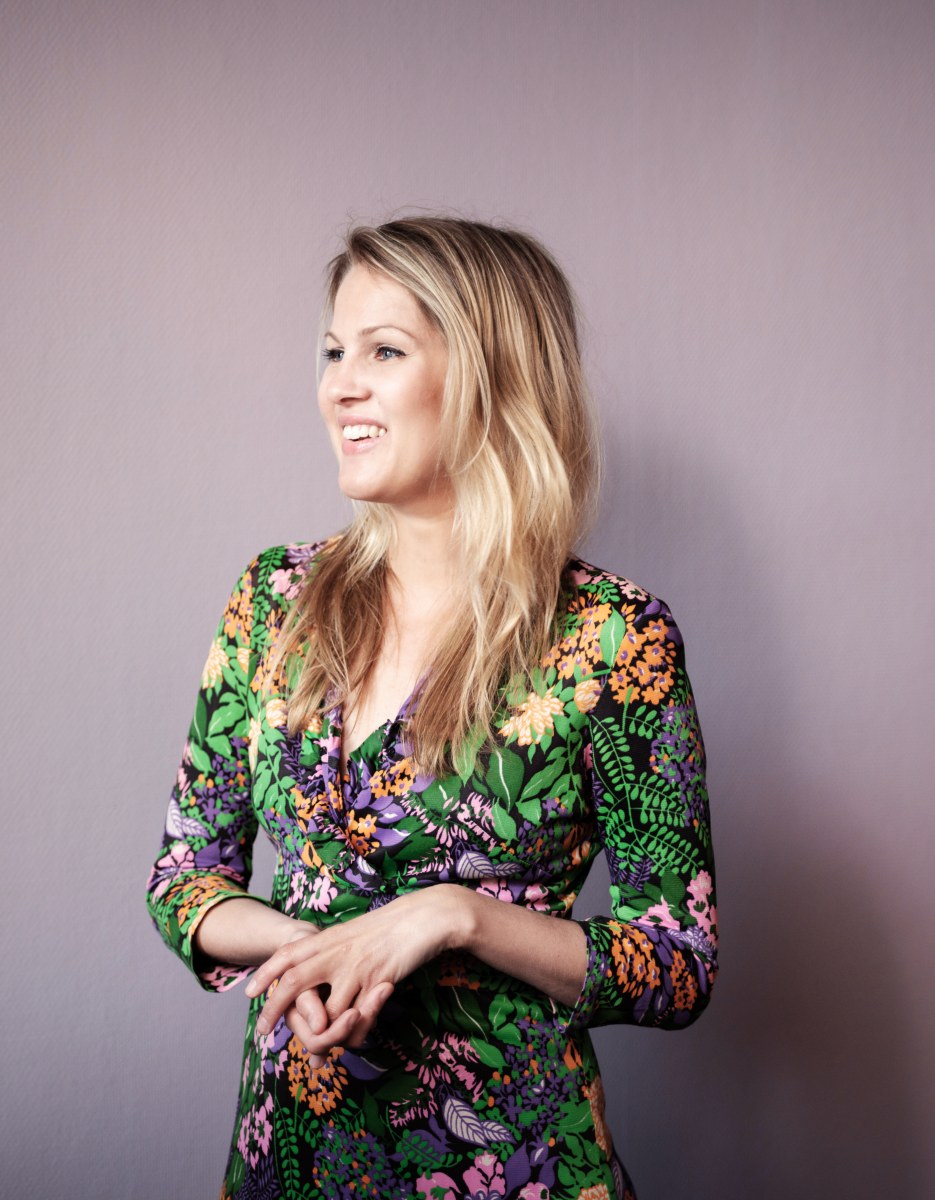
Today we are more than excited to meet Dagny Thurmann-Moe – Creative Executive, Colour Designer and Consultant of Koi Farge Studio, Oslo. Dagny is one of Norway’s foremost colour designers and in 2014, she has started the Koi Colour Studio with the goal of being able to offer targeted colour consultation for both public and private clients.

Untertitel
MAp meets Dagny Thurmann-Moe, Creative Executive of Koi Farge Studio, Oslo
Blog main image
Colour to the people! - MA people MAP Boutique Consultancy
Paragraphs

Dear Dagny, thank you so much for taking the time for this MA people meets. To begin with: when and how have you discovered your love for colours? And how did a profession develop out of this passion?

We could reverse the question; When did you stop loving colours? The fact is, we’re all born with a strong relationship with colours. If you talk to any child under the age of 10, they will give you vivid explanations of each colour and they have a complex understanding of their effect on us. I gues what happened with me, was that I never stopped. The interest just grew, and from the age of 16 I started reading every book, research and study I could get my hands on. I was interested in a wide perspective – how we used colours in different aspects of our lives; interiors, architecture, institutions, the car park and clothes. What feelings and associations did we have with different types of colours and why? How did they affect our wellbeing? I started studying something completely different at the University of Oslo, as colours were not an option, I ended up choosing pedagogy, sociology and informatics. My first career was in recruitment and business management. It lasted for 10 years. In 2007 I started a blog about Scandinavian style from a maximalistic perspective, and colour was an important part of it. Because of that blog, I was headhunted for the role as Creative Director for a Norwegian paint/home improvement retail chain, where I worked on developing interior and exterior paint colours and collections, colour forecasting, inspiration images and folders. After 4 years there, I started my own colour studio – where we work on developing colour concepts, palettes and strategies for architecture, interiors and products.

The biggest challenge with hospitality at the moment is
'same shit,
same wrapping'.
@DagnyThurmann-Moe
via @weareMApeople


In 2017 you have published the book “Colour to the People!”. Can you please share with our readers why we should all use colour in a more targeted way?

I often say that only shallow people disregard the value of aesthetics. How our surroundings affect our daily lives have more or less been ignored for decades, and with my book, I wanted to visualize and explain why it is so important to have the end users in mind when we develop spaces – and that colour is a factor that cannot be ignored, just like other factors like daylight, greenery and materials. I also photoshopped colours onto contemporary architecture, which had a great effect on the readers.

Many of our readers are hoteliers, working in hospitality businesses: HOW can they bring more colour into the hotel?

How is the right question, but the answer is that it depends on your target customers, location and identity. The biggest challenge with hospitality at the moment is “same shit, same wrapping”. Don’t leave colour and material choices to choice by accident, but have a plan in what you want to communicate, what type of feeling the spaces should give and don’t be afraid to make some decisions that are outside of your comfort zone. A good use of colour is not necessarily lots of colours. It depends on the clientele.

How would you describe the hotel landscape in Norway, did any recent hotel developments catch your attention?

We have the “same shit, same wrapping” situation here as well. There’s not really anything that I haven’t seen before. I’m excited to see how Sommero Hotel will turn out when it opens.

We at MA people are specialised in crafting innovative hotel concepts and brands: what makes a hotel experience a truly outstanding one for you personally?

A strong and confident concept, that can be an experience in itself with great food and excellent service is what matters to me the most, and will make me a loyal customer and ambassador. I also appreciate it when the décor can be a mix of old and new. When everything is new, it gives the spaces kind of a catalogue feel, which I find a bit uninteresting.

About Dagny:
Dagny is one of Norway’s foremost colour designers and has over ten years of experience in the field. In 2014, she started Koi Colour Studio (formerly Dagny Colour Studio), with the goal of being able to offer tar- geted colour consultation for both public and private clients. Dag- ny is a driving force for increasing awareness about the targeted use of colour, and in 2017 she published the book Farger til folket! (Co- lour to the People!) with Cappelen Damm, a book about why and how we should use colour in a more tar- geted way in architecture, interi- ors, public spaces, fashion and car parks. The book is published in four countries. She is a well-known face in the media and often comments on colour use, trends and the value of the proper use of colour in archi- tecture, interiors and fashion.

Colour to the people! MA people MAP Boutique Consultancy

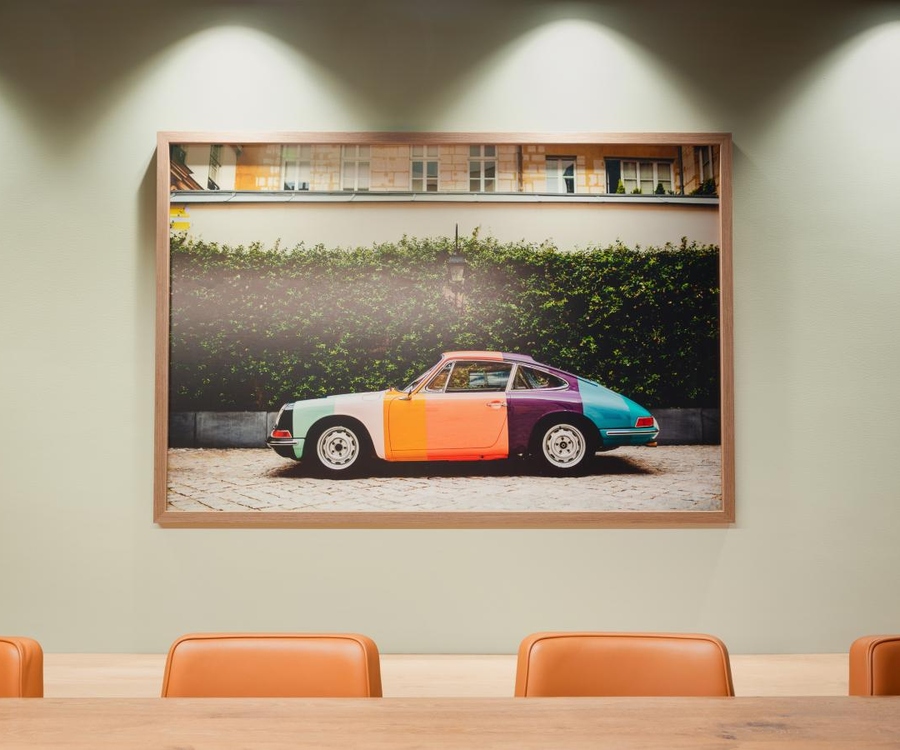
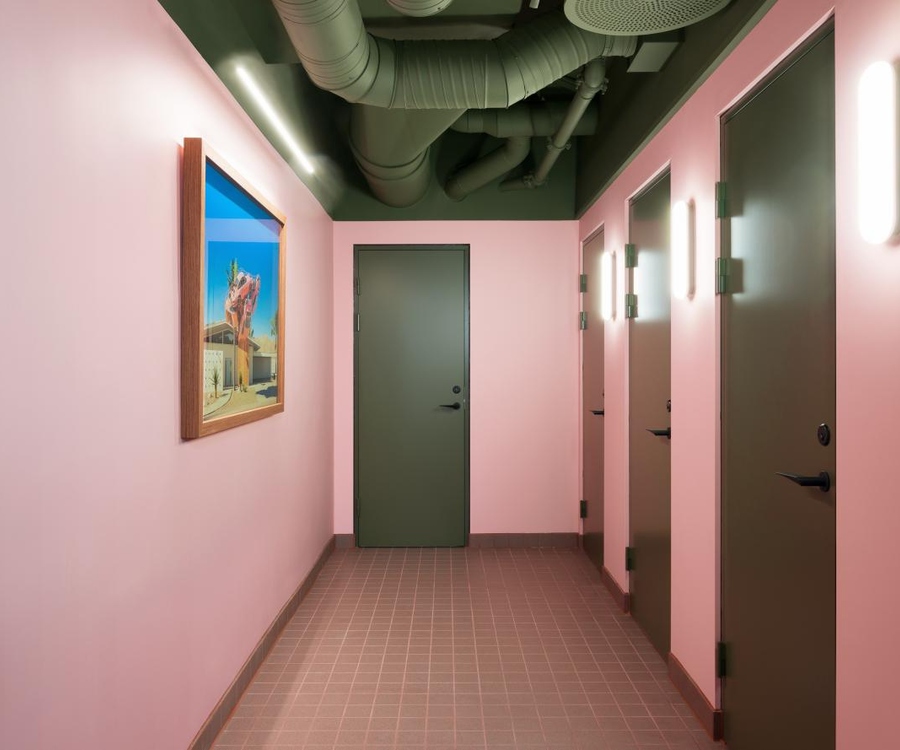
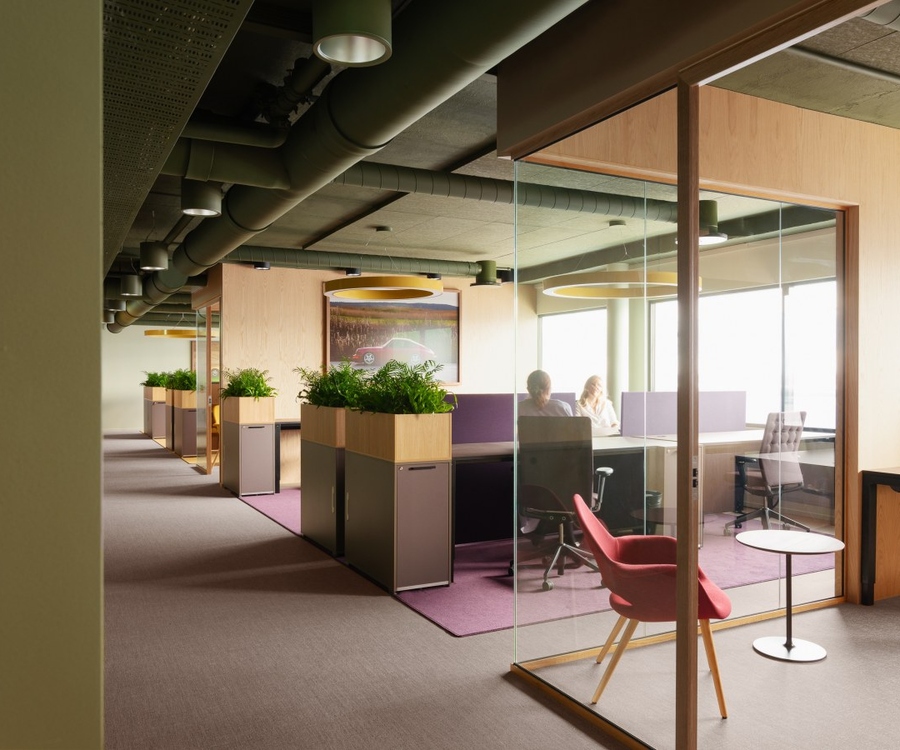
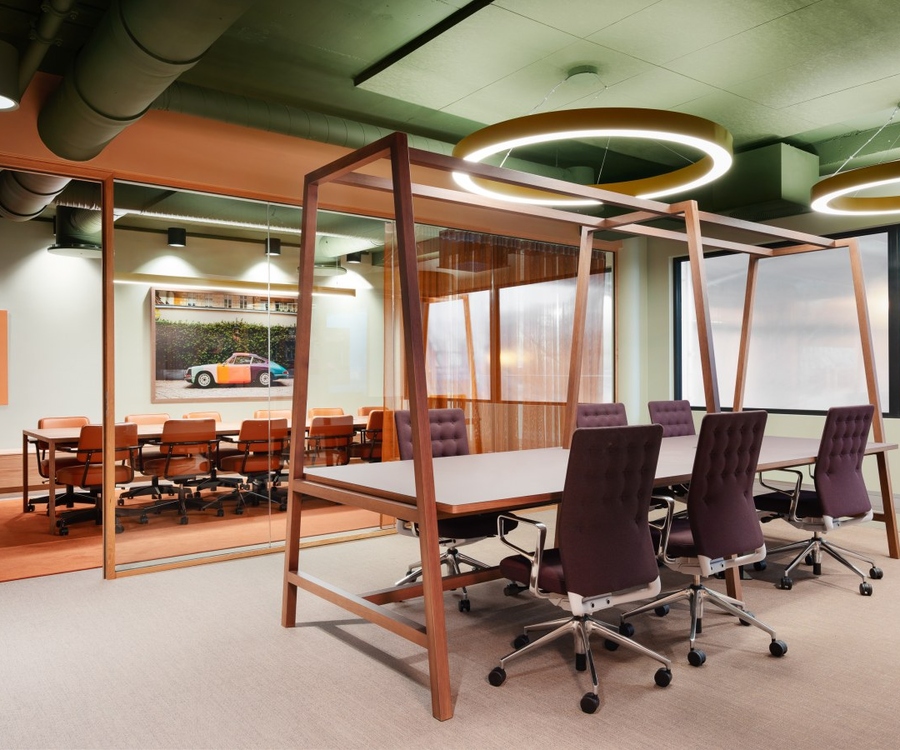
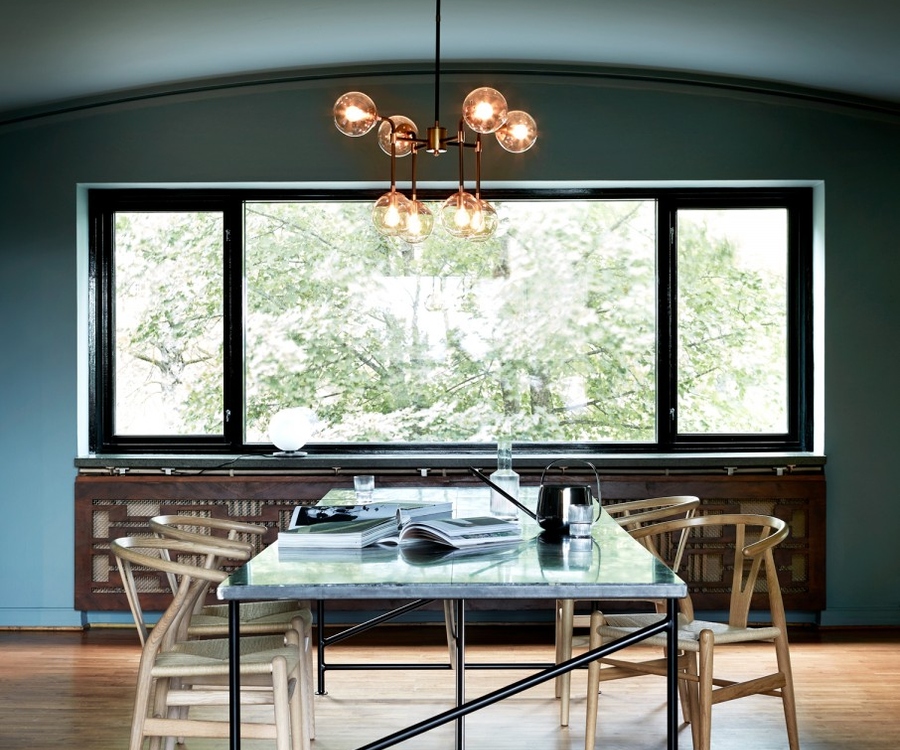
Photos 1 to 4: Porsche Norway’s head offices
Colour design: KOI colour studio, Interior architect: Kubik interiørarkitekter, Photographer: Einar Aslaksen

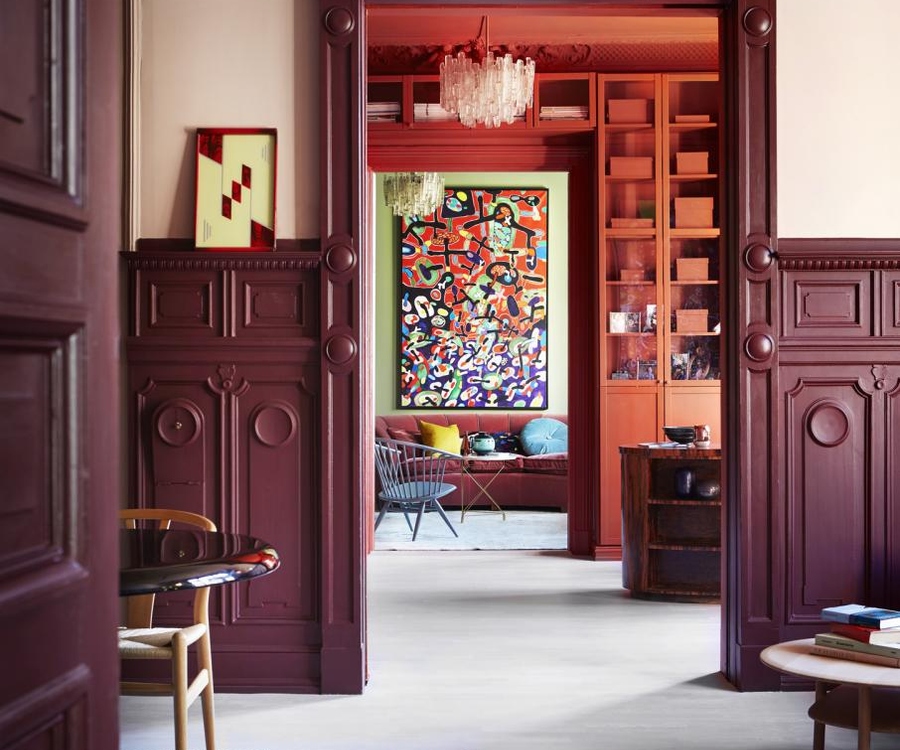
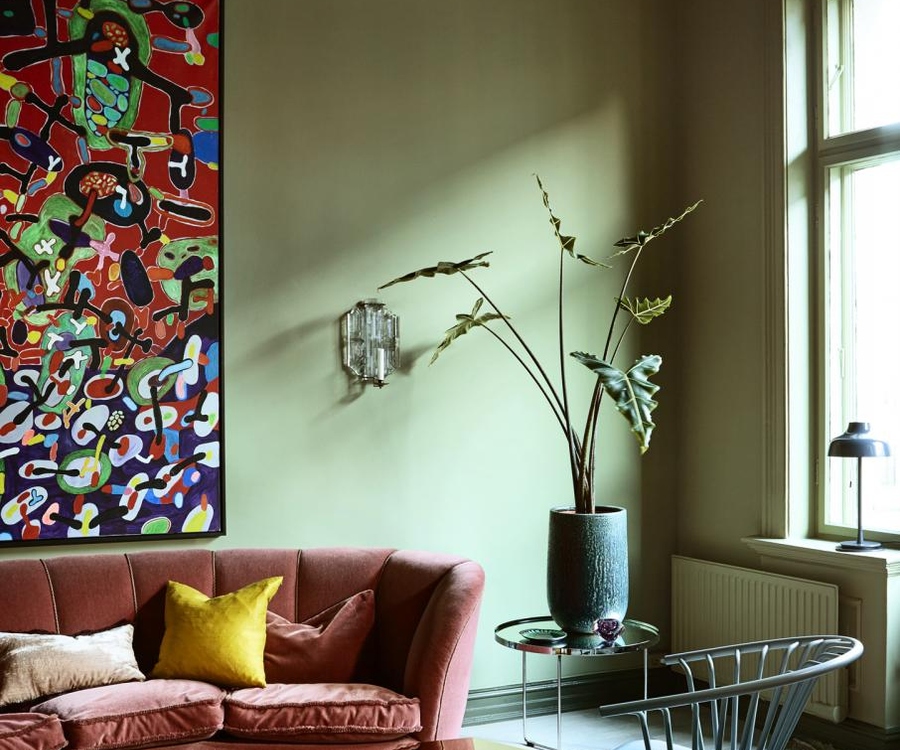
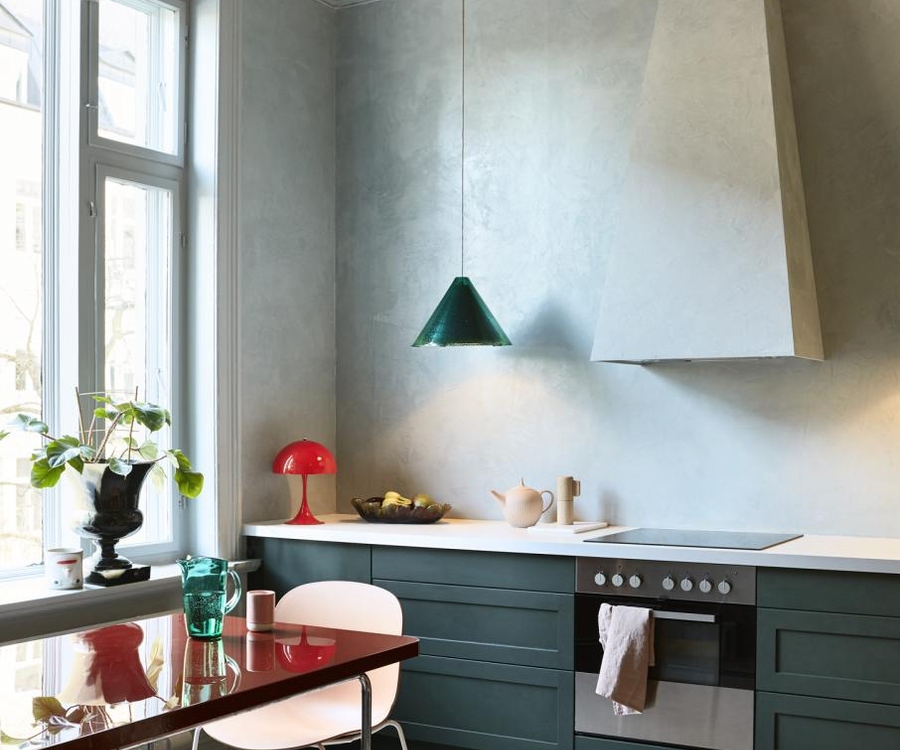
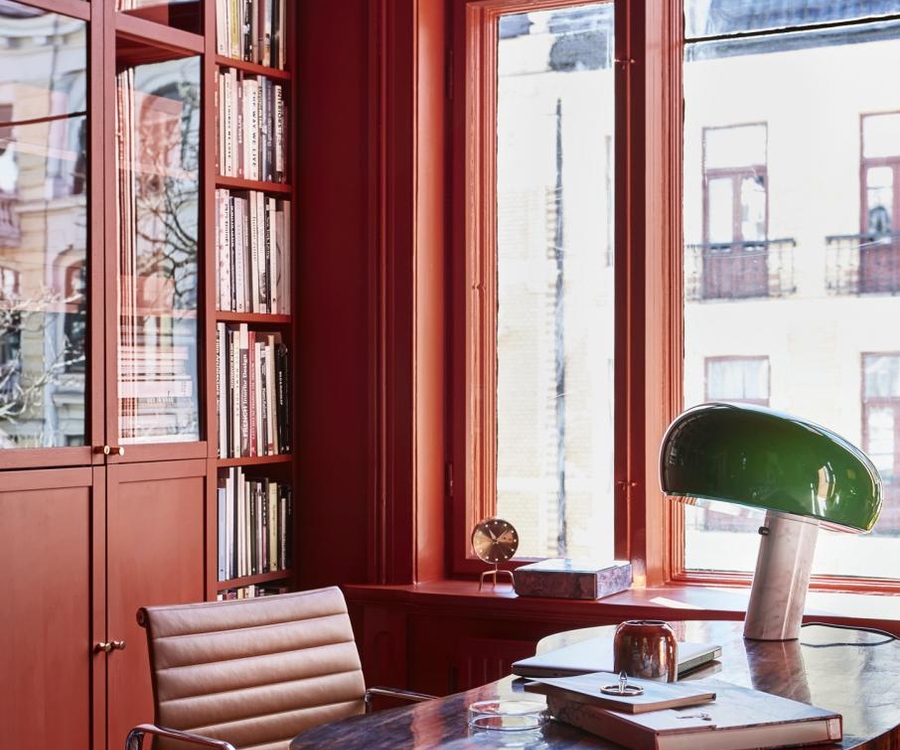
Photos 5 to 8: Oslo 1840s apartment
Colour design: KOI colour studio, Photographer: Margaret de Lange, Stylist: Kirsten Visdal, Client: Pure&Original paint

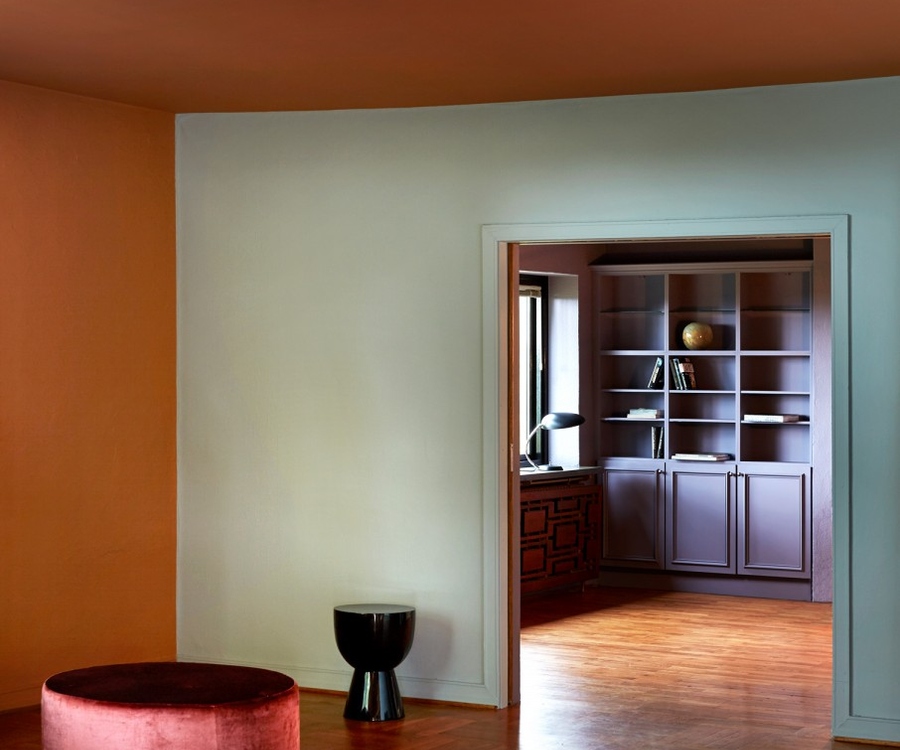
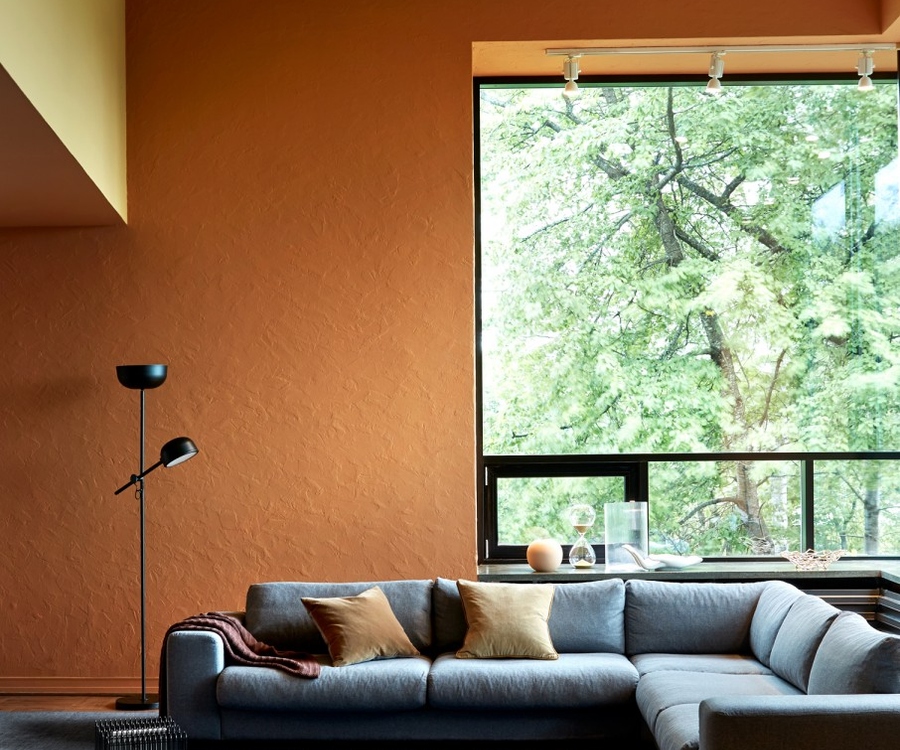
Photos 9 to 11: Oslo 1930s modernist villa
Colour design: KOI colour studio, Photographer: Margaret de Lange, Stylist: Kirsten Visdal, Client: Pure&Original paint

Blog Block Image
Colour to the people! - MA people MAP Boutique Consultancy

Add new comment

Comment

Order

Plain text

  • No HTML tags allowed.
  • Lines and paragraphs break automatically.
  • Web page addresses and email addresses turn into links automatically.
Categories
Types