sharing is caring

Excerpt: COVID-19 has changed the game, and it’s time for hotels to catch up. In this blog post, we dive into the trends that have shaped, and continue to shape, the hospitality landscape as we look to the rest of the year. We’re happy to report the pandemic has shifted travel so that it is slower, more purposeful, and better for the planet, while meeting traveller’s important needs: privacy, value, productivity. Read on for what these trends mean for hotels when it comes to crafting or sharpening their hotel concepts.
Untertitel
What will be the next BIG thing?
Blog main image
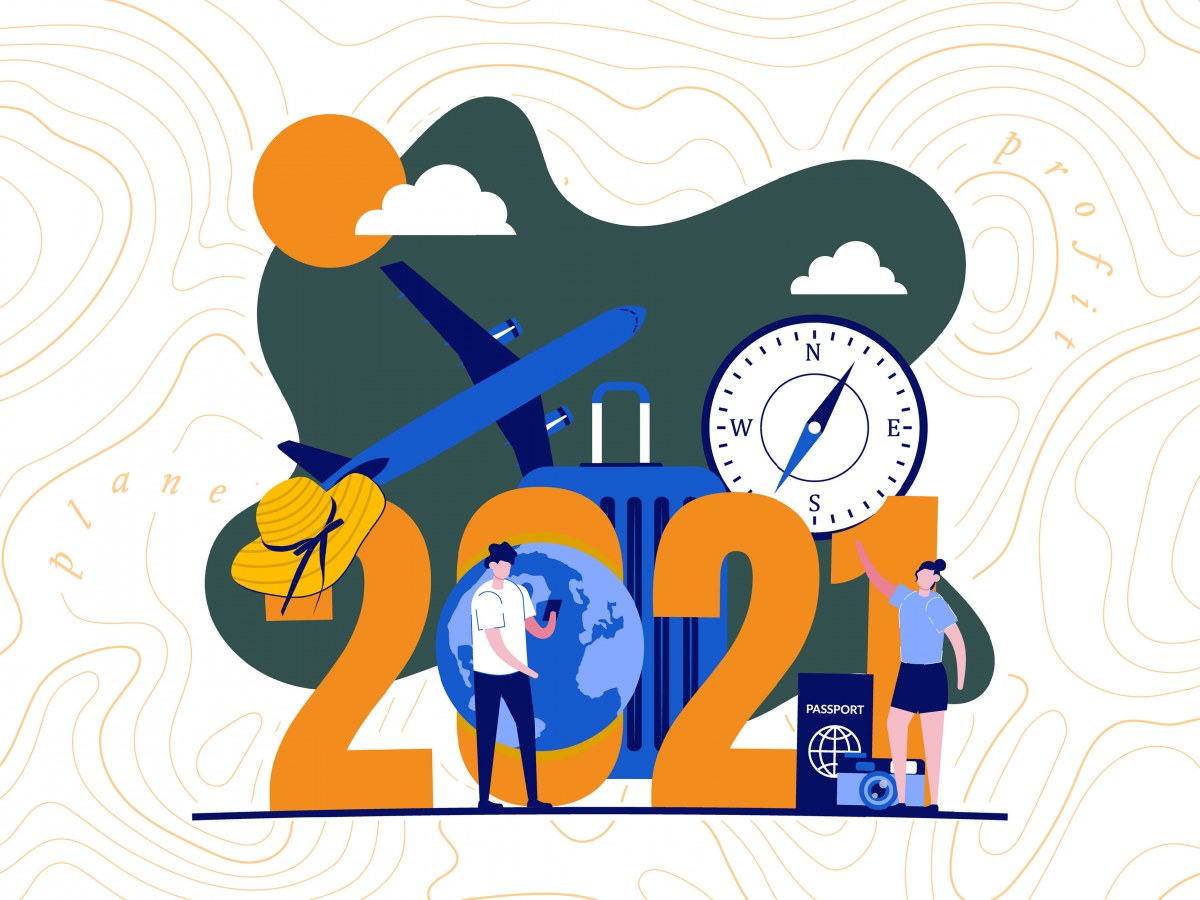
Hotel Concept Trends 2021
Paragraphs

Our blog post, “When sh*t happens, shift happens”, says it all. Due to the COVID-19 pandemic, people’s needs and wants have fundamentally shifted, which has in turn ushered in a wave of trends. At MAp, we believe that your people should always be at the centre of what it is you do, so success will ultimately hinge on how hotels respond to the key trends poised to shape the year ahead.

We’ve taken the time to monitor the market’s new developments and pick the most important ones. Without further ado, MAp presents our top hotel concept trends to watch for in 2021:

We’re happy to report the pandemic has shifted travel so that it is slower, more purposeful, and better for the planet,
while meeting traveller's important needs.
via @weareMApeople


Hotel Concept Trend #1: Regenerative Travel

You’ve heard of sustainable travel, but have you heard of regenerative travel? The principle of regeneration goes one step further than sustainability, which aims toward neutral impact, to reverse and repair the damage to our environment and local communities. It’s no longer about minimising impact, but taking critical actions to heal the earth and its people, or as the New York Times puts it simply: “leaving a place better than you found it.” For hotels, regenerative measures include providing guests with opportunities to partake in restoration projects or funding educational initiatives.

Regenerative values are emerging as the future of travel, as COVID-19 has forced travellers to reflect on the basic notions of why and how we travel, creating a paradigm shift in the industry and a demand toward making net-positive contributions to all stakeholders. And travel as a force for good is needed now more than ever, as destinations heavily reliant on tourism have been decimated by the pandemic, creating an acute need to rebuild impacted communities.

Considerations for your hotel concept:

According to Regenerative Travel, the following principles should guide hotels in developing hotel concepts that are truly regenerative.

  • Incorporate whole systems thinking. Consider all stakeholders and elements, such as the physical land, in your decision-making, taking into account potential ramifications.
  • Honour the sense of place. Weave the local community – its culture, practices, history, heritage, etc. – into every aspect of the guest experience.
  • Partner with and include the local community. Bring in the diverse expertise and intimate knowledge of community members when planning, constructing and operating your hotel.
  • Have a purpose. At MAp, we believe purpose is key! Determine what your purpose is, and from that create an aspirational vision and mission that inspires your guests.
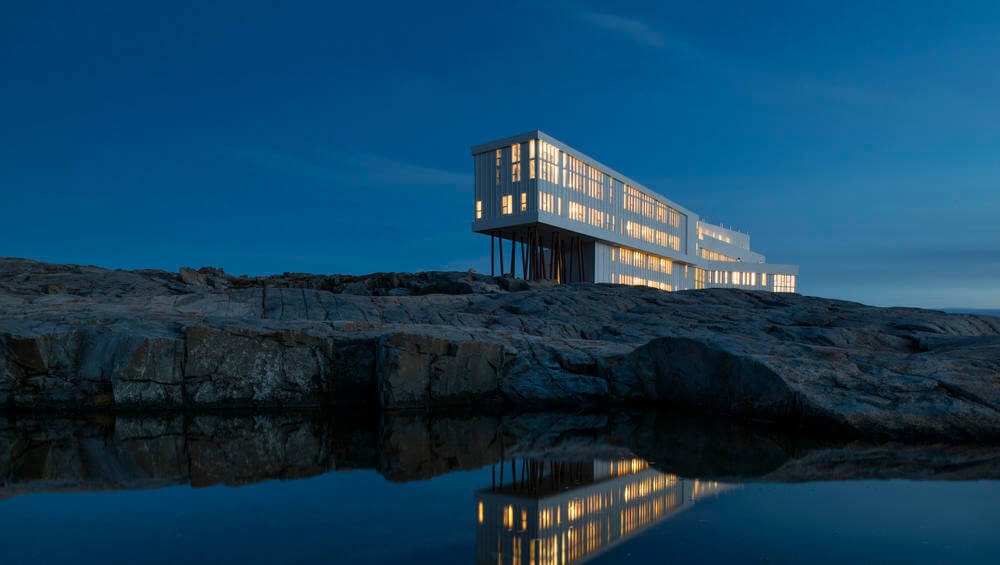
Inspiration: Fogo Island Inn

Hotel Concept Trends 2021

Hotel Concept Trend #2: Remote Working

If there’s anything we’ve learned from the pandemic, it’s that remote working is here to stay. And while some will opt to #workfromhome, others will opt to #workfromhotel, taking their work on the road with them as they set out to explore the world. Hotels, therefore, should be well-positioned to support this mobile and global workforce – and that means going beyond the lobby-as-co-working space model.

Instead, hotels should strive to understand what it is this segment wants and needs – and deliver! Remote workers have extremely high standards when it comes to their ability to do their jobs, so be focused on creating private and productive working environments, upgrading your tech capabilities and giving guests the amenities they need be at their best – on and off the clock.

Considerations for your hotel concept:

  • Build a community. Provide opportunities for remote workers to connect with, learn from and support each other.
  • Be functional and flexible. No one works the same way, so make your rooms work-friendly and flexible (that’s right – put those desks on wheels!).
  • Strike a balance between work and pleasure. Give remote workers what they need to be productive, but also what they want when it comes to unwinding after a long day “at the office.”
  • Don’t forget the locals. Cater to local workers looking for a change-of-scenery from their home offices.

Inspiration: gravity haus

Hotel Concept Trends 2021

Hotel Concept Trend #3: Value

Times are tough and budgets are limited. And this has led to the resurgence of the “value traveller” – not to be confused with the “budget traveller,” often associated with the term cheap.

Value travellers are looking to stretch their money as far as possible. While they are cost-conscious, they are willing to spend where their priorities lie. But what they’re not willing to do? Sacrifice quality or comfort. They are well-travelled and have just as high of standards as the next guy.

Value travellers seek out transparency on cancellation and refund policies, free breakfasts, activities at little to no extra charge. But also comfy beds, room service, luxe amenities. For this segment, it’s about finding the right balance.

Considerations for your hotel concept:

  • Throw in freebies. Everyone appreciates a good freebie!
  • Determine amenity must-haves. Figure out and incorporate those amenities that matter most for your target audience.
  • Create a loyalty programme. Reward return guests with extra – and free – perks.
  • Sell hotel packages. Combine accommodation, transport and activities into one attractive rate.
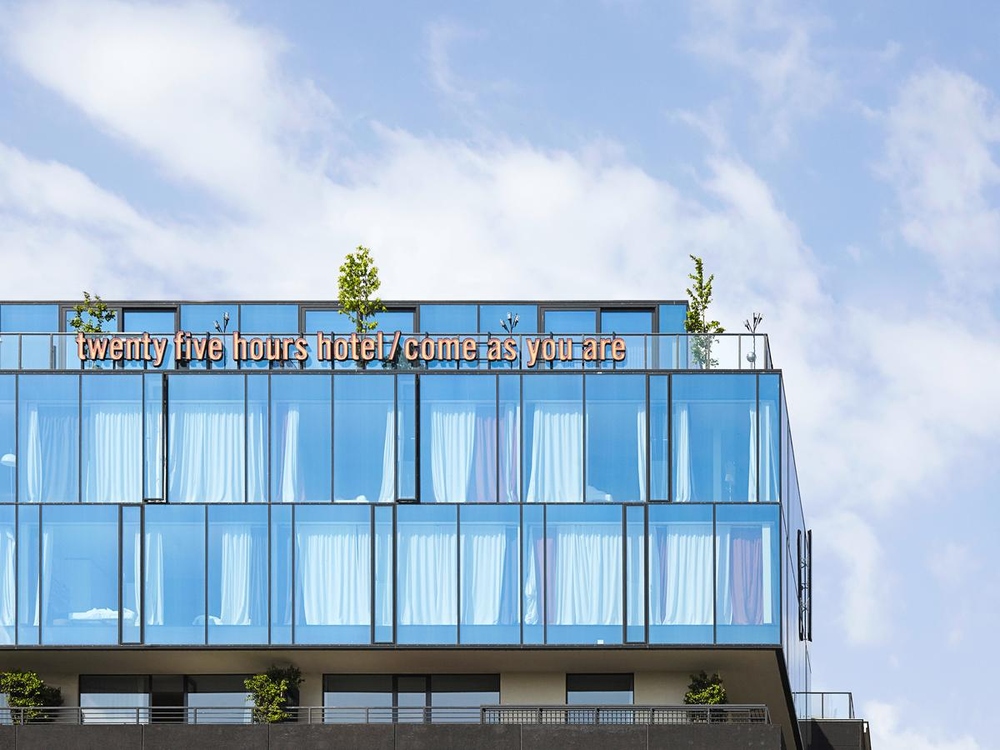
Inspiration: 25hours Hotels

Hotel Concept Trends 2021

Hotel Concept Trend #4: Privacy + Seclusion

The year 2020 proved that privacy is the new luxury. As we’ve seen, private forms of accommodation have surged during the pandemic. Travellers are seeking out more remote, secluded and off-grid destinations, away from the crowds and nestled in nature – that’s what people crave after all this time spent indoors! And on top of that, they’re travelling in small groups or with family members (expect a swell in multigenerational travel), therefore opting for villas, cabins or holidays homes that are more spacious, accommodating – and you guessed it - private.

This trend has been a boon for Airbnb and Vrbo, but not for traditional hotels that simply can’t offer the same levels of privacy. However, hotels that cater to this new mindset will reap the rewards of more reservations.

Considerations for your hotel concept:

  • Weave in nature. Wherever possible, provide opportunities to soak up surrounding nature through guided hikes and the like.
  • Consider the destination. For any future hotel projects, the rule of thumb is: the more secluded, the better.
  • Provide luxury services. Think airport pickups, dedicated butlers and private chefs.
  • Rethink the hotel room. Switch up the standard by introducing private villas or even tents.
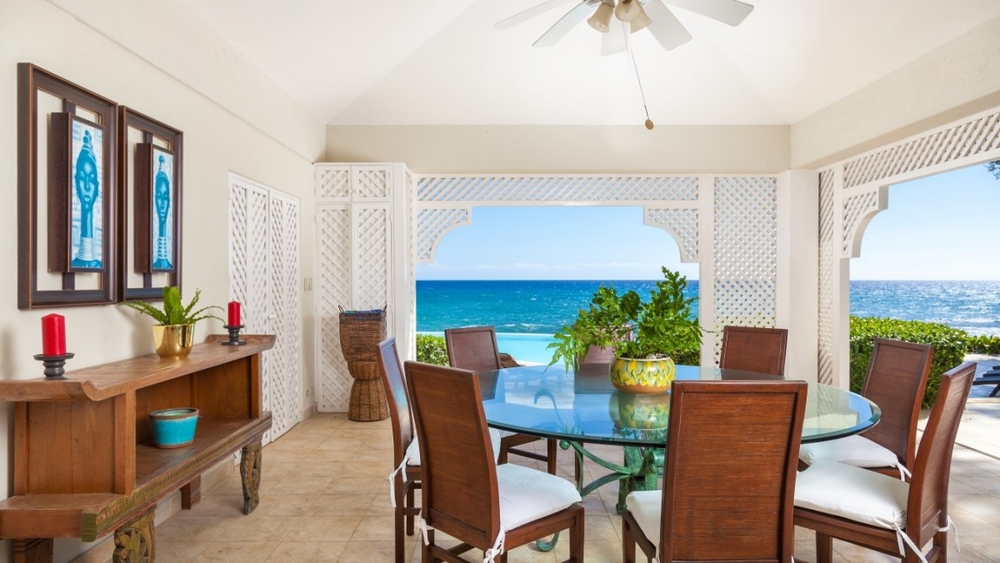
Inspiration: Casa de Campo

Hotel Concept Trends 2021

Hotel Concept Trend #5: Slow + Purposeful Travel

As a purpose-driven boutique consultancy, this is a trend we’re excited about!

After a year of sitting inside, it seems that travellers have acquired a taste for a slower pace. That’s where the concept of “slow travel” comes in. Slow travel aims to give travellers a rich understanding of life in a destination through interactions with locals and immersive experiences. We expect to see travellers spend more time discovering a destination and visiting fewer places during a single trip - while enjoying more experiences, culture and traditions.

And this goes hand-in-hand with “purposeful travel,” or the idea of travelling more responsibly and with purpose. It’s intentional and immersive, conscious and connected —with yourself, the destination, and the greater world.

Considerations for your hotel concept:

  • Connect to place. As stated above, incorporate the destination into all aspects of your hotel – from the design, to the food, to the services, and beyond.
  • Create immersive experiences. Give guests the opportunity to immerse themselves with and learn about local people, culture and heritage, and history.
  • Take it slow. Focus on creating a relaxing retreat where guests can unwind.
  • Be more purposeful. Determine your own “why” that drives you. As we at MAp like to say: “You first have to stand for something, before you can stand out for something.”
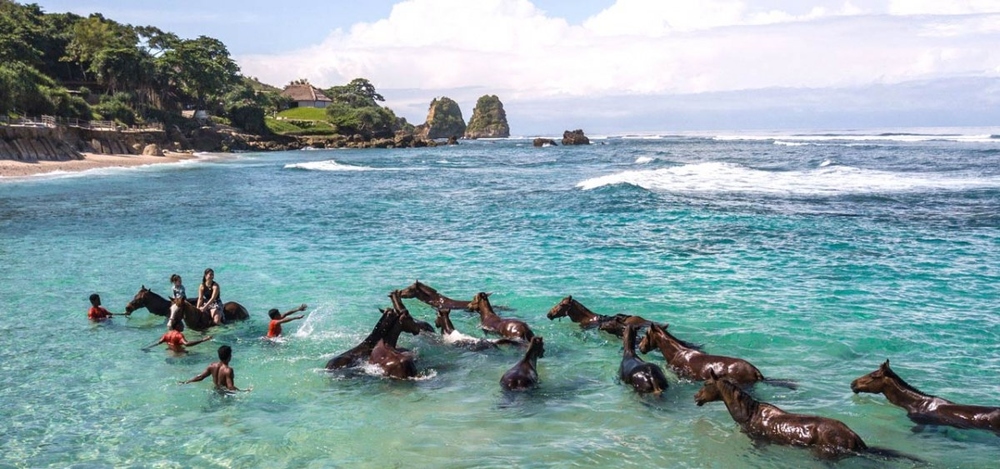
Inspiration: Nihi Sumba

Hotel Concept Trends 2021

Conclusion

That’s a wrap on MAp’s top hotel concept trends for 2021! While the hospitality industry has been forever changed (and as evolution tells us: when something changes, it’s usually for the better), we can agree that it has to evolve and reinvent itself in order to take advantage of the opportunities and cope with the challenges it faces. Ever the unshakable optimists, we believe the industry will come out on top!

#onwards

Photo Credits: Fogo Island Inn, gravity haus, 25hours Hotel, Casa de Campo, Nihi Sumba
Blog Block Image
Hotel Concept Trends 2021

Add new comment

Comment

Order

Plain text

  • No HTML tags allowed.
  • Lines and paragraphs break automatically.
  • Web page addresses and email addresses turn into links automatically.
Types
sharing is caring

In 2021, we introduced our book club, where we dissect inspiring and insightful books and look at how they can be applied to our professional, and sometimes even, our personal lives too. One of our favourite books so far? “Nonviolent Communication: A Language of Life” by Marshall Rosenberg, which seemed like a particularly relevant pick considering today’s divisive and tense climate.

This book is relevant for any and all hoteliers and managers who interact with people (= everyone) – be it clients, partners and team members. It had a profound impact on our team, and we’re sharing it here with you, our readers, so that you will be encouraged to read it and practice nonviolent communications in your everyday lives too.

What we know: nonviolent communication can change the world and change your life. Continue on to learn how. 


Untertitel
Learn the language of life
Blog main image
Nonviolent Communication
Paragraphs
We need to receive empathy
to give empathy.
@marshallrosenberg
@weareMApeople

Summary

Rosenberg, an American psychologist, developed and coined the term “Nonviolent Communication” (NVC), which is a theory of communication that teaches people to express themselves clearly and honestly, while being respectful, empathic and focusing on what is being said as opposed to diagnosing or judging; or, as Rosenberg puts it simply, “a way of communicating that leads us to give from the heart.” He contends that, for centuries, people have been taught to speak and think in ways that can in fact perpetuate pain, conflict or even violence. This is where NVC comes in: to reduce these issues, build trust, strengthen relationships and promote peace – one interaction at a time. Through useful anecdotes, inspiring stories and practical exercises, Rosenberg introduces a framework for NVC and shows us how to authentically express ourselves in any type of heated situation (internally, in business, in relationships and more).

Key Points

#1: In order to be successful at NVC, we must focus on four key components: observations, feelings, needs and requests.

The process of NVC is as follows: 1) Observing a situation, 2) recognising the feelings that this situation awakens, 3) identifying what needs are connected to those feelings, and lastly, 4) looking at what we can ask for to satisfy those needs. When used in a sentence: “When ___, I feel ___, because I am needing ___. Therefore, I would now like ___.”

To practice NVC is to express these four components verbally (or by other means), but also to receive the same four areas of information from others. That is to say, sensing what they are observing, feeling, needing and requesting so that we can determine how we can best help them. When we use this process, we create a flow of communication that leads to compassion from both sides.

#2: When there is an emotional response to a situation, it's always based on an unmet need, so don’t be quick to judge or blame.

Judging or blaming someone is the worst thing we can do if we want them to listen or change their behaviour. Instead, Rosenberg suggests a foundational habit for NVC: that we learn to separate observations from judgments or blame, keeping our observations objective and neutral.

Better yet, understanding others’ behaviours as manifestations of their unmet needs helps to humanize conflicts and create empathy. And if we show empathy and true understanding for one’s needs, we’re likely to receive a respectful response to our requests of them.

#3: Connection to self (being at home with our own feelings and needs), enables us to form better connections with others and thereby become better communicators.

According to Rosenberg, NVC’s most important use may be in developing self-compassion. As he states, “When we are internally violent towards ourselves, it is difficult to be genuinely compassionate towards others.” Therefore, it is important to employ NVC in our own moment-to-moment evaluation of ourselves in a way that helps us to learn, grow and make decisions that serve us – rather than turning to self-hatred. By being better in tune with ourselves and assessing our behaviours in terms of our unmet needs, not only can we cultivate self-compassion, but we can better communicate our requests of others and thus be better communicators.

Application

While NVC can be applied to any aspect of one ‘s life, let’s look at how it can be utilised in the world of business (we are consultants after all).

  • Sales + Marketing: An NVC approach to Sales + Marketing is listening to your target audience and letting them know how you can meet their needs and make their lives more enriching. This should be nothing new!
  • Money: When evaluating an incoming offer, whether it be for a product, service or salary, ask yourself, “does this amount work for me in relation to my needs, or my business in relation to its needs?” 
  • Stress Management + Team-Building: There is a lot of stress in the business world. Therefore, feelings and needs awareness, of self and others (aka showing empathy), is crucial to stress management and creating a productive working environment.

MAp's Favourite Quote

“The objective of Nonviolent Communication is not to change people and their behaviour in order to get our way: it is to establish relationships based on honesty and empathy, which will eventually fulfil everyone’s needs.”

Conclusion

We genuinely hope that you read this book and share it with whoever is important to you. If you do, let us know what you think!  Support a local bookshop by buying your book here: https://bookshop.org/. You can also find further valuable information on this website: https://www.nonviolentcommunication.com

In a world in which we are all looking to make an impact, improving the way we communicate is an important first step.

Blog Block Image
Nonviolent Communication

Add new comment

Comment

Order

Plain text

  • No HTML tags allowed.
  • Lines and paragraphs break automatically.
  • Web page addresses and email addresses turn into links automatically.
Types
sharing is caring

Oh yes! It’s time to start this new year and at the same time, our own movement #onwards. As you might have read in our 2021 blog post, one of our learnings for this year is to continuously better our best. As part of that, the MAp team will dive deep every month into an inspiring and insightful book, and share with you our takeaways from the book. Are you interested in participating in our book club? Or if you have a book you can’t recommend enough – share it with us! We’d love to add it to our bookshelf and discuss it together with you.

“Start With Why: How Great Leaders Inspire Everyone to Take Action” by Simon Sinek, seemed like an obvious first choice leading up to 2021 and following our recent rebrand toward a more purposeful future. After all, when kicking off the rebrand, we started with our very own why to guide the process and determine the destination for our boutique consultancy.

MAp’s Why: To make purposeful hotels, businesses and brands matter in order to create a better future for people and planet.

If you’re starting out on a business or project, you too should start with why. Read on!
 

Untertitel
Why are some people and organisations more successful than others?
Blog main image
Start With Why
Paragraphs
In order to be successful,
you must lead with your WHY.
@simonsinek
@weareMApeople

Summary

In his book, Simon Sinek teaches an important lesson that all business leaders should know: in order to be successful, you must lead with your why. In this 250-page book, Sinek answers the question: why are some people and organisations more innovative, more influential, and more profitable than others? He looks at the evolutionary reasons behind human behaviour, draws on real-life stories and points to examples of some of history’s most inspiring leaders who have been driven by their why (think Steve Jobs and the Wright Brothers). Additionally, Sinek provides a clear and proven framework for how people and companies can become more purposeful in what they do. This book is therefore perfect for anyone who wants to inspire others and have long-term success with their businesses.

Key Points

#1: Why is more powerful than what or how.
Why you do something is more important than either what you do or how you do it. It’s those products or services that are infused with and based on the why of a company that are more successful than those that are based on the what or how. Therefore, the world’s most influential and inspired leaders lead with the why (belief), follow that with the how (actions) and then address the what (products, services, etc.). All must be in harmony in order to be a truly authentic brand. This is demonstrated by The Golden Circle, a framework upon which organisations should be built.

MA people MAp Boutique Consultancy Start With Why Simon Sinek

#2: To have real impact and garner loyalty, you need to consistently communicate your why.
It’s critical that you consistently communicate and refer back to your higher purpose, cause, or belief as part of your messaging. Those with similar values will be able to relate to, buy into and align with the greater cause you are pursuing. As a result, your message will have a more lasting mass market success, as it is vision and charisma that ultimately attract innovators and early adopters (aka those people who will pay a premium and be loyal to you in the long-run).

When your why is clear, those who have the same belief can help you bring your cause to life and make it a lasting success.

#3: Inspiration is more effective at influencing human behaviour than manipulation.
Manipulative techniques are often used in sales and marketing. These can include dropping the price, running a promotion, using scarcity or peer pressure to get people to buy, etc. Manipulative strategies come at a cost (especially when you lower prices) and do not result in long-term success.

On the other hand, inspiration talks directly to the limbic brain, which is the section of the brain responsible for feelings and that controls decision-making. It is your limbic brain that is more powerful and drives your behaviour.

Application

In order to apply the principles set out in this book and find your why, answer the following fundamental question:

Why do you exist beyond making profit?

Put the answer to that question at the very centre of The Golden Circle. From there, address the how and what: how do you do what you do? How is it different or better than others? What do you do?

With the answers to these questions, you’ll be able to determine what makes you unique, who can support you and bring your vision to life, what products and services you can offer, and more. But do take heed – ensure your answers always touch back to and are consistent with your overall why.

MAps favourite quote

"Very few people or companies can clearly articulate WHY they do WHAT they do.
When I say WHY, I don’t mean to make money—that’s a result.
By WHY I mean what is your purpose, cause or belief?
WHY does your company exist?
WHY do you get out of bed every morning?
And WHY should anyone care?"

Conclusion

Have you read “Start with Why?” We’d love to hear your feedback and what your why is – in business or in life. Support a local bookshop by buying your book here: https://bookshop.org/

Stay tuned for future reviews and have a purposeful new year!

Blog Block Image
Start With Why

Add new comment

Comment

Order

Plain text

  • No HTML tags allowed.
  • Lines and paragraphs break automatically.
  • Web page addresses and email addresses turn into links automatically.
Categories
Types
sharing is caring

You open your emails and instead of bookings, more cancellations come in. The news repeats the same fearful stories about the state of the travel industry. And governments are yet to lift the lockdowns. For many of you, it is still unsure when and how your hotel will open up again.

We’re not here to add more fuel to this already emotional fire or tell you how to handle the COVID-19 crisis. Instead we prefer to look to and prepare you for the future – to better times when hearts, minds and international borders are open to travel again. Recovery is on its way and the shape of that recovery, while still uncertain, is starting to emerge. Here’s one thing that’s for certain, though: travel – as we know it – has changed. From how we travel to why we travel. And where there is change, there is opportunity. 

Untertitel
A guide for independent and boutique hotels
Blog main image
Bouncing back with new purpose and perspective - MA people MAP Boutique Consultancy
Paragraphs

The stages of crisis = the stages of growth

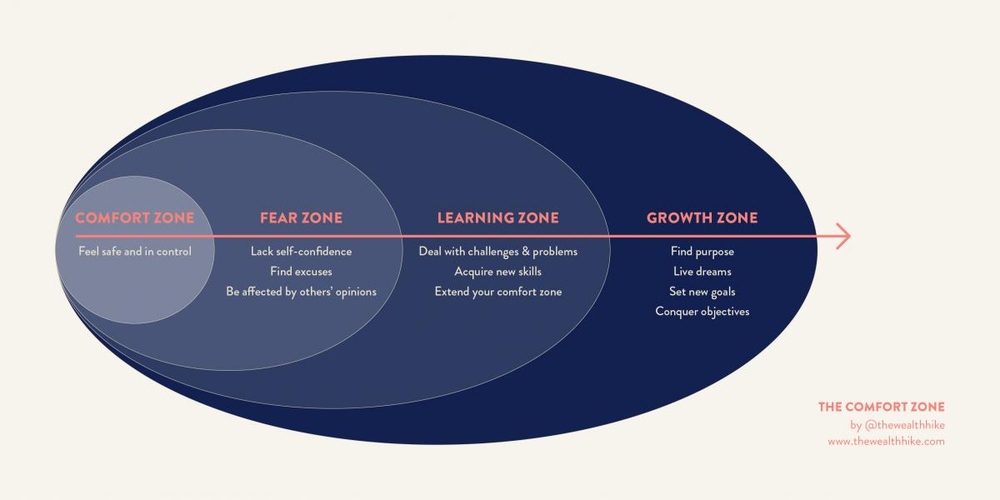
It is important to keep in mind that for hoteliers, and business leaders across all industries, the stages of this crisis closely mimic the stages of growth.

Bouncing back with new purpose and perspective

Comfort Zone: Only months ago, many of us blissfully sat in a heightened state of control and security. While no doubt it felt nice, the reality is: for many hoteliers there was no push to refine, innovate, strengthen, evolve and grow.

Fear Zone: And then the rug got pulled out from under us. As you can follow in the graphic, we went from the safety and surety of our Comfort Zone to total fear and unknown. We felt discouragement, a lack of confidence, increased pressure and a whole lot of panic as we looked to the future only to be met by grim forecasts and somber statistics. 

Learning Zone: We’ve been forced to stop and think. The initial shock and associated confusion and uncertainty about the extent of this crisis is slowly making way to a better understanding of the implications and opportunities. 

Growth Zone: With those in mind, and certain steps taken, hoteliers can reach the point of growth – taking your hotels back off the ground and back on the path for long-term success. So that when the world starts moving again – and it will – your hotel reemerges stronger and more resilient than ever, with new purpose and perspective.

It is only the hotels that are purposeful, authentic, transparent and empathetic to guests’ health, well being and emotional needs
that will be the true winners. 
via @weareMApeople


How you can bounce back with your independent & boutique hotel

In this crisis, both people and companies show their true colours. While some are able to find the courage and strength to innovate, plan and act long-term, others struggle to find motivation and new perspective. Here we present opportunities to get you on the path to success, starting at the Learning Zone to the Growth Zone and beyond! 

Learning Zone: Acting now on what we already know

Let’s start with what we know. During this Great Pause, people across the world have had the chance to reflect and reassess their priorities. They have different motivations, expectations and needs than they did before, and they’ll put more effort into researching those hotels that tick all their boxes. We are seeing a collective shift in appreciating life’s fundamental values - like health, human connection, hygiene - and this has impacted how and why people travel. 

Experts agree that we’ll see a rise in the following trends (= opportunities for you):

1. Radical Localism: We know that in the weeks and months after lockdowns are lifted, those with itchy feet will set out and experience the surrounding world in earnest with an absolute focus on localism - supporting one’s local businesses more in order to benefit business owners and the wider community. With the shift toward radical localism comes a shift in who your target audience is:

  • Define the local buyer persona and determine the right products, promotions and offers.
  • Adjust your sales and marketing activities in order to accommodate new channels, new messages and new offerings tailored to your new target audience. 
  • Create staycation packages and perks aimed at those looking for relaxation than exploration (think free parking, spa credits, late check-out, etc.).
  • Organise and support community give-back initiatives that guests can participate in.

2. Health, safety and quality: Hygiene practices and cleanliness will continue being of great concern, and motivating factors for travellers as they decide where they want to stay. Therefore, position your hotel as a safe haven committed to guests’ physical and mental wellbeing.

  • Provide COVID-19-friendly products like hand sanitizer and face masks. Remember, there are many kind and cool brands out there that produce them and give back to their communities as well.
  • Adjust your product and services and shift e.g. to in-room dining, with a focus on healthy and sustainable foods.
  • Be empathetic and compassionate to people’s mindsets and put them at ease/diminish their fears. Be open and transparent about the new sanitation procedures you have put in place. 
  • Give more visibility of the cleaning staff on site and in social media - they are on the front lines to protect guests’ health.

3. Human connection and authentic experiences: After being isolated in our homes, this longing for connection, togetherness and collective experiences will be stronger than ever.Therefore, be sure to put care and empathy at the heart of everything you do.

  • Make staying in touch with guests a priority, communicate regularly and openly.
  • Make guests feel at home by providing personalised care packages and products in their rooms.
  • More than ever, create packages and experiences that are authentic, immersive and unique – and that people can’t find elsewhere.

4. Sanctuaries of peace: This pandemic has instilled fear and stress. When people travel again, it will be to remove themselves from this reality and toward calm, peace, quiet, balance. 

  • Build out your wellness offerings and create spaces where guests can enjoy moments of peace and silence.
  • Offer courses or experiences that connect guests with themselves and their loved ones.
  • Make it as easy as possible for guests to explore natural and peaceful surroundings, e.g. through organising private excursions and experiences.

It’s important that you capitalise on the above opportunities, define your new target audience, adjust your product and services as well as sharpen your sales and marketing in order to be competitive and successful in the new world. 

Growth Zone: Bouncing back with new purpose and perspective

“Resilience is all about being able to overcome the unexpected.
Sustainability is about survival. The goal of resilience is to thrive.”
Jamais Cascio

So you’ve conquered the Learning Zone. Welcome to the Growth Zone – where real, long-term success happens. Here is where you look inward to refresh your purpose and perspective, and project that out into the world. 

Why do we at MA people emphasise long-term? Because what we are learning is that tomorrow is not yesterday, and only those hotels built for resilience will survive. As a boutique and independent hotelier, we recommend you grab this opportunity to define your purpose, discover new perspective and differentiate your hotel from your chain hotel competitors in order emerge even stronger once this crisis has passed.

1. Find purpose and vision
Businesses and people with purpose and vision are much more successful and resilient than those without. Why? Because these businesses have a reason to exist beyond profit. There’s a clear WHY driving them toward their goals, motivating employees and resonating with guests. What does this mean for your boutique and independent hotel? No more finding excuses, but instead, finding purpose and vision.

  • Define what the purpose of your hotel is beyond profit. What’s going to drive you and your people in the future? What’s going to attract the new generation of value-driven travellers?
  • Review your long-term goals. Do they reflect your purpose and add to your business’ ability to thrive?
  • Work together with your team on determining your future vision and strategy. Because at MA people we find that purpose and people drive profit. 

2. Position yourself clearly in the market
Once you have found your new perspective, start positioning yourself clearly in the market. In the post-COVID-19 world, people will be more considerate about how they spend their money and to whom they give their money.Travellers will interact only with hotels with which they share similar values, specifically those led by a bigger purpose (we know, a bit repetitive, but believe us – it’s true!). There will be an increased focus on sustainability, social impact and supporting destinations that need the help.

  • Create connections with travellers on an emotional level through your sales and communication activities.
  • Align messaging with your central purpose and create stories that highlight your uniqueness.
  • Develop guest experiences, products and services that tie back to your purpose and add real value to the lives of your guests.

Conclusion

In this new world, we expect less of a cookie-cutter travel mentality; that travellers will no longer want to stay in huge, impersonal hotels but rather invest their time and money in supporting boutique accommodation that combine purpose with caring for people and the planet. 

Therefore, there is great hope for our hotelier friends! But take heed – it is only the hotels that are purposeful, authentic, transparent and empathetic to guests’ health, well being and emotional needs that will be the true winners. 

We are available remotely during this difficult time to advance you to the Growth Zone, by providing strategic planning, smart solutions and expert advice. We are happy to offer a helping hand.

Blog Block Image
Bouncing back with new purpose and perspective - MA people MAP Boutique Consultancy

Add new comment

Comment

Order

Plain text

  • No HTML tags allowed.
  • Lines and paragraphs break automatically.
  • Web page addresses and email addresses turn into links automatically.
Types
sharing is caring

Setting up a next-generation hotelier for success with a sporty new concept.

Main-Image
paloria apartments & sport MA people MAP Boutique Consultancy
Location
South Tyrol, Italy
Timeline
2016 - ongoing
Type
Aparthotel
Purpose
To enable people to live their peak life
# of Rooms
14
# of Stars
4*
Tag it
#Paloria #UpUpUp #HotelConcept #HotelBranding #SustainableHotel
Paragraphs

The place for sport #UpUpUp

Destination

Destination

  • Fresh and cool aparthotel concept fitting for a new generation of travellers and athletes
  • New aparthotel brand identity and collateral in keeping with the concept
  • New-and-improved hotel website
  • Sustainable initiatives that create real impact
  • Successful launch of new paloria with support of MAp

paloria apartments & sport MA people MAP Boutique Consultancy

RoadMAp

paloria apartments & sport MA people MAP Boutique Consultancy

#UpUpUp

It was a pleasure to work closely with Julia in bringing her sporty vision for paloria to life. We invite athletes and outdoor adventurers to this fine accommodation in order to experience the best of what South Tyrol has to offer. 

In this amazing apartment we quite literally were able to

relax, lean back and recharge fully.

TripAdvisor User
Weight
-96
Title for Show next
Welcome to paloria apartments + sport