
sharing is caring

With the arrival of March comes the third edition of our monthly book club. This month, we’re happy to spotlight one of the best books every business owner, hotelier and marketer should read: “Marketing: A Love Story” by Bernadette Jiwa. This small book, coming in at just 110 pages, packs a big punch, stocked full of smart insights and winning techniques to ensure our ideas as hoteliers, business owners, and of course, marketers, resonate.

Want to create marketing that matters to your customers and guests? Then read on to learn how!



Untertitel
How to matter to your customers
Blog main image
Marketing: A Love Story
Paragraphs
The bottom line: forget analytics and quick wins,
seek connection before you seek results!
@weareMApeople

Summary

Jiwa, a global authority on storytelling in business and marketing, is the author of eight renowned books on the subject, with “Marketing: A Love Story” her most easy-to-digest book yet. That’s because it’s a compilation of short but powerful blog posts lifted from her website, thestoryoftelling.com. Each blog post underlines a critical point: the importance of mattering to our customers. Jiwa contends that while marketing has become a necessary evil for all companies, we can look at it in other ways: marketing as solving problems, marketing as a way of seeing the world through our customers’ eyes, marketing as a means of understanding what people need and want, marketing as a way of doing better work. The bottom line: forget analytics and quick wins, seek connection before you seek results!

Key Points

#1: Don’t tell customers what you do, even if you do it really well.

The biggest mistake marketers (and product developers) can make is focusing too much on the product or service they offer and not enough on the customer. This mind-set has to change. Appreciate what your customers’ wants and needs are, and do your best to present solutions. Customers are no longer interested in what you are offering them (even if it is the best); they are interested in how your product or service makes them feel. They need to know that you understand what matters most to them.

#2: And in line with that, your competitive advantage is what your customers believe – not your product/service.

Competitive advantage is an intangible thing; it’s not about the unique feature your product offers or your cheaper rates. It’s not what you tell customers. Jiwa puts it best: “Customers don’t often pay for the actual value the product delivers. If they did, $4 cups of coffee wouldn’t exist, and people wouldn’t buy Macs even though they cost more than PCs. People pay for the intangible value, for what they experience and what they care about.”

#3: Don’t confuse awareness with impact.

In a world where it’s harder to get attention, gaining mind share is a priority for every company. The misconception is that if you can get a few more people to know about your company, you’ll be set. But instead, better to approach it by thinking, why will one person care that you are there in the first place? As Jiwa states, “What’s more important than building awareness is what you plan to do with it once you’ve got it, because top of mind is not the same thing at all as close to heart.”

#4: Don’t fear the competition, be the competition.

Companies obsess too often about what the competition is doing. Instead, channel this obsession to your customers. Obsess over what your customers are doing and then determine how you could help them do it with more ease. According to Jiwa: “Becoming the competition doesn’t always mean using the same old rules to beat others at their own game. Focusing on the tiniest gap in your customers’ desires might be a better strategy.” The message: act as if you are a market of one.

#5: Sell your story.

It’s not difficult to come up with a great idea. But it is, however, difficult to articulate clearly why that great idea should matter to the right people. As a place to start, simply fill in the blanks: “We do _________ so that you can do/feel/be _________.”

Application

Whether creating products or services, or marketing products or services, always ask yourself one critical question:

Why should your customer care about this?

You need to give people a reason to stop and listen to your song.

MAp's Favourite Quote

“What if, instead of spending all that time and money on deciding how to tell customers who we are, we spent more time and money on being who they want us to be?”

Conclusion

We hope “Marketing: A Love Story” gives you a new perspective on what it means to be a marketer. Share with us your favourite wisdom nuggets from the book! And, lastly, support a local bookshop by buying it here: https://bookshop.org/.

 

Blog Block Image
Marketing: A Love Story

Add new comment

Comment

Order

Plain text

  • No HTML tags allowed.
  • Lines and paragraphs break automatically.
  • Web page addresses and email addresses turn into links automatically.
Categories
Types
sharing is caring

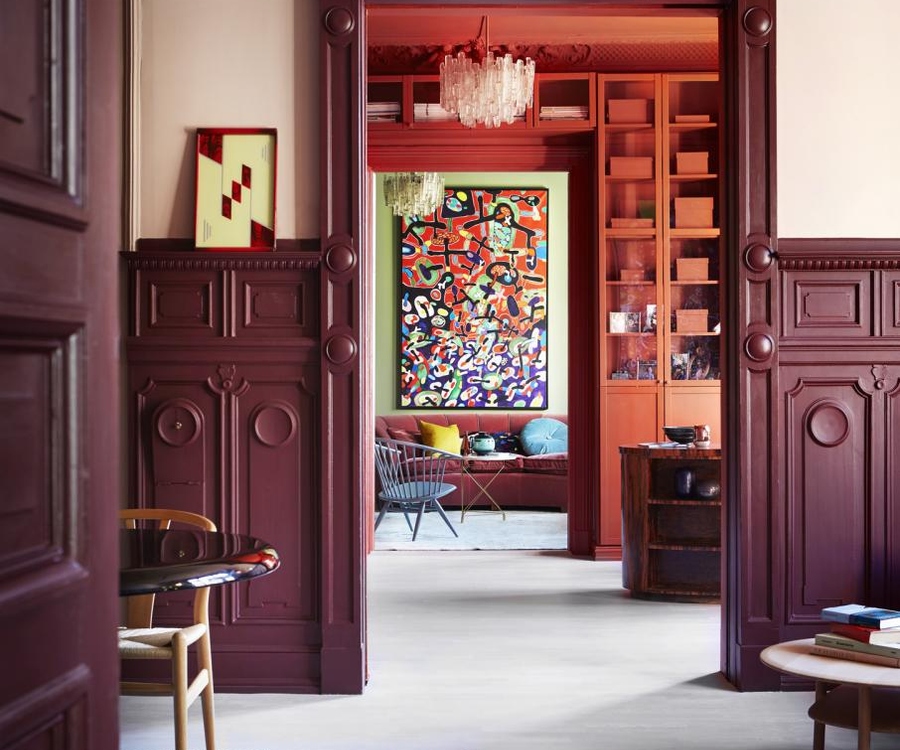
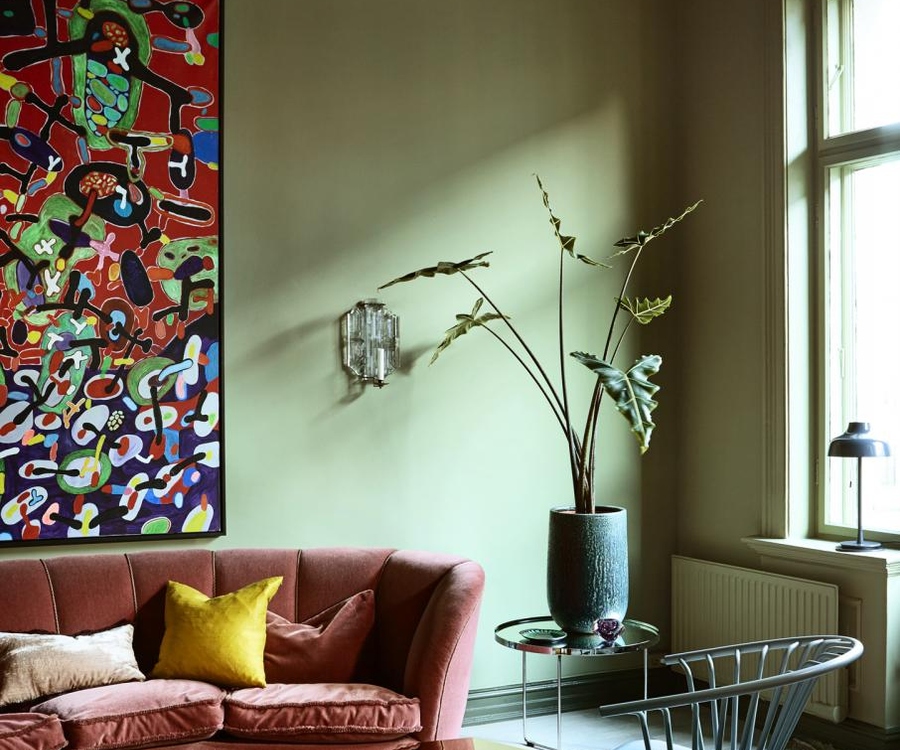
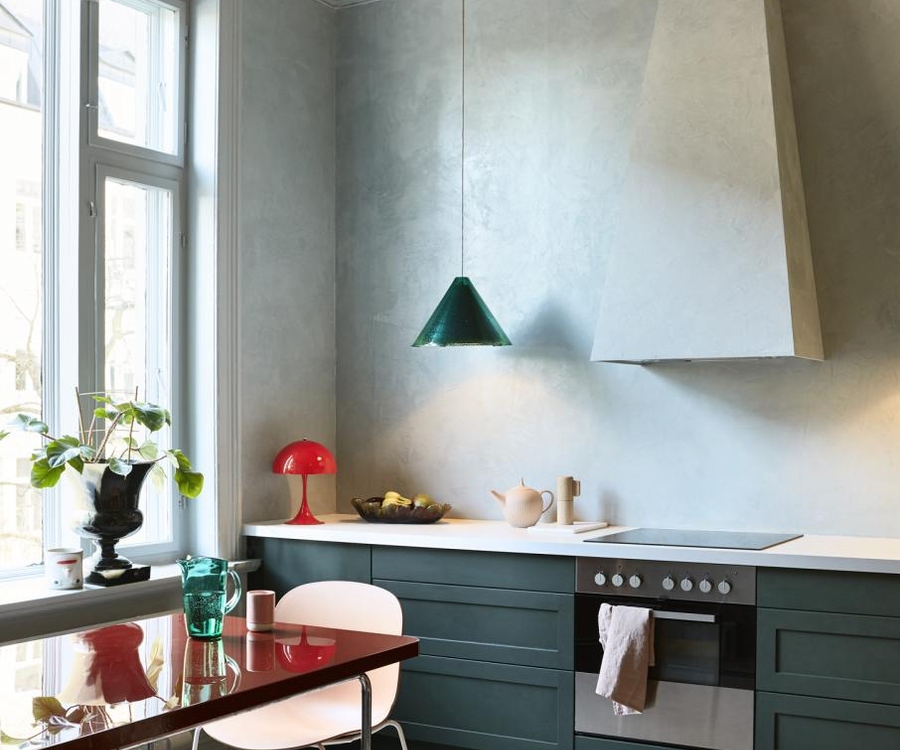
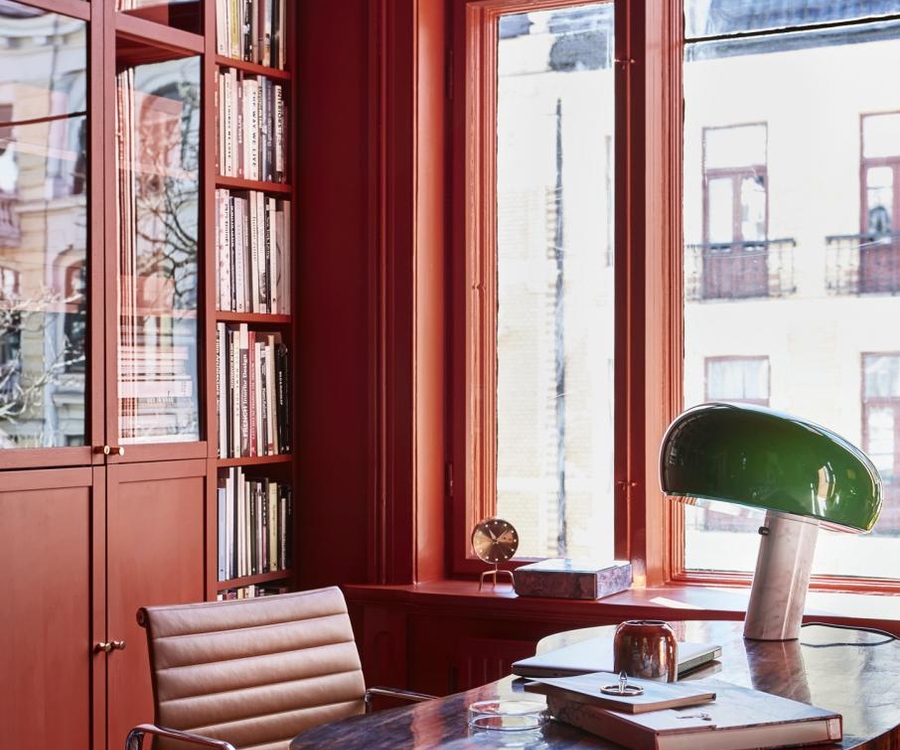
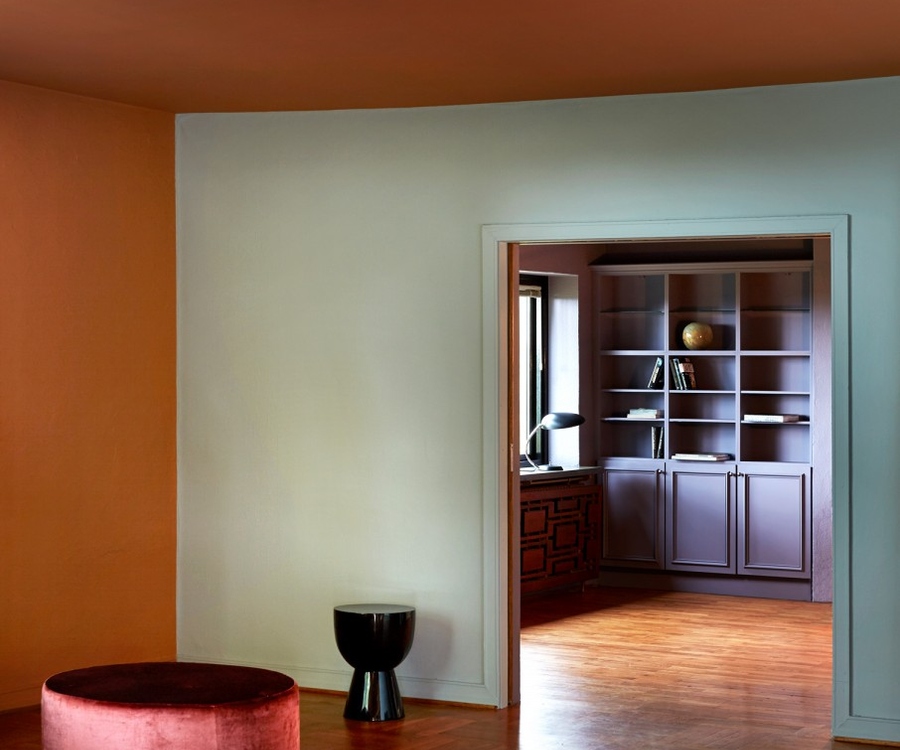
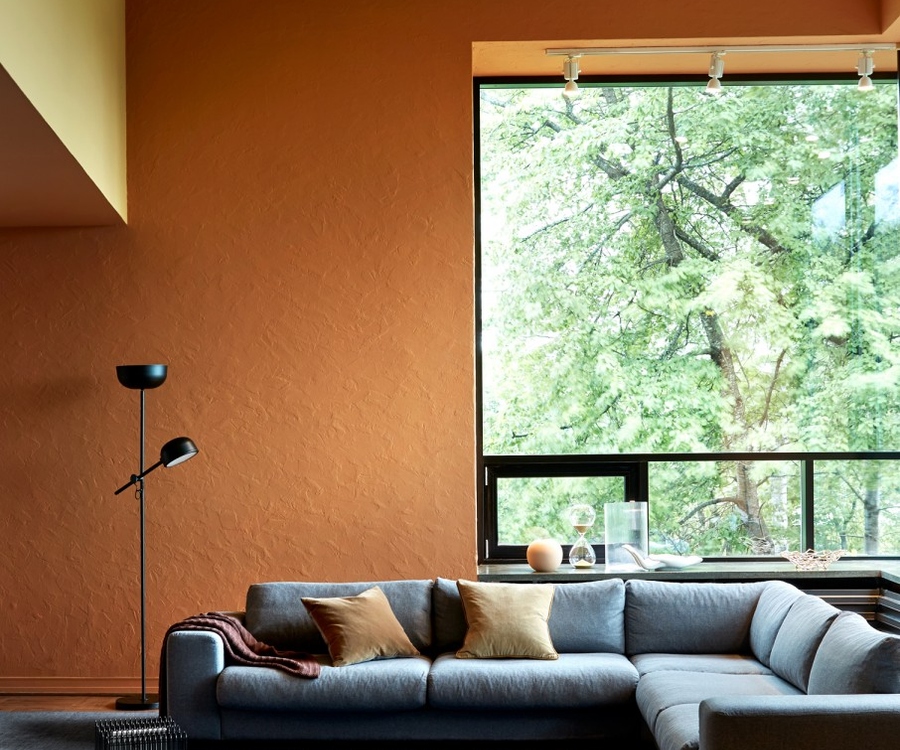
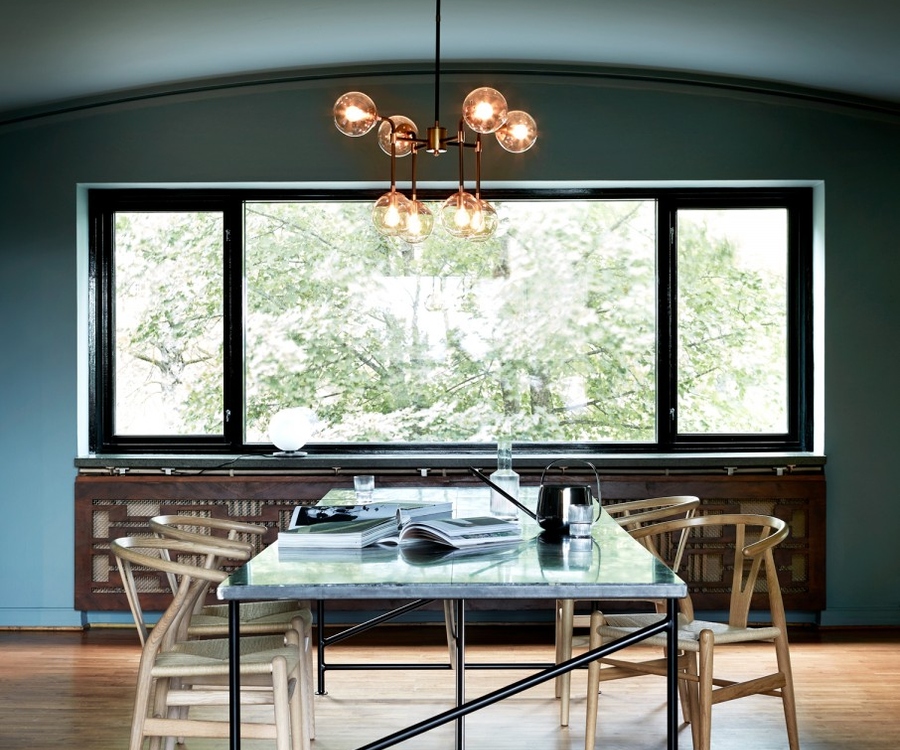
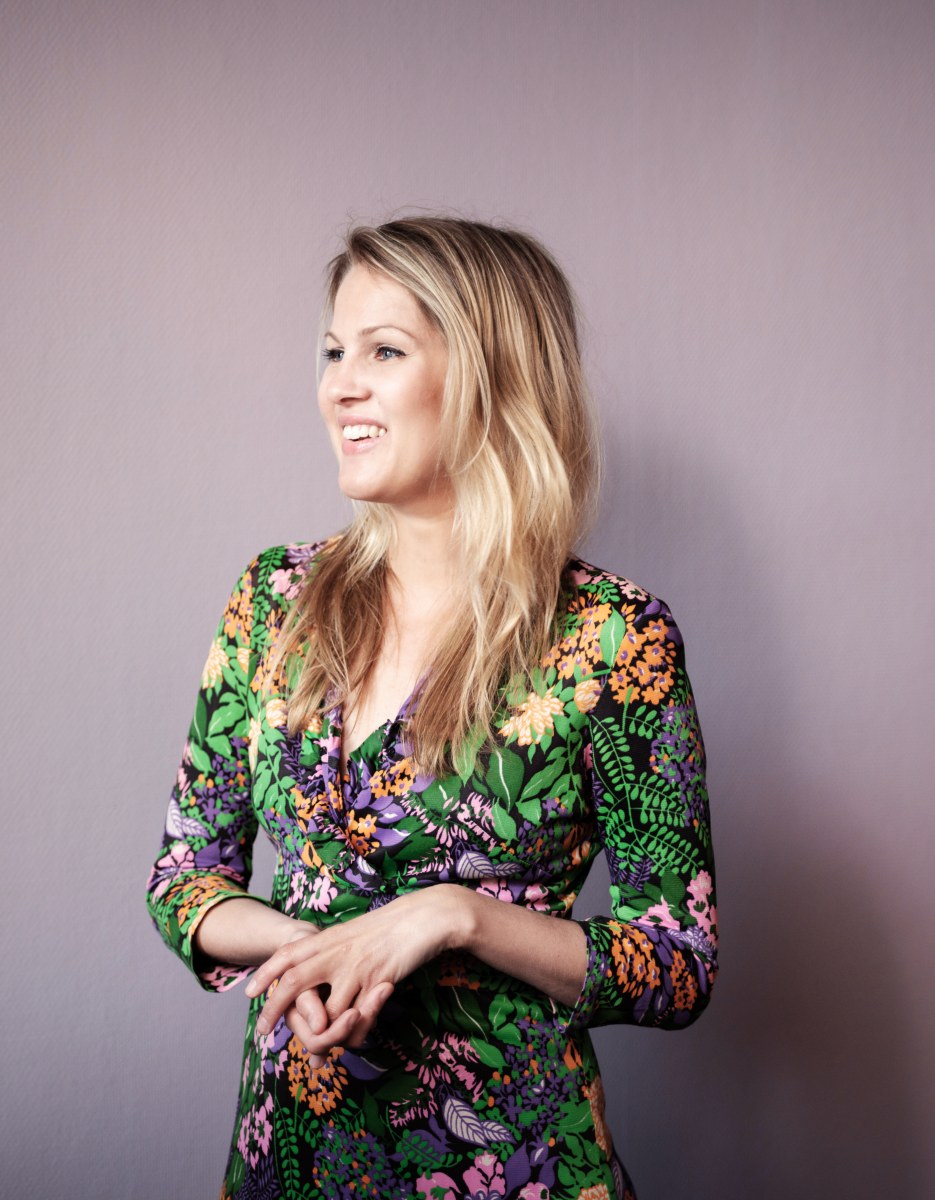
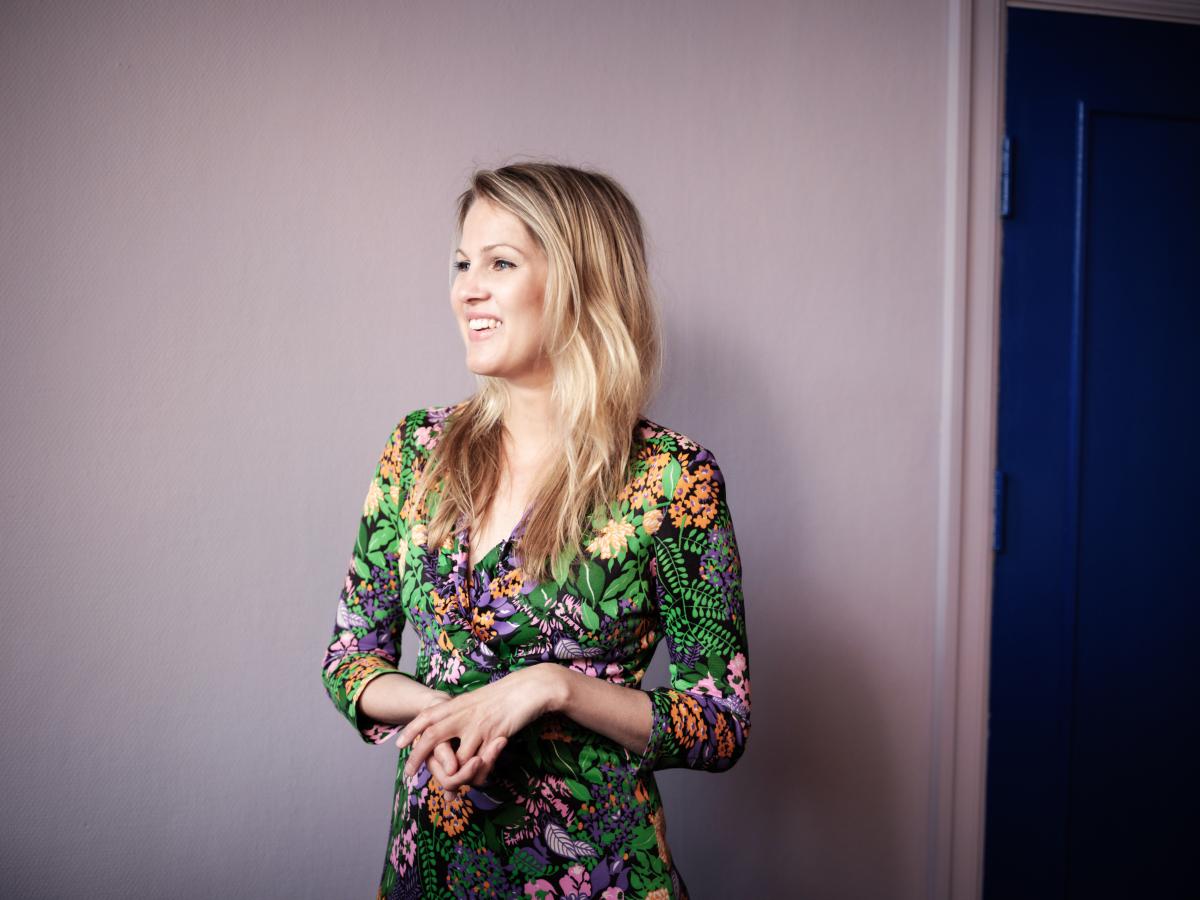
Today we are more than excited to meet Dagny Thurmann-Moe – Creative Executive, Colour Designer and Consultant of Koi Farge Studio, Oslo. Dagny is one of Norway’s foremost colour designers and in 2014, she has started the Koi Colour Studio with the goal of being able to offer targeted colour consultation for both public and private clients.

Untertitel
MAp meets Dagny Thurmann-Moe, Creative Executive of Koi Farge Studio, Oslo
Blog main image
Colour to the people! - MA people MAP Boutique Consultancy
Paragraphs

Dear Dagny, thank you so much for taking the time for this MA people meets. To begin with: when and how have you discovered your love for colours? And how did a profession develop out of this passion?

We could reverse the question; When did you stop loving colours? The fact is, we’re all born with a strong relationship with colours. If you talk to any child under the age of 10, they will give you vivid explanations of each colour and they have a complex understanding of their effect on us. I gues what happened with me, was that I never stopped. The interest just grew, and from the age of 16 I started reading every book, research and study I could get my hands on. I was interested in a wide perspective – how we used colours in different aspects of our lives; interiors, architecture, institutions, the car park and clothes. What feelings and associations did we have with different types of colours and why? How did they affect our wellbeing? I started studying something completely different at the University of Oslo, as colours were not an option, I ended up choosing pedagogy, sociology and informatics. My first career was in recruitment and business management. It lasted for 10 years. In 2007 I started a blog about Scandinavian style from a maximalistic perspective, and colour was an important part of it. Because of that blog, I was headhunted for the role as Creative Director for a Norwegian paint/home improvement retail chain, where I worked on developing interior and exterior paint colours and collections, colour forecasting, inspiration images and folders. After 4 years there, I started my own colour studio – where we work on developing colour concepts, palettes and strategies for architecture, interiors and products.

The biggest challenge with hospitality at the moment is
'same shit,
same wrapping'.
@DagnyThurmann-Moe
via @weareMApeople


In 2017 you have published the book “Colour to the People!”. Can you please share with our readers why we should all use colour in a more targeted way?

I often say that only shallow people disregard the value of aesthetics. How our surroundings affect our daily lives have more or less been ignored for decades, and with my book, I wanted to visualize and explain why it is so important to have the end users in mind when we develop spaces – and that colour is a factor that cannot be ignored, just like other factors like daylight, greenery and materials. I also photoshopped colours onto contemporary architecture, which had a great effect on the readers.

Many of our readers are hoteliers, working in hospitality businesses: HOW can they bring more colour into the hotel?

How is the right question, but the answer is that it depends on your target customers, location and identity. The biggest challenge with hospitality at the moment is “same shit, same wrapping”. Don’t leave colour and material choices to choice by accident, but have a plan in what you want to communicate, what type of feeling the spaces should give and don’t be afraid to make some decisions that are outside of your comfort zone. A good use of colour is not necessarily lots of colours. It depends on the clientele.

How would you describe the hotel landscape in Norway, did any recent hotel developments catch your attention?

We have the “same shit, same wrapping” situation here as well. There’s not really anything that I haven’t seen before. I’m excited to see how Sommero Hotel will turn out when it opens.

We at MA people are specialised in crafting innovative hotel concepts and brands: what makes a hotel experience a truly outstanding one for you personally?

A strong and confident concept, that can be an experience in itself with great food and excellent service is what matters to me the most, and will make me a loyal customer and ambassador. I also appreciate it when the décor can be a mix of old and new. When everything is new, it gives the spaces kind of a catalogue feel, which I find a bit uninteresting.

About Dagny:
Dagny is one of Norway’s foremost colour designers and has over ten years of experience in the field. In 2014, she started Koi Colour Studio (formerly Dagny Colour Studio), with the goal of being able to offer tar- geted colour consultation for both public and private clients. Dag- ny is a driving force for increasing awareness about the targeted use of colour, and in 2017 she published the book Farger til folket! (Co- lour to the People!) with Cappelen Damm, a book about why and how we should use colour in a more tar- geted way in architecture, interi- ors, public spaces, fashion and car parks. The book is published in four countries. She is a well-known face in the media and often comments on colour use, trends and the value of the proper use of colour in archi- tecture, interiors and fashion.

Colour to the people! MA people MAP Boutique Consultancy

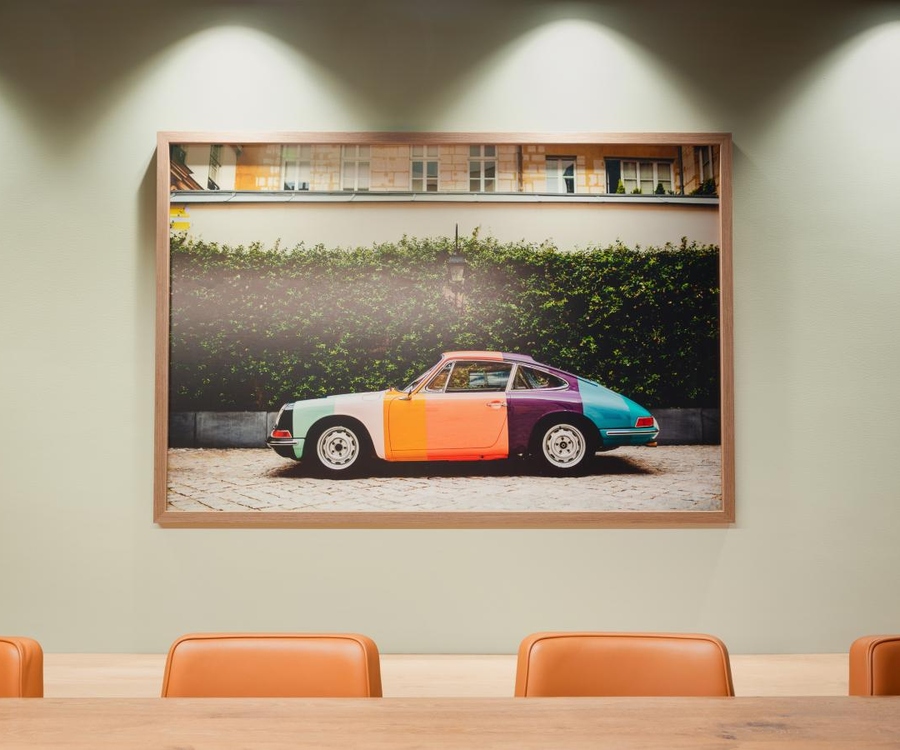
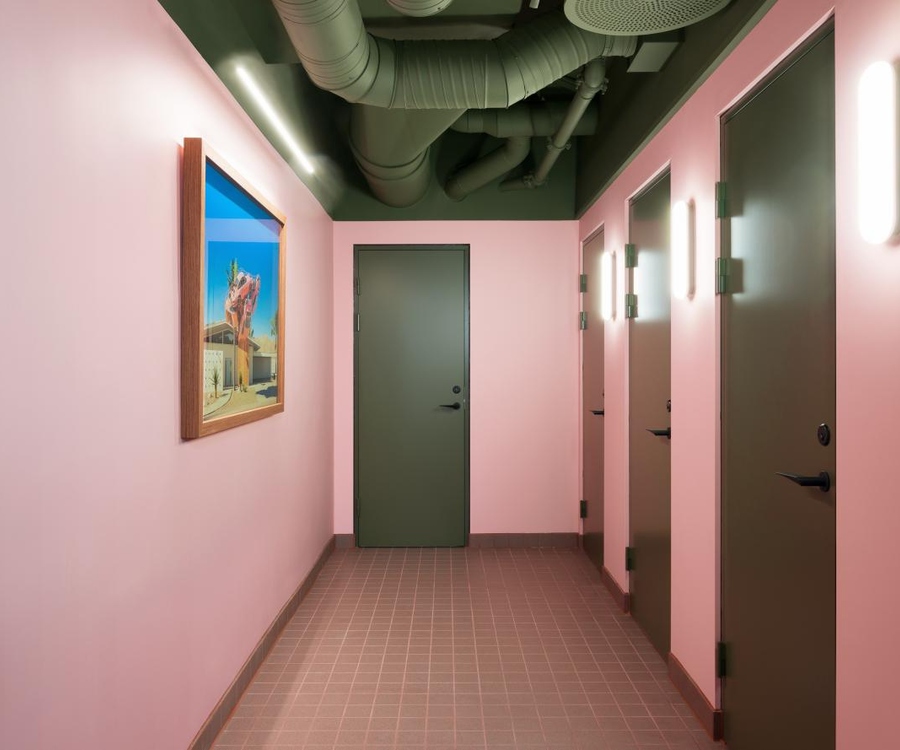
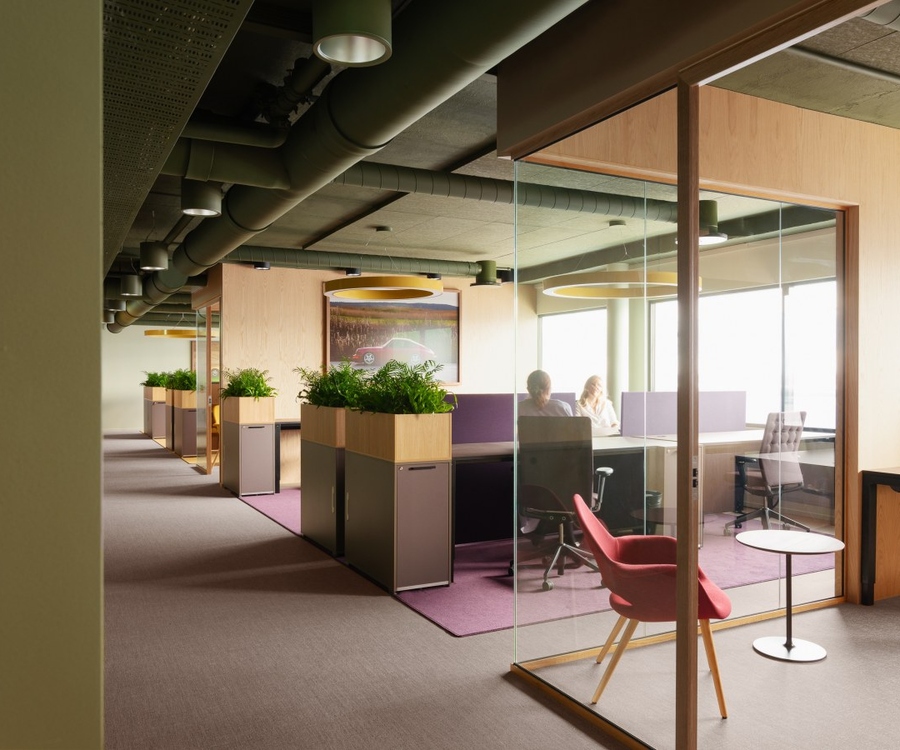
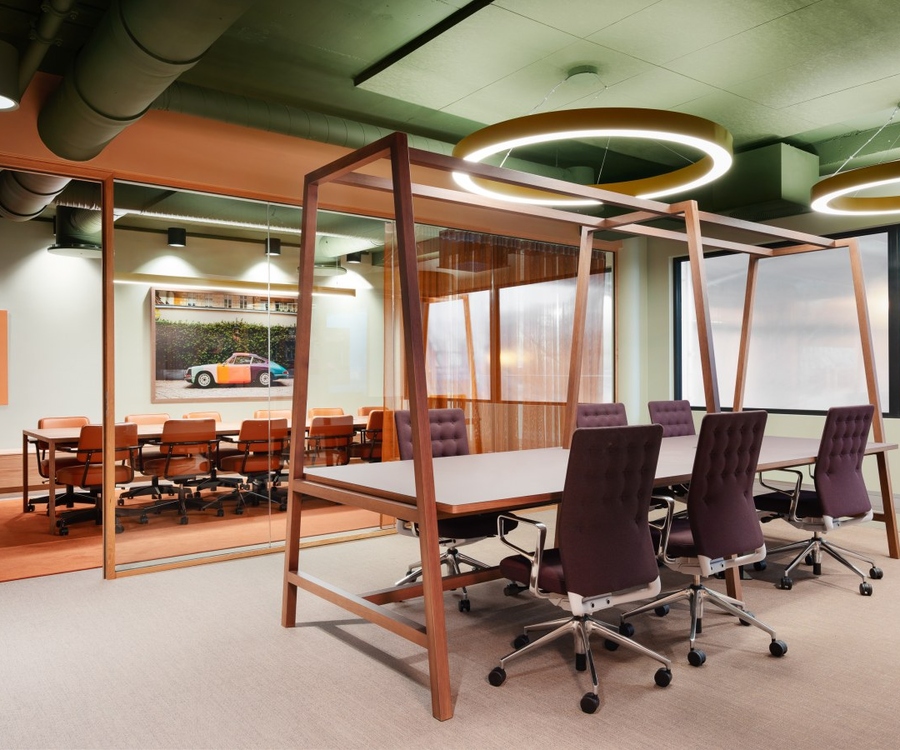
Photos 1 to 4: Porsche Norway’s head offices
Colour design: KOI colour studio, Interior architect: Kubik interiørarkitekter, Photographer: Einar Aslaksen

Photos 5 to 8: Oslo 1840s apartment
Colour design: KOI colour studio, Photographer: Margaret de Lange, Stylist: Kirsten Visdal, Client: Pure&Original paint

Photos 9 to 11: Oslo 1930s modernist villa
Colour design: KOI colour studio, Photographer: Margaret de Lange, Stylist: Kirsten Visdal, Client: Pure&Original paint

Blog Block Image
Colour to the people! - MA people MAP Boutique Consultancy

Add new comment

Comment

Order

Plain text

  • No HTML tags allowed.
  • Lines and paragraphs break automatically.
  • Web page addresses and email addresses turn into links automatically.
Categories
Types