
sharing is caring

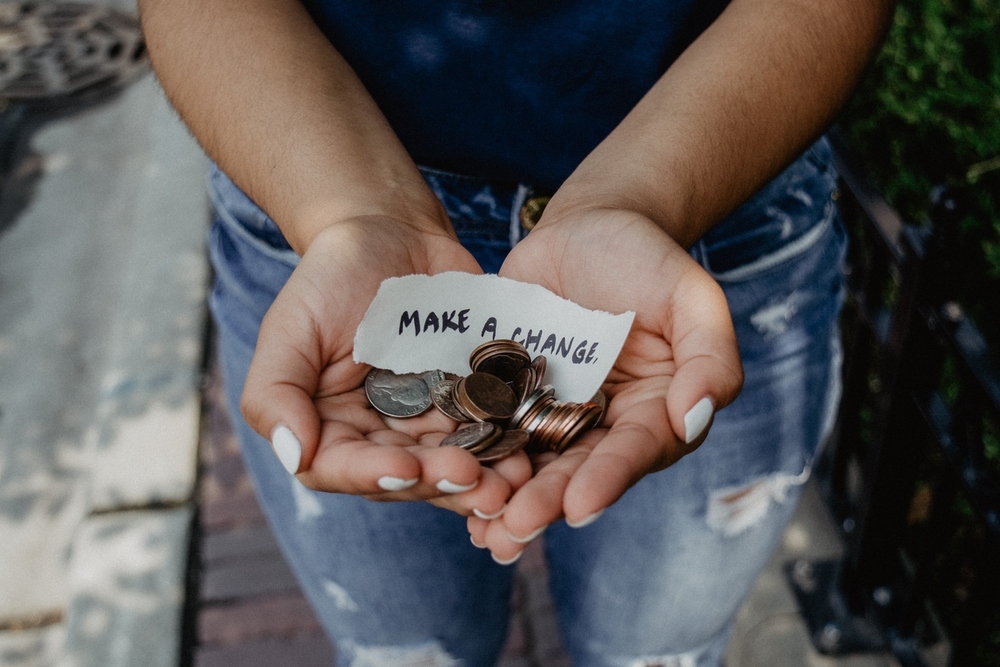
The MAp Boutique Consultancy book club is back! And it is back with a bang, because “Doing Good Better” by William MacAskill was a mind-opening and highly-inspirational read for the MAp team. In this blog post, we’re excited to share our top insights so that we can all start embracing this radical new way of making a difference – NOW!

Untertitel
Effective altruism and a radical new way to make a difference
Blog main image
Buchempfehlung: „Gutes besser tun“ von William MacAskill
Paragraphs

Summary

In his ground-breaking book “Doing Good Better”, MacAskill explains the concept of “Effective Altruism” and asks the question, “How can I make the biggest difference I can?” To answer this question he uses concepts we’ve hardly ever seen so far in the field of doing good: evidence, careful reasoning and a scientific approach. His search for truth shows that so far, many of us “just did good” without assessing if we chose the right investment = if we were using our resources in the most effective way. MacAskill also busts some myths about the concepts of green living, climate offsetting, fairtrade, etc., showing us in a fact-based and impartial way, that what we thought or were told was best for the word, in truth, isn’t.

Key Points

At MAp, we believe in the power and goodness of people. That was one reason why we developed our hotel sustainability platform: to empower hoteliers, consultants, students, business owners, etc. to do good. To make a difference. To make this Planet a more purposeful and hospitable place for all. However, the so-often overlooked challenge William MacAskill addresses in his book is: How can we ensure that, when we try to help others and do good, we do so as effectively as possible? Because the truth is: The best charities are hundreds of times more effective at improving lives than merely “good” charities. This means, by knowing the principles of effective altruism, we all can be hundreds of times more effective in creating positive impact for People and Planet.

Here are the 3 key take-aways you need to know:

#1: The effective altruist’s approach to making a difference consists of five key questions

There are five key questions you should ask yourselves when thinking like an effective altruist:

1. How many People benefit, and by how much?
This implies: we need to make fact-based decisions about how much benefit we can make by doing different charitable activities / supporting different charities.

2. Is this the most effective thing you can do?
Search for science-based evidence and do not go for “merely” very good programmes, if the very best ones are hundreds of times better. HERE is a great resource for identifying the best charities and non-profits.

3. Is this area neglected?
Your money makes the most difference when you invest in a neglected area vs. an area where a lot of funding already goes to. As an example, we could say that investing in malaria health programmes is more effective than in cancer research programmes.

4. What would have happened otherwise?
Looking at evidence, some programmes don’t do good, but cause harm over the long run. Or they don’t create as much impact as you would imagine. For example, this applies to the decisions you take when choosing a career: sometimes you can do good better when you donate money while working at a “normal” job vs. working at an NGO, which often is thought of as the best thing you could do.

5. What are the chances of success, and how good would success be? 
Some activities are effective not because they’re likely to make a difference, but because their impact is so great if they do make a difference. To illustrate this, MacAskill uses the example of climate change: “If it is happening and we don’t take action, millions of lives will be lost and the world economy will lose trillions of dollars. If climate change isn’t happening and we do take action, the costs are much lower. We would have wasted some amount of resources developing low-carbon technology and slowed economic progress a bit, but it wouldn’t, literally, be the end of the world.”

#2: The law of diminishing returns implies you focus on long-time tested activities

MacAskill defines the law of diminishing returns in his book as follows: “If we want to do as much good as we can, we’ve got to ask which cause to focus on. The law of diminishing returns provides a useful rule of thumb for comparing causes. If a specific area has already received a great deal of funding and attention, then we should expect it to be difficult for us to do a lot of good by devoting additional resources to that area. In contrast, within causes that are comparatively neglected, the most effective opportunities for doing good have probably not been taken.” MacAskill then outlines that our response to natural disasters is one of the clearest cases of how, when it comes to charity, we mostly follow our gut and not science. When a disaster strikes, we (and every else) think “emergency” and donate money or resources to that cause, forgetting that emergencies happen all the time around us. But we get accustomed to poverty and the fact that, every day, People die from easily preventable diseases like AIDS, malaria, or tuberculosis, which therefore receive less ongoing funding.
MAp Boutique Consultancy - The Sustainable Hotel - Zurich

#3: Don’t believe everything that sounds good, or let’s bust some myths 

We very often fail to think as carefully about helping others as we could, mistakenly believing that applying data and rationality to a charitable endeavour robs the act of virtue.
And that means we pass up opportunities to make a tremendous difference.
@MacAskill via @weareMAp

Myth 1: Ethical Consumerism is always good and sweatshop products must be avoided

Companies in the fashion industry claim to be “sweatshop free” and other companies ask consumers to practice “ethical consumerism” = to spend more money in order to assure that workers at the factories are treated better. Now, as we’ve learned in point #1, there are five questions we must ask as an effective altruist, one being: What would have happened otherwise?

And MacAskill’s scientific research shows a painful truth: “We assume that if People refuse to buy goods from sweatshops, these factories will succumb to economic pressure and go out of business, in which case their employees will find better employment elsewhere. But that’s not true. In developing countries, sweatshop jobs are the good jobs. The alternatives are typically worse, such as backbreaking, low-paid farm labour, scavenging, or unemployment.”

By looking at this example, we have to realise that to practice effective altruism, we have to leave our “rich-world-perspective” and accept that some things unimaginable to us are better to the world than we expected. Or in this case, sweatshops are good for poor countries and if we boycott them we make People in poor countries worse off.

“We should certainly feel outrage and horror at the conditions sweatshop laborers toil under. The correct response, however, is not to give up sweatshop-produced goods in favour of domestically produced goods. The correct response is to try to end the extreme poverty that makes sweatshops desirable places to work in the first place,” says MacAskill.

Myth 2: By buying Fairtrade-certified products, we do good

Fairtrade certification is an attempt to give higher pay to workers in poor countries and has been heavily advertised as “the” solution in our western society. Producers get the certification when they meet certain criteria, such as paying workers a minimum wage, complying to safety requirements, etc. What’s less known: Most producers that can meet the criteria are from comparatively rich countries like Mexico and Costa Rica, which are ten times richer than the very poorest countries, like Ethiopia. Knowing about diminishing returns of investment, this means that we do more good buying uncertified coffee from Ethiopia than Fairtrade coffee from Costa Rica. We also should be aware that there are middlemen involved who take a share of the “Faitrade price”, or that we even don’t know how much the higher price translates into higher wages or how much money goes to the farmers who work for the Fairtrade-certified organisations. Furthermore, consistent findings indicate that Fairtrade certification does not even improve the lives of agriculture workers. Given this, there is little altruistic reason to buy Fairtrade products.

Myth 3: Buying locally does work - offsetting does not!

MacAskill states straight away that buying locally-produced goods is overhyped, as only 10% of the carbon footprint of food comes from transportation, whereas 80% comes from production. This means that WHAT type of food you buy is much more important than whether that food is produced locally or internationally.

Taking this into account, the most effective ways to cut down your emissions are:

  • To reduce your intake of meat (especially beef)
  • To reduce the amount you travel
  • To use less electricity and gas in the home

However, MacAskill also mentions that the most effective way to reduce your emissions is called offsetting: rather than reducing your own greenhouse gas emissions, you pay for projects that reduce or avoid greenhouse gas emissions elsewhere.

MacAskill explains that his organisation, Giving What We Can, studied more than 100 organisations and came to the result that Cool Earth is the most effective organisation when talking about offsetting of greenhouse gas emissions. Cool Earth uses donated money to help economically develop rainforest communities - to a point where they do better by not selling their land to loggers. This means that when you donate to Cool Earth and practice effective carbon offsetting, overall your life contributes nothing to climate change.


Conclusion

We conclude this blog post by answering an important question: What should you do right now?

We’ve compiled our top three suggestions:

1. Establish a habit of regular giving. GiveWell is an organisation MacAskill mentions throughout his book, and its goal is to produce the world’s top research on where to give - free and for everyone. This means you can have a look and find out which charities are the most effective right now and start giving to them on a regular basis.

2. Sign up to the effective altruism mailing list. That way you can learn more about effective altruism and about how to get involved in the community, and read stories of People putting effective altruism into practice.

3. Tell others about effective altruism. Because if you can get one person to make the same changes you make, you’ve doubled your impact.

Thank you for reading until the end, and let’s all move #onwards to do good better!
Your MAp team


Blog Block Image
Book review: Doing Good Better by William MacAskill by MAp Boutique Consultancy

Add new comment

Comment

Order

Plain text

  • No HTML tags allowed.
  • Lines and paragraphs break automatically.
  • Web page addresses and email addresses turn into links automatically.
Categories
Types
sharing is caring

🎧 Prefer listening to reading? Listen to the article here. ▶️


In the bustling world of hospitality, where travelers seek comfort, adventure, and memorable experiences, a new term has made its way into the spotlight: sustainability. But what exactly is a sustainable hotel, and why should it matter to both hoteliers and guests alike? Join us as we untangle the sustainability web in the hotel industry, and explore why sustainable hotels are more than just a passing trend.

At its core, a sustainable hotel is not just a place to rest your head and feel good. It's an embodiment of a commitment to a better, more responsible future. But what exactly does it mean to create a sustainable hotel? A sustainable hotel is a hotel that strives to promote sustainable development through its business practices. While the term "green hotel" is often used interchangeably, a sustainable hotel takes a more comprehensive approach to sustainability.

It weaves together three essential pillars: social sustainability (People), environmental sustainability (Planet), and economic sustainability (Profit). Let's break down each of these core pillars to better understand what it means to have a truly sustainable hotel.

Untertitel
Learn about the four pillars of hotel sustainability: People (social sustainability), Planet (environmental sustainability), Profit (economic sustainability) and Purpose: What defines a sustainable hotel today – and why it goes far beyond solar panels.
Blog main image
Was ist ein nachhaltiges Hotel?
Paragraphs

People: Social Sustainability

Social sustainability, the "People" pillar, is all about ensuring that a hotel's operations benefit both the local community and its partners and employees. Here, sustainability means fair treatment, diversity, and inclusion for the staff. It also means contributing positively to the surrounding community by creating jobs, supporting local businesses, and engaging in socially responsible initiatives. Sustainable hotels prioritise the well-being of their employees and strive to be good partners and neighbors within their communities.

Planet: Environmental Sustainability

The "Planet" pillar, or environmental sustainability, involves a commitment to minimising a hotel's impact on the environment. Sustainable hotels focus on reducing energy and water consumption, limiting waste, and implementing eco-friendly practices. They might invest in renewable energy sources, employ green building techniques, and use environmentally-friendly cleaning products. Additionally, they often engage in conservation efforts, such as water and energy-saving initiatives, waste recycling, and reducing single-use plastics. The aim is to protect the natural surroundings and preserve resources for future generations.

Sustainable hotels are not just about ticking eco-friendly boxes;
they're about creating a comprehensive and positive impact on the world.
@weareMAp

Profit: Economic Sustainability

Economic sustainability, or the "Profit" pillar, is about ensuring the financial stability and long-term viability of the hotel. Sustainable hotels understand that to continue their efforts in social and environmental sustainability, they must be financially sound. They aim to create a profitable business model that allows them to invest in eco-friendly technologies and initiatives, while also delivering a high-quality guest experience.

These hotels often find innovative ways to reduce costs, increase efficiency, and attract guests who appreciate and support their sustainability efforts.

Bonus Pillar: Purpose

While it’s not officially one of the pillars of sustainability, Purpose stands at the core of MAp’s sustainability framework. The definition is simple: Purpose is the WHY that drives you to do what you do – and love it! All sustainable hotels have a Purpose that drives them.

Why It Matters

Understanding these pillars of sustainability is crucial because they reflect a more profound commitment to the well-being of the planet, people and profitability. Sustainable hotels are not just about ticking eco-friendly boxes; they're about creating a comprehensive and positive impact on the world.

In the hustle and bustle of the travel industry, sustainability is a guiding star that points towards a more responsible, ethical, and eco-conscious future.

For hoteliers, it means embracing comprehensive responsibility, not only for environmental well-being, but also for their stakeholders and economic vitality. And for guests, choosing a sustainable hotel becomes an active role in fostering a brighter, more responsible future, impacting not just the environment but also the lives of those who live and work in the communities where they holiday. In case you want to learn more about the different aspects of hotel sustainability, our The Sustainable Handbook Collection is just right for you.

Free Hotel Sustainability Assessment

How sustainable is your hotel?

Learn where your hotel stands when it comes to sustainability by answering a few short questions about holistic sustainability: People, Planet, Profit and Purpose.

Video URL
Blog Block Image
What is a sustainable hotel?

Add new comment

Comment

Order

Plain text

  • No HTML tags allowed.
  • Lines and paragraphs break automatically.
  • Web page addresses and email addresses turn into links automatically.
Types
Youtube stream image
What is a sustainable hotel?
sharing is caring

Today we are happy to sit down with Marlene Rohracher, founder of ecosuites.travel, which collects the best sustainable hideaways, hotels and accommodations for the modern traveller. By booking with eco suites, you make your next vacation a uniquely sustainable experience. Let’s learn more!

Untertitel
MAp meets Marlene Rohracher, Founder at ecosuites.travel
Blog main image
Luxury travel can be sustainable
Paragraphs

Marlene, thank you for taking the time to speak with us! As a start, can you please tell us a bit more about you? Where does your passion for sustainability and hospitality come from?

Like so many in my generation I came to a point where I could not accept that sustainability was something left to be cared for by others, I just wanted to make an impact myself!

For as long as I can remember I enjoyed travelling and discovering new destinations. With the feeling that a community of travellers with a conscious approach, such as myself, was increasing, I developed the idea of eco suites and just went through with it.

Our purpose is to bring together the eco-conscious traveller with outstanding accommodations
that share our approach and values.
@MarleneRohracher
via@weareMApeople


Can you tell our readers a bit more about eco suites? Why did you feel compelled to start the company and what’s your purpose?

ecosuites.travel is an online platform designed to present premium accommodations with a sustainable approach. We aim to support the eco conscious traveller in searching for a fitting hotel and shed light on accommodations that act sustainably. We carefully curate our collection of conscious hotels and are proud of presenting them to our community!

Personally, I aimed to take responsibility for contributing to a sustainable future. Once I had the idea for eco suites, I completely dove into it and wanted to bring it to life! I was convinced that luxury travel can be sustainable. Our purpose is to bring together the eco-conscious traveller with outstanding accommodations that share our approach and values.

eco suites has an impressive portfolio of hotels that are both stylish and sustainable. What makes your hotels “eco suites?”

We are proud to present hotels that are special in every way. Whether it is the design, the concept, the facilities or the team – our eco suites make luxury vacation dreams come true. The huge difference to many other hotels around the world is that they follow a highly sustainable approach and are committed to define modern travel. It is the combination of both aspects that makes them our “eco suites.”

To become an eco suite, what specific criteria and standards are you looking at? What is your process for selection?

We carefully choose every accommodation on ecosuites.travel. All accommodations featured on our platform meet at least five out of ten criteria that have been established as our eco suites standard. After careful consideration, our eco suites criteria have been adapted from internationally acknowledged standards for preserving the environment. It mattered greatly to us to also include criteria like “Female empowerment” or “Social impact”, to show the full range of what we believe sustainability implies.

At MAp, we too believe sustainability is the future. What are your hopes for the hospitality industry as it relates to sustainability in the short- and long-term?

My hopes for the foreseeable future are that the hospitality industry will continue to focus on implementing a wide range of eco-friendly measures, from saving resources to using clean energy. Many short-term solutions can be installed quickly and would have a huge impact on the environment. Speaking of long-term expectations, I hope that travel choices will be made carefully and will increase to focus on slow tourism, on getting to know the destination, its people and its culture.

As many of our readers are hoteliers: what are the 3 most important measures hotels should implement on the road to sustainability?

While every hotel and its guests are different, we do know what our community of responsible travellers is mostly looking for. In our experience, the measure with the highest direct impact on guests is the careful selection of food & drinks. Most exclusive travellers are keen on being offered local, seasonal and organic choices when it comes their catering. They are well informed and try to reduce their footprint with their shopping choices in their everyday lives and do expect the same from their accommodation.

Another measure that directly relates to the guest is the effort to reduce and carefully recycle waste. Many hotels are implementing recycling opportunities in each room or easily accessible in the common areas, and many guests are delighted to see the measures they are used to at home as an option in their hotel as well. Products without packaging are in high demand, and careful sourcing and recycling “behind the scenes” is mandatory.

We do strongly believe that happy employees are key to provide a unique and exceptional experience for their guests. A modern work environment needs to be implemented to include all aspects that sustainability contains. Fair working conditions, diverse perspectives and safety therefore should always be a priority. This is certainly the third measure I would recommend on the path to sustainability.

As always, our final MAp meets question is related to our core business, as we’re specialised in crafting innovative hotel concepts and brands: what makes a hotel experience a truly outstanding one for you personally?

A truly outstanding hotel experience for me comes with the people. Feeling at home away from home is what I am looking for, and that comes with attentive service. I love exploring innovative concepts, hotels that are brave enough to try something new and follow a unique path.

About Marlene Rohracher:

ecosuites.travel was launched in June 2020 and was founded by Marlene Rohracher who was convinced that combining design, comfort and outstanding experiences with sustainability needs to define modern travel. With extensive experience in the field of project management and human resources and the support of a team of experts in the fields of design, editing as well as marketing & PR, ecosuites.travel was realised.


Blog Block Image
Luxury travel can be sustainable

Add new comment

Comment

Order

Plain text

  • No HTML tags allowed.
  • Lines and paragraphs break automatically.
  • Web page addresses and email addresses turn into links automatically.
Types
sharing is caring

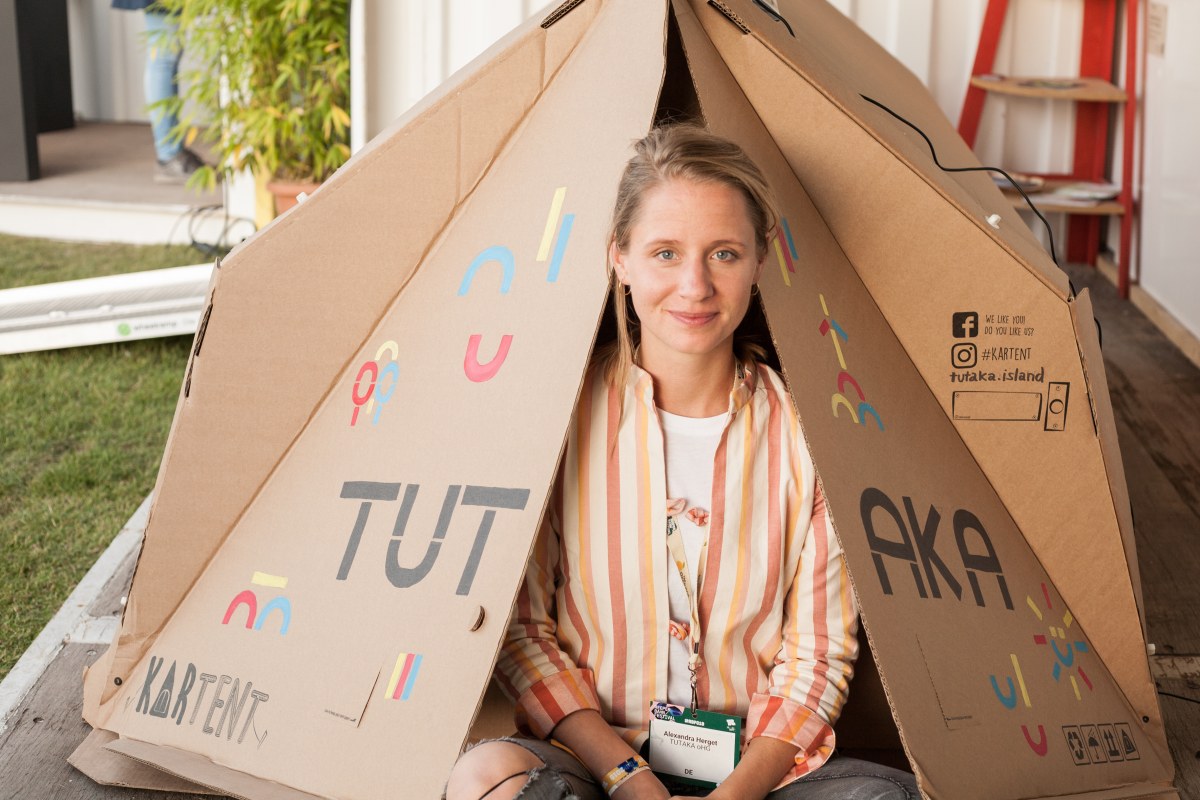
Today we are happy to meet Alexandra Herget of TUTAKA. TUTAKA is the go-to source for sustainable hospitality that makes procurement easy through its marketplace of sustainable supplies, equipment and services. Learn from this self-described “ecoist” motivated to bring more positive change to an industry that is still in the early stages of transformation.

Untertitel
MAp meets Alexandra Herget, Managing Director + Co-Founder at TUTAKA
Blog main image
NEW There is no hospitality industry without a “sustainable” in front of it.
Paragraphs

Thank you for speaking to us today! As a start, can you please tell us a bit more about you and your background? Have you always been passionate about sustainability and hospitality?

At least from high school onwards. Quite nerdly, I joined the environmental club in my school in Sweden. Part of my curriculum at university also included courses such as “Sustainable Development”, “Environmental Studies” and “Human Rights”. That I want to follow a career within the hospitality industry became clear to me, when I was looking for a job while finishing my Master’s Degree in Maastricht. I sat down and asked myself: “What do I want to do now? What am I passionate about?” The answers were: gastronomy, travelling, being a host, bringing people together, and designing memorable experiences. Thus, I moved to Berlin and worked in a hotel concept development company.

Sustainability is a journey.
Take it step by step.
@alexandraherget
via@weareMApeople


We recently discovered TUTAKA and love your approach to sustainability. Can you share with our readers a bit more about TUTAKA? How did you come up with the idea for it and what’s your purpose?

Thank you! We are also enthused about MAp and can’t wait to see how we join forces to bring more sustainability into our beloved industry.

TUTAKA makes sustainable procurement easy. How? By relieving buyers from the hotel, restaurant and event industry of the complex task of searching: On our digital marketplace, hundreds of audited products and services can be directly bought or enquired.

TUTAKA Island is our marketplace’s sister. As a consultancy, “the Island” supports hosts in the transformation towards more sustainability by taking an advisory role within the fields of strategy, communication and procurement. Overall, marketplace and agency alike, our mission is to make the hospitality industry more sustainable. 

Can you explain to us how you define a product as “sustainable?” What criteria are you looking at? How do you go about sourcing products?

Either we get in touch with a producer that we think might fit, we meet them at an event or fair, or the supplier contacts us. Then, we elaborate firstly whether the product(s) is suitable for the hospitality industry from a functionality, design and price perspective and whether the supplier can deliver large quantities within an attractive lead time.

After this basic check, we take a close look. First on a company level via a questionnaire, which asks questions such as “Tell us about your company's mission and product features and the social challenges you are tackling” or “Are you already a sustainability superstar? Or are you rather at the beginning of your journey? What are you particularly proud of? Where do you still have room for improvement?” And then we move on with our TUTAKA product assessment, which evaluates the entire life cycle of the product in terms of positive and negative social and ecological impacts. To be precise, we look at the design, end of life scenario, logistics, production, materials, and usage of the product. Then, we sort the offer into our impact scoring, develop an overview on the sustainability performance and also state transparently what needs further improvement in terms of sustainability.

At MAp, we too believe that the future of hospitality needs to be sustainable. How important is sustainability in the hospitality industry? And where do you envision the future of hospitality going as it relates to this?

Sustainability should be all our rationale. There is no hospitality industry without a “sustainable” in front of it. 

With sustainability becoming so important and trendy, there are, of course, some negative side effects to it. Talking about “greenwashing” – how do you define it and how do you feel about it?

Franziska, my Co-Founder, hosts a panel on HospitalityNet, where we tackled this question with other industry leaders. Have a look!

Greenwashing is amongst the biggest traps to fall into when communicating sustainability. A "let's save the world" claim and tacky towel policy stickers are superficial and unappealing. Greenwashers pretend that they have made efforts, however just for the sake of being perceived as green and thus trustable and a brand to stick with. Believing that solely a change from plastic straws to no straws is worth sending out messages across all channels and media, declaring a new ecoistic era, is too simple. So, what to do? As a first step, the sustainability activities of hospitality companies should be embedded in a wider sustainability agenda such as the UN Sustainable Development Goals. Secondly, sustainability should be driven by corporate culture and people, and not merely by checklists. Thirdly, and here I would like to quote Franziska: “Sustainability communication must leave behind the classic marketing practice of hiding products, services and people behind empty slogans and hoping they will resonate with current trends and lifestyle models. Sustainability communication should be about revealing, sharing and letting in.”

As many of our readers are hoteliers: can you share with us 3 easy tips on how they can become more sustainable?

Sure! First, sustainability is a journey. Take it step by step. Second, on-board your whole team and take them with you on this journey. Third, implement a long-term strategy with goals and measures. “Quick and dirty” does not work with sustainability.

As always, our final MAp meets question is related to our core business, as we’re specialised in crafting innovative hotel concepts and brands: what makes a hotel experience a truly outstanding one for you personally?

A hotel that is in true balance with the nature and “Umwelt”/ Environment surrounding it. A hotel that offers outstanding materialistic and non-materialistic experiences. One, where well-being is at the core. And one, where you can feel that all employees are being appreciated and participative.  Oh, how I look forward to travelling again!

About Alexandra Herget:

Alexandra developed hospitality concepts before founding TUTAKA in the beginning of 2018 after being frustrated seeing the amount of things that are thrown away every day in a hotel. Studying Interactive Art Direction at HYPER ISLAND, Graphic Design at M.DH and getting a M. Sc. in Strategy & Innovation helped along the way. Her time at The Ritz Carlton, hospitality competence and the Hotelmarketing Gruppe as well. She is mad for unusual ideas, boldness, ecoistic people, typography and Scandinavian design.


Blog Block Image
NEW There is no hospitality industry without a “sustainable” in front of it.

Add new comment

Comment

Order

Plain text

  • No HTML tags allowed.
  • Lines and paragraphs break automatically.
  • Web page addresses and email addresses turn into links automatically.
Types
sharing is caring

The world is bracing for the reopen of travel, as vaccinations roll out across the globe and countries lift their border restrictions. But do we want to go back to the old – and, even worse, unsustainable - ways of travel? In the fourth edition of our monthly book club, we read Elisabeth Becker’s “Overbooked: The Exploding Business of Travel and Tourism,” which investigates the many dimensions of the travel industry and its far-reaching ramifications on the global economy, world cultures and the environment.

Do you work in the travel industry or are you simply a passionate traveller? Then read on to learn why responsible travel is more important than ever.


Untertitel
The Exploding Business of Travel and Tourism
Blog main image
Overbooked
Paragraphs
Small improvements to your travel plans and conscious decisions
make all the difference over time.
@weareMApeople

Summary

Becker is a former correspondent for The New York Times, who spent five years criss-crossing the globe to measure the impact of the tourist trade. The result is “Overbooked,” part travelogue and part examination, exploring how what was once a hobby became a giant industry, employing 1 in 10 people globally and becoming the main source of income for many countries across the world. Becker looks at case studies both good and bad: eco-tourism in Costa Rica and business travel in France, to the destruction of Angkor Wat and the over-tourism plaguing Venice. The book is eye-opening in its facts and data, and makes an impassioned plea for why sustainable tourism is imperative for the future. However, after reading the book, we felt that Becker falls short of offering real solutions to the problems she observed as well as giving the reader the tools he or she needs to be a responsible traveller.

Key Points

#1: It’s easy to be blind to the effects of tourism.

Tourism is both enriching and destructive, leaving winners and losers in its wake. But most vacationers are blissfully unaware of the toll their vacation can have in moments and places on the local population and the environment at large. Why is that? Despite its size, the tourism industry is a largely neglected topic - unlike the oil or pharmaceutical industries, for example, which come under immense scrutiny from governments and the media. Instead, it is still seen as a 'soft' issue, relegated to the travel pages. Because of this, vacationers simply don’t know how to travel in the most responsible manner.

#2: Travel journalism perpetuates this problem.

Becker contends that travel journalism is compromised, serving a PR function rather than tackling the adverse effects of mass tourism. In return for free flights, stays, meals and tours, travel journalists are expected to write rave reviews and less inclined to provide critical commentary on a place. After all, not only will they not be invited back, but they may lose out on other invitations in the future. The singular goal for travel writing has been to help vacationers pursue their dream of a perfect trip.

#3: Governments can make or break a country’s tourism industry.

As Becker states, “Tourism is that rare industry whose ‘product’ is a country.” This gives governments the ultimate decision-making power. Governments can choose to “preserve cultural sites or allow them to be destroyed; they can set aside wilderness areas or issue permits to build resorts along a deserted beach...”

They are also the main sales force for tourism. Becker has found that governments that have chosen to remove themselves from the tourism business, such as the United States, which resigned from the U.S. World Tourism Organisation in 1996, have suffered as a result. France and Costa Rica, on the other hand, have taken proactive measures to protect their countries while growing their respective tourism industries.

Application

When you plan your next trip, skip the glossy magazines and really research the destination – the good, the bad, the ugly – in order to have a more well-rounded perspective of the place and better inform your buying decisions - with the goal to have the most positive impact possible. Nowadays you can rely on online resources promoting sustainable tourism, such as cooperations for hotels and accommodations that are local, green and sustainable (i.e. eco suites).

We all know, to travel sustainably is a work in progress. So, as we say at MAp, take it step-by-step. Small improvements to your travel plans and conscious decisions make all the difference over time.

MAp's Favourite Quote

“Taken together, all of our innocent vacations and trips have changed lives and the fortunes of nations.”

Conclusion

We hope this exposé into the travel industry was enlightening for you and will help you in the future to consider your impact on local economies, cultural heritage and the environment when you set foot in a new place. We’d love to hear which country case studies you found to be most interesting – please comment below.

Lastly, support a local bookshop by buying “Overbooked” here: https://bookshop.org/


Blog Block Image
Overbooked

Add new comment

Comment

Order

Plain text

  • No HTML tags allowed.
  • Lines and paragraphs break automatically.
  • Web page addresses and email addresses turn into links automatically.
Types
sharing is caring

Today we are very happy to meet Verena Kern Nyberg, the Managing Director of Sinn & Gewinn Hotels. In 1998, five committed women founded the non-profit, Frauenhotel AG, which is behind the Sinn & Gewinn Hotels. Non-profit means that profits are not distributed to the shareholders, but are instead invested in the further development of the social enterprise.

Untertitel
MAp meets Verena Kern Nyberg, the Managing Director of Sinn & Gewinn Hotels
Blog main image
Those who do not fight have already lost!
Paragraphs

Dear Ms. Kern Nyberg, thank you very much for taking the time to talk to us. Can you give our readers a brief glimpse of how the Sinn & Gewinn Hotels are doing in these extraordinarily difficult times?

We can perhaps paraphrase it this way: it is an up and down at a low level. The "up" stands for hope on the horizon. The lockdown hit us hard, from one day to the next we no longer had any guests and in the spring 2020 we were unfortunately forced to close our hotels until Pentecost. With the exception of two pensions, where we mainly accommodate long-term tenants. The following summer was passable and we were able to stay afloat with a lot of savings and good planning. Since the second wave, we've been in almost as bad of shape as we were in the first lockdown. What is helping us now to keep the hotels open are the long-stay concepts that we developed in the summer.

Those who fight, can win. Those who do not fight
have already lost!
@verenakernnyberg
via@weareMApeople


You mentioned the long-term guests in your pensions. We also know that the group is committed to non-profit business. Can you explain the concept of the Sinn & Gewinn Hotels to our readers in more detail?

The Sinn & Gewinn Hotels started 20 years ago with the original idea of creating jobs for women in difficult conditions. The LADYs FIRST Hotel in Seefeld in Zurich was the first to open and will celebrate its 20th anniversary in 2021. Over time, other companies were taken over, always with the aim of enabling women with mental and cognitive impairments to return to the world of work. Since we were able to employ fewer women in the pensions, we integrated the social benefits for the residents: a third of the rooms are always reserved for women in emergency or transitional situations.

When we develop hotel concepts and brands at MAp, we always ask ourselves what the greater purpose is. Since last year, we have noticed that the question of meaning is emerging more and more and is also being discussed by a broader audience. How did you experience this development?

What I have seen in the past few years is that this is no longer just important for selling the product. For me, the fastest moving market is the human resources market, i.e. the employee market. I have the clear impression that it is easier for us as Sinn & Gewinn Hotels to find and keep employees, because we also have meaning and do not exist just for profit. And in general it is simply more humane to work for us than compared to other hotels.

Women play a central role in the Sinn & Gewinn Hotels concept. How have you perceived the change in the needs of your female guests in recent years?

I don't think that needs have fundamentally changed, but instead how we deal with our own demands has changed a lot. Today’s needs are expressed more freely and more clearly than before. And what we also see: there are many more women travelling alone, in the business as well as in the leisure sector.

What is the percentage of female guests in your hotels?

The LADYs FIRST Hotel is our only hotel in which only women were welcomed at the beginning. This has not been the case since 2002 - women and men are very welcome.

Sometimes we have even more men than women as guests. This can be explained by business travellers during the week, a travel segment where the male segment of the population still dominates. However, if you compare the proportion with other hotels in the same segment, we skim off a large proportion of female business travellers.

Not only is the business travel segment predominantly male-dominated, but also the hotel industry. Here, too, there have been major changes since last year. What can we all do to motivate (young) women to work in the hotel industry and to promote gender diversity?

That's a really big topic. As women, for example, we can start showing little girls what we can achieve. I am convinced that a lot has to do with the role models children see. I didn't notice many female hotel managers in the past, but I think that a lot has changed institutionally. That's why I'm happy to give interviews like this one - to show my face in general. I encourage every other woman to do the same!

We have finally left 2020. What are your hopes for this year, the future?

Regardless of how the pandemic develops now, my hope is that a cultured and fact-filled discourse will be conducted. That the “hobby virologists” don't take over and feed the public discourse even more with rumours, “fake news” and conspiracies. I wish for a victory of reason.

At MAp, we often say when "Shit happens, Shift happens." In our last blog posts we tried to show how many options there are in this time of crisis. What positive things did the Corona pandemic period bring you? What did you learn from it?

An unbelievable amount of commitment, flexibility, adaptability, forward thinking: what do we need now? Where do we have to start? We have done things, are still trying them and changing things again, none of that would have been imaginable for me a year ago. Personally, I can say that I am growing from this current situation.

At MAp, we are experts in concept and brand creation and often find that when everything is running smoothly, long-term issues such as strategy development, positioning, etc. are often pushed aside. We have a double question about this. On the one hand: How do you see this development in the market? And the second question: What is a good hotel concept for you personally?

The market is the place where demand and supply meet. The demand is at a low and this means that the providers have to work harder and position themselves. Those providers who look ahead with commitment and who don't bury their heads in the sand need positioning and a clear focus more than ever before. Hotels that see hope for themselves that they can get out of this crisis are now clinging to the concept and positioning.

And to answer the second question: For me, a good hotel concept is when the advertising statement on the website matches what I find when I go to the hotel. Furthermore, the employees should then also fit in with the whole and fully support the hotel philosophy. For me, a good hotel concept is when everything is from a single source and is well-rounded.

What other messages would you like our readers to take away from this interview?

“Those who fight, can win. Those who do not fight have already lost!” That's actually my saying and I think it fits quite well at the moment.

About Verena Kern Nyberg:

Ms. Kern Nyberg was born in 1979 and grew up in the southern Black Forest. Her career includes: graduate from the Academy for Tourism, Freiburg, marketing specialist with a federal diploma FA, qualified hotel manager NDS HF, transaction analyst in training. Verena is Vice President of the Association of Certified Hoteliers VDH and a board member of the Zurich Hotelier Association. Since 2012, she's been the Managing Director of the Sinn & Gewinn Hotels.


Blog Block Image
Those who do not fight have already lost!

Add new comment

Comment

Order

Plain text

  • No HTML tags allowed.
  • Lines and paragraphs break automatically.
  • Web page addresses and email addresses turn into links automatically.
Types
sharing is caring
Untertitel
What does sustainability mean for independent and boutique hotels?
Blog main image
MAp Boutique Consultancy - The Sustainable Hotel - A sustainable hotel concept
Paragraphs

🎧 Prefer listening to reading? Listen to the article here. ▶️


We all agree that in today’s highly competitive hospitality market, a unique, innovative and sustainable hotel concept is fundamental to the long-term success of a hotel venture.

At MAp Boutique Consultancy, we define a hotel concept as a strategic and creative outline on how to realise a hotel venture. It pieces together various elements (soft and hard facts) and gives strategic guidance, as well as comprehensive and detailed information. It outlines to all stakeholders HOW the hotel should look and feel, and WHY, based on defined brand values and characteristics. 

Whenever we, MAp, create a hotel concept, we also put sustainability at the heart of it, incorporating our sustainability framework - MAp's 4Ps of Sustainability - to increase revenue, decrease costs and leave a positive impact on the world. 

Defining sustainability and its importance

But why does your hotel concept need to be sustainable? Operating sustainably is becoming a standard practice and a new quality standard for hotels, as hotel guests and other stakeholders, such as employees and business partners, are increasingly becoming more conscious of their impact. 

The definition of sustainability is not as simple as it might seem, however. It is not only about eco-friendly, “green” hotel practices (like water and energy conservation), it's much more holistic than that, touching on social and economic dimensions too. That's where MAp's 4Ps of Sustainability comes in, inspired by the United Nations SDGs and providing a holistic approach to sustainability:

  • People - Social Sustainability: The impact your hotel has on People, including your guests, employees, partners and local community members. At the cornerstone of social sustainability is protecting human rights, addressing issues that affect your People, and uplifting and empowering them.
  • Planet - Environmental Sustainability: The impact your hotel has on the Planet, ensuring that you protect the world's ecosystems and conserve natural resources for the health and wellbeing of all - now and in the future.
  • Profit - Economic Sustainability: The impact your hotel has on economic growth, without negatively impacting the social and environmental aspects of the community – while driving profitability for your hotel.
  • PurposeWhile it’s not officially one of the pillars of sustainability, Purpose stands at the core of MAp’s sustainability framework. The definition is simple: Purpose is the WHY that drives you to do what you do – and love it!

While most think being a green hotel is enough, it's important to know that the economic and social aspects of sustainability are becoming increasingly important. A great example of social sustainability is Marriott, which successfully trained half a million staff to recognise and respond to signs of human trafficking. Their multi-language online and classroom-based training programme tailored to front office, F&B and housekeeping staff led to a number of young people being removed from compromising situations, since the programme’s inception in 2017. 

We at MAp believe that there are so many benefits for your hotel in implementing sustainability into your operations. Therefore below we share with you our…

Operating sustainably is becoming a standard practice and a new quality standard for hotels since not only hotel guests,
but other stakeholders such as employees and business partners, are increasingly becoming sustainability-conscious. 
via @weareMAp

Top 5 reasons why you should embrace holistic hotel sustainability:

  • You use your resources more effectively, thereby increasing productivity and lowering costs. Utilities, labour and operational costs are the largest cost contributors for most hotels, and a sustainable operation often helps to address all three – e. g. new environmental technologies can have a positive influence on your guests’ experience (think LED lighting, natural furnishing and natural ventilation).
  • You improve your employee morale, motivation and satisfaction. Younger employees, especially, are eager to work for hotel businesses that look past profitability and want to make a real difference.
  • You open a dialogue with the wider community and create synergies that benefit both your hotel guests and those who inhabit your surroundings.
  • You attract new and more loyal hotel guests, and by communicating sustainability performance indicators, you engage your future guests at the time of booking.
  • You improve your brand image, which offers better profits in the long run. In fact, hotel properties that have achieved the TripAdvisor Green Leader status are actually rated 20% higher than other properties, as per Jenny Rushmore, TripAdvisor’s Director of Responsible Travel.

And… the great thing about sustainability is that it’s an evolving process. Step by step, as we like to say at MAp, the best sustainability policies are ongoing ones – therefore enjoy your sustainability journey ;-)

Video URL
Quote Author
MAp Boutique Consultancy
Quote Subtitle
we also incorporate a holistic sustainability strategy.
Quote Title
Whenever we create a hotel concept
Blog Block Image
MAp Boutique Consultancy - The Sustainable Hotel - A sustainable hotel concept

Add new comment

Comment

Order

Plain text

  • No HTML tags allowed.
  • Lines and paragraphs break automatically.
  • Web page addresses and email addresses turn into links automatically.
Topics
Types
Youtube stream image
A sustainable hotel concept
sharing is caring

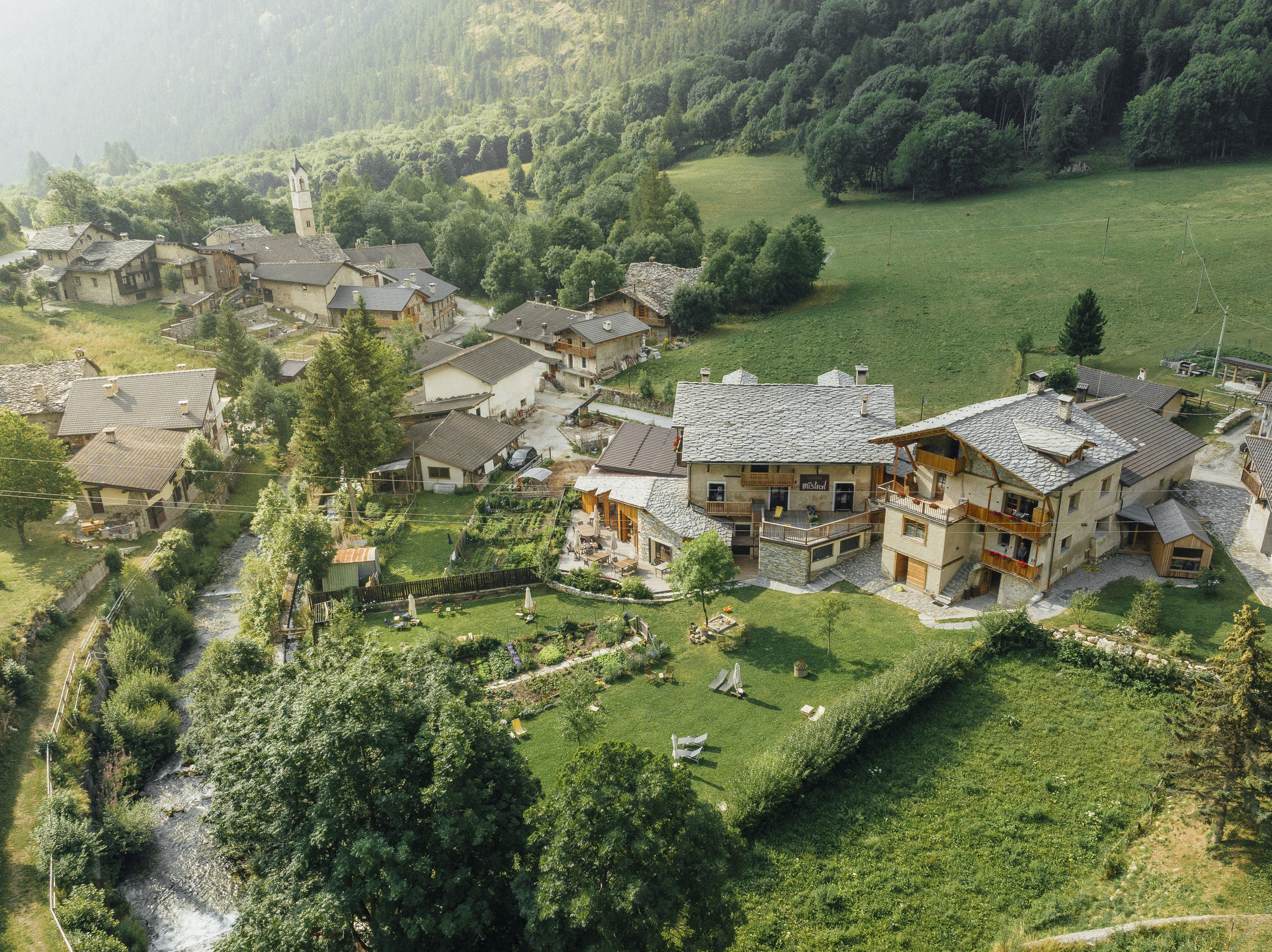
Transforming a forgotten jewel into a sustainable destination.

Main-Image
Valle Maira MA people MAP Boutique Consultancy
Location
Valle Maira, Italy
Timeline
2019 - ongoing
Type
Destination
Purpose
To invite conscious travellers and eco-adventurers to experience the unspoiled Valle Maira while protecting its nature and local ecosystem
Tag it
#SimplyValleMaira #VisitValleMaira #DestinationStrategie
Paragraphs

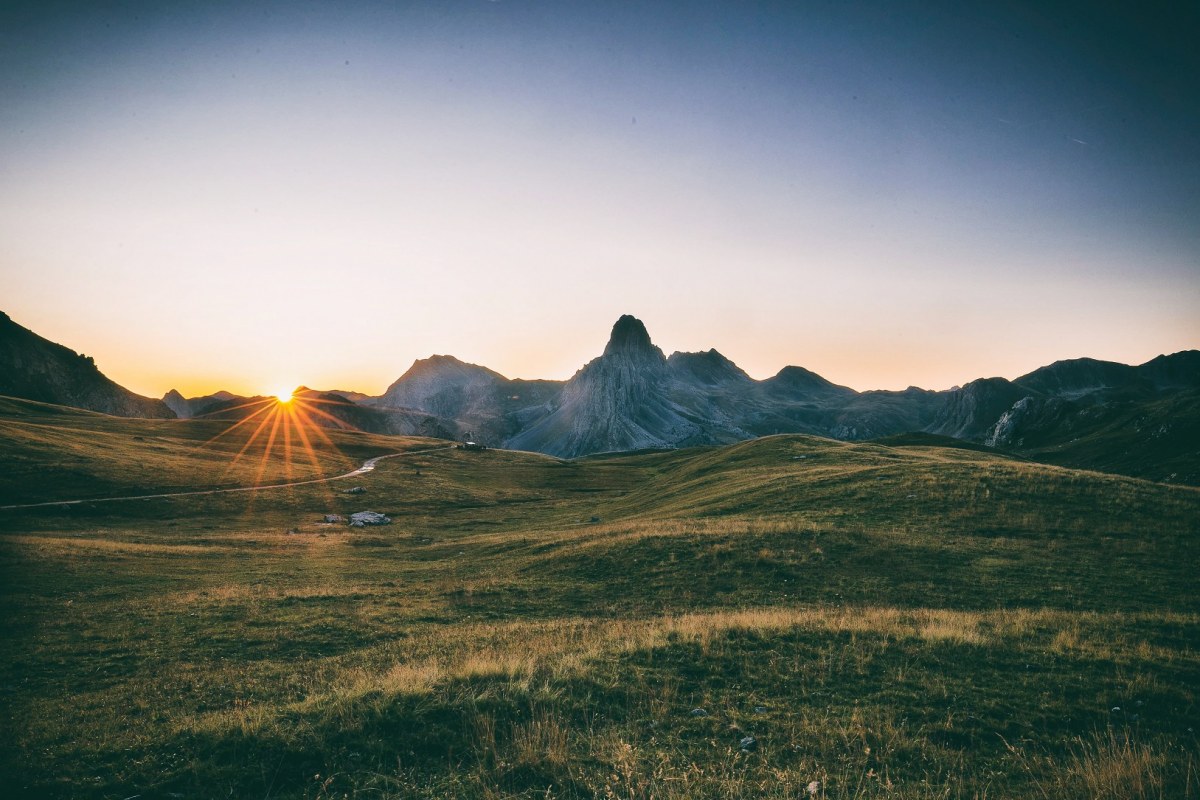
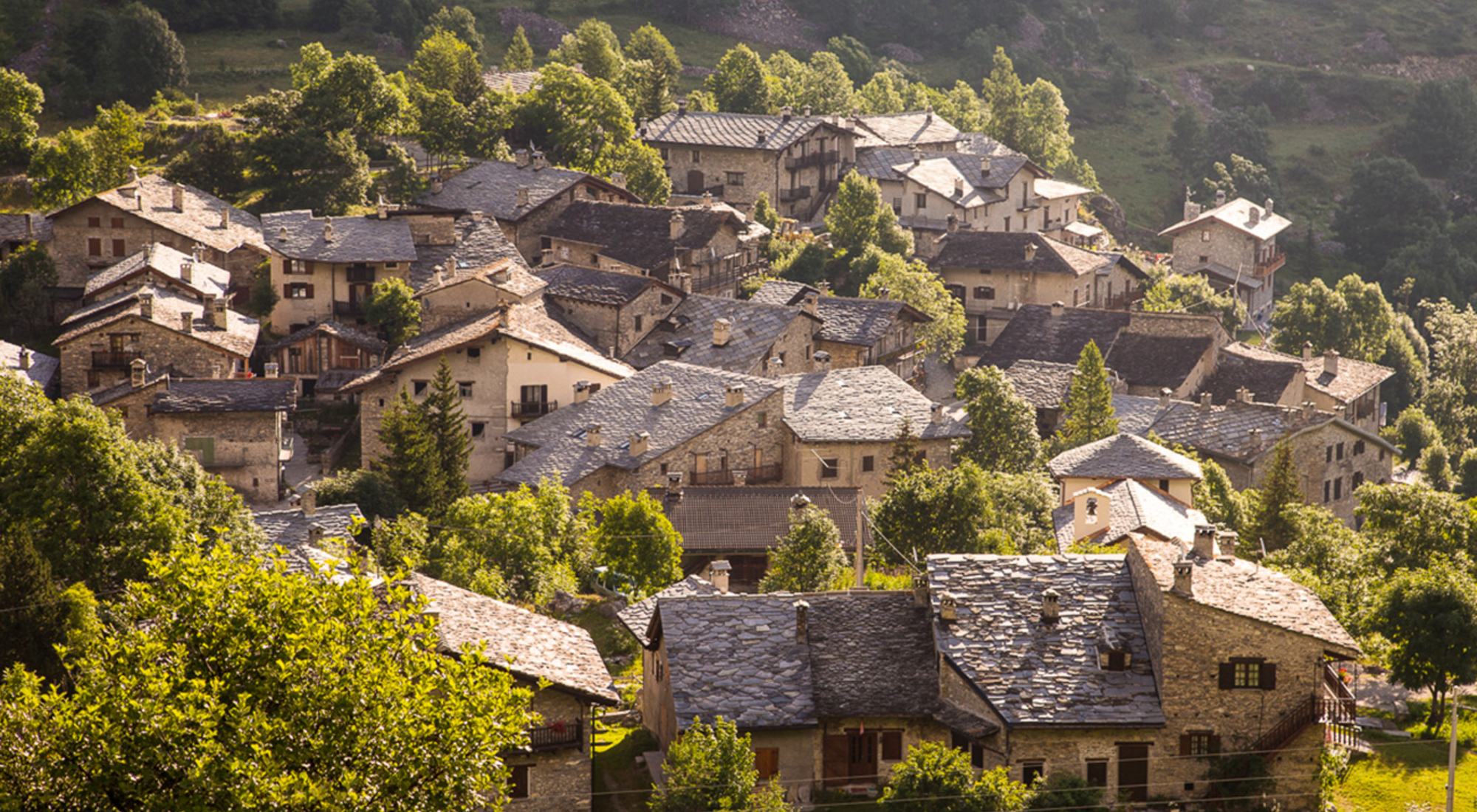
Making this beautiful and unspoiled alpine valley a sustainable destination

Destination

Destination

  • Trend and field analysis to clearly define strengths, opportunities and market potential
  • Definition of destination concept, positioning and long-term strategy
  • Activation of the newly-defined destination concept through brand, sales and marketing activities
  • Support in MApping out, creating and activating the new Valle Maira brand and website
Valle Maira

RoadMAp

Valle Maira

#SimplyValleMaira

Thank you to the Consorzio Turistico Valle Maira for inviting us to pave the way for Valle Maira's green future. We welcome travellers to visit and explore this stunning and untouched sustainable destination.

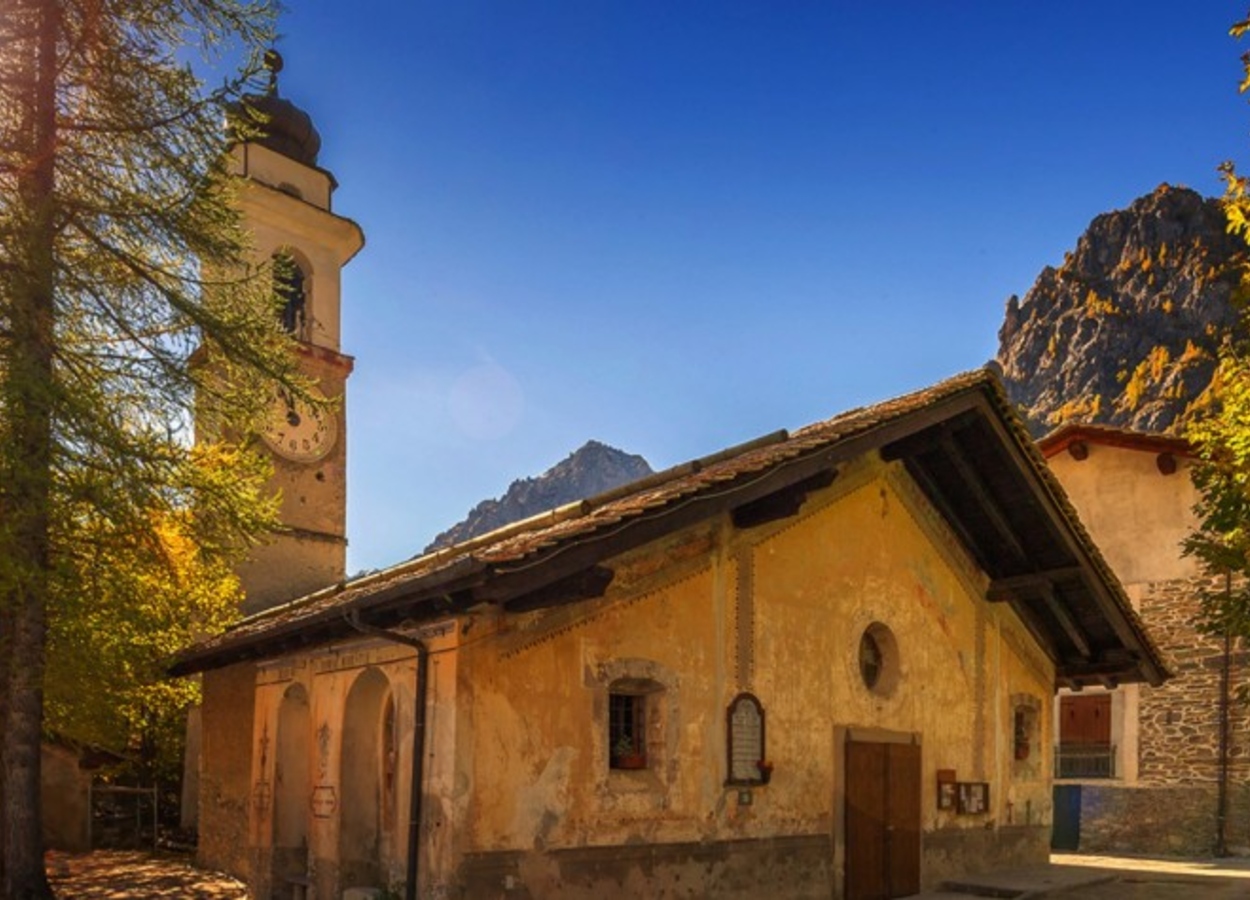
The villages in Valle Maira are proudly Occitan and keep intact the ancient traditions of the language and customs. Particularly jealous of their mountains, they have an almost wild territory to discover, an ancient history and a fascinating culture.

A place to be kept intact and to be visited with respect.

TripAdvisor User
Weight
-93
Title for Show next
Welcome to Valle Maira
Show Blocks
sharing is caring

Setting up a next-generation hotelier for success with a sporty new concept.

Main-Image
paloria apartments & sport MA people MAP Boutique Consultancy
Location
South Tyrol, Italy
Timeline
2016 - ongoing
Type
Aparthotel
Purpose
To enable people to live their peak life
# of Rooms
14
# of Stars
4*
Tag it
#Paloria #UpUpUp #HotelConcept #HotelBranding #SustainableHotel
Paragraphs

The place for sport #UpUpUp

Destination

Destination

  • Fresh and cool aparthotel concept fitting for a new generation of travellers and athletes
  • New aparthotel brand identity and collateral in keeping with the concept
  • New-and-improved hotel website
  • Sustainable initiatives that create real impact
  • Successful launch of new paloria with support of MAp

paloria apartments & sport MA people MAP Boutique Consultancy

RoadMAp

paloria apartments & sport MA people MAP Boutique Consultancy

#UpUpUp

It was a pleasure to work closely with Julia in bringing her sporty vision for paloria to life. We invite athletes and outdoor adventurers to this fine accommodation in order to experience the best of what South Tyrol has to offer. 

In this amazing apartment we quite literally were able to

relax, lean back and recharge fully.

TripAdvisor User
Weight
-96
Title for Show next
Welcome to paloria apartments + sport
sharing is caring

Developing the hotels of the future: digital, fair, local.

Main-Image
Koncept Hotels MA people MAP Boutique Consultancy
Location
Germany, Switzerland, Austria
Timeline
2019
Type
Innovative, digital + sustainable hotel brand
Purpose
To redefine the hotel
Tag it
#KonceptHotels #SustainableHotel #SustainableHotelConcept #HotelBranding
Paragraphs

New, smart and sustainable concepts for Koncept Hotels

Destination

Destination

  • Helpful insights into latest trends and market through comprehensive analysis
  • Innovative hotel concepts with focus on emotional storytelling and sustainability


Awards + Accolades

  • Breakthrough Award 2020 - Nominated
  • Digital Leader Award 2018

RoadMAp

Koncept Hotels

#KonceptHotels

We continue to be impressed by the Koncept Hotels team in crafting sustainable hotels built for the future. Thank you for allowing us to make an impact too!

Radically different: A hotel without staff, but with holistic digitised processes - from online booking to digital check-in

and a room key via smartphone to digitally check-out.

HOGAPAGE
Weight
-91
Title for Show next
Welcome to Koncept Hotels
Show Blocks