

sharing is caring
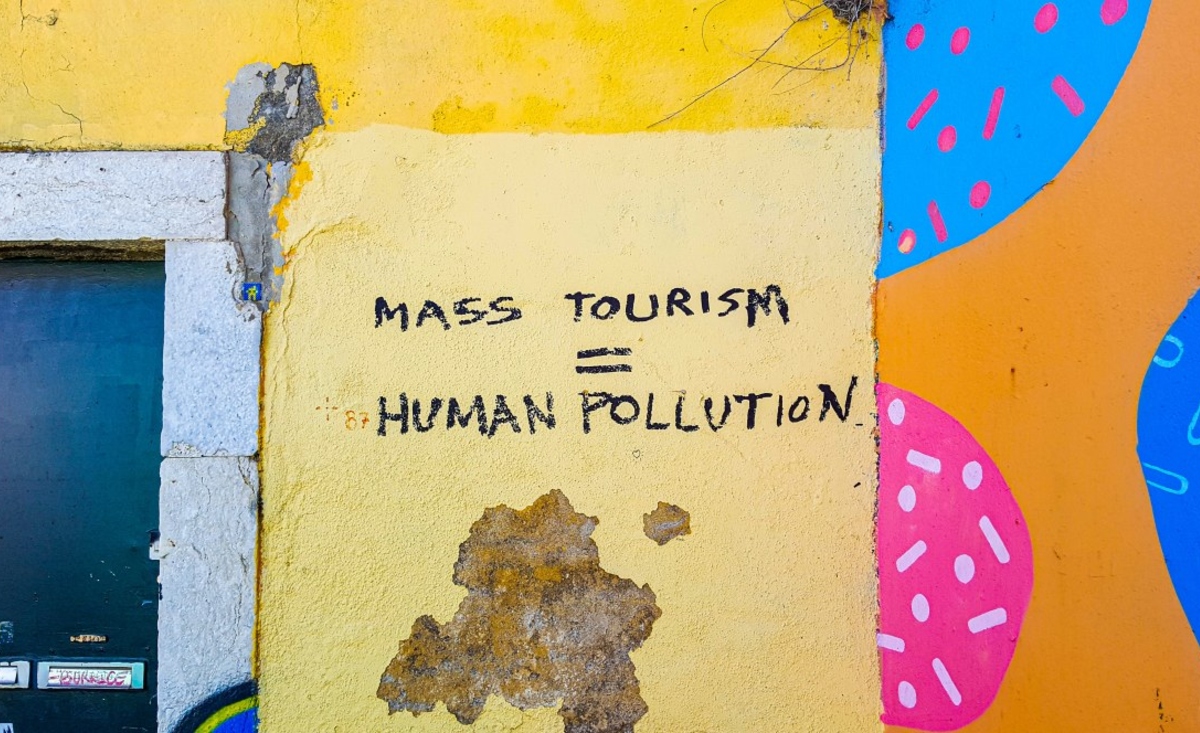
The world is bracing for the reopen of travel, as vaccinations roll out across the globe and countries lift their border restrictions. But do we want to go back to the old – and, even worse, unsustainable - ways of travel? In the fourth edition of our monthly book club, we read Elisabeth Becker’s “Overbooked: The Exploding Business of Travel and Tourism,” which investigates the many dimensions of the travel industry and its far-reaching ramifications on the global economy, world cultures and the environment.
Do you work in the travel industry or are you simply a passionate traveller? Then read on to learn why responsible travel is more important than ever.

Becker is a former correspondent for The New York Times, who spent five years criss-crossing the globe to measure the impact of the tourist trade. The result is “Overbooked,” part travelogue and part examination, exploring how what was once a hobby became a giant industry, employing 1 in 10 people globally and becoming the main source of income for many countries across the world. Becker looks at case studies both good and bad: eco-tourism in Costa Rica and business travel in France, to the destruction of Angkor Wat and the over-tourism plaguing Venice. The book is eye-opening in its facts and data, and makes an impassioned plea for why sustainable tourism is imperative for the future. However, after reading the book, we felt that Becker falls short of offering real solutions to the problems she observed as well as giving the reader the tools he or she needs to be a responsible traveller.
#1: It’s easy to be blind to the effects of tourism.
Tourism is both enriching and destructive, leaving winners and losers in its wake. But most vacationers are blissfully unaware of the toll their vacation can have in moments and places on the local population and the environment at large. Why is that? Despite its size, the tourism industry is a largely neglected topic - unlike the oil or pharmaceutical industries, for example, which come under immense scrutiny from governments and the media. Instead, it is still seen as a 'soft' issue, relegated to the travel pages. Because of this, vacationers simply don’t know how to travel in the most responsible manner.
#2: Travel journalism perpetuates this problem.
Becker contends that travel journalism is compromised, serving a PR function rather than tackling the adverse effects of mass tourism. In return for free flights, stays, meals and tours, travel journalists are expected to write rave reviews and less inclined to provide critical commentary on a place. After all, not only will they not be invited back, but they may lose out on other invitations in the future. The singular goal for travel writing has been to help vacationers pursue their dream of a perfect trip.
#3: Governments can make or break a country’s tourism industry.
As Becker states, “Tourism is that rare industry whose ‘product’ is a country.” This gives governments the ultimate decision-making power. Governments can choose to “preserve cultural sites or allow them to be destroyed; they can set aside wilderness areas or issue permits to build resorts along a deserted beach...”
They are also the main sales force for tourism. Becker has found that governments that have chosen to remove themselves from the tourism business, such as the United States, which resigned from the U.S. World Tourism Organisation in 1996, have suffered as a result. France and Costa Rica, on the other hand, have taken proactive measures to protect their countries while growing their respective tourism industries.
When you plan your next trip, skip the glossy magazines and really research the destination – the good, the bad, the ugly – in order to have a more well-rounded perspective of the place and better inform your buying decisions - with the goal to have the most positive impact possible. Nowadays you can rely on online resources promoting sustainable tourism, such as cooperations for hotels and accommodations that are local, green and sustainable (i.e. eco suites).
We all know, to travel sustainably is a work in progress. So, as we say at MAp, take it step-by-step. Small improvements to your travel plans and conscious decisions make all the difference over time.
“Taken together, all of our innocent vacations and trips have changed lives and the fortunes of nations.”
We hope this exposé into the travel industry was enlightening for you and will help you in the future to consider your impact on local economies, cultural heritage and the environment when you set foot in a new place. We’d love to hear which country case studies you found to be most interesting – please comment below.
Lastly, support a local bookshop by buying “Overbooked” here: https://bookshop.org/

 ke time for prosecco ke it happenke it meaningfulke good coffeeke it matterke funny jokeske it kindke it simpleke it count
Sign up for the MAp newsletter for practical insights on hotel branding, marketing, and sustainability, plus fresh thinking from our projects and new tools from our sustainability platform. Let’s move #onwards together.