
sharing is caring

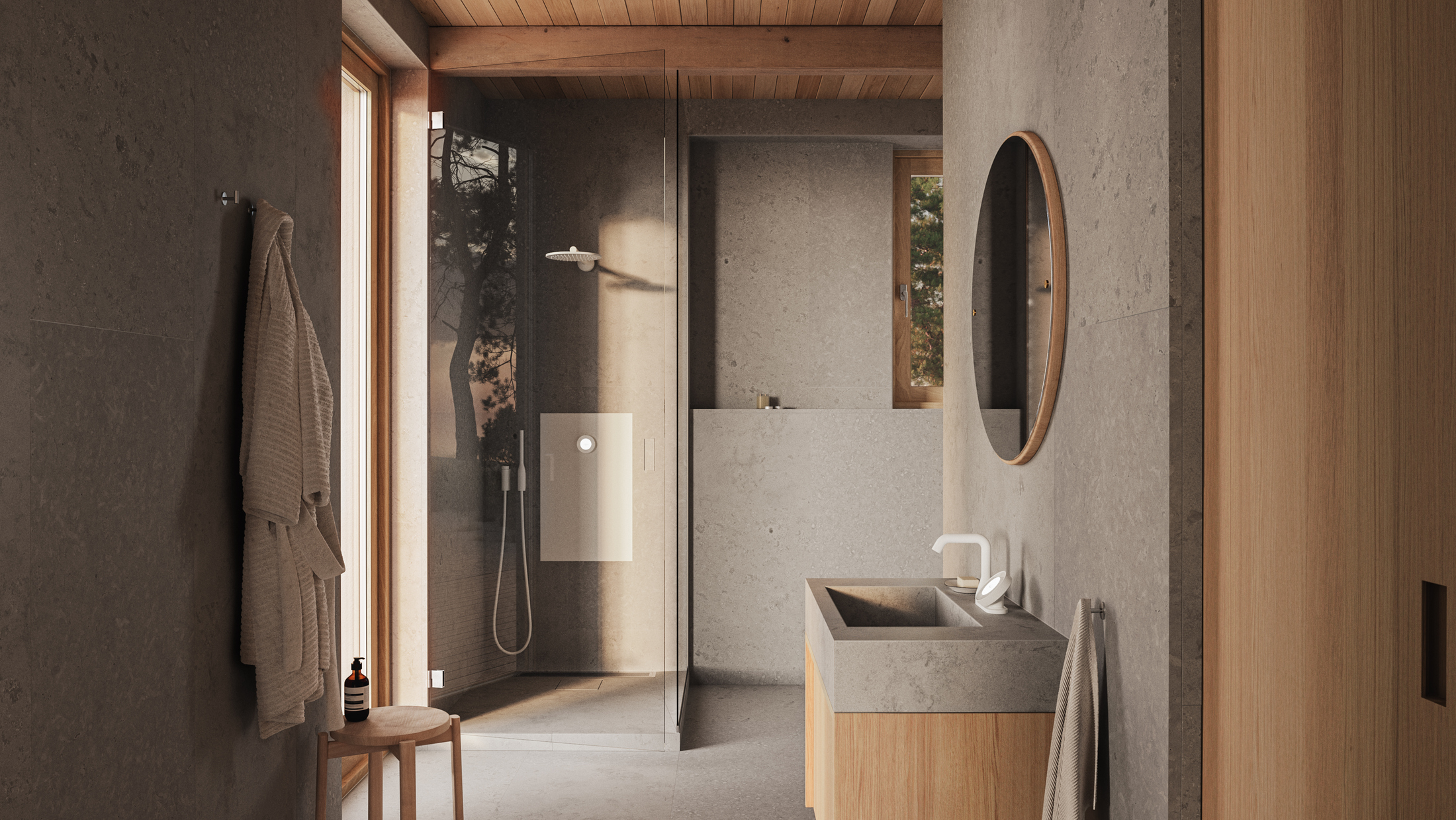
Today we meet Johannes Melin, technical sales expert at Orbital Systems, a company creating innovative products like showers, taps and more that reduce water and energy consumption.

Let’s find out how Orbital is leading today’s change for tomorrow’s water.
Untertitel
MAp meets Johannes Melin – technical sales expert at Orbital Systems.
Blog main image
How hotels can reduce their water and energy consumption with Orbital Systems MAp Boutique Consultancy
Paragraphs

Dear Johannes, thank you for your time! To begin with, please tell us a little bit about Orbital Systems and what your mission is.

Johannes: Orbital Systems is an innovation company whose mission is to make water appliances smarter and more efficient. Our products are made to save water and energy without compromising on the user experience.

Average consumption today exceeds 100 litres per person per day in the Western world. At Orbital, our goal is to reduce this number to 20 litres per day.

What inspired the founder of Orbital, Mehrdad Mahdjoubi, to launch the company? What major problems was he hoping to solve?

Johannes: As a student at Lund University, Mehrdad took part in an academic collaboration with NASA. Their mission was to uncover ways of sustaining life on Mars through innovative use of water. It was then that the revelation dawned on him; that groundbreaking ideas conceived for space could also revolutionise the way we manage water on our own Blue Planet. Fresh water is a finite resource, and its scarcity is a growing concern worldwide.

That's why our primary focus is on developing technologies that enable smarter use of water. Our advanced shower systems are engineered to drastically reduce water wastage without compromising on comfort or performance. By implementing Orbital showers in hotels, homes and businesses, we can significantly decrease water consumption on a global scale.

Can you tell us more about your products? What makes them so innovative and who are they made for?

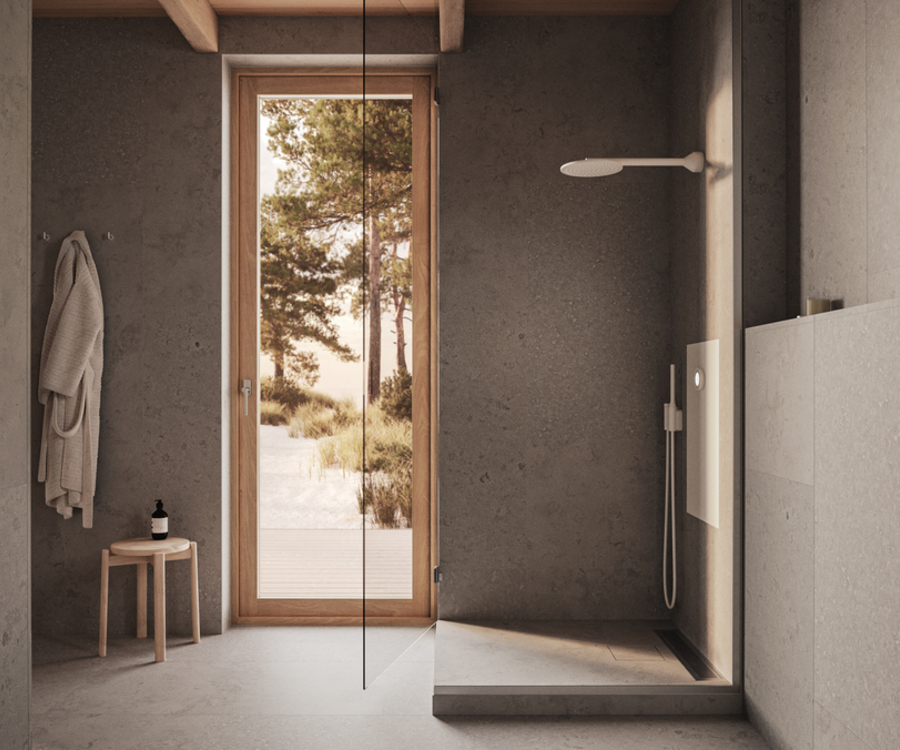
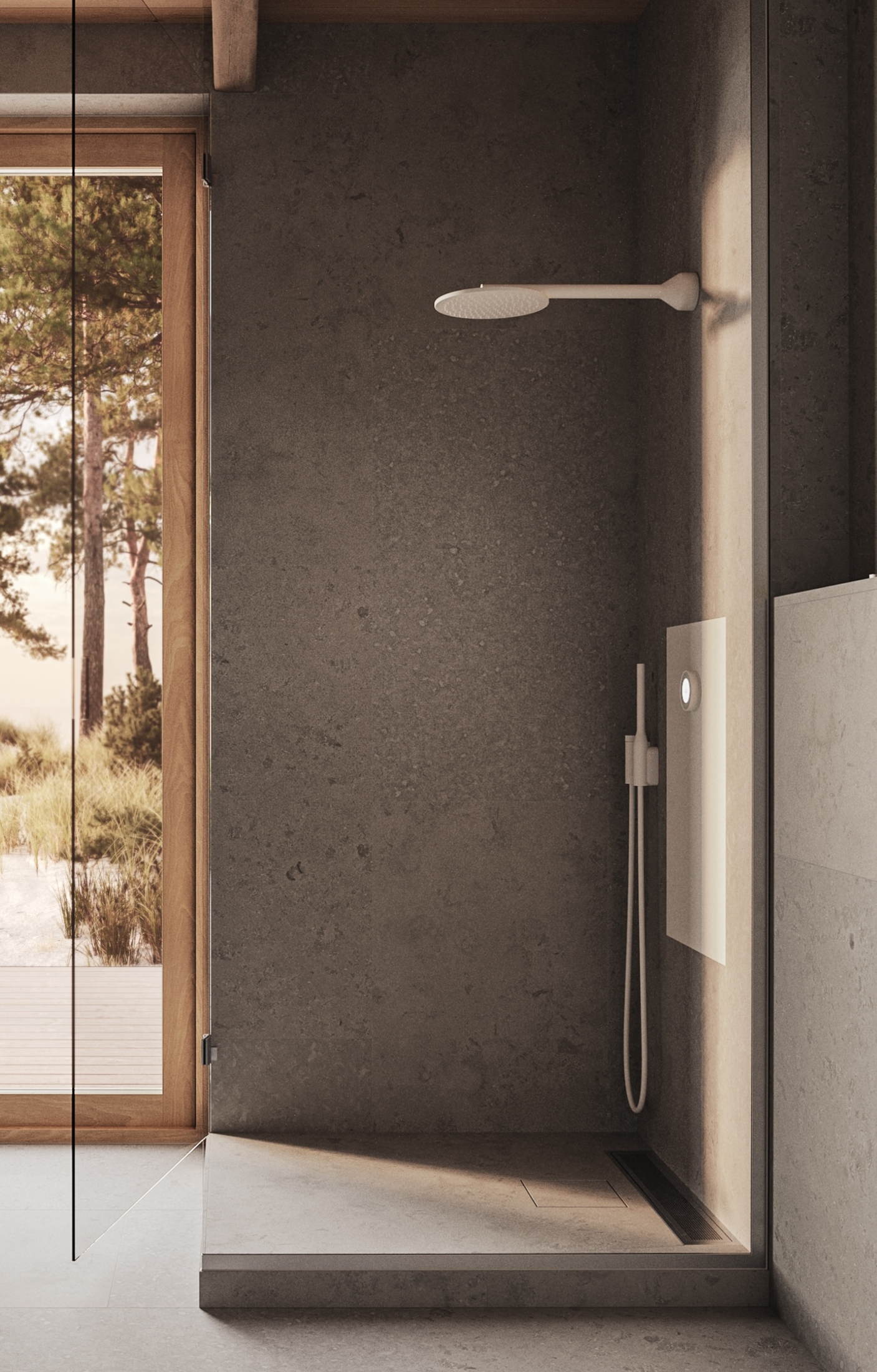
Johannes: Orbital Systems specialises in water- and energy-saving products that combine sustainability, innovative technology and design. Our key products utilise circular technology to reduce water and energy consumption by 50 to 100%, all while providing users with a premium experience featuring high flow and constant temperature.

The Scandinavian design is evident in our minimalist, functional and aesthetically pleasing approach, ensuring that our products not only perform efficiently but also enhance the visual appeal of the space they are used in. These products are ideal for environmentally conscious consumers, hotels, spas, gyms and private homeowners who value both sustainability and design.

When you look back at the hotels you've worked with and how you've supported them on their path to more sustainability with your products: What has been your biggest learning so far?

Johannes: Many hotels are not aware of how much they pay for the water and energy used by their showers. When we get a chance to look at their numbers, they are often very surprised when they realise the magnitude of the savings they could achieve by installing our products.

We have also learned that hotel guests are not very willing to change their behaviour to save water and energy. When they pay for a hotel stay, they often use the shower much more than they do at home. This is especially true in 4- and 5-star hotels where water consumption can be very high. To better suit the organisation of the hotel business, where it is common to have a property owner company and an operator company, we have introduced a financial model where the cost can be split between these two entities.

The property owner pays an amount equivalent to the cost of a conventional high-end shower system, while the operator pays a monthly or annual fee for a Care Plan that includes consumables and a 10-year warranty. With this setup, the hotel's operational expenses per room immediately become lower than with a conventional shower.

Many hotels are not aware of how much they pay for the water and energy used by their showers.
When we get a chance to look at their numbers, they are often very surprised when they realise the magnitude of the savings they could achieve by installing our products.
@JohannesMelin via @weareMAp

Nowadays, people are talking more and more about saving water but aren’t necessarily being smarter about their water usage. What are your three most important water-saving recommendations?

Johannes:

1. Reduce your shower time (or implement an Orbital Shower ;-) ).

2. Turn off the tap while brushing your teeth, fill the dishwasher and keep cold drinking water in a jar in the fridge.

3. Install dual flush toilets or, even better, the Orbital Tap for up to 100% greywater reuse from the toilet sink to toilet flushing.

Do you have any recommendations for hoteliers on how they can start and/or advance their sustainability journeys?

Johannes: Hire an expert who can take a holistic approach to analyse your current state and identify areas for impactful improvements.

Key actions to become more sustainable always include:

1. Implementing energy-efficient solutions

2. Reducing water consumption

3. Minimising waste

4. Choosing organic and locally sourced food

As always, our final MAp meets question: What makes a hotel experience truly outstanding for you personally?

Johannes: Freshly baked bread for breakfast, a comfortable bed in a cool and silent room, and of course a long and refreshing shower without any unnecessary waste of water and energy.

Wie Hotels ihren Wasser-und Energieverbrauch mit Orbital Systems reduzieren können

About Orbital Systems:

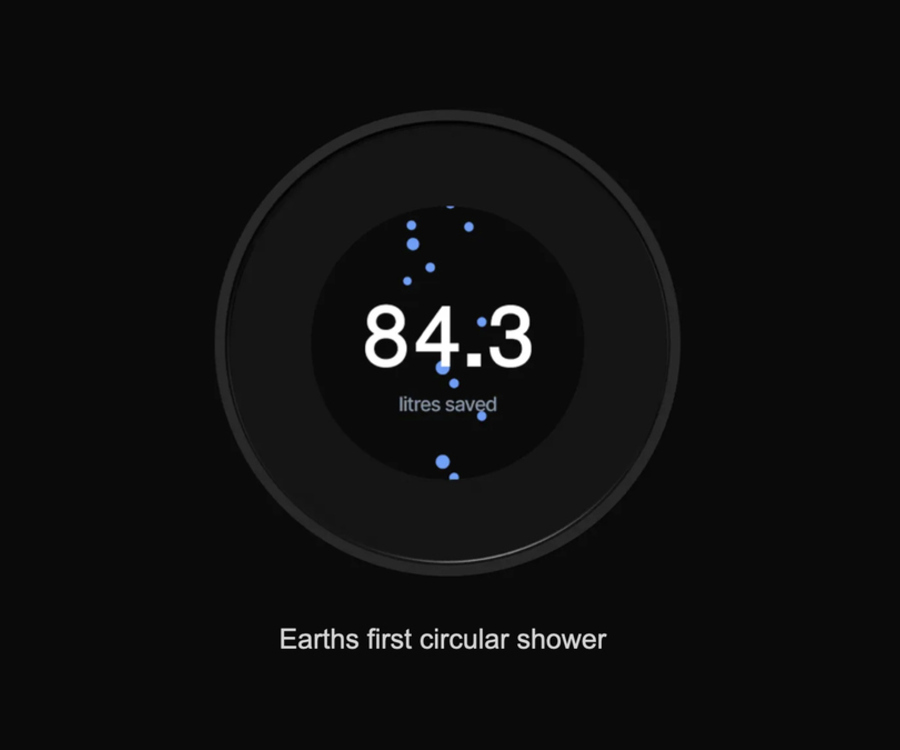
Orbital Systems is a Swedish company specializing in innovative water-saving solutions that combine sustainability with Scandinavian design principles. Their flagship products include the Orbital Shower, described as "Earth's first circular shower," and the recently introduced Orbital Tap, both of which utilize cutting-edge circular technology to significantly reduce water and energy consumption without compromising comfort or performance.

These products are designed for environmentally conscious consumers, hotels, spas, fitness centers, and private homeowners who value both sustainability and aesthetic appeal. Orbital Systems' commitment to water conservation is evident in their products' ability to purify and reuse water, potentially saving tens of thousands of liters per person annually.

The company's solutions have been installed in various locations across Europe, including high-end hotels and private residences, demonstrating their versatility and appeal to a wide range of users.
Blog Block Image
How hotels can reduce their water and energy consumption with Orbital Systems MAp Boutique Consultancy

Add new comment

Comment

Order

Plain text

  • No HTML tags allowed.
  • Lines and paragraphs break automatically.
  • Web page addresses and email addresses turn into links automatically.
Categories
Types
sharing is caring

Development of a hotel brand and marketing strategy for a city hotel in Lugano, Switzerland.

Main-Image
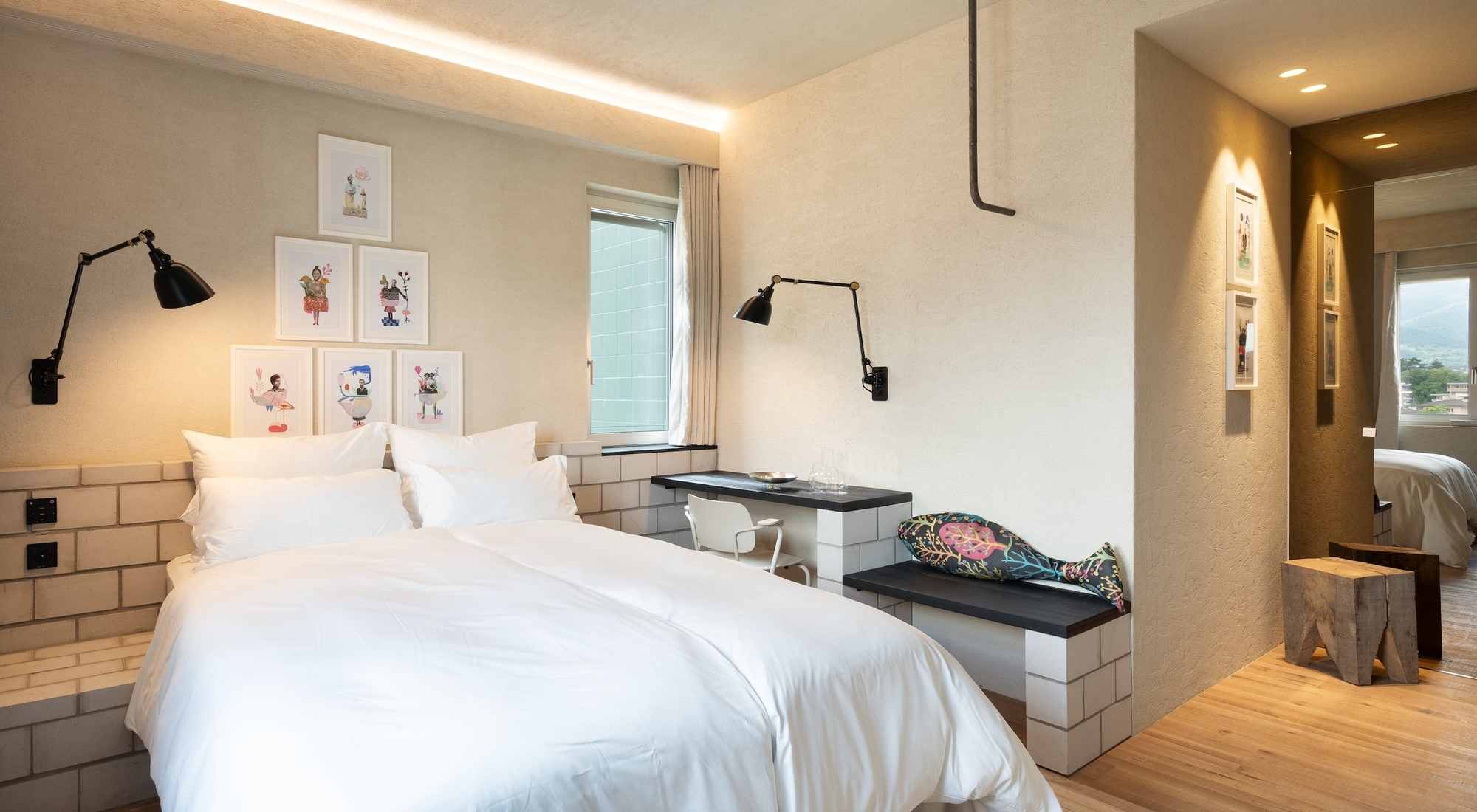
B5 Boutique Hotel Lugano MAp Boutique Consultancy Zurich
Location
Lugano, Switzerland
Timeline
2023 – ongoing
Type
Innovative, urban boutique hotel
Purpose
To create a unique Place to B where everyone feels safe and welcome
# of Rooms
20
Tag it
#B5hotel #YourPlacetoB #DolceVita
Paragraphs

A stylish hotel brand that reaches new architectural heights in Lugano

Destination: What We’ve Achieved

Destination: What We’ve Achieved

  • Successful opening of the B5 Boutique Hotel 
  • Clear positioning in the market as stylish newcomer
  • Design of the creative and unique B5 Boutique Hotel website
  • Launch of the B5 Boutique Hotel sales and communication channels

B5 Boutique Hotel Lugano MAp Boutique Consultancy Zurich

MApping the Way: Our Road to Success

B5 Boutique Hotel Lugano

#Togethertime

Nestled in the heart of Lugano, the B5 Boutique Hotel emerges as a premier destination for design enthusiasts, art aficionados, and those seeking culinary delights. Conceptualised by the visionary architects at DF_DC, the B5 Boutique Hotel represents more than just a place to stay; it embodies a dedication to style and sustainability. The B5 Boutique Hotel strives to offer guests an experience that captivates the senses while also prioritising environmental mindfulness.

Thank you Alexandra and Daniel for allowing us to accompany you on this incredible journey!

Our vision was to create a place of retreat that reflects the charm of Lugano – a mixture of cosmopolitan flair,

contemporary elegance and a warm atmosphere.

Dario Franchini, Architect B5 Boutique Hotel Lugano
Weight
-100
Title for Show next
Welcome to B5 Boutique Hotel Lugano
Show Blocks
sharing is caring

We at MAp Boutique Consultancy believe brands themselves can be (and should be) sustainable. Over the last year, we’ve seen an increase in requests for creating sustainable hotel brands, which as a B Corp-certified agency, makes us very happy!

The fact is, consumers are no longer content with mere transactions; they seek stronger connections with brands that align with their values. As a result, brands are under increased scrutiny to not only provide high-quality products and services but also demonstrate their commitment to people and planet.

In this blog post, you’ll learn how to create a sustainable brand by:

  • Applying MAp’s 4 Ps of Sustainability
  • Developing well-designed visual identities
  • Auditing your supply chain
  • Choosing eco-friendly marketing materials
  • Following the principles of sustainable communication
Untertitel
Your blueprint for your brand's success
Blog main image
Schritt für Schritt zum nachhaltigen Branding
Paragraphs

What exactly is a sustainable brand?

Sustainable branding focuses on integrating sustainability into a brand's identity, values and practices. It goes beyond the superficial use of eco-friendly imagery or slogans and requires a deep commitment to environmental, social and economic responsibility. A sustainable brand has the power to influence change, drive consumer loyalty and inspire positive action.

Now that we've established the importance of sustainable branding, it's time to explore how to create a sustainable – and successful - brand.

Here's MAp’s step-by-step guide to help you get started:

1. Apply MAp’s proprietary framework on sustainability, aptly titled MAp’s 4 Ps of Sustainability: Purpose, People, Planet, Profit.

For every brand we create, we approach it holistically through the lens of the 4 Ps to determine how we can best portray a hotel’s Purpose, inspire and uplift its people, minimise its impact on the planet and economically benefit all of its stakeholders. When you enter into a (re-)branding process, we recommend to keep these 4 Ps close to you and ensure they are reflected in every aspect of your brand – from its visual identity to its verbal identity.

2. Develop well-designed visual identities that stand the test of time and are functionally adaptable.

Not only are branding or rebranding exercises a big commitment (financial and otherwise), they necessitate the production of new marketing materials and the elimination of old ones (= more waste).

When you practice sustainable branding, you overcome this by creating a visual identity that is timeless and therefore avoids becoming quickly outdated - instead, it grows with your business across existing and future product lines, projects, subsidiaries and more.

3. Audit your supply chain to source from sustainable suppliers, wherever possible.

Sourcing materials and services from responsible partners is essential – they should align with your sustainability values and meet your sustainability expectations. Beyond that, though, it’s important to give opportunities to small businesses, local ones, and those owned by women and people of colour when possible.

Also check if your partners have sustainability certifications in order to make sure that they walk the walk too!

Sustainable branding goes beyond the superficial use
of eco-friendly imagery or slogans and requires a deep commitment to environmental, social and economic responsibility.
@weareMAp

4. Choose eco-friendly marketing materials.

Today, there are many options for choosing environmentally-friendly materials and packaging, from biodegradable paper to eco-friendly printer ink. For your marketing material, we suggest to research and find the best partners and products to make your sustainable brand happen.

5. Follow the principles of sustainable communication and create an emotional connection with your audiences.

The brand verbal identity and messaging we develop follow MAp’s 10 Principles of Sustainable Communication: transparency, inclusiveness, cultural sensitivity, clarity, responsibility, authenticity, progress, relevance, inspirational, ethical.

We also recommend to employ emotional storytelling techniques to connect and appeal to audiences – not just your guests, but also your employees, partners and local community members. By following these steps, you can create a sustainable brand that not only resonates with your stakeholders but also empowers positive change in the world, making your brand a force for good.

The Sustainable Hotel Handbook: Communication

Master your brand's sustainability communication

Learn how to effectively communicate your sustainability activities with the help of MAp’s 10 Principles of Sustainable Communication and other practices to mitigate greenwashing and achieve more success.

Blog Block Image
A step-by-step guide to sustainable branding

Add new comment

Comment

Order

Plain text

  • No HTML tags allowed.
  • Lines and paragraphs break automatically.
  • Web page addresses and email addresses turn into links automatically.
Types
sharing is caring

Just like any other journey you embark on in life, your hotel’s sustainability journey should be a deeply personal one. Embracing sustainability as a hotelier is not just about putting up a "green" facade – it involves identifying your greater Purpose and committing to values that go beyond profit. Your sustainability journey should reflect your hotel's unique concept, the vision and mission that defines your brand and the aspirations you have for the world. It's not about following a cookie-cutter path; it's about forging your own, deeply personal trail.

In this blog post, you’ll learn how to start your hotel sustainability journey by:

  • Knowing the benefits of hotel sustainability
  • Checking your starting point
  • Defining your Purpose
  • Moving forward #stepbystep
Untertitel
A step-by-step guide to creating a sustainable hotel
Blog main image
Wie du deine Reise hin zu einem nachhaltigen Hotel-Business erfolgreich beginnst
Paragraphs

1. Know the benefits of hotel sustainability

Before you get started, you should know that sustainability is not just good for people and planet – it’s good for business too. Here we lay out the benefits of creating a sustainable hotel - talk about motivation!

1. Increased Attractiveness: According to Booking.com's Sustainable Travel Report (2021), 83% of global travelers consider sustainable travel important, with 61% expressing a desire to travel more sustainably.

2. Enhanced Guest Loyalty: Sustainable hotels communicate a message that is increasingly relevant in society. Conscious travelers prefer to support like-minded establishments and are more likely to return to such accommodations due to enhanced guest experience.

3. Greater Resilience: In turbulent times, sustainable hotels are better equipped to handle challenges and risks stemming from changes like supply chains, regulatory requirements, legal issues, disputes and reputation risks.

4. Increased Investment: Both the public and private sectors are increasingly investing in companies that deliver greater benefits to the world and practice sustainable economics.

5. Inspiration and Added Value: Sustainable hotels not only offer added value to their guests but also attract and retain top talents. They gain the best employees and partners, increase long-term business value, and have the capacity to support local communities.

6. Cost Savings: Energy-efficient technologies and reduced resource consumption can lead to substantial cost savings over time.

7. Positive Brand Image and Competitive Advantage: A commitment to sustainability can improve hotels’ reputations and can set themselves apart in a crowded marketplace, providing a unique selling point.

Sustainability is not about following a cookie-cutter path;
it's about forging your own, deeply personal trail.
@weareMAp

2. Check your Starting Point

You now know why it's worthwhile to embark on the journey of creating a sustainable hotel. But now you’re likely left with the question: HOW? And, most importantly, where do you begin?

Don’t fret! We’ve got a helpful, free tool to answer that question, as where you start depends on your hotel’s current status quo. Take 10 minutes to complete MAp’s Sustainability Assessment. Through targeted questions on topics like energy efficiency, social responsibility and resource management, you’ll not only receive a detailed analysis of your current sustainability standing, but also gain valuable insights for future actions.

Your commitment to sustainable change begins here: Take the free assessment NOW.

Why you should take the Sustainability Assessment:

  • Understand the current level of sustainability in your hotel and discover the starting point for further development. • Delve deeper into the holistic aspects of hotel sustainability.
  • Generate initial ideas and insights into how your hotel can be made more sustainable and successful.
  • Find out which The Sustainable Hotel handbooks and resources can be most helpful.
  • Receive tailored recommendations for the next steps in sustainable hotel development.

3. Define your Purpose

Now that the starting point for your sustainability journey is clear, it’s time to define your Purpose. At MAp, we tackle hotel sustainability through the lens of the 4 Ps of Sustainability - Purpose, People, Planet, Profit - and the first P we always start with is Purpose.

By discovering your Purpose, you can focus your sustainability journey on what matters most for your hotel: your sustainability priority – whether that’s People, Planet or Profit. Your Purpose informs what path you take, keeps your eyes on the road and inspires you – and your team – to move forward with passion and persistence. For example, if your hotel’s Purpose is “To bring people back to nature,” your sustainability priority might be environmental sustainability, Planet.

To help you get to the heart of your Purpose, ask these questions: WHY do you do what you do? WHY are you embarking on this journey? WHAT change do you wish to make in this world?

We’ve got a whole handbook dedicated to Purpose to guide you in identifying yours, integrating it into your operations and sharing it with the world – check it out HERE.

4. Moving forward #stepbystep

Your Purpose serves as your guiding star, identifying your sustainability priority, be it social (People), environmental (Planet) or economic sustainability (Profit). As a next step, it’s time to tackle that P. But great news! We’ve got handbooks dedicated to each P, which provide deep insights into each area and what action steps you need to take in order to achieve sustainability in that area. Once you've successfully addressed your first priority P, it’s important to not forget the other areas of sustainability and address them #stepbystep too. After all, to create a truly sustainable hotel, your hotel has to be holistically sustainable – or else it falls short. Like we said at the beginning, sustainability is a journey! What’s most important is that you take the first step. With this, we hope it’s clear what step that is.

The Sustainable Hotel Roadmap

Use this interactive RoadMAp to guide your journey to implementing sustainable hotel practices.

In this free interactive RoadMAp, we guide you through the 4 steps that you should take in order to start your journey to implementing sustainable hotel practices.

Blog Block Image
How to Start your Hotel Sustainability Journey

Add new comment

Comment

Order

Plain text

  • No HTML tags allowed.
  • Lines and paragraphs break automatically.
  • Web page addresses and email addresses turn into links automatically.
Types
sharing is caring

The MAp Boutique Consultancy book club is back! And it is back with a bang, because “Doing Good Better” by William MacAskill was a mind-opening and highly-inspirational read for the MAp team. In this blog post, we’re excited to share our top insights so that we can all start embracing this radical new way of making a difference – NOW!

Untertitel
Effective altruism and a radical new way to make a difference
Blog main image
Buchempfehlung: „Gutes besser tun“ von William MacAskill
Paragraphs

Summary

In his ground-breaking book “Doing Good Better”, MacAskill explains the concept of “Effective Altruism” and asks the question, “How can I make the biggest difference I can?” To answer this question he uses concepts we’ve hardly ever seen so far in the field of doing good: evidence, careful reasoning and a scientific approach. His search for truth shows that so far, many of us “just did good” without assessing if we chose the right investment = if we were using our resources in the most effective way. MacAskill also busts some myths about the concepts of green living, climate offsetting, fairtrade, etc., showing us in a fact-based and impartial way, that what we thought or were told was best for the word, in truth, isn’t.

Key Points

At MAp, we believe in the power and goodness of people. That was one reason why we developed our hotel sustainability platform: to empower hoteliers, consultants, students, business owners, etc. to do good. To make a difference. To make this Planet a more purposeful and hospitable place for all. However, the so-often overlooked challenge William MacAskill addresses in his book is: How can we ensure that, when we try to help others and do good, we do so as effectively as possible? Because the truth is: The best charities are hundreds of times more effective at improving lives than merely “good” charities. This means, by knowing the principles of effective altruism, we all can be hundreds of times more effective in creating positive impact for People and Planet.

Here are the 3 key take-aways you need to know:

#1: The effective altruist’s approach to making a difference consists of five key questions

There are five key questions you should ask yourselves when thinking like an effective altruist:

1. How many People benefit, and by how much?
This implies: we need to make fact-based decisions about how much benefit we can make by doing different charitable activities / supporting different charities.

2. Is this the most effective thing you can do?
Search for science-based evidence and do not go for “merely” very good programmes, if the very best ones are hundreds of times better. HERE is a great resource for identifying the best charities and non-profits.

3. Is this area neglected?
Your money makes the most difference when you invest in a neglected area vs. an area where a lot of funding already goes to. As an example, we could say that investing in malaria health programmes is more effective than in cancer research programmes.

4. What would have happened otherwise?
Looking at evidence, some programmes don’t do good, but cause harm over the long run. Or they don’t create as much impact as you would imagine. For example, this applies to the decisions you take when choosing a career: sometimes you can do good better when you donate money while working at a “normal” job vs. working at an NGO, which often is thought of as the best thing you could do.

5. What are the chances of success, and how good would success be? 
Some activities are effective not because they’re likely to make a difference, but because their impact is so great if they do make a difference. To illustrate this, MacAskill uses the example of climate change: “If it is happening and we don’t take action, millions of lives will be lost and the world economy will lose trillions of dollars. If climate change isn’t happening and we do take action, the costs are much lower. We would have wasted some amount of resources developing low-carbon technology and slowed economic progress a bit, but it wouldn’t, literally, be the end of the world.”

#2: The law of diminishing returns implies you focus on long-time tested activities

MacAskill defines the law of diminishing returns in his book as follows: “If we want to do as much good as we can, we’ve got to ask which cause to focus on. The law of diminishing returns provides a useful rule of thumb for comparing causes. If a specific area has already received a great deal of funding and attention, then we should expect it to be difficult for us to do a lot of good by devoting additional resources to that area. In contrast, within causes that are comparatively neglected, the most effective opportunities for doing good have probably not been taken.” MacAskill then outlines that our response to natural disasters is one of the clearest cases of how, when it comes to charity, we mostly follow our gut and not science. When a disaster strikes, we (and every else) think “emergency” and donate money or resources to that cause, forgetting that emergencies happen all the time around us. But we get accustomed to poverty and the fact that, every day, People die from easily preventable diseases like AIDS, malaria, or tuberculosis, which therefore receive less ongoing funding.

MAp Boutique Consultancy - The Sustainable Hotel - Zurich

#3: Don’t believe everything that sounds good, or let’s bust some myths 

We very often fail to think as carefully about helping others as we could, mistakenly believing that applying data and rationality to a charitable endeavour robs the act of virtue.
And that means we pass up opportunities to make a tremendous difference.
@MacAskill via @weareMAp

Myth 1: Ethical Consumerism is always good and sweatshop products must be avoided

Companies in the fashion industry claim to be “sweatshop free” and other companies ask consumers to practice “ethical consumerism” = to spend more money in order to assure that workers at the factories are treated better. Now, as we’ve learned in point #1, there are five questions we must ask as an effective altruist, one being: What would have happened otherwise?

And MacAskill’s scientific research shows a painful truth: “We assume that if People refuse to buy goods from sweatshops, these factories will succumb to economic pressure and go out of business, in which case their employees will find better employment elsewhere. But that’s not true. In developing countries, sweatshop jobs are the good jobs. The alternatives are typically worse, such as backbreaking, low-paid farm labour, scavenging, or unemployment.”

By looking at this example, we have to realise that to practice effective altruism, we have to leave our “rich-world-perspective” and accept that some things unimaginable to us are better to the world than we expected. Or in this case, sweatshops are good for poor countries and if we boycott them we make People in poor countries worse off.

“We should certainly feel outrage and horror at the conditions sweatshop laborers toil under. The correct response, however, is not to give up sweatshop-produced goods in favour of domestically produced goods. The correct response is to try to end the extreme poverty that makes sweatshops desirable places to work in the first place,” says MacAskill.

Myth 2: By buying Fairtrade-certified products, we do good

Fairtrade certification is an attempt to give higher pay to workers in poor countries and has been heavily advertised as “the” solution in our western society. Producers get the certification when they meet certain criteria, such as paying workers a minimum wage, complying to safety requirements, etc. What’s less known: Most producers that can meet the criteria are from comparatively rich countries like Mexico and Costa Rica, which are ten times richer than the very poorest countries, like Ethiopia. Knowing about diminishing returns of investment, this means that we do more good buying uncertified coffee from Ethiopia than Fairtrade coffee from Costa Rica. We also should be aware that there are middlemen involved who take a share of the “Faitrade price”, or that we even don’t know how much the higher price translates into higher wages or how much money goes to the farmers who work for the Fairtrade-certified organisations. Furthermore, consistent findings indicate that Fairtrade certification does not even improve the lives of agriculture workers. Given this, there is little altruistic reason to buy Fairtrade products.

Myth 3: Buying locally does work - offsetting does not!

MacAskill states straight away that buying locally-produced goods is overhyped, as only 10% of the carbon footprint of food comes from transportation, whereas 80% comes from production. This means that WHAT type of food you buy is much more important than whether that food is produced locally or internationally.

Taking this into account, the most effective ways to cut down your emissions are:

  • To reduce your intake of meat (especially beef)
  • To reduce the amount you travel
  • To use less electricity and gas in the home

However, MacAskill also mentions that the most effective way to reduce your emissions is called offsetting: rather than reducing your own greenhouse gas emissions, you pay for projects that reduce or avoid greenhouse gas emissions elsewhere.

MacAskill explains that his organisation, Giving What We Can, studied more than 100 organisations and came to the result that Cool Earth is the most effective organisation when talking about offsetting of greenhouse gas emissions. Cool Earth uses donated money to help economically develop rainforest communities - to a point where they do better by not selling their land to loggers. This means that when you donate to Cool Earth and practice effective carbon offsetting, overall your life contributes nothing to climate change.


Conclusion

We conclude this blog post by answering an important question: What should you do right now?

We’ve compiled our top three suggestions:

1. Establish a habit of regular giving. GiveWell is an organisation MacAskill mentions throughout his book, and its goal is to produce the world’s top research on where to give - free and for everyone. This means you can have a look and find out which charities are the most effective right now and start giving to them on a regular basis.

2. Sign up to the effective altruism mailing list. That way you can learn more about effective altruism and about how to get involved in the community, and read stories of People putting effective altruism into practice.

3. Tell others about effective altruism. Because if you can get one person to make the same changes you make, you’ve doubled your impact.

Thank you for reading until the end, and let’s all move #onwards to do good better!
Your MAp team

Blog Block Image
Book review: Doing Good Better by William MacAskill by MAp Boutique Consultancy

Add new comment

Comment

Order

Plain text

  • No HTML tags allowed.
  • Lines and paragraphs break automatically.
  • Web page addresses and email addresses turn into links automatically.
Categories
Types
sharing is caring

🎧 Prefer listening to reading? Listen to the article here. ▶️


In the bustling world of hospitality, where travelers seek comfort, adventure, and memorable experiences, a new term has made its way into the spotlight: sustainability. But what exactly is a sustainable hotel, and why should it matter to both hoteliers and guests alike? Join us as we untangle the sustainability web in the hotel industry, and explore why sustainable hotels are more than just a passing trend.

At its core, a sustainable hotel is not just a place to rest your head and feel good. It's an embodiment of a commitment to a better, more responsible future. But what exactly does it mean to create a sustainable hotel? A sustainable hotel is a hotel that strives to promote sustainable development through its business practices. While the term "green hotel" is often used interchangeably, a sustainable hotel takes a more comprehensive approach to sustainability.

It weaves together three essential pillars: social sustainability (People), environmental sustainability (Planet), and economic sustainability (Profit). Let's break down each of these core pillars to better understand what it means to have a truly sustainable hotel.

Untertitel
Learn about the four pillars of hotel sustainability: People (social sustainability), Planet (environmental sustainability), Profit (economic sustainability) and Purpose: What defines a sustainable hotel today – and why it goes far beyond solar panels.
Blog main image
Was ist ein nachhaltiges Hotel?
Paragraphs

People: Social Sustainability

Social sustainability, the "People" pillar, is all about ensuring that a hotel's operations benefit both the local community and its partners and employees. Here, sustainability means fair treatment, diversity, and inclusion for the staff. It also means contributing positively to the surrounding community by creating jobs, supporting local businesses, and engaging in socially responsible initiatives. Sustainable hotels prioritise the well-being of their employees and strive to be good partners and neighbors within their communities.

Planet: Environmental Sustainability

The "Planet" pillar, or environmental sustainability, involves a commitment to minimising a hotel's impact on the environment. Sustainable hotels focus on reducing energy and water consumption, limiting waste, and implementing eco-friendly practices. They might invest in renewable energy sources, employ green building techniques, and use environmentally-friendly cleaning products. Additionally, they often engage in conservation efforts, such as water and energy-saving initiatives, waste recycling, and reducing single-use plastics. The aim is to protect the natural surroundings and preserve resources for future generations.

Sustainable hotels are not just about ticking eco-friendly boxes;
they're about creating a comprehensive and positive impact on the world.
@weareMAp

Profit: Economic Sustainability

Economic sustainability, or the "Profit" pillar, is about ensuring the financial stability and long-term viability of the hotel. Sustainable hotels understand that to continue their efforts in social and environmental sustainability, they must be financially sound. They aim to create a profitable business model that allows them to invest in eco-friendly technologies and initiatives, while also delivering a high-quality guest experience.

These hotels often find innovative ways to reduce costs, increase efficiency, and attract guests who appreciate and support their sustainability efforts.

Bonus Pillar: Purpose

While it’s not officially one of the pillars of sustainability, Purpose stands at the core of MAp’s sustainability framework. The definition is simple: Purpose is the WHY that drives you to do what you do – and love it! All sustainable hotels have a Purpose that drives them.

Why It Matters

Understanding these pillars of sustainability is crucial because they reflect a more profound commitment to the well-being of the planet, people and profitability. Sustainable hotels are not just about ticking eco-friendly boxes; they're about creating a comprehensive and positive impact on the world.

In the hustle and bustle of the travel industry, sustainability is a guiding star that points towards a more responsible, ethical, and eco-conscious future.

For hoteliers, it means embracing comprehensive responsibility, not only for environmental well-being, but also for their stakeholders and economic vitality. And for guests, choosing a sustainable hotel becomes an active role in fostering a brighter, more responsible future, impacting not just the environment but also the lives of those who live and work in the communities where they holiday. In case you want to learn more about the different aspects of hotel sustainability, our The Sustainable Handbook Collection is just right for you.

Free Hotel Sustainability Assessment

How sustainable is your hotel?

Learn where your hotel stands when it comes to sustainability by answering a few short questions about holistic sustainability: People, Planet, Profit and Purpose.

Video URL
Blog Block Image
What is a sustainable hotel?

Add new comment

Comment

Order

Plain text

  • No HTML tags allowed.
  • Lines and paragraphs break automatically.
  • Web page addresses and email addresses turn into links automatically.
Types
Youtube stream image
What is a sustainable hotel?
sharing is caring

It happened quickly, but we’re already in the last months of 2023 (yes, we also can’t believe it!). After the positive feedback we received on last year’s hospitality trend report, we’ve researched the top trends for a sustainable hotel business in 2024 - so you don’t have to!

In this trend report, you’ll learn the sustainable hotel trends in 2024, which include: Purposeful business travelHyper-local experiencesGreenwashing and Monitoring.

Untertitel
These trends will redefine the hotel and hospitality industry
Blog main image
Die Top-Trends 2024 für ein nachhaltiges Hotel-Business
Paragraphs

What is the definition of a hospitality trend?

Picture trends as the cool kids at the hospitality party, setting the vibe for the entire gathering. When we talk about hospitality trends, we're basically discussing "what's hot and happening" in the world of hotels and travel. Hospitality trends are evolving patterns and changes within the hospitality industry, reflecting shifts in consumer behavior, technology, design, and service offerings. So, why should hoteliers pay attention to hospitality trends?

Trends serve as a compass guiding hoteliers through the ever-evolving hospitality landscape. Embracing these hotel trends means staying attuned to shifting guest preferences, technological advancements, and industry innovations. Hoteliers who strategically adapt to hotel trends can differentiate their properties, offering guests unique and appealing experiences that set them apart from competitors.

This not only enhances guest satisfaction but also drives higher occupancy rates and revenue. In essence, keeping a keen eye on hospitality trends is akin to possessing a valuable tool that can elevate a hotel's reputation, attract more guests, and contribute to its financial success. For the purposes of this trend report, we’ve focused on one trend that’s here to stay: sustainability. That’s why we’ve brought together the top trends for sustainable hotel businesses in 2024. Let’s dive in!

Purpose: Purposeful Business Travel

According to central findings from the latest Annual Global Report and Forecast published by the Global Business Travel Association (GBTA), a remarkable 82% of travelers reported that business travel is very or moderately worthwhile in achieving their business objectives. This underscores the emerging trend of "Purposeful Business Travel."

Business travelers now expect more than just meetings and conferences; they are seeking meaningful experiences and opportunities that go beyond mere business transactions. Combining meetings with purposeful leisure means that travelers stay longer, engage in more activities, and take steps to make “the most of their carbon emissions." Being attractive to this travel group thereby creates loyal customers, expands the target audience, and helps achieve new reach.

3 things your hotel can do to leverage this hotel trend:

  • Clearly present your own WHY. Studies demonstrate that this significantly enhances the perceived attractiveness of your hotel. You'll connect with purpose-driven business travelers when you authentically exhibit your own sense of purpose. If you encounter any difficulties in doing so, we've crafted a complete handbook on the topic of purpose to guide you in defining it and communicating it with the world.
  • Create customised packages that include bundled business services like arranging (sustainable) transportation, with other offerings like wellness and healthy dining options. Offer discounts and incentives for extended stays to help them make the most out of their visits.
  • Provide information on how business travelers can offset their carbon emissions and refer to organisations such as Cool Earth. Not only does this demonstrate your commitment to environmental responsibility, but it also directly appeals to purpose-driven business travelers.

People: Hyper-local Experiences

The Marketing and Tourism Teacher Delmar José Ribeiro Sábio emphasises the hospitality trend of hyper-local experiences in 2024. This means that guests are actively seeking out unique and authentic experiences. It's no longer just about ”taking a vacation” - places are chosen more consciously, with a desire to immerse themselves in the authentic local culture, history and cuisine.

But hasn't it always been this way? Well, it’s become even more focused and small-structured now. There's actually a distinction between local and hyper-local: "Local" pertains to towns and cities, whereas "hyper-local" encompasses neighborhoods.

3 things your hotel can do to leverage this hotel trend:

  • Actively promote community-driven initiatives, such as art exhibitions, farmers markets, or charity events, and encourage guests to get involved during their stay. For example, you can provide a customised neighborhood map, created by a local artist, where guests can see what's going on around them.
  • Collaborate with local chefs and food producers to offer hyper-local dining experiences within your hotel. Host pop-up restaurants or chef's tables that exclusively feature locally-sourced ingredients, giving guests a taste of the authentic local cuisine.
  • Appeal to the (hyper-)local population as well. For instance, consider inviting local artists to showcase their work in your lobby or opening your restaurant to non-guests, making your hotel the neighbourhood hangout. This not only resonates with the local community but also enhances your guests' experience, as they appreciate the authentic atmosphere of being among locals.
Hospitality trends are evolving patterns and changes within the hospitality industry,
reflecting shifts in consumer behavior, technology, design, and service offerings.
@weareMAp

Planet: Greenwashing

At MAp, we are strong advocates for businesses and brands that prioritise honesty, regardless of the circumstances. Companies that consistently maintain transparency tend to outperform their competitors. And this principle extends to the hotel industry. But let's not mince words and address the undeniable fact: Greenwashing in the hospitality industry is gaining ground.

Greenwashing refers to hotels falsely promoting themselves as eco-friendly or sustainable without implementing genuine environmentally-conscious practices. Greenwashing is a trend that needs to be countered. This is achieved by employing successful sustainability communication.

By communicating sustainability in a sustainable way and having the right sustainability story in place for your hotel, you build awareness for your brand, create a positive image of your hotel in the heads of guests, engage and motivate your employees, and better comply with reporting rules and regulations. And of course, you also avoid greenwashing.

3 things your hotel can do to leverage this hotel trend:

  • Seek recognised sustainability certifications to validate your sustainability initiatives and assure guests of your commitment. You can learn more about Certifications on our Resources page HERE.
  • Don’t be vague about the information you give. Your communication should be clear, honest and transparent, including concrete examples of what you are doing. In this context, it is important to keep the 10 Principles of Sustainable Communication in mind.
  • Focus on the experiences you create, not on impressing your guests. The hotel industry relies heavily on the guest experience. That's why it's essential to pay attention to what guests truly encounter during their stay. What's the use of making big promises upfront if the real experience doesn't match? It can damage your reputation very fast. So trust in the saying: "Honesty is the best policy."

If you want to learn more about greenwashing, we have dedicated a whole separate blog post to the topic.


Profit: Monitoring

Of course, sustainability isn't just about having a purpose and being environmentally + socially responsible. It’s also about ensuring profitability; after all sustainable hotels achieve more financial success due to decreased costs and increased performance (as a result of higher occupancy rates, and more). Monitoring sustainability efforts is a key hotel trend that can help hotels strike a balance between sustainable consciousness and financial success.

3 things your hotel can do to leverage this hotel trend:

  • Monitor aspects such as resource consumption, energy efficiency, waste reduction, and water conservation. By doing so, hotels can identify areas where they can cut costs, reduce waste, and minimise their environmental footprint.
  • Set realistic targets for improvement by making data-driven decisions. Whether it's through advanced building management systems, real-time data analytics, or guest feedback, hotels can fine-tune their operations to maximise both environmental and financial benefits.
  • Explore creative methods of guest interaction through monitoring, such as integrating gamification elements into the water usage display in the shower. Motivate guests to be part of the sustainability journey, ultimately leading to positive financial outcomes for your business.

That’s a wrap on this year’s top hotel trends for sustainable hotel businesses in 2024. Thanks for tuning in and your interest in making a difference – for the hospitality industry and the world!

The Sustainable Hotel Collection

Make your hotel a sustainable hotel!

Create a sustainable hotel that makes a positive impact for all, and delivers more profit and success for you.

Blog Block Image
The Top Trends for a Sustainable Hotel Business in 2024

Add new comment

Comment

Order

Plain text

  • No HTML tags allowed.
  • Lines and paragraphs break automatically.
  • Web page addresses and email addresses turn into links automatically.
sharing is caring

Today we are very pleased to conduct this MAp meets with Luise Weinert, Bachelor student at the University of Applied Sciences Graubünden. Luise was our mentee for the last year and decided to dedicate her bachelor thesis to the topic of sustainability communication. In September 2023, she defended her thesis, receiving the highest number of points available.

As the client and co-advisor of this thesis, we are naturally very pleased about this. We would like to take this opportunity to thank Dr. rer. soc. Lena Pescia, lecturer in tourism management at the FHGR and advisor of the thesis, for the great cooperation. A big thank you also goes to Riccarda Ryffel, head of the FHGR mentoring programme, with whom we have been cooperating successfully for years.

Untertitel
MAp meets Luise Weinert, student at the University of Applied Sciences of the Grisons, to talk sustainability communication in the hotel industry.
Blog main image
This is how you communicate sustainability to your hotel guests.
Paragraphs

Dear Luise, congratulations on your excellent work and the successful completion of your studies. What sparked your interest in devoting your bachelor thesis to the topic of sustainability communication in the independent hotel industry?

Luise: Thank you very much! I really enjoy browsing hotel websites and researching information about potential travel accommodations. This passion started when I was working as a flight attendant, when I regularly stayed in hotels and developed a growing interest in the industry. During the mentoring programme, Magdalena then told me that hoteliers often don't know exactly how to communicate about sustainability. This realisation not only piqued my curiosity, but also strengthened my desire to learn more about the specific difficulties and opportunities that the independent hotel industry in particular faces in this area.

What was the aim of your study and what approach and/or methods did you use to reach your destination?

Luise: The aim of my bachelor thesis was to develop concrete recommendations for action that can help hoteliers to successfully communicate their sustainability initiatives. To achieve this goal, I took various steps. First, I analysed hotel websites on sustainable booking platforms to gain an initial insight into current communication. In the next step, I conducted qualitative interviews with hotel employees to gain deeper insights into the background of sustainability communication, including difficulties or already successfully-implemented sustainability measures in communication. I then conducted a short survey to verify the findings and transfer them to a larger number of hotels. As a further methodological step, I also conducted two interviews with experts in order to obtain additional input for the development of practical recommendations for action. These methodological steps gave me a comprehensive insight into the current hurdles and difficulties in the field of sustainability communication. Based on these findings, I was then able to derive practical recommendations for action.

What difficulties do independent hotels have in communicating their sustainability efforts? Where have you identified hurdles and challenges?

Luise: According to my research, the main challenge for hoteliers is a significant lack of resources, particularly in terms of time and staff. These limited resources pose a significant barrier when it comes to engaging intensively with the communication of sustainability initiatives. Another significant difficulty lies in the clear presentation of the numerous sustainability initiatives. Many hotels have already implemented a variety of measures, but clearly communicating these initiatives is a challenge. The question arises as to how hotels can present the diversity of their sustainable efforts in a way that is understandable and appealing to their guests. In addition, hoteliers are faced with the decision of which specific measures they should communicate at all. With so many sustainability initiatives, the choice can be complex as hotels need to ensure that their chosen focus matches the expectations of their target groups.

Many hotels are not aware of how much they pay for the water and energy used by their showers.
When we get a chance to look at their numbers, they are often very surprised when they realise the magnitude of the savings they could achieve by installing our products.
@JohannesMelin via @weareMAp

How can independent hotels ensure authentic and credible communication of their sustainability efforts? OR what options are there for communicating sustainability measures emotionally and incorporating the hotel personality?

Luise: To ensure authentic and credible communication, I recommend that hoteliers present concrete facts and figures to back up their sustainability initiatives. This could include, for example, the exact origin of the food or the proportion of organic food. Such specific information provides a solid foundation for communication and allows guests to understand the real impact of sustainability efforts.

Furthermore, it is advisable to present the development in a transparent manner. By showing progress visually, not only is the hotel's commitment made clear, but guests are also able to follow the positive development of the sustainability initiatives. Such visual transparency not only creates trust, but also allows guests to actively participate in the sustainability progress. If the hotel has recorded CO2 emissions data, this information should definitely be shared.

This is not only for the sake of authenticity of sustainability efforts, but also as an opportunity for guests to make conscious decisions. Disclosing CO2 emissions data gives guests insight into the environmental impact of their stay and allows them to make an informed choice.

What are your top 3 recommendations for hoteliers to communicate sustainability measures clearly, concisely and yet authentically to their guests?

Luise: A particularly challenging task for hotels is to clearly present their sustainability efforts. In this context, I recommend that hoteliers integrate a special subpage for sustainability topics on their websites. On this subpage, the various measures can be organised, for example according to social, economic and ecological dimensions of sustainability or chronologically. This clear structure makes it easier for guests to find relevant information and obtain comprehensive information.

I also suggest that hotels emphasise their unique personality in their communication. Independent hotels often carry a special personality and individuality that makes them unique. These distinctive characteristics are not only reflected in the hotel itself, but also in its sustainability story.

In this context, hotels could tell their own story to emphasise their uniqueness. This could include, for example, why sustainability communication is personally important for independent hotels. Another important aspect is that hotels communicate tangible and concrete information for guests. Hotels can do this effectively by talking about concrete measures that bring immediate benefits to guests or affect them directly. Examples of this could be sustainable transportation options, health-promoting aspects or measures in the areas of energy and water. By focusing on tangible aspects, communication not only becomes more transparent, but also more relevant and appealing to guests.

As always, our final MAp meets question: What makes a truly unique hotel experience for you personally?

Luise: I particularly appreciate it when a hotel is not just a place to stay, but also tells the stories of the region and the hotel itself. For example, I love it when local food is present in the hotel's offerings or when the rooms are decorated with works of art from the region. Such details give the stay a special touch and allow me to be not only a guest, but also part of the local culture and atmosphere.

About Luise Weinert:

Luise grew up in the Black Forest and has lived in Switzerland since 2017 . She completed her Bachelor's degree in Tourism with a focus on Service Design at the University of Applied Sciences Graubünden in fall 2023. During her part-time studies, she worked as a flight attendant for a Swiss airline. Since October 2023, she has been completing a university internship as part of a digitalisation project at the Swiss Federal Railways SBB. Connect with Luise on LinkedIn HERE.

Blog Block Image
This is how you communicate sustainability to your hotel guests.

Comments

Astrid Scheerer

Sehr gute und interessante Ausführung Luise

Add new comment

Comment

Order

Plain text

  • No HTML tags allowed.
  • Lines and paragraphs break automatically.
  • Web page addresses and email addresses turn into links automatically.
Categories
Types
sharing is caring

🎧 Prefer listening to reading? Listen to the article here. ▶️


We are women who love to travel the world and see new things. So, today’s blog post is one that really matters to us and should matter to you as well. Why? Because the latest statistics indicate that women influence 85% of all consumer purchases and account for 58% of online sales. Not only that, most travel agents or team members working in tour operator businesses happen to be female too.

It seems that many hotels have already implemented facilities and services specifically designed to meet the needs of female travellers who are travelling for business, pleasure, leisure, solo or with others. Great, we hear you say. Well, sort of. We believe there still is some way to go. This blog post will shed light on the features your hotel needs to best appeal to and exceed the expectations of today’s modern female traveller.

We believe the secret is to view your hotel through the eyes of a woman. Think about the little things that will make that all-important difference.

Untertitel
Put HER at the centre of your (hotel) world for greater success
Blog main image
MAp Boutique Consultancy – How hotels can cater to female solo travellers
Paragraphs
We believe the secret is to view your hotel through the eyes of a woman. Think about the little things
that will make that all-important difference.
via @weareMAp

Care for HER safety

Security, safety and discretion are of utmost importance to female guests. You as hotelier can make us women feel safe by offering (among other things) secure on-site parking, allocating us in rooms close to lifts and not on the ground floor, illuminating your hallways well, double-locking hotel doors, manning your reception 24/7 and making sure your receptionists are not announcing room numbers out loud.

Some hotels go the extra mile and offer all-female staff support which escort solo female travellers to their room or deliver room service to them. Richard Branson’s Virgin Hotel in Chicago takes it one step further. The hotel features special privacy doors allowing female travellers to order room service and having it conveniently delivered to the room – all without the need to interact with the hotel staff.

Upgrade your rooms for HER

Cornell Center for Hospitality* found that women are more concerned about getting a good night’s sleep than their male counterparts. This implies that to improve female guest satisfaction, your mattresses should be adjustable in firmness and with high-quality hypoallergenic bedding. Offering a pillow menu is another highlight (oh yes, thanks to Savvy Sleepers there are even anti-aging satin pillowcases available to prevent wrinkles and hair breakage).

Women (and not just the women!) enjoy living a healthy lifestyle. You can improve their travel experience with some in-room workout facilities and yoga mats; offer the possibility of in-room spa treatments as well as provide great coffee and an enticing herbal tea selection.

Choose an upscale skin care line, have a full-length mirror in the room as well as an enlarged and well-lit magnification make-up mirror. Ensure there are cotton pads available, enough wardrobe space with skirt hangers, satin-padded hangers and why not even a sliding show rack (think of all the Jimmy Choo’s that would thank you for it ;-)?

Last but not least, get slippers and bathrobes in the right sizes and remove the gigantic sizes from the room. Have towels that are big enough to be used as hair-drying turbans and high-powered hair dryers. Another hint: curling irons and hair straighteners will truly win your female guests' hearts – we promise you!

PS: A small but important side note for all hotels and resorts in romantic destinations: when a female solo traveller (applicable to male solo travellers as well) checks in, please check your in-room communication and facilities. Remove the invitation for romantic couple dinners and treatments, and exchange them with relaxation and detox offers (or whatever you have prepared for your solo travellers). Remove the second pair of slippers, bathrobes and amenities in general. Make them feel that the room is perfect for one – they will appreciate it.

Tailor your food & beverage offering to HER

It’s commonplace for hotels to offer healthy menu choices throughout the day that are nutritionally balanced, as well as a beverage selection that includes infused waters, fresh juices, etc. To make a greater impact, think about offering smaller portions for female guests, so that they can enjoy an appetizer and a dessert as well.

Make an effort in your restaurants to offer your lone female diners the option between joining a communal dining table or a discreet corner table, so that they feel comfortable and at ease.

One more thing: taking care of your female travellers' needs does not mean segregating them from other guests. We are not fans of women-only floors, gyms or spas in hotels. Instead, we believe that the adjustments we mention in this blog post won’t disturb but be appreciated by many other guests as well, regardless of gender.

Talk to HER

As we all know, women are different. So is their use of technology while booking and travel planning, as well as on social media platforms. Important to keep in mind is that they love to share travel intelligence and are big into rating hotels.

Make an effort to tailor and target your communication on your website and social media channels to your female guests, and mention the facilities and services you offer especially for HER.

One last thing that is dear to our hearts and we really want to emphasise is hotel photography. Long gone are the days when women appear in ads and photographs simply as the sweet companion of greying, successful (travelling) men. Show (and you’ll automatically reach out to) real women, independent business-women, female artists, single moms – feature the female buyer persona you would like to welcome in your hotel.

Women will appreciate the extra attention you give them. Take their needs into consideration and they will turn into loyal customers and come back again and again.

We hope this blog post has given you some useful insights and information. Now we are excited to hear from you: What do you believe female travellers need? Which hotel have you been to where they truly tailored the experience to female guests? Thanks for sharing!

Your MAp team

*Brownell, J. (2011). Creating value for women business travellers: Focusing on emotional outcomes. Cornell Hospitality Report, 11(12), 6-17.

Video URL
Blog Block Image
MAp Boutique Consultancy - How hotels can cater to female solo travellers

Add new comment

Comment

Order

Plain text

  • No HTML tags allowed.
  • Lines and paragraphs break automatically.
  • Web page addresses and email addresses turn into links automatically.
Categories
Types
Youtube stream image
It’s a woman’s world!
sharing is caring

No, we're not talking about Rihanna’s hit song! Umbrella brands are those names used by a range of different but related products. Increasingly important for our hotel clients, and no doubt you, we want to share our 5 key pieces of MAdvice.

But first we want to take you back to 2014. Our client approached us with a very specific request: he needed our support in creating an innovative, distinctive and impactful hotel umbrella brand. Fast forward to today: Pulse Hotels & Resorts is in full swing and their first property, Kandima Maldives, is generating a huge buzz in the market and fabulous media coverage.

Creating this hotel brand from scratch was exciting and challenging at the same time. If you are planning a visionary hotel umbrella brand, this blog post is for you. Here are our five key questions you need to answer to build a successful hotel umbrella brand that generates value for customers, as well as service and cost benefits for you:

Blog main image
MAp Boutique Consultancy - How to create your umbrella brand within the hospitality industry
Paragraphs
The more differentiated and distinctive your hotel umbrella brand is,
the less likely your customer will switch to a substitute.
via @weareMAp

1 – Do I really need a hotel umbrella brand?

It’s not a simple undertaking. In fact, it’s far from it. Creating a hotel umbrella brand means that you have an additional brand to take care of, which of course results in extra administrative, operational and business costs as well. Not only that, you will need to invest additional time and resources to make sure that the hotel umbrella brand is respected and reflected in your sub-brands always and in all ways. However, if you plan to unite diverse hotel brands under one umbrella, a well-designed and holistically implemented hotel umbrella brand will enable you to gain credibility and trust, build brand awareness, achieve brand recall, and above all, establish an emotional connection with customers and ultimately generate higher returns on investment.

2 – What are the goals for my hotel umbrella brand?

It’s time to get down to the nitty-gritty detail. What issues are you struggling with that the envisioned hotel umbrella brand is solving for you? Back in 2014, we realised that by creating Pulse Hotels & Resorts, our client would benefit from a stronger standing and impact in the market with an umbrella brand in place for the launch of its first property. Furthermore, the defined and implemented hotel umbrella brand structure would facilitate the launch of additional properties as well as enable benefits from operational synergies. Your answer may differ as the reasons for creating a hotel umbrella brand vary. However, be clear on your specific goals because they lay the foundation for all the steps that follow.

3 – How will the individual sub-brands relate to each other?

When looking at global players, the different sub-brands are all branded in the same way, have the same standard and the same set of amenities. Think of Accor Hotels as the umbrella brand and ibis as its sub-brand. Only by hearing the name “ibis” do you exactly know what the logo looks like, and what bath amenities and general operational standards you can expect.

From the beginning, it was clear that for Pulse Hotels & Resorts, we wanted to follow another approach. Our promise to guests is that all of the sub-brands hold the same brand values and deliver innovative experiences in their segment. However, at the same time, they are branded individually, appeal to other guest segments and are refreshingly different in their own specific ways.

4 – What is at the heart of my hotel umbrella brand?

Don’t forget what hotel branding is all about: it’s about identifying the true nature of your hotel umbrella brand, and consequently as well as continuously, differentiate it from others. Why? Because the more differentiated and distinctive your hotel umbrella brand is, the less likely your customer will switch to a substitute.

If you opt for uniform sub-brands, the core of your hotel brand might be to clearly define your buyer personas and afterward derive a standardised classification, facilities and services from it. For example, the budget 4-star hotel group for Millennial business travellers with contemporary business facilities and 100% natural amenities.

At the core of Pulse Hotels & Resorts – a hotel brand that prides itself on being innovative and forward-thinking – are innovative and forward-thinking brand values: “The Pulse Hotels & Resorts values are at the very core of the company. They reflect what the company is about, how it conducts itself and where it strives to be: smart, playful, rooted, responsible and human.”

5 – How do I implement and bring to life the hotel umbrella brand?

Our MAdvice: start from the top. Start with defining the basics for your hotel umbrella brand. Only when you are clear on your objectives, architecture/strategy and brand core, can you start working on the sub-brands.

This approach also led us to develop two very distinctive sub-brands for Pulse Hotels & Resorts after the hotel umbrella brand had been defined. Kandima Maldives, the first Pulse Hotels & Resorts property that opened in 2017, is a game-changing lifestyle (desti)nation where guests are invited to relax, reconnect, refresh and rediscover their sense of adventure. Hiriyafushi, the second Pulse Hotels & Resorts property, sets new standards in high-end hospitality in the Maldives through its innovative concept and approach, offering guests a premium luxury experience that is second to none.

Our final MAdvice: think long-term. Don’t think of your hotel umbrella brand as an object that is created, launched and immediately generates returns. Think of it as a living being that needs dedication, patience, and guidance to define its personality. It is something that grows over time and needs to prove its qualities to people (guests, partners, employees) before it creates an emotional connection and ultimately generates returns.

Blog Block Image
MAp Boutique Consultancy - How to create your umbrella brand within the hospitality industry

Add new comment

Comment

Order

Plain text

  • No HTML tags allowed.
  • Lines and paragraphs break automatically.
  • Web page addresses and email addresses turn into links automatically.
Types