sharing is caring

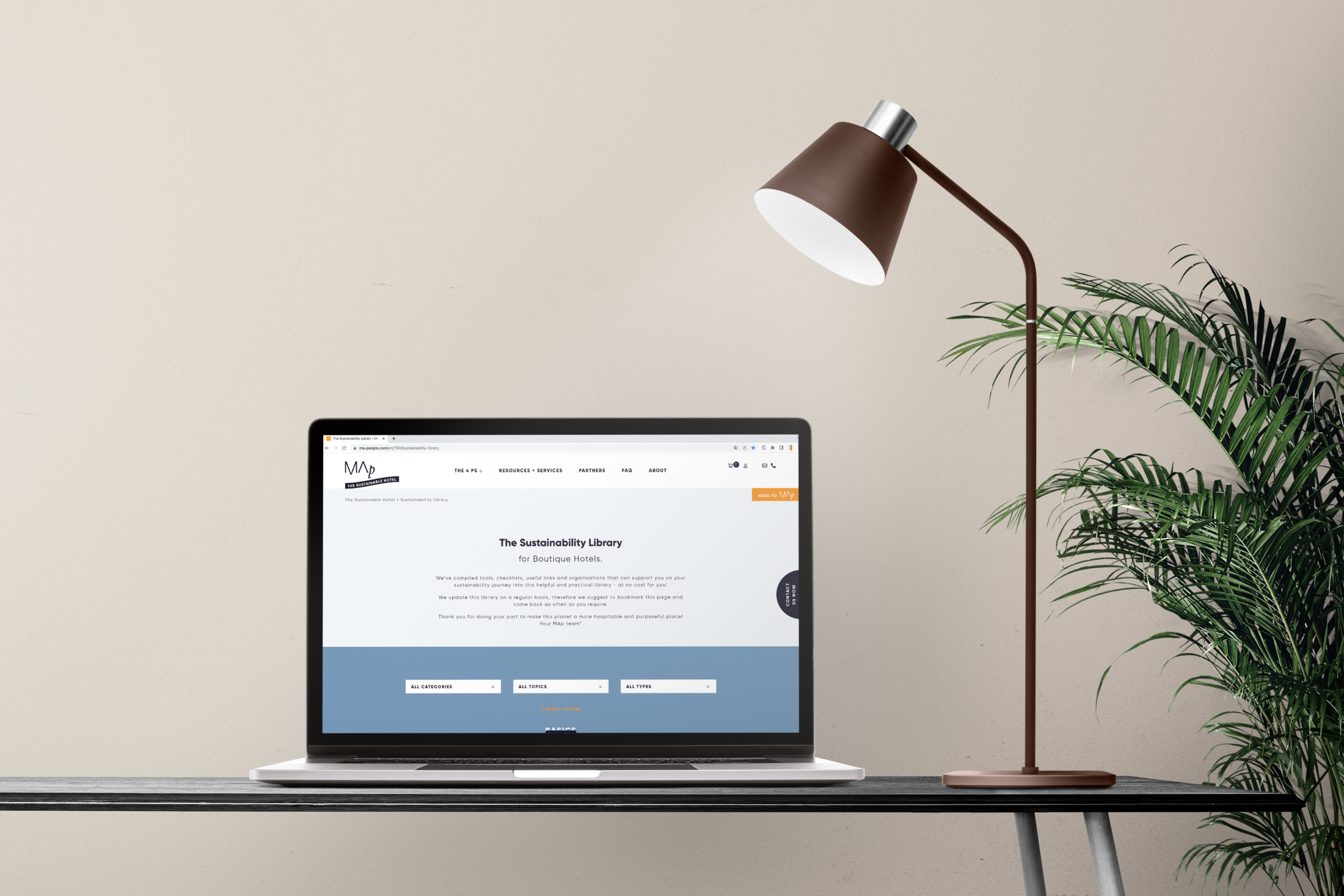
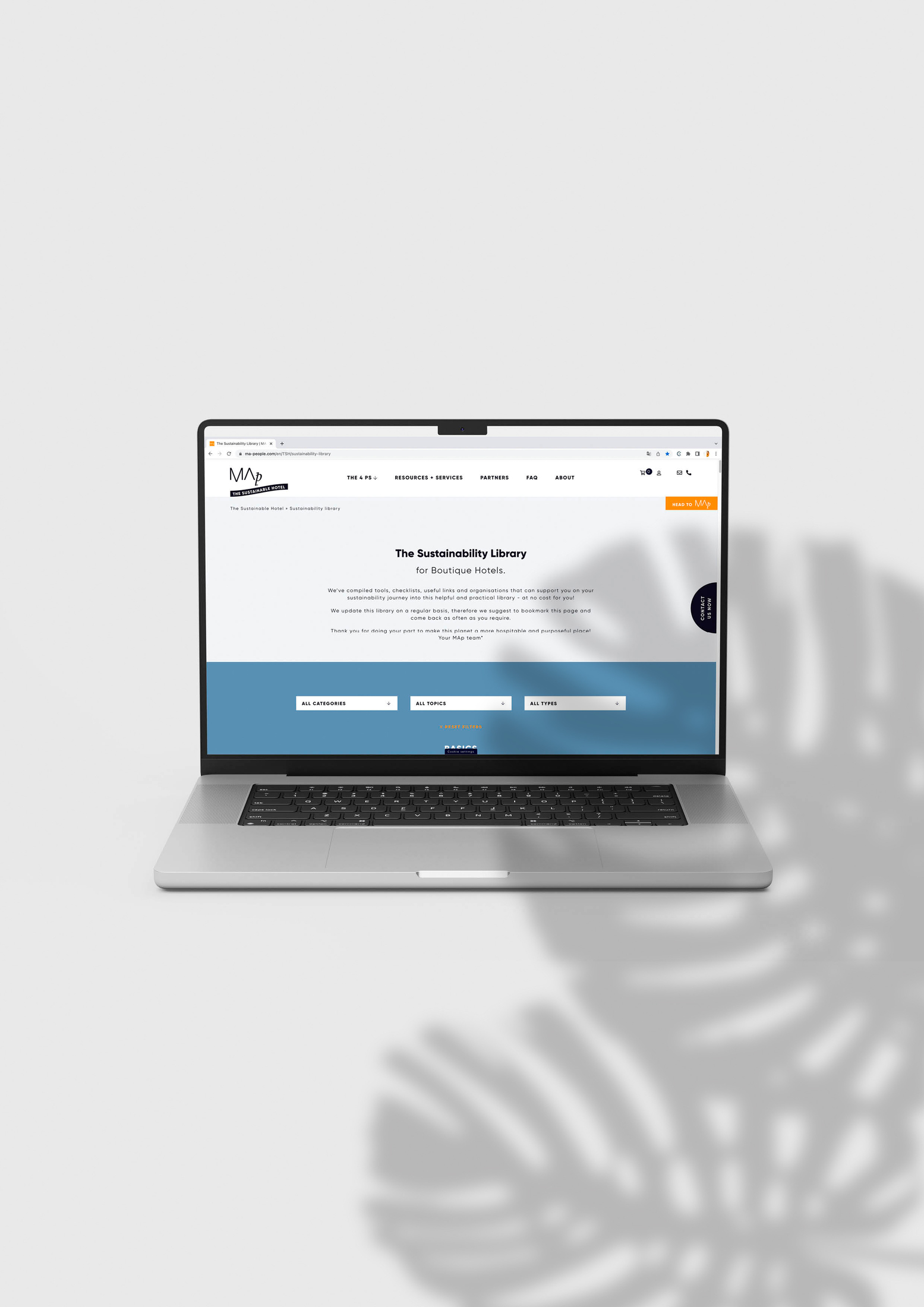
At MAp Boutique Consultancy, we support hotels in their launches and openings, ensuring that each establishment is equipped with the necessary tools for near-term and long-term success. Central to our strategy is the development of effective hotel websites, which are indispensable assets in modern hospitality marketing and communication.

In this blog post, we offer a guide to creating hotel websites tailored specifically for new openings. Whether you're embarking on a new venture or seeking to enhance your hotel’s existing digital presence, our aim is to help you achieve optimal results in this competitive landscape.

Untertitel
The 3 steps to launching your hotel website
Blog main image
How to create a first landing page for your new hotel MAp Boutique Consultancy
Paragraphs

When crafting hotel websites for new openings, there's a fundamental principle we at MAp adhere to every time: step-by-step. Why? Because each hotel launch comprises a multitude of distinct elements and puzzle pieces that gradually come together over time. This dynamic often means that launching a complete hotel website right from the start is rarely feasible.

On the other hand, the time constraint underscores the importance of swiftly launching your hotel website. This urgency is driven by the necessity to initiate your hotel sales and communication activities, while also configuring essential programmes and systems—many of which are intricately linked to your hotel website.

Create a unique website design
that matches your hotel positioning and speaks to your defined target audience.
@weareMAp

Step 1 – Create a landing page

The first step to tackle when launching a new hotel is to create a landing page. A landing (or launch page) is a simple page where you present the main information about your new hotel opening. It gives you a first presence in the World Wide Web and offers People the chance to learn more about your hotel, contact you or register already for your hotel newsletter.

However, this doesn’t mean your landing page needs to be simple. It’s important to be meticulous about using the right brand design, presenting your hotel in the best light (i. e. with beautiful renderings), and telling your unique story in an emotional way.

Step 2 – Set up your hotel website and system

Once your hotel landing page is online, and hopefully is already attracting attention and enrolling potential guests, employees and partners to your newsletter, you have to work on the following tasks and elements:

  • Full hotel website: Create a unique website design that matches your hotel positioning and speaks to your defined target audience. Also make sure that your tone of voice matches your hotel brand and that you clearly communicate why guests should stay at your hotel in a compelling and emotional way.
  • System and programmes: Start working early enough on all the other programmes that are connected with your hotel website. Be those your correspondence manager system, the property management system, channel manager, newsletter tool, etc. While your hotel landing page is online, you can organise the set-up and do the testing in the background.

Step 3 – Launch your new hotel website

The big day to make a big splash has come! And you should not waste the opportunity to make this launch event special. Some ideas to help you with your hotel website launch:

  • Create a launch countdown on your social media channels
  • Ask friends and partners to spread the word via their channels
  • Send a newsletter to your contacts to make them aware that your new website is online
  • Combine the hotel website launch with a real event
  • Inform press and media about your website launch

Are you in the process of launching or opening a new hotel and are needing a stand-out hotel website? Then don’t hesitate to contact us, we’d be excited to bring your unique hotel online and out into the world.

Set you apart from the sea of competition

We create your website

Through our hotel website services, we position your independent and boutique hotel on the global MAp – in a unique, sustainable and authentic way.

Blog Block Image
How to create a first landing page for your new hotel MAp Boutique Consultancy

Add new comment

Comment

Order

Plain text

  • No HTML tags allowed.
  • Lines and paragraphs break automatically.
  • Web page addresses and email addresses turn into links automatically.
Types
sharing is caring

Is it time to bring your new hotel project to market? To launch it in style and make a big splash? Then this blog post is for you, because you never get a second chance to make a first impression!

At MAp Boutique Consultancy, we have supported hotel developments and new hotel projects since the founding of our hotel agency, and so we share with you our top recommendations for success and pitfalls to avoid when launching a new hotel. #onwards

Untertitel
Our top recommendations for success and pitfalls to avoid when launching a new hotel
Blog main image
What to consider when opening a new hotel MAp Boutique Consultancy
Paragraphs

Our TOP 3 recommendations for a successful hotel opening

1. Create a hotel opening strategy starting at least one-year pre-opening

Having a hotel opening strategy in place early is crucial! At MAp, a hotel opening starts at least one year before the hotel opens and involves a wide range of areas, topics and tasks to consider.

  • From refining the hotel concept and positioning,
  • To creating and activating the hotel brand,
  • To setting up a successful launch campaign including communication and sales channels,
  • To searching for, identifying and onboarding the right partners,
  • To producing offline and online communication tools and materials, etc.

The earlier your hotel opening strategy is in place, the better! There’s a lot of work to be done!

2. Create an action plan:

What, Who, When, How Once your hotel opening strategy is in place, make it as tangible as possible and define clearly:

  • WHAT needs to be done,
  • By WHOM (responsibilities),
  • WHEN (time plan),
  • HOW (aligned with the hotel’s values)

Make sure all partners are briefed accordingly and everybody has the tools and resources needed to make it happen.

3. Monitor, optimise, push

During hotel openings, often our role at MAp consists of aligning all partners, monitoring results, optimising processes, and above all, pushing through so that things happen when they are supposed to per the hotel opening plan.

Why is it crucial to have that one person or responsible party closely monitor the process? Because the closer the hotel opening comes, the more we can compare it to finalising a puzzle. And if one puzzle piece is missing, the other parts aren’t able to do their work.

You never get a second chance
to make a first impression!
@weareMAp

3 Pitfalls to avoid when launching a new hotel project

After sharing with you our top three recommendations for opening a new hotel, let’s wrap this blog post up with the pitfalls we encounter most often during new hotel openings.

1. Running out of budget

Oh yes! You have budgeted well, but then, the closer you get to the hotel opening, the fewer the funds. Now the problem is that this hotel opening phase, the launch, is your only chance to make a first impression. So, if you’re not anymore able to run the campaigns, invest in the stylish website or bring on other partners, you truly miss a big chance, and this will hurt you in the long-run.

2. Required material is not available

How can you promote your hotel, if no renderings or photos are available? Or your key messages and pitchlines haven’t been created? We do agree that no hotel launch will be perfect and there will always be some missing pieces. But if essential basics, such as visual material, are missing, you won’t be able to push your new hotel in the market. Therefore, make sure to identify early enough what basics you need to launch your new hotel project successfully.

3. Construction gets delayed

We end this blog post with the most common pitfall when talking about new hotel developments. You’re set to open on date x, but construction gets delayed and all your great hotel opening ideas are becoming a mess. Therefore, we always make sure that we announce a concrete opening date as late as possible. For example, start by communicating Spring 2024, and communicate the concrete date of May 1, 2024 only when you know it’s an air-tight realistic and achievable date.

What else comes to your mind when talking about hotel openings? What are the pitfalls you have encountered during new hotel project launches? We are looking forward to reading your insights in the comments.

And if you are in the process of launching a new hotel and need some support, let us know – we are looking forward to hearing from you.

Hotel Marketing

We market your innovative and sustainable hotel

Through our hotel marketing services, we position your independent and boutique hotel on the global MAp – in a unique, sustainable and authentic way.

Blog Block Image
What to consider when opening a new hotel MAp Boutique Consultancy

Add new comment

Comment

Order

Plain text

  • No HTML tags allowed.
  • Lines and paragraphs break automatically.
  • Web page addresses and email addresses turn into links automatically.
Types
sharing is caring

In the ever-evolving hospitality industry, staying ahead of the competition and meeting the dynamic demands of travellers is paramount. One effective strategy that can breathe new life into a hotel's identity and boost its appeal is undergoing a hotel rebrand. But why is rebranding your hotel important, when should you consider it, and how does it work?

In this blog post, we’ll address these questions and provide you with a clear roadMAp for action, outlining five concrete steps to successfully rebrand your hotel. These steps will empower you to navigate the transformation process and make sure that your establishment remains a highly-desired choice for your guests.

Untertitel
When, why and how to successfully reinvent your hotel image
Blog main image
Hotel-Rebranding MAp Boutique Consultancy
Paragraphs

WHAT is a hotel brand?

First, let’s start with some basics: WHAT is a hotel brand? The answer to this question might seem obvious, but all too often as a hotel boutique consultancy, we realise at the beginning of a hotel branding or hotel rebranding process that it is misunderstood. Therefore, let’s start this blog post with a short definition of what a hotel brand is and what it is not:

A hotel brand is NOT only the hotel logo or the hotel visual design. A hotel brand encompasses a whole set of elements from the visual identity (i. e. your hotel logo, the type fonts you have chosen, the uniforms your employees are wearing), to the visual identity (i. e. your hotel name, slogan, tone of voice) to sensory branding (i. e. how your hotel smells and sounds). In addition to these tangible elements, it includes intangible ones too, like your hotel’s vision, mission and values, which make up your hotel brand’s foundation.

In other words, your hotel brand is the way your hotel products and services are perceived, and therefore, hotel branding encompasses every action your business takes that creates a unique identity in the minds of your potential audience and other People (such as team members, partners, the local population).

Altogether, your brand is a reason to choose your hotel over a competing hotel. That’s why at MAp we like to quote Steve Forbes: “Your brand is the single most important investment you can make in your business.”

WHEN to consider Hotel Rebranding

It’s essential to understand when and in which situations rebranding your hotel might be the right choice for you. Over the last decade working as a creative hotel agency, we have identified the following top 5 indicators that it might be time to reinvent your hotel brand:

1. Market Trends and Shifting Demands:

It's vital to keep a keen eye on market trends and shifting guest demands. Recognising new preferences and emerging opportunities in your target market can signal the need for rebranding of your hotel. Pay attention to guest feedback and reviews, as they often provide valuable insights into the need for change. Over the last years, one of the biggest market trends and shift in demands we have seen is “Sustainability”. Therefore, at MAp we are not only creating stylish and unique brands, but sustainable ones too. You can learn more about sustainable hotel branding in this blog post.

2. Hotel Life Cycle:

Consider where your hotel stands in its life cycle. Because rebranding can be a strategic move, moving your property i. e. from a new establishment to an established one. Or doing a rebranding can be a strategic choice when a hotel undergoes a change in ownership or management, it's often an opportune time to rebrand to reflect the new direction, vision and strategy of the hotel. The same goes for property renovations or expansion.

3. Declining Occupancy and Revenue:

If your hotel is consistently experiencing a decrease in occupancy rates and revenue, or a deluge of bad reviews, it may be time to rebrand to attract a different customer segment or revitalise your image. However, as a hotel creative agency that develops innovative and sustainable hotel concepts, we emphasise that when talking about declining occupancy and revenue the issue often lies deeper. If you are not clearly positioned in the market or do not have a distinctive hotel concept, a rebranding might not help you in the long-run without the strategic groundwork being done as well.

4. Outdated Brand Image:

If your visual identity and elements, such as logo or interior décor, no longer align with the target market's expectations or the current design trends, it may be time for a hotel rebrand to create a more contemporary and appealing image. Also, here it is important to check on the other brand elements and evaluate if they need a refresh too.

5. Market Competition:

Increased competition in your destination or segment may require you to rebrand to stand out and differentiate your hotel from others, showcasing unique features or experiences. This is also always a good time to check on your hotel positioning and hotel concept.

WHY Rebrand Your Hotel

So, why should you consider rebranding? The answer lies in the potential benefits.

  • To make sure that competition is not drowning you out: Rebranding can give your hotel a competitive edge. Not rebranding can leave you falling behind in a highly-dynamic industry.
  • To align with a new vision: Ensure that your branding aligns with your hotel's evolving vision. Case studies of successful rebranding efforts can serve as inspiration.
  • To reach your desired customers: If you're not attracting your desired customer demographic, it might be time for a rebrand. Understand how rebranding can directly impact the guest experience and how improved amenities and services can create lasting impressions.
  • To ensure boosting Profit: Rebranding isn't just about aesthetics; it's about the bottom line. Data shows that successful rebranding is likely to lead to increased Profit as well.

HOW: 5 Steps to Rebrand Your Hotel

Now that we've explored WHEN and WHY rebranding your hotel is essential, let's dive into the HOW - to ensure your transformation is not just an idea, but an effectively-implemented reality.

1. Evaluate your hotel concept and your hotel positioning:

As we say at MAp Boutique Consultancy, first the concept, then comes the rest. This means that you must be very clear about your strategic definition, your hotel positioning in the market, etc. Only then you can derive from it a hotel brand (or can conduct a hotel rebranding) that is sustainable and delivers long-term success.

2. Approach your rebranding holistically and collaborate with a creative agency or hotel consultancy:

Visual Identity and Design: Beautiful things make people happy. Therefore, in this area you can redefine a new or refresh your existing logo, colour schemes, type fonts, etc. Verbal Identity: Does your hotel brand “sound” like every other? Is your slogan strong or weak? Have you identified keywords and statements to repeat in your communications? Is it time to define your unique tone of voice? Sensory Branding: How does your hotel smell and feel? Does it reflect your hotel brand and is it curated? We have created a series of blog articles that gives you further insights on how your hotel can win at sensory branding.

When you recognise that your hotel needs a change or a refresh,
it's not an admission of fault but the first step towards enhanced success.
@weareMAp

3. Think toward the hotel rebrand implementation early on:

As you know by now, at MAp we create sustainable brands. This means that right at the start of a hotel rebranding process, we think about HOW to create a hotel brand that is flexible and can be implemented in a sustainable way = using resources in the most efficient way.

4. Communicate your hotel rebrand internally before you communicate it externally:

Ensure that your staff is well informed to align with the new brand identity. Explain why the hotel rebrand was necessary and how the new brand supports the strategic objectives of your hotel. Also make sure that relevant team members know how they must use and implement the new hotel brand.

5. Launch your new hotel brand the right way:

Use your hotel rebrand to make a big splash. Create an emotional story about the why and the what = what you are expressing with your new hotel brand, what you stand for (your Purpose) and for whom you are the best choice. Engage with both current and potential guests through various channels to generate anticipation. Find important insights about Storytelling HERE.

And then?

Once we launch a new hotel brand in the market, we continuously gather feedback and measure the success of the hotel’s rebranding efforts. This gives us important insights on how we can further optimise the hotel branding, and of course, the success of the hotel business.

Rebranding a hotel is a pivotal decision that should be approached with careful consideration and meticulous planning. A well-executed hotel rebranding effort can breathe new life into a property, attract a broader and more loyal customer base, and rejuvenate a hotel's financial performance. On the other hand, a mismanaged rebranding can lead to confusion, alienate existing customers, and result in significant financial losses. Therefore, getting rebranding right is of paramount importance.

Hotel Branding

Make your hotel matter

If your business is the body, your brand is the soul. MAp Boutique Consultancy crafts sustainable hotel and hospitality brands that are purpose-driven and sustainable, rooted in beauty and authenticity. That’s how we make your brand matter.

Blog Block Image
Hotel-Rebranding MAp Boutique Consultancy

Add new comment

Comment

Order

Plain text

  • No HTML tags allowed.
  • Lines and paragraphs break automatically.
  • Web page addresses and email addresses turn into links automatically.
sharing is caring

It happens regularly that we’re asked about WHAT MAp is. Are we a creative hotel agency? A hotel branding firm? A hotel marketing agency? Or are we a hotel consultancy?

Over the last 10 years, we’ve asked ourselves these questions too, and today we share with you our thoughts about WHAT successful hotel consulting is, HOW we approach hotel consulting at MAp and WHY and WHEN hoteliers should consider collaborating with a hotel consultancy.

Untertitel
What it is and why it might be for you
Blog main image
Hotel-Consulting Hotelberatung MAp Boutique Consultancy Zurich Switzerland
Paragraphs

When we started MAp approximately 10 years ago, we avoided the term “hotel consulting” or “hotel consultancy” nearly entirely. Why? Because coming from management and operational roles in boutique and independent hotels, we collaborated with many hotel or hospitality consulting firms and felt we got a lot of “blah blah blah” without any practical grip. That the ideas seemed to be good on paper, but there was no way (or not enough budget and/or wo-men power available) to make them work in real hotel life.

But then in 2020, we started our own rebranding and repositioning process, and by talking to clients and partners we realised that at the core of it all we ARE a hotel consulting agency offering an array of helpful services to independent and boutique hoteliers.

Only then, we added the term to our brand name “MAp Boutique Consultancy,” and officially labelled MAp a hotel consulting firm. However, not without first making sure that we approach hotel consulting in our own unique MAp style :-). 

HOW do we approach hotel consulting at MAp?

Based on our deep experience in operational and management roles in boutique and independent hotels, as well as in branding, marketing and web agencies, there are a few basic rules we follow at MAp when consulting hotels:

1. Our hotel consulting is practical and actionable!

Yes, as part of our hotel consulting services we share theoretical insights, market data, trend forecasts, etc. However, we elaborate the content in such a way that our clients and hoteliers can work with it = that they understand what all this means for their hotel operations and team members in terms of goals, action steps, initiatives, etc. If it is not practical and actionable – it is NOT happening.

2. #Stepbystep This is one of MAp’s core mantras for a reason!

Successful and sustainable hotel consulting is a process and needs to be adapted to operational realities as well as to the timing and rhythm of hotel clients. Only if the approached topics build on each other and hotel consulting is seen as a #stepbystep process, we can achieve sustainable success and keep the involvement and motivation of our clients and hotel team members high.

3. Everything is figuroutable.

Every hotel is a microcosm on its own. Sometimes it feels like a small little village with its own culture and dynamic. And even if there are some basic rules that apply to every hotel business, there are also individual problems that need to be addressed with tailormade solutions. And this is something we truly love about our job as hotel consultants: To dig deeper, to explore new options, to look at other industries, to find partners and the right inspiration. Because something we have proven over and over again to ourselves and to our clients is: Everything is figuroutable! Thank you Marie Forleo.

See hotel consulting not only as a potential tactic to solve your problems
but to bring your hotel and business to the next level.
@weareMAp

WHEN and WHY should hoteliers consider collaborating with a hotel consultancy?

Now of course you might ask: Is it time for me to collaborate with MAp as a hotel consultancy? The answer is yes, if:

1. You need expertise and knowledge.

That’s the number one reason that clients start collaborating with us. They need expertise they just don’t have in-house. For example, when they want to rebrand their hotel, strengthen or evaluate their hotel positioning, or the moment when they embark on a hotel development process.

2. You need an external point of view

As a hotel owner or manager, you are so deeply involved in operations or working for so many years in the same hotel, that you turn “operationally” blind. When you realise that you are not able anymore to evaluate situations in a subjective way, it’s time to bring in an outside perspective.

3. You need extra wo-men power and/or a sparring partner

Especially when collaborating with independent and boutique hotels, we see that we don’t only act as external consultants, but quickly turn into an external department that supports the management and various department heads with a wide array of services. We also realise how helpful it is for our clients to have someone sitting “outside” they can approach with questions and as a sparring partner.

We hope this blog post gave you some good insights on HOW we approach hotel consulting at MAp, and when it might be time for you to start a hotel consultation to optimise your results.

Before we sign off, our last piece of advice for you: Consider hotel consulting BEFORE the sh*t hits the fan. Unfortunately, we’re often approached by hoteliers when the situation is already more than dire and hotel consulting is equal to cost-cutting in order to survive in the short-term. Don’t let that happen and invest in hotel consulting and strategic guidance well ahead. See hotel consulting not only as a potential tactic to solve your problems but to bring your hotel and business to the next level.

4. Keep it positive and inspiring!

One thing we learned right away when we started our hotel consultancy is: the HOW often matters more than the WHAT. Of course, we must know our job and deliver expert advice, but one thing that attracted and retained clients over the years was our spirit of unshakable optimism and expressing this positivity in our work (BTW: positivity is one of our leading values). Therefore, the fourth of our basic rules of hotel consulting is to add positivity, playfulness, and some colour and inspiration to our work.

5. Set new goals and objectives every year.

As we mentioned earlier, hotel consulting is a process, and with some of our clients we collaborate for many years. Therefore, it is of utmost importance to keep it fresh and creative. To set new objectives at the beginning of every year to keep everybody involved motivated and thriving. It’s critical to continuously learn and grow together to achieve the best results.

Hotel Concept Development

First the concept, then comes the rest

A sustainable hotel concept helps you to gain clarity, use resources efficiently, plan ahead, stand out from the crowd, build alignment and, ultimately, create a better future for your hotel – and for people and planet.

Blog Block Image
Hotel-Consulting Hotelberatung MAp Boutique Consultancy Zurich Switzerland

Add new comment

Comment

Order

Plain text

  • No HTML tags allowed.
  • Lines and paragraphs break automatically.
  • Web page addresses and email addresses turn into links automatically.
Types
sharing is caring

Development of a hotel brand and marketing strategy for a city hotel in Lugano, Switzerland.

Main-Image
B5 Boutique Hotel Lugano MAp Boutique Consultancy Zurich
Location
Lugano, Switzerland
Timeline
2023 – ongoing
Type
Innovative, urban boutique hotel
Purpose
To create a unique Place to B where everyone feels safe and welcome
# of Rooms
20
Tag it
#B5hotel #YourPlacetoB #DolceVita
Paragraphs

A stylish hotel brand that reaches new architectural heights in Lugano

Destination: What We’ve Achieved

Destination: What We’ve Achieved

  • Successful opening of the B5 Boutique Hotel 
  • Clear positioning in the market as stylish newcomer
  • Design of the creative and unique B5 Boutique Hotel website
  • Launch of the B5 Boutique Hotel sales and communication channels

B5 Boutique Hotel Lugano MAp Boutique Consultancy Zurich

MApping the Way: Our Road to Success

B5 Boutique Hotel Lugano

#Togethertime

Nestled in the heart of Lugano, the B5 Boutique Hotel emerges as a premier destination for design enthusiasts, art aficionados, and those seeking culinary delights. Conceptualised by the visionary architects at DF_DC, the B5 Boutique Hotel represents more than just a place to stay; it embodies a dedication to style and sustainability. The B5 Boutique Hotel strives to offer guests an experience that captivates the senses while also prioritising environmental mindfulness.

Thank you Alexandra and Daniel for allowing us to accompany you on this incredible journey!

Our vision was to create a place of retreat that reflects the charm of Lugano – a mixture of cosmopolitan flair,

contemporary elegance and a warm atmosphere.

Dario Franchini, Architect B5 Boutique Hotel Lugano
Weight
-100
Title for Show next
Welcome to B5 Boutique Hotel Lugano
Show Blocks
sharing is caring

🎧 Prefer listening to reading? Listen to the article here. ▶️ 


Owning a hotel is a life dream for many. However, the path to realising this dream is far from straightforward. Along the way, there are numerous challenges, obstacles, and pitfalls that can make or break your journey. This is where MAp’s expertise developing sustainable and innovative hotels comes into play.

With our MAdvice, we’ll show you how to turn that dream into reality, by helping you understand how to start a sustainable hotel business. From crafting a compelling hotel concept that sets you apart in a crowded market to creating a financial plan, this blog post will equip you with a well-defined roadmap.

The result? A hotel that embodies your vision, values and commitment to sustainability.

Untertitel
What it takes to create a hotel that is built with purpose – and for the future
Blog main image
Wie plane ich ein nachhaltiges Hotel?
Paragraphs

MAdvice 1: To launch and run a successful hotel business, you must start with your unique Hotel Concept

All too often, hoteliers and hospitality brand owners approach MAp for support only AFTER the (disappointing) launch of their new hotel. The reasons may vary: They don’t receive recognition in the market, they have difficulty attracting (the right) guests, they invest heavily in sales and communication but without the results they expect… the list goes on.

What 95% of these new hotel business owners have in common: they started the project with the wrong first step (have you heard the saying, “show me how your project starts, and I will tell you how it will end?”). When starting their hotel business, they look to architects and interior designers for plans, or go to design agencies for logos and hotel branding.

But what should be the first step in how to start a hotel? Developing your unique hotel concept! Your hotel's concept is the cornerstone upon which your sustainable hotel business will thrive. It's the essence of your brand, a reflection of your vision, and the blueprint for your hotel's future.

Investing the proper time, money and resources into developing a hotel concept will have the biggest return on your investment in the long-run.

So how do you create a hotel concept? Start with WHAT you would like to create - and answer the following questions. For what do you want to be known? For whom do you want to exist? What is your dream – your wish for the future? What kind of guests do you want to welcome in your hotel? What is your niche? What is your differentiator? What are you going to do to make this Planet a better place for all? Only when you know what your hotel stands for, can you start with the right architect or design agency, align them on your hotel concept, and bring it to life together.

If you wish to learn more about how to create a hotel concept, HERE’s our full blog post.

MAdvice 2: Get your basics right and plan for the long-run

At MAp, we work with hoteliers who have been in the hospitality industry for decades, and those who are entering the hospitality industry for the first time after finding success in other areas.

Those hotel owners who are successful and more profitable in the long run, get their basics right straight from the beginning, planning for sustainable and long-term success vs. fast return of investment.

It’s not difficult to find a hotel business plan template online somewhere that covers the most important facts. But from our experience, when putting your financial plan together, you should consider the following basics:

  • Most new hotel projects open later than expected. So, include various opening phases (from soft to official launch) and do not rely on cashflow generated during the first months of opening.
  • Calculate enough budget for the pre-opening phase: for pre-opening sales and communication, for hiring and training employees, for partnership and collaboration fees, etc. You only have one chance to make a first impression. However, all too often funds are not planned properly, and so in this most important phase, you’re not able to stand out in the market.
  • Pay yourself and your People well. From our experience working with family-run properties, we see that family members’ salaries are not calculated properly. This means that, if you were to look at the numbers closely, your business wouldn’t be a profitable one. Therefore, if you intend to run the hotel on your own: calculate your manager salary, as well as the salaries of all the family members involved in the business. If you intend to hand over the running of the hotel to a hotel manager, calculate that salary in.

Do the numbers add up? Does this new hotel project still make sense to you? Then #onwards to our last MAdvice

Starting a sustainable hotel business is a journey that requires careful planning,
unwavering commitment, and a forward-looking perspective.”
@MApBoutiqueConsultancy via @werareMAp

MAdvice 3: Successful hospitality projects rely on strong, long-term partners

In a world where things change overnight, you need strong, long-term partners whom you can trust and rely on to start your sustainable hotel business. One wrong partner can cost you time, money and nerves. Looking at your unique hotel concept: Who best align with your concept and can bring it to life? Which partners have the same values and ambitions as you? With whom do your feel comfortable talking and spending time (you don’t do business with companies, you always do business with People)? Who can move your projects to the next level vs. just execute them? Make sure to build a diverse team, because as recent studies show, diverse teams drive profit too!

Bonus MAdvice: Put sustainability at the centre of your new hotel business

We are firm believers that in order to succeed in the future, your hotel must be a sustainable hotel. The hospitality industry is evolving, and in this era of conscious consumerism, sustainability is no longer just a buzzword but a crucial aspect of any successful hotel business! Sustainable hotels are not only conscious stewards of our Planet and People, they also outperform their counterparts in numerous ways.

Sustainable hotels:

  • Appeal to a growing demographic of eco-conscious travellers
  • Enjoy cost savings through energy efficiency and waste reduction, contributing to improved financial performance
  • Better navigate turbulent times, like climate events and supply chain disruptions
  • Attract a loyal and expanding customer base
  • Benefit from enhanced brand reputation
  • Foster positive relationships with their surrounding communities, contributing to a thriving destination

In essence, sustainability is not just an ethical choice; it's a savvy business decision that drives your hotel’s success.

But how should you start a sustainable hotel?

Integrate MAp’s 4Ps framework – Purpose, People, Planet and Profit – into your hotel concept, making sustainability a central piece for your hotel brand, your products + services, and your sales + marketing. To learn how, head HERE.

Next, search for partners that excel in the field of sustainability, holding sustainability certifications and having the right network in place to make your hotel stand out in the market and create the most impact for People and Planet.

Starting a sustainable hotel business is a journey that requires careful planning, unwavering commitment, and a forward-looking perspective. By starting with a distinct hotel concept, ensuring your basics are rock-solid, and nurturing strong, long-term partnerships, you can set your sustainable hotel on the path to success.

Featured Service

Hotel Concept Development

All of the hotel concepts we create at MAp are sustainable hotel concepts. That means we put sustainability at the heart of the hotel concept and weave it into all of the elements of the hotel concept, using our very own framework for sustainability, titled the 4 Ps of Sustainability (Purpose, People, Planet, Profit). Thus, sustainability becomes a central piece for your hotel brand, your products + services, and your sales + marketing.

Video URL
Blog Block Image
How to Start a Sustainable Hotel Business

Add new comment

Comment

Order

Plain text

  • No HTML tags allowed.
  • Lines and paragraphs break automatically.
  • Web page addresses and email addresses turn into links automatically.
Types
Youtube stream image
How to Start a Sustainable Hotel Business
sharing is caring

Finally! It’s been a few years since our last MAp meets with our partner, Karsten Schmidt-Hoensdorf, owner of the Zurich design studio IDA14. For everyone interested: HERE you can discover and read our last conversation.

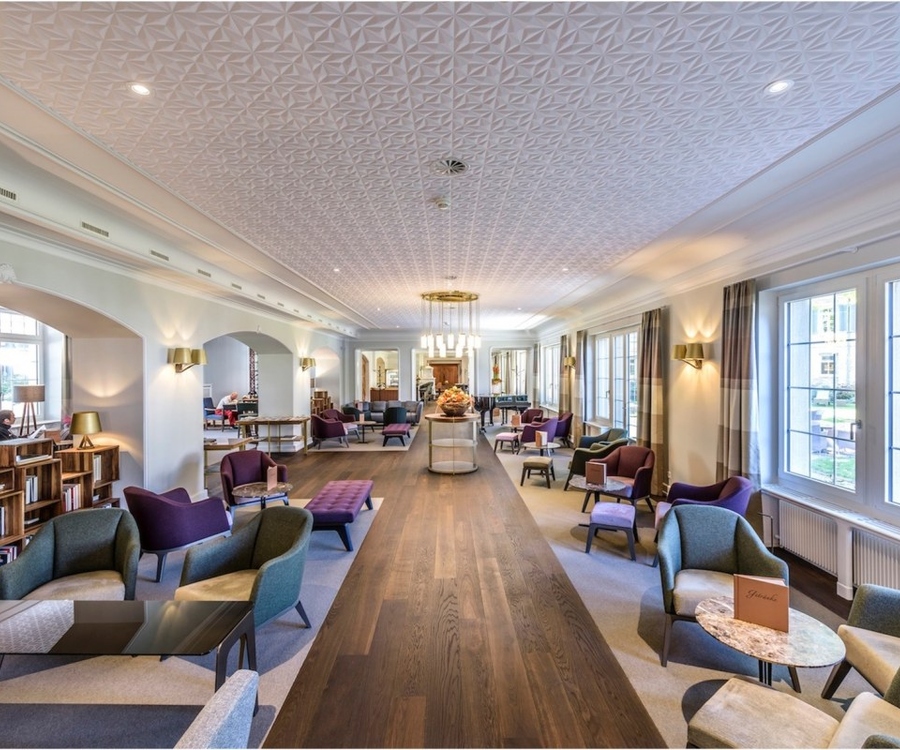
For more than 25 years, Karsten and his team have been developing “extraordinary design for extraordinary rooms.” Their focus is on hospitality, residential and corporate projects in the fields of architecture, interior architecture and design.

Karsten recently informed us he’s incorporating more and more sustainable design into his work - so it was high time to meet for a new interview.

Untertitel
MAp meets Karsten Schmidt-Hoensdorf, owner of the Zurich design studio IDA14
Blog main image
MAp meets Karsten Schmidt-Hoensdorf, owner of the Zurich design studio IDA14
Paragraphs

Dear Karsten, we are very happy that we finally managed to sit down together. Since it’s likely not all readers were present at our last conversation, could you please give us a brief insight into your work and IDA14?

I am very pleased to receive the invitation to an interview from you, Magdalena, and MAp! For me it is an inspiration and an invitation to reflect on my work with you! In a nutshell, I work with my team of mostly around 10 young interior designers and architects on mainly hotel projects. We see ourselves as a boutique style design and architecture studio: the team size is deliberately kept manageable, our clients are mostly smaller - individual hotels or small hotel chains in Switzerland.

This has to do with the small-scale hotel structure in Switzerland on the one hand, but also with our preference for individuality on the other. The mutual appreciation is often more noticeable here than in international hotel groups. I see my work in this context as a contribution to a high-quality hotel culture, as it has historically emerged in Switzerland.

Here I am addressing a point that is important to me: as we all know, culture does not only take place in the opera. Culture is diverse, a high-quality craft; the maintenance of traditional knowledge and the respectful handling of it are an important part of my motivation to always tackle new projects without lapsing into repetitive thinking and acting.

Personally, I have been working in this profession for almost 30 years. As described in my first interview with you, I was interested in art, history, literature and politics from an early age. This interest in the world and my study of history and politics before studying architecture are probably the driving force and also the basis for my work as a specialist author. I write in the relevant media on topics related to the hotel industry. I am concerned with the social context of the industry. Here you can read developments and observe trends that go far beyond the usual understanding of design and architecture.

I have worked as a consultant for hotel chains like Swissôtel around the world. I also support various hotels with my knowledge of the correct interior design conception and proportioning. But also banks like Credit Suisse for larger projects.

One topic that we have talked about a lot recently is sustainability. How do you integrate this into your work? Was there a moment or maybe a place for you that put you on this path?

When I'm looking for a place or time where and when my interest in sustainability began, it seems to me to be a natural development, a kind of evolutionary design process.

I remember that many years ago, design, visually tangible aesthetics, was dominant and central. In Switzerland, there was traditionally an additional attitude that valued aspects such as material authenticity and high-quality craftsmanship.

As Director Interior Design, I spent several years for a Swiss 5 * hotel brand on all continents, briefing and coaching the design and architecture teams on many renovation and new construction projects. I clearly realized how much we differ in continental Europe and especially in Switzerland from the mostly Anglo-Saxon design firms that implement large hotel projects around the world. Fascinating and for me an absolute exception in this context was my collaboration with a Japanese interior designer. During a renovation project in Japan, I saw how close we got to each other in our views on architecture and design. That's why I'm really looking forward to my upcoming trip to Japan, for which I have made craft, architecture and design - in addition to nature - the central themes of my travel planning. And of course the anticipation is great: the trip has been "on hold" for a year and a half and I hope it happens in the next year.

We keep our fingers crossed that your trip to Japan will finally work out. If we stay in the future: which principles and trends do you think will become more and more important in design?

The principles are complex and will continue to develop. There are various labels and certificates for sustainability, also in the hotel industry. Magdalena, you showed me the sophisticated label B Corp, on which you focus with your company: I am now dealing with it, I respect the effort and will pursue it.

As far as our daily work in planning interior design is concerned, various basic principles of sustainability meet my quality standards. For example, when selecting products and materials, researching how sensible and justifiable the use is in terms of energy use and ethical principles in production and transport. I also value material authenticity, which also connects to recyclability. The extraction and, above all, the processing of raw materials should also take place regionally if possible. For example when using wood and stone.

Handicrafts are right at the top of my list of preferences: As far as I am concerned, I am talking about a high-quality culture that will hopefully gain in importance again and find a place in economic thinking. I love good handicrafts and often take the opportunity to visit handicraft businesses. For me, this also includes glass manufacturers such as Barovier & Toso on Murano, with a continuous company history since the 15th century. Or lighting companies like Louis Poulsen in Copenhagen, who not only produce everything themselves in Denmark, but also invite their employees to daily work breaks with music and gymnastics.

I see these European companies as regional; for me regionality is not a question of national borders, but of possibilities. Therefore, there will probably also be products in the future that come from far away, from Asia, Africa, South and North America.

As already mentioned, research is important here: How and under what conditions was production carried out? To what extent have ethical standards been adhered to in a credible manner, e.g. in terms of working conditions and human dignity, animal welfare and environmental pollution.

As far as future trends in terms of sustainability are concerned, I hope for positive social developments: It cannot be that everyone has to acquire a doctorate to understand sustainability. For me, sustainability and our major crises speak to simple feelings: those who are with themselves also have easy access to an understanding of sustainability. “We are one world” is a question of awareness, not education.

My interest in sustainability
seems to me to be a natural development, a kind of evolutionary design process.
Karsten Schmidt-Hoensdorf, IDA14
via @weareMApeople


What do you say to those people who believe that it is simply impossible to be both design-oriented and sustainable? How do you create beautiful places and spaces that are sustainable for mankind and our earth in the long-term?

We have gone through many changes in good taste in human history. The 25,000-year-old stone sculpture of Venus von Willendorf is the first known sculptural representation of a human ideal: a very fat woman. It represented an ideal of beauty, because in times of hunger and cold it was a dream to be well fed. From today's point of view, being overweight would be seen as a problematic undesirable development ... Ideals of beauty can therefore survive if they are no longer appropriate, if they contradict knowledge. I believe in a collective, universal sense of aesthetics. Just as all people understand laughing and crying, regardless of their culture, there are also similarities in the perception of beautiful and ugly, of friendly and hostile.

Many of our readers work in the hotel industry: What are the 5 most important things hotels should do to make their interiors more sustainable?

Anyone planning to hire an interior designer must take the time to clarify, in conversation and on the basis of reference projects, whether and how sustainability is part of the design process of the relevant design office. If you want to take action yourself, you should consult with good regional craft businesses and choose the right partners. There are very good and sustainable furniture manufacturers in Switzerland and in neighbouring countries. Companies such as De Sede, Horgen Glarus, Embru, Alias, Girsberger and others promise longevity; But not only that: after many years of use, they also restore this furniture. A hotel may pay a higher price than with no-name products from somewhere, but these last for decades. The lifespan of a piece of furniture is an important criterion for sustainability. As a rule, this furniture is carefully designed and exudes a high level of quality, which guests are happy to take note of.

This also and especially applies to leather furniture: high-quality companies communicate exactly where the cowhide comes from and how and with which chemicals it was tanned. For me it is like eating: If a frozen pizza with a meat topping does not cost CHF 3.50, it is clear to everyone that there cannot be any respectful animal husbandry or appreciation ...

I am critical of the current inflationary hype around plastic recycling: I ask manufacturers exactly about their processes of extraction of plastic and how and where the processing and transport take place. We have a plastic litter problem in the world. But does processing into more or less short-lived products make sense? Does that solve a problem or does it create a new one?

What other sustainable measures are there? Before renovating hotels and restaurants, I check whether all furniture really needs to be disposed of. We are working on a project in Ticino, where a technically sophisticated secretary looked old-fashioned in the rooms. But lacquered in matte black, supplemented with modern, silver-coloured fittings and a cool table lamp, it now looks like a newborn - a lifestyle element that is beginning its second life.

The triad of downcycling, recycling and upcycling should be part of the research into possibilities. Good designers should find solutions that are convincingly sustainable and meet high design standards.

What are your hopes for the hospitality industry in terms of sustainability?

The hotel and catering industry are facing major challenges and have to question their traditional and previously well-functioning business models. Much of sustainability is familiar to them through the F&B area: regionality and good products as a prerequisite for success, clear communication and declaration of products and services.

The contemporary and respectful treatment of employees is moving more into the foreground, new working time models are required.

I hope that these challenges will lead to a rethinking with positive effects for the future: higher motivation of employees through cooperative management; Trust of guests and employees in the company, achieved through honest communication; and the avoidance of “green washing”, as one honestly strives for sustainability and makes this visible.

Karsten, you already know our final MAp meets question. Because even after all these years this revolves around our core service - the development of sustainable hotel concepts and hotel brands. What makes a hotel stay unique for you personally?

Like my partner, I am a passionate restaurant and hotel connoisseur.

We study various offers online and choose carefully. If the hotel and the restaurant are then an experience, give me a unique, non-exchangeable memory, then I'll come back home happy! This happiness requires employees who make me feel a real “welcome”. Rooms that surprise, with details and as an overall impression. Rooms that exude a warm and friendly atmosphere and at the same time have a contemporary, modern design, maybe sometimes even taken to the limit in an unforgettable way ... Hotels and restaurants whose food is tempting in the morning, at noon and in the evening.

Places that trigger longing when I later remember them.

About Karsten Schmidt-Hoensdorf:

After studying history and political science in Toulouse and Munich, he turned to architecture and completed a degree in interior design. For years, Karsten was a consultant for hotel developments and renovations for Swissôtel Hotels & Resorts worldwide in the position of Director Interior Design and now lectures on topics such as: managing processes in design development and quality criteria in design.

MAp boutique consultancy meets Karsten Schmidt-Hoensdorf, IDA14

Main blog image: Photographer Marion Nitsch for Lunax

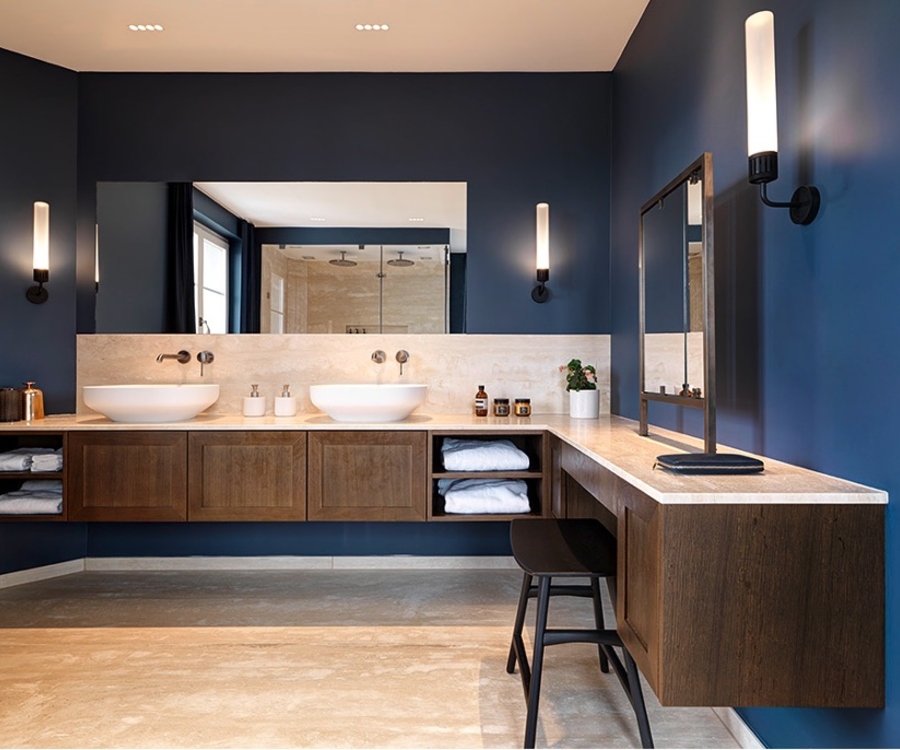
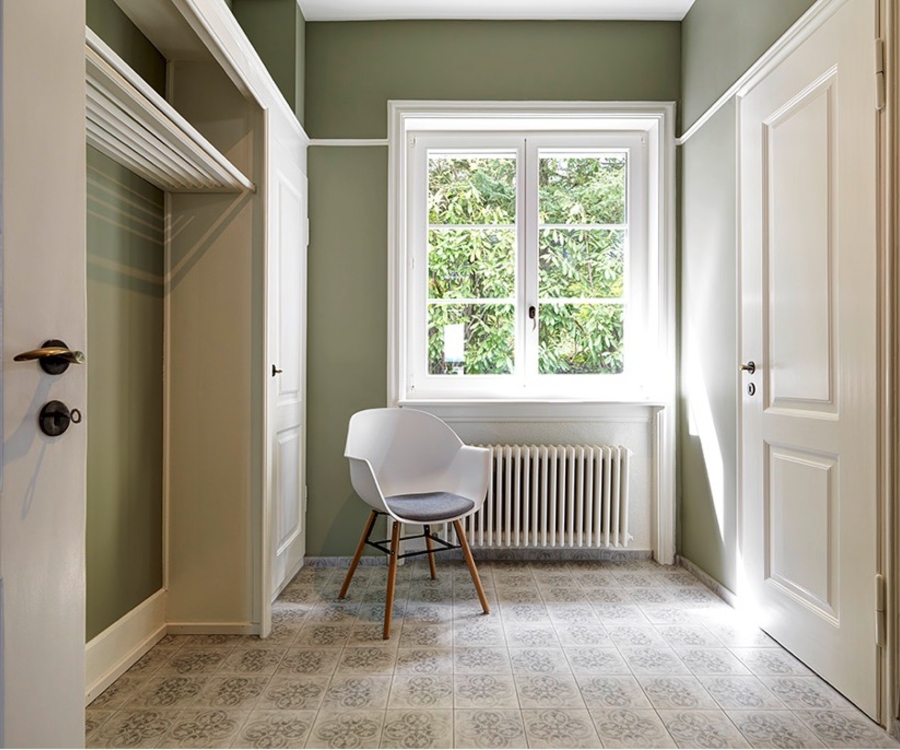
Photos 1 and 2: Marktgasse Hotel, Zurich
Award winning: Best Hotel Concept DACH, AIT Award
Photographer: Bruno Helbling

Photos 3, 4 and 5: Kurklinik Bad Schinznach, Switzerland Photographer:Dominik Golob und Felix Wey

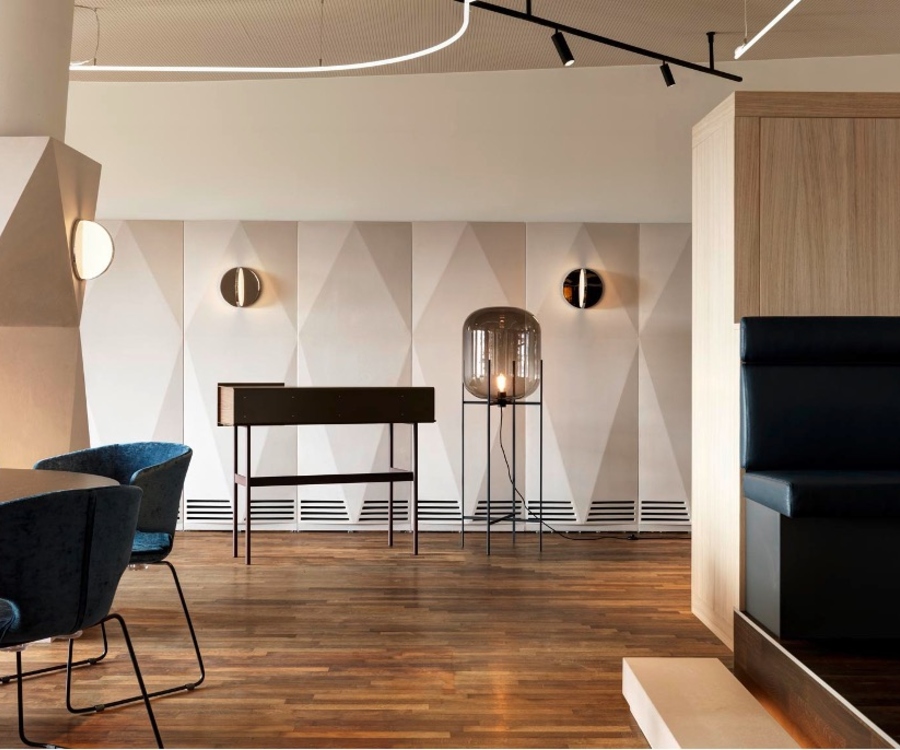
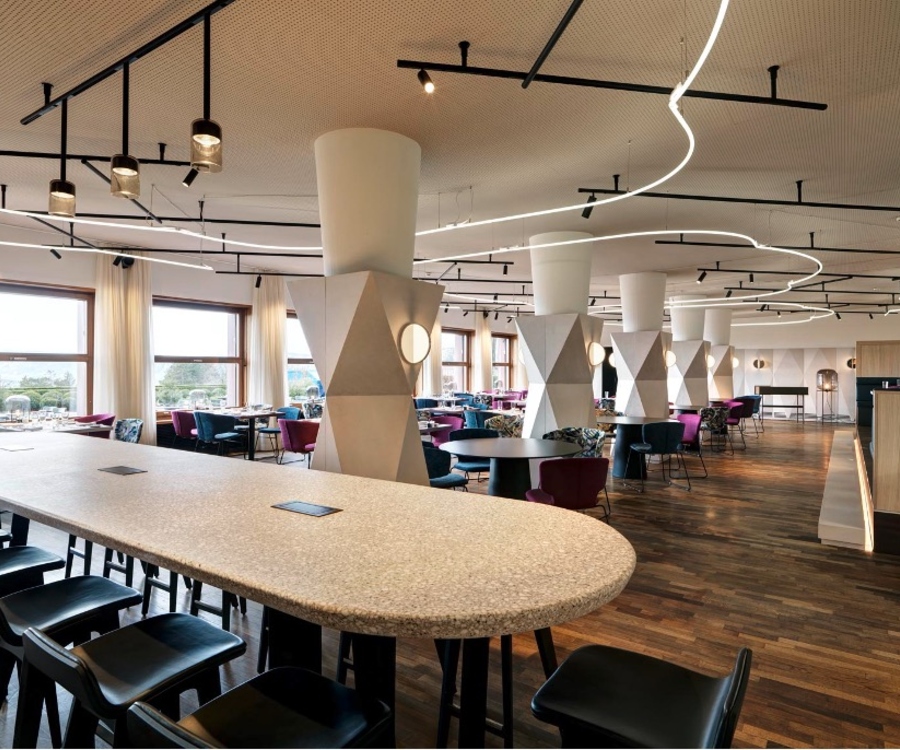
Photos 6 and 7: Sorell Hotel Zürichberg, Zurich
Photographer: Bruno Helbling

Photos 8 and 9: Single-family house Kilchberg, Zurich
Photographer: Bruno Helbling

Blog Block Image
MAp meets Karsten Schmidt-Hoensdorf, owner of the Zurich design studio IDA14

Add new comment

Comment

Order

Plain text

  • No HTML tags allowed.
  • Lines and paragraphs break automatically.
  • Web page addresses and email addresses turn into links automatically.
Types
sharing is caring

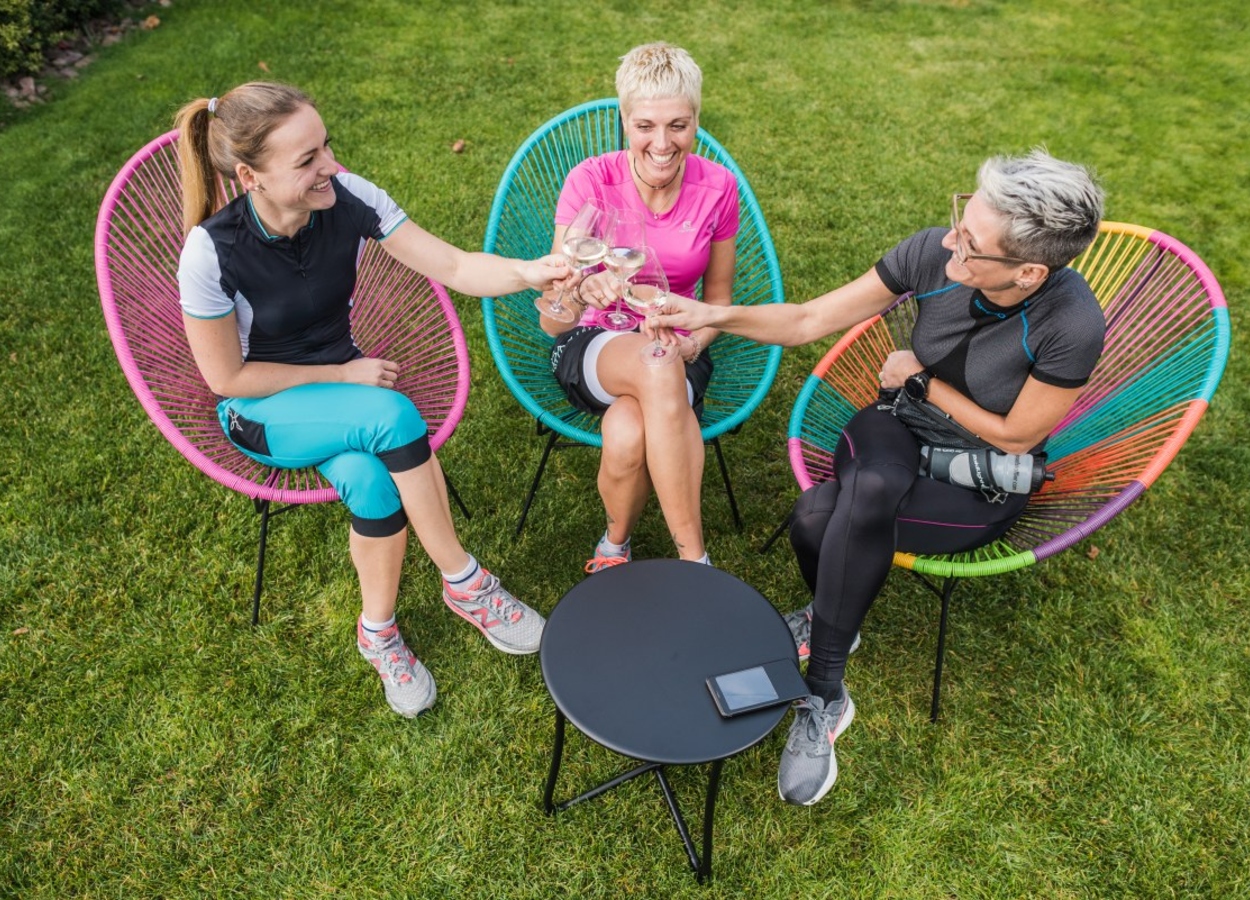
Setting up a next-generation hotelier for success with a sporty new concept.

Main-Image
paloria apartments & sport MA people MAP Boutique Consultancy
Location
South Tyrol, Italy
Timeline
2016 - ongoing
Type
Aparthotel
Purpose
To enable people to live their peak life
# of Rooms
14
# of Stars
4*
Tag it
#Paloria #UpUpUp #HotelConcept #HotelBranding #SustainableHotel
Paragraphs

The place for sport #UpUpUp

Destination

Destination

  • Fresh and cool aparthotel concept fitting for a new generation of travellers and athletes
  • New aparthotel brand identity and collateral in keeping with the concept
  • New-and-improved hotel website
  • Sustainable initiatives that create real impact
  • Successful launch of new paloria with support of MAp

paloria apartments & sport MA people MAP Boutique Consultancy

RoadMAp

paloria apartments & sport MA people MAP Boutique Consultancy

#UpUpUp

It was a pleasure to work closely with Julia in bringing her sporty vision for paloria to life. We invite athletes and outdoor adventurers to this fine accommodation in order to experience the best of what South Tyrol has to offer. 

In this amazing apartment we quite literally were able to

relax, lean back and recharge fully.

TripAdvisor User
Weight
-96
Title for Show next
Welcome to paloria apartments + sport
sharing is caring

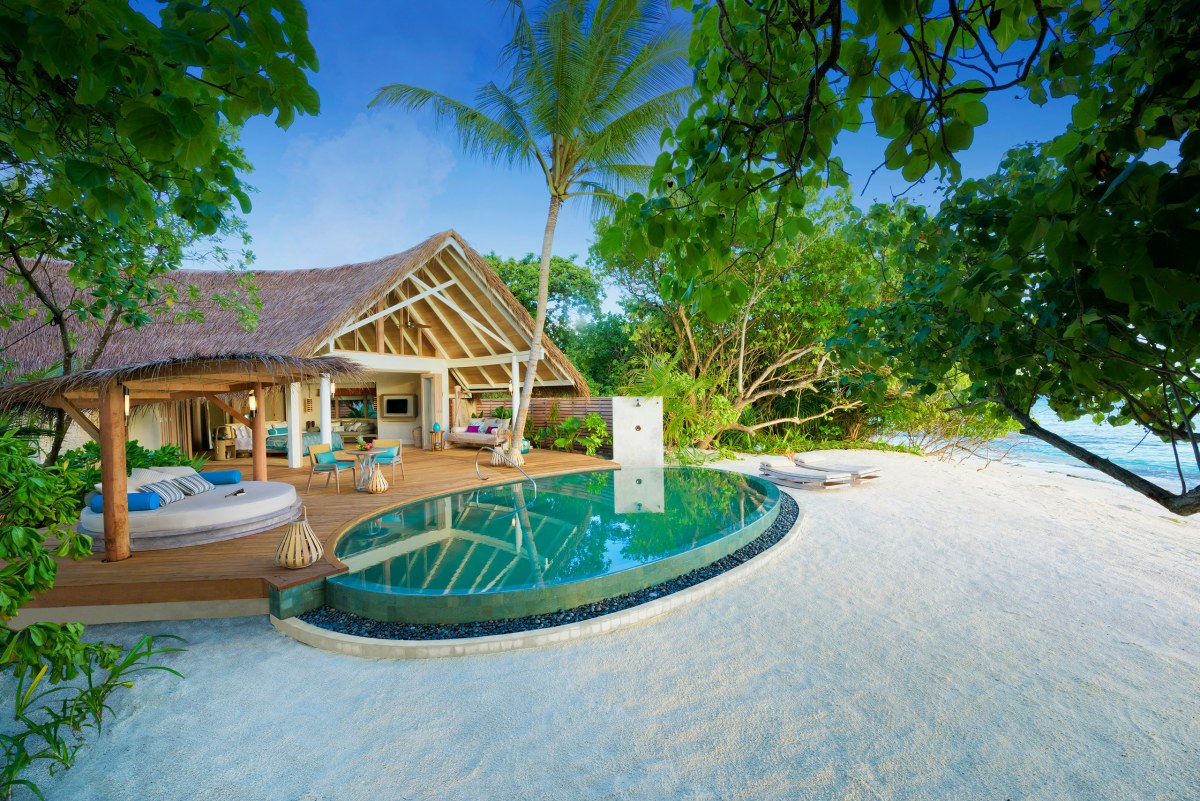
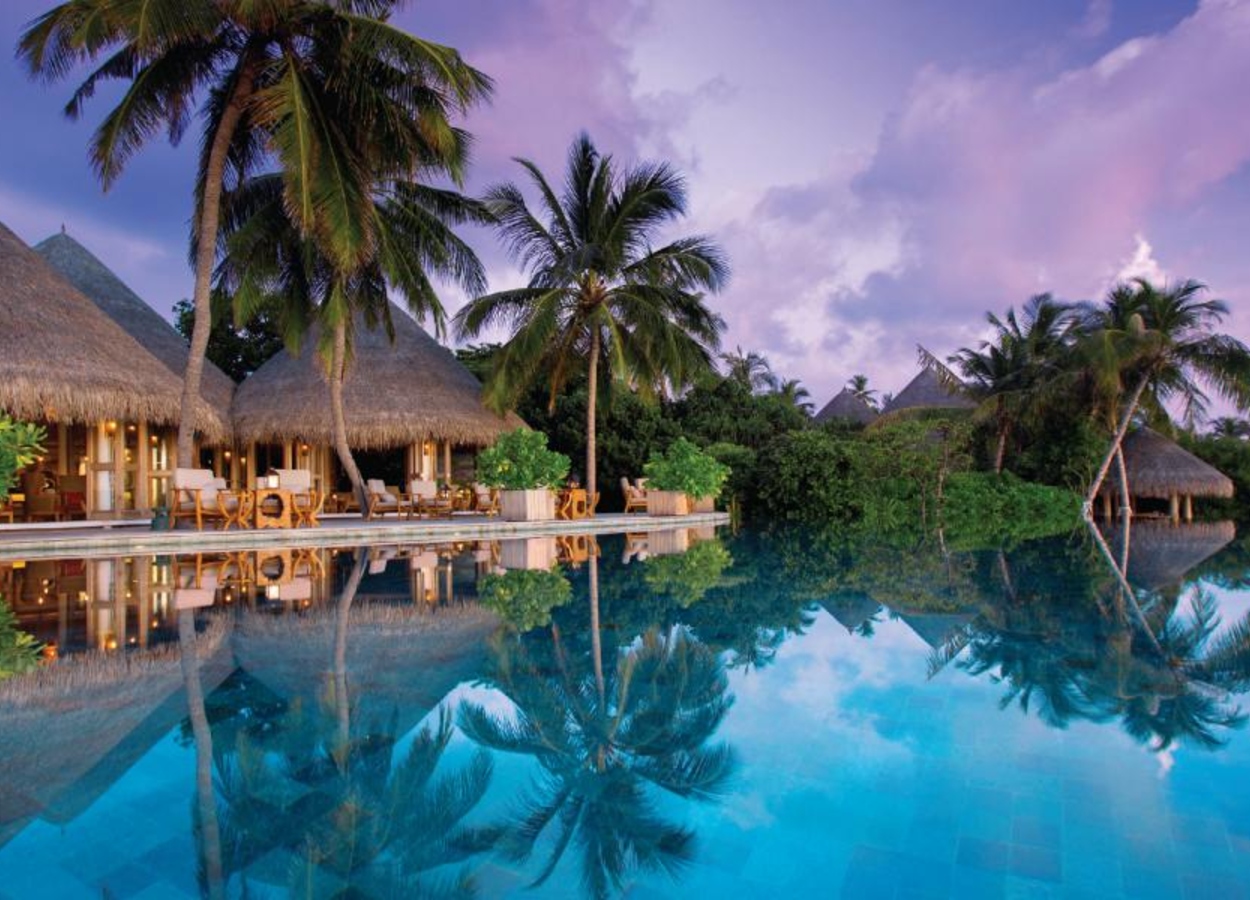
Opening up a new chapter of barefoot island living.

Main-Image
Milhaidoo Island MA people MAP Boutique Consultancy
Location
Republic of Maldives
Timeline
2015 - 2016
Type
Boutique luxury resort
Purpose
To tell the unique story of a small island
# of Rooms
50
# of Stars
5*
Tag it
#StoryOfASmallIsland #MilaidhooIsland #HotelConcept #HotelBranding #HotelMarketing
Paragraphs

The story of a small island

Destination

Destination

  • Holistic resort concept that reinvented luxury 
  • Resort brand strategy coupled with compelling brand identity
  • Guidance and insights on how to execute branding activities
  • Clear positioning in order to reach and attract defined target audience
  • Direction for Milhaidoo team on how to plan, execute, monitor and evaluate sales, marketing and social media activities 


Awards + Accolades

  • TripAdvisor Travellers Choice 2020: Best of the Best
  • Member of Small Luxury Hotels of the World
  • Golden Panther Award 2018: Best Beach Resort
  • Connoisseur Circle Hospitality Awards 2018: Best Hospitality Resort in the Indian Ocean
  • Harper's Bazaar - Bazaar Travel Guide 2018: The Best Islands
  • Condé Nast Johansens Luxury Hotels Award: Winner 2018
  • Elle UK: The 13 Most Beautiful Overwater Bungalows in the World

Video URL

RoadMAp

Milhaidoo Island

#StoryOfASmallIsland

We are honoured to have been given the chance to co-create the story of a small island along with a pioneering visionary of an owner and experienced team. We look forward to the many chapters ahead for this incredible resort.

You are the priority here and much like the water surrounding the island, the property moulds itself around you.

The best way to describe the experience is that it is human.

Harper's Bazaar
Weight
-90
Title for Show next
Welcome to Milhaidoo Island
Show Blocks
sharing is caring

Taking a sustainable, family-run hotel to the next level.

Main-Image
Locanda Mistral - MA people MAP Boutique Consultancy
Location
Valle Maira, Italy
Timeline
2019 - ongoing
Type
Sustainable, family-run hotel
Purpose
To enable guests to experience nature at its best and in the most authentic way
# of Rooms
14
# of Stars
3*
Tag it
#LocandaMistral #Bergerlebnis #EnjoyTheSilence #SustainableHotel #SustainableHotelConcept
Paragraphs

A jewel of tradition, sustainability and hospitality

Destination

Destination

  • Field and trend analysis to afford visibility into existing market and opportunities
  • Sharpened sustainable hotel concept with clear guidance on how to implement across all touchpoints
  • Clear positioning of the Locanda Mistral in the market
  • Sales + Marketing support
  • Stunning new website that serves as an extension of hotel concept, and in combination with other social media efforts, significantly increased online visitor rates


Awards + Accolades

  • Member of Green Pearls
Video URL

RoadMAp

Locanda Mistral - MA people MAP Boutique Consultancy

#EnjoyTheSilence

Thank you to Manuela and Renato for inviting us to put the Locanda Mistral on the MAp. We so admire the passion, warmth and hospitality you pour into this special hotel. #Onwards

If you love to enjoy the combination of a superb area with the best of the Italian kitchen in a warm and friendly atmosphere,

Locanda Mistral is the place to go.

TripAdvisor User
Weight
-98
Title for Show next
Welcome to Locanda Mistral
Show Blocks