sharing is caring

In the ever-evolving hospitality industry, staying ahead of the competition and meeting the dynamic demands of travellers is paramount. One effective strategy that can breathe new life into a hotel's identity and boost its appeal is undergoing a hotel rebrand. But why is rebranding your hotel important, when should you consider it, and how does it work?

In this blog post, we’ll address these questions and provide you with a clear roadMAp for action, outlining five concrete steps to successfully rebrand your hotel. These steps will empower you to navigate the transformation process and make sure that your establishment remains a highly-desired choice for your guests.
Untertitel
When, why and how to successfully reinvent your hotel image
Blog main image
Hotel-Rebranding MAp Boutique Consultancy
Paragraphs

WHAT is a hotel brand?

First, let’s start with some basics: WHAT is a hotel brand? The answer to this question might seem obvious, but all too often as a hotel boutique consultancy, we realise at the beginning of a hotel branding or hotel rebranding process that it is misunderstood. Therefore, let’s start this blog post with a short definition of what a hotel brand is and what it is not:

A hotel brand is NOT only the hotel logo or the hotel visual design. A hotel brand encompasses a whole set of elements from the visual identity (i. e. your hotel logo, the type fonts you have chosen, the uniforms your employees are wearing), to the visual identity (i. e. your hotel name, slogan, tone of voice) to sensory branding (i. e. how your hotel smells and sounds). In addition to these tangible elements, it includes intangible ones too, like your hotel’s vision, mission and values, which make up your hotel brand’s foundation.

In other words, your hotel brand is the way your hotel products and services are perceived, and therefore, hotel branding encompasses every action your business takes that creates a unique identity in the minds of your potential audience and other People (such as team members, partners, the local population).

Altogether, your brand is a reason to choose your hotel over a competing hotel. That’s why at MAp we like to quote Steve Forbes: “Your brand is the single most important investment you can make in your business.”

WHEN to consider Hotel Rebranding

It’s essential to understand when and in which situations rebranding your hotel might be the right choice for you. Over the last decade working as a creative hotel agency, we have identified the following top 5 indicators that it might be time to reinvent your hotel brand:

1. Market Trends and Shifting Demands:

It's vital to keep a keen eye on market trends and shifting guest demands. Recognising new preferences and emerging opportunities in your target market can signal the need for rebranding of your hotel. Pay attention to guest feedback and reviews, as they often provide valuable insights into the need for change. Over the last years, one of the biggest market trends and shift in demands we have seen is “Sustainability”. Therefore, at MAp we are not only creating stylish and unique brands, but sustainable ones too. You can learn more about sustainable hotel branding in this blog post.

2. Hotel Life Cycle:

Consider where your hotel stands in its life cycle. Because rebranding can be a strategic move, moving your property i. e. from a new establishment to an established one. Or doing a rebranding can be a strategic choice when a hotel undergoes a change in ownership or management, it's often an opportune time to rebrand to reflect the new direction, vision and strategy of the hotel. The same goes for property renovations or expansion.

3. Declining Occupancy and Revenue:

If your hotel is consistently experiencing a decrease in occupancy rates and revenue, or a deluge of bad reviews, it may be time to rebrand to attract a different customer segment or revitalise your image. However, as a hotel creative agency that develops innovative and sustainable hotel concepts, we emphasise that when talking about declining occupancy and revenue the issue often lies deeper. If you are not clearly positioned in the market or do not have a distinctive hotel concept, a rebranding might not help you in the long-run without the strategic groundwork being done as well.

4. Outdated Brand Image:

If your visual identity and elements, such as logo or interior décor, no longer align with the target market's expectations or the current design trends, it may be time for a hotel rebrand to create a more contemporary and appealing image. Also, here it is important to check on the other brand elements and evaluate if they need a refresh too.

5. Market Competition:

Increased competition in your destination or segment may require you to rebrand to stand out and differentiate your hotel from others, showcasing unique features or experiences. This is also always a good time to check on your hotel positioning and hotel concept.

WHY Rebrand Your Hotel

So, why should you consider rebranding? The answer lies in the potential benefits.

  • To make sure that competition is not drowning you out: Rebranding can give your hotel a competitive edge. Not rebranding can leave you falling behind in a highly-dynamic industry.
  • To align with a new vision: Ensure that your branding aligns with your hotel's evolving vision. Case studies of successful rebranding efforts can serve as inspiration.
  • To reach your desired customers: If you're not attracting your desired customer demographic, it might be time for a rebrand. Understand how rebranding can directly impact the guest experience and how improved amenities and services can create lasting impressions.
  • To ensure boosting Profit: Rebranding isn't just about aesthetics; it's about the bottom line. Data shows that successful rebranding is likely to lead to increased Profit as well.

HOW: 5 Steps to Rebrand Your Hotel

Now that we've explored WHEN and WHY rebranding your hotel is essential, let's dive into the HOW - to ensure your transformation is not just an idea, but an effectively-implemented reality.

1. Evaluate your hotel concept and your hotel positioning:

As we say at MAp Boutique Consultancy, first the concept, then comes the rest. This means that you must be very clear about your strategic definition, your hotel positioning in the market, etc. Only then you can derive from it a hotel brand (or can conduct a hotel rebranding) that is sustainable and delivers long-term success.

2. Approach your rebranding holistically and collaborate with a creative agency or hotel consultancy:

Visual Identity and Design: Beautiful things make people happy. Therefore, in this area you can redefine a new or refresh your existing logo, colour schemes, type fonts, etc. Verbal Identity: Does your hotel brand “sound” like every other? Is your slogan strong or weak? Have you identified keywords and statements to repeat in your communications? Is it time to define your unique tone of voice? Sensory Branding: How does your hotel smell and feel? Does it reflect your hotel brand and is it curated? We have created a series of blog articles that gives you further insights on how your hotel can win at sensory branding.

When you recognise that your hotel needs a change or a refresh,
it's not an admission of fault but the first step towards enhanced success.
@weareMAp

3. Think toward the hotel rebrand implementation early on:

As you know by now, at MAp we create sustainable brands. This means that right at the start of a hotel rebranding process, we think about HOW to create a hotel brand that is flexible and can be implemented in a sustainable way = using resources in the most efficient way.

4. Communicate your hotel rebrand internally before you communicate it externally:

Ensure that your staff is well informed to align with the new brand identity. Explain why the hotel rebrand was necessary and how the new brand supports the strategic objectives of your hotel. Also make sure that relevant team members know how they must use and implement the new hotel brand.

5. Launch your new hotel brand the right way:

Use your hotel rebrand to make a big splash. Create an emotional story about the why and the what = what you are expressing with your new hotel brand, what you stand for (your Purpose) and for whom you are the best choice. Engage with both current and potential guests through various channels to generate anticipation. Find important insights about Storytelling HERE.

And then?

Once we launch a new hotel brand in the market, we continuously gather feedback and measure the success of the hotel’s rebranding efforts. This gives us important insights on how we can further optimise the hotel branding, and of course, the success of the hotel business.

Rebranding a hotel is a pivotal decision that should be approached with careful consideration and meticulous planning. A well-executed hotel rebranding effort can breathe new life into a property, attract a broader and more loyal customer base, and rejuvenate a hotel's financial performance. On the other hand, a mismanaged rebranding can lead to confusion, alienate existing customers, and result in significant financial losses. Therefore, getting rebranding right is of paramount importance.

Hotel Branding

Make your hotel matter

If your business is the body, your brand is the soul. MAp Boutique Consultancy crafts sustainable hotel and hospitality brands that are purpose-driven and sustainable, rooted in beauty and authenticity. That’s how we make your brand matter.
Blog Block Image
Hotel-Rebranding MAp Boutique Consultancy

Add new comment

Comment

Order

Plain text

  • No HTML tags allowed.
  • Lines and paragraphs break automatically.
  • Web page addresses and email addresses turn into links automatically.
sharing is caring

It happens regularly that we’re asked about WHAT MAp is. Are we a creative hotel agency? A hotel branding firm? A hotel marketing agency? Or are we a hotel consultancy?

Over the last 10 years, we’ve asked ourselves these questions too, and today we share with you our thoughts about WHAT successful hotel consulting is, HOW we approach hotel consulting at MAp and WHY and WHEN hoteliers should consider collaborating with a hotel consultancy.

Untertitel
What it is and why it might be for you
Blog main image
Hotel-Consulting Hotelberatung MAp Boutique Consultancy Zurich Switzerland
Paragraphs

When we started MAp approximately 10 years ago, we avoided the term “hotel consulting” or “hotel consultancy” nearly entirely. Why? Because coming from management and operational roles in boutique and independent hotels, we collaborated with many hotel or hospitality consulting firms and felt we got a lot of “blah blah blah” without any practical grip. That the ideas seemed to be good on paper, but there was no way (or not enough budget and/or wo-men power available) to make them work in real hotel life.

But then in 2020, we started our own rebranding and repositioning process, and by talking to clients and partners we realised that at the core of it all we ARE a hotel consulting agency offering an array of helpful services to independent and boutique hoteliers.

Only then, we added the term to our brand name “MAp Boutique Consultancy,” and officially labelled MAp a hotel consulting firm. However, not without first making sure that we approach hotel consulting in our own unique MAp style :-). 

HOW do we approach hotel consulting at MAp?

Based on our deep experience in operational and management roles in boutique and independent hotels, as well as in branding, marketing and web agencies, there are a few basic rules we follow at MAp when consulting hotels:

1. Our hotel consulting is practical and actionable!

Yes, as part of our hotel consulting services we share theoretical insights, market data, trend forecasts, etc. However, we elaborate the content in such a way that our clients and hoteliers can work with it = that they understand what all this means for their hotel operations and team members in terms of goals, action steps, initiatives, etc. If it is not practical and actionable – it is NOT happening.

2. #Stepbystep This is one of MAp’s core mantras for a reason!

Successful and sustainable hotel consulting is a process and needs to be adapted to operational realities as well as to the timing and rhythm of hotel clients. Only if the approached topics build on each other and hotel consulting is seen as a #stepbystep process, we can achieve sustainable success and keep the involvement and motivation of our clients and hotel team members high.

3. Everything is figuroutable.

Every hotel is a microcosm on its own. Sometimes it feels like a small little village with its own culture and dynamic. And even if there are some basic rules that apply to every hotel business, there are also individual problems that need to be addressed with tailormade solutions. And this is something we truly love about our job as hotel consultants: To dig deeper, to explore new options, to look at other industries, to find partners and the right inspiration. Because something we have proven over and over again to ourselves and to our clients is: Everything is figuroutable! Thank you Marie Forleo.

See hotel consulting not only as a potential tactic to solve your problems
but to bring your hotel and business to the next level.
@weareMAp

WHEN and WHY should hoteliers consider collaborating with a hotel consultancy?

Now of course you might ask: Is it time for me to collaborate with MAp as a hotel consultancy? The answer is yes, if:

1. You need expertise and knowledge.

That’s the number one reason that clients start collaborating with us. They need expertise they just don’t have in-house. For example, when they want to rebrand their hotel, strengthen or evaluate their hotel positioning, or the moment when they embark on a hotel development process.

2. You need an external point of view

As a hotel owner or manager, you are so deeply involved in operations or working for so many years in the same hotel, that you turn “operationally” blind. When you realise that you are not able anymore to evaluate situations in a subjective way, it’s time to bring in an outside perspective.

3. You need extra wo-men power and/or a sparring partner

Especially when collaborating with independent and boutique hotels, we see that we don’t only act as external consultants, but quickly turn into an external department that supports the management and various department heads with a wide array of services. We also realise how helpful it is for our clients to have someone sitting “outside” they can approach with questions and as a sparring partner.

We hope this blog post gave you some good insights on HOW we approach hotel consulting at MAp, and when it might be time for you to start a hotel consultation to optimise your results.

Before we sign off, our last piece of advice for you: Consider hotel consulting BEFORE the sh*t hits the fan. Unfortunately, we’re often approached by hoteliers when the situation is already more than dire and hotel consulting is equal to cost-cutting in order to survive in the short-term. Don’t let that happen and invest in hotel consulting and strategic guidance well ahead. See hotel consulting not only as a potential tactic to solve your problems but to bring your hotel and business to the next level.

4. Keep it positive and inspiring!

One thing we learned right away when we started our hotel consultancy is: the HOW often matters more than the WHAT. Of course, we must know our job and deliver expert advice, but one thing that attracted and retained clients over the years was our spirit of unshakable optimism and expressing this positivity in our work (BTW: positivity is one of our leading values). Therefore, the fourth of our basic rules of hotel consulting is to add positivity, playfulness, and some colour and inspiration to our work.

5. Set new goals and objectives every year.

As we mentioned earlier, hotel consulting is a process, and with some of our clients we collaborate for many years. Therefore, it is of utmost importance to keep it fresh and creative. To set new objectives at the beginning of every year to keep everybody involved motivated and thriving. It’s critical to continuously learn and grow together to achieve the best results.

Hotel Concept Development

First the concept, then comes the rest

A sustainable hotel concept helps you to gain clarity, use resources efficiently, plan ahead, stand out from the crowd, build alignment and, ultimately, create a better future for your hotel – and for people and planet.

Blog Block Image
Hotel-Consulting Hotelberatung MAp Boutique Consultancy Zurich Switzerland

Add new comment

Comment

Order

Plain text

  • No HTML tags allowed.
  • Lines and paragraphs break automatically.
  • Web page addresses and email addresses turn into links automatically.
Types
sharing is caring

We are delighted to host this MAp meets with our MAp Boutique Consultancy team member Lisa Flora. Lisa Flora has been part of the MAp team since April 2023 and successfully defended her Master's thesis (Sustainable Regional and Destination Development course) entitled "The design possibilities of rural space, in an urbanised world." at the end of 2023 #woohoo.

In the course of her thesis at the University of Innsbruck and UMIT Hall, Lisa Flora dealt intensively with the development opportunities of rural areas and researched the extent to which young people's lifestyles and current technological trends affect the relative competitive relationship between urban and rural areas in Germany.

Untertitel
MAp talks to our team member Lisa Flora about how rural communities can use technology to respond to the future aspirations of young people and thus become more attractive.
Blog main image
Technology as a driving force for positive rural community development MAp Boutique Consultancy MAp meets Lisa Flora Buchauer
Paragraphs

Dear Lisa Flora, once again a big CONGRATULATIONS on completing your Master's degree in Sustainable Regional and Destination Development! Can you give us a brief insight into how you methodically approached this major sustainability topic of "making rural areas more attractive for young people"?

Thank you very much and with pleasure! It was clear to me that the first thing I wanted to do was analyse statements from young people throughout Germany. That's why I carried out youth study analyses. The aim was to find out: what is particularly important to young people between the ages of 12 and 25 when planning their future? I then used the information gained from this to carry out a systematic literature analysis and focused on technological trends, rural areas and the wishes of young people. This is the short version, because a Master's thesis consists of many individual methodological steps that are probably not so exciting for our readers. But our MAp mantra also applies here: #StepByStep.

Now, of course, we are looking forward to the answer! What do young people in Germany want for their future? Or what do they expect?

Three aspects seem to be particularly important to young people in Germany when it comes to their future: Flexibility, social life and standard of living. All three aspects are related to both everyday private life and professional life. It can currently be observed that young people feel that they can mainly realise these ideas in a city or urban area. Unfortunately, young people are therefore considering rural communities less and less as a place to live.

An interim question Lisa Flora, why did you set your Master's thesis in Germany?

The topic affects many people, of course! But I find it particularly interesting in Germany because there have been active attempts since the 1990s to initiate a counter-movement to rural exodus. For example, attempts were made to create equal living conditions and opportunities for urban and rural areas with the so-called spatial planning programme. However, this has not been a great success. I found it exciting to find out how technology could be used to achieve these goals in the future.

However, the results can also be applied to comparable countries such as Austria.

Why was it important to you to research and better understand the dynamics of rural areas in an urbanised world? What significance does this topic have for society and, above all, for future developments?

In times when the focus is increasingly on urban centres, rural areas are increasingly being pushed into the background. We can see that this has led to a negative spiral in recent years: As population density decreases, the infrastructure network in rural areas tends to become "patchier". This in turn means that many rural communities are struggling with the decline in educational opportunities, catering facilities and the closure of doctors' offices and police stations. And this makes local people unhappy, which is why many see the solution as moving to the city.

For the future, I see it as crucial that this trend changes. Firstly, in terms of social cohesion, so that there is a balanced and fair society in which all citizens have access to the same resources, services and opportunities regardless of where they live. And secondly, to ensure a diverse economic structure and the preservation of cultural identities. But the list is long and varied!

Successful rural community development today is about using technology not just as infrastructure,
but as a catalyst for social interaction, education and professional opportunities
@Lisa Flora Buchauer via @weareMAp

To what extent do technological trends play a role in the development of rural communities?

In recent years, technological progress has had a major impact on our daily lives, whether in the countryside or in the city. We have integrated technology into our everyday lives to such an extent that it is hard to imagine life without the many opportunities it has created. Young people in particular are making completely new demands on their place of residence as a result.

However, as already mentioned, in many rural areas in Germany, the infrastructure - including the digital infrastructure - is not as good as in the city and it is therefore not possible to keep up with the urban offer.

In summary, this means that successful rural community development today consists of using technology not only as infrastructure, but also as a driver for social interaction, education and professional opportunities. By integrating technologies that reflect the individual wishes and dreams of future generations, rural communities can not only become more attractive, but also better tailored to the needs of the future.

Does the topic of sustainability also play a role in relation to your research results?

The topic of sustainability plays a crucial role in the context of rural areas and is of great importance for their long-term development. However, my research findings primarily emphasise the social aspect of sustainability. For young people, it seems to be particularly important for their personal future to live in a place that promotes social justice, strengthens the community and offers initiatives that improve quality of life. Always in the context of technological offerings and opportunities.

How can the findings of your master's thesis be put into practice? What are the top 5 concrete measures that can be taken to make rural areas more attractive to young people through technology?

What I like about my work is that I was able to identify concrete examples of implementation. Even simple measures can enhance rural areas for young people.

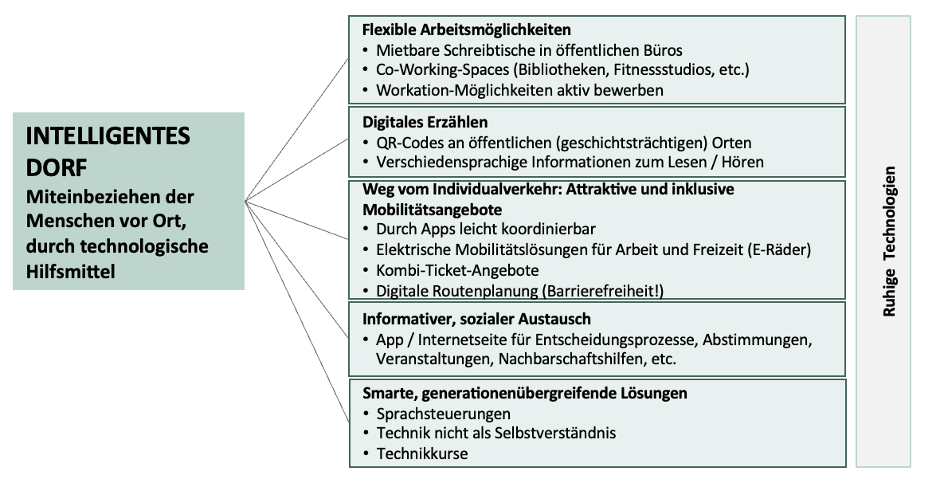
My top 5 recommendations for rural communities are:

1. Promotion of social infrastructure through technology:

Introducing digital platforms for information, announcements, voting and coordination of community activities and neighborhood assistance.

2. Improving mobility through technology-based solutions:

Introduction of coordinated mobility offers that can be controlled via an app. Combined ticket offers in particular increase attractiveness (combining car-sharing, buses, e-bikes, etc.). When planning digital routes, always offer barrier-free routes (suitable for wheelchairs, etc.) for comprehensive accessibility for all.

3. Creation of flexible working options and co-working spaces:

Provide creative workspaces (co-working spaces) to appeal to people with (increasingly common) flexible working models. Actively promoting rural areas as attractive places for "workation" also attracts young people.

4. Digital storytelling in places steeped in history:

Integrating technology to make stories and information accessible at historically significant places. The playful exchange of information generates interest among many young people. Use of QR codes to provide background information and emphasise the history of a place/street. (For example: Why is Jägergasse called what it is and what used to stand on such and such a street corner?)

5. Cross-generational technology accessibility:

Young people want to feel they can be happy where they live, even as they age. Therefore, creating inclusive technology solutions that are accessible to all age groups; providing technology courses, especially for older people, to improve their technological literacy. Introducing technology gradually and in consultation with the community for seamless integration.

Technologie als Impulsgeber für attraktive Dorfentwicklung

Source: Lisa Flora Buchauer

Of course, our final MAp meets question should not be missing today: What makes a truly unique hotel experience for you personally?

For me personally, a truly unique hotel experience is above all a "certain gut feeling". If I have a positive feeling when I first enter the hotel, I know it's something special.

A unique hotel experience for me is therefore a place that creates an emotional connection. And for me, such an emotional connection is created, for example, by offering various local experiences or creatively displaying the hotel's history in corridors / on the website.

And I have to admit: I'm also happy about the classic little chocolate on the bed pillow - preferably locally produced ;-)

About Lisa Flora Buchauer:

Lisa Flora was born in Innsbruck. Through her Bachelor's degree in Sociology and Master's degree in Sustainable Regional and Destination Development, holistic sustainability has become a matter close to her heart. She now lives in Zurich and is not only an expert in sustainability, but also a passionate coffee enthusiast and cyclist. Connect with her on LinkedIn.

Blog Block Image
Technology as a driving force for positive rural community development MAp Boutique Consultancy MAp meets Lisa Flora Buchauer

Add new comment

Comment

Order

Plain text

  • No HTML tags allowed.
  • Lines and paragraphs break automatically.
  • Web page addresses and email addresses turn into links automatically.
Categories
Types
sharing is caring

Today we meet Johannes Melin, technical sales expert at Orbital Systems, a company creating innovative products like showers, taps and more that reduce water and energy consumption.

Let’s find out how Orbital is leading today’s change for tomorrow’s water.

Untertitel
MAp meets Johannes Melin – technical sales expert at Orbital Systems.
Blog main image
How hotels can reduce their water and energy consumption with Orbital Systems MAp Boutique Consultancy
Paragraphs

Dear Johannes, thank you for your time! To begin with, please tell us a little bit about Orbital Systems and what your mission is.

Johannes: Orbital Systems is an innovation company whose mission is to make water appliances smarter and more efficient. Our products are made to save water and energy without compromising on the user experience.

Average consumption today exceeds 100 litres per person per day in the Western world. At Orbital, our goal is to reduce this number to 20 litres per day.

What inspired the founder of Orbital, Mehrdad Mahdjoubi, to launch the company? What major problems was he hoping to solve?

Johannes: As a student at Lund University, Mehrdad took part in an academic collaboration with NASA. Their mission was to uncover ways of sustaining life on Mars through innovative use of water. It was then that the revelation dawned on him; that groundbreaking ideas conceived for space could also revolutionise the way we manage water on our own Blue Planet. Fresh water is a finite resource, and its scarcity is a growing concern worldwide.

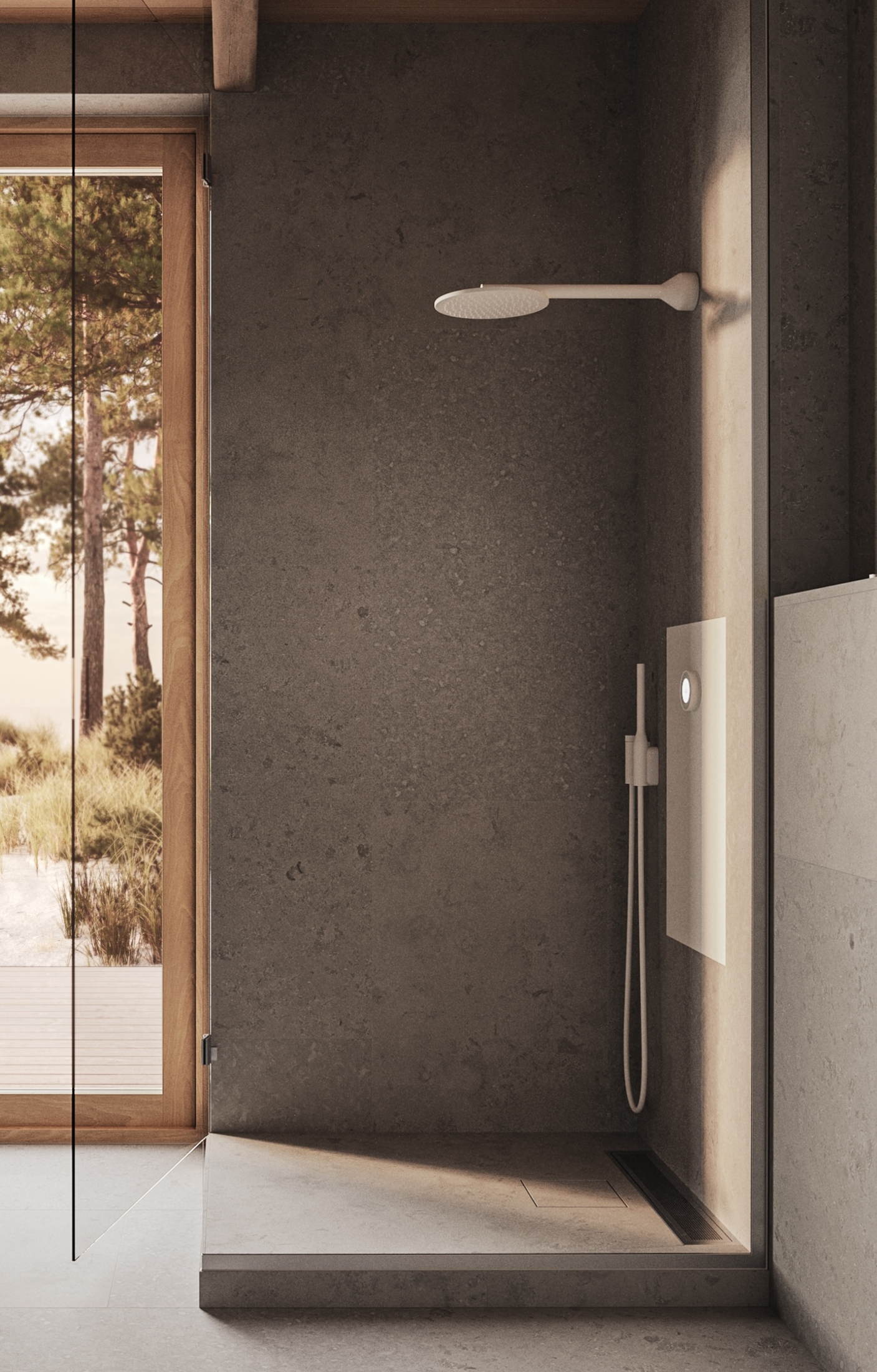
That's why our primary focus is on developing technologies that enable smarter use of water. Our advanced shower systems are engineered to drastically reduce water wastage without compromising on comfort or performance. By implementing Orbital showers in hotels, homes and businesses, we can significantly decrease water consumption on a global scale.

Can you tell us more about your products? What makes them so innovative and who are they made for?

Johannes: Orbital Systems specialises in water- and energy-saving products that combine sustainability, innovative technology and design. Our key products utilise circular technology to reduce water and energy consumption by 50 to 100%, all while providing users with a premium experience featuring high flow and constant temperature.

The Scandinavian design is evident in our minimalist, functional and aesthetically pleasing approach, ensuring that our products not only perform efficiently but also enhance the visual appeal of the space they are used in. These products are ideal for environmentally conscious consumers, hotels, spas, gyms and private homeowners who value both sustainability and design.

When you look back at the hotels you've worked with and how you've supported them on their path to more sustainability with your products: What has been your biggest learning so far?

Johannes: Many hotels are not aware of how much they pay for the water and energy used by their showers. When we get a chance to look at their numbers, they are often very surprised when they realise the magnitude of the savings they could achieve by installing our products.

We have also learned that hotel guests are not very willing to change their behaviour to save water and energy. When they pay for a hotel stay, they often use the shower much more than they do at home. This is especially true in 4- and 5-star hotels where water consumption can be very high. To better suit the organisation of the hotel business, where it is common to have a property owner company and an operator company, we have introduced a financial model where the cost can be split between these two entities.

The property owner pays an amount equivalent to the cost of a conventional high-end shower system, while the operator pays a monthly or annual fee for a Care Plan that includes consumables and a 10-year warranty. With this setup, the hotel's operational expenses per room immediately become lower than with a conventional shower.

Many hotels are not aware of how much they pay for the water and energy used by their showers.
When we get a chance to look at their numbers, they are often very surprised when they realise the magnitude of the savings they could achieve by installing our products.
@JohannesMelin via @weareMAp

Nowadays, people are talking more and more about saving water but aren’t necessarily being smarter about their water usage. What are your three most important water-saving recommendations?

Johannes:

1. Reduce your shower time (or implement an Orbital Shower ;-) ).

2. Turn off the tap while brushing your teeth, fill the dishwasher and keep cold drinking water in a jar in the fridge.

3. Install dual flush toilets or, even better, the Orbital Tap for up to 100% greywater reuse from the toilet sink to toilet flushing.

Do you have any recommendations for hoteliers on how they can start and/or advance their sustainability journeys?

Johannes: Hire an expert who can take a holistic approach to analyse your current state and identify areas for impactful improvements.

Key actions to become more sustainable always include:

1. Implementing energy-efficient solutions

2. Reducing water consumption

3. Minimising waste

4. Choosing organic and locally sourced food

As always, our final MAp meets question: What makes a hotel experience truly outstanding for you personally?

Johannes: Freshly baked bread for breakfast, a comfortable bed in a cool and silent room, and of course a long and refreshing shower without any unnecessary waste of water and energy.

Wie Hotels ihren Wasser-und Energieverbrauch mit Orbital Systems reduzieren können

About Orbital Systems:

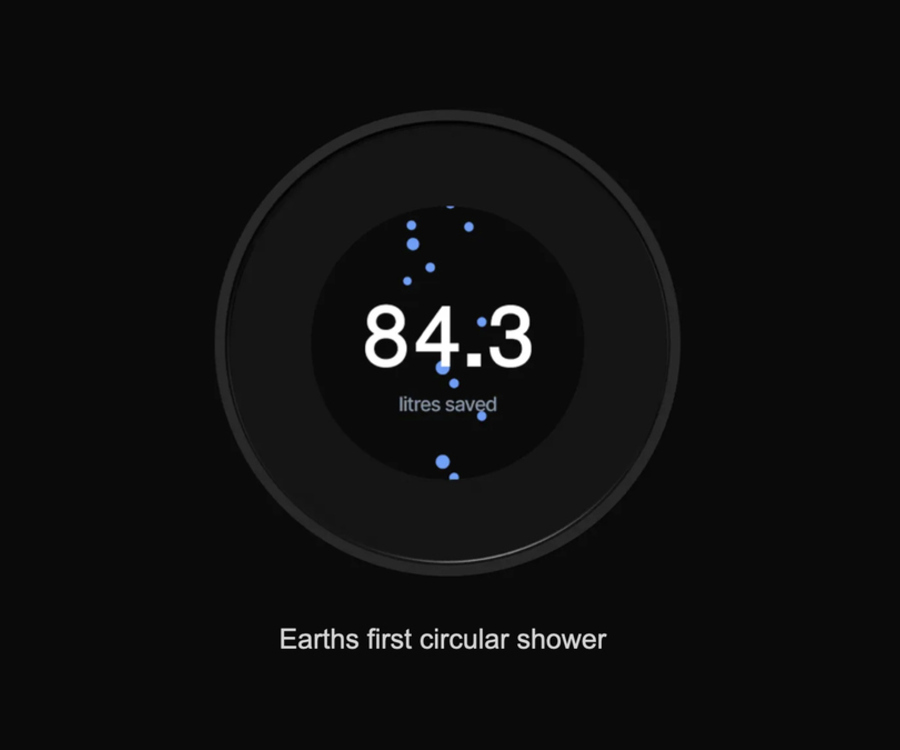
Orbital Systems is a Swedish company specializing in innovative water-saving solutions that combine sustainability with Scandinavian design principles. Their flagship products include the Orbital Shower, described as "Earth's first circular shower," and the recently introduced Orbital Tap, both of which utilize cutting-edge circular technology to significantly reduce water and energy consumption without compromising comfort or performance.

These products are designed for environmentally conscious consumers, hotels, spas, fitness centers, and private homeowners who value both sustainability and aesthetic appeal. Orbital Systems' commitment to water conservation is evident in their products' ability to purify and reuse water, potentially saving tens of thousands of liters per person annually.

The company's solutions have been installed in various locations across Europe, including high-end hotels and private residences, demonstrating their versatility and appeal to a wide range of users.

Blog Block Image
How hotels can reduce their water and energy consumption with Orbital Systems MAp Boutique Consultancy

Add new comment

Comment

Order

Plain text

  • No HTML tags allowed.
  • Lines and paragraphs break automatically.
  • Web page addresses and email addresses turn into links automatically.
Categories
Types
sharing is caring


Are you eager to market your hotel more effectively to increase bookings and boost revenue?

Our 8-week coaching programme, led by the experts at MAp Boutique Consultancy, will refine your hotel concept and brand, strategically position your property, and elevate your marketing strategies, bringing growth and long-term success for your hotel business!

Weight
-82
Block Image
Hotel Marketing Accelerator: An 8-week coaching programme to grow your hotel business and achieve (more) success
Paragraphs
As seen on:

Ready to bring your hotel to the next level?

At MAp, our Purpose is driven by a deep passion for supporting independent and boutique hotels, coupled with our unwavering commitment to making this planet a better place for all.

Through this programme, we strive to amplify our impact in the hospitality industry by fostering the growth of standout, sustainable and successful hotels. We invite you to join us on this transformative journey!

Through 1-on-1 coaching with the MAp team, we'll equip you with comprehensive strategies and tools designed to strategically position and market your hotel - in under 8 weeks! Our approach is holistic and sustainable, aimed at making a significant and positive impact, and ensuring your success and long-term viability in this ever-evolving industry.

Hotel Marketing Accelerator: An 8-week coaching programme to grow your hotel business and achieve (more) success
10+
Years of consulting expertise
Hotel Marketing Accelerator: An 8-week coaching programme to grow your hotel business and achieve (more) success
1-on-1
Personalised coaching
Hotel Marketing Accelerator: An 8-week coaching programme to grow your hotel business and achieve (more) success
5
Available spots for 2024 / 2025

What is the Hotel Marketing Accelerator programme?

The Hotel Marketing Accelerator for hotels and hospitality businesses is a value-packed, 8-week programme consisting of the following modules. Here’s a sneak peek of what’s inside each module:

Module 1: Discovering your Success Potential

We embark on the journey by assessing your hotel's starting point and status quo, and uncovering the areas with the greatest potential for success for your hotel business.

Module 1 serves as an opportunity for mutual acquaintance, information exchange and comprehensive evaluation of where your hotel stands now and where you want it to be in the future. Includes:

  • Kick-off call 
  • Submission of questionnaire aimed at illuminating your hotel's current performance and standing
  • Analysis of the gathered data, crafting a bespoke coaching programme tailored specifically to your hotel’s needs
  • Identification of your hotel’s strategic success potential as it relates to its hotel concept, brand, positioning and marketing
  • Alignment and fine-tuning, so that our strategies align seamlessly with your goals before proceeding with the journey ahead

Outcome: We will have gained invaluable insights into your hotel's unique potential, identified key areas for improvement, and gained clarity on where your greatest opportunities for success lie, setting the foundation for our collaboration over the coming weeks.

Module 2: Sharpening your Hotel Concept + Hotel Brand

Through our decade of experience developing and collaborating with hotels worldwide, one crucial lesson stands out: you have to know what your hotel stands for, before you can make it stand out!

Module 2 is about enhancing your hotel’s unique concept and brand to make sure they meet the needs of your target audience, perform more competitively in the market and generate sustainable impact. Includes:

  • Definition of your hotel basics
  • Clarification of Purpose > your WHY
  • Clarification of brand elements
  • Identification of key buyer personas
  • Integration of the 4 Ps of Sustainability

Outcome: By the end of this module, you know what you stand for! You also gain important clarity around your hotel concept, brand and target groups, empowering you to create a hotel experience that resonates with your guests and positions your hotel as a market leader.

Module 3: Defining your Hotel Positioning

Based on your newly-refined hotel concept and hotel brand, and considering your strategic success potential, we identify your hotel’s unique position on the global MAp.

Module 3 is dedicated to hotel positioning, crystallising your hotel’s unique DNA to establish a clear and powerful presence in the market. Includes:

  • Definition of your existing hotel positioning
  • Sharpening of your hotel positioning based on your hotel concept, brand and success potential

Outcome: By the end of this module, you will attain a clear understanding of your hotel's distinctive positioning and a detailed roadmap to implement it effectively in the market, step-by-step.

Module 4: Optimising your Hotel Marketing

It’s time to look at how you sell and communicate your hotel: Are you addressing the right guests through the right channels?

Module 4 starts by assessing your existing hotel marketing strategies and activities, focusing on your sales and communication channels, in order to identify areas of improvement to help you achieve your new positioning and reach your target audience. Includes:

  • Assessment of your existing hotel marketing status quo, including strategies, activities and channel mixes
  • Identification of 5 sales and marketing priorities to kickstart improvement
  • Development of a tailored action plan 
  • Joint call and discussion

Outcome: By the end of this module, you'll have a tailored action plan encompassing 5 key priorities to help you execute your new marketing strategy, and drive enhanced engagement and revenue growth.

Module 5: Wrap-up + Coaching

The last module is all about you! Throughout our joint journey, perhaps you’ve identified several areas where you may require additional support and insights, or have lingering questions that need addressing.

Module 5 is about bringing closure to our coaching journey by providing personalised one-on-one coaching, addressing any remaining questions or concerns you may have, and offering tailored recommendations for your future success. Includes:

  • Personalised one-on-one coaching session tailored to your specific needs
  • Comprehensive review of identified areas requiring support or further insights
  • Joint call + discussion

Outcome: By the end of this module, you will have gained invaluable insights, clarity, and recommendations to propel you confidently toward your future success in the hospitality industry.

BONUS: The Sustainable Hotel Handbook - Collection

All participants get The Sustainable Hotel Handbook - Collection (value EUR 495) free of cost! Comprised of four comprehensive handbooks on the topics of Purpose, People, Planet, Profit, this important collection helps you to qualify your hotel as a sustainable one, in line with leading hotel certification programmes.

2024 Accelerator Coaching Programme to Master Your Hotel’s Positioning + Marketing
Hotel Marketing Accelerator: An 8-week coaching programme to grow your hotel business and achieve (more) success

Is the Hotel Marketing Accelerator right for me?

YES, this coaching programme is for you if you own, manage or run an independent or boutique hotel and are looking for outside guidance on branding, positioning and marketing. Together, we'll help you to:

  • Grow your hotel business and bring your hotel to the next level

  • Gain clarity and new direction

  • Stand out from the competition and make a distinct mark

  • Stay ahead of shifting guest demands and market dynamics

  • Implement sustainable practices into your business

  • Revitalise your brand image

  • Take advantage of transformative changes, such as new management or renovation

This is what you get

as a participant in the Hotel Marketing Accelerator.

Discounted price for 5 hotels!

Request your spot and benefit from a discounted price of EUR 4,900.00 (valued at EUR 7,600.00!)

Payment for the programme is made in three installments.
If you represent an NGO, please let us know, and we'll gladly offer you an enhanced pricing option.

Interested?

Get in touch with us!

Follow the link below to the questionnaire and share a little about your hotel with us. We'll contact you within the following days to schedule a start date. 

What makes the Hotel Marketing Accelerator so valuable?

The is the ultimate coaching programme to propel your hotel to new heights.

6

Frequently Asked Questions

You ask. We answer.

What does the coaching programme cost?

For 5 hotels our comprehensive Hotel Marketing Accelerator is offered at a special price of EUR 4,900.00, discounted from its total value of EUR 7,600.00. 

Bonus: All participants get The Sustainable Hotel Handbook - Collection (value EUR 495) free of cost in order to make this world a more hospitable and better place for ALL!

Do you offer special discounts for the coaching programme?

If you represent an NGO, please let us know, and we'll gladly offer you an enhanced pricing option.

Are all fees and costs included in the price?

Included 

Excluded 

  • Travel costs (if applicable)
  • Third-party costs such as design, photography, translations, etc. (if applicable)
What makes the coaching programme so valuable?

The is the ultimate coaching programme to propel your hotel to new heights.

Get tailored guidance

From refining your hotel concept and brand to developing strategic marketing plans, each module is designed to address your specific pain points and opportunities, ensuring that every aspect of your business receives the attention it deserves.

Identify your strategic positioning

By identifying your hotel's unique selling points and target audience, you'll learn how to differentiate yourself effectively and attract the right guests to your property.

Improve your sustainable impact

Through a holistic approach that considers social, environmental and economic sustainability, you'll discover how to create a hotel that thrives both now and in the future.

Receive expert advice

Benefit from the expertise of seasoned professionals at MAp Boutique Consultancy, who bring significant experience advising independent and boutique hotels to the table.

Gain actionable insights

You'll gain actionable insights that you can apply directly to your hotel business, allowing you to see immediate improvements in performance and profitability.

Elevate your marketing

Amplify your hotel's visibility and appeal in the marketplace with new-and-improved marketing strategy, activities and channel mixes.

What’s the timing of the coaching programme?

From start to finish, the Hotel Marketing Accelerator programme takes 8 weeks, which allows for a comprehensive exploration of key topics and strategies without overwhelming participants with too much information at once.

How flexible is the start date for participating in the programme?

We will jointly define a start date depending on what works best for your schedule.

How personalised is the coaching programme?

The Hotel Marketing Accelerator consists of pre-defined modules covering particular topics, each one taking 1-2 weeks each. Of course, the guidance, action steps and deliverables (and start date!) are all personalised to your exact needs and goals.

What kind of support and resources are available to participants throughout the duration of the programme?

Participants receive ongoing support from our team of experienced consultants through one-on-one coaching sessions, and access to valuable resources such as practical playbooks and handbooks.

Can participants expect ongoing support beyond the duration of the coaching program?

Participants will automatically become part of the MAp Community, where we offer free resources, webinars, expert talks, etc., to help hotels become more sustainable and excel in the hospitality industry. Of course, we remain available should you have any further questions!

How long does it typically take to see results from participating in the coaching program?

The timeline for seeing results can vary depending on individual circumstances, but participants will likely notice significant improvements in their hotel's performance within a few months of implementing the strategies and insights gained from the programme.

How does this coaching programme address sustainability within the hospitality industry?

Sustainability is a key focus of our coaching programme, and participants learn how to incorporate social, environmental and economic sustainability into their hotel concepts and brands, as well as their positioning and marketing strategies.

I am planning a new hotel, can I take part in this coaching programme?

Of course! All modules, strategies and actions from the programme apply to new hotels too, not just existing ones.

Who are the consultants?

MAp is a B Corp-certified boutique hotel consultancy dedicated to empowering independent and boutique hoteliers through branding, positioning and marketing services. Located in Zurich and women-lead, the MAp team adopts a holistic and sustainable approach to elevate the global impact of hotels. With a focus on people and purpose, MAp stands out for its innovative strategies and creative solutions, making hotels, businesses and brands matter.
Learn more about us here


The Hotel Sustainability Shop

Discover practical hotel sustainability tools and resources that make a real impact.
Create a thriving hotel business and learn more about holistic hotel sustainability with our practical handbooks, tools and resources. Let’s get started on the road to a more hospitable and purposeful Planet – together!

Types
Zero Price view
CHF 0.00
Erscheint nach ? Sekunden
3
Image Full Content
Hotel Marketing Accelerator: An 8-week coaching programme to grow your hotel business and achieve (more) success
sharing is caring

We at MAp Boutique Consultancy believe brands themselves can be (and should be) sustainable. Over the last year, we’ve seen an increase in requests for creating sustainable hotel brands, which as a B Corp-certified agency, makes us very happy!

The fact is, consumers are no longer content with mere transactions; they seek stronger connections with brands that align with their values. As a result, brands are under increased scrutiny to not only provide high-quality products and services but also demonstrate their commitment to people and planet.

In this blog post, you’ll learn how to create a sustainable brand by:

  • Applying MAp’s 4 Ps of Sustainability
  • Developing well-designed visual identities
  • Auditing your supply chain
  • Choosing eco-friendly marketing materials
  • Following the principles of sustainable communication
Untertitel
Your blueprint for your brand's success
Blog main image
Schritt für Schritt zum nachhaltigen Branding
Paragraphs

What exactly is a sustainable brand?

Sustainable branding focuses on integrating sustainability into a brand's identity, values and practices. It goes beyond the superficial use of eco-friendly imagery or slogans and requires a deep commitment to environmental, social and economic responsibility. A sustainable brand has the power to influence change, drive consumer loyalty and inspire positive action.

Now that we've established the importance of sustainable branding, it's time to explore how to create a sustainable – and successful - brand.

Here's MAp’s step-by-step guide to help you get started:

1. Apply MAp’s proprietary framework on sustainability, aptly titled MAp’s 4 Ps of Sustainability: Purpose, People, Planet, Profit.

For every brand we create, we approach it holistically through the lens of the 4 Ps to determine how we can best portray a hotel’s Purpose, inspire and uplift its people, minimise its impact on the planet and economically benefit all of its stakeholders. When you enter into a (re-)branding process, we recommend to keep these 4 Ps close to you and ensure they are reflected in every aspect of your brand – from its visual identity to its verbal identity.

2. Develop well-designed visual identities that stand the test of time and are functionally adaptable.

Not only are branding or rebranding exercises a big commitment (financial and otherwise), they necessitate the production of new marketing materials and the elimination of old ones (= more waste).

When you practice sustainable branding, you overcome this by creating a visual identity that is timeless and therefore avoids becoming quickly outdated - instead, it grows with your business across existing and future product lines, projects, subsidiaries and more.

3. Audit your supply chain to source from sustainable suppliers, wherever possible.

Sourcing materials and services from responsible partners is essential – they should align with your sustainability values and meet your sustainability expectations. Beyond that, though, it’s important to give opportunities to small businesses, local ones, and those owned by women and people of colour when possible.

Also check if your partners have sustainability certifications in order to make sure that they walk the walk too!

Sustainable branding goes beyond the superficial use
of eco-friendly imagery or slogans and requires a deep commitment to environmental, social and economic responsibility.
@weareMAp

4. Choose eco-friendly marketing materials.

Today, there are many options for choosing environmentally-friendly materials and packaging, from biodegradable paper to eco-friendly printer ink. For your marketing material, we suggest to research and find the best partners and products to make your sustainable brand happen.

5. Follow the principles of sustainable communication and create an emotional connection with your audiences.

The brand verbal identity and messaging we develop follow MAp’s 10 Principles of Sustainable Communication: transparency, inclusiveness, cultural sensitivity, clarity, responsibility, authenticity, progress, relevance, inspirational, ethical.

We also recommend to employ emotional storytelling techniques to connect and appeal to audiences – not just your guests, but also your employees, partners and local community members. By following these steps, you can create a sustainable brand that not only resonates with your stakeholders but also empowers positive change in the world, making your brand a force for good.

The Sustainable Hotel Handbook: Communication

Master your brand's sustainability communication

Learn how to effectively communicate your sustainability activities with the help of MAp’s 10 Principles of Sustainable Communication and other practices to mitigate greenwashing and achieve more success.

Blog Block Image
A step-by-step guide to sustainable branding

Add new comment

Comment

Order

Plain text

  • No HTML tags allowed.
  • Lines and paragraphs break automatically.
  • Web page addresses and email addresses turn into links automatically.
Types
sharing is caring

Just like any other journey you embark on in life, your hotel’s sustainability journey should be a deeply personal one. Embracing sustainability as a hotelier is not just about putting up a "green" facade – it involves identifying your greater Purpose and committing to values that go beyond profit. Your sustainability journey should reflect your hotel's unique concept, the vision and mission that defines your brand and the aspirations you have for the world. It's not about following a cookie-cutter path; it's about forging your own, deeply personal trail.

In this blog post, you’ll learn how to start your hotel sustainability journey by:

  • Knowing the benefits of hotel sustainability
  • Checking your starting point
  • Defining your Purpose
  • Moving forward #stepbystep
Untertitel
A step-by-step guide to creating a sustainable hotel
Blog main image
Wie du deine Reise hin zu einem nachhaltigen Hotel-Business erfolgreich beginnst
Paragraphs

1. Know the benefits of hotel sustainability

Before you get started, you should know that sustainability is not just good for people and planet – it’s good for business too. Here we lay out the benefits of creating a sustainable hotel - talk about motivation!

1. Increased Attractiveness: According to Booking.com's Sustainable Travel Report (2021), 83% of global travelers consider sustainable travel important, with 61% expressing a desire to travel more sustainably.

2. Enhanced Guest Loyalty: Sustainable hotels communicate a message that is increasingly relevant in society. Conscious travelers prefer to support like-minded establishments and are more likely to return to such accommodations due to enhanced guest experience.

3. Greater Resilience: In turbulent times, sustainable hotels are better equipped to handle challenges and risks stemming from changes like supply chains, regulatory requirements, legal issues, disputes and reputation risks.

4. Increased Investment: Both the public and private sectors are increasingly investing in companies that deliver greater benefits to the world and practice sustainable economics.

5. Inspiration and Added Value: Sustainable hotels not only offer added value to their guests but also attract and retain top talents. They gain the best employees and partners, increase long-term business value, and have the capacity to support local communities.

6. Cost Savings: Energy-efficient technologies and reduced resource consumption can lead to substantial cost savings over time.

7. Positive Brand Image and Competitive Advantage: A commitment to sustainability can improve hotels’ reputations and can set themselves apart in a crowded marketplace, providing a unique selling point.

Sustainability is not about following a cookie-cutter path;
it's about forging your own, deeply personal trail.
@weareMAp

2. Check your Starting Point

You now know why it's worthwhile to embark on the journey of creating a sustainable hotel. But now you’re likely left with the question: HOW? And, most importantly, where do you begin?

Don’t fret! We’ve got a helpful, free tool to answer that question, as where you start depends on your hotel’s current status quo. Take 10 minutes to complete MAp’s Sustainability Assessment. Through targeted questions on topics like energy efficiency, social responsibility and resource management, you’ll not only receive a detailed analysis of your current sustainability standing, but also gain valuable insights for future actions.

Your commitment to sustainable change begins here: Take the free assessment NOW.

Why you should take the Sustainability Assessment:

  • Understand the current level of sustainability in your hotel and discover the starting point for further development. • Delve deeper into the holistic aspects of hotel sustainability.
  • Generate initial ideas and insights into how your hotel can be made more sustainable and successful.
  • Find out which The Sustainable Hotel handbooks and resources can be most helpful.
  • Receive tailored recommendations for the next steps in sustainable hotel development.

3. Define your Purpose

Now that the starting point for your sustainability journey is clear, it’s time to define your Purpose. At MAp, we tackle hotel sustainability through the lens of the 4 Ps of Sustainability - Purpose, People, Planet, Profit - and the first P we always start with is Purpose.

By discovering your Purpose, you can focus your sustainability journey on what matters most for your hotel: your sustainability priority – whether that’s People, Planet or Profit. Your Purpose informs what path you take, keeps your eyes on the road and inspires you – and your team – to move forward with passion and persistence. For example, if your hotel’s Purpose is “To bring people back to nature,” your sustainability priority might be environmental sustainability, Planet.

To help you get to the heart of your Purpose, ask these questions: WHY do you do what you do? WHY are you embarking on this journey? WHAT change do you wish to make in this world?

We’ve got a whole handbook dedicated to Purpose to guide you in identifying yours, integrating it into your operations and sharing it with the world – check it out HERE.

4. Moving forward #stepbystep

Your Purpose serves as your guiding star, identifying your sustainability priority, be it social (People), environmental (Planet) or economic sustainability (Profit). As a next step, it’s time to tackle that P. But great news! We’ve got handbooks dedicated to each P, which provide deep insights into each area and what action steps you need to take in order to achieve sustainability in that area. Once you've successfully addressed your first priority P, it’s important to not forget the other areas of sustainability and address them #stepbystep too. After all, to create a truly sustainable hotel, your hotel has to be holistically sustainable – or else it falls short. Like we said at the beginning, sustainability is a journey! What’s most important is that you take the first step. With this, we hope it’s clear what step that is.

The Sustainable Hotel Roadmap

Use this interactive RoadMAp to guide your journey to implementing sustainable hotel practices.

In this free interactive RoadMAp, we guide you through the 4 steps that you should take in order to start your journey to implementing sustainable hotel practices.

Blog Block Image
How to Start your Hotel Sustainability Journey

Add new comment

Comment

Order

Plain text

  • No HTML tags allowed.
  • Lines and paragraphs break automatically.
  • Web page addresses and email addresses turn into links automatically.
Types
sharing is caring

Villa Viva is a project of Viva con Agua, a non-profit organisation that supports charitable water projects worldwide. The Hamburg hotel pursues a long-term social business approach. Among other things, this means that at least 40% of all Villa Viva's profits go to Viva con Agua. These funds are not only used to build wells, but also contribute to the realisation of the vision "Water for All".

Topics
Types
Topic TopCat
Weight
0