
sharing is caring

Today we meet Johannes Melin, technical sales expert at Orbital Systems, a company creating innovative products like showers, taps and more that reduce water and energy consumption.

Let’s find out how Orbital is leading today’s change for tomorrow’s water.

Untertitel
MAp meets Johannes Melin – technical sales expert at Orbital Systems.
Blog main image
How hotels can reduce their water and energy consumption with Orbital Systems MAp Boutique Consultancy
Paragraphs

Dear Johannes, thank you for your time! To begin with, please tell us a little bit about Orbital Systems and what your mission is.

Johannes: Orbital Systems is an innovation company whose mission is to make water appliances smarter and more efficient. Our products are made to save water and energy without compromising on the user experience.

Average consumption today exceeds 100 litres per person per day in the Western world. At Orbital, our goal is to reduce this number to 20 litres per day.

What inspired the founder of Orbital, Mehrdad Mahdjoubi, to launch the company? What major problems was he hoping to solve?

Johannes: As a student at Lund University, Mehrdad took part in an academic collaboration with NASA. Their mission was to uncover ways of sustaining life on Mars through innovative use of water. It was then that the revelation dawned on him; that groundbreaking ideas conceived for space could also revolutionise the way we manage water on our own Blue Planet. Fresh water is a finite resource, and its scarcity is a growing concern worldwide.

That's why our primary focus is on developing technologies that enable smarter use of water. Our advanced shower systems are engineered to drastically reduce water wastage without compromising on comfort or performance. By implementing Orbital showers in hotels, homes and businesses, we can significantly decrease water consumption on a global scale.

Can you tell us more about your products? What makes them so innovative and who are they made for?

Johannes: Orbital Systems specialises in water- and energy-saving products that combine sustainability, innovative technology and design. Our key products utilise circular technology to reduce water and energy consumption by 50 to 100%, all while providing users with a premium experience featuring high flow and constant temperature.

The Scandinavian design is evident in our minimalist, functional and aesthetically pleasing approach, ensuring that our products not only perform efficiently but also enhance the visual appeal of the space they are used in. These products are ideal for environmentally conscious consumers, hotels, spas, gyms and private homeowners who value both sustainability and design.

When you look back at the hotels you've worked with and how you've supported them on their path to more sustainability with your products: What has been your biggest learning so far?

Johannes: Many hotels are not aware of how much they pay for the water and energy used by their showers. When we get a chance to look at their numbers, they are often very surprised when they realise the magnitude of the savings they could achieve by installing our products.

We have also learned that hotel guests are not very willing to change their behaviour to save water and energy. When they pay for a hotel stay, they often use the shower much more than they do at home. This is especially true in 4- and 5-star hotels where water consumption can be very high. To better suit the organisation of the hotel business, where it is common to have a property owner company and an operator company, we have introduced a financial model where the cost can be split between these two entities.

The property owner pays an amount equivalent to the cost of a conventional high-end shower system, while the operator pays a monthly or annual fee for a Care Plan that includes consumables and a 10-year warranty. With this setup, the hotel's operational expenses per room immediately become lower than with a conventional shower.

Many hotels are not aware of how much they pay for the water and energy used by their showers.
When we get a chance to look at their numbers, they are often very surprised when they realise the magnitude of the savings they could achieve by installing our products.
@JohannesMelin via @weareMAp

Nowadays, people are talking more and more about saving water but aren’t necessarily being smarter about their water usage. What are your three most important water-saving recommendations?

Johannes:

1. Reduce your shower time (or implement an Orbital Shower ;-) ).

2. Turn off the tap while brushing your teeth, fill the dishwasher and keep cold drinking water in a jar in the fridge.

3. Install dual flush toilets or, even better, the Orbital Tap for up to 100% greywater reuse from the toilet sink to toilet flushing.

Do you have any recommendations for hoteliers on how they can start and/or advance their sustainability journeys?

Johannes: Hire an expert who can take a holistic approach to analyse your current state and identify areas for impactful improvements.

Key actions to become more sustainable always include:

1. Implementing energy-efficient solutions

2. Reducing water consumption

3. Minimising waste

4. Choosing organic and locally sourced food

As always, our final MAp meets question: What makes a hotel experience truly outstanding for you personally?

Johannes: Freshly baked bread for breakfast, a comfortable bed in a cool and silent room, and of course a long and refreshing shower without any unnecessary waste of water and energy.


Wie Hotels ihren Wasser-und Energieverbrauch mit Orbital Systems reduzieren können

About Orbital Systems:

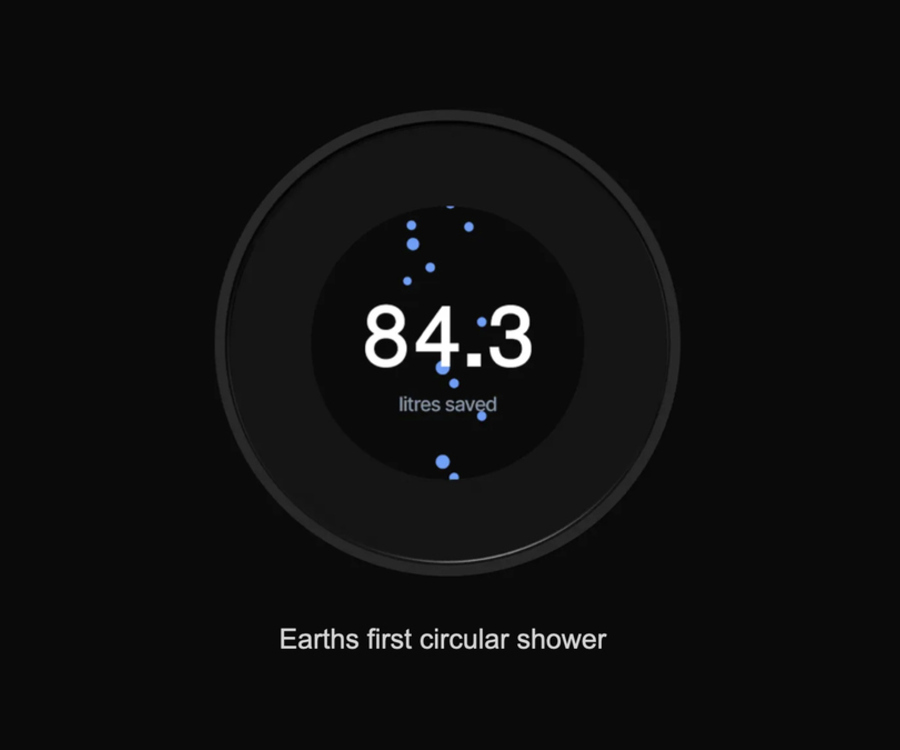
Orbital Systems is a Swedish company specializing in innovative water-saving solutions that combine sustainability with Scandinavian design principles. Their flagship products include the Orbital Shower, described as "Earth's first circular shower," and the recently introduced Orbital Tap, both of which utilize cutting-edge circular technology to significantly reduce water and energy consumption without compromising comfort or performance.

These products are designed for environmentally conscious consumers, hotels, spas, fitness centers, and private homeowners who value both sustainability and aesthetic appeal. Orbital Systems' commitment to water conservation is evident in their products' ability to purify and reuse water, potentially saving tens of thousands of liters per person annually.

The company's solutions have been installed in various locations across Europe, including high-end hotels and private residences, demonstrating their versatility and appeal to a wide range of users.


Blog Block Image
How hotels can reduce their water and energy consumption with Orbital Systems MAp Boutique Consultancy

Add new comment

Comment

Order

Plain text

  • No HTML tags allowed.
  • Lines and paragraphs break automatically.
  • Web page addresses and email addresses turn into links automatically.
Categories
Types
sharing is caring

The MAp Boutique Consultancy book club is back! And it is back with a bang, because “Doing Good Better” by William MacAskill was a mind-opening and highly-inspirational read for the MAp team. In this blog post, we’re excited to share our top insights so that we can all start embracing this radical new way of making a difference – NOW!

Untertitel
Effective altruism and a radical new way to make a difference
Blog main image
Buchempfehlung: „Gutes besser tun“ von William MacAskill
Paragraphs

Summary

In his ground-breaking book “Doing Good Better”, MacAskill explains the concept of “Effective Altruism” and asks the question, “How can I make the biggest difference I can?” To answer this question he uses concepts we’ve hardly ever seen so far in the field of doing good: evidence, careful reasoning and a scientific approach. His search for truth shows that so far, many of us “just did good” without assessing if we chose the right investment = if we were using our resources in the most effective way. MacAskill also busts some myths about the concepts of green living, climate offsetting, fairtrade, etc., showing us in a fact-based and impartial way, that what we thought or were told was best for the word, in truth, isn’t.

Key Points

At MAp, we believe in the power and goodness of people. That was one reason why we developed our hotel sustainability platform: to empower hoteliers, consultants, students, business owners, etc. to do good. To make a difference. To make this Planet a more purposeful and hospitable place for all. However, the so-often overlooked challenge William MacAskill addresses in his book is: How can we ensure that, when we try to help others and do good, we do so as effectively as possible? Because the truth is: The best charities are hundreds of times more effective at improving lives than merely “good” charities. This means, by knowing the principles of effective altruism, we all can be hundreds of times more effective in creating positive impact for People and Planet.

Here are the 3 key take-aways you need to know:

#1: The effective altruist’s approach to making a difference consists of five key questions

There are five key questions you should ask yourselves when thinking like an effective altruist:

1. How many People benefit, and by how much?
This implies: we need to make fact-based decisions about how much benefit we can make by doing different charitable activities / supporting different charities.

2. Is this the most effective thing you can do?
Search for science-based evidence and do not go for “merely” very good programmes, if the very best ones are hundreds of times better. HERE is a great resource for identifying the best charities and non-profits.

3. Is this area neglected?
Your money makes the most difference when you invest in a neglected area vs. an area where a lot of funding already goes to. As an example, we could say that investing in malaria health programmes is more effective than in cancer research programmes.

4. What would have happened otherwise?
Looking at evidence, some programmes don’t do good, but cause harm over the long run. Or they don’t create as much impact as you would imagine. For example, this applies to the decisions you take when choosing a career: sometimes you can do good better when you donate money while working at a “normal” job vs. working at an NGO, which often is thought of as the best thing you could do.

5. What are the chances of success, and how good would success be? 
Some activities are effective not because they’re likely to make a difference, but because their impact is so great if they do make a difference. To illustrate this, MacAskill uses the example of climate change: “If it is happening and we don’t take action, millions of lives will be lost and the world economy will lose trillions of dollars. If climate change isn’t happening and we do take action, the costs are much lower. We would have wasted some amount of resources developing low-carbon technology and slowed economic progress a bit, but it wouldn’t, literally, be the end of the world.”

#2: The law of diminishing returns implies you focus on long-time tested activities

MacAskill defines the law of diminishing returns in his book as follows: “If we want to do as much good as we can, we’ve got to ask which cause to focus on. The law of diminishing returns provides a useful rule of thumb for comparing causes. If a specific area has already received a great deal of funding and attention, then we should expect it to be difficult for us to do a lot of good by devoting additional resources to that area. In contrast, within causes that are comparatively neglected, the most effective opportunities for doing good have probably not been taken.” MacAskill then outlines that our response to natural disasters is one of the clearest cases of how, when it comes to charity, we mostly follow our gut and not science. When a disaster strikes, we (and every else) think “emergency” and donate money or resources to that cause, forgetting that emergencies happen all the time around us. But we get accustomed to poverty and the fact that, every day, People die from easily preventable diseases like AIDS, malaria, or tuberculosis, which therefore receive less ongoing funding.

MAp Boutique Consultancy - The Sustainable Hotel - Zurich

#3: Don’t believe everything that sounds good, or let’s bust some myths 

We very often fail to think as carefully about helping others as we could, mistakenly believing that applying data and rationality to a charitable endeavour robs the act of virtue.
And that means we pass up opportunities to make a tremendous difference.
@MacAskill via @weareMAp

Myth 1: Ethical Consumerism is always good and sweatshop products must be avoided

Companies in the fashion industry claim to be “sweatshop free” and other companies ask consumers to practice “ethical consumerism” = to spend more money in order to assure that workers at the factories are treated better. Now, as we’ve learned in point #1, there are five questions we must ask as an effective altruist, one being: What would have happened otherwise?

And MacAskill’s scientific research shows a painful truth: “We assume that if People refuse to buy goods from sweatshops, these factories will succumb to economic pressure and go out of business, in which case their employees will find better employment elsewhere. But that’s not true. In developing countries, sweatshop jobs are the good jobs. The alternatives are typically worse, such as backbreaking, low-paid farm labour, scavenging, or unemployment.”

By looking at this example, we have to realise that to practice effective altruism, we have to leave our “rich-world-perspective” and accept that some things unimaginable to us are better to the world than we expected. Or in this case, sweatshops are good for poor countries and if we boycott them we make People in poor countries worse off.

“We should certainly feel outrage and horror at the conditions sweatshop laborers toil under. The correct response, however, is not to give up sweatshop-produced goods in favour of domestically produced goods. The correct response is to try to end the extreme poverty that makes sweatshops desirable places to work in the first place,” says MacAskill.

Myth 2: By buying Fairtrade-certified products, we do good

Fairtrade certification is an attempt to give higher pay to workers in poor countries and has been heavily advertised as “the” solution in our western society. Producers get the certification when they meet certain criteria, such as paying workers a minimum wage, complying to safety requirements, etc. What’s less known: Most producers that can meet the criteria are from comparatively rich countries like Mexico and Costa Rica, which are ten times richer than the very poorest countries, like Ethiopia. Knowing about diminishing returns of investment, this means that we do more good buying uncertified coffee from Ethiopia than Fairtrade coffee from Costa Rica. We also should be aware that there are middlemen involved who take a share of the “Faitrade price”, or that we even don’t know how much the higher price translates into higher wages or how much money goes to the farmers who work for the Fairtrade-certified organisations. Furthermore, consistent findings indicate that Fairtrade certification does not even improve the lives of agriculture workers. Given this, there is little altruistic reason to buy Fairtrade products.

Myth 3: Buying locally does work - offsetting does not!

MacAskill states straight away that buying locally-produced goods is overhyped, as only 10% of the carbon footprint of food comes from transportation, whereas 80% comes from production. This means that WHAT type of food you buy is much more important than whether that food is produced locally or internationally.

Taking this into account, the most effective ways to cut down your emissions are:

  • To reduce your intake of meat (especially beef)
  • To reduce the amount you travel
  • To use less electricity and gas in the home

However, MacAskill also mentions that the most effective way to reduce your emissions is called offsetting: rather than reducing your own greenhouse gas emissions, you pay for projects that reduce or avoid greenhouse gas emissions elsewhere.

MacAskill explains that his organisation, Giving What We Can, studied more than 100 organisations and came to the result that Cool Earth is the most effective organisation when talking about offsetting of greenhouse gas emissions. Cool Earth uses donated money to help economically develop rainforest communities - to a point where they do better by not selling their land to loggers. This means that when you donate to Cool Earth and practice effective carbon offsetting, overall your life contributes nothing to climate change.


Conclusion

We conclude this blog post by answering an important question: What should you do right now?

We’ve compiled our top three suggestions:

1. Establish a habit of regular giving. GiveWell is an organisation MacAskill mentions throughout his book, and its goal is to produce the world’s top research on where to give - free and for everyone. This means you can have a look and find out which charities are the most effective right now and start giving to them on a regular basis.

2. Sign up to the effective altruism mailing list. That way you can learn more about effective altruism and about how to get involved in the community, and read stories of People putting effective altruism into practice.

3. Tell others about effective altruism. Because if you can get one person to make the same changes you make, you’ve doubled your impact.

Thank you for reading until the end, and let’s all move #onwards to do good better!
Your MAp team

Blog Block Image
Book review: Doing Good Better by William MacAskill by MAp Boutique Consultancy

Add new comment

Comment

Order

Plain text

  • No HTML tags allowed.
  • Lines and paragraphs break automatically.
  • Web page addresses and email addresses turn into links automatically.
Categories
Types
sharing is caring
Untertitel
What does sustainability mean for independent and boutique hotels?
Blog main image
MAp Boutique Consultancy - The Sustainable Hotel - A sustainable hotel concept
Paragraphs

🎧 Prefer listening to reading? Listen to the article here. ▶️


We all agree that in today’s highly competitive hospitality market, a unique, innovative and sustainable hotel concept is fundamental to the long-term success of a hotel venture.

At MAp Boutique Consultancy, we define a hotel concept as a strategic and creative outline on how to realise a hotel venture. It pieces together various elements (soft and hard facts) and gives strategic guidance, as well as comprehensive and detailed information. It outlines to all stakeholders HOW the hotel should look and feel, and WHY, based on defined brand values and characteristics. 

Whenever we, MAp, create a hotel concept, we also put sustainability at the heart of it, incorporating our sustainability framework - MAp's 4Ps of Sustainability - to increase revenue, decrease costs and leave a positive impact on the world. 

Defining sustainability and its importance

But why does your hotel concept need to be sustainable? Operating sustainably is becoming a standard practice and a new quality standard for hotels, as hotel guests and other stakeholders, such as employees and business partners, are increasingly becoming more conscious of their impact. 

The definition of sustainability is not as simple as it might seem, however. It is not only about eco-friendly, “green” hotel practices (like water and energy conservation), it's much more holistic than that, touching on social and economic dimensions too. That's where MAp's 4Ps of Sustainability comes in, inspired by the United Nations SDGs and providing a holistic approach to sustainability:

  • People - Social Sustainability: The impact your hotel has on People, including your guests, employees, partners and local community members. At the cornerstone of social sustainability is protecting human rights, addressing issues that affect your People, and uplifting and empowering them.
  • Planet - Environmental Sustainability: The impact your hotel has on the Planet, ensuring that you protect the world's ecosystems and conserve natural resources for the health and wellbeing of all - now and in the future.
  • Profit - Economic Sustainability: The impact your hotel has on economic growth, without negatively impacting the social and environmental aspects of the community – while driving profitability for your hotel.
  • PurposeWhile it’s not officially one of the pillars of sustainability, Purpose stands at the core of MAp’s sustainability framework. The definition is simple: Purpose is the WHY that drives you to do what you do – and love it!

While most think being a green hotel is enough, it's important to know that the economic and social aspects of sustainability are becoming increasingly important. A great example of social sustainability is Marriott, which successfully trained half a million staff to recognise and respond to signs of human trafficking. Their multi-language online and classroom-based training programme tailored to front office, F&B and housekeeping staff led to a number of young people being removed from compromising situations, since the programme’s inception in 2017. 

We at MAp believe that there are so many benefits for your hotel in implementing sustainability into your operations. Therefore below we share with you our…

Operating sustainably is becoming a standard practice and a new quality standard for hotels since not only hotel guests,
but other stakeholders such as employees and business partners, are increasingly becoming sustainability-conscious. 
via @weareMAp

Top 5 reasons why you should embrace holistic hotel sustainability:

  • You use your resources more effectively, thereby increasing productivity and lowering costs. Utilities, labour and operational costs are the largest cost contributors for most hotels, and a sustainable operation often helps to address all three – e. g. new environmental technologies can have a positive influence on your guests’ experience (think LED lighting, natural furnishing and natural ventilation).
  • You improve your employee morale, motivation and satisfaction. Younger employees, especially, are eager to work for hotel businesses that look past profitability and want to make a real difference.
  • You open a dialogue with the wider community and create synergies that benefit both your hotel guests and those who inhabit your surroundings.
  • You attract new and more loyal hotel guests, and by communicating sustainability performance indicators, you engage your future guests at the time of booking.
  • You improve your brand image, which offers better profits in the long run. In fact, hotel properties that have achieved the TripAdvisor Green Leader status are actually rated 20% higher than other properties, as per Jenny Rushmore, TripAdvisor’s Director of Responsible Travel.

And… the great thing about sustainability is that it’s an evolving process. Step by step, as we like to say at MAp, the best sustainability policies are ongoing ones – therefore enjoy your sustainability journey ;-)

Video URL
Quote Author
MAp Boutique Consultancy
Quote Subtitle
we also incorporate a holistic sustainability strategy.
Quote Title
Whenever we create a hotel concept
Blog Block Image
MAp Boutique Consultancy - The Sustainable Hotel - A sustainable hotel concept

Add new comment

Comment

Order

Plain text

  • No HTML tags allowed.
  • Lines and paragraphs break automatically.
  • Web page addresses and email addresses turn into links automatically.
Topics
Types
Youtube stream image
A sustainable hotel concept
sharing is caring

Developing the hotels of the future: digital, fair, local.

Main-Image
Koncept Hotels MA people MAP Boutique Consultancy
Location
Germany, Switzerland, Austria
Timeline
2019
Type
Innovative, digital + sustainable hotel brand
Purpose
To redefine the hotel
Tag it
#KonceptHotels #SustainableHotel #SustainableHotelConcept #HotelBranding
Paragraphs

New, smart and sustainable concepts for Koncept Hotels

Destination

Destination

  • Helpful insights into latest trends and market through comprehensive analysis
  • Innovative hotel concepts with focus on emotional storytelling and sustainability


Awards + Accolades

  • Breakthrough Award 2020 - Nominated
  • Digital Leader Award 2018

RoadMAp

Koncept Hotels

#KonceptHotels

We continue to be impressed by the Koncept Hotels team in crafting sustainable hotels built for the future. Thank you for allowing us to make an impact too!

Radically different: A hotel without staff, but with holistic digitised processes - from online booking to digital check-in

and a room key via smartphone to digitally check-out.

HOGAPAGE
Weight
-91
Title for Show next
Welcome to Koncept Hotels
Show Blocks
sharing is caring

Empowering a city hotel brand for global success.

Main-Image
MAP Hotel Zypern - MAp Boutique Consultancy MAp
Location
Cyprus
Timeline
2020 - ongoing
Type
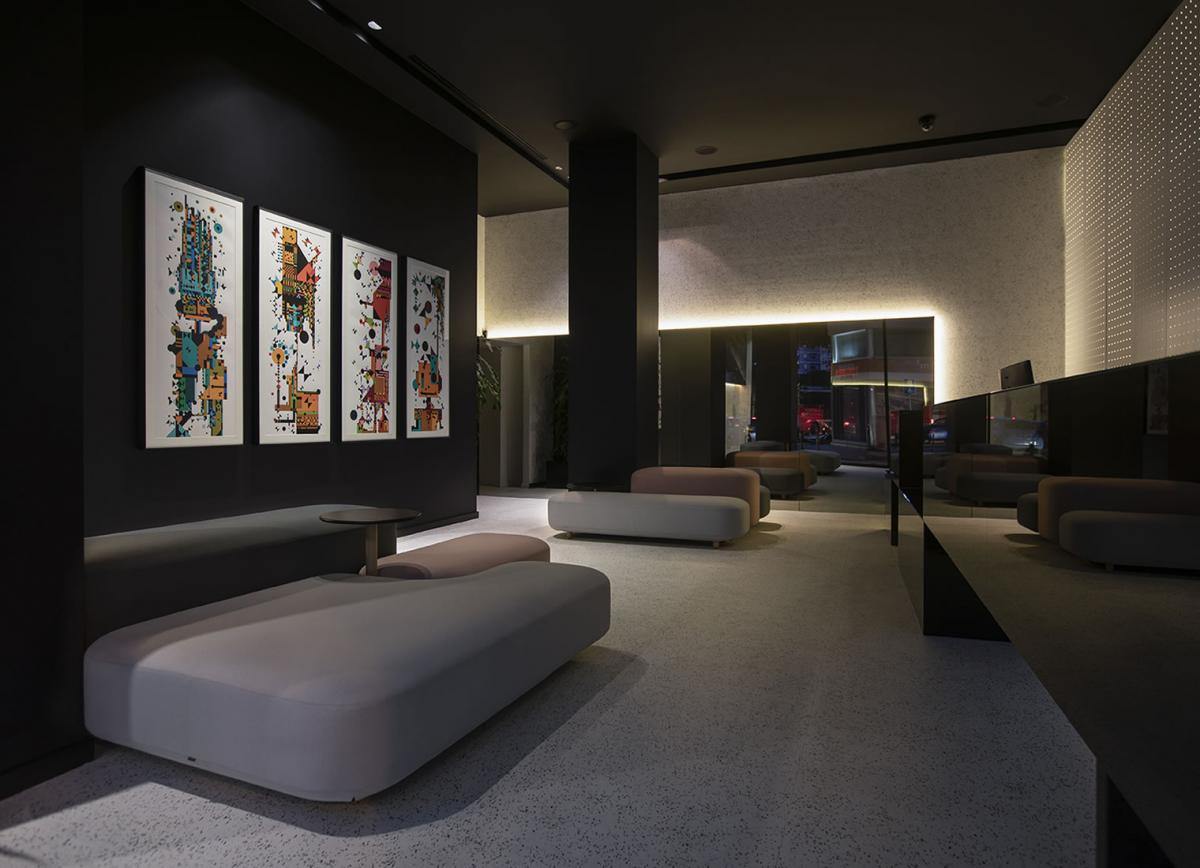
Smart design hotel concept + brand
Purpose
To empower people to live their best lives
# of Rooms
30 rooms
# of Stars
4*
Tag it
#MAPhotel #EmpoweredByMAP #HotelBranding #HotelConcept
Paragraphs

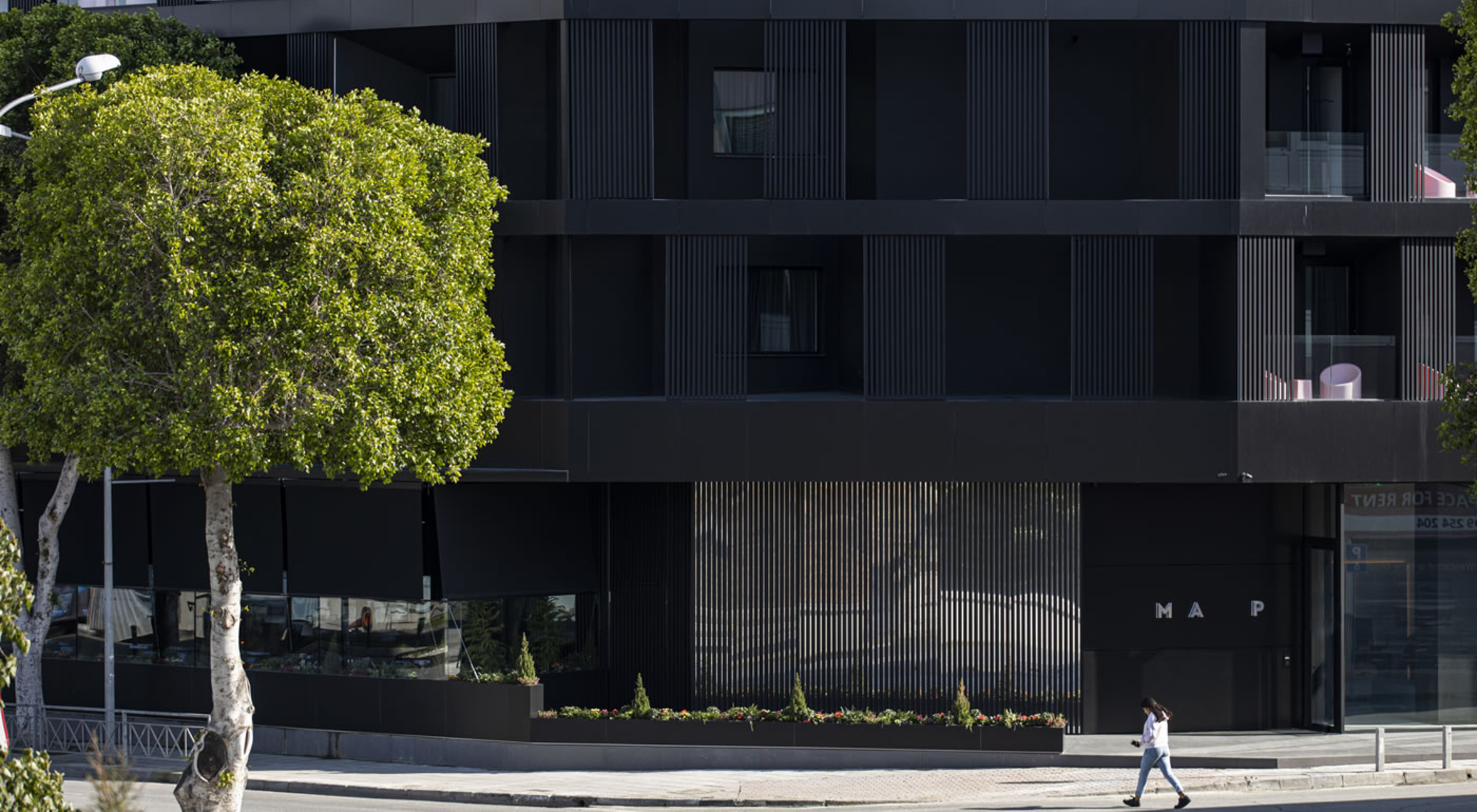
MApping out MAP Hotel

Destination

Destination

  • Compelling hotel brand that can be scaled internationally
  • Emotional storytelling hook that connects with MAP Hotel’s target audience and emphasises sustainability
  • Strong positioning and differentiation in the market along hotel’s USPs
  • Insights and guidance on how to translate the hotel concept into operations
  • Defined sales + marketing activities and direction on how team can effectively execute

MAP Hotel

RoadMAp

MAP Hotel

#EmpoweredByMAP

The MAP Hotel is not a destination, it's a pitstop. A place where clients recharge, get empowered and then go out into the world to make shi(f)t happen.

Thank you, Marios, for your trust during challenging times, and we can't wait to continue to empower more people to live their best lives.

A wonderful new boutique hotel in the
centre of Nicosia.

Everything you need to make you feel like at home.

TripAdvisor User
Weight
-95
Title for Show next
Welcome to MAP Hotel Cyprus
Show Blocks
sharing is caring
Untertitel
Since 2014, we’ve been putting hotels, sustainable businesses and purposeful brands on the global MAp.
Linktext
INTERESTED TO FIND OUT MORE?
SCHEDULE A CALL NOW
Paragraphs

We say it's handcrafted,

but really, it comes from the heart.

Hotel and Hospitality Case Studies

We invite you to explore selected case studies to learn how we put hotels and hospitality brands, both big and small, on the path to global success.

Development of a hotel brand and marketing strategy for a city hotel in Lugano, Switzerland.

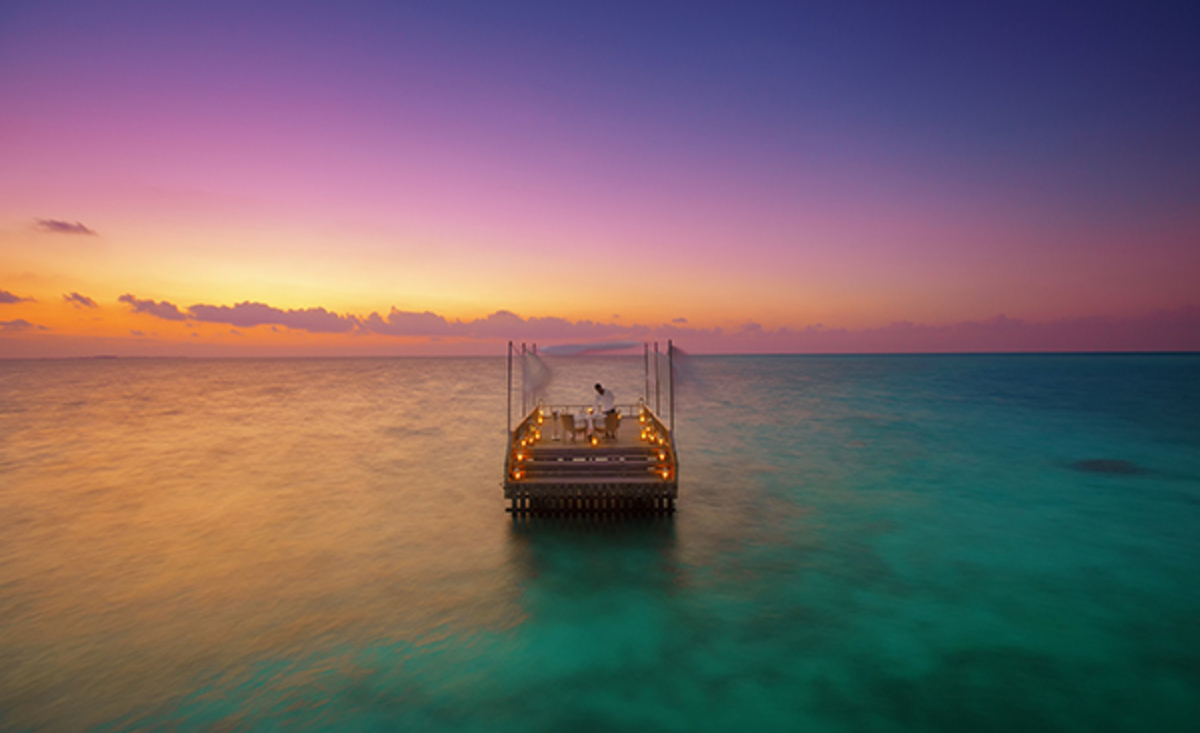
Creating a game-changing resort concept for the NEW Maldives.

Taking a sustainable, family-run hotel to the next level.

Setting up a next-generation hotelier for success with a sporty new concept.

Empowering a city hotel brand for global success.

Show Blocks
Logo
Wellnesshotel Alpenflora
Baros Maldives
Bijblauw Hotel Curaçao
BLUME. Hotel und Restaurant Baden
Boutiquehotel B5 Lugano
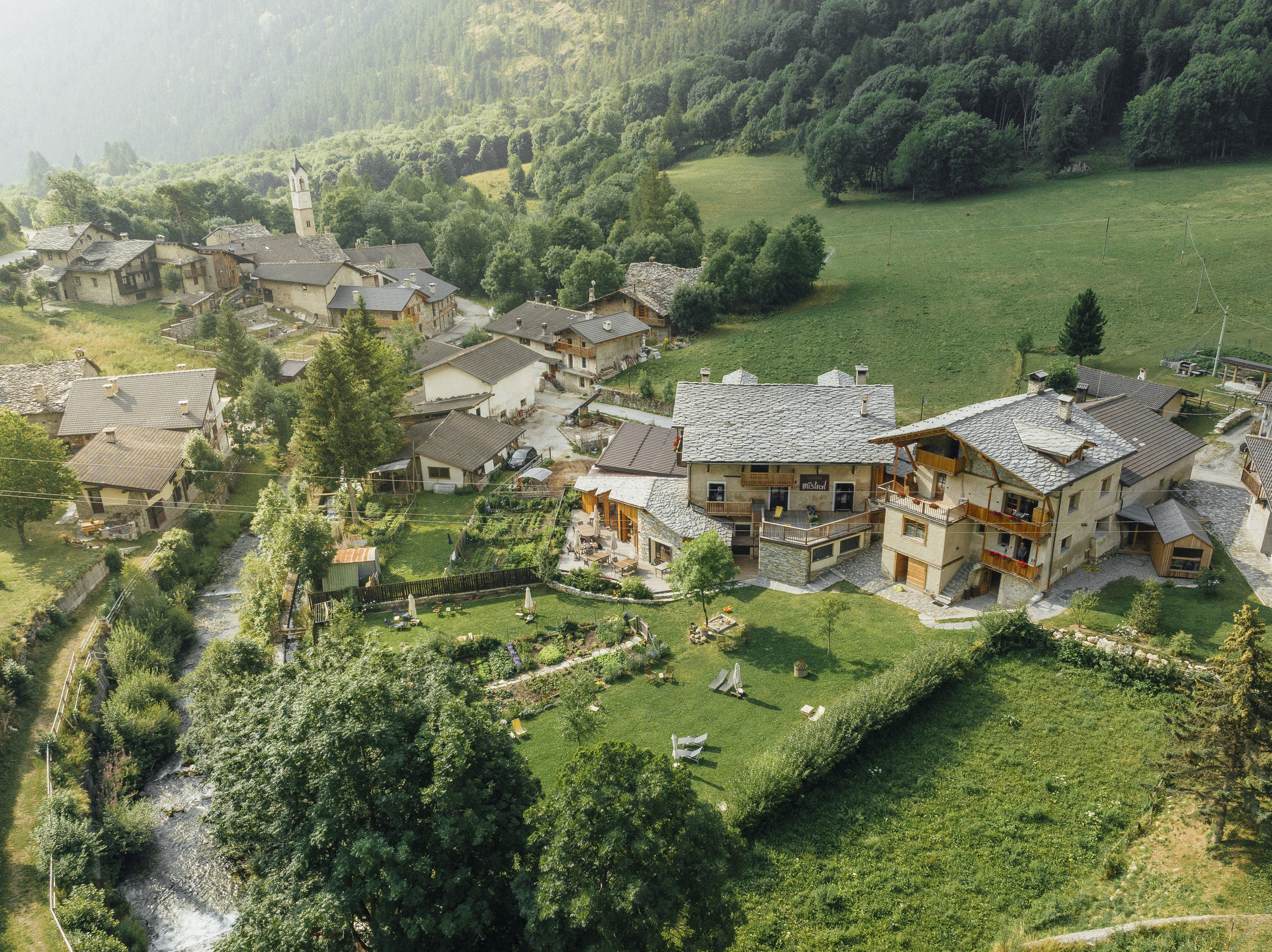
Camping Mistral
Faya Foundation
Federer Boutique Hotel Kaltern
Hotel Hanswirt Rabland
Haritha Villas + Spa Sri Lanka
Kandima Maldives
Koncept Hotels
Locanda Mistral
MAP Boutique Hotel Cyprus
Milaidhoo Maldives
The Nautilus Maldives
paloria apartments & sport Algund
Príncipe Collection
Refugium Hideaways
Hotel Masatsch Kaltern
sharing is caring

Contact type

E-mail
onwards@MAp-consultancy.com
Company Name
MAp Boutique Consultancy
Street & Place
Zurich, Switzerland
Webform Title
Ready to make it happen?
Webform Subtitle
Let's work together
Webform Expression
Contact us now!
Paragraphs
sharing is caring

As a Certified B Corporation based in Zurich, we work internationally with hoteliers and investors, MApping out a better future for hotels, people and planet.

What’s next on your journey? Let us put you on the MAp.

Untertitel
We turn purpose into performance, creating sustainable hotels and standout brands that do good, look good and sell well.
Linktext
Request a discovery call
Service Big Block


Service Small Block
Hotel consulting – tailored mandates for boutique hotels
Hotel Consulting

Tailored mandates to build, reposition, and grow standout hotels with purpose and performance.

Hotel coaching – structured programmes for marketing and sustainability
Hotel Coaching

A structured programme to sharpen your marketing or sustainability and turn decisions into action.

Book a discovery call with MAp Boutique Consultancy
Not sure yet?

A quick discovery call helps us understand where you are, what you need most, and what the right next step is.

Paragraphs

Proof, not promises: award-winning hotel consulting

Trusted, creative-led work that turns ideas into progress.

Award-winning boutique hotel clients, across four continents. Over a decade of creative-led mandates, from strategy to launch. Consulting and coaching designed for clarity, momentum, and results.

  • Federer Boutique Hotel Kaltern
  • MAP Boutique Hotel Cyprus
  • Wellnesshotel Alpenflora
  • Hotel Masatsch Kaltern
  • Faya Foundation
  • Locanda Mistral
  • Refugium Hideaways
  • Camping Mistral
  • Koncept Hotels
  • Príncipe Collection
  • Boutiquehotel B5 Lugano
  • Kandima Maldives
  • paloria apartments & sport Algund
  • BLUME. Hotel und Restaurant Baden
  • Haritha Villas + Spa Sri Lanka
  • The Nautilus Maldives
  • Bijblauw Hotel Curaçao
  • Hotel Hanswirt Rabland
  • Milaidhoo Maldives
  • Baros Maldives

We turn bold hotel ideas into a brand, a system, and measurable progress

Why work with MAp.

5

About MAp Boutique Consultancy

Consulting or coaching, what fits best

Choose consulting if you want a tailored mandate across concept, branding, marketing, sustainability, or websites. Choose coaching if you want a structured programme with clear milestones and accountability.

What happens in a discovery call

We clarify your goals, diagnose what is blocking progress, and recommend the right route, scope, and next steps.

Next step on your MAp: Book a discovery call. 

What types of hotels do you work with

We work with independent boutique hotels and hotel brands, innovative hospitality founders, and sustainable hotel champions who want a standout brand, a performing website, and a clear marketing system that performs, not generic positioning or “same shit, same wrapping”.

How fast can we start

After the discovery call we confirm scope and availability. If timing is tight, we propose a focused first sprint to create momentum.

What does being a Certified B Corporation mean in practice

It means we hold ourselves to high standards and stay evidence-led. We focus on what is true, what can be proven, and what is next, so your story builds trust and holds up.

We also built The Sustainable Hotel, a practical platform with handbooks and tools that supports credible, hands-on progress.

Show Blocks