
sharing is caring

The urgency of addressing sustainability in the hospitality industry cannot be overstated, as its impact on the environment and local communities is significant. Therefore, in this actionable hotel sustainability blog post, we help hotels aspiring to make a meaningful impact on sustainability take the concrete steps toward achieving that goal.

Rooted in MAp’s framework of the 4 Ps of Sustainability — Purpose, People, Planet and Profit — this blog post outlines 25 key action steps for each P that can revolutionise the way hotels operate, emphasising that the journey towards sustainability doesn't have to be daunting or financially burdensome.

It’s built on the principle that every action, no matter how small, contributes to a more sustainable and responsible hospitality and travel industry.

Did you know? We compiled a full guide presenting 284 action steps to get you started on implementing hotel sustainability in a holistic, practical and #stepbystep way.
Untertitel
We guide you to implementing hotel sustainability by taking small steps with a big impact.
Blog main image
284 praktische Maßnahmen zur Umsetzung von Nachhaltigkeit in der Hotellerie
Paragraphs

Purpose

At MAp, we start every (sustainability) project with Purpose. It is the golden thread running through and connecting all other elements. And the sustainable steps your hotel takes reflects what your overall Purpose is.

But let’s be clear about what your Purpose actually is: Purpose is the reason your hotel exists – its overall WHY. It is the derived meaning that comes when you know that you created something that you believe matters – to yourself, to others, to society. Be aware, Purpose does not entail earning a Profit. It must go above and beyond making money and be broad, humanistic and socially-engaged, linking your hotel to a greater good. Your Purpose will be your guiding compass to making this world a better place and growing your business, at the same time.

WHY Purpose matters

  • Brings you clarity and clarity = power
  • Creates a culture of innovation
  • Attracts the right people (guests, employees, partners) for your hotel
  • Builds resilience through turbulent times
  • Delivers personal satisfaction to the hotelier

5 action steps to create a hotel with Purpose

1. Discover your personal Purpose
2. Define your hotel’s Purpose
3. Embed your Purpose into your hotel business
4. Prioritise your sustainability activities based on your Purpose: People, Planet or Profit
5. Activate your Purpose – because Purpose is a verb, not a noun!

People

The social dimension of sustainability, People, deals with the impact your hotel has on the society for which and in which it operates. It’s about being a good host, a helpful neighbour, a quality employer and partner, a responsible and reliable brand – while serving the direct and indirect needs of your stakeholders.

And who are those stakeholders? While there are many stakeholder groups involved in making a hotel project a success, in this blog post, we focus the action steps on four key groups that your hotel has a major impact on: 

  • Your guests
  • Your employees
  • Your partners
  • Your local community

Unfortunately, the hospitality and tourism industry has not always had a good reputation when it comes to its social impact. On a bright note, though, as the industry touches every human on earth in one way or the other, there is so much opportunity to positively contribute to the lives of your guests, your employees and partners, and your local community – now and in the future.

WHY People matter

  • Only teamwork makes the dream work
  • Money always comes from People
  • People will make or break your brand

5 action steps to serve your employees more inclusively

1. Achieve a 50/50 balance between men and women in your management
2. Give equal employment opportunities to People already residing in the local community
3. Give equal management positions to People already residing in the local community
4. Offer employment opportunities without discrimination by gender, race, disability, religion and more
5. Offer management opportunities without discrimination by gender, race, disability, religion and more

You may also download our free guide on how to write inclusive job ads here

Planet

We know that many hoteliers are aware of how closely connected their hotels are to their surrounding environments. However, the relationship between hotels and Planet is not a healthy one; hotels create enormous negative impacts on the environment all along their lifecycles.

Therefore, the ultimate goal of environmental sustainability is to minimise your hotel’s environmental impact on the region and the Planet at large through the following key elements:

  • Energy
  • Waste
  • Food
  • Water

By tackling these elements holistically, hotels are able to limit their environmental impact and achieve carbon neutrality. And by implementing smart environmental measures they realise significant savings too – a win-win!

WHY Planet matters

  • There is no Planet B
  • If you put Planet over Profit, your Profit will grow healthy as well
  • Act now to environmental regulations – or react later

5 action steps to combat food waste

1. Compost bio waste
2. Plant a biological garden
3. Cook to order and eliminate the buffet
4. Make smaller food portion sizes
5. Donate extra food

Learn more about the topic in our free waste guide

Every action, no matter how small,
contributes to a more sustainable and responsible industry.
@weareMAp

Profit

We won’t argue: Profit is important. Without it, your hotel will cease to exist. But what is also important is that the Profit earned is:

  • Achieved in a sustainable way = not at the cost of People and Planet
  • Distributed in a sustainable way = used to secure your hotel’s operationality in the future while also making this world a better place

Money is the lifeblood of your business, but it is not your reason for being – that’s what Purpose is for. But how can you pursue your Purpose if you are not profitable and financially strong?

That’s the paradox: organisations that only exist to earn a Profit don’t last long. But organisations that don’t prioritise Profit can’t survive long enough to fulfil their Purpose. In other words, in the context of sustainability: it’s hard to be green when you’re in the red!

WHY Profit matters

  • Profit allows for progress in your business
  • Profit enables you to uplift, empower and better serve your stakeholder groups
  • Profit makes the world a better place (when you share it with the world)

5 action steps to practice philanthropic giving

1. Donate a share of your Profit
2. Create an employee donation scheme
3. Match employees’ donations
4. Create a guest donation scheme
5. Match guests’ donations

Take action now!

Hotel Sustainability Action Plan

We have compiled a full guide presenting 284 action steps to get you started on implementing hotel sustainability in a holistic, practical and #stepbystep way.
Check Top-Posts
Set to 2nd Top-Post
Quote Author
MAp Boutique Consultancy
Quote Subtitle
contributes to a more sustainable and responsible hospitality and travel industry.
Quote Title
Every action, no matter how small,
Blog Block Image
284 action steps to become a sustainable hotel

Add new comment

Comment

Order

Plain text

  • No HTML tags allowed.
  • Lines and paragraphs break automatically.
  • Web page addresses and email addresses turn into links automatically.
Types
sharing is caring

In the ever-evolving hospitality industry, staying ahead of the competition and meeting the dynamic demands of travellers is paramount. One effective strategy that can breathe new life into a hotel's identity and boost its appeal is undergoing a hotel rebrand. But why is rebranding your hotel important, when should you consider it, and how does it work?

In this blog post, we’ll address these questions and provide you with a clear roadMAp for action, outlining five concrete steps to successfully rebrand your hotel. These steps will empower you to navigate the transformation process and make sure that your establishment remains a highly-desired choice for your guests.

Untertitel
When, why and how to successfully reinvent your hotel image
Blog main image
Hotel-Rebranding MAp Boutique Consultancy
Paragraphs

WHAT is a hotel brand?

First, let’s start with some basics: WHAT is a hotel brand? The answer to this question might seem obvious, but all too often as a hotel boutique consultancy, we realise at the beginning of a hotel branding or hotel rebranding process that it is misunderstood. Therefore, let’s start this blog post with a short definition of what a hotel brand is and what it is not:

A hotel brand is NOT only the hotel logo or the hotel visual design. A hotel brand encompasses a whole set of elements from the visual identity (i. e. your hotel logo, the type fonts you have chosen, the uniforms your employees are wearing), to the visual identity (i. e. your hotel name, slogan, tone of voice) to sensory branding (i. e. how your hotel smells and sounds). In addition to these tangible elements, it includes intangible ones too, like your hotel’s vision, mission and values, which make up your hotel brand’s foundation.

In other words, your hotel brand is the way your hotel products and services are perceived, and therefore, hotel branding encompasses every action your business takes that creates a unique identity in the minds of your potential audience and other People (such as team members, partners, the local population).

Altogether, your brand is a reason to choose your hotel over a competing hotel. That’s why at MAp we like to quote Steve Forbes: “Your brand is the single most important investment you can make in your business.”

WHEN to consider Hotel Rebranding

It’s essential to understand when and in which situations rebranding your hotel might be the right choice for you. Over the last decade working as a creative hotel agency, we have identified the following top 5 indicators that it might be time to reinvent your hotel brand:

1. Market Trends and Shifting Demands:

It's vital to keep a keen eye on market trends and shifting guest demands. Recognising new preferences and emerging opportunities in your target market can signal the need for rebranding of your hotel. Pay attention to guest feedback and reviews, as they often provide valuable insights into the need for change. Over the last years, one of the biggest market trends and shift in demands we have seen is “Sustainability”. Therefore, at MAp we are not only creating stylish and unique brands, but sustainable ones too. You can learn more about sustainable hotel branding in this blog post.

2. Hotel Life Cycle:

Consider where your hotel stands in its life cycle. Because rebranding can be a strategic move, moving your property i. e. from a new establishment to an established one. Or doing a rebranding can be a strategic choice when a hotel undergoes a change in ownership or management, it's often an opportune time to rebrand to reflect the new direction, vision and strategy of the hotel. The same goes for property renovations or expansion.

3. Declining Occupancy and Revenue:

If your hotel is consistently experiencing a decrease in occupancy rates and revenue, or a deluge of bad reviews, it may be time to rebrand to attract a different customer segment or revitalise your image. However, as a hotel creative agency that develops innovative and sustainable hotel concepts, we emphasise that when talking about declining occupancy and revenue the issue often lies deeper. If you are not clearly positioned in the market or do not have a distinctive hotel concept, a rebranding might not help you in the long-run without the strategic groundwork being done as well.

4. Outdated Brand Image:

If your visual identity and elements, such as logo or interior décor, no longer align with the target market's expectations or the current design trends, it may be time for a hotel rebrand to create a more contemporary and appealing image. Also, here it is important to check on the other brand elements and evaluate if they need a refresh too.

5. Market Competition:

Increased competition in your destination or segment may require you to rebrand to stand out and differentiate your hotel from others, showcasing unique features or experiences. This is also always a good time to check on your hotel positioning and hotel concept.

WHY Rebrand Your Hotel

So, why should you consider rebranding? The answer lies in the potential benefits.

  • To make sure that competition is not drowning you out: Rebranding can give your hotel a competitive edge. Not rebranding can leave you falling behind in a highly-dynamic industry.
  • To align with a new vision: Ensure that your branding aligns with your hotel's evolving vision. Case studies of successful rebranding efforts can serve as inspiration.
  • To reach your desired customers: If you're not attracting your desired customer demographic, it might be time for a rebrand. Understand how rebranding can directly impact the guest experience and how improved amenities and services can create lasting impressions.
  • To ensure boosting Profit: Rebranding isn't just about aesthetics; it's about the bottom line. Data shows that successful rebranding is likely to lead to increased Profit as well.

HOW: 5 Steps to Rebrand Your Hotel

Now that we've explored WHEN and WHY rebranding your hotel is essential, let's dive into the HOW - to ensure your transformation is not just an idea, but an effectively-implemented reality.

1. Evaluate your hotel concept and your hotel positioning:

As we say at MAp Boutique Consultancy, first the concept, then comes the rest. This means that you must be very clear about your strategic definition, your hotel positioning in the market, etc. Only then you can derive from it a hotel brand (or can conduct a hotel rebranding) that is sustainable and delivers long-term success.

2. Approach your rebranding holistically and collaborate with a creative agency or hotel consultancy:

Visual Identity and Design: Beautiful things make people happy. Therefore, in this area you can redefine a new or refresh your existing logo, colour schemes, type fonts, etc. Verbal Identity: Does your hotel brand “sound” like every other? Is your slogan strong or weak? Have you identified keywords and statements to repeat in your communications? Is it time to define your unique tone of voice? Sensory Branding: How does your hotel smell and feel? Does it reflect your hotel brand and is it curated? We have created a series of blog articles that gives you further insights on how your hotel can win at sensory branding.

When you recognise that your hotel needs a change or a refresh,
it's not an admission of fault but the first step towards enhanced success.
@weareMAp

3. Think toward the hotel rebrand implementation early on:

As you know by now, at MAp we create sustainable brands. This means that right at the start of a hotel rebranding process, we think about HOW to create a hotel brand that is flexible and can be implemented in a sustainable way = using resources in the most efficient way.

4. Communicate your hotel rebrand internally before you communicate it externally:

Ensure that your staff is well informed to align with the new brand identity. Explain why the hotel rebrand was necessary and how the new brand supports the strategic objectives of your hotel. Also make sure that relevant team members know how they must use and implement the new hotel brand.

5. Launch your new hotel brand the right way:

Use your hotel rebrand to make a big splash. Create an emotional story about the why and the what = what you are expressing with your new hotel brand, what you stand for (your Purpose) and for whom you are the best choice. Engage with both current and potential guests through various channels to generate anticipation. Find important insights about Storytelling HERE.

And then?

Once we launch a new hotel brand in the market, we continuously gather feedback and measure the success of the hotel’s rebranding efforts. This gives us important insights on how we can further optimise the hotel branding, and of course, the success of the hotel business.

Rebranding a hotel is a pivotal decision that should be approached with careful consideration and meticulous planning. A well-executed hotel rebranding effort can breathe new life into a property, attract a broader and more loyal customer base, and rejuvenate a hotel's financial performance. On the other hand, a mismanaged rebranding can lead to confusion, alienate existing customers, and result in significant financial losses. Therefore, getting rebranding right is of paramount importance.

Hotel Branding

Make your hotel matter

If your business is the body, your brand is the soul. MAp Boutique Consultancy crafts sustainable hotel and hospitality brands that are purpose-driven and sustainable, rooted in beauty and authenticity. That’s how we make your brand matter.

Blog Block Image
Hotel-Rebranding MAp Boutique Consultancy

Add new comment

Comment

Order

Plain text

  • No HTML tags allowed.
  • Lines and paragraphs break automatically.
  • Web page addresses and email addresses turn into links automatically.
sharing is caring

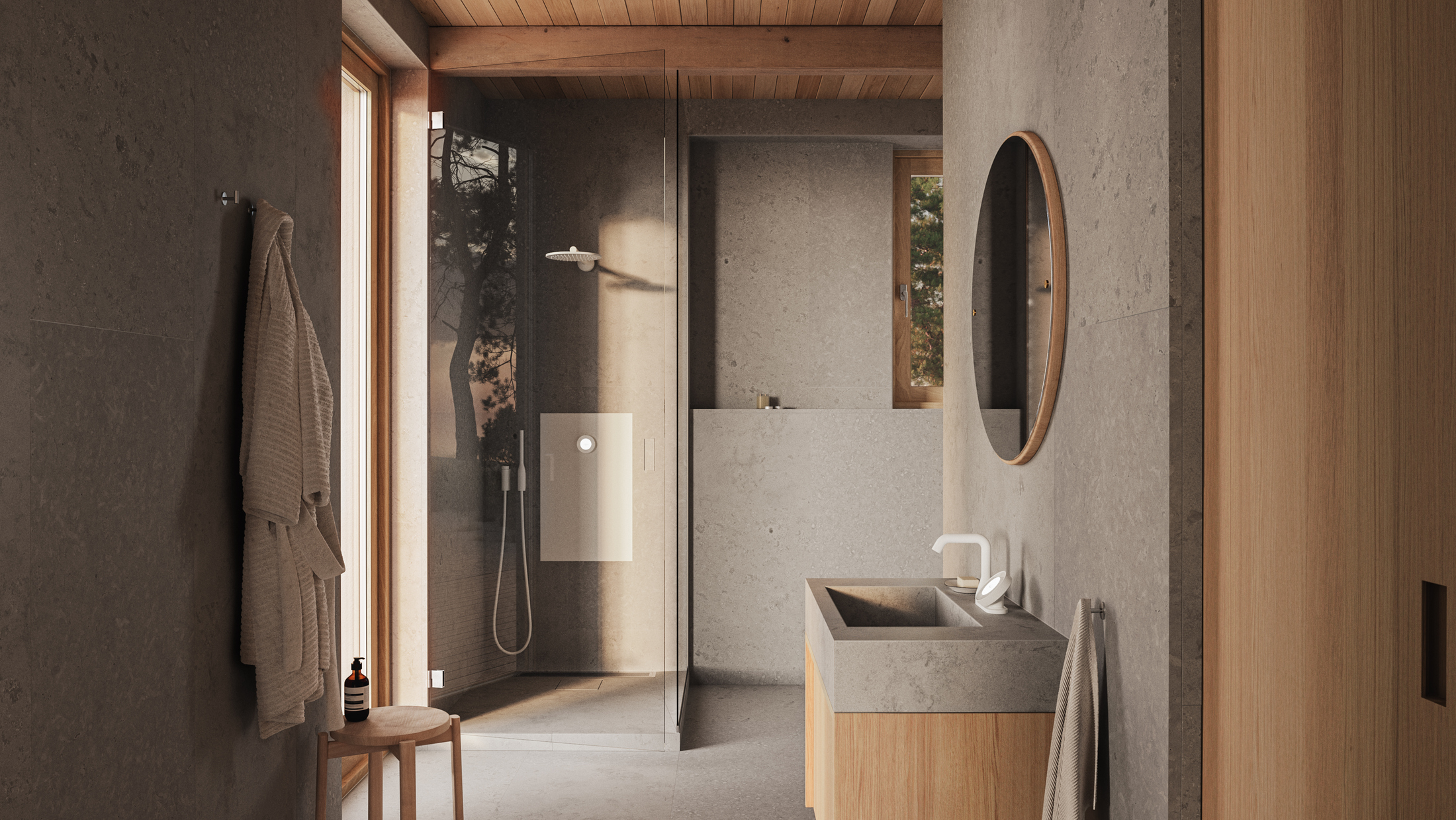
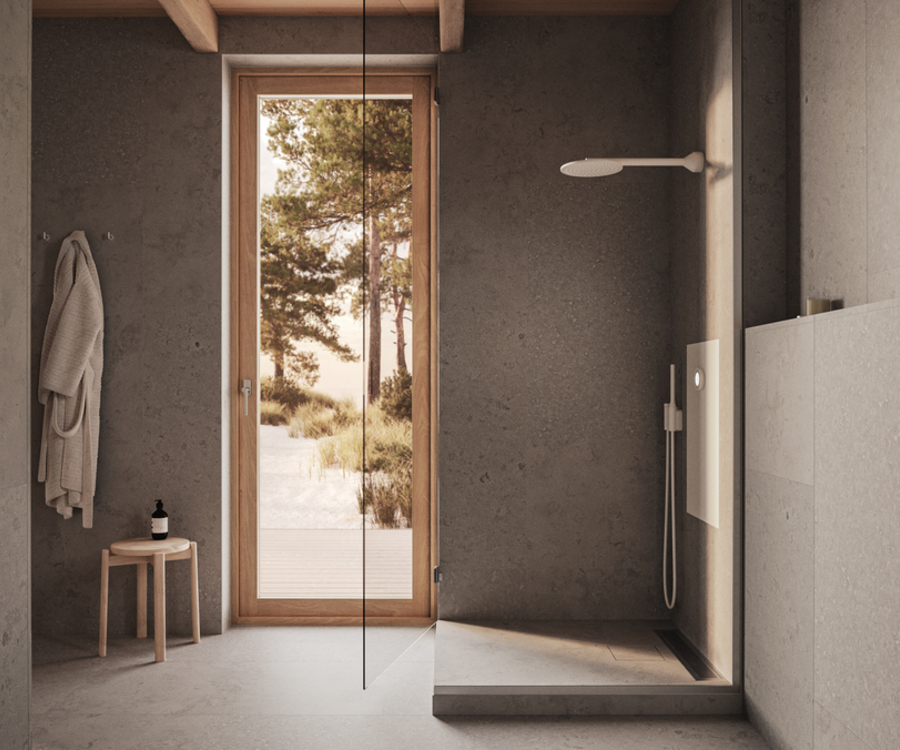
Today we meet Johannes Melin, technical sales expert at Orbital Systems, a company creating innovative products like showers, taps and more that reduce water and energy consumption.

Let’s find out how Orbital is leading today’s change for tomorrow’s water.

Untertitel
MAp meets Johannes Melin – technical sales expert at Orbital Systems.
Blog main image
How hotels can reduce their water and energy consumption with Orbital Systems MAp Boutique Consultancy
Paragraphs

Dear Johannes, thank you for your time! To begin with, please tell us a little bit about Orbital Systems and what your mission is.

Johannes: Orbital Systems is an innovation company whose mission is to make water appliances smarter and more efficient. Our products are made to save water and energy without compromising on the user experience.

Average consumption today exceeds 100 litres per person per day in the Western world. At Orbital, our goal is to reduce this number to 20 litres per day.

What inspired the founder of Orbital, Mehrdad Mahdjoubi, to launch the company? What major problems was he hoping to solve?

Johannes: As a student at Lund University, Mehrdad took part in an academic collaboration with NASA. Their mission was to uncover ways of sustaining life on Mars through innovative use of water. It was then that the revelation dawned on him; that groundbreaking ideas conceived for space could also revolutionise the way we manage water on our own Blue Planet. Fresh water is a finite resource, and its scarcity is a growing concern worldwide.

That's why our primary focus is on developing technologies that enable smarter use of water. Our advanced shower systems are engineered to drastically reduce water wastage without compromising on comfort or performance. By implementing Orbital showers in hotels, homes and businesses, we can significantly decrease water consumption on a global scale.

Can you tell us more about your products? What makes them so innovative and who are they made for?

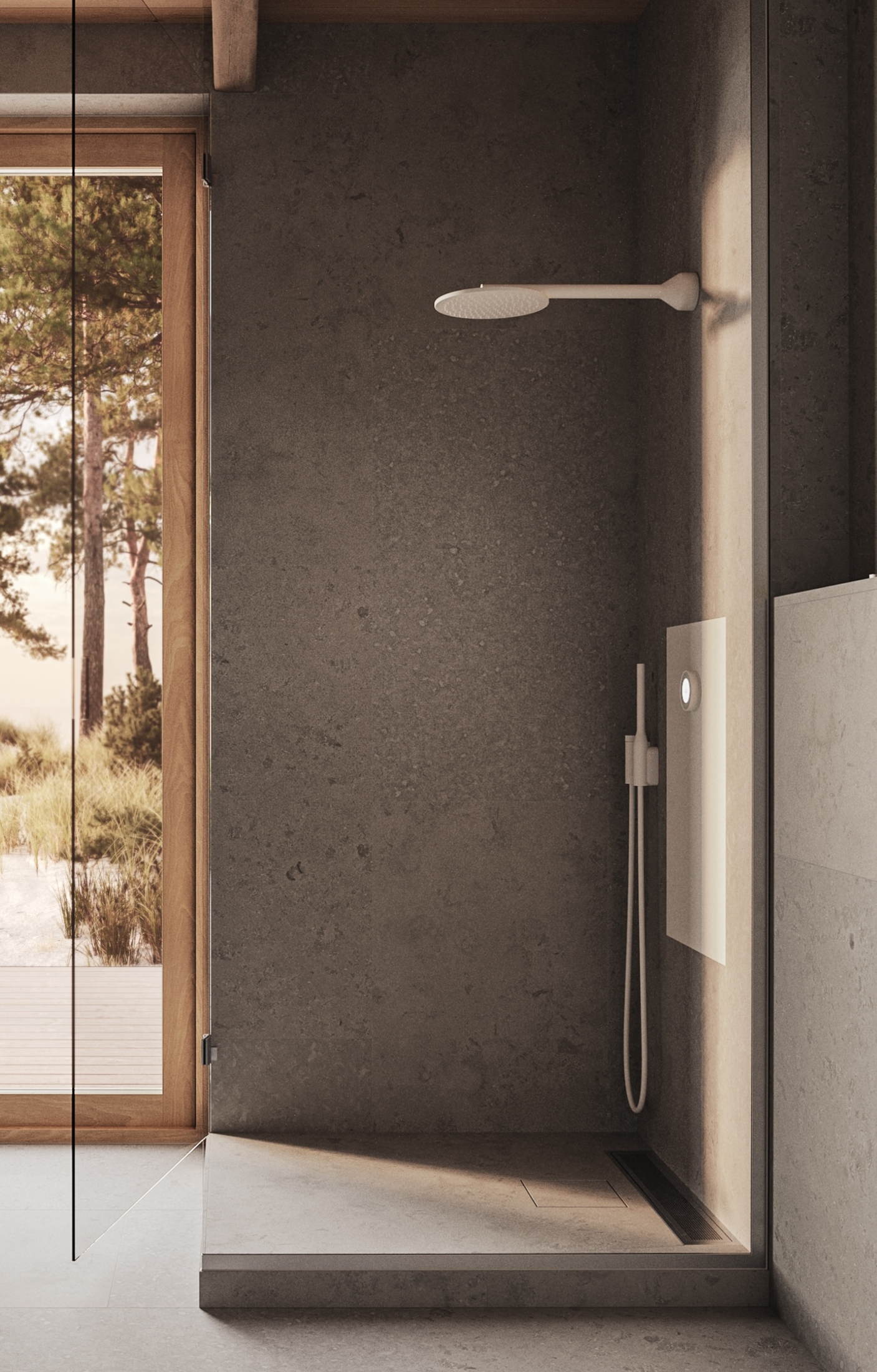
Johannes: Orbital Systems specialises in water- and energy-saving products that combine sustainability, innovative technology and design. Our key products utilise circular technology to reduce water and energy consumption by 50 to 100%, all while providing users with a premium experience featuring high flow and constant temperature.

The Scandinavian design is evident in our minimalist, functional and aesthetically pleasing approach, ensuring that our products not only perform efficiently but also enhance the visual appeal of the space they are used in. These products are ideal for environmentally conscious consumers, hotels, spas, gyms and private homeowners who value both sustainability and design.

When you look back at the hotels you've worked with and how you've supported them on their path to more sustainability with your products: What has been your biggest learning so far?

Johannes: Many hotels are not aware of how much they pay for the water and energy used by their showers. When we get a chance to look at their numbers, they are often very surprised when they realise the magnitude of the savings they could achieve by installing our products.

We have also learned that hotel guests are not very willing to change their behaviour to save water and energy. When they pay for a hotel stay, they often use the shower much more than they do at home. This is especially true in 4- and 5-star hotels where water consumption can be very high. To better suit the organisation of the hotel business, where it is common to have a property owner company and an operator company, we have introduced a financial model where the cost can be split between these two entities.

The property owner pays an amount equivalent to the cost of a conventional high-end shower system, while the operator pays a monthly or annual fee for a Care Plan that includes consumables and a 10-year warranty. With this setup, the hotel's operational expenses per room immediately become lower than with a conventional shower.

Many hotels are not aware of how much they pay for the water and energy used by their showers.
When we get a chance to look at their numbers, they are often very surprised when they realise the magnitude of the savings they could achieve by installing our products.
@JohannesMelin via @weareMAp

Nowadays, people are talking more and more about saving water but aren’t necessarily being smarter about their water usage. What are your three most important water-saving recommendations?

Johannes:

1. Reduce your shower time (or implement an Orbital Shower ;-) ).

2. Turn off the tap while brushing your teeth, fill the dishwasher and keep cold drinking water in a jar in the fridge.

3. Install dual flush toilets or, even better, the Orbital Tap for up to 100% greywater reuse from the toilet sink to toilet flushing.

Do you have any recommendations for hoteliers on how they can start and/or advance their sustainability journeys?

Johannes: Hire an expert who can take a holistic approach to analyse your current state and identify areas for impactful improvements.

Key actions to become more sustainable always include:

1. Implementing energy-efficient solutions

2. Reducing water consumption

3. Minimising waste

4. Choosing organic and locally sourced food

As always, our final MAp meets question: What makes a hotel experience truly outstanding for you personally?

Johannes: Freshly baked bread for breakfast, a comfortable bed in a cool and silent room, and of course a long and refreshing shower without any unnecessary waste of water and energy.

Wie Hotels ihren Wasser-und Energieverbrauch mit Orbital Systems reduzieren können

About Orbital Systems:

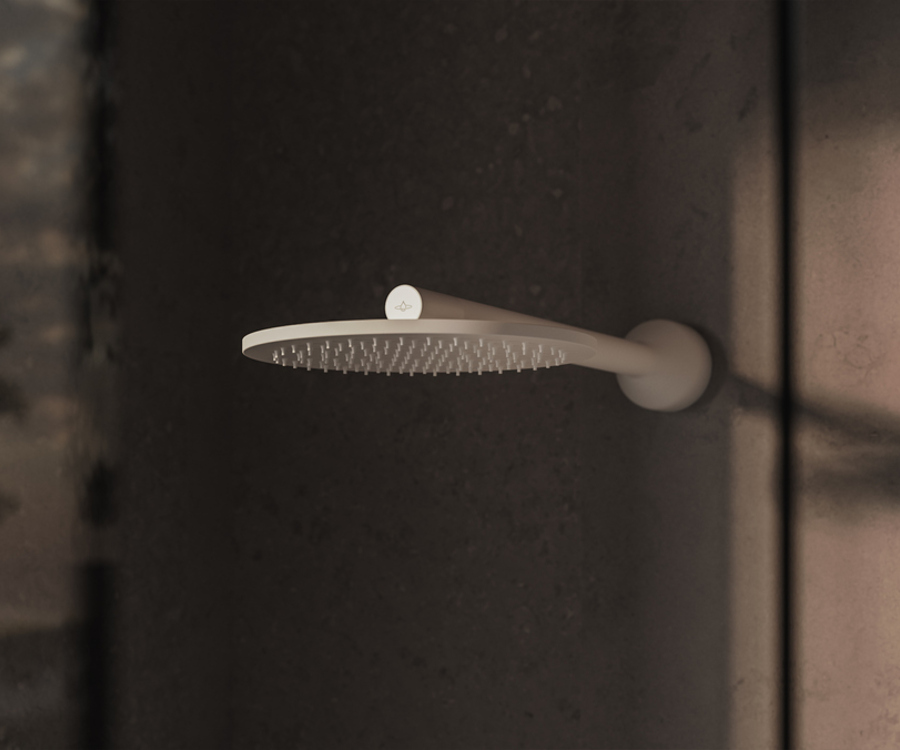
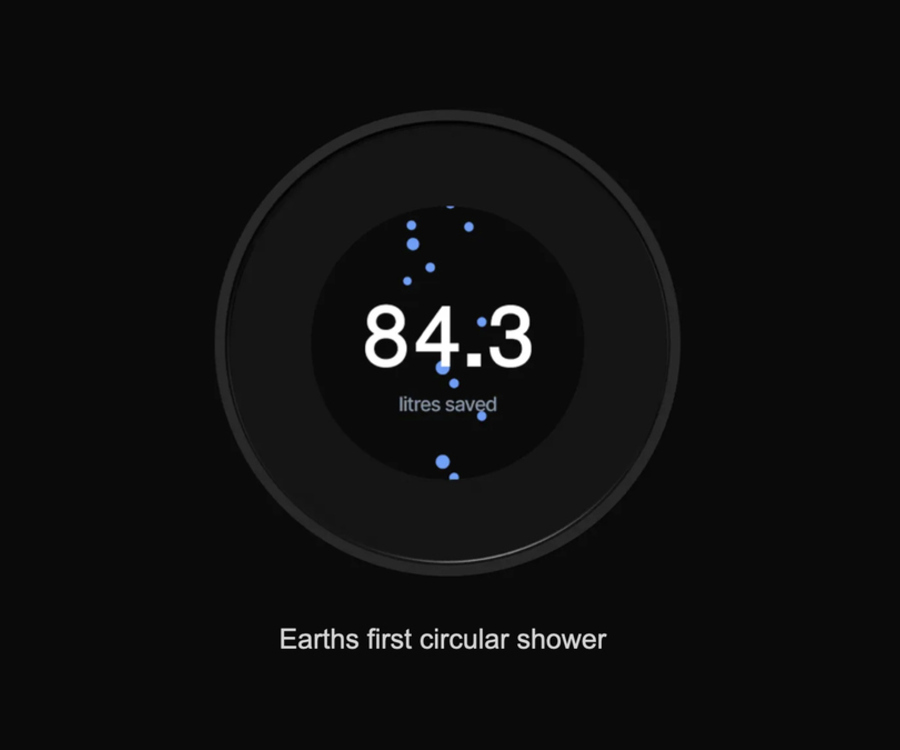
Orbital Systems is a Swedish company specializing in innovative water-saving solutions that combine sustainability with Scandinavian design principles. Their flagship products include the Orbital Shower, described as "Earth's first circular shower," and the recently introduced Orbital Tap, both of which utilize cutting-edge circular technology to significantly reduce water and energy consumption without compromising comfort or performance.

These products are designed for environmentally conscious consumers, hotels, spas, fitness centers, and private homeowners who value both sustainability and aesthetic appeal. Orbital Systems' commitment to water conservation is evident in their products' ability to purify and reuse water, potentially saving tens of thousands of liters per person annually.

The company's solutions have been installed in various locations across Europe, including high-end hotels and private residences, demonstrating their versatility and appeal to a wide range of users.

Blog Block Image
How hotels can reduce their water and energy consumption with Orbital Systems MAp Boutique Consultancy

Add new comment

Comment

Order

Plain text

  • No HTML tags allowed.
  • Lines and paragraphs break automatically.
  • Web page addresses and email addresses turn into links automatically.
Categories
Types
sharing is caring

🎧 Prefer listening to reading? Listen to the article here. ▶️


In the bustling world of hospitality, where travelers seek comfort, adventure, and memorable experiences, a new term has made its way into the spotlight: sustainability. But what exactly is a sustainable hotel, and why should it matter to both hoteliers and guests alike? Join us as we untangle the sustainability web in the hotel industry, and explore why sustainable hotels are more than just a passing trend.

At its core, a sustainable hotel is not just a place to rest your head and feel good. It's an embodiment of a commitment to a better, more responsible future. But what exactly does it mean to create a sustainable hotel? A sustainable hotel is a hotel that strives to promote sustainable development through its business practices. While the term "green hotel" is often used interchangeably, a sustainable hotel takes a more comprehensive approach to sustainability.

It weaves together three essential pillars: social sustainability (People), environmental sustainability (Planet), and economic sustainability (Profit). Let's break down each of these core pillars to better understand what it means to have a truly sustainable hotel.

Untertitel
Learn about the four pillars of hotel sustainability: People (social sustainability), Planet (environmental sustainability), Profit (economic sustainability) and Purpose: What defines a sustainable hotel today – and why it goes far beyond solar panels.
Blog main image
Was ist ein nachhaltiges Hotel?
Paragraphs

People: Social Sustainability

Social sustainability, the "People" pillar, is all about ensuring that a hotel's operations benefit both the local community and its partners and employees. Here, sustainability means fair treatment, diversity, and inclusion for the staff. It also means contributing positively to the surrounding community by creating jobs, supporting local businesses, and engaging in socially responsible initiatives. Sustainable hotels prioritise the well-being of their employees and strive to be good partners and neighbors within their communities.

Planet: Environmental Sustainability

The "Planet" pillar, or environmental sustainability, involves a commitment to minimising a hotel's impact on the environment. Sustainable hotels focus on reducing energy and water consumption, limiting waste, and implementing eco-friendly practices. They might invest in renewable energy sources, employ green building techniques, and use environmentally-friendly cleaning products. Additionally, they often engage in conservation efforts, such as water and energy-saving initiatives, waste recycling, and reducing single-use plastics. The aim is to protect the natural surroundings and preserve resources for future generations.

Sustainable hotels are not just about ticking eco-friendly boxes;
they're about creating a comprehensive and positive impact on the world.
@weareMAp

Profit: Economic Sustainability

Economic sustainability, or the "Profit" pillar, is about ensuring the financial stability and long-term viability of the hotel. Sustainable hotels understand that to continue their efforts in social and environmental sustainability, they must be financially sound. They aim to create a profitable business model that allows them to invest in eco-friendly technologies and initiatives, while also delivering a high-quality guest experience.

These hotels often find innovative ways to reduce costs, increase efficiency, and attract guests who appreciate and support their sustainability efforts.

Bonus Pillar: Purpose

While it’s not officially one of the pillars of sustainability, Purpose stands at the core of MAp’s sustainability framework. The definition is simple: Purpose is the WHY that drives you to do what you do – and love it! All sustainable hotels have a Purpose that drives them.

Why It Matters

Understanding these pillars of sustainability is crucial because they reflect a more profound commitment to the well-being of the planet, people and profitability. Sustainable hotels are not just about ticking eco-friendly boxes; they're about creating a comprehensive and positive impact on the world.

In the hustle and bustle of the travel industry, sustainability is a guiding star that points towards a more responsible, ethical, and eco-conscious future.

For hoteliers, it means embracing comprehensive responsibility, not only for environmental well-being, but also for their stakeholders and economic vitality. And for guests, choosing a sustainable hotel becomes an active role in fostering a brighter, more responsible future, impacting not just the environment but also the lives of those who live and work in the communities where they holiday. In case you want to learn more about the different aspects of hotel sustainability, our The Sustainable Handbook Collection is just right for you.

Free Hotel Sustainability Assessment

How sustainable is your hotel?

Learn where your hotel stands when it comes to sustainability by answering a few short questions about holistic sustainability: People, Planet, Profit and Purpose.

Video URL
Blog Block Image
What is a sustainable hotel?

Add new comment

Comment

Order

Plain text

  • No HTML tags allowed.
  • Lines and paragraphs break automatically.
  • Web page addresses and email addresses turn into links automatically.
Types
Youtube stream image
What is a sustainable hotel?
sharing is caring

It happened quickly, but we’re already in the last months of 2023 (yes, we also can’t believe it!). After the positive feedback we received on last year’s hospitality trend report, we’ve researched the top trends for a sustainable hotel business in 2024 - so you don’t have to!

In this trend report, you’ll learn the sustainable hotel trends in 2024, which include: Purposeful business travelHyper-local experiencesGreenwashing and Monitoring.

Untertitel
These trends will redefine the hotel and hospitality industry
Blog main image
Die Top-Trends 2024 für ein nachhaltiges Hotel-Business
Paragraphs

What is the definition of a hospitality trend?

Picture trends as the cool kids at the hospitality party, setting the vibe for the entire gathering. When we talk about hospitality trends, we're basically discussing "what's hot and happening" in the world of hotels and travel. Hospitality trends are evolving patterns and changes within the hospitality industry, reflecting shifts in consumer behavior, technology, design, and service offerings. So, why should hoteliers pay attention to hospitality trends?

Trends serve as a compass guiding hoteliers through the ever-evolving hospitality landscape. Embracing these hotel trends means staying attuned to shifting guest preferences, technological advancements, and industry innovations. Hoteliers who strategically adapt to hotel trends can differentiate their properties, offering guests unique and appealing experiences that set them apart from competitors.

This not only enhances guest satisfaction but also drives higher occupancy rates and revenue. In essence, keeping a keen eye on hospitality trends is akin to possessing a valuable tool that can elevate a hotel's reputation, attract more guests, and contribute to its financial success. For the purposes of this trend report, we’ve focused on one trend that’s here to stay: sustainability. That’s why we’ve brought together the top trends for sustainable hotel businesses in 2024. Let’s dive in!

Purpose: Purposeful Business Travel

According to central findings from the latest Annual Global Report and Forecast published by the Global Business Travel Association (GBTA), a remarkable 82% of travelers reported that business travel is very or moderately worthwhile in achieving their business objectives. This underscores the emerging trend of "Purposeful Business Travel."

Business travelers now expect more than just meetings and conferences; they are seeking meaningful experiences and opportunities that go beyond mere business transactions. Combining meetings with purposeful leisure means that travelers stay longer, engage in more activities, and take steps to make “the most of their carbon emissions." Being attractive to this travel group thereby creates loyal customers, expands the target audience, and helps achieve new reach.

3 things your hotel can do to leverage this hotel trend:

  • Clearly present your own WHY. Studies demonstrate that this significantly enhances the perceived attractiveness of your hotel. You'll connect with purpose-driven business travelers when you authentically exhibit your own sense of purpose. If you encounter any difficulties in doing so, we've crafted a complete handbook on the topic of purpose to guide you in defining it and communicating it with the world.
  • Create customised packages that include bundled business services like arranging (sustainable) transportation, with other offerings like wellness and healthy dining options. Offer discounts and incentives for extended stays to help them make the most out of their visits.
  • Provide information on how business travelers can offset their carbon emissions and refer to organisations such as Cool Earth. Not only does this demonstrate your commitment to environmental responsibility, but it also directly appeals to purpose-driven business travelers.

People: Hyper-local Experiences

The Marketing and Tourism Teacher Delmar José Ribeiro Sábio emphasises the hospitality trend of hyper-local experiences in 2024. This means that guests are actively seeking out unique and authentic experiences. It's no longer just about ”taking a vacation” - places are chosen more consciously, with a desire to immerse themselves in the authentic local culture, history and cuisine.

But hasn't it always been this way? Well, it’s become even more focused and small-structured now. There's actually a distinction between local and hyper-local: "Local" pertains to towns and cities, whereas "hyper-local" encompasses neighborhoods.

3 things your hotel can do to leverage this hotel trend:

  • Actively promote community-driven initiatives, such as art exhibitions, farmers markets, or charity events, and encourage guests to get involved during their stay. For example, you can provide a customised neighborhood map, created by a local artist, where guests can see what's going on around them.
  • Collaborate with local chefs and food producers to offer hyper-local dining experiences within your hotel. Host pop-up restaurants or chef's tables that exclusively feature locally-sourced ingredients, giving guests a taste of the authentic local cuisine.
  • Appeal to the (hyper-)local population as well. For instance, consider inviting local artists to showcase their work in your lobby or opening your restaurant to non-guests, making your hotel the neighbourhood hangout. This not only resonates with the local community but also enhances your guests' experience, as they appreciate the authentic atmosphere of being among locals.
Hospitality trends are evolving patterns and changes within the hospitality industry,
reflecting shifts in consumer behavior, technology, design, and service offerings.
@weareMAp

Planet: Greenwashing

At MAp, we are strong advocates for businesses and brands that prioritise honesty, regardless of the circumstances. Companies that consistently maintain transparency tend to outperform their competitors. And this principle extends to the hotel industry. But let's not mince words and address the undeniable fact: Greenwashing in the hospitality industry is gaining ground.

Greenwashing refers to hotels falsely promoting themselves as eco-friendly or sustainable without implementing genuine environmentally-conscious practices. Greenwashing is a trend that needs to be countered. This is achieved by employing successful sustainability communication.

By communicating sustainability in a sustainable way and having the right sustainability story in place for your hotel, you build awareness for your brand, create a positive image of your hotel in the heads of guests, engage and motivate your employees, and better comply with reporting rules and regulations. And of course, you also avoid greenwashing.

3 things your hotel can do to leverage this hotel trend:

  • Seek recognised sustainability certifications to validate your sustainability initiatives and assure guests of your commitment. You can learn more about Certifications on our Resources page HERE.
  • Don’t be vague about the information you give. Your communication should be clear, honest and transparent, including concrete examples of what you are doing. In this context, it is important to keep the 10 Principles of Sustainable Communication in mind.
  • Focus on the experiences you create, not on impressing your guests. The hotel industry relies heavily on the guest experience. That's why it's essential to pay attention to what guests truly encounter during their stay. What's the use of making big promises upfront if the real experience doesn't match? It can damage your reputation very fast. So trust in the saying: "Honesty is the best policy."

If you want to learn more about greenwashing, we have dedicated a whole separate blog post to the topic.


Profit: Monitoring

Of course, sustainability isn't just about having a purpose and being environmentally + socially responsible. It’s also about ensuring profitability; after all sustainable hotels achieve more financial success due to decreased costs and increased performance (as a result of higher occupancy rates, and more). Monitoring sustainability efforts is a key hotel trend that can help hotels strike a balance between sustainable consciousness and financial success.

3 things your hotel can do to leverage this hotel trend:

  • Monitor aspects such as resource consumption, energy efficiency, waste reduction, and water conservation. By doing so, hotels can identify areas where they can cut costs, reduce waste, and minimise their environmental footprint.
  • Set realistic targets for improvement by making data-driven decisions. Whether it's through advanced building management systems, real-time data analytics, or guest feedback, hotels can fine-tune their operations to maximise both environmental and financial benefits.
  • Explore creative methods of guest interaction through monitoring, such as integrating gamification elements into the water usage display in the shower. Motivate guests to be part of the sustainability journey, ultimately leading to positive financial outcomes for your business.

That’s a wrap on this year’s top hotel trends for sustainable hotel businesses in 2024. Thanks for tuning in and your interest in making a difference – for the hospitality industry and the world!

The Sustainable Hotel Collection

Make your hotel a sustainable hotel!

Create a sustainable hotel that makes a positive impact for all, and delivers more profit and success for you.

Blog Block Image
The Top Trends for a Sustainable Hotel Business in 2024

Add new comment

Comment

Order

Plain text

  • No HTML tags allowed.
  • Lines and paragraphs break automatically.
  • Web page addresses and email addresses turn into links automatically.
sharing is caring

🎧 Prefer listening to reading? Listen to the article here. ▶️


We are women who love to travel the world and see new things. So, today’s blog post is one that really matters to us and should matter to you as well. Why? Because the latest statistics indicate that women influence 85% of all consumer purchases and account for 58% of online sales. Not only that, most travel agents or team members working in tour operator businesses happen to be female too.

It seems that many hotels have already implemented facilities and services specifically designed to meet the needs of female travellers who are travelling for business, pleasure, leisure, solo or with others. Great, we hear you say. Well, sort of. We believe there still is some way to go. This blog post will shed light on the features your hotel needs to best appeal to and exceed the expectations of today’s modern female traveller.

We believe the secret is to view your hotel through the eyes of a woman. Think about the little things that will make that all-important difference.

Untertitel
Put HER at the centre of your (hotel) world for greater success
Blog main image
MAp Boutique Consultancy – How hotels can cater to female solo travellers
Paragraphs
We believe the secret is to view your hotel through the eyes of a woman. Think about the little things
that will make that all-important difference.
via @weareMAp

Care for HER safety

Security, safety and discretion are of utmost importance to female guests. You as hotelier can make us women feel safe by offering (among other things) secure on-site parking, allocating us in rooms close to lifts and not on the ground floor, illuminating your hallways well, double-locking hotel doors, manning your reception 24/7 and making sure your receptionists are not announcing room numbers out loud.

Some hotels go the extra mile and offer all-female staff support which escort solo female travellers to their room or deliver room service to them. Richard Branson’s Virgin Hotel in Chicago takes it one step further. The hotel features special privacy doors allowing female travellers to order room service and having it conveniently delivered to the room – all without the need to interact with the hotel staff.

Upgrade your rooms for HER

Cornell Center for Hospitality* found that women are more concerned about getting a good night’s sleep than their male counterparts. This implies that to improve female guest satisfaction, your mattresses should be adjustable in firmness and with high-quality hypoallergenic bedding. Offering a pillow menu is another highlight (oh yes, thanks to Savvy Sleepers there are even anti-aging satin pillowcases available to prevent wrinkles and hair breakage).

Women (and not just the women!) enjoy living a healthy lifestyle. You can improve their travel experience with some in-room workout facilities and yoga mats; offer the possibility of in-room spa treatments as well as provide great coffee and an enticing herbal tea selection.

Choose an upscale skin care line, have a full-length mirror in the room as well as an enlarged and well-lit magnification make-up mirror. Ensure there are cotton pads available, enough wardrobe space with skirt hangers, satin-padded hangers and why not even a sliding show rack (think of all the Jimmy Choo’s that would thank you for it ;-)?

Last but not least, get slippers and bathrobes in the right sizes and remove the gigantic sizes from the room. Have towels that are big enough to be used as hair-drying turbans and high-powered hair dryers. Another hint: curling irons and hair straighteners will truly win your female guests' hearts – we promise you!

PS: A small but important side note for all hotels and resorts in romantic destinations: when a female solo traveller (applicable to male solo travellers as well) checks in, please check your in-room communication and facilities. Remove the invitation for romantic couple dinners and treatments, and exchange them with relaxation and detox offers (or whatever you have prepared for your solo travellers). Remove the second pair of slippers, bathrobes and amenities in general. Make them feel that the room is perfect for one – they will appreciate it.

Tailor your food & beverage offering to HER

It’s commonplace for hotels to offer healthy menu choices throughout the day that are nutritionally balanced, as well as a beverage selection that includes infused waters, fresh juices, etc. To make a greater impact, think about offering smaller portions for female guests, so that they can enjoy an appetizer and a dessert as well.

Make an effort in your restaurants to offer your lone female diners the option between joining a communal dining table or a discreet corner table, so that they feel comfortable and at ease.

One more thing: taking care of your female travellers' needs does not mean segregating them from other guests. We are not fans of women-only floors, gyms or spas in hotels. Instead, we believe that the adjustments we mention in this blog post won’t disturb but be appreciated by many other guests as well, regardless of gender.

Talk to HER

As we all know, women are different. So is their use of technology while booking and travel planning, as well as on social media platforms. Important to keep in mind is that they love to share travel intelligence and are big into rating hotels.

Make an effort to tailor and target your communication on your website and social media channels to your female guests, and mention the facilities and services you offer especially for HER.

One last thing that is dear to our hearts and we really want to emphasise is hotel photography. Long gone are the days when women appear in ads and photographs simply as the sweet companion of greying, successful (travelling) men. Show (and you’ll automatically reach out to) real women, independent business-women, female artists, single moms – feature the female buyer persona you would like to welcome in your hotel.

Women will appreciate the extra attention you give them. Take their needs into consideration and they will turn into loyal customers and come back again and again.

We hope this blog post has given you some useful insights and information. Now we are excited to hear from you: What do you believe female travellers need? Which hotel have you been to where they truly tailored the experience to female guests? Thanks for sharing!

Your MAp team

*Brownell, J. (2011). Creating value for women business travellers: Focusing on emotional outcomes. Cornell Hospitality Report, 11(12), 6-17.

Video URL
Blog Block Image
MAp Boutique Consultancy - How hotels can cater to female solo travellers

Add new comment

Comment

Order

Plain text

  • No HTML tags allowed.
  • Lines and paragraphs break automatically.
  • Web page addresses and email addresses turn into links automatically.
Categories
Types
Youtube stream image
It’s a woman’s world!
sharing is caring

Taking a sustainable, family-run hotel to the next level.

Main-Image
Locanda Mistral - MA people MAP Boutique Consultancy
Location
Valle Maira, Italy
Timeline
2019 - ongoing
Type
Sustainable, family-run hotel
Purpose
To enable guests to experience nature at its best and in the most authentic way
# of Rooms
14
# of Stars
3*
Tag it
#LocandaMistral #Bergerlebnis #EnjoyTheSilence #SustainableHotel #SustainableHotelConcept
Paragraphs

A jewel of tradition, sustainability and hospitality

Destination

Destination

  • Field and trend analysis to afford visibility into existing market and opportunities
  • Sharpened sustainable hotel concept with clear guidance on how to implement across all touchpoints
  • Clear positioning of the Locanda Mistral in the market
  • Sales + Marketing support
  • Stunning new website that serves as an extension of hotel concept, and in combination with other social media efforts, significantly increased online visitor rates


Awards + Accolades

  • Member of Green Pearls
Video URL

RoadMAp

Locanda Mistral - MA people MAP Boutique Consultancy

#EnjoyTheSilence

Thank you to Manuela and Renato for inviting us to put the Locanda Mistral on the MAp. We so admire the passion, warmth and hospitality you pour into this special hotel. #Onwards

If you love to enjoy the combination of a superb area with the best of the Italian kitchen in a warm and friendly atmosphere,

Locanda Mistral is the place to go.

TripAdvisor User
Weight
-98
Title for Show next
Welcome to Locanda Mistral
Show Blocks