sharing is caring

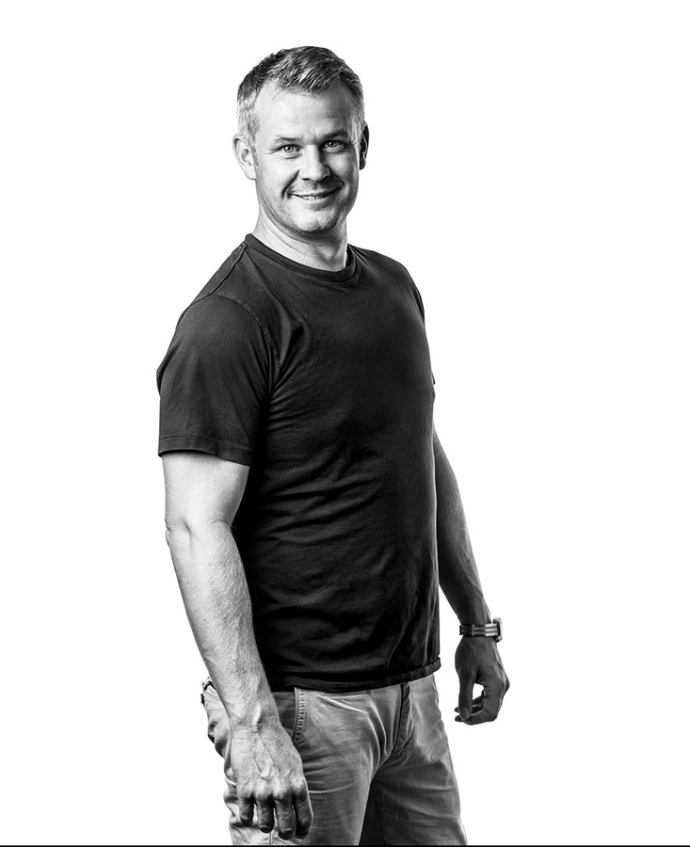
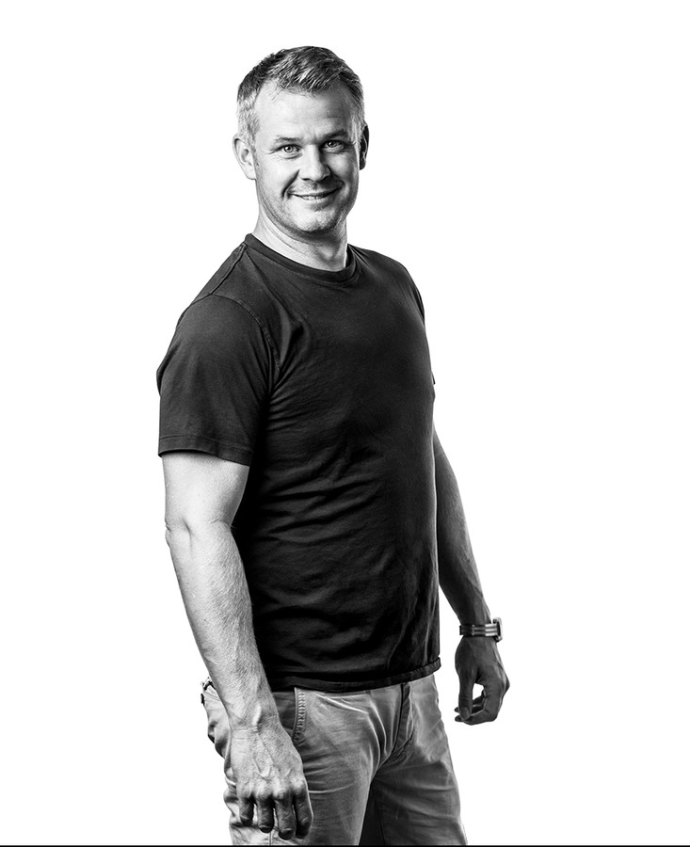
Today we are happy to talk to entrepreneur and founder Piero Achermann about his project, the innovative SelfieHotel. As we look to the future, we are excited to see which pop-up awaits us next as a new social media playground. Have fun reading!

Untertitel
MAp meets Piero Achermann, co-founder of SelfieHotel
Blog main image
#wirsindzukunft
Paragraphs

Dear Piero, thank you very much for taking the time for this MAp meets. A year ago you started the first SelfieHotel Pop-up Museum in Zurich, so can you please give our readers a brief insight into how this project came about?

The idea for the SelfieHotel came after the first lockdown in spring 2020, when we at Aroma were thinking about how the rooms that were vacant due to the pandemic could be used. The main focus here was on catering to establishments that were officially closed. But since a reopening in the bar and club area was foreseeable, and many city hotels still had a very bad booking situation, we sent initial inquiries and after a short period of time we decided in favour of the 25Hours Hotel on Langstrasse / Europaallee in Zurich.

The SelfieHotel is a temporary social media playground and is primarily aimed at a young audience
who want to create exceptional content.
@PieroAchermann
via @weareMApeople


What exactly is meant by a selfie hotel? What is the concept behind it and which target groups did you primarily want to address?

The SelfieHotel is a temporary social media playground and is primarily aimed at a young audience who want to create exceptional content for their social media feeds. For this purpose, we create crazy sets in the hotel rooms for photography, filming, boomerangs, posing, dancing and laughing! You can then book time slots for your visit at selfiehotel.ch. Entry costs around CHF 25.

How were the reactions to the first SelfieHotel and what is the future project planning like? Is an expansion of the project planned and what can we expect this year?

We were massively surprised by the rush; the SelfieHotel was booked out for weeks. We have therefore adjusted the opening times and decided to extend the term by one month. Over the three months we were able to welcome almost 20,000 visitors to Zurich.

This year we are planning the opening of the SelfieHotel Lausanne on May 1st, provided the pandemic situation allows it. We would like to use the concept in other cities and are already in the planning stage for this, but we are also open to suggestions.

If we now look into the future together: What do you think awaits us after COVID-19? Which trends will shape the Swiss and the international hotel industry?

The hotel, catering and event industries are the most severely affected branches of the economy; therefore, a high level of mental and operational agility and frustration tolerance are necessary in order to get through this crisis. With this in mind, I hope that the crisis will produce no financial losers, and also that entrepreneurs will be strengthened in terms of character and perseverance.

At MAp, we specialise in the development of innovative hotel concepts and brands: What makes a really special hotel stay for you?

I really appreciate personal but unobtrusive service. If I find the right newspaper on the breakfast table on the second day of my stay, then I'm happy.

About Piero Achermann:

Piero Achermann, born in 1980, grew up in Lucerne and has been involved in a wide range of entrepreneurial activities since 2001. In addition to his many years of activity as a co-founder and managing director of various companies in the catering and entertainment sector, he has also been active in the agency sector since 2011.

#wirsindzukunft
#wirsindzukunft
#wirsindzukunft
#wirsindzukunft
#wirsindzukunft
#wirsindzukunft
#wirsindzukunft
Blog Block Image
#wirsindzukunft

Add new comment

Comment

Order

Plain text

  • No HTML tags allowed.
  • Lines and paragraphs break automatically.
  • Web page addresses and email addresses turn into links automatically.
Types
sharing is caring

In a world full of clutter – between relationships, job responsibilities, hobbies, free time, well-being, and more – it’s hard to focus on what matters most. In the fifth edition of our monthly book club, we dive into “The One Thing” by Gary Keller and Jay Papasan, a productivity book for anyone who wants to achieve extraordinary results in any part of their life.

So what’s the one thing you ask? You’ll have to read on to find out!


Untertitel
Creating extraordinary results with less stress
Blog main image
The One Thing
Paragraphs
Purpose without priority is
powerless.
@weareMApeople

Summary

In this number one bestseller, Keller and Papasan make the case that, behind every successful person, is their ONE thing. By focusing one’s energy on one thing at a time, versus getting caught up in many little things, people benefit from more rewarding lives. Why? More distractions = less productivity = less time for what matters most (your own well-being, your loved ones, your biggest personal goal, your biggest career goal, your spiritual practice, etc.). To help you narrow in on your one thing, the book presents practical methods for cutting through the clutter, achieving better results in less time, dialling down the stress, mastering what matters most, and more. The key message: less is more! Now that’s something we can agree with.

Key Points

#1: Don’t go big. Go small.

The common belief is that big success takes time and effort. That’s why people fill their calendars with appointments and create long to-do lists, which just leads to overload. They get lost trying to do too much, and as a result, achieve too little. The result? They settle for less or they abandon their dreams altogether. As the authors state, “Success demands singleness of purpose. You need to be doing fewer things for more effect instead of doing more things with side effects.” Think of your one thing as your “someday” goal. Once you’ve figured that out, you need to identify how many dominoes you need to line up – and then knock down – in order to achieve it.

#2: In that vein, use your time wisely.

It may surprise you, but being successful doesn’t in fact take that much discipline. The authors follow the 80/20 principle, which states that 20% of your actions will produce 80% of your results. Once you’ve decided on your one thing, then you need to identify the 20% (those “high-leverage” activities) that create the 80%. Set aside the time to focus on them – without distraction or multitasking – ideally every morning until they are done. After 66 days, which is how long it takes for a habit to kick in, this will become second-nature for you.

#3: Purpose, priority and productivity go hand-in-hand.

At MAp, we are big on purpose, so this message really resonates with us. Your one thing is your purpose, and you should use it as your guidance compass in every aspect of your life. However, purpose has the power to shape our lives only in direct proportion to the power of the priority we connect it to. As in, purpose without priority is powerless. When you’re clear about your purpose and your priorities, you become a more productive person. And - when you become more productive, you produce more value and get the success you want.

Application

“A journey of a thousand miles must begin with a single step.”

To figure out what that step is, first answer the question: What's the one thing I can do, such that by doing it, everything else will be easier or unnecessary?

Next, the book presents a host of practical applications to achieving your one thing:

  • Create a success list as compared to a to-do list
  • Say “no” more
  • Think of yourself as a surgeon in order to avoid distraction
  • Reserve four hours of non-interrupted time from your day only to work on your ONE thing
  • Break down your big goals into the steps you need to take in order to achieve them

MAp's Favourite Quote

“Success demands singleness of purpose. You need to be doing fewer things for more effect instead of doing more things with side effects.”

Conclusion

We truly hope this book is the one thing you need to get you on your way to achieving bigger and better results in your life! It sure has helped us to prioritise what truly matters. So tell us, what’s your ONE thing? Comment below.

Lastly, support a local bookshop by buying “The One Thing” here: https://bookshop.org/

Blog Block Image
The One Thing

Add new comment

Comment

Order

Plain text

  • No HTML tags allowed.
  • Lines and paragraphs break automatically.
  • Web page addresses and email addresses turn into links automatically.
Categories
Types
sharing is caring

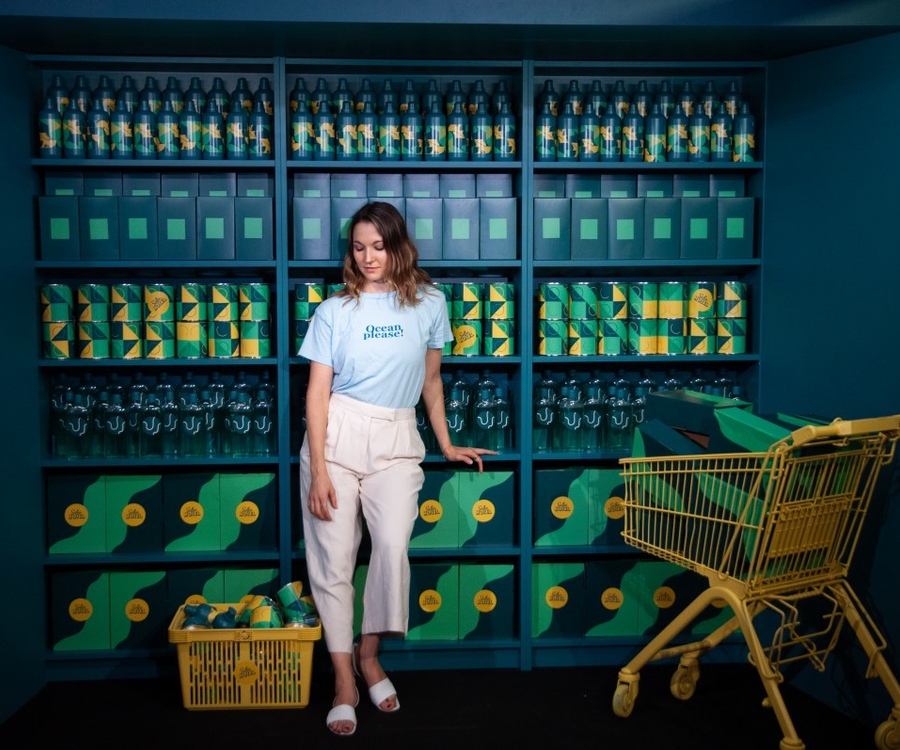
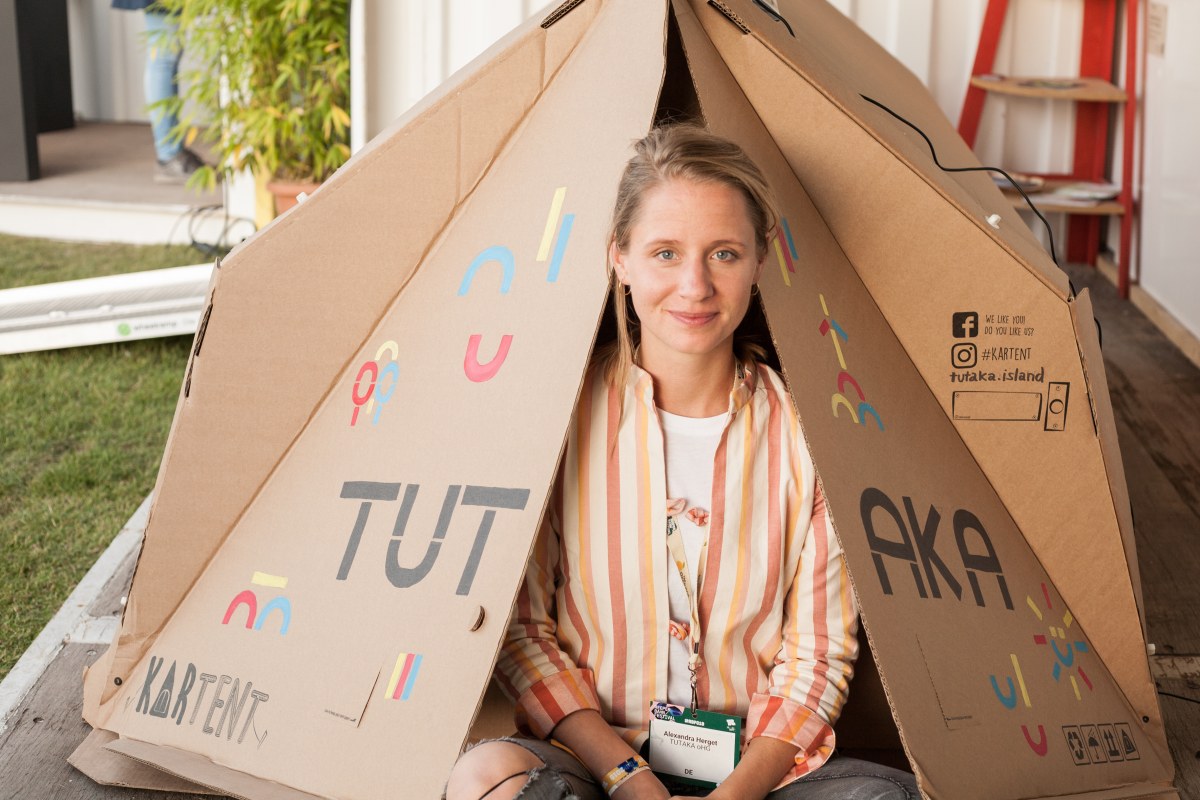
Today we are happy to meet Alexandra Herget of TUTAKA. TUTAKA is the go-to source for sustainable hospitality that makes procurement easy through its marketplace of sustainable supplies, equipment and services. Learn from this self-described “ecoist” motivated to bring more positive change to an industry that is still in the early stages of transformation.

Untertitel
MAp meets Alexandra Herget, Managing Director + Co-Founder at TUTAKA
Blog main image
NEW There is no hospitality industry without a “sustainable” in front of it.
Paragraphs

Thank you for speaking to us today! As a start, can you please tell us a bit more about you and your background? Have you always been passionate about sustainability and hospitality?

At least from high school onwards. Quite nerdly, I joined the environmental club in my school in Sweden. Part of my curriculum at university also included courses such as “Sustainable Development”, “Environmental Studies” and “Human Rights”. That I want to follow a career within the hospitality industry became clear to me, when I was looking for a job while finishing my Master’s Degree in Maastricht. I sat down and asked myself: “What do I want to do now? What am I passionate about?” The answers were: gastronomy, travelling, being a host, bringing people together, and designing memorable experiences. Thus, I moved to Berlin and worked in a hotel concept development company.

Sustainability is a journey.
Take it step by step.
@alexandraherget
via@weareMApeople


We recently discovered TUTAKA and love your approach to sustainability. Can you share with our readers a bit more about TUTAKA? How did you come up with the idea for it and what’s your purpose?

Thank you! We are also enthused about MAp and can’t wait to see how we join forces to bring more sustainability into our beloved industry.

TUTAKA makes sustainable procurement easy. How? By relieving buyers from the hotel, restaurant and event industry of the complex task of searching: On our digital marketplace, hundreds of audited products and services can be directly bought or enquired.

TUTAKA Island is our marketplace’s sister. As a consultancy, “the Island” supports hosts in the transformation towards more sustainability by taking an advisory role within the fields of strategy, communication and procurement. Overall, marketplace and agency alike, our mission is to make the hospitality industry more sustainable. 

Can you explain to us how you define a product as “sustainable?” What criteria are you looking at? How do you go about sourcing products?

Either we get in touch with a producer that we think might fit, we meet them at an event or fair, or the supplier contacts us. Then, we elaborate firstly whether the product(s) is suitable for the hospitality industry from a functionality, design and price perspective and whether the supplier can deliver large quantities within an attractive lead time.

After this basic check, we take a close look. First on a company level via a questionnaire, which asks questions such as “Tell us about your company's mission and product features and the social challenges you are tackling” or “Are you already a sustainability superstar? Or are you rather at the beginning of your journey? What are you particularly proud of? Where do you still have room for improvement?” And then we move on with our TUTAKA product assessment, which evaluates the entire life cycle of the product in terms of positive and negative social and ecological impacts. To be precise, we look at the design, end of life scenario, logistics, production, materials, and usage of the product. Then, we sort the offer into our impact scoring, develop an overview on the sustainability performance and also state transparently what needs further improvement in terms of sustainability.

At MAp, we too believe that the future of hospitality needs to be sustainable. How important is sustainability in the hospitality industry? And where do you envision the future of hospitality going as it relates to this?

Sustainability should be all our rationale. There is no hospitality industry without a “sustainable” in front of it. 

With sustainability becoming so important and trendy, there are, of course, some negative side effects to it. Talking about “greenwashing” – how do you define it and how do you feel about it?

Franziska, my Co-Founder, hosts a panel on HospitalityNet, where we tackled this question with other industry leaders. Have a look!

Greenwashing is amongst the biggest traps to fall into when communicating sustainability. A "let's save the world" claim and tacky towel policy stickers are superficial and unappealing. Greenwashers pretend that they have made efforts, however just for the sake of being perceived as green and thus trustable and a brand to stick with. Believing that solely a change from plastic straws to no straws is worth sending out messages across all channels and media, declaring a new ecoistic era, is too simple. So, what to do? As a first step, the sustainability activities of hospitality companies should be embedded in a wider sustainability agenda such as the UN Sustainable Development Goals. Secondly, sustainability should be driven by corporate culture and people, and not merely by checklists. Thirdly, and here I would like to quote Franziska: “Sustainability communication must leave behind the classic marketing practice of hiding products, services and people behind empty slogans and hoping they will resonate with current trends and lifestyle models. Sustainability communication should be about revealing, sharing and letting in.”

As many of our readers are hoteliers: can you share with us 3 easy tips on how they can become more sustainable?

Sure! First, sustainability is a journey. Take it step by step. Second, on-board your whole team and take them with you on this journey. Third, implement a long-term strategy with goals and measures. “Quick and dirty” does not work with sustainability.

As always, our final MAp meets question is related to our core business, as we’re specialised in crafting innovative hotel concepts and brands: what makes a hotel experience a truly outstanding one for you personally?

A hotel that is in true balance with the nature and “Umwelt”/ Environment surrounding it. A hotel that offers outstanding materialistic and non-materialistic experiences. One, where well-being is at the core. And one, where you can feel that all employees are being appreciated and participative.  Oh, how I look forward to travelling again!

About Alexandra Herget:

Alexandra developed hospitality concepts before founding TUTAKA in the beginning of 2018 after being frustrated seeing the amount of things that are thrown away every day in a hotel. Studying Interactive Art Direction at HYPER ISLAND, Graphic Design at M.DH and getting a M. Sc. in Strategy & Innovation helped along the way. Her time at The Ritz Carlton, hospitality competence and the Hotelmarketing Gruppe as well. She is mad for unusual ideas, boldness, ecoistic people, typography and Scandinavian design.


Blog Block Image
NEW There is no hospitality industry without a “sustainable” in front of it.

Add new comment

Comment

Order

Plain text

  • No HTML tags allowed.
  • Lines and paragraphs break automatically.
  • Web page addresses and email addresses turn into links automatically.
Types
sharing is caring

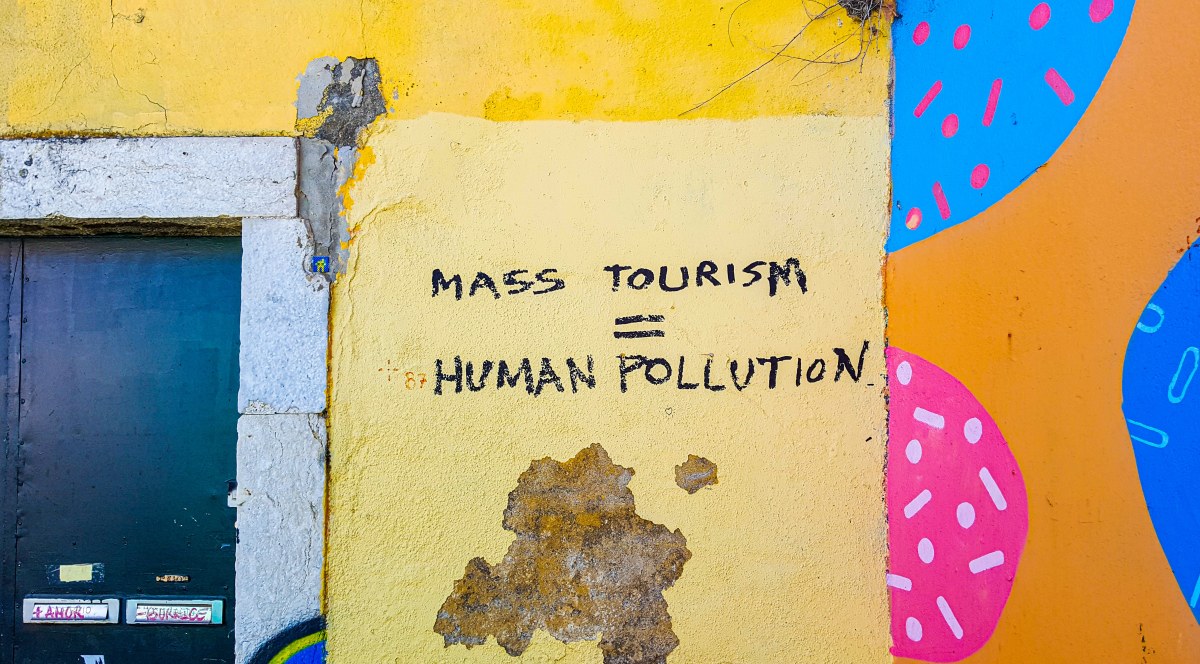
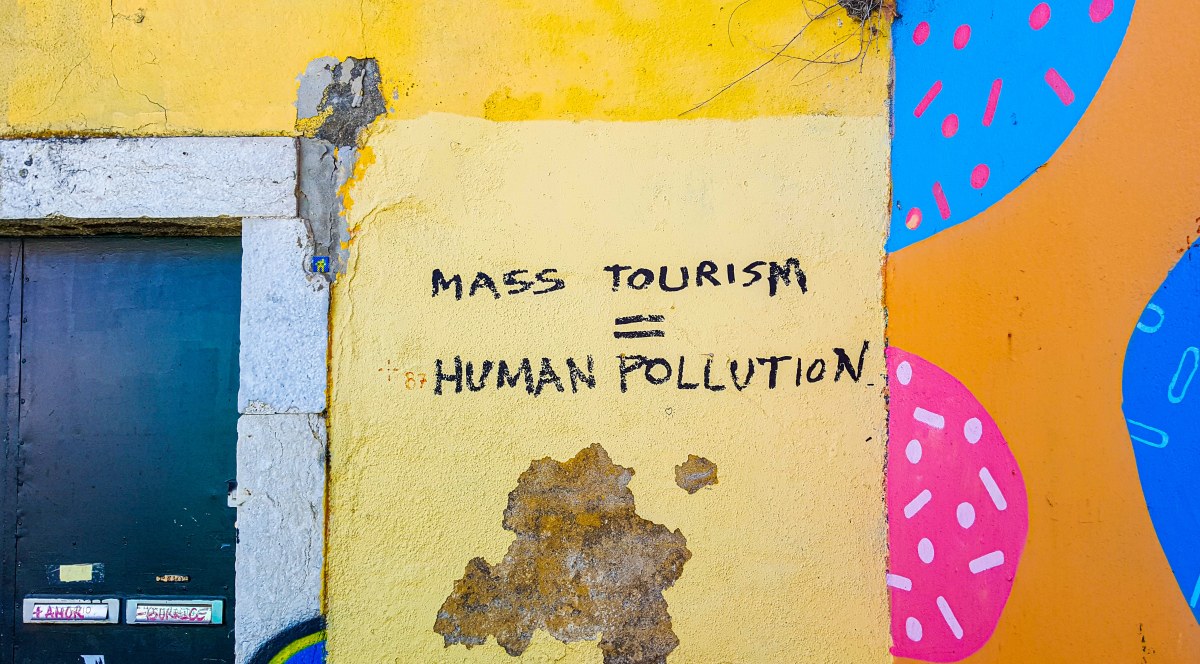
The world is bracing for the reopen of travel, as vaccinations roll out across the globe and countries lift their border restrictions. But do we want to go back to the old – and, even worse, unsustainable - ways of travel? In the fourth edition of our monthly book club, we read Elisabeth Becker’s “Overbooked: The Exploding Business of Travel and Tourism,” which investigates the many dimensions of the travel industry and its far-reaching ramifications on the global economy, world cultures and the environment.

Do you work in the travel industry or are you simply a passionate traveller? Then read on to learn why responsible travel is more important than ever.


Untertitel
The Exploding Business of Travel and Tourism
Blog main image
Overbooked
Paragraphs
Small improvements to your travel plans and conscious decisions
make all the difference over time.
@weareMApeople

Summary

Becker is a former correspondent for The New York Times, who spent five years criss-crossing the globe to measure the impact of the tourist trade. The result is “Overbooked,” part travelogue and part examination, exploring how what was once a hobby became a giant industry, employing 1 in 10 people globally and becoming the main source of income for many countries across the world. Becker looks at case studies both good and bad: eco-tourism in Costa Rica and business travel in France, to the destruction of Angkor Wat and the over-tourism plaguing Venice. The book is eye-opening in its facts and data, and makes an impassioned plea for why sustainable tourism is imperative for the future. However, after reading the book, we felt that Becker falls short of offering real solutions to the problems she observed as well as giving the reader the tools he or she needs to be a responsible traveller.

Key Points

#1: It’s easy to be blind to the effects of tourism.

Tourism is both enriching and destructive, leaving winners and losers in its wake. But most vacationers are blissfully unaware of the toll their vacation can have in moments and places on the local population and the environment at large. Why is that? Despite its size, the tourism industry is a largely neglected topic - unlike the oil or pharmaceutical industries, for example, which come under immense scrutiny from governments and the media. Instead, it is still seen as a 'soft' issue, relegated to the travel pages. Because of this, vacationers simply don’t know how to travel in the most responsible manner.

#2: Travel journalism perpetuates this problem.

Becker contends that travel journalism is compromised, serving a PR function rather than tackling the adverse effects of mass tourism. In return for free flights, stays, meals and tours, travel journalists are expected to write rave reviews and less inclined to provide critical commentary on a place. After all, not only will they not be invited back, but they may lose out on other invitations in the future. The singular goal for travel writing has been to help vacationers pursue their dream of a perfect trip.

#3: Governments can make or break a country’s tourism industry.

As Becker states, “Tourism is that rare industry whose ‘product’ is a country.” This gives governments the ultimate decision-making power. Governments can choose to “preserve cultural sites or allow them to be destroyed; they can set aside wilderness areas or issue permits to build resorts along a deserted beach...”

They are also the main sales force for tourism. Becker has found that governments that have chosen to remove themselves from the tourism business, such as the United States, which resigned from the U.S. World Tourism Organisation in 1996, have suffered as a result. France and Costa Rica, on the other hand, have taken proactive measures to protect their countries while growing their respective tourism industries.

Application

When you plan your next trip, skip the glossy magazines and really research the destination – the good, the bad, the ugly – in order to have a more well-rounded perspective of the place and better inform your buying decisions - with the goal to have the most positive impact possible. Nowadays you can rely on online resources promoting sustainable tourism, such as cooperations for hotels and accommodations that are local, green and sustainable (i.e. eco suites).

We all know, to travel sustainably is a work in progress. So, as we say at MAp, take it step-by-step. Small improvements to your travel plans and conscious decisions make all the difference over time.

MAp's Favourite Quote

“Taken together, all of our innocent vacations and trips have changed lives and the fortunes of nations.”

Conclusion

We hope this exposé into the travel industry was enlightening for you and will help you in the future to consider your impact on local economies, cultural heritage and the environment when you set foot in a new place. We’d love to hear which country case studies you found to be most interesting – please comment below.

Lastly, support a local bookshop by buying “Overbooked” here: https://bookshop.org/


Blog Block Image
Overbooked

Add new comment

Comment

Order

Plain text

  • No HTML tags allowed.
  • Lines and paragraphs break automatically.
  • Web page addresses and email addresses turn into links automatically.
Types
sharing is caring

Excerpt: A hotel concept is the foundation of every successful hotel project. But are you unclear on what exactly a hotel concept is? Or even why you need one? We’ll introduce you to the idea of the hotel concept, what goes into creating a great and sustainable concept, and what benefits it will bring to your hotel project. Read on to learn more!

Blog main image
What is a hotel concept + why do you need one?
Paragraphs

The start of each new year brings with it a spate of articles touting the most anticipated and hottest hotel openings for the year ahead, and despite the pandemic, 2021 was no different! Just take a look at this Forbes article and this Conde Nast Traveller article to get a sense for the new offerings flooding the market this year alone.

The hotel landscape looked very different 20 years ago, when there were less offerings, bigger players and clearer differentiation between brands. Today, the market is saturated. And if you factor in the disruption of new entrants, such as Airbnb and the like, it is no surprise that customers struggle when faced with so much choice.

So how do hotels discover, create and maintain their competitive edge? How do they distinguish their offering and add value to guests? How do they remain relevant to today’s consumers? The answer is with a strong and sustainable hotel concept.

What is a hotel concept?

A hotel concept is the basis for everything that follows. It’s the foundational idea that defines your hotel’s brand, character, product + services, sales + marketing, and more. It curates a distinctive identity in the market and in the eyes of your clearly-defined target group.

Furthermore, it acts as a strategic and creative outline on how to realise a hotel venture by piecing together various elements (“soft” and “hard” facts) and outlining to all stakeholders HOW your hotel should look and feel and WHY that is.

What are the key elements of a hotel concept?

At MAp, we craft our hotel concepts around the following key elements:

  • Purpose: WHY you exist beyond making profit. Read here why defining your purpose beyond making profit will actually make you profit.
  • Principles: Your vision, mission and values.
  • People: The people you are serving with a solution to their problems, as well as the people you are working/partnering with to make an impact.
  • Story: The unique story that you – and only you – are telling in order to emotionally connect with your people.
  • Positioning + USPs: What differentiates you in the market.

These constituent pieces, together, form one complete whole, laying the foundation of your hotel project.

Before you can stand out,
you must know what you stand for.
@weareMAp

Why do you need a hotel concept?

Whether you are a hotelier looking to develop a boutique hotel or are part of a hotel group looking to reposition your existing hotels, a clearly-defined and sustainable hotel concept offers many benefits:

  • Gives you clarity on the what, how, why
  • Aligns your stakeholders around a shared purpose and vision
  • Enables you to use resources more efficiently (think time, money, etc.) - but also the resources of our planet
  • Makes you stand out from the crowd (as you know what you stand for)
  • Creates a better future for your hotel and business, for people and planet

Hotels with strong concepts are able to demand a premium price, provide a coherent guest experience, sell and market themselves smartly, recruit talented staff and a community following, and have a marketable platform when pitching for investors and partners.

How do you bring a hotel concept to life?

Our holistic and end-to-end process for developing hotel concepts consists of the following steps:

1) Concept Discovery: Set the groundwork by looking inwards at your goals, motivations, strengths and weaknesses, and outwards at your competition, the market and innovative trends.

2) Concept Development: Using the insights collected in the Discovery phase, address each of the key elements of your hotel concept in order to define its core idea.

3) Concept Activation: Translate your hotel concept into the operations of your hotel, by applying it to your product + services, brand, and sales + marketing.

4) Concept Implementation: Identify strategic partners and ensure they are aligned and in keeping with the hotel concept, all the way up through (re-)launch.

Conclusion

With a strong hotel concept in place, your hotel stands out from the competition. But more importantly, it stands for something. So before kickstarting any type of hotel project, make sure you first establish what your hotel concept is. As MAp says, “First the concept, then comes the rest.”

In need of some inspiration? Check out our Hotel Concept Trends 2021 blog post.


Quote Subtitle
then comes the rest.
Quote Title
First the concept,
Blog Block Image
What is a hotel concept + why do you need one?

Add new comment

Comment

Order

Plain text

  • No HTML tags allowed.
  • Lines and paragraphs break automatically.
  • Web page addresses and email addresses turn into links automatically.
Types
sharing is caring

With the arrival of March comes the third edition of our monthly book club. This month, we’re happy to spotlight one of the best books every business owner, hotelier and marketer should read: “Marketing: A Love Story” by Bernadette Jiwa. This small book, coming in at just 110 pages, packs a big punch, stocked full of smart insights and winning techniques to ensure our ideas as hoteliers, business owners, and of course, marketers, resonate.

Want to create marketing that matters to your customers and guests? Then read on to learn how!


Untertitel
How to matter to your customers
Blog main image
Marketing: A Love Story
Paragraphs
The bottom line: forget analytics and quick wins,
seek connection before you seek results!
@weareMApeople

Summary

Jiwa, a global authority on storytelling in business and marketing, is the author of eight renowned books on the subject, with “Marketing: A Love Story” her most easy-to-digest book yet. That’s because it’s a compilation of short but powerful blog posts lifted from her website, thestoryoftelling.com. Each blog post underlines a critical point: the importance of mattering to our customers. Jiwa contends that while marketing has become a necessary evil for all companies, we can look at it in other ways: marketing as solving problems, marketing as a way of seeing the world through our customers’ eyes, marketing as a means of understanding what people need and want, marketing as a way of doing better work. The bottom line: forget analytics and quick wins, seek connection before you seek results!

Key Points

#1: Don’t tell customers what you do, even if you do it really well.

The biggest mistake marketers (and product developers) can make is focusing too much on the product or service they offer and not enough on the customer. This mind-set has to change. Appreciate what your customers’ wants and needs are, and do your best to present solutions. Customers are no longer interested in what you are offering them (even if it is the best); they are interested in how your product or service makes them feel. They need to know that you understand what matters most to them.

#2: And in line with that, your competitive advantage is what your customers believe – not your product/service.

Competitive advantage is an intangible thing; it’s not about the unique feature your product offers or your cheaper rates. It’s not what you tell customers. Jiwa puts it best: “Customers don’t often pay for the actual value the product delivers. If they did, $4 cups of coffee wouldn’t exist, and people wouldn’t buy Macs even though they cost more than PCs. People pay for the intangible value, for what they experience and what they care about.”

#3: Don’t confuse awareness with impact.

In a world where it’s harder to get attention, gaining mind share is a priority for every company. The misconception is that if you can get a few more people to know about your company, you’ll be set. But instead, better to approach it by thinking, why will one person care that you are there in the first place? As Jiwa states, “What’s more important than building awareness is what you plan to do with it once you’ve got it, because top of mind is not the same thing at all as close to heart.”

#4: Don’t fear the competition, be the competition.

Companies obsess too often about what the competition is doing. Instead, channel this obsession to your customers. Obsess over what your customers are doing and then determine how you could help them do it with more ease. According to Jiwa: “Becoming the competition doesn’t always mean using the same old rules to beat others at their own game. Focusing on the tiniest gap in your customers’ desires might be a better strategy.” The message: act as if you are a market of one.

#5: Sell your story.

It’s not difficult to come up with a great idea. But it is, however, difficult to articulate clearly why that great idea should matter to the right people. As a place to start, simply fill in the blanks: “We do _________ so that you can do/feel/be _________.”

Application

Whether creating products or services, or marketing products or services, always ask yourself one critical question:

Why should your customer care about this?

You need to give people a reason to stop and listen to your song.

MAp's Favourite Quote

“What if, instead of spending all that time and money on deciding how to tell customers who we are, we spent more time and money on being who they want us to be?”

Conclusion

We hope “Marketing: A Love Story” gives you a new perspective on what it means to be a marketer. Share with us your favourite wisdom nuggets from the book! And, lastly, support a local bookshop by buying it here: https://bookshop.org/.


Blog Block Image
Marketing: A Love Story

Add new comment

Comment

Order

Plain text

  • No HTML tags allowed.
  • Lines and paragraphs break automatically.
  • Web page addresses and email addresses turn into links automatically.
Categories
Types
sharing is caring

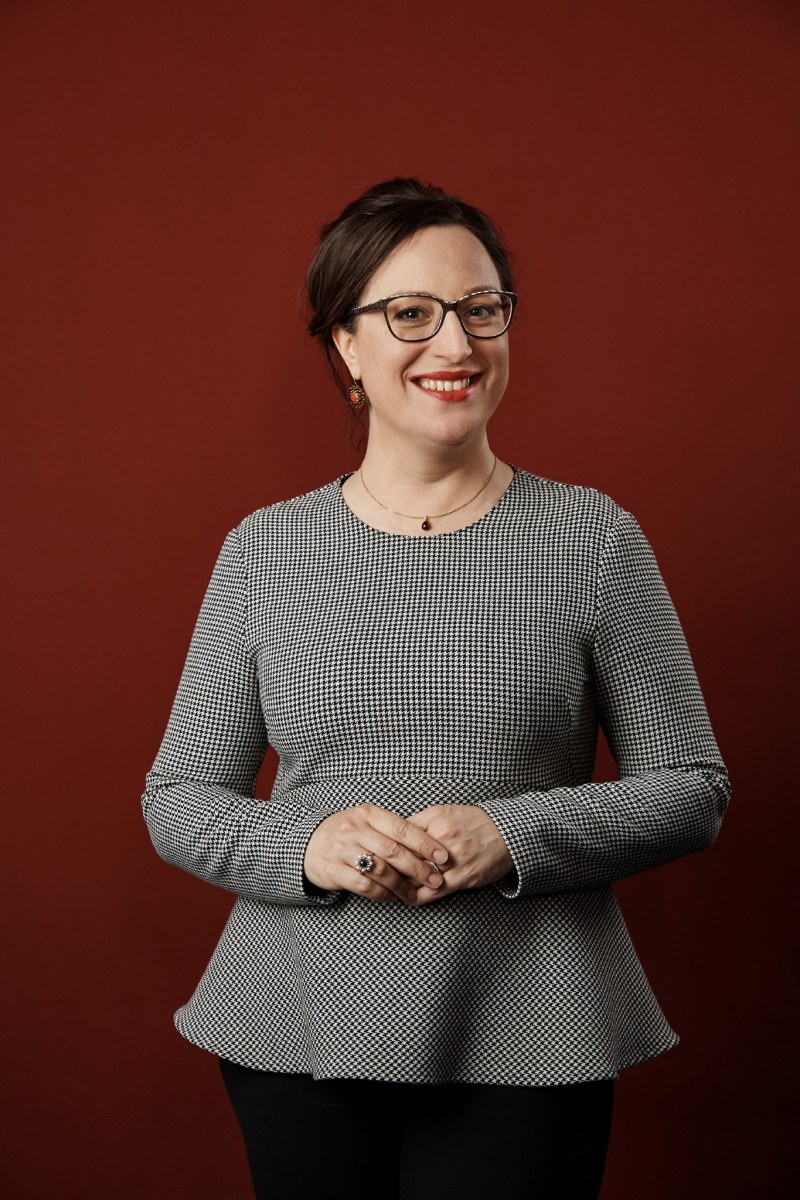
Today we are very happy to meet Verena Kern Nyberg, the Managing Director of Sinn & Gewinn Hotels. In 1998, five committed women founded the non-profit, Frauenhotel AG, which is behind the Sinn & Gewinn Hotels. Non-profit means that profits are not distributed to the shareholders, but are instead invested in the further development of the social enterprise.

Untertitel
MAp meets Verena Kern Nyberg, the Managing Director of Sinn & Gewinn Hotels
Blog main image
Those who do not fight have already lost!
Paragraphs

Dear Ms. Kern Nyberg, thank you very much for taking the time to talk to us. Can you give our readers a brief glimpse of how the Sinn & Gewinn Hotels are doing in these extraordinarily difficult times?

We can perhaps paraphrase it this way: it is an up and down at a low level. The "up" stands for hope on the horizon. The lockdown hit us hard, from one day to the next we no longer had any guests and in the spring 2020 we were unfortunately forced to close our hotels until Pentecost. With the exception of two pensions, where we mainly accommodate long-term tenants. The following summer was passable and we were able to stay afloat with a lot of savings and good planning. Since the second wave, we've been in almost as bad of shape as we were in the first lockdown. What is helping us now to keep the hotels open are the long-stay concepts that we developed in the summer.

Those who fight, can win. Those who do not fight
have already lost!
@verenakernnyberg
via@weareMApeople


You mentioned the long-term guests in your pensions. We also know that the group is committed to non-profit business. Can you explain the concept of the Sinn & Gewinn Hotels to our readers in more detail?

The Sinn & Gewinn Hotels started 20 years ago with the original idea of creating jobs for women in difficult conditions. The LADYs FIRST Hotel in Seefeld in Zurich was the first to open and will celebrate its 20th anniversary in 2021. Over time, other companies were taken over, always with the aim of enabling women with mental and cognitive impairments to return to the world of work. Since we were able to employ fewer women in the pensions, we integrated the social benefits for the residents: a third of the rooms are always reserved for women in emergency or transitional situations.

When we develop hotel concepts and brands at MAp, we always ask ourselves what the greater purpose is. Since last year, we have noticed that the question of meaning is emerging more and more and is also being discussed by a broader audience. How did you experience this development?

What I have seen in the past few years is that this is no longer just important for selling the product. For me, the fastest moving market is the human resources market, i.e. the employee market. I have the clear impression that it is easier for us as Sinn & Gewinn Hotels to find and keep employees, because we also have meaning and do not exist just for profit. And in general it is simply more humane to work for us than compared to other hotels.

Women play a central role in the Sinn & Gewinn Hotels concept. How have you perceived the change in the needs of your female guests in recent years?

I don't think that needs have fundamentally changed, but instead how we deal with our own demands has changed a lot. Today’s needs are expressed more freely and more clearly than before. And what we also see: there are many more women travelling alone, in the business as well as in the leisure sector.

What is the percentage of female guests in your hotels?

The LADYs FIRST Hotel is our only hotel in which only women were welcomed at the beginning. This has not been the case since 2002 - women and men are very welcome.

Sometimes we have even more men than women as guests. This can be explained by business travellers during the week, a travel segment where the male segment of the population still dominates. However, if you compare the proportion with other hotels in the same segment, we skim off a large proportion of female business travellers.

Not only is the business travel segment predominantly male-dominated, but also the hotel industry. Here, too, there have been major changes since last year. What can we all do to motivate (young) women to work in the hotel industry and to promote gender diversity?

That's a really big topic. As women, for example, we can start showing little girls what we can achieve. I am convinced that a lot has to do with the role models children see. I didn't notice many female hotel managers in the past, but I think that a lot has changed institutionally. That's why I'm happy to give interviews like this one - to show my face in general. I encourage every other woman to do the same!

We have finally left 2020. What are your hopes for this year, the future?

Regardless of how the pandemic develops now, my hope is that a cultured and fact-filled discourse will be conducted. That the “hobby virologists” don't take over and feed the public discourse even more with rumours, “fake news” and conspiracies. I wish for a victory of reason.

At MAp, we often say when "Shit happens, Shift happens." In our last blog posts we tried to show how many options there are in this time of crisis. What positive things did the Corona pandemic period bring you? What did you learn from it?

An unbelievable amount of commitment, flexibility, adaptability, forward thinking: what do we need now? Where do we have to start? We have done things, are still trying them and changing things again, none of that would have been imaginable for me a year ago. Personally, I can say that I am growing from this current situation.

At MAp, we are experts in concept and brand creation and often find that when everything is running smoothly, long-term issues such as strategy development, positioning, etc. are often pushed aside. We have a double question about this. On the one hand: How do you see this development in the market? And the second question: What is a good hotel concept for you personally?

The market is the place where demand and supply meet. The demand is at a low and this means that the providers have to work harder and position themselves. Those providers who look ahead with commitment and who don't bury their heads in the sand need positioning and a clear focus more than ever before. Hotels that see hope for themselves that they can get out of this crisis are now clinging to the concept and positioning.

And to answer the second question: For me, a good hotel concept is when the advertising statement on the website matches what I find when I go to the hotel. Furthermore, the employees should then also fit in with the whole and fully support the hotel philosophy. For me, a good hotel concept is when everything is from a single source and is well-rounded.

What other messages would you like our readers to take away from this interview?

“Those who fight, can win. Those who do not fight have already lost!” That's actually my saying and I think it fits quite well at the moment.

About Verena Kern Nyberg:

Ms. Kern Nyberg was born in 1979 and grew up in the southern Black Forest. Her career includes: graduate from the Academy for Tourism, Freiburg, marketing specialist with a federal diploma FA, qualified hotel manager NDS HF, transaction analyst in training. Verena is Vice President of the Association of Certified Hoteliers VDH and a board member of the Zurich Hotelier Association. Since 2012, she's been the Managing Director of the Sinn & Gewinn Hotels.


Blog Block Image
Those who do not fight have already lost!

Add new comment

Comment

Order

Plain text

  • No HTML tags allowed.
  • Lines and paragraphs break automatically.
  • Web page addresses and email addresses turn into links automatically.
Types
sharing is caring

Excerpt: COVID-19 has changed the game, and it’s time for hotels to catch up. In this blog post, we dive into the trends that have shaped, and continue to shape, the hospitality landscape as we look to the rest of the year. We’re happy to report the pandemic has shifted travel so that it is slower, more purposeful, and better for the planet, while meeting traveller’s important needs: privacy, value, productivity. Read on for what these trends mean for hotels when it comes to crafting or sharpening their hotel concepts.

Untertitel
What will be the next BIG thing?
Blog main image
Hotel Concept Trends 2021
Paragraphs

Our blog post, “When sh*t happens, shift happens”, says it all. Due to the COVID-19 pandemic, people’s needs and wants have fundamentally shifted, which has in turn ushered in a wave of trends. At MAp, we believe that your people should always be at the centre of what it is you do, so success will ultimately hinge on how hotels respond to the key trends poised to shape the year ahead.

We’ve taken the time to monitor the market’s new developments and pick the most important ones. Without further ado, MAp presents our top hotel concept trends to watch for in 2021:

We’re happy to report the pandemic has shifted travel so that it is slower, more purposeful, and better for the planet,
while meeting traveller's important needs.
via @weareMApeople


Hotel Concept Trend #1: Regenerative Travel

You’ve heard of sustainable travel, but have you heard of regenerative travel? The principle of regeneration goes one step further than sustainability, which aims toward neutral impact, to reverse and repair the damage to our environment and local communities. It’s no longer about minimising impact, but taking critical actions to heal the earth and its people, or as the New York Times puts it simply: “leaving a place better than you found it.” For hotels, regenerative measures include providing guests with opportunities to partake in restoration projects or funding educational initiatives.

Regenerative values are emerging as the future of travel, as COVID-19 has forced travellers to reflect on the basic notions of why and how we travel, creating a paradigm shift in the industry and a demand toward making net-positive contributions to all stakeholders. And travel as a force for good is needed now more than ever, as destinations heavily reliant on tourism have been decimated by the pandemic, creating an acute need to rebuild impacted communities.

Considerations for your hotel concept:

According to Regenerative Travel, the following principles should guide hotels in developing hotel concepts that are truly regenerative.

  • Incorporate whole systems thinking. Consider all stakeholders and elements, such as the physical land, in your decision-making, taking into account potential ramifications.
  • Honour the sense of place. Weave the local community – its culture, practices, history, heritage, etc. – into every aspect of the guest experience.
  • Partner with and include the local community. Bring in the diverse expertise and intimate knowledge of community members when planning, constructing and operating your hotel.
  • Have a purpose. At MAp, we believe purpose is key! Determine what your purpose is, and from that create an aspirational vision and mission that inspires your guests.

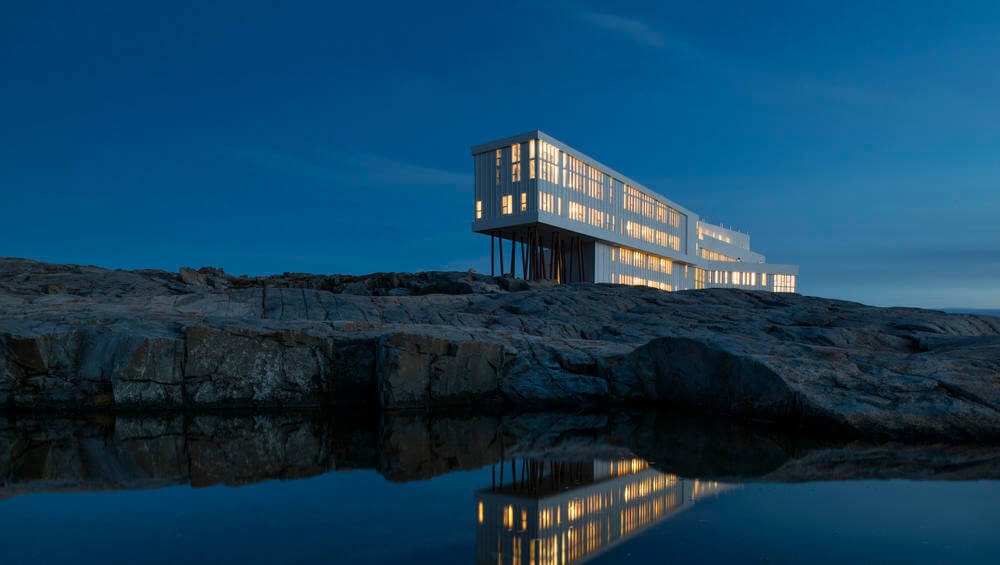
Inspiration: Fogo Island Inn

Hotel Concept Trends 2021

Hotel Concept Trend #2: Remote Working

If there’s anything we’ve learned from the pandemic, it’s that remote working is here to stay. And while some will opt to #workfromhome, others will opt to #workfromhotel, taking their work on the road with them as they set out to explore the world. Hotels, therefore, should be well-positioned to support this mobile and global workforce – and that means going beyond the lobby-as-co-working space model.

Instead, hotels should strive to understand what it is this segment wants and needs – and deliver! Remote workers have extremely high standards when it comes to their ability to do their jobs, so be focused on creating private and productive working environments, upgrading your tech capabilities and giving guests the amenities they need be at their best – on and off the clock.

Considerations for your hotel concept:

  • Build a community. Provide opportunities for remote workers to connect with, learn from and support each other.
  • Be functional and flexible. No one works the same way, so make your rooms work-friendly and flexible (that’s right – put those desks on wheels!).
  • Strike a balance between work and pleasure. Give remote workers what they need to be productive, but also what they want when it comes to unwinding after a long day “at the office.”
  • Don’t forget the locals. Cater to local workers looking for a change-of-scenery from their home offices.

Inspiration: gravity haus

Hotel Concept Trends 2021

Hotel Concept Trend #3: Value

Times are tough and budgets are limited. And this has led to the resurgence of the “value traveller” – not to be confused with the “budget traveller,” often associated with the term cheap.

Value travellers are looking to stretch their money as far as possible. While they are cost-conscious, they are willing to spend where their priorities lie. But what they’re not willing to do? Sacrifice quality or comfort. They are well-travelled and have just as high of standards as the next guy.

Value travellers seek out transparency on cancellation and refund policies, free breakfasts, activities at little to no extra charge. But also comfy beds, room service, luxe amenities. For this segment, it’s about finding the right balance.

Considerations for your hotel concept:

  • Throw in freebies. Everyone appreciates a good freebie!
  • Determine amenity must-haves. Figure out and incorporate those amenities that matter most for your target audience.
  • Create a loyalty programme. Reward return guests with extra – and free – perks.
  • Sell hotel packages. Combine accommodation, transport and activities into one attractive rate.

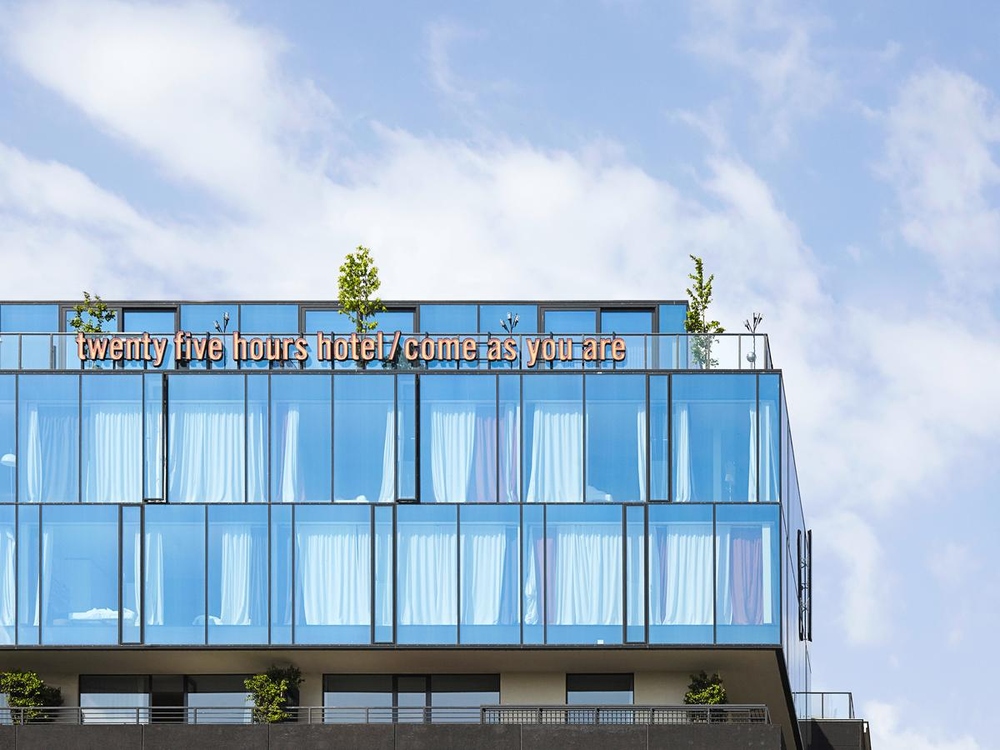
Inspiration: 25hours Hotels

Hotel Concept Trends 2021

Hotel Concept Trend #4: Privacy + Seclusion

The year 2020 proved that privacy is the new luxury. As we’ve seen, private forms of accommodation have surged during the pandemic. Travellers are seeking out more remote, secluded and off-grid destinations, away from the crowds and nestled in nature – that’s what people crave after all this time spent indoors! And on top of that, they’re travelling in small groups or with family members (expect a swell in multigenerational travel), therefore opting for villas, cabins or holidays homes that are more spacious, accommodating – and you guessed it - private.

This trend has been a boon for Airbnb and Vrbo, but not for traditional hotels that simply can’t offer the same levels of privacy. However, hotels that cater to this new mindset will reap the rewards of more reservations.

Considerations for your hotel concept:

  • Weave in nature. Wherever possible, provide opportunities to soak up surrounding nature through guided hikes and the like.
  • Consider the destination. For any future hotel projects, the rule of thumb is: the more secluded, the better.
  • Provide luxury services. Think airport pickups, dedicated butlers and private chefs.
  • Rethink the hotel room. Switch up the standard by introducing private villas or even tents.

Inspiration: Casa de Campo

Hotel Concept Trends 2021

Hotel Concept Trend #5: Slow + Purposeful Travel

As a purpose-driven boutique consultancy, this is a trend we’re excited about!

After a year of sitting inside, it seems that travellers have acquired a taste for a slower pace. That’s where the concept of “slow travel” comes in. Slow travel aims to give travellers a rich understanding of life in a destination through interactions with locals and immersive experiences. We expect to see travellers spend more time discovering a destination and visiting fewer places during a single trip - while enjoying more experiences, culture and traditions.

And this goes hand-in-hand with “purposeful travel,” or the idea of travelling more responsibly and with purpose. It’s intentional and immersive, conscious and connected —with yourself, the destination, and the greater world.

Considerations for your hotel concept:

  • Connect to place. As stated above, incorporate the destination into all aspects of your hotel – from the design, to the food, to the services, and beyond.
  • Create immersive experiences. Give guests the opportunity to immerse themselves with and learn about local people, culture and heritage, and history.
  • Take it slow. Focus on creating a relaxing retreat where guests can unwind.
  • Be more purposeful. Determine your own “why” that drives you. As we at MAp like to say: “You first have to stand for something, before you can stand out for something.”

Inspiration: Nihi Sumba

Hotel Concept Trends 2021

Conclusion

That’s a wrap on MAp’s top hotel concept trends for 2021! While the hospitality industry has been forever changed (and as evolution tells us: when something changes, it’s usually for the better), we can agree that it has to evolve and reinvent itself in order to take advantage of the opportunities and cope with the challenges it faces. Ever the unshakable optimists, we believe the industry will come out on top!

#onwards

Photo Credits: Fogo Island Inn, gravity haus, 25hours Hotel, Casa de Campo, Nihi Sumba

Blog Block Image
Hotel Concept Trends 2021

Add new comment

Comment

Order

Plain text

  • No HTML tags allowed.
  • Lines and paragraphs break automatically.
  • Web page addresses and email addresses turn into links automatically.
Types
sharing is caring

In 2021, we introduced our book club, where we dissect inspiring and insightful books and look at how they can be applied to our professional, and sometimes even, our personal lives too. One of our favourite books so far? “Nonviolent Communication: A Language of Life” by Marshall Rosenberg, which seemed like a particularly relevant pick considering today’s divisive and tense climate.

This book is relevant for any and all hoteliers and managers who interact with people (= everyone) – be it clients, partners and team members. It had a profound impact on our team, and we’re sharing it here with you, our readers, so that you will be encouraged to read it and practice nonviolent communications in your everyday lives too.

What we know: nonviolent communication can change the world and change your life. Continue on to learn how. 


Untertitel
Learn the language of life
Blog main image
Nonviolent Communication
Paragraphs
We need to receive empathy
to give empathy.
@marshallrosenberg
@weareMApeople

Summary

Rosenberg, an American psychologist, developed and coined the term “Nonviolent Communication” (NVC), which is a theory of communication that teaches people to express themselves clearly and honestly, while being respectful, empathic and focusing on what is being said as opposed to diagnosing or judging; or, as Rosenberg puts it simply, “a way of communicating that leads us to give from the heart.” He contends that, for centuries, people have been taught to speak and think in ways that can in fact perpetuate pain, conflict or even violence. This is where NVC comes in: to reduce these issues, build trust, strengthen relationships and promote peace – one interaction at a time. Through useful anecdotes, inspiring stories and practical exercises, Rosenberg introduces a framework for NVC and shows us how to authentically express ourselves in any type of heated situation (internally, in business, in relationships and more).

Key Points

#1: In order to be successful at NVC, we must focus on four key components: observations, feelings, needs and requests.

The process of NVC is as follows: 1) Observing a situation, 2) recognising the feelings that this situation awakens, 3) identifying what needs are connected to those feelings, and lastly, 4) looking at what we can ask for to satisfy those needs. When used in a sentence: “When ___, I feel ___, because I am needing ___. Therefore, I would now like ___.”

To practice NVC is to express these four components verbally (or by other means), but also to receive the same four areas of information from others. That is to say, sensing what they are observing, feeling, needing and requesting so that we can determine how we can best help them. When we use this process, we create a flow of communication that leads to compassion from both sides.

#2: When there is an emotional response to a situation, it's always based on an unmet need, so don’t be quick to judge or blame.

Judging or blaming someone is the worst thing we can do if we want them to listen or change their behaviour. Instead, Rosenberg suggests a foundational habit for NVC: that we learn to separate observations from judgments or blame, keeping our observations objective and neutral.

Better yet, understanding others’ behaviours as manifestations of their unmet needs helps to humanize conflicts and create empathy. And if we show empathy and true understanding for one’s needs, we’re likely to receive a respectful response to our requests of them.

#3: Connection to self (being at home with our own feelings and needs), enables us to form better connections with others and thereby become better communicators.

According to Rosenberg, NVC’s most important use may be in developing self-compassion. As he states, “When we are internally violent towards ourselves, it is difficult to be genuinely compassionate towards others.” Therefore, it is important to employ NVC in our own moment-to-moment evaluation of ourselves in a way that helps us to learn, grow and make decisions that serve us – rather than turning to self-hatred. By being better in tune with ourselves and assessing our behaviours in terms of our unmet needs, not only can we cultivate self-compassion, but we can better communicate our requests of others and thus be better communicators.

Application

While NVC can be applied to any aspect of one ‘s life, let’s look at how it can be utilised in the world of business (we are consultants after all).

  • Sales + Marketing: An NVC approach to Sales + Marketing is listening to your target audience and letting them know how you can meet their needs and make their lives more enriching. This should be nothing new!
  • Money: When evaluating an incoming offer, whether it be for a product, service or salary, ask yourself, “does this amount work for me in relation to my needs, or my business in relation to its needs?” 
  • Stress Management + Team-Building: There is a lot of stress in the business world. Therefore, feelings and needs awareness, of self and others (aka showing empathy), is crucial to stress management and creating a productive working environment.

MAp's Favourite Quote

“The objective of Nonviolent Communication is not to change people and their behaviour in order to get our way: it is to establish relationships based on honesty and empathy, which will eventually fulfil everyone’s needs.”

Conclusion

We genuinely hope that you read this book and share it with whoever is important to you. If you do, let us know what you think!  Support a local bookshop by buying your book here: https://bookshop.org/. You can also find further valuable information on this website: https://www.nonviolentcommunication.com

In a world in which we are all looking to make an impact, improving the way we communicate is an important first step.

Blog Block Image
Nonviolent Communication

Add new comment

Comment

Order

Plain text

  • No HTML tags allowed.
  • Lines and paragraphs break automatically.
  • Web page addresses and email addresses turn into links automatically.
Types
sharing is caring

At the end of 2020 we had the opportunity to interview our inspirational client and dear friend Dr. Eva Bilhuber. Eva is the Managing Partner and founder of Human Facts, a Swiss-based boutique management consultancy, specialised in organisation-wide change and transformation engagement.

Eva has been an inspiration to us with her belief that the future of management is collaborative. That in thriving partnerships, 1 + 1 doesn’t add up to 2 but to 11. And that we live in a time where there is no shortage of ideas, connections or funds, but there is a shortage of thriving partnerships – the ones that take us from a “me” to a “we” mindset and create lasting impact.

Just recently we were so lucky to support Eva in launching her new Partnership Value website, where you can download the Partnership Experience Toolbox for free. This tool is intented to create a partnership experience for your business when it matters most – for a world where business and humanity grow hand-in-hand.

Please enjoy this interview with Eva and let’s all join her and Human Facts to build a more human and purposeful business world.

Ps.: for those who want to not only read but also watch the conversation, visit the Human Facts website, scroll to the end and watch the video recordings.


Untertitel
MAp meets Dr. Eva Bilhuber, Managing Partner and founder of Human Facts
Blog main image
Growing business + humanity hand-in-hand
Paragraphs

Dear Eva, it is such a pleasure and honour for me to interview you today. It’s December 2020 – which means we’re at the end of 2020, an extraordinary year for the world and a special one for you and your boutique management consultancy, as you’ve celebrated the 11th anniversary of Human Facts.  And of course, this gives me an amazing opportunity to ask you 11 questions that fall into three categories. First, I would love to look back with you – at how it all started. Then, it would be so inspiring for me and your audience to learn more about the lessons you’ve learned, and what you can share with us. And then of course, let’s take a look at the future. Let’s go back to 2009 with our first question: 

1. What inspired, motivated and pushed you to found Human Facts 11 years ago?
Well I think I have to give a bit more context to answer this question. At that time I was working in a large, multinational corporation in the financial industry. Mainly, we tried to unleash a more collaborative mindset among leaders and a “We-Culture” across functional or geographical boundaries and I really loved it. However, despite a senior management affirming all the time how important these topics were, it was always a battle to get the so-called “soft topics” on the management agenda. It seemed that managers gave “hard topics”, such as revenues, technical issues etc. clear favour, valuing them as more important. 

I realised that this was a manifestation of a general deep divide between the business world and humanity. To be a “tough cookie”, to be fact and number driven, rational, distant and a demanding negotiator, condensing all you have to say into three bullet points, was what was highly valued and expected as professional business behaviour. I remember wearing only black polo-neck jumpers to cover anything that would reveal that I am a multi-dimensional and colourful human being. There was no place for humanity, all that makes us human, such as feeling with all senses, being creative, kind, helpful, caring, giving, having emotions, love, compassion, solidarity, empathy, forgiveness –  these behaviours were an absolute no-go, not business-like at all. 

I increasingly suffered from this divide in my outside world and inside my own life – here my business-self and there, apart from it, my human self with all my senses and feelings, my love to care for others, to be close and to feel with them. So it was both, an outside and an inside push that led me to found Human Facts, to stand-up and bridge this divide and to help give an inclusive management approach a voice.

Thank you so much for these insights Eva. And I’m beyond happy that when I look at the Human Facts website today, it shows colour, personality and emotion. And it also shows that the main driving force, your WHY, has never changed – “the value of we.” I can assume that sticking to your core wasn’t always easy and is for sure something to be proud of.

2. Staying with this topic, Eva. What are you are most proud of when looking back at 11 years of Human Facts? 
There are two things. First, not giving up when things did not work out as expected. Particularly in the beginning, which was quite painful to be honest. A lot of colleagues kicked-off their businesses with existing clients. I literally started off with 0. The very first mandate I got from a friend – thanks again Dolores! - who worked for a church in a very small community in Switzerland. She invited me to hold a speech about “How managers tick”. It was in the midst of the financial crisis and there was huge public distrust against managers in general. I was standing in a large hall prepared for about a hundred people. Embarrassingly only a few people showed up – I think not even ten. However, I gave my speech and we ended up having a very insightful and engaged discussion with the few people around. It was certainly not the glorious and shiny beginning one would have wished for. 


Focus on those who want to work with you -
they are the right ones
@weareMApeople

But in retrospect, it guided me in the right direction: focusing on those who want to work with you – they are the right ones. And do not go only for quantity but for what feels right, resonates and has the potential to co-create meaning, and as well, joy and fun. 

The second thing I am very grateful for, is the fact that more than half of my clients have become recurring clients and have stayed with me for years or recommended me to others. We were able to develop very sustainable, longterm and enriching partnerships, and in some cases, even friendships that I appreciate very much.

Looking at the other side of being an entrepreneur:

3. Can you share with us the most painful insight you had to acknowledge over the last 11 years? How did you handle it and what did you learn from it?
Well, I guess my most painful - yet most important - learning was that I was not prepared at all to market my business, respectively myself. As embarrassing and naive as it may sound, I had the wishful thinking that clients would come to me as soon as they learned about the experiences and competences I offer. After digesting this shock, I slowly realised: to be competent is one thing, to market it is another. So, I started to move myself out of my comfort zone and tried to learn about acquisition and marketing, actively approached people and clearly asked for help. 

It’s still not the favoured part of my business today but I learned that it is not necessary to like everything you do – but you should be capable of doing it.

I think a lot of our readers, viewers and listeners resonated with the statement that as an entrepreneur you do not necessarily need to like everything you do and that it is so important to continuously move yourself out of your comfort zone. Staying in this line:

4. What ONE thing do you wish you’d done differently? 
Overall, I think I would have started together with others and not alone anymore. Today, I appreciate so much to think together, to share ideas, to co-design, co-create and co-work with all my wonderful partners – such as with you for example. I truly believe we can serve people and planet better together – and above all else, it’s much more fun :)

You have had such a wonderful career. And I’m so thrilled to ask you about some insights and advices, especially for young and aspiring entrepreneurs. 

5. What are your three main suggestions for new / young / aspiring entrepreneurs and leaders?
To be honest, I am very reluctant to provide suggestions as I believe there is no such thing as “best practices” that you can pass on – everybody needs to find his or her own journey. So maybe that is my most important suggestion. :) But I am happy to share my personal top learnings from my 11-year “entrepreneurship” journey: 

First, make every experience a chance to learn. If you don’t always take the turn you wanted or expected, be confident that there is something to learn in it. What a turn might bring, you will recognise only from a distance. 

Secondly, most clients prefer that you serve them in an authentic way. In other words: it’s not about sugarcoating. It’s about respectful candour and care. Don’t fear difficult conversations or conflicts. Interestingly, the client relationships that started off with a conflict ended up to be the best ones. 

And thirdly, find a balance between give and take.You only survive on your little boat in this big “ocean” called the global market if you care and give back to others. Much more of our career, business or personal success than we might be conscious of is a result of many others who graciously connected us to people, shared their knowledge with us, helped us develop ideas, passed business opportunities to us or simply encouraged us. Even if you can’t give back to each and every person who helped you along the way, pass it forward to somebody else. Don’t take it for granted. Care for and cultivate all your relationships – not only the ones with clients. The world is circular – what you share comes back to you.

Thank you for your advice. Especially the third one – finding a balance between give and take – it really resonates with me. For me, that’s one of the main characteristics of an inspirational leader, an inspirational leader such as you, dear Eva. I know that during the course of your career you have worked with many inspirational leaders. 

6. What values and personality traits do inspirational managers and leaders all have in common?
At least two outstanding inspirational leaders come into my mind I had the chance to work with. I witnessed that they make a difference particularly in critical situations. 

For example, during a townhall with a hundred leaders, where a C-Level colleague got under fire from the audience, the CEO stood up and said “This is not how we solve things here - we do not shoot at people. We are in this boat together and we find solutions and answers together”. Another one, when it came to a rollout of leader assessments in order to change leader behaviour, put himself in front and said: “I will take part in it, I’ll do the assessment, too”. 

Both, in my eyes, showed what I think inspirational leaders do: They not only inspire by words, but by living-up to the change for which they seek. It’s not only about how to change others, they put themselves in the equation, too.

Above all, they are great listeners and great learners, ask questions, seek out people with diverse opinions from themselves, ask for feedback and admit what they do not know or apologise for mistakes, are empathetic and respectful to everybody. And finally, they have a great portion of humour and can laugh at themselves too.

7. From your experience, if you have to pick one single trait: Which one is the most dangerous trait in a leader? 
Overconfidence. They underestimate their own “blindness” caused by the hierarchical system they are operating in. For example, when another firm experiences a scandal or derailment, they tend to attribute those issues to the character of a certain leader and feel like “This will never happen to me.” Whereas this mostly happens due to the “locked-in” phenomenon that all hierarchical systems suffer from and which can hit all of us.

8. You often talk about asking the right questions: What are the top three questions that have inspired change and action in your career? How have these questions changed over the years? What were questions you asked at the beginning of your career and what questions are you asking yourself lately?
In my early career it was a question that I was asked by a seasoned manager I met at one of those corporate business dinners: What is your big dream that you want to fulfil in this life? I was speechless. It provoked many sleepless nights. Finally, it led me to stop my corporate career and go back to university for a PhD, which I found out had been a dream for me. It indeed became the seedbed for my lifetime mission and a vessel for a lot of wonderful, enriching relationships.

Later on it was “What about you do you want to stick in people’s hearts?” So, for example, do you want that people experience you always in a hassle? Always pointing out problems? Always being perfect? Do you want to leave them feeling discouraged or encouraged, appreciated or disregarded? Included or offset? Up to then, I was very much concerned about what I say, i.e. words and content. But from then onwards, I realised that we also leave an unspoken energetical footprint – mostly subconsciously - with others. And we should in fact be more conscious of the energetic mark we leave with others.

Lately, I’ve been inspired by questions like: How can I become who I am destined to be? What if it’s not so important what happens in my life but how I respond to what happens?

These questions let my focus shift from the “wanting” of something specific in life to the “how” can I respond or transform what has been offered to me?

We’ve arrived at our last section of questions - looking into the future:

9. What concerns you the most when looking at the current business environment, when thinking about the future? 
The lack of partnerships. To solve the most burning issues of our times, such as inequalities, climate change, and the like, is not a question of money. We need the ability to partner across any kind of boundaries, such as different disciplines, different cultures, geographies, nations, demographics, organisations and so on. After a long period of “what’s in it for me” and “me comes first” we have all learned how to pursue our own advantages and are, in a sense, “best-self” driven. But how to become “best partner” driven? How can we learn to shift from “what’s in it for me” towards “what’s-in-it-for all-of-us”? Not in a selfless sense but in a sense of developing and partnering towards a shared purpose, that benefits us all? This needs a conscious paradigm shift and renaissance of our social cooperative roots and strengths.

10. What are the keys to developing the next generation of leaders in the world?
I think this holds true not only for the next generation, but us all: How to enable collaboration among distributed people across any boundaries, and above all, consciousness, gratitude, ethics and the aspiration of becoming a best partner.


I hope that businesses will exist only to serve humanity
in the short and the longterm.
@weareMApeople

11.What do you hope will be different in the business world / leadership area in 11 years from now?
I have indeed some hopes: 

First, I hope that businesses will exist only to serve humanity in the short and the longterm. Not as a social responsibility add on, but as their true legitimation and purpose. Second, I believe that stakeholder relationships of companies, and particularly the quality of these relationships, should become its own intangible asset class on the balance sheet – maybe called Network-Capital or the like. It should form the base for any risk evaluations of firms and be taxed. And finally, as a result of this, I hope that leadership will be much more collaborative and truly partnering. I hope that we will see leaders get rewarded, appreciated and receive applause for how many collective partnerships they enabled that generated sustainable impact for the benefit of all-of-us.

Eva, we’ve reached the end of our interview. It was as inspiring, kind and heart-opening as I expected. Thank you for all you’ve done to bring more humanity to the business world over the last 11 years and thank you as well for continuing to do so, because the world will need it more than ever. I allow myself to conclude this interview with our personal mantra, that matches this conversation so well: onwards together. Thank you, Eva.

About Dr. Eva Bilhuber 

Since 2009 Dr. Eva Bilhuber Galli has lead her boutique management consultancy Human Facts in Zurich and St. Gallen with a focus on transformation and multi-stakeholder engagement. All with one goal: to create trusting, accountable and thriving partnerships among all stakeholders from the beginning.

In 2020 she also launched the Partnership Value website for a world where business + humanity grow hand-in-hand. 

Blog Block Image
MAp meets Dr. Eva Bilhuber

Add new comment

Comment

Order

Plain text

  • No HTML tags allowed.
  • Lines and paragraphs break automatically.
  • Web page addresses and email addresses turn into links automatically.
Types