
sharing is caring

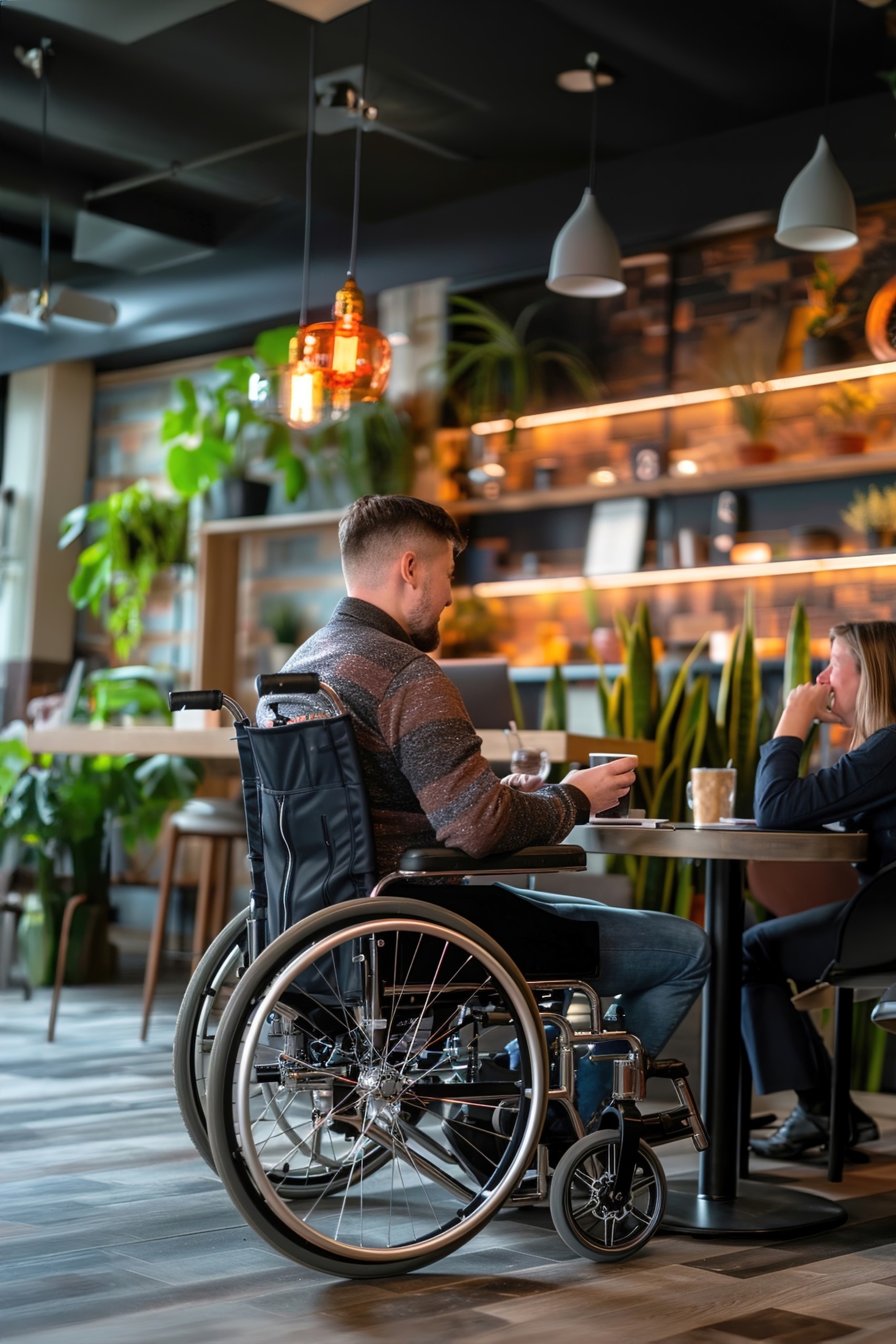
A good hotel is not defined by how many stars it has – but by how welcome it makes you feel. Sometimes that means offering a ramp. 

Sometimes a little extra time at check-in. Sometimes simply the feeling: This place respects me. And that's exactly where accessibility begins – in the mind, in the heart, in your attitude. Less about technology. More about true hospitality. 

It's not about ticking boxes. It is about asking: Who feels comfortable here? Who will come back – and who might not? 

This blog post invites you to rethink accessibility. Not as an obligation. But as a powerful opportunity to make your hotel more open, more human – and more welcoming to everyone who comes through your doors.
Untertitel
An invitation to rethink accessibility in hospitality
Blog main image
Barrierefreiheit im Hotel: Gastfreundschaft für alle
Paragraphs

Accessibility is a mindset, not a checklist

Accessibility is not just about someone in a wheelchair being able to enter your building. 

It's about making them want to. Because the reception is friendly. The signage is clear. The room is well thought out. And no one has to explain themselves. It's not about having perfect solutions. It is about a clear, honest intention: “We want you to feel at ease – just as you are.” 

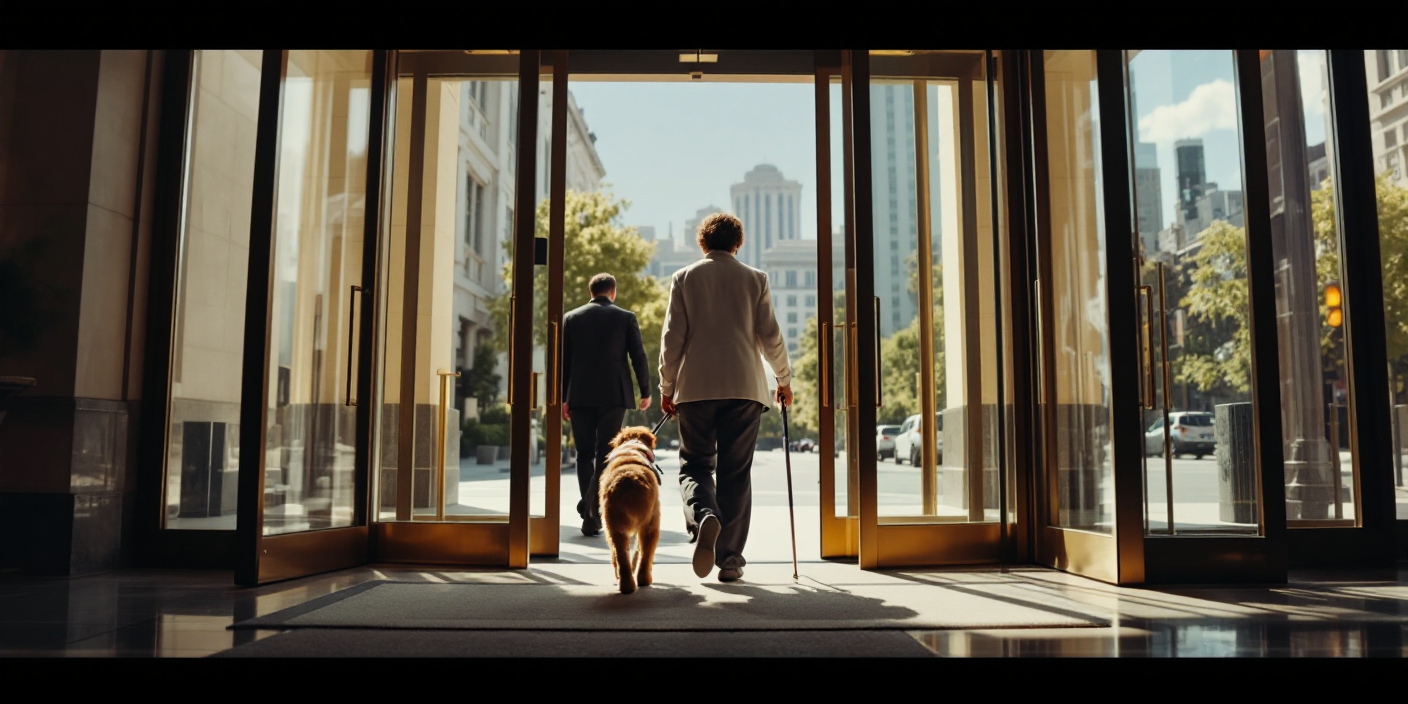
Whether neurodivergent, visually impaired, travelling with a personal assistant or caregiver or an assistance dog – true accessibility does not start with technical norms. It starts with understanding needs. It's not about treating someone as a special case – but about making them feel like a natural part of the picture. 

Accessibility is not a request. It is part of what real hospitality means. ☻ 

Five ways to start thinking differently about accessibility

1. Belonging over exception 

Inclusion starts where no one feels like an exception. Accessibility does not mean welcoming someone especially. It means remembering they might come – and making sure nothing stands in their way. Design spaces where people can move, orient themselves and feel safe – without having to explain themselves. 

Tip: Ask yourself: Where are barriers in your hotel? And how can you make belonging visible? Check your door widths. Offer quiet hours without music. Label allergens clearly. The list is long ;-)


2. Communication that connects

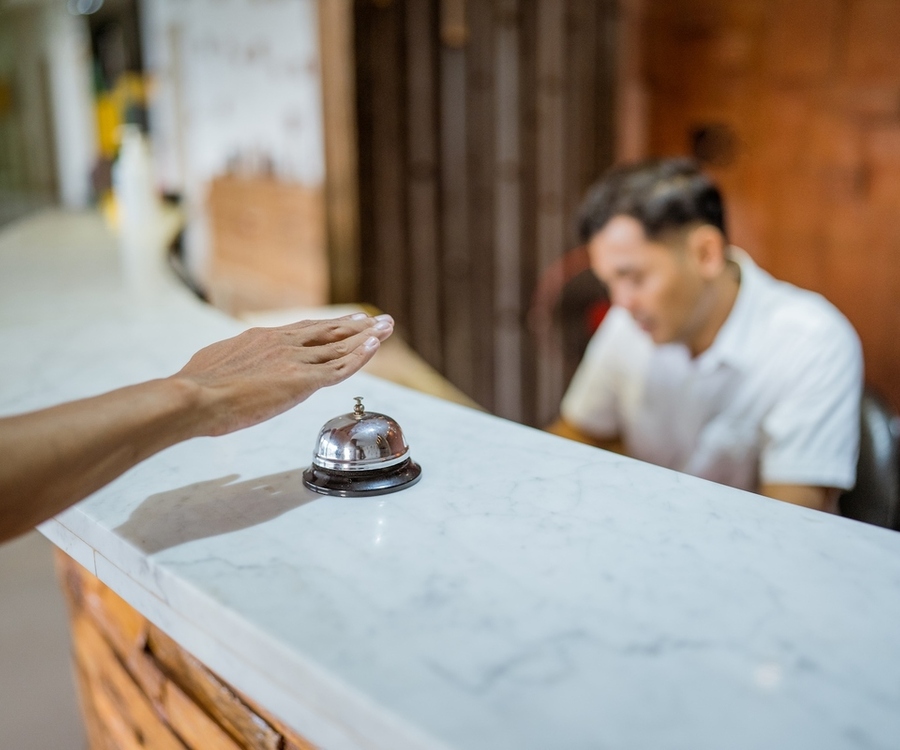
Accessibility often begins with a single word. Or the feeling of being understood – without having to explain. If guests cannot read, hear or process information quickly, they are left out. 

Language can exclude – or open doors. 
Simple wording, pictograms, clear check-in explanations – it is often the small things that make a big difference. Sometimes all it takes is a shift in perspective. 

Tip: Words reflect your mindset. Be mindful of phrases like “as you can see” or “have you heard?” Not everyone sees, hears or understands the way you do. That is where accessibility begins – not with complex instructions, but with language that includes everyone. Want to go deeper? Check out our Sustainable Hotel Handbook: Communication.

Barrierefreiheit im Hotel: Gastfreundschaft für alle

3. The first impression happens online

Before a guest enters your hotel, they have already been there – online. And that is where many great ideas fall apart: When websites are hard to read, bookings are complicated, or key information is hidden behind sleek design. 

Digital accessibility is not about tech. It is about respect. After all – what good is the perfect ramp if the path to it is confusing? 

Tip: Have someone test your website who struggles with orientation or invite someone from your community for a test stay at your hotel. You will learn a lot – and fast. For more, see our blog post on sustainable hotel websites.


4. Listening leads to insight

Sometimes you do not need a new concept. Just a good conversation. 

People living with limitations know exactly what they need. We just have to ask – openly, honestly, without fear. Guests who offer feedback. Team members who share experiences. Organisations that can support your journey. Listening does more than improving systems. It changes your perspective. 

Tip: Start small. Invite someone from your community to give feedback – maybe during a test stay, a walkthrough or an open conversation with your team.


5. A hotel that thinks ahead 

Accessibility does not mean having a protocol for every possible case. It means staying aware – and being ready. Ready to meet people’s needs in unexpected moments. 

A guest arrives with an assistance dog? 
A caregiver needs a separate bed in the same room? 
Someone wants to enjoy breakfast in peace, without sensory overload? 
Accessibility means: we may not have planned for it – but we are prepared. 

Tip: Bring accessibility into your team conversations – not as a list of rules, but as a shared mindset: “We ask one time too many – not one time too few. And we find solutions together.” 

Example (inspiration): Some supermarkets now offer autism-friendly shopping hours – dimmed lights, no music, no loud announcements, clear signage and a quieter checkout experience. That is what we call the curb-cut effect: small changes made for specific groups end up helping everyone.

Accessibility is not an extra
it is part of what real hospitality means.
MAp Boutique Consultancy

What you gain from accessibility? A lot.

Accessibility is not a limitation – it's an expansion. For your team. For your guests. For your positioning as a host who leads with purpose. Curb-cut effect, again: Designing with care for some often makes things better for all. From a clearly written menu to step-free access, subtitles and simple language – you reach more people, strengthen your brand and create guest experiences that leave a lasting impression. Because someone felt truly seen.

Conclusion

Accessibility is not about being perfect. And it does not have to be. At MAp Boutique Consultancy, we always say: progress over perfection.

That's true here as well. Start rethinking accessibility – today. Not through major renovations. But by choosing to notice more. By acting where you already can. And by creating a culture of welcome that includes everyone.

Want to go deeper? Download our free guide: 6 Principles for Social Sustainability in Hotels.
Or explore our The Sustainable Hotel Handbook: People.

#onwards

Free Download

The Sustainable Hotel Insights. 6 Principles to make your hotel more socially sustainable

In this free guide you will receive a concise introduction to social sustainability in hotels – clear and directly actionable. The six principles set out concrete steps for guests and your team – from inclusive hospitality to holistic accessibility. Plus: a short best-practice example, key facts and resources to help you get started straight away.

Blog Block Image
Barrierefreiheit im Hotel: Gastfreundschaft für alle

Add new comment

Comment

Order

Plain text

  • No HTML tags allowed.
  • Lines and paragraphs break automatically.
  • Web page addresses and email addresses turn into links automatically.
Categories
sharing is caring

Together with Regula Balteschwiler – an expert in sustainable gastronomy and hospitality – we're taking you on a journey into a world where both good food and sustainability are on the menu. Sounds delicious, doesn’t it? Let’s get started!

Untertitel
How to Combine Flavour and Environmental Awareness in the Hospitality Industry
Blog main image
Sustainability in Hospitality: 5 Tips for a More Sustainable (Hotel) Kitchen
Paragraphs

Why Make Your (Hotel) Kitchen More Sustainable?

Food is more than just fuel for the day – food can be a conscious choice. A choice that has an impact on the planet, our health and the climate. According to the Max Planck Society (2023), the global food system is responsible for up to 37% of global greenhouse gas emissions. And one of the main culprits is the production of animal-based products.

The good news? With just a few smart changes in your (hotel) kitchen, you can significantly reduce your carbon footprint, attract new guests and stand out from your competitors.

With just a few smart changes in your kitchen
you reduce your carbon footprint, attract new guests and stand out from your competitors.
@weareMAp

Offer Vegan Options for Everyone

Make sure to include at least two plant-based dishes in every menu category – starter, main and dessert. Why? Studies show that restaurants offering vegan options enjoy higher guest satisfaction and return rates (Hopkinson, 2021). 

Plus, you’re catering to everyone: vegans, vegetarians, flexitarians and guests with dietary intolerances. 

Health tip: Did you know that reducing meat consumption can lower your risk of respiratory diseases by up to 50%? (Willett et al., 2019) The planet says thank you, too. 

Pro tip: Instead of “vegan”, try calling it “plant-based”; that often resonates better with guests.

Use Local and Seasonal Produce

Fresh, local ingredients straight from the nearby farm? Yes, please! Choosing seasonal products from your region not only supports local farmers and suppliers, it also reduces your carbon emissions. Best of all: seasonal dishes tend to taste better. A win-win, right?

Offer Vegan Events and Specials

This one’s not just for your vegan guests! Offer themed events and specials like plant-based weekday lunch menus and power-packed summer dishes or participate in vegan restaurant weeks. Make plant-based cuisine part of the conversion and encourage guests to explore new flavours!

Inspire Your Team

Your team should be just as excited about plant-based options as your guests. That’s where training comes in (and Regula is your go-to expert here 😉). Help your staff become confident ambassadors for nutrition, health and sustainability – your guests will notice, and your team will be proud.

Skip the Additives

Not a fan of artificial additives? Great – neither are we. Stick to wholesome, unprocessed ingredients. Take inspiration from restaurants like La Bruja in Guatemala, where everything is made without artificial enhancers. Your guests will taste the difference – and their health will thank you.

Nachhaltigkeit in der Gastronomie: 5 Tipps für eine nachhaltigere (Hotel-)Küche

What’s in it for You?

More guests, more revenue – and the rewarding feeling of doing something good for the planet. You’ll also become more attractive to potential employees and partners who share your sustainability values. Let’s be honest: sustainability is more than just a trend – it’s the future. And those who lead the way today will have a clear advantage tomorrow 🙌. 

So, what are you waiting for? Let’s create a healthier, more sustainable hospitality world – together! 

#onwards, 
Your MAp Team 

Fancy even more practical tips and tricks to make your menu more sustainable? Download our free comprehensive guide: Sustainability in Hospitality: 5 Tips for a More Sustainable (Hotel) Kitchen.

Free Download

The Sustainable Hotel Insights: Sustainability in Hospitality: 5 Tips for a More Sustainable (Hotel) Kitchen

This free guide provides practical tips to help you make your menu more sustainable. Discover how small changes can protect the environment, attract new guests and boost your reputation. Get inspired by best practices – and pick up a delicious plant-based dessert recipe while you're at it.

Blog Block Image
Sustainability in Hospitality: 5 Tips for a More Sustainable (Hotel) Kitchen

Add new comment

Comment

Order

Plain text

  • No HTML tags allowed.
  • Lines and paragraphs break automatically.
  • Web page addresses and email addresses turn into links automatically.
Categories
sharing is caring

Excerpt: Over the past several years of change and opportunity, we at MAp have been busy charting our course onwards. We are therefore thrilled to report a major milestone in our journey: B Corp Certification! That’s right, MAp, a boutique consultancy that creates sustainable hotel concepts and brands, has put its own sustainability bona fides to the test! Spoiler alert: We did it! Thanks in no small part to the great support of the B Lab team in Switzerland (thanks Nora!)

Untertitel
It’s official: MAp Achieves B Corp Certification
Blog main image
We mean sustainable business!
Paragraphs

At MAp, we love journeys. In 2020, we made a conscious decision with our rebrand to become more purpose-driven. Our steadfast motivation is to create purposeful hotels, businesses and brands for a better future for people and planet. To practice what we preach, we set off to achieve B Corp Certification, putting our own sustainability practices to the test!

Along the way, there were countless twists and turns and we learnt many things: We implemented  numerous new processes and checklists, developed our own sustainability playbook, and profited from many practical insights we’re keen to pass along to clients.

In the end, one thing is clear: We couldn’t have done it without our clients and partners in  sustainability! Thank you so much for being there every step of the way!

But what exactly is B Corp Certification?

Certified B Corporations are companies who meet the highest standards of verified social and environmental performance, transparency and accountability.

B Corp Certification is the only certification that measures a company’s entire social and environmental performance. The B Impact Assessment (BIA) evaluates how a company’s operations and business model impact its workers, community, environment, and customers. From a company's supply chain and input materials to its charitable giving and employee benefits, B Corp Certification proves that a business is meeting the highest standards of verified performance.

In achieving B Corp Certification, MAp has now joined nearly 5000 companies (including noted  brands like Patagonia, Danone, Alpro, etc.) committed to using business as a force for good. Furthermore, we’ve set a benchmark for ourselves to “walk the walk” when it comes to sustainability, underscoring our position as a leader in this topic for our business and hotel clients!

Is your hotel ready for change?

We know what it’s like to be at the start of a journey. The goals of achieving a purpose-driven brand and creating a sustainable impact are there on the horizon for your business: You want to both stand out and stand for something!

Our platform, The Sustainable Hotel, provides a roadmap for hotels keen to change the way they do business for a more sustainable future through tools, guides and services. 

The first step for interested boutique hoteliers is to register for The Sustainable Hotel newsletter. After all, if you’re serious about “being the change you want to see in the world,” the way forward is to join the many other businesses who have placed their trust in MAp to transform their sustainability approach (both internally and externally) and to promote their achievements.

Let’s do great things together and spread the word!

Quote Author
Helen Keller
Quote Subtitle
Together we can do so much.
Quote Title
Alone we can do so little,
Blog Block Image
MAp Boutique Consultancy - Certified B Corporation

Add new comment

Comment

Order

Plain text

  • No HTML tags allowed.
  • Lines and paragraphs break automatically.
  • Web page addresses and email addresses turn into links automatically.
Types
sharing is caring

Excerpt: Today we present something special: our first joint book review of "Humankind - a hopeful history" by Rutger Bregman. Our very own Kelsi Kennedy, and our friend and partner Dr. Eva Bilhuber of Human Facts, break down their favourite learnings from the book and share a lively discussion about what inspired them.


Untertitel
Humankind - a hopeful history
Blog main image
Yes, we can trust in our kind nature
Paragraphs

The book at a glance

The book “Humankind – a hopeful history” is a very careful, deep-dive analysis into our human history from a modern perspective, with the aim to provide an answer to the longstanding question whether human beings are innately “good” or “bad.” Rutger Bregman, the 33 year-old historian, philosopher and bestselling author from the Netherlands, did a great job digging deep enough to bring about some surprising new insights and facts about our history. He analyzed research pieces, reports and historical events that paint the picture of humans being a selfish, aggressive and greedy species. By looking very carefully “behind the scenes” of cannibalistic behaviors, wars, psychological experiments, and criminal scandals, he discovers - even despite utmost cruel behaviors - evidence for our prosocial and cooperative nature. But why do we all tend to believe in a rather dark picture of our species? Ironically, it’s exactly our greatest evolutionary strength - our ability of social learning – that misleads us here and draws a one-sided, dark picture. This in turn evokes in us mistrust and aggression against each other, which leads to a self-fulfilling prophecy. At the end of the book the author details how we can get out of this spiral by consciously designing institutions and individual encounters based on trusting our natural goodness.

"Humankind" is the right book
for this moment.
via @weareMApeople


What were my three most inspiring insights?

Kelsi : 1) The reason humans exist to this day, as opposed to other species that have died off, is because we’re friendly! Evolutionary biologists call this “survival of the friendliest,” and it’s what has allowed us to survive millennia. 2) Infants and toddlers, studies suggest, have an innate bias toward fairness and cooperation, which goes to show that we’re hard-wired for good. 3) There are hopeful examples of institutions that have done away with the culture of greed and selfishness to empower people to follow in the direction of their own instincts and motivations. It sounds utopian and too good to be true - but it’s not!


Eva: There were so many! But I guess the most intriguing ones were those I was not aware of before: 1) We are born with a moral compass of goodness. Rousseau was right. It’s inevitable in our nature. Babies can seemingly distinguish good from bad already before speaking and walking. 2) Our evolutionary advantage is – surprise surprise: kindness and blush. Individually, we are a pretty weak species: we are not bigger and don’t have a larger brain than other primates. Only relating, cooperating and learning together make us pretty amazing. So, the ability to be kind, and on the other side, be ashamed if we’re not, is our true hard-wired evolutionary advantage. It guarantees relating and cooperating - our survival. 3) When switching from a nomad to a more civilized existence, protectionism was born. When traveling around in nomadic times, we naturally accepted sharing natural resources and land with others, treating them and mother nature with respect. Our prosocial and kind nature helped us all to survive. With civilization and property we implanted a feeling of superiority and the need to defend our property, which increasingly disconnected us from our true nature of relating and cooperating.

How does the content relate to today’s times?

Kelsi: I think Humankind is the right book for this moment. There is this narrative that, when a crisis takes shape, the cracks in civilization appear and people devolve into the worst versions of themselves. But this book shows us the opposite is true; when faced with a crisis, humans are indeed more cooperative, altruistic and caring. And when you look at the pandemic through this “rose-colored” lens, you find that poignant examples of people coming together to help each other out – delivering food to those home bound, donating supplies to frontline workers – far outweigh any negative stories out there in the world.

Eva: Bregman indirectly provides us with the reason for today’s increasing rates of burnout, depression, addiction, loneliness and other psychological diseases: Due to our underlying competitive economic system, in the past 100 years we were trained only to compete. This me-or-you paradigm has been an exceptional motor for welfare, innovation and growth, but at the price of disconnecting our true human nature of being relational and cooperative. Bregman helps us understand the hard way what we all have experienced during the pandemic: We are relational and cooperative creatures but hard-wired for a me-and-you paradigm. I personally think if we trust this core and play out our cooperative and kind strengths, there is much hope that we can master all the burning societal issues of our times.

How did the book change my thinking?

Kelsi: It completely changed my perspective on history. The history books teach us it’s all “doom-and-gloom,” that history is marked by nothing but turbulent times and horrific events. And while I’m certainly not denying our (very) dark chapters, history has predominantly and overwhelmingly been peaceful and good – it’s just that “feel good” stories and events don’t make it into the history books.

Eva: Reading the book broadened, of course, my view on our hard-wired cooperative roots. But maybe more importantly, it changed how I categorize my own thinking. Up to now I always thought I must live with the label of being a helpless “idealist” when believing that human beings are prosocial and good in their nature. Reading the book I realized that all who trust in the human nature to be “good” are rather the “realists” among us. It inspired me wherever I can to support such a thinking, to stand up for it and to promote all empirical evidence around it.

If we assume everybody has good intentions, our minds, lives and our world
become radically much more peaceful
@weareMApeople


What did I appreciate most reading?

Kelsi: I appreciated that Bregman deconstructed and presented counter-narratives to studies and events we thought we knew. Take, for example, the Stanford Prison Experiment. Recent discoveries and evidence suggest that the experiment was a hoax, with the guards being coached on how to mistreat the prisoners as opposed to being driven by their hunger for power. These anecdotes and case studies - there are over 700 in the book (!) – not only present compelling evidence in favor of his argument that humans are actually pretty decent (puncturing the Veneer Theory that we’re all brutes), but reassure me that some things are not always as bad as they seem.

Eva: I must admit I normally stay away from historical books. But this one I truly loved reading. Bregman writes in a very catchy storytelling manner, artfully weaving in all research evidence. What I appreciated is that Bregman offers not only reasons for his thesis; in the last chapters he offers as well institutional examples where it paid-off and worked to build upon a positive view of human beings. He outlines a school, a company and a prison where it paid-off to trust our cooperative and prosocial core, as it helped grow humanity and efficiency in reducing costs.

What wisdom in this book will I use in my daily life?

Eva: At the very end of the book, Bregman outlines 10 very concrete rules for everybody who would like to more consciously live-up our prosocial nature, which I find all very helpful: (1) When in doubt, assume the best 2) Think in win-win scenarios 3) Ask more questions 4) Temper your empathy, train your compassion 5) Try to understand the other, even if you don’t get where they’re coming from 6) Love your own as others love their own 7) Avoid the news 8) Don’t punch Nazis 9) Come out of the closet: don’t be ashamed to do good 10) Be realistic. Personally, No. 1 – when in doubt, assume the best - sang particularly to me. I would say it is the most important one of the 10. So whatever happens, if we assume everybody has good intentions, our minds, lives and our world become radically much more peaceful as self-fulfilling prophecy power is put at work.

Kelsi: I hail from the land of the 24-hour news cycle, from FOX News to CNN, where we are constantly bombarded with sensationalist stories that stoke fear and spread misinformation. It’s so easy to get sucked in and feel depressed, anxious and cynical. To adopt this bleak view of human nature. But it’s important to know that these news organizations have their own agendas, and it’s not to report on world events, but to get more eyeballs. So my take-away for daily life is simple: turn off the TV! And believe in the generosity and kindness of my fellow humans.

My most inspiring quote

Kelsi: “An old man says to his grandson: ‘There’s a fight going on inside me. It’s a terrible fight between two wolves. One is evil–angry, greedy, jealous, arrogant, and cowardly. The other is good–peaceful, loving, modest, generous, honest, and trustworthy. These two wolves are also fighting within you, and inside every other person too.’ After a moment, the boy asks, ‘Which wolf will win?’ The old man smiles. ‘The one you feed.’”

Eva: “What is truth? Some things are true whether you believe in them or not. Water boils at 100 degree Celsius. Smoking kills. President Kennedy was assassinated in Dallas on 22 November 1963. Other things have the potential to be true, if we believe in them. Our belief becomes what sociologists dub a self-fulfilling-prophecy: if you predict a bank will go bust and that convinces lots of people to close their accounts, then, sure enough, the bank will go bust.”

Who should read this book?

Kelsi: The simple answer is: everyone. But it’s especially suited for those who are feeling down or finding themselves in a rut, thanks to the pandemic and life’s other challenges. You will walk away feeling inspired and – to borrow a term from the title – hopeful.

Eva: Everybody who is interested to understand the evidence for why we are rather a kind and prosocial species – despite all we hear in contrary. And particularly those, who once believed that but somehow have given up this belief due to the desperate news surrounding us. Above all, I would wish that teachers, journalists and IT-programmers read this book in order to NOT generate an ill-induced perspective about our nature, understanding their responsibility for the self-fulfilling prophecy dynamic as a consequence of it.

Conclusion

Those who have no time to read the whole book might be interested in an inspiring podcast and interview about Humankind to get a taste of both the book and the author, recorded in 2020 in the U.S.

Link: https://www.listennotes.com/podcasts/talk-easy-with-sam/a-case-for-human-decency-by-yXHIoP24kV_/#episode

Blog Block Image
Yes, we can trust in our kind nature

Add new comment

Comment

Order

Plain text

  • No HTML tags allowed.
  • Lines and paragraphs break automatically.
  • Web page addresses and email addresses turn into links automatically.
Types
sharing is caring

Excerpt: Want to increase direct bookings and rely less on OTAs? Then you need a d*mn good hotel website. In this blog article, we’ll MAp out how to optimise your hotel website in order to attract the right guests, bring you better results and make a bigger difference for people and planet.

Untertitel
Tips to optimise your hotel website
Blog main image
Drive Direct Bookings
Paragraphs

Websites are such an important hotel sales and marketing tool – especially when it comes to bringing your hotel’s unique story to life, capturing the attention of your target audience and driving bookings. Think of them as your face to the world, as often your hotel website is the first impression you make on potential guests. And, as they say, you never get a second chance to make a good first impression.

Hence, why you need a d*mn good hotel website!

With such helpful tools on the market and agencies that can MAke them happen, developing and running a hotel website is more accessible and cheaper than ever. In fact, through our sister agency or never, which offers affordable, inclusive and beautiful plug and play website starter kits, we can do this all for you – it’s really as simple as that!

So if you’ve been waiting for a sign to revamp your hotel website, consider it this blog post! And to guide the way, we’ve MApped out all our hotel website marketing tips to boost your bookings.

Your hotel website is the first impression
you make on potential guests.
via @weareMApeople


MAp's Tips

#1. Align with your hotel concept

No one likes a boring website chock full of hotel sales messages. Instead, it’s important to align with your hotel concept by communicating your unique storytelling hook and USPs. This is how you appeal to the emotions of your hotel website visitors and compel them to book with you.

#2. Make it beautiful

Your hotel’s concept should be underpinned by distinctive (and attractive!) hotel imagery and videos. For example, if your hotel concept centres on being a lifestyle hotel, your imagery and videos should be fun, dynamic and alive with people. A luxury hotel, on the other hand, should feature more refined media. Check out the work of our partner Piquant Production to see what we mean!

#3. Incorporate clear CTAs

Call-to-actions (CTAs) prompt website visitors to take a certain action, and for your hotel website the CTA should be obvious: BOOK NOW! When it comes to CTAs, follow these guidelines: tell visitors exactly what to do, start with a verb (BOOK), create a sense of urgency (NOW!), make the CTA button stand out prominently, and be consistent (one CTA throughout website).

#4. Promote direct bookings

Your hotel website is an important arm for your hotel sales, so in order to drive hotel bookings there needs to be a place to book! Your CTAs should lead directly to a website booking engine that is easy and quick to use. And don’t forget – promote the benefits of booking direct, such as cheapest guaranteed price, free breakfast, welcome package, and other freebies/perks.

#5. Highlight your hotel's Purpose

Consumers want to buy with purpose-driven brands. For that reason, it’s important to ensure that not only everything on your website furthers and supports your hotel’s Purpose, but that it is consistently communicated throughout so as to connect with those value-driven consumers.

#6. Tailor your messaging

When it comes to your hotel website’s copy, put yourself in the shoes of your target audience. To do this, you have to know them, the benefits they’re looking for and the problems they have – which only your hotel can solve. With that in mind, the messaging should be less about what YOU offer and more about what THEY experience staying at your hotel. You are selling emotions!

#7. Include hotel packages + offers

Everyone likes a good deal, so be sure to highlight your current hotel packages and offerings directly on your homepage as well as on a dedicated page. This is a critical way of boosting your hotel sales.

#8. Capture leads

They may not book with you today, but that doesn’t mean they’ll never book with you. That’s why it’s important to capture leads and nurture relationships with the goal to increase those conversions. The best way to do that is by collecting emails for your newsletter, but you could also consider creating downloadable destination guides that visitors receive in return for submitting their contact information.

#9. Spotlight sustainability

Sustainability matters – especially for hotel guests. They want to see you care about people and planet. If you have sustainable measures in place at your hotel, dedicate space to what those are, and touch on your sustainability practices wherever possible. Again, this builds emotional connection with your audience.

#10. Maintain + optimise

On a monthly basis, check your website analytics to see what is working and what is not working, and based on those insights, test and refine as necessary to improve your hotel website’s performance. And while you’re at it, switch up your photos, videos and content in order to keep it fresh and interesting. There’s nothing worse than a hotel website that is tired or stale!

Conclusion

If your hotel website is out-of-date or performing poorly, you are really missing out an effective hotel sales and marketing tool that drives bookings and gets you noticed. So are you ready to make a change? Then be sure to follow our hotel website marketing tips to create a well-optimised website that delivers real results.

And, if you need help creating a beautiful, standout website for your hotel, just drop us a mail.

Quote Subtitle
hotel website.
Quote Title
Why you need a d*mn good
Blog Block Image
Drive Direct Bookings

Add new comment

Comment

Order

Plain text

  • No HTML tags allowed.
  • Lines and paragraphs break automatically.
  • Web page addresses and email addresses turn into links automatically.
Categories
Types
sharing is caring

Excerpt: A hotel concept is the foundation of every successful hotel project. But are you unclear on what exactly a hotel concept is? Or even why you need one? We’ll introduce you to the idea of the hotel concept, what goes into creating a great and sustainable concept, and what benefits it will bring to your hotel project. Read on to learn more!

Blog main image
What is a hotel concept + why do you need one?
Paragraphs

The start of each new year brings with it a spate of articles touting the most anticipated and hottest hotel openings for the year ahead, and despite the pandemic, 2021 was no different! Just take a look at this Forbes article and this Conde Nast Traveller article to get a sense for the new offerings flooding the market this year alone.

The hotel landscape looked very different 20 years ago, when there were less offerings, bigger players and clearer differentiation between brands. Today, the market is saturated. And if you factor in the disruption of new entrants, such as Airbnb and the like, it is no surprise that customers struggle when faced with so much choice.

So how do hotels discover, create and maintain their competitive edge? How do they distinguish their offering and add value to guests? How do they remain relevant to today’s consumers? The answer is with a strong and sustainable hotel concept.

What is a hotel concept?

A hotel concept is the basis for everything that follows. It’s the foundational idea that defines your hotel’s brand, character, product + services, sales + marketing, and more. It curates a distinctive identity in the market and in the eyes of your clearly-defined target group.

Furthermore, it acts as a strategic and creative outline on how to realise a hotel venture by piecing together various elements (“soft” and “hard” facts) and outlining to all stakeholders HOW your hotel should look and feel and WHY that is.

What are the key elements of a hotel concept?

At MAp, we craft our hotel concepts around the following key elements:

  • Purpose: WHY you exist beyond making profit. Read here why defining your purpose beyond making profit will actually make you profit.
  • Principles: Your vision, mission and values.
  • People: The people you are serving with a solution to their problems, as well as the people you are working/partnering with to make an impact.
  • Story: The unique story that you – and only you – are telling in order to emotionally connect with your people.
  • Positioning + USPs: What differentiates you in the market.

These constituent pieces, together, form one complete whole, laying the foundation of your hotel project.

Before you can stand out,
you must know what you stand for.
@weareMAp

Why do you need a hotel concept?

Whether you are a hotelier looking to develop a boutique hotel or are part of a hotel group looking to reposition your existing hotels, a clearly-defined and sustainable hotel concept offers many benefits:

  • Gives you clarity on the what, how, why
  • Aligns your stakeholders around a shared purpose and vision
  • Enables you to use resources more efficiently (think time, money, etc.) - but also the resources of our planet
  • Makes you stand out from the crowd (as you know what you stand for)
  • Creates a better future for your hotel and business, for people and planet

Hotels with strong concepts are able to demand a premium price, provide a coherent guest experience, sell and market themselves smartly, recruit talented staff and a community following, and have a marketable platform when pitching for investors and partners.

How do you bring a hotel concept to life?

Our holistic and end-to-end process for developing hotel concepts consists of the following steps:

1) Concept Discovery: Set the groundwork by looking inwards at your goals, motivations, strengths and weaknesses, and outwards at your competition, the market and innovative trends.

2) Concept Development: Using the insights collected in the Discovery phase, address each of the key elements of your hotel concept in order to define its core idea.

3) Concept Activation: Translate your hotel concept into the operations of your hotel, by applying it to your product + services, brand, and sales + marketing.

4) Concept Implementation: Identify strategic partners and ensure they are aligned and in keeping with the hotel concept, all the way up through (re-)launch.

Conclusion

With a strong hotel concept in place, your hotel stands out from the competition. But more importantly, it stands for something. So before kickstarting any type of hotel project, make sure you first establish what your hotel concept is. As MAp says, “First the concept, then comes the rest.”

In need of some inspiration? Check out our Hotel Concept Trends 2021 blog post.


Quote Subtitle
then comes the rest.
Quote Title
First the concept,
Blog Block Image
What is a hotel concept + why do you need one?

Add new comment

Comment

Order

Plain text

  • No HTML tags allowed.
  • Lines and paragraphs break automatically.
  • Web page addresses and email addresses turn into links automatically.
Types
sharing is caring

There are winners and losers in the hospitality industry. There are those hoteliers struggling with price competition and wars, declining margins, loss of repeat guests as well as changing booking behaviour of guests. On the flip side, there are those hoteliers who appear to attract infinite guests as if by magic, charge outstanding rates during high season and also keep occupancy and average daily rates (ADRs) high during the slower seasons.

So, what drives success? Is it purely magic, luck or is there something else at work? We believe there is one thing that all successful hoteliers have in common. They know WHO they are. Successful hotels know their concept inside out: the derived positioning, their target guests, how to reach them (communication channels and activities), how to sell their rooms (sales channels and activities, pricing strategy). 

This is not rocket science we hear you cry! We know! So why have we seen so many hotels struggling to succeed? In fact, way too often we come across hotel projects whereby hoteliers are convinced that the hotel concept results from the architecture and design. Therefore their first step is to appoint an architect who comes up with drawings and designs and then all the rest gets aligned accordingly. Don’t get us wrong, we truly believe in the importance and power of great architecture and design. However, are convinced that architecture and design can only be truly successful and guest-centric, if the architect briefing is based on a solid and thought-through hotel concept and positioning.

Let’s dive deeper into the magic behind having a clear positioning in the market with our TOP 5 MAdvices:

Untertitel
Brand positioning is critical to your hotel success
Blog main image
Why knowing WHO you are always pays off
Paragraphs
We believe there is one thing that all successful hoteliers have in common.
They know WHO they are.
via @weareMAp

1- Clearly positioned hotels achieve optimum returns

Clearly positioned, differentiated and specialised hotels with a strong profile do sustainably stand out from the competition. They evoke desirability, generate higher occupancy and achieve significantly higher ADRs. Hotels that have the courage to be different, incomparable and offer tailored facilities and services to a specific target group, are more likely to attract the right guests, with the right expectations and willing to pay the right prices. 

2- A unique positioning is vital for your long-term success and survival of your hotel venture

Guests do have an abundance of choice when looking for their holiday destination and online platforms as Booking.com, Google, TripAdvisor or Trivago supply them with unlimited options. Often nowadays, in an interchangeable hotel product environment only the price is the remaining distinguishing factor for consumers. Hotels with a unique positioning are clearly different than competitors, offering clear advantages and benefits for the guest. Only hotels that truly stand out from the crowd can achieve higher occupancies, ask for higher prices, obtain a higher RevPAR and in the long run win the battle.

3- A clear positioning is a basis for your marketing success

Why should guests stay with you and not with another hotel - if you have the same standard pictures and content as any other hotel on your website, offer the same facilities and services, promote the same packages and offers, have the same social media profiles, tell the same marketing messages and so on and so forth? Hotels who know who they are and have the courage to tell their unique story on a consistent basis, will clearly stand out from the crowd and be able to obtain premium returns for their product.

4- A clear positioning fosters happy guests

Guests do have clear expectations and needs when they travel and can get very upset, if their hosts do not meet these. Very often this situation results in bad reviews on rating platforms. Hotels with a clear and authentic market position and a promise to fulfil certain expectations, avoid unhappy guests, since their guests clearly know what they get and can set their expectations accordingly. As such a clear positioning does not only prevent disappointments, but on the contrary generates happy guests that are most likely to come back again and again, recommend the hotel and write positive guest reviews. 

5- A clear positioning makes your life so much easier

The more you offer for more guests, the harder it is to focus,  streamline and move on. To limit your offer and focus on your consciously selected target group to fulfil their needs and desires, can be very liberating and motivating. This (and positioning) doesn’t mean that you should ignore guests who do not fit in your target group, as you may have to cater to various target groups in order to fill your rooms. Positioning means that you know exactly which guests (and which not) you can and want to target and cater for in an outstanding way that is not comparable with any other hotel.

To sum up, we can say from our experience that a holistic, sustainable, creative and innovative hotel concept and the clearly derived positioning are fundamental to the success and sustainability of your hotel venture. As always we hope that this blog post is of great help to you. Please feel free to share it with your friends and let us know your opinion in the comments section below.

Thanks and until then,
Your MA people 

Ps.: Want to dive even deeper into the topic? Here are two other MA people blog posts that might be of interest: Why YOU absolutely need a hotel concept and Why best marketing beats the best product EVERY single time.

Blog Block Image
Why knowing WHO you are always pays off

Add new comment

Comment

Order

Plain text

  • No HTML tags allowed.
  • Lines and paragraphs break automatically.
  • Web page addresses and email addresses turn into links automatically.
Categories
Types
sharing is caring

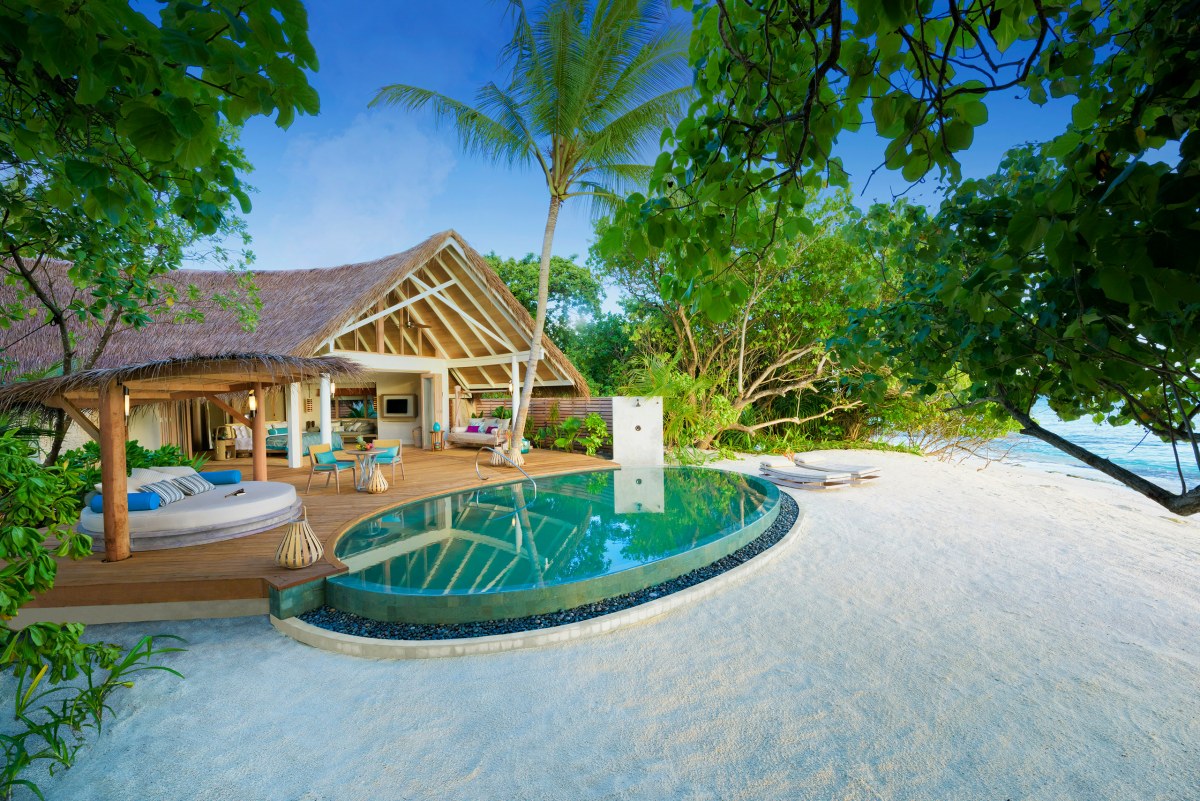
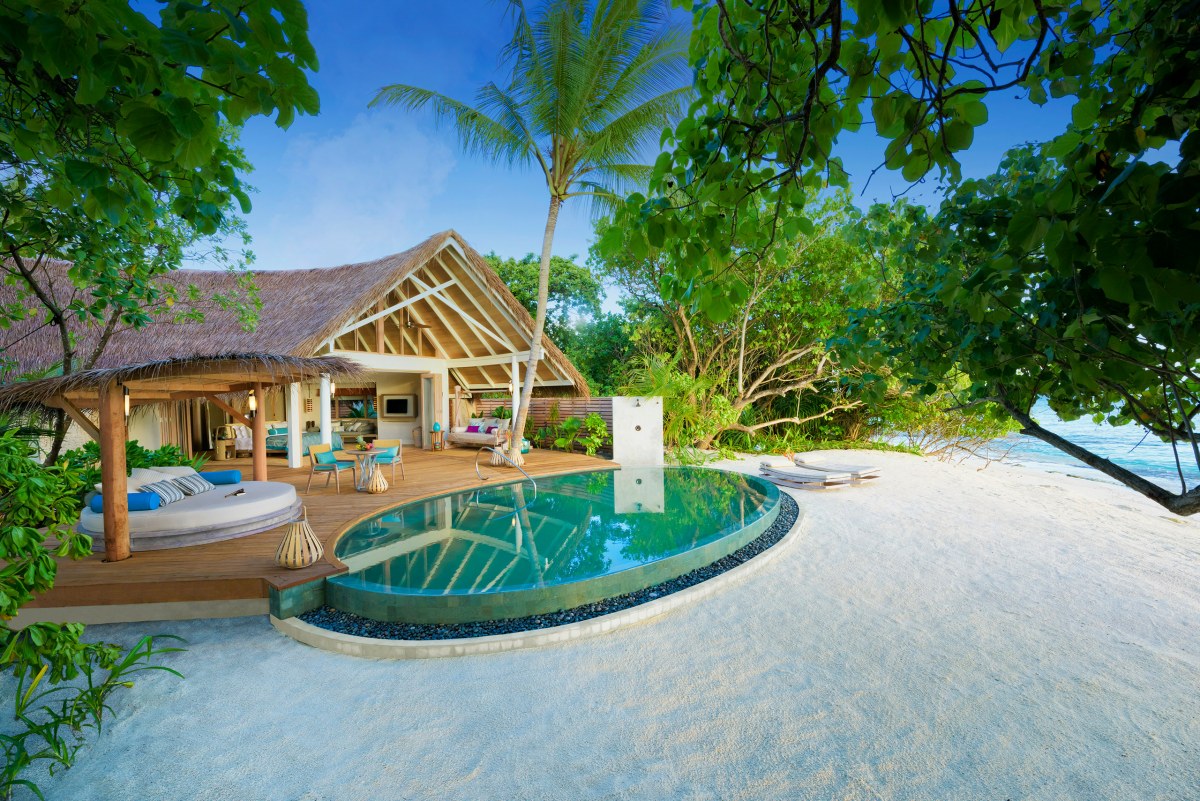
Milaidhoo Island, a 5-star luxury resort in the Maldives, is welcoming its first guests in November 2016. This marks the opening of the first resort we, MAp Boutique Consultancy, co-created since we set up our company. Not only have we created the concept, we have developed the corporate identity and the sales and marketing strategies. Excited much? Well, we certainly are!

When our client approached us in March last year, we knew this wouldn’t be an easy one as Milaidhoo Island’s location is in the stunning, yet very competitive, Baa Atoll. This Maldivian area is home to some of the most exclusive resorts with new hot openings happening all the time. So we knew from the offset that we were in for an exciting journey.

The countdown to the opening is well and truly underway. Milaidhoo’s amazing team are working hard to get the final details and preparations done before the first guests arrive and the industry is already booking rooms for their clients. We will take this time to share our experiences with you – especially on new boutique resort concepts and why having the best competitors on your doorstep is the best thing that can happen to you and your business:

Untertitel
The competition may be fierce, but our boutique resort concepts are fiercer!
Blog main image
The competition may be fierce, but our boutique resort concepts are fiercer!
Paragraphs
Nothing is more important for your boutique concept (or any concept in fact) than to create unique, innovative and clearly distinguishable
points of difference.
via @weareMAp

1 - "The lamentation over the sharpness of competition is in reality only a lamentation over the deficiency of ideas." Walther Rathenau

Ouch! Mr. Rathenau couldn’t be more direct! What does this tell us? Well, certainly we should stop ourselves before complaining about the “others”! The realisation is that we need to get better, not bitter. Turn negative energy into motivation and focus on developing stronger ideas instead of hoping for weaker competition.

2 - "You can’t look at the competition and say you're going to do it better. You have to look at the competition and say you’re going to do it differently." Steve Jobs

Word, Steve Jobs. Nothing is more important for your boutique concept (or any concept in fact) than to create unique, innovative and clearly distinguishable points of difference. These tangible USPs make your product unique, command attention and give you a talking point, not to mention a strong story. They attract PR and thus maximise marketing efforts, allowing you to achieve higher average room rates, boost your occupancy and sales.

3 - "Companies that solely focus on competition will ultimately die. Those that focus on value creation will thrive." Edward de Bono

When creating the Milaidhoo Island concept we did a LOT of homework (and we mean a LOT). We studied the market, the industry, ... We knew that if we wanted to innovate and differentiate the Milaidhoo Island product, we had to create trends, rather than follow them. So we started to look at luxury and boutique tourism from a different perspective, studied new luxury guests in different industries and in different markets and above all, were not only thinking about hardware and services, but much more about experiences. Because we knew that only if we were able to create real and true value, the boutique resort product would thrive and succeed.

Our hard work has certainly paid off. The outcome of nearly 19 months of research and development is an undeniably sophisticated 5-star boutique resort, brimming with USPs that clearly taps into a niche. Milaidhoo Island is by no means just another 5-star resort in the Maldives. Offering reinvented luxury and spacious outdoor living it epitomises the true and contemporary Maldives by telling the story of a small island. It’s a lifestyle escape with personality, offering heartfelt hospitality and barefoot informality. Don’t just take our word for it, see it for yourself.

As you might have already guessed, we are totally in love with the Milaidhoo concept and it’s potential. We could go on and on about it – but for all our sakes we will stop here! We are truly convinced that from November 2016 onwards it will introduce guests to a new, exciting holiday experience and will go some way to redefining boutique hotel concepts in the Maldives and beyond. Want to know more? Follow the story of a small island here.

So how about you? When will we see you on Milaidhoo Island? What’s your take on creating boutique hotel concepts? Are you in love with your competition? As always – feel free to share, comment, post and tell us your story ;-).

In this spirit, better your best!
Until the next time…

Your MAp team

Blog Block Image
The competition may be fierce, but our boutique resort concepts are fiercer!

Add new comment

Comment

Order

Plain text

  • No HTML tags allowed.
  • Lines and paragraphs break automatically.
  • Web page addresses and email addresses turn into links automatically.
Types
sharing is caring

Millennials… whether you are one, or know one, they are one of the most important target groups in the industry today. Attracting and retaining this guest requires a certain type of approach. We have developed concepts that target Generation Y and would like to share our thoughts on what we think you absolutely need to consider. We also want to share with you what we’ve learned about this customer group - besides that they are written with double l and double n ;-)!

So here's our summary of the need to know information….Millennials are born between the early 1980s to the early 2000s and are also known as the Millennial Generation, Generation Y. This group follows Generation X, born between 1960s and the 1980s, also called Generation Me (over Generation We).

Millennials are tech-savvy and demand speed in every aspect of life, think fast internet connections, fast service, and fast responses. These are people living in a real-time world and therefore expect seamless connectivity to access the information they want, at that moment in time, across all platforms.

This is our list of the TOP 5 things your Millennial hotel concept absolutely needs:

Untertitel
TOP 5 things your Millennial hotel concept absolutely needs and (Gen) Y!
Blog main image
TOP 5 things your Millennial hotel concept absolutely needs and (Gen) Y!
Paragraphs
Millennials are tech-savvy and demand speed in every aspect of life,
think fast internet connections, fast service, and fast responses.
via @weareMAp

1 – Cool community areas

The lobby / living room / club lounge or whatever you like to call it, is the heart of the hotel. Make this space comfy and inviting with flexible furniture, good lighting and an abundance of multi-power sockets. This is the place they will meet, chat, rest, work, brainstorm, connect and party both off-and-online.

2 – Fab accommodation 

Using space in an intelligent and convenient way is key as functionality is often more important than size. Take inspiration from first class train compartments; fancy cruise ship cabins and business class airline cabins.. Monsoon showers, good quality and natural bath amenities, an over-sized bed with organic mattresses, a desk with multi-power point sockets are just a few of the absolute must-haves.

3 – Tech-savvy

Make it easy for Millennials to live and breathe their digital lifestyle by offering free and fast Wi-Fi in all areas. Take the opportunity to use technology wherever possible such as online check-in, self check-out.

4 – Flexible food & beverage

Offering Millennials flexible dining options is as important as offering the latest cocktails. Ideally, hotels will offer a 24/7 dining offer inspired by the location and using locally sourced ingredients.

5 – Give back

Millennials are passionate about social and local responsibility and will assume green schemes and / or community programs are the norm in hotels so don’t disappoint.

At MAp Boutique Consultancy the above five points are the foundations of any successful Millennial hotel concept. Adopting these points will ensure that smart, modern travellers are happy, raving about the place and above all, return.

Do you agree with our TOP 5? Are there any other points crucial to making Millennials happy? What is your experience in working with and / or for Millennials? Of course, if you or someone you know is planning a visionary concept targeted at the “digital natives”, get in touch and let’s co-create the perfect hotel concept!

Talk to you soon,
Your MAp team

BTW, we just recently co-created a Millennial-inspired game-changing resort concept in the Maldives, have a look at www.kandima.com and also check out and follow our Millennials travel Pinterest board https://www.pinterest.com/mapeople/millennials-travel/

Blog Block Image
TOP 5 things your Millennial hotel concept absolutely needs and (Gen) Y!

Add new comment

Comment

Order

Plain text

  • No HTML tags allowed.
  • Lines and paragraphs break automatically.
  • Web page addresses and email addresses turn into links automatically.
Topics
Types
sharing is caring
Untertitel
How to WOW your hotel guests via all five senses
Blog main image
Sensory Branding
Paragraphs

See it, smell it, taste it, hear it, feel it. Not only is sensory branding one of our key areas of expertise, it’s something that truly makes our hearts beat faster. 

So why should you care? In times of growing competition, functionally interchangeable hotel products and ever more demanding guests, hotel brands must deliver and wow all five senses. It’s no longer enough to appeal to just one or two. Your guests need to experience your hotel brand on every single level. 

That’s why we are focusing our attention and upcoming series of blog posts to multisensory branding. We will share with you are key insights and tangible actions on how you can successfully master the five senses of your valued guests. So, let’s kick this off. In this first blog post we will introduce you to sensory branding and give you an overview of the different senses and their importance. 

The story so far

To date, the communication of hotel brands has mainly happened on a visual level. For most hoteliers developing the visual identity (logo, corporate identity, imagery, etc.) has been put on a level with developing the entire brand. Only a few hoteliers have gone a step further and included acoustic brand aspects to their brand. E.g. by developing a matching sound signature for their website or background music for the hotel itself (lobby, restaurant, bar, spa etc.). Multisensory approaches, in which hotels deliberately address more than two senses with their brand, are a true exception. 

We believe that the guest perception of a hotel/hotel brand is already taking place on a multisensory level. And, as such sensory branding measures are an ideal branding tool for hoteliers. It also has been scientifically proven that brands that address more than two senses are more successful than those that focus on one or two senses only. So are you missing a trick? Top tourism brands have benefited from this knowledge for decades already and created multisensory and emotional brand experiences. A great example is the successful olfactory (smell) branding of Singapore Airlines which has been implemented since the late 1990s: their custom-made scent is emitted in the cabin, worn by the flight attendants as body fragrance and passengers’ hot towels are scented with the unique smell. 

It also has been scientifically proven that brands that address more than two senses are more successful
than those that focus on one or two senses only.
via @weareMApeople


What the future holds

Martin Lindstrom, author of “Brand Sense: Sensory secrets behind the stuff we buy”, believes that those companies which address as many as possible senses, deliver THE ultimate brand message. This means, that by taking into account the guests’ taste, smell, tactile, visual and auditory senses, strong memories and emotional bonds can be created. These multisensory experiences add to an enriching brand experience, increase the quality and the perceived intensity of the guest experience and ultimately transform the hotel from an interchangeable product to a truly unique experience.

We are convinced that in response to increasing competition, more and more innovative hoteliers will focus on multisensory brand management. Why? Because with sensory brand measures they will achieve better perception and lasting impression by their guests and create stand out in the highly competitive market. Guests on the other hand will increasingly search for hotel brands that are truly perceptible as well as impressive and will remain loyal to them.

“You never get a second chance to make a first impression!”

The sense of sight is the strongest human sense. More than 80% of the information we consume every day is consumed through our eyes. Therefore, the visual first impression of a hotel brand is the one that influences the guest perception most. The visual identity is an integral part of a hotel brand and consists of all visible brand elements: logo (word/design mark), font, colour and imagery, design language (buildings, architecture), symbols, signage, uniforms, etc. With the congruent use of all visible elements you can enhance your hotel brand emotionally and optimise your brand communication short and long-term.

“What is essential is invisible to the eye.”
Antoine de Saint-Exupéry

The influence of the sense of smell is often underestimated. In fact, smell is the sense that has the strongest impact on our memory. Which means that targeted and coordinated addressing of the sense of smell offers an enormous potential to transmit strong brand messages. Fragrances have a great influence on the emotional state of guests and their decision-making behaviour. Many hotels already use signature scents to create a unique and consistent guest experience and brand awareness. The Armani Hotel in Dubai and the Fullerton Bay Hotel in Singapore are great examples of how guests can be touched emotionally via a signature scent. Indigo Hotels take it one step further and change their signature to reflect the season. 

“Funny how a melody sounds like a memory.”
Eric Church

Music, tones and sounds evoke emotions. Targeted sound elements create unforgettable experiences and long-lasting memories for guests. This means that with professional sound design, the brand message can be further enhanced to create an emotional bond with guests.

“Joy has a texture.”
Oprah Winfrey

In the hotel industry, the sense of touch is often underestimated or ignored, even though it plays an important role in the overall guest experience and understanding of the products and its messages. In product marketing for example, haptic features are widely used to build an emotional relationship between the product and the buyer. Via the sense of touch consumers can identify e.g. luxury products. By examining their weight and their condition they are able to unconsciously assess the quality of the product. Textures, fabrics and materials (their weight, softness, etc.) used in a hotel provide a unique opportunity to convey a sense of comfort to the guest.

 “Smell and taste are in fact but a single composite sense, whose laboratory is the mouth and its chimney the nose…”
Jean-Antheleme Brillat-Savarin

The gustatory brand management deals with all experienceable brand elements that can be perceived by the sense of taste. The relevance of the sense of taste is low in comparison to the other senses, as only one percent of our perception is absorbed through the tongue. However, never underestimate the gustatory appeal in the hospitality industry. Various studies indicate that we often eat with our nose, which is another way of saying that if food passes the smell test it will most likely pass the taste test. Especially with food and beverage the sense of smell and taste is essential and thus makes it an important part of the hotel brand experience

Finally, our MAdvice to hoteliers

We want you to open up your world and invite your guests to experience your hotel brand in ways you’ve never considered. These are the ways that will connect with your guest on a deeper level. Ultimately the foundation for successful multisensory branding is a strong and well-defined hotel concept, based on brand identity and characteristics and, consequently, sensory experiences. Sensory branding measures have to be targeted and consciously orchestrated, meaning the right signals have to be sent to the right guest via the right channels. Only the consistent and coordinated addressing of all sensually perceptible points of contact along the guest journey creates a sense of wellbeing and an emotional reaction by the guest. 

We promise, if done right, your guests will become fans of your hotel and love to come back again and again ;-)

As always, we look forward to hearing from you. Feel free to comment below as well as to share this blog post.

Blog Block Image
Sensory Branding

Add new comment

Comment

Order

Plain text

  • No HTML tags allowed.
  • Lines and paragraphs break automatically.
  • Web page addresses and email addresses turn into links automatically.
Types