sharing is caring

Excerpt: A hotel concept is the foundation of every successful hotel project. But are you unclear on what exactly a hotel concept is? Or even why you need one? We’ll introduce you to the idea of the hotel concept, what goes into creating a great and sustainable concept, and what benefits it will bring to your hotel project. Read on to learn more!

Blog main image
What is a hotel concept + why do you need one?
Paragraphs

The start of each new year brings with it a spate of articles touting the most anticipated and hottest hotel openings for the year ahead, and despite the pandemic, 2021 was no different! Just take a look at this Forbes article and this Conde Nast Traveller article to get a sense for the new offerings flooding the market this year alone.

The hotel landscape looked very different 20 years ago, when there were less offerings, bigger players and clearer differentiation between brands. Today, the market is saturated. And if you factor in the disruption of new entrants, such as Airbnb and the like, it is no surprise that customers struggle when faced with so much choice.

So how do hotels discover, create and maintain their competitive edge? How do they distinguish their offering and add value to guests? How do they remain relevant to today’s consumers? The answer is with a strong and sustainable hotel concept.

What is a hotel concept?

A hotel concept is the basis for everything that follows. It’s the foundational idea that defines your hotel’s brand, character, product + services, sales + marketing, and more. It curates a distinctive identity in the market and in the eyes of your clearly-defined target group.

Furthermore, it acts as a strategic and creative outline on how to realise a hotel venture by piecing together various elements (“soft” and “hard” facts) and outlining to all stakeholders HOW your hotel should look and feel and WHY that is.

What are the key elements of a hotel concept?

At MAp, we craft our hotel concepts around the following key elements:

  • Purpose: WHY you exist beyond making profit. Read here why defining your purpose beyond making profit will actually make you profit.
  • Principles: Your vision, mission and values.
  • People: The people you are serving with a solution to their problems, as well as the people you are working/partnering with to make an impact.
  • Story: The unique story that you – and only you – are telling in order to emotionally connect with your people.
  • Positioning + USPs: What differentiates you in the market.

These constituent pieces, together, form one complete whole, laying the foundation of your hotel project.

Before you can stand out,
you must know what you stand for.
@weareMAp

Why do you need a hotel concept?

Whether you are a hotelier looking to develop a boutique hotel or are part of a hotel group looking to reposition your existing hotels, a clearly-defined and sustainable hotel concept offers many benefits:

  • Gives you clarity on the what, how, why
  • Aligns your stakeholders around a shared purpose and vision
  • Enables you to use resources more efficiently (think time, money, etc.) - but also the resources of our planet
  • Makes you stand out from the crowd (as you know what you stand for)
  • Creates a better future for your hotel and business, for people and planet

Hotels with strong concepts are able to demand a premium price, provide a coherent guest experience, sell and market themselves smartly, recruit talented staff and a community following, and have a marketable platform when pitching for investors and partners.

How do you bring a hotel concept to life?

Our holistic and end-to-end process for developing hotel concepts consists of the following steps:

1) Concept Discovery: Set the groundwork by looking inwards at your goals, motivations, strengths and weaknesses, and outwards at your competition, the market and innovative trends.

2) Concept Development: Using the insights collected in the Discovery phase, address each of the key elements of your hotel concept in order to define its core idea.

3) Concept Activation: Translate your hotel concept into the operations of your hotel, by applying it to your product + services, brand, and sales + marketing.

4) Concept Implementation: Identify strategic partners and ensure they are aligned and in keeping with the hotel concept, all the way up through (re-)launch.

Conclusion

With a strong hotel concept in place, your hotel stands out from the competition. But more importantly, it stands for something. So before kickstarting any type of hotel project, make sure you first establish what your hotel concept is. As MAp says, “First the concept, then comes the rest.”

In need of some inspiration? Check out our Hotel Concept Trends 2021 blog post.


Quote Subtitle
then comes the rest.
Quote Title
First the concept,
Blog Block Image
What is a hotel concept + why do you need one?

Add new comment

Comment

Order

Plain text

  • No HTML tags allowed.
  • Lines and paragraphs break automatically.
  • Web page addresses and email addresses turn into links automatically.
Types
sharing is caring
Untertitel
Why hotel marketing is the deciding factor nowadays
Blog main image
MAp Boutique Consultancy - Best Hotel Marketing
Paragraphs

A few months ago, we came across the following quote by transformational business coach Bill Baren: “Best marketing beats best product EVERY single time!” Please, stop for a moment and savour every single word of this sentence, because grasping the full implication of this statement might have the power to change your business forever.

What do you think is the most important department of any hotel? Is it the food & beverage department, or housekeeping? Who opts for front office and guest services? And no, all departments are equally important isn't an acceptable answer ;-). We no doubt share the same view as you - that in the long run, a hotel can only be successful if every department performs at the highest standard.

That said, we believe that the most important department of a hotel right now is the marketing department. Why? Because without marketing, you have no guests. And without guests, you have no hotel. 

So, to make sure that your great hotel product attracts not just any guest but the right ones, here are our five hotel MArketing MAdvices to increase the performance and success of your marketing approach.

Without marketing you have no guests.
And without guests, you have no hotel. 
via @weareMApeople


TOP 5 MAdvices:

1 – Have a clear concept

“First the concept, then the rest.”
MA people ;-)

A clearly-defined hotel concept, and derived from it, an equally-clear positioning are the basis for everything – the hotel product development, optimisation and innovation; the menu in your restaurant; the amenities you use in your guest rooms; … AND of course, the marketing strategy you follow.

If you and your marketing team are not 100% clear as to what your hotel and hospitality business stands for – how can you decide where to invest your marketing budget? In our opinion, marketing without a clear concept and message is like driving with your eyes closed!

2 – Know your guests

“When the customer comes first, the customer will last.”
Robert Half

At MAp, we always focus on what drives and generates sales and profits – the people (every … single … time). That’s why we place huMAns at the very heart of everything we do. 

If you are in Munich and have set the objective to reach Zurich the same day by car– would you take the highway to Vienna? Pretty obvious answer, we know. However, have you ever noticed how many hotels say they want to reach affluent guests, but then they buy adverts in magazines read by budget travellers? Or what about the family hotel that invites fashion influencers to stay in their hotel and blog about the spa area?

Hotels have the right to invest their budget how, when and where they want. But by being uncompromising in regards to buyer personas, hotels can influence guest satisfaction and profits. We urge you to take the time to define or redefine your buyer personas in detail. You need to know them by heart, where they live, what newspapers and online forums they read, what is important to them, and what social media channels they are using, etc. Also meticulously research what their problem is = the problem that your hotel solves for them. The answer to this last question will be your main marketing and communication message. 

3 – Define a budget

“You cannot be everything to everyone.
If you decide to go north, you cannot go south at the same time.”
Jeroen De Flander

Once you know your basics, it's important to define your budget. How much are you going to spend on marketing activities in the next year? What is the return that you expect? Always remember, setting aside enough budget for your marketing is important: no marketing = no guests, no guests = no business.

Calculate your budget, divide it into different segments (e.g., how much you plan to spend on online marketing activities, print, social media) and act accordingly.

Once you know your budget, it will be easy to set priorities and to say no to random marketing activities that pop up in your email inbox.

4 – Have a strategy

“Hope is not a strategy.”
Vince Lombardi

A strategy is defined as your plan of action to achieve your goals. This implies that before you define your hotel marketing strategy, you have to define your goals. If you are working with a marketing team, include everyone in this process because it is important that everyone involved buys into your goals and works towards them.

Once defined, create your plan accordingly. Is your main priority to fill rooms during low season or to create attractive premium packages for high season to extend the average length of stay? Is the goal to push direct bookings or to strengthen the sales via external partners? As always, the strategy depends on your concept and the defined buyer personas.

5 – Measure, measure, measure!

“If you can't measure it, you can't improve it.”
Peter Drucker

We want to say right here, right now that one of the biggest lies we hear way too often is that you can’t measure marketing. This simply is not true! But many believe this to be the case. You can already gain a competitive advantage by ignoring this, measuring your impact and learning from the results. It helps you to optimise and to pivot; and in the long run, to budget every year more efficiently, generating more returns. 

Measure every single marketing activity that you do: Did we generate more clicks on our website? How many people followed us on Facebook by running the campaign? How many bookings have been made through the advertised special offer booking code?

So what does great marketing look like? Well, here are two examples of recent hospitality marketing campaigns and initiatives that caught our eye. Have you seen any others? 

Know your guests - niche content by SBE & Morgan’s Originals
Morgan’s Originals hotels are specifically targeted to creatives, as it is a "family" of individual hotels that create a surreal fantasy where anything is possible. Originals bring vision and style together with a spirit filled with magic and illusion. Morgan’s Originals use their online blog "Back of House" to build brand authority and awareness with highly-niche content that is specifically targeted to creatives. It’s more a general lifestyle publication than a brand blog, amongst which you’ll find interviews with people in the art, fashion or music industry. 

Measure, measure, measure! - Marriott’s Moxy tent at Coachella
For the opening of Moxy Times Square, Marriott transformed eight safari tents into hotel rooms during Coachella 2017. Influencers such as Amy Pham and Marriott Rewards members were invited to experience the Moxy tents, which also were a preview of the NYC Times Square property rooms. The campaign proved a huge hit, earning over one billion media impressions, exposure on major media outlets, and a 63% week-on-week boost in Instagram reach.

As always we hope that this blog post is of great help to you. Please feel free to do some marketing for it and share it with your friends - and let us know your opinion in the comments section below!


 

Blog Block Image
MAp Boutique Consultancy - Best Hotel Marketing

Add new comment

Comment

Order

Plain text

  • No HTML tags allowed.
  • Lines and paragraphs break automatically.
  • Web page addresses and email addresses turn into links automatically.
Types
sharing is caring

There are winners and losers in the hospitality industry. There are those hoteliers struggling with price competition and wars, declining margins, loss of repeat guests as well as changing booking behaviour of guests. On the flip side, there are those hoteliers who appear to attract infinite guests as if by magic, charge outstanding rates during high season and also keep occupancy and average daily rates (ADRs) high during the slower seasons.

So, what drives success? Is it purely magic, luck or is there something else at work? We believe there is one thing that all successful hoteliers have in common. They know WHO they are. Successful hotels know their concept inside out: the derived positioning, their target guests, how to reach them (communication channels and activities), how to sell their rooms (sales channels and activities, pricing strategy). 

This is not rocket science we hear you cry! We know! So why have we seen so many hotels struggling to succeed? In fact, way too often we come across hotel projects whereby hoteliers are convinced that the hotel concept results from the architecture and design. Therefore their first step is to appoint an architect who comes up with drawings and designs and then all the rest gets aligned accordingly. Don’t get us wrong, we truly believe in the importance and power of great architecture and design. However, are convinced that architecture and design can only be truly successful and guest-centric, if the architect briefing is based on a solid and thought-through hotel concept and positioning.

Let’s dive deeper into the magic behind having a clear positioning in the market with our TOP 5 MAdvices:

Untertitel
Brand positioning is critical to your hotel success
Blog main image
Why knowing WHO you are always pays off
Paragraphs
We believe there is one thing that all successful hoteliers have in common.
They know WHO they are.
via @weareMAp

1- Clearly positioned hotels achieve optimum returns

Clearly positioned, differentiated and specialised hotels with a strong profile do sustainably stand out from the competition. They evoke desirability, generate higher occupancy and achieve significantly higher ADRs. Hotels that have the courage to be different, incomparable and offer tailored facilities and services to a specific target group, are more likely to attract the right guests, with the right expectations and willing to pay the right prices. 

2- A unique positioning is vital for your long-term success and survival of your hotel venture

Guests do have an abundance of choice when looking for their holiday destination and online platforms as Booking.com, Google, TripAdvisor or Trivago supply them with unlimited options. Often nowadays, in an interchangeable hotel product environment only the price is the remaining distinguishing factor for consumers. Hotels with a unique positioning are clearly different than competitors, offering clear advantages and benefits for the guest. Only hotels that truly stand out from the crowd can achieve higher occupancies, ask for higher prices, obtain a higher RevPAR and in the long run win the battle.

3- A clear positioning is a basis for your marketing success

Why should guests stay with you and not with another hotel - if you have the same standard pictures and content as any other hotel on your website, offer the same facilities and services, promote the same packages and offers, have the same social media profiles, tell the same marketing messages and so on and so forth? Hotels who know who they are and have the courage to tell their unique story on a consistent basis, will clearly stand out from the crowd and be able to obtain premium returns for their product.

4- A clear positioning fosters happy guests

Guests do have clear expectations and needs when they travel and can get very upset, if their hosts do not meet these. Very often this situation results in bad reviews on rating platforms. Hotels with a clear and authentic market position and a promise to fulfil certain expectations, avoid unhappy guests, since their guests clearly know what they get and can set their expectations accordingly. As such a clear positioning does not only prevent disappointments, but on the contrary generates happy guests that are most likely to come back again and again, recommend the hotel and write positive guest reviews. 

5- A clear positioning makes your life so much easier

The more you offer for more guests, the harder it is to focus,  streamline and move on. To limit your offer and focus on your consciously selected target group to fulfil their needs and desires, can be very liberating and motivating. This (and positioning) doesn’t mean that you should ignore guests who do not fit in your target group, as you may have to cater to various target groups in order to fill your rooms. Positioning means that you know exactly which guests (and which not) you can and want to target and cater for in an outstanding way that is not comparable with any other hotel.

To sum up, we can say from our experience that a holistic, sustainable, creative and innovative hotel concept and the clearly derived positioning are fundamental to the success and sustainability of your hotel venture. As always we hope that this blog post is of great help to you. Please feel free to share it with your friends and let us know your opinion in the comments section below.

Thanks and until then,
Your MA people 

Ps.: Want to dive even deeper into the topic? Here are two other MA people blog posts that might be of interest: Why YOU absolutely need a hotel concept and Why best marketing beats the best product EVERY single time.

Blog Block Image
Why knowing WHO you are always pays off

Add new comment

Comment

Order

Plain text

  • No HTML tags allowed.
  • Lines and paragraphs break automatically.
  • Web page addresses and email addresses turn into links automatically.
Categories
Types
sharing is caring

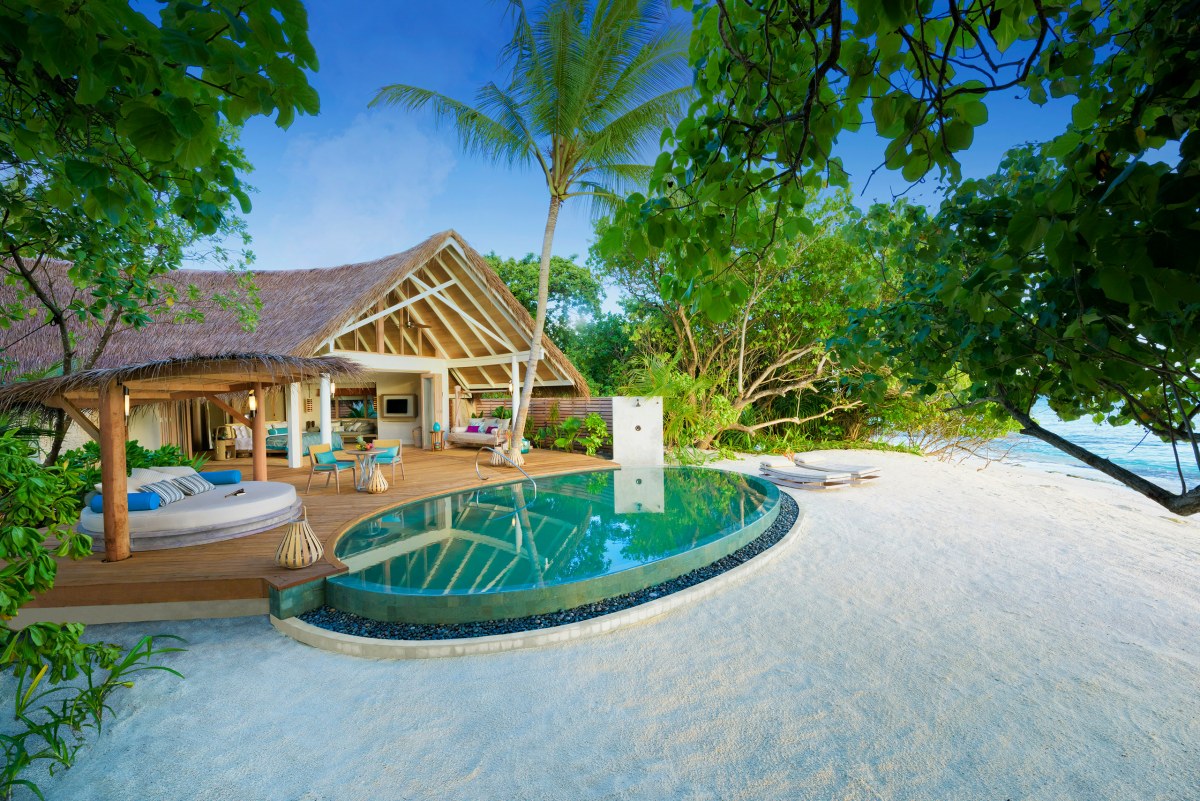
Milaidhoo Island, a 5-star luxury resort in the Maldives, is welcoming its first guests in November 2016. This marks the opening of the first resort we, MAp Boutique Consultancy, co-created since we set up our company. Not only have we created the concept, we have developed the corporate identity and the sales and marketing strategies. Excited much? Well, we certainly are!

When our client approached us in March last year, we knew this wouldn’t be an easy one as Milaidhoo Island’s location is in the stunning, yet very competitive, Baa Atoll. This Maldivian area is home to some of the most exclusive resorts with new hot openings happening all the time. So we knew from the offset that we were in for an exciting journey.

The countdown to the opening is well and truly underway. Milaidhoo’s amazing team are working hard to get the final details and preparations done before the first guests arrive and the industry is already booking rooms for their clients. We will take this time to share our experiences with you – especially on new boutique resort concepts and why having the best competitors on your doorstep is the best thing that can happen to you and your business:

Untertitel
The competition may be fierce, but our boutique resort concepts are fiercer!
Blog main image
The competition may be fierce, but our boutique resort concepts are fiercer!
Paragraphs
Nothing is more important for your boutique concept (or any concept in fact) than to create unique, innovative and clearly distinguishable
points of difference.
via @weareMAp

1 - "The lamentation over the sharpness of competition is in reality only a lamentation over the deficiency of ideas." Walther Rathenau

Ouch! Mr. Rathenau couldn’t be more direct! What does this tell us? Well, certainly we should stop ourselves before complaining about the “others”! The realisation is that we need to get better, not bitter. Turn negative energy into motivation and focus on developing stronger ideas instead of hoping for weaker competition.

2 - "You can’t look at the competition and say you're going to do it better. You have to look at the competition and say you’re going to do it differently." Steve Jobs

Word, Steve Jobs. Nothing is more important for your boutique concept (or any concept in fact) than to create unique, innovative and clearly distinguishable points of difference. These tangible USPs make your product unique, command attention and give you a talking point, not to mention a strong story. They attract PR and thus maximise marketing efforts, allowing you to achieve higher average room rates, boost your occupancy and sales.

3 - "Companies that solely focus on competition will ultimately die. Those that focus on value creation will thrive." Edward de Bono

When creating the Milaidhoo Island concept we did a LOT of homework (and we mean a LOT). We studied the market, the industry, ... We knew that if we wanted to innovate and differentiate the Milaidhoo Island product, we had to create trends, rather than follow them. So we started to look at luxury and boutique tourism from a different perspective, studied new luxury guests in different industries and in different markets and above all, were not only thinking about hardware and services, but much more about experiences. Because we knew that only if we were able to create real and true value, the boutique resort product would thrive and succeed.

Our hard work has certainly paid off. The outcome of nearly 19 months of research and development is an undeniably sophisticated 5-star boutique resort, brimming with USPs that clearly taps into a niche. Milaidhoo Island is by no means just another 5-star resort in the Maldives. Offering reinvented luxury and spacious outdoor living it epitomises the true and contemporary Maldives by telling the story of a small island. It’s a lifestyle escape with personality, offering heartfelt hospitality and barefoot informality. Don’t just take our word for it, see it for yourself.

As you might have already guessed, we are totally in love with the Milaidhoo concept and it’s potential. We could go on and on about it – but for all our sakes we will stop here! We are truly convinced that from November 2016 onwards it will introduce guests to a new, exciting holiday experience and will go some way to redefining boutique hotel concepts in the Maldives and beyond. Want to know more? Follow the story of a small island here.

So how about you? When will we see you on Milaidhoo Island? What’s your take on creating boutique hotel concepts? Are you in love with your competition? As always – feel free to share, comment, post and tell us your story ;-).

In this spirit, better your best!
Until the next time…

Your MAp team

Blog Block Image
The competition may be fierce, but our boutique resort concepts are fiercer!

Add new comment

Comment

Order

Plain text

  • No HTML tags allowed.
  • Lines and paragraphs break automatically.
  • Web page addresses and email addresses turn into links automatically.
Types
sharing is caring
Untertitel
How to WOW your hotel guests via all five senses
Blog main image
Sensory Branding
Paragraphs

See it, smell it, taste it, hear it, feel it. Not only is sensory branding one of our key areas of expertise, it’s something that truly makes our hearts beat faster. 

So why should you care? In times of growing competition, functionally interchangeable hotel products and ever more demanding guests, hotel brands must deliver and wow all five senses. It’s no longer enough to appeal to just one or two. Your guests need to experience your hotel brand on every single level. 

That’s why we are focusing our attention and upcoming series of blog posts to multisensory branding. We will share with you are key insights and tangible actions on how you can successfully master the five senses of your valued guests. So, let’s kick this off. In this first blog post we will introduce you to sensory branding and give you an overview of the different senses and their importance. 

The story so far

To date, the communication of hotel brands has mainly happened on a visual level. For most hoteliers developing the visual identity (logo, corporate identity, imagery, etc.) has been put on a level with developing the entire brand. Only a few hoteliers have gone a step further and included acoustic brand aspects to their brand. E.g. by developing a matching sound signature for their website or background music for the hotel itself (lobby, restaurant, bar, spa etc.). Multisensory approaches, in which hotels deliberately address more than two senses with their brand, are a true exception. 

We believe that the guest perception of a hotel/hotel brand is already taking place on a multisensory level. And, as such sensory branding measures are an ideal branding tool for hoteliers. It also has been scientifically proven that brands that address more than two senses are more successful than those that focus on one or two senses only. So are you missing a trick? Top tourism brands have benefited from this knowledge for decades already and created multisensory and emotional brand experiences. A great example is the successful olfactory (smell) branding of Singapore Airlines which has been implemented since the late 1990s: their custom-made scent is emitted in the cabin, worn by the flight attendants as body fragrance and passengers’ hot towels are scented with the unique smell. 

It also has been scientifically proven that brands that address more than two senses are more successful
than those that focus on one or two senses only.
via @weareMApeople


What the future holds

Martin Lindstrom, author of “Brand Sense: Sensory secrets behind the stuff we buy”, believes that those companies which address as many as possible senses, deliver THE ultimate brand message. This means, that by taking into account the guests’ taste, smell, tactile, visual and auditory senses, strong memories and emotional bonds can be created. These multisensory experiences add to an enriching brand experience, increase the quality and the perceived intensity of the guest experience and ultimately transform the hotel from an interchangeable product to a truly unique experience.

We are convinced that in response to increasing competition, more and more innovative hoteliers will focus on multisensory brand management. Why? Because with sensory brand measures they will achieve better perception and lasting impression by their guests and create stand out in the highly competitive market. Guests on the other hand will increasingly search for hotel brands that are truly perceptible as well as impressive and will remain loyal to them.

“You never get a second chance to make a first impression!”

The sense of sight is the strongest human sense. More than 80% of the information we consume every day is consumed through our eyes. Therefore, the visual first impression of a hotel brand is the one that influences the guest perception most. The visual identity is an integral part of a hotel brand and consists of all visible brand elements: logo (word/design mark), font, colour and imagery, design language (buildings, architecture), symbols, signage, uniforms, etc. With the congruent use of all visible elements you can enhance your hotel brand emotionally and optimise your brand communication short and long-term.

“What is essential is invisible to the eye.”
Antoine de Saint-Exupéry

The influence of the sense of smell is often underestimated. In fact, smell is the sense that has the strongest impact on our memory. Which means that targeted and coordinated addressing of the sense of smell offers an enormous potential to transmit strong brand messages. Fragrances have a great influence on the emotional state of guests and their decision-making behaviour. Many hotels already use signature scents to create a unique and consistent guest experience and brand awareness. The Armani Hotel in Dubai and the Fullerton Bay Hotel in Singapore are great examples of how guests can be touched emotionally via a signature scent. Indigo Hotels take it one step further and change their signature to reflect the season. 

“Funny how a melody sounds like a memory.”
Eric Church

Music, tones and sounds evoke emotions. Targeted sound elements create unforgettable experiences and long-lasting memories for guests. This means that with professional sound design, the brand message can be further enhanced to create an emotional bond with guests.

“Joy has a texture.”
Oprah Winfrey

In the hotel industry, the sense of touch is often underestimated or ignored, even though it plays an important role in the overall guest experience and understanding of the products and its messages. In product marketing for example, haptic features are widely used to build an emotional relationship between the product and the buyer. Via the sense of touch consumers can identify e.g. luxury products. By examining their weight and their condition they are able to unconsciously assess the quality of the product. Textures, fabrics and materials (their weight, softness, etc.) used in a hotel provide a unique opportunity to convey a sense of comfort to the guest.

 “Smell and taste are in fact but a single composite sense, whose laboratory is the mouth and its chimney the nose…”
Jean-Antheleme Brillat-Savarin

The gustatory brand management deals with all experienceable brand elements that can be perceived by the sense of taste. The relevance of the sense of taste is low in comparison to the other senses, as only one percent of our perception is absorbed through the tongue. However, never underestimate the gustatory appeal in the hospitality industry. Various studies indicate that we often eat with our nose, which is another way of saying that if food passes the smell test it will most likely pass the taste test. Especially with food and beverage the sense of smell and taste is essential and thus makes it an important part of the hotel brand experience

Finally, our MAdvice to hoteliers

We want you to open up your world and invite your guests to experience your hotel brand in ways you’ve never considered. These are the ways that will connect with your guest on a deeper level. Ultimately the foundation for successful multisensory branding is a strong and well-defined hotel concept, based on brand identity and characteristics and, consequently, sensory experiences. Sensory branding measures have to be targeted and consciously orchestrated, meaning the right signals have to be sent to the right guest via the right channels. Only the consistent and coordinated addressing of all sensually perceptible points of contact along the guest journey creates a sense of wellbeing and an emotional reaction by the guest. 

We promise, if done right, your guests will become fans of your hotel and love to come back again and again ;-)

As always, we look forward to hearing from you. Feel free to comment below as well as to share this blog post.

Blog Block Image
Sensory Branding

Add new comment

Comment

Order

Plain text

  • No HTML tags allowed.
  • Lines and paragraphs break automatically.
  • Web page addresses and email addresses turn into links automatically.
Types
sharing is caring
Untertitel
How to WOW your hotel guests via all five senses
Blog main image
Visual Branding
Paragraphs

Here’s the second installment of our popular series of blog posts dedicated to multisensory branding for hotels. Time to open your eyes and pay attention as we take you into the world of visual branding. In today’s highly competitive hospitality market a hotel brand needs to appeal and engage all senses in order to be distinct and successful. To sum it up, your guests need to literally see, hear, feel, taste and smell your hotel brand. 

There’s no doubt that vision is the most powerful of our five senses. This makes sense when you consider that around 83% of the information we retain is received visually. However, recent studies reveal that this might only be the case because we are bombarded 24 hours a day with huge quantities of visual information and a lack of other options. There is an opportunity here for all of us, as currently our other senses are not being targeted properly.

How about your hotel brand? Is your hotel visual identity aligned to your distinctive brand message? With our five MAdvices, we invite you to think beyond your own hotel logo and emotionally enhance your hotel brand with the congruent use of all visible elements. 

Your guests need to literally see, hear, feel, taste and smell
your hotel brand. 
via @weareMApeople


Our five MAdvices to win with a holistic visual brand management for hotels

“The question is not what you look at, but what you see.”
Henry David Thoreau 

1 – Logo: The logo is the symbol of the entire hotel brand, it's the corporate identity packed in a single sign. As a cornerstone of the visual identity it must of course reflect and embody your stylistic ideas, but above all emotionally touch the defined buyer personas. To find the perfect logo for your hotel brand we recommend taking a closer look at the logos of competitors as well as best practice examples (logos of companies you like and might not even be related to hospitality), in order to not only differentiate the logo from them, but also learn from them.

Take a look at the logo we crafted for our client paloria: based on the cool residence concept for athletes and sporty connoisseurs, the logo takes inspiration from contemporary sport and lifestyle brands. Not only does it emotionally speak to the defined buyer personas, but it also expresses the vision of our cool and stylish clients.

2 – ​Imagery: “A picture is worth a thousand words.” So make it count! Invest the time and resources needed to create and use distinctive key images/visuals that are clearly connected with your hotel brand. High quality photos are an absolute must for every hotelier to persuade the guest to regularly visit its website or social media feeds. Wait, what about videos? They are getting more and more important on social media and in general as they are a brilliant way to craft your visual branding. An emotionally charged and high-quality hotel video helps your guests to understand your product or service best. 

A creative way of establishing a truly distinctive visual language for a hotel you can see with the Kandima Maldives illustration. Be brave and stand out from the crowd and opt for illustrations (or other creative tools) that can help you to build a strong and distinctive visual language.

3 – ​Design language: Distinctive design generates distinctive brands, and successful brands are by their very nature visually “smashable”. If you are planning to design a new hotel, then we invite you to consider how your building can become unique in its form, architecture, style and design. The Marina Bay Sands in Singapore or the Burj al Arab in Dubai show the power of unmistakable design in the hotel industry. The sail-shaped design and its exposed location of the Burj al Arab make the building is unmistakable. Or think at our loved Baros Maldives - the overwater fine dining restaurant, The Lighthouse, is so unique in its structure that it is unmistakably connected to this resort. And of course, is featured on most of its key visuals. 

Besides considering the uniqueness of your architecture we also suggest to select a recurring form within your hotel, such as those used in the furniture or design. If you want your hotel to be perceived as sympathetic, friendly and modern, then square forms make an excellent visual shape choice for communication materials (square business cards, brochure, writing pad, etc.). Why is it important to select a brand shape? Shape is an instantly recognisable visual aspect of any brand. Statistics show that e.g. 40% of all perfume purchase decisions are based on the design of the bottle.

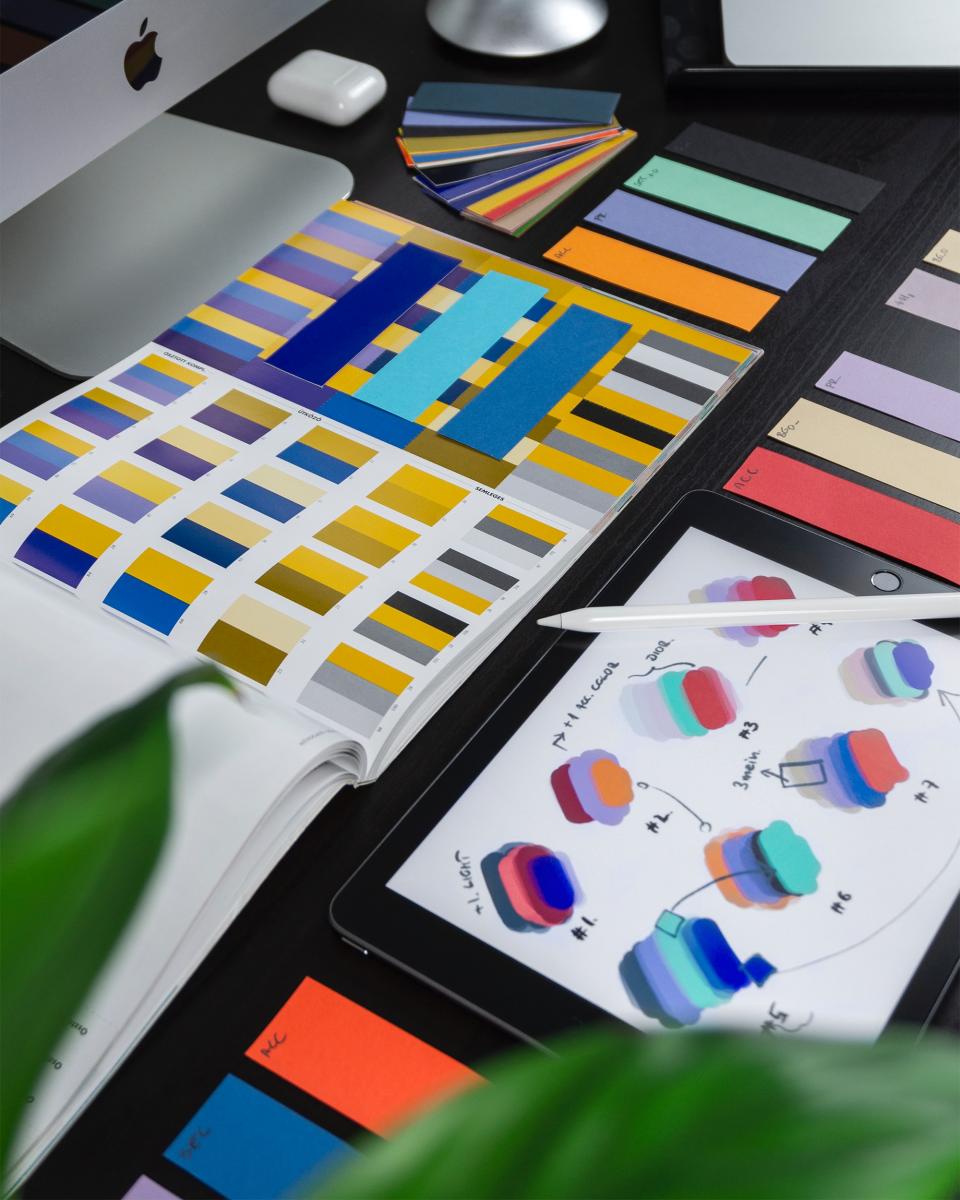
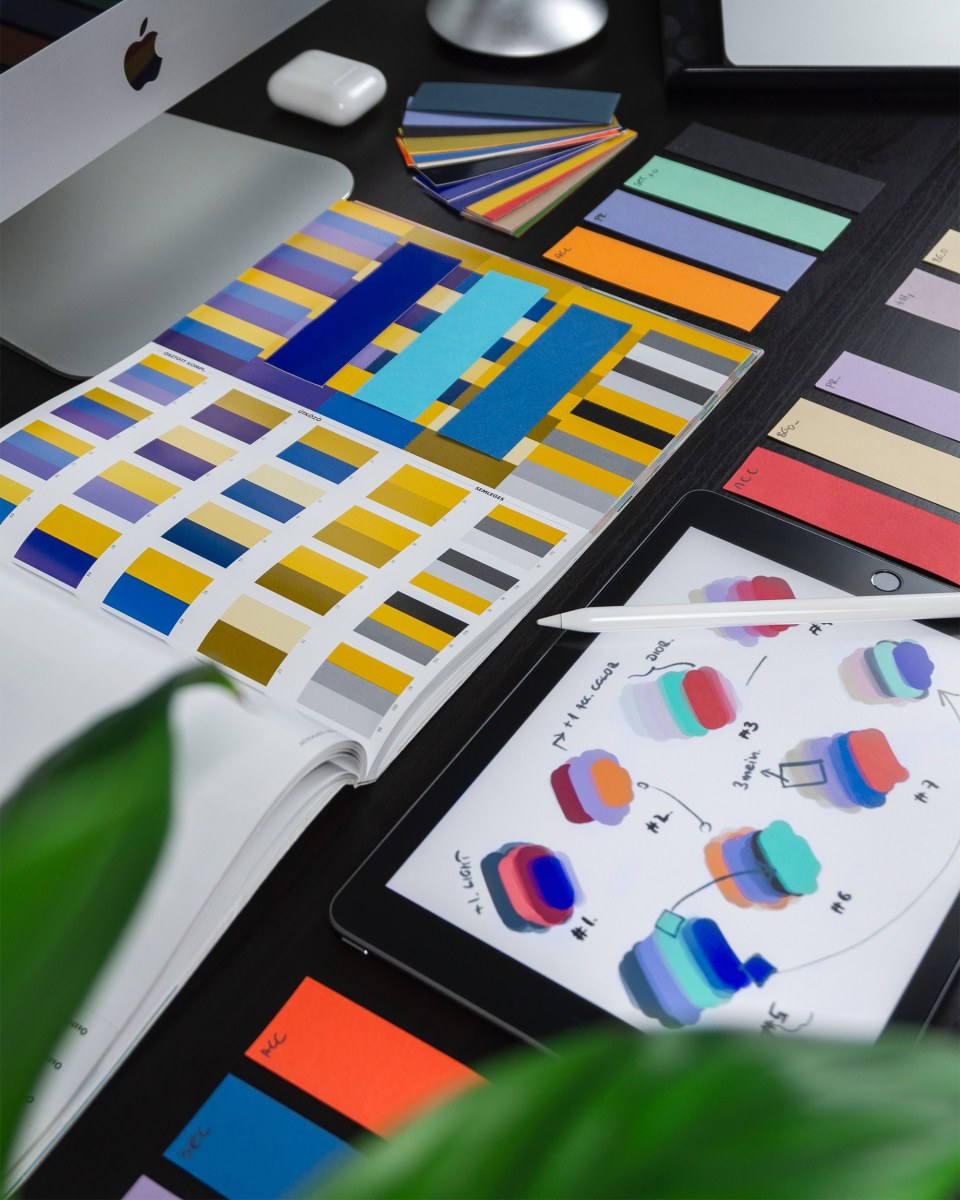
4 – ​Colour: Define your colour/s and use them consistently in your communication and throughout your website and social media channels. In addition to pictures, colour has the highest recognition value and thus can be used as exclusive brand mark. We all know that there is also a psychological association to each colour, that e.g. green stands for eco-friendly and freshness, blue conveys trust and purple is often associated with creativity and luxury. A little off topic, but Viagra – Pfizer has successfully taken advantage of the visual component and has given their pill not only a distinctive blue colour but also a unique diamond shape!

How can you decide on what colours you need for your hotel brand? It’s simple really. Just base it on your hotel concept and positioning. A brand such as Kandima Maldives might use a wide and playful colour palette, while Haritha Villas + Spa gives space to its contemporary architecture and lush surroundings and works with white and black as their main “colours” with green colour accents reflecting its natural location.

5 – ​Font: Fonts matter - and not just to graphic designers! All your defined signature fonts are seen by your guests (hopefully) everywhere: on your website, communication materials, etc. Therefore, the font you choose for your hotel is a valuable tool to express your brand personality and to evoke additional associations and emotions. Distinctive typography helps you to enhance your hotel brand character and conveys your tone. Have e.g. a look at the website of citizenM and the one of Edition Hotels: both of the brands have chosen a font perfectly matching their brand personality. Just imagine how strange it would look if you would switch the fonts between the two websites. Remember, guests learn a lot about your hotel brand based on the font you choose. 

Consistency is key. Apply the same distinctive imagery, the same colour, the same design language, the same font type across your visual platforms - at all times. It creates cohesion, so that your guests always get the same story across all channels.

As always, we look forward to hearing from you. Feel free to comment below as well as to share this blog post.

Thank you and all the best for WOW-ing your guests via your distinctive visual identity,
Your MA people

Blog Block Image
Visual Branding

Add new comment

Comment

Order

Plain text

  • No HTML tags allowed.
  • Lines and paragraphs break automatically.
  • Web page addresses and email addresses turn into links automatically.
Types
sharing is caring
Untertitel
How to stay top of your hotel guest’s mind… nose and palate!
Blog main image
Olfactory and Gustatory Branding
Paragraphs

As part of our series of blog posts dedicated to multisensory branding, today we delve into the world of olfactory and gustatory branding. Appealing to all senses can really give you and your hotel a competitive edge, not to mention a unique guest experience. Do you know how your hotel smells? Or are you searching for ideas on how your hotel brand can stay in the noses and palates of your guests?

Read on and discover how YOU can connect with your guests on a whole new level with olfactory and gustatory branding aligned with your hotel concept and brand.

Olfactory Branding

“Smell is a potent wizard that transports us across thousands of miles
and all the years that we have lived.” 
Helen Keller

Smell is the oldest part of our brain and affects us substantially more than we are aware of, e.g., smell can alter our mood or alert us to danger. It is the sense that has the strongest impact on our memory. Which means that targeted and coordinated addressing of the sense of smell offers an enormous potential to transmit strong hotel brand messages.

Our three MAdvices to stay in your guests’ memory with the use of olfactory branding

1 - Smell check: Did you ever experience your hotel through your nose? Rediscover your hotel blindfolded and find out how your hotel corridors, the areas around the kitchen, a room ready for check-in, etc. smell. In order to win with olfactory branding, first of all unpleasant smells must be neutralised and then a consistent and appealing scent atmosphere throughout the hotel created.

2 - Signature scent: Ever thought which scent expresses your hotel brand best? Invest the time to choose the right signature scent or even to develop a personal and customised olfactory signature. But don’t go overboard and drown every corner of your hotel in the scent. It should be subtle and inviting. Use your signature scent as a room fragrance, as guest bath amenities and an enhancement of your print materials. It’s no surprise that W Hotels offer a signature room fragrance that guests can buy, or Westin Hotels a room spray, that is a fancy blend of white tea with wood cedar and vanilla. Many guests rave about the fig and cassis candle of The Dorchester in London, others about the award-winning signature fragrance of Positano’s Hotel Le Sirenuse that combines a hint of musk with a touch of incense, bergamot, and blackcurrant buds. 

3 - Stay in your guests’ memory: Reconnect with guests even after their stay. Stimulate their senses and entice them to return by using your signature scent for direct mailings, greetings cards or gift your guests with scented giveaways on their departure. Back home, the well-known smell will transport your guests into a vacation mood.

If the gustatory appeal is consciously orchestrated with the other sensory aspects it enables you to
transmit a truly individual and very strong hotel brand message.
via @weareMApeople


Gustatory Branding

“Smell and taste are in fact but a single composite sense,
whose laboratory is the mouth and its chimney the nose.”
Jean-Anthelme Brillat-Savarin

Smell and taste are closely interlinked. Various studies indicate that we eat with our noses, meaning that if food passes the smell test, it will most likely pass the taste test as well. 

Our three MAdvices for you to win with olfactory and gustatory branding

1 - Create product-specific taste and odour moments and surprise your guests, e.g. with a specially designed welcome drink that matches the concept of your hotel. One that tastes and smells unique. 

2 - Enhance your restaurant and bar experience with multisensory elements and do not rely on good food alone. Remember, your guests experience your restaurant and bar with all senses, it’s a holistic experience for them. Take a look at the restaurant Ultraviolet by Paul Pairet in Shanghai. This is the first restaurant of its kind uniting food with multi-sensory technology to create an immersive dining experience where great food, light effects, sound, music, scents, cool air blow and other sensory parameters that come together to create the perfect dining experience. While this approach isn’t for everyone, it serves as an inspiration and reminder as to how important it is to appeal to more than just one or two of your guest’s senses.  

3 - Taste and smell go hand in hand, if something does not smell good, it cannot taste great and vice versa. Taste without smell is virtually impossible and is also closely related to colour and shape. As such an on purpose designed aroma can be a highly effective brand “plus”. If the gustatory appeal is consciously orchestrated with the other sensory aspects it enables you to transmit a truly individual and very strong hotel brand message.

So, when you’re out and about next, be it in a restaurant, café, shop, hotel or supermarket, take a moment to see, smell, hear, touch and taste what’s around you. See what works, what doesn’t and think about how you can apply this to your hotel and brand. 

As always, we look forward to hearing from you. Feel free to comment below as well as to share this blog post.Thank you and all the best for WOW-ing your guests via your distinctive smell and taste branding,
Your MA people

Ps.: In our next sensory branding blog post we will tap into acoustic branding and how you can create an emotional bond with your guests via music, tones and sounds. Can’t wait? Hop over to our MA people meets with Rob Wood, the Creative Director and founder of Music Concierge and learn in this blog post about the enormous power the sound of a place has.

Blog Block Image
Olfactory and Gustatory Branding

Add new comment

Comment

Order

Plain text

  • No HTML tags allowed.
  • Lines and paragraphs break automatically.
  • Web page addresses and email addresses turn into links automatically.
Types
sharing is caring
Untertitel
Listen up! This is how to WOW your hotel guests through sound
Blog main image
Acoustic Branding
Paragraphs

We hope you’re all ears as we introduce you to the world of acoustic branding. This is the latest instalment of our blog post series dedicated to multisensory branding. In today’s highly competitive hotel market a hotel brand needs to be perceptible with all senses to be clearly differentiable and successfully positioned. In other words, guests need to see, hear, feel, taste and smell your hotel brand. 

Sound is powerful. It impacts both our mood and psychological state. The strong effect of sound elements can be demonstrated by a study conducted by Oxford University, which revealed that high-frequency noise enhances the sweetness in foods, while low tones evoke bitter notes. The skillful combination of sound with food and drinks improves the taste of the same. As such it's no surprise then that celebrity chef Heston Blumenthal of The Fat Duck has served an iPod with wave sounds to his famous Sound of the Sea dish.

The pace of background music in restaurants and shops also influences service, length of stay, guest behaviour and visitor flows. The slower the music, the more people buy. The faster the music, the less will be spent. For example, at a dinner with slow background music, the average bill amount was 29 percent higher than with faster music.

Music and the targeted use of sound elements are great tools to create unforgettable experiences
and long-lasting memories for your guests.
via @weareMApeople


Our five MAdvices: how to strike the right note for your guests:

1 – Make a statement with music: carefully select the music for your hotel and create a sense of place. The basis for this is a clear hotel concept and a brand strategy based on it - after all, the right tone is different for each hotel (and for each target guest). Start using sound to create your distinct brand identity and unique atmosphere/mood, which enhances your guest experience, makes your guests feel comfortable and engaged and ultimately makes them coming back again and again. 

2 – Tell stories with sound and wisely choose the background music for bars and restaurants as well as public areas (lobby, elevators, etc.). Especially in public areas it’s about the overall experience for guests that influences if they want to spend time there. For your restaurant or bar/lounge you can, e.g. select music that invites guests to linger. For your spa, healing sounds with recurring sound elements adapted to your house will be the right choice. Therefore each venue needs to be based on a clear concept. Lighting, design and service are integral elements of a space’s atmosphere – and often, it’s music that ties them together.

3 – Invest in professional sound design and tailor your exclusive music selection to the setting of your hotel and thus create a unique brand identity. There are some great professionals out there, which can support you in finding the right tone for your hotel. Check out Music Concierge, a company that specialises in using background music to create unique atmospheres and distinct brand identities for hotels all over the world. 

4 – Use sounds for your marketing: Which kind of background music do you use on your website? Do you have your own jingle? Which ring tone do your hotel phones feature? Do you also use "Mozart's Kleine Nachtmusik" for your telephone waiting line or do you already place your guests in a holiday mood at the moment when they call you? Think about all the guest touch points and adjust your music selection accordingly, as such that your guest gets a consistent brand identity of your hotel. 

5 – Stop the white noise: The constant, unpleasant background noise of refrigerators, minibars, blender, air conditioning, kitchen sounds, ventilation systems, etc. can have a negative effect on the guest experience. Walk through your hotel with open ears and identify noise emission points and find ways to control them. 


“Funny how a melody sounds like a memory.”
Eric Church

Remember, music and the targeted use of sound elements are great tools to create unforgettable experiences and long-lasting memories for your guests. We invite you to use these tools to connect with your guest on a meaningful and deeper level and promise you that it will make a difference to them ;-)

As always, we look forward to hearing from you. Feel free to comment below as well as to share this blog post.

Thank you and all the best for WOW-ing your guests via your distinctive acoustic branding,
Your MA people

Blog Block Image
Acoustic Branding

Add new comment

Comment

Order

Plain text

  • No HTML tags allowed.
  • Lines and paragraphs break automatically.
  • Web page addresses and email addresses turn into links automatically.
Types