

sharing is caring
As part of our series of blog posts dedicated to multisensory branding, today we delve into the world of olfactory and gustatory branding. Appealing to all senses can really give you and your hotel a competitive edge, not to mention a unique guest experience. Do you know how your hotel smells? Or are you searching for ideas on how your hotel brand can stay in the noses and palates of your guests?
Read on and discover how YOU can connect with your guests on a whole new level with olfactory and gustatory branding aligned with your hotel concept and brand.
“Smell is a potent wizard that transports us across thousands of miles
and all the years that we have lived.”
Helen Keller
Smell is the oldest part of our brain and affects us substantially more than we are aware of, e.g., smell can alter our mood or alert us to danger. It is the sense that has the strongest impact on our memory. Which means that targeted and coordinated addressing of the sense of smell offers an enormous potential to transmit strong hotel brand messages.
Our three MAdvices to stay in your guests’ memory with the use of olfactory branding
1 - Smell check: Did you ever experience your hotel through your nose? Rediscover your hotel blindfolded and find out how your hotel corridors, the areas around the kitchen, a room ready for check-in, etc. smell. In order to win with olfactory branding, first of all unpleasant smells must be neutralised and then a consistent and appealing scent atmosphere throughout the hotel created.
2 - Signature scent: Ever thought which scent expresses your hotel brand best? Invest the time to choose the right signature scent or even to develop a personal and customised olfactory signature. But don’t go overboard and drown every corner of your hotel in the scent. It should be subtle and inviting. Use your signature scent as a room fragrance, as guest bath amenities and an enhancement of your print materials. It’s no surprise that W Hotels offer a signature room fragrance that guests can buy, or Westin Hotels a room spray, that is a fancy blend of white tea with wood cedar and vanilla. Many guests rave about the fig and cassis candle of The Dorchester in London, others about the award-winning signature fragrance of Positano’s Hotel Le Sirenuse that combines a hint of musk with a touch of incense, bergamot, and blackcurrant buds.
3 - Stay in your guests’ memory: Reconnect with guests even after their stay. Stimulate their senses and entice them to return by using your signature scent for direct mailings, greetings cards or gift your guests with scented giveaways on their departure. Back home, the well-known smell will transport your guests into a vacation mood.

“Smell and taste are in fact but a single composite sense,
whose laboratory is the mouth and its chimney the nose.”
Jean-Anthelme Brillat-Savarin
Smell and taste are closely interlinked. Various studies indicate that we eat with our noses, meaning that if food passes the smell test, it will most likely pass the taste test as well.
Our three MAdvices for you to win with olfactory and gustatory branding
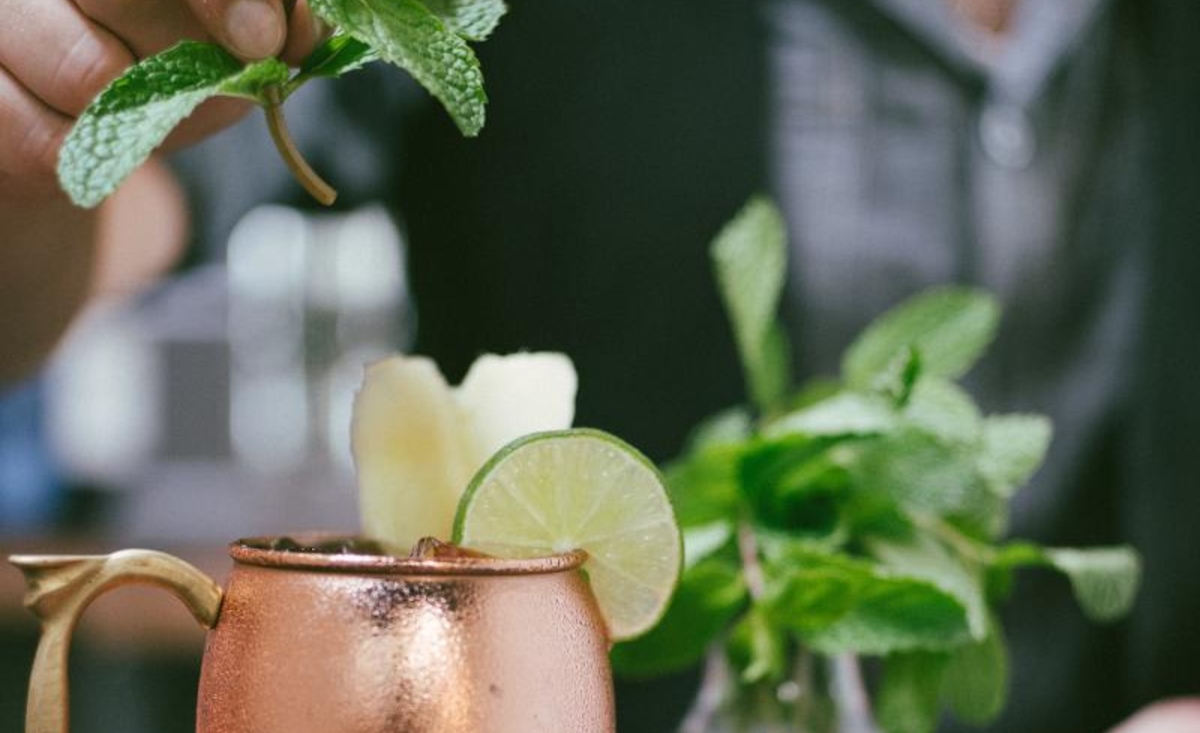
1 - Create product-specific taste and odour moments and surprise your guests, e.g. with a specially designed welcome drink that matches the concept of your hotel. One that tastes and smells unique.
2 - Enhance your restaurant and bar experience with multisensory elements and do not rely on good food alone. Remember, your guests experience your restaurant and bar with all senses, it’s a holistic experience for them. Take a look at the restaurant Ultraviolet by Paul Pairet in Shanghai. This is the first restaurant of its kind uniting food with multi-sensory technology to create an immersive dining experience where great food, light effects, sound, music, scents, cool air blow and other sensory parameters that come together to create the perfect dining experience. While this approach isn’t for everyone, it serves as an inspiration and reminder as to how important it is to appeal to more than just one or two of your guest’s senses.
3 - Taste and smell go hand in hand, if something does not smell good, it cannot taste great and vice versa. Taste without smell is virtually impossible and is also closely related to colour and shape. As such an on purpose designed aroma can be a highly effective brand “plus”. If the gustatory appeal is consciously orchestrated with the other sensory aspects it enables you to transmit a truly individual and very strong hotel brand message.
So, when you’re out and about next, be it in a restaurant, café, shop, hotel or supermarket, take a moment to see, smell, hear, touch and taste what’s around you. See what works, what doesn’t and think about how you can apply this to your hotel and brand.
As always, we look forward to hearing from you. Feel free to comment below as well as to share this blog post.Thank you and all the best for WOW-ing your guests via your distinctive smell and taste branding,
Your MA people
Ps.: In our next sensory branding blog post we will tap into acoustic branding and how you can create an emotional bond with your guests via music, tones and sounds. Can’t wait? Hop over to our MA people meets with Rob Wood, the Creative Director and founder of Music Concierge and learn in this blog post about the enormous power the sound of a place has.
 ke time for prosecco ke it happenke it meaningfulke good coffeeke it matterke funny jokeske it kindke it simpleke it count
Sign up for the MAp newsletter for practical insights on hotel branding, marketing, and sustainability, plus fresh thinking from our projects and new tools from our sustainability platform. Let’s move #onwards together.