sharing is caring

What is hotel positioning? And who decides what the positioning of your hotel is? Understanding hotel positioning is paramount for independent hoteliers striving for success.

In this insightful blog post, we delve into the intricacies of hotel positioning — answering the fundamental questions of WHAT it entails and WHO holds the reins in determining your hotel's positioning strategy. Let’s get started!
Untertitel
Learn how to successfully position your hotel on the global map
Blog main image
The importance of strategic hotel positioning for independent hotel businesses MAp Boutique Consultancy
Paragraphs

What is hotel positioning?

As you see in the following illustration, defining a hotel’s positioning is an essential part of every hotel concept we create at MAp Boutique Consultancy.

Once we know what your hotel’s unique Purpose is, and for which People your hotel exists, we embark on defining your hotel’s unique position on the MAp.

The importance of strategic hotel positioning for independent hotel businesses

Our hotel clients always get excited about this hotel positioning exercise. But, there is a small “downer” you should know: even if we strive to achieve a clear and unique hotel positioning, ultimately it is not us who decides what the hotel positioning is. The hotel positioning is defined by your People, above all, your guests, and this implies that your control over your hotel positioning is limited.
The importance of strategic hotel positioning for independent hotel businesses

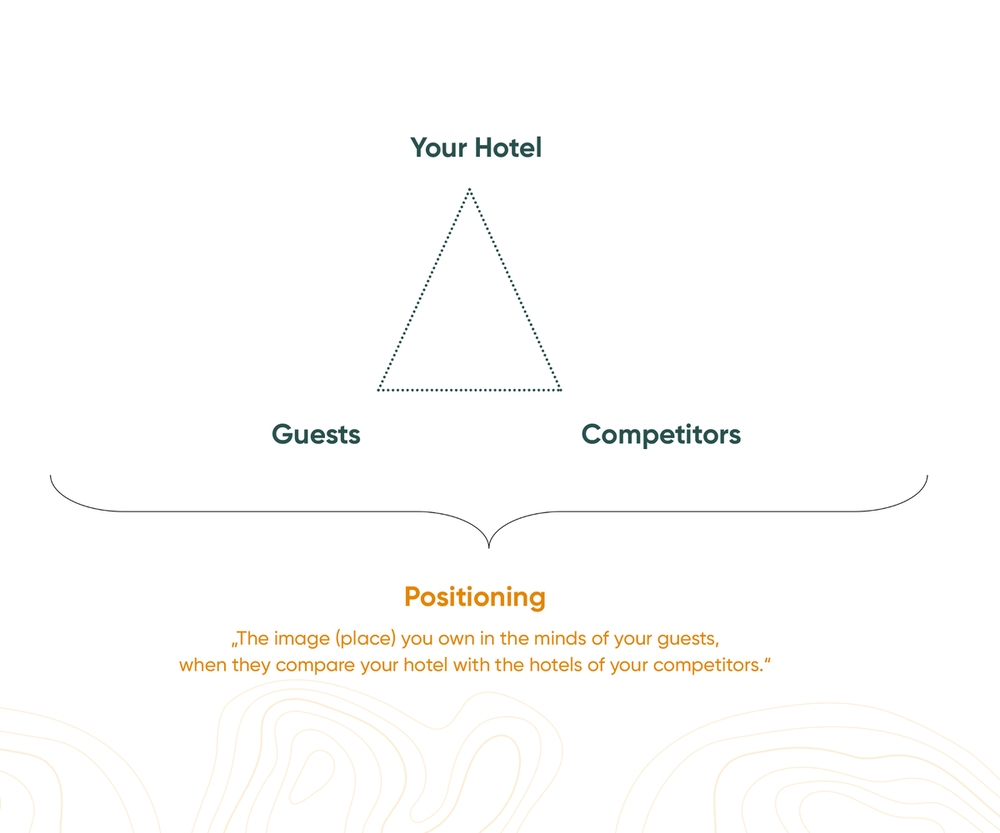
This triangle is called the “Strategic Triangle” that serves to identify long-term business advantages or, as we call it, success potential. Sometimes it is also called the 3C Model, showing the tension field and interplay (therefore we use a triangle) that consists between Customer, Competitor and Company.

And: hotel positioning is the image (place) you own in the minds of your guests, when they compare your hotel with the hotels of your competitors.

If you aren’t different, then you’re in trouble

Now that you understand what hotel positioning is, let’s walk step-by-step in how we at MAp define a hotel’s unique positioning. The fact is, we are experiencing a crowded marketplace. Therefore, we aim to achieve a hotel positioning that:

  • Focuses on relevancy
  • Focuses on differentiation from competition
  • Is credible and attainable
  • Finds a place on the MAp where you / your services are the only answer for a specific someone Now as the last sentence implies, to create your unique hotel positioning you MUST DEFINE for WHOM you are working / WHO this specific someone is.

Only if you have your defined buyer personas ready (= your target guests) you can answer an important question: How do you find your unique position on the MAp? Therefore, if you haven’t defined your buyer personas yet – now’s the time to do it!

Even if we strive to achieve a clear and unique hotel positioning,
ultimately it is not us who decides what the hotel positioning is – it’s the guest.
@weareMAp

Finding your unique position on the MAp

Next, you have to know on which MAp to position your hotel. When working with clients, we like to use a simple and effective positioning matrix. For the purposes of this blog post, let’s keep it simple, and that means you should decide if your MAp is i.e. boutique luxury hotels, family hotels, boutique city hotels, etc.

Once you have defined in which segment to position your hotel, most often you’ll realise that you’re not the first to do so! Even if you’re tapping into a growing market and seeking to serve your specific audience better than your competitors, our MAp advice is to keep digging and to add a further niche into the mix. And, of course, to strive to add something new and exciting to the segment and the hospitality landscape at large. 

How to create a positioning statement

Once you’ve defined your position on the MAp, it’s time to put it down in words. You can do so by crafting a hotel positioning statement. We’ll give you MAp’s positioning statement as an example.

MAp Boutique Consultancy

TO… Innovative investors and boutique hoteliers that need direction, empowerment and support in getting their ventures off the ground, levelling up and setting a strong foundation for growth

MAp IS… the leader in developing and empowering sustainable and innovative hotels and brands

THAT… makes hotels matter by creating a better future for People and Planet.

What’s yours?

TO… __________________________ (target audience / buyer personas) ________(your hotel) IS… __________________________ (your position on the map) THAT… __________________________ (what you will do for your target audience / buyer personas)

And another blog post comes to an end. Maybe we can summarise what we’ve learned today about hotel positioning best with a quote from Simon Sinek:

“In order to stand out, we have to know what we stand for.”

We hope that after our time together, what YOU stand for is much clearer. And if not, please do not hesitate to contact us in order to find your unique hotel positioning on the MAp.


Hotelmarketing

We market your innovative and sustainable hotel

Through our hotel marketing services, we position your independent and boutique hotel on the global MAp – in a unique, sustainable and authentic way.
Blog Block Image
The importance of strategic hotel positioning for independent hotel businesses MAp Boutique Consultancy

Add new comment

Comment

Order

Plain text

  • No HTML tags allowed.
  • Lines and paragraphs break automatically.
  • Web page addresses and email addresses turn into links automatically.
sharing is caring

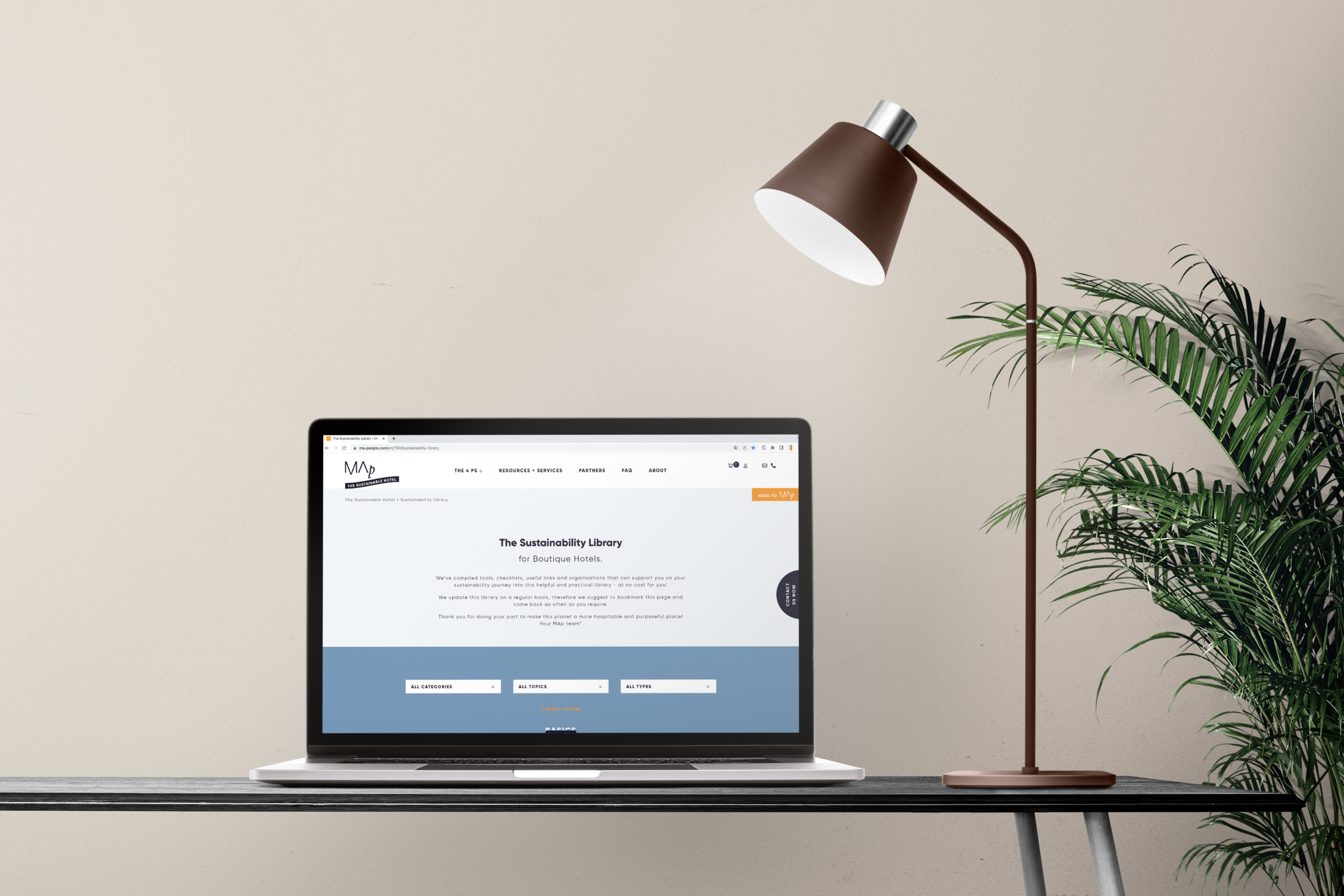
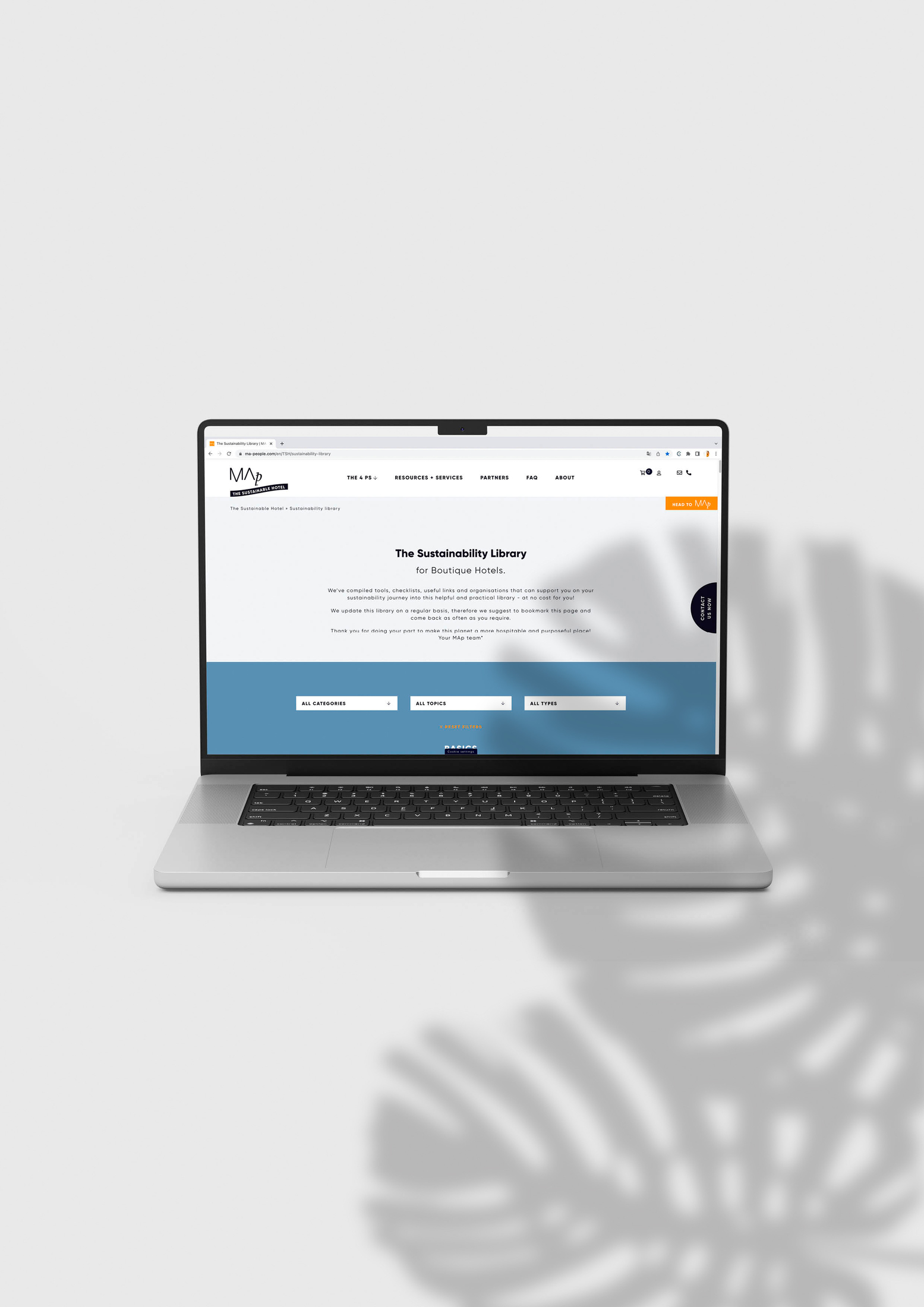
At MAp Boutique Consultancy, we support hotels in their launches and openings, ensuring that each establishment is equipped with the necessary tools for near-term and long-term success. Central to our strategy is the development of effective hotel websites, which are indispensable assets in modern hospitality marketing and communication.

In this blog post, we offer a guide to creating hotel websites tailored specifically for new openings. Whether you're embarking on a new venture or seeking to enhance your hotel’s existing digital presence, our aim is to help you achieve optimal results in this competitive landscape.

Untertitel
The 3 steps to launching your hotel website
Blog main image
How to create a first landing page for your new hotel MAp Boutique Consultancy
Paragraphs

When crafting hotel websites for new openings, there's a fundamental principle we at MAp adhere to every time: step-by-step. Why? Because each hotel launch comprises a multitude of distinct elements and puzzle pieces that gradually come together over time. This dynamic often means that launching a complete hotel website right from the start is rarely feasible.

On the other hand, the time constraint underscores the importance of swiftly launching your hotel website. This urgency is driven by the necessity to initiate your hotel sales and communication activities, while also configuring essential programmes and systems—many of which are intricately linked to your hotel website.

Create a unique website design
that matches your hotel positioning and speaks to your defined target audience.
@weareMAp

Step 1 – Create a landing page

The first step to tackle when launching a new hotel is to create a landing page. A landing (or launch page) is a simple page where you present the main information about your new hotel opening. It gives you a first presence in the World Wide Web and offers People the chance to learn more about your hotel, contact you or register already for your hotel newsletter.

However, this doesn’t mean your landing page needs to be simple. It’s important to be meticulous about using the right brand design, presenting your hotel in the best light (i. e. with beautiful renderings), and telling your unique story in an emotional way.

Step 2 – Set up your hotel website and system

Once your hotel landing page is online, and hopefully is already attracting attention and enrolling potential guests, employees and partners to your newsletter, you have to work on the following tasks and elements:

  • Full hotel website: Create a unique website design that matches your hotel positioning and speaks to your defined target audience. Also make sure that your tone of voice matches your hotel brand and that you clearly communicate why guests should stay at your hotel in a compelling and emotional way.
  • System and programmes: Start working early enough on all the other programmes that are connected with your hotel website. Be those your correspondence manager system, the property management system, channel manager, newsletter tool, etc. While your hotel landing page is online, you can organise the set-up and do the testing in the background.

Step 3 – Launch your new hotel website

The big day to make a big splash has come! And you should not waste the opportunity to make this launch event special. Some ideas to help you with your hotel website launch:

  • Create a launch countdown on your social media channels
  • Ask friends and partners to spread the word via their channels
  • Send a newsletter to your contacts to make them aware that your new website is online
  • Combine the hotel website launch with a real event
  • Inform press and media about your website launch

Are you in the process of launching or opening a new hotel and are needing a stand-out hotel website? Then don’t hesitate to contact us, we’d be excited to bring your unique hotel online and out into the world.

Set you apart from the sea of competition

We create your website

Through our hotel website services, we position your independent and boutique hotel on the global MAp – in a unique, sustainable and authentic way.
Blog Block Image
How to create a first landing page for your new hotel MAp Boutique Consultancy

Add new comment

Comment

Order

Plain text

  • No HTML tags allowed.
  • Lines and paragraphs break automatically.
  • Web page addresses and email addresses turn into links automatically.
Types
sharing is caring

Welcome to this blog post about an important topic close to our hearts: Hotel Marketing! It's not just an area of expertise for us; it's a passion that fuels our enthusiasm! So, let's dive into this subject. We'll explore the essence of marketing, debunk misconceptions, and unveil strategies tailored specifically to help small hotels and businesses to thrive. 

Untertitel
MAp specialises in empowering small and independent hotels, as well as businesses, to excel in their marketing endeavors
Blog main image
Hotelmarketing: Unsere Top 3 Tipps für kleine Hotels und Unternehmen MAp Boutique Consultancy
Paragraphs

Defining (Hotel) Marketing

As a hotel marketing agency, our initial step in any new collaboration is to establish a clear understanding of the dynamic landscape of marketing. It's essential to recognise that marketing has undergone substantial transformations over the past decades, adapting to changing consumer behaviours and technological advancements. Traditional marketing, the traditional method of developing, promoting and selling products or services, has been the cornerstone of marketing strategies for many years.

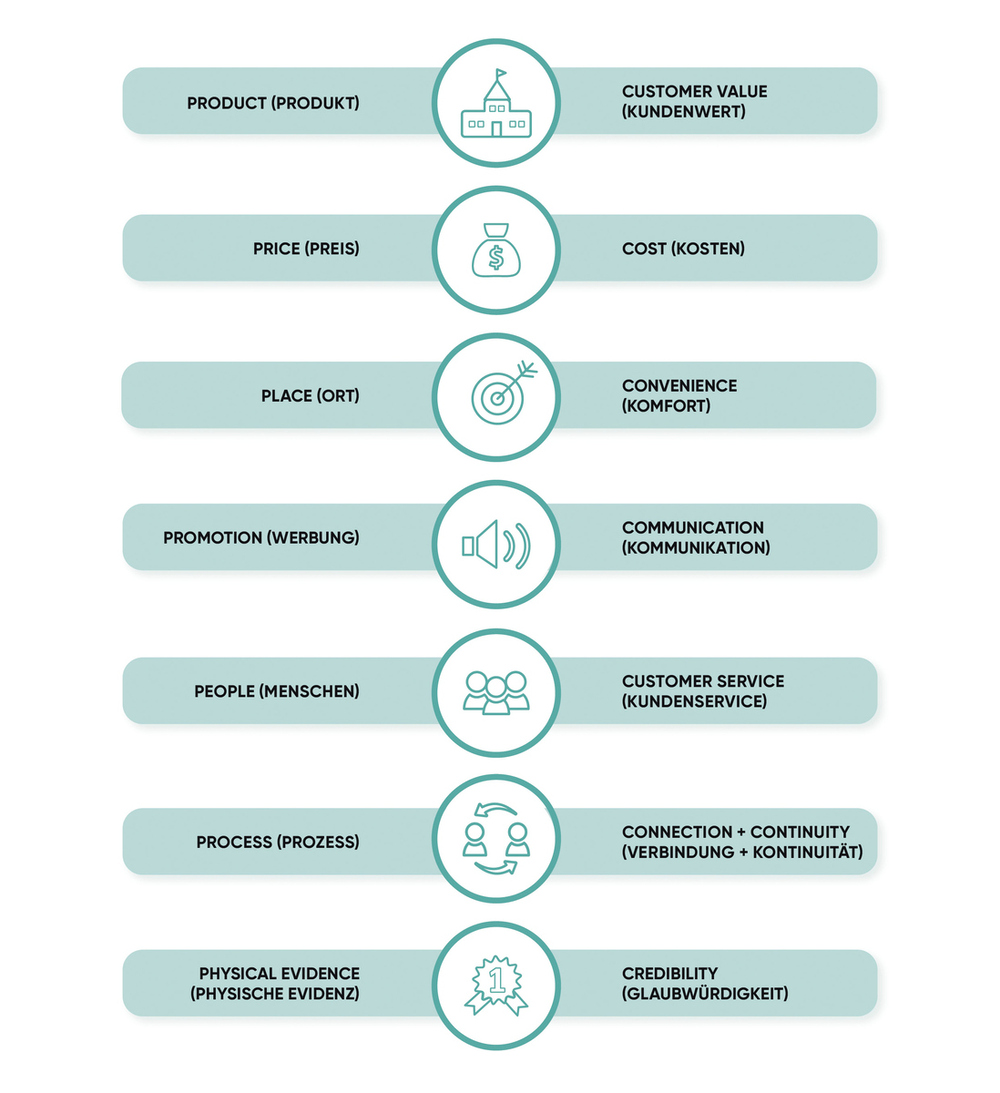
Initially focusing on the 4 Ps – Price, Product, Place, and Promotion – this approach has since evolved to encompass a broader spectrum and additional dimensions - like Physical Evidence, People, and Processes - forming what is commonly known as the 7 Ps.

However, it's crucial to acknowledge alternative perspectives in marketing. In 1973, Professor Koichi Shimizu introduced a paradigm shift with his innovative 7 Cs Compass Model. Unlike the company-centric focus of the Ps, the 7 Cs framework adopts a consumer-centric viewpoint, emphasising crucial elements such as Customer Value, Communication and Convenience (Carniel, 2022). This shift highlights the importance of aligning marketing strategies with the ever-changing needs and preferences of modern consumers.

Hotel Marketing: Our top 3 tips for small hotels and businesses
We encourage you to engage in marketing endeavours that you take pride in
– ones that address People's needs and contribute to creating a better world for everyone!
@weareMAp

For decades, the P and C models helped hotels and businesses to define their marketing mixes and align their marketing activities with their respective markets (as implied by the very term “MARKETing”).

However, it became increasingly apparent that the essence of traditional marketing began to veer away from its original intent – to glean insights from the market, develop products and services tailored to meet market needs, and enhance overall market value. Instead, there emerged a growing reliance on persuasion and manipulative messaging to compel consumers to purchase products or services.

Over the last decades, however, new marketing thought leaders have reshaped the definition and perception of marketing. Seth Godin (2019) defines marketing as follows in his ground-breaking book “This is Marketing”:

Marketing is the generous act of helping others become who they seek to become. Instead of selfish mass, effective marketing now relies on empathy and service. Marketing is not a battle, and it’s not a war, or even a contest. Marketing is the generous act of helping someone solve a problem. Their problem. Effective Marketing is about understanding our customers’ worldview and desires so we can connect with them. It’s focused on being missed when you’re gone, on bringing more than People expect to those who trust us. It seeks volunteers, not victims.

Our 3 Hotel Marketing tips for small hotels and businesses

1. Clearly define your hotel marketing budget

As a hotel marketing agency, we always say: you need to invest some money to make more money. And this totally applies to hotel marketing, where strategic investments yield substantial returns! Unfortunately, it’s too often that small and independent hotels never take the time to create a marketing budget.

Therefore, our MAdvice:

  • Define an annual marketing budget. As a rule of thumb, your hotel marketing budget should be between 8 and 12% of your hotel turnover.
  • Define the return on investment you expect, e.g. how many new guests, the ADR, the occupancy rate, etc.
  • And then, make sure to define HOW you will measure the ROI! Because, as we like to say to our clients: what you’re not measuring, you can’t optimise.

2. Hope is NOT a strategy

After defining your hotel marketing budget and your hotel marketing goals, it’s time to plan it out. Together with our clients, we start with a yearly plan and scheduling tasks, actions, outputs, per quarter. As a last step, we define top goals per month.

Our MAdvice: set monthly goals aligned with your quarterly goals. Be flexible about how you are going to reach them.

3. Don’t try to be everywhere – be specific

One of the biggest pitfalls we see hotels and small businesses fall into is trying to be “everywhere”. Let’s look at hotel social media to illustrate what we mean by this.

There are an array of social media channels out there, with every channel having its own rules, do’s and don’ts. All too often we see that hotel clients try to be on all of them, without realising that being specific and choosing the channels carefully, and planning the content out in detail on those important channels (= the channels your potential guests and clients are on), delivers much better results. Our guiding mantra at our hotel marketing agency is: Class over Mass!

Our MAdvice: choose your channels wisely, be focused and deliver the best content you can. Quality always wins in the long-run.

Bonus MAdvice: Don’t forget sustainability - and practice sustainable marketing!

As we highlighted earlier in this blog post, marketing encompasses seven key functions, often represented by the 7 Ps or 7 Cs. Let's delve into one of these functions in this concluding section: communication. Traditionally, marketing communication has been characterised as loud, paid, persuasive, and sometimes manipulative. However, if you aspire to elevate your hotel marketing for sustainable success, we at MAp advocate for one overarching principle: sustainability.

Sustainable Communication means you are communicating in a socially-responsible and ecological manner, with no negative impact to society, the economy and the Planet. The objective of Sustainable Communication is therefore to reduce the environmental and social footprint of communication activities and to make sure that all can profit from them.

We’re convinced that the future of marketing (AND hospitality) is sustainable, and you can learn more on this topic here. As always, we extend our gratitude for your commitment to #neverstoplearning.

After reading this blog post, we encourage you to engage in marketing endeavours that you take pride in – ones that address People's needs and contribute to creating a better world for everyone!

Hotel Marketing

We market your innovative and sustainable hotel

Through our hotel marketing services, we position your independent and boutique hotel on the global MAp – in a unique, sustainable and authentic way.
Blog Block Image
Hotel Marketing: Our top 3 tips for small hotels and businesses MAp Boutique Consultancy

Add new comment

Comment

Order

Plain text

  • No HTML tags allowed.
  • Lines and paragraphs break automatically.
  • Web page addresses and email addresses turn into links automatically.
Types
sharing is caring

In the ever-evolving hospitality industry, staying ahead of the competition and meeting the dynamic demands of travellers is paramount. One effective strategy that can breathe new life into a hotel's identity and boost its appeal is undergoing a hotel rebrand. But why is rebranding your hotel important, when should you consider it, and how does it work?

In this blog post, we’ll address these questions and provide you with a clear roadMAp for action, outlining five concrete steps to successfully rebrand your hotel. These steps will empower you to navigate the transformation process and make sure that your establishment remains a highly-desired choice for your guests.

Untertitel
When, why and how to successfully reinvent your hotel image
Blog main image
Hotel-Rebranding MAp Boutique Consultancy
Paragraphs

WHAT is a hotel brand?

First, let’s start with some basics: WHAT is a hotel brand? The answer to this question might seem obvious, but all too often as a hotel boutique consultancy, we realise at the beginning of a hotel branding or hotel rebranding process that it is misunderstood. Therefore, let’s start this blog post with a short definition of what a hotel brand is and what it is not:

A hotel brand is NOT only the hotel logo or the hotel visual design. A hotel brand encompasses a whole set of elements from the visual identity (i. e. your hotel logo, the type fonts you have chosen, the uniforms your employees are wearing), to the visual identity (i. e. your hotel name, slogan, tone of voice) to sensory branding (i. e. how your hotel smells and sounds). In addition to these tangible elements, it includes intangible ones too, like your hotel’s vision, mission and values, which make up your hotel brand’s foundation.

In other words, your hotel brand is the way your hotel products and services are perceived, and therefore, hotel branding encompasses every action your business takes that creates a unique identity in the minds of your potential audience and other People (such as team members, partners, the local population).

Altogether, your brand is a reason to choose your hotel over a competing hotel. That’s why at MAp we like to quote Steve Forbes: “Your brand is the single most important investment you can make in your business.”

WHEN to consider Hotel Rebranding

It’s essential to understand when and in which situations rebranding your hotel might be the right choice for you. Over the last decade working as a creative hotel agency, we have identified the following top 5 indicators that it might be time to reinvent your hotel brand:

1. Market Trends and Shifting Demands:

It's vital to keep a keen eye on market trends and shifting guest demands. Recognising new preferences and emerging opportunities in your target market can signal the need for rebranding of your hotel. Pay attention to guest feedback and reviews, as they often provide valuable insights into the need for change. Over the last years, one of the biggest market trends and shift in demands we have seen is “Sustainability”. Therefore, at MAp we are not only creating stylish and unique brands, but sustainable ones too. You can learn more about sustainable hotel branding in this blog post.

2. Hotel Life Cycle:

Consider where your hotel stands in its life cycle. Because rebranding can be a strategic move, moving your property i. e. from a new establishment to an established one. Or doing a rebranding can be a strategic choice when a hotel undergoes a change in ownership or management, it's often an opportune time to rebrand to reflect the new direction, vision and strategy of the hotel. The same goes for property renovations or expansion.

3. Declining Occupancy and Revenue:

If your hotel is consistently experiencing a decrease in occupancy rates and revenue, or a deluge of bad reviews, it may be time to rebrand to attract a different customer segment or revitalise your image. However, as a hotel creative agency that develops innovative and sustainable hotel concepts, we emphasise that when talking about declining occupancy and revenue the issue often lies deeper. If you are not clearly positioned in the market or do not have a distinctive hotel concept, a rebranding might not help you in the long-run without the strategic groundwork being done as well.

4. Outdated Brand Image:

If your visual identity and elements, such as logo or interior décor, no longer align with the target market's expectations or the current design trends, it may be time for a hotel rebrand to create a more contemporary and appealing image. Also, here it is important to check on the other brand elements and evaluate if they need a refresh too.

5. Market Competition:

Increased competition in your destination or segment may require you to rebrand to stand out and differentiate your hotel from others, showcasing unique features or experiences. This is also always a good time to check on your hotel positioning and hotel concept.

WHY Rebrand Your Hotel

So, why should you consider rebranding? The answer lies in the potential benefits.

  • To make sure that competition is not drowning you out: Rebranding can give your hotel a competitive edge. Not rebranding can leave you falling behind in a highly-dynamic industry.
  • To align with a new vision: Ensure that your branding aligns with your hotel's evolving vision. Case studies of successful rebranding efforts can serve as inspiration.
  • To reach your desired customers: If you're not attracting your desired customer demographic, it might be time for a rebrand. Understand how rebranding can directly impact the guest experience and how improved amenities and services can create lasting impressions.
  • To ensure boosting Profit: Rebranding isn't just about aesthetics; it's about the bottom line. Data shows that successful rebranding is likely to lead to increased Profit as well.

HOW: 5 Steps to Rebrand Your Hotel

Now that we've explored WHEN and WHY rebranding your hotel is essential, let's dive into the HOW - to ensure your transformation is not just an idea, but an effectively-implemented reality.

1. Evaluate your hotel concept and your hotel positioning:

As we say at MAp Boutique Consultancy, first the concept, then comes the rest. This means that you must be very clear about your strategic definition, your hotel positioning in the market, etc. Only then you can derive from it a hotel brand (or can conduct a hotel rebranding) that is sustainable and delivers long-term success.

2. Approach your rebranding holistically and collaborate with a creative agency or hotel consultancy:

Visual Identity and Design: Beautiful things make people happy. Therefore, in this area you can redefine a new or refresh your existing logo, colour schemes, type fonts, etc. Verbal Identity: Does your hotel brand “sound” like every other? Is your slogan strong or weak? Have you identified keywords and statements to repeat in your communications? Is it time to define your unique tone of voice? Sensory Branding: How does your hotel smell and feel? Does it reflect your hotel brand and is it curated? We have created a series of blog articles that gives you further insights on how your hotel can win at sensory branding.

When you recognise that your hotel needs a change or a refresh,
it's not an admission of fault but the first step towards enhanced success.
@weareMAp

3. Think toward the hotel rebrand implementation early on:

As you know by now, at MAp we create sustainable brands. This means that right at the start of a hotel rebranding process, we think about HOW to create a hotel brand that is flexible and can be implemented in a sustainable way = using resources in the most efficient way.

4. Communicate your hotel rebrand internally before you communicate it externally:

Ensure that your staff is well informed to align with the new brand identity. Explain why the hotel rebrand was necessary and how the new brand supports the strategic objectives of your hotel. Also make sure that relevant team members know how they must use and implement the new hotel brand.

5. Launch your new hotel brand the right way:

Use your hotel rebrand to make a big splash. Create an emotional story about the why and the what = what you are expressing with your new hotel brand, what you stand for (your Purpose) and for whom you are the best choice. Engage with both current and potential guests through various channels to generate anticipation. Find important insights about Storytelling HERE.

And then?

Once we launch a new hotel brand in the market, we continuously gather feedback and measure the success of the hotel’s rebranding efforts. This gives us important insights on how we can further optimise the hotel branding, and of course, the success of the hotel business.

Rebranding a hotel is a pivotal decision that should be approached with careful consideration and meticulous planning. A well-executed hotel rebranding effort can breathe new life into a property, attract a broader and more loyal customer base, and rejuvenate a hotel's financial performance. On the other hand, a mismanaged rebranding can lead to confusion, alienate existing customers, and result in significant financial losses. Therefore, getting rebranding right is of paramount importance.

Hotel Branding

Make your hotel matter

If your business is the body, your brand is the soul. MAp Boutique Consultancy crafts sustainable hotel and hospitality brands that are purpose-driven and sustainable, rooted in beauty and authenticity. That’s how we make your brand matter.

Blog Block Image
Hotel-Rebranding MAp Boutique Consultancy

Add new comment

Comment

Order

Plain text

  • No HTML tags allowed.
  • Lines and paragraphs break automatically.
  • Web page addresses and email addresses turn into links automatically.
sharing is caring

It happens regularly that we’re asked about WHAT MAp is. Are we a creative hotel agency? A hotel branding firm? A hotel marketing agency? Or are we a hotel consultancy?

Over the last 10 years, we’ve asked ourselves these questions too, and today we share with you our thoughts about WHAT successful hotel consulting is, HOW we approach hotel consulting at MAp and WHY and WHEN hoteliers should consider collaborating with a hotel consultancy.

Untertitel
What it is and why it might be for you
Blog main image
Hotel-Consulting Hotelberatung MAp Boutique Consultancy Zurich Switzerland
Paragraphs

When we started MAp approximately 10 years ago, we avoided the term “hotel consulting” or “hotel consultancy” nearly entirely. Why? Because coming from management and operational roles in boutique and independent hotels, we collaborated with many hotel or hospitality consulting firms and felt we got a lot of “blah blah blah” without any practical grip. That the ideas seemed to be good on paper, but there was no way (or not enough budget and/or wo-men power available) to make them work in real hotel life.

But then in 2020, we started our own rebranding and repositioning process, and by talking to clients and partners we realised that at the core of it all we ARE a hotel consulting agency offering an array of helpful services to independent and boutique hoteliers.

Only then, we added the term to our brand name “MAp Boutique Consultancy,” and officially labelled MAp a hotel consulting firm. However, not without first making sure that we approach hotel consulting in our own unique MAp style :-). 

HOW do we approach hotel consulting at MAp?

Based on our deep experience in operational and management roles in boutique and independent hotels, as well as in branding, marketing and web agencies, there are a few basic rules we follow at MAp when consulting hotels:

1. Our hotel consulting is practical and actionable!

Yes, as part of our hotel consulting services we share theoretical insights, market data, trend forecasts, etc. However, we elaborate the content in such a way that our clients and hoteliers can work with it = that they understand what all this means for their hotel operations and team members in terms of goals, action steps, initiatives, etc. If it is not practical and actionable – it is NOT happening.

2. #Stepbystep This is one of MAp’s core mantras for a reason!

Successful and sustainable hotel consulting is a process and needs to be adapted to operational realities as well as to the timing and rhythm of hotel clients. Only if the approached topics build on each other and hotel consulting is seen as a #stepbystep process, we can achieve sustainable success and keep the involvement and motivation of our clients and hotel team members high.

3. Everything is figuroutable.

Every hotel is a microcosm on its own. Sometimes it feels like a small little village with its own culture and dynamic. And even if there are some basic rules that apply to every hotel business, there are also individual problems that need to be addressed with tailormade solutions. And this is something we truly love about our job as hotel consultants: To dig deeper, to explore new options, to look at other industries, to find partners and the right inspiration. Because something we have proven over and over again to ourselves and to our clients is: Everything is figuroutable! Thank you Marie Forleo.

See hotel consulting not only as a potential tactic to solve your problems
but to bring your hotel and business to the next level.
@weareMAp

WHEN and WHY should hoteliers consider collaborating with a hotel consultancy?

Now of course you might ask: Is it time for me to collaborate with MAp as a hotel consultancy? The answer is yes, if:

1. You need expertise and knowledge.

That’s the number one reason that clients start collaborating with us. They need expertise they just don’t have in-house. For example, when they want to rebrand their hotel, strengthen or evaluate their hotel positioning, or the moment when they embark on a hotel development process.

2. You need an external point of view

As a hotel owner or manager, you are so deeply involved in operations or working for so many years in the same hotel, that you turn “operationally” blind. When you realise that you are not able anymore to evaluate situations in a subjective way, it’s time to bring in an outside perspective.

3. You need extra wo-men power and/or a sparring partner

Especially when collaborating with independent and boutique hotels, we see that we don’t only act as external consultants, but quickly turn into an external department that supports the management and various department heads with a wide array of services. We also realise how helpful it is for our clients to have someone sitting “outside” they can approach with questions and as a sparring partner.

We hope this blog post gave you some good insights on HOW we approach hotel consulting at MAp, and when it might be time for you to start a hotel consultation to optimise your results.

Before we sign off, our last piece of advice for you: Consider hotel consulting BEFORE the sh*t hits the fan. Unfortunately, we’re often approached by hoteliers when the situation is already more than dire and hotel consulting is equal to cost-cutting in order to survive in the short-term. Don’t let that happen and invest in hotel consulting and strategic guidance well ahead. See hotel consulting not only as a potential tactic to solve your problems but to bring your hotel and business to the next level.

4. Keep it positive and inspiring!

One thing we learned right away when we started our hotel consultancy is: the HOW often matters more than the WHAT. Of course, we must know our job and deliver expert advice, but one thing that attracted and retained clients over the years was our spirit of unshakable optimism and expressing this positivity in our work (BTW: positivity is one of our leading values). Therefore, the fourth of our basic rules of hotel consulting is to add positivity, playfulness, and some colour and inspiration to our work.

5. Set new goals and objectives every year.

As we mentioned earlier, hotel consulting is a process, and with some of our clients we collaborate for many years. Therefore, it is of utmost importance to keep it fresh and creative. To set new objectives at the beginning of every year to keep everybody involved motivated and thriving. It’s critical to continuously learn and grow together to achieve the best results.

Hotel Concept Development

First the concept, then comes the rest

A sustainable hotel concept helps you to gain clarity, use resources efficiently, plan ahead, stand out from the crowd, build alignment and, ultimately, create a better future for your hotel – and for people and planet.

Blog Block Image
Hotel-Consulting Hotelberatung MAp Boutique Consultancy Zurich Switzerland

Add new comment

Comment

Order

Plain text

  • No HTML tags allowed.
  • Lines and paragraphs break automatically.
  • Web page addresses and email addresses turn into links automatically.
Types
sharing is caring

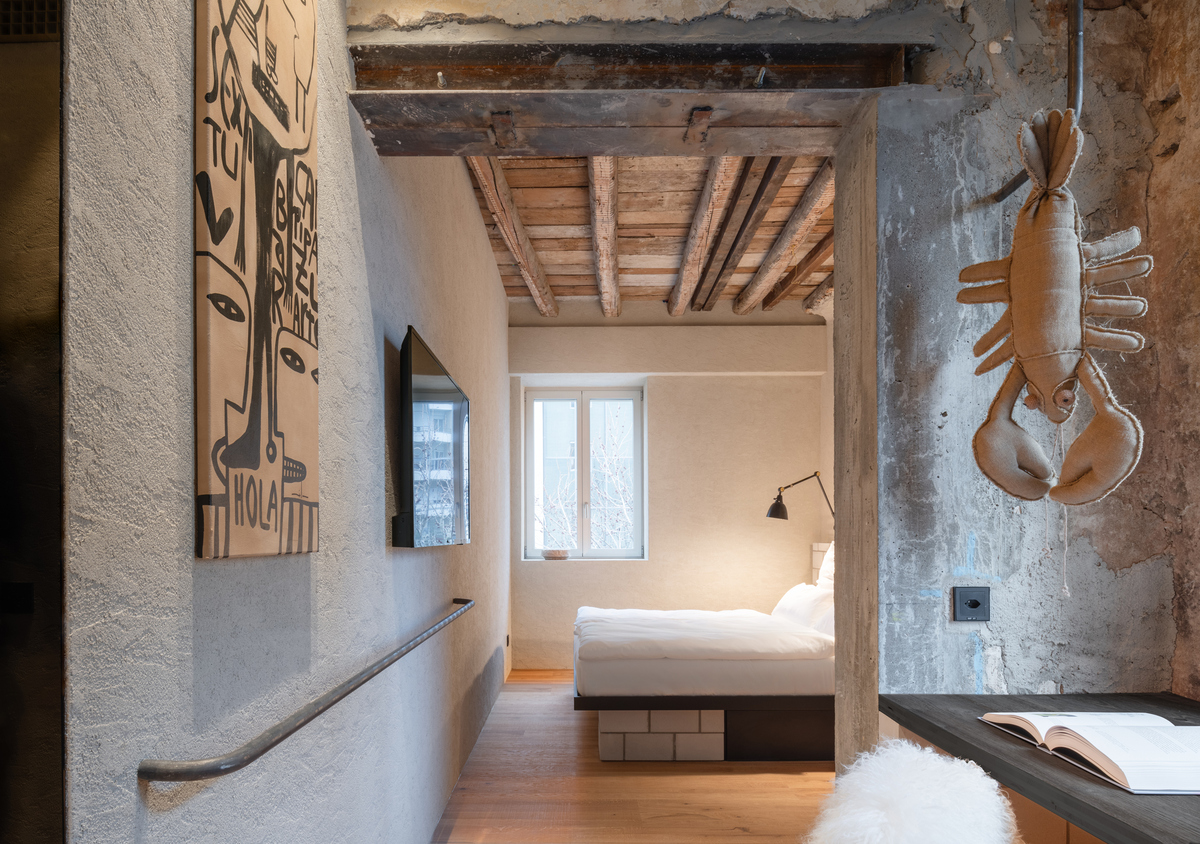
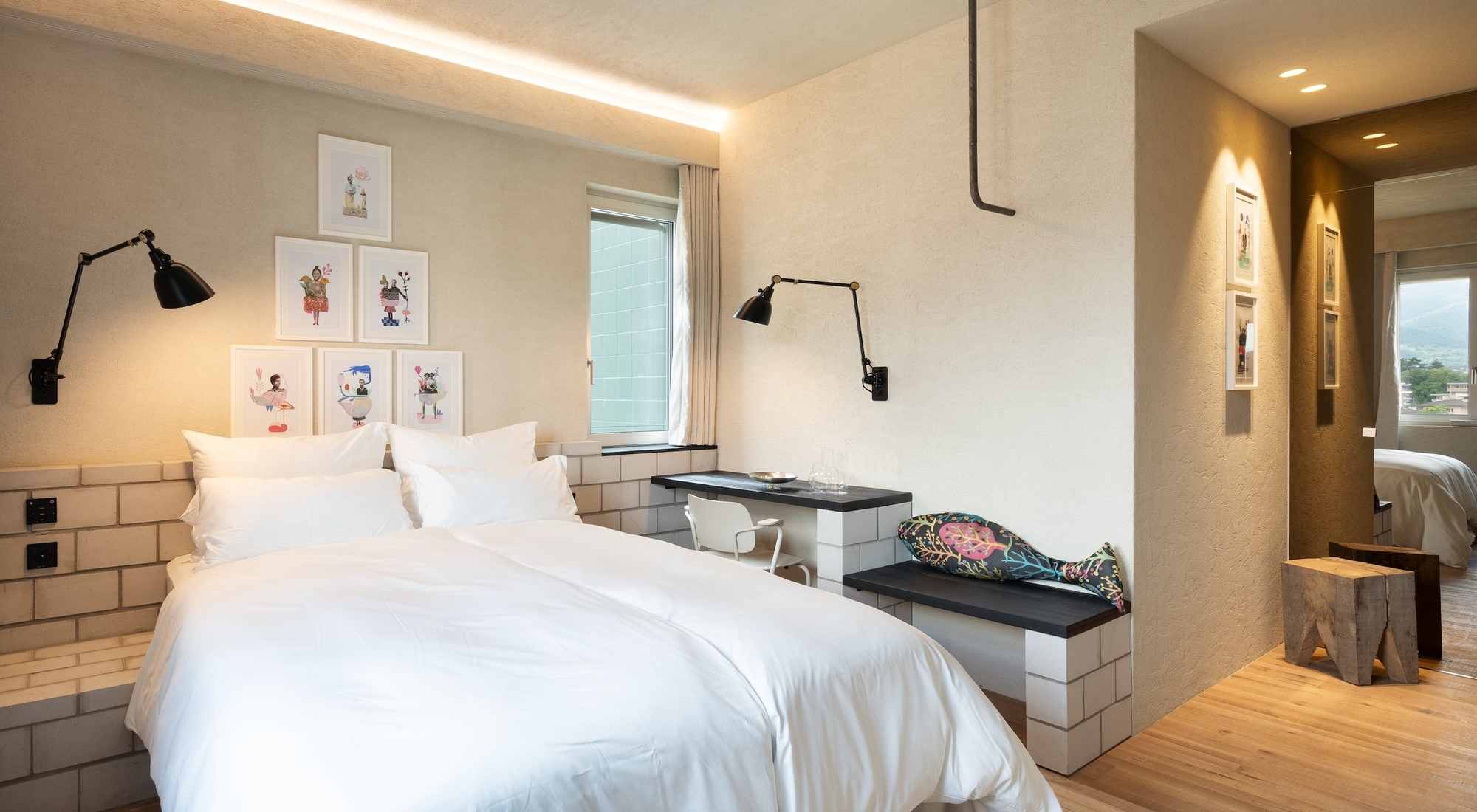
Development of a hotel brand and marketing strategy for a city hotel in Lugano, Switzerland.

Main-Image
B5 Boutique Hotel Lugano MAp Boutique Consultancy Zurich
Location
Lugano, Switzerland
Timeline
2023 – ongoing
Type
Innovative, urban boutique hotel
Purpose
To create a unique Place to B where everyone feels safe and welcome
# of Rooms
20
Tag it
#B5hotel #YourPlacetoB #DolceVita
Paragraphs

A stylish hotel brand that reaches new architectural heights in Lugano

Destination: What We’ve Achieved

Destination: What We’ve Achieved

  • Successful opening of the B5 Boutique Hotel 
  • Clear positioning in the market as stylish newcomer
  • Design of the creative and unique B5 Boutique Hotel website
  • Launch of the B5 Boutique Hotel sales and communication channels

B5 Boutique Hotel Lugano MAp Boutique Consultancy Zurich

MApping the Way: Our Road to Success

B5 Boutique Hotel Lugano

#Togethertime

Nestled in the heart of Lugano, the B5 Boutique Hotel emerges as a premier destination for design enthusiasts, art aficionados, and those seeking culinary delights. Conceptualised by the visionary architects at DF_DC, the B5 Boutique Hotel represents more than just a place to stay; it embodies a dedication to style and sustainability. The B5 Boutique Hotel strives to offer guests an experience that captivates the senses while also prioritising environmental mindfulness.

Thank you Alexandra and Daniel for allowing us to accompany you on this incredible journey!

Our vision was to create a place of retreat that reflects the charm of Lugano – a mixture of cosmopolitan flair,

contemporary elegance and a warm atmosphere.

Dario Franchini, Architect B5 Boutique Hotel Lugano
Weight
-100
Title for Show next
Welcome to B5 Boutique Hotel Lugano
Show Blocks
sharing is caring

We at MAp Boutique Consultancy believe brands themselves can be (and should be) sustainable. Over the last year, we’ve seen an increase in requests for creating sustainable hotel brands, which as a B Corp-certified agency, makes us very happy!

The fact is, consumers are no longer content with mere transactions; they seek stronger connections with brands that align with their values. As a result, brands are under increased scrutiny to not only provide high-quality products and services but also demonstrate their commitment to people and planet.

In this blog post, you’ll learn how to create a sustainable brand by:

  • Applying MAp’s 4 Ps of Sustainability
  • Developing well-designed visual identities
  • Auditing your supply chain
  • Choosing eco-friendly marketing materials
  • Following the principles of sustainable communication
Untertitel
Your blueprint for your brand's success
Blog main image
Schritt für Schritt zum nachhaltigen Branding
Paragraphs

What exactly is a sustainable brand?

Sustainable branding focuses on integrating sustainability into a brand's identity, values and practices. It goes beyond the superficial use of eco-friendly imagery or slogans and requires a deep commitment to environmental, social and economic responsibility. A sustainable brand has the power to influence change, drive consumer loyalty and inspire positive action.

Now that we've established the importance of sustainable branding, it's time to explore how to create a sustainable – and successful - brand.

Here's MAp’s step-by-step guide to help you get started:

1. Apply MAp’s proprietary framework on sustainability, aptly titled MAp’s 4 Ps of Sustainability: Purpose, People, Planet, Profit.

For every brand we create, we approach it holistically through the lens of the 4 Ps to determine how we can best portray a hotel’s Purpose, inspire and uplift its people, minimise its impact on the planet and economically benefit all of its stakeholders. When you enter into a (re-)branding process, we recommend to keep these 4 Ps close to you and ensure they are reflected in every aspect of your brand – from its visual identity to its verbal identity.

2. Develop well-designed visual identities that stand the test of time and are functionally adaptable.

Not only are branding or rebranding exercises a big commitment (financial and otherwise), they necessitate the production of new marketing materials and the elimination of old ones (= more waste).

When you practice sustainable branding, you overcome this by creating a visual identity that is timeless and therefore avoids becoming quickly outdated - instead, it grows with your business across existing and future product lines, projects, subsidiaries and more.

3. Audit your supply chain to source from sustainable suppliers, wherever possible.

Sourcing materials and services from responsible partners is essential – they should align with your sustainability values and meet your sustainability expectations. Beyond that, though, it’s important to give opportunities to small businesses, local ones, and those owned by women and people of colour when possible.

Also check if your partners have sustainability certifications in order to make sure that they walk the walk too!

Sustainable branding goes beyond the superficial use
of eco-friendly imagery or slogans and requires a deep commitment to environmental, social and economic responsibility.
@weareMAp

4. Choose eco-friendly marketing materials.

Today, there are many options for choosing environmentally-friendly materials and packaging, from biodegradable paper to eco-friendly printer ink. For your marketing material, we suggest to research and find the best partners and products to make your sustainable brand happen.

5. Follow the principles of sustainable communication and create an emotional connection with your audiences.

The brand verbal identity and messaging we develop follow MAp’s 10 Principles of Sustainable Communication: transparency, inclusiveness, cultural sensitivity, clarity, responsibility, authenticity, progress, relevance, inspirational, ethical.

We also recommend to employ emotional storytelling techniques to connect and appeal to audiences – not just your guests, but also your employees, partners and local community members. By following these steps, you can create a sustainable brand that not only resonates with your stakeholders but also empowers positive change in the world, making your brand a force for good.

The Sustainable Hotel Handbook: Communication

Master your brand's sustainability communication

Learn how to effectively communicate your sustainability activities with the help of MAp’s 10 Principles of Sustainable Communication and other practices to mitigate greenwashing and achieve more success.

Blog Block Image
A step-by-step guide to sustainable branding

Add new comment

Comment

Order

Plain text

  • No HTML tags allowed.
  • Lines and paragraphs break automatically.
  • Web page addresses and email addresses turn into links automatically.
Types
sharing is caring

No, we're not talking about Rihanna’s hit song! Umbrella brands are those names used by a range of different but related products. Increasingly important for our hotel clients, and no doubt you, we want to share our 5 key pieces of MAdvice.

But first we want to take you back to 2014. Our client approached us with a very specific request: he needed our support in creating an innovative, distinctive and impactful hotel umbrella brand. Fast forward to today: Pulse Hotels & Resorts is in full swing and their first property, Kandima Maldives, is generating a huge buzz in the market and fabulous media coverage.

Creating this hotel brand from scratch was exciting and challenging at the same time. If you are planning a visionary hotel umbrella brand, this blog post is for you. Here are our five key questions you need to answer to build a successful hotel umbrella brand that generates value for customers, as well as service and cost benefits for you:

Blog main image
MAp Boutique Consultancy - How to create your umbrella brand within the hospitality industry
Paragraphs
The more differentiated and distinctive your hotel umbrella brand is,
the less likely your customer will switch to a substitute.
via @weareMAp

1 – Do I really need a hotel umbrella brand?

It’s not a simple undertaking. In fact, it’s far from it. Creating a hotel umbrella brand means that you have an additional brand to take care of, which of course results in extra administrative, operational and business costs as well. Not only that, you will need to invest additional time and resources to make sure that the hotel umbrella brand is respected and reflected in your sub-brands always and in all ways. However, if you plan to unite diverse hotel brands under one umbrella, a well-designed and holistically implemented hotel umbrella brand will enable you to gain credibility and trust, build brand awareness, achieve brand recall, and above all, establish an emotional connection with customers and ultimately generate higher returns on investment.

2 – What are the goals for my hotel umbrella brand?

It’s time to get down to the nitty-gritty detail. What issues are you struggling with that the envisioned hotel umbrella brand is solving for you? Back in 2014, we realised that by creating Pulse Hotels & Resorts, our client would benefit from a stronger standing and impact in the market with an umbrella brand in place for the launch of its first property. Furthermore, the defined and implemented hotel umbrella brand structure would facilitate the launch of additional properties as well as enable benefits from operational synergies. Your answer may differ as the reasons for creating a hotel umbrella brand vary. However, be clear on your specific goals because they lay the foundation for all the steps that follow.

3 – How will the individual sub-brands relate to each other?

When looking at global players, the different sub-brands are all branded in the same way, have the same standard and the same set of amenities. Think of Accor Hotels as the umbrella brand and ibis as its sub-brand. Only by hearing the name “ibis” do you exactly know what the logo looks like, and what bath amenities and general operational standards you can expect.

From the beginning, it was clear that for Pulse Hotels & Resorts, we wanted to follow another approach. Our promise to guests is that all of the sub-brands hold the same brand values and deliver innovative experiences in their segment. However, at the same time, they are branded individually, appeal to other guest segments and are refreshingly different in their own specific ways.

4 – What is at the heart of my hotel umbrella brand?

Don’t forget what hotel branding is all about: it’s about identifying the true nature of your hotel umbrella brand, and consequently as well as continuously, differentiate it from others. Why? Because the more differentiated and distinctive your hotel umbrella brand is, the less likely your customer will switch to a substitute.

If you opt for uniform sub-brands, the core of your hotel brand might be to clearly define your buyer personas and afterward derive a standardised classification, facilities and services from it. For example, the budget 4-star hotel group for Millennial business travellers with contemporary business facilities and 100% natural amenities.

At the core of Pulse Hotels & Resorts – a hotel brand that prides itself on being innovative and forward-thinking – are innovative and forward-thinking brand values: “The Pulse Hotels & Resorts values are at the very core of the company. They reflect what the company is about, how it conducts itself and where it strives to be: smart, playful, rooted, responsible and human.”

5 – How do I implement and bring to life the hotel umbrella brand?

Our MAdvice: start from the top. Start with defining the basics for your hotel umbrella brand. Only when you are clear on your objectives, architecture/strategy and brand core, can you start working on the sub-brands.

This approach also led us to develop two very distinctive sub-brands for Pulse Hotels & Resorts after the hotel umbrella brand had been defined. Kandima Maldives, the first Pulse Hotels & Resorts property that opened in 2017, is a game-changing lifestyle (desti)nation where guests are invited to relax, reconnect, refresh and rediscover their sense of adventure. Hiriyafushi, the second Pulse Hotels & Resorts property, sets new standards in high-end hospitality in the Maldives through its innovative concept and approach, offering guests a premium luxury experience that is second to none.

Our final MAdvice: think long-term. Don’t think of your hotel umbrella brand as an object that is created, launched and immediately generates returns. Think of it as a living being that needs dedication, patience, and guidance to define its personality. It is something that grows over time and needs to prove its qualities to people (guests, partners, employees) before it creates an emotional connection and ultimately generates returns.

Blog Block Image
MAp Boutique Consultancy - How to create your umbrella brand within the hospitality industry

Add new comment

Comment

Order

Plain text

  • No HTML tags allowed.
  • Lines and paragraphs break automatically.
  • Web page addresses and email addresses turn into links automatically.
Types
sharing is caring

🎧 Prefer listening to reading? Listen to the article here. ▶️ 


Owning a hotel is a life dream for many. However, the path to realising this dream is far from straightforward. Along the way, there are numerous challenges, obstacles, and pitfalls that can make or break your journey. This is where MAp’s expertise developing sustainable and innovative hotels comes into play.

With our MAdvice, we’ll show you how to turn that dream into reality, by helping you understand how to start a sustainable hotel business. From crafting a compelling hotel concept that sets you apart in a crowded market to creating a financial plan, this blog post will equip you with a well-defined roadmap.

The result? A hotel that embodies your vision, values and commitment to sustainability.

Untertitel
What it takes to create a hotel that is built with purpose – and for the future
Blog main image
Wie plane ich ein nachhaltiges Hotel?
Paragraphs

MAdvice 1: To launch and run a successful hotel business, you must start with your unique Hotel Concept

All too often, hoteliers and hospitality brand owners approach MAp for support only AFTER the (disappointing) launch of their new hotel. The reasons may vary: They don’t receive recognition in the market, they have difficulty attracting (the right) guests, they invest heavily in sales and communication but without the results they expect… the list goes on.

What 95% of these new hotel business owners have in common: they started the project with the wrong first step (have you heard the saying, “show me how your project starts, and I will tell you how it will end?”). When starting their hotel business, they look to architects and interior designers for plans, or go to design agencies for logos and hotel branding.

But what should be the first step in how to start a hotel? Developing your unique hotel concept! Your hotel's concept is the cornerstone upon which your sustainable hotel business will thrive. It's the essence of your brand, a reflection of your vision, and the blueprint for your hotel's future.

Investing the proper time, money and resources into developing a hotel concept will have the biggest return on your investment in the long-run.

So how do you create a hotel concept? Start with WHAT you would like to create - and answer the following questions. For what do you want to be known? For whom do you want to exist? What is your dream – your wish for the future? What kind of guests do you want to welcome in your hotel? What is your niche? What is your differentiator? What are you going to do to make this Planet a better place for all? Only when you know what your hotel stands for, can you start with the right architect or design agency, align them on your hotel concept, and bring it to life together.

If you wish to learn more about how to create a hotel concept, HERE’s our full blog post.

MAdvice 2: Get your basics right and plan for the long-run

At MAp, we work with hoteliers who have been in the hospitality industry for decades, and those who are entering the hospitality industry for the first time after finding success in other areas.

Those hotel owners who are successful and more profitable in the long run, get their basics right straight from the beginning, planning for sustainable and long-term success vs. fast return of investment.

It’s not difficult to find a hotel business plan template online somewhere that covers the most important facts. But from our experience, when putting your financial plan together, you should consider the following basics:

  • Most new hotel projects open later than expected. So, include various opening phases (from soft to official launch) and do not rely on cashflow generated during the first months of opening.
  • Calculate enough budget for the pre-opening phase: for pre-opening sales and communication, for hiring and training employees, for partnership and collaboration fees, etc. You only have one chance to make a first impression. However, all too often funds are not planned properly, and so in this most important phase, you’re not able to stand out in the market.
  • Pay yourself and your People well. From our experience working with family-run properties, we see that family members’ salaries are not calculated properly. This means that, if you were to look at the numbers closely, your business wouldn’t be a profitable one. Therefore, if you intend to run the hotel on your own: calculate your manager salary, as well as the salaries of all the family members involved in the business. If you intend to hand over the running of the hotel to a hotel manager, calculate that salary in.

Do the numbers add up? Does this new hotel project still make sense to you? Then #onwards to our last MAdvice

Starting a sustainable hotel business is a journey that requires careful planning,
unwavering commitment, and a forward-looking perspective.”
@MApBoutiqueConsultancy via @werareMAp

MAdvice 3: Successful hospitality projects rely on strong, long-term partners

In a world where things change overnight, you need strong, long-term partners whom you can trust and rely on to start your sustainable hotel business. One wrong partner can cost you time, money and nerves. Looking at your unique hotel concept: Who best align with your concept and can bring it to life? Which partners have the same values and ambitions as you? With whom do your feel comfortable talking and spending time (you don’t do business with companies, you always do business with People)? Who can move your projects to the next level vs. just execute them? Make sure to build a diverse team, because as recent studies show, diverse teams drive profit too!

Bonus MAdvice: Put sustainability at the centre of your new hotel business

We are firm believers that in order to succeed in the future, your hotel must be a sustainable hotel. The hospitality industry is evolving, and in this era of conscious consumerism, sustainability is no longer just a buzzword but a crucial aspect of any successful hotel business! Sustainable hotels are not only conscious stewards of our Planet and People, they also outperform their counterparts in numerous ways.

Sustainable hotels:

  • Appeal to a growing demographic of eco-conscious travellers
  • Enjoy cost savings through energy efficiency and waste reduction, contributing to improved financial performance
  • Better navigate turbulent times, like climate events and supply chain disruptions
  • Attract a loyal and expanding customer base
  • Benefit from enhanced brand reputation
  • Foster positive relationships with their surrounding communities, contributing to a thriving destination

In essence, sustainability is not just an ethical choice; it's a savvy business decision that drives your hotel’s success.

But how should you start a sustainable hotel?

Integrate MAp’s 4Ps framework – Purpose, People, Planet and Profit – into your hotel concept, making sustainability a central piece for your hotel brand, your products + services, and your sales + marketing. To learn how, head HERE.

Next, search for partners that excel in the field of sustainability, holding sustainability certifications and having the right network in place to make your hotel stand out in the market and create the most impact for People and Planet.

Starting a sustainable hotel business is a journey that requires careful planning, unwavering commitment, and a forward-looking perspective. By starting with a distinct hotel concept, ensuring your basics are rock-solid, and nurturing strong, long-term partnerships, you can set your sustainable hotel on the path to success.

Featured Service

Hotel Concept Development

All of the hotel concepts we create at MAp are sustainable hotel concepts. That means we put sustainability at the heart of the hotel concept and weave it into all of the elements of the hotel concept, using our very own framework for sustainability, titled the 4 Ps of Sustainability (Purpose, People, Planet, Profit). Thus, sustainability becomes a central piece for your hotel brand, your products + services, and your sales + marketing.

Video URL
Blog Block Image
How to Start a Sustainable Hotel Business

Add new comment

Comment

Order

Plain text

  • No HTML tags allowed.
  • Lines and paragraphs break automatically.
  • Web page addresses and email addresses turn into links automatically.
Types
Youtube stream image
How to Start a Sustainable Hotel Business
sharing is caring

Excerpt: Today’s most successful and impactful hotel brands are those that have made Purpose their motivating raison d’être. In this blog post, we make the case for why your hotel brand should be driven by a Purpose, and how you uncover it and put it to work for the benefit of your hotel and business, for people and planet.

Untertitel
Driving impact with a Purposeful hotel brand
Blog main image
The Power of Purpose
Paragraphs

Hoteliers, answer this: what’s your hotel brand’s purpose?

If your answer entails earning a profit or serving a specific stakeholder group, such as your hotel guests, employees or investors – we kindly suggest that it’s time to rethink your purpose. You see, purpose must go above and beyond; above creating value for a single category of stakeholder and beyond making money. It must be broad, humanistic and socially-engaged, linking your hotel brand to a greater good.

Let’s just say that’s the difference between purpose and Purpose, with a capital P!

So are you ready to start the journey from purpose to Purpose? In this blog post, we’ll show you the way forward.

Purpose MApped Out

Before we continue, let’s be clear about what your brand’s Purpose actually is: Brand Purpose is the reason your hotel exists – its WHY. It inspires you, hotelier, and your team members to do what you do – and love it!

It is not a vision statement (where your hotel is headed) or a mission statement (what it does to get there), but it is the compass at the heart of your hotel that guides it - and all team members - in the right direction. 

Brand Purpose is the reason your hotel exists
– its WHY.
via @weareMApeople


Proof of Purpose

Walk down the aisles of your local supermarket or scroll through Booking.com, and you’ll see: consumers have endless choices. So how do you get your brand (aka your hotel) to stand out? By connecting with them on an emotional level. By demonstrating that your hotel brand has a distinct Purpose - one that they connect with.

In its Strength of Purpose study of 8,000 global consumers, Zeno Group found that 94% of consumers say it’s important that the companies they engage with have a strong Purpose. And when they do, consumers are:

  • 4x more likely to purchase from the brand
  • 6x more likely to protect the brand in a challenging moment
  • 4.5x more likely to champion the brand with friends and family
  • 4.1x more likely to trust the brand

And there’s more compelling data out there. The Kantar Purpose 2020 study found that brands recognised for high-commitment to Purpose have grown at more than twice the rate of others. Over a period of 12 years, the brands with high perceived positive impact had a brand value growth of 175%, versus 86% for medium positive impact and 70% for low positive impact.

Purpose Drives Value

Need more reason? Purpose allows hotels to:

  • Build greater customer loyalty
  • Preserve reputation
  • Attract and retain top talent
  • Cultivate healthier work cultures
  • Enable the development of innovative products and services
  • Better navigate turbulent times
  • Guide strategy-development, decision-making and transformational change

Path to Purpose

1. Define your Purpose

To define your hotel brand’s Purpose, bring together a diverse group of people within your hotel, across a range of departments, and ask yourselves the following question:

WHY do we exist beyond making profit? Why do we get up every morning?

Tips to a great Purpose statement:

  • Be ambitious and inspiring.
  • Be clear and coherent.
  • Be authentic and unique to your brand.

2. Embed your Purpose

What is Purpose if it’s not properly embedded into your hotel? Rhetoric. Empty promises. Bullshit.

To realise the benefits of Purpose, it’s important to build a culture around it. Identify and empower those people who are equally driven by your hotel’s WHY and allow your Purpose to guide all steps you take together.

Tips to embed your Purpose:

  • Communicate it to prospective employees.
  • Make it a part of new employee onboarding.
  • Use it as a lens for making all business decisions.
  • Build it into your KPIs.
  • Reward behaviours that reflect it.

3. Amplify your Purpose

Once your Purpose is properly infused internally, it’s time to take it external and attract those people – guests, customers, partners, etc. – who also believe what you believe. Here the goal is to inspire and spark a movement among your stakeholders, so that they’re motivated to join your hotel on the way to a more purposeful future.

Tips to amplify your Purpose:

  • Repeatedly refer back to it in your communications.
  • Serve as a role model and inspire through action.
  • Identify partners who can help you to accomplish it.
  • Get active in organisations and non-profits.

Conclusion

It is easy to define a Purpose. Actually living, breathing and effectively demonstrating a commitment to that Purpose is a larger task, but that’s what it takes for your hotel to create real and sustainable impact in the world.

The message is clear: begin your journey to a Purposeful hotel brand now. If you want a place to start, we suggest picking up “Start With Why” by Simon Sinek.

Quote Subtitle
- its WHY.
Quote Title
Brand Purpose is the reason your hotel exists
Blog Block Image
The Power of Purpose

Add new comment

Comment

Order

Plain text

  • No HTML tags allowed.
  • Lines and paragraphs break automatically.
  • Web page addresses and email addresses turn into links automatically.
Categories
Types