sharing is caring

Millennials… whether you are one, or know one, they are one of the most important target groups in the industry today. Attracting and retaining this guest requires a certain type of approach. We have developed concepts that target Generation Y and would like to share our thoughts on what we think you absolutely need to consider. We also want to share with you what we’ve learned about this customer group - besides that they are written with double l and double n ;-)!

So here's our summary of the need to know information….Millennials are born between the early 1980s to the early 2000s and are also known as the Millennial Generation, Generation Y. This group follows Generation X, born between 1960s and the 1980s, also called Generation Me (over Generation We).

Millennials are tech-savvy and demand speed in every aspect of life, think fast internet connections, fast service, and fast responses. These are people living in a real-time world and therefore expect seamless connectivity to access the information they want, at that moment in time, across all platforms.

This is our list of the TOP 5 things your Millennial hotel concept absolutely needs:

Untertitel
TOP 5 things your Millennial hotel concept absolutely needs and (Gen) Y!
Blog main image
TOP 5 things your Millennial hotel concept absolutely needs and (Gen) Y!
Paragraphs
Millennials are tech-savvy and demand speed in every aspect of life,
think fast internet connections, fast service, and fast responses.
via @weareMAp

1 – Cool community areas

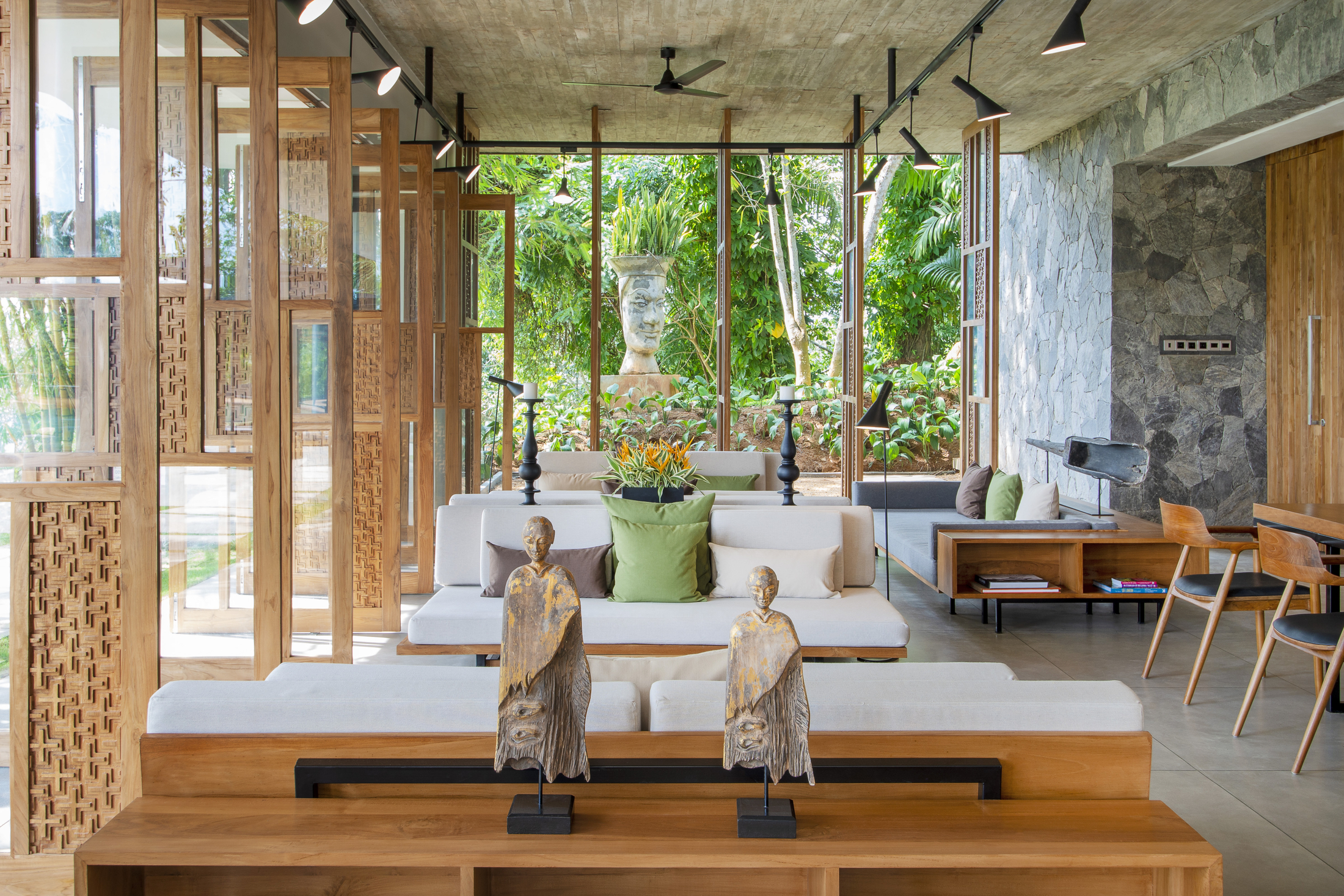
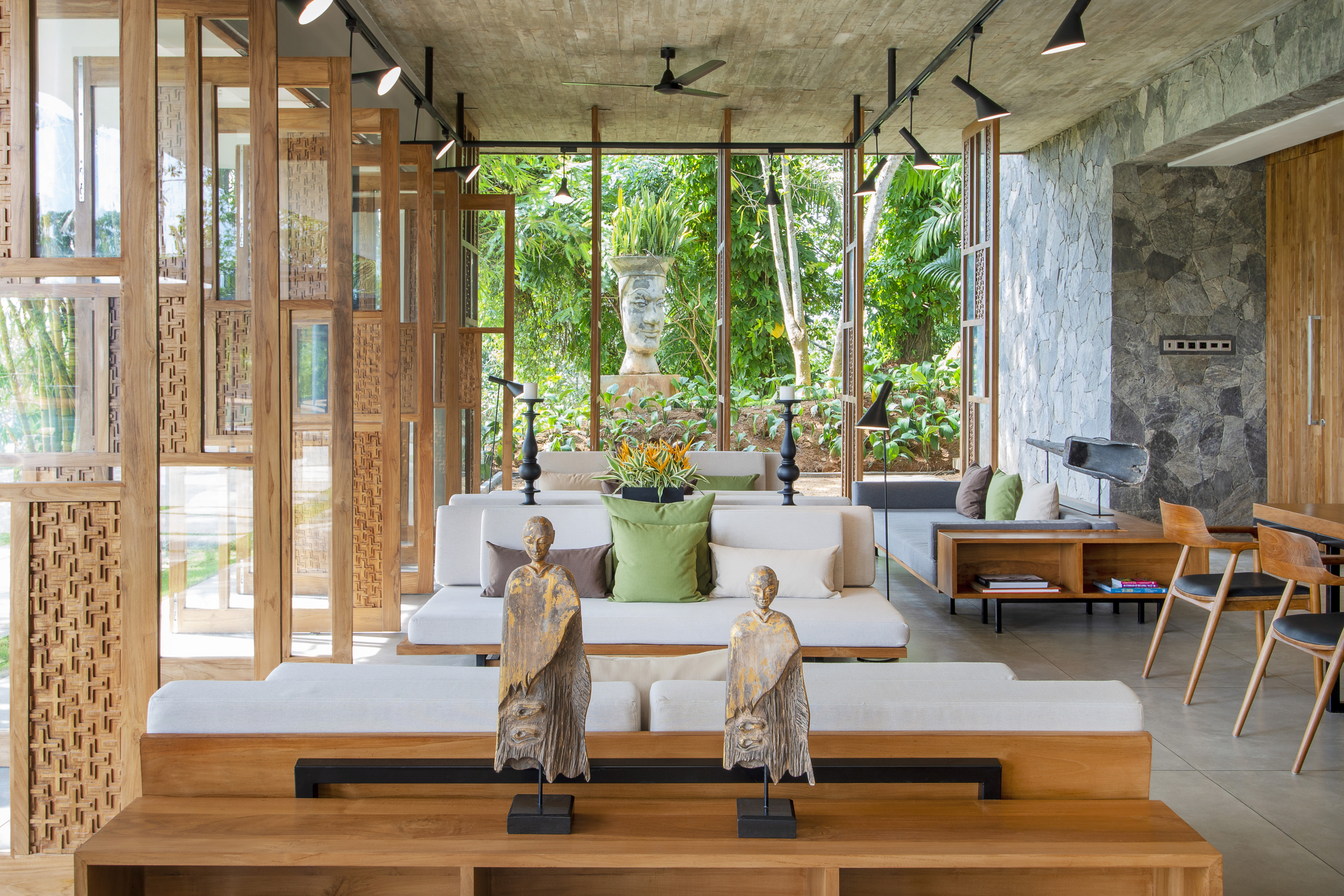
The lobby / living room / club lounge or whatever you like to call it, is the heart of the hotel. Make this space comfy and inviting with flexible furniture, good lighting and an abundance of multi-power sockets. This is the place they will meet, chat, rest, work, brainstorm, connect and party both off-and-online.

2 – Fab accommodation 

Using space in an intelligent and convenient way is key as functionality is often more important than size. Take inspiration from first class train compartments; fancy cruise ship cabins and business class airline cabins.. Monsoon showers, good quality and natural bath amenities, an over-sized bed with organic mattresses, a desk with multi-power point sockets are just a few of the absolute must-haves.

3 – Tech-savvy

Make it easy for Millennials to live and breathe their digital lifestyle by offering free and fast Wi-Fi in all areas. Take the opportunity to use technology wherever possible such as online check-in, self check-out.

4 – Flexible food & beverage

Offering Millennials flexible dining options is as important as offering the latest cocktails. Ideally, hotels will offer a 24/7 dining offer inspired by the location and using locally sourced ingredients.

5 – Give back

Millennials are passionate about social and local responsibility and will assume green schemes and / or community programs are the norm in hotels so don’t disappoint.

At MAp Boutique Consultancy the above five points are the foundations of any successful Millennial hotel concept. Adopting these points will ensure that smart, modern travellers are happy, raving about the place and above all, return.

Do you agree with our TOP 5? Are there any other points crucial to making Millennials happy? What is your experience in working with and / or for Millennials? Of course, if you or someone you know is planning a visionary concept targeted at the “digital natives”, get in touch and let’s co-create the perfect hotel concept!

Talk to you soon,
Your MAp team

BTW, we just recently co-created a Millennial-inspired game-changing resort concept in the Maldives, have a look at www.kandima.com and also check out and follow our Millennials travel Pinterest board https://www.pinterest.com/mapeople/millennials-travel/

Blog Block Image
TOP 5 things your Millennial hotel concept absolutely needs and (Gen) Y!

Add new comment

Comment

Order

Plain text

  • No HTML tags allowed.
  • Lines and paragraphs break automatically.
  • Web page addresses and email addresses turn into links automatically.
Topics
Types
sharing is caring

🎧 Prefer listening to reading? Listen to the article here. ▶️


We specialise in crafting unique, innovative and sustainable hotel concepts. Not just good concepts, but great ones! Just ask our clients! Hotel concepts are critical to success, but in the last few years, we’ve noticed that this term is often misunderstood. So let’s start off with our definition of a hotel concept:

MAp Boutique Consultancy – hotel concept definition:
A hotel concept is a strategic and creative outline on how to realise a hotel venture. It pieces together various elements (soft and hard facts) and gives strategic guidance, as well as comprehensive and detailed information. It outlines to all stakeholders HOW and WHY the hotel should look and feel like, based on defined brand values and characteristics.

In today’s highly competitive hospitality market, a unique, innovative and sustainable hotel concept is fundamental for the success and sustainability of a hotel venture. Why? Well, here are our 5 reasons:

Untertitel
5 reasons why you absolutely need a hotel concept. What defines a great hotel concept today – and why it is more than just beautiful design.
Blog main image
MAp Boutique Consultancy - Hotel Development Hotel Concept
Paragraphs
A hotel concept is a strategic and creative outline on how to
realise a hotel venture.
via @weareMAp

1 – Your hotel concept gives strategic direction

For something to be a success, everyone involved needs to be on the same page and working in the right direction. A hotel concept provides a clear overview of a hotel venture, with clearly-defined goals and objectives required to succeed on a long-term basis. It outlines the core capabilities of the hotel and defines its hard and soft facts by focusing on the right things = the things that are the most likely to deliver the best performance, productivity and profit, both now and in the future.

2 – Your hotel concept serves as day-to-day operational guide for you and your team

It’s easy for people to veer off-course, especially during busy times. A hotel concept should be the go-to document for all stakeholders. It provides clear and extensive guidance and serves as the basis for consistent briefings to external partners. Each and every one of your employees and partners needs to understand and buy into your hotel's true Purpose (the WHY!), understand your objectives and goals (the destination), as well as the course they need to take to get there. This helps everyone involved to make the right decisions on a daily basis and provide the outstanding service that you (and ultimately your guests) want.

And there’s an added benefit! Employees who understand WHY they do what they do and HOW they have to do it, feel more engaged, enjoy their role and will stay with you longer. So enjoy reduced employee turnover rates and recruitment costs, as well as increased repeat business resulting from your employees' outstanding service attitude.

3 – Your hotel concept ensures that you attract the right guests

We never underestimate the power of the people. Hotel concepts that place people at the heart, in fact, focus on what truly drives and generates sales and profits. Your hotel concept will be based on your unique vision as well as thorough research and analysis. It will clearly outline who your perfect guests are and what they want. They turn into happy guests, and guess what, generate healthy profits. Happy guests are your best investment. They become your on- and offline brand ambassadors, and promote you and your business for FREE!

4 – Your hotel concept gives you a competitive edge

What exactly makes a hotel concept creative and innovative? Above all, it’s about being unique and authentic. A great hotel concept outlines what makes your hotel truly special and clearly distinguishable. It defines the tangible USPs and the added value for guests when choosing to stay at your hotel over a competing property. A competitive edge always commands attention and gives you a talking point, not to mention a strong story. That’s why we believe in innovative hotel concepts, as they create a clear stand out in the market, attract PR and maximise marketing efforts, allowing you to maximise room rates and boost your occupancy and sales.

5 – Your hotel concept is the ONLY guarantee for long-term personal and financial success

You may not be able to rely on a lot of things in life, but one thing you can always count on is a clearly-defined hotel concept! A unique concept that is based on your personal vision, motivation and passion ensures that your business is aligned with your values, and does not only make your guests happy, but yourself as well. It guarantees that your hotel is not only a cool idea or a dream - but a long-term viable business concept. 

Now you know WHY we are passionate about crafting hotel concepts. If you’re interested in the HOW check out this

As always, feel free to share this blog post, and don’t forget to let us know your thoughts on hotel concepts in the comments below. Thanks!

Video URL
Blog Block Image
MAp Boutique Consultancy - Hotel Development Hotel Concept

Add new comment

Comment

Order

Plain text

  • No HTML tags allowed.
  • Lines and paragraphs break automatically.
  • Web page addresses and email addresses turn into links automatically.
Topics
Types
Youtube stream image
All we want is a kick ass hotel concept!
sharing is caring

Today we meet Veronica, founder of WE Factory. Since we started our boutique consulting agency we are in touch with Veronica and fascinated by her inspiring approach to food and dining. However, don’t believe us a single word and read in this blog post what WE Factory is all about, why it is so important to “eat with a smile” and how social change can be supported through food.

Untertitel
MAp meets WE Factory, an unconventional happiness agency
Blog main image
Social change through food - MA people MAp Boutique Consultancy
Paragraphs

Veronica, can you please explain what inspired you to found WE Factory and what it is all about?

The combination of different experiences in gastronomy and strategic design as well as my daily living in the city of Helsinki (focused on everyday design) kickstarted the launch of WE Factory. However, the idea had been in my mind already for a very long time.

When I was younger I read a lot of Italian literature from the 50s and 60s regarding life in factories. At that time many bright entrepreneurs commissioned facilities for workers during their free time. Already then they knew how important this was for the wellbeing of their workforce. But a lot of this idealism has been lost over the years. My early working experiences for example were everything but human-friendly. So I started food trials within different contexts. Why food? Because in my family eating was always regarded as a joyful moment of conviviality.

2014 in Helsinki every bit fell into place and I felt it was just the right time. I founded WE Factory with the vision to bring social change through food where people spend most of their time: at work. Therefore we design creative and inspiring food services, experiences and programs for companies. We hold workshops to bring people together and empower them to live a slower and more fulfilling life, starting from what and how they eat - the source of happiness.

“Eat with a smile” aims at conveying what WE Factory is all about:
emotions, eating well and people.
via @weareMApeople


Your tagline is "Eat with a smile": what makes you smile when you eat?

“Eat with a smile” aims at conveying what WE Factory is all about: emotions, eating well and people. Eating good food that has been produced, harvested and prepared with the most care and attention and is served in good company makes you smile. Our tagline is about reframing time and space and enjoying every moment. “Eat with a smile” should happen at every meal one has: the breakfast at home, coffee break at the office, lunch with colleagues, afternoon snack during the brainstorming session and sleep well infusion before falling asleep.

We are specialised in crafting hotel concepts and brands: can you give our hotelier readers your TOP 3 advices on what they must consider when crafting great food experiences?

I personally like to stay at hotels with a unique personality and atmosphere. I’ve noticed that I’m not alone and more and more people seek uniqueness and authenticity. In my opinion, there is really no point to stay at a hotel that looks exactly the same in Moscow, Buenos Aires or Beirut. My top 3 advices when crafting a food experience are:

  • Think about your guests and design an experience that suits them.
  • Bring the local context in and make it exciting for your brand.
  • Dare to be uniquely you. Travel to see what others are doing but eventually think with your own head and heart.

How do you see the future of dining? In which area do you see the biggest change and what will be the most influential trends?

I can’t predict the future but I hope that dining will become more inclusive. The fine dining scene is currently very exclusive. It addresses an elite of people that can afford it and has the knowledge to understand what it is all about. However, I believe that food culture and good food should reach the masses. This is the only way to promote a food revolution so many are talking about these days in terms of preventing food waste, preserving food diversity, and ultimately creating a better planet. On the other hand I also hope human beings will understand that technology needs to become more instrumental and not the end itself. I’m talking about 3D printing, for instance, or VR (virtual reality).

You are a big traveller #alwaysnomadic. What are your must-experience food spots around the world? What has been your best food design experience ever?

My travels always mix the research of what is new and cool (see hipster places, which usually represent just one part of the population) with what is authentic and the everyday kind of place. I guess this boils down to my anthropological interest to understand how “normal” people live. For instance, when I lived in Warsaw for a couple of months I asked local friends to take me to milk bars, which just recently had been revived. In Moscow, I visited some markets with a friend who claimed that tomatoes from Azerbaijan are as good as Italian ones. So we tasted (lots and lots) of different tomatoes at approximately 20 stands. That was fun! 
The best food experiences I’ve had so far were somewhat unexpected and unplanned. No frills. I’m a simple woman who prefers excellent raw ingredients and rituals rather than formal dishes: freshly baked pita bread straight from the oven at Princes Islands in Istanbul, mint tea in Morocco while watching the passers-by, fika (coffee and cinnamon bun) at Rosendals Tradgard in Stockholm, polenta and stew made by my mum in Italy... What’s remarkable: from the best food experiences I remember the whole story: the smells, the sounds and mostly all the people who shared the table with me.

About Veronica Fossa: 

Veronica Fossa is the founder of nomadic happiness agency WE Factory. Veronica wears many hats: she is a food experience designer & strategist, business wellbeing catalyst, international speaker, guest lecturer, and design expert. From a small town in the North-east of Italy she moved to Finland to study and fell in love with the Nordic way of living, so mindful and close to nature, but gastronomically so different from her native Italy. She spent 6 years between Sweden, Denmark and Finland – where she founded WE Factory – before deciding to embrace a nomadic lifestyle to elate her cultural curiosity and connect with different communities around the world. 


Blog Block Image
Social change through food - MA people MAp Boutique Consultancy

Add new comment

Comment

Order

Plain text

  • No HTML tags allowed.
  • Lines and paragraphs break automatically.
  • Web page addresses and email addresses turn into links automatically.
Types
sharing is caring

During our recent Maldives business travel we met Steven Ferry, chairman of the International Institute of Modern Butlers. Steven and his team focus on redefining “hospitality butler” for today, in addition to introducing butler-style service and standards to other industries where high levels of service are required.

Untertitel
MAp meets Steven Ferry
Blog main image
The Modern Butler – claiming back the strengths of humanity & caring!
Paragraphs

Dear Steven, can you explain what the difference between a “Modern Butler” and the old-fashioned English butler is?

Certainly. The old-fashioned English butler is just that: an invariably white, English male who believes that the only right way to be a butler is to do what butlers have done for centuries before, because that has stood the test of time. The Modern Butler, however, recognizes that time does not stand still, and nor do the employers and guests who enjoy their services. We, at the Institute, not only beat the drum about our profession needing to modernize in the face of a changing cadre of clients and their changing needs and demands, but have defined the Modern Butler as someone who keeps what is valuable of the traditional Anglo-Saxon male butler, who honed his skills over centuries of service to British and European royalty and nobility and later, the extremely wealthy, and adds to it the skills and knowledge needed to operate in the 21st Century, in the service of an international clientele. 

The Modern Butler, however, recognizes that time does not stand still, and nor do the employers and guests
who enjoy their services.
via @weareMApeople


We think of great butler service as intuitive, when guests don’t even notice the butler. What are the main characteristics of a “Modern Butler” for you?

I would say no different in essence than yours! I would call it “invisible service,” but it adds up to the same discreet and solicitous service that is founded on love of others and being of service. We actually identify 15 key characteristics in butlers or other consummate service professionals, which I won’t list here, but they do include such concepts as trustworthiness, discretion, the ethical management of all situations in the direction of calming the waters and putting all involved at their ease, and never crossing the line between being the service provider and the person who is receiving the service.

WOW customer service will become even more influential over the next decade and highly important to ensure repeat business. How do you define WOW customer service and which basics should EVERY SINGLE hotelier consider?

It is my opinion that the concept of “wow’ing” the guest started to appear in hospitality at the same time that butlers did; that is because butlers reinforced the existing concept in good hospitality practice, of pushing beyond the simple provision of “good service” to a guest with extra creativity and caring to achieve a special/memorable moment for them. This can only be achieved by those who truly care about others, as opposed to pretending to, or being obliged to by hotel policies. This explains why the last two hotels with which I am working—our mutual client in the Maldives, and one of the grand Old Dames of European hotels—have had as a key criterion in the hiring process, the taking on of staff with what has been termed “a service heart.”

Our world is moving into an increasingly mechanistic and electronic age and lifestyle. In view of this fact, where do you see the future of superior service and the modern day butler service?

Your question is one after my own heart. I have written much over the last decade or more about the need to push back against the ghastly drive to robotize the majority of human work, with the need for us humans in hospitality (and private service) to jettison any hints of robotic behavior and claim back our strengths: our compassion, humanity, caring, etc. One can program a robot to sound caring, and it sounds about the same as any hospitality employee who lacks passion and real interest in the guest. Until all guests are robots, we should treat them as humans, because that is what the majority of them appreciate, and the very foundation of good service. So, I would say that as the world continues to disappear up its own exhaust pipe of technological innovation and mechanization, the butler and service professional who focuses on emotional engagement, developing his or her human qualities, and providing superior service, will become increasingly valued by guests. Not to say they do not use their smart phones and technology to facility their service, nor even that they do not utilize forms of automation to improve that service, but the key is to put their interaction with, and focus upon, the comfort and well-being of the guest front and center, with the automations and technologies solidly in the background—providing their own invisible service to the service provider!

We at MA people are specialised in crafting innovative hotel concepts and brands: what makes a hotel experience a truly outstanding one for you personally?

Well, it would be a clearly thought-out branding that identifies the intended guests and their needs and wants, and identifies and puts forward clearly, the ways those needs and wants are to be satisfied—and ensuring thereafter that the hotel walks the talk, of course. Pretty well what you have done with our mutual client in the Maldives. You identified some excellent, unique points for the resort that aligned with the guests’ discovered desires, and communicated them very well to the management and staff. Being responsible for training one element of that vision, the butlers/island hosts, I aligned the training with the brand, coming up with ways for the island hosts to reinforce and bring that vision into the guest experience. As the island moves beyond its opening and coalesces its identity into a reputation, I have no doubt that it will become an outstanding destination for its target guests.


About Steven Ferry: 

Steven Ferry is chairman of the International Institute of Modern Butlers and the author of bestsellers Butlers & Household Managers 21st Century Professionals and Hotel Butlers, The Great Service Differentiators—and the soon-to-be-published, two-volume, Serving the Wealthy, The Modern Butler’s and Household/Estate(s) Manager’s Companion. He trains, consults and advocates for the profession around the world.

Photo credit: Marcia Laurenzano


Blog Block Image
The Modern Butler – claiming back the strengths of humanity & caring!

Add new comment

Comment

Order

Plain text

  • No HTML tags allowed.
  • Lines and paragraphs break automatically.
  • Web page addresses and email addresses turn into links automatically.
Types
sharing is caring
Untertitel
How to WOW your hotel guests via all five senses
Blog main image
Sensory Branding
Paragraphs

See it, smell it, taste it, hear it, feel it. Not only is sensory branding one of our key areas of expertise, it’s something that truly makes our hearts beat faster. 

So why should you care? In times of growing competition, functionally interchangeable hotel products and ever more demanding guests, hotel brands must deliver and wow all five senses. It’s no longer enough to appeal to just one or two. Your guests need to experience your hotel brand on every single level. 

That’s why we are focusing our attention and upcoming series of blog posts to multisensory branding. We will share with you are key insights and tangible actions on how you can successfully master the five senses of your valued guests. So, let’s kick this off. In this first blog post we will introduce you to sensory branding and give you an overview of the different senses and their importance. 

The story so far

To date, the communication of hotel brands has mainly happened on a visual level. For most hoteliers developing the visual identity (logo, corporate identity, imagery, etc.) has been put on a level with developing the entire brand. Only a few hoteliers have gone a step further and included acoustic brand aspects to their brand. E.g. by developing a matching sound signature for their website or background music for the hotel itself (lobby, restaurant, bar, spa etc.). Multisensory approaches, in which hotels deliberately address more than two senses with their brand, are a true exception. 

We believe that the guest perception of a hotel/hotel brand is already taking place on a multisensory level. And, as such sensory branding measures are an ideal branding tool for hoteliers. It also has been scientifically proven that brands that address more than two senses are more successful than those that focus on one or two senses only. So are you missing a trick? Top tourism brands have benefited from this knowledge for decades already and created multisensory and emotional brand experiences. A great example is the successful olfactory (smell) branding of Singapore Airlines which has been implemented since the late 1990s: their custom-made scent is emitted in the cabin, worn by the flight attendants as body fragrance and passengers’ hot towels are scented with the unique smell. 

It also has been scientifically proven that brands that address more than two senses are more successful
than those that focus on one or two senses only.
via @weareMApeople


What the future holds

Martin Lindstrom, author of “Brand Sense: Sensory secrets behind the stuff we buy”, believes that those companies which address as many as possible senses, deliver THE ultimate brand message. This means, that by taking into account the guests’ taste, smell, tactile, visual and auditory senses, strong memories and emotional bonds can be created. These multisensory experiences add to an enriching brand experience, increase the quality and the perceived intensity of the guest experience and ultimately transform the hotel from an interchangeable product to a truly unique experience.

We are convinced that in response to increasing competition, more and more innovative hoteliers will focus on multisensory brand management. Why? Because with sensory brand measures they will achieve better perception and lasting impression by their guests and create stand out in the highly competitive market. Guests on the other hand will increasingly search for hotel brands that are truly perceptible as well as impressive and will remain loyal to them.

“You never get a second chance to make a first impression!”

The sense of sight is the strongest human sense. More than 80% of the information we consume every day is consumed through our eyes. Therefore, the visual first impression of a hotel brand is the one that influences the guest perception most. The visual identity is an integral part of a hotel brand and consists of all visible brand elements: logo (word/design mark), font, colour and imagery, design language (buildings, architecture), symbols, signage, uniforms, etc. With the congruent use of all visible elements you can enhance your hotel brand emotionally and optimise your brand communication short and long-term.

“What is essential is invisible to the eye.”
Antoine de Saint-Exupéry

The influence of the sense of smell is often underestimated. In fact, smell is the sense that has the strongest impact on our memory. Which means that targeted and coordinated addressing of the sense of smell offers an enormous potential to transmit strong brand messages. Fragrances have a great influence on the emotional state of guests and their decision-making behaviour. Many hotels already use signature scents to create a unique and consistent guest experience and brand awareness. The Armani Hotel in Dubai and the Fullerton Bay Hotel in Singapore are great examples of how guests can be touched emotionally via a signature scent. Indigo Hotels take it one step further and change their signature to reflect the season. 

“Funny how a melody sounds like a memory.”
Eric Church

Music, tones and sounds evoke emotions. Targeted sound elements create unforgettable experiences and long-lasting memories for guests. This means that with professional sound design, the brand message can be further enhanced to create an emotional bond with guests.

“Joy has a texture.”
Oprah Winfrey

In the hotel industry, the sense of touch is often underestimated or ignored, even though it plays an important role in the overall guest experience and understanding of the products and its messages. In product marketing for example, haptic features are widely used to build an emotional relationship between the product and the buyer. Via the sense of touch consumers can identify e.g. luxury products. By examining their weight and their condition they are able to unconsciously assess the quality of the product. Textures, fabrics and materials (their weight, softness, etc.) used in a hotel provide a unique opportunity to convey a sense of comfort to the guest.

 “Smell and taste are in fact but a single composite sense, whose laboratory is the mouth and its chimney the nose…”
Jean-Antheleme Brillat-Savarin

The gustatory brand management deals with all experienceable brand elements that can be perceived by the sense of taste. The relevance of the sense of taste is low in comparison to the other senses, as only one percent of our perception is absorbed through the tongue. However, never underestimate the gustatory appeal in the hospitality industry. Various studies indicate that we often eat with our nose, which is another way of saying that if food passes the smell test it will most likely pass the taste test. Especially with food and beverage the sense of smell and taste is essential and thus makes it an important part of the hotel brand experience

Finally, our MAdvice to hoteliers

We want you to open up your world and invite your guests to experience your hotel brand in ways you’ve never considered. These are the ways that will connect with your guest on a deeper level. Ultimately the foundation for successful multisensory branding is a strong and well-defined hotel concept, based on brand identity and characteristics and, consequently, sensory experiences. Sensory branding measures have to be targeted and consciously orchestrated, meaning the right signals have to be sent to the right guest via the right channels. Only the consistent and coordinated addressing of all sensually perceptible points of contact along the guest journey creates a sense of wellbeing and an emotional reaction by the guest. 

We promise, if done right, your guests will become fans of your hotel and love to come back again and again ;-)

As always, we look forward to hearing from you. Feel free to comment below as well as to share this blog post.

Blog Block Image
Sensory Branding

Add new comment

Comment

Order

Plain text

  • No HTML tags allowed.
  • Lines and paragraphs break automatically.
  • Web page addresses and email addresses turn into links automatically.
Types
sharing is caring
Untertitel
How to WOW your hotel guests via all five senses
Blog main image
Visual Branding
Paragraphs

Here’s the second installment of our popular series of blog posts dedicated to multisensory branding for hotels. Time to open your eyes and pay attention as we take you into the world of visual branding. In today’s highly competitive hospitality market a hotel brand needs to appeal and engage all senses in order to be distinct and successful. To sum it up, your guests need to literally see, hear, feel, taste and smell your hotel brand. 

There’s no doubt that vision is the most powerful of our five senses. This makes sense when you consider that around 83% of the information we retain is received visually. However, recent studies reveal that this might only be the case because we are bombarded 24 hours a day with huge quantities of visual information and a lack of other options. There is an opportunity here for all of us, as currently our other senses are not being targeted properly.

How about your hotel brand? Is your hotel visual identity aligned to your distinctive brand message? With our five MAdvices, we invite you to think beyond your own hotel logo and emotionally enhance your hotel brand with the congruent use of all visible elements. 

Your guests need to literally see, hear, feel, taste and smell
your hotel brand. 
via @weareMApeople


Our five MAdvices to win with a holistic visual brand management for hotels

“The question is not what you look at, but what you see.”
Henry David Thoreau 

1 – Logo: The logo is the symbol of the entire hotel brand, it's the corporate identity packed in a single sign. As a cornerstone of the visual identity it must of course reflect and embody your stylistic ideas, but above all emotionally touch the defined buyer personas. To find the perfect logo for your hotel brand we recommend taking a closer look at the logos of competitors as well as best practice examples (logos of companies you like and might not even be related to hospitality), in order to not only differentiate the logo from them, but also learn from them.

Take a look at the logo we crafted for our client paloria: based on the cool residence concept for athletes and sporty connoisseurs, the logo takes inspiration from contemporary sport and lifestyle brands. Not only does it emotionally speak to the defined buyer personas, but it also expresses the vision of our cool and stylish clients.

2 – ​Imagery: “A picture is worth a thousand words.” So make it count! Invest the time and resources needed to create and use distinctive key images/visuals that are clearly connected with your hotel brand. High quality photos are an absolute must for every hotelier to persuade the guest to regularly visit its website or social media feeds. Wait, what about videos? They are getting more and more important on social media and in general as they are a brilliant way to craft your visual branding. An emotionally charged and high-quality hotel video helps your guests to understand your product or service best. 

A creative way of establishing a truly distinctive visual language for a hotel you can see with the Kandima Maldives illustration. Be brave and stand out from the crowd and opt for illustrations (or other creative tools) that can help you to build a strong and distinctive visual language.

3 – ​Design language: Distinctive design generates distinctive brands, and successful brands are by their very nature visually “smashable”. If you are planning to design a new hotel, then we invite you to consider how your building can become unique in its form, architecture, style and design. The Marina Bay Sands in Singapore or the Burj al Arab in Dubai show the power of unmistakable design in the hotel industry. The sail-shaped design and its exposed location of the Burj al Arab make the building is unmistakable. Or think at our loved Baros Maldives - the overwater fine dining restaurant, The Lighthouse, is so unique in its structure that it is unmistakably connected to this resort. And of course, is featured on most of its key visuals. 

Besides considering the uniqueness of your architecture we also suggest to select a recurring form within your hotel, such as those used in the furniture or design. If you want your hotel to be perceived as sympathetic, friendly and modern, then square forms make an excellent visual shape choice for communication materials (square business cards, brochure, writing pad, etc.). Why is it important to select a brand shape? Shape is an instantly recognisable visual aspect of any brand. Statistics show that e.g. 40% of all perfume purchase decisions are based on the design of the bottle.

4 – ​Colour: Define your colour/s and use them consistently in your communication and throughout your website and social media channels. In addition to pictures, colour has the highest recognition value and thus can be used as exclusive brand mark. We all know that there is also a psychological association to each colour, that e.g. green stands for eco-friendly and freshness, blue conveys trust and purple is often associated with creativity and luxury. A little off topic, but Viagra – Pfizer has successfully taken advantage of the visual component and has given their pill not only a distinctive blue colour but also a unique diamond shape!

How can you decide on what colours you need for your hotel brand? It’s simple really. Just base it on your hotel concept and positioning. A brand such as Kandima Maldives might use a wide and playful colour palette, while Haritha Villas + Spa gives space to its contemporary architecture and lush surroundings and works with white and black as their main “colours” with green colour accents reflecting its natural location.

5 – ​Font: Fonts matter - and not just to graphic designers! All your defined signature fonts are seen by your guests (hopefully) everywhere: on your website, communication materials, etc. Therefore, the font you choose for your hotel is a valuable tool to express your brand personality and to evoke additional associations and emotions. Distinctive typography helps you to enhance your hotel brand character and conveys your tone. Have e.g. a look at the website of citizenM and the one of Edition Hotels: both of the brands have chosen a font perfectly matching their brand personality. Just imagine how strange it would look if you would switch the fonts between the two websites. Remember, guests learn a lot about your hotel brand based on the font you choose. 

Consistency is key. Apply the same distinctive imagery, the same colour, the same design language, the same font type across your visual platforms - at all times. It creates cohesion, so that your guests always get the same story across all channels.

As always, we look forward to hearing from you. Feel free to comment below as well as to share this blog post.

Thank you and all the best for WOW-ing your guests via your distinctive visual identity,
Your MA people

Blog Block Image
Visual Branding

Add new comment

Comment

Order

Plain text

  • No HTML tags allowed.
  • Lines and paragraphs break automatically.
  • Web page addresses and email addresses turn into links automatically.
Types
sharing is caring

Our regular blog readers know that sensory branding, besides being one of our key areas of expertise, is something that truly makes our hearts beat faster. In times of growing competition, functionally interchangeable hotel products and ever more demanding guests, hotel brands must deliver and wow all five senses. It’s no longer enough to appeal to just one or two. Your guests need to experience your hotel brand on every single level. Therefore, as you might already have guessed: we couldn’t be more excited to meet the founder and creative director of Music Concierge, Rob Wood. Music Concierge specialises in creating sounds for brands and spaces. 

So, let’s kick this off and dive deep into the world of sound. Learn from Rob how music influences the way your hotel guests think, feel and behave, as well as how Rob and his team can tell your hotel brand’s story through music. 

Untertitel
MAp meets Rob Wood, Creative Director and founder of Music Concierge
Blog main image
The sound of a place has enormous power MA people MAp Boutique Consultancy
Paragraphs

Dear Rob, thank you so much for taking the time for this MA people meets. To begin with, can you explain our readers what Music Concierge is all about and what made you start your company back in 2007?

I have always loved collecting music ever since I started buying records around 8 or 9 years old. Hand in hand with that I have also always been passionate about sharing music – helping people discover music that they didn’t know they love. Both of those things led me to a very happy career as a DJ collecting records, selecting them for different audiences, and working as a music journalist investigating even more artists and tracks and then writing about these wonderful pieces of music to give them exposure. I was literally writing about music during day, and playing it during the night. It took me all over the world interviewing bands and musicians, DJing at clubs and festivals.

By the time I was editor of a cult music magazine called Jockey Slut, different brands started approaching me asking me to choose music for their marketing communications in line with their brand and audience. One such company was Mr & Mrs Smith/Smith Hotels. They asked me to put together a CD series as they thought music and travel were natural bedfellows. The CDs were well received and I started being asked to DJ in boutique hotels.

I quickly realised that boutique hotels were all about the individual personality of the hotel and way it appealed to the human senses. Most hotels I came across were using music very poorly, often in an annoying or cliched way. So I conceived an agency with a rich music knowledge, which understands how to define a brand through music, whilst emotionally appealing to an audience. Such an agency could help brands stand out and sound amazing. Hence the birth of Music Concierge.

It is all about setting the right tone and being tasteful, whilst creating a memorable listening experience that puts people in the right mood
and emotionally connects with them.
via @weareMApeople


Getting the sound of a hotel brand right is as important as its design and service. How does music influence the hotel atmosphere and the behaviour of guests?

From the moment you cross the threshold the music should set the scene for the arrival experience. In this area we might be looking to relax people after their long journey with calming music, or depending on the design ethos and architecture looking to heighten a sense of awe or wonder as people take in an incredible lobby design. For hip brands we might be trying to convey a sense of surprise or credibility through tastemaker music choices; whilst for an elegant 5 star we may well be looking to evoke the essence of the building and brand’s heritage. 

In F&B (food & beverage) zones we are usually trying to make people comfortable with an inviting atmosphere. Sometimes that might be relaxing, at other time stimulating, depending on the time of day and F&B concept. Ultimately we want to create atmospheres people love hanging out in and coming back for more. That would even apply to library or gym experiences. The perfect subtle pensive playlist for browsing through a wonderful book collection; or an energising uplifting gym soundtrack that gives the fitness experience a difference. It is all about setting the right tone and being tasteful, whilst creating a memorable listening experience that puts people in the right mood and emotionally connects with them.

Sound impacts our mood and psychological state, music is a great tool to create unforgettable experiences and long-lasting memories for guests. Considering this fact, why do you think that hotels and brands in general often put so little thought into their music selection? Since 2007, do you see any changes/improvements in regards to this?

Historically I don’t think hotels knew how to handle music beyond paying a pianist or putting a Café-Del-Buddha Bar cliched CD on. They know that music lifts the spirits and encourages people to have a good time and dwell for longer, but they do not have the budgets to put on a great band or really good DJ every night. So hotels often end up with tired, cliched music via a pianist doing covers of awful pop songs, or a lame jazz trio who look completely bored, or the bar manager has put some entirely inappropriate music via his CD or ipod.

The truth is music needs to be carefully considered curated by someone who knows what they are doing. Everyone has an opinion on music of course, but that does not mean they can curate music around the hotel’s brand character, a restaurant’s concept, or its trading pattern. We all like food, but we should leave the design of menus to the chef! When a hotel has found a good music consultant, it is then important to make sure they have the licensing and technical solutions for delivering, managing, updating and supporting that music. Hotels are waking up to this – they know they need a music solution but are they choosing a high quality one that supplies music perfectly tailored to the brand and guest experience – that is the key question, especially as the F&B and hotel markets get ever more competitive. They need to stand out with amazing design, great brand character, and brilliant sensory experiences – that should be their mission!

You work with some amazing hotel companies such as Swire Hotels, COMO Hotels & Resorts as well as luxury brands as Mulberry and Harvey Nichols. How do their music concepts differ? What makes each one unique? 

Our music team spend time with our client stakeholders to understand and break down the brand DNA, the design ethos, the audience, and each specific space or proposition. We want to understand the vision and the type of customer experience they are looking to create. So for existing properties that means visiting on the ground, or for pre-opening it means working closely with the marketing, design and operations teams to understand the project in depth. We then use that research to create a unique music concept for each brand that is broken down into different zones and times of day. Hence the music for COMO Uma Paro in Bhutan has an understated beauty relating back to the COMO brand alongside an authentic essence of the magical kingdom of Bhutan itself. Whilst the music at The Middle House in Shanghai fulfils Swire’s brand promise of creating a forward-thinking take on contemporary luxury that appeals to a new generation of affluent Shanghai millennial tastemakers and entrepreneurs. Every project is different!

We at MA people are specialised in crafting innovative hotel concepts and brands: what makes a hotel experience a truly outstanding one for you personally?

For me personally I want a hotel experience to be an escape from the every day. It needs to have a sense of discovery whether that is through the design, food, art, books or indeed music. That needs to be done on a human level rather than through opulence. So that might translate as warm and friendly service which is very on the ball, or wonderful design without being garish or elitist. The whole experience needs to be utterly intriguing and special, but also approachable and open-hearted.

About Rob Wood:

Rob Wood, former DJ and music journalist, is the founder and Creative Director of Music Concierge – a company that specialises in using background music to create unique atmospheres and distinct brand identities for clients all over the world.

Blog Block Image
The sound of a place has enormous power - MA people MAp Boutique Consultancy

Add new comment

Comment

Order

Plain text

  • No HTML tags allowed.
  • Lines and paragraphs break automatically.
  • Web page addresses and email addresses turn into links automatically.
Types
sharing is caring

More than just a fleeting trend, art is putting itself firmly in the hospitality scene - and for good reason too. Someone who knows all about this is Alexandra Schafer, founder and managing director of VELVENOIR, an international art concierge and consultancy. Today we are excited to meet Alexandra and hear more about her thoughts and the philosophy of VELVENOIR, which is “transforming one space at a time, with contemporary art and more.” 

Read on if you’re interested about how you can turn your hotel art concept in an outstanding USP, how to find art that is unique and affordable at the same time as well as why Alexandra truly believes that “when you invest in art – you invest in yourself.”

Untertitel
MAp meets Alexandra Schafer, Founder and Managing Director of VELVENOIR
Blog main image
Because art makes a difference MA people MAp Boutique Consultancy
Paragraphs

Dear Alexandra, thank you so much for taking the time for this MA people meets. Let’s start with your company VELVENOIR. Please can you explain to our readers where the idea for your boutique art concierge and consultancy business came from?

Yes, sure. At VELVENOIR, we specialise in art consulting and concept development for hospitality, private and corporate clients, who want to differentiate themselves from the competition through contemporary art. In terms of what we do day-to-day, we work with hospitality, PR, marketing, branding and art experts to ensure the art acquired by our clients is incorporated into the very heart of the hotel and elevates the guest experience. With our selected key experts, we bring industry know-how and a global scope that allow us to offer a tailored and authentic guest experience that enhances the customer journey. 

The initial idea for the business came to me while I was staying in the Australian outback and  stumbled across mesmerising art by aboriginal artists. This visit sparked an idea to make contemporary art accessible at a global level by launching an online gallery - which I did in 2014. I can certainly say that the journey over the last four years has been truly inspiring and exciting for me. 

Developing and growing the business in line with our clients’ requirements has led me to partner with like-minded and passionate professionals from the arts and now with other industries. One of our key beliefs and strengths is our commitment to creating long-term relationships. We support our clients from the beginning of a project to long after it’s completed. You could say that they become part of the VELVENOIR family! I guess this is where my hospitality background jumps in and my passion for contemporary art. 

Art is unique and an effective way to connect with guests -
inspire and create a dialogue with them.
via @weareMApeople


Why do you think art is not only relevant but also increasingly important in the context of a hotel? Can you also tell us more about ART x HOTEL and your vision to upgrade the hotel experience with original art?

Looking at the hospitality industry today, everyone has to offer something “different” we are all aware of the constant changing market and demanding client... and currently hoteliers do this in integrating e.g. infinity pools – but what if everyone has the same “USP” such as this infinity pool in the hotel? This is, where I see an excellent opportunity for the arts, and I'm not talking about prints or photos to cover up white walls, I'm talking about a well thought-through art concept that goes hand-in-hand with the hotel’s location, design as well as philosophy and character. I always tell my clients to imagine the following scenario; your guests check into your hotel and behind the reception is a 4 meter long neon art installation that says “you will miss me when I'm gone.” Your guests might not understand it at first, but after staying at your hotel and experiencing all the little art messages and programme offered throughout the hotel, they will leave with a smile, because in the end they understand the message. 

ART x HOTEL – is a concept where we work in collaboration with hospitality, branding, PR, marketing and art experts to create a unique customer journey for the hotel and its future guest, develop a strategy for social media as well as PR and media purposes – after all, the art has to deliver a return on investment and the investment we always outline is the global reach via social media, international lifestyle magazines writing about it and this will organically lead to future hotel guests. 

What are the biggest misconceptions of hoteliers and hospitality owners in regards to art for/in hotels that you encounter? What are the mistakes that need to be avoided at all costs?

Most people, hoteliers included, see art as just a decorative tool. While others associate art with an expense not worth investing in. Others are creative, and call local artists to have them exhibit their art in the hotel for a period of time. Again, it all depends what sort of hotel you are developing is it a 3-star or a boutique hotel – but art can be sourced globally at any price point. This is where the art consultant comes in as we don´t only save the client time, but also money – because we have artists and resources everywhere.

Why should hoteliers invest in an art concept for their hotel? How can a permanent art collection turn into a USP and serve as a distinctive brand element and story?

Today’s travellers increasingly appreciate unique hospitality brands with strong personalities, which promote both working environments for urban nomads and places to meet people and make conversation. Moreover, guests want to feel like they are experiencing something unique when they travel. They want to encounter things that have been carefully designed and considered with meticulous attention to detail and again these elements constitute the overall aura of a location. 

Why art – and why invest in an entire art concept/collection? To keep it short - art is unique and an effective way to connect with guests - inspire and create a dialogue with them. Let’s not forget how important it can be for social media. Guests nowadays love to share their special experiences in places they have stayed and art helps to deliver this. When it comes to curating your own art concept, it’s essential to acknowledge that expectations from the guest of tomorrow are on the rise and it’s crucial to differentiate the hotel brand from the competition through a developed concept with a focus on contemporary art. The concept should complement and reflect the individual values, philosophy and design of the hotel. 

Art can be used to attract a new lifestyle-oriented target guest and to enhance the stay of all guests. Ultimately art is your story. It is your heart and it is the reason why hotel guests stay with you, because you live the entire concept with your employees and share the passion around with your guest. 

Some hotels have set the bar high when it comes to incorporating contemporary art within the hotel concept. Hotels such as the Faena Miami, the boutique hotel Casa Malca based in Tulum, Mexico as well as the art hotel Torel Avantgarde in Portugal are great examples of how hotel owners are utilising art to their advantage and highlight the art collection within as its own unique encounters. The art collection is part of the entire storytelling and branding, and communicated across their marketing and PR channels.

How do you see the art market developing over the next few years? Can outstanding art be affordable at the same time? 

To be honest, contemporary art is constantly re-inventing itself and more and more resources are available for aspiring collectors to find the art they love. Over the next few years I do see an increase of appreciation of contemporary art and more and more are interested in learning about collecting as well as finding art for their home, office or hotel. That's why its so important to attend the international fairs, visit galleries and artists’ studios as well as collaborate with others – because in the end it's all about keeping the finger on the pulse of the art world, with local consultants based in major cities we not only attend the international art fairs for our clients but also visits emerging artists and galleries to ensure we are able to source and acquire art for any budget (a realistic budget). 

To answer your second question, yes there is so much great art out there that is affordable. What’s great is that you also help to support artists who are just starting out in their chosen career. On a side note – when you start collecting or buying art always ensure you really enjoy this piece of art – the financial aspect always comes second. 

We at MA people are specialised in crafting innovative hotel concepts and brands: what makes a hotel experience a truly outstanding one for you personally?

For me personally it always starts with the people who work there – those living the “hospitality” experience and philosophy of the hotel. From the moment I enter the hotel until I leave. I always appreciate notes and little gestures throughout my stay with a personal touch. Additionally I appreciated a thought-through programme, where you are able to meet others and be active while spending time in the hotel but also a great cuisine and wine selection is essential for me – and of course great original art! 

About VELVENOIR:

Alexandra Schafer is founder and Managing Director of VELVENOIR an international, boutique art consultancy & concierge – specialised in art consulting and concept development for hospitality-, private- and corporate clients. The headquarter is located in Salzburg, Austria with selected and vetted experts located in the US, Australia, China, Europe and Middle East. VELVENOIR operates as a full-service art consultancy firm, globally – for clients who want to differentiate themselves through contemporary art. 

Blog Block Image
Because art makes a difference MA people MAp Boutique Consultancy

Add new comment

Comment

Order

Plain text

  • No HTML tags allowed.
  • Lines and paragraphs break automatically.
  • Web page addresses and email addresses turn into links automatically.
Types
sharing is caring
Untertitel
How to stay top of your hotel guest’s mind… nose and palate!
Blog main image
Olfactory and Gustatory Branding
Paragraphs

As part of our series of blog posts dedicated to multisensory branding, today we delve into the world of olfactory and gustatory branding. Appealing to all senses can really give you and your hotel a competitive edge, not to mention a unique guest experience. Do you know how your hotel smells? Or are you searching for ideas on how your hotel brand can stay in the noses and palates of your guests?

Read on and discover how YOU can connect with your guests on a whole new level with olfactory and gustatory branding aligned with your hotel concept and brand.

Olfactory Branding

“Smell is a potent wizard that transports us across thousands of miles
and all the years that we have lived.” 
Helen Keller

Smell is the oldest part of our brain and affects us substantially more than we are aware of, e.g., smell can alter our mood or alert us to danger. It is the sense that has the strongest impact on our memory. Which means that targeted and coordinated addressing of the sense of smell offers an enormous potential to transmit strong hotel brand messages.

Our three MAdvices to stay in your guests’ memory with the use of olfactory branding

1 - Smell check: Did you ever experience your hotel through your nose? Rediscover your hotel blindfolded and find out how your hotel corridors, the areas around the kitchen, a room ready for check-in, etc. smell. In order to win with olfactory branding, first of all unpleasant smells must be neutralised and then a consistent and appealing scent atmosphere throughout the hotel created.

2 - Signature scent: Ever thought which scent expresses your hotel brand best? Invest the time to choose the right signature scent or even to develop a personal and customised olfactory signature. But don’t go overboard and drown every corner of your hotel in the scent. It should be subtle and inviting. Use your signature scent as a room fragrance, as guest bath amenities and an enhancement of your print materials. It’s no surprise that W Hotels offer a signature room fragrance that guests can buy, or Westin Hotels a room spray, that is a fancy blend of white tea with wood cedar and vanilla. Many guests rave about the fig and cassis candle of The Dorchester in London, others about the award-winning signature fragrance of Positano’s Hotel Le Sirenuse that combines a hint of musk with a touch of incense, bergamot, and blackcurrant buds. 

3 - Stay in your guests’ memory: Reconnect with guests even after their stay. Stimulate their senses and entice them to return by using your signature scent for direct mailings, greetings cards or gift your guests with scented giveaways on their departure. Back home, the well-known smell will transport your guests into a vacation mood.

If the gustatory appeal is consciously orchestrated with the other sensory aspects it enables you to
transmit a truly individual and very strong hotel brand message.
via @weareMApeople


Gustatory Branding

“Smell and taste are in fact but a single composite sense,
whose laboratory is the mouth and its chimney the nose.”
Jean-Anthelme Brillat-Savarin

Smell and taste are closely interlinked. Various studies indicate that we eat with our noses, meaning that if food passes the smell test, it will most likely pass the taste test as well. 

Our three MAdvices for you to win with olfactory and gustatory branding

1 - Create product-specific taste and odour moments and surprise your guests, e.g. with a specially designed welcome drink that matches the concept of your hotel. One that tastes and smells unique. 

2 - Enhance your restaurant and bar experience with multisensory elements and do not rely on good food alone. Remember, your guests experience your restaurant and bar with all senses, it’s a holistic experience for them. Take a look at the restaurant Ultraviolet by Paul Pairet in Shanghai. This is the first restaurant of its kind uniting food with multi-sensory technology to create an immersive dining experience where great food, light effects, sound, music, scents, cool air blow and other sensory parameters that come together to create the perfect dining experience. While this approach isn’t for everyone, it serves as an inspiration and reminder as to how important it is to appeal to more than just one or two of your guest’s senses.  

3 - Taste and smell go hand in hand, if something does not smell good, it cannot taste great and vice versa. Taste without smell is virtually impossible and is also closely related to colour and shape. As such an on purpose designed aroma can be a highly effective brand “plus”. If the gustatory appeal is consciously orchestrated with the other sensory aspects it enables you to transmit a truly individual and very strong hotel brand message.

So, when you’re out and about next, be it in a restaurant, café, shop, hotel or supermarket, take a moment to see, smell, hear, touch and taste what’s around you. See what works, what doesn’t and think about how you can apply this to your hotel and brand. 

As always, we look forward to hearing from you. Feel free to comment below as well as to share this blog post.Thank you and all the best for WOW-ing your guests via your distinctive smell and taste branding,
Your MA people

Ps.: In our next sensory branding blog post we will tap into acoustic branding and how you can create an emotional bond with your guests via music, tones and sounds. Can’t wait? Hop over to our MA people meets with Rob Wood, the Creative Director and founder of Music Concierge and learn in this blog post about the enormous power the sound of a place has.

Blog Block Image
Olfactory and Gustatory Branding

Add new comment

Comment

Order

Plain text

  • No HTML tags allowed.
  • Lines and paragraphs break automatically.
  • Web page addresses and email addresses turn into links automatically.
Types
sharing is caring
Untertitel
Listen up! This is how to WOW your hotel guests through sound
Blog main image
Acoustic Branding
Paragraphs

We hope you’re all ears as we introduce you to the world of acoustic branding. This is the latest instalment of our blog post series dedicated to multisensory branding. In today’s highly competitive hotel market a hotel brand needs to be perceptible with all senses to be clearly differentiable and successfully positioned. In other words, guests need to see, hear, feel, taste and smell your hotel brand. 

Sound is powerful. It impacts both our mood and psychological state. The strong effect of sound elements can be demonstrated by a study conducted by Oxford University, which revealed that high-frequency noise enhances the sweetness in foods, while low tones evoke bitter notes. The skillful combination of sound with food and drinks improves the taste of the same. As such it's no surprise then that celebrity chef Heston Blumenthal of The Fat Duck has served an iPod with wave sounds to his famous Sound of the Sea dish.

The pace of background music in restaurants and shops also influences service, length of stay, guest behaviour and visitor flows. The slower the music, the more people buy. The faster the music, the less will be spent. For example, at a dinner with slow background music, the average bill amount was 29 percent higher than with faster music.

Music and the targeted use of sound elements are great tools to create unforgettable experiences
and long-lasting memories for your guests.
via @weareMApeople


Our five MAdvices: how to strike the right note for your guests:

1 – Make a statement with music: carefully select the music for your hotel and create a sense of place. The basis for this is a clear hotel concept and a brand strategy based on it - after all, the right tone is different for each hotel (and for each target guest). Start using sound to create your distinct brand identity and unique atmosphere/mood, which enhances your guest experience, makes your guests feel comfortable and engaged and ultimately makes them coming back again and again. 

2 – Tell stories with sound and wisely choose the background music for bars and restaurants as well as public areas (lobby, elevators, etc.). Especially in public areas it’s about the overall experience for guests that influences if they want to spend time there. For your restaurant or bar/lounge you can, e.g. select music that invites guests to linger. For your spa, healing sounds with recurring sound elements adapted to your house will be the right choice. Therefore each venue needs to be based on a clear concept. Lighting, design and service are integral elements of a space’s atmosphere – and often, it’s music that ties them together.

3 – Invest in professional sound design and tailor your exclusive music selection to the setting of your hotel and thus create a unique brand identity. There are some great professionals out there, which can support you in finding the right tone for your hotel. Check out Music Concierge, a company that specialises in using background music to create unique atmospheres and distinct brand identities for hotels all over the world. 

4 – Use sounds for your marketing: Which kind of background music do you use on your website? Do you have your own jingle? Which ring tone do your hotel phones feature? Do you also use "Mozart's Kleine Nachtmusik" for your telephone waiting line or do you already place your guests in a holiday mood at the moment when they call you? Think about all the guest touch points and adjust your music selection accordingly, as such that your guest gets a consistent brand identity of your hotel. 

5 – Stop the white noise: The constant, unpleasant background noise of refrigerators, minibars, blender, air conditioning, kitchen sounds, ventilation systems, etc. can have a negative effect on the guest experience. Walk through your hotel with open ears and identify noise emission points and find ways to control them. 


“Funny how a melody sounds like a memory.”
Eric Church

Remember, music and the targeted use of sound elements are great tools to create unforgettable experiences and long-lasting memories for your guests. We invite you to use these tools to connect with your guest on a meaningful and deeper level and promise you that it will make a difference to them ;-)

As always, we look forward to hearing from you. Feel free to comment below as well as to share this blog post.

Thank you and all the best for WOW-ing your guests via your distinctive acoustic branding,
Your MA people

Blog Block Image
Acoustic Branding

Add new comment

Comment

Order

Plain text

  • No HTML tags allowed.
  • Lines and paragraphs break automatically.
  • Web page addresses and email addresses turn into links automatically.
Types