
sharing is caring

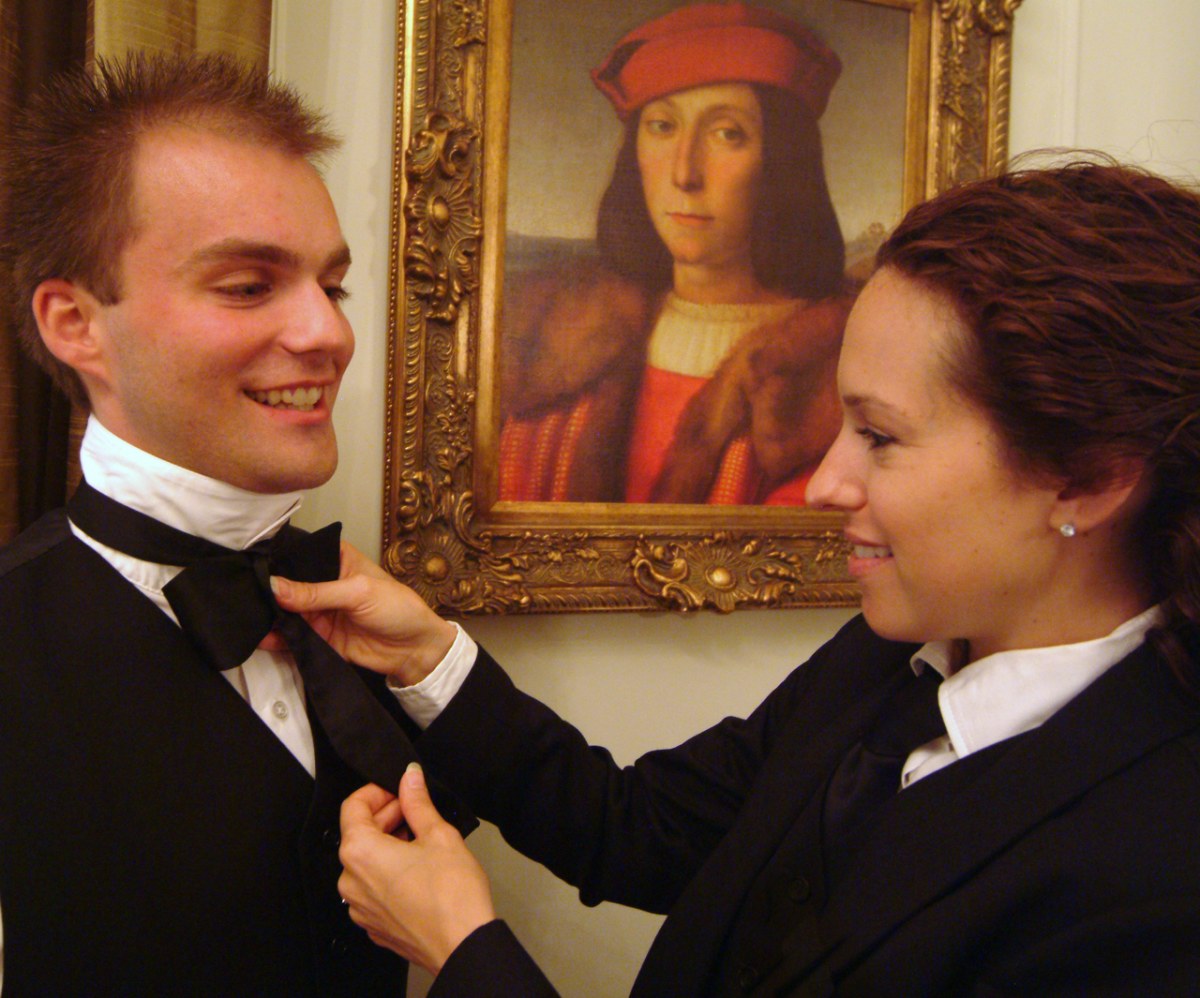
During our recent Maldives business travel we met Steven Ferry, chairman of the International Institute of Modern Butlers. Steven and his team focus on redefining “hospitality butler” for today, in addition to introducing butler-style service and standards to other industries where high levels of service are required.
Untertitel
MAp meets Steven Ferry
Blog main image
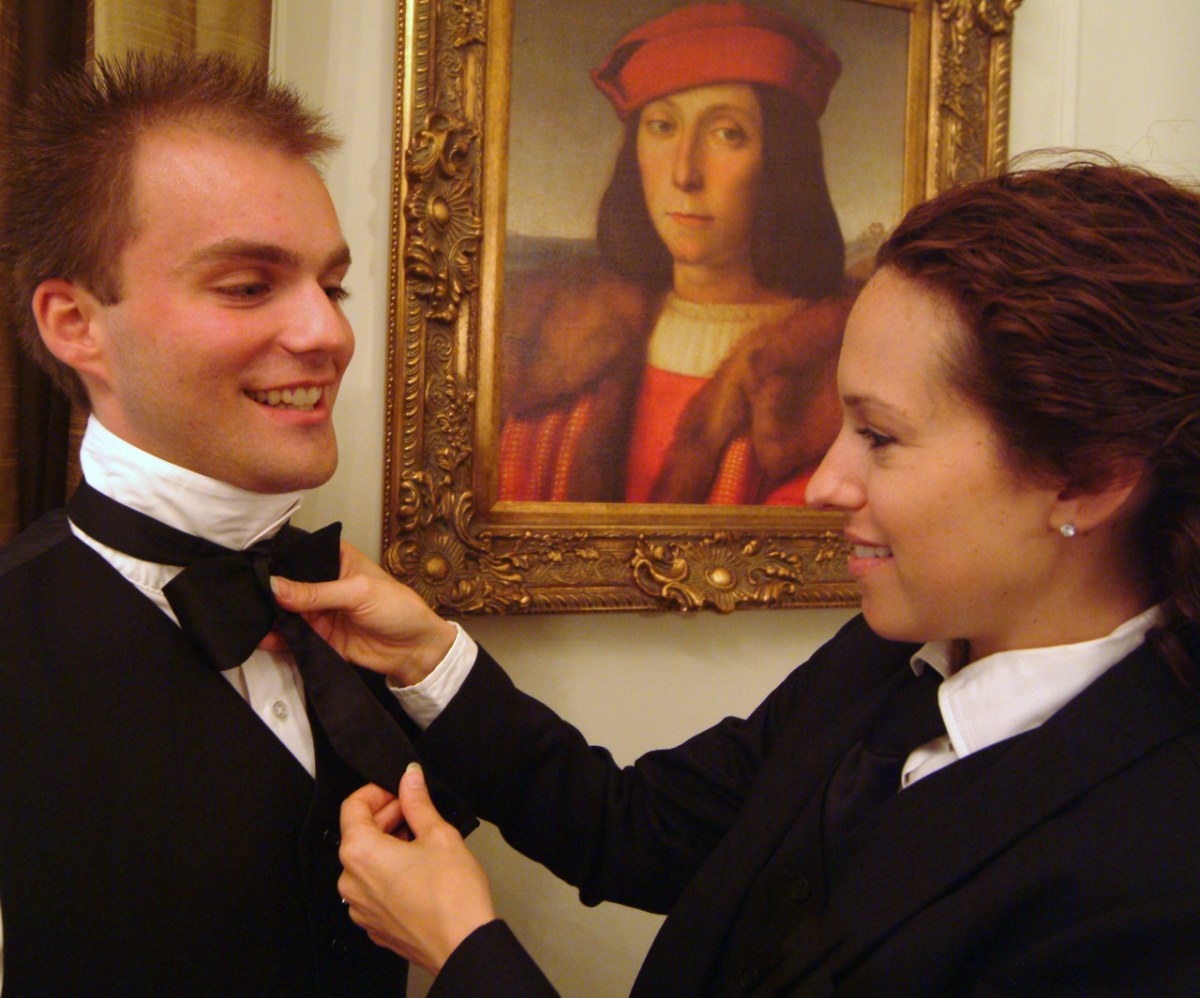
The Modern Butler – claiming back the strengths of humanity & caring!
Paragraphs

Dear Steven, can you explain what the difference between a “Modern Butler” and the old-fashioned English butler is?

Certainly. The old-fashioned English butler is just that: an invariably white, English male who believes that the only right way to be a butler is to do what butlers have done for centuries before, because that has stood the test of time. The Modern Butler, however, recognizes that time does not stand still, and nor do the employers and guests who enjoy their services. We, at the Institute, not only beat the drum about our profession needing to modernize in the face of a changing cadre of clients and their changing needs and demands, but have defined the Modern Butler as someone who keeps what is valuable of the traditional Anglo-Saxon male butler, who honed his skills over centuries of service to British and European royalty and nobility and later, the extremely wealthy, and adds to it the skills and knowledge needed to operate in the 21st Century, in the service of an international clientele. 

The Modern Butler, however, recognizes that time does not stand still, and nor do the employers and guests
who enjoy their services.
via @weareMApeople


We think of great butler service as intuitive, when guests don’t even notice the butler. What are the main characteristics of a “Modern Butler” for you?

I would say no different in essence than yours! I would call it “invisible service,” but it adds up to the same discreet and solicitous service that is founded on love of others and being of service. We actually identify 15 key characteristics in butlers or other consummate service professionals, which I won’t list here, but they do include such concepts as trustworthiness, discretion, the ethical management of all situations in the direction of calming the waters and putting all involved at their ease, and never crossing the line between being the service provider and the person who is receiving the service.

WOW customer service will become even more influential over the next decade and highly important to ensure repeat business. How do you define WOW customer service and which basics should EVERY SINGLE hotelier consider?

It is my opinion that the concept of “wow’ing” the guest started to appear in hospitality at the same time that butlers did; that is because butlers reinforced the existing concept in good hospitality practice, of pushing beyond the simple provision of “good service” to a guest with extra creativity and caring to achieve a special/memorable moment for them. This can only be achieved by those who truly care about others, as opposed to pretending to, or being obliged to by hotel policies. This explains why the last two hotels with which I am working—our mutual client in the Maldives, and one of the grand Old Dames of European hotels—have had as a key criterion in the hiring process, the taking on of staff with what has been termed “a service heart.”

Our world is moving into an increasingly mechanistic and electronic age and lifestyle. In view of this fact, where do you see the future of superior service and the modern day butler service?

Your question is one after my own heart. I have written much over the last decade or more about the need to push back against the ghastly drive to robotize the majority of human work, with the need for us humans in hospitality (and private service) to jettison any hints of robotic behavior and claim back our strengths: our compassion, humanity, caring, etc. One can program a robot to sound caring, and it sounds about the same as any hospitality employee who lacks passion and real interest in the guest. Until all guests are robots, we should treat them as humans, because that is what the majority of them appreciate, and the very foundation of good service. So, I would say that as the world continues to disappear up its own exhaust pipe of technological innovation and mechanization, the butler and service professional who focuses on emotional engagement, developing his or her human qualities, and providing superior service, will become increasingly valued by guests. Not to say they do not use their smart phones and technology to facility their service, nor even that they do not utilize forms of automation to improve that service, but the key is to put their interaction with, and focus upon, the comfort and well-being of the guest front and center, with the automations and technologies solidly in the background—providing their own invisible service to the service provider!

We at MA people are specialised in crafting innovative hotel concepts and brands: what makes a hotel experience a truly outstanding one for you personally?

Well, it would be a clearly thought-out branding that identifies the intended guests and their needs and wants, and identifies and puts forward clearly, the ways those needs and wants are to be satisfied—and ensuring thereafter that the hotel walks the talk, of course. Pretty well what you have done with our mutual client in the Maldives. You identified some excellent, unique points for the resort that aligned with the guests’ discovered desires, and communicated them very well to the management and staff. Being responsible for training one element of that vision, the butlers/island hosts, I aligned the training with the brand, coming up with ways for the island hosts to reinforce and bring that vision into the guest experience. As the island moves beyond its opening and coalesces its identity into a reputation, I have no doubt that it will become an outstanding destination for its target guests.


About Steven Ferry: 

Steven Ferry is chairman of the International Institute of Modern Butlers and the author of bestsellers Butlers & Household Managers 21st Century Professionals and Hotel Butlers, The Great Service Differentiators—and the soon-to-be-published, two-volume, Serving the Wealthy, The Modern Butler’s and Household/Estate(s) Manager’s Companion. He trains, consults and advocates for the profession around the world.

Photo credit: Marcia Laurenzano
 

Blog Block Image
The Modern Butler – claiming back the strengths of humanity & caring!

Add new comment

Comment

Order

Plain text

  • No HTML tags allowed.
  • Lines and paragraphs break automatically.
  • Web page addresses and email addresses turn into links automatically.
Types
sharing is caring

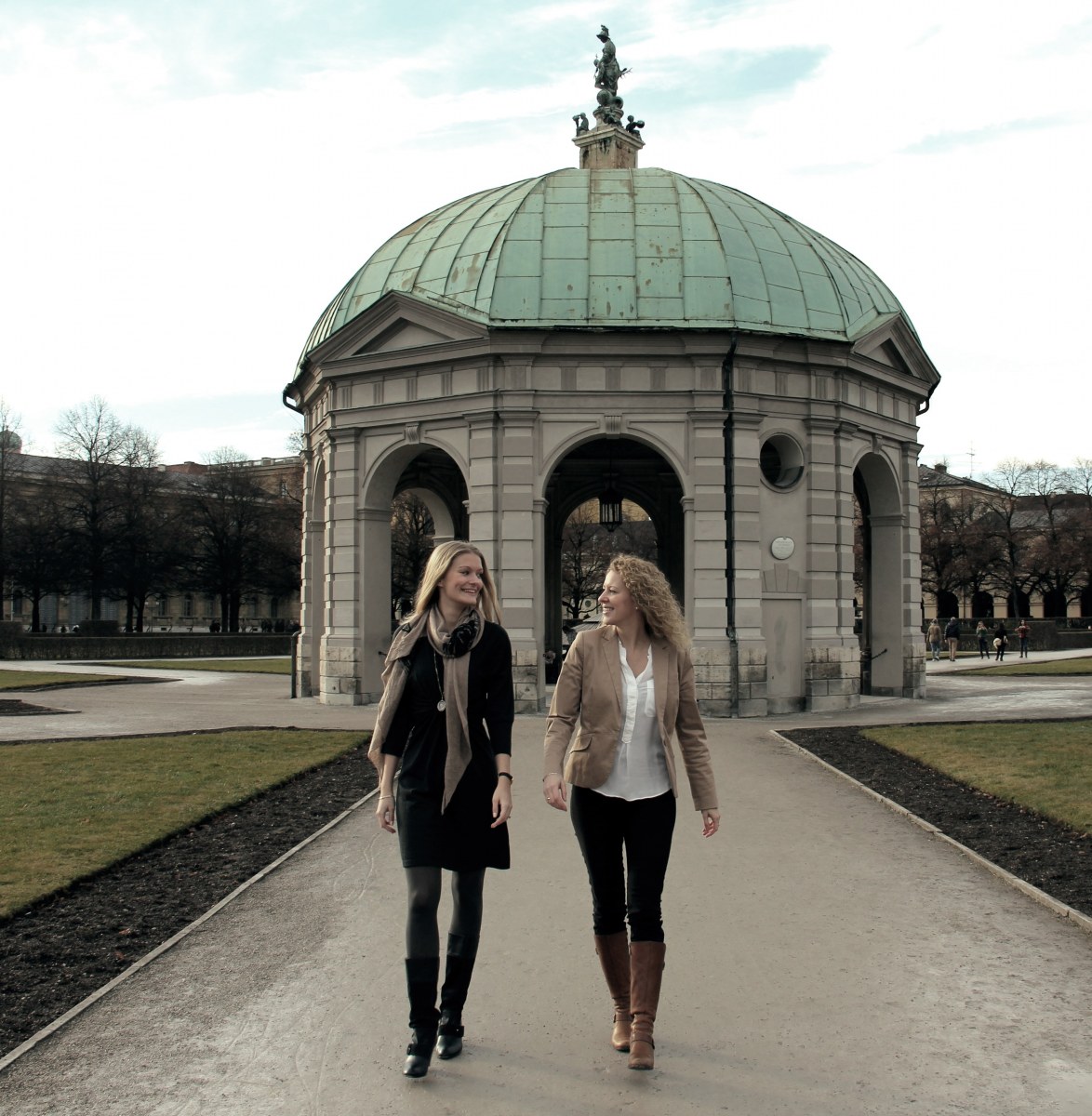
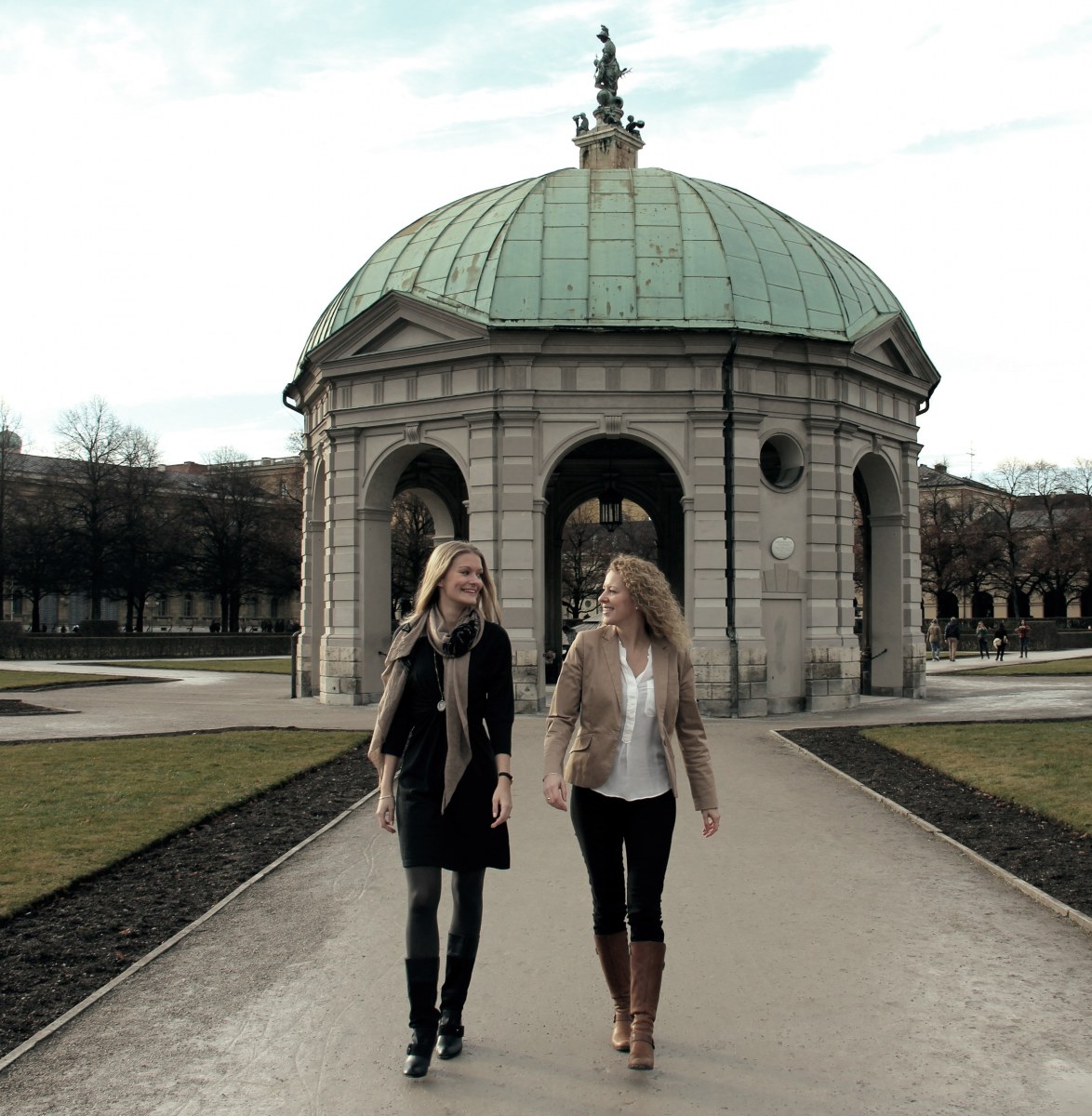
Today we are so excited to meet Helen and Isabel, the two aMAzing founders of Starling PR. Starling PR is a boutique PR agency based in Munich specialising in sustainable travel PR coupled with luxurious tourism and lifestyle. We met the Starlings via our shared clients in the Maldives, Milaidhoo Island and Baros Maldives. Here you will learn more about how luxury PR is changing and what you need to know about it.

Untertitel
MAp meets Starling PR
Blog main image
How luxury PR is changing and what you need to know about it!
Paragraphs

Helen and Isabel, tell us more about you and your company.

Before founding Starling PR, we worked for years as colleagues at a PR agency in Munich. We soon realised that we shared the same vision and ambition to approach luxury PR differently, so we decided to set up on our own. That was over three years ago, and things for Starling PR have gone from strength to strength! We want to challenge the standard approach many agencies follow to deliver real value to our clients. This is what makes us different and in demand, combined with over 20 years of luxury tourism expertise and a genuinely personal service.

In our eyes, PR is the most authentic way to achieve 
awareness for your hotel brand. 
via @weareMApeople


A few weeks ago you launched Retreat it Forward. Can you tell our readers more about the idea behind this new way of travelling and about the game-changing project itself?

As PR experts - what does PR mean to you?

In our eyes, PR is the most authentic way to achieve awareness for your hotel brand. Compared to investing in advertisement, PR is not only much lower in cost but also higher in credibility and persuasion. In today’s highly competitive hospitality market it is more important than ever to create stand-out. Most luxury hotels talk about the great services they offer; accommodation, a state-of-the-art spa, and delicious meals. However, only a few leverage the power of storytelling to truly distinguish themselves.

At Starling PR we believe in boutique PR, which for us means tailoring the message to the brand to create impactful stories that connect with guests and the media. It’s not just talking about the big features of your hotel it’s covering those finer details that will help make your brand more relatable such as the people, stories and experiences behind the hotel.

Why is PR so important for hotels and what should every hotelier consider in their PR approach?

First of all, it’s no longer enough to simply “sell” your brand, but rather about finding a way it can be of service to the media and thereby communicating your product to your potential guests via these media channels. Many people make the mistake of viewing PR as a short-term approach for standalone projects. It’s important for hoteliers to see PR as a long-term investment. It takes time to build lasting relationships and certainly more than a few great articles to create an increase in revenue. An outstanding PR agency should be there to support you in setting up a holistic PR strategy and offer expertise in cross-medial and integrated communications. The agency also needs to deliver a media network that is relevant and tailored to your needs as well as a strong understanding of marketing and sales.

You specialise in sustainable travel PR coupled with luxurious tourism and lifestyle. What do you think luxury nowadays is all about?

Luxury is not necessarily only linked to things money can buy or status symbols. Today it is much more about experiences and having access to quality time, flexibility and individuality. You need to keep this in mind in every aspect of the PR work you do and always make sure your messages and communications tap into these modern-day perceptions.

Why is PR measurement so important for PR strategy and can you recommend key metrics for our hoteliers to use?

How can you possibly know how successful your work is if you can’t measure it? Some believe even today that PR is hard to quantify, but we know that tracking performance is critical to success as well as building trust with our clients. Thanks to new technology tools it has become easier to measure the performance and impact of PR and such data can help to optimise and shape PR strategies of the future. Hoteliers should consider standard tools such as press clippings, media impressions, content analysis, market surveys and social media mentions. Also look to add booking codes to your article that will help you to measure generated leads and email marketing tools that allow to see who has opened and read your releases as well as who followed links.

What is your take on press releases nowadays? What are the must-have elements a release should always include?

We believe in the importance of regular press releases, which have the following characteristics:
1 – They update media with true and relevant news.
2 – They are written in press style with facts and emotion, are wrapped in an eye-catching designed word document and include a link to a high-res image library.
3 – They are individually tailored to a specific mailing list representing certain themes.

All of above ensures that the interest from media stays high and your updates are relevant to the respective target group. Only then your brand is of value to the media and subsequently to your prospective guests.

We at MA people are specialised in crafting innovative hotel concepts and brands: what are the key points to consider in a new hotel concept and brand in terms of public relations relevance?

To create stand-out in the highly competitive hospitality market, a hotel concept needs to include truly innovative aspects that make the hotel interesting and a real talking point for media and prospective guests. When developing the hotel concept, really consider and identify those specific pillars and stories that can be used for storytelling later on.

About Starling PR:

Starling PR is a boutique PR agency specialising in sustainable travel PR coupled with luxurious tourism and lifestyle. It’s owners Helen and Isabel are experts in their fields and offer PR, marketing and sales services to their clients. They understand their boutique service in the fact that clients are taken care of by the agency owners without changing faces of juniors handling their accounts. Oh yes, and a cute migration and songbird called starling is the story behind the name of their company ;-)


Blog Block Image
How luxury PR is changing and what you need to know about it!

Add new comment

Comment

Order

Plain text

  • No HTML tags allowed.
  • Lines and paragraphs break automatically.
  • Web page addresses and email addresses turn into links automatically.
Categories
Types
sharing is caring

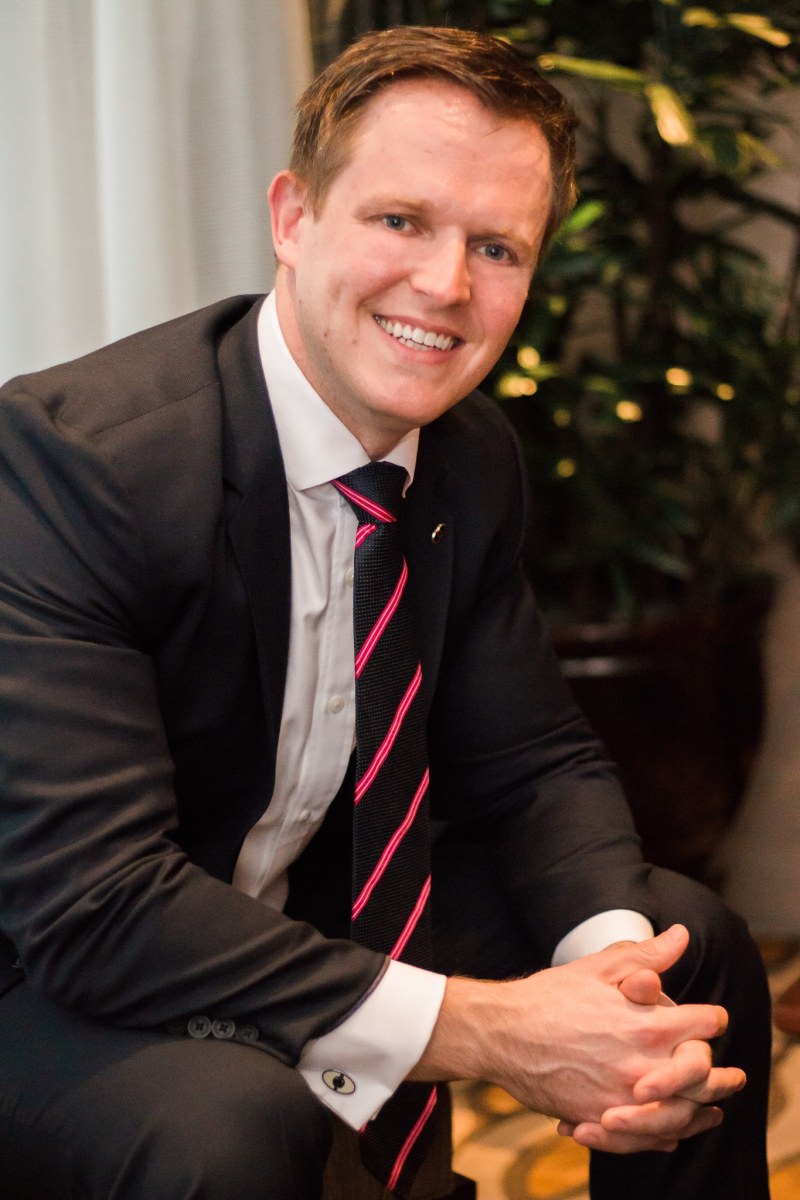
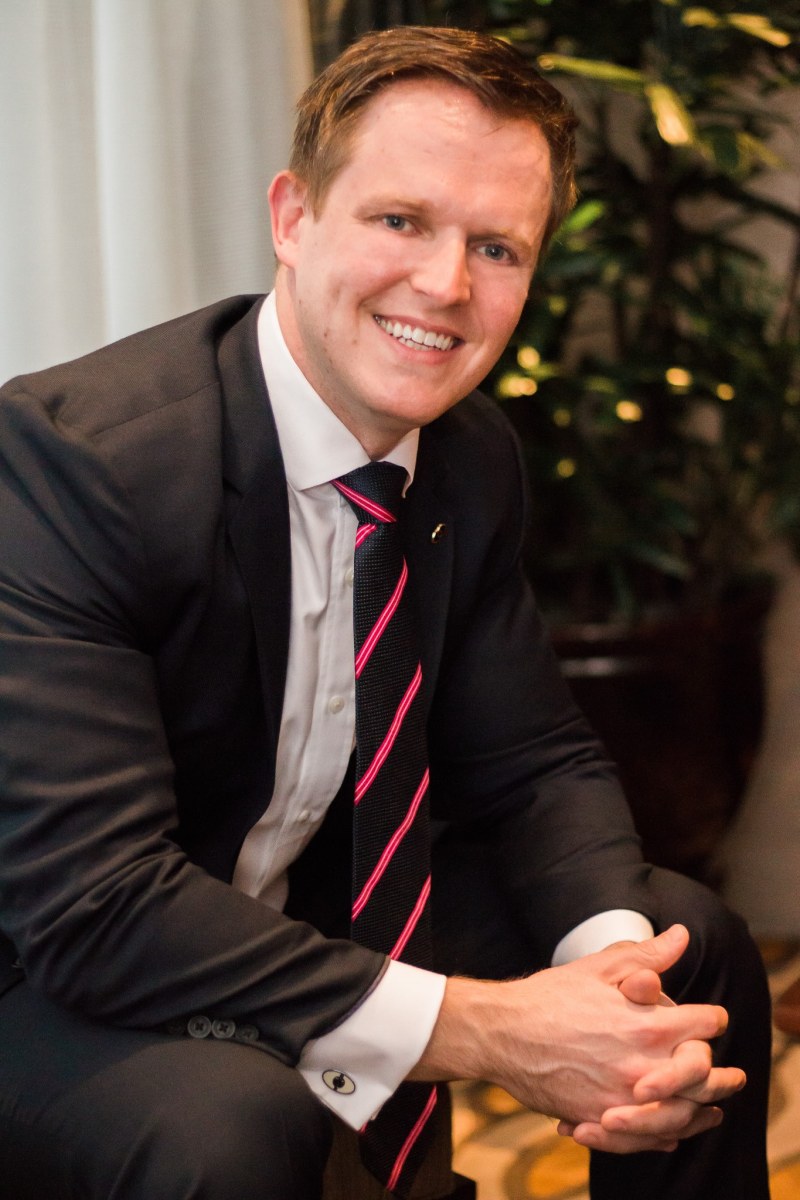
Today, we are excited to meet Thomas Kerschbaumer, Director of Rooms at Sofitel Philippines Plaza. Born in South Tyrol/Italy, Thomas is an intrepid traveller and has worked for some of the best hotels and resorts in Asia. Here’s what he had to say about his love for Asia, his insights on the ever-changing demands of luxury travellers and how he manages to keep his team motivated and exceed the expectations of high-end guests.

Untertitel
MAp meets Thomas Kerschbaumer, Director of Rooms at Sofitel Philippines Plaza
Blog main image
Luxury hospitality in Asia - MA people MAp Boutique Consultancy
Paragraphs

Thomas, first of all, we would like to know more about your love for living and working in Asia.

I was always fascinated with the Orient since a young age—the culture, the food the history, you name it. So when the opportunity arose for an 8-month internship as part of my senior year in the University, I knew it had to be somewhere in Asia. Back in 2004, it was not that common for students to venture to the Far East and I knew going beyond the norm would give me an advantage in my career apart from boosting my portfolio.

I was quickly accepted into the Management Trainee Program with the HNA Group, one of the most active global investment companies. As part of my program, I was trained and placed in four different hotels all over China. This gave me one of the most exciting life experiences to date. Though I was only 22 years old back then, my involvement working for my family’s hotel while growing up gave me the necessary confidence and know-how to excel in my new position. The local Asian Hotel Industry did not possess the amount of sophistication and knowledge in Food & Beverage or fine lodging per se, and therefore I felt validated and appreciated by each company for sharing my expertise and skills with the local work force.

Validation and appreciation ultimately turned into self-actualization, the main driving force behind my whole existence as a hotelier. It made me aware of my talent hence my purpose, which is to share my experience and let others grow through my leadership.

As hoteliers, we have to find ways to constantly tap into our guests’ feelings with genuine authentic service.
We veer away from “clinical processes” and deliver service from the heart.
via @weareMApeople


When you look back on the last 15 years working in luxury hotels how have the demands of sophisticated traveller changed?

Understanding tomorrow’s travellers has always been a key enigma for us hoteliers. What applied yesterday may no longer apply tomorrow. Back in the day, it was enough to offer sophisticated travellers ultimate luxury mainly on the infrastructure along with professional service.

This trend soon became standard and expected by seasoned travellers who wanted more authenticity or something new that they had not seen before. Nowadays, sophisticated travellers are looking for experiences that give them meaning, moments that provide emotions to hold on to. You certainly won’t get an emotional connection with an ultra-luxurious room just because of the velvet carpet or 50 inch LED TV. Thanks to TripAdvisor and the like, luxury clients have become more independent, better informed and way harder to please. As hoteliers, we have to find ways to constantly tap into our guests’ feelings with genuine authentic service. We veer away from “clinical processes” and deliver service from the heart.

Do you see a difference between Asian luxury guests and guests from other countries?

Absolutely. Generally, I would say that the Asian culture has a big influence on the way guests behave. Face value, prestige and status symbol are much more important for the Asian guest than for the Western guest. Likewise, their need for prestige will influence the purchasing decisions. On the flip side, staying in a luxury hotel for a Western guest might be more of a choice to guarantee them a safe and secure environment with all the comfort they are accustomed to.

In your position as Director of Rooms at Sofitel Philippines Plaza you manage a team of 350 Ambassadors. What are your biggest challenges and what do you feel is crucial to keep a team motivated?

I don’t really consider anything a challenge in a negative sense as everything is part of leading a team, which is something I love. What does occupy a lot of my time is mediating grievances amongst departments or single individuals. Frictions and conflict are normal in society, therefore a team with 350 individuals from all parts of the world and various social backgrounds, has its fair share of issues. Bringing teams together, making them understand the hotel’s vision, aligning the ever-changing corporate guidelines, channelling communication correctly and overseeing the operational aspect of a busy hotel are just a few of the other tasks that make up my day!

However, motivating my team is the single most important task as it makes all of the above much easier if I have highly engaged members. As a Division Head, I aim to create a circle of trust - a safe place where all team members feel valued and welcomed. Inspired by the author Simon Sinek, I came to realize that only in an environment where there is trust and mutual respect, one individual can excel and motivate him or herself.  

Keeping an open door policy (I literally removed my office door to set an example) and walking around the departments and speaking to colleagues on a daily basis allow me to connect better with my team. Sometimes a simple and sincere “Hello, how are you today” can make a difference and break down the hierarchical barrier. As does taking an interest in what my team members do as individuals outside of work helps us to connect and relate to each other better.

We at MA people specialise in crafting innovative hotel concepts and brands: what makes a hotel experience a truly outstanding one for you personally?

For me, it’s all about service and attitude. I don’t need a professional concierge or front desk agent that can perform their tasks in a blink of an eye. I would be pleased with the speed of service of course but I won’t be wowed. I much rather prefer staff that sincerely care and thank me for staying with them, staff that makes me feel at home even though it’s my first time at their property.

Allow me to share a personal experience to elaborate the point better: I don’t remember how many floors the Hotel in Kuala Lumpur last week had. Nor do I remember the size of their TV neither the colour of the carpet. However, I do remember the bellman, Zack, who carried up my Rip Curl duffel bag and noticed that I might be into surfing or wakeboarding. He wasn’t a well-spoken guy in terms of English, but it impressed on me that he was genuine and attentive. He encouraged me to visit the Sunway Lagoon Water Park that offers an incredible (in his words) wave pool that gives the closest experience to real surfing. True enough, I did visit the park the next day and boy was I amazed. The tip that I left at the counter for Zack was returned to me the next day with a little note saying “Knowing you enjoyed it is already priceless. Regards, Zack”.

My final message to all hoteliers and owners out there: Invest in to a great product that gives all of your target travellers the necessary luxury they crave. Ultimately, however, you shouldn’t overlook or underinvest in your management team. You only need a handful of good leaders to create a fruitful and happy working environment for hundreds of employees. As we all know, happy employees equal happy guests.

About Thomas Kerschbaumer:

Thomas studied Tourism Management at the Free University of Bolzano/Italy following which he took on a variety of management positions in China and Singapore. Since 2014 he is working for the Sofitel brand, first as Front Office Manager at the renowned and iconic Sofitel Legend Metropole Hanoi and since 2016 as Director of Rooms at the Sofitel Plaza Philippines.

Blog Block Image
Luxury hospitality in Asia - MA people MAp Boutique Consultancy

Add new comment

Comment

Order

Plain text

  • No HTML tags allowed.
  • Lines and paragraphs break automatically.
  • Web page addresses and email addresses turn into links automatically.
Categories
Types