sharing is caring

What is hotel positioning? And who decides what the positioning of your hotel is? Understanding hotel positioning is paramount for independent hoteliers striving for success.

In this insightful blog post, we delve into the intricacies of hotel positioning — answering the fundamental questions of WHAT it entails and WHO holds the reins in determining your hotel's positioning strategy. Let’s get started!
Untertitel
Learn how to successfully position your hotel on the global map
Blog main image
The importance of strategic hotel positioning for independent hotel businesses MAp Boutique Consultancy
Paragraphs

What is hotel positioning?

As you see in the following illustration, defining a hotel’s positioning is an essential part of every hotel concept we create at MAp Boutique Consultancy.

Once we know what your hotel’s unique Purpose is, and for which People your hotel exists, we embark on defining your hotel’s unique position on the MAp.

The importance of strategic hotel positioning for independent hotel businesses

Our hotel clients always get excited about this hotel positioning exercise. But, there is a small “downer” you should know: even if we strive to achieve a clear and unique hotel positioning, ultimately it is not us who decides what the hotel positioning is. The hotel positioning is defined by your People, above all, your guests, and this implies that your control over your hotel positioning is limited.
The importance of strategic hotel positioning for independent hotel businesses

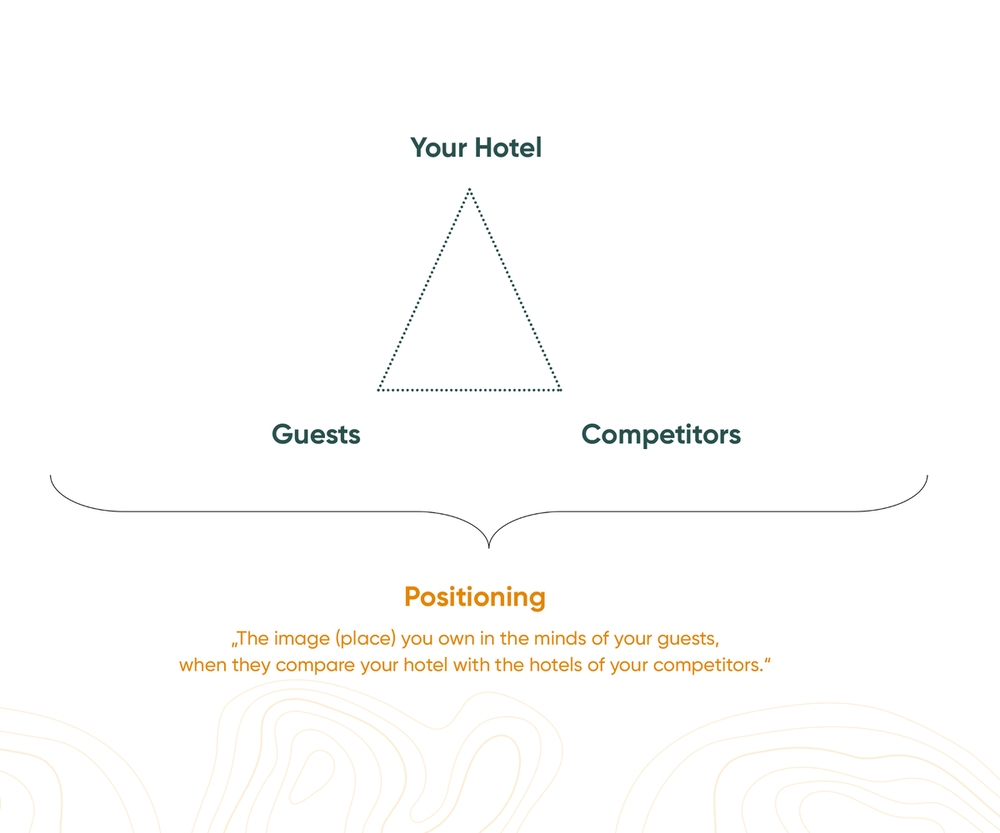
This triangle is called the “Strategic Triangle” that serves to identify long-term business advantages or, as we call it, success potential. Sometimes it is also called the 3C Model, showing the tension field and interplay (therefore we use a triangle) that consists between Customer, Competitor and Company.

And: hotel positioning is the image (place) you own in the minds of your guests, when they compare your hotel with the hotels of your competitors.

If you aren’t different, then you’re in trouble

Now that you understand what hotel positioning is, let’s walk step-by-step in how we at MAp define a hotel’s unique positioning. The fact is, we are experiencing a crowded marketplace. Therefore, we aim to achieve a hotel positioning that:

  • Focuses on relevancy
  • Focuses on differentiation from competition
  • Is credible and attainable
  • Finds a place on the MAp where you / your services are the only answer for a specific someone Now as the last sentence implies, to create your unique hotel positioning you MUST DEFINE for WHOM you are working / WHO this specific someone is.

Only if you have your defined buyer personas ready (= your target guests) you can answer an important question: How do you find your unique position on the MAp? Therefore, if you haven’t defined your buyer personas yet – now’s the time to do it!

Even if we strive to achieve a clear and unique hotel positioning,
ultimately it is not us who decides what the hotel positioning is – it’s the guest.
@weareMAp

Finding your unique position on the MAp

Next, you have to know on which MAp to position your hotel. When working with clients, we like to use a simple and effective positioning matrix. For the purposes of this blog post, let’s keep it simple, and that means you should decide if your MAp is i.e. boutique luxury hotels, family hotels, boutique city hotels, etc.

Once you have defined in which segment to position your hotel, most often you’ll realise that you’re not the first to do so! Even if you’re tapping into a growing market and seeking to serve your specific audience better than your competitors, our MAp advice is to keep digging and to add a further niche into the mix. And, of course, to strive to add something new and exciting to the segment and the hospitality landscape at large. 

How to create a positioning statement

Once you’ve defined your position on the MAp, it’s time to put it down in words. You can do so by crafting a hotel positioning statement. We’ll give you MAp’s positioning statement as an example.

MAp Boutique Consultancy

TO… Innovative investors and boutique hoteliers that need direction, empowerment and support in getting their ventures off the ground, levelling up and setting a strong foundation for growth

MAp IS… the leader in developing and empowering sustainable and innovative hotels and brands

THAT… makes hotels matter by creating a better future for People and Planet.

What’s yours?

TO… __________________________ (target audience / buyer personas) ________(your hotel) IS… __________________________ (your position on the map) THAT… __________________________ (what you will do for your target audience / buyer personas)

And another blog post comes to an end. Maybe we can summarise what we’ve learned today about hotel positioning best with a quote from Simon Sinek:

“In order to stand out, we have to know what we stand for.”

We hope that after our time together, what YOU stand for is much clearer. And if not, please do not hesitate to contact us in order to find your unique hotel positioning on the MAp.


Hotelmarketing

We market your innovative and sustainable hotel

Through our hotel marketing services, we position your independent and boutique hotel on the global MAp – in a unique, sustainable and authentic way.
Blog Block Image
The importance of strategic hotel positioning for independent hotel businesses MAp Boutique Consultancy

Add new comment

Comment

Order

Plain text

  • No HTML tags allowed.
  • Lines and paragraphs break automatically.
  • Web page addresses and email addresses turn into links automatically.
sharing is caring

At MAp Boutique Consultancy, we support hotels in their launches and openings, ensuring that each establishment is equipped with the necessary tools for near-term and long-term success. Central to our strategy is the development of effective hotel websites, which are indispensable assets in modern hospitality marketing and communication.

In this blog post, we offer a guide to creating hotel websites tailored specifically for new openings. Whether you're embarking on a new venture or seeking to enhance your hotel’s existing digital presence, our aim is to help you achieve optimal results in this competitive landscape.

Untertitel
The 3 steps to launching your hotel website
Blog main image
How to create a first landing page for your new hotel MAp Boutique Consultancy
Paragraphs

When crafting hotel websites for new openings, there's a fundamental principle we at MAp adhere to every time: step-by-step. Why? Because each hotel launch comprises a multitude of distinct elements and puzzle pieces that gradually come together over time. This dynamic often means that launching a complete hotel website right from the start is rarely feasible.

On the other hand, the time constraint underscores the importance of swiftly launching your hotel website. This urgency is driven by the necessity to initiate your hotel sales and communication activities, while also configuring essential programmes and systems—many of which are intricately linked to your hotel website.

Create a unique website design
that matches your hotel positioning and speaks to your defined target audience.
@weareMAp

Step 1 – Create a landing page

The first step to tackle when launching a new hotel is to create a landing page. A landing (or launch page) is a simple page where you present the main information about your new hotel opening. It gives you a first presence in the World Wide Web and offers People the chance to learn more about your hotel, contact you or register already for your hotel newsletter.

However, this doesn’t mean your landing page needs to be simple. It’s important to be meticulous about using the right brand design, presenting your hotel in the best light (i. e. with beautiful renderings), and telling your unique story in an emotional way.

Step 2 – Set up your hotel website and system

Once your hotel landing page is online, and hopefully is already attracting attention and enrolling potential guests, employees and partners to your newsletter, you have to work on the following tasks and elements:

  • Full hotel website: Create a unique website design that matches your hotel positioning and speaks to your defined target audience. Also make sure that your tone of voice matches your hotel brand and that you clearly communicate why guests should stay at your hotel in a compelling and emotional way.
  • System and programmes: Start working early enough on all the other programmes that are connected with your hotel website. Be those your correspondence manager system, the property management system, channel manager, newsletter tool, etc. While your hotel landing page is online, you can organise the set-up and do the testing in the background.

Step 3 – Launch your new hotel website

The big day to make a big splash has come! And you should not waste the opportunity to make this launch event special. Some ideas to help you with your hotel website launch:

  • Create a launch countdown on your social media channels
  • Ask friends and partners to spread the word via their channels
  • Send a newsletter to your contacts to make them aware that your new website is online
  • Combine the hotel website launch with a real event
  • Inform press and media about your website launch

Are you in the process of launching or opening a new hotel and are needing a stand-out hotel website? Then don’t hesitate to contact us, we’d be excited to bring your unique hotel online and out into the world.

Set you apart from the sea of competition

We create your website

Through our hotel website services, we position your independent and boutique hotel on the global MAp – in a unique, sustainable and authentic way.
Blog Block Image
How to create a first landing page for your new hotel MAp Boutique Consultancy

Add new comment

Comment

Order

Plain text

  • No HTML tags allowed.
  • Lines and paragraphs break automatically.
  • Web page addresses and email addresses turn into links automatically.
Types
sharing is caring

Welcome to this blog post about an important topic close to our hearts: Hotel Marketing! It's not just an area of expertise for us; it's a passion that fuels our enthusiasm! So, let's dive into this subject. We'll explore the essence of marketing, debunk misconceptions, and unveil strategies tailored specifically to help small hotels and businesses to thrive. 

Untertitel
MAp specialises in empowering small and independent hotels, as well as businesses, to excel in their marketing endeavors
Blog main image
Hotelmarketing: Unsere Top 3 Tipps für kleine Hotels und Unternehmen MAp Boutique Consultancy
Paragraphs

Defining (Hotel) Marketing

As a hotel marketing agency, our initial step in any new collaboration is to establish a clear understanding of the dynamic landscape of marketing. It's essential to recognise that marketing has undergone substantial transformations over the past decades, adapting to changing consumer behaviours and technological advancements. Traditional marketing, the traditional method of developing, promoting and selling products or services, has been the cornerstone of marketing strategies for many years.

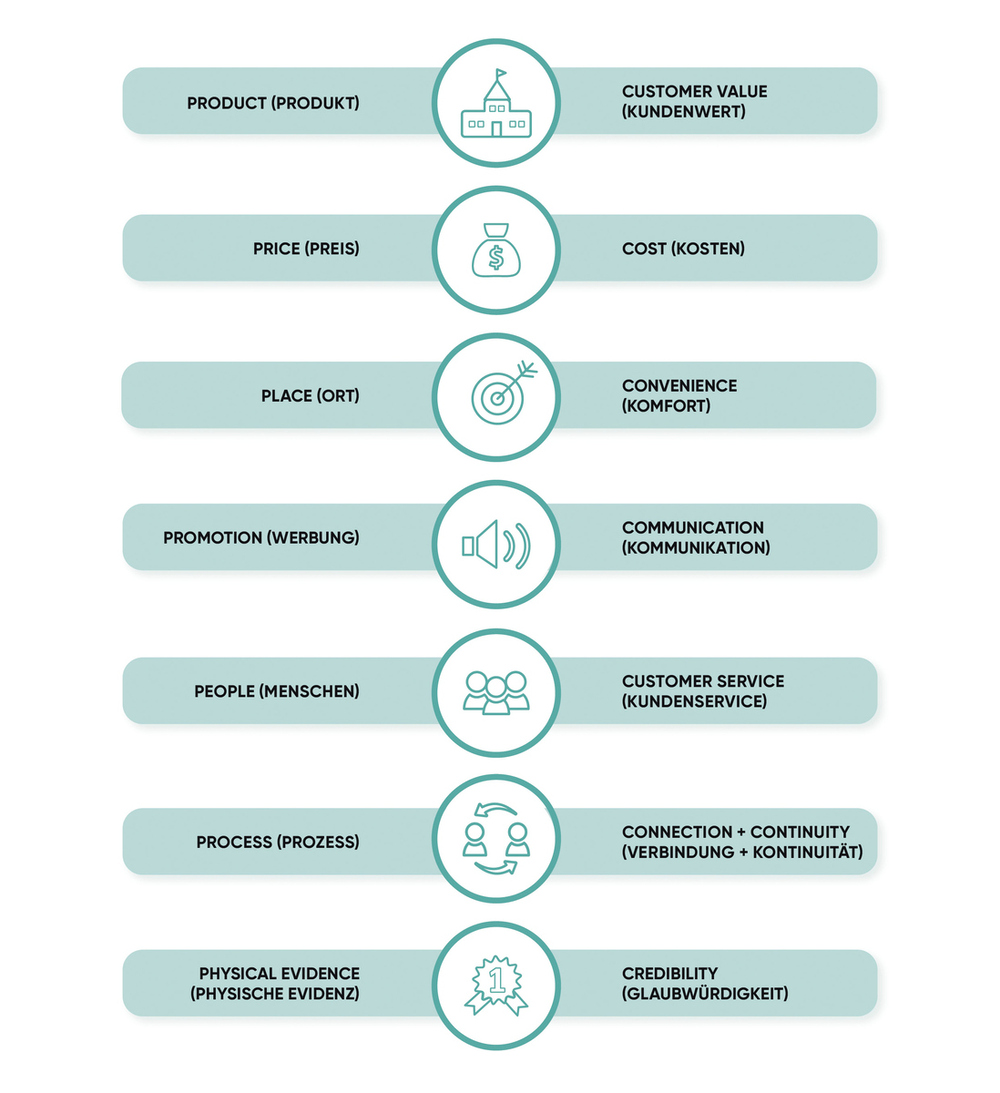
Initially focusing on the 4 Ps – Price, Product, Place, and Promotion – this approach has since evolved to encompass a broader spectrum and additional dimensions - like Physical Evidence, People, and Processes - forming what is commonly known as the 7 Ps.

However, it's crucial to acknowledge alternative perspectives in marketing. In 1973, Professor Koichi Shimizu introduced a paradigm shift with his innovative 7 Cs Compass Model. Unlike the company-centric focus of the Ps, the 7 Cs framework adopts a consumer-centric viewpoint, emphasising crucial elements such as Customer Value, Communication and Convenience (Carniel, 2022). This shift highlights the importance of aligning marketing strategies with the ever-changing needs and preferences of modern consumers.

Hotel Marketing: Our top 3 tips for small hotels and businesses
We encourage you to engage in marketing endeavours that you take pride in
– ones that address People's needs and contribute to creating a better world for everyone!
@weareMAp

For decades, the P and C models helped hotels and businesses to define their marketing mixes and align their marketing activities with their respective markets (as implied by the very term “MARKETing”).

However, it became increasingly apparent that the essence of traditional marketing began to veer away from its original intent – to glean insights from the market, develop products and services tailored to meet market needs, and enhance overall market value. Instead, there emerged a growing reliance on persuasion and manipulative messaging to compel consumers to purchase products or services.

Over the last decades, however, new marketing thought leaders have reshaped the definition and perception of marketing. Seth Godin (2019) defines marketing as follows in his ground-breaking book “This is Marketing”:

Marketing is the generous act of helping others become who they seek to become. Instead of selfish mass, effective marketing now relies on empathy and service. Marketing is not a battle, and it’s not a war, or even a contest. Marketing is the generous act of helping someone solve a problem. Their problem. Effective Marketing is about understanding our customers’ worldview and desires so we can connect with them. It’s focused on being missed when you’re gone, on bringing more than People expect to those who trust us. It seeks volunteers, not victims.

Our 3 Hotel Marketing tips for small hotels and businesses

1. Clearly define your hotel marketing budget

As a hotel marketing agency, we always say: you need to invest some money to make more money. And this totally applies to hotel marketing, where strategic investments yield substantial returns! Unfortunately, it’s too often that small and independent hotels never take the time to create a marketing budget.

Therefore, our MAdvice:

  • Define an annual marketing budget. As a rule of thumb, your hotel marketing budget should be between 8 and 12% of your hotel turnover.
  • Define the return on investment you expect, e.g. how many new guests, the ADR, the occupancy rate, etc.
  • And then, make sure to define HOW you will measure the ROI! Because, as we like to say to our clients: what you’re not measuring, you can’t optimise.

2. Hope is NOT a strategy

After defining your hotel marketing budget and your hotel marketing goals, it’s time to plan it out. Together with our clients, we start with a yearly plan and scheduling tasks, actions, outputs, per quarter. As a last step, we define top goals per month.

Our MAdvice: set monthly goals aligned with your quarterly goals. Be flexible about how you are going to reach them.

3. Don’t try to be everywhere – be specific

One of the biggest pitfalls we see hotels and small businesses fall into is trying to be “everywhere”. Let’s look at hotel social media to illustrate what we mean by this.

There are an array of social media channels out there, with every channel having its own rules, do’s and don’ts. All too often we see that hotel clients try to be on all of them, without realising that being specific and choosing the channels carefully, and planning the content out in detail on those important channels (= the channels your potential guests and clients are on), delivers much better results. Our guiding mantra at our hotel marketing agency is: Class over Mass!

Our MAdvice: choose your channels wisely, be focused and deliver the best content you can. Quality always wins in the long-run.

Bonus MAdvice: Don’t forget sustainability - and practice sustainable marketing!

As we highlighted earlier in this blog post, marketing encompasses seven key functions, often represented by the 7 Ps or 7 Cs. Let's delve into one of these functions in this concluding section: communication. Traditionally, marketing communication has been characterised as loud, paid, persuasive, and sometimes manipulative. However, if you aspire to elevate your hotel marketing for sustainable success, we at MAp advocate for one overarching principle: sustainability.

Sustainable Communication means you are communicating in a socially-responsible and ecological manner, with no negative impact to society, the economy and the Planet. The objective of Sustainable Communication is therefore to reduce the environmental and social footprint of communication activities and to make sure that all can profit from them.

We’re convinced that the future of marketing (AND hospitality) is sustainable, and you can learn more on this topic here. As always, we extend our gratitude for your commitment to #neverstoplearning.

After reading this blog post, we encourage you to engage in marketing endeavours that you take pride in – ones that address People's needs and contribute to creating a better world for everyone!

Hotel Marketing

We market your innovative and sustainable hotel

Through our hotel marketing services, we position your independent and boutique hotel on the global MAp – in a unique, sustainable and authentic way.
Blog Block Image
Hotel Marketing: Our top 3 tips for small hotels and businesses MAp Boutique Consultancy

Add new comment

Comment

Order

Plain text

  • No HTML tags allowed.
  • Lines and paragraphs break automatically.
  • Web page addresses and email addresses turn into links automatically.
Types
sharing is caring

Is it time to bring your new hotel project to market? To launch it in style and make a big splash? Then this blog post is for you, because you never get a second chance to make a first impression!

At MAp Boutique Consultancy, we have supported hotel developments and new hotel projects since the founding of our hotel agency, and so we share with you our top recommendations for success and pitfalls to avoid when launching a new hotel. #onwards

Untertitel
Our top recommendations for success and pitfalls to avoid when launching a new hotel
Blog main image
What to consider when opening a new hotel MAp Boutique Consultancy
Paragraphs

Our TOP 3 recommendations for a successful hotel opening

1. Create a hotel opening strategy starting at least one-year pre-opening

Having a hotel opening strategy in place early is crucial! At MAp, a hotel opening starts at least one year before the hotel opens and involves a wide range of areas, topics and tasks to consider.

  • From refining the hotel concept and positioning,
  • To creating and activating the hotel brand,
  • To setting up a successful launch campaign including communication and sales channels,
  • To searching for, identifying and onboarding the right partners,
  • To producing offline and online communication tools and materials, etc.

The earlier your hotel opening strategy is in place, the better! There’s a lot of work to be done!

2. Create an action plan:

What, Who, When, How Once your hotel opening strategy is in place, make it as tangible as possible and define clearly:

  • WHAT needs to be done,
  • By WHOM (responsibilities),
  • WHEN (time plan),
  • HOW (aligned with the hotel’s values)

Make sure all partners are briefed accordingly and everybody has the tools and resources needed to make it happen.

3. Monitor, optimise, push

During hotel openings, often our role at MAp consists of aligning all partners, monitoring results, optimising processes, and above all, pushing through so that things happen when they are supposed to per the hotel opening plan.

Why is it crucial to have that one person or responsible party closely monitor the process? Because the closer the hotel opening comes, the more we can compare it to finalising a puzzle. And if one puzzle piece is missing, the other parts aren’t able to do their work.

You never get a second chance
to make a first impression!
@weareMAp

3 Pitfalls to avoid when launching a new hotel project

After sharing with you our top three recommendations for opening a new hotel, let’s wrap this blog post up with the pitfalls we encounter most often during new hotel openings.

1. Running out of budget

Oh yes! You have budgeted well, but then, the closer you get to the hotel opening, the fewer the funds. Now the problem is that this hotel opening phase, the launch, is your only chance to make a first impression. So, if you’re not anymore able to run the campaigns, invest in the stylish website or bring on other partners, you truly miss a big chance, and this will hurt you in the long-run.

2. Required material is not available

How can you promote your hotel, if no renderings or photos are available? Or your key messages and pitchlines haven’t been created? We do agree that no hotel launch will be perfect and there will always be some missing pieces. But if essential basics, such as visual material, are missing, you won’t be able to push your new hotel in the market. Therefore, make sure to identify early enough what basics you need to launch your new hotel project successfully.

3. Construction gets delayed

We end this blog post with the most common pitfall when talking about new hotel developments. You’re set to open on date x, but construction gets delayed and all your great hotel opening ideas are becoming a mess. Therefore, we always make sure that we announce a concrete opening date as late as possible. For example, start by communicating Spring 2024, and communicate the concrete date of May 1, 2024 only when you know it’s an air-tight realistic and achievable date.

What else comes to your mind when talking about hotel openings? What are the pitfalls you have encountered during new hotel project launches? We are looking forward to reading your insights in the comments.

And if you are in the process of launching a new hotel and need some support, let us know – we are looking forward to hearing from you.

Hotel Marketing

We market your innovative and sustainable hotel

Through our hotel marketing services, we position your independent and boutique hotel on the global MAp – in a unique, sustainable and authentic way.
Blog Block Image
What to consider when opening a new hotel MAp Boutique Consultancy

Add new comment

Comment

Order

Plain text

  • No HTML tags allowed.
  • Lines and paragraphs break automatically.
  • Web page addresses and email addresses turn into links automatically.
Types
sharing is caring

In the ever-evolving hospitality industry, staying ahead of the competition and meeting the dynamic demands of travellers is paramount. One effective strategy that can breathe new life into a hotel's identity and boost its appeal is undergoing a hotel rebrand. But why is rebranding your hotel important, when should you consider it, and how does it work?

In this blog post, we’ll address these questions and provide you with a clear roadMAp for action, outlining five concrete steps to successfully rebrand your hotel. These steps will empower you to navigate the transformation process and make sure that your establishment remains a highly-desired choice for your guests.

Untertitel
When, why and how to successfully reinvent your hotel image
Blog main image
Hotel-Rebranding MAp Boutique Consultancy
Paragraphs

WHAT is a hotel brand?

First, let’s start with some basics: WHAT is a hotel brand? The answer to this question might seem obvious, but all too often as a hotel boutique consultancy, we realise at the beginning of a hotel branding or hotel rebranding process that it is misunderstood. Therefore, let’s start this blog post with a short definition of what a hotel brand is and what it is not:

A hotel brand is NOT only the hotel logo or the hotel visual design. A hotel brand encompasses a whole set of elements from the visual identity (i. e. your hotel logo, the type fonts you have chosen, the uniforms your employees are wearing), to the visual identity (i. e. your hotel name, slogan, tone of voice) to sensory branding (i. e. how your hotel smells and sounds). In addition to these tangible elements, it includes intangible ones too, like your hotel’s vision, mission and values, which make up your hotel brand’s foundation.

In other words, your hotel brand is the way your hotel products and services are perceived, and therefore, hotel branding encompasses every action your business takes that creates a unique identity in the minds of your potential audience and other People (such as team members, partners, the local population).

Altogether, your brand is a reason to choose your hotel over a competing hotel. That’s why at MAp we like to quote Steve Forbes: “Your brand is the single most important investment you can make in your business.”

WHEN to consider Hotel Rebranding

It’s essential to understand when and in which situations rebranding your hotel might be the right choice for you. Over the last decade working as a creative hotel agency, we have identified the following top 5 indicators that it might be time to reinvent your hotel brand:

1. Market Trends and Shifting Demands:

It's vital to keep a keen eye on market trends and shifting guest demands. Recognising new preferences and emerging opportunities in your target market can signal the need for rebranding of your hotel. Pay attention to guest feedback and reviews, as they often provide valuable insights into the need for change. Over the last years, one of the biggest market trends and shift in demands we have seen is “Sustainability”. Therefore, at MAp we are not only creating stylish and unique brands, but sustainable ones too. You can learn more about sustainable hotel branding in this blog post.

2. Hotel Life Cycle:

Consider where your hotel stands in its life cycle. Because rebranding can be a strategic move, moving your property i. e. from a new establishment to an established one. Or doing a rebranding can be a strategic choice when a hotel undergoes a change in ownership or management, it's often an opportune time to rebrand to reflect the new direction, vision and strategy of the hotel. The same goes for property renovations or expansion.

3. Declining Occupancy and Revenue:

If your hotel is consistently experiencing a decrease in occupancy rates and revenue, or a deluge of bad reviews, it may be time to rebrand to attract a different customer segment or revitalise your image. However, as a hotel creative agency that develops innovative and sustainable hotel concepts, we emphasise that when talking about declining occupancy and revenue the issue often lies deeper. If you are not clearly positioned in the market or do not have a distinctive hotel concept, a rebranding might not help you in the long-run without the strategic groundwork being done as well.

4. Outdated Brand Image:

If your visual identity and elements, such as logo or interior décor, no longer align with the target market's expectations or the current design trends, it may be time for a hotel rebrand to create a more contemporary and appealing image. Also, here it is important to check on the other brand elements and evaluate if they need a refresh too.

5. Market Competition:

Increased competition in your destination or segment may require you to rebrand to stand out and differentiate your hotel from others, showcasing unique features or experiences. This is also always a good time to check on your hotel positioning and hotel concept.

WHY Rebrand Your Hotel

So, why should you consider rebranding? The answer lies in the potential benefits.

  • To make sure that competition is not drowning you out: Rebranding can give your hotel a competitive edge. Not rebranding can leave you falling behind in a highly-dynamic industry.
  • To align with a new vision: Ensure that your branding aligns with your hotel's evolving vision. Case studies of successful rebranding efforts can serve as inspiration.
  • To reach your desired customers: If you're not attracting your desired customer demographic, it might be time for a rebrand. Understand how rebranding can directly impact the guest experience and how improved amenities and services can create lasting impressions.
  • To ensure boosting Profit: Rebranding isn't just about aesthetics; it's about the bottom line. Data shows that successful rebranding is likely to lead to increased Profit as well.

HOW: 5 Steps to Rebrand Your Hotel

Now that we've explored WHEN and WHY rebranding your hotel is essential, let's dive into the HOW - to ensure your transformation is not just an idea, but an effectively-implemented reality.

1. Evaluate your hotel concept and your hotel positioning:

As we say at MAp Boutique Consultancy, first the concept, then comes the rest. This means that you must be very clear about your strategic definition, your hotel positioning in the market, etc. Only then you can derive from it a hotel brand (or can conduct a hotel rebranding) that is sustainable and delivers long-term success.

2. Approach your rebranding holistically and collaborate with a creative agency or hotel consultancy:

Visual Identity and Design: Beautiful things make people happy. Therefore, in this area you can redefine a new or refresh your existing logo, colour schemes, type fonts, etc. Verbal Identity: Does your hotel brand “sound” like every other? Is your slogan strong or weak? Have you identified keywords and statements to repeat in your communications? Is it time to define your unique tone of voice? Sensory Branding: How does your hotel smell and feel? Does it reflect your hotel brand and is it curated? We have created a series of blog articles that gives you further insights on how your hotel can win at sensory branding.

When you recognise that your hotel needs a change or a refresh,
it's not an admission of fault but the first step towards enhanced success.
@weareMAp

3. Think toward the hotel rebrand implementation early on:

As you know by now, at MAp we create sustainable brands. This means that right at the start of a hotel rebranding process, we think about HOW to create a hotel brand that is flexible and can be implemented in a sustainable way = using resources in the most efficient way.

4. Communicate your hotel rebrand internally before you communicate it externally:

Ensure that your staff is well informed to align with the new brand identity. Explain why the hotel rebrand was necessary and how the new brand supports the strategic objectives of your hotel. Also make sure that relevant team members know how they must use and implement the new hotel brand.

5. Launch your new hotel brand the right way:

Use your hotel rebrand to make a big splash. Create an emotional story about the why and the what = what you are expressing with your new hotel brand, what you stand for (your Purpose) and for whom you are the best choice. Engage with both current and potential guests through various channels to generate anticipation. Find important insights about Storytelling HERE.

And then?

Once we launch a new hotel brand in the market, we continuously gather feedback and measure the success of the hotel’s rebranding efforts. This gives us important insights on how we can further optimise the hotel branding, and of course, the success of the hotel business.

Rebranding a hotel is a pivotal decision that should be approached with careful consideration and meticulous planning. A well-executed hotel rebranding effort can breathe new life into a property, attract a broader and more loyal customer base, and rejuvenate a hotel's financial performance. On the other hand, a mismanaged rebranding can lead to confusion, alienate existing customers, and result in significant financial losses. Therefore, getting rebranding right is of paramount importance.

Hotel Branding

Make your hotel matter

If your business is the body, your brand is the soul. MAp Boutique Consultancy crafts sustainable hotel and hospitality brands that are purpose-driven and sustainable, rooted in beauty and authenticity. That’s how we make your brand matter.

Blog Block Image
Hotel-Rebranding MAp Boutique Consultancy

Add new comment

Comment

Order

Plain text

  • No HTML tags allowed.
  • Lines and paragraphs break automatically.
  • Web page addresses and email addresses turn into links automatically.
sharing is caring

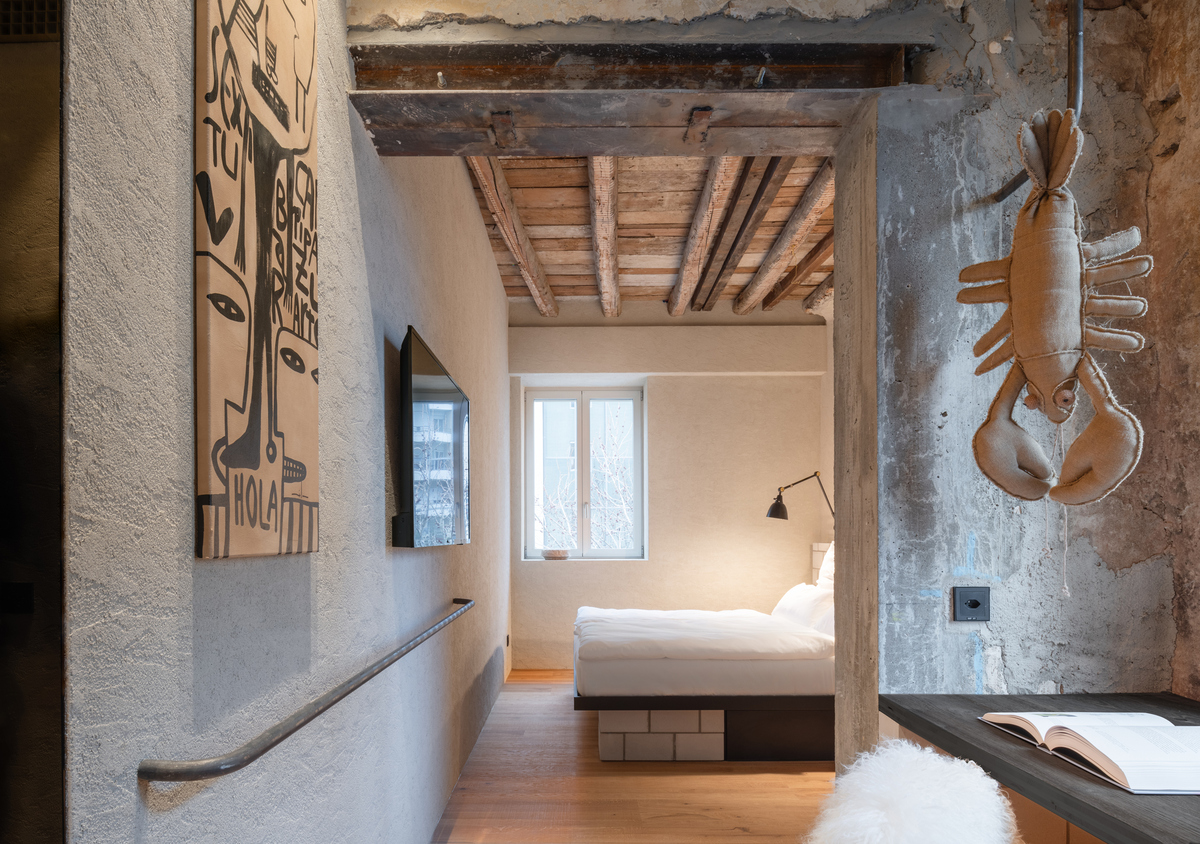
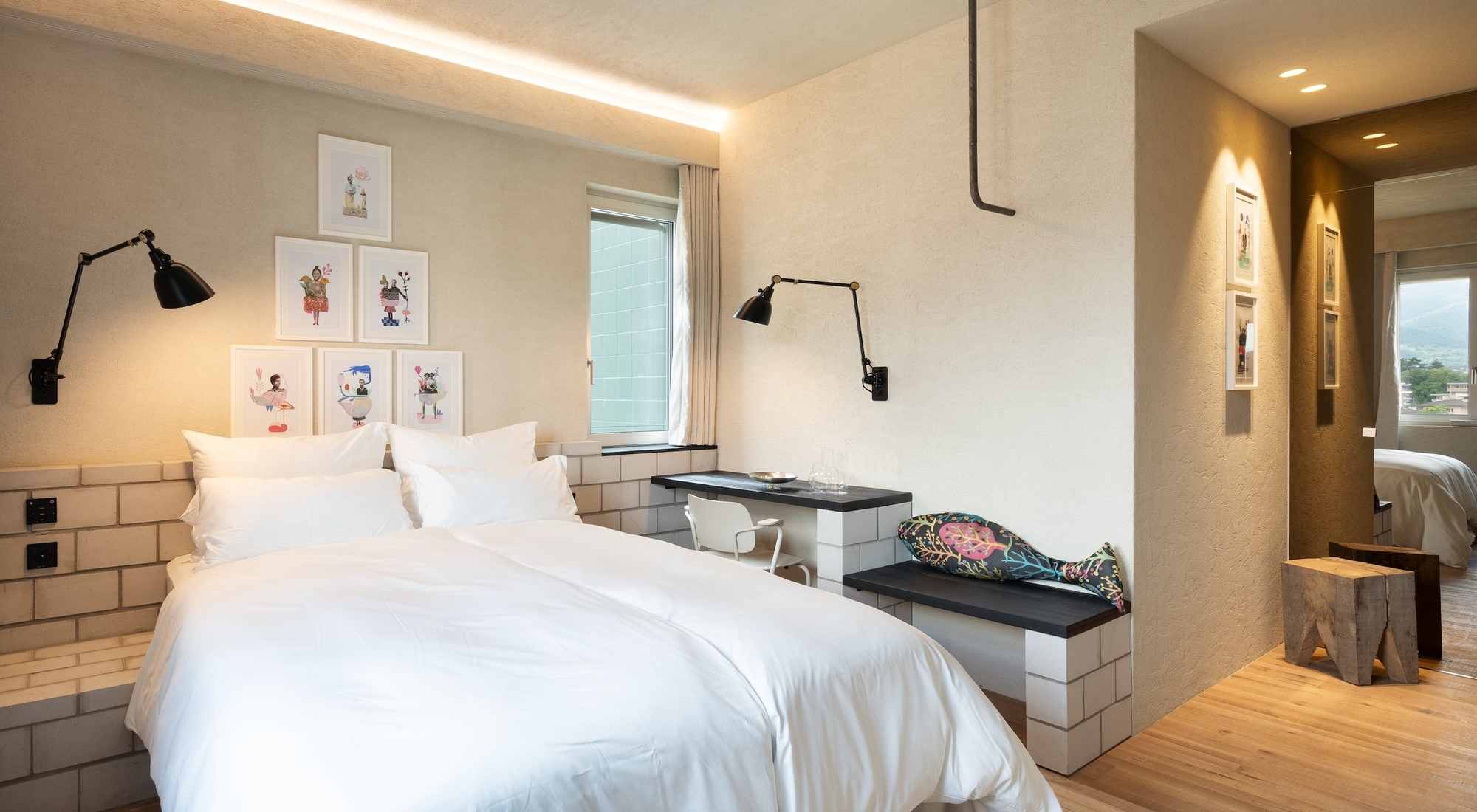
Development of a hotel brand and marketing strategy for a city hotel in Lugano, Switzerland.

Main-Image
B5 Boutique Hotel Lugano MAp Boutique Consultancy Zurich
Location
Lugano, Switzerland
Timeline
2023 – ongoing
Type
Innovative, urban boutique hotel
Purpose
To create a unique Place to B where everyone feels safe and welcome
# of Rooms
20
Tag it
#B5hotel #YourPlacetoB #DolceVita
Paragraphs

A stylish hotel brand that reaches new architectural heights in Lugano

Destination: What We’ve Achieved

Destination: What We’ve Achieved

  • Successful opening of the B5 Boutique Hotel 
  • Clear positioning in the market as stylish newcomer
  • Design of the creative and unique B5 Boutique Hotel website
  • Launch of the B5 Boutique Hotel sales and communication channels

B5 Boutique Hotel Lugano MAp Boutique Consultancy Zurich

MApping the Way: Our Road to Success

B5 Boutique Hotel Lugano

#Togethertime

Nestled in the heart of Lugano, the B5 Boutique Hotel emerges as a premier destination for design enthusiasts, art aficionados, and those seeking culinary delights. Conceptualised by the visionary architects at DF_DC, the B5 Boutique Hotel represents more than just a place to stay; it embodies a dedication to style and sustainability. The B5 Boutique Hotel strives to offer guests an experience that captivates the senses while also prioritising environmental mindfulness.

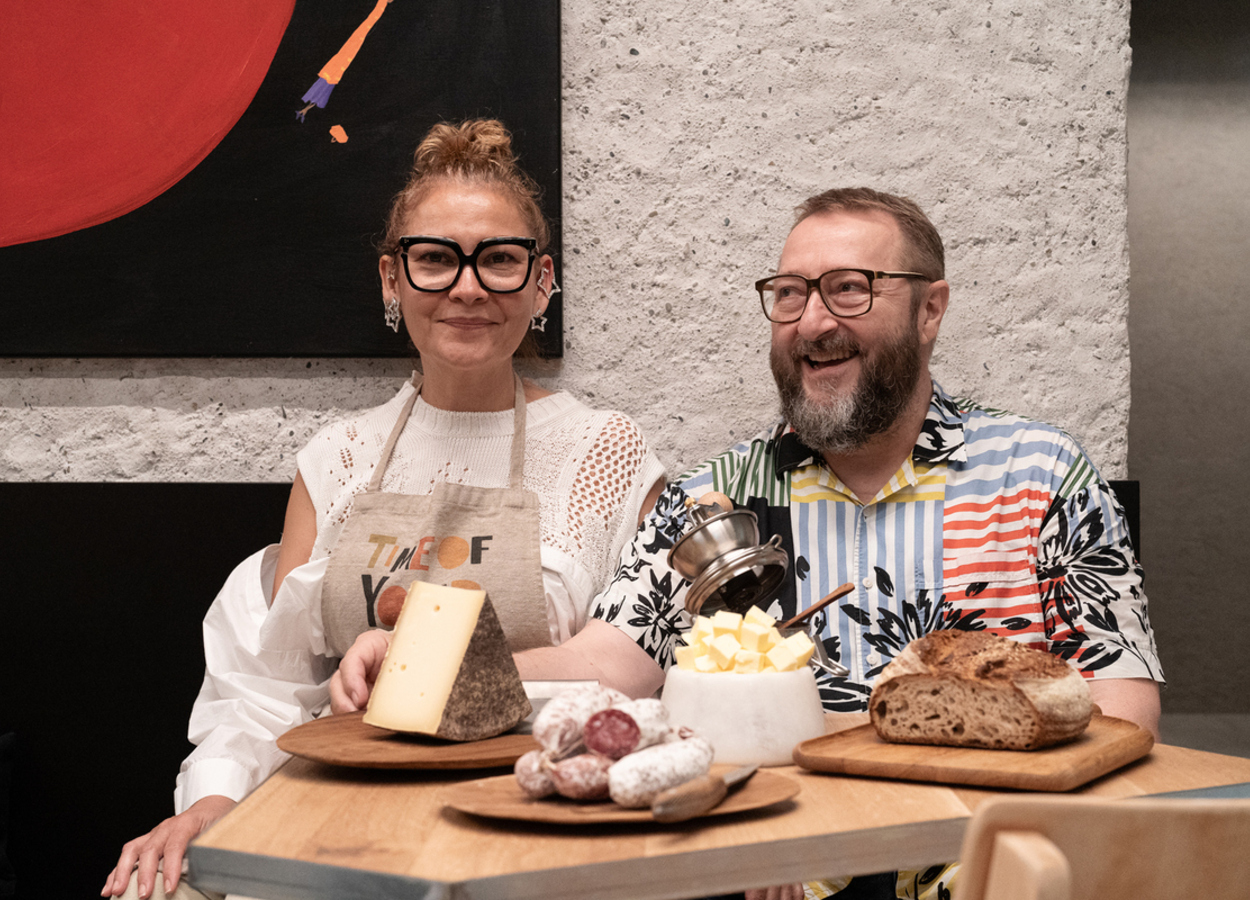
Thank you Alexandra and Daniel for allowing us to accompany you on this incredible journey!

Our vision was to create a place of retreat that reflects the charm of Lugano – a mixture of cosmopolitan flair,

contemporary elegance and a warm atmosphere.

Dario Franchini, Architect B5 Boutique Hotel Lugano
Weight
-100
Title for Show next
Welcome to B5 Boutique Hotel Lugano
Show Blocks
sharing is caring

Excerpt: Want to increase direct bookings and rely less on OTAs? Then you need a d*mn good hotel website. In this blog article, we’ll MAp out how to optimise your hotel website in order to attract the right guests, bring you better results and make a bigger difference for people and planet.

Untertitel
Tips to optimise your hotel website
Blog main image
Drive Direct Bookings
Paragraphs

Websites are such an important hotel sales and marketing tool – especially when it comes to bringing your hotel’s unique story to life, capturing the attention of your target audience and driving bookings. Think of them as your face to the world, as often your hotel website is the first impression you make on potential guests. And, as they say, you never get a second chance to make a good first impression.

Hence, why you need a d*mn good hotel website!

With such helpful tools on the market and agencies that can MAke them happen, developing and running a hotel website is more accessible and cheaper than ever. In fact, through our sister agency or never, which offers affordable, inclusive and beautiful plug and play website starter kits, we can do this all for you – it’s really as simple as that!

So if you’ve been waiting for a sign to revamp your hotel website, consider it this blog post! And to guide the way, we’ve MApped out all our hotel website marketing tips to boost your bookings.

Your hotel website is the first impression
you make on potential guests.
via @weareMApeople


MAp's Tips

#1. Align with your hotel concept

No one likes a boring website chock full of hotel sales messages. Instead, it’s important to align with your hotel concept by communicating your unique storytelling hook and USPs. This is how you appeal to the emotions of your hotel website visitors and compel them to book with you.

#2. Make it beautiful

Your hotel’s concept should be underpinned by distinctive (and attractive!) hotel imagery and videos. For example, if your hotel concept centres on being a lifestyle hotel, your imagery and videos should be fun, dynamic and alive with people. A luxury hotel, on the other hand, should feature more refined media. Check out the work of our partner Piquant Production to see what we mean!

#3. Incorporate clear CTAs

Call-to-actions (CTAs) prompt website visitors to take a certain action, and for your hotel website the CTA should be obvious: BOOK NOW! When it comes to CTAs, follow these guidelines: tell visitors exactly what to do, start with a verb (BOOK), create a sense of urgency (NOW!), make the CTA button stand out prominently, and be consistent (one CTA throughout website).

#4. Promote direct bookings

Your hotel website is an important arm for your hotel sales, so in order to drive hotel bookings there needs to be a place to book! Your CTAs should lead directly to a website booking engine that is easy and quick to use. And don’t forget – promote the benefits of booking direct, such as cheapest guaranteed price, free breakfast, welcome package, and other freebies/perks.

#5. Highlight your hotel's Purpose

Consumers want to buy with purpose-driven brands. For that reason, it’s important to ensure that not only everything on your website furthers and supports your hotel’s Purpose, but that it is consistently communicated throughout so as to connect with those value-driven consumers.

#6. Tailor your messaging

When it comes to your hotel website’s copy, put yourself in the shoes of your target audience. To do this, you have to know them, the benefits they’re looking for and the problems they have – which only your hotel can solve. With that in mind, the messaging should be less about what YOU offer and more about what THEY experience staying at your hotel. You are selling emotions!

#7. Include hotel packages + offers

Everyone likes a good deal, so be sure to highlight your current hotel packages and offerings directly on your homepage as well as on a dedicated page. This is a critical way of boosting your hotel sales.

#8. Capture leads

They may not book with you today, but that doesn’t mean they’ll never book with you. That’s why it’s important to capture leads and nurture relationships with the goal to increase those conversions. The best way to do that is by collecting emails for your newsletter, but you could also consider creating downloadable destination guides that visitors receive in return for submitting their contact information.

#9. Spotlight sustainability

Sustainability matters – especially for hotel guests. They want to see you care about people and planet. If you have sustainable measures in place at your hotel, dedicate space to what those are, and touch on your sustainability practices wherever possible. Again, this builds emotional connection with your audience.

#10. Maintain + optimise

On a monthly basis, check your website analytics to see what is working and what is not working, and based on those insights, test and refine as necessary to improve your hotel website’s performance. And while you’re at it, switch up your photos, videos and content in order to keep it fresh and interesting. There’s nothing worse than a hotel website that is tired or stale!

Conclusion

If your hotel website is out-of-date or performing poorly, you are really missing out an effective hotel sales and marketing tool that drives bookings and gets you noticed. So are you ready to make a change? Then be sure to follow our hotel website marketing tips to create a well-optimised website that delivers real results.

And, if you need help creating a beautiful, standout website for your hotel, just drop us a mail.

Quote Subtitle
hotel website.
Quote Title
Why you need a d*mn good
Blog Block Image
Drive Direct Bookings

Add new comment

Comment

Order

Plain text

  • No HTML tags allowed.
  • Lines and paragraphs break automatically.
  • Web page addresses and email addresses turn into links automatically.
Categories
Types
sharing is caring
Untertitel
Why hotel marketing is the deciding factor nowadays
Blog main image
MAp Boutique Consultancy - Best Hotel Marketing
Paragraphs

A few months ago, we came across the following quote by transformational business coach Bill Baren: “Best marketing beats best product EVERY single time!” Please, stop for a moment and savour every single word of this sentence, because grasping the full implication of this statement might have the power to change your business forever.

What do you think is the most important department of any hotel? Is it the food & beverage department, or housekeeping? Who opts for front office and guest services? And no, all departments are equally important isn't an acceptable answer ;-). We no doubt share the same view as you - that in the long run, a hotel can only be successful if every department performs at the highest standard.

That said, we believe that the most important department of a hotel right now is the marketing department. Why? Because without marketing, you have no guests. And without guests, you have no hotel. 

So, to make sure that your great hotel product attracts not just any guest but the right ones, here are our five hotel MArketing MAdvices to increase the performance and success of your marketing approach.

Without marketing you have no guests.
And without guests, you have no hotel. 
via @weareMApeople


TOP 5 MAdvices:

1 – Have a clear concept

“First the concept, then the rest.”
MA people ;-)

A clearly-defined hotel concept, and derived from it, an equally-clear positioning are the basis for everything – the hotel product development, optimisation and innovation; the menu in your restaurant; the amenities you use in your guest rooms; … AND of course, the marketing strategy you follow.

If you and your marketing team are not 100% clear as to what your hotel and hospitality business stands for – how can you decide where to invest your marketing budget? In our opinion, marketing without a clear concept and message is like driving with your eyes closed!

2 – Know your guests

“When the customer comes first, the customer will last.”
Robert Half

At MAp, we always focus on what drives and generates sales and profits – the people (every … single … time). That’s why we place huMAns at the very heart of everything we do. 

If you are in Munich and have set the objective to reach Zurich the same day by car– would you take the highway to Vienna? Pretty obvious answer, we know. However, have you ever noticed how many hotels say they want to reach affluent guests, but then they buy adverts in magazines read by budget travellers? Or what about the family hotel that invites fashion influencers to stay in their hotel and blog about the spa area?

Hotels have the right to invest their budget how, when and where they want. But by being uncompromising in regards to buyer personas, hotels can influence guest satisfaction and profits. We urge you to take the time to define or redefine your buyer personas in detail. You need to know them by heart, where they live, what newspapers and online forums they read, what is important to them, and what social media channels they are using, etc. Also meticulously research what their problem is = the problem that your hotel solves for them. The answer to this last question will be your main marketing and communication message. 

3 – Define a budget

“You cannot be everything to everyone.
If you decide to go north, you cannot go south at the same time.”
Jeroen De Flander

Once you know your basics, it's important to define your budget. How much are you going to spend on marketing activities in the next year? What is the return that you expect? Always remember, setting aside enough budget for your marketing is important: no marketing = no guests, no guests = no business.

Calculate your budget, divide it into different segments (e.g., how much you plan to spend on online marketing activities, print, social media) and act accordingly.

Once you know your budget, it will be easy to set priorities and to say no to random marketing activities that pop up in your email inbox.

4 – Have a strategy

“Hope is not a strategy.”
Vince Lombardi

A strategy is defined as your plan of action to achieve your goals. This implies that before you define your hotel marketing strategy, you have to define your goals. If you are working with a marketing team, include everyone in this process because it is important that everyone involved buys into your goals and works towards them.

Once defined, create your plan accordingly. Is your main priority to fill rooms during low season or to create attractive premium packages for high season to extend the average length of stay? Is the goal to push direct bookings or to strengthen the sales via external partners? As always, the strategy depends on your concept and the defined buyer personas.

5 – Measure, measure, measure!

“If you can't measure it, you can't improve it.”
Peter Drucker

We want to say right here, right now that one of the biggest lies we hear way too often is that you can’t measure marketing. This simply is not true! But many believe this to be the case. You can already gain a competitive advantage by ignoring this, measuring your impact and learning from the results. It helps you to optimise and to pivot; and in the long run, to budget every year more efficiently, generating more returns. 

Measure every single marketing activity that you do: Did we generate more clicks on our website? How many people followed us on Facebook by running the campaign? How many bookings have been made through the advertised special offer booking code?

So what does great marketing look like? Well, here are two examples of recent hospitality marketing campaigns and initiatives that caught our eye. Have you seen any others? 

Know your guests - niche content by SBE & Morgan’s Originals
Morgan’s Originals hotels are specifically targeted to creatives, as it is a "family" of individual hotels that create a surreal fantasy where anything is possible. Originals bring vision and style together with a spirit filled with magic and illusion. Morgan’s Originals use their online blog "Back of House" to build brand authority and awareness with highly-niche content that is specifically targeted to creatives. It’s more a general lifestyle publication than a brand blog, amongst which you’ll find interviews with people in the art, fashion or music industry. 

Measure, measure, measure! - Marriott’s Moxy tent at Coachella
For the opening of Moxy Times Square, Marriott transformed eight safari tents into hotel rooms during Coachella 2017. Influencers such as Amy Pham and Marriott Rewards members were invited to experience the Moxy tents, which also were a preview of the NYC Times Square property rooms. The campaign proved a huge hit, earning over one billion media impressions, exposure on major media outlets, and a 63% week-on-week boost in Instagram reach.

As always we hope that this blog post is of great help to you. Please feel free to do some marketing for it and share it with your friends - and let us know your opinion in the comments section below!


Blog Block Image
MAp Boutique Consultancy - Best Hotel Marketing

Add new comment

Comment

Order

Plain text

  • No HTML tags allowed.
  • Lines and paragraphs break automatically.
  • Web page addresses and email addresses turn into links automatically.
Types
sharing is caring
Untertitel
How to WOW your hotel guests via all five senses
Blog main image
Sensory Branding
Paragraphs

See it, smell it, taste it, hear it, feel it. Not only is sensory branding one of our key areas of expertise, it’s something that truly makes our hearts beat faster. 

So why should you care? In times of growing competition, functionally interchangeable hotel products and ever more demanding guests, hotel brands must deliver and wow all five senses. It’s no longer enough to appeal to just one or two. Your guests need to experience your hotel brand on every single level. 

That’s why we are focusing our attention and upcoming series of blog posts to multisensory branding. We will share with you are key insights and tangible actions on how you can successfully master the five senses of your valued guests. So, let’s kick this off. In this first blog post we will introduce you to sensory branding and give you an overview of the different senses and their importance. 

The story so far

To date, the communication of hotel brands has mainly happened on a visual level. For most hoteliers developing the visual identity (logo, corporate identity, imagery, etc.) has been put on a level with developing the entire brand. Only a few hoteliers have gone a step further and included acoustic brand aspects to their brand. E.g. by developing a matching sound signature for their website or background music for the hotel itself (lobby, restaurant, bar, spa etc.). Multisensory approaches, in which hotels deliberately address more than two senses with their brand, are a true exception. 

We believe that the guest perception of a hotel/hotel brand is already taking place on a multisensory level. And, as such sensory branding measures are an ideal branding tool for hoteliers. It also has been scientifically proven that brands that address more than two senses are more successful than those that focus on one or two senses only. So are you missing a trick? Top tourism brands have benefited from this knowledge for decades already and created multisensory and emotional brand experiences. A great example is the successful olfactory (smell) branding of Singapore Airlines which has been implemented since the late 1990s: their custom-made scent is emitted in the cabin, worn by the flight attendants as body fragrance and passengers’ hot towels are scented with the unique smell. 

It also has been scientifically proven that brands that address more than two senses are more successful
than those that focus on one or two senses only.
via @weareMApeople


What the future holds

Martin Lindstrom, author of “Brand Sense: Sensory secrets behind the stuff we buy”, believes that those companies which address as many as possible senses, deliver THE ultimate brand message. This means, that by taking into account the guests’ taste, smell, tactile, visual and auditory senses, strong memories and emotional bonds can be created. These multisensory experiences add to an enriching brand experience, increase the quality and the perceived intensity of the guest experience and ultimately transform the hotel from an interchangeable product to a truly unique experience.

We are convinced that in response to increasing competition, more and more innovative hoteliers will focus on multisensory brand management. Why? Because with sensory brand measures they will achieve better perception and lasting impression by their guests and create stand out in the highly competitive market. Guests on the other hand will increasingly search for hotel brands that are truly perceptible as well as impressive and will remain loyal to them.

“You never get a second chance to make a first impression!”

The sense of sight is the strongest human sense. More than 80% of the information we consume every day is consumed through our eyes. Therefore, the visual first impression of a hotel brand is the one that influences the guest perception most. The visual identity is an integral part of a hotel brand and consists of all visible brand elements: logo (word/design mark), font, colour and imagery, design language (buildings, architecture), symbols, signage, uniforms, etc. With the congruent use of all visible elements you can enhance your hotel brand emotionally and optimise your brand communication short and long-term.

“What is essential is invisible to the eye.”
Antoine de Saint-Exupéry

The influence of the sense of smell is often underestimated. In fact, smell is the sense that has the strongest impact on our memory. Which means that targeted and coordinated addressing of the sense of smell offers an enormous potential to transmit strong brand messages. Fragrances have a great influence on the emotional state of guests and their decision-making behaviour. Many hotels already use signature scents to create a unique and consistent guest experience and brand awareness. The Armani Hotel in Dubai and the Fullerton Bay Hotel in Singapore are great examples of how guests can be touched emotionally via a signature scent. Indigo Hotels take it one step further and change their signature to reflect the season. 

“Funny how a melody sounds like a memory.”
Eric Church

Music, tones and sounds evoke emotions. Targeted sound elements create unforgettable experiences and long-lasting memories for guests. This means that with professional sound design, the brand message can be further enhanced to create an emotional bond with guests.

“Joy has a texture.”
Oprah Winfrey

In the hotel industry, the sense of touch is often underestimated or ignored, even though it plays an important role in the overall guest experience and understanding of the products and its messages. In product marketing for example, haptic features are widely used to build an emotional relationship between the product and the buyer. Via the sense of touch consumers can identify e.g. luxury products. By examining their weight and their condition they are able to unconsciously assess the quality of the product. Textures, fabrics and materials (their weight, softness, etc.) used in a hotel provide a unique opportunity to convey a sense of comfort to the guest.

 “Smell and taste are in fact but a single composite sense, whose laboratory is the mouth and its chimney the nose…”
Jean-Antheleme Brillat-Savarin

The gustatory brand management deals with all experienceable brand elements that can be perceived by the sense of taste. The relevance of the sense of taste is low in comparison to the other senses, as only one percent of our perception is absorbed through the tongue. However, never underestimate the gustatory appeal in the hospitality industry. Various studies indicate that we often eat with our nose, which is another way of saying that if food passes the smell test it will most likely pass the taste test. Especially with food and beverage the sense of smell and taste is essential and thus makes it an important part of the hotel brand experience

Finally, our MAdvice to hoteliers

We want you to open up your world and invite your guests to experience your hotel brand in ways you’ve never considered. These are the ways that will connect with your guest on a deeper level. Ultimately the foundation for successful multisensory branding is a strong and well-defined hotel concept, based on brand identity and characteristics and, consequently, sensory experiences. Sensory branding measures have to be targeted and consciously orchestrated, meaning the right signals have to be sent to the right guest via the right channels. Only the consistent and coordinated addressing of all sensually perceptible points of contact along the guest journey creates a sense of wellbeing and an emotional reaction by the guest. 

We promise, if done right, your guests will become fans of your hotel and love to come back again and again ;-)

As always, we look forward to hearing from you. Feel free to comment below as well as to share this blog post.

Blog Block Image
Sensory Branding

Add new comment

Comment

Order

Plain text

  • No HTML tags allowed.
  • Lines and paragraphs break automatically.
  • Web page addresses and email addresses turn into links automatically.
Types
sharing is caring
Untertitel
How to WOW your hotel guests via all five senses
Blog main image
Visual Branding
Paragraphs

Here’s the second installment of our popular series of blog posts dedicated to multisensory branding for hotels. Time to open your eyes and pay attention as we take you into the world of visual branding. In today’s highly competitive hospitality market a hotel brand needs to appeal and engage all senses in order to be distinct and successful. To sum it up, your guests need to literally see, hear, feel, taste and smell your hotel brand. 

There’s no doubt that vision is the most powerful of our five senses. This makes sense when you consider that around 83% of the information we retain is received visually. However, recent studies reveal that this might only be the case because we are bombarded 24 hours a day with huge quantities of visual information and a lack of other options. There is an opportunity here for all of us, as currently our other senses are not being targeted properly.

How about your hotel brand? Is your hotel visual identity aligned to your distinctive brand message? With our five MAdvices, we invite you to think beyond your own hotel logo and emotionally enhance your hotel brand with the congruent use of all visible elements. 

Your guests need to literally see, hear, feel, taste and smell
your hotel brand. 
via @weareMApeople


Our five MAdvices to win with a holistic visual brand management for hotels

“The question is not what you look at, but what you see.”
Henry David Thoreau 

1 – Logo: The logo is the symbol of the entire hotel brand, it's the corporate identity packed in a single sign. As a cornerstone of the visual identity it must of course reflect and embody your stylistic ideas, but above all emotionally touch the defined buyer personas. To find the perfect logo for your hotel brand we recommend taking a closer look at the logos of competitors as well as best practice examples (logos of companies you like and might not even be related to hospitality), in order to not only differentiate the logo from them, but also learn from them.

Take a look at the logo we crafted for our client paloria: based on the cool residence concept for athletes and sporty connoisseurs, the logo takes inspiration from contemporary sport and lifestyle brands. Not only does it emotionally speak to the defined buyer personas, but it also expresses the vision of our cool and stylish clients.

2 – ​Imagery: “A picture is worth a thousand words.” So make it count! Invest the time and resources needed to create and use distinctive key images/visuals that are clearly connected with your hotel brand. High quality photos are an absolute must for every hotelier to persuade the guest to regularly visit its website or social media feeds. Wait, what about videos? They are getting more and more important on social media and in general as they are a brilliant way to craft your visual branding. An emotionally charged and high-quality hotel video helps your guests to understand your product or service best. 

A creative way of establishing a truly distinctive visual language for a hotel you can see with the Kandima Maldives illustration. Be brave and stand out from the crowd and opt for illustrations (or other creative tools) that can help you to build a strong and distinctive visual language.

3 – ​Design language: Distinctive design generates distinctive brands, and successful brands are by their very nature visually “smashable”. If you are planning to design a new hotel, then we invite you to consider how your building can become unique in its form, architecture, style and design. The Marina Bay Sands in Singapore or the Burj al Arab in Dubai show the power of unmistakable design in the hotel industry. The sail-shaped design and its exposed location of the Burj al Arab make the building is unmistakable. Or think at our loved Baros Maldives - the overwater fine dining restaurant, The Lighthouse, is so unique in its structure that it is unmistakably connected to this resort. And of course, is featured on most of its key visuals. 

Besides considering the uniqueness of your architecture we also suggest to select a recurring form within your hotel, such as those used in the furniture or design. If you want your hotel to be perceived as sympathetic, friendly and modern, then square forms make an excellent visual shape choice for communication materials (square business cards, brochure, writing pad, etc.). Why is it important to select a brand shape? Shape is an instantly recognisable visual aspect of any brand. Statistics show that e.g. 40% of all perfume purchase decisions are based on the design of the bottle.

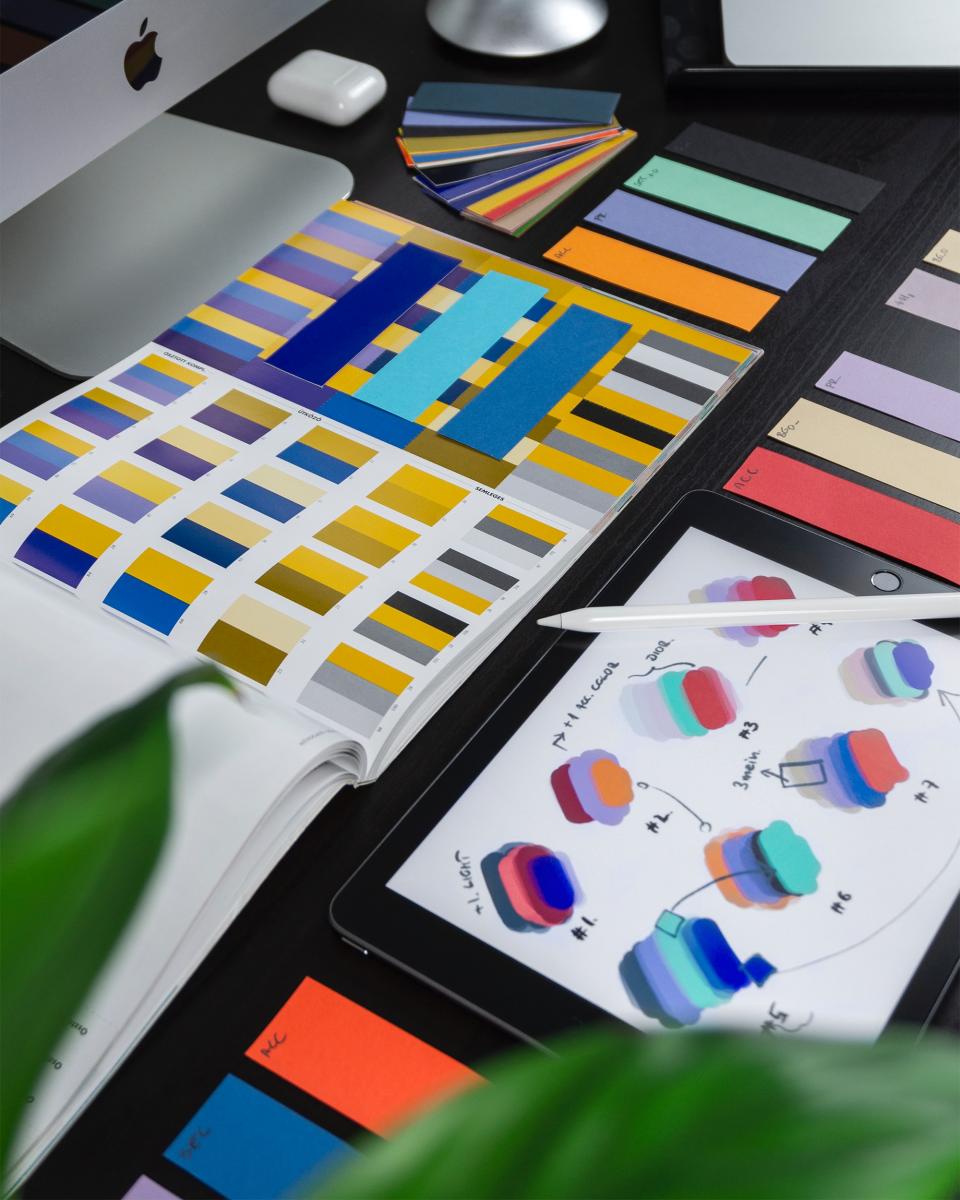
4 – ​Colour: Define your colour/s and use them consistently in your communication and throughout your website and social media channels. In addition to pictures, colour has the highest recognition value and thus can be used as exclusive brand mark. We all know that there is also a psychological association to each colour, that e.g. green stands for eco-friendly and freshness, blue conveys trust and purple is often associated with creativity and luxury. A little off topic, but Viagra – Pfizer has successfully taken advantage of the visual component and has given their pill not only a distinctive blue colour but also a unique diamond shape!

How can you decide on what colours you need for your hotel brand? It’s simple really. Just base it on your hotel concept and positioning. A brand such as Kandima Maldives might use a wide and playful colour palette, while Haritha Villas + Spa gives space to its contemporary architecture and lush surroundings and works with white and black as their main “colours” with green colour accents reflecting its natural location.

5 – ​Font: Fonts matter - and not just to graphic designers! All your defined signature fonts are seen by your guests (hopefully) everywhere: on your website, communication materials, etc. Therefore, the font you choose for your hotel is a valuable tool to express your brand personality and to evoke additional associations and emotions. Distinctive typography helps you to enhance your hotel brand character and conveys your tone. Have e.g. a look at the website of citizenM and the one of Edition Hotels: both of the brands have chosen a font perfectly matching their brand personality. Just imagine how strange it would look if you would switch the fonts between the two websites. Remember, guests learn a lot about your hotel brand based on the font you choose. 

Consistency is key. Apply the same distinctive imagery, the same colour, the same design language, the same font type across your visual platforms - at all times. It creates cohesion, so that your guests always get the same story across all channels.

As always, we look forward to hearing from you. Feel free to comment below as well as to share this blog post.

Thank you and all the best for WOW-ing your guests via your distinctive visual identity,
Your MA people

Blog Block Image
Visual Branding

Add new comment

Comment

Order

Plain text

  • No HTML tags allowed.
  • Lines and paragraphs break automatically.
  • Web page addresses and email addresses turn into links automatically.
Types