
sharing is caring

Oh yes! It’s time to start this new year and at the same time, our own movement #onwards. As you might have read in our 2021 blog post, one of our learnings for this year is to continuously better our best. As part of that, the MAp team will dive deep every month into an inspiring and insightful book, and share with you our takeaways from the book. Are you interested in participating in our book club? Or if you have a book you can’t recommend enough – share it with us! We’d love to add it to our bookshelf and discuss it together with you.

“Start With Why: How Great Leaders Inspire Everyone to Take Action” by Simon Sinek, seemed like an obvious first choice leading up to 2021 and following our recent rebrand toward a more purposeful future. After all, when kicking off the rebrand, we started with our very own why to guide the process and determine the destination for our boutique consultancy.

MAp’s Why: To make purposeful hotels, businesses and brands matter in order to create a better future for people and planet.

If you’re starting out on a business or project, you too should start with why. Read on!
 

Untertitel
Why are some people and organisations more successful than others?
Blog main image
Start With Why
Paragraphs
In order to be successful,
you must lead with your WHY.
@simonsinek
@weareMApeople

Summary

In his book, Simon Sinek teaches an important lesson that all business leaders should know: in order to be successful, you must lead with your why. In this 250-page book, Sinek answers the question: why are some people and organisations more innovative, more influential, and more profitable than others? He looks at the evolutionary reasons behind human behaviour, draws on real-life stories and points to examples of some of history’s most inspiring leaders who have been driven by their why (think Steve Jobs and the Wright Brothers). Additionally, Sinek provides a clear and proven framework for how people and companies can become more purposeful in what they do. This book is therefore perfect for anyone who wants to inspire others and have long-term success with their businesses.

Key Points

#1: Why is more powerful than what or how.
Why you do something is more important than either what you do or how you do it. It’s those products or services that are infused with and based on the why of a company that are more successful than those that are based on the what or how. Therefore, the world’s most influential and inspired leaders lead with the why (belief), follow that with the how (actions) and then address the what (products, services, etc.). All must be in harmony in order to be a truly authentic brand. This is demonstrated by The Golden Circle, a framework upon which organisations should be built.

MA people MAp Boutique Consultancy Start With Why Simon Sinek

#2: To have real impact and garner loyalty, you need to consistently communicate your why.
It’s critical that you consistently communicate and refer back to your higher purpose, cause, or belief as part of your messaging. Those with similar values will be able to relate to, buy into and align with the greater cause you are pursuing. As a result, your message will have a more lasting mass market success, as it is vision and charisma that ultimately attract innovators and early adopters (aka those people who will pay a premium and be loyal to you in the long-run).

When your why is clear, those who have the same belief can help you bring your cause to life and make it a lasting success.

#3: Inspiration is more effective at influencing human behaviour than manipulation.
Manipulative techniques are often used in sales and marketing. These can include dropping the price, running a promotion, using scarcity or peer pressure to get people to buy, etc. Manipulative strategies come at a cost (especially when you lower prices) and do not result in long-term success.

On the other hand, inspiration talks directly to the limbic brain, which is the section of the brain responsible for feelings and that controls decision-making. It is your limbic brain that is more powerful and drives your behaviour.

Application

In order to apply the principles set out in this book and find your why, answer the following fundamental question:

Why do you exist beyond making profit?

Put the answer to that question at the very centre of The Golden Circle. From there, address the how and what: how do you do what you do? How is it different or better than others? What do you do?

With the answers to these questions, you’ll be able to determine what makes you unique, who can support you and bring your vision to life, what products and services you can offer, and more. But do take heed – ensure your answers always touch back to and are consistent with your overall why.

MAps favourite quote

"Very few people or companies can clearly articulate WHY they do WHAT they do.
When I say WHY, I don’t mean to make money—that’s a result.
By WHY I mean what is your purpose, cause or belief?
WHY does your company exist?
WHY do you get out of bed every morning?
And WHY should anyone care?"

Conclusion

Have you read “Start with Why?” We’d love to hear your feedback and what your why is – in business or in life. Support a local bookshop by buying your book here: https://bookshop.org/

Stay tuned for future reviews and have a purposeful new year!

Blog Block Image
Start With Why

Add new comment

Comment

Order

Plain text

  • No HTML tags allowed.
  • Lines and paragraphs break automatically.
  • Web page addresses and email addresses turn into links automatically.
Categories
Types
sharing is caring

As part of our first "MAp meets" (as MAp!), today we meet Harsha L'Acqua, Founder of Saira Hospitality. Saira Hospitality is a non-profit transforming the way hotels connect with local communities through education. They develop and run pop-up schools that provide local communities with the knowledge and skills they need to build a career in hospitality, thereby creating dedicated workforces, improving community diplomacy and reducing staff turnover. It’s a win-win for hotel operators and local communities alike!

Untertitel
MAp meets Harsha L'Acqua, Founder of Saira Hospitality
Blog main image
Saira Hospitality
Paragraphs

Dear Harsha, thank you for taking the time to meet with us. To start, can you please share the story behind Saira Hospitality and how it came to be?

My four sisters and I were strongly influenced by my father’s philanthropic work with Mother Teresa and I always sought to merge a deep-rooted dedication to philanthropy with my passion: luxury hospitality. In 2011, I visited Cambodia where I came across a non-profit that was training women, who would otherwise fall into sex trafficking, in hospitality to be employed as housekeepers. They had a 90% plus success rate of placing these women into employment at luxury hotels which I found hugely inspiring and was grateful to see firsthand how these two worlds of philanthropy and hospitality could be connected. After years of working for international hotel brands including Six Senses Resorts and Residences, the Fullerton Hotel and André Balazs properties, I enrolled in the MMH graduate program at Cornell University’s School of Hotel Administration, where I began developing the concept for Saira Hospitality. During our Winter break, I was working at the Aman Galle when I overheard an interview between an Italian General Manager and a local Sri Lankan. The GM clearly wanted to hire the local Sri Lankan man as a pool cleaner for a variety of reasons I guessed: the cost would be less than hiring an expat, locals add to the guest experience and wanting to do the right thing by the community. From what I could see and hear, the local Sri Lankan man seemed to truly want the job, be on time for the interview, arrive well dressed and appear positive yet he didn’t have the simple interview skills he needed to be hired. The non-profit hotel school concept was clear at this point and seemed to be meeting a need on both sides. Hotel operators often cannot find well-trained, local talent and local communities are seeking opportunities and employment but lack the skills they need to be employed. Saira Hospitality won first place at Cornell University’s Business Plan competition in 2014 and it was at this point that I recognized the strong correlation between hospitality and philanthropy. Both are linked through the hospitality gene, the gene of service: service to the guest and service to humanity.

Hotel operators often cannot find well-trained, local talent and local communities are seeking opportunities and employment
but lack the skills they need to be employed.
via@weareMApeople


What is your approach and what kind of content do you cover as part of your training programme?

We partner with hotels around the world and launch pop-up hotel schools for local communities, providing hospitality operators with higher retention, community diplomacy and local talent upon opening. We identify their future hiring needs and incorporate as much of the brand's orientation, culture and training as possible into the curriculum content so students at the end of the program, form a pool of well-trained, local labor for the brand to hire from on schedule.

After a rigorous four-step interview process, applicants are accepted and students are taken through two to eight weeks of hospitality training provided by hospitality experts, including Cornell Hotel School graduates. During Saira’s training, students engage in both theoretical and experiential learning. We teach the key skills we feel they need to gain employment with partner hotels, emotional intelligence, cultural intelligence, leadership, communication, service recovery, mindfulness and so on.

We also focus on hands-on learning, typically in the departments of Food and Beverage, Front Office and Housekeeping but we can also train for those skills needed in other departments, according to the needs of our brand partner/s. Hospitality, as a people industry, is incredibly subjective and emotional, which is why Saira can even exist. You don’t need to have a formal education to be successful in hospitality — to be successful in hospitality you have to be empathetic and understand human behavior. Saira’s role is about nurturing what we call “the hospitality gene.” We believe in teaching skills that can be applied both when working in hospitality but also to the personal lives of the students. Some of our students in the past have managed to heal broken marriages by learning about the communication skills we teach in class. Much of what we teach enriches both the professional and personal lives of our students.

What hotel brands have you worked with and what kind of benefits have they seen as a result of your partnership?

Today Saira has graduated 250 students with an average of 10% turnover to participating hotel partners, including Virgin Limited Edition, Rosewood Hotels, Autograph Collection, Bunkhouse Hotels and Habitas in downtown Los Angeles, Mexico, British Virgin Islands and Namibia. They have also met 100% of their hiring needs from our graduates within the local community.

What is the impact you have on local communities?

Everything we do is centred on empowering local communities. I believe offering a free, high standard of education to communities that may not have the privilege to access information is one of the most valuable commodities that you can provide someone. In our most recent project with Habitas that took us to Namibia, we had more than 300 applications and encountered people that hadn’t had a job in eight years, who, when asked out of curiosity in Saira interviews how much money they needed to survive each month, some were happy to earn even $50 USD per month from any job they could get. In countries that are experiencing socio-economic hardship, Saira is providing a platform for a career in hospitality, and at the very least, some belief in themselves that they can achieve one.

After our BVI pop-ups, we had the following results:

  • 98% of Saira graduates now see hospitality as a career
  • 80% of graduates currently work in hospitality
  • 94% of students found the program beneficial to work performance
  • 69% of graduates hired were previously unemployed
  • 91% of Saira graduates are currently employed or in school

Where do you envision the future of hospitality going as it relates to social impact? And what steps can hoteliers take to increase their social impact?

We partnered with Porter and Sail in the hope of raising funds from potential guests who want to play their part in educating and empowering local communities. We hope these kinds of partnerships will eventually allow us to launch schools with smaller, independent hotels that may not have the resources to fund 100% of the school themselves but are still wanting to train and hire the local community. Guests today have a conscience and want to travel more thoughtfully - they are travelling more mindfully than ever which we need to take advantage of as we don’t know how long it will last for. We need hotels and OTA’s to take responsibility and to listen to the needs of the community to be able to provide the guest a variety of options where they can easily give back while traveling. We often think that donations involve financial resources but I believe volunteering even a couple of hours of your time on vacation can be life-changing, shifting someone’s mindset, sharing knowledge.

If you can afford to travel, share your knowledge with those who can’t afford to. We need the next generation of guests to help us spread awareness of what we do, so that the industry stops using an ancient model of hiring and instead creates a responsible and sustainable future for hospitality.

We at MA people are specialised in crafting innovative hotel concepts and brands: what makes a hotel experience a truly outstanding one for you personally?

For a hotel experience to be outstanding for me, it has to be a thoughtful experience. I always think first of the service. As we teach at Saira, 70% of an experience is emotional. How did the experience make you feel? How did the service make you feel? The product can be of the highest design and quality but if the service doesn’t match the product, the experience won’t stand out. Even at the most expensive hotels, if the service doesn’t feel genuine and thoughtful, it becomes just another five star hotel with high end amenities and scripted service that doesn’t meet the needs of each unique guest.Then, once I’m fascinated and excited by the level of service, only then will the design of the hotel, the flow of the experiences, the F&B offerings, the picturesque views and so on... only then do they come alive.

About Saira Hospitality:

Saira Hospitality, a 501c3 organization, partners with hotels around the world and launches pop-up hotel schools for local communities, providing hospitality operators with higher retention, community diplomacy and local talent upon opening. Find out more HERE.

Blog Block Image
Saira Hospitality

Add new comment

Comment

Order

Plain text

  • No HTML tags allowed.
  • Lines and paragraphs break automatically.
  • Web page addresses and email addresses turn into links automatically.
Categories
Types
sharing is caring
Untertitel
Why you need an employer brand / Why it needs to grow out of your established hotel brand
Blog main image
Employer Branding für Hotels
Paragraphs

The MA people vision - our ultimate goal - is to make this world a happier place through happier huMAns – hoteliers, guests, employees and partners alike. Therefore, we put people at the centre of everything we do, including this blog post, which is why we’re writing about employer branding - a topic that’s becoming increasingly more popular within the hospitality industry and among our clients. 

Before we start off with our employer branding MAdvices, let’s make sure we are all on the same (web-) page and establish what employer branding is all about. 

The German Employer Branding Academy DEBA defines it as following: ​“Employer branding is the identity-based, internally and externally effective development and positioning of a company as a credible and attractive employer. The core of employer branding is always an employer brand strategy that specifies or adapts the corporate brand. Development, implementation and measurement of this strategy aim directly at the sustainable optimization of employee recruitment, employee retention, motivation and corporate culture as well as the improvement of the corporate image. In addition, employer branding indirectly increases business results, brand value.” 

Employees come first

​“Clients do not come first. Employees come first.
If you take care of your employees, they will take care of your clients.
 
Richard Branson

We couldn’t agree more with Sir Richard Branson. Your employees are amongst the biggest and most important guarantors to long-term business success. But what if you cannot retain or even find great employees that can take care of your clients? The war for talent, lack of skilled employees and high staff turnover are increasingly becoming key challenges for many hoteliers and general managers in today’s highly competitive hospitality market. 

Therefore, developing and communicating a strong employer brand, both internally and externally, and building out a talent dimension as a key part of the corporate brand, is crucial. As such, a strong employer brand is not only relevant to attract, engage, retain and motivate the best people over the long term, but also to deliver on your overall brand promise. In fact, we, MA people, believe that your hotel brand needs to be seen as ONE overall brand. The employer brand should never be seen disconnected from your corporate brand and the core drivers of your business.

Well-being workplaces are not an employer's charitable attitude,
but first and foremost a commercial calculation.
via @weareMApeople


Making your brand attractive for everyone

Branding is a promise to your CUSTOMERS.
Employer branding is a promise to your current and future EMPLOYEES.
 
Kathryn Minshew

Jobs are becoming products, employers are becoming brands and employees want to be proud of the business they work for, since work is a big part of our lives. An employee’s performance and productivity depends very much on the working conditions. Therefore, “well-being” workplaces are not an employer's charitable attitude, but first and foremost a commercial calculation. Happy employees who trust their employer and perform at the highest standards are crucial to the success of any hospitality business – both economically and in terms of the client experience.

In times of a shortage of skilled employees, a strong employer brand is as important for the attractiveness of a hotel business as the hotel brand itself. It is also another way to stand out from the competition. 

Our five employer branding MAdvices to win your current and future employees’ hearts:

1. Clearly define what values your hotel business represents - your corporate culture, your great-place-to-work message and your employer value proposition: Working environment, career development opportunities, compensation, training, team incentives, workplace design, flexible working hours, chances for lateral entrants/employees, childcare, etc.

2. Define what your unique selling points as an employer are: what distinguishes your business as an employer from other industry players?

3. Define what services and ancillary services you can offer to your employees. Start internally and ask your employees with which services they are happy and what additional services would improve their daily worklife: why should skilled employees apply to your hotel business?

4. Seek cooperation with other hotel businesses or your destination organisation and jointly work on relevant services and incentives for your employees.

5. Professionalise your employee journey management: from application/onboarding to leaving procedure and regularly train, familiarise and get the buy-in of your team via workshops and coaching sessions. Always keep in mind, that your employees are your best brand ambassadors. And unlike your hardware, your competitors can't copy your relationship with your employees and their relationships with your guests!

Now you know WHY employer branding is crucial for your success and why it needs to grow out of your established hotel brand. As always, feel free to share this blog post and don’t forget to let us know your thoughts on hotel employer branding in the comments below. 

Thank you,
Your MA people

Blog Block Image
Hotel Employer Branding

Add new comment

Comment

Order

Plain text

  • No HTML tags allowed.
  • Lines and paragraphs break automatically.
  • Web page addresses and email addresses turn into links automatically.
Categories
Topics
Types
sharing is caring

“Clients do not come first. Employees come first.
If you take care of your employees, they will take care of your clients.“
Richard Branson

Richard Branson believes that happy employees facilitate the economic success of a business. However, happy employees are rare in the hotel industry: most of the time they are instead dissatisfied, provide mediocre service and ultimately quit because they dislike the way they are managed, the pressure is too high, or they do not feel valued.

Hospitality isn't an easy industry to crack. The long-term economic success, especially for hotels in the luxury market, is associated with the personal success and happiness of the employees. Hoteliers and management must do their research as well as take a flexible approach to creating a dream team of effective, happy and reliable staff.

Untertitel
To succeed in all aspects of hospitality, focus on the people
Blog main image
Hotelerfolg & der Faktor Menschlichkeit
Paragraphs

Service quality is crucial

Outstanding quality in all areas is a must for luxury hotel guests. This is in terms of equipment, furnishings, design, food and facilities. From exquisite bed linen to fine tableware, the guest experience must be consistently characterized by the highest of standards. However, it is the quality of service that makes the real difference. The smallest gestures can make the greatest difference to the guest experience. Spontaneous human interaction is not easily reproducible and creates a truly unique, authentic and memorable experience for guests.

Consistency of service is also crucial. Only those luxury hotels able to provide the highest level of immaterial service components, 365 days a year, 24 hours a day, seven days a week, are regarded for years, and often decades, as truly the best.

The long-term economic success, especially for hotels in the luxury market, is associated with the
personal success and happiness of the employees.
via @weareMApeople


A human approach makes the character of a hotel distinct and unmistakable

When it comes to providing services in luxury hotels, it is not, as often falsely assumed, absolute perfection, but rather a matter of conveying a sense of perfection to the guest. There will always be room for small errors. However, it is the way in which a hotel responds to and resolves these that is crucial for the luxury perception of the guest.

In order to provide an almost perfect service, hotels need people who not only truly understand and are interested in the needs of the guests, but are extremely passionate about taking care of and responding to these individual needs. It is about having the right attitude, the willingness to live the company culture and ultimately to be innovative, caring, passionate, dedicated and "human". Employees that embody these intuitive characteristics are like gold dust, as these traits cannot be achieved by targeted training from the company alone.

Trust is the key to success

Happy employees do more than just their job. Not because they are paid for it, but because they really want to do it. It is exactly this character trait that distinguishes an outstanding luxury hotel from competitors and ultimately justifies the higher price that can be achieved and is accepted by the market.

But how do you get your employees to do more than just their job? Among many different factors, the basis is definitely to create a culture of trust in which employees are empowered to make decisions by themselves. Such a culture creates optimal conditions that motivate employees to express their talents and ideas, and enables open and effective communication. This guarantees transparency and leads to an increased level of trust in the management. The proof is in the pudding - hotels with an established trust culture experience staff turnover rates well below the average as well as exponentially increasing business results.

Best practice example: the Hotel Ritz Paris

The Hotel Ritz Paris took a different approach to many hotels in 2016, after a renovation that kept its doors shut for nearly four years. Instead of employing a new and cheaper workforce once the refurbishment was completed, the company took a strategic decision to retain over 200 former employees despite incurring a significantly higher cost structure. The management consciously opted for the former hotel staff, as they had the necessary knowledge, the sound training and valuable experience the hotel needed to succeed. These characteristics were and are crucial to the Hotel Ritz Paris in order to maintain the outstanding quality and guarantee the prestigious personal service and the absolute consistency in the service provision.

The management of the Hotel Ritz Paris recognized the long-term value of their staff recruitment approach as they appreciated the importance of familiarity and consistency of staff and service to their many regular guests. Maintaining the human component has been attributed to ensuring the character and soul of the Hotel Ritz Paris remained, as well as ensuring the long-term economic success of the hotel.

Finally, our MAdvice to hoteliers

Gaining the confidence and trust of your employees is crucial to success – both economically and in terms of the guest experience. This process requires change, rethinking and buy-in from the corporate management. Happy employees live the corporate culture, the DNA and the spirit of the hotel every single day. Their service style, which is based on the corporate value and service philosophy of the hotel, defines the culture of the hotel and forms the character and soul of the hotel.

Ongoing employee training and education is also key to customer satisfaction and ultimately to financial success. However, maximum success can never be achieved unless employees are entrusted and can truly "serve", in an authentic, genuine and human way.

In this spirit, we advise you all to learn from successful entrepreneurs and to treat your employees not only good but very well. In order to win in the long-term, employees no longer have to be seen as the biggest cost factor and saving potential, but as the biggest and most important guarantor to long-term business success.

We look forward to hearing from you and as always feel free to share this blog post.
Thank you and all the best with putting employees at the heart of your hotel!
Your MA people

Blog Block Image
Putting people first drives profit

Add new comment

Comment

Order

Plain text

  • No HTML tags allowed.
  • Lines and paragraphs break automatically.
  • Web page addresses and email addresses turn into links automatically.
Categories
Types
sharing is caring
Untertitel
Why hotel marketing is the deciding factor nowadays
Blog main image
MAp Boutique Consultancy - Best Hotel Marketing
Paragraphs

A few months ago, we came across the following quote by transformational business coach Bill Baren: “Best marketing beats best product EVERY single time!” Please, stop for a moment and savour every single word of this sentence, because grasping the full implication of this statement might have the power to change your business forever.

What do you think is the most important department of any hotel? Is it the food & beverage department, or housekeeping? Who opts for front office and guest services? And no, all departments are equally important isn't an acceptable answer ;-). We no doubt share the same view as you - that in the long run, a hotel can only be successful if every department performs at the highest standard.

That said, we believe that the most important department of a hotel right now is the marketing department. Why? Because without marketing, you have no guests. And without guests, you have no hotel. 

So, to make sure that your great hotel product attracts not just any guest but the right ones, here are our five hotel MArketing MAdvices to increase the performance and success of your marketing approach.

Without marketing you have no guests.
And without guests, you have no hotel. 
via @weareMApeople


TOP 5 MAdvices:

1 – Have a clear concept

“First the concept, then the rest.”
MA people ;-)

A clearly-defined hotel concept, and derived from it, an equally-clear positioning are the basis for everything – the hotel product development, optimisation and innovation; the menu in your restaurant; the amenities you use in your guest rooms; … AND of course, the marketing strategy you follow.

If you and your marketing team are not 100% clear as to what your hotel and hospitality business stands for – how can you decide where to invest your marketing budget? In our opinion, marketing without a clear concept and message is like driving with your eyes closed!

2 – Know your guests

“When the customer comes first, the customer will last.”
Robert Half

At MAp, we always focus on what drives and generates sales and profits – the people (every … single … time). That’s why we place huMAns at the very heart of everything we do. 

If you are in Munich and have set the objective to reach Zurich the same day by car– would you take the highway to Vienna? Pretty obvious answer, we know. However, have you ever noticed how many hotels say they want to reach affluent guests, but then they buy adverts in magazines read by budget travellers? Or what about the family hotel that invites fashion influencers to stay in their hotel and blog about the spa area?

Hotels have the right to invest their budget how, when and where they want. But by being uncompromising in regards to buyer personas, hotels can influence guest satisfaction and profits. We urge you to take the time to define or redefine your buyer personas in detail. You need to know them by heart, where they live, what newspapers and online forums they read, what is important to them, and what social media channels they are using, etc. Also meticulously research what their problem is = the problem that your hotel solves for them. The answer to this last question will be your main marketing and communication message. 

3 – Define a budget

“You cannot be everything to everyone.
If you decide to go north, you cannot go south at the same time.”
Jeroen De Flander

Once you know your basics, it's important to define your budget. How much are you going to spend on marketing activities in the next year? What is the return that you expect? Always remember, setting aside enough budget for your marketing is important: no marketing = no guests, no guests = no business.

Calculate your budget, divide it into different segments (e.g., how much you plan to spend on online marketing activities, print, social media) and act accordingly.

Once you know your budget, it will be easy to set priorities and to say no to random marketing activities that pop up in your email inbox.

4 – Have a strategy

“Hope is not a strategy.”
Vince Lombardi

A strategy is defined as your plan of action to achieve your goals. This implies that before you define your hotel marketing strategy, you have to define your goals. If you are working with a marketing team, include everyone in this process because it is important that everyone involved buys into your goals and works towards them.

Once defined, create your plan accordingly. Is your main priority to fill rooms during low season or to create attractive premium packages for high season to extend the average length of stay? Is the goal to push direct bookings or to strengthen the sales via external partners? As always, the strategy depends on your concept and the defined buyer personas.

5 – Measure, measure, measure!

“If you can't measure it, you can't improve it.”
Peter Drucker

We want to say right here, right now that one of the biggest lies we hear way too often is that you can’t measure marketing. This simply is not true! But many believe this to be the case. You can already gain a competitive advantage by ignoring this, measuring your impact and learning from the results. It helps you to optimise and to pivot; and in the long run, to budget every year more efficiently, generating more returns. 

Measure every single marketing activity that you do: Did we generate more clicks on our website? How many people followed us on Facebook by running the campaign? How many bookings have been made through the advertised special offer booking code?

So what does great marketing look like? Well, here are two examples of recent hospitality marketing campaigns and initiatives that caught our eye. Have you seen any others? 

Know your guests - niche content by SBE & Morgan’s Originals
Morgan’s Originals hotels are specifically targeted to creatives, as it is a "family" of individual hotels that create a surreal fantasy where anything is possible. Originals bring vision and style together with a spirit filled with magic and illusion. Morgan’s Originals use their online blog "Back of House" to build brand authority and awareness with highly-niche content that is specifically targeted to creatives. It’s more a general lifestyle publication than a brand blog, amongst which you’ll find interviews with people in the art, fashion or music industry. 

Measure, measure, measure! - Marriott’s Moxy tent at Coachella
For the opening of Moxy Times Square, Marriott transformed eight safari tents into hotel rooms during Coachella 2017. Influencers such as Amy Pham and Marriott Rewards members were invited to experience the Moxy tents, which also were a preview of the NYC Times Square property rooms. The campaign proved a huge hit, earning over one billion media impressions, exposure on major media outlets, and a 63% week-on-week boost in Instagram reach.

As always we hope that this blog post is of great help to you. Please feel free to do some marketing for it and share it with your friends - and let us know your opinion in the comments section below!


Blog Block Image
MAp Boutique Consultancy - Best Hotel Marketing

Add new comment

Comment

Order

Plain text

  • No HTML tags allowed.
  • Lines and paragraphs break automatically.
  • Web page addresses and email addresses turn into links automatically.
Types
sharing is caring

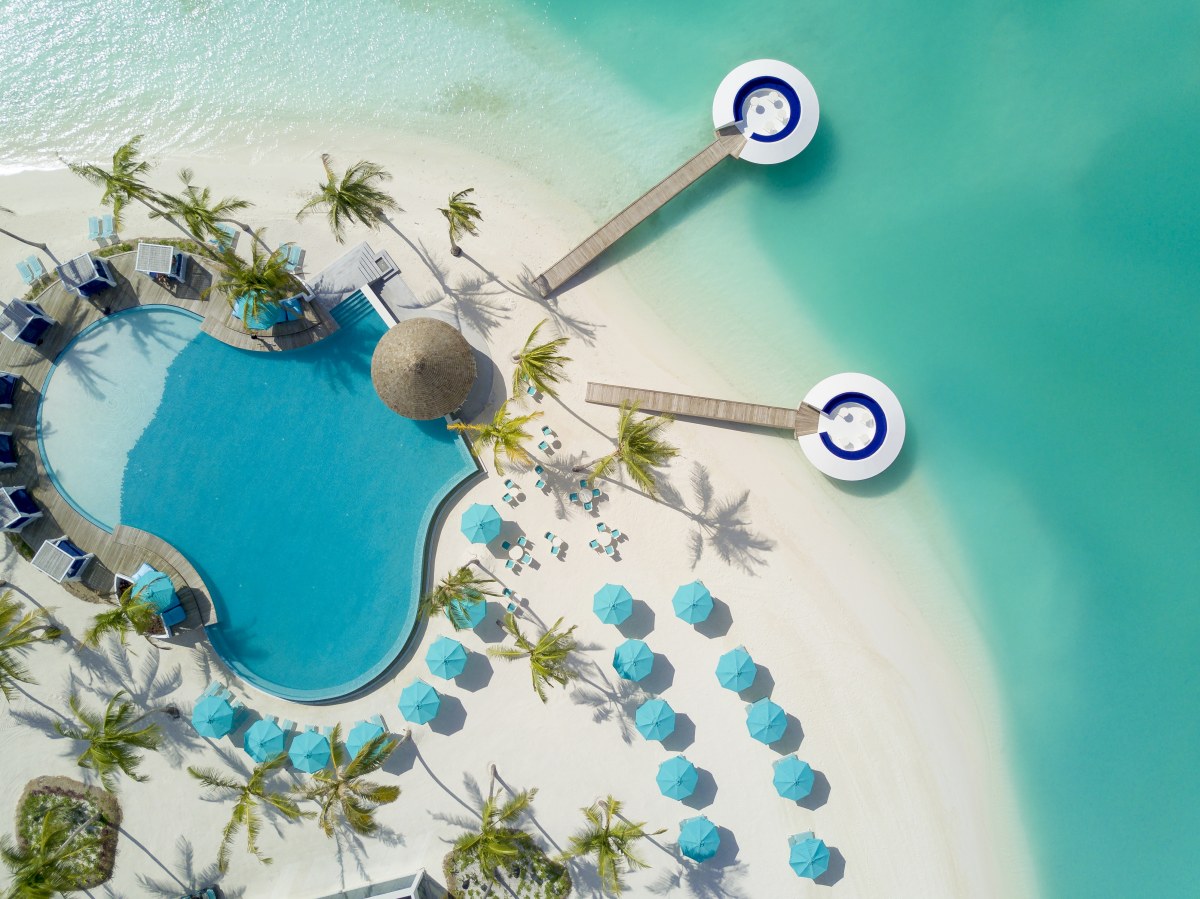
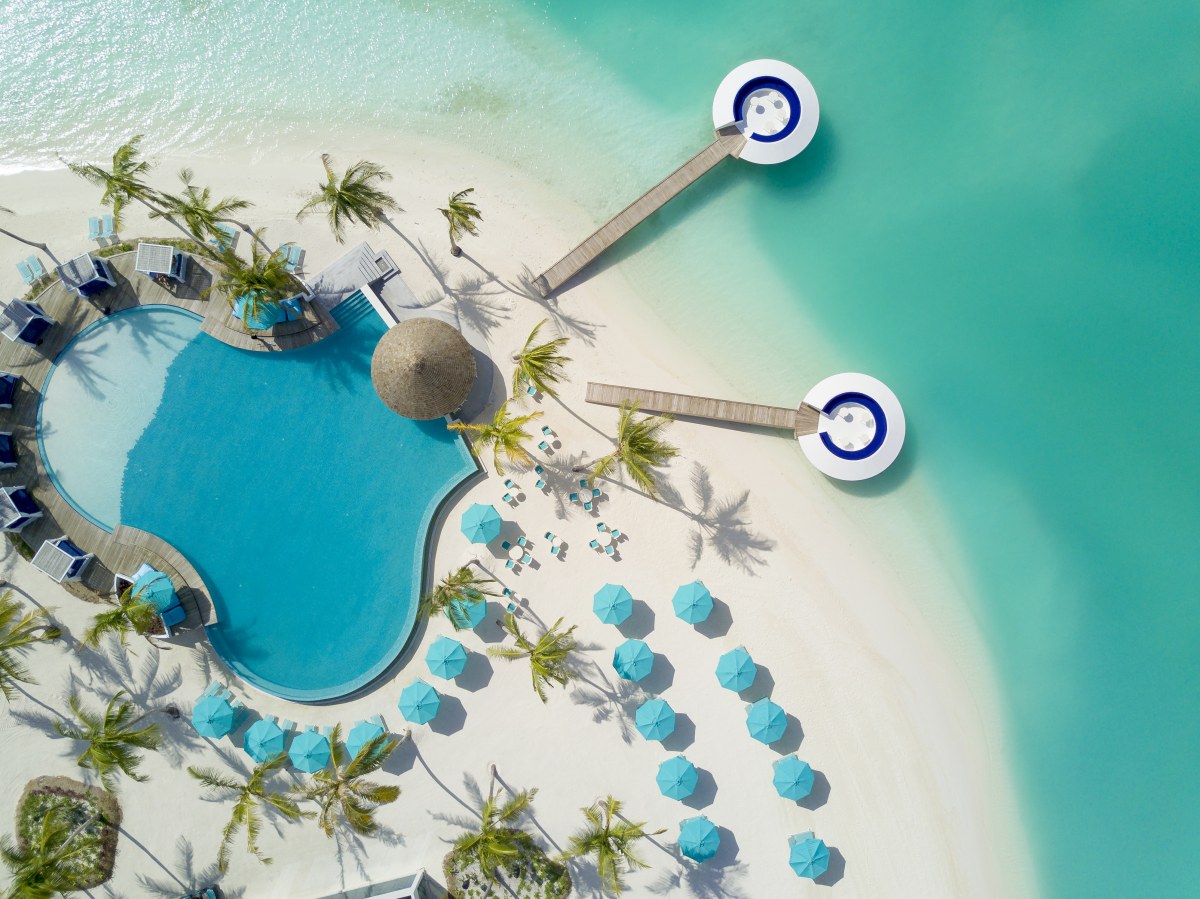
Kandima Maldives is a resort concept that is creating a real buzz in the industry. It is fresh, ground-breaking and represents the start of a new chapter of Maldives tourism. How do we know? Well, we co-created the concept! At MA people we seek to challenge the status quo with fresh and effective ideas. We create innovative hotel and resort concepts for visionaries and that’s exactly what we did with Kandima Maldives – set to open this December. Not one to keep all the good stuff to ourselves, we want to share with you our thoughts on what makes a concept unique and game-changing.

Blog main image
Changing the game with Kandima Maldives
Paragraphs

Revolution is the only solution

This was our credo when starting to work at the Kandima Maldives resort concept (and it still is). In an overcrowded market there is no chance to succeed if you haven’t got the vision (and the guts) to create something remarkably unique. But first you have to understand the game before you can change it. That’s why our research stage was key. We journeyed through Europe and Asia to analyse the most innovative concepts – what made them work – or not in some cases. We slept in millennial hotels and also in tiny airport cabins all in the name of research.

Work with the best

If you want to create the best, you have to work with the best. As the saying goes “You can’t do epic shit with basic people”. Therefore Kandima Maldives partnered with globally renown experts in their areas. Did you have a look at the Kandima Maldives branding? It has been created by the truly incredible Snask in Stockholm. The feedback we received: wow, different, special – game-changing. Goal achieved ;-).

Be dynamic but never compromise on the basics

Creating a resort concept might take some time, implementing it even longer. Over the last two years our partners at the project changed, the amazing and fun K’ team has been formed; new people are continuously joining and co-creating. This means that there is a steady stream of new ideas and new tasks to be tackled every single day. Our role as strategic partner is to help, assist, co-ordinate and be as flexible and dynamic as possible. Our key focus is to ensure the basics - the foundations and details that make the Kandima Maldives concept and brand fresh and unique - are implemented effectively and without compromise.

Fall in love with the details

It’s all about the details. The small touches. As a visionary and concept developer, it is a must to fall in love with these details – even if that means that you lose some sleep over that one single social media post, or design elements that aren’t quite right yet. You cannot half-ass anything if you want to create a unique and successful hotel concept and bring it to life.

It’s all about huMAns

A concept may be great on paper, but without the right people in place it will never (ever) fulfil it’s potential. We never underestimate the power of the people. At MA people our concepts start and end with huMAns. At Kandima Maldives guests will experience service unlike any other resort. The K’team will make the difference, ensuring each and every guest is "kandimatised". They will help to create memorable and unforgettable lifestyle experiences. There are many definitions out there for hospitality – at MA people we boil it down to one simple yet crucial statement: it’s from huMAns for huMAns. If everything you do and create keeps that in mind, you are already a game-changer in today’s hospitality market.

Follow the journey of the K’ team until the opening in December 2016 and get "kandimatised"!

Feel free to share this post with other visionaries - or get in touch if you, or someone you know is interested in co- creating the next game-changing concept with us.

Talk to you soon,
Your MA people 

Blog Block Image
Changing the game with Kandima Maldives

Add new comment

Comment

Order

Plain text

  • No HTML tags allowed.
  • Lines and paragraphs break automatically.
  • Web page addresses and email addresses turn into links automatically.
Categories
Types
sharing is caring

Today, we are very excited to meet Anne Dolan, co-founder of Clink Hostels. When Anne and her sister Shelly had the opportunity to open a 170-bed hostel in the King’s Cross area of London more than fifteen years ago, they jumped at the chance. For them, it combined all the things they truly enjoy: meeting people, travelling and creating a sense of community - a social hub.

Clink Hostels was born in 2007, when the business expanded significantly with the opening of a second London hostel of 700 beds. In 2015, ClinkNOORD opened with 800 beds in Amsterdam. And this is only the beginning...

As always, don’t take our word for it, instead read the interview below telling what Clink Hostels is all about, how the needs of backpackers and budget travellers have changed over the years and which new projects are in the Clink Hostels pipeline.

Untertitel
MAp meets Anne Dolan
Blog main image
Friendly, passionate and creative Hostelling MA people MAp Boutique Consultancy
Paragraphs

Anne, what inspired you to set up a hostel over fifteen years ago?

My sister and I went travelling after university and just fell in love with hostel life. For us, hostels offered a kind of “on the road” accommodation that felt both comforting and exciting. “Comforting” in that a good hostel feels a lot like a home away from home, “exciting” because hostels helped connect us to so many new experiences and new people from all walks of life and cultures. We felt that we learnt a lot about what makes a great hostel so when the opportunity arose to open one of our own, we grabbed it and I have never looked back! I am so lucky to do something I love.

Everything we do at Clink centres around creating an amazing city experience for our guests
and we try to take a creative approach to hostelling to achieve that.
via @weareMApeople


How would you describe the Clink Hostels DNA?

Clink is all about connection – to both people and to places. Everything we do at Clink centres around creating an amazing city experience for our guests and we try to take a creative approach to hostelling to achieve that. That starts with the buildings we choose and runs through the whole business – from the staff we hire, to the local knowledge we share and the events we put on regularly for guests. It’s all about creating those shared and memorable experiences that guests can take home with them, share with their friends and family and, hopefully, share with their grandkids in years to come!

We love your “Stay & Play”, “Stay & Create” and “Stay & Scribble” programmes. Could you introduce our readers to these great initiatives?

We love them too! These programmes fall under our wider “ClinkCREATIVE” initiative. ClinkCREATIVE was born out of the drive to really improve our offering for guests and to connect Clink to local and international artistic communities. Stay & Play offers up-and coming bands or musicians the chance to stay for free in exchange for playing a gig at one of our lively bars. Stay & Create is similar, but for artists, offering creative types space to paint or exhibit in the hostels – or host a workshop to share their talents with guests. Stay & Scribble is aimed at travel bloggers or aspiring travel writers who can either come and stay in exchange for writing a hostel review or travel piece about one of the cities. For more info and for anyone looking to apply visit ClinkCREATIVE

In your opinion, how have the needs of backpackers/budget travellers changed over the years?

Honestly, I don’t feel that the basic needs of backpackers/budget travellers have changed all that much. The standard of hostels has improved dramatically (scary showers and smelly duvets are definitely a thing of the past!) so I think that backpacker/budget traveller expectations are higher. However, I do genuinely feel that, on a basic level, young travellers want what they have always wanted when they travel - accommodation that offers them safe, comfortable and cost-effective place to sleep that’s going to allow them to explore new places and meet new people. At Clink, we try to ensure those basic needs are always met, whilst simultaneously working on new ways to really engage with guests and improve their overall stay and city experience. In an age where young travellers are often attached to their mobile phone, trying to encourage real life connection can be a challenge! However, it’s something that we’re passionate about doing at Clink, and initiatives like ClinkCREATIVE are a big part of that.

Apart from Clink Hostels ;-), which other hospitality concept/brand surprises and inspires you?

Oh there’s so many out there that I’m constantly inspired by! I have always loved Kex hostel in Iceland, I find it fun and inspirational, and was fortunate enough to stay there two years ago. They do an amazing job of weaving hostel life into the local community and communicating their own unique personality. Design-wise, Michelberger in Berlin is a real favourite and I love their authenticity. Volkshotel’s event programme is really impressive and helps foster such a great atmosphere there. The Good Hotel in London (formerly in Amsterdam) has a real social mission - something I feel is important in creating futureproof businesses. 

What’s in the Clink Hostels project pipeline? Are you planning to further expand Clink Hostels?

The plan for Clink this year is to work hard on refining our current offering to make sure that our vision for Clink really aligns with the experience that the guest has. We do plan to expand into Europe in the coming years, and with our new MD, Mark Fenelon at the helm, there’s lots going on behind the scenes in terms of planning new locations. Doing the groundwork now is important so that we can be confident in being able to deliver a streamlined Clink experience as we grow.

About Anne Dolan:

Anne found her calling in the Youth Travel business as a result of backpacking around the world. She knows that backpackers are always searching for that “something different”- a new place, a new concept, a new way of looking at the world - they are early adopters, risk-takers and brave. For her and Clink Hostels they are a constant source of inspiration and the reason she loves the industry that she’s in. 


Blog Block Image
Friendly, passionate and creative Hostelling MA people MAp Boutique Consultancy

Comments

neststayhome

Your blog beautifully captures the essence of what makes hostelling truly special. The emphasis on friendliness, passion, and creativity really sets the tone for an unforgettable experience. Thanks for sharing such inspiring insights.

Add new comment

Comment

Order

Plain text

  • No HTML tags allowed.
  • Lines and paragraphs break automatically.
  • Web page addresses and email addresses turn into links automatically.
Categories
Types
sharing is caring

There are winners and losers in the hospitality industry. There are those hoteliers struggling with price competition and wars, declining margins, loss of repeat guests as well as changing booking behaviour of guests. On the flip side, there are those hoteliers who appear to attract infinite guests as if by magic, charge outstanding rates during high season and also keep occupancy and average daily rates (ADRs) high during the slower seasons.

So, what drives success? Is it purely magic, luck or is there something else at work? We believe there is one thing that all successful hoteliers have in common. They know WHO they are. Successful hotels know their concept inside out: the derived positioning, their target guests, how to reach them (communication channels and activities), how to sell their rooms (sales channels and activities, pricing strategy). 

This is not rocket science we hear you cry! We know! So why have we seen so many hotels struggling to succeed? In fact, way too often we come across hotel projects whereby hoteliers are convinced that the hotel concept results from the architecture and design. Therefore their first step is to appoint an architect who comes up with drawings and designs and then all the rest gets aligned accordingly. Don’t get us wrong, we truly believe in the importance and power of great architecture and design. However, are convinced that architecture and design can only be truly successful and guest-centric, if the architect briefing is based on a solid and thought-through hotel concept and positioning.

Let’s dive deeper into the magic behind having a clear positioning in the market with our TOP 5 MAdvices:

Untertitel
Brand positioning is critical to your hotel success
Blog main image
Why knowing WHO you are always pays off
Paragraphs
We believe there is one thing that all successful hoteliers have in common.
They know WHO they are.
via @weareMAp

1- Clearly positioned hotels achieve optimum returns

Clearly positioned, differentiated and specialised hotels with a strong profile do sustainably stand out from the competition. They evoke desirability, generate higher occupancy and achieve significantly higher ADRs. Hotels that have the courage to be different, incomparable and offer tailored facilities and services to a specific target group, are more likely to attract the right guests, with the right expectations and willing to pay the right prices. 

2- A unique positioning is vital for your long-term success and survival of your hotel venture

Guests do have an abundance of choice when looking for their holiday destination and online platforms as Booking.com, Google, TripAdvisor or Trivago supply them with unlimited options. Often nowadays, in an interchangeable hotel product environment only the price is the remaining distinguishing factor for consumers. Hotels with a unique positioning are clearly different than competitors, offering clear advantages and benefits for the guest. Only hotels that truly stand out from the crowd can achieve higher occupancies, ask for higher prices, obtain a higher RevPAR and in the long run win the battle.

3- A clear positioning is a basis for your marketing success

Why should guests stay with you and not with another hotel - if you have the same standard pictures and content as any other hotel on your website, offer the same facilities and services, promote the same packages and offers, have the same social media profiles, tell the same marketing messages and so on and so forth? Hotels who know who they are and have the courage to tell their unique story on a consistent basis, will clearly stand out from the crowd and be able to obtain premium returns for their product.

4- A clear positioning fosters happy guests

Guests do have clear expectations and needs when they travel and can get very upset, if their hosts do not meet these. Very often this situation results in bad reviews on rating platforms. Hotels with a clear and authentic market position and a promise to fulfil certain expectations, avoid unhappy guests, since their guests clearly know what they get and can set their expectations accordingly. As such a clear positioning does not only prevent disappointments, but on the contrary generates happy guests that are most likely to come back again and again, recommend the hotel and write positive guest reviews. 

5- A clear positioning makes your life so much easier

The more you offer for more guests, the harder it is to focus,  streamline and move on. To limit your offer and focus on your consciously selected target group to fulfil their needs and desires, can be very liberating and motivating. This (and positioning) doesn’t mean that you should ignore guests who do not fit in your target group, as you may have to cater to various target groups in order to fill your rooms. Positioning means that you know exactly which guests (and which not) you can and want to target and cater for in an outstanding way that is not comparable with any other hotel.

To sum up, we can say from our experience that a holistic, sustainable, creative and innovative hotel concept and the clearly derived positioning are fundamental to the success and sustainability of your hotel venture. As always we hope that this blog post is of great help to you. Please feel free to share it with your friends and let us know your opinion in the comments section below.

Thanks and until then,
Your MA people 

Ps.: Want to dive even deeper into the topic? Here are two other MA people blog posts that might be of interest: Why YOU absolutely need a hotel concept and Why best marketing beats the best product EVERY single time.

Blog Block Image
Why knowing WHO you are always pays off

Add new comment

Comment

Order

Plain text

  • No HTML tags allowed.
  • Lines and paragraphs break automatically.
  • Web page addresses and email addresses turn into links automatically.
Categories
Types
sharing is caring

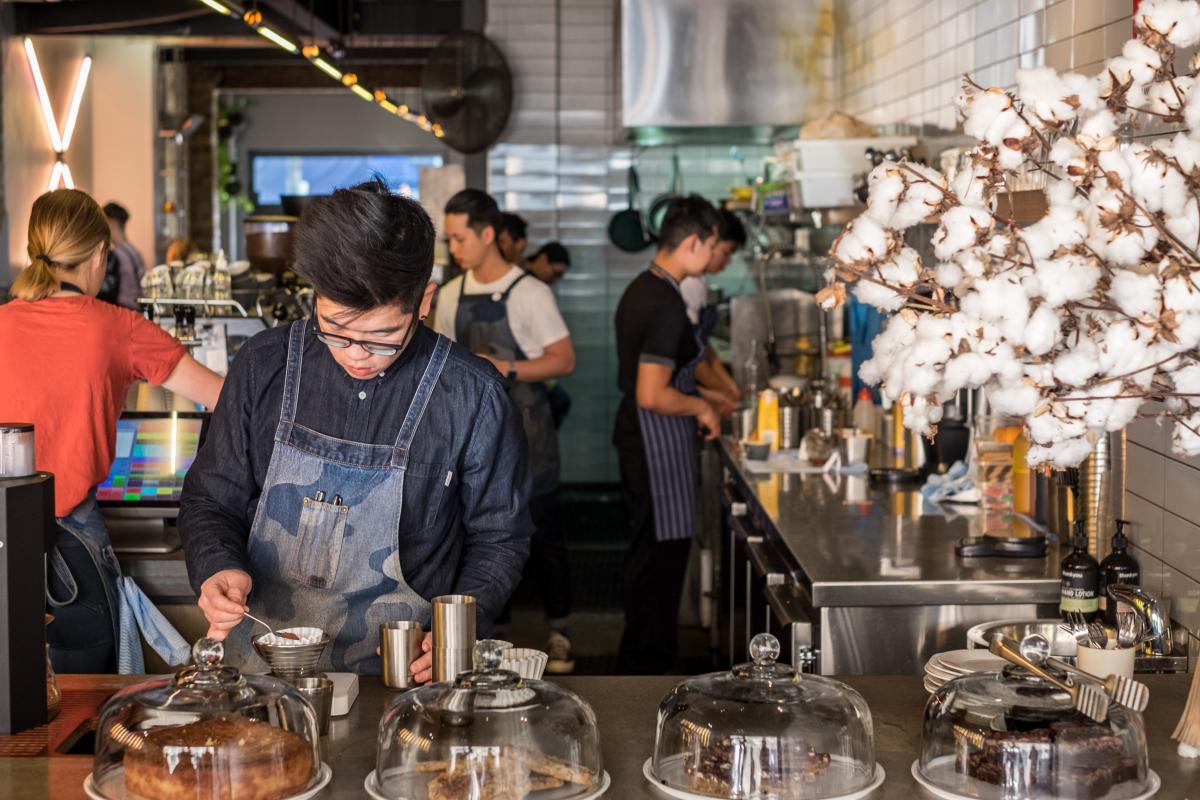
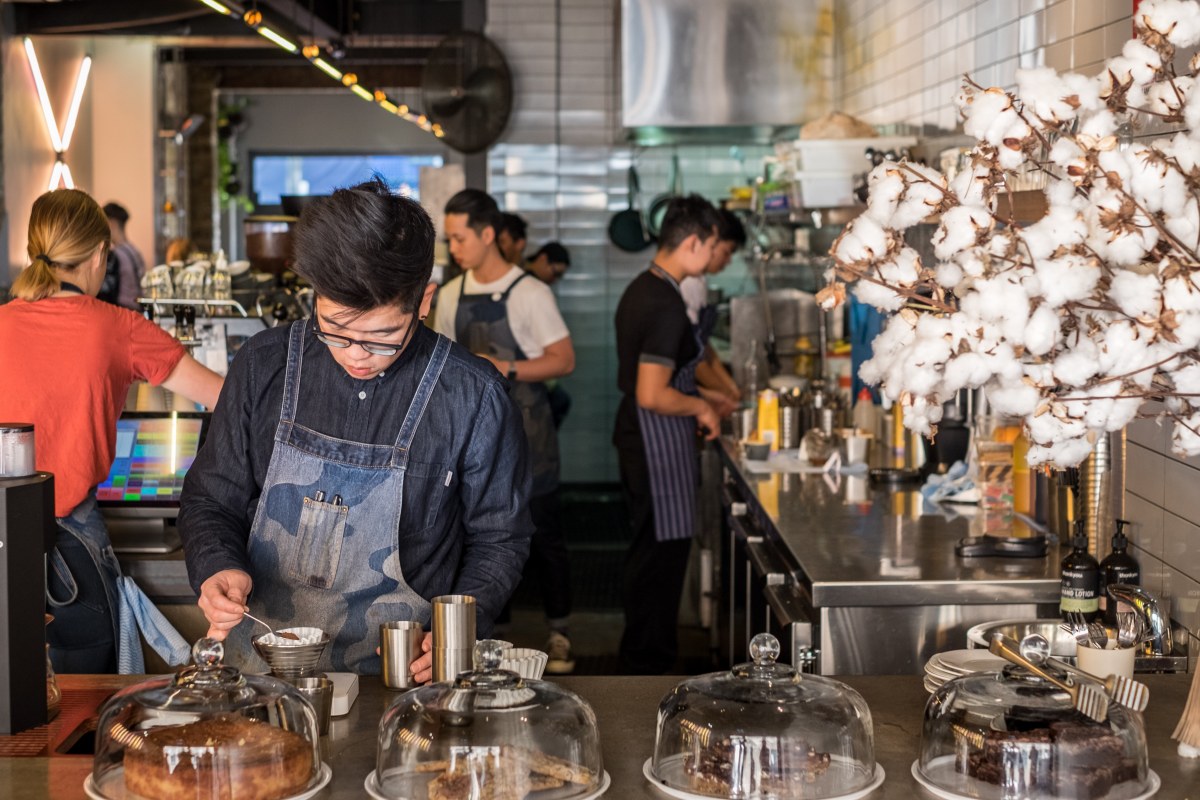
Fed up with a dining experience that spans four hours and twenty itsy-bitsy courses? Feel like everything is just way too much – too expensive, tedious, gimmicky, scientific, technical, pretentious, elitist, fake …? Do you think that the fun has gone from fine dining?

You’re not alone. It appears that the days are numbered for avant-garde gourmet movements and overly formal fine dining restaurants. So what’s on the horizon? We have done the groundwork and pulled together what we believe will be the future of fine dining:

Ten things we believe will shape fine dining experiences of the future.

Blog main image
The future of fine dining
Paragraphs
Creating a convivial atmosphere that fosters socialising and invites diners to interact, such as communal table arrangements and dishes that can be enjoyed on a sharing basis,
will have an emotional resonance with the audience.
via @weareMApeople


1 - Originality, authenticity, honesty and value
It is all about top-notch ingredients in its purest form that diners can trust,  dishes that have a clear connection to the original product. So, goodbye to preservatives, wild chemical food experiments and designer-clad service staff and say hello to real value and taste!

2 - Sustainability, locally grown and seasonal ingredients
Top-notch dining experiences are already using as much as possible locally grown ingredients that are in season, at their peak freshness - not manipulated or chemically treated. Chefs, farmers and food producers will work and collaborate even closer to guarantee the highest quality and sustainability that consumers demand.

3 - Playful twist and positivity
Who decided that fine dining had to be stiff and formal? There’s hope on the horizon, as humour, wit and storytelling will feature heavily in the overall dining experience. Today’s diners are looking for positivity, lightness and ease.

4 - Simplicity and health
These will be the key buzz words of the future: food will be pared back, delicious, nutritious and well executed, offering a balanced and enjoyable dining experience.

5 - Interaction
This is a key requirement for a growing number of diners who are wanting much more from their dining experience. Look to connect them with the people behind the scenes (the chefs, artisans, farmers, experts, …), involve them by detailing the story behind the dishes, share knowledge and skills and let diners participate in a dialogue about the importance of food.

6 - Multi-sensory experience
When was the last time you truly experienced a multi-sensory meal that involved all senses - sight, sound, touch, smell and taste? Experimentation is central to the future of fine dining. Think theatrical technology such as e.g. scent or wall projectors to provide the ideal context for each dish thereby triggering emotions, memories and associations. Involving all of the senses will add intrigue and excitement – not to mention profit!

7 - Diversity and casual attitude
Restaurateurs will soon operate far more like event producers embracing a casual attitude and combining relaxing dining environments with high quality ingredients and service. The trend of ad hoc, flexible dining and one-off events such as pop-up restaurant experiences will grow ever stronger.

8 - Human connection
As you know – we are passionate about businesses being more human focused. We also believe that restaurants of the future will do so too. Creating a convivial atmosphere that fosters socialising and invites diners to interact, such as communal table arrangements and dishes that can be enjoyed on a sharing basis will have an emotional resonance with the audience.

9 - Focus on talent retention and improved working conditions
The future is all about developing and retaining talent, offering improved working conditions and appreciation as well as co-creation. Better-trained and happier service staff will deliver the highest levels of service.

10 - Service, service, service… and don’t forget the details!
It is and always will be about the service and paying attention to the details. Only through an intimate service - delivering that crucial sense of emotional authenticity diners feel the sense of being taken care of with genuine warmth. Attention to detail, such as a surprising wine list, exquisite cutlery and tactile chinaware will be one of the main differentiators in an over-crowded market.

So that’s our list. What’s on yours? How do you envisage the fine dining experience of the future? Post your comments, thoughts and feedback below.

Until the next time…
Your MA people! 


Photo Credit: Piquant Production 

Blog Block Image
The future of fine dining

Comments

Mary

The shift toward more relaxed, authentic, and interactive dining experiences is an exciting evolution for the fine dining world. I completely agree with the idea that simplicity, sustainability, and human connection will define the future of dining. This new approach doesn’t just enhance the culinary experience but also creates lasting memories. If you’re ever exploring Kigali, you'll find many restaurants that are already embracing these trends. You can check out some of the top options for <a href="https://kigalirestaurants.com/exploring-fancy-restaurants-and-fine-dini… dining</a> here.

Add new comment

Comment

Order

Plain text

  • No HTML tags allowed.
  • Lines and paragraphs break automatically.
  • Web page addresses and email addresses turn into links automatically.
Types