

sharing is caring
Untertitel
How to WOW your hotel guests via all five senses
Blog main image
Sensory Branding
Paragraphs

See it, smell it, taste it, hear it, feel it. Not only is sensory branding one of our key areas of expertise, it’s something that truly makes our hearts beat faster. 

So why should you care? In times of growing competition, functionally interchangeable hotel products and ever more demanding guests, hotel brands must deliver and wow all five senses. It’s no longer enough to appeal to just one or two. Your guests need to experience your hotel brand on every single level. 

That’s why we are focusing our attention and upcoming series of blog posts to multisensory branding. We will share with you are key insights and tangible actions on how you can successfully master the five senses of your valued guests. So, let’s kick this off. In this first blog post we will introduce you to sensory branding and give you an overview of the different senses and their importance. 

The story so far

To date, the communication of hotel brands has mainly happened on a visual level. For most hoteliers developing the visual identity (logo, corporate identity, imagery, etc.) has been put on a level with developing the entire brand. Only a few hoteliers have gone a step further and included acoustic brand aspects to their brand. E.g. by developing a matching sound signature for their website or background music for the hotel itself (lobby, restaurant, bar, spa etc.). Multisensory approaches, in which hotels deliberately address more than two senses with their brand, are a true exception. 

We believe that the guest perception of a hotel/hotel brand is already taking place on a multisensory level. And, as such sensory branding measures are an ideal branding tool for hoteliers. It also has been scientifically proven that brands that address more than two senses are more successful than those that focus on one or two senses only. So are you missing a trick? Top tourism brands have benefited from this knowledge for decades already and created multisensory and emotional brand experiences. A great example is the successful olfactory (smell) branding of Singapore Airlines which has been implemented since the late 1990s: their custom-made scent is emitted in the cabin, worn by the flight attendants as body fragrance and passengers’ hot towels are scented with the unique smell. 

It also has been scientifically proven that brands that address more than two senses are more successful
than those that focus on one or two senses only.
via @weareMApeople


What the future holds

Martin Lindstrom, author of “Brand Sense: Sensory secrets behind the stuff we buy”, believes that those companies which address as many as possible senses, deliver THE ultimate brand message. This means, that by taking into account the guests’ taste, smell, tactile, visual and auditory senses, strong memories and emotional bonds can be created. These multisensory experiences add to an enriching brand experience, increase the quality and the perceived intensity of the guest experience and ultimately transform the hotel from an interchangeable product to a truly unique experience.

We are convinced that in response to increasing competition, more and more innovative hoteliers will focus on multisensory brand management. Why? Because with sensory brand measures they will achieve better perception and lasting impression by their guests and create stand out in the highly competitive market. Guests on the other hand will increasingly search for hotel brands that are truly perceptible as well as impressive and will remain loyal to them.

“You never get a second chance to make a first impression!”

The sense of sight is the strongest human sense. More than 80% of the information we consume every day is consumed through our eyes. Therefore, the visual first impression of a hotel brand is the one that influences the guest perception most. The visual identity is an integral part of a hotel brand and consists of all visible brand elements: logo (word/design mark), font, colour and imagery, design language (buildings, architecture), symbols, signage, uniforms, etc. With the congruent use of all visible elements you can enhance your hotel brand emotionally and optimise your brand communication short and long-term.

“What is essential is invisible to the eye.”
Antoine de Saint-Exupéry

The influence of the sense of smell is often underestimated. In fact, smell is the sense that has the strongest impact on our memory. Which means that targeted and coordinated addressing of the sense of smell offers an enormous potential to transmit strong brand messages. Fragrances have a great influence on the emotional state of guests and their decision-making behaviour. Many hotels already use signature scents to create a unique and consistent guest experience and brand awareness. The Armani Hotel in Dubai and the Fullerton Bay Hotel in Singapore are great examples of how guests can be touched emotionally via a signature scent. Indigo Hotels take it one step further and change their signature to reflect the season. 

“Funny how a melody sounds like a memory.”
Eric Church

Music, tones and sounds evoke emotions. Targeted sound elements create unforgettable experiences and long-lasting memories for guests. This means that with professional sound design, the brand message can be further enhanced to create an emotional bond with guests.

“Joy has a texture.”
Oprah Winfrey

In the hotel industry, the sense of touch is often underestimated or ignored, even though it plays an important role in the overall guest experience and understanding of the products and its messages. In product marketing for example, haptic features are widely used to build an emotional relationship between the product and the buyer. Via the sense of touch consumers can identify e.g. luxury products. By examining their weight and their condition they are able to unconsciously assess the quality of the product. Textures, fabrics and materials (their weight, softness, etc.) used in a hotel provide a unique opportunity to convey a sense of comfort to the guest.

 “Smell and taste are in fact but a single composite sense, whose laboratory is the mouth and its chimney the nose…”
Jean-Antheleme Brillat-Savarin

The gustatory brand management deals with all experienceable brand elements that can be perceived by the sense of taste. The relevance of the sense of taste is low in comparison to the other senses, as only one percent of our perception is absorbed through the tongue. However, never underestimate the gustatory appeal in the hospitality industry. Various studies indicate that we often eat with our nose, which is another way of saying that if food passes the smell test it will most likely pass the taste test. Especially with food and beverage the sense of smell and taste is essential and thus makes it an important part of the hotel brand experience

Finally, our MAdvice to hoteliers

We want you to open up your world and invite your guests to experience your hotel brand in ways you’ve never considered. These are the ways that will connect with your guest on a deeper level. Ultimately the foundation for successful multisensory branding is a strong and well-defined hotel concept, based on brand identity and characteristics and, consequently, sensory experiences. Sensory branding measures have to be targeted and consciously orchestrated, meaning the right signals have to be sent to the right guest via the right channels. Only the consistent and coordinated addressing of all sensually perceptible points of contact along the guest journey creates a sense of wellbeing and an emotional reaction by the guest. 

We promise, if done right, your guests will become fans of your hotel and love to come back again and again ;-)

As always, we look forward to hearing from you. Feel free to comment below as well as to share this blog post.


Blog Block Image
Sensory Branding

Add new comment

Comment

Order

Plain text

  • No HTML tags allowed.
  • Lines and paragraphs break automatically.
  • Web page addresses and email addresses turn into links automatically.
Types
sharing is caring
Untertitel
How to WOW your hotel guests via all five senses
Blog main image
Visual Branding
Paragraphs

Here’s the second installment of our popular series of blog posts dedicated to multisensory branding for hotels. Time to open your eyes and pay attention as we take you into the world of visual branding. In today’s highly competitive hospitality market a hotel brand needs to appeal and engage all senses in order to be distinct and successful. To sum it up, your guests need to literally see, hear, feel, taste and smell your hotel brand. 

There’s no doubt that vision is the most powerful of our five senses. This makes sense when you consider that around 83% of the information we retain is received visually. However, recent studies reveal that this might only be the case because we are bombarded 24 hours a day with huge quantities of visual information and a lack of other options. There is an opportunity here for all of us, as currently our other senses are not being targeted properly.

How about your hotel brand? Is your hotel visual identity aligned to your distinctive brand message? With our five MAdvices, we invite you to think beyond your own hotel logo and emotionally enhance your hotel brand with the congruent use of all visible elements. 

Your guests need to literally see, hear, feel, taste and smell
your hotel brand. 
via @weareMApeople


Our five MAdvices to win with a holistic visual brand management for hotels

“The question is not what you look at, but what you see.”
Henry David Thoreau 

1 – Logo: The logo is the symbol of the entire hotel brand, it's the corporate identity packed in a single sign. As a cornerstone of the visual identity it must of course reflect and embody your stylistic ideas, but above all emotionally touch the defined buyer personas. To find the perfect logo for your hotel brand we recommend taking a closer look at the logos of competitors as well as best practice examples (logos of companies you like and might not even be related to hospitality), in order to not only differentiate the logo from them, but also learn from them.

Take a look at the logo we crafted for our client paloria: based on the cool residence concept for athletes and sporty connoisseurs, the logo takes inspiration from contemporary sport and lifestyle brands. Not only does it emotionally speak to the defined buyer personas, but it also expresses the vision of our cool and stylish clients.

2 – ​Imagery: “A picture is worth a thousand words.” So make it count! Invest the time and resources needed to create and use distinctive key images/visuals that are clearly connected with your hotel brand. High quality photos are an absolute must for every hotelier to persuade the guest to regularly visit its website or social media feeds. Wait, what about videos? They are getting more and more important on social media and in general as they are a brilliant way to craft your visual branding. An emotionally charged and high-quality hotel video helps your guests to understand your product or service best. 

A creative way of establishing a truly distinctive visual language for a hotel you can see with the Kandima Maldives illustration. Be brave and stand out from the crowd and opt for illustrations (or other creative tools) that can help you to build a strong and distinctive visual language.

3 – ​Design language: Distinctive design generates distinctive brands, and successful brands are by their very nature visually “smashable”. If you are planning to design a new hotel, then we invite you to consider how your building can become unique in its form, architecture, style and design. The Marina Bay Sands in Singapore or the Burj al Arab in Dubai show the power of unmistakable design in the hotel industry. The sail-shaped design and its exposed location of the Burj al Arab make the building is unmistakable. Or think at our loved Baros Maldives - the overwater fine dining restaurant, The Lighthouse, is so unique in its structure that it is unmistakably connected to this resort. And of course, is featured on most of its key visuals. 

Besides considering the uniqueness of your architecture we also suggest to select a recurring form within your hotel, such as those used in the furniture or design. If you want your hotel to be perceived as sympathetic, friendly and modern, then square forms make an excellent visual shape choice for communication materials (square business cards, brochure, writing pad, etc.). Why is it important to select a brand shape? Shape is an instantly recognisable visual aspect of any brand. Statistics show that e.g. 40% of all perfume purchase decisions are based on the design of the bottle.

4 – ​Colour: Define your colour/s and use them consistently in your communication and throughout your website and social media channels. In addition to pictures, colour has the highest recognition value and thus can be used as exclusive brand mark. We all know that there is also a psychological association to each colour, that e.g. green stands for eco-friendly and freshness, blue conveys trust and purple is often associated with creativity and luxury. A little off topic, but Viagra – Pfizer has successfully taken advantage of the visual component and has given their pill not only a distinctive blue colour but also a unique diamond shape!

How can you decide on what colours you need for your hotel brand? It’s simple really. Just base it on your hotel concept and positioning. A brand such as Kandima Maldives might use a wide and playful colour palette, while Haritha Villas + Spa gives space to its contemporary architecture and lush surroundings and works with white and black as their main “colours” with green colour accents reflecting its natural location.

5 – ​Font: Fonts matter - and not just to graphic designers! All your defined signature fonts are seen by your guests (hopefully) everywhere: on your website, communication materials, etc. Therefore, the font you choose for your hotel is a valuable tool to express your brand personality and to evoke additional associations and emotions. Distinctive typography helps you to enhance your hotel brand character and conveys your tone. Have e.g. a look at the website of citizenM and the one of Edition Hotels: both of the brands have chosen a font perfectly matching their brand personality. Just imagine how strange it would look if you would switch the fonts between the two websites. Remember, guests learn a lot about your hotel brand based on the font you choose. 

Consistency is key. Apply the same distinctive imagery, the same colour, the same design language, the same font type across your visual platforms - at all times. It creates cohesion, so that your guests always get the same story across all channels.

As always, we look forward to hearing from you. Feel free to comment below as well as to share this blog post.

Thank you and all the best for WOW-ing your guests via your distinctive visual identity,
Your MA people

Blog Block Image
Visual Branding

Add new comment

Comment

Order

Plain text

  • No HTML tags allowed.
  • Lines and paragraphs break automatically.
  • Web page addresses and email addresses turn into links automatically.
Types
sharing is caring
Untertitel
How to stay top of your hotel guest’s mind… nose and palate!
Blog main image
Olfactory and Gustatory Branding
Paragraphs

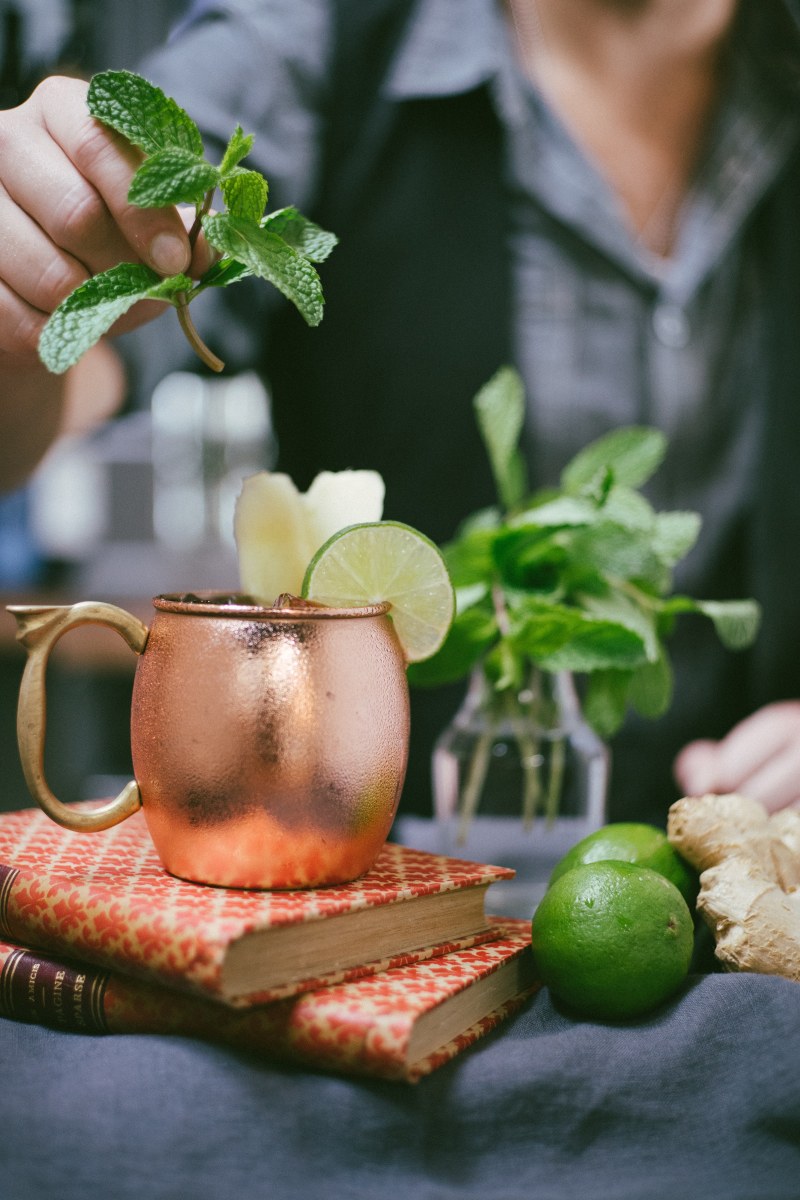
As part of our series of blog posts dedicated to multisensory branding, today we delve into the world of olfactory and gustatory branding. Appealing to all senses can really give you and your hotel a competitive edge, not to mention a unique guest experience. Do you know how your hotel smells? Or are you searching for ideas on how your hotel brand can stay in the noses and palates of your guests?

Read on and discover how YOU can connect with your guests on a whole new level with olfactory and gustatory branding aligned with your hotel concept and brand.

Olfactory Branding

“Smell is a potent wizard that transports us across thousands of miles
and all the years that we have lived.” 
Helen Keller

Smell is the oldest part of our brain and affects us substantially more than we are aware of, e.g., smell can alter our mood or alert us to danger. It is the sense that has the strongest impact on our memory. Which means that targeted and coordinated addressing of the sense of smell offers an enormous potential to transmit strong hotel brand messages.

Our three MAdvices to stay in your guests’ memory with the use of olfactory branding

1 - Smell check: Did you ever experience your hotel through your nose? Rediscover your hotel blindfolded and find out how your hotel corridors, the areas around the kitchen, a room ready for check-in, etc. smell. In order to win with olfactory branding, first of all unpleasant smells must be neutralised and then a consistent and appealing scent atmosphere throughout the hotel created.

2 - Signature scent: Ever thought which scent expresses your hotel brand best? Invest the time to choose the right signature scent or even to develop a personal and customised olfactory signature. But don’t go overboard and drown every corner of your hotel in the scent. It should be subtle and inviting. Use your signature scent as a room fragrance, as guest bath amenities and an enhancement of your print materials. It’s no surprise that W Hotels offer a signature room fragrance that guests can buy, or Westin Hotels a room spray, that is a fancy blend of white tea with wood cedar and vanilla. Many guests rave about the fig and cassis candle of The Dorchester in London, others about the award-winning signature fragrance of Positano’s Hotel Le Sirenuse that combines a hint of musk with a touch of incense, bergamot, and blackcurrant buds. 

3 - Stay in your guests’ memory: Reconnect with guests even after their stay. Stimulate their senses and entice them to return by using your signature scent for direct mailings, greetings cards or gift your guests with scented giveaways on their departure. Back home, the well-known smell will transport your guests into a vacation mood.

If the gustatory appeal is consciously orchestrated with the other sensory aspects it enables you to
transmit a truly individual and very strong hotel brand message.
via @weareMApeople


Gustatory Branding

“Smell and taste are in fact but a single composite sense,
whose laboratory is the mouth and its chimney the nose.”
Jean-Anthelme Brillat-Savarin

Smell and taste are closely interlinked. Various studies indicate that we eat with our noses, meaning that if food passes the smell test, it will most likely pass the taste test as well. 

Our three MAdvices for you to win with olfactory and gustatory branding

1 - Create product-specific taste and odour moments and surprise your guests, e.g. with a specially designed welcome drink that matches the concept of your hotel. One that tastes and smells unique. 

2 - Enhance your restaurant and bar experience with multisensory elements and do not rely on good food alone. Remember, your guests experience your restaurant and bar with all senses, it’s a holistic experience for them. Take a look at the restaurant Ultraviolet by Paul Pairet in Shanghai. This is the first restaurant of its kind uniting food with multi-sensory technology to create an immersive dining experience where great food, light effects, sound, music, scents, cool air blow and other sensory parameters that come together to create the perfect dining experience. While this approach isn’t for everyone, it serves as an inspiration and reminder as to how important it is to appeal to more than just one or two of your guest’s senses.  

3 - Taste and smell go hand in hand, if something does not smell good, it cannot taste great and vice versa. Taste without smell is virtually impossible and is also closely related to colour and shape. As such an on purpose designed aroma can be a highly effective brand “plus”. If the gustatory appeal is consciously orchestrated with the other sensory aspects it enables you to transmit a truly individual and very strong hotel brand message.

So, when you’re out and about next, be it in a restaurant, café, shop, hotel or supermarket, take a moment to see, smell, hear, touch and taste what’s around you. See what works, what doesn’t and think about how you can apply this to your hotel and brand. 

As always, we look forward to hearing from you. Feel free to comment below as well as to share this blog post.Thank you and all the best for WOW-ing your guests via your distinctive smell and taste branding,
Your MA people

Ps.: In our next sensory branding blog post we will tap into acoustic branding and how you can create an emotional bond with your guests via music, tones and sounds. Can’t wait? Hop over to our MA people meets with Rob Wood, the Creative Director and founder of Music Concierge and learn in this blog post about the enormous power the sound of a place has.

Blog Block Image
Olfactory and Gustatory Branding

Add new comment

Comment

Order

Plain text

  • No HTML tags allowed.
  • Lines and paragraphs break automatically.
  • Web page addresses and email addresses turn into links automatically.
Types
sharing is caring
Untertitel
Listen up! This is how to WOW your hotel guests through sound
Blog main image
Acoustic Branding
Paragraphs

We hope you’re all ears as we introduce you to the world of acoustic branding. This is the latest instalment of our blog post series dedicated to multisensory branding. In today’s highly competitive hotel market a hotel brand needs to be perceptible with all senses to be clearly differentiable and successfully positioned. In other words, guests need to see, hear, feel, taste and smell your hotel brand. 

Sound is powerful. It impacts both our mood and psychological state. The strong effect of sound elements can be demonstrated by a study conducted by Oxford University, which revealed that high-frequency noise enhances the sweetness in foods, while low tones evoke bitter notes. The skillful combination of sound with food and drinks improves the taste of the same. As such it's no surprise then that celebrity chef Heston Blumenthal of The Fat Duck has served an iPod with wave sounds to his famous Sound of the Sea dish.

The pace of background music in restaurants and shops also influences service, length of stay, guest behaviour and visitor flows. The slower the music, the more people buy. The faster the music, the less will be spent. For example, at a dinner with slow background music, the average bill amount was 29 percent higher than with faster music.

Music and the targeted use of sound elements are great tools to create unforgettable experiences
and long-lasting memories for your guests.
via @weareMApeople


Our five MAdvices: how to strike the right note for your guests:

1 – Make a statement with music: carefully select the music for your hotel and create a sense of place. The basis for this is a clear hotel concept and a brand strategy based on it - after all, the right tone is different for each hotel (and for each target guest). Start using sound to create your distinct brand identity and unique atmosphere/mood, which enhances your guest experience, makes your guests feel comfortable and engaged and ultimately makes them coming back again and again. 

2 – Tell stories with sound and wisely choose the background music for bars and restaurants as well as public areas (lobby, elevators, etc.). Especially in public areas it’s about the overall experience for guests that influences if they want to spend time there. For your restaurant or bar/lounge you can, e.g. select music that invites guests to linger. For your spa, healing sounds with recurring sound elements adapted to your house will be the right choice. Therefore each venue needs to be based on a clear concept. Lighting, design and service are integral elements of a space’s atmosphere – and often, it’s music that ties them together.

3 – Invest in professional sound design and tailor your exclusive music selection to the setting of your hotel and thus create a unique brand identity. There are some great professionals out there, which can support you in finding the right tone for your hotel. Check out Music Concierge, a company that specialises in using background music to create unique atmospheres and distinct brand identities for hotels all over the world. 

4 – Use sounds for your marketing: Which kind of background music do you use on your website? Do you have your own jingle? Which ring tone do your hotel phones feature? Do you also use "Mozart's Kleine Nachtmusik" for your telephone waiting line or do you already place your guests in a holiday mood at the moment when they call you? Think about all the guest touch points and adjust your music selection accordingly, as such that your guest gets a consistent brand identity of your hotel. 

5 – Stop the white noise: The constant, unpleasant background noise of refrigerators, minibars, blender, air conditioning, kitchen sounds, ventilation systems, etc. can have a negative effect on the guest experience. Walk through your hotel with open ears and identify noise emission points and find ways to control them. 


“Funny how a melody sounds like a memory.”
Eric Church

Remember, music and the targeted use of sound elements are great tools to create unforgettable experiences and long-lasting memories for your guests. We invite you to use these tools to connect with your guest on a meaningful and deeper level and promise you that it will make a difference to them ;-)

As always, we look forward to hearing from you. Feel free to comment below as well as to share this blog post.
Thank you and all the best for WOW-ing your guests via your distinctive acoustic branding,
Your MA people

Blog Block Image
Acoustic Branding

Add new comment

Comment

Order

Plain text

  • No HTML tags allowed.
  • Lines and paragraphs break automatically.
  • Web page addresses and email addresses turn into links automatically.
Types
sharing is caring
Untertitel
What does sustainability mean for independent and boutique hotels?
Blog main image
MAp Boutique Consultancy - The Sustainable Hotel - A sustainable hotel concept
Paragraphs

🎧 Prefer listening to reading? Listen to the article here. ▶️


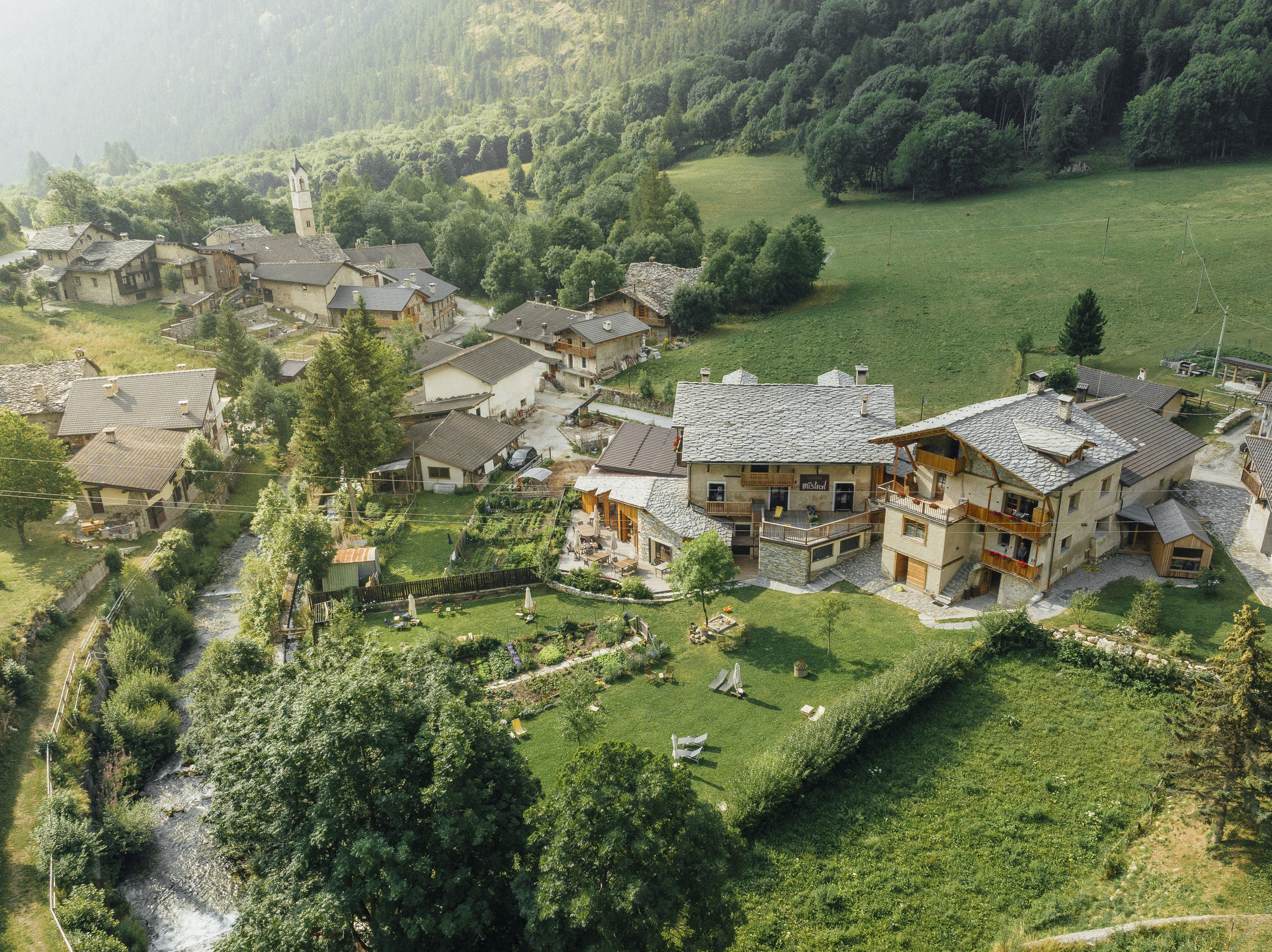
We all agree that in today’s highly competitive hospitality market, a unique, innovative and sustainable hotel concept is fundamental to the long-term success of a hotel venture.

At MAp Boutique Consultancy, we define a hotel concept as a strategic and creative outline on how to realise a hotel venture. It pieces together various elements (soft and hard facts) and gives strategic guidance, as well as comprehensive and detailed information. It outlines to all stakeholders HOW the hotel should look and feel, and WHY, based on defined brand values and characteristics. 

Whenever we, MAp, create a hotel concept, we also put sustainability at the heart of it, incorporating our sustainability framework - MAp's 4Ps of Sustainability - to increase revenue, decrease costs and leave a positive impact on the world. 

Defining sustainability and its importance

But why does your hotel concept need to be sustainable? Operating sustainably is becoming a standard practice and a new quality standard for hotels, as hotel guests and other stakeholders, such as employees and business partners, are increasingly becoming more conscious of their impact. 

The definition of sustainability is not as simple as it might seem, however. It is not only about eco-friendly, “green” hotel practices (like water and energy conservation), it's much more holistic than that, touching on social and economic dimensions too. That's where MAp's 4Ps of Sustainability comes in, inspired by the United Nations SDGs and providing a holistic approach to sustainability:

  • People - Social Sustainability: The impact your hotel has on People, including your guests, employees, partners and local community members. At the cornerstone of social sustainability is protecting human rights, addressing issues that affect your People, and uplifting and empowering them.
  • Planet - Environmental Sustainability: The impact your hotel has on the Planet, ensuring that you protect the world's ecosystems and conserve natural resources for the health and wellbeing of all - now and in the future.
  • Profit - Economic Sustainability: The impact your hotel has on economic growth, without negatively impacting the social and environmental aspects of the community – while driving profitability for your hotel.
  • PurposeWhile it’s not officially one of the pillars of sustainability, Purpose stands at the core of MAp’s sustainability framework. The definition is simple: Purpose is the WHY that drives you to do what you do – and love it!

While most think being a green hotel is enough, it's important to know that the economic and social aspects of sustainability are becoming increasingly important. A great example of social sustainability is Marriott, which successfully trained half a million staff to recognise and respond to signs of human trafficking. Their multi-language online and classroom-based training programme tailored to front office, F&B and housekeeping staff led to a number of young people being removed from compromising situations, since the programme’s inception in 2017. 

We at MAp believe that there are so many benefits for your hotel in implementing sustainability into your operations. Therefore below we share with you our…

Operating sustainably is becoming a standard practice and a new quality standard for hotels since not only hotel guests,
but other stakeholders such as employees and business partners, are increasingly becoming sustainability-conscious. 
via @weareMAp

Top 5 reasons why you should embrace holistic hotel sustainability:

  • You use your resources more effectively, thereby increasing productivity and lowering costs. Utilities, labour and operational costs are the largest cost contributors for most hotels, and a sustainable operation often helps to address all three – e. g. new environmental technologies can have a positive influence on your guests’ experience (think LED lighting, natural furnishing and natural ventilation).
  • You improve your employee morale, motivation and satisfaction. Younger employees, especially, are eager to work for hotel businesses that look past profitability and want to make a real difference.
  • You open a dialogue with the wider community and create synergies that benefit both your hotel guests and those who inhabit your surroundings.
  • You attract new and more loyal hotel guests, and by communicating sustainability performance indicators, you engage your future guests at the time of booking.
  • You improve your brand image, which offers better profits in the long run. In fact, hotel properties that have achieved the TripAdvisor Green Leader status are actually rated 20% higher than other properties, as per Jenny Rushmore, TripAdvisor’s Director of Responsible Travel.

And… the great thing about sustainability is that it’s an evolving process. Step by step, as we like to say at MAp, the best sustainability policies are ongoing ones – therefore enjoy your sustainability journey ;-)

Video URL
Quote Author
MAp Boutique Consultancy
Quote Subtitle
we also incorporate a holistic sustainability strategy.
Quote Title
Whenever we create a hotel concept
Blog Block Image
MAp Boutique Consultancy - The Sustainable Hotel - A sustainable hotel concept

Add new comment

Comment

Order

Plain text

  • No HTML tags allowed.
  • Lines and paragraphs break automatically.
  • Web page addresses and email addresses turn into links automatically.
Topics
Types
Youtube stream image
A sustainable hotel concept