Dear Martin, thank you for your time! First of all, can you tell us more about Guestnet? What’s your Purpose and what problem did you set out to solve with your innovative system?
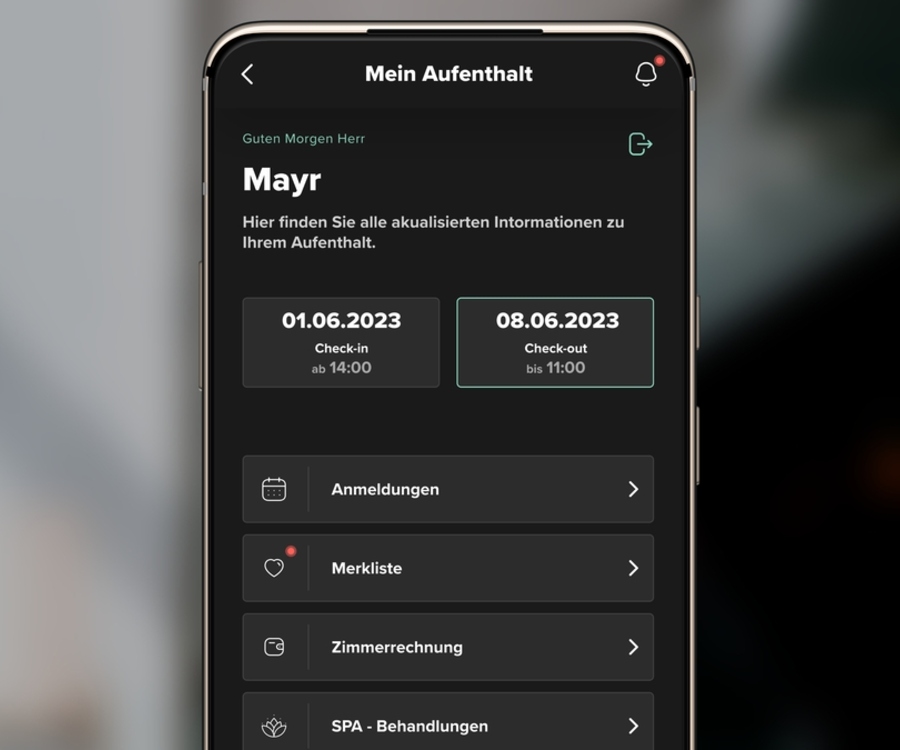
Martin: Guestnet is a 'Guest Experience Platform' with which we digitise the entire guest journey. Our goal is to support hosts in digital guest communication and thereby strengthen the relationship with their guests. Informed and satisfied guests, optimised digital processes and additional in-house revenues through a web app that can be easily accessed by the guest in the personalised CI of the accommodation.
We have recently partnered to promote our joint effort in making the hospitality industry more sustainable and innovative. At Guestnet, what’s your approach to sustainability? And how do you support your clients on their sustainability journey through your software solution?
Martin: We see sustainability as an integral part of our business. Through digital communication, we significantly reduce paper consumption in accommodations. In addition, guests are well informed about sustainability initiatives of the accommodation and also involved, so that with the very popular function "cancel room cleaning", a small, visible contribution can be made and accommodations are relieved at the same time.
As you look back at the hotels you’ve worked with and how you’ve supported them on their journeys to becoming more sustainable: What has been your biggest learning so far?
Martin: One of the most important findings was that sustainability and profitability can go hand-in-hand. In addition to the immediately visible consequences of drastically reducing paper consumption through digital communication, hotels were able to greatly reduce the workload on staff by canceling room cleaning. On the one hand, this leads to lower costs and an improvement in operational processes, but also results in positive reviews from guests after their stay.
For every hotel it is important that their guests are well-informed and taken care of. What are your top three recommendations for hoteliers to make sure that their guests have all the information and support needed to ensure the best experience?
Martin: A very good question and I would like to answer it with the following three key points:
- Visibility: create visibility for your information by integrating it into the check-in process so guests can receive and view it before they arrive. Actively point out digital guest folders and other information sources at check-in. Further increase content visibility by placing QR codes in relevant locations to provide guests with easy access to information.
- Information: Make sure to bundle the most frequently asked guest inquiries and integrate them into a digital guest folder. This way, recurring questions can already be answered digitally and the reception desk can be relieved.
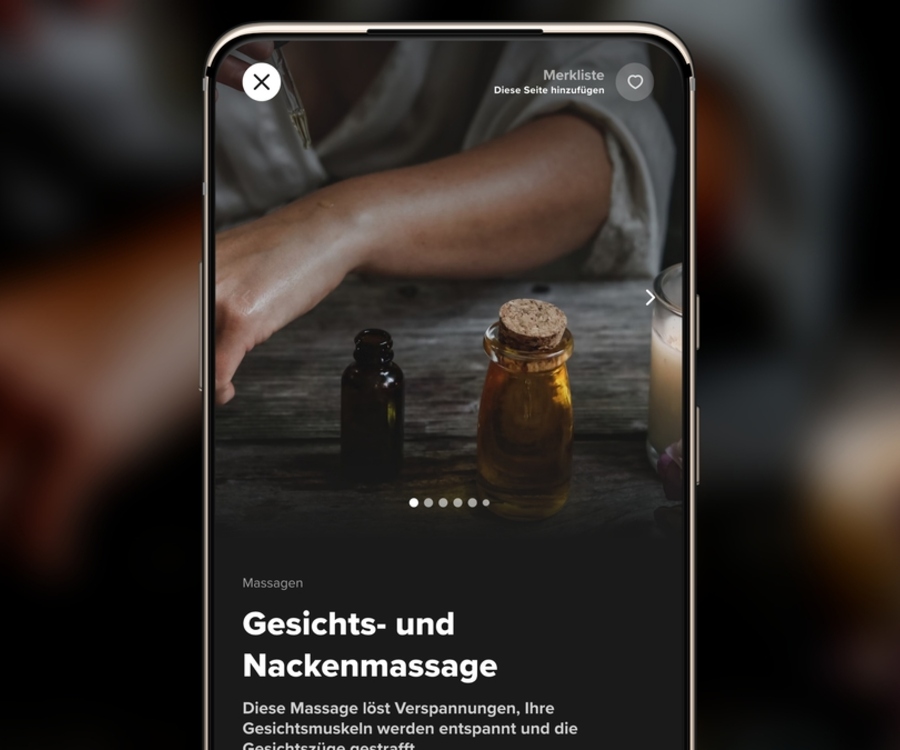
- Action: digital channels enable active marketing - use push notifications to point out spa treatment offers of the day or sell products via your in-house store. Guests can request services, buy products or place room service orders. The digital channel thus becomes a very relevant channel for in-house sales - fully automated and with all digital possibilities.
At MAp we are specialised in supporting independent hoteliers to become more innovative and sustainable, also through crafting unique hotel concepts and brands. What are your thoughts and observations on sustainability in the hospitality industry? What do you believe the future holds for the industry?
Martin: Sustainability is an increasingly important topic in the hotel industry. Hotels are increasingly focusing on environmentally-friendly practices such as energy and water conservation as well as social responsibility. Sustainable hotel concepts are becoming more popular as guests seek authentic experiences. The industry will continue to focus on innovative solutions to achieve sustainability goals. Overall, I expect sustainability to become the standard and the industry to evolve.
Do you have any recommendations for independent or boutique hoteliers on how they can start and / or advance their sustainability journeys?
Martin: Hotels can drive their sustainability journey by reviewing their current practices and identifying areas for improvement. Developing a sustainability plan with clear goals and strategies is important for this. From my perspective, communication internally and externally is a critical factor. Internally, it enables all employees to support and actively communicate the measures. Externally, it ensures that guests can be informed and involved.
What’s your biggest wish for the future?
Martin: My wish is to help even more hosts with their digital guest communication in order to relieve their employees and have more resources available for a unique guest experience. At the same time, we want to use technology to promote more sustainable tourism, where everyone has an awareness of sustainability and thus makes a small contribution to a more sustainable future. Our goal is to be the leading technological platform for this transformation and to accompany many hosts on this journey.
As always, our final MAp meets question: what makes a hotel experience a truly outstanding one for you personally?
Martin: Attention to detail and unobtrusive service make my hotel stay a real experience. On my city trips, I specifically look for boutique hotels with modern design in lively neighborhoods. I am always on the lookout for local wine bars and restaurants to discover the authentic culinary diversity of the city.
About Guestnet - Guest Experience Platform
Guestnet digitises the entire guest journey during the stay. In addition to the digital concierge on the guest's device, TV (Infoscreens & Room TV), print (morning mail, daily menu, weekly programme,...) and widgets (integration into website and correspondence systems) complete the multi-channel approach to provide the guest with all information. Result: Informed and satisfied guests, employee relief through optimised digital processes and increase of in-house revenues by advertising internal services. The leading hosts in DACH + South Tyrol successfully digitalise guest communication with Guestnet.
About Martin Tauber
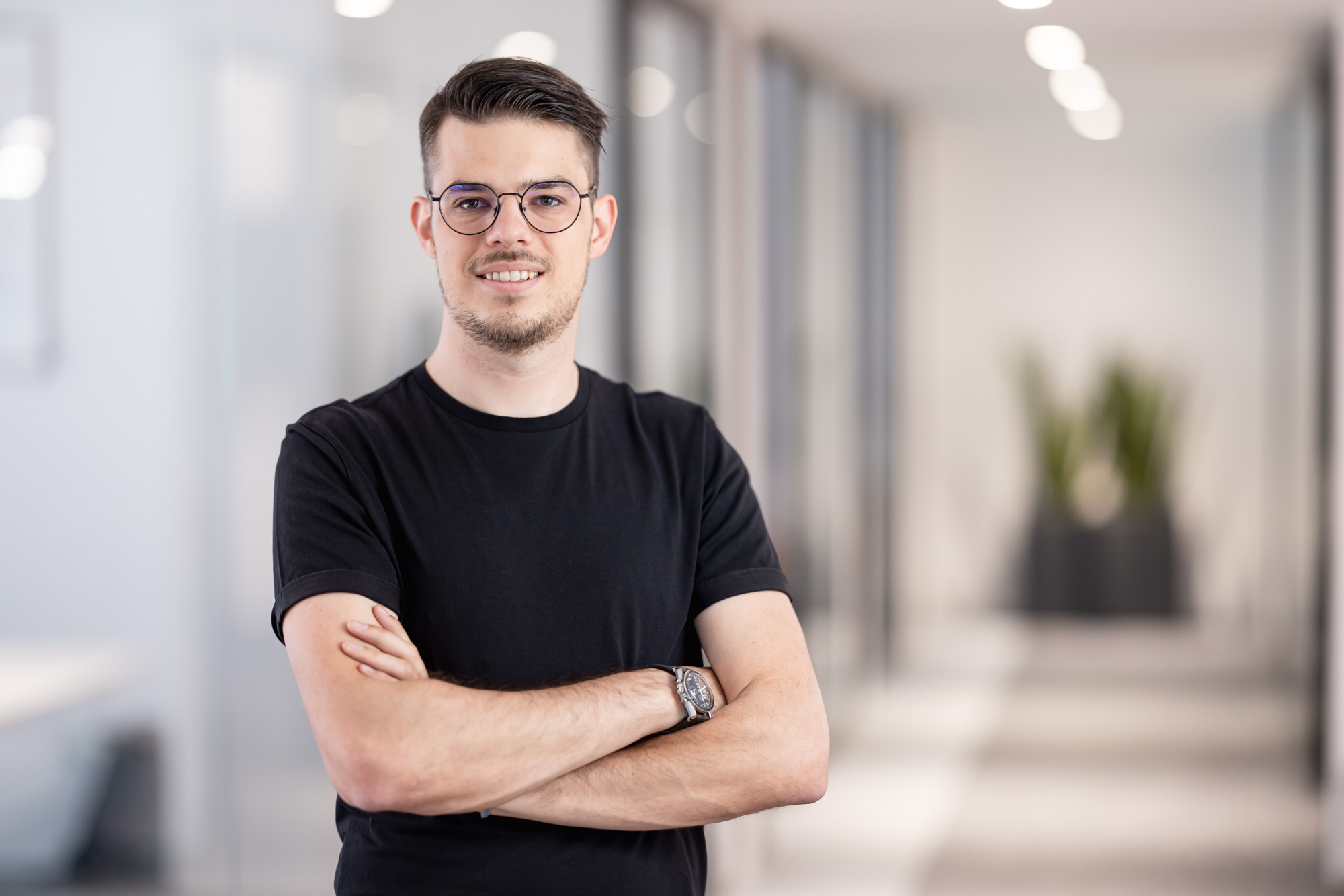
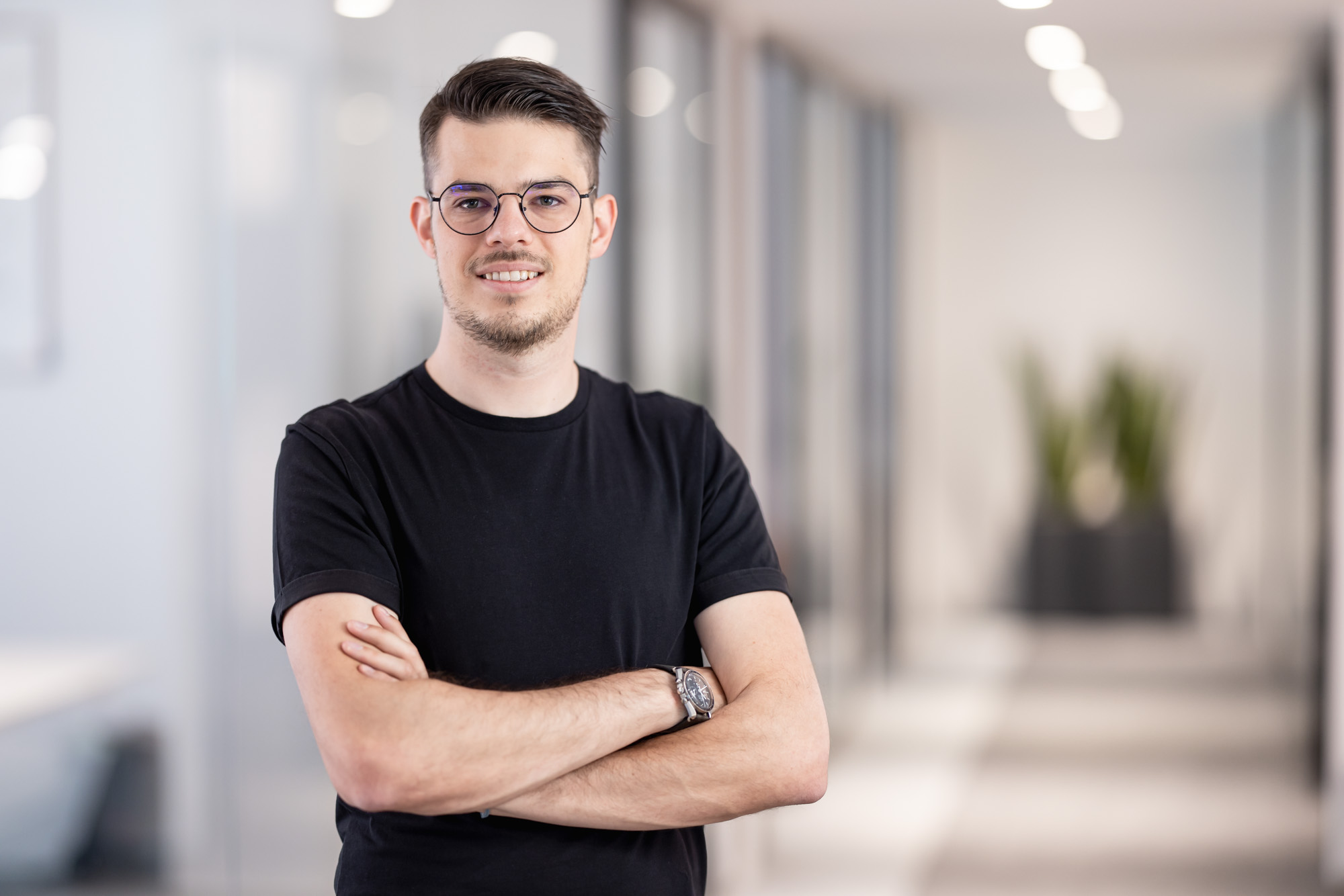
Martin, who was born in South Tyrol, started implementing digital products at the age of 15. After working as a marketing consultant in Munich and winning the German Search Marketing Award, he joined the digital product company Marketing Factory as a partner in 2015. In 2018, this resulted in the Guest Experience Platform 'Guestnet', with which he has been working on the digitization of the hotel industry ever since.








Add new comment