
sharing is caring

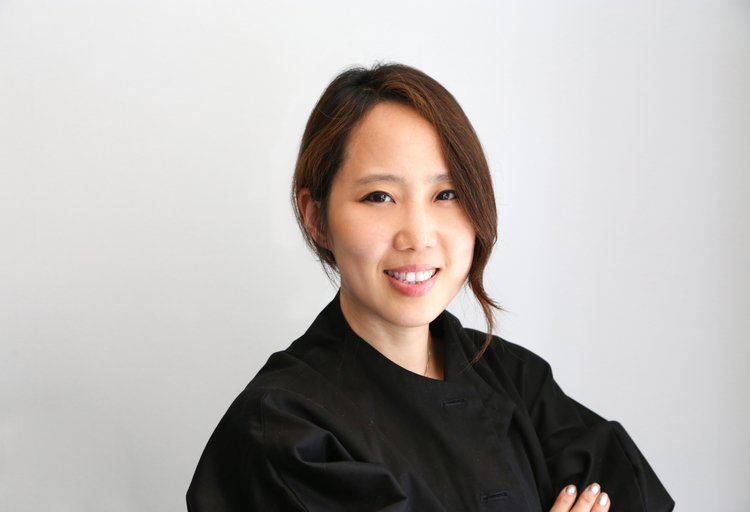
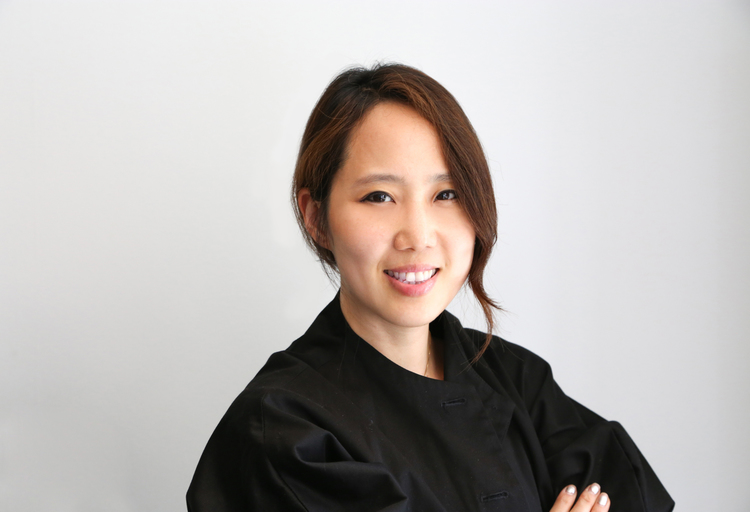
Meet Soohyun Chang and discover all about Atelier Chang, glamping and her perspective on the trends shaping the future of tourism.
Untertitel
MAp meets Soohyun Chang
Blog main image
Glamping -MA people MAp Boutique Consultancy
Paragraphs

1. Soohyun, what exactly is “glamping” and how did you discover / start to love it?

Glamping is a combined term from “glamour” and “camping” to describe a style of camping with amenities (like washroom, kitchen) and in some cases, resort-style services not usually associated with traditional camping. It has become an alternative way to spend one’s vacation. I was inspired by the Tree hotel in Sweden, and began to think of new inventive ways to experience nature in the closest proximity. Our younger clients wanted the same and asked for something dramatically different than a single hotel room. That’s when we started our glamping projects in 2014.

Our design focuses on Simplicity For Many.
Glamping represents this concept the best.
via @weareMApeople


2. Can you give our readers some information on your company “Atelier Chang”? What’s the idea behind and where have you implemented this concept already?

Our design focuses on Simplicity For Many. Glamping represents this concept the best. Our glamping tents are designed for the distinctive user experience by offering very simple but inventive form and content. These tents are called Cutent, Firefly, or Mountain, as their concept was driven from simple objects found in nature. The breadth of space is also quite unique: 45-60 sqm of interior space, as big as a small flat. The tent material adds to its exciting appearance: stylish bright colorus of the fabric is 100% non-flammable, 100% recyclable. It’s the same fabric used for the London Olympic Stadium. About 5 glamping resorts are already built in Asia with our models in recent 2 years, with 2-3 more projects on its way this summer in larger scale.
http://atelierchang.com/glamping/

3. Can you tell us a bit more about the Knothouse, the 5 residential structures that you realised on Geoje Island, South Korea?

We wanted to create a knot from a strip of landscape. A house made of knot could blur the boundary between the inside and outside. While sitting in the living room Jacuzzi, you could feel like you are immersed in the entire ocean view in front of you. The front garden continues seamlessly into the living room. It turned out to be a popular project that many people wanted to visit even with 2-month-in-advance reservation. 
http://atelierchang.com/knot-house/

4. We know you like to travel with your family and your little son. Which hotels and accommodations do you prefer and what exactly are you looking for when booking your family escape?

We always look for vacation venues where both parents and kids can have fun. For instance, if the hotel itself has interesting programs or a concept that our entire family can enjoy – separately or together – that ticks the mark. Convenience as well as adventure are parts of the criteria.

5. From your perspective: what are the trends that are going to shape the future of hospitality and tourism over the next years?  

I once read an article where a global officer in Marriot Edmundson said “Design has been democratized.” Design does not reflect the rich few, but will have to face new consumers like millennials, who want great quality service with non-ridiculous overcharges. I cannot agree more that the new trend of hospitality will target on the intelligent mass, whether it be young family with toddlers, young couples travelling on backpack, or innovative retirees in their early 60s. They are more educated than ever and treasure unique experiences. As much as Airbnb has shaken up the dusty hotel businesses, the new small but unique outdoor experience will be welcomed by unprecedented mass audiences.  

Thank you Soohyun & keep on inspiring us with your innovative creations ;-)
MA people


About Soohyun Chang: 

Soohyun has founded Atelier Chang as a collaborative platform to reconceptualise architecture and urban design through social and environmental research. Atelier Chang is an international design praxis based in South Kensington, London and Zurich since 2011. Have a look at Soohyun’s and her team’s wonderful work under http://atelierchang.com.
 

Blog Block Image
Glamping - MA people MAp Boutique Consultancy

Add new comment

Comment

Order

Plain text

  • No HTML tags allowed.
  • Lines and paragraphs break automatically.
  • Web page addresses and email addresses turn into links automatically.
Types
sharing is caring

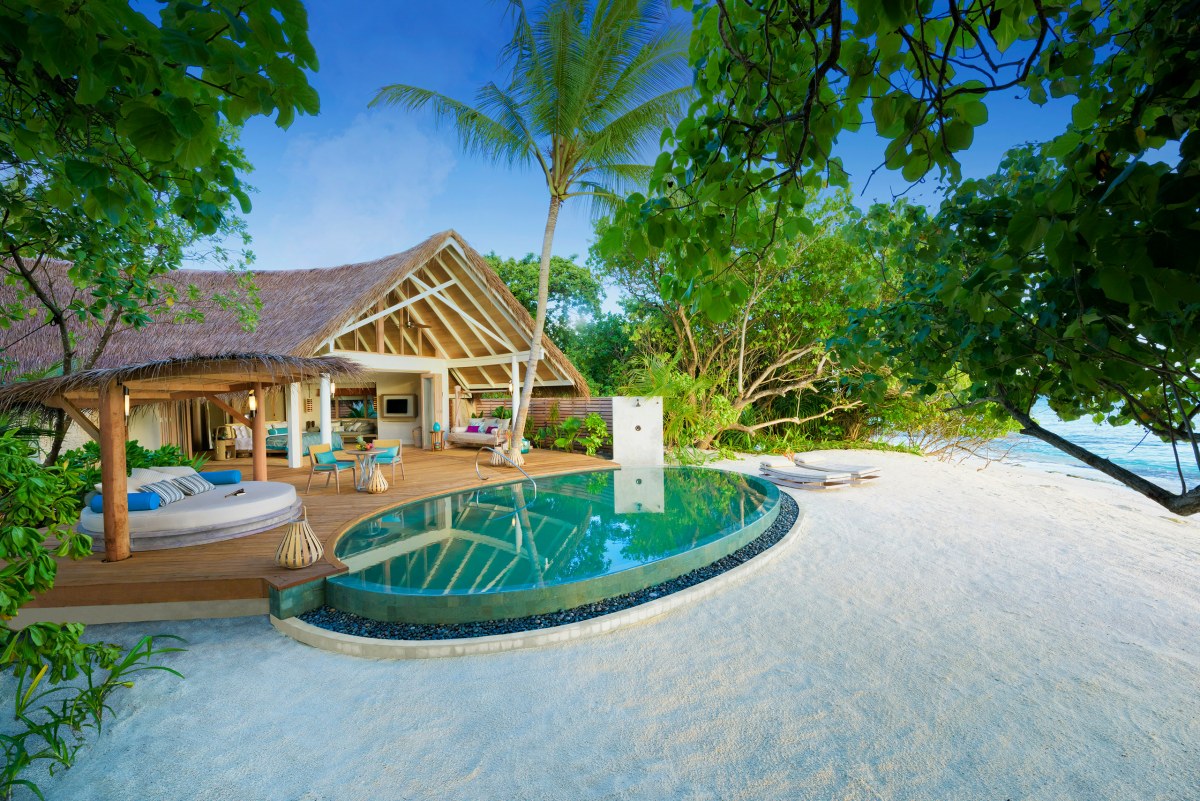
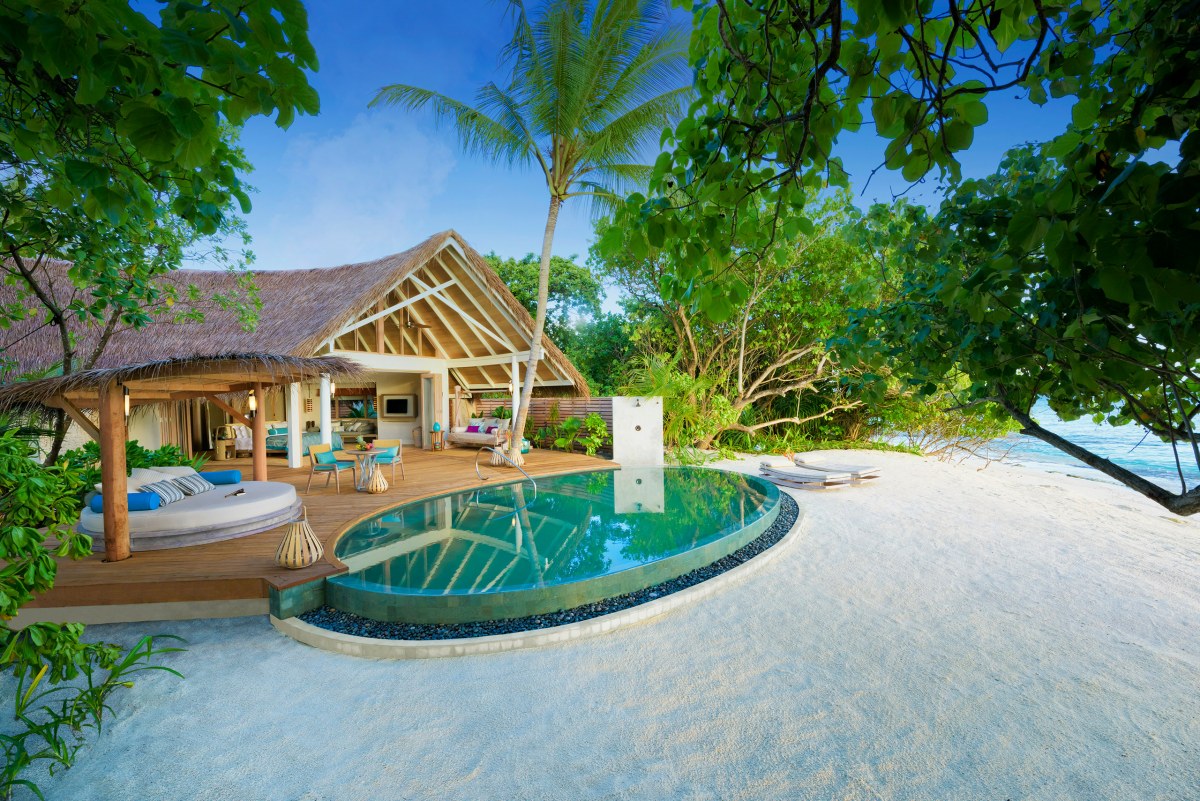
Milaidhoo Island, a 5-star luxury resort in the Maldives, is welcoming its first guests in November 2016. This marks the opening of the first resort we, MAp Boutique Consultancy, co-created since we set up our company. Not only have we created the concept, we have developed the corporate identity and the sales and marketing strategies. Excited much? Well, we certainly are!

When our client approached us in March last year, we knew this wouldn’t be an easy one as Milaidhoo Island’s location is in the stunning, yet very competitive, Baa Atoll. This Maldivian area is home to some of the most exclusive resorts with new hot openings happening all the time. So we knew from the offset that we were in for an exciting journey.

The countdown to the opening is well and truly underway. Milaidhoo’s amazing team are working hard to get the final details and preparations done before the first guests arrive and the industry is already booking rooms for their clients. We will take this time to share our experiences with you – especially on new boutique resort concepts and why having the best competitors on your doorstep is the best thing that can happen to you and your business:

Untertitel
The competition may be fierce, but our boutique resort concepts are fiercer!
Blog main image
The competition may be fierce, but our boutique resort concepts are fiercer!
Paragraphs
Nothing is more important for your boutique concept (or any concept in fact) than to create unique, innovative and clearly distinguishable
points of difference.
via @weareMAp

1 - "The lamentation over the sharpness of competition is in reality only a lamentation over the deficiency of ideas." Walther Rathenau

Ouch! Mr. Rathenau couldn’t be more direct! What does this tell us? Well, certainly we should stop ourselves before complaining about the “others”! The realisation is that we need to get better, not bitter. Turn negative energy into motivation and focus on developing stronger ideas instead of hoping for weaker competition.

2 - "You can’t look at the competition and say you're going to do it better. You have to look at the competition and say you’re going to do it differently." Steve Jobs

Word, Steve Jobs. Nothing is more important for your boutique concept (or any concept in fact) than to create unique, innovative and clearly distinguishable points of difference. These tangible USPs make your product unique, command attention and give you a talking point, not to mention a strong story. They attract PR and thus maximise marketing efforts, allowing you to achieve higher average room rates, boost your occupancy and sales.

3 - "Companies that solely focus on competition will ultimately die. Those that focus on value creation will thrive." Edward de Bono

When creating the Milaidhoo Island concept we did a LOT of homework (and we mean a LOT). We studied the market, the industry, ... We knew that if we wanted to innovate and differentiate the Milaidhoo Island product, we had to create trends, rather than follow them. So we started to look at luxury and boutique tourism from a different perspective, studied new luxury guests in different industries and in different markets and above all, were not only thinking about hardware and services, but much more about experiences. Because we knew that only if we were able to create real and true value, the boutique resort product would thrive and succeed.

Our hard work has certainly paid off. The outcome of nearly 19 months of research and development is an undeniably sophisticated 5-star boutique resort, brimming with USPs that clearly taps into a niche. Milaidhoo Island is by no means just another 5-star resort in the Maldives. Offering reinvented luxury and spacious outdoor living it epitomises the true and contemporary Maldives by telling the story of a small island. It’s a lifestyle escape with personality, offering heartfelt hospitality and barefoot informality. Don’t just take our word for it, see it for yourself.

As you might have already guessed, we are totally in love with the Milaidhoo concept and it’s potential. We could go on and on about it – but for all our sakes we will stop here! We are truly convinced that from November 2016 onwards it will introduce guests to a new, exciting holiday experience and will go some way to redefining boutique hotel concepts in the Maldives and beyond. Want to know more? Follow the story of a small island here.

So how about you? When will we see you on Milaidhoo Island? What’s your take on creating boutique hotel concepts? Are you in love with your competition? As always – feel free to share, comment, post and tell us your story ;-).

In this spirit, better your best!
Until the next time…

Your MAp team

Blog Block Image
The competition may be fierce, but our boutique resort concepts are fiercer!

Add new comment

Comment

Order

Plain text

  • No HTML tags allowed.
  • Lines and paragraphs break automatically.
  • Web page addresses and email addresses turn into links automatically.
Types
sharing is caring

Millennials… whether you are one, or know one, they are one of the most important target groups in the industry today. Attracting and retaining this guest requires a certain type of approach. We have developed concepts that target Generation Y and would like to share our thoughts on what we think you absolutely need to consider. We also want to share with you what we’ve learned about this customer group - besides that they are written with double l and double n ;-)!

So here's our summary of the need to know information….Millennials are born between the early 1980s to the early 2000s and are also known as the Millennial Generation, Generation Y. This group follows Generation X, born between 1960s and the 1980s, also called Generation Me (over Generation We).

Millennials are tech-savvy and demand speed in every aspect of life, think fast internet connections, fast service, and fast responses. These are people living in a real-time world and therefore expect seamless connectivity to access the information they want, at that moment in time, across all platforms.

This is our list of the TOP 5 things your Millennial hotel concept absolutely needs:

Untertitel
TOP 5 things your Millennial hotel concept absolutely needs and (Gen) Y!
Blog main image
TOP 5 things your Millennial hotel concept absolutely needs and (Gen) Y!
Paragraphs
Millennials are tech-savvy and demand speed in every aspect of life,
think fast internet connections, fast service, and fast responses.
via @weareMAp

1 – Cool community areas

The lobby / living room / club lounge or whatever you like to call it, is the heart of the hotel. Make this space comfy and inviting with flexible furniture, good lighting and an abundance of multi-power sockets. This is the place they will meet, chat, rest, work, brainstorm, connect and party both off-and-online.

2 – Fab accommodation 

Using space in an intelligent and convenient way is key as functionality is often more important than size. Take inspiration from first class train compartments; fancy cruise ship cabins and business class airline cabins.. Monsoon showers, good quality and natural bath amenities, an over-sized bed with organic mattresses, a desk with multi-power point sockets are just a few of the absolute must-haves.

3 – Tech-savvy

Make it easy for Millennials to live and breathe their digital lifestyle by offering free and fast Wi-Fi in all areas. Take the opportunity to use technology wherever possible such as online check-in, self check-out.

4 – Flexible food & beverage

Offering Millennials flexible dining options is as important as offering the latest cocktails. Ideally, hotels will offer a 24/7 dining offer inspired by the location and using locally sourced ingredients.

5 – Give back

Millennials are passionate about social and local responsibility and will assume green schemes and / or community programs are the norm in hotels so don’t disappoint.

At MAp Boutique Consultancy the above five points are the foundations of any successful Millennial hotel concept. Adopting these points will ensure that smart, modern travellers are happy, raving about the place and above all, return.

Do you agree with our TOP 5? Are there any other points crucial to making Millennials happy? What is your experience in working with and / or for Millennials? Of course, if you or someone you know is planning a visionary concept targeted at the “digital natives”, get in touch and let’s co-create the perfect hotel concept!

Talk to you soon,
Your MAp team

BTW, we just recently co-created a Millennial-inspired game-changing resort concept in the Maldives, have a look at www.kandima.com and also check out and follow our Millennials travel Pinterest board https://www.pinterest.com/mapeople/millennials-travel/

Blog Block Image
TOP 5 things your Millennial hotel concept absolutely needs and (Gen) Y!

Add new comment

Comment

Order

Plain text

  • No HTML tags allowed.
  • Lines and paragraphs break automatically.
  • Web page addresses and email addresses turn into links automatically.
Topics
Types
sharing is caring

🎧 Prefer listening to reading? Listen to the article here. ▶️


We specialise in crafting unique, innovative and sustainable hotel concepts. Not just good concepts, but great ones! Just ask our clients! Hotel concepts are critical to success, but in the last few years, we’ve noticed that this term is often misunderstood. So let’s start off with our definition of a hotel concept:

MAp Boutique Consultancy – hotel concept definition:
A hotel concept is a strategic and creative outline on how to realise a hotel venture. It pieces together various elements (soft and hard facts) and gives strategic guidance, as well as comprehensive and detailed information. It outlines to all stakeholders HOW and WHY the hotel should look and feel like, based on defined brand values and characteristics.

In today’s highly competitive hospitality market, a unique, innovative and sustainable hotel concept is fundamental for the success and sustainability of a hotel venture. Why? Well, here are our 5 reasons:

Untertitel
5 reasons why you absolutely need a hotel concept. What defines a great hotel concept today – and why it is more than just beautiful design.
Blog main image
MAp Boutique Consultancy - Hotel Development Hotel Concept
Paragraphs
A hotel concept is a strategic and creative outline on how to
realise a hotel venture.
via @weareMAp

1 – Your hotel concept gives strategic direction

For something to be a success, everyone involved needs to be on the same page and working in the right direction. A hotel concept provides a clear overview of a hotel venture, with clearly-defined goals and objectives required to succeed on a long-term basis. It outlines the core capabilities of the hotel and defines its hard and soft facts by focusing on the right things = the things that are the most likely to deliver the best performance, productivity and profit, both now and in the future.

2 – Your hotel concept serves as day-to-day operational guide for you and your team

It’s easy for people to veer off-course, especially during busy times. A hotel concept should be the go-to document for all stakeholders. It provides clear and extensive guidance and serves as the basis for consistent briefings to external partners. Each and every one of your employees and partners needs to understand and buy into your hotel's true Purpose (the WHY!), understand your objectives and goals (the destination), as well as the course they need to take to get there. This helps everyone involved to make the right decisions on a daily basis and provide the outstanding service that you (and ultimately your guests) want.

And there’s an added benefit! Employees who understand WHY they do what they do and HOW they have to do it, feel more engaged, enjoy their role and will stay with you longer. So enjoy reduced employee turnover rates and recruitment costs, as well as increased repeat business resulting from your employees' outstanding service attitude.

3 – Your hotel concept ensures that you attract the right guests

We never underestimate the power of the people. Hotel concepts that place people at the heart, in fact, focus on what truly drives and generates sales and profits. Your hotel concept will be based on your unique vision as well as thorough research and analysis. It will clearly outline who your perfect guests are and what they want. They turn into happy guests, and guess what, generate healthy profits. Happy guests are your best investment. They become your on- and offline brand ambassadors, and promote you and your business for FREE!

4 – Your hotel concept gives you a competitive edge

What exactly makes a hotel concept creative and innovative? Above all, it’s about being unique and authentic. A great hotel concept outlines what makes your hotel truly special and clearly distinguishable. It defines the tangible USPs and the added value for guests when choosing to stay at your hotel over a competing property. A competitive edge always commands attention and gives you a talking point, not to mention a strong story. That’s why we believe in innovative hotel concepts, as they create a clear stand out in the market, attract PR and maximise marketing efforts, allowing you to maximise room rates and boost your occupancy and sales.

5 – Your hotel concept is the ONLY guarantee for long-term personal and financial success

You may not be able to rely on a lot of things in life, but one thing you can always count on is a clearly-defined hotel concept! A unique concept that is based on your personal vision, motivation and passion ensures that your business is aligned with your values, and does not only make your guests happy, but yourself as well. It guarantees that your hotel is not only a cool idea or a dream - but a long-term viable business concept. 

Now you know WHY we are passionate about crafting hotel concepts. If you’re interested in the HOW check out this

As always, feel free to share this blog post, and don’t forget to let us know your thoughts on hotel concepts in the comments below. Thanks!

Video URL
Blog Block Image
MAp Boutique Consultancy - Hotel Development Hotel Concept

Add new comment

Comment

Order

Plain text

  • No HTML tags allowed.
  • Lines and paragraphs break automatically.
  • Web page addresses and email addresses turn into links automatically.
Topics
Types
Youtube stream image
All we want is a kick ass hotel concept!
sharing is caring

Today we meet Veronica, founder of WE Factory. Since we started our boutique consulting agency we are in touch with Veronica and fascinated by her inspiring approach to food and dining. However, don’t believe us a single word and read in this blog post what WE Factory is all about, why it is so important to “eat with a smile” and how social change can be supported through food.

Untertitel
MAp meets WE Factory, an unconventional happiness agency
Blog main image
Social change through food - MA people MAp Boutique Consultancy
Paragraphs

Veronica, can you please explain what inspired you to found WE Factory and what it is all about?

The combination of different experiences in gastronomy and strategic design as well as my daily living in the city of Helsinki (focused on everyday design) kickstarted the launch of WE Factory. However, the idea had been in my mind already for a very long time.

When I was younger I read a lot of Italian literature from the 50s and 60s regarding life in factories. At that time many bright entrepreneurs commissioned facilities for workers during their free time. Already then they knew how important this was for the wellbeing of their workforce. But a lot of this idealism has been lost over the years. My early working experiences for example were everything but human-friendly. So I started food trials within different contexts. Why food? Because in my family eating was always regarded as a joyful moment of conviviality.

2014 in Helsinki every bit fell into place and I felt it was just the right time. I founded WE Factory with the vision to bring social change through food where people spend most of their time: at work. Therefore we design creative and inspiring food services, experiences and programs for companies. We hold workshops to bring people together and empower them to live a slower and more fulfilling life, starting from what and how they eat - the source of happiness.

“Eat with a smile” aims at conveying what WE Factory is all about:
emotions, eating well and people.
via @weareMApeople


Your tagline is "Eat with a smile": what makes you smile when you eat?

“Eat with a smile” aims at conveying what WE Factory is all about: emotions, eating well and people. Eating good food that has been produced, harvested and prepared with the most care and attention and is served in good company makes you smile. Our tagline is about reframing time and space and enjoying every moment. “Eat with a smile” should happen at every meal one has: the breakfast at home, coffee break at the office, lunch with colleagues, afternoon snack during the brainstorming session and sleep well infusion before falling asleep.

We are specialised in crafting hotel concepts and brands: can you give our hotelier readers your TOP 3 advices on what they must consider when crafting great food experiences?

I personally like to stay at hotels with a unique personality and atmosphere. I’ve noticed that I’m not alone and more and more people seek uniqueness and authenticity. In my opinion, there is really no point to stay at a hotel that looks exactly the same in Moscow, Buenos Aires or Beirut. My top 3 advices when crafting a food experience are:

  • Think about your guests and design an experience that suits them.
  • Bring the local context in and make it exciting for your brand.
  • Dare to be uniquely you. Travel to see what others are doing but eventually think with your own head and heart.

How do you see the future of dining? In which area do you see the biggest change and what will be the most influential trends?

I can’t predict the future but I hope that dining will become more inclusive. The fine dining scene is currently very exclusive. It addresses an elite of people that can afford it and has the knowledge to understand what it is all about. However, I believe that food culture and good food should reach the masses. This is the only way to promote a food revolution so many are talking about these days in terms of preventing food waste, preserving food diversity, and ultimately creating a better planet. On the other hand I also hope human beings will understand that technology needs to become more instrumental and not the end itself. I’m talking about 3D printing, for instance, or VR (virtual reality).

You are a big traveller #alwaysnomadic. What are your must-experience food spots around the world? What has been your best food design experience ever?

My travels always mix the research of what is new and cool (see hipster places, which usually represent just one part of the population) with what is authentic and the everyday kind of place. I guess this boils down to my anthropological interest to understand how “normal” people live. For instance, when I lived in Warsaw for a couple of months I asked local friends to take me to milk bars, which just recently had been revived. In Moscow, I visited some markets with a friend who claimed that tomatoes from Azerbaijan are as good as Italian ones. So we tasted (lots and lots) of different tomatoes at approximately 20 stands. That was fun! 
The best food experiences I’ve had so far were somewhat unexpected and unplanned. No frills. I’m a simple woman who prefers excellent raw ingredients and rituals rather than formal dishes: freshly baked pita bread straight from the oven at Princes Islands in Istanbul, mint tea in Morocco while watching the passers-by, fika (coffee and cinnamon bun) at Rosendals Tradgard in Stockholm, polenta and stew made by my mum in Italy... What’s remarkable: from the best food experiences I remember the whole story: the smells, the sounds and mostly all the people who shared the table with me.

About Veronica Fossa: 

Veronica Fossa is the founder of nomadic happiness agency WE Factory. Veronica wears many hats: she is a food experience designer & strategist, business wellbeing catalyst, international speaker, guest lecturer, and design expert. From a small town in the North-east of Italy she moved to Finland to study and fell in love with the Nordic way of living, so mindful and close to nature, but gastronomically so different from her native Italy. She spent 6 years between Sweden, Denmark and Finland – where she founded WE Factory – before deciding to embrace a nomadic lifestyle to elate her cultural curiosity and connect with different communities around the world. 


Blog Block Image
Social change through food - MA people MAp Boutique Consultancy

Add new comment

Comment

Order

Plain text

  • No HTML tags allowed.
  • Lines and paragraphs break automatically.
  • Web page addresses and email addresses turn into links automatically.
Types
sharing is caring

During our recent Maldives business travel we met Steven Ferry, chairman of the International Institute of Modern Butlers. Steven and his team focus on redefining “hospitality butler” for today, in addition to introducing butler-style service and standards to other industries where high levels of service are required.

Untertitel
MAp meets Steven Ferry
Blog main image
The Modern Butler – claiming back the strengths of humanity & caring!
Paragraphs

Dear Steven, can you explain what the difference between a “Modern Butler” and the old-fashioned English butler is?

Certainly. The old-fashioned English butler is just that: an invariably white, English male who believes that the only right way to be a butler is to do what butlers have done for centuries before, because that has stood the test of time. The Modern Butler, however, recognizes that time does not stand still, and nor do the employers and guests who enjoy their services. We, at the Institute, not only beat the drum about our profession needing to modernize in the face of a changing cadre of clients and their changing needs and demands, but have defined the Modern Butler as someone who keeps what is valuable of the traditional Anglo-Saxon male butler, who honed his skills over centuries of service to British and European royalty and nobility and later, the extremely wealthy, and adds to it the skills and knowledge needed to operate in the 21st Century, in the service of an international clientele. 

The Modern Butler, however, recognizes that time does not stand still, and nor do the employers and guests
who enjoy their services.
via @weareMApeople


We think of great butler service as intuitive, when guests don’t even notice the butler. What are the main characteristics of a “Modern Butler” for you?

I would say no different in essence than yours! I would call it “invisible service,” but it adds up to the same discreet and solicitous service that is founded on love of others and being of service. We actually identify 15 key characteristics in butlers or other consummate service professionals, which I won’t list here, but they do include such concepts as trustworthiness, discretion, the ethical management of all situations in the direction of calming the waters and putting all involved at their ease, and never crossing the line between being the service provider and the person who is receiving the service.

WOW customer service will become even more influential over the next decade and highly important to ensure repeat business. How do you define WOW customer service and which basics should EVERY SINGLE hotelier consider?

It is my opinion that the concept of “wow’ing” the guest started to appear in hospitality at the same time that butlers did; that is because butlers reinforced the existing concept in good hospitality practice, of pushing beyond the simple provision of “good service” to a guest with extra creativity and caring to achieve a special/memorable moment for them. This can only be achieved by those who truly care about others, as opposed to pretending to, or being obliged to by hotel policies. This explains why the last two hotels with which I am working—our mutual client in the Maldives, and one of the grand Old Dames of European hotels—have had as a key criterion in the hiring process, the taking on of staff with what has been termed “a service heart.”

Our world is moving into an increasingly mechanistic and electronic age and lifestyle. In view of this fact, where do you see the future of superior service and the modern day butler service?

Your question is one after my own heart. I have written much over the last decade or more about the need to push back against the ghastly drive to robotize the majority of human work, with the need for us humans in hospitality (and private service) to jettison any hints of robotic behavior and claim back our strengths: our compassion, humanity, caring, etc. One can program a robot to sound caring, and it sounds about the same as any hospitality employee who lacks passion and real interest in the guest. Until all guests are robots, we should treat them as humans, because that is what the majority of them appreciate, and the very foundation of good service. So, I would say that as the world continues to disappear up its own exhaust pipe of technological innovation and mechanization, the butler and service professional who focuses on emotional engagement, developing his or her human qualities, and providing superior service, will become increasingly valued by guests. Not to say they do not use their smart phones and technology to facility their service, nor even that they do not utilize forms of automation to improve that service, but the key is to put their interaction with, and focus upon, the comfort and well-being of the guest front and center, with the automations and technologies solidly in the background—providing their own invisible service to the service provider!

We at MA people are specialised in crafting innovative hotel concepts and brands: what makes a hotel experience a truly outstanding one for you personally?

Well, it would be a clearly thought-out branding that identifies the intended guests and their needs and wants, and identifies and puts forward clearly, the ways those needs and wants are to be satisfied—and ensuring thereafter that the hotel walks the talk, of course. Pretty well what you have done with our mutual client in the Maldives. You identified some excellent, unique points for the resort that aligned with the guests’ discovered desires, and communicated them very well to the management and staff. Being responsible for training one element of that vision, the butlers/island hosts, I aligned the training with the brand, coming up with ways for the island hosts to reinforce and bring that vision into the guest experience. As the island moves beyond its opening and coalesces its identity into a reputation, I have no doubt that it will become an outstanding destination for its target guests.


About Steven Ferry: 

Steven Ferry is chairman of the International Institute of Modern Butlers and the author of bestsellers Butlers & Household Managers 21st Century Professionals and Hotel Butlers, The Great Service Differentiators—and the soon-to-be-published, two-volume, Serving the Wealthy, The Modern Butler’s and Household/Estate(s) Manager’s Companion. He trains, consults and advocates for the profession around the world.

Photo credit: Marcia Laurenzano


Blog Block Image
The Modern Butler – claiming back the strengths of humanity & caring!

Add new comment

Comment

Order

Plain text

  • No HTML tags allowed.
  • Lines and paragraphs break automatically.
  • Web page addresses and email addresses turn into links automatically.
Types
sharing is caring

Today we are so excited to meet Helen and Isabel, the two aMAzing founders of Starling PR. Starling PR is a boutique PR agency based in Munich specialising in sustainable travel PR coupled with luxurious tourism and lifestyle. We met the Starlings via our shared clients in the Maldives, Milaidhoo Island and Baros Maldives. Here you will learn more about how luxury PR is changing and what you need to know about it.

Untertitel
MAp meets Starling PR
Blog main image
How luxury PR is changing and what you need to know about it!
Paragraphs

Helen and Isabel, tell us more about you and your company.

Before founding Starling PR, we worked for years as colleagues at a PR agency in Munich. We soon realised that we shared the same vision and ambition to approach luxury PR differently, so we decided to set up on our own. That was over three years ago, and things for Starling PR have gone from strength to strength! We want to challenge the standard approach many agencies follow to deliver real value to our clients. This is what makes us different and in demand, combined with over 20 years of luxury tourism expertise and a genuinely personal service.

In our eyes, PR is the most authentic way to achieve 
awareness for your hotel brand. 
via @weareMApeople


A few weeks ago you launched Retreat it Forward. Can you tell our readers more about the idea behind this new way of travelling and about the game-changing project itself?

As PR experts - what does PR mean to you?

In our eyes, PR is the most authentic way to achieve awareness for your hotel brand. Compared to investing in advertisement, PR is not only much lower in cost but also higher in credibility and persuasion. In today’s highly competitive hospitality market it is more important than ever to create stand-out. Most luxury hotels talk about the great services they offer; accommodation, a state-of-the-art spa, and delicious meals. However, only a few leverage the power of storytelling to truly distinguish themselves.

At Starling PR we believe in boutique PR, which for us means tailoring the message to the brand to create impactful stories that connect with guests and the media. It’s not just talking about the big features of your hotel it’s covering those finer details that will help make your brand more relatable such as the people, stories and experiences behind the hotel.

Why is PR so important for hotels and what should every hotelier consider in their PR approach?

First of all, it’s no longer enough to simply “sell” your brand, but rather about finding a way it can be of service to the media and thereby communicating your product to your potential guests via these media channels. Many people make the mistake of viewing PR as a short-term approach for standalone projects. It’s important for hoteliers to see PR as a long-term investment. It takes time to build lasting relationships and certainly more than a few great articles to create an increase in revenue. An outstanding PR agency should be there to support you in setting up a holistic PR strategy and offer expertise in cross-medial and integrated communications. The agency also needs to deliver a media network that is relevant and tailored to your needs as well as a strong understanding of marketing and sales.

You specialise in sustainable travel PR coupled with luxurious tourism and lifestyle. What do you think luxury nowadays is all about?

Luxury is not necessarily only linked to things money can buy or status symbols. Today it is much more about experiences and having access to quality time, flexibility and individuality. You need to keep this in mind in every aspect of the PR work you do and always make sure your messages and communications tap into these modern-day perceptions.

Why is PR measurement so important for PR strategy and can you recommend key metrics for our hoteliers to use?

How can you possibly know how successful your work is if you can’t measure it? Some believe even today that PR is hard to quantify, but we know that tracking performance is critical to success as well as building trust with our clients. Thanks to new technology tools it has become easier to measure the performance and impact of PR and such data can help to optimise and shape PR strategies of the future. Hoteliers should consider standard tools such as press clippings, media impressions, content analysis, market surveys and social media mentions. Also look to add booking codes to your article that will help you to measure generated leads and email marketing tools that allow to see who has opened and read your releases as well as who followed links.

What is your take on press releases nowadays? What are the must-have elements a release should always include?

We believe in the importance of regular press releases, which have the following characteristics:
1 – They update media with true and relevant news.
2 – They are written in press style with facts and emotion, are wrapped in an eye-catching designed word document and include a link to a high-res image library.
3 – They are individually tailored to a specific mailing list representing certain themes.

All of above ensures that the interest from media stays high and your updates are relevant to the respective target group. Only then your brand is of value to the media and subsequently to your prospective guests.

We at MA people are specialised in crafting innovative hotel concepts and brands: what are the key points to consider in a new hotel concept and brand in terms of public relations relevance?

To create stand-out in the highly competitive hospitality market, a hotel concept needs to include truly innovative aspects that make the hotel interesting and a real talking point for media and prospective guests. When developing the hotel concept, really consider and identify those specific pillars and stories that can be used for storytelling later on.

About Starling PR:

Starling PR is a boutique PR agency specialising in sustainable travel PR coupled with luxurious tourism and lifestyle. It’s owners Helen and Isabel are experts in their fields and offer PR, marketing and sales services to their clients. They understand their boutique service in the fact that clients are taken care of by the agency owners without changing faces of juniors handling their accounts. Oh yes, and a cute migration and songbird called starling is the story behind the name of their company ;-)


Blog Block Image
How luxury PR is changing and what you need to know about it!

Add new comment

Comment

Order

Plain text

  • No HTML tags allowed.
  • Lines and paragraphs break automatically.
  • Web page addresses and email addresses turn into links automatically.
Categories
Types
sharing is caring

Today, we are excited to meet Thomas Kerschbaumer, Director of Rooms at Sofitel Philippines Plaza. Born in South Tyrol/Italy, Thomas is an intrepid traveller and has worked for some of the best hotels and resorts in Asia. Here’s what he had to say about his love for Asia, his insights on the ever-changing demands of luxury travellers and how he manages to keep his team motivated and exceed the expectations of high-end guests.

Untertitel
MAp meets Thomas Kerschbaumer, Director of Rooms at Sofitel Philippines Plaza
Blog main image
Luxury hospitality in Asia - MA people MAp Boutique Consultancy
Paragraphs

Thomas, first of all, we would like to know more about your love for living and working in Asia.

I was always fascinated with the Orient since a young age—the culture, the food the history, you name it. So when the opportunity arose for an 8-month internship as part of my senior year in the University, I knew it had to be somewhere in Asia. Back in 2004, it was not that common for students to venture to the Far East and I knew going beyond the norm would give me an advantage in my career apart from boosting my portfolio.

I was quickly accepted into the Management Trainee Program with the HNA Group, one of the most active global investment companies. As part of my program, I was trained and placed in four different hotels all over China. This gave me one of the most exciting life experiences to date. Though I was only 22 years old back then, my involvement working for my family’s hotel while growing up gave me the necessary confidence and know-how to excel in my new position. The local Asian Hotel Industry did not possess the amount of sophistication and knowledge in Food & Beverage or fine lodging per se, and therefore I felt validated and appreciated by each company for sharing my expertise and skills with the local work force.

Validation and appreciation ultimately turned into self-actualization, the main driving force behind my whole existence as a hotelier. It made me aware of my talent hence my purpose, which is to share my experience and let others grow through my leadership.

As hoteliers, we have to find ways to constantly tap into our guests’ feelings with genuine authentic service.
We veer away from “clinical processes” and deliver service from the heart.
via @weareMApeople


When you look back on the last 15 years working in luxury hotels how have the demands of sophisticated traveller changed?

Understanding tomorrow’s travellers has always been a key enigma for us hoteliers. What applied yesterday may no longer apply tomorrow. Back in the day, it was enough to offer sophisticated travellers ultimate luxury mainly on the infrastructure along with professional service.

This trend soon became standard and expected by seasoned travellers who wanted more authenticity or something new that they had not seen before. Nowadays, sophisticated travellers are looking for experiences that give them meaning, moments that provide emotions to hold on to. You certainly won’t get an emotional connection with an ultra-luxurious room just because of the velvet carpet or 50 inch LED TV. Thanks to TripAdvisor and the like, luxury clients have become more independent, better informed and way harder to please. As hoteliers, we have to find ways to constantly tap into our guests’ feelings with genuine authentic service. We veer away from “clinical processes” and deliver service from the heart.

Do you see a difference between Asian luxury guests and guests from other countries?

Absolutely. Generally, I would say that the Asian culture has a big influence on the way guests behave. Face value, prestige and status symbol are much more important for the Asian guest than for the Western guest. Likewise, their need for prestige will influence the purchasing decisions. On the flip side, staying in a luxury hotel for a Western guest might be more of a choice to guarantee them a safe and secure environment with all the comfort they are accustomed to.

In your position as Director of Rooms at Sofitel Philippines Plaza you manage a team of 350 Ambassadors. What are your biggest challenges and what do you feel is crucial to keep a team motivated?

I don’t really consider anything a challenge in a negative sense as everything is part of leading a team, which is something I love. What does occupy a lot of my time is mediating grievances amongst departments or single individuals. Frictions and conflict are normal in society, therefore a team with 350 individuals from all parts of the world and various social backgrounds, has its fair share of issues. Bringing teams together, making them understand the hotel’s vision, aligning the ever-changing corporate guidelines, channelling communication correctly and overseeing the operational aspect of a busy hotel are just a few of the other tasks that make up my day!

However, motivating my team is the single most important task as it makes all of the above much easier if I have highly engaged members. As a Division Head, I aim to create a circle of trust - a safe place where all team members feel valued and welcomed. Inspired by the author Simon Sinek, I came to realize that only in an environment where there is trust and mutual respect, one individual can excel and motivate him or herself.  

Keeping an open door policy (I literally removed my office door to set an example) and walking around the departments and speaking to colleagues on a daily basis allow me to connect better with my team. Sometimes a simple and sincere “Hello, how are you today” can make a difference and break down the hierarchical barrier. As does taking an interest in what my team members do as individuals outside of work helps us to connect and relate to each other better.

We at MA people specialise in crafting innovative hotel concepts and brands: what makes a hotel experience a truly outstanding one for you personally?

For me, it’s all about service and attitude. I don’t need a professional concierge or front desk agent that can perform their tasks in a blink of an eye. I would be pleased with the speed of service of course but I won’t be wowed. I much rather prefer staff that sincerely care and thank me for staying with them, staff that makes me feel at home even though it’s my first time at their property.

Allow me to share a personal experience to elaborate the point better: I don’t remember how many floors the Hotel in Kuala Lumpur last week had. Nor do I remember the size of their TV neither the colour of the carpet. However, I do remember the bellman, Zack, who carried up my Rip Curl duffel bag and noticed that I might be into surfing or wakeboarding. He wasn’t a well-spoken guy in terms of English, but it impressed on me that he was genuine and attentive. He encouraged me to visit the Sunway Lagoon Water Park that offers an incredible (in his words) wave pool that gives the closest experience to real surfing. True enough, I did visit the park the next day and boy was I amazed. The tip that I left at the counter for Zack was returned to me the next day with a little note saying “Knowing you enjoyed it is already priceless. Regards, Zack”.

My final message to all hoteliers and owners out there: Invest in to a great product that gives all of your target travellers the necessary luxury they crave. Ultimately, however, you shouldn’t overlook or underinvest in your management team. You only need a handful of good leaders to create a fruitful and happy working environment for hundreds of employees. As we all know, happy employees equal happy guests.

About Thomas Kerschbaumer:

Thomas studied Tourism Management at the Free University of Bolzano/Italy following which he took on a variety of management positions in China and Singapore. Since 2014 he is working for the Sofitel brand, first as Front Office Manager at the renowned and iconic Sofitel Legend Metropole Hanoi and since 2016 as Director of Rooms at the Sofitel Plaza Philippines.

Blog Block Image
Luxury hospitality in Asia - MA people MAp Boutique Consultancy

Add new comment

Comment

Order

Plain text

  • No HTML tags allowed.
  • Lines and paragraphs break automatically.
  • Web page addresses and email addresses turn into links automatically.
Categories
Types
sharing is caring

Today, we are excited to meet Dr. Eva Bilhuber Galli, founder of human facts ag. This Zurich-based company offers services that focus on the human side of management and the development of human strengths to companies, teams and individuals.

Untertitel
MAp meets Dr. Eva Bilhuber Galli, Founder of human facts ag
Blog main image
The human side of Management MA people MAp Boutique Consultancy
Paragraphs

Dear Eva, can you please explain to our readers what you mean by “the human side of management” and why it is so important to you?

The human side of management addresses what is happening between people in business. Only when the relationship between clients, employees and partner is one of trust, shared values and a sense of belonging can the business thrive sustainably and successfully. Human relationships, however do not occur automatically just by a high quantity of interaction between people. In our todays’ social media world businesses striving for high connectivity seem currently underestimating massively the fact that increased digital interaction is not accompanied automatically with an increase in relationship quality. In fact, today more than 50% of customers change the brand due to a disappointing human experience in customer interaction. Digitization has massively increased the customer’s expectations towards the human factor of customer care. I am convinced that managers who understand businesses as a network of relationships between partners, and who shape them not only on material but also human values, will succeed.

Only when the relationship between clients, employees and partner is one of trust, shared values and a sense of belonging can the business
thrive sustainably and successfully.
via @weareMApeople


We love your company statement: human facts – because business results are generated by human beings. This is so true. Why however, is this fact so rarely seen and realised by companies?

We as a society believe that emotions or human values, e.g. helpfulness, do not belong into our daily business environment, since they can hinder efficiency. In essence, many believe that humanity and economical action are incompatible. During my career I have experienced first hand that when numbers of the business have not been satisfactorily, human topics have immediately been deferred from the agenda. It was always hard work to re-establish trust, motivation and meaning, the human side of business, after such downturn phases again. This thinking of incompatibility is merely the result of an error in reasoning, that’s why I am working with companies and individuals to bridge this gap.

What are the consequences of this conflicting relationship between economic efficiency and humanity?

The consequence is that we see clear splitting behavior: At home I am a human individual and humanity is allowed. At work however, I need to be efficient and therefore leave my human personality at home. The only exception to this is in the context of corporate social responsibility programmes. As a result, companies are becoming increasingly soulless, inhumane with a meaningless work environment. This is a highly worrysome development, which we need to question urgently. It is completely absurd insofar, as efficiency and economy are principles inherent to our primal humanity. In its original meaning it means conserving resources and large parts of our body and mind work according to this principle. I also honestly do not know anyone who thinks that working inefficiently is great fun. Economics and humanity - that’s not only about how to combine them, it’s about acknowledging their interdependency. Nowadays we know that business success depends on trust, cooperation, learning and innovation. These are foundational human strengths. It is time to have the courage to acknowledge these findings also in business management and to place these insights at the centre of the corporate strategic agenda.

In your opinion, what makes a sustainable corporate culture nowadays?

Today’s corporations are increasingly confronted with dynamic change and corporate culture becomes an anchor for identification and trust in a business – for customers, employees, shareholders, partners and society alike. In my opinion, the purpose of a business is the most important and significant pillar, which outlines the reason of existence and the soul of a company. It expresses what the company wants to “give” to the world. We often forget that companies exist to serve people and society and not the other way around. Phrases like “We want to be the number one” are witness to this ancient world thinking. On the other hand, many stakeholders can identify with AirBnB's “Belonging everywhere” because social added value for many shall be created. In my experience, companies are therefore well advised to formulate their purpose in dialogue and together with their various stakeholders. It’s all about the process where the journey becomes the goal. Apart from a common purpose, I believe a corporate culture should include all the values that contribute to sustainable and good partnerships and trust, such as respect, transparency and integrity. It’s not enough to simply write them on marble panels, but to jointly define these values in a continuous dialogue process with employees and other stakeholders. 

We at MA people are specialised in crafting innovative hotel concepts and brands: what makes a hotel experience truly outstanding or you personally?

Of course humanity in dealing with people - how could it be otherwise?! Above all, I find it’s the small, spontaneous human gestures that are not rehearsed that impress me the most. It’s what makes me feel welcomed as a person and not just as a paying guest. And it’s not only about dealing with me as a customer. I also want to feel this humanity in the way the employees interact with each other. Recently during a restaurant visit for example, another service staff came to settle my bill than the one who brought the food earlier. She informed me immediately that she would give her colleague the tip I gave to her. I was very impressed as it showed me that respect and integrity are truly lived by the individuals at this place. Wherever authentic humanity prevails, I immediately feel at home. No matter which star rating the hotel has or whether I am on a leisure or business trip.

About Dr. Eva Bilhuber Galli:

Since 2009 Dr. Eva Bilhuber Galli leads her consulting firm human facts ag in Zurich and St. Gallen with focus on transformation and multi-stakeholder engagement. Eva’s commitment is motivated by the belief that efficiency is a human principle and can be reconciled with humanity. She regularly publishes in the journal Changement! of the German Handelsblatt publishing house. If time allows, you’ll find her mountain-biking with friends, writing down her latest ideas or enjoying a cappuccino in the Italian sunshine.

Blog Block Image
The human side of Management MA people MAp Boutique Consultancy

Add new comment

Comment

Order

Plain text

  • No HTML tags allowed.
  • Lines and paragraphs break automatically.
  • Web page addresses and email addresses turn into links automatically.
Categories
Types
sharing is caring
Untertitel
How to WOW your hotel guests via all five senses
Blog main image
Sensory Branding
Paragraphs

See it, smell it, taste it, hear it, feel it. Not only is sensory branding one of our key areas of expertise, it’s something that truly makes our hearts beat faster. 

So why should you care? In times of growing competition, functionally interchangeable hotel products and ever more demanding guests, hotel brands must deliver and wow all five senses. It’s no longer enough to appeal to just one or two. Your guests need to experience your hotel brand on every single level. 

That’s why we are focusing our attention and upcoming series of blog posts to multisensory branding. We will share with you are key insights and tangible actions on how you can successfully master the five senses of your valued guests. So, let’s kick this off. In this first blog post we will introduce you to sensory branding and give you an overview of the different senses and their importance. 

The story so far

To date, the communication of hotel brands has mainly happened on a visual level. For most hoteliers developing the visual identity (logo, corporate identity, imagery, etc.) has been put on a level with developing the entire brand. Only a few hoteliers have gone a step further and included acoustic brand aspects to their brand. E.g. by developing a matching sound signature for their website or background music for the hotel itself (lobby, restaurant, bar, spa etc.). Multisensory approaches, in which hotels deliberately address more than two senses with their brand, are a true exception. 

We believe that the guest perception of a hotel/hotel brand is already taking place on a multisensory level. And, as such sensory branding measures are an ideal branding tool for hoteliers. It also has been scientifically proven that brands that address more than two senses are more successful than those that focus on one or two senses only. So are you missing a trick? Top tourism brands have benefited from this knowledge for decades already and created multisensory and emotional brand experiences. A great example is the successful olfactory (smell) branding of Singapore Airlines which has been implemented since the late 1990s: their custom-made scent is emitted in the cabin, worn by the flight attendants as body fragrance and passengers’ hot towels are scented with the unique smell. 

It also has been scientifically proven that brands that address more than two senses are more successful
than those that focus on one or two senses only.
via @weareMApeople


What the future holds

Martin Lindstrom, author of “Brand Sense: Sensory secrets behind the stuff we buy”, believes that those companies which address as many as possible senses, deliver THE ultimate brand message. This means, that by taking into account the guests’ taste, smell, tactile, visual and auditory senses, strong memories and emotional bonds can be created. These multisensory experiences add to an enriching brand experience, increase the quality and the perceived intensity of the guest experience and ultimately transform the hotel from an interchangeable product to a truly unique experience.

We are convinced that in response to increasing competition, more and more innovative hoteliers will focus on multisensory brand management. Why? Because with sensory brand measures they will achieve better perception and lasting impression by their guests and create stand out in the highly competitive market. Guests on the other hand will increasingly search for hotel brands that are truly perceptible as well as impressive and will remain loyal to them.

“You never get a second chance to make a first impression!”

The sense of sight is the strongest human sense. More than 80% of the information we consume every day is consumed through our eyes. Therefore, the visual first impression of a hotel brand is the one that influences the guest perception most. The visual identity is an integral part of a hotel brand and consists of all visible brand elements: logo (word/design mark), font, colour and imagery, design language (buildings, architecture), symbols, signage, uniforms, etc. With the congruent use of all visible elements you can enhance your hotel brand emotionally and optimise your brand communication short and long-term.

“What is essential is invisible to the eye.”
Antoine de Saint-Exupéry

The influence of the sense of smell is often underestimated. In fact, smell is the sense that has the strongest impact on our memory. Which means that targeted and coordinated addressing of the sense of smell offers an enormous potential to transmit strong brand messages. Fragrances have a great influence on the emotional state of guests and their decision-making behaviour. Many hotels already use signature scents to create a unique and consistent guest experience and brand awareness. The Armani Hotel in Dubai and the Fullerton Bay Hotel in Singapore are great examples of how guests can be touched emotionally via a signature scent. Indigo Hotels take it one step further and change their signature to reflect the season. 

“Funny how a melody sounds like a memory.”
Eric Church

Music, tones and sounds evoke emotions. Targeted sound elements create unforgettable experiences and long-lasting memories for guests. This means that with professional sound design, the brand message can be further enhanced to create an emotional bond with guests.

“Joy has a texture.”
Oprah Winfrey

In the hotel industry, the sense of touch is often underestimated or ignored, even though it plays an important role in the overall guest experience and understanding of the products and its messages. In product marketing for example, haptic features are widely used to build an emotional relationship between the product and the buyer. Via the sense of touch consumers can identify e.g. luxury products. By examining their weight and their condition they are able to unconsciously assess the quality of the product. Textures, fabrics and materials (their weight, softness, etc.) used in a hotel provide a unique opportunity to convey a sense of comfort to the guest.

 “Smell and taste are in fact but a single composite sense, whose laboratory is the mouth and its chimney the nose…”
Jean-Antheleme Brillat-Savarin

The gustatory brand management deals with all experienceable brand elements that can be perceived by the sense of taste. The relevance of the sense of taste is low in comparison to the other senses, as only one percent of our perception is absorbed through the tongue. However, never underestimate the gustatory appeal in the hospitality industry. Various studies indicate that we often eat with our nose, which is another way of saying that if food passes the smell test it will most likely pass the taste test. Especially with food and beverage the sense of smell and taste is essential and thus makes it an important part of the hotel brand experience

Finally, our MAdvice to hoteliers

We want you to open up your world and invite your guests to experience your hotel brand in ways you’ve never considered. These are the ways that will connect with your guest on a deeper level. Ultimately the foundation for successful multisensory branding is a strong and well-defined hotel concept, based on brand identity and characteristics and, consequently, sensory experiences. Sensory branding measures have to be targeted and consciously orchestrated, meaning the right signals have to be sent to the right guest via the right channels. Only the consistent and coordinated addressing of all sensually perceptible points of contact along the guest journey creates a sense of wellbeing and an emotional reaction by the guest. 

We promise, if done right, your guests will become fans of your hotel and love to come back again and again ;-)

As always, we look forward to hearing from you. Feel free to comment below as well as to share this blog post.

Blog Block Image
Sensory Branding

Add new comment

Comment

Order

Plain text

  • No HTML tags allowed.
  • Lines and paragraphs break automatically.
  • Web page addresses and email addresses turn into links automatically.
Types