

sharing is caring
Untertitel
Why you need an employer brand / Why it needs to grow out of your established hotel brand
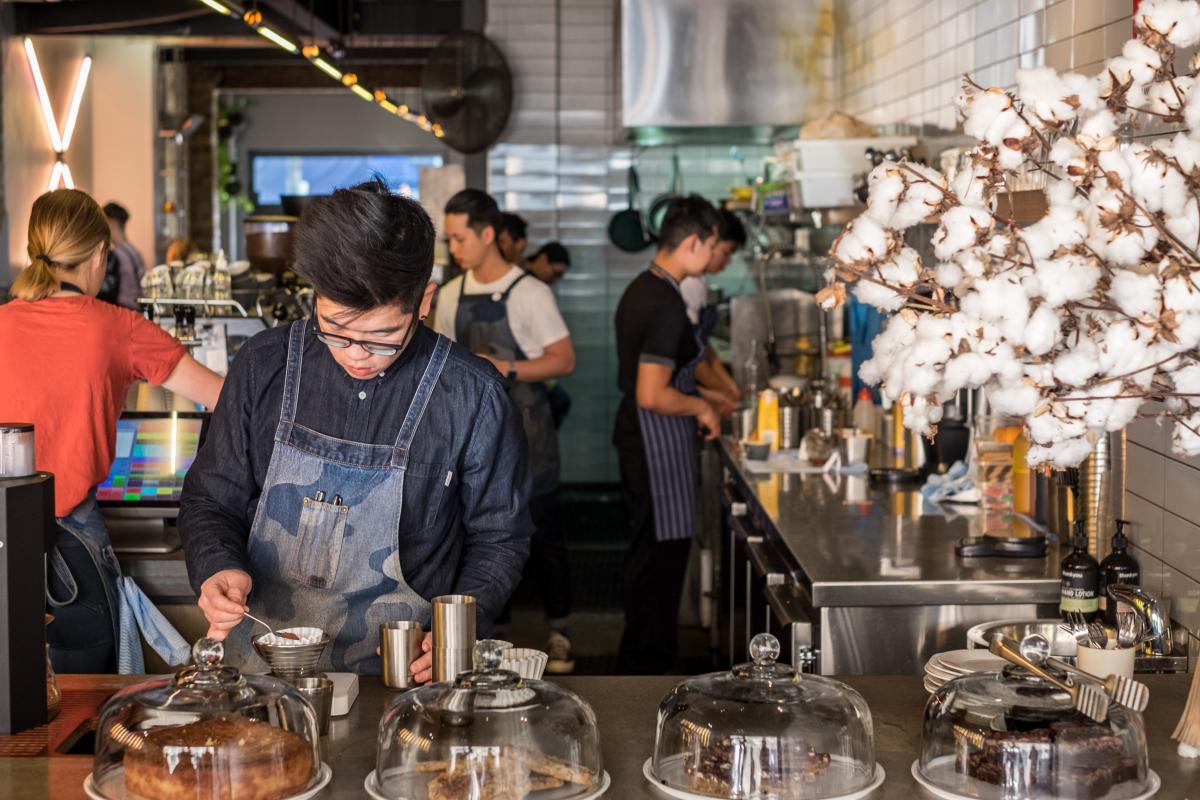
Blog main image
Employer Branding für Hotels
Paragraphs

The MA people vision - our ultimate goal - is to make this world a happier place through happier huMAns – hoteliers, guests, employees and partners alike. Therefore, we put people at the centre of everything we do, including this blog post, which is why we’re writing about employer branding - a topic that’s becoming increasingly more popular within the hospitality industry and among our clients. 

Before we start off with our employer branding MAdvices, let’s make sure we are all on the same (web-) page and establish what employer branding is all about. 

The German Employer Branding Academy DEBA defines it as following: ​“Employer branding is the identity-based, internally and externally effective development and positioning of a company as a credible and attractive employer. The core of employer branding is always an employer brand strategy that specifies or adapts the corporate brand. Development, implementation and measurement of this strategy aim directly at the sustainable optimization of employee recruitment, employee retention, motivation and corporate culture as well as the improvement of the corporate image. In addition, employer branding indirectly increases business results, brand value.” 

Employees come first

​“Clients do not come first. Employees come first.
If you take care of your employees, they will take care of your clients.
 
Richard Branson

We couldn’t agree more with Sir Richard Branson. Your employees are amongst the biggest and most important guarantors to long-term business success. But what if you cannot retain or even find great employees that can take care of your clients? The war for talent, lack of skilled employees and high staff turnover are increasingly becoming key challenges for many hoteliers and general managers in today’s highly competitive hospitality market. 

Therefore, developing and communicating a strong employer brand, both internally and externally, and building out a talent dimension as a key part of the corporate brand, is crucial. As such, a strong employer brand is not only relevant to attract, engage, retain and motivate the best people over the long term, but also to deliver on your overall brand promise. In fact, we, MA people, believe that your hotel brand needs to be seen as ONE overall brand. The employer brand should never be seen disconnected from your corporate brand and the core drivers of your business.

Well-being workplaces are not an employer's charitable attitude,
but first and foremost a commercial calculation.
via @weareMApeople


Making your brand attractive for everyone

Branding is a promise to your CUSTOMERS.
Employer branding is a promise to your current and future EMPLOYEES.
 
Kathryn Minshew

Jobs are becoming products, employers are becoming brands and employees want to be proud of the business they work for, since work is a big part of our lives. An employee’s performance and productivity depends very much on the working conditions. Therefore, “well-being” workplaces are not an employer's charitable attitude, but first and foremost a commercial calculation. Happy employees who trust their employer and perform at the highest standards are crucial to the success of any hospitality business – both economically and in terms of the client experience.

In times of a shortage of skilled employees, a strong employer brand is as important for the attractiveness of a hotel business as the hotel brand itself. It is also another way to stand out from the competition. 

Our five employer branding MAdvices to win your current and future employees’ hearts:

1. Clearly define what values your hotel business represents - your corporate culture, your great-place-to-work message and your employer value proposition: Working environment, career development opportunities, compensation, training, team incentives, workplace design, flexible working hours, chances for lateral entrants/employees, childcare, etc.

2. Define what your unique selling points as an employer are: what distinguishes your business as an employer from other industry players?

3. Define what services and ancillary services you can offer to your employees. Start internally and ask your employees with which services they are happy and what additional services would improve their daily worklife: why should skilled employees apply to your hotel business?

4. Seek cooperation with other hotel businesses or your destination organisation and jointly work on relevant services and incentives for your employees.

5. Professionalise your employee journey management: from application/onboarding to leaving procedure and regularly train, familiarise and get the buy-in of your team via workshops and coaching sessions. Always keep in mind, that your employees are your best brand ambassadors. And unlike your hardware, your competitors can't copy your relationship with your employees and their relationships with your guests!

Now you know WHY employer branding is crucial for your success and why it needs to grow out of your established hotel brand. As always, feel free to share this blog post and don’t forget to let us know your thoughts on hotel employer branding in the comments below. 

Thank you,
Your MA people
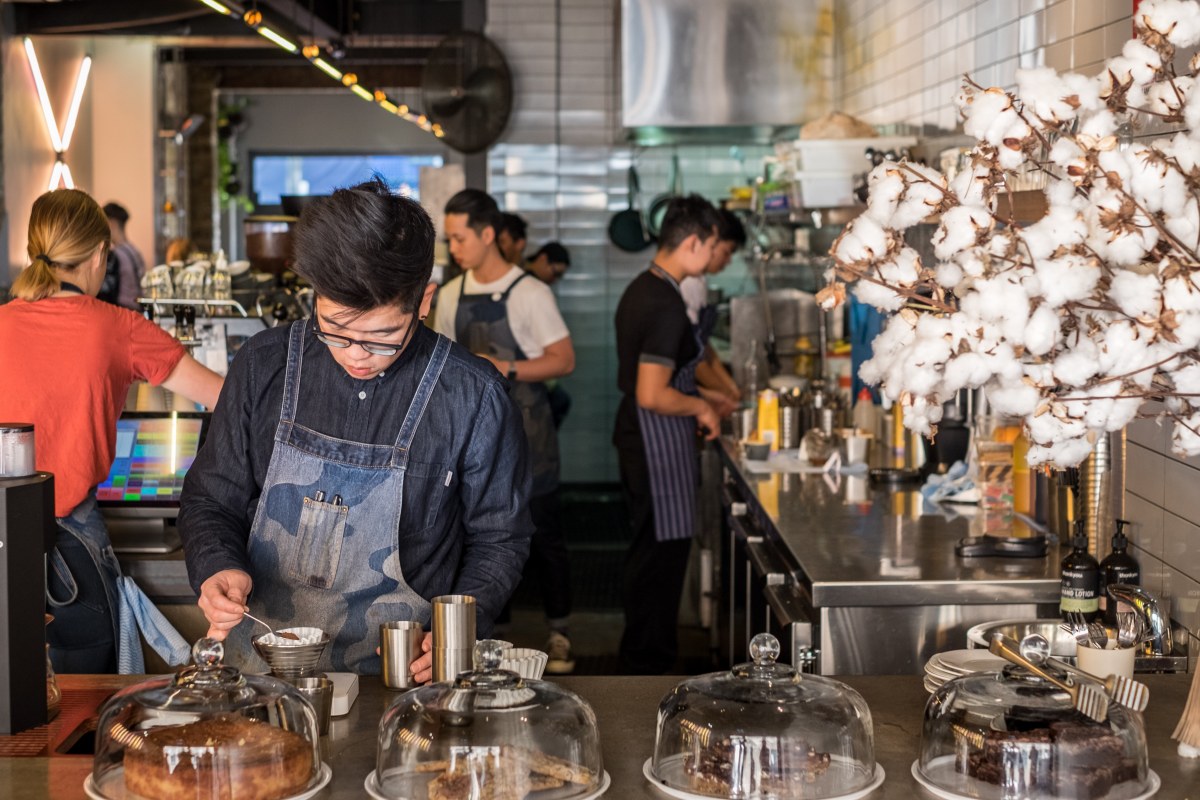
Blog Block Image
Hotel Employer Branding

Add new comment

Comment

Order

Plain text

  • No HTML tags allowed.
  • Lines and paragraphs break automatically.
  • Web page addresses and email addresses turn into links automatically.
Categories
Topics
Types
sharing is caring
Untertitel
Why hotel marketing is the deciding factor nowadays
Blog main image
MAp Boutique Consultancy - Best Hotel Marketing
Paragraphs

A few months ago, we came across the following quote by transformational business coach Bill Baren: “Best marketing beats best product EVERY single time!” Please, stop for a moment and savour every single word of this sentence, because grasping the full implication of this statement might have the power to change your business forever.

What do you think is the most important department of any hotel? Is it the food & beverage department, or housekeeping? Who opts for front office and guest services? And no, all departments are equally important isn't an acceptable answer ;-). We no doubt share the same view as you - that in the long run, a hotel can only be successful if every department performs at the highest standard.

That said, we believe that the most important department of a hotel right now is the marketing department. Why? Because without marketing, you have no guests. And without guests, you have no hotel. 

So, to make sure that your great hotel product attracts not just any guest but the right ones, here are our five hotel MArketing MAdvices to increase the performance and success of your marketing approach.

Without marketing you have no guests.
And without guests, you have no hotel. 
via @weareMApeople


TOP 5 MAdvices:

1 – Have a clear concept

“First the concept, then the rest.”
MA people ;-)

A clearly-defined hotel concept, and derived from it, an equally-clear positioning are the basis for everything – the hotel product development, optimisation and innovation; the menu in your restaurant; the amenities you use in your guest rooms; … AND of course, the marketing strategy you follow.

If you and your marketing team are not 100% clear as to what your hotel and hospitality business stands for – how can you decide where to invest your marketing budget? In our opinion, marketing without a clear concept and message is like driving with your eyes closed!

2 – Know your guests

“When the customer comes first, the customer will last.”
Robert Half

At MAp, we always focus on what drives and generates sales and profits – the people (every … single … time). That’s why we place huMAns at the very heart of everything we do. 

If you are in Munich and have set the objective to reach Zurich the same day by car– would you take the highway to Vienna? Pretty obvious answer, we know. However, have you ever noticed how many hotels say they want to reach affluent guests, but then they buy adverts in magazines read by budget travellers? Or what about the family hotel that invites fashion influencers to stay in their hotel and blog about the spa area?

Hotels have the right to invest their budget how, when and where they want. But by being uncompromising in regards to buyer personas, hotels can influence guest satisfaction and profits. We urge you to take the time to define or redefine your buyer personas in detail. You need to know them by heart, where they live, what newspapers and online forums they read, what is important to them, and what social media channels they are using, etc. Also meticulously research what their problem is = the problem that your hotel solves for them. The answer to this last question will be your main marketing and communication message. 

3 – Define a budget

“You cannot be everything to everyone.
If you decide to go north, you cannot go south at the same time.”
Jeroen De Flander

Once you know your basics, it's important to define your budget. How much are you going to spend on marketing activities in the next year? What is the return that you expect? Always remember, setting aside enough budget for your marketing is important: no marketing = no guests, no guests = no business.

Calculate your budget, divide it into different segments (e.g., how much you plan to spend on online marketing activities, print, social media) and act accordingly.

Once you know your budget, it will be easy to set priorities and to say no to random marketing activities that pop up in your email inbox.

4 – Have a strategy

“Hope is not a strategy.”
Vince Lombardi

A strategy is defined as your plan of action to achieve your goals. This implies that before you define your hotel marketing strategy, you have to define your goals. If you are working with a marketing team, include everyone in this process because it is important that everyone involved buys into your goals and works towards them.

Once defined, create your plan accordingly. Is your main priority to fill rooms during low season or to create attractive premium packages for high season to extend the average length of stay? Is the goal to push direct bookings or to strengthen the sales via external partners? As always, the strategy depends on your concept and the defined buyer personas.

5 – Measure, measure, measure!

“If you can't measure it, you can't improve it.”
Peter Drucker

We want to say right here, right now that one of the biggest lies we hear way too often is that you can’t measure marketing. This simply is not true! But many believe this to be the case. You can already gain a competitive advantage by ignoring this, measuring your impact and learning from the results. It helps you to optimise and to pivot; and in the long run, to budget every year more efficiently, generating more returns. 

Measure every single marketing activity that you do: Did we generate more clicks on our website? How many people followed us on Facebook by running the campaign? How many bookings have been made through the advertised special offer booking code?

So what does great marketing look like? Well, here are two examples of recent hospitality marketing campaigns and initiatives that caught our eye. Have you seen any others? 

Know your guests - niche content by SBE & Morgan’s Originals
Morgan’s Originals hotels are specifically targeted to creatives, as it is a "family" of individual hotels that create a surreal fantasy where anything is possible. Originals bring vision and style together with a spirit filled with magic and illusion. Morgan’s Originals use their online blog "Back of House" to build brand authority and awareness with highly-niche content that is specifically targeted to creatives. It’s more a general lifestyle publication than a brand blog, amongst which you’ll find interviews with people in the art, fashion or music industry. 

Measure, measure, measure! - Marriott’s Moxy tent at Coachella
For the opening of Moxy Times Square, Marriott transformed eight safari tents into hotel rooms during Coachella 2017. Influencers such as Amy Pham and Marriott Rewards members were invited to experience the Moxy tents, which also were a preview of the NYC Times Square property rooms. The campaign proved a huge hit, earning over one billion media impressions, exposure on major media outlets, and a 63% week-on-week boost in Instagram reach.

As always we hope that this blog post is of great help to you. Please feel free to do some marketing for it and share it with your friends - and let us know your opinion in the comments section below!


Blog Block Image
MAp Boutique Consultancy - Best Hotel Marketing

Add new comment

Comment

Order

Plain text

  • No HTML tags allowed.
  • Lines and paragraphs break automatically.
  • Web page addresses and email addresses turn into links automatically.
Types