

sharing is caring
Google Business Profile, website, reviews, OTAs and what the rest of the web says about you. Here is what each one tells the machine, and where the picture usually breaks.
When an AI decides whether to recommend your hotel, it doesn't consult a single source. It assembles a picture from five places at once. Most independent hotels tend carefully to one of them and leave the other four to chance. Here is the full MAp:
1. Your Google Business Profile
This is the closest thing to a source of truth about your hotel – category, address, hours, photos, attributes. AI leans on it heavily, and Google's own AI answers draw review content straight from it. If it is incomplete, out of date, or lists the wrong star category, the machine inherits that error and passes it to the guest.
2. Your website – and whether AI is allowed to read it
Two things matter here. First, whether the AI crawlers can access your site at all; a small number of hotels block them by accident, and then nothing else helps. Second, whether your content is specific. Vague marketing language gives the machine nothing to work with. Concrete detail – location, what makes the experience distinct, clearly answered guest questions – is what gets picked up.
3. Your reviews
Not just the star count, but the words, the recency and how you respond. AI reads reviews as evidence of what you are actually like, and a fresh, specific, well-answered review profile signals a hotel that is active and safe to recommend.
4. Your OTA presence
Your Booking.com and Expedia listings do structural work for your AI visibility whether you like it or not. Nearly half of the sources AI cites about hotels come from OTA content (Hotelrank / Prostay, 2026). The machine reads the OTA to learn your rooms, amenities and review tone – so an inconsistent or thin OTA listing quietly weakens the picture everywhere.
5. What the rest of the web says about you
Beyond your own reviews, AI reads the wider web: travel guides, blog mentions, local directories, press and social posts. These outside voices are what the machine treats as independent proof. When the web describes you the way you describe yourself, AI trusts the picture. When it stays silent, or says something different, AI hedges.

Where the picture cracks
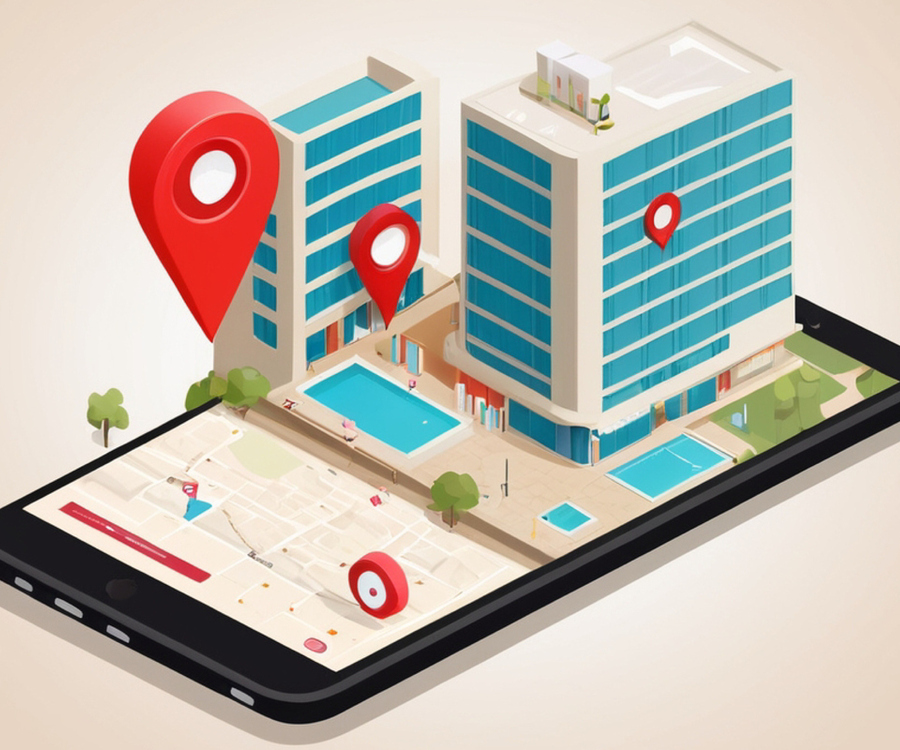
The damage rarely comes from one broken area. It comes from contradiction between them – a different room count on the website than on Booking, a "luxury" positioning in one place and "budget" in another. Inconsistency makes AI hedge, and a hedging machine recommends someone it is more sure about.
The point
AI reads your hotel from five places, and your visibility is only as strong as the agreement between them. You can audit all five yourself with time and patience – or have someone read your hotel the way the machine does and hand you the priorities.
That is precisely what the AI Visibility Coaching delivers: all five areas assessed, one prioritised checklist, and a decision framework you keep for every AI shift that comes next.
This article was written with the support of AI tools. The ideas, decisions and soul behind it are entirely MAp.
 ke time for prosecco ke it happenke it meaningfulke good coffeeke it matterke funny jokeske it kindke it simpleke it count
Sign up for the MAp newsletter for practical insights on hotel branding, marketing, and sustainability, plus fresh thinking from our projects and new tools from our sustainability platform. Let’s move #onwards together.